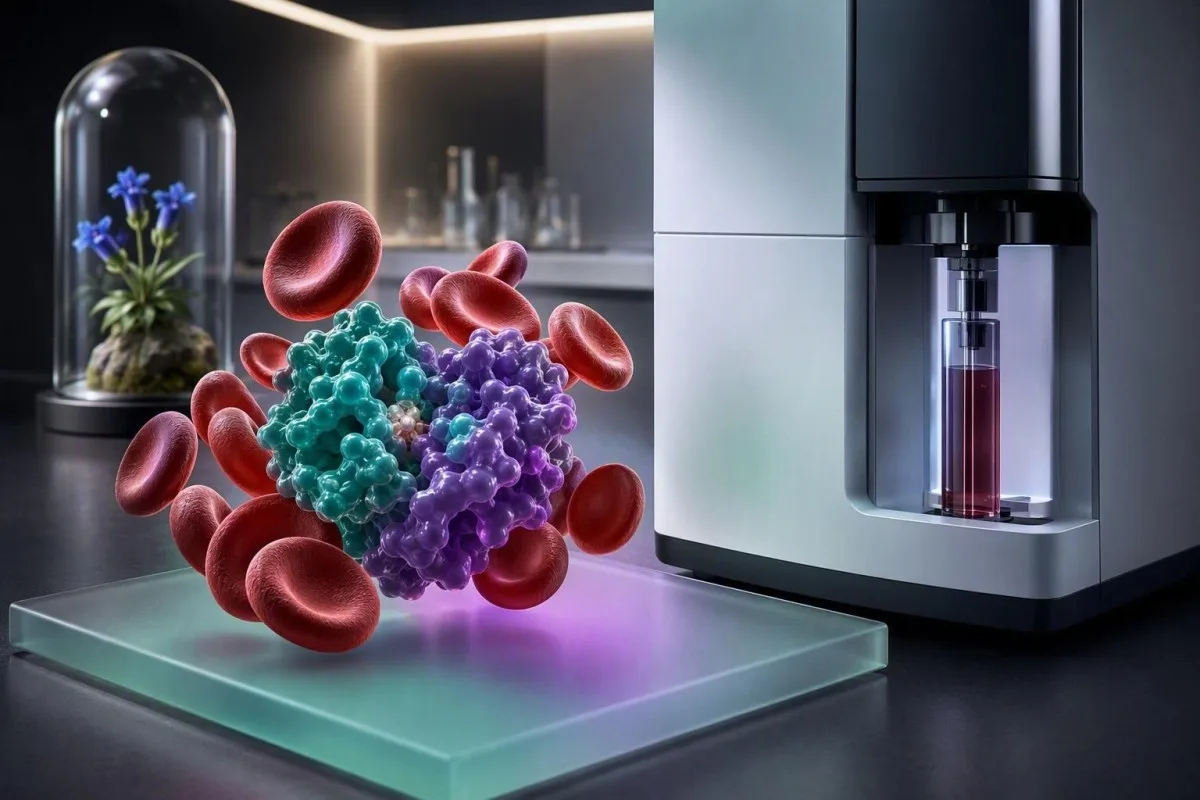
ລະດັບ hemoglobin ສູງເລັກน้อย ມັກຈະເປັນຜົນກະທົບຈາກຄວາມເຂັ້ມຂຸ້ນ, ແຕ່ຜົນການກວດຊໍ້າສາມາດເປີດເຜີຍໄດ້ເຖິງອົກຊີແກນ, ການນອນ, ຢາ, ຫລື ສັນຍານຈາກໄຂກະດູກ. ນີ້ແມ່ນວິທີທີ່ຂ້າພະເຈົ້າແຍກຜົນທີ່ບໍ່ເປັນອັນຕະລາຍຄັ້ງດຽວອອກຈາກຮູບແບບທີ່ສົມຄວນໄດ້ຮັບການກວດສອບຢ່າງຮີບດ່ວນ.


- ຄວາມຫມາຍຂອງ hemoglobin ສູງເລັກນ້ອຍ ຕາມປົກກະຕິສະທ້ອນເຖິງການຂາດນໍ້າ, ການສໍາຜັດກັບລະດັບສູງ, ການສູບຢາ, ຫລື ການຂາດອົກຊີແກນຕໍ່າໃນຕອນກາງຄືນ ແທນທີ່ຈະເປັນມະເຮັງເລືອດ.
- ເຂດຜູ້ໃຫຍ່ ຫມາຍເຖິງ hemoglobin ທີ່ສູງກວ່າ 16.5 g/dL ໃນຜູ້ຊາຍ ຫລື 16.0 g/dL ໃນຜູ້ຍິງ ເມື່ອປະເມີນ Polycythemia Vera ທີ່ເປັນໄປໄດ້.
- ກວດ CBC ຊ້ຳ ຫລັງຈາກການດູດນໍ້າປົກກະຕິ ແລະ 24 ຊົ່ວໂມງ ໂດຍບໍ່ມີການອອກກໍາລັງກາຍຫນັກ ມັກຈະເປັນຂັ້ນຕອນທໍາອິດທີ່ໃຫ້ຂໍ້ມູນທີ່ສຸດ.
- ผลของความสูง ສາມາດຄົງຢູ່ໄດ້ຫລາຍອາທິດຫລັງຈາກເວລາຢູ່ສູງກວ່າປະມານ 2,500 ແມັດ, ໂດຍສະເພາະຫລັງຈາກຢູ່ເປັນເວລາດົນ.
- ສັນຍານ Sleep Apnea ຫມາຍເຖິງ hemoglobin ສູງຢ່າງຕໍ່ເນື່ອງ ພ້ອມກັບການນອນກົນ, ການຢຸດຫາຍໃຈທີ່ເຫັນໄດ້, ອາການເຈັບຫົວໃນຕອນເຊົ້າ, ຫລື ງ້ວງເຫງົາໃນເວລາກາງເວັນ.
- ອາການດ່ວນ ລວມມີອາການເຈັບໜ້າເອິກໃໝ່, ເຈັບເຄິ່ງໜຶ່ງຂອງຮ່າງກາຍ, ເປັນລົມ, ສູນເສຍສາຍຕາ, ຫຼືຫາຍໃຈຝຶດໄດ້ຢ່າງກະທັນຫັນ.
- ການກວດ JAK2 ໂດຍປົກກະຕິແລ້ວແມ່ນສະຫງວນໄວ້ສຳລັບການເພີ່ມຂຶ້ນຢ່າງຕໍ່ເນື່ອງ ຫຼັງຈາກໄດ້ປະເມີນສາເຫດທີ່ກ່ຽວຂ້ອງ ແລະປັດໄຈຂາດອົກຊີແຊນແລ້ວ.
- ທິດທາງການປ່ຽນແປງສຳຄັນ ຫຼາຍກວ່າຈຳນວນທີ່ຕິດທຸງໜຶ່ງເທື່ອ ເພາະວ່າແຕ່ລະຫ້ອງທົດລອງໃຊ້ຊ່ວງອ້າງອິງ ແລະວິທີການວິເຄາະຂອງຕົນເອງ.
ຜົນການກວດ hemoglobin ສູງເລັກน้อย ຕາມປົກກະຕິຫມາຍຄວາມວ່າແນວໃດ
ລະດັບ hemoglobin ທີ່ເພີ່ມຂຶ້ນເລັກນ້ອຍ ໂດຍປົກກະຕິໝາຍຄວາມວ່າສ່ວນຂອງແຫຼວໃນຕົວຢ່າງຕ່ຳຊົ່ວຄາວ ຫຼືຮ່າງກາຍໄດ້ປັບຕົວເຂົ້າກັບອົກຊີແຊນທີ່ຕ່ຳລົງ; ຜົນໄດ້ຮັບໜຶ່ງຄັ້ງທີ່ຢູ່ເຂດຊາຍແດນໜ້ອຍຄັ້ງທີ່ເຮັດໃຫ້ເກີດພະຍາດ. ການກວດເລືອດຄົບຖ້ວນ, ຫຼື CBC, ຊ້ຳອີກພາຍໃຕ້ສະພາບປົກກະຕິ ຈະແຍກການເພີ່ມຂຶ້ນຊົ່ວຄາວຫຼາຍຄັ້ງອອກຈາກການເພີ່ມຂຶ້ນຂອງເມັດເລືອດແດງຢ່າງຕໍ່ເນື່ອງ.
Hemoglobin ແມ່ນໂປຣຕີນບັນທຸກອົກຊີແຊນພາຍໃນເມັດເລືອດແດງ, ລາຍງານເປັນກຼາມຕໍ່ເດຊິລິດ, ຫຼື g/dL. ໃນທາງປະຕິບັດ, ຜົນໄດ້ຮັບ 17.0 g/dL ໃນຜູ້ຊາຍທີ່ມີອາການຮາກ ແລະດື່ມນ້ຳໜ້ອຍໜຶ່ງແມ່ນບັນຫາທາງການແພດທີ່ແຕກຕ່າງກັນຫຼາຍຈາກ 17.0 g/dL ຈາກສາມຕົວຢ່າງທີ່ໄດ້ຮັບນ້ຳຢ່າງດີຫ່າງກັນຫົກເດືອນ.
ຄວາມໝາຍຂອງ hemoglobin ຢູ່ເຂດຊາຍແດນແມ່ນຂຶ້ນກັບ hematocrit, ຈຳນວນເມັດເລືອດແດງ, ປະລິມາດ corpuscular ສະເລ່ຍ, ປະຫວັດອົກຊີແຊນ, ຢາ, ແລະຊ່ວງຫ້ອງທົດລອງທີ່ພິມຢູ່ຂ້າງຜົນໄດ້ຮັບ. ສຳລັບການທົບທວນຄວາມໝາຍຂອງ HGB ທີ່ເປັນພາສາທົ່ວໄປໃນ CBC, ເບິ່ງ ຄູ່ມືຜົນໄດ້ຮັບ hemoglobin.
ເມື່ອຂ້ອຍທົບທວນຊຸດຂໍ້ມູນ, ຂ້ອຍຊອກຫາອັດຕາສ່ວນຫຼາຍກວ່າຄວາມຕົກໃຈ. Hemoglobin ສູງທີ່ມາພ້ອມກັບ albumin ສູງ, ໂປຣຕີນທັງໝົດສູງ, ແລະປັດສະວະເຂັ້ມຂຸ້ນ ຊີ້ໃຫ້ເຫັນເຖິງການສູນເສຍນ້ຳ; hemoglobin ສູງທີ່ມາພ້ອມກັບເຄື່ອງໝາຍການໃຫ້ຄວາມຊຸ່ມຊື່ນປົກກະຕິ ແລະຈຳນວນเกล็ดเลือดເພີ່ມຂຶ້ນ ກະຕຸ້ນໃຫ້ມີການກວດສອບທີ່ລະອຽດກວ່າ.
ແຄນເທສຕີ ເປັນ AI ເຄື່ອງວິເຄາະເລືອດ ທີ່ອ່ານ hemoglobin ຄຽງຄູ່ກັບ hematocrit, ດັດຊະນີເມັດເລືອດແດງ, ເຄື່ອງໝາຍไต, ແລະ CBC ກ່ອນໜ້າ ນີ້ ແທນທີ່ຈະຖືວ່າທຸງສູງໜຶ່ງອັນເປັນການວິນິດໄສ. ຄູ່ມືອ້າງອີງ biomarker ຊ່ວຍອະທິບາຍວ່າເປັນຫຍັງຊ່ວງຫ້ອງທົດລອງຈຶ່ງເປັນພຽງຈຸດເລີ່ມຕົ້ນເທົ່ານັ້ນ.
ລະດັບ hemoglobin: ເປັນຫຍັງເພດ, ລະດັບສູງ ແລະຫ້ອງທົດລອງຈຶ່ງສຳຄັນ
ຊ່ວງ hemoglobin ປົກກະຕິສຳລັບຜູ້ໃຫຍ່ໃນລະດັບນ້ຳທະເລແມ່ນປະມານ 13.5 ຫາ 17.5 g/dL ສຳລັບຜູ້ຊາຍ ແລະ 12.0 ຫາ 15.5 g/dL ສຳລັບແມ່ຍິງທີ່ບໍ່ໄດ້ຖືພາ, ເຖິງແມ່ນວ່າຊ່ວງຫ້ອງທົດລອງທ້ອງຖິ່ນຈະແຕກຕ່າງກັນ. ທຸງພຽງແຕ່ສູງກວ່າຂອບເຂດເທິງສຸດບໍ່ໄດ້ເປັນອັນຕະລາຍທາງຄລີນິກໂດຍອັດຕະໂນມັດ.
ກອບການວິນິດໄສໂລກເລືອດຈາງຂອງອົງການອนามัยໂລກ ບໍ່ໄດ້ຖືກອອກແບບມາເພື່ອ ກຳນົດຂອບເຂດ hemoglobin ສູງສຸດທຸກຄັ້ງ, ແລະຂອບເຂດເທິງສຸດແຕກຕ່າງກັນຫຼາຍຕາມຫ້ອງທົດລອງ. ບາງຫ້ອງທົດລອງໃນເອີຣົບໃຊ້ຂອບເຂດອ້າງອິງເທິງສຸດສຳລັບແມ່ຍິງໃກ້ຄຽງ 15.7 g/dL, ໃນຂະນະທີ່ບາງຫ້ອງໃຊ້ 16.0 g/dL; ທັງສອງອາດຈະຖືກຕ້ອງຕາມເຕັກນິກເມື່ອອີງໃສ່ປະຊາກອນທ້ອງຖິ່ນ ແລະການວິເຄາະຂອງເຂົາເຈົ້າ.
ເງື່ອນໄຂຂອງອົງການອนามัยໂລກ ປີ 2016 ທີ່ໃຊ້ໃນການປະເມີນ myeloproliferative-neoplasm ຖືວ່າ hemoglobin ສູງກວ່າ 16.5 g/dL ໃນຜູ້ຊາຍ ຫຼື 16.0 g/dL ໃນຜູ້ຍິງ ເປັນໜຶ່ງໃນເງື່ອນໄຂຫຼັກທີ່ເປັນໄປໄດ້ສຳລັບ polycythemia vera, ແຕ່ເງື່ອນໄຂນັ້ນຕ້ອງໄດ້ລວມກັບຫຼັກຖານຈາກໄຂກະດູກ, JAK2, ຫຼື erythropoietin (Arber et al., 2016). ມັນເປັນຕົວກະຕຸ້ນສຳລັບການຄິດວິເຄາະທາງຄລີນິກ, ບໍ່ແມ່ນການວິນິດໄສທີ່ເຈົ້າສາມາດເຮັດໄດ້ຈາກທຸງໃນພອດເທົ່ານັ້ນ.
ການຖືພາປ່ຽນແປງຮູບພາບໃນທິດທາງກົງກັນຂ້າມ ເພາະວ່າປະລິມານ plasma ເພີ່ມຂຶ້ນຢ່າງຫຼວງຫຼາຍ, ມັກຈະເຮັດໃຫ້ hemoglobin ທີ່ວັດແທກໄດ້ຫຼຸດລົງ 1 ຫາ 2 g/dL. ເດັກນ້ອຍ, ໄວລຸ້ນ, ແລະຜູ້ຄົນທີ່ອາໄສຢູ່ເທິງທີ່ສູງຕ້ອງການຊ່ວງການປຽບທຽບທີ່ເໝາະສົມກັບອາຍຸ ແລະສະພາບແວດລ້ອມ; ຄຳອະທິບາຍຂອງພວກເຮົາກ່ຽວກັບ ຊ່ວງຫ້ອງທົດລອງຕາມເພດ ກວມເອົາວ່າເປັນຫຍັງເປົ້າໝາຍທົ່ວໄປຈຶ່ງສາມາດເຮັດໃຫ້ເຂົ້າໃຈຜິດໄດ້.
ຄວາມເຂັ້ມຂຸ້ນຊົ່ວຄາວທຽບກັບການເພີ່ມຂຶ້ນທີ່ແທ້ຈິງຂອງເມັດເລືອດແດງ
Relative erythrocytosis ໝາຍເຖິງ hemoglobin ທີ່ເບິ່ງຄືວ່າສູງຍ້ອນວ່າ plasma water ຫຼຸດລົງ, ໃນຂະນະທີ່ absolute erythrocytosis ໝາຍເຖິງ total red-cell mass ທີ່ເພີ່ມຂຶ້ນແທ້. ຜົນໄດ້ຮັບທີ່ຈຳກັດສ່ວນຫຼາຍທີ່ຂ້ອຍເຫັນແມ່ນ relative ຈົນກວ່າການທົດສອບຊ້ຳພິສູດເປັນຢ່າງອື່ນ.
ການສູນເສຍນໍ້າ 1 ຫາ 2 ກິໂລຈາກໄຂ້, ທ້ອງເສຍ, ເຫື່ອອອກຫຼາຍ, ຢາຂັບປັດສະວະ, ຫຼືການເດີນທາງໄກສາມາດເຮັດໃຫ້ CBC ເຂັ້ມຂຸ້ນພໍທີ່ຈະເກີນເງື່ອນໄຂຫ້ອງທົດລອງ. Hematocrit ແລະ hemoglobin ມັກຈະເພີ່ມຂຶ້ນຮ່ວມກັນ, ໃນຂະນະທີ່ urea ຫຼື BUN ອາດຈະເພີ່ມຂຶ້ນບໍ່ສົມສ່ວນຖ້າການຂາດນ້ຳຮຸນແຮງ.
ຜົນການວິເຄາະທາດໂປຼຕີນສາມາດເປັນການກວດສອບທີ່ເປັນປະໂຫຍດ: ລະດັບ albumin ຫຼືທາດໂປຼຕີນທັງໝົດສູງຮ່ວມກັບລະດັບ hemoglobin ສູງສະໜັບສະໜູນ hemoconcentration, ເຖິງວ່າບໍ່ມີການຄົ້ນພົບໃດໆກໍ່ຕາມ. ຄູ່ມືຂອງພວກເຮົາໄປສູ່ ຮູບແບບ hematocrit ສູງ ອະທິບາຍວ່າເປັນຫຍັງການວັດແທກ CBC ສອງຄັ້ງຄວນອ່ານຮ່ວມກັນ.
Absolute erythrocytosis ພົບເຫັນໜ້ອຍກວ່າ ແລະ ອາດເປັນ secondary ຕໍ່ກັບ oxygen ຕ່ຳ, erythropoietin ຫຼາຍເກີນໄປ, ຢາບາງຊະນິດ, ຫຼື ສະພາບຂອງໄຂກະດູກ. ການວັດແທກ red-cell mass ຢ່າງເປັນທາງການມີຢູ່ແຕ່ດຽວນີ້ບໍ່ຄ່ອຍໄດ້ໃຊ້ເປັນການທົດສອບທຳອິດ ເພາະ CBC, ການປະເມີນ oxygen, erythropoietin, ແລະ molecular testing ໂດຍທົ່ວໄປແລ້ວຈະຕອບຄຳຖາມທາງຄລີນິກໄດ້.
ວິທີການກະກຽມສໍາລັບການກວດ hemoglobin ຊໍ້າ
ເຮັດຊ້ຳ hemoglobin ທີ່ສູງໃນລະດັບຂອບເຂດເມື່ອທ່ານມີສຸຂະພາບດີ, ໄດ້ຮັບນໍ້າຢ່າງພຽງພໍ, ແລະບໍ່ມີການສູນເສຍນໍ້າຢ່າງຮຸນແຮງ; ແພດຫຼາຍຄົນເລືອກ 2 ຫາ 4 ອາທິດສໍາລັບການເຮັດຊ້ຳແບບປົກກະຕິ. ຢ່າດື່ມນ້ຳຫຼາຍເກີນໄປໂດຍເຈດຕະນາ, ເພາະວ່າການດື່ມນ້ຳຫຼາຍເກີນໄປສາມາດເຮັດໃຫ້ເກີດການບິດເບືອນທີ່ກົງກັນຂ້າມໄດ້.
ເປັນເວລາ 24 ຊົ່ວໂມງກ່ອນໜ້າ, ດື່ມນ້ຳໃນປະລິມານປົກກະຕິຂອງທ່ານ, ຫຼີກລ່ຽງການອອກກຳລັງກາຍທີ່ໜັກຫຼາຍເປັນພິເສດ, ແລະຫຼີກລ່ຽງການອາບນ້ຳຮ້ອນ ຫຼືການสัมผัสຄວາມຮ້ອນຖ້າເປັນໄປໄດ້. ການແລ່ນມາຣາທອນ, ການອອກກຳລັງກາຍ CrossFit ທີ່ເຂັ້ມຂຸ້ນ, ຫຼືມື້ໜຶ່ງຂອງການເຮັດວຽກດ້ວຍຕົນເອງໜັກໆສາມາດປ່ຽນແປງປະລິມານ plasma ໄດ້ຊົ່ວຄາວ; ຫຼັກການດຽວກັນອະທິບາຍການປ່ຽນແປງບາງຢ່າງທີ່ເຫັນໃນ ການກວດເລືອດຂອງນັກກິລາ.
ບອກແພດກ່ຽວກັບອາການຖອກທ້ອງ, ຮາກ, ໄຂ້, ການເດີນທາງໄປໃນລະດັບສູງເມື່ອບໍ່ດົນມານີ້, ການສູບຢາ ຫຼື ການໃຊ້ຢາສູບ, testosterone, ຢາຂັບປັດສະວະ, ແລະຢາເບົາຫວານ SGLT2. ລາຍລະອຽດເຫຼົ່ານີ້ປ່ຽນແປງການຕີລາຄາຫຼາຍກ່ວາສະຖານະການອົດອາຫານ, ເພາະວ່າໂດຍທົ່ວໄປແລ້ວການອົດອາຫານບໍ່ຈຳເປັນສຳລັບ CBC ເວັ້ນເສຍແຕ່ການກວດສອບອື່ນໆທີ່ສັ່ງຕ້ອງການ.
ພະຍາຍາມໃຊ້ຫ້ອງທົດລອງດຽວກັນ ແລະ ເວລາທີ່ຄ້າຍຄືກັນຂອງມື້ເມື່ອຕິດຕາມການປ່ຽນແປງເລັກນ້ອຍເຊັ່ນ 16.1 ຫາ 16.7 g/dL. ການປ່ຽນແປງທາງຊີວະພາບ ແລະການປ່ຽນແປງຂອງເຄື່ອງວິເຄາະແມ່ນມີຢູ່ຈິງ; our ຄູ່ມືການຕີລາຄາການທົດສອບເລືອດ ອະທິບາຍວ່າເປັນຫຍັງຄວາມແຕກຕ່າງທາງຕົວເລກຈຶ່ງບໍ່ແມ່ນການປ່ຽນແປງທາງຊີວະພາບສະເໝີໄປ.
ລະດັບສູງສາມາດເພີ່ມ hemoglobin ໄດ້ດົນຫລັງຈາກການເດີນທາງ
ການອາໄສຢູ່ ຫຼື ການໃຊ້ເວລາດົນໃນລະດັບສູງເຮັດໃຫ້ hemoglobin ສູງຂຶ້ນ ເພາະຄວາມກົດດັນຂອງອົກຊີເຈນຕ່ຳກະຕຸ້ນການຜະລິດ erythropoietin ໃນไต. ຜົນກະທົບຈະສັງເກດເຫັນໄດ້ຫຼາຍທີ່ສຸດໃນລະດັບສູງກວ່າ 2,500 ແມັດ ແລະ ອາດຈະບໍ່ກັບຄືນສູ່ສະພາບປົກກະຕິທັນທີຫຼັງຈາກກັບຄືນສູ່ລະດັບນ້ຳທະເລ.
ການເດີນທາງໄປສະກີໃນທ້າຍອາທິດມີແນວໂນ້ມທີ່ຈະອະທິບາຍການເພີ່ມຂຶ້ນຢ່າງຫຼວງຫຼາຍໜ້ອຍກວ່າຫຼາຍອາທິດໃນລະດັບສູງ, ແຕ່ການຕອບສະໜອງຂອງແຕ່ລະຄົນແຕກຕ່າງກັນຢ່າງຫຼວງຫຼາຍ. ຈາກປະສົບການຂອງຂ້ອຍ, ຄົນເຈັບມັກລືມກ່າວເຖິງການໝູນວຽນວຽກ, ການຝຶກອົບຮົມໃນລະດັບສູງ, ຫຼືການຍ้ายຖິ່ນຖານເມື່ອບໍ່ດົນມານີ້ ເພາະເຂົາເຈົ້າບໍ່ໄດ້ຖືວ່າການເດີນທາງເປັນການสัมผัสຫ້ອງທົດລອງ.
ຜູ້ທີ່ອາໄສຢູ່ເຂດສູງອາດມີຄ່າພື້ນຖານທີ່ຢູ່ນອກລະດັບອ້າງອີງຂອງລະດັບນໍ້າທະເລ ໂດຍບໍ່ມີຄວາມຜິດປົກກະຕິຂອງໄຂກະດູກ. ຄໍາຖາມທີ່ກ່ຽວຂ້ອງແມ່ນວ່າຄ່ານັ້ນມີຄວາມໝັ້ນຄົງສໍາລັບບຸກຄົນນັ້ນຫຼືບໍ່ ແລະອາການຕ່າງໆເຊັ່ນ: ເຈັບຫົວ, ຄວາມອົດທົນຕໍ່ການອອກກໍາລັງກາຍຫຼຸດລົງ, ຫຼືການນອນຫຼັບຂັດຈັງຫວະ ຊີ້ໃຫ້ເຫັນເຖິງຄວາມກົດດັນຈາກການຂາດອົກຊີເຈນຫຼາຍເກີນໄປ.
ຢ່າພະຍາຍາມຫຼຸດລະດັບ hemoglobin ທີ່ກ່ຽວຂ້ອງກັບລະດັບຄວາມສູງດ້ວຍຢາ aspirin ທີ່ບໍ່ໄດ້ສັ່ງໂດຍທ່ານໝໍ ຫຼືການບໍລິຈາກເລືອດ. ແພດຄວນຕັດສິນກ່ອນວ່າການເພີ່ມຂຶ້ນນັ້ນແມ່ນການປັບຕົວທີ່ຄາດຫວັງ; ການທົບທວນທີ່ສຸມໃສ່ຂອງພວກເຮົາກ່ຽວກັບ hemoglobin ຫຼັງຈາກລະດັບຄວາມສູງ ສະເໜີເວລາການກວດຄືນທີ່ໃຊ້ໄດ້.
ການສູບຢາ, ຄາບອນ ໂມໂນໄດອອກໄຊ ແລະ Hemoglobin ສູງ
ການສູບຢາສາມາດເພີ່ມ hemoglobin ໄດ້ເນື່ອງຈາກຄາບອນມອນອກໄຊด์ຫຼຸດຜ່ອນການສົ່ງອົກຊີເຈນທີ່ມີປະສິດທິພາບ ແລະ ສົ່ງສັນຍານໃຫ້ຮ່າງກາຍຜະລິດເມັດເລືອດແດງຫຼາຍຂຶ້ນ. Pulse oximetry ອາດຈະເບິ່ງຄືວ່າເປັນປົກກະຕິ ຫຼືສູງຜິດປົກກະຕິໃນການสัมผัสຄາບອນມອນອກໄຊด์, ດັ່ງນັ້ນການອ່ານຄ່າອົກຊີເຈນຢູ່ເຮືອນທີ່ເປັນປົກກະຕິບໍ່ໄດ້ຍົກເວັ້ນກົນໄກນີ້.
ຢາສູບທີ່ເຜົາໄໝ້ເປັນສາເຫດທີ່ຊັດເຈນທີ່ສຸດ, ແຕ່ການสัมผัสຖ່ານ, ເຄື່ອງໃຊ້ໄຟຟ້າທີ່ລະບາຍອາກາດບໍ່ດີ, ແລະສະຖານທີ່ເຮັດວຽກບາງແຫ່ງກໍ່ສໍາຄັນເຊັ່ນກັນ. ການສູບຢາໄຟຟ້າໂດຍທົ່ວໄປບໍ່ໄດ້ຜະລິດຄາບອນມອນອກໄຊด์ໃນລະດັບດຽວກັບຢາສູບ, ແຕ່ການນອນຫຼັບຂັດຈັງຫວະທີ່ກ່ຽວຂ້ອງກັບນິໂຄຕິນ ແລະການໃຊ້ສອງຢ່າງແມ່ນທົ່ວໄປພໍທີ່ຂ້ອຍຈະຖາມກ່ຽວກັບທັງສອງຢ່າງແທນທີ່ຈະຖືວ່າອັນໜຶ່ງຍົກເວັ້ນອີກອັນໜຶ່ງ.
ການວັດແທກ co-oximetry ທາງເສັ້ນເລືອດດຳ ຫຼືເສັ້ນເລືອດແດງ ສາມາດລະບຸ carboxyhemoglobin ໄດ້ເມື່ອການสัมผัสເປັນໄປໄດ້. Carboxyhemoglobin ມັກຈະຕໍ່າກວ່າ 2% ໃນຄົນທີ່ບໍ່ສູບຢາ ແລະອາດຈະຮອດ 5% ຫາ 10% ໃນຄົນສູບຢາເປັນປະຈໍາ, ເຖິງແມ່ນວ່າເວລາຫຼັງຈາກຢາສູບຄັ້ງສຸດທ້າຍປ່ຽນແປງຜົນໄດ້ຢ່າງຫຼວງຫຼາຍ.
ການເພີ່ມຂຶ້ນຢ່າງຕໍ່ເນື່ອງຫຼັງຈາກການເຊົາສູບຢາສົມຄວນໄດ້ຮັບການປະເມີນຄືນໃໝ່ ແທນທີ່ຈະເປັນການຖືເອົາແບບບໍ່ເປັນທາງການວ່າ ມັນຍັງກ່ຽວຂ້ອງກັບຢາສູບ. ອາການຫາຍໃຈສັ້ນ, ເຈັບຫນ້າอก, ຫຼືຫອບຫືດ ໃໝ່ຄວນໄດ້ຮັບການປະເມີນທາງຄລີນິກ; แนวทางการตรวจเลือดเมื่อหายใจถี่ ອະທິບາຍວ່າຜົນໄດ້ຮັບໃດທີ່ສາມາດເພີ່ມສະພາບແວດລ້ອມໄດ້.
Sleep Apnea: ສາເຫດໃນຕອນກາງຄືນທີ່ມັກຖືກລືມ
ໂຣກหยุดหายใจขณะหลับจากการอุดกั้น (obstructive sleep apnea) ສາມາດເຮັດໃຫ້ລະດັບ hemoglobin ເພີ່ມຂຶ້ນເລັກນ້ອຍຢ່າງຕໍ່ເນື່ອງ ຜ່ານການຫຼຸດລົງຂອງອົກຊີເຈນໃນຕອນກາງຄືນຊ້ຳໆ, ໂດຍສະເພາະເມື່ອມີອາການເມື່ອຍລ້າໃນຕອນກາງເວັນ ແລະການສູບຢາສຽງດັງ. ການເພີ່ມຂຶ້ນໂດຍສະເລี่ย ໂດຍທົ່ວໄປແລ້ວແມ່ນບໍ່ຫຼາຍ, ດັ່ງນັ້ນຄ່າທີ່ສູງຫຼາຍບໍ່ຄວນຖືກຕຳໜິວ່າເປັນໂຣກหยุดหายใจขณะหลับจากการอุดกั้น ໂດຍບໍ່ໄດ້ກວດເບິ່ງສາເຫດອື່ນໆ.
ກຸ່ມອາການທີ່ເປັນປະໂຫຍດຄື: ການສູບຢາສຽງດັງເປັນປະຈຳ, ການຢຸດຫາຍໃຈທີ່ສັງເກດເຫັນ, ການຕື່ນຂຶ້ນໂດຍບໍ່ສົດຊື່ນ, ເຈັບຫົວໃນຕອນເຊົ້າ, ຄວາມດັນເລືອດສູງທີ່ປິ່ນປົວໄດ້ຍາກ, ແລະອາການງ່ວງນອນໃນຂະນະຂັບລົດ ຫຼື ນັ່ງຢ່າງງຽບໆ. ຂະໜາດຄໍ ແລະ ນໍ້າໜັກໂຕ ສາມາດເພີ່ມຄວາມສ່ຽງໄດ້, ແຕ່ຄົນຜອມບາງ ແລະ ຜູ້ຍິງຫຼັງໝົດປະຈໍາເດືອນ ກໍ່ສາມາດເປັນໂຣກหยุดหายใจขณะหลับจากการอุดกั้น ທີ່ສຳຄັນທາງຄລີນິກໄດ້ເຊັ່ນກັນ.
ການທົບທວນຢ່າງເປັນລະບົບປີ 2022 ພົບວ່າ ໂຣກหยุดหายใจขณะหลับจากการอุดกั้น ມີຄວາມກ່ຽວຂ້ອງກັບ hematocrit ທີ່ສູງຂຶ້ນ, ແຕ່ ภาวะเม็ดเลือดแดงมากผิดปกติ (erythrocytosis) ທີ່ສຳຄັນທາງຄລີນິກບໍ່ແມ່ນເລື່ອງປົກກະຕິ ແລະ ສ່ວນຫຼາຍກ່ຽວຂ້ອງກັບພະຍາດທີ່ຮຸນແຮງ (Martelli et al., 2022). ຄວາມແຕກຕ່າງນັ້ນສຳຄັນ: hemoglobin 18.5 g/dL ຈຳເປັນຕ້ອງໄດ້ຮັບການປະເມີນທີ່ກວ້າງຂວາງ ເຖິງແມ່ນວ່າບາງຄົນຈະສູບຢາກໍ່ຕາມ.
ແຄນເທສຕີ ເປັນ ແພລດຟອມການຕີຄວາມໝາຍ biomarker ຂອງ AI ທີ່ສາມາດຊີ້ບອກການປະສົມປະສານຂອງ hemoglobin ສູງຊ້ຳໆ, hematocrit ສູງ, ແລະອາການ metabolic ຫລື ຄວາມດັນເລືອດ ສໍາລັບການຕິດຕາມຂອງແພດ. ການນອນບໍ່ດີ ສາມາດປ່ຽນແປງໄດ້ຫຼາຍກວ່າ CBC, ດັ່ງທີ່ໄດ້ອະທິບາຍໄວ້ໃນ ການທົບທວນຜົນການນອນຫລັບ ແລະ ຜົນຫ້ອງທົດລອງ.
ຢາ, Testosterone ແລະອາຫານເສີມທີ່ສາມາດເພີ່ມ Hemoglobin
ການປິ່ນປົວດ້ວຍ testosterone ເປັນສາເຫດທົ່ວໄປທີ່ກ່ຽວຂ້ອງກັບຢາ ຂອງ hemoglobin ສູງເນື່ອງຈາກມັນກະຕຸ້ນ erythropoiesis ແລະ ອາດຈະຫຼຸດ hepcidin, ເພີ່ມທາດເຫຼັກທີ່ມີຢູ່. ສູດການສັກໂດຍທົ່ວໄປເຮັດໃຫ້ເກີດຄ່າສູງກວ່າທາງເລືອກ transdermal ປະຈໍາວັນ.
The Endocrine Society ແນະນໍາໃຫ້ກວດ hematocrit ຢູ່ທີ່ຄ່າພື້ນຖານ, ຫຼັງຈາກການປິ່ນປົວດ້ວຍ testosterone 3 ຫາ 6 ເດືອນ, ແລະຈາກນັ້ນປະຈໍາປີ; hematocrit ສູງກວ່າ 54% ໂດຍທົ່ວໄປແລ້ວ ຮຽກຮ້ອງໃຫ້ຢຸດການປິ່ນປົວ ແລະ ປະເມີນ ภาวะขาดออกซิเจน (hypoxia) ທີ່ປະກອບສ່ວນ ຫຼື ໂຣກหยุดหายใจขณะหลับจากการอุดกั้น. ແຜນການເລີ່ມຕົ້ນຄືນໃໝ່ທີ່ແນ່ນອນຄວນໄດ້ຮັບການປັບແຕ່ງເປັນສ່ວນບຸກຄົນໂດຍແພດຜູ້ສັ່ງຢາ.
ຢາ SGLT2 inhibitors ທີ່ໃຊ້ສໍາລັບພະຍາດເບົາຫວານ, ຫົວໃຈລົ້ມເຫຼວ, ແລະພະຍາດไต ສາມາດເພີ່ມ hematocrit ໄດ້ຫຼາຍເປີເຊັນ ໂດຍຜ່ານການປ່ຽນແປງຂອງ plasma-volume ແລະກົນໄກທີ່ກ່ຽວຂ້ອງກັບ erythropoietin. ຢາຂັບປັດສະວະສາມາດເຮັດໃຫ້ຕົວຢ່າງເຂັ້ມຂຸ້ນ, ໃນຂະນະທີ່ການສັກ erythropoietin ແລະການໃຊ້ຢາ anabolic-androgenic steroid ສາມາດຜະລິດການເພີ່ມຂຶ້ນຂອງເມັດເລືອດແດງທີ່ແທ້ຈິງ.
ຢ່າຢຸດການປິ່ນປົວຕາມຄໍາສັ່ງ ພຽງແຕ່ຍ້ອນຜົນດຽວ, ແຕ່ ນໍາລາຍຊື່ຢາ ແລະ ອາຫານເສີມທີ່ແນ່ນອນມາທົບທວນ. ເວລາມີຄວາມສໍາຄັນ ໂດຍສະເພາະສໍາລັບຜູ້ໃຊ້ຮໍໂມນ; ເບິ່ງຄູ່ມືຂອງພວກເຮົາໄປຍັງ ໄລ فترةการติดตามระดับเทสโทสเตอโรน.
ເມື່ອສະພາບປອດ, ຫົວໃຈ ຫລື ໝາກໄຂ່ຫລັງຕ້ອງການການພິຈາລະນາ
ภาวะฮีโมโกลบินสูงอย่างต่อเนื่องอาจเป็นการตอบสนองแบบชดเชยต่อภาวะขาดออกซิเจนเรื้อรังจากโรคปอด, ภาวะหัวใจบางชนิด, หรือการหายใจที่ผิดปกติขณะนอนหลับ. โรคไตก็สามารถเพิ่มระดับอีริโทรปอยอีตินได้ ซึ่งเป็นฮอร์โมนที่สั่งให้ไขกระดูกผลิตเซลล์เม็ดเลือดแดง.
โรคปอดอุดกั้นเรื้อรัง, โรคเนื้อเยื่อปอด, ภาวะอ้วนที่มีการหายใจน้อย, และภาวะหลอดเลือดดำไปหัวใจห้องขวาสลับซ้าย สามารถมีส่วนได้ทั้งสิ้น แม้ว่าประวัติทางการแพทย์และการวัดระดับออกซิเจนมักจะให้เบาะแสที่ชัดเจนกว่าการตรวจ CBC เพียงอย่างเดียว ระดับความอิ่มตัวของออกซิเจนขณะพักต่ำกว่า 92% ที่ระดับน้ำทะเล สมควรได้รับการประเมินทางคลินิกอย่างทันท่วงที โดยเฉพาะอย่างยิ่งเมื่อเป็นอาการใหม่.
ระดับอีริโทรปอยอีตินที่สูงขึ้นมักจะสนับสนุนสาเหตุรอง ในขณะที่ระดับอีริโทรปอยอีตินที่ต่ำลงสามารถเพิ่มความสงสัยในกระบวนการที่ไขกระดูกเป็นหลัก การตรวจภาพไตไม่จำเป็นโดยอัตโนมัติสำหรับการเพิ่มขึ้นเล็กน้อยทุกครั้ง แต่แพทย์อาจพิจารณาเมื่อระดับอีริโทรปอยอีตินสูงผิดปกติ หรือมีอาการทางปัสสาวะ, ความรู้สึกไม่สบายที่สีข้าง, หรือผลการตรวจไตที่ผิดปกติ.
ทบทวนค่าครีเอตินีน, eGFR, การตรวจปัสสาวะ, และความดันโลหิต ควบคู่ไปกับการตรวจ CBC แทนที่จะพิจารณาแยกกัน คู่มือระยะโรคไต อธิบายว่าเหตุใดค่าบ่งชี้การทำงานของไตจึงต้องการการวัดซ้ำด้วย.
Polycythemia Vera: ເມື່ອສາເຫດຈາກໄຂກະດູກເພີ່ມຂຶ້ນໃນລາຍການ
ภาวะ Polycythemia vera เป็นโรคของไขกระดูกเรื้อรังที่พบได้ไม่บ่อย ซึ่งการผลิตเซลล์เม็ดเลือดแดงเป็นไปอย่างอิสระ มักเกี่ยวข้องกับการกลายพันธุ์ของ JAK2. ภาวะนี้มีความเป็นไปได้มากขึ้นเมื่อระดับฮีโมโกลบินหรือฮีมาโตคริตยังคงสูงในการตรวจซ้ำ และระดับอีริโทรปอยอีตินต่ำ.
กรอบการทำงาน WHO ปี 2016 ใช้ระดับฮีโมโกลบินสูงกว่า 16.5 กรัม/เดซิลิตรในผู้ชาย หรือ 16.0 กรัม/เดซิลิตรในผู้หญิง, หรือฮีมาโตคริตสูงกว่า 49% และ 48% ตามลำดับ, เป็นเกณฑ์ในการตรวจสอบภาวะ Polycythemia vera ที่อาจเกิดขึ้น (Arber et al., 2016) คนส่วนใหญ่ที่สูงกว่าเกณฑ์เหล่านี้ไม่ได้เป็นภาวะ Polycythemia vera ซึ่งเป็นเหตุผลว่าทำไมการตรวจซ้ำและประวัติการขาดออกซิเจนจึงมีความสำคัญอันดับแรก.
อาการคันหลังอาบน้ำร้อน, หน้าแดง, โรคเกาต์, การเกิดลิ่มเลือดที่ไม่สามารถอธิบายได้, อาการม้ามโต, หรือภาวะเกล็ดเลือดและเม็ดเลือดขาวสูง ทำให้รูปแบบมีความน่ากังวลมากขึ้น อย่างไรก็ตาม อาการคันเป็นอาการที่พบได้ทั่วไปและไม่เฉพาะเจาะจง; ฉันจะไม่ใช้มันเพียงอย่างเดียวในการวินิจฉัยโรคของไขกระดูก.
การตรวจ JAK2 V617F ตรวจพบกรณีส่วนใหญ่ของภาวะ Polycythemia vera และอาจมีการตรวจ JAK2 exon 12 ต่อไปหากยังคงมีข้อสงสัย คู่มืออาการ polycythemia ของเรา อธิบายลำดับการตรวจ CBC, อีริโทรปอยอีติน, และการตรวจทางโมเลกุลที่ใช้ในการปฏิบัติงานประจำ.
ເມື່ອໃດຄວນເປັນຫ່ວງກ່ຽວກັບ Hemoglobin ແລະຊອກຫາຄວາມຊ່ວຍເຫລືອຢ່າງຮີບດ່ວນ
ภาวะฮีโมโกลบินสูงเล็กน้อยโดยไม่มีอาการมักเป็นปัญหาของผู้ป่วยนอก แต่หากมีอาการทางระบบประสาท, เจ็บหน้าอก, หายใจลำบากอย่างรุนแรง, หรือสัญญาณของลิ่มเลือด จำเป็นต้องได้รับการประเมินฉุกเฉินในวันเดียวกัน. ความเสี่ยงเกิดจากภาพรวมทางคลินิกทั้งหมด ไม่ใช่ตัวเลขที่ถูกตั้งค่าสถานะเพียงตัวเดียว.
ขอความช่วยเหลือฉุกเฉินหากมีอาการอ่อนแรงข้างเดียวเฉียบพลัน, พูดลำบาก, หน้ามืด, สูญเสียการมองเห็นใหม่, เจ็บหน้าอกรุนแรง, ไอเป็นเลือด, หรือมีอาการน่องบวมและปวดร่วมกับหายใจลำบาก อาการเหล่านี้อาจบ่งชี้ถึงเหตุการณ์หลอดเลือด ไม่ว่าฮีโมโกลบินจะเป็น 16.2 หรือ 19.0 กรัม/เดซิลิตร.
การทบทวนโดยแพทย์อย่างเร่งด่วนภายในไม่กี่วันมีความสมเหตุสมผลสำหรับระดับฮีโมโกลบินที่สูงซ้ำๆ เกิน 18.5 กรัม/เดซิลิตรในผู้ชาย ຫຼື 16.5 กรัม/เดซิลิตรในผู้หญิง, หรือฮีมาโตคริตสูงกว่า 52% ໃນຜູ້ຊາຍ ຫຼື 48% ໃນແມ່ຍິງ, โดยเฉพาะอย่างยิ่งหากมีอาการปวดศีรษะ, เวียนศีรษะ, คันหลังอาบน้ำ, หรือมีประวัติลิ่มเลือด จุดคัดแยกเหล่านี้เป็นจุดปฏิบัติจริง ไม่ใช่สิ่งทดแทนกรอบการวินิจฉัยของ WHO.
Kantesti AI ສາມາດຈັດລຽງແນວໂນ້ມ CBC ແລະເນັ້ນສິ່ງທີ່ກ່ຽວຂ້ອງກັບເມັດເລືອດ, ເມັດເລືອດຂາວ, ໝາກໄຂ່ຫຼັງ, ແລະທາດເຫຼັກ, ແຕ່ອາການຮີບດ່ວນແມ່ນສຳຄັນກວ່າການຕີຄວາມໝາຍໂດຍອັດຕະໂນມັດ. ຖ້າອາການເສັ້ນເລືອດຕັນໃນແມ່ນສ່ວນໜຶ່ງຂອງຄວາມເປັນຫ່ວງ, ຂອງພວກເຮົາ ຄູ່ມືການກວດການກໍ່ຕົວຂອງເລືອດ ໃຫ້ຄວາມກະຈ່າງວ່າເປັນຫຍັງເວລາການແຂງຕົວຂອງເລືອດຕາມປົກກະຕິຈຶ່ງບໍ່ສາມາດຍົກເວັ້ນການແຂງຕົວໄດ້.
ການທົດສອບທີ່ນັກຄລີນິກໃຊ້ທົ່ວໄປຫລັງຈາກລະດັບສູງຢ່າງຕໍ່ເນື່ອງ
ການປະເມີນຜົນໃນເບື້ອງຕົ້ນສຳລັບລະດັບ hemoglobin ທີ່ສູງຂຶ້ນຢ່າງຕໍ່ເນື່ອງ ໂດຍທົ່ວໄປລວມມີການກວດ CBCซ้ำ, ການປະເມີນອົກຊີ, serum erythropoietin, ການທົບທວນຢາ, ແລະການທົດສອບ JAK2 ທີ່ຖືກເປົ້າໝາຍເມື່ອຮູບແບບເຫັນວ່າມັນສົມຄວນ. ຄຳສັ່ງແມ່ນໄດ້ອອກແບບມາເພື່ອຫຼີກລ່ຽງການທົດສອບລາຄາແພງສຳລັບຜົນກະທົບການຂາດນ້ຳຄັ້ງດຽວ.
ແພດໝໍອາດຮ້ອງຂໍການກວດຕົວຢ່າງຈຸລັງຂອງເສັ້ນເລືອດຂ້າງຄຽງເມື່ອຮູບຮ່າງຂອງເມັດເລືອດແດງ, ຈຳນວນເມັດເລືອດ, ຫຼື ຈຳນວນເມັດເລືອດຂາວເບິ່ງຜິດປົກກະຕິ. Ferritin ແລະ transferrin saturation ສາມາດເປັນປະໂຫຍດ ເພາະການຂາດທາດເຫຼັກສາມາດປິດບັງລະດັບຂອງ erythrocytosis ໂດຍການຮັກສາເມັດເລືອດແດງໃຫ້ມີຂະໜາດນ້ອຍຜິດປົກກະຕິ; ສຳຫຼວດ ka wehewehe o ka hao ສໍາລັບການວັດແທກທີ່ກ່ຽວຂ້ອງ.
Pulse oximetry, overnight oximetry, ການສຶກສາການນອນຢ່າງເປັນທາງການ, ແລະການທົດສອບ carboxyhemoglobin ຖືກເລືອກໂດຍອີງໃສ່ປະຫວັດຄວາມເປັນມາ ແທນທີ່ຈະສັ່ງແບບບໍ່ເລືອກ. ໃນຜູ້ທີ່ມີອາການນອນກົນສຽງດັງ ແລະການອີ່ມຕົວຂອງອົກຊີໃນເວລາກາງວັນປົກກະຕິ, ການສຶກສາໃນຕອນກາງຄືນມັກຈະໃຫ້ຂໍ້ມູນທີ່ເປັນປະໂຫຍດຫຼາຍກວ່າການສະແກນໜ້າເອິກ.
ການນັບເມັດເລືອດຄົບຖ້ວນຄວນອ່ານຄືກັບຮູບແບບ: ເມັດເລືອດ, neutrophils, ຫຼື basophils ທີ່ເພີ່ມຂຶ້ນຈະປ່ຽນແປງ differential, ໃນຂະນະທີ່ hemoglobin ທີ່ໂດດດ່ຽວ ແລະຄົງທີ່ໂດຍທົ່ວໄປແລ້ວຈະບໍ່ໜ້າເປັນຫ່ວງ. Kantesti ວິທີການທາງຄລີນິກປະຕິບັດຕາມ ມາດຕະຖານການຢັ້ງຢືນທາງການແພດ ໂດຍການນຳສະເໜີບໍລິບົດການສະໜັບສະໜູນການຕັດສິນໃຈ ແທນທີ່ຈະອ້າງວ່າເປັນການວິນິດໄສ polycythemia vera.
ຄວາມເຂົ້າໃຈຜິດທົ່ວໄປສີ່ຢ່າງກ່ຽວກັບ Hemoglobin ສູງ
Hemoglobin ສູງບໍ່ໄດ້ໝາຍຄວາມວ່າເລືອດຂອງເຈົ້າ “ໜາເກີນໄປ” ໂດຍອັດຕະໂນມັດ, ແລະການດື່ມນ້ຳໃນປະລິมาณຫຼາຍແມ່ນບໍ່ແມ່ນວິທີການປິ່ນປົວທີ່ປອດໄພ. ຄວາມຫນືດແມ່ນຂຶ້ນກັບ hematocrit, ປັດໄຈ plasma, ອຸນຫະພູມ, ການໄຫຼ, ແລະສາເຫດພື້ນຖານ.
ຄວາມເຂົ້າໃຈຜິດຄັ້ງທີໜຶ່ງ: ທຸກໆຜົນທີ່ສູງໝາຍເຖິງການຂາດນ້ຳ. ການຂາດນ້ຳແມ່ນທົ່ວໄປ, ແຕ່ການເພີ່ມຂຶ້ນຢ່າງຕໍ່ເນື່ອງດ້ວຍ albumin ປົກກະຕິ ແລະປະຫວັດຂອງການນອນກົນ, ການສູບຢາ, ຫຼືການໃຊ້ testosterone ບໍ່ຄວນຖືກລະເລີຍໂດຍບໍ່ມີການກວດ CBCซ้ำ ແລະການກວດສອບທີ່ຖືກຊີ້ນຳ.
ຄວາມເຂົ້າໃຈຜິດຄັ້ງທີສອງ: ການບໍລິຈາກເລືອດແມ່ນການແກ້ໄຂບັນຫາສະເໝີ. ການຖ່າຍເລືອດເພື່ອປິ່ນປົວແມ່ນມີປະໂຫຍດໃນສະພາບການທີ່ຖືກວິນິດໄສທີ່ເລືອກ, ແຕ່ການບໍລິຈາກເລື້ອຍໆໂດຍບໍ່ມີການຄວບຄຸມອາດເຮັດໃຫ້ເກີດການຂາດທາດເຫຼັກ, ຄວາມເມື່ອຍລ້າ, ແລະ hemoglobin ທີ່ປົກກະຕິທີ່ເຮັດໃຫ້ເຂົ້າໃຈຜິດໃນຂະນະທີ່ສາເຫດພື້ນຖານຍັງຄົງຢູ່.
ຄວາມເຂົ້າໃຈຜິດຄັ້ງທີສາມ: ຈຳນວນເມັດເລືອດແດງປົກກະຕິແມ່ນການຍົກເວັ້ນ erythrocytosis ທີ່ມີຄວາມໝາຍ. Hemoglobin ແລະ hematocrit ຍັງສາມາດເພີ່ມຂຶ້ນໄດ້ເມື່ອເມັດເລືອດມີຂະໜາດໃຫຍ່ກວ່າຫຼືມີ hemoglobin ຫຼາຍກວ່າ, ນີ້ແມ່ນເຫດຜົນທີ່ ການຕີຄວາມ MCV ແລະ MCH ຄວນຢູ່ໃນການປຶກສາຫາລື.
ວິທີຕິດຕາມ Hemoglobin ໂດຍບໍ່ຕ້ອງສົນໃຈທຸກຈຸດທົດສະນິຍົມ
ລະດັບ hemoglobin ສ່ວນຕົວແມ່ນມີປະໂຫຍດຫຼາຍກວ່າທຸງຫ້ອງທົດລອງດຽວເມື່ອຕົວຢ່າງຖືກເກັບຮັກສາພາຍໃຕ້ເງື່ອນໄຂທີ່ສາມາດປຽບທຽບໄດ້. ບັນທຶກວັນທີ, ລະດັບຄວາມສູງ, ພະຍາດ, ການດື່ມນ້ຳ, ການອອກກຳລັງກາຍ, ສະຖານະການສູບຢາ, ແລະການປ່ຽນແປງຢາທີ່ກ່ຽວຂ້ອງຂ້າງ CBC ແຕ່ລະຄັ້ງ.
ການປ່ຽນແປງຈາກ 15.6 ຫາ 16.0 g/dL ອາດຈະສະທ້ອນເຖິງການປ່ຽນແປງທາງຊີວະສາດ ແລະການວິເຄາະທຳມະດາ, ໃນຂະນະທີ່ການເພີ່ມຂຶ້ນເທື່ອລະກ້າວຈາກ 15.2 ຫາ 17.4 g/dL ໃນສີ່ຕົວຢ່າງທີ່ປຽບທຽບໄດ້ສົມຄວນໄດ້ຮັບຄວາມສົນໃຈ ເຖິງແມ່ນວ່າແຕ່ລະຜົນໄດ້ຮັບຈະຖືກຄຳເຕືອນພຽງເລັກນ້ອຍກໍ່ຕາມ. ອັດຕາ ແລະທິດທາງການປ່ຽນແປງມັກຈະສຳຄັນກວ່າຈຸດທົດສະນິຍົມໜຶ່ງ.
ແຄນເທສຕີ ເປັນ ឧបករណ៍វិភាគតេស្តឈាមដែលដំណើរការដោយ AI ທີ່ປຽບທຽບລາຍງານກ່ອນໜ້າ ແລະລະບຸຮູບແບບ hematology ທີ່ຄົງທີ່ໃນທົ່ວຮູບແບບຫ້ອງທົດລອງ. ຄົນເຈັບທີ່ໃຊ້ຂອງພວກເຮົາ ຄູ່ມືຜົນຕາມໄລຍະ (longitudinal result guide) ສາມາດຮັກສາບໍລິບົດທີ່ງ່າຍຕໍ່ການສູນເສຍໃນລະຫວ່າງການນັດໝາຍ.
ນັບຕັ້ງແຕ່ວັນທີ 27 ສິງຫາ 2026, ຂ້ອຍຍັງແນະນຳໃຫ້ນຳເອົາ PDF ເດີມ ຫຼືຮູບຖ່າຍຫ້ອງທົດລອງທີ່ຊັດເຈນໄປພົບແພດ ແທນທີ່ຈະອີງໃສ່ຜົນລັບທີ່ຄັດລອກດ້ວຍມື. ໜ່ວຍ, ໄລຍະອ້າງອີງ, ວັນທີຕົວຢ່າງ, ແລະຄຳເຫັນຂອງເຄື່ອງວິເຄາະສາມາດປ່ຽນການຕີຄວາມໝາຍໄດ້.
ແຜນການຂັ້ນຕອນຕໍ່ໄປທີ່ເປັນປະໂຫຍດສໍາລັບຜົນໄດ້ຮັບທີ່ສູງເລັກນ້ອຍ
ສໍາລັບການເພີ່ມຂຶ້ນເລັກน้อย, ໃຫ້ຈັດຕັ້ງການກວດ CBC ໃໝ່ພາຍໃນ 2 ຫາ 4 ອາທິດພາຍໃຕ້ການໃຫ້ນໍ້າປົກກະຕິ ແລະປຶກສາຫາລືກ່ຽວກັບຜົນທີ່ຍັງຄົງຄ້າງກັບທ່ານໝໍຂອງທ່ານ. ເລັ່ງການປິ່ນປົວໄວຂຶ້ນ ຖ້າຄ່ານັ້ນສູງ,ເພີ່ມຂຶ້ນ, ຫຼືມາພ້ອມກັບອາການກ້າມເລືອດ, ຫາຍໃຈ, ຫຼືອາການທາງລະບົບປະສາດ.
ຂັ້ນຕອນທຳອິດແມ່ນງ່າຍດາຍ: ກວດສອບຜົນລັບ ແລະໄລຍະເວລາທີ່ລະບຸໄວ້ຂອງຫ້ອງທົດລອງ, ຈາກນັ້ນບັນທຶກການເຈັບປ່ວຍທີ່ຜ່ານມາ, ການສໍາຜັດກັບຄວາມຮ້ອນ, ການເດີນທາງໄກ, ລະດັບຄວາມສູງ, ການສູບຢາ, ອາການນອນ, ແລະຢາ. ຂັ້ນຕອນທີສອງແມ່ນການກວດ CBC ທີ່ກຽມໄວ້ຢ່າງດີ; ຂັ້ນຕອນທີສາມແມ່ນການທົດສອບທີ່ກໍານົດເປົ້າໝາຍພຽງແຕ່ຖ້າການເພີ່ມຂຶ້ນຍັງຄົງຢູ່.
ສໍາລັບຄົນເຈັບຂອງຂ້ອຍ, ຄໍາຖາມການນັດຫມາຍທີ່ມີປະສິດທິພາບທີ່ສຸດແມ່ນ: “ສິ່ງນີ້ເບິ່ງຄືວ່າກ່ຽວຂ້ອງ, ຍ້ອນເຫດອອກຊີເຈນຫຼືຢາ, ຫຼືອາດຈະເປັນຕົ້ນຕໍ?” ຄໍາເວົ່ານັ້ນຊຸກຍູ້ໃຫ້ທ່ານໝໍອະທິບາຍເຫດຜົນຂອງພວກເຂົາແລະຊ່ວຍປ້ອງກັນການກວດສອບແບບກະແຈກກະຈາຍ. A ການທົບທວນຮູບແບບ CBC ຄົບຖ້ວນ ສາມາດຊ່ວຍທ່ານກະກຽມຄໍາຖາມທີ່ກ່ຽວຂ້ອງ.
Kantesti AI ໃຫ້ການຕີຄວາມທາງການສຶກສາແລະການສະຫນັບສະຫນູນແນວໂນ້ມ, ບໍ່ແມ່ນການດູແລສຸກເສີນຫຼືການວິນິດໄສ. ເນື້ອໃນທາງການແພດຂອງພວກເຮົາໄດ້ຮັບການທົບທວນຄືນດ້ວຍການປະກອບສ່ວນຈາກ ຄະນະທີ່ປຶກສາທາງການແພດ, ແລະຂ້ອຍຈະຊຸກຍູ້ໃຫ້ໄດ້ຮັບການດູແລດ້ວຍຕົນເອງຢ່າງທັນທ່ວງທີ ເມື່ອອາການ ຫຼື ຄ່າທີ່ສູງຊ້ຳໆ ເຮັດໃຫ້ສະຖານະການຫຼຸດລົງເປັນເລື່ອງປົກກະຕິ.
ຄໍາຖາມທີ່ຖາມເລື້ອຍໆ
ລະດັບ hemoglobin ສູງເລັກນ້ອຍໝາຍຄວາມວ່າແນວໃດ?
ລະດັບ hemoglobin ສູງຂຶ້ນເລັກນ້ອຍ ໂດຍປົກກະຕິໝາຍເຖິງການເຂັ້ມຂຸ້ນຊົ່ວຄາວຈາກການຫຼຸດລົງຂອງນ້ຳ plasma ຫຼືການເພີ່ມການຜະລິດເມັດເລືອດແດງເພື່ອຕອບສະໜອງຕໍ່ການຫຼຸດລົງຂອງອົກຊີເຈນ. ລະດັບປົກກະຕິຢູ່ລະດັບນ້ຳທະເລແມ່ນປະມານ 13.5 ຫາ 17.5 g/dL ສຳລັບຜູ້ຊາຍທີ່ເປັນຜູ້ໃຫຍ່ ແລະ 12.0 ຫາ 15.5 g/dL ສຳລັບຜູ້ຍິງທີ່ເປັນຜູ້ໃຫຍ່ທີ່ບໍ່ຖືພາ, ແຕ່ລະດັບຂອງຫ້ອງທົດລອງທີ່ລາຍງານມີຄວາມສຳຄັນກວ່າ. ຄ່າດຽວເຊັ່ນ 16.1 g/dL ຄວນຈະຖືກກວດຄືນພາຍໃຕ້ການມີນ້ຳໃນຮ່າງກາຍປົກກະຕິ ກ່ອນທີ່ຈະຖືວ່າມັນເປັນຄວາມຜິດປົກກະຕິ. ຄ່າທີ່ສືບຕໍ່ສູງກວ່າ 16.5 g/dL ໃນຜູ້ຊາຍ ຫຼື 16.0 g/dL ໃນຜູ້ຍິງຄວນໄດ້ຮັບການກວດສອບໂດຍແພດຜູ້ຊ່ຽວຊານສຳລັບ erythrocytosis.
ການຂາດນ້ຳສາມາດເຮັດໃຫ້ເລືອດຈາງສູງໄດ້ບໍ?
ໂດຍ, ການຂາດນ້ຳສາມາດເຮັດໃຫ້ຜົນ hemoglobin ສູງຂຶ້ນໄດ້ ໂດຍການຫຼຸດປະລິມານນ້ຳໃນເລືອດ ແລະ ເຮັດໃຫ້ໂປຣຕີນຂອງເມັດເລືອດແດງເຂັ້ມຂຸ້ນຂຶ້ນໃນແຕ່ລະ deciliter. ໄຂ້, ທ້ອງເສຍ, ຮາກ, ຢາຂັບປັດສະວະ, ການອອກກຳລັງກາຍໜັກ, ການໃຊ້ຊາວໜ້າ, ແລະ ການບິນໄລຍະຍາວ ສາມາດເພີ່ມຄ່າຂຶ້ນຈົນເກີນຂີດຈຳກັດເທິງຂອງຫ້ອງທົດລອງໄດ້. hematocrit ສູງ ບວກກັບ albumin ສູງ ຫຼື ໂປຣຕີນທັງໝົດ ສະໜັບສະໜູນການໜາແໜ້ນຂອງເລືອດ, ເຖິງວ່ານັ້ນຈະບໍ່ໄດ້ພິສູດມັນກໍ່ຕາມ. ການເຮັດ CBCซ้ำຫຼັງຈາກ 2 ຫາ 4 ອາທິດ ດ້ວຍການກິນນ້ຳປົກກະຕິ ມັກຈະເປັນວິທີທີ່ປອດໄພທີ່ສຸດໃນການກວດສອບວ່າຄ່າທີ່ເພີ່ມຂຶ້ນຍັງຄົງຢູ່ບໍ.
ຄວ對高血紅蛋白感到憂慮的時機為何?
ທ່ານຄວນໄປພົບແພດຢ່າງຮີບດ່ວນເມື່ອມີລະດັບ hemoglobin ສູງຮ່ວມກັບອາການເຈັບໜ້າເອິກແບບກະທັນຫັນ, ອ່ອນເພຍເຄິ່ງຊีก, និយាយລຳບາກ, ເປັນລົມ, ສູນເສຍການເບິ່ງເຫັນຢ່າງຮຸນແຮງ, ຫາຍໃຈຝຶດຟູ່ຢ່າງຮຸນແຮງ, ຫຼື ຂາໃຄ່ບວມແລະເຈັບ. ສໍາລັບການກວດສອບທີ່ບໍ່ຮີບດ່ວນ, ລະດັບ hemoglobin ທີ່ສູງກວ່າ 18.5 g/dL ໃນຜູ້ຊາຍ ຫລື 16.5 g/dL ໃນຜູ້ຍິງ, ໂດຍສະເພາະເມື່ອມີ hematocrit ສູງຫລືອາການ, ຕ້ອງໄດ້ຮັບການປະເມີນຈາກທ່ານຫມໍຢ່າງທັນການ. ບັນດາເງື່ອນໄຂຂອງ WHO ທີ່ໃຊ້ໃນການສືບສວນຫາໂລກ polycythemia vera ທີ່ອາດເກີດຂຶ້ນແມ່ນລະດັບ hemoglobin ສູງກວ່າ 16.5 g/dL ໃນຜູ້ຊາຍ ຫລື 16.0 g/dL ໃນຜູ້ຍິງ, ແຕ່ການວິນິດໄສຮຽກຮ້ອງໃຫ້ມີຂໍ້ມູນເພີ່ມເຕີມ. ອາການແລະແນວໂນ້ມໃນໄລຍະເວລາມີຄວາມໝາຍຫຼາຍກວ່າພຽງແຕ່ການຕິດຕາມດຽວ.
ภาวะหยุดหายใจขณะหลับทำให้ระดับฮีโมโกลบินสูงขึ้นได้หรือไม่
ภาวะหยุดหายใจขณะหลับจากการอุดกั้นอาจทำให้ฮีโมโกลบินสูงขึ้นเล็กน้อย เนื่องจากระดับออกซิเจนที่ลดลงซ้ำๆ ในตอนกลางคืนจะกระตุ้นการผลิตอีริโทรโปเอตินและเซลล์เม็ดเลือดแดง การกรนเสียงดัง การหยุดหายใจขณะนอนหลับที่พบเห็นได้ อาการปวดศีรษะตอนเช้า ง่วงนอนในเวลากลางวัน และความดันโลหิตสูงที่รักษาได้ยาก ทำให้คำอธิบายนี้มีความเป็นไปได้มากขึ้น การวิเคราะห์อภิมานในปี 2022 พบว่าภาวะหยุดหายใจขณะหลับมีความสัมพันธ์กับระดับฮีมาโตคริตที่สูงขึ้น แม้ว่าภาวะเม็ดเลือดแดงมากเกินไปที่มีความสำคัญทางคลินิกจะพบได้ไม่บ่อยนักและส่วนใหญ่เกิดขึ้นในโรคที่รุนแรงกว่า การศึกษาการนอนหลับหรือการประเมินออกซิเจนในตอนกลางคืนอาจมีประโยชน์มากกว่าการวัดออกซิเจนในตอนกลางวันเมื่อมีอาการที่บ่งชี้ถึงภาวะหยุดหายใจขณะหลับ.
ການສູບຢາເຮັດໃຫ້ລະດັບ hemoglobin ສູງຂຶ້ນບໍ?
ການສູບຢາສາມາດເພີ່ມລະດັບ hemoglobin ໄດ້ເນື່ອງຈາກຄາບອນໂມໂນອອກໄຊທີ່ສູດດົມເຂົ້າໄປຜູກກັບ hemoglobin ແລະຫຼຸດຜ່ອນປະລິມານທີ່ມີຢູ່ເພື່ອບັນທຸກອົກຊີເຈນ. ນັກສູບຢາເປັນປະຈຳອາດມີລະດັບ carboxyhemoglobin ປະມານ 5% ຫາ 10%, ທຽບກັບຄ່າທີ່ມັກຈະຕ່ຳກວ່າ 2% ໃນຜູ້ທີ່ບໍ່ສູບຢາ, ເຖິງແມ່ນວ່າຕົວເລກຈະປ່ຽນແປງໄປຕາມເວລາຂອງການສໍາຜັດ. Pulse oximeters ອາດເຮັດໃຫ້ເຂົ້າໃຈຜິດໃນການສໍາຜັດກັບຄາບອນໂມໂນອອກໄຊເນື່ອງຈາກພວກມັນບໍ່ສາມາດຈໍາແນກ hemoglobin ທີ່ມີອົກຊີເຈນຈາກ carboxyhemoglobin ໄດ້ຢ່າງໜ້າເຊື່ອຖື. ການເພີ່ມຂຶ້ນຢ່າງຕໍ່ເນື່ອງຫຼັງຈາກການເຊົາສູບຢາຄວນໄດ້ຮັບການປະເມີນຄືນໃໝ່ ແທນທີ່ຈະຖືວ່າບໍ່ເປັນອັນຕະລາຍ.
ການກວດສອບຫຍັງທີ່ເຮັດຂຶ້ນສຳລັບອາການເລືອດຈາງສູງຢ່າງຕໍ່ເນື່ອງ?
ການກວດຫາລະດັບເມັດເລືອດແດງສູງຢ່າງຕໍ່ເນື່ອງມັກຈະເລີ່ມດ້ວຍການກວດເລືອດແບບ CBC ຊ້ຳ, ການປະເມີນລະດັບອົກຊີເຈນໃນເລືອດ, ການກວດສອບຢາ, ແລະລະດັບ erythropoietin ໃນເລືອດ. ທ່ານໝໍອາດເພີ່ມການກວດອົກຊີເຈນໃນຕອນກາງຄືນ, ການວັດແທກ carboxyhemoglobin, ການກວດไต, ການສຶກສາທາດເຫຼັກ, ແລະການກວດຫາການກາຍພັນ JAK2 ເມື່ອຮູບແບບຂອງການກວດ CBC ແລະປະຫວັດທາງການແພດສະໜັບສະໜູນຂັ້ນຕອນດັ່ງກ່າວ. ລະດັບ erythropoietin ຕ່ຳດ້ວຍລະດັບເມັດເລືອດແດງສູງກວ່າ 16.5 g/dL ໃນຜູ້ຊາຍຫຼື 16.0 g/dL ໃນຜູ້ຍິງເຮັດໃຫ້ຂະບວນການໄຂກະດູກຕົ້ນຕໍໜ້າເປັນຫ່ວງຫຼາຍຂຶ້ນ. ທ່ານໝໍຈະເລືອກລຳດັບເພາະວ່າການຖ່າຍພາບແບບສຸ່ມແລະການກວດສອບໂມເລກຸນສາມາດເຮັດໃຫ້ເກີດສັນຍານເຕືອນຜິດພາດໄດ້.
ຮັບການວິເຄາະຜົນກວດເລືອດດ້ວຍ AI ທັນທີ
ເຂົ້າຮ່ວມຜູ້ໃຊ້ຫຼາຍກວ່າ 2 ລ້ານຄົນທົ່ວໂລກ ທີ່ໄວ້ໃຈ Kantesti ສຳລັບການວິເຄາະການກວດເລືອດທີ່ທັນທີ ແລະຖືກຕ້ອງ. ອັບໂຫຼດຜົນກວດເລືອດຂອງທ່ານ ແລະຮັບການຕີຄວາມໝາຍຢ່າງຄົບຖ້ວນຂອງ biomarker 15,000+ ໃນວິນາທີ.
📚 ບົດຄວາມວິຈັຍທີ່ອ້າງອີງ
Klein, T., Mitchell, S., & Weber, H. (2026). ຄຳອະທິບາຍກ່ຽວກັບອັດຕາສ່ວນ BUN/Creatinine: ຄູ່ມືການທົດສອບການເຮັດວຽກຂອງໝາກໄຂ່ຫຼັງ. ການຄົ້ນຄວ້າທາງການແພດຂອງ AI Kantesti.
Klein, T., Mitchell, S., & Weber, H. (2026). Urobilinogen ໃນການກວດຍ່ຽວ: ຄູ່ມືການກວດຍ່ຽວຄົບຖ້ວນ 2026. ການຄົ້ນຄວ້າທາງການແພດຂອງ AI Kantesti.
📖 ເອກະສານອ້າງອີງທາງການແພດພາຍນອກ
⚕️ ຂໍ້ສັງເກດທາງການແພດ
ບົດຄວາມນີ້ມີຈຸດປະສົງເພື່ອການສຶກສາເທົ່ານັ້ນ ແລະບໍ່ແມ່ນຄຳແນະນຳທາງການແພດ. ຄວນປຶກສາຜູ້ໃຫ້ບໍລິການດ້ານສຸຂະພາບທີ່ມີຄຸນວຸດທິສະເໝີ ສຳລັບການວິນິດໄຊ ແລະ ການຕັດສິນໃຈດ້ານການຮັກສາ.
ສັນຍານຄວາມໄວ້ໃຈ E-E-A-T
ປະສົບການ
ການທົບທວນຄລີນິກຂອງແພດຜູ້ນຳພາ ກ່ຽວກັບຂັ້ນຕອນການຕີຄວາມໝາຍຜົນການກວດໃນຫ້ອງທົດລອງ.
ຄວາມຊ່ຽວຊານ
ວິຊາການແພດທົດລອງ (ການແພດທາງຫ້ອງທົດລອງ) ເນັ້ນໃສ່ວ່າຕົວຊີ້ວັດ (biomarkers) ມີພຶດຕິກຳແນວໃດໃນບັນບົດທາງຄລີນິກ.
ຄວາມເປັນອຳນາດ
ຂຽນໂດຍທ່ານດຣ. Thomas Klein ໂດຍມີການກວດທານໂດຍທ່ານດຣ. Sarah Mitchell ແລະ ສາດສະດາຈານດຣ. Hans Weber.
ຄວາມໜ້າເຊື່ອຖື
ການຕີຄວາມໝາຍອີງຕາມຫຼັກຖານດ້ວຍເສັ້ນທາງຕິດຕາມທີ່ຊັດເຈນ ເພື່ອຫຼຸດການຕົກໃຈ.