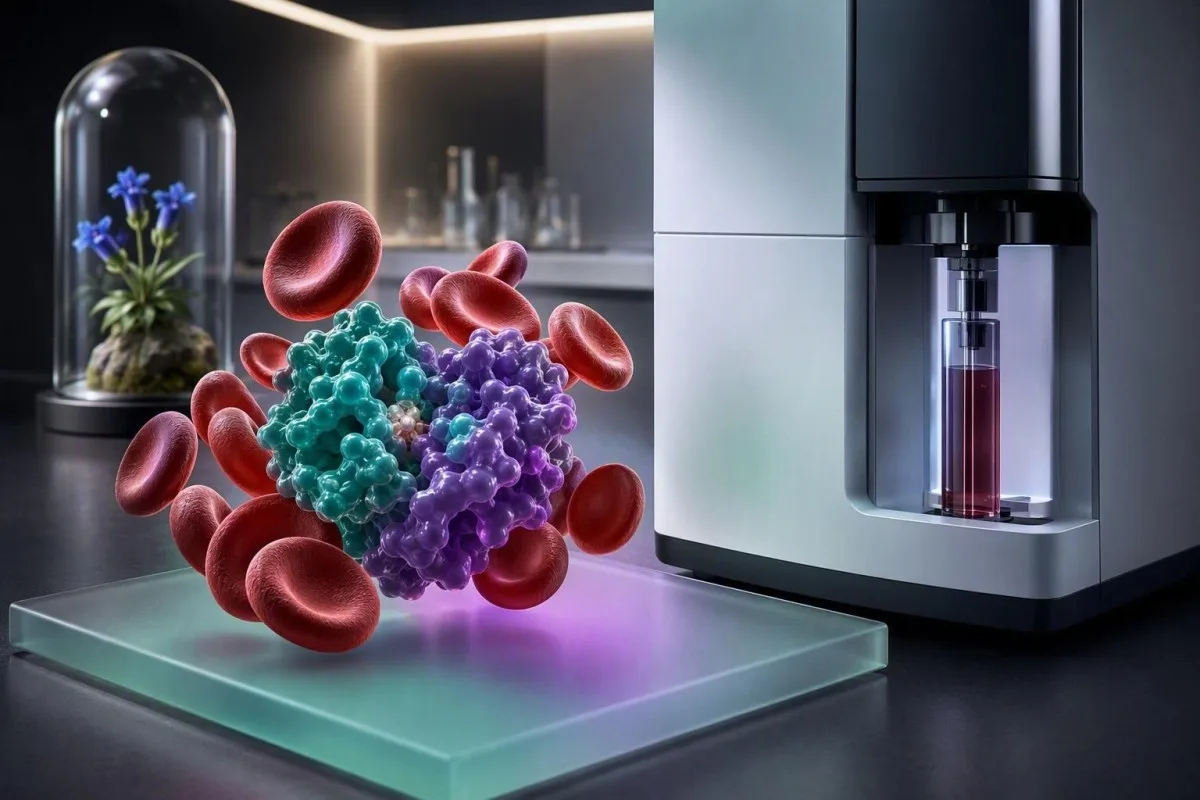
Hemoglobin singkatan dhuwur mung biasane amarga efek konsentrasi, nanging asil ulang bisa nuduhake petunjuk oksigen, turu, obat, utawa sumsum sing migunani. Mangkene carane aku misahake asil sing ora mbebayani saka pola sing mbutuhake review cepet.


- tegese hemoglobin rada dhuwur biasane nuduhake dehidrasi, paparan ketinggian, ngrokok, utawa oksigen kurang semalam tinimbang kanker getih.
- watesan diwasa yaiku hemoglobin luwih saka 16,5 g/dL ing pria utawa 16,0 g/dL ing wanita nalika ngevaluasi kemungkinan polycythemia vera.
- CBC ulang sawise hidrasi normal lan 24 jam tanpa olahraga abot asring minangka langkah pisanan sing paling informatif.
- Efek ketinggian bisa tahan nganti pirang-pirang minggu sawise wektu luwih saka udakara 2.500 m, utamane sawise nginep suwe.
- Petunjuk sleep apnea yaiku hemoglobin dhuwur sing terus-terusan kanthi ngorok banter, jeda sing disekseni, lara sirah esuk, utawa ngantuk awan.
- gejala sing darurat kalebu nyeri dodo anyar, lemes ing sisih siji, semaput, ilang panglihatan, utawa sesak ambegan dumadakan.
- Tes JAK2 biasane disimpen kanggo elevasi sing terus-terusan sawise panyebab relatif lan pendorong oksigen rendah wis ditaksir.
- Tren iku wigati luwih saka siji nomer sing ditandhani amarga saben laboratorium nggunakake interval referensi dhewe lan metode analyzer.
Apa tegese Hemoglobin Sing Dhuwur Mung
Hemoglobin sing rada munggah biasane tegese bagean cairan saka sampel saya suda utawa awak wis adaptasi karo oksigen sing luwih murah; siji asil wates dheweke arang banget nemtokake penyakit. A repeat complete blood count, utawa CBC, ing kahanan biasa misahake akeh elevasi sementara saka paningkatan sel abang sing tetep.
Hemoglobin minangka protein sing nggawa oksigen ing njero sel abang, dilaporake minangka gram per desiliter, utawa g/dL. Ing laku, asil 17.0 g/dL ing wong lanang sing ngalami mutah lan sithik banyu minangka masalah klinis sing beda banget saka 17.0 g/dL ing telung sampel sing terhidrasi kanthi apik kanthi jarak nem wulan.
Makna hemoglobin wates gumantung ing hematokrit sing nyertai, jumlah sel abang, volume corpuscular rata-rata, riwayat oksigen, obat-obatan, lan interval laboratorium sing dicithak ing jejere asil. Kanggo tinjauan basa umum babagan apa HGB nggambarake ing CBC, delengen kita pandhuan asil hemoglobin.
Nalika aku mriksa panel, aku nggoleki proporsi tinimbang panik. Hemoglobin dhuwur kanthi albumin dhuwur, protein total dhuwur, lan urin sing kenthel nuduhake ilang cairan; hemoglobin dhuwur kanthi tandha hidrasi normal lan jumlah trombosit sing mundhak nyebabake pemeriksaan sing luwih teliti.
Kantesti iku sawijining Analisa tes getih AI sing maca hemoglobin ing jejere hematokrit, indeks sel abang, tandha ginjel, lan CBC sadurunge tinimbang ngobati siji tandha dhuwur minangka diagnosis. Kita pedoman referensi biomarker mbantu nerangake kenapa sawetara lab mung minangka titik wiwitan.
Rentang Hemoglobin: Kenapa Seks, Ketinggian lan Lab Penting
Kisaran hemoglobin diwasa ing permukaan segara biasane udakara 13,5 nganti 17,5 g/dL kanggo wong lanang lan 12,0 nganti 15,5 g/dL kanggo wanita sing ora ngandheg, sanajan interval laboratorium lokal beda. Tandha mung ndhuwur wates ndhuwur ora mesthi mbebayani sacara klinis.
Kerangka diagnostik Organisasi Kesehatan Dunia kanggo anemia ora dirancang kanggo nemtokake saben wates hemoglobin ndhuwur, lan wates ndhuwur luwih bervariasi miturut laboratorium. Sawetara laboratorium Eropa nggunakake wates referensi wanita ndhuwur cedhak 15,7 g/dL, nalika liyane nggunakake 16,0 g/dL; kalorone bisa uga sah sacara teknis nalika adhedhasar populasi lan assay lokal.
Kriteria Organisasi Kesehatan Dunia 2016 sing digunakake ing penilaian neoplasma myeloproliferatif nganggep hemoglobin ndhuwur 16.5 g/dL ing wong lanang utawa 16.0 g/dL ing wong wadon minangka siji kemungkinan kriteria utama kanggo polycythemia vera, nanging kriteria kasebut kudu digabungake karo bukti sumsum, JAK2, utawa erythropoietin (Arber et al., 2016). Iki minangka pemicu kanggo penalaran klinis, dudu diagnosis sing bisa ditindakake saka tandha portal.
Kandhutan ngganti gambaran ing arah sing ngelawan amarga volume plasma saya akeh, asring nyuda hemoglobin sing diukur nganti 1 nganti 2 g/dL. Bocah-bocah, remaja, lan wong sing manggon ing papan sing dhuwur mbutuhake kisaran perbandingan sing cocog karo umur lan latar; panjelasan kita babagan interval lab miturut jender nutupi kenapa target universal bisa nyesatake.
Konsentrasi Sementara Dibandingake Kanthi Peningkatan Sel Abang Sing Sejatine
Eritrositosis relatif tegese hemoglobin katon dhuwur amarga banyu plasma suda, dene eritrositosis absolut tegese massa sel abang total pancen mundhak. Umume asil watesan sing dakdeleng iku relatif nganti tes ulang mbuktekake kosok baline.
Kehilangan cairan 1 nganti 2 kg amarga demam, diare, kringet akeh, diuretik, utawa penerbangan sing dawa bisa ngonsentrasi CBC nganti ngliwati watesan laboratorium. Hematokrit lan hemoglobin asring mundhak bebarengan, nalika urea utawa BUN bisa mundhak kanthi ora proporsional yen dehidrasi signifikan.
Asil protein bisa dadi panguji silang sing migunani: albumin utawa protein total sing dhuwur bebarengan karo hemoglobin sing dhuwur ndhukung hemokonsentrasi, sanajan ora ana temuan sing mbuktekake. Pandhuan kita kanggo pola hematokrit dhuwur njlentrehake kenapa loro ukuran CBC kudu diwaca bebarengan.
Eritrositosis absolut kurang umum lan bisa dadi sekunder amarga oksigen kurang, erythropoietin luwih, obat-obatan tartamtu, utawa kondisi sumsum. Pangukuran massa sel abang formal ana nanging saiki arang dadi tes pisanan amarga CBC serial, evaluasi oksigen, erythropoietin, lan tes molekuler biasane mangsuli pitakonan klinis.
Carane Nyiyapake Tes Hemoglobin Ulang
Baleni hemoglobin sing rada dhuwur nalika sampeyan sehat, hidrasi normal, lan bebas saka kehilangan cairan akut; akeh dokter milih 2 nganti 4 minggu kanggo baleni rutin. Aja sengaja ngombe banyu akeh, amarga ngonsumsi banyu sing akeh banget bisa nyebabake distorsi sing kosok baline.
Sajrone 24 jam sadurunge, ngombe cairan sampeyan biasane, aja olahraga ketahanan sing ora biasa, lan aja kakehan sauna utawa panas yen bisa. Maraton, sesi CrossFit sing intens, utawa dina kerja manual sing abot bisa ngalihake volume plasma kanthi sementara; prinsip sing padha njlentrehake sawetara owah-owahan sing katon ing tes getih atlet.
Ceritakake dhokter babagan diare, mutah, demam, lelungan dhuwur anyar, ngrokok utawa vaping, testosteron, diuretik, lan obat diabetes SGLT2. Rincian iki ngganti interpretasi luwih saka status pasa, amarga pasa umume ora dibutuhake kanggo CBC kajaba tes liyane sing diprentahake mbutuhake.
Coba gunakake laboratorium sing padha lan wektu sing meh padha nalika ngetutake owah-owahan cilik kayata 16,1 nganti 16,7 g/dL. Variasi biologis lan variasi penganalisis iku nyata; kita pandhuan wektu tes getih njlentrehake kenapa bedane numerik ora mesthi owah-owahan biologis.
Ketinggian Bisa Nambah Hemoglobin Suwe Sawise Lelungan
Urip utawa nglampahi wektu sing suwe ing papan sing dhuwur mundhakake hemoglobin amarga tekanan oksigen sing luwih murah nyimpen produksi erythropoietin ing ginjel. Efeke paling katon ing ndhuwur kira-kira 2.500 m lan bisa uga ora normal sanalika sawise bali menyang permukaan laut.
Liburan ski akhir minggu luwih sithik njlentrehake kenaikan utama tinimbang sawetara minggu ing papan sing dhuwur, nanging respon individu beda-beda banget. Miturut pengalamanku, pasien asring lali nyebutake rotasi kerja, blok latihan dhuwur, utawa relokasi anyar amarga dheweke ora nganggep lelungan minangka paparan laboratorium.
Penduduk dataran tinggi bisa duwe nilai dhasar ing njaba kisaran referensi permukaan laut tanpa duwe kelainan sumsum. Pitakonan sing relevan yaiku apa nilai kasebut stabil kanggo wong kasebut lan apa gejala kaya nyeri kepala, toleransi olahraga sing suda, utawa gangguan turu nuduhake stres hipoksik sing berlebihan.
Aja nyoba nurunake hemoglobin sing ana gandhengane karo dhuwur kanthi aspirin utawa sumbangan getih sing ora diresepake. Klinisi kudu mutusake dhisik apa kenaikan kasebut minangka adaptasi sing diarepake; tinjauan fokus kita babagan hemoglobin sawise dhuwur nawakake wektu tes ulang sing praktis.
Ngrokok, Karbon Monoksida lan Hemoglobin Dhuwur
Ngrokok bisa nambah hemoglobin amarga karbon monoksida nyuda pengiriman oksigen sing efektif lan menehi sinyal awak kanggo nggawe sel abang luwih akeh. Pulse oximetry bisa katon normal utawa luwih dhuwur kanthi salah ing paparan karbon monoksida, mula maca oksigen omah sing normal ora ngilangi mekanisme iki.
Rokok sing bisa dibakar minangka panyebab sing paling jelas, nanging paparan areng, alat bakar sing ventilasi kurang, lan sawetara setelan kerja uga penting. Vaping biasane ora ngasilake karbon monoksida ing tingkat rokok, nanging gangguan turu sing ana gandhengane karo nikotin lan panggunaan ganda cukup umum saengga aku takon babagan kalorone tinimbang nganggep sing siji ngilangi sing liyane.
Pangukuran co-oximetry vena utawa arteri bisa ngenali karboksihemoglobin nalika paparan bisa uga. Karboksihemoglobin asring ing ngisor 2% ing wong sing ora ngrokok lan bisa nganti 5% nganti 10% ing wong sing ngrokok biasa, sanajan wektu wiwit udud pungkasan ngganti asil kanthi signifikan.
Kenaikan sing persisten sawise mandheg ngrokok mbutuhake evaluasi maneh tinimbang asumsi santai yen isih ana gandhengane karo tembakau. Sesak napas anyar, sesak dada, utawa ngikik kudu dievaluasi kanthi klinis; kita panduan tes getih sesak napas nerangake asil apa sing bisa nambah konteks.
Sleep Apnea: Sabab Wengi Sing Sering Ora Diperhatikan
Obstructive sleep apnea bisa nyebabake kenaikan hemoglobin entheng sing persisten liwat penurunan oksigen wengi sing bola-bali, utamane nalika ngantuk awan lan ngorok banter ana bebarengan. Kenaikan rata-rata biasane moderat, mula nilai sing dhuwur banget ora kudu disalahake amarga sleep apnea tanpa mriksa panyebab liyane.
Kluster gejala sing migunani yaiku ngorok kebiasaan sing banter, mandheg napas sing disekseni, tangi ora seger, nyeri kepala esuk, hipertensi resisten, lan ngantuk nalika nyopir utawa lungguh tenang. Ukuran gulu lan bobot awak bisa nambah risiko, nanging wong sing kurus lan wanita sawise menopause uga bisa duwe sleep apnea sing penting kanthi klinis.
Tinjauan sistematis 2022 nemokake yen obstructive sleep apnea ana gandhengane karo hematokrit sing luwih dhuwur, nanging erythrocytosis sing signifikan kanthi klinis ora umum lan luwih ana gandhengane karo penyakit parah (Martelli et al., 2022). Nuansa kasebut penting: hemoglobin 18,5 g/dL mbutuhake evaluasi sing luwih jembar sanajan ana wong sing ngorok.
Kantesti iku sawijining platform interpretasi biomarker AI sing bisa menehi tandha kombinasi hemoglobin sing bola-bali dhuwur, hematokrit dhuwur, lan petunjuk metabolisme utawa tekanan getih kanggo tindak lanjut klinisi. Turu sing ala bisa ngowahi luwih saka CBC, kaya sing dibahas ing kita tinjauan turu lan asil laboratorium.
Obat-obatan, Testosteron lan Suplemen Sing Bisa Nambah Hemoglobin
Terapi testosteron minangka panyebab umum sing ana gandhengane karo obat-obatan kanggo hemoglobin sing mundhak amarga nyimpen erythropoiesis lan bisa nyuda hepcidin, nambah zat besi sing kasedhiya. Formulasi injeksi biasane ngasilake puncak sing luwih gedhe tinimbang pilihan transdermal saben dina.
The Endocrine Society nyaranake mriksa hematokrit ing dhasar, sawise 3 nganti 6 wulan terapi testosteron, lan banjur saben taun; hematokrit ing ndhuwur 54% umume mbutuhake mungkasi perawatan lan ngevaluasi hipoksia kontribusi utawa sleep apnea. Rencana wiwitan maneh sing pas kudu dipersonalisasi dening klinisi sing nulis resep.
Inhibitor SGLT2 sing digunakake kanggo diabetes, gagal jantung, lan penyakit ginjel bisa nambah hematokrit nganti pirang-pirang persentase liwat owah-owahan volume plasma lan mekanisme sing ana gandhengane karo erythropoietin. Diuretik bisa ngonsentrasi conto, dene suntikan erythropoietin lan panggunaan steroid anabolik-androgenik bisa ngasilake peningkatan sel abang sing nyata.
Aja mungkasi perawatan sing diresepake mung amarga siji asil, nanging nggawa dhaptar obat lan suplemen sing pas kanggo ditinjau. Wektu iku penting utamane kanggo pangguna hormon; ndeleng pandhuan kita kanggo interval pangawasané testosteron.
Kapan Kondisi Paru-paru, Jantung utawa Ginjel Perlu Pertimbangan
Hemoglobin sing dhuwur terus-terusan bisa dadi réspons kompensasi kanggo hipoksia kronis saka penyakit paru-paru, kahanan jantung tartamtu, utawa ambegan sing ora normal nalika turu. Penyakit ginjel uga bisa nambah eritropoietin, hormon sing ngandhani sumsum kanggo ngasilake sel abang.
Penyakit paru-paru obstruktif kronis, kahanan paru-paru interstitial, obesitas hipoventilasi, lan shunt jantung tengen-kiri bisa nyumbang, sanajan riwayat lan pangukuran oksigen biasane menehi petunjuk sing luwih kuat tinimbang CBC piyambak. Saturasi oksigen nalika istirahat ing ngisor 92% ing tingkat segara mbutuhake penilaian klinis sing tepat wektu, utamane nalika anyar.
Tingkat eritropoietin sing mundhak cenderung ndhukung panyebab sekunder, dene tingkat eritropoietin sing kurang bisa nguatake curiga kanggo proses sumsum primer. Pencitraan ginjel ora mesthi dibutuhake kanggo saben elevasi cilik, nanging dokter bisa nimbang nalika eritropoietin luwih dhuwur saka sing dikarepake utawa ana gejala urin, rasa ora nyaman ing pinggang, utawa tes ginjel sing ora normal.
Tinjau kreatinin, eGFR, urinalisis, lan tekanan getih bebarengan karo CBC tinimbang kanthi kapisah. Kita pandhuan tahapan penyakit ginjel njlentrehake kenapa tandha ginjel mbutuhake pangukuran bola-bali uga.
Polycythemia Vera: Nalika Sabab Sumsum Tanaka Ing Dhuwur
Polycythemia vera minangka kelainan sumsum kronis sing langka ing ngendi produksi sel abang mandhiri, biasane nglibatake mutasi JAK2. Dadi luwih mungkin nalika hemoglobin utawa hematokrit tetep mundhak nalika tes ulang lan eritropoietin kurang.
Kerangka WHO 2016 nggunakake hemoglobin luwih saka 16,5 g/dL ing pria utawa 16,0 g/dL ing wanita, utawa hematokrit luwih saka 49% lan 48% masing-masing, minangka ambang kanggo nyelidiki kemungkinan polycythemia vera (Arber et al., 2016). Umume wong ing ndhuwur ambang kasebut ora duwe polycythemia vera, mulane tes ulang lan riwayat oksigen luwih dhisik.
Gatal sawise adus panas, pipi abang, asam urat, pembekuan sing ora bisa diterangake, gejala limpa sing gedhe, utawa trombosit lan sel putih sing dhuwur ndadekake pola kasebut luwih kuwatir. Nanging, gatal umum lan ora spesifik; Aku ora bakal nggunakake mung kanggo menehi label wong kanthi penyakit sumsum.
Tes JAK2 V617F ndeteksi sebagian gedhe kasus polycythemia vera, lan tes JAK2 exon 12 bisa ditindakake yen curiga tetep ana. Kita pandhuan gejala polycythemia njlentrehake urutan CBC, eritropoietin, lan molekuler sing digunakake ing praktik rutin.
Kapan Kuwatir Babagan Hemoglobin lan Njaluk Tulung Cepet
Hemoglobin sing rada dhuwur tanpa gejala biasane minangka masalah rawat jalan, nanging gejala neurologis, nyeri dada, sesak napas abot, utawa tandha-tandha gumpalan mbutuhake penilaian darurat ing dina sing padha. Risikone asale saka gambaran klinis kabeh, dudu nomer sing ditandhani tartamtu dhewe.
Cari perawatan darurat kanggo kelemahan mendadak ing salah siji sisih, masalah ngomong, pingsan, ilang panglihatan anyar, nyeri dada sing nggegirisi, batuk getih, utawa daging sapi sing bengkak lan lara kanthi sesak napas. Iki bisa nuduhake acara vaskular preduli saka hemoglobin 16,2 utawa 19,0 g/dL.
Peninjauan dokter sing cepet sajrone pirang-pirang dina cukup kanggo hemoglobin bola-bali luwih saka 18,5 g/dL ing pria utawa 16,5 g/dL ing wanita, utawa hematokrit luwih saka 52% ing wong lanang utawa 48% ing wanita, utamane kanthi nyeri sirah, pusing, gatal sawise adus, utawa riwayat gumpalan. Iki minangka titik triase praktis, dudu pengganti kerangka diagnostik WHO.
Kantesti AI bisa ngatur tren CBC lan nuduhake panemuan trombosit, sel getih putih, ginjel, lan zat besi sing ana, nanging gejala sing murgensi tansah luwih penting tinimbang interpretasi otomatis. Yen gejala bekuan getih minangka bagéan saka keprihatinan, kita pandhuan tes koagulasi njlentrehake ngapa wektu pembekuan rutin normal ora ngilangi bekuan getih.
Tes Sing Biasane Digunakake Sawise Peningkatan Persisten
Evaluasi lini pertama kanggo hemoglobin sing saya dhuwur biasane kalebu tes ulang CBC, penilaian oksigen, eritropoietin serum, tinjauan obat, lan tes JAK2 sing ditargetake nalika pola kasebut mbutuhake. Urutan kasebut dirancang kanggo ngindhari tes sing larang kanggo efek dehidrasi sepisan.
Dokter bisa njaluk tinjauan sampel sel periferal nalika wangun sel abang, jumlah trombosit, utawa jumlah sel putih katon ora biasa. Ferritin lan saturasi transferrin bisa mbiyantu amarga kekurangan zat besi bisa nutupi tingkat eritrositosis kanthi njaga sel abang sing ora biasa cilik; jelajahi interpretasi studi zat besi kanggo pangukuran sing relevan.
Pulse oximetry, oximetry sewengi, studi turu resmi, lan tes karboksihemoglobin dipilih adhedhasar riwayat tinimbang dipesen kanthi sembarangan. Ing wong sing ngorok banter lan saturasi awan normal, studi sewengi asring menehi informasi sing luwih migunani tinimbang pindai dada.
Jumlah getih lengkap kudu diwaca minangka pola: trombosit sing saya mundhak, neutrofil, utawa basofil ngganti diferensial, nalika hemoglobin tunggal sing stabil biasane kurang nggegirisi. Pendekatan klinis Kantesti tindakake standar validasi medis kanthi menehi konteks dhukungan kaputusan tinimbang ngaku kanggo diagnosa polistemia vera.
Papat Kesalahpahaman Umum Babagan Hemoglobin Dhuwur
Hemoglobin dhuwur ora ateges getih sampeyan kanthi otomatis “kakehan kenthel,” lan ngombe banyu akeh banget dudu perawatan sing aman. Viskositas gumantung ing hematocrit, faktor plasma, suhu, aliran, lan sababe dhasar.
Kesalahpahaman siji: saben asil dhuwur tegese dehidrasi. Dehidrasi umum, nanging elevasi sing terus-terusan kanthi albumin normal lan riwayat ngorok, ngrokok, utawa nggunakake testosteron ora kudu diabaikan tanpa tes ulang CBC lan tinjauan sing diarahan.
Kesalahpahaman loro: nyumbang getih tansah ngrampungake masalah. Veneseksi terapeutik migunani ing kondisi sing didiagnosis dipilih, nanging nyumbang kanthi asring tanpa pengawasan bisa nyebabake kekurangan zat besi, kesel, lan hemoglobin sing normal nanging nyasatke nalika pendorong dhasar tetep aktif.
Kesalahpahaman telu: jumlah sel abang normal ngilangi eritrositosis sing signifikan. Hemoglobin lan hematocrit isih bisa saya dhuwur nalika sel luwih gedhe utawa luwih akeh hemoglobin, mulane interpretasi MCV lan MCH kalebu ing diskusi.
Carane Nderek Hemoglobin Tanpa Ngoyak Saben Desimal
Basis hemoglobin pribadi luwih migunani tinimbang tandha laboratorium tunggal nalika sampel diklumpukake ing kahanan sing mbandhingake. Cathet tanggal, dhuwur, lara, hidrasi, olahraga, status ngrokok, lan owah-owahan obat sing relevan ing jejere saben CBC.
Owah-owahan saka 15,6 nganti 16,0 g/dL bisa nggambarake variasi biologis lan analitis biasa, dene kenaikan bertahap saka 15,2 nganti 17,4 g/dL ing papat sampel sing mbandhingake pantes digatekake sanajan saben asil mung ditandhani sithik. Tingkat lan arah owah-owahan asring luwih penting tinimbang siji desimal.
Kantesti iku sawijining Piranti analisis tes getih berbasis AI sing mbandhingake laporan sadurunge lan ngenali pola hematologi sing terus-terusan ing format laboratorium. Pasien sing nggunakake kita pandhuan asil longitudinal bisa njaga konteks sing gampang ilang antarane janji temu.
Wiwit tanggal 27 Agustus 2026, aku isih nyaranake nggawa PDF asli utawa foto laboratorium sing cetha menyang kunjungan medis tinimbang ngandelake asil sing disalin kanthi manual. Unit, interval referensi, tanggal sampel, lan komentar penganalisis bisa ngganti interpretasi.
Rencana Langkah Sabanjure Praktis Kanggo Asil Sedhela Dhuwur
Kanggo paningkatan entheng sing terisolasi, atur maneh CBC sajrone 2 nganti 4 minggu kanthi hidrasi normal lan rembugan asil sing terus-terusan karo dokter sampeyan. Cepetake luwih dhisik yen nilaine cetha dhuwur, mundhak, utawa diiringi gumpalan, ambegan, utawa gejala neurologis.
Tahap kapisan prasaja: verifikasi asil lan interval sing ditemtokake dening laboratorium, banjur cathet penyakit anyar, paparan panas, perjalanan dawa, ketinggian, ngrokok, gejala turu, lan obat-obatan. Tahap kapindho yaiku CBC sing disiapake kanthi apik; tahap katelu yaiku tes sing dituju mung yen paningkatan tetep ana.
Kanggo pasienku, pitakonan janji sing paling produktif yaiku: “Apa iki katon relatif, sekunder amarga oksigen utawa obat, utawa bisa uga utama?” Tembung kasebut ngajak dhokter kanggo nerangake alesan lan mbantu nyegah pemeriksaan sing ora teratur. A sakabehane CBC pola review bisa mbantu sampeyan nyiyapake pitakonan sing relevan.
Kantesti AI nyedhiyakake interpretasi pendidikan lan dhukungan tren, dudu perawatan darurat utawa diagnostik. Konten medis kita ditinjau kanthi masukan saka Dewan Penasehat Medis, lan aku bakal nyengkuyung perawatan pribadi kanthi cepet kapan wae gejala utawa nilai dhuwur sing bola-bali nggawe kahanan kurang rutin.
Pitakonan sing Sering Ditakoni
Apa artiné hemoglobin rada munggah?
Tingkat hemoglobin sing rada dhuwur biasane tegese konsentrasi sementara saka ilang banyu plasma utawa mundhaké produksi sel abang minangka tanggepan saka oksigen sing luwih murah. Rentang tingkat laut biasane watara 13,5 nganti 17,5 g/dL kanggo wong lanang diwasa lan 12,0 nganti 15,5 g/dL kanggo wong wadon diwasa sing ora ngandheg, nanging rentang laboratorium sing dilaporake luwih utama. Nilai siji kaya 16,1 g/dL biasane kudu diulang ing hidrasi normal sadurunge dianggep minangka kelainan. Nilai sing terus-terusan luwih saka 16,5 g/dL ing wong lanang utawa 16,0 g/dL ing wong wadon pantes ditinjau dokter kanggo eritrositosis.
Apa dehidrasi bisa menyebabkan hemoglobin tinggi?
Inggih, dehidrasi saged nyebabaken hasil hemoglobin inggil kanthi nyuda bagian cairan getih lan ngentelaken protein sel abang saben desiliter. Demam, diare, mutah, diuretik, olahraga abot, ngginakaken sauna, lan penerbangan dangu saged ngunggahaken nilai ngantos ngluwihi wates ndhuwur laboratorium. Hematokrit inggil ditambah albumin utawi total protein inggil nyengkuyung hemokonsentrasi, sanajan boten mbuktekaken. Mbaleni CBC sasampunipun 2 dumugi 4 minggu kanthi asupan cairan normal asring dados cara paling aman kanggé mriksa menapa elevasi taksih wonten.
Kapan aku kudu kuwatir babagan hemoglobin dhuwur?
Sampeyan kudu njaluk bantuan medis cepet kanggo hemoglobin dhuwur kanthi nyeri dada dumadakan, lemah ing sak siji, angel ngomong, kelangan eling, ilang panglipur akut, sesak ambegan nemen, utawa sikil bengkak lan nglarani. Kanggo mriksa sing ora darurat, hemoglobin bola-bali luwih saka 18,5 g/dL ing wong lanang utawa 16,5 g/dL ing wong wadon, utamane kanthi hematokrit dhuwur utawa gejala, mbutuhake penilaian profesional kesehatan kanthi cepet. Ambang WHO sing digunakake kanggo neliti kemungkinan vera polycythemia yaiku hemoglobin luwih saka 16,5 g/dL ing wong lanang utawa 16,0 g/dL ing wong wadon, nanging diagnosis mbutuhake panemuan tambahan. Gejala lan tren saka wektu ke wektu luwih informatif tinimbang siji tandha.
Apa sleep apnea bisa menyebabkan kadar hemoglobin tinggi?
Obstructive sleep apnea bisa nyebabake hemoglobin rada munggah amarga mudhuné oksigen saben wengi bola-bali nyetimulasi produksi eritropoietin lan sel getih abang. Ngorok banter, jeda ambegan sing katon, lara sirah nalika tangi turu, ngantuk awan, lan tekanan darah tinggi sing angel dikendhaleni ndadekake panjelasan iki luwih mungkin. Meta-analisis taun 2022 nemokake yen sleep apnea ana gandhengane karo hematokrit sing luwih dhuwur, sanajan eritrositosis sing signifikan kanthi klinis ora umum lan biasane kedadeyan ing penyakit sing luwih parah. Studi turu utawa panilaian oksigen sewengi bisa luwih migunani tinimbang maca oksigen awan nalika gejala nuduhake sleep apnea.
Apa udud nambah hemoglobin?
Udud bisa nambah hemoglobin amarga karbon monoksida sing dihirup iku kecantol ing hemoglobin lan ngurangi jumlah sing siap kanggo nggawa oksigen. Wong sing rutin udud bisa duwe tingkat karboksihemoglobin watara 5% nganti 10%, dibandhingake karo nilai sing asring kurang saka 2% ing wong sing ora udud, sanajan nomer kasebut owah gumantung wektu paparan. Oksimeter denyut bisa nyasaraké ing paparan karbon monoksida amarga ora bisa mbedakake hemoglobin teroksigenasi saka karboksihemoglobin kanthi dipercaya. Peningkatan sing tetep sawise mandheg udud kudu dievaluasi maneh tinimbang dianggep ora mbebayani.
Tes apa sing ditindakake kanggo hemoglobin sing terus-terusan dhuwur?
Tes kanggo hemoglobin dhuwur sing terus-terusan biasane diwiwiti kanthi mbaleni CBC, penilaian saturasi oksigen, tinjauan obat, lan tingkat eritropoietin serum. Dokter bisa nambah tes oksigen sewengi, pangukuran karboksihemoglobin, tes ginjel, studi zat besi, lan tes mutasi JAK2 nalika pola CBC lan riwayat klinis ndhukung langkah-langkah kasebut. Eritropoietin sing kurang karo hemoglobin bola-bali ing ndhuwur 16,5 g/dL ing lanang utawa 16,0 g/dL ing wanita ndadekake proses sumsum utami luwih kuwatir. Dokter milih urutan amarga pencitraan lan tes molekuler sing ora pilih-pilih bisa nyebabake alarm palsu.
Entuk Analisis Tes Getih Berbasis AI Dina Iki
Gabung karo luwih saka 2 yuta pangguna ing saindenging jagad sing percaya Kantesti kanggo analisis tes lab sing instan lan akurat. Unggah asil tes getihmu lan tampa interpretasi lengkap saka 15,000+ biomarker sajrone sawetara detik.
📚 Publikasi Riset sing Dirujuk
Klein, T., Mitchell, S., & Weber, H. (2026). Penjelasan Rasio BUN/Kreatinin: Pandhuan Tes Fungsi Ginjel. Riset Medis AI Kantesti.
Klein, T., Mitchell, S., & Weber, H. (2026). Urobilinogen ing Tes Urine: Pandhuan Urinalisis Lengkap 2026. Riset Medis AI Kantesti.
📖 Referensi Medis Eksternal
⚕️ Penafian Medis
Artikel iki mung kanggo tujuan edukasi lan ora dadi saran medis. Tansah konsultasi karo panyedhiya layanan kesehatan sing mumpuni kanggo keputusan diagnosis lan perawatan.
Sinyal Kepercayaan E-E-A-T
Pengalaman
Tinjauan klinis sing dipimpin dokter babagan alur kerja interpretasi lab.
Keahlian
Fokus kedokteran laboratorium babagan carane biomarker tumindak ing konteks klinis.
Kewibawaan
Ditulis dening Dr. Thomas Klein kanthi ditinjau dening Dr. Sarah Mitchell lan Prof. Dr. Hans Weber.
Kapercayan
Interpretasi adhedhasar bukti kanthi tindak lanjut sing cetha kanggo nyuda rasa kaget.