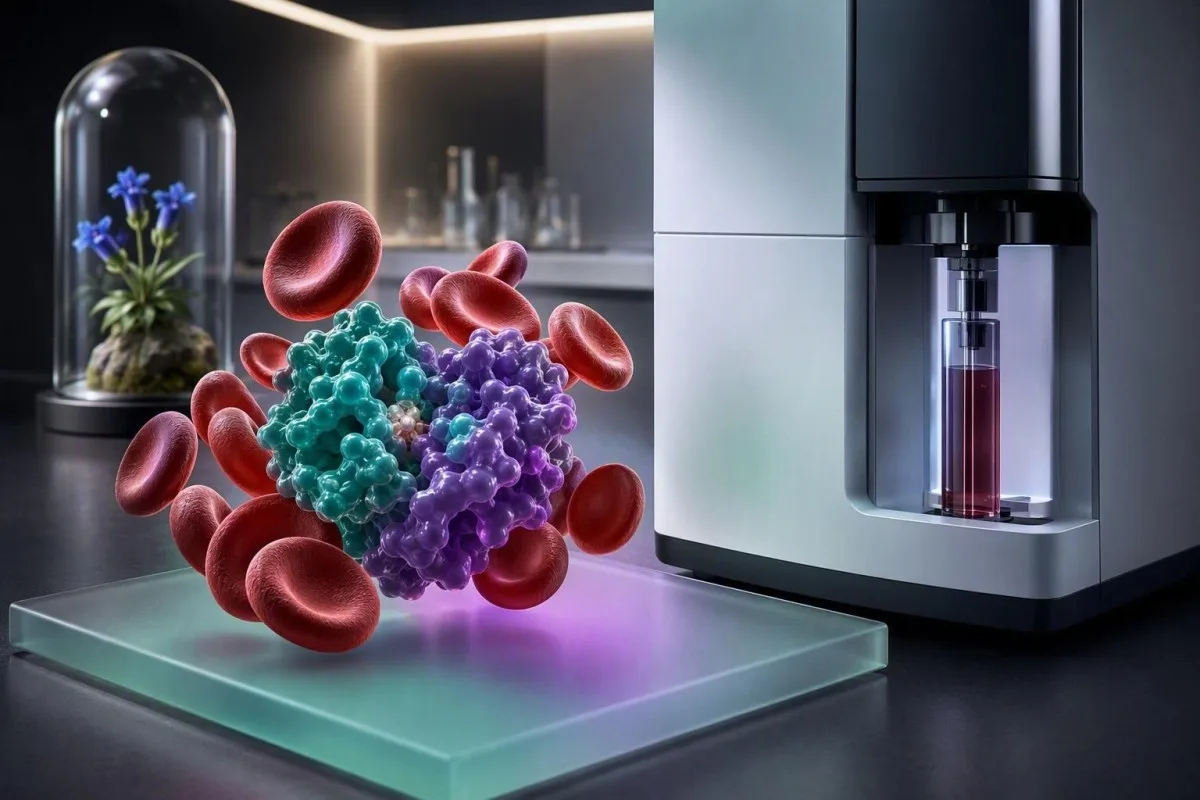
Robežas augsts hemoglobīna līmenis bieži ir koncentrācijas sekas, taču atkārtots rezultāts var atklāt nozīmīgu skābekļa, miega, medikamentu vai kaulu smadzeņu pazīmi. Lūk, kā es atšķiru nekaitīgu vienreizēju rezultātu no raksta, kas prasa tūlītēju pārskatīšanu.


- Nedaudz paaugstināta hemoglobīna līmeņa nozīme parasti atspoguļo dehidratāciju, augstuma ietekmi, smēķēšanu vai zemu skābekļa līmeni nakts laikā, nevis asins vēzi.
- Pieaugušo slieksnis ir hemoglobīna līmenis virs 16,5 g/dL vīriešiem vai 16,0 g/dL sievietēm, novērtējot iespējamu policitēmiju vera.
- Atkārtots CBC pēc normālas hidratācijas un 24 stundām bez intensīvas fiziskās slodzes bieži ir visinformatīvākais pirmais solis.
- Augstuma efekts var saglabāties vairākas nedēļas pēc uzturēšanās aptuveni 2500 m augstumā, īpaši pēc ilgstošas uzturēšanās.
- Miega apnojas pazīme ir pastāvīgi augsts hemoglobīna līmenis kopā ar skaļu krākšanu, novērotām elpošanas pauzēm, rīta galvassāpēm vai dienas miegainību.
- Steidzami simptomi iekļaujiet jaunas sāpes krūtīs, vienas puses vājumu, ģīboni, redzes zudumu vai pēkšņu elpas trūkumu.
- JAK2 testēšana parasti patur nākamajiem gadījumiem, kad novērtētas ilgstošas paaugstināšanās cēloņi un hipoksijas faktori.
- Svarīga ir tendence vairāk nekā vienu atzīmētu skaitli, jo katra laboratorija izmanto savu atsauces intervālu un analizatora metodi.
Ko parasti nozīmē robežas augsts hemoglobīna līmenis
Nedaudz paaugstināts hemoglobīna līmenis parasti nozīmē, ka parauga šķidrā daļa bija īslaicīgi zema vai organisms ir pielāgojies zemākam skābekļa līmenim; viens robežvērtības rezultāts reti vienmēr nosaka slimību. Atkārtota pilna asins aina, jeb CBC, parastos apstākļos atšķir daudzas īslaicīgas paaugstināšanās no pastāvīga sarkano asinsķermenīšu pieauguma.
Hemoglobīns ir skābekli transportējošais proteīns sarkanajās asins šūnās, ko mēra gramos uz decilitru jeb g/dL. Praksē 17,0 g/dL rezultāts vīrietim, kam bijusi vemšana un maz šķidruma, ir pavisam cita klīniska problēma nekā 17,0 g/dL trīs labi hidratētos paraugos, kas ņemti ar sešu mēnešu intervālu.
Robežvērtības hemoglobīna nozīme ir atkarīga no vienlaicīga hematokrīta, sarkano asinsķermenīšu skaita, vidējā sarkano asinsķermenīšu tilpuma, skābekļa vēstures, medikamentu un laboratorijas intervāla, kas drukāts blakus rezultātam. Lai vienkāršā valodā uzzinātu, ko HGB nozīmē CBC analīzē, skatiet mūsu hemoglobīna rezultātu ceļvedis.
Pārskatot analīžu kopumu, es meklēju proporcijas, nevis paniku. Augsts hemoglobīna līmenis kopā ar augstu albumīnu, augstu kopējo proteīnu un koncentrētām urīna pazīmēm norāda uz šķidruma zudumu; augsts hemoglobīna līmenis ar normāliem hidratācijas marķieriem un pieaugošu trombocītu skaitu liecina par rūpīgāku izmeklēšanu.
Kantesti ir AI asins analīžu analizators kas lasa hemoglobīnu kopā ar hematokrītu, sarkano asinsķermenīšu rādītājiem, nieru marķieriem un iepriekšējām CBC analīzēm, nevis uzskata vienu augstu atzīmi par diagnozi. Mūsu biomarķieru uzziņu rokasgrāmata palīdz izskaidrot, kāpēc laboratorijas diapazons ir tikai sākumpunkts.
Hemoglobīna diapazoni: kāpēc sekss, augstums un laboratorija ir svarīgi
Tipiski hemoglobīna līmeņi pieaugušiem cilvēkiem jūras līmenī ir aptuveni 13,5 līdz 17,5 g/dL vīriešiem un 12,0 līdz 15,5 g/dL sievietēm, kas nav grūtnieces, lai gan vietējie laboratoriju intervāli atšķiras. Atzīme nedaudz virs augšējās robežas nav automātiski klīniski bīstama.
Pasaules Veselības organizācijas anēmijas diagnostikas satvars nav paredzēts, lai noteiktu katru augšējo hemoglobīna robežu, un augšējās robežas vairāk atšķiras atkarībā no laboratorijas. Dažas Eiropas laboratorijas sievietēm izmanto augšējo atsauces robežu ap 15,7 g/dL, savukārt citas izmanto 16,0 g/dL; abas var būt tehniski derīgas, ja tās balstītas uz vietējo populāciju un testu.
Pasaules Veselības organizācijas 2016. gada kritēriji, ko izmanto mieloproliferatīvu audzēju novērtēšanā, uzskata hemoglobīnu virs 16,5 g/dL vīriešiem vai 16,0 g/dL sievietēm kā vienu iespējamu galveno kritēriju policitēmijas patiesībai, taču šis kritērijs ir jāapvieno ar kaula smadzeņu, JAK2 vai eritropoetīna pierādījumiem (Arber et al., 2016). Tas ir iemesls klīniskai domāšanai, nevis diagnoze, ko var noteikt no portāla atzīmes.
Grūtniecība maina situāciju pretējā virzienā, jo plazmas apjoms ievērojami palielinās, bieži samazinot mērīto hemoglobīna līmeni par 1–2 g/dL. Bērniem, pusaudžiem un cilvēkiem, kas dzīvo augstkalnē, nepieciešami vecumam un apstākļiem specifiski salīdzināšanas diapazoni; mūsu skaidrojums par dzimumu balstītiem laboratorijas intervāliem aptver to, kāpēc universāls mērķis var būt maldinošs.
Pagaidu koncentrācija pret patiesu sarkano asins šūnu pieaugumu
Relatīvā eritrocitoze nozīmē, ka hemoglobīna līmenis šķiet augsts, jo samazināts ir plazmas ūdens daudzums, savukārt absolūtā eritrocitoze nozīmē, ka kopējā sarkano asinsķermenīšu masa ir patiesi palielinājusies. Lielākā daļa robežvērtību rezultātu, ko redzu, ir relatīvi, līdz atkārtota testēšana pierāda pretējo.
1–2 kg šķidruma zudums drudža, caurejas, stipras svīšanas, diurētisko līdzekļu lietošanas vai ilga lidojuma dēļ var koncentrēt CBC, lai tas pārsniegtu laboratorijas slieksni. Hematokrīts un hemoglobīns bieži paaugstinās kopā, savukārt urīnvielas vai BUN līmenis var paaugstināties disproporcionāli, ja dehidratācija ir ievērojama.
Olbaltumvielu rezultāti var būt noderīga krusteniska pārbaude: augsts albumīna vai kopējā proteīna līmenis kopā ar augstu hemoglobīna līmeni atbalsta hemokoncentrāciju, lai gan neviens no šiem atradumiem to nepierāda. Mūsu ceļvedis augsta hematokrīta paraugiem izskaidro, kāpēc abi CBC mērījumi ir jālasa kopā.
Absolūtā eritrocitoze ir retāka un var būt sekundāra zema skābekļa līmeņa, pārmērīga eritropoietīna, noteiktu medikamentu vai kaulu smadzeņu stāvokļa dēļ. Pastāv formāla sarkano asinsķermenīšu masas noteikšana, taču tā tagad reti ir pirmais tests, jo sērijveida CBC, skābekļa novērtēšana, eritropoietīns un molekulārā testēšana parasti atbild uz klīnisko jautājumu.
Kā sagatavoties atkārtotai hemoglobīna analīzei
Atkārtojiet robežvērtīgu augstu hemoglobīna līmeni, kad jūtaties labi, normāli hidratēts un bez akūta šķidruma zuduma; daudzi klīniķi izvēlas 2 līdz 4 nedēļas rutīnas atkārtošanai. Nelietojiet apzināti pārāk daudz ūdens, jo pārmērīga ūdens uzņemšana var radīt pretēju kropļojumu.
24 stundas iepriekš dzeriet parasto šķidruma daudzumu, izvairieties no neparasti smagas izturības vingrinājumiem un, ja iespējams, izvairieties no saunas vai karstuma iedarbības. Maratons, intensīva CrossFit sesija vai diena ar smagu fizisku darbu var īslaicīgi mainīt plazmas tilpumu; tāds pats princips izskaidro dažas izmaiņas, kas redzamas sportistu asins analīzēm.
Informējiet klīniķi par caureju, vemšanu, drudzi, nesenu ceļojumu uz augstieni, smēķēšanu vai vapingu, testosteronu, diurētiskajiem līdzekļiem un SGLT2 diabēta zālēm. Šīs detaļas ietekmē interpretāciju vairāk nekā gavēņa statuss, jo gavēšana parasti nav nepieciešama CBC, ja vien nav noteikti citi izmeklējumi.
Mēģiniet izmantot to pašu laboratoriju un līdzīgu diennakts laiku, sekojot nelielām izmaiņām, piemēram, no 16,1 līdz 16,7 g/dL. Bioloģiskā un analizatora svārstīgums ir reāls; mūsu ceļvedis par asins analīžu laika grafiku izskaidro, kāpēc skaitliska atšķirība ne vienmēr ir bioloģiska izmaiņa.
Augstums var paaugstināt hemoglobīna līmeni ilgu laiku pēc ceļojuma
Dzīvošana vai ilgs laiks augstumā paaugstina hemoglobīna līmeni, jo zemāks skābekļa spiediens stimulē eritropoietīna ražošanu nierēs. Efekts visvairāk jūtams virs aptuveni 2500 m un var normalizēties ne uzreiz pēc atgriešanās jūras līmenī.
Nedēļas nogales slēpošanas brauciens mazāk nekā vairākas nedēļas augstumā visticamāk izskaidros ievērojamu pieaugumu, taču individuālā reakcija ievērojami atšķiras. Manuprāt, pacienti bieži aizmirst pieminēt darba rotāciju, augstkalnu treniņu bloku vai nesenu pārcelšanos, jo viņi neuzskata ceļošanu par laboratorijas iedarbību.
Iedzīvotājiem, kas dzīvo augstumā, bez kaulu smadzeņu slimības var būt sākotnēji rādītāji, kas pārsniedz atsauces normas jūras līmenim. Attiecīgais jautājums ir, vai rādītājs ir stabils šai personai un vai tādi simptomi kā galvassāpes, samazināta fiziskās slodzes izturība vai miega traucējumi norāda uz pārmērīgu hipoksisko stresu.
Nemēģiniet pazemināt ar augstumu saistīto hemoglobīnu ar nepierakstītu aspirīnu vai asins nodošanu. Klīnicistam vispirms jāizlemj, vai paaugstināšanās ir sagaidāma adaptācija; mūsu fokusētā apskats par hemoglobīnu pēc augstuma piedāvā praktisku atkārtotu testēšanas laiku.
Smēķēšana, oglekļa monoksīds un augsts hemoglobīna līmenis
Smēķēšana var paaugstināt hemoglobīnu, jo oglekļa monoksīds samazina efektīvu skābekļa piegādi un signalizē organismam ražot vairāk sarkano asins šūnu. Pulsa oksimetrija var šķist normāla vai maldinoši augsta oglekļa monoksīda iedarbības gadījumā, tāpēc normāls mājas skābekļa rādījums neizslēdz šo mehānismu.
Degtspējīgas cigaretes ir visredzamākais cēlonis, bet arī kokogļu iedarbība, slikti vēdināmas degvielas ierīces un daži profesionālie apstākļi ir svarīgi. Vaping parasti nerada oglekļa monoksīdu cigarešu līmenī, tomēr ar nikotīnu saistīti miega traucējumi un dubultlietošana ir pietiekami izplatīta, lai es jautātu par abiem, nevis pieņemtu, ka viens izslēdz otru.
Venoza vai artērija co-oximetry mērījums var identificēt karboksihemoglobīnu, ja iedarbība ir iespējama. Karboksihemoglobīns bieži ir zem 2% nesmēķētājiem un var sasniegt 5% līdz 10% regulāriem smēķētājiem, lai gan laiks kopš pēdējās cigaretes būtiski maina rezultātu.
Pastāvīga paaugstināšanās pēc smēķēšanas pārtraukšanas ir pelnījusi atkārtotu novērtēšanu, nevis nejaušu pieņēmumu, ka tā joprojām ir saistīta ar tabaku. Jauna elpas trūkums, sāpes krūtīs vai sēkšana ir klīniski jāizvērtē; mūsu elpas trūkuma asins analīžu ceļvedi paskaidro, kuri rezultāti var pievienot kontekstu.
Miega apnoja: bieži ignorēta nakts cēlonis
Obstruktīva miega apnoja var izraisīt pastāvīgu nelielu hemoglobīna pieaugumu, ko izraisa atkārtoti nakts skābekļa līmeņa kritumi, īpaši, ja vienlaikus ir dienas nogurums un skaļa krākšana. Vidējais pieaugums parasti ir neliels, tāpēc ļoti augstu vērtību nevajadzētu vainot miega apnojā, nepārbaudot citus cēloņus.
Noderīgais simptomu kopums ir skaļa ieraduma krākšana, novērotas elpošanas pauzes, pamodināšana neatpūties, rīta galvassāpes, rezistentā hipertensija un miegainība braukšanas laikā vai mierīgā sēdēšanā. Kakla apkārtmērs un ķermeņa svars var palielināt risku, taču arī tievi cilvēki un sievietes pēc menopauzes var ciest no klīniski nozīmīgas miega apnojas.
2022. gada sistemātiskā pārskatā tika konstatēts, ka obstruktīva miega apnoja bija saistīta ar augstāku hematokritu, bet klīniski nozīmīga eritrocitoze bija reta un vairāk saistīta ar smagu slimību (Martelli et al., 2022). Šī nianse ir svarīga: pat ja kāds krāc, hemoglobīns 18,5 g/dL prasa plašāku izvērtēšanu.
Kantesti ir AI biomarķieru interpretācijas platforma kas var norādīt uz atkārtota augsta hemoglobīna, augsta hematokrita un vielmaiņas vai asinsspiediena rādītāju kombināciju klīnicista tālākai izmeklēšanai. Slikts miegs var ietekmēt vairāk nekā tikai CBC, kā apspriests mūsu miega un laboratorijas rezultātu apskatā.
Medikamenti, testosterons un piedevas, kas var paaugstināt hemoglobīna līmeni
Testosterona terapija ir izplatīts medikamentu izraisīts paaugstināta hemoglobīna cēlonis, jo tā stimulē eritropoēzi un var samazināt hepcidīnu, palielinot pieejamo dzelzi. Injekciju preparāti parasti rada lielākus maksimumus nekā ikdienas transdermālie preparāti.
Endokrinoloģijas biedrība iesaka pārbaudīt hematokritu sākumā, pēc 3 līdz 6 mēnešiem testosterona terapijas un pēc tam reizi gadā; hematokrits virs 54% parasti prasa pārtraukt ārstēšanu un novērtēt veicinošu hipoksiju vai miega apnoju. Precīzs atsākšanas plāns jāindividualizē ārstējošajam klīnicistam.
SGLT2 inhibitori, ko lieto diabēta, sirds mazspējas un nieru slimību ārstēšanai, var paaugstināt hematokritu par vairākiem procentpunktiem, izmantojot plazmas tilpuma izmaiņas un ar eritropoetīnu saistītus mehānismus. Diurētiskie līdzekļi var koncentrēt paraugu, savukārt eritropoetīna injekcijas un anabolisko-androgēno steroīdu lietošana var radīt reālu sarkano asins šūnu pieaugumu.
Nepārtrauciet paredzēto ārstēšanu tikai viena rezultāta dēļ, bet uzrādiet precīzu medikamentu un uztura bagātinātāju sarakstu pārskatīšanai. Laiks ir īpaši svarīgs hormonu lietotājiem; skatiet mūsu ceļvedi par testosterona uzraudzīšanas intervāli.
Kad jāņem vērā plaušu, sirds vai nieru slimības
Pastāvīgi augsts hemoglobīna līmenis var būt kompensācijas reakcija uz hronisku zemu skābekļa līmeni plaušu slimību, noteiktu sirds slimību dēļ vai elpošanas traucējumu dēļ miega laikā. Nieru slimības var arī palielināt eritropoietīna, hormona, kas liek kaulu smadzenēm ražot sarkanās asins šūnas, līmeni.
Hroniska obstruktīva plaušu slimība, starpšūnu plaušu slimības, aptaukošanās hipoventilācija un labās uz kreiso pusi vērstas sirds šuntēšana var veicināt, lai gan slimības vēsture un skābekļa mērījumi parasti sniedz spēcīgākus pavedienus nekā tikai CBC. Miera stāvokļa skābekļa piesātinājums zem 92% jūras līmenī prasa savlaicīgu klīnisko novērtēšanu, īpaši, ja tas ir jauns.
Paaugstināts eritropoietīna līmenis liecina par sekundāru cēloni, savukārt zems eritropoietīna līmenis var pastiprināt aizdomas par primāru kaulu smadzeņu procesu. Nieru attēlveidošana nav automātiski nepieciešama katrai nelielai paaugstināšanai, taču klīnicisti var to apsvērt, ja eritropoietīns ir negaidīti augsts vai ir urīnceļu simptomi, sāpes vēdera sānos vai patoloģiski nieru testi.
Pārskatiet kreatinīnu, eGFR, urīna analīzi un asinsspiedienu kopā ar CBC, nevis atsevišķi. Mūsu nieru slimību stadiju ceļvedis paskaidro, kāpēc nieru marķieriem ir nepieciešami arī atkārtoti mērījumi.
Policitēmija vera: kad kaulu smadzeņu cēlonis kļūst arvien svarīgāks
Policitēmija vera ir reta hroniska kaulu smadzeņu slimība, kurā sarkano asins šūnu ražošana ir autonoma, parasti saistīta ar JAK2 mutāciju. Tas kļūst ticamāks, kad hemoglobīna vai hematokrīta līmenis saglabājas paaugstināts atkārtotās analīzēs un eritropoietīna līmenis ir zems.
2016. gada PVO ietvars izmanto hemoglobīna līmeni virs 16,5 g/dL vīriešiem vai 16,0 g/dL sievietēm, vai hematokrīta līmeni virs 49% un 48% attiecīgi kā sliekšņus, lai izmeklētu iespējamu policitēmiju vera (Arber et al., 2016). Lielākā daļa cilvēku, kas pārsniedz šos sliekšņus, nav policitēmija vera, tāpēc vispirms tiek veiktas atkārtotas analīzes un tiek ņemta vērā skābekļa līmeņa vēsture.
Nieze pēc karstās dušas, sejas apsārtums, podagra, neizskaidrojama tromboze, palielināta liesa, vai augsts trombocītu un balto asins šūnu skaits padara situāciju vairāk satraucošu. Tomēr nieze ir bieža un nenospecifiska; es nekad neizmantotu to vienu, lai kādu diagnosticētu ar kaulu smadzeņu slimību.
JAK2 V617F testēšana atklāj lielāko daļu policitēmijas vera gadījumu, un JAK2 12. ekzona testēšana var sekot, ja aizdomas saglabājas. Mūsu policitēmijas simptomu ceļvedī izklāsta CBC, eritropoietīna un molekulāro secību, ko izmanto ikdienas praksē.
Kad jāuztraucas par hemoglobīna līmeni un jāmeklē steidzama palīdzība
Neliels hemoglobīna paaugstinājums bez simptomiem parasti ir ambulatora problēma, taču neiroloģiski simptomi, sāpes krūtīs, smaga elpas trūkums vai trombozes pazīmes prasa neatliekamu izmeklēšanu tajā pašā dienā. Risks rodas no visas klīniskās ainas, nevis no viena konkrēta atzīmēta skaitļa.
Meklējiet neatliekamo palīdzību, ja pēkšņi rodas vienas puses vājums, runas traucējumi, samaņas zudums, jauna redzes zudums, stipras sāpes krūtīs, asiņu atklepošana vai pietūkuša sāpīga ikra ar elpas trūkumu. Tas var norādīt uz vaskulāriem notikumiem neatkarīgi no tā, vai hemoglobīna līmenis ir 16,2 vai 19,0 g/dL.
Savlaicīga ārsta konsultācija dažu dienu laikā ir saprātīga, ja atkārtoti paaugstināts hemoglobīna līmenis ir virs 18,5 g/dL vīriešiem vai 16,5 g/dL sievietēm, vai hematokrīts ir virs 52% vīriešiem vai 48% sievietēm, īpaši galvassāpes, reiboņi, nieze pēc peldēšanās vai trombozes anamnēzē. Tie ir praktiski šķirošanas punkti, nevis PVO diagnostikas sistēmas aizstājēji.
Kantesti AI var sakārtot CBC tendenci un izcelt vienlaicīgus trombocītu, balto asinsķermenīšu, nieru un dzelzs atradumus, taču neatliekami simptomi vienmēr ir prioritārāki par automātisku interpretāciju. Ja klātbūtnē ir trombu simptomi, mūsu koagulācijas testu ceļvedis skaidro, kāpēc normāli rutīnas recēšanas laiki neizslēdz trombu.
Analīzes, ko klīnicisti bieži lieto pēc pastāvīga paaugstinājuma
Pirmās līnijas izmeklējumi pastāvīgi paaugstinātam hemoglobīnam parasti ietver atkārtotu CBC, skābekļa novērtēšanu, seruma eritropoetīnu, medikamentu pārskatīšanu un mērķtiecīgu JAK2 testēšanu, ja modelis to attaisno. Secība ir izstrādāta, lai izvairītos no dārgām pārbaudēm vienreizējas dehidratācijas efekta dēļ.
Ārsts var pieprasīt perifēro šūnu parauga pārskatīšanu, ja sarkanās asinsķermenīšu forma, trombocītu skaits vai balto asinsķermenīšu skaits šķiet neparasts. Feritīns un transferrīna piesātinājums var būt noderīgi, jo dzelzs deficīts var maskēt eritrocitozes pakāpi, uzturot sarkanās asinsķermenīšus neparasti mazus; izpētiet dzelzs studiju interpretācija attiecīgajiem mērījumiem.
Pulsa oksimetrija, nakts oksimetrija, oficiāls miega izmeklējums un karboksihemoglobīna testēšana tiek izvēlēti, pamatojoties uz anamnēzi, nevis pasūtīti neizvēloties. Pacientam ar skaļu krākšanu un normālu dienas piesātinājumu, nakts izmeklējums bieži sniedz noderīgāku informāciju nekā krūškurvja skenēšana.
Pilna asins aina jālasa kā modelis: pieaugoši trombocīti, neitrofīli vai bazofili maina diferenciāciju, savukārt izolēts stabils hemoglobīns parasti ir mazāk satraucošs. Kantesti klīniskā pieeja seko medicīniskās validācijas standarti , sniedzot lēmumu atbalsta kontekstu, nevis apgalvojot, ka diagnosticē policitēmiju vera.
Četri izplatīti mīti par augstu hemoglobīna līmeni
Augsts hemoglobīna līmenis nenozīmē, ka jūsu asinis automātiski ir “pārāk biezas”, un dzerot lielu daudzumu ūdens, nav droša ārstēšana. Viskozitāte ir atkarīga no hematokrīta, plazmas faktoriem, temperatūras, plūsmas un pamata cēloņa.
Mīts pirmais: katrs augsts rezultāts nozīmē dehidratāciju. Dehidratācija ir bieža, taču pastāvīga paaugstināšanās ar normālu albumīna līmeni un krākšanas, smēķēšanas vai testosterona lietošanas anamnēzi nedrīkst ignorēt bez atkārtotas CBC un mērķtiecīgas pārskatīšanas.
Mīts otrais: asins ziedošana vienmēr atrisina problēmu. Terapētiskā venesekcija ir noderīga noteiktām diagnosticētām slimībām, taču neuzraudzīta bieža donēšana var radīt dzelzs deficītu, nogurumu un maldinoši normālu hemoglobīna līmeni, kamēr pamata faktors joprojām ir aktīvs.
Mīts trešais: normāls sarkano asinsķermenīšu skaits izslēdz nozīmīgu eritrocitozi. Hemoglobīna un hematokrīta līmenis joprojām var būt paaugstināts, ja šūnas ir lielākas vai bagātākas ar hemoglobīnu, tāpēc MCV un MCH interpretācija pieder diskusijai.
Kā sekot līdzi hemoglobīna līmenim, nedzenoties pēc katra desmitdaļas
Personīgais hemoglobīna līmenis ir noderīgāks nekā viens laboratorijas signāls, ja paraugi tika savākti salīdzināmos apstākļos. Pie katras CBC atzīmējiet datumu, augstumu, slimību, hidratāciju, fizisko slodzi, smēķēšanas statusu un attiecīgās medikamentu izmaiņas.
Izmaiņas no 15,6 līdz 16,0 g/dL var atspoguļot parastu bioloģisko un analītisko variāciju, savukārt pakāpenisks pieaugums no 15,2 līdz 17,4 g/dL četros salīdzināmos paraugos prasa uzmanību, pat ja katrs rezultāts tika tikai nedaudz iezīmēts. Izmaiņu ātrums un virziens bieži ir svarīgāki par vienu desmitdaļu.
Kantesti ir ar AI balstīts asins analīzes rīks , kas salīdzina iepriekšējos ziņojumus un identificē pastāvīgus hematoloģiskos modeļus dažādos laboratoriju formātos. Pacienti, kas izmanto mūsu longitudinālais rezultātu ceļvedis , var saglabāt kontekstu, kas citādi ir viegli pazaudējams starp vizītēm.
No 2026. gada 27. augusta es joprojām iesaku pirms medicīniskās vizītes paņemt oriģinālo PDF vai skaidru laboratorijas fotoattēlu, nevis paļauties uz manuāli kopētu rezultātu. Vienības, atsauces intervāli, paraugu datumi un analizatora komentāri var mainīt interpretāciju.
Praktisks tālākais plāns nedaudz paaugstinātam rezultātam
Vieglai paaugstinātai vērtībai veiciet atkārtotu asins ainu (CBC) 2 līdz 4 nedēļu laikā ar normālu šķidruma līdzsvaru un apspriediet pastāvīgus rezultātus ar savu ārstu. Sazinieties agrāk, ja vērtība ir acīmredzami augsta, pieaugoša vai kopā ar trombozes, elpošanas vai neiroloģiskiem simptomiem.
Pirmais solis ir vienkāršs: pārbaudiet rezultātu un laboratorijas norādīto intervālu, pēc tam atzīmējiet nesenu saslimšanu, karstuma ietekmi, ilgu ceļošanu, augstumu, smēķēšanu, miega simptomus un medikamentus. Otrais solis ir labi sagatavota atkārtota asins aina (CBC); trešais solis ir mērķtiecīga testēšana tikai tad, ja paaugstinājums saglabājas.
Maniem pacientiem produktīvākais jautājums konsultācijas laikā ir: “Vai tas šķiet relatīvs, sekundārs skābekļa vai medikamentu dēļ, vai potenciāli primārs?” Šī formulēšana mudina ārstu izskaidrot savu spriedumu un palīdz novērst haotisku izmeklēšanu. A pilna asins ainas (CBC) datu apskats var palīdzēt jums sagatavot atbilstošus jautājumus.
Kantesti AI nodrošina izglītojošu interpretāciju un tendenču atbalstu, nevis neatliekamo vai diagnostikas aprūpi. Mūsu medicīniskais saturs tiek pārskatīts ar iesaistīto personu ieguldījumu Medicīnas konsultatīvā padome, un es mudinātu nekavējoties meklēt klātienes aprūpi, kad simptomi vai atkārtoti augsti rādītāji padara situāciju mazāk ikdienišķu.
Bieži uzdotie jautājumi
Ko nozīmē nedaudz paaugstināts hemoglobīna līmenis?
Nedaudz paaugstināts hemoglobīna līmenis parasti nozīmē pagaidu koncentrāciju samazināta plazmas ūdens dēļ vai palielinātu sarkano asinsķermenīšu veidošanos atbildes reakcijā uz zemāku skābekļa līmeni. Tipiskās vērtības jūras līmenī pieaugušiem vīriešiem ir aptuveni 13,5–17,5 g/dL, bet pieaugušām sievietēm grūtniecības laikā – 12,0–15,5 g/dL, taču prioritāte ir ziņojošās laboratorijas vērtībai. Vienreizēja vērtība, piemēram, 16,1 g/dL, parasti pirms uzskatīšanas par traucējumu būtu jāatkārto normālas hidratācijas apstākļos. Pastāvīgas vērtības virs 16,5 g/dL vīriešiem vai 16,0 g/dL sievietēm prasa ārsta izvērtējumu attiecībā uz eritrocitozi.
Vai dehidrēšana var izraisīt augstu hemoglobīna līmeni?
Jā, dehidratācija var izraisīt paaugstinātu hemoglobīna rezultātu, samazinot asins šķidro daļu un koncentrējot sarkanās šūnu proteīnus katrā decilitrā. Drudzis, caureja, vemšana, diurētiskie līdzekļi, intensīva slodze, saunas lietošana un gari lidojumi var paaugstināt vērtību pietiekami, lai pārsniegtu laboratorijas augšējo robežu. Augsts hematokrīts kopā ar paaugstinātu albumīnu vai kopējo proteīnu liecina par hemokoncentrāciju, lai gan to nepierāda. CBC atkārtošana pēc 2–4 nedēļām ar normālu šķidruma uzņemšanu bieži vien ir drošākais veids, kā pārbaudīt, vai paaugstinājums saglabājas.
Kad man vajadzētu uztraukties par augstu hemoglobīna līmeni?
Nepieciešama neatliekama medicīniska palīdzība, ja paaugstināts hemoglobīna līmenis rodas kopā ar pēkšņām sāpēm krūtīs, vienpusēju vājumu, runas traucējumiem, samaņības zudumu, akūtu redzes zudumu, stipru elpas trūkumu vai sāpīgu kājas pietūkumu. Gadījumos, kas nav akūti, atkārtots hemoglobīna līmenis virs 18,5 g/dL vīriešiem vai 16,5 g/dL sievietēm, īpaši kopā ar paaugstinātu hematokrītu vai simptomiem, prasa steidzamu ārsta novērtējumu. Pasaules Veselības organizācijas (PVO) sliekšņa vērtības, ko izmanto, lai izmeklētu iespējamu policitēmiju vera, ir hemoglobīna līmenis virs 16,5 g/dL vīriešiem vai 16,0 g/dL sievietēm, taču diagnozes noteikšanai nepieciešami papildu atradumi. Simptomi un izmaiņas laika gaitā ir informatīvākas nekā viens atsevišķs rādītājs.
Vai miega apnoja var izraisīt paaugstinātu hemoglobīna līmeni?
Obstruktīva miega apnoja var izraisīt nedaudz paaugstinātu hemoglobīna līmeni, jo atkārtoti nakts skābekļa līmeņa kritumi stimulē eritropoetīnu un sarkano asinsķermenīšu veidošanos. Skaļa krākšana, novērotas elpošanas pauzes, rīta galvassāpes, dienas miegainība un rezistentā augstais asinsspiediens padara šo skaidrojumu ticīgāku. 2022. gada metaanalīze atklāja, ka miega apnoja ir saistīta ar augstāku hematokrīta līmeni, lai gan klīniski nozīmīga eritrocitoze ir reta un galvenokārt rodas smagākas slimības gadījumā. Miega izmeklējums vai nakts skābekļa līmeņa novērtējums var būt noderīgāks nekā dienas skābekļa rādījums, ja simptomi norāda uz miega apnoju.
Vai smēķēšana paaugstina hemoglobīnu?
Smēķēšana var paaugstināt hemoglobīna līmeni, jo ieelpots oglekļa monoksīds saistās ar hemoglobīnu un samazina skābekļa pārnēsāšanai pieejamo daudzumu. Regulāriem smēķētājiem karbokshemoglobīna līmenis var būt ap 5% līdz 10%, salīdzinot ar vērtībām, kas nesmēķētājiem bieži ir zem 2%, lai gan skaits mainās atkarībā no iedarbības laika. Pulsa oksimetri var būt maldinoši oglekļa monoksīda iedarbības gadījumā, jo tie neuzticami nespēj atšķirt skābekļa hemoglobīnu no karbokshemoglobīna. Pastāvīga paaugstināšanās pēc smēķēšanas pārtraukšanas būtu jāpārvērtē, nevis jāuzskata par nekaitīgu.
Kādus testus veic pastāvīgi paaugstinātam hemoglobīna līmenim?
Izmeklēšana, lai noteiktu pastāvīgi augstu hemoglobīna līmeni, parasti sākas ar atkārtotu CBC, skābekļa piesātinājuma novērtēšanu, medikamentu pārskatīšanu un seruma eritropoetīna līmeni. Ārsti var pievienot nakts skābekļa testēšanu, karboksihemoglobīna mērīšanu, nieru testus, dzelzs analīzes un JAK2 mutācijas testēšanu, ja CBC dati un klīniskā anamnēze pamato šīs darbības. Zems eritropoetīna līmenis ar atkārtoti paaugstinātu hemoglobīna līmeni virs 16,5 g/dL vīriešiem vai 16,0 g/dL sievietēm liek vairāk aizdomāties par primāru kaulu smadzeņu procesu. Ārsts izvēlas secību, jo neizšķirīga attēlveidošana un molekulārie testi var radīt viltus trauksmi.
Iegūstiet AI vadītu asins analīžu analīzi jau šodien
Pievienojieties vairāk nekā 2 miljoniem lietotāju visā pasaulē, kuri uzticas Kantesti tūlītējai, precīzai laboratorijas analīžu interpretācijai. Augšupielādējiet savas asins analīzes rezultātus un dažu sekunžu laikā saņemiet visaptverošu 15,000+ biomarķieru interpretāciju.
📚 Atsauces pētniecības publikācijas
Kleins, T., Mičels, S., un Vēbers, H. (2026). BUN/kreatinīna attiecības skaidrojums: nieru darbības testa vadlīnija. Kantesti AI Medicīnas pētījumi.
Kleins, T., Mičels, S., un Vēbers, H. (2026). Urobilinogēns urīna analīzē: pilnīgs urīna analīzes ceļvedis 2026. Kantesti AI Medicīnas pētījumi.
📖 Ārējās medicīniskās atsauces
⚕️ Medicīniskā atruna
Šis raksts ir paredzēts tikai izglītojošiem nolūkiem un nav medicīnisks padoms. Vienmēr konsultējieties ar kvalificētu veselības aprūpes speciālistu, lai pieņemtu lēmumus par diagnostiku un ārstēšanu.
E-E-A-T uzticēšanās signāli
Pieredze
Ārstu vadīta klīniskā laboratorijas interpretācijas darbplūsmu pārskatīšana.
Ekspertīze
Laboratorijas medicīnas fokuss uz to, kā biomarķieri uzvedas klīniskā kontekstā.
Autoritāte
Sagatavojis Dr. Thomas Klein, pārskatījusi Dr. Sarah Mitchell un prof. Dr. Hans Weber.
Uzticamība
Uz pierādījumiem balstīta interpretācija ar skaidriem turpmākās rīcības ceļiem, lai mazinātu trauksmi.