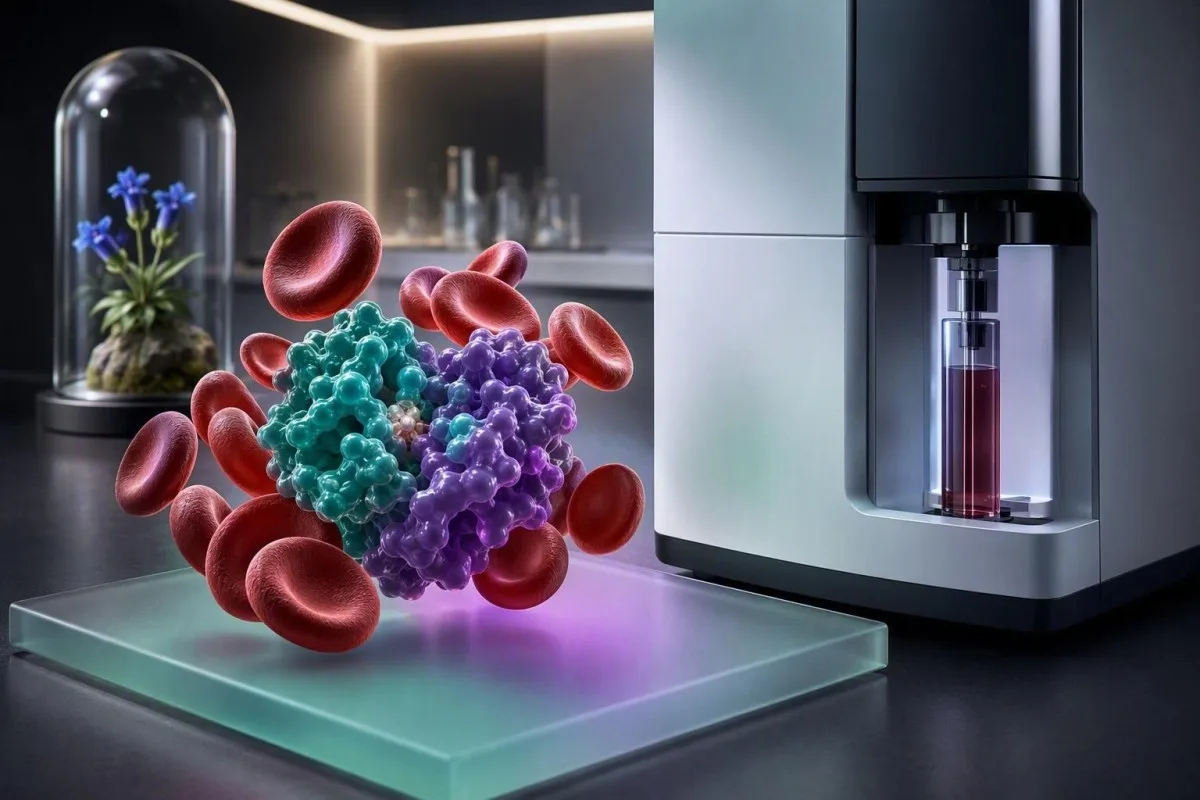
Lægra blóðrauða gildi sem er nærri efri mörkum er oft afleiðing af samþjöppun, en endurtekin mæling getur leitt í ljós mikilvægar vísbendingar varðandi súrefni, svefn, lyf eða beinmerg. Hér er hvernig ég aðgreini meinlausa einu sinni niðurstöðu frá mynstur sem þarfnast skjótrar athugunar.


- Merking Lítillega Hækkaðs Blóðrauða endurspeglar venjulega ofþornun, útsetningu fyrir hæð, reykingar eða lágt súrefni yfir nótt frekar en blóðkrabbamein.
- Viðmið fyrir fullorðna er blóðrauða yfir 16,5 g/dL hjá körlum eða 16,0 g/dL hjá konum þegar verið er að meta mögulegt fjölkornblóðleysi (polycythemia vera).
- Endurtaka CBC eftir eðlilega vökvaneyslu og 24 tíma án erfiðrar hreyfingar er oft upplýsandi fyrsta skref.
- Hæðaráhrif getur varað í vikur eftir dvöl í um það bil 2.500 m hæð, sérstaklega eftir langvarandi dvöl.
- Vísbending um svefnleysi er viðvarandi hár blóðrauði með miklum hrjám, vitni að öndunarstöðvum, morgunhöfuðverk eða dagseinka.
- Bráð einkenni innihalda nýja brjóstverki, máttuleika á annarri hliðinni, yfirlið, sjónskerðingu eða skyndilegan mæði.
- JAK2-próf er venjulega áskilinn fyrir viðvarandi hækkun eftir að hlutlægar orsakir og lág-súrefnis drifkraftar hafa verið metnir.
- Þróun skiptir máli meira en eitt merkt númer vegna þess að hver rannsóknastofa notar sitt eigið viðmiðunarbil og greiningaraðferð.
Hvað Hærra Blóðrauða Gildi Nærri Efri Mörkum Venjulega Þýðir
Lítilsháttar hækkun á blóðrauða þýðir venjulega að vökva hlutinn af sýninu var tímabundið lágur eða að líkaminn hefur aðlagast minna súrefni; eitt óljóst niðurstaða ein og sér nær sjaldan að staðfesta sjúkdóm. Endurtekin heildarblóðtala, eða CBC, við venjulegar aðstæður aðgreinir margar tímabundnar hækkun frá viðvarandi aukningu rauðra blóðkorna.
Blóðrauði er súrefnisberandi prótein innan rauðra blóðkorna, tilkynnt í grömmum á desilítra, eða g/dL. Í reynd er niðurstaða 17,0 g/dL hjá karlmanni sem hefur verið með uppköst og lítið vatn mjög ólíkt klínískt vandamál en 17,0 g/dL á þremur vel vökvuðum sýnum með sex mánaða millibili.
Óljós blóðrauða merkingu veltur á meðfylgjandi hematókrít, fjölda rauðra blóðkorna, meðalfrumpláss, súrefnissögu, lyfjum og rannsóknarstofu bili sem prentað er við hlið niðurstöðunnar. Fyrir einfalda úttekt á því hvað HGB táknar í CBC, sjá okkar blóðrauða leiðarvísir.
Þegar ég fer yfir spjaldið, leita ég að hlutfalli frekar en panik. Hár blóðrauði með háu albúmíni, háu heildarpróteini og þéttu þvagi benti til vökvataps; hár blóðrauði með eðlilegum vökvamerkjum og hækkandi blóðflögufjölda hvetur til markvissari rannsóknar.
Kantesti er AI blóðprufugreiningartæki sem les blóðrauða ásamt hematókrít, rauðkornavísitölum, nýrnamerkjum og fyrri CBC fremur en að meðhöndla eitt hátt merki sem greiningu. Okkar Tilvísunarhandbók um lífmerki hjálpar til við að útskýra hvers vegna rannsóknarstofubilið er aðeins byrjunarstaður.
Blóðrauða Gildi: Af hverju Kyn, Hæð og Rannsóknarstofa Skipta Máli
Dæmigert fullorðins blóðrauða bil á sjávarmáli er um það bil 13,5 til 17,5 g/dL fyrir karla og 12,0 til 15,5 g/dL fyrir konur sem ekki eru ófrískar, þó að staðbundin rannsóknarstofubil séu mismunandi. Merki rétt fyrir ofan efri mörkin er ekki sjálfkrafa klínískt hættulegt.
Viðmiðunarramma Alþjóðaheilbrigðismálastofnunarinnar fyrir blóðleysi er ekki hannað til að skilgreina öll efri blóðrauðamörk, og efri mörk eru meira mismunandi eftir rannsóknarstofum. Sumar evrópskar rannsóknarstofur nota efri kvenna viðmiðunarmörk nálægt 15,7 g/dL, á meðan aðrir nota 16,0 g/dL; báðir geta verið tæknilega gildir þegar þeir byggjast á staðbundnu íbúum og prófunum þeirra.
2016 Viðmiðun Alþjóðaheilbrigðismálastofnunarinnar sem notuð eru við mat á myeloproliferative-neoplasm meðhöndla blóðrauða yfir 16,5 g/dL hjá körlum eða 16,0 g/dL hjá konum sem eitt mögulegt meginviðmið fyrir polycythemia vera, en það viðmið verður að vera ásamt beinmerg, JAK2, eða rauðkornavaka-vísa (Arber o.fl., 2016). Það er kveikja að klínískri rökþróun, ekki greining sem þú getur gert úr hliðarmerki.
Meðganga breytir myndinni í gagnstæða átt vegna þess að plasmagildi stækkar verulega, oft lækkar mæld blóðrauða um 1 til 2 g/dL. Börn, unglingar og fólk sem býr í mikilli hæð þurfa aldurs- og staðbundin samanburðarbil; útskýring okkar á kynbundnum rannsóknarstofubilum fjallar um hvers vegna alhliða markmið getur verið villandi.
Tímabundin Samþjöppun Á Móti Raunverulegri Fjölgun Rauðra Blóðkorna
Hlutfallslegt fjölkornblóðleysi þýðir að blóðrauði lítur út fyrir að vera hár vegna þess að vatn í plasma minnkar, en algjört fjölkornblóðleysi þýðir að heildarmagn rauðra blóðkorna hefur sannarlega aukist. Flestar jaðarniðurstöður sem ég sé eru hlutfallslegar þar til endurteknar prófanir sanna annað.
1 til 2 kg vökvatap vegna hita, niðurgangs, mikillar svitamyndunar, þvagræsilyfja eða langrar flugferðar getur þétt CBC nægilega til að fara yfir rannsóknarstofumörk. Blóðkornahlutfall og blóðrauði hækka oft saman, en þvagefni eða BUN getur hækkað óhóflega ef vökvaskortur er mikill.
Prótein niðurstöður geta verið gagnleg yfirferð: hátt albúmín eða heildarprótein ásamt háum blóðrauða styður blóðþéttingu, þó enginn fundur sanni það. Leiðbeiningar okkar um mynstur hás blóðkornahlutfalls útskýrir hvers vegna tveimur CBC mælingum ætti að lesa saman.
Algjört fjölkornblóðleysi er sjaldgæfara og getur verið afleitt af litlu súrefni, umfram rauðkornavaka, ákveðnum lyfjum eða beinmergsástandi. Formleg mæling á rauðkornamagni er til en er nú sjaldan fyrsta prófið vegna þess að röð CBC, súrefnismat, rauðkornavaki og sameindapróf svara venjulega klínískri spurningu.
Hvernig Á Að Undirbúa Sig Fyrir Endurtekin Blóðrauða Mæling
Endurtakið jaðarháan blóðrauða þegar þú ert heilbrigður, eðlilega vökvaður og laus við bráða vökvatap; margir læknar velja 2 til 4 vikur fyrir venjulega endurtekningu. Drekkið ekki með viljandi vatn, því of mikill vökvainntaka getur skapað öfuga röskun.
Í 24 klukkustundir áður, drekkið eðlilegt magn af vökva, forðist óvenju erfiða þrekiþjálfun og forðist gufubað eða hitaútsetningu ef mögulegt er. Maraþon, ákaft CrossFit-námskeið eða dagur erfiðis handavinnu getur tímabundið breytt plasmamagni; sama meginregla útskýrir sumar breytingar sem sést í blóðpróf hjá íþróttamönnum.
Segðu lækninum frá niðurgangi, uppköstum, hita, nýlegri ferð á hærri staði, reykingum eða vaping, testósteróni, þvagræsilyfjum og SGLT2 sykursýkislyfjum. Þessar upplýsingar breyta túlkun meira en fastandi staða gerir, því fastandi er almennt ekki krafist fyrir CBC nema aðrir pantaðir próf krefjist þess.
Reyndu að nota sömu rannsóknarstofu og svipaðan tíma dags þegar þú fylgir lítilli breytingu eins og 16.1 til 16.7 g/dL. Líffræðileg afbrigði og greinanleg afbrigði eru raunveruleg; okkar tímasetningu blóðprófa útskýrir hvers vegna tölulegur munur er ekki alltaf líffræðileg breyting.
Hæð Getur Hækkað Blóðrauða Langt Eftir Ferðalag
Að búa eða eyða stöðugum tíma í hæð eykur blóðrauða vegna þess að lægri súrefnisþrýstingur örvar framleiðslu rauðkornavaka í nýrum. Áhrifin eru mest áberandi fyrir ofan um það bil 2.500 m og gætu ekki náðst eðlilega strax eftir að hafa farið aftur á sjávarmál.
Vika skíðaferð mun ólíklega útskýra verulega aukningu en nokkrar vikur í hæð, en einstök svörun er mjög mismunandi. Að minni reynslu gleyma sjúklingar oft að nefna vaktavinnu, æfingabúðir í mikilli hæð eða nýlega flutning vegna þess að þeir líta ekki á ferðalög sem rannsóknarstofuútsetningu.
Fólk sem býr í mikilli hæð getur haft grunnlínugildi sem eru utan viðmiðunarmarka fyrir sjólag án þess að hafa blóðsjúkdóm. Viðeigandi spurningin er hvort gildið sé stöðugt fyrir viðkomandi og hvort einkenni eins og höfuðverkur, minni þol í hreyfingu eða svefntruflanir bendi til of mikils súrefnisskorts.
Reyndu ekki að lækka blóðrauða tengdan hæð með óávísað aspiríni eða blóðgjöf. Læknir ætti fyrst að ákveða hvort hækkunin sé væntanleg aðlögun; ítarleg endurskoðun okkar á blóðrauða eftir hæð býður upp á hagnýt endurprófunartímasetningu.
Reykingar, Kolmónoxíð og Hærra Blóðrauða
Reykingar geta hækkað blóðrauða þar sem kolmónoxíð dregur úr skilvirkri súrefnisgjöf og gefur líkamanum merki um að framleiða fleiri rauð blóðkorn. Púls oxunarmæling getur verið eðlileg eða villandi há við útsetningu fyrir kolmónoxíði, svo eðlileg súrefnismæling heima útilokar ekki þessa virkni.
Kveikjandi sígarettur eru skýrasta orsökin, en útsetning fyrir viðarkolum, illa loftræstum eldsneytistækjum og sumum starfsaðstæðum skipta líka máli. Vape framleiðir venjulega ekki kolmónoxíð á sígarettustigi, en svefntruflanir tengdar nikótíni og tvöföld notkun eru algengar nægilega til þess að ég spyr um hvort tveggja frekar en að gera ráð fyrir að annað útiloki hitt.
Bláæða- eða slagæða co-oximetry mæling getur greint karboxýhemóglóbín þegar útsetning er líkleg. Karboxýhemóglóbín er oft undir 2% hjá reykingamönnum sem ekki reykja og getur náð 5% til 10% hjá reykingamönnum, þó að tímasetning frá síðustu sígarettu breyti niðurstöðunni verulega.
Einkenni eins og nýjar mæði, brjóstverkur eða hvæs ættu að vera metin klínískt; okkar leiðarvísir um blóðpróf vegna mæði útskýrir hvaða niðurstöður geta bætt við samhengi.
Svefnleysi: Hin Oft Misskilda Næturorsök
Lokunarsvefnapnea getur valdið viðvarandi vægri hækkun blóðrauða í gegnum endurtekin nætursúrefnisföll, sérstaklega þegar dagleg þreyta og hávær hrjóta samhliða. Meðalaukning er venjulega hófleg, svo mjög há gildi ætti ekki að kenna um svefnapneu án þess að athuga aðrar orsakir.
Gagnleg einkennasamsetning er hávær vanaleg hrjóta, vitni að öndunarhléum, vakna óhress, morgunhöfuðverkur, þráhyggjuhár blóðþrýstingur og syfja við akstur eða kyrrsetu. Hálsstærð og líkamsþyngd geta aukið áhættu, en þunnir einstaklingar og konur eftir tíðahvörf geta einnig haft klínískt mikilvæga svefnapneu.
Kerfisbundin endurskoðun frá 2022 leiddi í ljós að lokunarsvefnapnea tengdist hærra hematocrit, en klínískt marktæk blóðrauða var óalgeng og tengdist frekar alvarlegum sjúkdómi (Martelli o.fl., 2022). Þessi blæbrigði skipta máli: blóðrauði 18,5 g/dL þarf víðtækari mat þó einhver hrjóti.
Kantesti er AI lífmerkjatúlkunarvettvangur sem getur merkt samsetningu endurtekinna há blóðrauða, há hematocrit og efnaskipta- eða blóðþrýstingsvísbendinga fyrir klíníska eftirfylgni. Slæmur svefn getur breytt meira en CBC, eins og fjallað er um í okkar endurskoðun á svefni og rannsóknarniðurstöðum.
Lyf, Testósterón og Bæði Sem Getur Hækkað Blóðrauða
Testósterónmeðferð er algeng lyfjatengd orsök hækkaðs blóðrauða þar sem hún örvar rauðkornamyndun og getur dregið úr hepcidíni, sem eykur járn. Inndælanlegar samsetningar framleiða almennt meiri hámark en daglegar transdermal valkostir.
Endokrínílaga samfélagið mælir með því að athuga hematocrit í grunnlínu, eftir 3 til 6 mánuði af testósterónmeðferð, og síðan árlega; hematocrit yfir 54% kallar almennt eftir að hætta meðferð og meta meðhjálpandi súrefnisskort eða svefnapneu. Nákvæm áætlun um endurræsingu skal einstaklingsmiðuð af ávísandi lækni.
SGLT2 hemlar notaðir við sykursýki, hjartabilun og nýrnasjúkdóm geta hækkað hematocrit um nokkur prósentustig með breytingum á rúmmáli plasma og súrefnismyndunartengdum virkni. Þvagræðilyf geta þétt sýnið, en sprautur með súrefnismyndun og notkun anabólískra-andrógena sterka geta framleitt raunverulega aukningu í rauðum blóðkornum.
Hættu ekki við ávísaða meðferð eingöngu vegna einstakrar niðurstöðu, en komdu með nákvæman lista yfir lyf og fæðubótarefni til endurskoðunar. Tímasetning skiptir máli sérstaklega fyrir hormónanotendur; sjá leiðbeiningar okkar til Bið eftir eftirliti með testósteróni.
Hvenær Lungna-, Hjarta- eða Nýrnasjúkdómar Þarfnast Athugunar
viðvarandi hátt blóðrauða gæti verið bótatilboð við langvarandi súrefnisskorti vegna lungnasjúkdóma, ákveðinna hjartasjúkdóma eða öndunarörðugleika í svefni. Nýrnasjúkdómar geta einnig aukið nýrnaefni, hormón sem segir beinmerg að framleiða rauð blóðkorn.
Langvinn lungnateppu, lungnasjúkdómar í lungnavef, offitu-örðugleikaöndun og hægri-til-vinstri hjartaskipti geta allt stuðlað að þessu, þótt saga og súrefnismælingar veiti venjulega sterkari vísbendingar en einungis CBC. Hvíldarsúrefnis mettun undir 92% á sjávarmáli réttlætir skjóta klíníska mats, sérstaklega þegar hún er ný.
Hækkað nýrnaefni styður venjulega annars konar orsök, en lágt nýrnaefni getur styrkt grun um frumvandamál í beinmerg. Nýrnamyndataka er ekki sjálfkrafa nauðsynleg fyrir hverja væga hækkun, en læknar geta íhugað hana þegar nýrnaefni er óvænt hátt eða þegar þvagfæraeinkenni, særindi í hlið eða óeðlilegar nýrnaprófanir eru til staðar.
Skoðaðu kreatínín, eGFR, þvagrannsókn og blóðþrýsting ásamt CBC frekar en í einangrun. Okkar leiðbeiningar um stig nýrnasjúkdóma útskýrir hvers vegna nýrnamerki þurfa líka endurteknar mælingar.
Fjölkornblóðleysi (Polycythemia Vera): Þegar Beinmergsorsök Færist Hærra á Listann
Fjölblóðkornadepressía er sjaldgæfur langvinnur beinmergsjúkdómur þar sem framleiðsla rauðra blóðkorna er sjálfstæð, oftast með JAK2 stökkbreytingu. Það verður líklegra þegar blóðrauði eða hematókrit helst hækkað við endurteknar prófanir og nýrnaefni er lágt.
WHO rammaáætlunin frá 2016 notar blóðrauða yfir 16,5 g/dL hjá körlum eða 16,0 g/dL hjá konum, eða hematókrit yfir 49% og 48% í sömu röð, sem viðmið til að rannsaka mögulega fjölblóðkornadepressíu (Arber o.fl., 2016). Flestir yfir þessum viðmiðum eru ekki með fjölblóðkornadepressíu, þess vegna eru endurteknar prófanir og súrefnissaga fyrst.
Klátur eftir heitt bað, roði í andliti, þvagsýrugigt, óútskýrðir blóðtappar, einkenni stækkaðs milta eða háir blóðflögur og hvít blóðkorn gera mynstur meira áhyggjuvekjandi. Samt sem áður er klátur algengur og óákveðinn; ég myndi aldrei nota hann einan til að greina einhvern með beinmergsjúkdóm.
JAK2 V617F próf greina meirihluta fjölblóðkornadepressíu tilfella, og JAK2 exon 12 próf getur fylgt ef grunur varir. Okkar einkennaleiðarvísi um fjölhringfrumufjölgun (polycythemia) lýsir CBC, nýrnaefni og efnaröðinni sem notuð er í venjubundinni æfingu.
Hvenær Á Að hafa Áhyggjur af Blóðrauða og Leita Neyðaraðstoðar
Vægt hækkaður blóðrauði án einkenna er venjulega útvistvandamál, en taugasjúkdómaeinkenni, brjóstverkur, alvarleg öndunarerfiðleiki eða merki um storknun krefjast bráðameðferðar sama dag. Áhættan stafar af öllu klínísku myndinni, ekki einstökum merktum tölu einni.
Leitaðu neyðaraðstoðar vegna skyndilegs einhliða máttarleysis, talörðugleika, yfirliðs, nýs sjónmissis, kvalafullra brjóstverkja, blóðhósta eða bólgnu og sársaukafulls kálfa með öndunarerfiðleika. Þetta getur bent til æðaviðburða óháð því hvort blóðrauði er 16,2 eða 19,0 g/dL.
Fljótt klínískt mat innan dags er skynsamlegt fyrir endurtekið blóðrauða yfir 18,5 g/dL hjá körlum eða 16,5 g/dL hjá konum, eða hematókrit yfir 52% hjá körlum eða 48% hjá konum, sérstaklega með höfuðverk, svima, klát eftir bað eða sögu um storknun. Þetta eru hagnýtir forgangsstaðir, ekki í staðinn fyrir WHO greiningarrammann.
Kantesti AI getur skipulagt þróun í CBC og auðkennd samtímis blóðflagna-, hvítfrumu-, nýrna- og járnfrávik, en bráð einkenni eru alltaf mikilvægari en sjálfvirk túlkun. Ef blóðtappa-einkenni eru hluti af áhyggjum, okkar leiðbeiningum okkar um storkupróf skýrir hvers vegna eðlilegir venjulegir storkutímar útiloka ekki blóðtappa.
Próf Sem Læknar Nota Almennt Eftir Viðvarandi Hækkun
Fyrsta matsþrep fyrir viðvarandi hækkað hemoglobin inniheldur venjulega endurtekið CBC, súrefnismat, sermis-erytropoietin, lyfjagagnskoðun og markvissa JAK2 prófun þegar mynstrið réttlætir það. Röðunin er hönnuð til að forðast dýrar prófanir fyrir einu sinni ofþornunaráhrif.
Læknir getur beðið um skoðun á útlægu blóðfrumusýni þegar lögun rauðra blóðkorna, blóðflagnafjöldi eða hvítfrumufjöldi lítur óvenjulega út. Ferritin og transferrin mettun geta verið gagnlegar vegna þess að járnskortur getur dulíð gráðu blóðkornaaukningar með því að halda rauðum blóðkornum óvenjulega litlum; kannaðu túlkun járnrannsóknar fyrir viðeigandi mælingar.
Puls oxymetry, yfir nótt oxymetry, formleg svefnrannsókn og karboxýhemóglóbín prófun eru valin út frá sögu frekar en pöntuð af handahófi. Hjá einstaklingi með háværa hrjóta og eðlilega dagsbirtu mettun, gefur yfir nótt rannsókn oft gagnlegri upplýsingar en lungnaskann.
Fullur blóðtala ætti að lesa sem mynstur: hækkandi blóðflögur, daufkyrninga eða basófíla breyta mismuninum, en einangrað stöðugt hemoglobin er yfirleitt minna áhyggjuvekjandi. Kantesti klíníska nálgun fylgir staðla fyrir læknisfræðilega staðfestingu með því að kynna ákvarðanatökustuðnings samhengi frekar en að fullyrða að greina fjölfrumuhimnubólgu.
Fjögur Algeng Miskilningsatriði Um Hærra Blóðrauða
Hár blóðrauði þýðir ekki að blóð þitt sé sjálfkrafa “of þykkt” og að drekka mikinn vökva sé ekki örugg meðferð. Seigja fer eftir hematókrit, plasmapróteinum, hitastigi, flæði og undirliggjandi orsök.
Röng hugmynd eitt: hvert hátt gildi þýðir ofþornun. Ofþornun er algeng, en viðvarandi hækkun með eðlilegu albúmíni og sögu um hrjóta, reykingar eða testósterónnotkun ætti ekki að hunsa án endurtekins CBC og beinnar skoðunar.
Röng hugmynd tvö: blóðgjafir laga alltaf vandamálið. Therapeutic venesection er gagnlegt í völdum greindum sjúkdómum, en óeftirlitsbundin tíð blóðgjöf getur skapað járnskort, þreytu og villandi eðlilegt blóðrauða á meðan undirliggjandi drifkraftur er virkur.
Röng hugmynd þrjú: eðlileg rauðkornafjöldi útilokar marktæka blóðkornabólgu. Blóðrauði og hematókrit geta enn verið hækkuð þegar frumur eru stærri eða ríkari af blóðrauða, sem er ástæðan fyrir því að túlkun MCV og MCH tilheyrir umræðunni.
Hvernig Á Að Fylgjast Með Blóðrauða Án Þess Að Elta Hverja Tíunda Hlutapuntu
Persónulegur blóðrauða grunnur er gagnlegri en einn rannsóknarstofublaði þegar sýni voru tekin við sambærilegar aðstæður. Skráðu dagsetningu, hæð yfir sjávarmáli, veikindi, vökvun, hreyfingu, reykingarstöðu og viðeigandi lyfjabreytingar við hliðina á hverju CBC.
Breyting frá 15,6 til 16,0 g/dL getur endurspeglað venjulega líffræðilega og greiningarfræðilega breytileika, en smám saman hækkun frá 15,2 til 17,4 g/dL yfir fjögur sambærileg sýni verðskuldar athygli, jafnvel þótt hver niðurstaða hafi aðeins verið lítillega merkt. Hraði og stefna breytinga skiptir oft meira máli en einn aukastafur.
Kantesti er AI-knúið blóðprófunargreiningartól sem ber saman fyrri skýrslur og greinir viðvarandi blóðfræðileg mynstur yfir rannsóknarstofusnið. Sjúklingar sem nota okkar leiðarvísir fyrir langtímarannsókn geta varðveitt samhengið sem annars er auðvelt að missa milli tíma.
Frá og með 27. ágúst 2026, ráðlegg ég enn að koma með upprunalega PDF eða ljósmynd af rannsóknarstofu á læknisheimsókn frekar en að treysta á handskrifaða niðurstöðu. Mælieiningar, viðmiðunarmörk, sýnatökudagsetningar og athugasemdir greinara geta breytt túlkuninni.
Hagnýt Næsta Skrefaáætlun Fyrir Lítillega Hækkaða Niðurstöðu
Fyrir einstaka væga hækkun, ávísið á endurtekna blóðtalningu eftir 2 til 4 vikur við venjulega vökvun og ræðið viðvarandi niðurstöður við lækninn þinn. Hraði fyrr ef gildið er ljóst hátt, klifrandi eða fylgir segamyndun, öndunar- eða taugasjúkdómaeinkenni.
Fyrsta skrefið er einfalt: staðfestu niðurstöðuna og tilgreint bil rannsóknastofunnar, skráðu síðan nýlega veikindi, útsetningu fyrir hita, langa ferðalög, hæð, reykingar, svefneinkenni og lyf. Annað skref er vel undirbúin endurtekin blóðtalning; þriðja skrefið er stýrð prófun aðeins ef hækkunin varir.
Fyrir sjúklinga mína er frjóasta spurningin á viðtalinu: “Virðist þetta vera hlutfallslegt, afleiðing súrefnis eða lyfja, eða hugsanlega frumlegt?” Þessi orðalag hvetur lækninn til að útskýra rök sín og hjálpar til við að koma í veg fyrir ruglingslega rannsókn. A full CBC pattern review getur hjálpað þér að undirbúa viðeigandi spurningar.
Kantesti AI veitir menntunarútskýringar og stuðning við þróun, ekki neyðar- eða greiningarþjónustu. Læknisfræðilegt efni okkar er yfirfarið með aðkomu Læknisfræðileg ráðgjafarnefnd, og ég hvet til skjótrar persónulegrar umönnunar hvenær sem einkenni eða endurtekin há gildi gera aðstæður minna venjulegar.
Algengar spurningar
Hvað þýðir örlítið hækkað hemóglóbínmagn?
Lítillega hækkað blóðrauðagildi þýðir venjulega annað hvort tímabundna styrkingu vegna minni vatns í plasma eða aukinni framleiðslu rauðra blóðkorna vegna minna súrefnis. Hefðbundin gildi á sjávarmáli eru um það bil 13,5 til 17,5 g/dL fyrir fullorðna karla og 12,0 til 15,5 g/dL fyrir óléttar fullorðnar konur, en rannsóknarstofugildi forgangsraðast. Einstök gildi eins og 16,1 g/dL ætti venjulega að endurtaka undir eðlilegum vökvajafnvægi áður en þau eru meðhöndluð sem sjúkdómur. Viðvarandi gildi yfir 16,5 g/dL hjá körlum eða 16,0 g/dL hjá konum réttlæta endurskoðun læknis vegna fjölsmitseinkenna.
Getur ofþornun valdið háu blóðrauðagildi?
Já, ofþornun getur valdið háum blóðrauðagildum með því að draga úr vökvaþætti blóðsins og þétta prótín rauðra blóðkorna í hverjum desilítra. Hiti, niðurgangur, uppköst, þvagræfilyf, mikil hreyfing, gufubaðsnotkun og langar flugferðir geta hækkað gildið svo mikið að það fari yfir efri mörk rannsóknarstofu. Hár hematocrit ásamt háu albúmíni eða heildarprótíni styður blóðþéttni, þótt það sanni hana ekki. Endurtekin blóðpróf eftir 2 til 4 vikur með eðlilegu vökvainntöku er oft öruggasta leiðin til að athuga hvort hækkunin haldist.
Hvenær á ég að hafa áhyggjur af háu blóðrauða?
Leitaðu tafarlaust til læknis vegna hátt hemóglóbíns með skyndilegum brjóstverk, máttleysi annarar líkamshelmingar, talörðugleikum, yfirliði, bráðum sjóntaps, miklum andþrengslum eða bólgum og sársaukafullum fæti. Fyrir ekki bráð endurskoðun, endurtekið hemóglóbín yfir 18,5 g/dL hjá körlum eða 16,5 g/dL hjá konum, sérstaklega með hátt hematókrit eða einkenni, krefst skjótrar mats læknis. WHO mörk sem notuð eru til að rannsaka mögulega fjölhæðablóðleysi eru hemóglóbín yfir 16,5 g/dL hjá körlum eða 16,0 g/dL hjá konum, en greining krefst viðbótarupplýsinga. Einkenni og þróun með tímanum eru upplýsandi en eitt merki.
Getur kæfisvefn valdið hækkuðu hemoglobin?
Öfnunartengd kæfisvefn getur valdið vægt hækkuðu hemoglobin vegna þess að endurteknir súrefnisskammta á nóttunni örva nýmyndun rauðblóðkorna og framleiðslu rauðra blóðkorna. Hávær hrjúk, staðfestir öndunarhlé, höfuðverkur á morgnana, syfja yfir daginn og þrálátur hár blóðþrýstingur gera þessa skýringu líklegri. Meta-greining frá 2022 leiddi í ljós að kæfisvefn tengist meira hematokrít, þótt klínískt marktæk ofblóðlgun sé sjaldgæf og komi aðallega fram við alvarlegri sjúkdóm. Svefnrannsókn eða súrefnismat á nóttunni getur verið gagnlegra en súrefnismæling yfir daginn þegar einkenni benda til kæfisvefns.
Hækkar reykingar blóðrauða?
Reykingar geta hækkað magn hemóglóbíns þar sem kolmónoxíð sem andað er að sér bindst hemóglóbíni og dregur úr magni þess sem tiltækt er til að flytja súrefni. Reglubundnir reykingamenn geta haft karboxýhemóglóbíngildi um 5% til 10%, samanborið við gildi sem oft eru undir 2% hjá reykingamönnum, þótt tala þessi breytist eftir tímasetningu útsetningar. Púlsoxímetrar geta gefið rangar upplýsingar við útsetningu fyrir kolmónoxíði þar sem þeir greina súrefnisbundinn hemóglóbín ekki áreiðanlega frá karboxýhemóglóbíni. Ætti að meta viðvarandi hækkun eftir að reykingum er hætt aftur frekar en að gera ráð fyrir að hún sé skaðlaus.
Hvaða próf eru gerð fyrir stöðugt hátt blóðrauða?
Almennt byrjar próf fyrir viðvarandi hátt blóðrauða með endurtekinni CBC, mat á súrefnisskriðun, lyfjaskoðun og mati á sermis rauðkornavaka. Læknar geta bætt við yfir nótt súrefnisprófun, karboxýhemóglóbínmælingu, nýrnapróf, járnrannsóknir og JAK2 stökkbreytingapróf þegar CBC mynstur og klínísk saga styðja þessi skref. Lágt rauðkornavaka með endurtekinni blóðrauða yfir 16,5 g/dL hjá körlum eða 16,0 g/dL hjá konum gerir fyrsta mergsferli meira áhyggjuvekjandi. Læknir velur röðina vegna þess að stjórnlaus myndgreining og sameindapróf geta skapað falskar viðvaranir.
Fáðu AI-knúna greiningu á blóðprufum í dag
Vertu með yfir 2 milljónir notenda um allan heim sem treysta Kantesti fyrir tafarlausa og nákvæma greiningu á blóðprufum. Hladdu upp niðurstöðum blóðrannsókna þinna og fáðu yfirgripsmikla túlkun á 15,000+ lífmerkjum á sekúndum.
📚 Tilvísuð rannsóknarútgáfa
Klein, T., Mitchell, S., & Weber, H. (2026). Útskýring á BUN/kreatínínhlutfalli: Leiðbeiningar um nýrnastarfsemipróf. Kantesti AI Medical Research.
Klein, T., Mitchell, S., & Weber, H. (2026). Þvagþéttniþvagefni í þvagprófi: Leiðarvísir um heildarþvaggreining 2026. Kantesti AI Medical Research.
📖 Ytri læknisfræðilegar heimildir
⚕️ Fyrirvari vegna læknisfræðilegra mála
Þessi grein er eingöngu til fræðslu og felur ekki í sér læknisráðgjöf. Leitaðu alltaf til hæfs heilbrigðisstarfsmanns vegna ákvarðana um greiningu og meðferð.
E-E-A-T traustmerki
Reynsla
Læknastýrð klínísk yfirferð á vinnuferlum við túlkun rannsóknarniðurstaðna.
Sérþekking
Áhersla á rannsóknarstofulækningar: hvernig lífmarkarar hegða sér í klínísku samhengi.
Yfirvald
Skrifað af Dr. Thomas Klein með yfirferð Dr. Sarah Mitchell og próf. Dr. Hans Weber.
Traustleiki
Rökstudd túlkun byggð á gögnum með skýrum eftirfylgnileiðum til að draga úr ávörun.