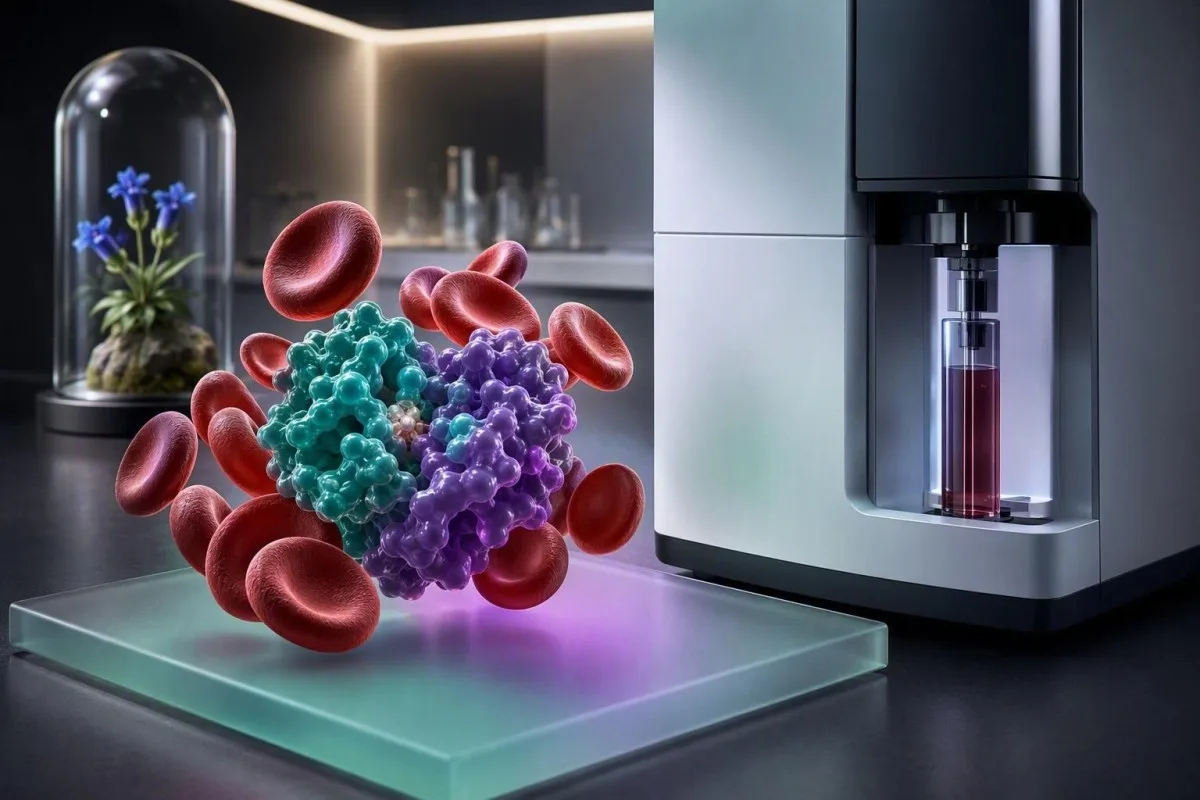
Borderline alta hemoglobino estas ofte koncentriĝa efiko, sed ripetita rezulto povas malkaŝi signifan oksigenan, dorman, medikamentan aŭ medolan indicon. Jen kiel mi apartigas la sendanĝeran unufojan rezulton de la ŝablono, kiu meritas rapidan revizion.


- Iomete alta hemoglobina signifo kutime reflektas senhidratigon, altan ekspozicion, fumadon aŭ noktomezan malaltan oksigenon prefere ol kancero de la sango.
- Plenkreska sojlo estas hemoglobino super 16,5 g/dL ĉe viroj aŭ 16,0 g/dL ĉe virinoj dum taksado de ebla policitemio vera.
- Ripeta CBC post normala hidratiĝo kaj 24 horoj sen peniga ekzercado estas ofte la plej informa unua paŝo.
- Altituda efiko povas persisti dum semajnoj post tempo super ĉirkaŭ 2 500 m, precipe post longaj restadoj.
- Dormapnea indico estas persista alta hemoglobino kun laŭta ronko, observitaj paŭzoj, matenaj kapdoloroj aŭ tagaj dormemo.
- Urĝaj simptomoj inkluzivaj novan brustodoloron, ununflankan malforton, svenon, vidopovon, aŭ subitan spirmankon.
- Testado de JAK2 kutime rezervita por daŭra altigo post kiam relativaj kaŭzoj kaj malalt-oksigenaj ŝoforoj estas taksitaj.
- Gravas la tendenco pli ol ununura markita nombro, ĉar ĉiu laboratorio uzas sian propran referencan intervalon kaj analizmetodon.
Kion kutime signifas Borderline Alta Hemoglobina Rezulto
Iom altigita hemoglobino kutime signifas, ke la likva parto de la provo estis provizore malalta aŭ la korpo adaptiĝis al pli malalta oksigeno; ununura lima rezulto malofte establas malsanon. Ripeta kompleta sangokalkulado, aŭ CBC, sub ordinaraj kondiĉoj apartigas multajn provizorajn altigojn de persista kresko de ruĝaj globuloj.
Hemoglobino estas la oksigen-portanta proteino ene de ruĝaj ĉeloj, raportita kiel gramoj por decilitro, aŭ g/dL. En praktiko, rezulto de 17,0 g/dL ĉe viro, kiu havis vomadon kaj malmulte da akvo, estas tre malsama klinika problemo ol 17,0 g/dL ĉe tri bone hidratiĝintaj provoj ses monatojn dise.
La lima hemoglobina signifo dependas de la akompananta hematokrito, ruĝ-ĉela nombro, meza korpuskla volumo, oksigenhistorio, medikamentoj, kaj la laboratoria intervalo presita apud la rezulto. Por klarlingva revizio de tio, kion HGB reprezentas en CBC, vidu nian hemoglobina rezultgvidilo.
Kiam mi revizias panelon, mi serĉas proporcion prefere ol panikon. Alta hemoglobino kun alta albumino, alta totala proteino, kaj koncentrita urino indikas fluidan perdon; alta hemoglobino kun normalaj hidratiĝaj signoj kaj kreskanta plateta nombro instigas pli deliberatan esploron.
Kantesti estas AI-sangotesta analizilo kiu legas hemoglobinon apud hematokrito, ruĝ-ĉelaj indicoj, renaj signoj, kaj antaŭaj CBC-oj prefere ol trakti ununuran altan signon kiel diagnozon. Nia referenca gvidilo pri biosignoj helpas klarigi kial la laboratoria gamo estas nur la komenca punkto.
Hemoglobinaj Intervaloj: Kial Sekso, Alto kaj la Laboratorio Gravas
Tipaj nivelaj plenkreskaj hemoglobinaj gamoj estas ĉirkaŭ 13,5 ĝis 17,5 g/dL por viroj kaj 12,0 ĝis 15,5 g/dL por ne-gravedaj virinoj, kvankam lokaj laboratoriaj intervaloj diferencas. Signo tuj super la supra limo ne estas aŭtomate klinike danĝera.
La diagnoza kadro de la Monda Organizaĵo pri Sano por anemio ne estas desegnita por difini ĉiun supran hemoglobinan limon, kaj la supraj limoj varias pli laŭ laboratorio. Kelkaj eŭropaj laboratorioj uzas supran inan referencan limon proksime de 15,7 g/dL, dum aliaj uzas 16,0 g/dL; ambaŭ povas esti teknike validaj kiam bazitaj sur ilia loka loĝantaro kaj analizo.
La 2016-datita kriterioj de la Monda Organizaĵo pri Sano uzataj en la taksado de mieloproliferaj neŭroplazioj traktas hemoglobinon super 16,5 g/dL ĉe viroj aŭ 16,0 g/dL ĉe virinoj kiel unu ebla grava kriterio por policitemio vera, sed tiu kriterio devas esti kombinita kun medolo, JAK2, aŭ eritropoetina pruvo (Arber et al., 2016). Ĝi estas ellasilo por klinika rezonado, ne diagnozo, kiun vi povas fari el porta signo.
Gravedeco ŝanĝas la bildon en la mala direkto, ĉar plasma volumo pligrandiĝas signife, ofte malaltigante la mezuritan hemoglobinon je 1 ĝis 2 g/dL. Infanoj, adoleskantoj, kaj homoj vivantaj en alta altitudo bezonas aĝ- kaj situacio-specifajn komparegajn gamojn; nia klarigo pri seks-bazitaj laboratoriaj intervaloj kovras kial universala celo povas misgvidi.
Provizora Koncentriĝo Kontraŭ Vera Pliiĝo de Ruĝaj Ĉeloj
Relativa eritrocitozo signifas, ke hemoglobino ŝajnas alta ĉar plasma akvo estas reduktita, dum absoluta eritrocitozo signifas, ke tuta eritrocita maso vere kreskis. La plej multaj limaj rezultoj, kiujn mi vidas, estas relativaj ĝis ripetita testado pruvas alie.
1 ĝis 2 kg fluidperdo pro febro, lakso, peza ŝvitado, diureziloj aŭ longa flugado povas koncentri CBC sufiĉe por transpaŝi laboratorian sojlon. Hematokrito kaj hemoglobino ofte kreskas kune, dum ureo aŭ BUN povas kreski neproporcie se senhidratiĝo estas signifa.
Proteineraj rezultoj povas esti utila interkruciĝa kontrolo: alta albumino aŭ totala proteino kune kun alta hemoglobino subtenas hemokoncentriĝon, kvankam nek trovaĵo pruvas ĝin. Nia gvidilo al altaj hematokritaj padronoj klarigas kial la du CBC-mezuroj devus esti legataj kune.
Absoluta eritrocitozo estas malpli ofta kaj povas esti sekundara al malalta oksigeno, troa eritropoetino, certaj medikamentoj, aŭ medula kondiĉo. Formata mezurado de eritrocita maso ekzistas sed nun malofte estas la unua testo ĉar seriaj CBC-oj, oksigena takso, eritropoetino, kaj molekula testado kutime respondas la klinikan demandon.
Kiel Prepariĝi por Ripeta Hemoglobina Testo
Ripetu liman altan hemoglobinon kiam vi estas sana, normale hidratigita, kaj sen akra fluidperdo; multaj klinikistoj elektas 2 ĝis 4 semajnojn por rutina ripeto. Ne trinku tro multe da akvo intence, ĉar troa akvokonsumo povas krei la malan distordon.
Dum 24 horoj antaŭe, trinku vian kutiman kvanton da fluido, evitu nekutime intensan eltenan ekzercon, kaj evitu saŭnon aŭ varmegan ekspozicion se eble. Maratono, intensa CrossFit-sesio, aŭ tago de peza manlaboro povas transie ŝanĝi plasman volumon; la sama principo klarigas kelkajn ŝanĝojn viditajn en sangotestado de atletoj.
Informu la kuraciston pri lakso, vomado, febro, lastatempa altitudina vojaĝo, fumado aŭ vaporo, testosterono, diureziloj, kaj SGLT2-diabetaj medikamentoj. Tiuj detaloj ŝanĝas interpretadon pli ol fasta stato, ĉar fasto ĝenerale ne necesas por CBC krom se aliaj ordonitaj testoj tion postulas.
Provu uzi la saman laboratorion kaj similan tempon de la tago kiam vi sekvas malgrandan ŝanĝon kiel 16,1 ĝis 16,7 g/dL. Biologia kaj analizila variado estas realaj; nia sang-testa templim-gvidilo klarigas kial nombra diferenco ne ĉiam estas biologia ŝanĝo.
Alto Pavasaltigi Hemoglobinon Longan Post Vojaĝo
Loĝi aŭ pasigi daŭran tempon en altitudo altigas hemoglobinon ĉar pli malalta oksigena premo stimulas eritropoetinan produktadon en la renoj. La efiko estas plej rimarkinda super ĉirkaŭ 2.500 m kaj eble ne normaliĝas tuj post reveno al marnivelo.
Semajnfina skiado estas malpli verŝajne klarigi gravan kreskon ol pluraj semajnoj en altitudo, sed individua respondo varias konsiderinde. Laŭ mia sperto, pacientoj ofte forgesas mencii laboran rotacion, altitudinan trejnan blokon, aŭ lastatempan translokadon ĉar ili ne rigardas vojaĝadon kiel laboratorian ekspozicion.
Loĝantoj de altaj altitudoj povas havi bazajn valorojn ekster la referencaj gamoj de marnivelo sen havi malkondicion de la medolo. La grava demando estas ĉu la valoro estas stabila por tiu persono kaj ĉu simptomoj kiel kapdoloroj, reduktita toleremo al ekzercado aŭ dormo-disrompo sugestas troan hipoksan streson.
Ne provu malaltigi hemoglobinon rilatan al altitudo per nepreskribita aspirino aŭ sangodonado. Klinisto devas unue decidi ĉu la plialtiĝo estas atendata adaptiĝo; nia fokusita revizio de hemoglobino post altitudo ofertas praktikan tempon por retestado.
Fumado, Karbona Monooksido kaj Alta Hemoglobino
Fumado povas plialtigi hemoglobinon ĉar karbona monoksido reduktas efikan oksigennutradon kaj signalas la korpon produkti pli da ruĝaj ĉeloj. Pulsa oximetrio povas ŝajni normala aŭ misgvide alta dum ekspozicio al karbona monoksido, do normala hejma oksigenlegado ne ekskludas tiun mekanismon.
Bruligeblaj cigaredoj estas la plej klara kaŭzo, sed eksponiĝo al karbo, malbone ventolitaj hejtaparatoj, kaj iuj okupaciaj medioj ankaŭ gravas. Vaping kutime ne produktas karbonan monoksidon je cigaredaj niveloj, tamen dormo-disrompo ligita al nikotino kaj duobla uzo estas sufiĉe oftaj, ke mi demandas pri ambaŭ prefere ol supozi, ke unu ekskludas la alian.
Vena aŭ arteria co-oximetrio-mezurado povas identigi karboksihemoglobinon kiam ekspozicio estas ebla. Karboksihemoglobino estas ofte sub 21% ĉe nefumantoj kaj povas atingi 5% ĝis 10% ĉe regulaj fumantoj, kvankam la tempo ekde la lasta cigaredo signife ŝanĝas la rezulton.
Persista plialtiĝo post ĉesigo de fumado meritas reevaluadon prefere ol hazarda supozo, ke ĝi ankoraŭ rilatas al tabako. Nova spirmanko, pirostreĉo aŭ sibilo devas esti taksitaj klinike; nia gvidilon pri sangotesto por spirmanko klarigas, kiuj rezultoj povas aldoni kuntekston.
Dormapneo: La Ofte Malsufiĉe Rimarkita Nokta Kaŭzo
Obstrukcia dormapneo povas kaŭzi persistan mildan plialtiĝon de hemoglobino per ripetaj noktaj oksigenaj pikoj, precipe kiam tagaj laceco kaj laŭta ronko kunekzistas. La averaĝa plialtiĝo estas kutime modesta, do tre alta valoro ne devus esti kulpigita pri dormapneo sen kontroli aliajn kaŭzojn.
La utila simptomkolekto estas laŭta kutima ronko, observitaj spirpaŭzoj, vekiĝo nerefrene, matena kapdoloro, rezista hipertensiono, kaj dormemo dum veturado aŭ sidado senmove. Kololarĝo kaj korpopezo povas aldoni riskon, sed maldikaj homoj kaj virinoj post menopaŭzo ankaŭ povas havi klinike gravan dormapneon.
Sistematika revizio de 2022 trovis, ke obstrukcia dormapneo estis asociita kun pli alta hematokrito, sed klinike signifa eritrocitozo estis nekutima kaj pli ligita al severa malsano (Martelli et al., 2022). Tiu nuanco gravas: hemoglobino de 18,5 g/dL postulas pli larĝan taksadon eĉ se iu ronkas.
Kantesti estas AI-biomarkila interpretada platformo kiu povas signali la kombinaĵon de ripetita alta hemoglobino, alta hematokrito, kaj metabolaj aŭ sangopremo-indicoj por klinika sekvado. Malbona dormo povas ŝanĝi pli ol CBC, kiel diskutite en nia revizio pri dormo kaj laboratoriaj rezultoj.
Medikamentoj, Testosterono kaj Suplementoj, kiuj Pavasaltiĝas Hemoglobinon
Testosteronterapio estas ofta medikament-rilata kaŭzo de plialtiĝinta hemoglobino ĉar ĝi stimulas eritropoiezon kaj povas redukti hepcidinon, pliigante disponeblan feron. Injekteblaj formuloj ĝenerale produktas pli grandajn pintojn ol ĉiutagaj transdermanaj elektoj.
La Endokrina Societo rekomendas kontroli hematokriton ĉe bazlinio, post 3 ĝis 6 monatoj da testosteronterapio, kaj poste ĉiujare; hematokrito super 54% ĝenerale postulas ĉesigi traktadon kaj taksi kontribuantan hipoksion aŭ dormapneon. La preciza rekomenca plano devas esti individuigita de la preskribanta klinisto.
SGLT2-inhibiloj uzataj por diabeto, korinsuficienco, kaj rena malsano povas plialtigi hematokriton je pluraj procentaj punktoj per ŝanĝoj en plasmovolumo kaj eritropoietin-rilataj mekanismoj. Diuretikoj povas koncentri la specimenon, dum eritropoietin-injektoj kaj uzado de anabolaj-androgenaj steroidoj povas produkti veran ruĝ-ĉelan plialtiĝon.
Ne ĉesu preskribitan traktadon nur pro ununura rezulto, sed alportu precizan liston de medikamentoj kaj suplementoj por revizio. La tempo gravas precipe por hormonaj uzantoj; vidu nian gvidilon pri testosterona monitoraj intervaloj.
Kiam Pulmo, Koro aŭ Renaj Kondiĉoj Postulas Konsideron
Persista alta hemoglobino povas esti kompenso al kronika malalta oksigeno de pulmomalsano, certaj koraj kondiĉoj, aŭ difektita spirado dum dormo. Renaj kondiĉoj ankaŭ povas altigi eritropoetino, la hormono kiu diras al osto medolo produkti ruĝajn ĉelojn.
Kronika obstrukcia pulmomalsano, intersticaj pulmokondiĉoj, obezeca hipoventilado, kaj dekstraj-al-sinistraj kardiaj ŝuntoj povas ĉiuj kontribui, kvankam la historio kaj oksigenaj mezuradoj kutime provizas pli fortajn indicojn ol la CBC sole. Ripozanta oksigena saturiĝo sub 92% sur maro-nivelo meritas tempan klinikan taksadon, precipe kiam ĝi estas nova.
Leva eritropoetina nivelo tendencas subteni sekundaran ŝoforon, dum malalta eritropoetina nivelo povas plifortigi suspekton pri primara medola procezo. Rena bildigo ne estas aŭtomate necesa por ĉiu milda altaĵo, sed klinikistoj povas pripensi ĝin kiam eritropoetino estas neatendite alta aŭ ekzistas urinaraj simptomoj, flanka malkomforto, aŭ nenormalaj renaj testoj.
Reviziu kreatinino, eGFR, urianalizo, kaj sangopremo kune kun la CBC prefere ol izole. Nia gvidilo pri stadioj de rena malsano klarigas kial renaj signoj ankaŭ bezonas ripetitajn mezuradojn.
Policitemio Vera: Kiam Medola Kaŭzo Leviĝas sur la Listo
Policitemia vera estas malofta kronika medola malsano en kiu ruĝ-ĉela produktado estas aŭtonoma, kutime implikante JAK2 mutacion. Ĝi fariĝas pli kredinda kiam hemoglobino aŭ hematokrito restas altigitaj sur ripetita testado kaj eritropoetino estas malalta.
La 2016 WHO kadro uzas hemoglobinon super 16.5 g/dL ĉe viroj aŭ 16.0 g/dL ĉe virinoj, aŭ hematokrito super 49% kaj 48% respektive, kiel sojloj por esplori eblan policitemia vera (Arber et al., 2016). La plej multaj homoj super tiuj sojloj ne havas policitemia vera, tial ripetita testado kaj oksigena historio venas unue.
Jukado post varma duŝo, vizaĝa ruĝiĝo, podagro, neklarigebla koaguliĝo, pligrandigita lienaj simptomoj, aŭ altaj platetoj kaj blankaj ĉeloj faras la ŝablonon pli zorgiga. Tamen, jukado estas ofta kaj nespecifa; mi neniam uzus ĝin sole por etikedli iun kun medola malsano.
JAK2 V617F testado detektas la grandan plimulton de policitemia vera kazoj, kaj JAK2 ekson 12 testado povas sekvi se suspekto restas. Nia gvidilo pri simptomoj de poliglobuleco skizas la CBC, eritropoetino, kaj molekulan sekvencon uzatan en rutina praktiko.
Kiam Zorgi Pri Hemoglobino kaj Serĉi Urĝan Helpon
Iomete alta hemoglobino sen simptomoj estas kutime ambulatoria afero, sed neŭrologiaj simptomoj, brustodoloro, severa spirmanko, aŭ signoj de koagulaĵo postulas samtagan krizan taksadon. La risko venas de la tuta klinika bildo, ne de aparta lumigita nombro sole.
Serĉu krizan zorgon por subita unuflanka malforteco, parolproblemoj, senkonscio, nova perdo de vizio, kora brusto-doloro, tusante sangon, aŭ ŝvelinta dolora bovido kun spirmanko. Tiuj povas indiki vaskulajn eventojn sendepende de ĉu hemoglobino estas 16.2 aŭ 19.0 g/dL.
Rapida klinikista revizio ene de tagoj estas racia por ripetita hemoglobino super 18.5 g/dL ĉe viroj aŭ 16.5 g/dL ĉe virinoj, aŭ hematokrito super 52% ĉe viroj aŭ 48% ĉe virinoj, precipe kun kapdoloro, vertiĝo, jukado post banado, aŭ koagulaĵa historio. Tiuj estas praktikaj tristigaj punktoj, ne anstataŭaĵoj por la WHO diagnoza kadro.
AI povas organizi tendencon de CBC kaj substreki koincidajn trombocitajn, blankajn globulojn, renajn kaj ferajn trovojn, sed urĝaj simptomoj ĉiam superas aŭtomatan interpreton. Se la simptomoj de koagulaĵo estas parto de la zorgo, nia gvidilo pri koaguliĝaj testoj klarigas kial normalaj rutinaj koagultempoj ne ekskludas koagulaĵon.
Testoj, kiujn Klinikistoj Komune Uzadas Post Persista Altigo
La unua-linia taksado por daŭre levita hemoglobino kutime inkluzivas ripetan CBC, oksigenan taksadon, serumajn eritropoetinojn, medikamentan revizion, kaj celitan JAK2-testadon kiam la padrono postulas ĝin. La ordono estas dizajnita por eviti multekostajn testojn por unufoja senhidratiĝa efiko.
Kuracisto povas peti revizion de periferia ĉelspecimeno kiam la formo de ruĝaj globuloj, la nombro de trombocitoj, aŭ la nombro de blankaj globuloj aspektas nekutima. Feritino kaj transerena saturiĝo povas esti helpemaj ĉar fera manko povas maski la gradon de eritrocitozo tenante ruĝajn globulojn nekutime malgrandajn; esploru fera studo-interpreto por la koncernaj mezuradoj.
Pulsoksimetrio, nokta oximetrio, formala dormostudo, kaj karboksihemoglobina testado estas elektitaj bazitaj sur la historio prefere ol ordigitaj nekonstante. Ĉe iu kun laŭta ronko kaj normala tagtempa saturiĝo, nokta studo ofte donas pli utilan informon ol toraka skanado.
Plena sangokalkulo devus esti legita kiel padrono: kreskantaj trombocitoj, neutrofiloj, aŭ bazofiloj ŝanĝas la diferencialon, dum izolita stabila hemoglobino kutime estas malpli alarmanta. La klinika aliro de Kantesti sekvas medicinan validigan normaron prezentante decid-subtenan kuntekston prefere ol asertante diagnozi veran polictemion.
Kvar Komunaj Miskomprenoj Pri Alta Hemoglobino
Alta hemoglobino ne signifas, ke via sango estas aŭtomate “tro dika”, kaj trinki ekstremajn kvantojn da akvo ne estas sekura kuracado. Viskozeco dependas de hematokrito, plasmaj faktoroj, temperaturo, fluo, kaj la subesta kaŭzo.
Miskompreniĝo unu: ĉiu alta rezulto signifas senhidratigo. Senhidratigo estas ofta, sed persistanta altigo kun normala albumino kaj historio de ronko, fumado, aŭ testosterona uzo ne devus esti malatentita sen ripeto de CBC kaj direktita revizio.
Miskompreno du: sangodonado ĉiam solvas la problemon. Terapia venesekcio estas utila en elektitaj diagnozitaj kondiĉoj, sed sensupervizata ofta donado povas krei feran mankon, lacecon, kaj misgvidan normalan hemoglobinon dum la subesta ŝoforo restas aktiva.
Miskompreno tri: normala ruĝ-ĉela kalkulo ekskludas signifan eritrocitozon. Hemoglobino kaj hematokrito povas ankoraŭ esti levitaj kiam ĉeloj estas pli grandaj aŭ pli riĉaj je hemoglobino, kio estas kial MCV kaj MCH interpretado apartenas al la diskuto.
Kiel Spuri Hemoglobinon Sen Ĉasi Ĉiun Dekonakon
Persona hemoglobina bazlinio estas pli utila ol unuopa laboratorioflago kiam specimenoj estis kolektitaj sub kompareblaj kondiĉoj. Registru la daton, altecon, malsanon, hidratigon, ekzercon, fumadstatuson, kaj koncernajn medicinajn ŝanĝojn apud ĉiu CBC.
Ŝanĝo de 15,6 ĝis 16,0 g/dL povas reflekti ordinaran biologian kaj analizan variadon, dum laŭgrada kresko de 15,2 ĝis 17,4 g/dL trans kvar kompareblaj specimenoj meritas atenton eĉ se ĉiu rezulto estis nur milde flagoita. La rapideco kaj direkto de ŝanĝo ofte gravas pli ol unu decimala loko.
Kantesti estas AI-movita ilo por analizo de sangotestoj kiu komparas antaŭajn raportojn kaj identigas daŭrajn hematologiajn padronojn trans laboratoriaj formatoj. Pacientoj uzantaj nian gvidilo por longituda rezulto povas konservi la kuntekston, kiu alie facile perdiĝas inter rendevuoj.
Ekde la 27-a de aŭgusto 2026, mi ankoraŭ konsilas alporti la originalan PDF-on aŭ klaran laboratorian foton al medicina vizito prefere ol fidi je mane kopiita rezulto. Unuoj, referencaj intervaloj, specimenaj datoj, kaj analizaj komentoj povas ŝanĝi la interpreton.
Praktika Sekva Paŝa Plano por Iomete Alta Rezulto
Por izolita milda altigo, aranĝu ripetan CBC post 2 ĝis 4 semajnoj sub normala hidratado kaj diskutu persistajn rezultojn kun via kuracisto. Plialtigu pli frue, se la valoro estas klare alta, grimpanta, aŭ akompanata de trombo, spirado, aŭ neŭrologiaj simptomoj.
La unua paŝo estas simpla: kontrolu la rezulton kaj la deklaritan intervalon de la laboratorio, poste notu lastatempan malsanon, ekspozicion al varmego, longan vojaĝon, altitudon, fumadon, dormajn simptomojn kaj medikamentojn. La dua paŝo estas bone preparita ripeto de CBC; la tria paŝo estas direktita testado nur se la altigo restas.
Por miaj pacientoj, la plej produktiva rendevua demando estas: “Ĉu tio aspektas relativa, sekundara al oksigeno aŭ medikamento, aŭ eble primara?” Tiu vortumo invitas la kuraciston klarigi ilian rezonadon kaj helpas malhelpi disan esploradon. A plena CBC-pata revizio povas helpi vin prepari viajn demandojn.
Kantesti AI provizas edukajn interpretojn kaj tendencsubtenon, ne krizan aŭ diagnozan zorgon. Nia medicina enhavo estas reviziita kun kontribuo de la Medicina Konsila Komisiono, kaj mi kuraĝigus promptan personan zorgon kiam ajn simptomoj aŭ ripetitaj altaj valoroj faras la situacion malpli kutima.
Oftaj Demandoj
Kion signifas iomete altigita hemoglobina nivelo?
Iomete plialta nivelo de hemoglobino kutime signifas aŭ tempan koncentriĝon pro reduktita plasma akvo aŭ pliigitan produktadon de ruĝaj globuloj kiel reago al pli malalta oksigeno. Tipaj niveloj ĉe marnivelo estas proksimume 13,5 ĝis 17,5 g/dL por plenkreskaj viroj kaj 12,0 ĝis 15,5 g/dL por ne-gravedaj plenkreskaj virinoj, sed la raporta laboratorio-gamo prioritatas. Unufoja valoro kiel 16,1 g/dL kutime devus esti ripetita sub normala hidratado antaŭ ol ĝi estas traktata kiel malsano. Persistaj valoroj super 16,5 g/dL ĉe viroj aŭ 16,0 g/dL ĉe virinoj meritas klinikan revizion por eritrocitozo.
Ĉu dehidratiĝo povas kaŭzi altan hemoglobinon?
Jes, senhidratiĝo povas kaŭzi altan hemoglobinan rezulton per reduktado de la likva parto de la sango kaj koncentrado de ruĝ-celaj proteinoj en ĉiu decilitro. Febro, lakso, vomado, diureziloj, intensa ekzercado, saŭna uzo kaj longaj flugoj povas movi valoron supren sufiĉe por superi la supran limon de laboratorio. Alta hematokrito plus alta albumino aŭ totala proteino subtenas hemokoncentriĝon, kvankam ĝi ne pruvas ĝin. Ripeti la CBC post 2 ĝis 4 semajnoj kun normala likva konsumado ofte estas la plej sekura maniero kontroli ĉu la altigo persistas.
Kiam mi devus zorgi pri alta hemoglobino?
Vi devus serĉi urĝan medicinan atenton por alta hemoglobino kun subita brustodoloro, unupartia malforteco, parolkapablo, sveno, akuta vidperdo, severa sputeco, aŭ ŝvelinta dolora kruro. Por nekrizaj revizioj, ripetita hemoglobino super 18.5 g/dL ĉe viroj aŭ 16.5 g/dL ĉe virinoj, precipe kun alta hematokrito aŭ simptomoj, postulas rapidan taksadon de kuracisto. La WHO-sojloj uzataj por esplori eblan veran policitemion estas hemoglobino super 16.5 g/dL ĉe viroj aŭ 16.0 g/dL ĉe virinoj, sed diagnozo postulas kromajn trovojn. Simptomoj kaj la tendenco laŭlonge de la tempo estas pli informaj ol ununura signo.
Ĉu dormapneo povas kaŭzi altigitan hemoglobinon?
Obstrukcia dorma apneo povas kaŭzi milde altigitan hemoglobinon ĉar ripetitaj noktaj oksigenaj gutoj stimulas eritropoetino kaj ruĝ-ĉeloj produktado. Laŭta ronko, atestitaj spiraj paŭzoj, matenaj kapdoloroj, tagtempa dormemo, kaj rezistema alta sangopremo pli verŝajnigas ĉi tiun klarigon. Meta-analizo de 2022 trovis, ke dorma apneo estas asociita kun pli alta hematokrito, kvankam klinike signifa eritrocitozo estas nekutima kaj okazas ĉefe kun pli severa malsano. Dormostudo aŭ nokta oksigena taksado povas esti pli utila ol tagtempa oksigena legado kiam simptomoj indikas dorman apneon.
Ĉu fumado pliigas hemoglobinon?
Fumado povas altigi hemoglobinon ĉar enspirita karbona monooksido ligiĝas al hemoglobino kaj reduktas la kvanton disponeblan por porti oksigenon. Regulaj fumantoj povas havi karboksihemoglobino-nivelojn ĉirkaŭ 5% ĝis 10%, kompare kun valoroj ofte sub 2% ĉe ne-fumantoj, kvankam la nombro ŝanĝiĝas kun la tempo de ekspozicio. Pulsoksimetroj povas esti misgvidaj en ekspozicio al karbona monooksido ĉar ili ne fidinde distingas oksigenitan hemoglobinon de karboksihemoglobino. Daŭra altiĝo post ĉeso de fumado devus esti re-taksita prefere ol esti supozata sendanĝera.
Kiojnaj testoj estas faritaj por konstante alta hemoglobino?
Testado por hemoglobino alta persistanta ordinare komencas per ripetita CBC, taksado de oksigena saturaco, revizio de medikamentoj, kaj seruma eritropoetina nivelo. Klinikistoj povas aldoni noktajn oksigenajn testojn, karboksihemoglobino mezuradon, renajn testojn, ferajn studojn, kaj JAK2 mutacio testadon kiam la CBC padrono kaj klinika historio subtenas tiujn paŝojn. Malalta eritropoetino kun ripetita hemoglobino super 16.5 g/dL ĉe viroj aŭ 16.0 g/dL ĉe virinoj pli zorgas primaran medolan procezon. Klinikisto elektas la sekvencon ĉar senkriteraj bildigoj kaj molekulaj testoj povas krei falsajn alarmilojn.
Akiru hodiaŭ AI-movitan analizon de sangoanalizo
Aliĝu al pli ol 2 milionoj da uzantoj tutmonde, kiuj fidas je Kantesti por tuja, preciza analizo de laboratoriaj testoj. Alŝutu viajn rezultojn de sangoanalizo kaj ricevu ampleksan interpretadon de 15,000+-biomarkiloj en sekundoj.
📚 Referencitaj esplorpublikaĵoj
Klein, T., Mitchell, S., & Weber, H. (2026). Klarigo pri la Proporcio BUN/Kreatinino: Gvidilo pri Testoj de Rena Funkcio. Kantesti AI Medicina Esploro.
Klein, T., Mitchell, S., & Weber, H. (2026). Urobilinogeno en Urina Testo: Gvidilo pri Kompleta Urinanalizo 2026. Kantesti AI Medicina Esploro.
📖 Eksteraj medicinaj referencoj
⚕️ Medicina Deklaro
Ĉi tiu artikolo estas nur por edukaj celoj kaj ne konsistigas medicinan konsilon. Ĉiam konsultu kvalifikitan sanprovizanton por diagnozaj kaj traktadaj decidoj.
Signaloj de fido E-E-A-T
Sperto
Kuracista gvidata klinika revizio de laboratoriaj interpretaj laborfluoj.
Kompetenteco
Laboratoria medicino fokusiĝas pri kiel biomarkiloj kondutas en klinika kunteksto.
Aŭtoritateco
Skribita de d-ro Thomas Klein kun revizio de d-ro Sarah Mitchell kaj prof. d-ro Hans Weber.
Fidindeco
Evident-bazita interpretado kun klaraj sekvaj vojoj por redukti alarmon.