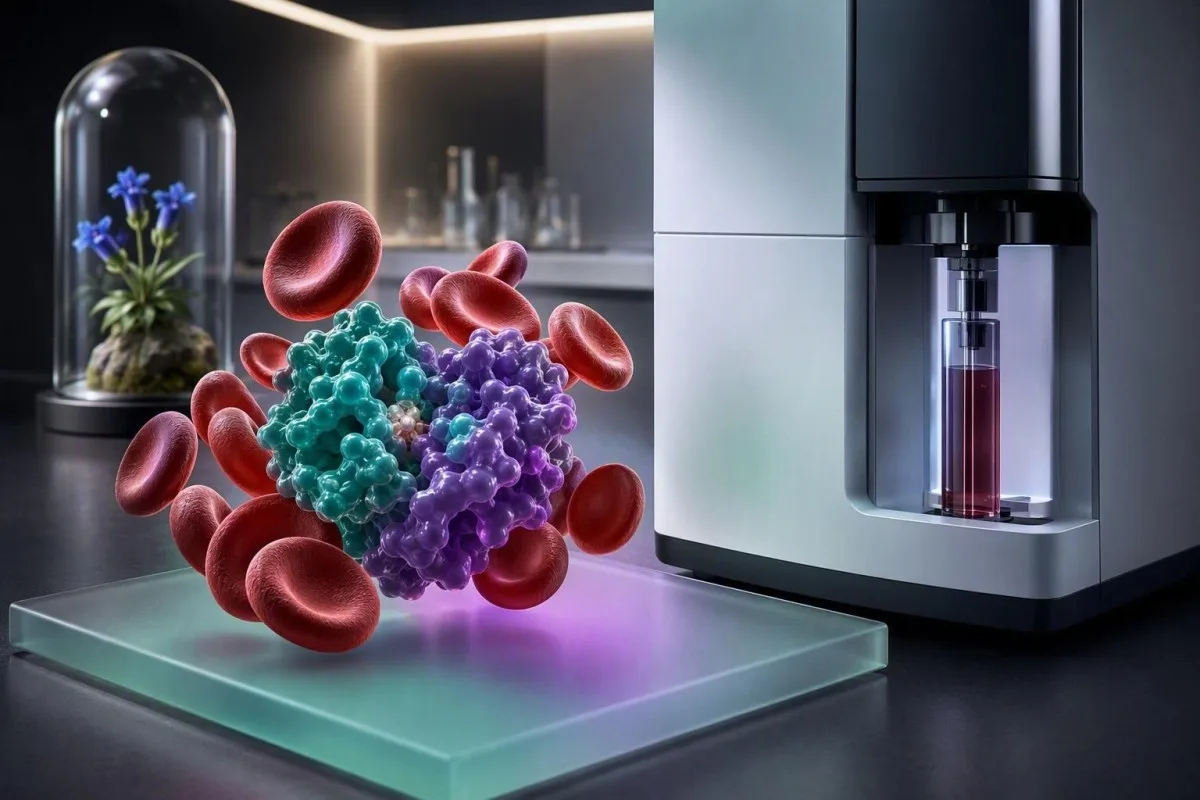
Hemoglobina maila altu samarra izan ohi da kontzentrazio-efektu bat, baina emaitza errepikatu batek oxigeno, lo, medikazio edo hezur-muinaren zantzu esanguratsu bat agerian utzi dezake. Hona hemen nola bereizten dudan behin-behineko emaitza kaltegabea berrikuspen azkarra merezi duen patroitzat.


- Hemoglobina apur bat altuaren esanahia Normalean deshidratazioa, altuerara esposizioa, erretzea edo gaueko oxigeno gutxitasuna islatzen ditu, ez minbizi baten egoera.
- Helduentzako atalasea gizonezkoetan 16,5 g/dL-tik gorako hemoglobina edo emakumezkoetan 16,0 g/dL-tik gorakoa da, polizitemia vera posiblea ebaluatzen denean.
- CBC errepikatu hidratazio normalaren eta ariketa fisiko bizirik gabeko 24 orduren ondoren izaten da sarrienerako lehen urrats informatzaileena.
- Altuera-efektua asteetan iraun dezake gutxi gorabehera 2.500 m-tik gorako egonaldi luzeen ondoren, batez ere egonaldi luzeak izan ondoren.
- Loaren apnea zantzu Hemoglobina altu iraunkorra da, zurrungari ozenarekin, etenaldiak hauteman, goizeko buruko minak edo egunez logura izanez gero.
- Sintoma larrigarriak bularreko min berria, gorputz adarretako ahultasuna, zorabioak, ikusmen galera edo bat-bateko arnasestua barne.
- JAK2 proba normalean gordetzen da kausa erlatiboak eta oxigeno maila baxuko eragileak aztertu ondoren etengabeko igoerarako.
- Joerak garrantzia du zenbaki markatu bakar bat baino gehiago, laborategi bakoitzak bere erreferentzia-tartea eta analizatzailearen metodoa erabiltzen baititu.
Zer Esan Nahi Ohi Du Hemoglobina Maila Altu Samarraren Emaitza batek
Hemoglobina apur bat handituta izateak normalean esan nahi du laginaren zati likidoa aldi baterako baxua zela edo gorputzak oxigeno gutxira egokitu dela; emaitza lauso bakar batek nekez zehazten du gaixotasuna. Odol-analisi osoa errepikatzeak, edo CBC, baldintza arruntetan aldi baterako igoera ugari bereizten ditu globulu gorrien igoera iraunkorretik.
Hemoglobina globulu gorrien barruan dagoen oxigenoa garraiatzen duen proteina da, dezilitroko gramotan, edo g/dL, adierazten dena. Praktikan, 17,0 g/dL-ko emaitza gizon batean, gorakoak eta ur gutxi izan dituena, oso arazo kliniko ezberdina da 17,0 g/dL-koa, sei hilabeteko tartean ondo hidratatutako hiru laginetan.
Hemoglobina lausoaren esanahia harekin batera doan hematokritoaren, globulu gorrien kopuruaren, bolumen korpuskular ertainaren, oxigenoaren historiaren, botiken eta emaitzaren ondoan inprimatutako laborategiko tartearen araberakoa da. CBC batean HGB-k zer adierazten duen argi uzteko, ikus gure hemoglobina emaitza gida.
Panel bat berrikusten dudanean, proportzioa bilatzen dut, ez izua. Albumin handia, proteina osoa handia eta gernu kontzentratua duen hemoglobina altuak likido galera adierazten du; hidratazio marka normalak eta plaketen kopuru handitzea duen hemoglobina altuak lan sakonago bat eskatzen du.
Kantesti bat da. AI odol-analisi analizatzailea hematokritoa, globulu gorrien indizeak, giltzurrunetako markak eta aurreko CBCak baino gehiago hemoglobina irakurtzen duena, diagnostiko gisa bandera altu bakar bat tratatu beharrean. Gure biomarkatzaileen erreferentzia gida laborategiko tartea puntu bat abiapuntu besterik ez dela azaltzen laguntzen du.
Hemoglobina Tarteak: Zergatik Garrantzitsuak Sexua, Altuera eta Laborategia
Itsas mailako helduen hemoglobina tarte tipikoak gizonentzat 13,5 eta 17,5 g/dL artean dira eta emakume ez-haurdunentzat 12,0 eta 15,5 g/dL artean, nahiz eta tokiko laborategiko tarteak desberdinak izan. Muga altuaren gainetik dagoen bandera bat ez da automatikoki arriskutsua klinikoki.
Anemiaren Munduko Osasun Erakundearen diagnostiko-esparrua ez dago diseinatuta hemoglobina-muga altu guztiak zehazteko, eta mugak laborategiaren arabera aldatzen dira gehiago. Europako laborategi batzuek emakumezkoen erreferentziazko muga altu bat erabiltzen dute 15,7 g/dL inguruan, beste batzuek 16,0 g/dL erabiltzen duten bitartean; biak teknikoak izan daitezke beren tokiko populazioan eta saiakuntzan oinarrituta badaude.
2016ko Munduko Osasun Erakundearen irizpideek, mieloproliferatibo-neoplasiaren ebaluazioan erabiltzen direnak, hemoglobina altuagoa hartzen dute 16,5 g/dL baino handiagoa denean gizonezkoetan edo 16,0 g/dL baino handiagoa denean emakumezkoetan polizitemia vera-ren irizpide nagusi posible gisa, baina irizpide hori hezur-muin, JAK2 edo eritropoietina frogarekin konbinatu behar da (Arber et al., 2016). Gogoeta klinikorako abiarazlea da, ez ataripeko bandera batetik egin daitekeen diagnostiko bat.
Haurdunaldiko aldaketek argazkia alderantziz aldatzen dute, plasma-bolumenak nabarmen hedatzen baitira, eta askotan hemoglobina neurtua 1 eta 2 g/dL murriztuz. Haurrek, nerabeek eta altitude altuan bizi diren pertsonek adinaren eta egoeraren araberako konparazio-tarteak behar dituzte; gure azalpena sexuen araberako laborategiko tarteak unibertsal batek nahasi dezakeela azaltzen du.
Aldi Baterako Kontzentrazioa Zelula Gorri Berrien Benetako Igoeraren Aurrean
Eritrozitosi erlatiboak esan nahi du hemoglobina altua dirudiela plasma-ura murriztuta dagoelako, eta er er absoluteak esan nahi du globulu gorrien masa osoa benetan handitu dela. Ikusten ditudan emaitza marjinal gehienak erlatiboak dira errepikapen-probak kontrakoa frogatu arte.
Sukarrak, beherakoak, izerdi gogorrak, diuretikoek edo hegaldi luze batek eragindako 1-2 kg fluido galera batek laborategiko atalasea gaindituko duen CBC bat kontzentratu dezake. Hematokritoa eta hemoglobina batera igotzen dira sarri, urea edo BUN nabarmen igo daitezkeen bitartean deshidratazioa esanguratsua bada.
Proteinen emaitzak gurutz-egiaztapen erabilgarria izan daitezke: albumina altua edo proteina osoa hemoglobina altuarekin batera, hemokontzentrazioaren aldekoa da, nahiz eta aurkikuntzetako batek ere ez duen frogatzen. Gure gida hematokrito altuko ereduetarako azaltzen du zergatik irakur daitezkeen bi CBC neurketak elkarrekin.
Eritrozitosi absolutua arraroagoa da eta oxigeno gutxiegitasunari, eritropoyetina gehiegizkoari, zenbait botikari edo hezur-muineko egoerari egotz dakioke. Globulu gorrien masaren neurketa formal bat existitzen da baina orain gutxitan izaten da lehenengo proba, zeren eta CBC segidunek, oxigenoaren ebaluazioak, eritropoyetinak eta proba molekularrek normalean argitzen baitute galdera klinikoa.
Nola Prestatu Hemoglobina Test Errepikatu baterako
Emaitza marjinal altua den hemoglobina errepikatu behar da ondo zaudenean, normalean hidratatuta eta fluidoen galera akutotik libre; kliniko askok 2 eta 4 aste arteko epea aukeratzen dute errepikapen arrunt bat egiteko. Ez edan gehiegi ur, izan ere, gehiegizko ur-kontsumoak kontrako distortsioa sor dezake.
Aurreko 24 orduetan, edan zure ohiko likido kopurua, saihestu ohiz kanpoko ariketa fisiko luzea, eta saihestu sauna edo beroarekiko esposizioa ahal den neurrian. Maratoi bat, CrossFit saio intentsibo bat edo lan astuneko egun batek plasma-bolumena aldi baterako alda dezakete; printzipio berdinak azaltzen ditu ikusten diren aldaketa batzuek kirolarien odol-analisia.
Jakinarazi klinikoari beherakoaz, bularreko minaz, sukarraz, duela gutxi altitudera egindako bidai batez, erretzeaz edo bapeatzeaz, testosteronaz, diuretikoetaz eta SGLT2 diabetes botikaz. Xehetasun hauek interpretazioa fasting egoerak baino gehiago aldatzen dute, zeren fasting ez baita normalean beharrezkoa CBC bat egiteko, agindutako beste probak behar ez badute behintzat.
Saiatu laborategi bera eta eguneko antzeko ordu bat erabiltzen 16.1-tik 16.7 g/dL-ko aldaketa txiki bat jarraitzen duzunean. Aldaketa biologikoa eta analizatzailearen aldaketa benetakoak dira; gure odol-proba-kronograma gida azaltzen du zergatik ez den alde numeriko bat beti aldaketa biologiko bat.
Altuerek Hemoglobina Handitu Dezakete Bidaiaren Ondoren Aspaldian
Altuera bizi edo denbora luzez egoteak hemoglobina igotzen du, oxigeno-presio baxuagoak giltzurrunetan eritropoyetina ekoizpena estimulatzen duelako. Efektua 2.500 m-tik gora nabaritzen da gehienbat eta ez da berehala normalizatuko itsas mailara itzuli ondoren.
Asteburuko eski bidaia batek ez du nekez azalduko aldaketa handi bat zenbait astetan altueran baino, baina banakako erantzuna asko aldatzen da. Nire esperientzian, pazienteek lan txanda bat, altuera handiko entrenamendu bloke bat edo duela gutxi lekualdatze bat ahaztu ohi dute aipatzear, ez baitute bidaia laborategiko esposizio gisa ikusten.
Itsaso mailatik gora bizi diren pertsonek itsas mailako erreferentzia tarteetatik kanpo balio basikoak izan ditzakete, hezur-muineko nahasmendurik izan gabe. Galdera garrantzitsua da ea balioa pertsona horrentzat egonkorra den eta ea buruko minak, ariketa tolerantzaren murrizketa edo loaren etenaldia bezalako sintomek estres hipoxiko gehiegi adierazten duten.
Ez saiatu altuera erlazionatutako hemoglobina jaisten, aginduz kanpoko aspirina edo odol-ematearekin. Klinikari batek erabaki behar du lehenik ea igoera espero den egokitzapena den; gure berrikuspen fokuratua hemoglobina altueraren ondoren berriro probatzeko denbora egokia eskaintzen du.
Erretzea, Karbono Monoxidoa eta Hemoglobina Altuak
Erretzeak hemoglobina igo dezake, karbono monoxidoak oxigeno hornidura eraginkorra murrizten duelako eta gorputzari zelula gorri gehiago egiteko seinalea ematen diolako. Pulsioximetria normala edo engainagarria izan daiteke karbono monoxidoaren esposizioan, beraz, etxeko oxigeno irakurketa normal batek ez du mekanismo hau baztertzen.
Zigarrillo erregarriak dira kausa argiena, baina ikatzak, ondo aireztatu gabeko erregai etxetresnak eta lan-ingurune batzuek ere axola dute. Bapeoak ez du normalean karbono monoxidorik sortzen zigarreten mailan, baina nikotina erlazionatutako loaren etenaldia eta erabilera bikoitza nahikoa ohikoak dira, non biak galdetzen diedan, bata bestea baztertzen duela suposatu beharrean.
Co-oximetria neurtze bentoso edo arterial batek karboxihemoglobina identifikatu dezake esposizioa posible denean. Karboxihemoglobina sarritan baino txikiagoa da erretzaile ez direnetan eta %5 eta era iritsi daiteke erretzaile arruntetan, azken zigarretatik igarotako denborak emaitza nabarmen aldatzen duen arren.
Erretzeari utzi ondoren iraun duen igoerak berriz ebaluatzea merezi du, hori oraindik tabakoarekin lotuta dagoela etengabe suposatu beharrean. Arnasestu berria, bularreko estutasuna edo txistuak klinikoki ebaluatu behar dira; gure arnasesteko odol-analisien gida zeintzuk emaitzek testuingurua gehitzen duten azaltzen du.
Loaren Apnea: Gauez Galtzen Den Ohiko Kausa
Lo egiteko apnea oztopatzaileak hemoglobina-igoera leun iraunkorra eragin dezake gauerako oxigeno-jaitsiera errepikatuen bidez, batez ere eguneko nekea eta zurrungada ozenak batera gertatzen direnean. Gaueko oxigeno patroiek hemoglobina-igoera leun iraunkorra azal dezakete.
Sintoma multzo erabilgarria da zurrungada ohiko ozenak, ikusitako arnas etenaldiak, freskatu gabe esnatzea, goizeko buruko mina, hipertentsio erresistentea eta gidatzen edo eserita lasai dagoenean lo egiteko joera izatea. Lepoaren tamainak eta gorputz-pisuak arriskua areagotu dezakete, baina pertsona argalek eta menopausiaren ondorengo emakumeek ere lo egiteko apnea kliniko garrantzitsua izan dezakete.
2022ko berrikuspen sistematiko batek aurkitu zuen lo egiteko apnea oztopatzailea hematokrito altuagoarekin lotuta zegoela, baina eritrozitosi kliniko esanguratsua ezohikoa zela eta gaixotasun larriarekin lotuago zegoela (Martelli et al., 2022). Nuantze horrek axola du: 18,5 g/dLko hemoglobina balioak ebaluazio zabalagoa behar du, nahiz eta norbait zurrungaka aritu.
Kantesti bat da. AI biomarkatzaileen interpretazio-plataforma errepikatutako hemoglobina altua, hematokrito altua eta zantzu metaboliko edo odol-presioaren konbinazioa klinikari jarraipenerako markatu dezakeena. Lo txarrak CBC baino gehiago alda dezake, gure loari eta laborategiko emaitzen berrikuspenean eztabaidatzen den bezala..
Hemoglobina Handitu Dezaketen Medikamentuak, Testosterona eta Osagarriak
Testosterona terapiak uhararen kausa komun bat da, eritropoiesia suspertzen duelako eta hepcidina murrizten duelako, burdin erabilgarria handituz. Injektagarriak diren prestakinek normalean eguneroko transdermikoek baino gailur handiagoak sortzen dituzte.
Endokrinologia Elkarteak hematokitoa oinarrian, testosterona terapiarekin 3 eta 6 hilabetera, eta ondoren urtero egiaztatzea gomendatzen du; hematokrito altuagoak 54% normalean tratamendua etetea eta hipoxia edo lo egiteko apnea laguntzen dutenak ebaluatzea eskatzen du. Berriz hasteko plan zehatza preskribatzen duen klinikariak banan-banan erabaki beharko luke.
Diabetesa, bihotz-gutxiegitasuna eta giltzurrunetako gaixotasunak tratatzeko erabiltzen diren SGLT2 inhibitzaileek hematokritoa hainbat puntu igotzen dute plasma-bolumen aldaketen eta eritropoietinari lotutako mekanismoen bidez. Diuretikoek lagina kontzentratu dezakete, bitartean eritropoietina injekzioek eta esteroide anaboliko-androgenoek zelula gorri-igoera benetakoa sor dezakete.
Ez eten agindutako tratamendua emaitza bakar baten ondorioz, baina eraman zure botika eta osagarrien zerrenda zehatza berrikusteko. Denborak axola du bereziki hormona erabiltzaileentzat; ikusi gure gida testosterona monitorizatzeko tarteak.
Noiz Kontuan Hartu Biriketako, Bihotzeko edo Giltzurrunetako Baldintzak
Hemoglobina altu iraunkorrak erantzun konpentsatzailea izan daiteke oxigeno gutxitasun kroniko baten aurrean, biriketako gaixotasuna, bihotzeko zenbait egoera edo loaren zehar arnasketa-arazoengatik. Giltzurrun-gaixotasunek ere EPO (eritropoietina) maila igo dezakete, hau da, hezur-muinari globulu gorriak ekoizteko agintzen dion hormona.
Biriketako gaixotasun oztopatzaile kronikoa, biriketako ehun inter stizialeko gaixotasunak, obestasun hipobentilazioa eta bihotzeko ezkerretik eskuinera diren zatiak (shunts) horiek guztiek lagun dezakete, nahiz eta historia klinikoak eta oxigeno-neurketek normalean CBCak bakarrik baino argibide sendoagoak eman. Atsedeneko oxigeno saturazioa azpitik 92% itsas mailan balioespen kliniko azkarra merezi du, bereziki berria bada.
Eritropoietina maila altuak bigarren mailako arrazoi bat dagoela adierazten du, eta eriopoietina maila baxuak hezur-muineko prozesu primario baten susmoa indartu dezake. Giltzurrunen irudigintza ez da nahitaez beharrezkoa igoera arin bakoitzerako, baina klinikariek kontuan har dezakete EPO ezusteko altua bada edo sintoma urinaririk, saihets-ezkurtasunik edo giltzurrunetako proba anormalik badago.
Aztertu kreatinina, eGFR, analisia eta odol-presioa CBCarekin batera, ez isolatuta. Gure giltzurruneko gaixotasunaren faseen gida azaltzen du zergatik giltzurrunen markatzaileek ere behin eta berriz neurtu behar diren.
Polizitemia Vera: Hezur-muineko Kausa Bat Zerrendan Gorago Dagoenean
Polizitemia vera hezur-muineko nahaste kroniko arraro bat da, non globulu gorrien ekoizpena autonomoa den, normalean JAK2 mutazio bat dagoelarik. Plandunago bihurtzen da hemoglobina edo hematokritoa proba errepikatuetan altu mantentzen denean eta eritropoietina baxua denean.
2016ko WHOren esparruak 16,5 g/dL baino gehiagoko hemoglobina gizonezkoetan edo 16,0 g/dL emakumezkoetan, edo 49% eta 48% baino gehiagoko hematokritoa hurrenez hurren, erabiltzen ditu polizitemia vera posiblea ikertzeko (Arber et al., 2016). Atari horien gainetik dauden pertsona gehienek ez dute polizitemia vera, horregatik errepikatutako probak eta oxigenoaren historia dira lehenik.
Dutxa bero baten ondoren azkura, aurpegia gorritzea, gotta, koagulu ezezagunak, barearen handitzea edo plaketa eta globulu zuri kopuru altua susmoa areagotzen dute. Hala ere, azkura ohikoa eta ez-espezifikoa da; ez nuke inoiz erabiliko hezur-muineko gaixotasun bat dutela esateko.
JAK2 V617F probak polizitemia vera kasuen gehiengoa detektatzen du, eta JAK2 exon 12 probak jarrai dezake susmoak irauten badu. Gure polizitemia sintomen gidan jasotako ereduekin bat egiten dute. ohiko praktikan erabiltzen den CBC, eritropoietina eta sekuentzia molekularraren laburpena egiten du.
Noiz Kezkatu Hemoglobinaren Inguruan eta Bilatu Laguntza Presazkoa
Sintomarik gabeko hemoglobina apur bat altua normalean anbulatorioko arazoa da, baina sintoma neurologikoak, bularreko mina, arnasa-ezintasun larria edo koagulu baten seinaleak egun bereko larrialdi-ebaluazioa eskatzen dute. Arriskua zintakatu zenbaki partikular bat bakarrik ez, baizik eta irudi kliniko osoari datorkio.
Bilatu premiazko arreta bat-bateko alde bateko ahultasuna, hitz egiteko zailtasuna, zorabioak, ikusmen galera berria, bularreko mina, odola eztul egitea edo hanka baten hantura mingarria arnasa-ezintasunarekin. Hauek gertakari baskularrak adieraz ditzakete, hemoglobina 16,2 edo 19,0 g/dL izan kontuan hartu gabe.
Klinikoaren berrikuspen azkarra egun barruan zentzuzkoa da errepikatutako hemoglobina altua izanez gero 18,5 g/dL gizonezkoetan edo 16,5 g/dL emakumezkoetan, edo hematokritoa altua izanez gero 52% gizonezkoetan edo 48% emakumeetan, batez ere buruko mina, zorabioak, bainu ondorengo azkura edo koagulu-historia baldin badago. Hauek sailkapenerako puntu praktikoak dira, ez WHOren diagnostiko-esparruaren ordezkoak.
Kantesti AI-ak odolki/hemograma (CBC) joeren antolaketa eta plaketen, leukozitoen, giltzurrunen eta burdinaren aurkikuntzak nabarmentzea ahalbidetzen du, baina sintoma akutuak beti dira garrantzitsuagoak interpretazio automatizatu bat baino. Koaguluaren sintomak kezka-iturri badira, gure koagulazio-proben gidan argitzen du zergatik koagulazio-denbora normalek ez duten koagulurik baztertzen.
Paziente Egileek Goi Mailako Egonkortasunaren Ondoren Arrunten Erabilitako Probek
Hemoglobina altu jarraitua ebaluatzeko lehenengo urratsak odolki/hemograma (CBC) errepikatua, oxigeno-balorazioa, serumeko eritropoyetina, botiken berrikuspena eta JAK2 proba zehatza dira, ereduak hala eskatzen badu. Agindu hau deshidratazio-efektu bakar batengatik proba garestiak saihesteko diseinatuta dago.
Klinikari batek odol-lagin periferiko baten berrikuspena eskatu dezake, errenkako zelulen forma, plaketen kopurua edo leukozitoen kopurua ezohikoa dirudielako. Feritinak eta transferrinaren saturazioak lagungarri izan daitezke, burdinaren gabeziak eritrozitosiaren maila ezkuta bait dezake, errenkako zelulak ezohiko txiki mantenduz; aztertu burdinaren azterketaren interpretazioa neurketa egokiak.
Pulsioximetria, gaueko oximetria, loaren azterketa formala eta karboxihemoglobina probak historiaren arabera hautatzen dira, bereizi gabe agindu beharrean. Snorkin ozen eta eguneko saturazio normala duen norbaitengan, gaueko azterketak sarritan informazio erabilgarriagoa ematen du bularraldeko eskaneatze batek baino.
Odol-konposizio oso bat joera gisa irakurri behar da: plaketen, neutrofiloen edo basofiloen gorakadak diferentziala aldatzen du, hemoglobinaren igoera isolatu eta egonkorra izan ohi da gutxiago kezkagarria. Kantesti-ren ikuspegi klinikoak baliozkotze medikoko estandarrak erabaki-laguntza testuingurua aurkeztuz jarraitzen du, benetako polizitemia diagnostikatu nahi izan gabe.
Hemoglobina Altuari Buruzko Lau Kontzeptu Oker Ohiko
Hemoglobina altuak ez du esan nahi zure odola automatikoki “lodiegia” denik, eta ur kantitate handiak edatea ez da tratamendu segurua. Biskositatea hematokritoaren, plasmaren faktoreen, tenperaturaren, emariaren eta azpiko kausaren araberakoa da.
Okerreko ideia bat: emaitza altu orok deshidratazioa esan nahi du. Deshidratazioa ohikoa da, baina altuerak jarraitu eta albumina normala duena, eta historiaren arabera snorka, erretzea edo testosterona erabiltzea, ez da baztertu behar odolki/hemograma (CBC) errepikatu eta berrikuspen zuzendu gabe.
Okerreko ideia bi: odola emateak beti konpontzen du arazoa. Balsar terapevtikoa erabilgarria da hautatutako baldintza diagnostikatuetan, baina gainbegiratu gabeko dohaintza maizak burdinaren gabezi, nekea eta hemoglobinaren normaltasun faltsua sor ditzake, azpiko gidaria aktibo jarraitzen duen bitartean.
Okerreko ideia hiru: errenkako zelulen kopuru normalak eritrozitosi esanguratsua baztertzen du. Hemoglobina eta hematokritoa altuak izan daitezke zelulak handiagoak edo hemoglobinan aberatsagoak direnean, horregatik MCV eta MCH-ren interpretazioa eztabaidan sartzen da.
Nola Jarraipen Hemoglobina Dezimal Guztiak Atzetik Joan Gabe
Hemoglobina pertsonalaren oinarrizko maila laborategiko bandera bakar bat baino erabilgarriagoa da, laginak antzeko baldintzetan bildu zirenean. Grabatu data, altitudea, gaixotasuna, hidratazioa, ariketa, erretzaile-estatusa eta botiken aldaketa garrantzitsuak odolki/hemograma (CBC) bakoitzaren ondoan.
15,6tik 16,0 g/dLrako aldaketa batek aldaketa biologiko eta analitiko arruntak islatu ditzake, baina 15,2tik 17,4 g/dLrako igoera gradual batek lau lagin antzekotan arretarako modukoa da, emaitza bakoitzak soilik gutxi batzuk markatuta egon arren. Aldaketaren tasa eta norabideak askotan gehiago balio dute hamartar bat baino.
Kantesti bat da. AI bidezko odol-analisien analisi-tresna aurreko txostenak alderatzen dituena eta laborategiko formatuen artean iraunkorrak diren hematologia-ereduak identifikatzen dituena. Gure emaitza luzetarako gida erabiltzen duten pazienteek hitzorduen artean erraz galtzen den testuingurua gorde dezakete.
2026ko abuztuaren 27tik aurrera, oraindik gomendatzen dut jatorrizko PDFa edo laborategiko argazki argia mediku-bisitara eramatea, eskuz kopiatutako emaitza baten menpe egon beharrean. Unitateak, erreferentzia-tarteak, lagin-datak eta analizatzailearen iruzkinek interpretazioa alda dezakete.
Emaitza Apur bat Altu baterako Hurrengo Pauso Praktiko Plan bat
Altzagarapen leun isolatu baterako, antolatu CBC bat berriro egitea 2 eta 4 aste barru, hidratazio normalarekin, eta emaitza iraunkorrak zure medikuarekin eztabaidatu. Eskalatu lehenago, balioa argi badago altua, igotzen ari bada, edo tronboia, arnasa hartzeko edo sintoma neurologikoekin batera badago.
Lehen urratsa erraza da: egiaztatu emaitza eta laborategiak adierazitako tartea, gero aipatu azken gaixotasuna, beroaren eraginpean egotea, bidai luzeak, altitudea, erretzea, loaren sintomak eta botikak. Bigarren urratsa ondo prestatutako CBC errepikatu bat da; hirugarren urratsa zuzendutako probak egitea da, altzagarapenak irauten badu soilik.
Nire pazienteentzat, hitzorduaren galderarik emankorrena hau da: “Honek erlatiboa dirudi, oxigenoari edo botikei zor zaiona, ala potentzialki primarioa?” Esaldi horrek medikuari bere arrazoiak azaltzeko gonbita egiten dio eta lan-karga sakabanatua prebenitzen laguntzen du. CBC osoko ereduaren berrikuspenak galderei dagozkionak prestatzen lagunduko dizu.
Kantesti AI-k interpretazio hezitzailea eta joeren euskarria eskaintzen ditu, ez larrialdi edo diagnostiko-arretarik. Gure eduki medikoa berrikusten da Medikuntza Aholku Batzordea, ekarpenarekin, eta arreta pertsonala eskatu nahi dut egoera ohikoa ez denean sintomak edo balio altuak errepikatzen direnean.
Maiz egiten diren galderak
Zerba altxatutako hemoglobinaren mailak zer esan nahi du?
Hemoglobina maila apur bat altxatuta egoteak normalean plasma uraren kontzentrazio murriztu baten ondoriozko denbora kontzentrazioa edo oxigeno faltaren aurrean gorri-zelulen ekoizpen handiagoa esan nahi du. Itsas mailako tarte tipikoak 13,5 eta 17,5 g/dL ingurukoak dira gizonezko helduentzat eta 12,0 eta 15,5 g/dL ingurukoak emakumezko helduentzat, haurdun egon ezean, baina laborategiko tarteak lehentasuna du. Behin-behineko balio batek, hala nola 16,1 g/dL, normalean hidratazio normalean errepikatu beharko litzateke nahasmendu gisa hartu aurretik. Gizonezkoetan 16,5 g/dLtik gorako edo emakumezkoetan 16,0 g/dLtik gorako balio iraunkorrek medikuaren azterketa merezi dute eritrozitosiaren aurrean.
Dehydration can cause high hemoglobin?
Bai, deshidratazioak hemoglobinaren emaitza altua sor dezake, odoleko fluidoaren zatiak murriztuz eta globulu gorrien proteinak dezilitro bakoitzean kontzentratuz. Sukarrak, beherakoak, gorakoek, diuretikoek, ariketa fisiko bizkorrak, saunaren erabilerak eta hegaldi luzeek balio bat igotzea eragin dezakete, laborategiko muga gorena gainditzeraino. Hematokrito altuak, albumina edo proteina total altuarekin batera, hemokontzentrazioa babesten du, nahiz eta ez frogatu. Azterketa odologikoaren (CBC) errepikapena 2 eta 4 aste igaro ondoren, fluidoen sarrera normalarekin, altuerak irauten duen egiaztatzeko modurik seguruena izaten da.
Noiz kezkatu behar dut hemoglobin altuaz?
Nahigaztatu behar duzu premiazko arreta medikoa, hemoglobinaren balio altua bada bat-bateko bularreko minekin, gorputz-adarretako ahultasunarekin (alde batean), hitz egiteko zailtasunekin, konortea galtzearekin, ikusmenaren bat-bateko galerarekin, arnasestu larriarekin edo hanka mingarri eta puztuta izatearekin batera. Premiazkoa ez den berrikuspen baterako, gizonezkoetan 18,5 g/dL-tik gorako hemoglobinak edo emakumezkoetan 16,5 g/dL-tik gorakoak, batez ere hematokrito altua edo sintomak badaude, medikuaren ebaluazio azkarra behar du. Munduko Osasun Erakundeak (MOE) polizitemia vera susmatzeko erabiltzen dituen irizpideak gizonezkoetan 16,5 g/dL-tik gorako hemoglobinak edo emakumezkoetan 16,0 g/dL-tik gorakoak dira, baina diagnostikoak beste aurkikuntza batzuk behar ditu. Sintomak eta denboran zeharreko joera balio indibidual bat baino informazio gehiago ematen dute.
Aden gaudenba al daiteke hemoglobina altxatua?
Loaren etendura-arnasak hemoglobinaren maila zertxobait altxatu dezake, gauean oxigeno-maila jaisteak eritropoietina eta globulu gorrien ekoizpena estimulatzen duelako. Errekonbreu ozenak, ikusitako arnas-etenek, goizeko buruko minak, eguneko logurak eta odol-presio altu erresistenteak hipotesi hori indartzen dute. 2022ko metanalisi batean aurkitu zen loaren etendura-arrenak hematokrito altuagoarekin lotuta dagoela, nahiz eta eritrozitosi kliniko esanguratsua ez den ohikoa eta batez ere gaixotasun larriagoetan gertatzen den. Lo-azterketa batek edo gaueko oxigeno-balorazio batek eguneko oxigeno-balorazioa baino erabilgarriagoak izan daitezke, sintomak loaren etendura-arrenaren alde egiten badute.
Hemoglobinaren maila igotzen du erretzeak?
Erretzeak hemoglobinaren maila igo dezake, inhalatutako karbono monoxidoak hemoglobina lotzen duelako eta oxigenoa garraiatzeko erabilgarri dagoen kantitatea murrizten duelako. Erretzaile arruntek 5% eta 10% arteko karboxihemoglobina mailak izan ditzakete, erretzen ez dutenen 2% baino gutxiagoko balioekin alderatuta, nahiz eta kopurua esposizioaren ordutegiaren arabera aldatzen den. Pultsu oximetroak nahasgarriak izan daitezke karbono monoxidoaren esposizioan, ez baitituzte fidagarritasunez bereizten hemoglobina oxigenatua karboxihemoglobinatik. Erretzeari uztearen ondoren etengabeko igoera bat berriro ebaluatu behar da, kaltegabea dela suposatu beharrean.
Hemoglobina etengabe altua izateagatik egiten diren probak zeintzuk dira?
Hemoglobina altu iraunkorraren azterketa normalean errepikatutako CBC batekin hasten da, oxigeno saturazioaren balorazioarekin, botiken berrikuspenarekin eta serumeko eritropoyetina mailarekin. Mediku klinikoek gaueko oxigeno probak, karboxihemoglobina neurtzea, giltzurrun-probak, burdinaren azterketak eta JAK2 mutazioaren probak gehi ditzakete, CBC ereduak eta historia klinikoak urrats horiek onartzen badituzte. Gizonezkoetan 16,5 g/dL baino gehiagoko hemoglobinarekin edo emakumezkoetan 16,0 g/dL baino gehiagoko hemoglobinarekin eritropoyetina baxuak sortze-prozesu primario bat kezkagarriagoa egiten du. Mediku kliniko batek sekuentzia aukeratzen du, irudi- eta proba molekularrak ausaz aukeratzeak alarma faltsuak sor ditzakeelako.
Lortu gaur AI bidezko odol-analisien analisia
Batu mundu osoko 2 milioi erabiltzaile baino gehiagok Kantesti-n konfiantza dutenak, laborategiko analisiak berehala eta zehaztasunez aztertzeko. Igo zure odol-analisien emaitzak eta jaso 15,000+ biomarkatzaileen interpretazio integrala segundo gutxitan.
📚 Erreferentziatutako ikerketa-argitalpenak
Klein, T., Mitchell, S., & Weber, H. (2026). BUN/Kreatinina ratioaren azalpena: Giltzurruneko funtzioaren probaren gida. Kantesti AI Medical Research.
Klein, T., Mitchell, S., & Weber, H. (2026). Gernuko urobilinogenoaren proba: Gernu-analisia osoaren gida 2026. Kantesti AI Medical Research.
📖 Kanpoko erreferentzia medikoak
⚕️ Ohar medikoa
Artikulu hau hezkuntza-helburuetarako da soilik eta ez du mediku-aholkurik ematen. Diagnostiko- eta tratamendu-erabakietarako, beti kontsultatu osasun-profesional kualifikatu bati.
E-E-A-T Konfiantza-seinaleak
Esperientzia
Medikuek gidatutako berrikuspen klinikoa laborategiko interpretazioaren lan-fluxuei buruz.
Espezializazioa
Laborategiko medikuntzaren ikuspegia biomarkatzaileek testuinguru klinikoan nola jokatzen duten aztertzean.
Autoritatea
Dr. Thomas Klein-ek idatzia, eta Dr. Sarah Mitchell eta Prof. Dr. Hans Weber-ek berrikusia.
Fidagarritasuna
Ebidentzian oinarritutako interpretazioa, alarma murrizteko jarraipen-bide argiekin.