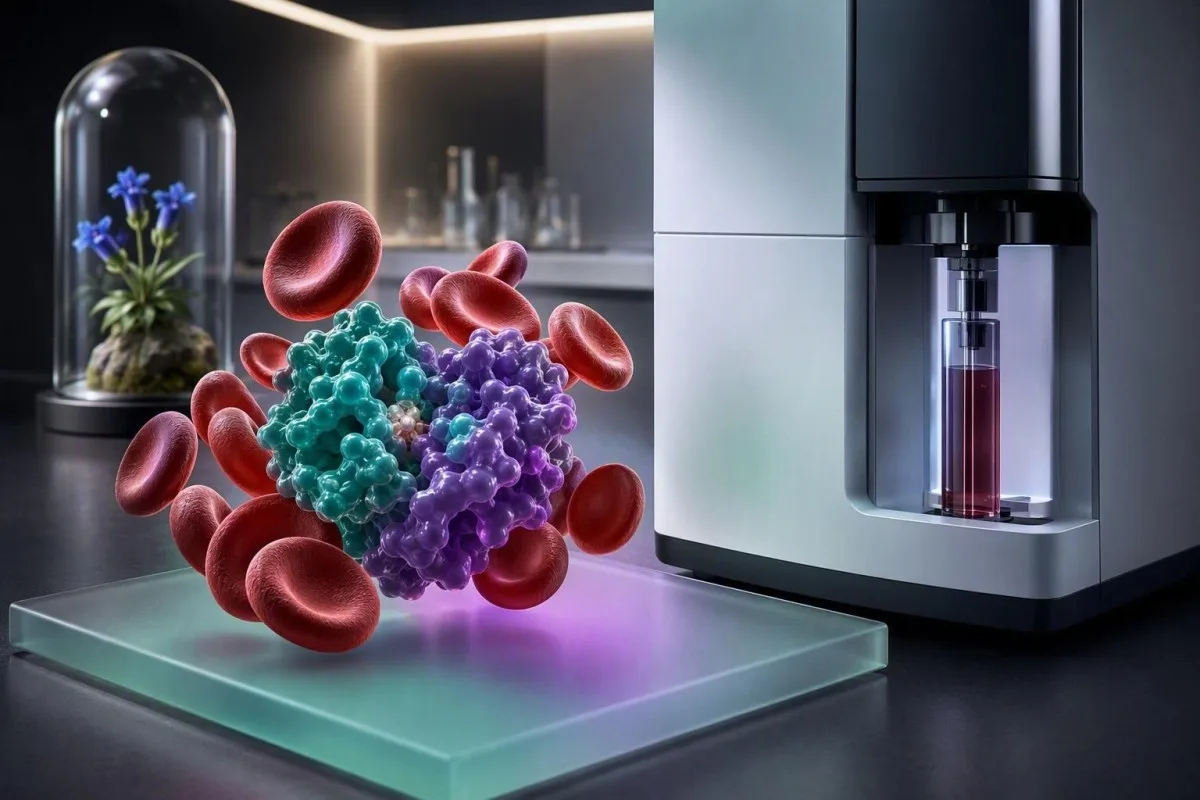
Meja visoka hemoglobina je pogosto posledica koncentracije, vendar lahko ponovljeni rezultat razkrije pomemben podatek glede kisika, spanca, zdravil ali kostnega mozga. Tukaj je, kako ločim neškodljiv enkratni rezultat od vzorca, ki si zasluži takojšen pregled.


- pomen rahlo povišanega hemoglobina običajno odraža dehidracijo, izpostavljenost nadmorski višini, kajenje ali nizko količino kisika ponoči, ne pa krvnega raka.
- Odrasli prag je hemoglobin nad 16,5 g/dL pri moških ali 16,0 g/dL pri ženskah pri ocenjevanju možne policitemije vere.
- නැවත CBC po normalni hidraciji in 24 urah brez intenzivne vadbe je pogosto prvi in najbolj informativen korak.
- උන්නතාංශ බලපෑම lahko traja tedne po času nad približno 2.500 m, zlasti po dolgotrajnih bivanjih.
- Namig za apnojo med spanjem je vztrajno visok hemoglobin z glasnim smrčanjem, opaženimi premori dihanja, jutranjimi glavoboli ali dnevno zaspanostjo.
- හදිසි ලක්ෂණ උණ, ශරීරයේ එක් පැත්තක දුර්වලතාව, ක්ලාන්ත වීම, පෙනීම අඳුරු වීම, හෝ හදිසි හුස්ම හිරවීම ඇතුළත් වේ.
- JAK2 පරීක්ෂාව සාමාන්යයෙන් හේතු සහ ඔක්සිජන් ඌනතාවය සඳහා හේතු සොයා බැලීමෙන් පසු තිරසාර ඉහළ යාමක් සඳහා වෙන් කරනු ලැබේ.
- ප්රවණතාව වැදගත්ය ලකුණු කළ තනි අංකයකට වඩා වැඩි යමක් මන්ද සෑම රසායනාගාරයක්ම තමන්ගේම යොමු කිරීම් සහ විශ්ලේෂක ක්රමය භාවිතා කරන බැවිනි.
Kaj običajno pomeni mejno visok rezultat hemoglobina
තරමක් ඉහළ ගිය හිමොග්ලොබින් සාමාන්යයෙන් අදහස් කරන්නේ සාම්පලයේ ද්රව කොටස තාවකාලිකව අඩු වී ඇති බවයි, නැතහොත් ශරීරය අඩු ඔක්සිජන් වලට අනුවර්තනය වී ඇත; එක මායිම් ප්රතිඵලය රෝගයක් දුර්ලභව ස්ථාපිත කරයි. සාමාන්ය තත්ත්ව යටතේ නැවත නැවතත් කරන ලද සම්පූර්ණ රුධිර ගණනය, හෝ CBC, තාවකාලික ඉහළ යාම් රාශියක් ස්ථීර රතු-රුධිරාණු වැඩිවීමකින් වෙන් කරයි.
හිමොග්ලොබින් යනු රතු රුධිර සෛල තුළ ඇති ඔක්සිජන් රැගෙන යන ප්රෝටීනය වන අතර, එය ග්රෑම්/ඩෙසිලිටරයක් ලෙස වාර්තා වේ. ප්රැක්ටිස් වලදී, වමනය සහ සුළු ජලය පානය කළ පුරුෂයෙකුට 17.0 g/dL හි ප්රතිඵලය, මාස හයකට වරක් මනාව ජලීය සාම්පල තුනක 17.0 g/dL හි ප්රතිඵලයෙන් ඉතා වෙනස් සායනික ගැටලුවක් නියෝජනය කරයි.
මායිම් හිමොග්ලොබින් වල අර්ථය, හේමාටොක්රිට්, රතු-රුධිරාණු ගණනය, මධ්යන්ය කෝපුස්කුලර් පරිමාව, ඔක්සිජන් ඉතිහාසය, ඖෂධ, සහ ප්රතිඵලය අසල මුද්රණය කර ඇති රසායනාගාර කාලය මත රඳා පවතී. CBC හි HGB නියෝජනය කරන්නේ කුමක්ද යන්න පිළිබඳ සරල භාෂා සමාලෝචනයක් සඳහා, අපගේ හිමොග්ලොබින් ප්රතිඵල මාර්ගෝපදේශය බලන්න.
මම පැනලයක් සමාලෝචනය කරන විට, මම භීතියට වඩා සමානුපාතය සොයමි. ඉහළ ඇල්බුමින්, ඉහළ මුළු ප්රෝටීන, සහ සංයුක්ත මුත්රා සමඟ ඉහළ හිමොග්ලොබින් ද්රව අහිමි වීම පෙන්නුම් කරයි; සාමාන්ය ජලීයකරණ සලකුණු සහ ඉහළ යන පට්ටිකා ගණනාවක් සමඟ ඉහළ හිමොග්ලොබින් වඩාත් විචක්ෂණශීලී පරීක්ෂණයක් සඳහා උත්තේජනය කරයි.
කන්ටෙස්ටි යනු AI රුධිර පරීක්ෂණ විශ්ලේෂකය එය වෛද්යමය රෝග විනිශ්චයක් ලෙස එක් ඉහළ ලකුණක් ලෙස සලකනවා වෙනුවට, රසායනාගාර පරාසය යොමු කිරීම්, වකුගඩු සලකුණු, සහ පෙර CBCs සමඟ හිමොග්ලොබින් කියවයි. අපගේ ජෛව මාර්කර් යොමු මාර්ගෝපදේශය රසායනාගාර පරාසය ආරම්භක ලක්ෂ්යයක් පමණක් වන්නේ මන්ද යන්න පැහැදිලි කිරීමට උපකාරී වේ.
Območja hemoglobina: Zakaj spol, nadmorska višina in laboratorij štejejo
සාමාන්ය මුහුදු මට්ටමේ වැඩිහිටි හිමොග්ලොබින් පරාසය පිරිමින් සඳහා 13.5 සිට 17.5 g/dL දක්වා සහ ගැබ් නොගත් කාන්තාවන් සඳහා 12.0 සිට 15.5 g/dL දක්වා වේ, දේශීය රසායනාගාර පරාසයන් වෙනස් වුවද. ඉහළ සීමාවට වඩා තරමක් ඉහළින් ඇති ලකුණක් ස්වයංක්රීයව සායනිකව භයානක නොවේ.
ලෝක සෞඛ්ය සංවිධානයේ රක්තහීනතාවය සඳහා වන රෝග විනිශ්චය රාමුව සෑම ඉහළ හිමොග්ලොබින් සීමාවක් නිර්වචනය කිරීමට නිර්මාණය කර නැත, සහ ඉහළ සීමාවන් රසායනාගාරය අනුව වෙනස් වේ. සමහර යුරෝපීය රසායනාගාර කාන්තාවන් සඳහා 15.7 g/dL ආසන්න ඉහළ යොමු කිරීම් සීමාවක් භාවිතා කරන අතර, අනෙක් අය 16.0 g/dL භාවිතා කරයි; දෙකම ඔවුන්ගේ දේශීය ජනගහනය සහ ඇගයීම මත පදනම්ව තාක්ෂණික වශයෙන් වලංගු විය හැකිය.
මයිලොප්රොලිෆරේටිව්-නිලෝප්ලාස්ම් තක්සේරුවේ භාවිතා කරන 2016 ලෝක සෞඛ්ය සංවිධානයේ නිර්ණායක හිමොග්ලොබින් ඉහළින් සලකයි පිරිමින් තුළ 16.5 g/dL ට වඩා වැඩි නම් හෝ කාන්තාවන් තුළ 16.0 g/dL ට වඩා වැඩි නම් පොලිසිතිමියා වේරා සඳහා එක් විය හැකි ප්රධාන නිර්ණායකයක් ලෙස, නමුත් එම නිර්ණායකය ඇට මිදුළු, JAK2, හෝ එරිත්රොපොයිටින් සාක්ෂි සමඟ ඒකාබද්ධ කළ යුතුය (Arber et al., 2016). එය රෝග විනිශ්චයක් නොව සායනික තර්කනය සඳහා උත්තේජකයක් වන අතර, එය ඔබට ද්වාර ලකුණකින් කළ නොහැක.
ගර්භණීභාවය ප්රතිවිරුද්ධ දිශාවට පින්තූරය වෙනස් කරයි, මන්ද ප්ලාස්මා පරිමාව සැලකිය යුතු ලෙස පුළුල් වන අතර, මනින ලද හිමොග්ලොබින් 1 සිට 2 g/dL දක්වා අඩු කරයි. ළමුන්, යෞවනයන්, සහ උස කඳුකරයේ ජීවත් වන පුද්ගලයින්ට වයස්- සහ සැකසුම්-නිශ්චිත සංසන්දනාත්මක පරාසයන් අවශ්ය වේ; අපගේ පැහැදිලි කිරීම ලිංගික-පාදක රසායනාගාර කාල පරතරයන් විශ්වීය ඉලක්කයක් ඇයි මාර්ගය වැරදි කළ හැකිද යන්න ආවරණය කරයි.
Začasna koncentracija v primerjavi s pravim povečanjem števila rdečih krvničk
සාපේක්ෂ එරිත්රෝසයිටෝසිස් යනු ප්ලාස්මා ජලය අඩුවීම නිසා හිමොග්ලොබින් ඉහළ පෙනීම වන අතර, සාපේක්ෂ එරිත්රෝසයිටෝසිස් යනු රතු රුධිර සෛල ස්කන්ධය සැබවින්ම වැඩි වී ඇති බවයි. මම දකින බොහෝ සීමාවන් සාපේක්ෂ වන අතර නැවත පරීක්ෂා කිරීමෙන් වෙනස් බව ඔප්පු වන තුරු එසේ පවතී.
උණ, පාචනය, අධික දහඩිය, ඩයුරටික් (diuretics) හෝ දිගු ගුවන් ගමනක් නිසා 1 සිට 2 kg තරල අලාභයක් CBC (CBC) සාන්ද්රණය කර රසායනාගාර සීමාව ඉක්මවා යා හැකිය. තදබදය සැලකිය යුතු නම් හිමාටොක්රිට් (hematocrit) සහ හිමොග්ලොබින් (hemoglobin) බොහෝ විට එක්ව ඉහළ යන අතර, යූරියා (urea) හෝ BUN (BUN) අනුපාතයෙන් ඉහළ යා හැකිය.
ප්රෝටීන් (Protein) ප්රතිඵල ප්රයෝජනවත් හරස්-පරීක්ෂණයක් විය හැකිය: ඉහළ ඇල්බුමින් (albumin) හෝ මුළු ප්රෝටීන් (total protein) ඉහළ හිමොග්ලොබින් (hemoglobin) සමඟ හිමොකොන්සන්ට්රේෂන් (hemoconcentration) වලට සහාය දක්වයි, නමුත් කිසිදු සොයා ගැනීමක් එය ඔප්පු නොකරයි. අපගේ මාර්ගෝපදේශය ඉහළ හිමාටොක්රිට් (hematocrit) රටා මෙම CBC (CBC) මිනුම් දෙක එක්ව කියවිය යුත්තේ මන්දැයි පැහැදිලි කරයි.
සාපේක්ෂ එරිත්රෝසයිටෝසිස් (Absolute erythrocytosis) අඩු සාමාන්ය වන අතර අඩු ඔක්සිජන්, අතිරික්ත එරිත්රොපොයිටින් (erythropoietin), certain medicines, or a marrow condition. Formal red-cell mass measurement exists but is now rarely the first test because serial CBCs, oxygen assessment, erythropoietin, and molecular testing usually answer the clinical question.
Kako se pripraviti na ponovni test hemoglobina
ඔබ හොඳින්, සාමාන්යයෙන් ජලවාෂ්පී, සහ උග්ර තරල අලාභයකින් තොරව සිටින විට සීමාව ඉක්මවන ඉහළ හිමොග්ලොබින් (hemoglobin) නැවත කරන්න; බොහෝ වෛද්යවරු සාමාන්ය නැවත කිරීම සඳහා සති 2 සිට 4 දක්වා තෝරා ගනී. හිතාමතාම අධික ලෙස ජලය පානය නොකරන්න, මන්ද අධික ජල පරිභෝජනයට ප්රතිවිරුද්ධ විකෘතියක් නිර්මාණය කළ හැකිය.
ඊට පැය 24කට පෙර, ඔබේ සාමාන්ය තරල ප්රමාණය පානය කරන්න, අසාමාන්ය ලෙස දැඩි විඳදරාගැනීමේ අභ්යාස මඟහරින්න, සහ හැකි නම් සෝනා (sauna) හෝ තාපයට නිරාවරණය වීමෙන් වළකින්න. මැරතන් (marathon), තීව්ර ක්රොස්ෆිට් (CrossFit) සැසියක්, හෝ දිනක දැඩි ශාරීරික ශ්රමය ප්ලාස්මා (plasma) පරිමාව තාවකාලිකව මාරු කළ හැකිය; එකම මූලධර්මය ක්රීඩක රුධිර පරීක්ෂණ.
පාචනය, වමනය, උණ, මෑතකදී උන්නතාංශයට ගමන් කිරීම, දුම්පානය හෝ වාෂ්පීකරණය, ටෙස්ටොස්ටෙරෝන් (testosterone), ඩයුරටික් (diuretics), සහ SGLT2 දියවැඩියා ඖෂධ ගැන වෛද්යවරයාට කියන්න. මෙම විස්තර නිරාහාර තත්ත්වයට වඩා අර්ථ නිරූපණයට බලපායි, මන්ද CBC (CBC) සඳහා සාමාන්යයෙන් නිරාහාරව සිටීම අවශ්ය නොවේ, වෙනත් ඇණවුම් කරන ලද පරීක්ෂණ සඳහා එය අවශ්ය නොවන්නේ නම්.
16.1 සිට 16.7 g/dL වැනි කුඩා වෙනසක් අනුගමනය කරන විට, එකම රසායනාගාරය සහ දිනයේ සමාන කාලයක් භාවිතා කිරීමට උත්සාහ කරන්න. ජීව විද්යාත්මක වෙනස්කම් සහ විශ්ලේෂක (analyzer) වෙනස්කම් සැබෑ ය; අපගේ Vodnik po časovnici krvnih preiskav සංඛ්යාත්මක වෙනසක් සැමවිටම ජීව විද්යාත්මක වෙනසක් නොවන බව පැහැදිලි කරයි.
Nadmorska višina lahko zviša hemoglobin dolgo po potovanju
උන්නතාංශයේ ජීවත් වීම හෝ කාලයක් ගත කිරීම හිමොග්ලොබින් (hemoglobin) වැඩි කරයි, මන්ද අඩු ඔක්සිජන් පීඩනය වකුගඩු වල එරිත්රොපොයිටින් (erythropoietin) නිෂ්පාදනය උත්තේජනය කරයි. බලපෑම වඩාත් කැපී පෙනෙන්නේ මීටර් 2,500 ට වඩා වන අතර මුහුදු මට්ටමට ආපසු පැමිණීමෙන් පසු වහාම සාමාන්ය තත්ත්වයට පත් නොවනු ඇත.
සති අන්තයේ ස්කී (ski) චාරිකාවක් සති කිහිපයක් උන්නතාංශයේ සිටීමට වඩා විශාල වැඩිවීමක් පැහැදිලි කිරීමට අඩු ඉඩක් ඇත, නමුත් තනි පුද්ගල ප්රතිචාරය බොහෝ සෙයින් වෙනස් වේ. මගේ අත්දැකීම් වලදී, රෝගීන් බොහෝ විට වැඩ භ්රමණයක්, උස්-උන්නතාංශ පුහුණු කොටසක්, හෝ මෑතකදී නැවත ස්ථානගත වීම ගැන සඳහන් කිරීමට අමතක කරති, මන්ද ඔවුන් ගමන් කිරීම රසායනාගාර නිරාවරණයක් ලෙස නොසලකයි.
මුහුදු මට්ටමේ යොමු කිරීම්වලට ඔබ්බෙන් වූ මූලික අගයන් උසින් ජීවත් වන අයට තිබිය හැකි අතර, අස්ථි මිණුම් ආබාධයක් නොමැතිව. අදාළ ප්රශ්නය නම්, එම අගය එම පුද්ගලයාට ස්ථාවරද යන්නත්, හිසරදය, ව්යායාම ඉවසීමේ අඩුවීම, හෝ නින්ද බාධා වැනි රෝග ලක්ෂණ අධික හයිපොක්සික් ආතතියක් පෙන්නුම් කරයිද යන්නත්ය.
නියම නොකළ ඇස්පිරින් හෝ රුධිරය දන් දීමෙන් උස-ආශ්රිත හිමොග්ලොබින් අඩු කිරීමට උත්සාහ නොකරන්න. උන්නතාංශය අපේක්ෂිත අනුවර්තනයක්ද යන්න පිළිබඳව මුලින්ම තීරණය කිරීමට වෛද්යවරයෙකුට සිදුවේ; අපගේ අවධානය යොමු කළ සමාලෝචනය උසින් පසු හිමොග්ලොබින් නැවත පරීක්ෂා කිරීම සඳහා ප්රායෝගික කාලසටහනක් ලබා දෙයි.
Kajenje, ogljikov monoksid in visok hemoglobin
දුම්පානය හිමොග්ලොබින් වැඩි කළ හැකිය, මන්ද කාබන් මොනොක්සයිඩ් ඔක්සිජන් බෙදා හැරීම ඵලදායී නොවන අතර ශරීරයට තවත් රතු රුධිර සෛල සෑදීමට සංඥා කරයි. කාබන් මොනොක්සයිඩ් වලට නිරාවරණය වීම නිසා ස්පන්දන ඔක්සිමිතිය සාමාන්ය හෝ මුළා සහගත ලෙස ඉහළ අගයක් පෙන්විය හැකිය, එබැවින් නිවසේ ඔක්සිජන් කියවීම සාමාන්ය වුවත් මෙම යාන්ත්රණය බැහැර කළ නොහැකිය.
දහනය කළ හැකි සිගරට් වඩාත් පැහැදිලි හේතුවයි, නමුත් අඟුරු නිරාවරණය, හොඳින් වාතාශ්රය නොමැති ඉන්ධන උපකරණ සහ සමහර වෘත්තීයමය සැකසුම් ද වැදගත් වේ. වාෂ්පීකරණය සාමාන්යයෙන් සිගරට් මට්ටම්වල කාබන් මොනොක්සයිඩ් නිපදවන්නේ නැත, එහෙත් නිකොටින්-ආශ්රිත නින්ද බාධා සහ ද්විත්ව භාවිතය පොදු වන තරමට මම එකක් අනෙක බැහැර කරයි යැයි උපකල්පනය කරනවා වෙනුවට දෙකම ගැන අසමි.
නහර හෝ ධමනි Co-oximetry මිනුමක් මගින් නිරාවරණය විය හැකි විට කාබොක්සිහෙමොග්ලොබින් හඳුනාගත හැකිය. කාබොක්සිහෙමොග්ලොබින් බොහෝ විට දුම් බොන අයගේ 2% ට වඩා අඩු වන අතර සාමාන්ය දුම් බොන අයගේ 5% සිට 10% දක්වා ළඟා විය හැකිය, අවසන් සිගරට්ට පසු කාලය මේ ප්රතිඵලය සැලකිය යුතු ලෙස වෙනස් කරයි.
දුම්පානය නැවැත්වීමෙන් පසු දිගටම පැවතීම නැවත තක්සේරු කිරීමක් ලැබිය යුතු අතර, එය තවමත් දුම්කොළ ආශ්රිත බවට අහඹු උපකල්පනයක් නොවේ. නව හුස්ම හිරවීම, පපුවේ තද ගතිය හෝ wheeze සායනිකව ඇගයීමට ලක් කළ යුතුය; අපගේ vodnik po krvnih preiskavah za dispnejo සන්දර්භය එක් කළ හැකි ප්රතිඵල මොනවාදැයි පැහැදිලි කරයි.
Apnea med spanjem: pogosto spregledan nočni vzrok
අවහිරතා සහිත නින්දේ අප්නියා, විශේෂයෙන් දිවා කාලයේ තෙහෙට්ටුව සහ ශබ්ද නින්ද බාධා ඇති විට, පුනරාවර්තන රාත්රී ඔක්සිජන් පහත වැටීම හරහා ස්ථාවර මෘදු හිමොග්ලොබින් නැගීමක් ඇති කළ හැකිය. සාමාන්ය වැඩිවීම සාමාන්යයෙන් මධ්යස්ථ වන බැවින්, වෙනත් හේතූන් පරීක්ෂා නොකර ඉතා ඉහළ අගයක් නින්දේ අප්නියාට දොස් පැවරිය යුතු නැත.
ප්රයෝජනවත් රෝග ලක්ෂණ සමූහය නම් ශබ්දකාරී පුරුදු නින්ද, සාක්ෂි සහිත හුස්ම ගැනීමේ විරාම, අලුත් නොවන ලෙස අවදි වීම, උදෑසන හිසරදය, ප්රතිරෝධී අධි රුධිර පීඩනය, සහ රිය පැදවීමේදී හෝ නිහඬව වාඩි වී සිටින විට නිදිමතයි. බෙල්ලේ ප්රමාණය සහ ශරීර බර අවදානම එකතු කළ හැකි අතර, සිහින් පුද්ගලයන්ට සහ ආර්තවහරණයෙන් පසු කාන්තාවන්ට සායනිකව වැදගත් නින්දේ අප්නියා ද තිබිය හැකිය.
2022 පද්ධතිමය සමාලෝචනයකින් සොයා ගන්නා ලද්දේ අවහිරතා සහිත නින්දේ අප්නියා ඉහළ හෙමටොක්රිට් සමඟ සම්බන්ධ වූ බවයි, නමුත් සායනිකව වැදගත් එරිත්රොසයිටෝසිස් දුර්ලභ වූ අතර දරුණු රෝග සමඟ වැඩි වශයෙන් සම්බන්ධ විය (Martelli et al., 2022). එම සියුම්කම වැදගත් වේ: 18.5 g/dL හි හිමොග්ලොබින් සඳහා පුළුල් තක්සේරුවක් අවශ්ය වේ, කෙනෙකුට ගොරවනවා ඇසුනත්.
කන්ටෙස්ටි යනු AI biomarker interpretation platform වෛද්යවරයාගේ අනුගාමික අංශු සඳහා පුනරාවර්තන ඉහළ හිමොග්ලොබින්, ඉහළ හෙමටොක්රිට්, සහ පරිවෘත්තීය හෝ රුධිර පීඩන ඉඟිවල සංයෝගය සළකුණු කළ හැකි. දුර්වල නින්ද CBC ට වඩා වෙනස් කළ හැකිය, අපගේ නින්ද සහ රසායනාගාර ප්රතිඵල සමාලෝචනය.
Zdravila, testosteron in dodatki, ki lahko zvišajo hemoglobin
ටෙස්ටොස්ටෙරෝන් ප්රතිකාරය ඉහළ ගිය හිමොග්ලොබින් සඳහා පොදු ඖෂධ-ආශ්රිත හේතුවකි, මන්ද එය එරිත්රොපොයිසිස් උත්තේජනය කරන අතර හෙප්සිඩින් අඩු කළ හැකිය, එමඟින් යකඩ ලබා ගත හැකිය. එන්නත් කළ හැකි සූත්රගත කිරීම් සාමාන්යයෙන් දිනපතා ට්රාන්ස්ඩර්මල් විකල්පයන්ට වඩා විශාල උච්චයන් නිපදවයි.
එන්ඩොක්රීන් සංගමය විසින් ටෙස්ටොස්ටෙරෝන් ප්රතිකාරයේ මූලික, මාස 3 සිට 6 දක්වා, ඉන්පසු වාර්ෂිකව හෙමටොක්රිට් පරීක්ෂා කිරීමට නිර්දේශ කරයි; හෙමටොක්රිට් ඊට වඩා ඉහළ 54% සාමාන්යයෙන් ප්රතිකාරය අත්හිටුවීමට සහ දායක හයිපොක්සියා හෝ නින්දේ අප්නියා තක්සේරු කිරීමට හේතු වේ. නිශ්චිත නැවත ආරම්භ කිරීමේ සැලැස්ම නියම කරන වෛද්යවරයා විසින් තනි පුද්ගලකරණය කළ යුතුය.
දියවැඩියාව, හෘදයාබාධ සහ වකුගඩු රෝග සඳහා භාවිතා කරන SGLT2 නිෂේධක, ප්ලාස්මා-පරිමාව වෙනස්වීම් සහ එරිත්රොපොයිටින්-ආශ්රිත යාන්ත්රණයන් හරහා ප්රතිශත කිහිපයකින් හෙමටොක්රිට් වැඩි කළ හැකිය. ඩයුරටික්ස් සාම්පල සාන්ද්රණය කළ හැකි අතර, එරිත්රොපොයිටින් එන්නත් සහ ඇනබලික්-ඇන්ඩ්රොජනික් ස්ටෙරොයිඩ් භාවිතය සැබෑ රතු-රුධිර සෛල වැඩිවීමක් ඇති කළ හැකිය.
තනි ප්රතිඵලයක් හේතුවෙන් නියමිත ප්රතිකාරය නතර නොකරන්න, නමුත් සමාලෝචනය සඳහා නිශ්චිත medicine ෂධ සහ අතිරේක ලැයිස්තුවක් ගෙන එන්න. හෝමෝන භාවිතා කරන්නන් සඳහා කාලය විශේෂයෙන් වැදගත් වේ; මාර්ගෝපදේශය බලන්න ටෙස්ටොස්ටෙරෝන් නිරීක්ෂණ කාල පරතරයන්.
Kdaj je treba upoštevati pljučne, srčne ali ledvične bolezni
දිගුකාලීනව අඩු ඔක්සිජන් මට්ටමක්, පෙණහළු රෝග, ඇතැම් හෘද රෝග තත්වයන්, හෝ නින්දේදී හුස්ම ගැනීමේ අපහසුතා හේතුවෙන් හීමොග්ලොබින් නිරන්තරව ඉහළ යාම, වන්දි ප්රතිචාරයක් විය හැකිය. වකුගඩු රෝග නිසා එරිත්රොපොයිටින් (erythropoietin) නම් හෝමෝනය වැඩි විය හැකි අතර, මෙම හෝමෝනය අස්ථි මජ්ජුවට රතු රුධිර සෛල නිපදවීමට සංඥා කරයි.
නිදන්ගත අවහිරතා සහිත පුඵ්ඵුසීය රෝගය, අන්තර්-පුඵ්ඵුසීය රෝග, තරබාරුකම හයිපෝවෙන්ටිලේෂන්, සහ දකුණේ සිට වමට හෘද ෂන්ට් (right-to-left cardiac shunts) සියල්ල මේ සඳහා දායක විය හැකි නමුත්, CBC (Complete Blood Count) එකක් පමණක් නොව, රෝගියාගේ ඉතිහාසය සහ ඔක්සිජන් මැනීම් වලින් මේ පිළිබඳ ශක්තිමත් ඉඟි ලැබේ. මුහුදු මට්ටමේ විවේකයේදී ඔක්සිජන් සන්තෘප්තිය (oxygen saturation) 90% ට වඩා අඩු වීම, විශේෂයෙන් එය අලුත් නම්, කඩිනම් සායනික තක්සේරුවක් අවශ්ය වේ. 92% මුහුදු මට්ටමේදී 90% ට වඩා අඩු වීම, විශේෂයෙන් එය අලුත් නම්, කඩිනම් සායනික තක්සේරුවක් අවශ්ය වේ.
ඉහළ ගිය එරිත්රොපොයිටින් (erythropoietin) මට්ටමක්, ද්විතියික රෝග කාරකයක් (secondary driver) සඳහා සහාය දක්වන අතර, අඩු එරිත්රොපොයිටින් (erythropoietin) මට්ටමක්, ප්රාථමික අස්ථි මජ්ජු ක්රියාවලියක් (primary marrow process) පිළිබඳ සැකය ශක්තිමත් කළ හැකිය. සුළු ඉහළ යාමක් සඳහා වකුගඩු රූපීකරණය (kidney imaging) ස්වයංක්රීයව අවශ්ය නොවේ, නමුත් එරිත්රොපොයිටින් (erythropoietin) අනපේක්ෂිත ලෙස ඉහළ යන විට, මුත්රාශයේ රෝග ලක්ෂණ, පාර්ශවීය වේදනාව, හෝ වකුගඩු පරීක්ෂණ අසාමාන්ය නම් වෛද්යවරුන්ට එය සලකා බැලිය හැකිය.
CBC (Complete Blood Count) සමඟ ක්රියේටිනින් (creatinine), eGFR, මුත්රා විශ්ලේෂණය (urinalysis), සහ රුධිර පීඩනය ඒකාබද්ධව සමාලෝචනය කරන්න, මිස එය වෙන වෙනම නොවේ. අපගේ වකුගඩු රෝග අදියර මාර්ගෝපදේශය මගින් වකුගඩු සලකුණු (kidney markers) නැවත නැවත මැනිය යුත්තේ මන්දැයි පැහැදිලි කරයි.
Prava policitemija: ko vzrok v kostnem mozgu postane bolj verjeten
පොලිසයිතීමියා වේරා (Polycythemia vera) යනු දුර්ලභ නිදන්ගත අස්ථි මජ්ජු ආබාධයකි, එහි රතු රුධිර සෛල නිෂ්පාදනය ස්වායංක්රීය වන අතර, සාමාන්යයෙන් JAK2 විකෘතියක් (mutation) ඇතුළත් වේ. හීමොග්ලොබින් (hemoglobin) හෝ හෙමටොක්රිට් (hematocrit) නැවත පරීක්ෂා කිරීමේදී ඉහළ මට්ටම්වල පවතින විට සහ එරිත්රොපොයිටින් (erythropoietin) අඩු වන විට එය වඩාත් පිළිගත හැකි වේ.
2016 WHO (World Health Organization) රාමුව පිරිමින් තුළ 16.5 g/dL ට වඩා වැඩි හීමොග්ලොබින් (hemoglobin) හෝ කාන්තාවන් තුළ 16.0 g/dL ට වඩා වැඩි හීමොග්ලොබින් (hemoglobin), නැතහොත් පිළිවෙළින් 49% සහ 48% ට වඩා වැඩි හෙමටොක්රිට් (hematocrit) මට්ටම්, පොලිසයිතීමියා වේරා (Polycythemia vera) (Arber et al., 2016) සඳහා විය හැකි හේතු විමර්ශනය කිරීමේ සීමාවන් ලෙස භාවිතා කරයි. එම සීමාවන්ට වඩා වැඩි බොහෝ පුද්ගලයන්ට පොලිසයිතීමියා වේරා (Polycythemia vera) නොමැති අතර, එබැවින් නැවත පරීක්ෂා කිරීම සහ ඔක්සිජන් ඉතිහාසය මුලින්ම සලකනු ලැබේ.
උණුසුම් ස්නානයකින් පසු කැසීම, මුහුණ රතුවීම, මුත්ර වාතය (gout), පැහැදිලි කළ නොහැකි රුධිර කැටි ගැසීම, ප්ලීහාව විශාල වීම, හෝ ඉහළ පට්ටිකා (platelets) සහ සුදු රුධිර සෛල (white cells) මෙම රටාව වඩාත් කනස්සල්ලට හේතු කරයි. කෙසේ වෙතත්, කැසීම සුලබ සහ අනියම් වන අතර; අස්ථි මජ්ජු රෝගයක් ඇති බවට යමෙකුට ලේබල් කිරීමට මම එය කිසි විටෙකත් තනිව භාවිතා නොකරමි.
JAK2 V617F පරීක්ෂණයෙන් පොලිසයිතීමියා වේරා (Polycythemia vera) හි වැඩි කොටසක් අනාවරණය වන අතර, සැකය පවතී නම් JAK2 එක්සෝන් 12 (exon 12) පරීක්ෂණයෙන් පසුව සිදු කළ හැකිය. අපගේ polycythemia රෝග ලක්ෂණ මාර්ගෝපදේශයේ ආවරණය කර ඇති රටා සමඟ අතිච්ඡාදනය වේ. සාමාන්ය භාවිතයේදී භාවිතා කරන CBC (Complete Blood Count), එරිත්රොපොයිටින් (erythropoietin), සහ අණුක අනුක්රමය (molecular sequence) විස්තර කරයි.
Kdaj skrbeti glede hemoglobina in poiskati nujno pomoč
රෝග ලක්ෂණ නොමැතිව තරමක් ඉහළ හීමොග්ලොබින් (hemoglobin) සාමාන්යයෙන් බාහිර රෝගී තත්ත්වයකි, නමුත් ස්නායු රෝග ලක්ෂණ, පපුවේ වේදනාව, දරුණු හුස්ම හිරවීම, හෝ කැටියක (clot) ලක්ෂණ සඳහා එකම දින හදිසි තක්සේරුවක් අවශ්ය වේ. අවදානම පැමිණෙන්නේ සම්පූර්ණ සායනික චිත්රයෙනි, තනි ලකුණු කළ අංකයකින් නොවේ.
එක පැත්තකින් හදිසි දුර්වලකම, කතා කිරීමේ අපහසුතාව, සිහිය නැතිවීම, පෙනීම නැතිවීම, දැඩි පපුවේ වේදනාව, ලේ කැස්ස, හෝ හුස්ම හිරවීම සමඟ ඉදිමුණු වේදනාකාරී පැටවා (calf) වැනි තත්වයන් සඳහා හදිසි වෛද්ය ප්රතිකාර ලබා ගන්න. මේවා හීමොග්ලොබින් (hemoglobin) 16.2 g/dL හෝ 19.0 g/dL වේවා, රුධිර වාහිනී සිදුවීම් (vascular events) වලට හේතු විය හැක.
දින කිහිපයක් ඇතුළත වෛද්යවරයා විසින් නැවත නැවත පරීක්ෂා කිරීම, 18.5 g/dL ට වඩා වැඩි හීමොග්ලොබින් (hemoglobin) සමඟ පිරිමින් තුළ 18.5 g/dL හෝ කාන්තාවන් තුළ 16.5 g/dL, නැතහොත් හෙමටොක්රිට් (hematocrit) 54% ට වඩා වැඩි වන විට 52% හෝ කාන්තාවන් තුළ 48%, විශේෂයෙන් හිසරදය, කරකැවිල්ල, ස්නානයෙන් පසු කැසීම, හෝ රුධිර කැටි ගැසීමේ ඉතිහාසය සමඟ, යෝග්ය වේ. මේවා ප්රායෝගික පෙරීමේ ලකුණු (triage points) මිස WHO (World Health Organization) රෝග විනිශ්චය රාමුවට (diagnostic framework) ආදේශන නොවේ.
Kantesti AI මඟින් CBC වල ප්රවණතාවයක් සංවිධානය කළ හැකි අතර, ඒ සමඟ පවතින පට්ටිකා, සුදු රුධිරාණු, වකුගඩු සහ යකඩ සොයාගැනීම් උද්දීපනය කළ හැකිය, නමුත් හදිසි රෝග ලක්ෂණ සැමවිටම ස්වයංක්රීය අර්ථකථනයකට වඩා උසස් වේ. කැටි ගැසීමේ රෝග ලක්ෂණ සැලකිල්ලට ගැනීමේ කොටසක් නම්, අපගේ coagulation test guide සාමාන්ය චර්යාවේ කැටි ගැසීමේ කාලය කැටියක් බැහැර නොකරන බව පැහැදිලි කරයි.
Testi, ki jih klinični zdravniki pogosto uporabljajo po vztrajnem povišanju
දිගටම ඉහළ යන හිමොග්ලොබින් සඳහා පළමු පෙළ තක්සේරුවට සාමාන්යයෙන් නැවත CBC කිරීම, ඔක්සිජන් තක්සේරු කිරීම, සෙරුම් එරිත්රොපොයිටින්, ඖෂධ සමාලෝචනය සහ රටාව එයට සුදුසු වන විට අරමුණු සහිත JAK2 පරීක්ෂාව ඇතුළත් වේ. තනි විජලන බලපෑමක් සඳහා අධික මිලැති පරීක්ෂණ වලින් වැළකීම සඳහා මෙම ඇණවුම නිර්මාණය කර ඇත.
රතු රුධිරාණු හැඩය, පට්ටිකා ගණන හෝ සුදු රුධිරාණු ගණන අසාමාන්ය ලෙස පෙනෙන විට වෛද්යවරයෙකුට පර්යන්ත සෛල සාම්පල සමාලෝචනයක් ඉල්ලා සිටිය හැකිය. ෆෙරටින් සහ ට්රාන්ස්ෆෙරින් සන්තෘප්තිය ප්රයෝජනවත් විය හැකිය, මන්ද යකඩ ඌrunathva රතු රුධිරාණු අසාමාන්ය ලෙස කුඩා ලෙස තබා ගැනීමෙන් එරිත්රොසයිටෝසිස් හි උපාධිය වෙස්වළා ගත හැකි බැවිනි; ගවේෂණය කරන්න interpretacije študije železa අදාළ මිනුම් සඳහා.
ස්පන්දන ඔක්සිමෙට්රි, රාත්රී ඔක්සිමෙට්රි, විධිමත් නින්ද අධ්යයනයක් සහ කාබොක්සිහෙමොග්ලොබින් පරීක්ෂාව ඇණවුම් කරනු ලබන්නේ අන්ධ ලෙස නොව, ඉතිහාසය මත පදනම්ව තෝරා ගනු ලැබේ. ශබ්ද නින්ද සහ සාමාන්ය දිවා කාලයේ සන්තෘප්තිය ඇති අයෙකු තුළ, පපුවේ ස්කෑන් එකකට වඩා රාත්රී අධ්යයනය බොහෝ විට වැඩි ප්රයෝජනවත් තොරතුරු සපයයි.
සම්පූර්ණ රුධිර ගණනයක් රටාවක් ලෙස කියවිය යුතුය: පට්ටිකා, නියුට්රොෆිල් හෝ බැසොෆිල් ඉහළ යාම වෙනස්කම් සිදු කරයි, අතර හුදකලා ස්ථාවර හිමොග්ලොබින් සාමාන්යයෙන් අඩු භයානක ය. Kantesti හි සායනික ප්රවේශය අනුගමනය කරයි වෛද්ය සත්යාපන ප්රමිතීන් පොලිසිිතීමියා වේරා රෝග විනිශ්චය කිරීමට උත්සාහ කරනවා වෙනුවට තීරණ-සහාය සන්දර්භය ඉදිරිපත් කිරීමෙනි.
Štiri pogoste napačne predstave o visokem hemoglobinu
ඉහළ හිමොග්ලොබින් යනු ඔබේ රුධිරය ස්වයංක්රීයව “ඉතා ඝන” බවක් අදහස් නොවේ, සහ අධික ලෙස ජලය පානය කිරීම ආරක්ෂිත ප්රතිකාරයක් නොවේ. ඝනත්වය රඳා පවතින්නේ හෙමටොක්රිට්, ප්ලාස්මා සාධක, උෂ්ණත්වය, ප්රවාහය සහ යටින් පවතින හේතුව මත ය.
වැරදි වැටහීම එක: සෑම ඉහළ ප්රතිඵලයක්ම විජලනය අදහස් වේ. විජලනය පොදු වේ, නමුත් සාමාන්ය ඇල්බුමින් සමඟ දිගටම ඉහළ යාම සහ නින්ද, දුම්පානය හෝ ටෙස්ටොස්ටෙරෝන් භාවිතයේ ඉතිහාසයක් නැවත CBC සහ අධ්යක්ෂණය කරන ලද සමාලෝචනයකින් තොරව නොසැලකිය යුතුය.
වැරදි වැටහීම දෙක: රුධිරය පරිත්යාග කිරීම සැමවිටම ගැටලුව විසඳයි. චිකිත්සක භේදනය තෝරාගත් රෝග විනිශ්චය කරන ලද තත්වයන් තුළ ප්රයෝජනවත් වේ, නමුත් අධීක්ෂණය නොකළ නිතර පරිත්යාග කිරීම යකඩ ඌrunathva, තෙහෙට්ටුව සහ වැරදි ලෙස සාමාන්ය හිමොග්ලොබින් ඇති කළ හැකි අතර යටින් පවතින ධාවකය සක්රීයව පවතී.
වැරදි වැටහීම තුන: සාමාන්ය රතු රුධිර සෛල ගණන අර්ථවත් එරිත්රොසයිටෝසිස් බැහැර කරයි. සෛල විශාල වන විට හෝ හිමොග්ලොබින් වලින් පොහොසත් වන විට හිමොග්ලොබින් සහ හෙමටොක්රිට් තවමත් ඉහළ යා හැකිය, එය හේතුවයි MCV සහ MCH අර්ථ නිරූපණය සාකච්ඡාවේ කොටසක් වේ.
Kako slediti hemoglobinu, ne da bi lovili vsako desetinko
පුද්ගලික හිමොග්ලොබින් බේස්ලයින්, සාම්පල සංසන්දනාත්මක තත්ව යටතේ එකතු කරන විට තනි රසායනාගාර ලකුණකට වඩා ප්රයෝජනවත් වේ. CBC එකකට යාබදව දිනය, උන්නතාංශය, අසනීපය, හයිඩ්රේෂන්, ව්යායාම, දුම්පාන තත්ත්වය සහ අදාළ medicine ෂධ වෙනස්කම් වාර්තා කරන්න.
15.6 සිට 16.0 g/dL දක්වා වූ වෙනසක් සාමාන්ය ජීව විද්යාත්මක සහ විශ්ලේෂණාත්මක වෙනස්කම් පිළිබිඹු කළ හැකි අතර, සංසන්දනාත්මක සාම්පල හතරක් හරහා 15.2 සිට 17.4 g/dL දක්වා වූ ක්රමානුකූල නැගීමක්, එක් එක් ප්රතිඵලය මෘදු ලෙස ලකුණු කර තිබුණද, අවධානය යොමු කිරීම වටී. වෙනස් වීමේ වේගය සහ දිශාව බොහෝ විට දශම ස්ථානයකට වඩා වැදගත් වේ.
කන්ටෙස්ටි යනු AI මගින් බලගැන්වූ රුධිර පරීක්ෂණ විශ්ලේෂණ මෙවලම පෙර වාර්තා සංසන්දනය කරන සහ රසායනාගාර ආකෘති හරහා දිගුකාලීන රක්තවේද රටා හඳුනා ගන්නා. අපගේ භාවිතා කරන රෝගීන් දිගුකාලීන ප්රතිඵල මාර්ගෝපදේශය හමුවීම් අතර පහසුවෙන් අහිමි වන සන්දර්භය සුරැකිය හැක.
අගෝස්තු 27, 2026 වන විට, අතින් පිටපත් කරන ලද ප්රතිඵලයක් මත රඳා සිටීමට වඩා, මුල් PDF හෝ පැහැදිලි රසායනාගාර ඡායාරූපයක් වෛද්ය හමුවීමකට ගෙන ඒමට මම තවමත් උපදෙස් දෙමි. ඒකක, විමර්ශන පරතරයන්, සාම්පල දිනයන් සහ විශ්ලේෂක අදහස් අර්ථ නිරූපණය වෙනස් කළ හැකිය.
Praktičen načrt naslednjih korakov za nekoliko povišan rezultat
හුදකලා වූ මෘදු ඉහළ යාමක් සඳහා, සාමාන්ය හයිඩ්රේෂනය යටතේ සති 2 ත් 4 ත් අතර නැවත CBC එකක් පිළියෙල කර, ඔබේ වෛද්යවරයා සමඟ දිගටම පවතින ප්රතිඵල සාකච්ඡා කරන්න. අගය පැහැදිලිව ඉහළින්, ඉහළට නැගීම, හෝ කැටි ගැසීම, ශ්වසනය, හෝ ස්නායු රෝග ලක්ෂණ සමඟ නම් කලින් කටයුතු කරන්න.
පළමු පියවර සරලයි: ප්රතිඵලය සහ රසායනාගාරයේ ප්රකාශිත කාල සීමාව සත්යාපනය කරන්න, ඉන්පසු මෑත අසනීප, තාපයට නිරාවරණය වීම, දිගු ගමන, උන්නතාංශය, දුම්පානය, නින්දේ රෝග ලක්ෂණ සහ ඖෂධ සටහන් කරන්න. දෙවන පියවර හොඳින් සකස් කරන ලද නැවත CBC එකකි; තුන්වන පියවර වන්නේ ඉහළ යාම දිගටම පැවතියහොත් පමණක් යොමු කරන ලද පරීක්ෂණයකි.
මගේ රෝගීන් සඳහා, වඩාත්ම ඵලදායී හමුවීමේ ප්රශ්නය වන්නේ: “මෙය සාපේක්ෂ, ඔක්සිජන් හෝ ඖෂධ වලට ද්විතියික, හෝ ප්රාථමික විය හැකිද?” යනුවෙන් අසනු ලැබේ. එම වචන භාවිතය වෛද්යවරයාට තම හේතු පැහැදිලි කිරීමට ආරාධනා කරන අතර විසිරුණු වැඩපිළිවෙලක් වැළැක්වීමට උපකාරී වේ. A සම්පූර්ණ CBC රටා සමාලෝචනය ඔබට අදාළ ප්රශ්න සකස් කිරීමට උපකාරී වේ.
Kantesti AI අධ්යාපනික අර්ථකථනය සහ ප්රවණතා ආධාරය සපයයි, හදිසි හෝ රෝග විනිශ්චය සත්කාර නොවේ. අපගේ වෛද්ය අන්තර්ගතය සමාලෝචනය කරනු ලබන්නේ වෛද්ය උපදේශක මණ්ඩලය, වෙතින් ලැබෙන අදහස් සමඟිනි, රෝග ලක්ෂණ හෝ නැවත නැවත ඉහළ යන අගයයන් තත්වය අඩු සාමාන්ය එකක් බවට පත් කරන විට කඩිනමින් පෞද්ගලිකව රැකවරණය ලබා ගැනීමට මම දිරිමත් කරමි.
නිතර අසන ප්රශ්න
Kaj pomeni nekoliko povišana raven hemoglobina?
Rahisi kuongezeka kwa kiwango cha hemoglobin kawaida huashiria mkusanyiko wa muda mfupi kutoka kwa maji machache ya plasma au kuongezeka kwa uzalishaji wa seli nyekundu kama mwitikio wa oksijeni kidogo. Viwango vya kawaida vya usawa wa bahari ni takriban 13.5 hadi 17.5 g/dL kwa wanaume watu wazima na 12.0 hadi 15.5 g/dL kwa wanawake watu wazima wasio wajawazito, lakini kiwango cha maabara kinachoripotiwa huchukua nafasi ya kwanza. Thamani ya mara moja kama 16.1 g/dL inapaswa kurudiwa chini ya unyevu wa kawaida kabla haijachukuliwa kama shida. Maadili yanayoendelea zaidi ya 16.5 g/dL kwa wanaume au 16.0 g/dL kwa wanawake yanastahili ukaguzi wa daktari kwa ajili ya erythrocytosis.
Ali dehidracija lahko povzroči visok hemoglobin?
Da, dehidracija lahko povzroči visoko vrednost hemoglobina z zmanjšanjem tekočinskega dela krvi in koncentriranjem beljakovin rdečih krvničk v vsakem decilitru. Vročina, driska, bruhanje, diuretiki, intenzivna vadba, uporaba savne in dolgi poleti lahko dvignejo vrednost dovolj, da preseže zgornjo mejo laboratorija. Visok hematokrit ob visokem albumini ali skupnem proteinu podpira hemokoncentracijo, čeprav je ne dokazuje. Ponovitev CBC po 2 do 4 tednih ob normalnem vnosu tekočine je pogosto najvarnejši način za preverjanje, ali se povišanje nadaljuje.
Kdaj naj me skrbi visoka raven hemoglobina?
Takojšnjo zdravniško pomoč poiščite pri visoki ravni hemoglobina s nenadno bolečino v prsih, enostransko oslabelostjo, težavami pri govorjenju, omedlevico, akutno izgubo vida, hudo kratko sapo ali oteklo bolečo nogo. Za pregled, ki ni nujen, ponovljeno zvišanje hemoglobina nad 18,5 g/dL pri moških ali 16,5 g/dL pri ženskah, zlasti ob visoki vrednosti hematokrita ali simptomih, zahteva takojšnjo oceno zdravnika. Pragovi SZO, ki se uporabljajo za preiskavo možne policitemije vere, so hemoglobin nad 16,5 g/dL pri moških ali 16,0 g/dL pri ženskah, vendar diagnoza zahteva dodatne ugotovitve. Simptomi in časovni potek so bolj informativni kot posamezen pokazatelj.
Ali lahko apneja v spanju povzroči povišan hemoglobin?
Obstruktivna apneja v spanju lahko povzroči rahlo povišan hemoglobin, ker ponavljajoči se nočni padci kisika spodbujajo eritropoetin in proizvodnjo rdečih krvničk. Glasno smrčanje, opaženi premori dihanja, jutranje glavoboli, dnevna zaspanost in odporna visoka krvni tlak naredijo to razlago bolj verjetno. Metaanaliza iz leta 2022 je pokazala, da je apneja v spanju povezana z višjim hematokritom, čeprav je klinično pomembna eritrocitoza redka in se pojavi predvsem pri hujši bolezni. Študija spanja ali ocena kisika ponoči je lahko bolj uporabna kot dnevna vrednost kisika, ko simptomi kažejo na apnejo v spanju.
Kajenje dviga hemoglobina?
Kadijo lahko zviša hemoglobin, ker se vdihan ogljikov monoksid veže na hemoglobin in zmanjša količino, ki je na voljo za prenos kisika. Redni kadilci imajo lahko raven karboksihemoglobina okoli 5% do 10%, v primerjavi z vrednostmi pogosto pod 2% pri nekadilcih, čeprav se število spreminja glede na čas izpostavljenosti. Pulzni oksimetri so lahko pri izpostavljenosti ogljikovemu monoksidu zavajajoči, ker z njimi ni mogoče zanesljivo ločiti kisikovega hemoglobina od karboksihemoglobina. Iztrajno povišanje po opustitvi kajenja je treba ponovno oceniti in ne domnevati, da je neškodljivo.
Kateri testi se izvajajo pri vztrajno povišanem hemoglobinu?
Testiranje na perzistentno visoko vrednost hemoglobina se običajno začne s ponovnim pregledom krvne slike (CBC), oceno nasičenosti s kisikom, pregledom zdravil in nivojem serumske eritropoetina. Klinični zdravniki lahko dodajo nočno testiranje s kisikom, merjenje karboksihemoglobina, preiskave ledvic, preiskave železa in testiranje mutacije JAK2, ko vzorec krvne slike (CBC) in klinična anamneza podpirata te korake. Nizek eritropoetin ob ponavljajočem se nivoju hemoglobina nad 16,5 g/dL pri moških ali 16,0 g/dL pri ženskah bolj kaže na primarni proces v kostnem mozgu. Klinični zdravnik izbere zaporedje, ker lahko naključno slikanje in molekularni testi povzročijo lažne alarme.
අදම AI බලයෙන් රුධිර පරීක්ෂණ විශ්ලේෂණය ලබාගන්න
තත්පර කිහිපයකින් ක්ෂණික හා නිවැරදි රසායනාගාර පරීක්ෂණ විශ්ලේෂණය සඳහා Kantesti විශ්වාස කරන ලොව පුරා මිලියන 2කට වැඩි පරිශීලකයන්ට එක්වන්න. ඔබගේ රුධිර පරීක්ෂණ ප්රතිඵල උඩුගත කර, තත්පර කිහිපයකින් 15,000+ ජෛව සලකුණු පිළිබඳ සවිස්තර අර්ථකථනය ලබාගන්න.
📚 යොමු කර ඇති පර්යේෂණ ප්රකාශන
ක්ලයින්, ටී., මිචෙල්, එස්., සහ වෙබර්, එච්. (2026). BUN/ක්රියේටිනින් අනුපාතය පැහැදිලි කිරීම: වකුගඩු ක්රියාකාරීත්ව පරීක්ෂණ මාර්ගෝපදේශය. Kantesti AI වෛද්ය පර්යේෂණ.
ක්ලයින්, ටී., මිචෙල්, එස්., සහ වෙබර්, එච්. (2026). මුත්රා පරීක්ෂණයේ Urobilinogen: සම්පූර්ණ මුත්රා විශ්ලේෂණ මාර්ගෝපදේශය 2026. Kantesti AI වෛද්ය පර්යේෂණ.
📖 බාහිර වෛද්ය යොමු
⚕️ වෛද්ය වියාචනය
මෙම ලිපිය අධ්යාපනික අරමුණු සඳහා පමණක් වන අතර වෛද්ය උපදෙස් ලෙස නොසැලකේ. රෝග නිદાન සහ ප්රතිකාර තීරණ සඳහා සෑම විටම සුදුසුකම් ලත් සෞඛ්ය සේවා සපයන්නෙකුගෙන් උපදෙස් ලබාගන්න.
E-E-A-T විශ්වාස සංඥා
අත්දැකීම්
වෛද්යවරයා විසින් මෙහෙයවන ලද රසායනාගාර අර්ථකථන ක්රියාවලි පිළිබඳ සමාලෝචනය.
ප්රවීණතාව
සායනික සන්දර්භය තුළ ජෛව සලකුණු (biomarkers) හැසිරෙන ආකාරය පිළිබඳ රසායනාගාර වෛද්ය විද්යා අවධානය.
අධිකාරීත්වය
ආචාර්ය තෝමස් ක්ලයින් විසින් ලියන ලද අතර ආචාර්ය සාරා මිචෙල් සහ මහාචාර්ය ආචාර්ය හෑන්ස් වෙබර් විසින් සමාලෝචනය කරන ලදී.
විශ්වසනීයත්වය
අනතුරු ඇඟවීම් අඩු කිරීමට පැහැදිලි පසුකැඳවීම් මාර්ග සහිත සාක්ෂි-පාදක අර්ථකථනය.