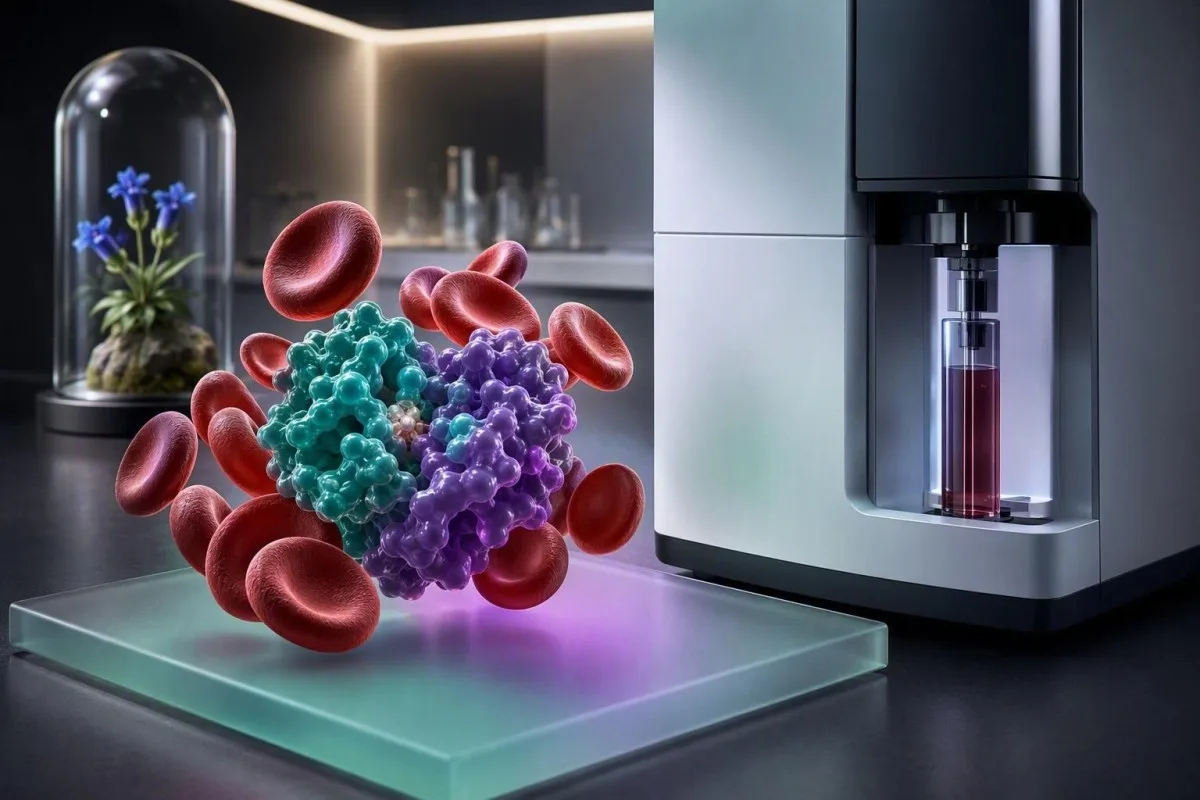
Haddan tashqari yuqori gemoglobin darajasi ko'pincha konsentratsiya ta'siridir, ammo takroriy natija kislorod, uyqu, dori-darmon yoki suyak iligi bilan bog'liq muhim ma'lumotni ochib berishi mumkin. Mana men zararsiz bir martalik natijani va jiddiy tekshiruvga loyiq bo'lgan namuna buzilishini qanday ajrataman.


- Bir oz ko'tarilgan gemoglobinning ma'nosi Odatda qon saratoni o'rniga suvsizlanish, balandlik ta'siri, chekish yoki tungi past kislorod darajasini aks ettiradi.
- Kattalar uchun chegaraviy qiymat Politsitemiya verani baholashda erkaklar uchun 16,5 g/dl dan yoki ayollar uchun 16,0 g/dl dan yuqori bo'lgan gemoglobin.
- Takroriy CBC Oddiy suvsizlanish va 24 soat davomida zo'riqishsiz mashqlarsiz bajarilganidan keyin ko'pincha eng ma'lumotli birinchi qadamdir.
- Balandlik effekti Taxminan 2500 m balandlikdan o'tgandan keyin, ayniqsa uzoq vaqt qolgandan so'ng, bir necha hafta davom etishi mumkin.
- Uyqu apnesi ko'rsatkichi Haddan tashqari baland gemoglobin, baland hushtak, kuzatilgan pauzalar, ertalabki bosh og'rig'i yoki kunduzgi uyquchanlik bilan birga keladi.
- Shoshilinch belgilar yangi ko'krak og'rig'i, bir tomonlama zaiflik, hushidan ketish, ko'rish qobiliyatining yo'qolishi yoki to'satdan hansirashni o'z ichiga oladi.
- JAK2 testi odatda nisbiy sabablar va past kislorodli omillar baholangandan keyin doimiy ko'tarilish uchun saqlanadi.
- Dinamikasi muhim bitta bayroqli raqamdan ko'ra ko'proq, chunki har bir laboratoriya o'zining ma'lumotnomasi oralig'i va analizator usulidan foydalanadi.
Haddan tashqari yuqori gemoglobin darajasining odatda nimani anglatishi
Gemoglobinning biroz ko'tarilishi odatda namuna suyuqlik qismi vaqtincha past bo'lganligini yoki tana kislorodning kamayishiga moslashganligini anglatadi; bitta chegaradagi natija kasallikni kamdan-kam hollarda aniqlaydi. Oddiy sharoitlarda gemoglobinning takroriy umumiy qon tahlili yoki CBC ko'pgina vaqtincha ko'tarilishlarni doimiy eritrotsitlar ko'payishidan ajratadi.
Gemoglobin - bu eritrotsitlar ichidagi kislorod tashuvchi oqsil bo'lib, desilitr uchun gramm yoki g/dL sifatida hisoblanadi. Amalda, erkak kishi uchun 17,0 g/dL natijasi, u qusgan va kam suv ichgan, uch oy oralig'ida uchta yaxshi namlangan namunadagi 17,0 g/dL dan juda farqli klinik muammodir.
Chegaradagi gemoglobinning ma'nosi unga hamroh bo'lgan gematokrit, eritrotsitlar soni, o'rtacha korpuskulyar hajm, kislorod tarixi, dori-darmonlar va natijaning yonida bosilgan laboratoriya oralig'iga bog'liq. CBC dagi HGB nimani anglatishini oddiy til bilan ko'rib chiqish uchun bizning gemoglobin natijalari bo'yicha qo'llanmamizga qarang.
Panelni ko'rib chiqqanda, men vahima o'rniga nisbatga qarayman. Yuqori gemoglobin, yuqori albumin, yuqori umumiy protein va konsentrlangan siydik suyuqlik yo'qotilishiga ishora qiladi; normal gidratatsiya markerlari va ko'tarilayotgan trombotsitlar soni bilan yuqori gemoglobin yanada ehtiyotkorlik bilan tekshirishni talab qiladi.
Kantesti - bu AI qon testi analizatori bu yuqori bayroqni diagnostika sifatida qabul qilish o'rniga gemoglobinni gematokrit, eritrotsitlar indekslari, buyrak markerlari va oldingi CBClar bilan bir qatorda o'qiydi. Bizning biomarker ma'lumotnomasi laboratoriya diapazoni faqat boshlang'ich nuqta ekanligini tushuntirishga yordam beradi.
Gemoglobin diapazonlari: Nima uchun jins, balandlik va laboratoriya muhim ahamiyatga ega
Dengiz sathi uchun odatiy kattalar gemoglobin diapazonlari erkaklar uchun taxminan 13,5 dan 17,5 g/dL gacha, homilador bo'lmagan ayollar uchun esa 12,0 dan 15,5 g/dL gacha, ammo mahalliy laboratoriya intervallari farq qiladi. Yuqori chegara ustidagi bayroq avtomatik ravishda klinik jihatdan xavfli emas.
Jahon sog'liqni saqlash tashkilotining kamqonlik bo'yicha diagnostika doirasi har bir yuqori gemoglobin chegarasini aniqlash uchun mo'ljallanmagan va yuqori chegaralar laboratoriyaga qarab farq qiladi. Ba'zi Yevropa laboratoriyalari ayollar uchun yuqori ma'lumotnomasi chegarasi sifatida 15,7 g/dL ga yaqin, boshqalari esa 16,0 g/dL ishlatadi; ikkalasi ham mahalliy aholisi va tahliliga asoslangan bo'lsa, texnik jihatdan to'g'ri bo'lishi mumkin.
Miyeloproliferativ neoplazma baholashida ishlatiladigan 2016 yilgi Jahon sog'liqni saqlash tashkiloti mezonlari gemoglobinning yuqori darajasini ko'rib chiqadi erkaklarda 16,5 g/dL dan yuqori bo‘lsa baholanishi kerak yoki ayollarda 16,0 g/dL dan yuqori bo‘lsa politsitemiya verasi uchun mumkin bo'lgan asosiy mezonlardan biri sifatida, ammo bu mezon suyak iligi, JAK2 yoki eritropoietin dalillari (Arber va boshq., 2016) bilan birlashtirilishi kerak. Bu klinik mulohaza uchun trigger hisoblanadi, portal bayrog'idan olingan diagnoz emas.
Homiladorlik bu rasmni teskari yo'nalishda o'zgartiradi, chunki plazma hajmi sezilarli darajada kengayadi, ko'pincha o'lchangan gemoglobinni 1 dan 2 g/dL gacha kamaytiradi. Bolalar, o'smirlar va baland tog'larda yashovchi odamlar yoshga va sharoitga moslashtirilgan solishtirish diapazonlariga muhtoj; bizning jinsga asoslangan laboratoriya intervallari haqidagi tushuntirishimiz nega universal maqsad chalg'itishi mumkinligini tushuntiradi.
Qizil qon hujayralarining haqiqiy ko'payishi bilan taqqoslaganda vaqtinchalik konsentratsiya
Nisbiy eritrositoz plazma suvi kamayganligi sababli gemoglobinning yuqori ko'rinishini anglatadi, mutlaq eritrositoz esa umumiy eritrotsitlar massasining haqiqatan oshganligini anglatadi. Mening ko'rgan eng chegaraviy natijalarim nisbiy bo'lib, takroriy testlar boshqacha isbotlamaguncha shunday qoladi.
Isitma, diareya, kuchli terlash, diuretiklar yoki uzoq parvozdan 1-2 kg suyuqlik yo'qotilishi qon tahlilini laboratoriya chegarasidan oshib ketishigacha olib kelishi mumkin. Agar suvsizlanish sezilarli bo'lsa, gematokrit va gemoglobin ko'pincha birga ko'tariladi, siydik yoki BUN esa nisbatan ko'tarilishi mumkin.
Oqsil natijalari foydali tekshiruv bo'lishi mumkin: yuqori albumin yoki umumiy oqsil yuqori gemoglobin bilan birga gemokonsentratsiyani qo'llab-quvvatlaydi, lekin bu ikkala topilma ham buni isbotlamaydi. Bizning qo'llanmamiz yuqori gematokrit namunalariga ikkita qon tahlili o'lchovini birgalikda o'qish kerakligini tushuntiradi.
Mutlaq eritrositoz kamroq uchraydi va kislorod yetishmasligi, eritropoetinning ko'payishi, ba'zi dori-darmonlar yoki suyak iligi kasalligi natijasi bo'lishi mumkin. Eritrotsitlar massasining rasmiy o'lchovi mavjud, lekin hozirda kamdan-kam hollarda birinchi test hisoblanadi, chunki ketma-ket qon tahlillari, kislorod baholash, eritropoetin va molekulyar testlar odatda klinik savolga javob beradi.
Gemoglobinni takroriy tekshiruvga qanday tayyorgarlik ko'rish kerak
Agar sog'lom, normal hidratsiyalangan va o'tkir suyuqlik yo'qotilishidan xoli bo'lsangiz, chegaraviy yuqori gemoglobinni takrorlang; ko'pchilik klinisyenchilar muntazam takrorlash uchun 2-4 hafta tanlaydilar. Qasddan ko'p suv ichmang, chunki ortiqcha suv iste'moli teskari buzilishga olib kelishi mumkin.
Oldingi 24 soat davomida odatdagidek suyuqlik iching, odatdagidan tashqari qattiq mashqlardan saqlaning va agar iloji bo'lsa, saunadan yoki issiqlik ta'siridan saqlaning. Marafon, intensiv CrossFit mashg'uloti yoki og'ir jismoniy mehnat kuni plazma hajmini vaqtincha o'zgartirishi mumkin; xuddi shu printsip ba'zi o'zgarishlarni tushuntiradi sportchi qon tahlili.
Bashoratchi haqida diareya, qusish, isitma, yaqinda balandlikka sayohat qilish, chekish yoki vaping, testosteron, diuretiklar va SGLT2 diabet dori-darmonlari haqida xabar bering. Ushbu tafsilotlar ochlik holatidan ko'ra talqinni ko'proq o'zgartiradi, chunki ochlik odatda qon tahlili uchun talab qilinmaydi, agar boshqa buyurtma qilingan testlar buni talab qilmasa.
Agar kichik o'zgarishni, masalan, 16,1 dan 16,7 g/dl gacha kuzatib borsangiz, shu laboratoriyadan va kunning o'xshash vaqtidan foydalanishga harakat qiling. Biologik o'zgarishlar va analizator o'zgarishlari haqiqiy; bizning qon tekshiruvi vaqti raqamli farq har doim biologik o'zgarish degani emasligini tushuntiradi.
Balandlik parvozdan ancha vaqt o'tgach gemoglobinni oshirishi mumkin
Balandlikda yashash yoki uzoq vaqt bo'lish gemoglobinni oshiradi, chunki kislorod bosimining pasayishi buyraklarda eritropoetin ishlab chiqarishni rag'batlantiradi. Ta'sir taxminan 2500 m balandlikda eng sezilarli bo'ladi va dengiz sathiga qaytgandan so'ng darhol normal holatga kelmasligi mumkin.
Yigirmata chang'i safari, bir necha hafta davomida balandlikda bo'lishdan ko'ra, katta o'sishni tushuntirish ehtimoli kamroq, lekin individual javob sezilarli darajada o'zgaradi. Mening tajribamda, bemorlar ko'pincha ish rotatsiyasi, balandlikdagi trening bloki yoki yaqinda ko'chib o'tish haqida eslatib o'tishni unutishadi, chunki ular sayohatni laboratoriya ta'siriga bog'lamaydilar.
Balandlikdan balandroqda yashovchi odamlarda dengiz sathidagi mos yozuvlar diapazonidan tashqarida bazal qiymatlar bo'lishi mumkin, agar suyak iligining buzilishi bo'lmasa. Tegishli savol shundaki, bu qiymat o'sha odam uchun barqarormi va bosh og'rig'i, jismoniy faollikning pasayishi yoki uyquning buzilishi kabi alomatlar haddan tashqari gipoksik stressni ko'rsatadimi.
Balandlik bilan bog'liq gemoglobinni buyurilmagan aspirin yoki qon quyish orqali kamaytirishga urinmang. Klinisyenn birinchi navbatda balandlikning kutilgan moslashuvmi yoki yo'qligini aniqlashi kerak; bizning chuqur ko'rib chiqishimiz balandlikdan keyin gemoglobin amaliy qayta tekshirish vaqtini taklif etadi.
Chekish, karbon monoksid va yuqori gemoglobin
Chekish gemoglobinni oshirishi mumkin, chunki uglerod oksidi kislorod yetkazib berishni kamaytiradi va tanani ko'proq qizil qon hujayralarini ishlab chiqarishga undaydi. Uglerod oksidi ta'sirida puls oksimetri normal yoki yolg'on yuqori ko'rinishi mumkin, shuning uchun uyda kislorodning normal ko'rsatkichi bu mexanizmni istisno qilmaydi.
Yonuvchi sigaretalar eng aniq sababdir, ammo ko'mir, yaxshi shamollatilmaydigan yoqilg'i uskunalari va ba'zi kasbiy sozlamalar ham muhimdir. Veyping odatda sigaret darajasida uglerod oksidi hosil qilmaydi, ammo nikotin bilan bog'liq uyquning buzilishi va qo'shma foydalanish juda keng tarqalgan bo'lib, men ulardan birini istisno qilishga harakat qilishdan ko'ra, ikkalasi haqida ham so'rayman.
Venoz yoki arterial co-oximetry o'lchovi, agar ta'sir qilish mumkin bo'lsa, karboksihemoglobinni aniqlay oladi. Karboksihemoglobin chekmaydiganlarda ko'pincha 2% dan past, muntazam chekuvchilarda esa 5% dan 10% gacha ko'tarilishi mumkin, garchi oxirgi sigaretadan keyin vaqt o'tishi natijani sezilarli darajada o'zgartiradi.
Chekishni to'xtatgandan keyin doimiy ko'tarilish, uni hali ham tamaki bilan bog'liq deb tasodifiy taxmin qilishdan ko'ra, qayta baholashga loyiqdir. Yangi hansilash, ko'krak qafasi siqilishi yoki hushtak chalish klinik jihatdan baholanishi kerak; bizning nafas qisishi qon testi qo'llanmasini ko'ring. qaysi natijalarni kontekst qo'shishi mumkinligini tushuntiradi.
Uyqu apnesi: ko'pincha e'tibor etilmaydigan tungi sabab
Obstruktiv uyqu apnesi takroriy tungi kislorod tushishlari orqali gemoglobinning doimiy engil ko'tarilishiga olib kelishi mumkin, ayniqsa kunduzgi charchoq va baland uyqu buzilishi mavjud bo'lsa. O'rtacha ko'tarilish odatda mo''tadil bo'ladi, shuning uchun juda yuqori qiymatni boshqa sabablarni tekshirmasdan uyqu apnesiga bog'lash kerak emas.
Foydali belgilar to'plami - bu baland, odatiy uyquda hushtak chalish, nafas olish pauzalari kuzatilgan, uyqudan charchagan holatda uyg'onish, ertalabki bosh og'rig'i, chidamli gipertenziya va haydash yoki tinch o'tirganda uyquchanlikdir. Bo'yin o'lchami va tana vazni xavfni oshirishi mumkin, ammo ingichka odamlar va menopauzadan keyingi ayollar ham klinik jihatdan muhim uyqu apnesiga ega bo'lishi mumkin.
2022-yilgi tizimli sharhda obstruktiv uyqu apnesi yuqori gematokrit bilan bog'liqligi aniqlangan, ammo klinik jihatdan muhim eritrotsitoz kam uchragan va og'ir kasallik bilan ko'proq bog'langan (Martelli va boshq., 2022). Bu noziklik muhimdir: gemoglobinning 18,5 g/dL bo'lishi, hatto kimdir hushtak chalayotgan bo'lsa ham, kengroq baholashni talab qiladi.
Kantesti - bu AI biomarker talqin platformasi takroriy yuqori gemoglobin, yuqori gematokrit va metabolik yoki qon bosimi ko'rsatkichlarining kombinatsiyasini klinik kuzatuv uchun belgilashi mumkin. Yomon uyqu CBC dan ko'proq narsani o'zgartirishi mumkin, bu bizning uyqu va laboratoriya natijalari sharhida muhokama qilingan.
Gemoglobinni oshirishi mumkin bo'lgan dori-darmonlar, testosteron va qo'shimchalar
Testosteron terapiyasi gemoglobinning ko'tarilishining keng tarqalgan dori-darmonga bog'liq sababidir, chunki u eritropoiezni rag'batlantiradi va gepsidini kamaytirishi mumkin, bu temirning mavjudligini oshiradi. In'ektsion formulalar odatda kunlik transdermal variantlardan ko'ra kattaroq cho'qqilarni hosil qiladi.
Endokrin Jamiyati testosteron terapiyasining boshlang'ich, 3 dan 6 oy o'tgach va keyin yillik tekshiruvlarni tavsiya qiladi; gematokrit 54% odatda davolashni to'xtatish va kontributiv gipoksiya yoki uyqu apnesini baholashni talab qiladi. Aniqlangan tiklanish rejasi buyurgan klinisyen tomonidan individual ravishda belgilanishi kerak.
Qandli diabet, yurak etishmovchiligi va buyrak kasalliklari uchun ishlatiladigan SGLT2 inhibitörleri plazma hajmining o'zgarishi va eritropoetin bilan bog'liq mexanizmlar orqali gematokritni bir necha foiz punktga oshirishi mumkin. Siydik haydovchilar namuna olishni konsentratsiyalashi mumkin, siydik haydovchi vositalar esa eritropoietin in'ektsiyalari va anabolik-androgenik steroidlardan foydalanish haqiqiy qizil qon hujayralari ko'payishiga olib kelishi mumkin.
Yagona natija tufayli buyurilgan davolashni to'xtatmang, lekin aniq dori va qo'shimcha ro'yxatini tekshirish uchun olib keling. Gormon foydalanuvchilari uchun vaqt juda muhimdir; bizning qo'llanmamizga qarang testosteronni nazorat qilish intervallari.
O'pka, yurak yoki buyrak kasalliklari qachon hisobga olinishi kerak
Doimiy yuqori gemoglobin, o'pka kasalligi, yurakning ma'lum bir holatlari yoki uyqu paytida nafas olishning buzilishi natijasida kelib chiqqan surunkali kislorod etishmovchiligiga kompensator javob bo'lishi mumkin. Buyrak kasalliklari shuningdek, suyak iligini qizil qon hujayralarini ishlab chiqarishga undaydigan gormon bo'lgan eritropoietinni ham ko'paytirishi mumkin.
Surunkali obstruktiv o'pka kasalligi, o'pkaning interstitsial kasalliklari, semirish gipoventilyatsiyasi va o'ngdan-chapga yurak shuntlari barchasi bunga hissa qo'shishi mumkin, ammo CBC dan ko'ra ko'proq anamnez va kislorod o'lchovlari odatda kuchliroq ma'lumot beradi. Dengiz sathida dam oluvchi kislorod saturatsiyasi quyidagi holatda 92% o'z vaqtida klinik baholashni talab qiladi, ayniqsa yangi paydo bo'lganida.
Yuqori eritropoietin darajasi ikkilamchi sababni qo'llab-quvvatlaydi, past eritropoietin darajasi esa birlamchi suyak iligi jarayonidan shubhani kuchaytirishi mumkin. Har bir yengil ko'tarilish uchun buyrakni tasvirlash shart emas, ammo shifokorlar eritropoietin kutilmaganda yuqori bo'lsa yoki siydik tizimi belgilari, yonbosh og'rig'i yoki buyrak testlarining buzilishi bo'lsa, uni ko'rib chiqishlari mumkin.
Kreatinin, eGFR, siydik tahlili va qon bosimini CBC bilan birgalikda, alohida emas, balki ko'rib chiqing. Bizning buyrak kasalliklari bosqichlari bo‘yicha qo‘llanma buyrak markerlariga ham takroriy o'lchovlar nima uchun kerakligini tushuntiradi.
Politsitemiya vera: suyak iligi sababi ro'yxatda yuqoriga ko'tarilganda
Politsitemiya vera - bu qizil qon hujayralari ishlab chiqarilishi avtonom bo'lgan, odatda JAK2 mutatsiyasini o'z ichiga olgan kam uchraydigan surunkali suyak iligi kasalligidir. Gemoglobin yoki gematokrit takroriy tekshiruvlarda yuqori bo'lib qolganda va eritropoietin past bo'lganda bu yanada maqbul bo'ladi.
2016 yilgi WHO doirasi erkaklar uchun 16,5 g/dl dan yuqori gemoglobin yoki ayollar uchun 16,0 g/dl, yoki gematokrit 49% va 48% dan yuqori bo'lishini politsitemiya veradan gumon qilish uchun chegaralar sifatida ishlatadi (Arber va boshq., 2016). Yuqoridagi chegaralardan yuqori bo'lgan aksariyat odamlar politsitemiya veraga ega emas, shuning uchun takroriy tekshiruv va kislorod tarixi birinchi o'ringa qo'yiladi.
Issiq dushdan keyin qichishish, yuzning qizarishi, gut, tushunarsiz qon quyqasi, taloqning kattalashishi belgilari yoki yuqori trombotsitlar va oq qon hujayralari holatni yanada xavfli qiladi. Shunga qaramay, qichishish keng tarqalgan va o'ziga xos bo'lmagan; Men uni suyak iligi kasalligiga duchor bo'lgan odamni etiketlash uchun yolg'iz qo'llamayman.
JAK2 V617F testi politsitemiya vera holatlarining aksariyatini aniqlaydi va agar shubha qolsa, JAK2 ekzon 12 testi keyinroq amalga oshirilishi mumkin. Bizning politsitemiya simptomlar bo‘yicha qo‘llanmasida yoritilgan naqshlar bilan mos keladi. odatiy amaliyotda qo'llaniladigan CBC, eritropoietin va molekulyar ketma-ketlikni qisqacha bayon qiladi.
Gemoglobin haqida qachon xavotirga tushish va shoshilinch yordam olish kerakligi
Belgilarsiz biroz yuqori gemoglobin odatda ambulator muammo hisoblanadi, ammo nevrologik belgilar, ko'krak qafasi og'rig'i, kuchli nafas siqilishi yoki qon quyqasi belgilari bir kunlik favqulodda baholashni talab qiladi. Xavf butun klinik rasmning o'zidan kelib chiqadi, nafaqat ma'lum bir belgilangan raqamdan.
Birdan bir tomonlama zaiflik, gapirishda qiyinchilik, hushidan ketish, ko'rishning yangi yo'qolishi, ko'krak qafasining ezilib ketishi, qon tupurish yoki nafas siqilishi bilan og'rigan shishgan va og'riqli buzoq uchun shoshilinch tibbiy yordamga murojaat qiling. Bular gemoglobin 16,2 yoki 19,0 g/dl bo'lishidan qat'i nazar, tomir hodisalarini ko'rsatishi mumkin.
Gemoglobinning takroriy ko'tarilishi uchun bir necha kun ichida shifokor tomonidan tezkor ko'rib chiqish maqsadga muvofiqdir erkaklar uchun 18,5 g/dl dan yuqori yoki ayollar uchun 16,5 g/dl, yoki gematokritdan yuqori erkaklarda 52% dan biroz yuqoriroq bo‘lsa yoki Ayollarda 48%, ayniqsa bosh og'rig'i, bosh aylanishi, cho'milishdan keyin qichishish yoki qon quyqasi tarixi bilan. Bular amaliy saralash nuqtalari, WHO diagnostika doirasining o'rnini bosuvchi vositalar emas.
Kantesti YI qo'shni trombotsitlar, oq qon hujayralari, buyraklar va temir topilmalari bilan birgalikda CBC tendensiyasini tashkil qilishi va ta'kidlashi mumkin, ammo shoshilinch belgilar har doim avtomatlashtirilgan talqindan ustun turadi. Agar qon quyuqlashuvi belgilari tashvishning bir qismi bo'lsa, bizning koagulyatsion test bo‘yicha qo‘llanmamiz normal rutin qon quyuqlashuv vaqtlarining qon quyuqlashuvini istisno qilmasligini tushuntiradi.
Davomiy ko'tarilishdan keyin shifokorlar ko'pincha qanday testlardan foydalanadilar
Doimiy yuqori gemoglobinni birinchi navbatda baholash odatda takroriy CBC, kislorod baholash, eritropoietin sarumi, dorilarni ko'rib chiqish va politsitemiya warrant bo'lganida maqsadli JAK2 testini o'z ichiga oladi. Buyurtma bir martalik suvsizlanish ta'sirini qimmat sinovdan o'tkazishdan qochish uchun mo'ljallangan.
Qizil qon hujayralarining shakli, trombotsitlar soni yoki oq qon hujayralari soni g'ayrioddiy ko'rinsa, shifokor periferik hujayra namunalarini ko'rib chiqishni so'rashi mumkin. Ferretin va transferrin to'yinganligi foydali bo'lishi mumkin, chunki temir tanqisligi qizil qon hujayralarini g'ayrioddiy kichikroq tutib, eritrotsitoz darajasini niqoblashi mumkin; o'rganing temir tadqiqotini talqin qilish tegishli o'lchovlar uchun.
Puls oksimetriyasi, tun bo'yi oksimetriyasi, rasmiy uyqu tekshiruvi va karboksimaglobulin tekshiruvi chegarasiz buyurishdan ko'ra, tarixga asoslanib tanlanadi. Kunduzi normal to'yinganlik bilan baland hushtak chalg'ituvchi odamda, tun bo'yi tekshiruvi ko'pincha ko'krak qafasi skaneridan ko'ra ko'proq foydali ma'lumot beradi.
To'liq qon miqdori bir naqsh sifatida o'qilishi kerak: o'sayotgan trombotsitlar, neytrofillar yoki bazofillar farqni o'zgartiradi, shu bilan birga izolyatsiya qilingan barqaror gemoglobin odatda kamroq xavflidir. Kantesti ning klinik yondashuvi tibbiy validatsiya standartlarimiz politsitemiya verani tashxislashni da'vo qilishdan ko'ra, qaror qabul qilishni qo'llab-quvvatlovchi kontekstni taqdim etish orqali.
Yuqori gemoglobin haqidagi to'rtta keng tarqalgan noto'g'ri tushunchalar
Yuqori gemoglobin sizning qoningiz avtomatik ravishda “juda quyuq” degani emas va haddan tashqari ko'p suv ichish xavfsiz davolash emas. Yopishqoqlik hematokrit, plazma omillari, harorat, oqim va asosiy sababga bog'liq.
Birinchi noto'g'ri tushuncha: har bir yuqori natija suvsizlanishni anglatadi. Suvsizlanish keng tarqalgan, ammo normal albumin va hushtak, chekish yoki testosteron ishlatish tarixi bilan doimiy ko'tarilish takroriy CBC va yo'naltirilgan ko'rib chiqishsiz e'tiborga olinmasligi kerak.
Ikkinchi noto'g'ri tushuncha: qon topshirish har doim muammoni hal qiladi. Terapevtik venepunksion tanlangan tashxis qo'yilgan kasalliklarda foydali, ammo nazoratsiz tez-tez qon topshirish temir tanqisligi, charchoq va yolg'onni normal gemoglobinni yaratishi mumkin, shu bilan birga asosiy drayver faol qoladi.
Uchinchi noto'g'ri tushuncha: normal qizil qon hujayrasi soni ahamiyatli eritrotsitozni istisno qiladi. Hujayralar kattaroq yoki gemoglobin bilan boyroq bo'lsa ham, gemoglobin va hematokrit hali ham ko'tarilishi mumkin, shuning uchun MCV va MCH talqini muhokamada joy oladi.
Har bir o'ndalikni ta'qib qilmasdan gemoglobinni qanday kuzatish kerak
Shaxsiy gemoglobin bazasi, namunalar taqqoslanadigan sharoitlarda to'plangan bo'lsa, bitta laboratoriya bayrog'idan ko'ra foydaliroqdir. Har bir CBC yoniga sana, balandlik, kasallik, hidratsiya, jismoniy mashqlar, chekish holati va tegishli dori o'zgarishlarini yozing.
15.6 dan 16.0 g/dL gacha o'zgarish oddiy biologik va analitik o'zgarishni aks ettirishi mumkin, shu bilan birga to'rtta taqqoslanadigan namunada 15.2 dan 17.4 g/dL gacha asta-sekin ko'tarilish har bir natija faqat engil bayroq bilan belgilangan bo'lsa ham, e'tiborga loyiqdir. O'zgarishning tezligi va yo'nalishi ko'pincha bir o'nlik verguldan ko'ra muhimroqdir.
Kantesti - bu AI asosidagi qon tahlili analiz vositasi bu oldingi hisobotlarni taqqoslaydi va laboratoriya formatlari bo'ylab barqaror gematologik naqshlarni aniqlaydi. Bizning foydalanuvchilar longitudinal natija bo‘yicha yo‘riqnoma boshqa holatlarda uchrashuvlar orasida yo'qotish oson bo'lgan kontekstni saqlab qolishlari mumkin.
27-avgust, 2026-yil holatiga ko'ra, men hali ham qo'lda ko'chirilgan natijaga ishonishdan ko'ra, tibbiy tashrifga asl PDF yoki aniq laboratoriya fotosuratini olib kelishni maslahat beraman. Birliklar, mos yozuvlar intervallari, namunaviy sanalar va analizator sharhlari talqinni o'zgartirishi mumkin.
Bir oz yuqori natija uchun amaliy keyingi qadam rejasi
Yagona engil ko'tarilish uchun, 2-4 hafta ichida normal hidratsiya ostida takroriy CBC tayinlang va davom etayotgan natijalarni shifokoringiz bilan muhokama qiling. Agar qiymat aniq yuqori, o'sayotgan yoki qon ivasi, nafas olish yoki nevrologik simptomlar bilan birga kelsa, tezroq choralar ko'ring.
Birinchi qadam oddiy: natijani va laboratoriyaning ko'rsatilgan oralig'ini tekshiring, so'ngra yaqinda bo'lgan kasallik, issiqlik ta'sirini, uzoq sayohatni, balandlikni, chekishni, uyqu bilan bog'liq muammolarni va dorilarni qayd eting. Ikkinchi qadam yaxshi tayyorlangan takroriy CBC; uchinchi qadam ko'tarilish davom etsa, faqat yo'naltirilgan test.
Mening bemorlarim uchun eng samarali uchrashuv savoli: “Bu nisbiy, kislorod yoki dori-darmonga ikkilamchi yoki potentsial birlamchi ko'rinadimi?” Bu so'zlar shifokorni o'zining fikr yuritishini tushuntirishga undaydi va sochma tekshiruvni oldini olishga yordam beradi. A to'liq CBC namunasini ko'rib chiqish tegishli savollarni tayyorlashga yordam beradi.
Kantesti AI ta'limiy talqin va trendni qo'llab-quvvatlashni ta'minlaydi, favqulodda yoki diagnostika xizmatini emas. Bizning tibbiy kontentimiz [...] bilan ko'rib chiqiladi va men simptomlar yoki takroriy yuqori qiymatlar vaziyatni kamroq odatiy holga keltirsa, tezkor shaxsan parvarishni tavsiya qilaman. Tibbiy maslahat kengashi, va men simptomlar yoki takroriy yuqori qiymatlar vaziyatni kamroq odatiy holga keltirsa, tezkor shaxsan parvarishni tavsiya qilaman.
Tez-tez so'raladigan savollar
Gemoglobin darajasining biroz ko'tarilishi nimani anglatadi?
Gemoglobin darajasining biroz ko'tarilishi odatda plazma suvi kamayishi tufayli vaqtincha konsentratsiya yoki kislorod kamayishiga javoban qizil qon hujayralari ishlab chiqarilishining oshishi degani. Odatdagi dengiz sathidagi me'yorlar kattalar erkaklar uchun taxminan 13,5 dan 17,5 g/dL gacha, homilador bo'lmagan kattalar ayollar uchun esa 12,0 dan 15,5 g/dL gacha, ammo laboratoriya me'yorlari ustunlikka ega. 16,1 g/dL kabi bir martalik qiymat odatda buzilish sifatida qabul qilinishidan oldin normal hidratsiya sharoitida takrorlanishi kerak. Erkaklarda 16,5 g/dL dan yoki ayollarda 16,0 g/dL dan yuqori bo'lgan doimiy qiymatlar eritrotsitoz uchun shifokor ko'rigini talab qiladi.
Suvsizlanish gemoglobinni ko'paytirishi mumkinmi?
Ha, suvsizlanish qonning suyuq qismini kamaytirib, har bir desilitrdagi qizil hujayra oqsillarini konsentratsiyalash orqali gemoglobinning yuqori natijasiga olib kelishi mumkin. Yuqori harorat, diareya, qusish, diuretiklar, kuchli jismoniy mashqlar, saunadan foydalanish va uzoq parvozlar laboratoriya yuqori chegarasidan oshib ketadigan qiymatni ko'tarishi mumkin. Yuqori gematokrit hamda yuqori albumin yoki umumiy oqsil gemokonsentratsiyani qo'llab-quvvatlaydi, garchi bu uni isbotlamasa ham. Normal suyuqlik qabul qilish bilan 2-4 hafta o'tgach CBCni takrorlash ko'pincha ko'tarilish davom etayotganligini tekshirishning eng xavfsiz usuli hisoblanadi.
Qachon yuqori gemoglobin haqida tashvishlanishim kerak?
Yuqori gemoglobin bilan birga to'satdan ko'krak qafasi og'rig'i, bir tomonlama zaiflik, gapirishda qiyinchilik, hushini yo'qotish, ko'rishning o'tkir yo'qolishi, nafas qisishi yoki oyoqning shishishi va og'rig'i bo'lsa, zudlik bilan tibbiy yordamga murojaat qilishingiz kerak. Amtsiz ko'rib chiqish uchun erkaklarda 18,5 g/dL yoki ayollarda 16,5 g/dL dan yuqori gemoglobin, ayniqsa yuqori gematokrit yoki alomatlar bilan birga, shifokor tomonidan tezkor baholashni talab qiladi. Jahon sog'liqni saqlash tashkilotining politsitemiya vera shubhasini tekshirish uchun ishlatadigan chegaralari erkaklarda 16,5 g/dL yoki ayollarda 16,0 g/dL dan yuqori gemoglobinni o'z ichiga oladi, ammo tashxis qo'shimcha topilmalarni talab qiladi. Alomatlar va vaqt o'tishi bilan kuzatilgan o'zgarishlar bitta bayroqdan ko'ra ko'proq ma'lumot beradi.
Uyqu apnesi gemoglobin miqdorini oshirishi mumkinmi?
Obstruktiv uyquu apnesi gemoglobinning biroz ko'tarilishiga olib kelishi mumkin, chunki tun bo'yi takroriy kislorod pasayishi eritropoietin va qizil qon hujayralari ishlab chiqarilishini rag'batlantiradi. Baland ovozda xurrak otish, guvohlarning nafas olish to'xtashlari, ertalabki bosh og'rig'i, kunduzi uyquchanlik va chidamli yuqori qon bosimi bu tushuntirishni yanada tasdiqlaydi. 2022 yilgi meta-analizda uyqu apnesi yuqori gematokrit bilan bog'liqligi aniqlangan, ammo klinik jihatdan ahamiyatli eritrotsitoz kam uchraydi va asosan og'irroq kasalliklarda kuzatiladi. Uyqu apnesi belgilari ko'rsatsa, kunduzgi kislorod o'lchovidan ko'ra uyqu tadqiqoti yoki tun bo'yi kislorod baholash foydaliroq bo'lishi mumkin.
Chekish gemoglobini ko'taradimi?
Chekish gemoglobinni ko'tarishi mumkin, chunki nafas olingan uglerod oksidi gemoglobin bilan bog'lanadi va kislorodni tashish uchun mavjud bo'lgan miqdorni kamaytiradi. Muntazam chekuvchilarda karboksigemoglobin darajasi taxminan 5% dan 10% gacha bo'lishi mumkin, chekmaydiganlarda esa ko'pincha 2% dan past bo'ladi, ammo bu raqam ta'sir qilish vaqtiga qarab o'zgaradi. Chuunki puls oksimetrlari kislorod bilan to'yingan gemoglobinni karboksigemoglobin bilan ishonchli ajrata olmaydi, uglerod oksidi ta'sirida ular noto'g'ri ma'lumot berishi mumkin. Chekishni tashlagandan keyin doimiy ko'tarilishni zararsiz deb hisoblash o'rniga qayta baholash kerak.
Doimiy yuqori gemoglobin uchun qanday testlar o'tkaziladi?
Qattiq yuqori gemoglobinni tekshirish odatda takroriy CBC, kislorod toyingishini baholash, dori-darmonlarni ko'rib chiqish va eritropoetin darajasini aniqlashdan boshlanadi. Shifokorlar CBC natijasi va klinik tarix ushbu bosqichlarni qo'llab-quvvatlasa, tunovki kislorod sinovi, karboksimioglobin o'lchovi, buyrak testlari, temir tadqiqotlari va JAK2 mutatsiya testini qo'shishlari mumkin. Erkaklarda 16,5 g/dL yoki ayollarda 16,0 g/dL dan yuqori takroriy gemoglobin bilan past eritropoetin suyak iligining birlamchi jarayonini ko'proq tashvishga soladi. Shifokor ushbu ketma-ketlikni tanlaydi, chunki tasodifiy tasvirlash va molekulyar testlar yolg'on xavotirlarga olib kelishi mumkin.
Bugun AI asosidagi qon tahlilini tahlil qilishni oling
Kantesti’ga tezkor va aniq laboratoriya tahlili uchun ishonadigan butun dunyo bo‘ylab 2 milliondan ortiq foydalanuvchiga qo‘shiling. Qon tahlili natijalaringizni yuklang va soniyalar ichida 15,000+ biomarkerlarining to‘liq talqinini oling.
📚 Havola qilingan ilmiy tadqiqot nashrlari
Klein, T., Mitchell, S., & Weber, H. (2026). BUN/kreatinin nisbati tushuntirildi: buyrak funktsiyasini tekshirish bo'yicha qo'llanma. Kantesti AI tibbiy tadqiqoti.
Klein, T., Mitchell, S., & Weber, H. (2026). Siydikdagi urobilinogen: Siydik tahlili bo‘yicha to‘liq qo‘llanma 2026. Kantesti AI tibbiy tadqiqoti.
📖 Tashqi tibbiy manbalar
⚕️ Tibbiy ogohlantirish
Ushbu maqola faqat ta’lim maqsadlari uchun mo‘ljallangan va tibbiy maslahatni anglatmaydi. Tashxis va davolash bo‘yicha qarorlar uchun har doim malakali sog‘liqni saqlash mutaxassisiga murojaat qiling.
E-E-A-T ishonch signallari
Tajriba
Shifokor boshchiligidagi laboratoriya talqin qilish ish jarayonlarini klinik ko‘rib chiqish.
Tajriba
Laboratoriya tibbiyoti biomarkerlarning klinik kontekstda qanday o‘zini tutishini yoritadi.
Vakolatlilik
Dr. Tomas Klein tomonidan yozilgan, Dr. Sarah Mitchell va Prof. Dr. Hans Weber tomonidan ko‘rib chiqilgan.
Ishonchlilik
Xavotirni kamaytirish uchun aniq keyingi qadamlar yo‘nalishlari bilan dalillarga asoslangan talqin.