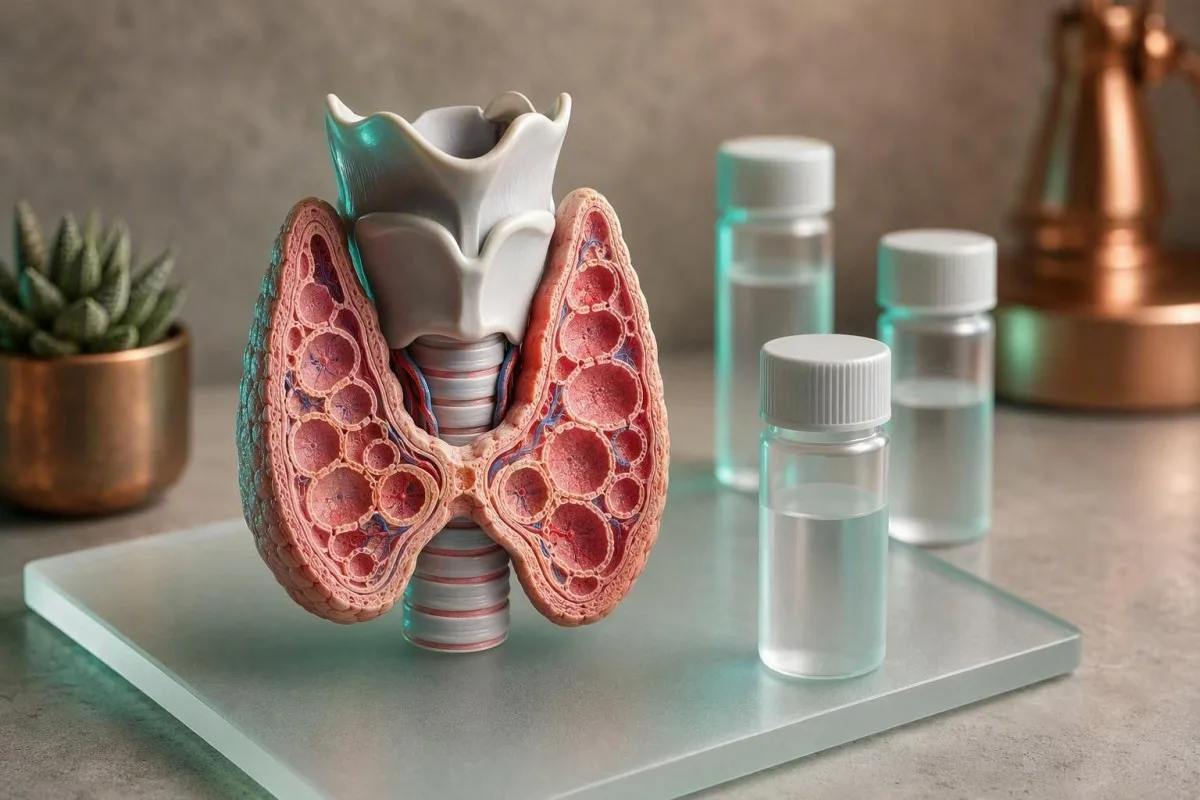
Большасці людзей не патрэбны частыя аналізы шчытападобнай залозы. Правільны інтэрвал залежыць ад таго, ці з'яўляецца ваш TSH нармальным, ці вы цяжарныя, ці ёсць у вас сімптомы, ці нядаўна была зменены доза левотыраксіну.


- Нармальны ТТГ звычайна не патрабуе паўтарэння часцей, чым раз у 1-5 гадоў, калі не ўзнікаюць сімптомы, цяжарнасць, лекі або новыя фактары рызыкі.
- Пасля змены левотыраксіну, паўтарыце TSH праз 6-8 тыдняў, таму што гіпофізарная зваротная сувязь патрабуе часу для стабілізацыі.
- Цяжарнасць патрабуе тэставання TSH пры пацверджанні і звычайна кожныя 4 тыдні да сярэдзіны цяжарнасці ў людзей з вядомым гіпатырэозам.
- Стабільны лячаны гіпатырэоз звычайна кантралюецца кожныя 6-12 месяцаў, а не штомесяц.
- TSH вышэй за 10 мМЕ/л звычайна патрабуе клінічнай ацэнкі і абмеркавання лячэння, нават калі вольны T4 застаецца ў межах нормы.
- дабаўкі біятыну можа скажаць некаторыя імунааналізы шчытападобнай залозы; адмена біятыну ў высокіх дозах мінімум за 2 дні з'яўляецца разумнай мерай засцярогі.
- Антыцелы да TPO прадказваюць будучы гіпатырэоз, але не патрабуюць серыйнага вымярэння для карэкціроўкі левотыраксіну.
- Неадкладная ацэнка неабходны пры цяжкім сэрцабіцці, болі ў грудзях, разгубленасці, значнай дыхавіцы або хуткім павелічэнні шыйнай азы.
План прыняцця рашэнняў аб паўторных аналізах шчытападобнай залозы
A frequência da verificação dos níveis de tireóide depende da situação clínica: a cada 1-5 anos após uma triagem normal, 6-8 semanas após uma alteração de dose, a cada 4 semanas no início da gravidez quando a doença tireoidiana é conhecida, e a cada 6-12 meses quando o hipotireoidismo está estável com tratamento. Testar mais cedo é útil apenas quando um resultado pode realisticamente mudar o tratamento.
Para um adulto sem diagnóstico de tireóide e com resultado normal ТТГ, um teste repetido a cada 1-5 anos é geralmente suficiente quando não há novos sintomas ou fatores de risco. O intervalo amplo reflete diferentes políticas de triagem nacionais; a triagem de rotina em toda a população não mostrou benefício claro o suficiente para que a U.S. Preventive Services Task Force a recomende para adultos assintomáticos (USPSTF, 2015).
Um cronograma prático é mais útil do que testes anuais genéricos: refazer o teste em semanas após uma mudança medicamentosa ou reprodutiva, em meses após uma anormalidade, e anualmente apenas quando uma condição crônica está sendo ativamente gerenciada. Na minha clínica, o erro evitável mais comum é verificar o TSH novamente 10 dias após mudar uma dose — a ansiedade aumenta, mas o resultado raramente responde à pergunta.
Кантэсці — гэта Аналізатар крыві са штучным інтэлектам que compara os resultados da tireóide com painéis anteriores datados, o que ajuda a separar uma tendência significativa de um reteste inicial e ruidoso. Mantenha o laboratório original, horário de coleta, dose, status de gravidez e suplementos ao lado de cada resultado; esses detalhes tornam a linha do tempo clinicamente interpretável. Veja nosso даведнік па тэрмінах аналізу крыві para o contexto que vale a pena registrar.
Калі паўтарыць нармальны TSH
Um TSH normal geralmente não necessita de repetição anual em um adulto saudável sem fatores de risco para tireóide; um intervalo de 1-5 anos é razoável. Repetir mais cedo quando os sintomas forem persistentes, a gravidez for planejada, ocorreu radiação no pescoço ou medicamentos que afetam a função tireoidiana foram iniciados.
A maioria dos laboratórios coloca o adulto ТТГ aproximadamente em torno de 0,4-4,0 mIU/L, embora os limites superiores variem de cerca de 4,0 a 4,5 mIU/L. Um valor de 2,1 mIU/L não é inerentemente melhor do que 3,7 mIU/L; ambos podem ser normais se o T4 livre, os sintomas e o contexto clínico concordarem.
Я раней праводжу паўторнае тэсціраванне ў людзей з дыябетам 1 тыпу, целиакией, папярэдняй аперацыяй шчытападобнай залозы, уздзеяннем літыя, уздзеяннем аміядарона, захворваннем гіпофіза або моцнай сямейнай гісторыяй аутоіммунных захворванняў. Гэтыя групы маюць больш высокую датеставую верагоднасць, чым здаровы чалавек, які проста адчувае стомленасць падчас цяжкага месяца.
Нармальны TSH не выключае ўсіх прычын стомленасці, выпадзення валасоў, дрэннага настрою або змены вагі. Калі клінічная карціна шырокая, лекары часта прызначаюць CBC, феритин, глюкозу, нырачныя маркеры і часам B12 замест таго, каб прызначаць аналізы шчытападобнай залозы кожныя некалькі тыдняў; наш дапаможнік па аналізы крыві на нізкую матывацыю тлумачыць гэты больш шырокі дыферэнцыял.
Сімптомы пры нармальных выніках: калі тэставанне ўсё яшчэ мае сэнс
Паўтарыце аналіз шчытападобнай залозы праз 6-12 тыдняў, калі сімптомы захоўваюцца або развіваюцца, нягледзячы на нармальны TSH, а не паўтарайце яго праз некалькі дзён. Новая тремор, цеплавая непераноснасць, тахікардыя ў стане спакою, сімптомы шыі, парушэнне менструальнага цыклу або невытлумачальная змена вагі апраўдваюць больш мэтанакіраваны агляд.
TSH можа нязначна вагацца на працягу дня, паміж лабараторыямі і падчас аднаўлення пасля хваробы. Змена з 2.0 на 3.1 мМЕ/л можа быць звычайнай біялагічнай варыяцыяй, у той час як павышэнне з 1.2 на 8.6 мМЕ/л патрабуе іншага адказу; вось чаму кантэкст тэндэнцыі мае большае значэнне, чым адзін сігнал.
Вострае захворванне можа выклікаць нізкі T3 і часам нізкі або нармальны TSH без першаснага збою шчытападобнай залозы, што часта называюць нетырэоідным захворваннем. Тэсціраванне падчас шпіталізацыі можа быць неабходным, але для неургентных амбулаторных сімптомаў я часта чакаю 4-8 тыдняў пасля аднаўлення, перш чым інтэрпрэтаваць мяжовы вынік як хранічнае захворванне; гл. наша тлумачэнне нізкі T3 падчас хваробы.
Практычнае правіла доктара Томаса Кляйна простае: паўтарыце тэст, калі адказ зменіць наступнае клінічнае рашэнне. Нармальны TSH з пастаянным завалом і непераноснасцю холаду можа прывесці да CBC, феритину, агляду лекаў і свабоднага T4; ён не павінен аўтаматычна прыводзіць да штомесячных панэляў антыцелаў.
Калі паўтарыць TSH пасля змены левотыраксіну
Паўтарыце TSH праз 6-8 тыдняў пасля пачатку прыёму левотыраксіну, змены дозы або змены складу. Левотыраксін мае доўгі перыяд паўраспаду прыкладна 7 дзён, і гіпофізу патрабуецца некалькі тыдняў, каб аднавіць выпрацоўку TSH.
Тыповая карэкціроўка дозы складае 12,5-25 мікраграмаў у дзень, асабліва для пажылых людзей або людзей з каранарнай хваробай, хоць лекар, які прызначае лекі, індывідуалізуе гэта. Праверка TSH праз 2 тыдні часам можа дапамагчы ў незвычайных абставінах, але занадта рана для звычайных рашэнняў па дозе.
Прымайце левотыраксін паслядоўна з вадой нашчадок, звычайна за 30-60 хвілін да ежы, або перад сном прынамсі за 3-4 гадзіны пасля апошняга прыёму ежы. Кальцый, жалеза, магній, антацыды, жоўцевыя кіслоты і некаторыя харчовыя валокны могуць знізіць засваенне пры адначасовым прыёме; меркаваны збой дозы часам з'яўляецца праблемай часу.
Змена маркі або вытворцы можа змяніць эфектыўнае ўздзеянне для некаторых пацыентаў, асабліва тых, хто мае невялікую эндагенную функцыю шчытападобнай залозы. Выкарыстоўвайце такі ж інтэрвал паўторнага тэсціравання пасля пераключэння, як апісана ў нашым кіраўніцтве па змене маркі левотыраксіну.
Як часта сачыць за стабільным гіпатырэозам
Людзі са стабільным першасным гіпатырэозам на нязменнай дозе звычайна патрабуюць тэсціравання TSH кожныя 6-12 месяцаў. Больш частыя праверкі мэтазгодныя пасля значнай змены вагі, цяжарнасці, хірургічнай аперацыі на страўнікава-кішачным тракце, узаемадзеяння лекаў або вяртання пераканаўчых сімптомаў.
Для большасці не цяжарных дарослых, якія лечацца ад першаснага гіпатырэозу, мэта лячэння - TSH у межах лабараторнага рэферэнсу, а не пэўны нізкі нармальны лік. Пастаянна прыгнечаны TSH ніжэй за 0.1 мМЕ/л на замяшчальнай тэрапіі звязаны з рызыкай фібрыляцыі перадсэрдзяў і страты костак, асабліва пасля 65 гадоў.
Праверка свабодны Т4 разам з TSH карысная пры наяўнасці захворванняў гіпофіза, цэнтральнага гіпатырэозу, цяжарнасці, нявызначанасці прыхільнасці або няўзгодненых сімптомаў. Пры цэнтральным гіпатырэозе TSH можа быць нармальным або нізкім, нягледзячы на недастатковае замяшчэнне гармонаў, таму свабодны T4, а не TSH, кіруе дазіроўкай.
Кантэсці — гэта Платформа AI для расшыфроўкі аналізу крыві які змяшчае TSH, свабодны T4, змены лекаў і звязаныя з імі вынікі жалеза або ліпідаў у адным лангітуднага выглядзе. Гэта асабліва карысна, таму што нізкі свабодны T4 пры нармальным TSH precisa de um percurso clínico diferente do hipotiroidismo de Hashimoto comum.
Мяжовы высокі TSH: разумны план паўторнага тэставання
Um TSH entre 4,5-10 mIU/L com T4 livre normal é geralmente repetido em 6-12 semanas antes de rotular hipotiroidismo subclínico crônico. Repita mais cedo quando o TSH estiver a aumentar rapidamente, a gravidez estiver presente, ou os sintomas forem substanciais.
Elevações transitórias do TSH podem ocorrer após doenças virais, interrupção do sono, variabilidade laboratorial ou recuperação de doenças sistêmicas graves. Um teste de repetição após 6-12 semanas impede que muitos pacientes sejam diagnosticados com base num único resultado marginal; utilize o mesmo laboratório, se possível, para minimizar as diferenças de ensaio.
TSH acima 10 мМЕ/л é o limiar em que a maioria das diretrizes favorece a discussão do tratamento, pois a progressão e as associações cardiovasculares tornam-se mais preocupantes. A diretriz conjunta de 2012 da American Thyroid Association e da American Association of Clinical Endocrinologists recomenda a individualização do tratamento abaixo de 10 mIU/L de acordo com os sintomas, anticorpos, idade e contexto cardiovascular (Garber et al., 2012).
Anticorpos TPO podem refinar o prognóstico: anticorpos positivos aumentam a probabilidade de o hipotiroidismo subclínico progredir, mas repetir o título de anticorpos não nos diz se a dose de levotiroxina está correta. O nosso гід па пагранічным TSH abrange os fatores que alteram a decisão.
Хвароба Хашымота: што кантраляваць, а што прапускаць
A doença de Hashimoto é monitorizada principalmente com TSH e, quando necessário, T4 livre; anticorpos TPO não necessitam de testes seriais. Uma pessoa eutiroideia com anticorpos TPO positivos geralmente necessita de TSH cerca de uma vez por ano, ou mais cedo na gravidez.
Anticorpos TPO estão presentes em muitas pessoas com tiroidite autoimune e podem permanecer positivos durante décadas. A queda dos valores de anticorpos não significa de forma fiável que a glândula recuperou, e o aumento dos valores não justifica por si só a alteração do tratamento.
Vejo frequentemente pacientes que gastaram dinheiro em testes mensais de anticorpos TPO enquanto o seu TSH não se moveu durante 18 meses. A questão clinicamente útil é se a produção de hormonas da tiroide está a diminuir, e não se o reconhecimento imune flutuou.
Se o TSH for normal mas os anticorpos forem positivos, o TSH anual é uma predefinição razoável; adicione uma verificação pré-concepção e um teste de gravidez precoce, se relevante. Leia mais sobre станоўчым антыцелам да TPO пры нармальным TSH e use o nosso кіраўніцтва па біямаркерах para entender os nomes dos exames no seu relatório.
Тэставанне шчытападобнай залозы падчас цяжарнасці і перад зачаццем
Pessoas com hipotiroidismo conhecido devem ter o TSH verificado assim que a gravidez for confirmada e cerca de todas as 4 semanas até meio da gravidez, depois pelo menos uma vez perto das 30 semanas. Os requisitos de levotiroxina geralmente aumentam no início da gravidez, por vezes em 20-30%.
A diretriz de gravidez de 2017 da American Thyroid Association utiliza um limite superior de referência de TSH de cerca de 4,0 mIU/L quando um laboratório não tem um intervalo específico para gravidez, em vez de aplicar limites universais mais antigos. Intervalos específicos por trimestre e por ensaio são preferíveis porque a globulina ligadora de tiroxina e a hCG alteram a fisiologia da tiroide (Alexander et al., 2017).
Pacientes que já tomam levotiroxina devem contactar a sua equipa de maternidade ou endocrinologia prontamente após um teste positivo, em vez de esperar por uma consulta de rotina. Alguns clínicos aconselham um aumento empírico imediato de comprimidos semanais para hipotiroidismo estabelecido, mas o plano exato deve ser individualizado - particularmente com doenças cardíacas ou diagnóstico incerto.
Após o parto, os requisitos de tiroide geralmente retornam à dose pré-gravídica ao longo de várias semanas, pelo que o TSH deve ser repetido cerca de 6 semanas após o parto, a menos que o seu médico aconselhe o contrário. A interpretação da gravidez também beneficia do nosso guia de T4 livre na gravidez.
Як часта тэставаць пры падазрэнні або лячэнні гіпертырэозу
A suspeita de hipertiroidismo necessita de testes rápidos de TSH e T4 livre, muitas vezes com T3 livre; o hipertiroidismo tratado pode exigir T4 e T3 livres a cada 4-6 semanas inicialmente. ТТГ можа заставацца падаўленым на працягу месяцаў пасля нармалізацыі ўзроўню гармонаў, таму ён не павінен быць адзіным маркерам, які выкарыстоўваецца на пачатку лячэння.
Нізкі ТТГ ніжэй за 0,1 мМЕ/л з павышаным вольным T4 або вольным T3 пацвярджае відавочны гіпертырэоз і патрабуе своечасовага агляду лекара. Пры хваробе Грэйвса, якая лячыцца антытырэоіднымі прэпаратамі, вольны T4 і агульны або вольны T3 звычайна кіруюць раннімі карэкціроўкамі кожныя 4-6 тыдняў.
Не выкарыстоўвайце аналізы шчытападобнай залозы асобна, каб растлумачыць пачашчанае сэрцабіцце. Пульс у спакоі, які стабільна перавышае 120 удараў у хвіліну, боль у грудзях, непрытомнасць, моцная дыхавіца, ліхаманка з узбуджэннем або спутанность свядомасці патрабуюць тэрміновай дапамогі, паколькі цяжкі тиреотоксикоз можа дэстабілізаваць сардэчна-сасудзістую сістэму.
Біятын можа ствараць памылковае ўражанне нізкага ТТГ і высокага вольнага T4 або T3 пры адчувальных аналізах. Спыніце прыём біяціну ў высокіх дозах, часта 5-10 мг штодня ў дадатак да харчавання для валасоў, прынамсі за 48 гадзін да тэсціравання, калі лекар не дасць іншых інструкцый; наша артыкул аб памылках аналізу высокага вольнага T3 тлумачыць, чаму.
Тэставанне пасля раку шчытападобнай залозы або аперацыі на шчытападобнай залозе
Пасля тиреоидэктомии або лячэння рака шчытападобнай залозы частата тэсціравання індывідуальная і можа вагацца ад кожных 6-12 тыдняў падчас тытравання дозы да кожных 6-12 месяцаў пры стабілізацыі. Мэты ТТГ могуць наўмысна зніжацца ў асобных групах рызыкі рака, таму агульныя мэты гіпотіреозу не заўсёды прымяняюцца.
Пасля поўнага выдалення шчытападобнай залозы звычайна патрабуецца пажыццёвая левотироксин, і першая ацэнка ТТГ звычайна праводзіцца праз 6-8 тыдняў пасля змены дозы. Тыраглабулін і антыцелы да тиреоглабуліну могуць быць дададзены пры назіранні за дыферэнцыраваным ракам шчытападобнай залозы, але іх графік залежыць ад паталогіі і рызыкі рэцыдыву.
Падаўлены ТТГ не з'яўляецца аўтаматычнай памылкай пасля рака шчытападобнай залозы. У пацыентаў з нізкай рызыкай агрэсіўнае падаўленне можа павялічыць рызыку фібрыляцыі перадсэрдзяў і пераломаў, таму эндакрынолагі ўраўнаважваюць прафілактыку рэцыдываў з шкодай ад лячэння, а не імкнуцца да найніжэйшага магчымага ТТГ.
Прынясіце паталогію, аперацыйныя справаздачы, вынікі УГД і кожны папярэдні вынік тиреоглабуліну для агляду спецыялістам. Падаўленыя інструменты Kantesti могуць арганізаваць гісторыю лабараторных даследаванняў па даце, але клінічная мэта павінна паступаць ад вашай каманды па раку і медыцынскіх стандартаў, апісаных у нашым падыход да клінічнай валідацыі.
Лекі і дабаўкі, якія апраўдваюць больш ранні паўторны аналіз шчытападобнай залозы
Літый, аміёдарон, інтэрферон, інгібітары імуннага кантрольнага пункта, уздзеянне ёду і біятын у высокіх дозах могуць змяняць аналізы шчытападобнай залозы або функцыю шчытападобнай залозы. Інтэрвал паўторнага тэсціравання вагаецца ад дзён пры падазрэнні на цяжкі медикаментозны тиреотоксикоз да 3-6 месяцаў для стабільных планаў маніторынгу.
Літый можа знізіць вызваленне гармонаў шчытападобнай залозы і звычайна кантралюецца з дапамогай ТТГ перад лячэннем і з інтэрваламі, узгодненымі псіхіятрыяй і першаснай медыцынскай дапамогай, часта кожныя 6-12 месяцаў пасля стабілізацыі. Аміёдарон змяшчае значную колькасць ёду і можа выклікаць як гіпа-, так і гіпертырэёз; базавыя і перыядычныя аналізы шчытападобнай залозы з'яўляюцца стандартнай клінічнай практыкай.
Жалеза і кальцый не змяняюць функцыю шчытападобнай залозы непасрэдна, але яны могуць знізіць ўсмоктванне левотироксину пры прыёме побач з дозай. Размяшчэнне іх паміж імі прынамсі за 4 гадзіны з'яўляецца практычнай адпраўной кропкай, асабліва для людзей, якія таксама лечаць дэфіцыт жалеза; гл. наша кіраўніцтва па прадуктах з высокім утрыманнем жалеза.
Пазбягайце самалячэння памежнага ТТГ з дапамогай марской капусты або канцэнтраваных прадуктаў ёду. Лішак ёду можа справакаваць дысфункцыю шчытападобнай залозы ў адчувальных людзей, у той час як звычайныя дыетычныя патрэбы ў ёдзе сціплыя; наша кіраўніцтва па прадуктах, якія змяшчаюць ёд дае больш бяспечны кантэкст на аснове прадуктаў харчавання.
Чаму занадта частае тэставанне ўзроўню шчытападобнай залозы можа ўвесці ў зман
Тэсціраванне ТТГ кожныя некалькі дзён або тыдняў можа выклікаць памылковыя сігналы трывогі, таму што ТТГ мае біялагічную варыяцыю і павольна рэагуе на змены дозы. Пры стабільным першасным гіпотіреозе тэсціраванне часцей, чым кожныя 6 месяцаў, рэдка паляпшае вынікі.
Спакуса зразумелая: чалавек дрэнна сябе адчувае, бачыць лічбу і хоча пэўнасці. Аднак паўторныя вымярэнні ствараюць больш магчымасцей для невялікіх зрухаў вакол парога, асабліва калі час збору, нядаўняя хвароба, стан на галаданне, дадаткі і лабараторны метад адрозніваюцца.
Сакрацыя ТТГ адпавядае цыркадным рытмам і мае тэндэнцыю быць вышэй уначы і ранняй раніцай. Пры маніторынгу тэндэнцыі, калі магчыма, выкарыстоўвайце падобны час збору і не прымайце леватыраксін непасрэдна перад вымярэннем вольнага Т4, калі лекар спецыяльна не хоча ўзровень пасля прыёму.
Кантэсці — гэта Інструмент аналізу вынікаў аналізу крыві з падтрымкай AI што вылучае змены ў параўнанні з папярэднімі значэннямі, а не разглядае кожную невялікую адхіленне ад нормы як новы дыягназ. Для больш спакойнага метаду параўнайце вынікі побач, выкарыстоўваючы прынцыпы нашага кіраўніцтва па змене лабараторных даследаванняў.
Якія аналізы шчытападобнай залозы прызначаць пры кожным наступным назіранні
ТТГ з'яўляецца лепшым першым тэстам для наступнага кантролю большасці першасных захворванняў шчытападобнай залозы, у той час як вольны Т4 дадаецца пры анамальным ТТГ, цяжарнасці, цэнтральным гіпатэрыёзе і няўзгодненых сімптомах. Вольны Т3, антыцелы, тиреоглобулин і УГД з'яўляюцца выбарачнымі тэстамі, а не штомесячнымі дапаўненнямі.
ТТГ вымярае рэакцыю гіпофізу, а не сам гармон шчытападобнай залозы. Вольны Т4 ацэньвае цыркулюючы даступны тыраксін, у той час як вольны Т3 найбольш карысны пры падазрэнні на гіпертірэёз, паколькі ў некаторых пацыентаў ёсць Т3-дамінантнае захворванне з нармальным вольным Т4.
УГД шчытападобнай залозы не з'яўляецца скрынінгавым тэстам толькі на анамальны ТТГ. Яно найбольш карысна пры пальпіруемым вузле, асіметрычнай залозе, якія ўдушваюць сімптомах, падазроных лімфатычных вузлах або вядомых вузлах, якія патрабуюць наступнага візуалізацыйнага даследавання; нармальныя аналізы крыві не выключаюць структурныя змены шчытападобнай залозы.
Аднастаронні зводны справаздачу аб выніках можа прадухіліць дубляванне тэсціравання і палепшыць наступны прыём. Наш кіраўніцтва па скарачэннях аналізаў шчытападобнай залозы тлумачыць агульныя маркеры, а Kantesti conseil médical ажыццяўляе кантроль за стандартамі клінічнага разгляду для навучальнага тлумачэння.
Калі не чакаць наступнага планаванага аналізу шчытападобнай залозы
Звярніцеся за тэрміновай медыцынскай дапамогай, а не чакайце руціннага аналізу шчытападобнай залозы, калі ў вас ёсць боль у грудзях, страта прытомнасці, моцнае ўдушша, спутанность свядомасці, пульс у спакоі вышэй за 120, высокая тэмпература з узбуджэннем або хуткае ўзмацненне ацёку шыі. Гэтыя сімптомы патрабуюць клінічнага агляду, жыццёвых паказчыкаў і часам ЭКГ або візуалізацыі, а не толькі хатняга раскладу.
Хуткае павелічэнне шыі, новая сіпласць голасу, цяжкасці з глытаннем або шумнае дыханне патрабуюць неадкладнай ацэнкі, нават калі папярэдні ТТГ быў нармальным. Аналізы крыві апісваюць фізіялогію гармонаў; яны не могуць надзейна ацаніць сціск дыхальных шляхоў, вузел шчытападобнай залозы або масавага павелічэння шыі.
У выпадку больш мяккіх, але настойлівых праблем, запішыцеся на мэтанакіраваны прыём да вашага лекара і вазьміце з сабой дозы лекаў, этыкеткі дадаткаў, статус цяжарнасці і датаваныя вынікі. Доктар Томас Кляйн выявіў, што гэтая базавая падрыхтоўка часта прадухіляе два недарэчныя крайнасці: адмаўленне сімптомаў, таму што ТТГ нармальны, або эскалацыя кожнага ізаляванага лабараторнага адхілення.
Па стане на 27 жніўня 2026 года найбольш бяспечны графік тэсціравання шчытападобнай залозы застаецца заснаваным на рашэнні: тэстуйце, калі змяненне выніку можа змяніць лячэнне. Kantesti AI падтрымлівае арганізацыю вынікаў і навучанне, а не дыягностыку або трыаж экстраных сітуацый; наша кіраўніцтва па тэхналогіі AI тлумачыць прызначаную ролю клінічнай падтрымкі.
Часта задаваныя пытанні
Com que frequência devo verificar os meus níveis de tireóide se estiverem normais?
Дарослым з нармальным ТТГ і без фактараў рызыкі шчытападобнай залозы звычайна патрабуецца паўторны аналіз шчытападобнай залозы кожныя 1-5 гадоў, а не кожны год. Паўтарыце раней, калі з'явяцца новыя сімптомы, плануецца або пацверджана цяжарнасць, было прамянёвае ўздзеянне на шыю, або вы пачынаеце прыём літыя, аміядарону або іншых лекаў, якія ўплываюць на шчытападобную залозу. Звычайны дыяпазон ТТГ для дарослых складае прыкладна 0,4-4,0 мМЕ/л, хоць лабараторыі ўсталёўваюць свае ўласныя межы. Нармальны вынік не выключае нешчытападобных прычын стомленасці, змены вагі або выпадзення валасоў.
Quando o TSH deve ser reavaliado após a alteração da levotiroxina?
O TSH geralmente deve ser retestado 6-8 semanas após o início da levotiroxina, alteração da dose diária ou troca de formulações do produto. A levotiroxina tem uma meia-vida de cerca de 7 dias, e o feedback hipofisário do TSH leva várias semanas para atingir um novo equilíbrio. A maioria das alterações de dose é de 12,5-25 microgramas por dia, embora idade, tamanho corporal, histórico cardíaco e gravidez alterem o plano. O teste em 1-2 semanas geralmente é muito cedo para orientar um ajuste de rotina.
Com que frequência o hipotireoidismo deve ser monitorado?
O hipotireoidismo primário estável, tratado com uma dose inalterada de levotiroxina, é geralmente monitorizado com TSH a cada 6-12 meses. O teste deve ocorrer mais cedo após uma alteração de dose de 12,5-25 microgramas, gravidez, alteração de peso substancial, cirurgia gastrointestinal ou introdução de um medicamento interativo. Um TSH abaixo de 0,1 mIU/L em terapia de reposição justifica revisão clínica, pois a sobre-reposição prolongada pode aumentar o risco de fibrilação auricular e perda óssea. O T4 livre é particularmente útil quando há possibilidade de doença hipofisária ou hipotireoidismo central.
Quantas vezes os níveis de tireoide devem ser verificados durante a gravidez?
Pessoas com hipotireoidismo estabelecido devem verificar o TSH na confirmação da gravidez e a cada 4 semanas até 16-20 semanas de gestação, depois pelo menos uma vez perto de 30 semanas. As necessidades de levotiroxina geralmente aumentam em 20-30% durante o início da gravidez, embora o ajuste exato deva vir da equipe de obstetrícia ou endocrinologia. Quando um limite de referência específico para gravidez não está disponível, a diretriz de 2017 da American Thyroid Association usa um limite superior de TSH de aproximadamente 4,0 mIU/L. O TSH geralmente deve ser verificado novamente cerca de 6 semanas após o parto se a dose foi alterada durante a gravidez.
É ruim verificar o TSH com muita frequência?
A verificação frequente da TSH pode ser enganosa, pois o hormônio varia biologicamente e muda lentamente após ajustes no tratamento. Um teste repetido 10-14 dias após uma alteração de levotiroxina pode mostrar movimento sem refletir o efeito final do tratamento, que é mais claro em 6-8 semanas. O hipotireoidismo tratado estável raramente se beneficia de testes mensais de TSH. Use o mesmo laboratório e horário de coleta semelhante ao monitorar uma tendência para reduzir variações evitáveis.
Ці варта паўтараць антыцелы да ТПО пры хваробе Хашымота?
O nível de anticorpos TPO geralmente não necessita de testes repetidos na doença de Hashimoto porque não orienta os ajustes de dose de levotiroxina. Um resultado positivo para anticorpos TPO apoia a tireoidite autoimune e prevê um risco maior de hipotireoidismo futuro, mas os marcadores úteis de acompanhamento são o TSH e, às vezes, o T4 livre. Uma pessoa eutireoidea com anticorpos TPO positivos geralmente tem o TSH verificado anualmente. O teste deve ser feito mais cedo quando a gravidez é planejada ou confirmada.
Атрымаць аналіз крыві з AI сёння
Далучайцеся больш чым да 2 мільёнаў карыстальнікаў па ўсім свеце, якія давяраюць Kantesti для імгненнага, дакладнага аналізу лабараторных тэстаў. Загрузіце вынікі аналізу крыві і атрымайце поўную інтэрпрэтацыю біямаркераў 15,000+ за лічаныя секунды.
📚 Публікацыі даследаванняў са спасылкамі
Кляйн, Т., Мітчэл, С., і Вебер, Г. (2026). Аналізатар AI для аналізу крыві: прааналізавана 2,5 млн тэстаў | Глабальная справаздача аб здароўі 2026. Kantesti AI Medical Research.
Кляйн, Т., Мітчэл, С., і Вебер, Г. (2026). Аналіз крыві на RDW: поўнае кіраўніцтва па RDW-CV, MCV і MCHC. Kantesti AI Medical Research.
📖 Знешнія медыцынскія спасылкі
⚕️ Медыцынская адмова ад адказнасці
Гэты артыкул прызначаны толькі для адукацыйных мэт і не з’яўляецца медычнай парадай. Заўсёды кансультуйцеся з кваліфікаваным спецыялістам аховы здароўя для прыняцця рашэнняў па дыягностыцы і лячэнні.
Сігналы даверу E-E-A-T
Вопыт
Клінічны агляд, які вядзе лекар, працэсаў інтэрпрэтацыі лабараторных паказчыкаў.
Экспертыза
Фокус лабараторнай медыцыны на тым, як біямаркеры паводзяць сябе ў клінічным кантэксце.
Аўтарытэтнасць
Напісана доктарам Томасам Кляйнам, з аглядам доктара Сара Мітчэл і праф. доктара Ганса Вебера.
Надзейнасць
Інтэрпрэтацыя на аснове доказаў з выразнымі шляхамі далейшых дзеянняў, каб паменшыць трывогу.