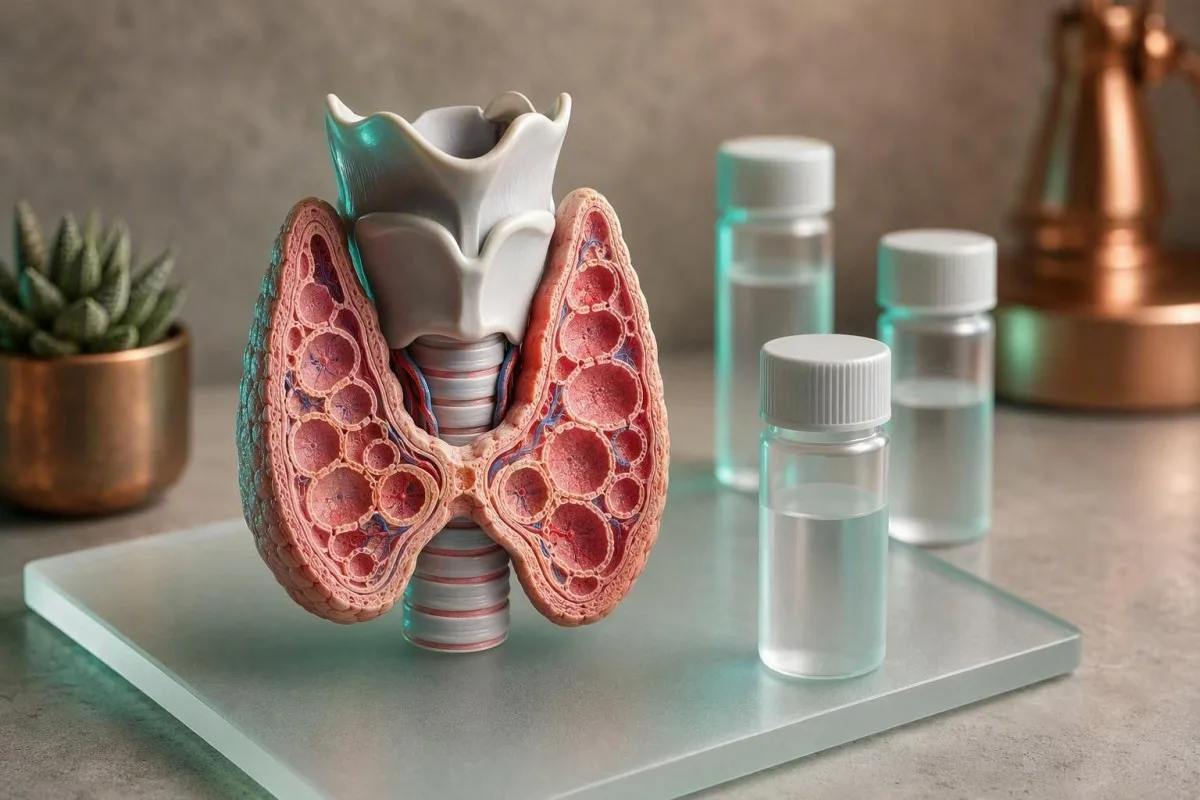
A legtöbb embernek nincs szüksége gyakori pajzsmirigy vizsgálatra. A megfelelő időköz attól függ, hogy a TSH normális-e, terhes-e, tünetei vannak-e, vagy a levotiroxin adagja nemrégiben változott-e.


- Normál TSH általában nem kell gyakrabban ismételni, mint 1-5 évente, hacsak nem jelentkeznek tünetek, terhesség, gyógyszerek vagy új kockázati tényezők.
- Levotiroxin változtatása után, ismételje meg a TSH-t 6-8 hét múlva, mert az agyalapi mirigy visszajelzésének stabilizálódnia kell.
- Terhesség a TSH vizsgálatot a megerősítéskor és általában 4 hetente a terhesség közepéig igényli ismert pajzsmirigy-alulműködésben szenvedőknél.
- Stabil kezelt pajzsmirigy-alulműködés általában 6-12 havonta, nem havonta kerül monitorozásra.
- TSH 10 mIU/L felett általában klinikai értékelést és kezelési megbeszélést indokol, még akkor is, ha a szabad T4 a tartományon belül marad.
- A biotin-kiegészítők torzíthat néhány pajzsmirigy immunoassay-t; magas dózisú biotin legalább 2 napig történő leállítása ésszerű óvintézkedés.
- TPO-antitestek. jövőbeli pajzsmirigy-alulműködést jelezhetnek, de nem igényelnek sorozatos mérést a levotiroxin adagjának beállításához.
- Sürgős felmérés erős szívdobogásérzés, mellkasi fájdalom, zavartság, jelentős légszomj vagy gyorsan növekvő nyaki duzzanat esetén szükséges.
A pajzsmirigy vizsgálatok megismétlésének ütemezése
A pajzsmirigy szintjének ellenőrzésének gyakorisága a klinikai helyzettől függ: 1-5 évente normál szűrés után, 6-8 héttel a dózisváltozás után, korai terhesség alatt 4 hetente, ha pajzsmirigybetegség ismert, és 6-12 havonta, ha a hypothyreosis stabil a kezelés alatt. Korábbi tesztelés csak akkor hasznos, ha az eredmény reálisan változtathat a gondozáson.
Pajzsmirigy diagnózis nélküli és normál TSH, felnőtt esetében, ismételt teszt 1-5 évente általában elegendő, ha nincsenek új tünetek vagy kockázati tényezők. A széles intervallum a különböző nemzeti szűrőpolitikákat tükrözi; a populáció-szintű rutinszűrés nem mutatott elegendő egyértelmű előnyt ahhoz, hogy az Amerikai Egyesült Államok Megelőző Szolgálatai Munkacsoportja (U.S. Preventive Services Task Force) javasolja tünetmentes felnőtteknél (USPSTF, 2015).
A gyakorlati ütemterv hasznosabb, mint a vakon végzett éves tesztelés: ismételt teszt gyógyszer- vagy reproduktív változás után heteken belül, rendellenesség után hónapokon belül, és csak akkor évente, ha egy krónikus állapotot aktívan kezelnek. Az én klinikámon a leggyakoribb elkerülhető hiba a TSH ismételt ellenőrzése 10 nappal a dózis megváltoztatása után – a szorongás nő, de az eredmény ritkán válaszolja meg a kérdést.
Kantesti egy AI vérvizsgálati analizátor amely összehasonlítja a pajzsmirigy eredményeket a korábbi, datált panelekkel, ami segít elválasztani az értelmes tendenciát egy korai, zajos ismételt teszttől. Tartsa a megadott eredmény mellett az eredeti laboratóriumot, a mintavétel időpontját, a dózist, a terhességi állapotot és a kiegészítőket; ezek a részletek teszik klinikailag értelmezhetővé az idővonalat. Lásd a mi vérvizsgálat időzítési útmutatónk kiadványunkat a rögzítésre érdemes kontextushoz.
Mikor kell megismételni a normális TSH-t
A normál TSH általában nem igényel éves ismétlést egy olyan felnőttnél, akinek nincsenek pajzsmirigy kockázati tényezői; 1-5 éves intervallum ésszerű. Korábbi ismétlés, ha a tünetek tartósak, terhesség tervezett, nyaki sugárzás történt, vagy a pajzsmirigy működését befolyásoló gyógyszereket kezdtek szedni.
A legtöbb laboratórium a felnőtt TSH értéket nagyjából 0,4-4,0 mIU/L körül határozza meg, bár a felső határok körülbelül 4,0-4,5 mIU/L között változnak. A 2,1 mIU/L-es érték nem önmagában jobb, mint a 3,7 mIU/L-es érték; mindkettő lehet normális, ha a szabad T4, a tünetek és a klinikai kontextus megegyezik.
Bizonyos esetekben hamarabb ismételt pajzsmirigy vizsgálatot végzek 1-es típusú cukorbetegség, coeliakia, pajzsmirigy műtét, lítium vagy amiodaron altató hatása, agyalapi mirigy betegség vagy erős autoimmun családi anamnézis esetén. Ezeknél a csoportoknál nagyobb a vizsgálat előtti valószínűség, mint egy egyébként egészséges személynél, aki egyszerűen csak fáradtnak érzi magát egy nehéz hónap során.
A normál TSH nem zár ki minden okot a fáradtságra, hajhullásra, rossz hangulatra vagy súlyváltozásra. Ha a tünetek széles körűek, a klinikusok gyakran rendelnek vérképet (CBC), feritint, glükózt, veseműködés markereket, és néha B12-vitamint, ahelyett, hogy néhány hetente pajzsmirigy vizsgálatokat rendelnének; útmutatónk a alacsony motiváció vérvizsgálataihoz kitér erre a szélesebb körű differenciáldiagnosztikára.
Tünetek normál eredménnyel: mikor indokolt még a vizsgálat
Ismételje meg a pajzsmirigy panelt 6-12 hét múlva, ha a tünetek a normál TSH ellenére fennállnak vagy fejlődnek, ahelyett, hogy néhány nap múlva ismételné meg. Új tremor, hőintolerancia, nyugalmi tachycardia, nyaki tünetek, menstruációs zavarok vagy megmagyarázhatatlan súlyváltozás célzottabb felülvizsgálatot indokol.
A TSH kissé ingadozhat a nap folyamán, a laboratóriumok között, és betegségből való felépülés során. A 2,0 és 3,1 mIU/L közötti változás közönséges biológiai ingadozás lehet, míg az 1,2 és 8,6 mIU/L közötti emelkedés eltérő választ igényel; ezért az eredmények alakulása sokkal fontosabb, mint egyetlen kiugró érték.
Az akut betegség alacsony T3-szintet és alkalmanként alacsony vagy normál TSH-szintet eredményezhet elsődleges pajzsmirigy-elégtelenség nélkül, ezt a mintázatot gyakran nem pajzsmirigy eredetű betegségnek nevezik. Kórházi tartózkodás alatti vizsgálat szükségessé válhat, de nem sürgős járóbeteg-tünetek esetén gyakran 4-8 hetet várok a felépülés után a határértékű eredmény krónikus betegségként való értelmezése előtt; lásd a betegség alatti alacsony T3.
Dr. Thomas Klein gyakorlati szabálya egyszerű: ismételje meg a vizsgálatot, ha az eredmény megváltoztatná a következő klinikai döntést. Normál TSH tartós székrekedéssel és hideg intoleranciával felvetheti a vérkép (CBC), feritin, gyógyszeres felülvizsgálat és szabad T4 vizsgálatát; nem indokol automatikusan havi antitest paneleket.
Mikor kell megismételni a TSH-t levotiroxin változások után
Ismételje meg a TSH vizsgálatot 6-8 hét múlva a levotiroxin szedésének megkezdése, az adag módosítása vagy a készítmény váltása után. A levotiroxin hosszú, körülbelül 7 napos felezési idővel rendelkezik, és az agyalapi mirigynek több hétre van szüksége a TSH kibocsátásának újrahangolásához.
A tipikus adag módosítás 12,5-25 mikrogramm naponta, különösen idősebbeknél vagy koszorúér-betegeknél, bár az orvos ezt egyénre szabja. A TSH 2 hét elteltével történő ellenőrzése rendkívüli esetekben néha segíthet, de rutinszerű adagolási döntésekhez túl korai.
A levotiroxint következetesen vízzel, üres gyomorral kell bevenni, általában 30-60 perccel étkezés előtt, vagy lefekvéskor legalább 3-4 órával az utolsó étkezés után. A kalcium, vas, magnézium, savlekötők, epesavkötők és bizonyos rosttartalmú termékek felszívódását csökkenthetik, ha egymáshoz közel fogyasztják őket; egy feltételezett adagolási hiba néha időzítési probléma.
Márka- vagy gyártóváltás befolyásolhatja a hatásos expozíciót egyes betegeknél, különösen azoknál, akiknek kevés endogén pajzsmirigy működésük van. Ugyanazt az újraértékelési intervallumot alkalmazza a váltást követően, ahogyan azt a levotiroxin márkaváltási útmutató.
Milyen gyakran kell monitorozni a stabil pajzsmirigy-alulműködést
A stabil primer hypothyreosisban szenvedő betegek általában 6-12 havonta TSH vizsgálatot igényelnek változatlan adag mellett. Gyakoribb ellenőrzés indokolt jelentős súlyváltozás, terhesség, gyomor-bélrendszeri műtét, gyógyszerinterakciók vagy meggyőző tünetek visszatérése után.
A legtöbb nem terhes, primer hypothyreosisban kezelt felnőtt esetében a kezelés célja a laboratóriumi referenciatartományon belüli TSH-szint elérése, nem pedig egy specifikus alacsony normál érték. A tartósan szupprimált TSH 0,1 mIU/L alatt helyettesítő terápiában pitvarfibrillációhoz és csontvesztés kockázatához társul, különösen 65 éves kor után.
Checking szabad T4 A TSH mellett hasznos, ha agyalapi mirigy betegség, centrális hypothyreosis, terhesség, adhéziós bizonytalanság vagy ellentmondásos tünetek állnak fenn. Centrális hypothyreosisban a TSH normális vagy alacsony lehet, annak ellenére, hogy elégtelen a hormonpótlás, így a dózist a szabad T4 – nem a TSH – határozza meg.
Kantesti egy AI vérvizsgálat-értelmező platform amely a TSH, szabad T4, gyógyszeres változások és a kapcsolódó vas- vagy lipideredmények egy longitudinális nézetbe foglalását teszi lehetővé. Ez különösen hasznos, mert egy alacsony szabad T4 normál TSH mellett a szokásos Hashimoto-thyreosisos hypothyreosisos állapottól eltérő klinikai utat igényel.
Határérték feletti TSH: az ésszerű ismétlési ütemterv
A 4,5-10 mIU/L körüli TSH-szint normál szabad T4 mellett általában 6-12 héten belül ismétlődik, mielőtt krónikus szubklinikai hypothyreosist állapítanának meg. Hamarabb ismételni, ha a TSH gyorsan emelkedik, terhesség áll fenn, vagy a tünetek jelentősek.
Az átmeneti TSH-emelkedés vírusos betegséget, alvászavart, laboratóriumi variabilitást, vagy súlyos szisztémás betegségből való felépülést követhet. Egy 6-12 hét múlva végzett ismételt teszt megakadályozza, hogy sok beteget egyetlen marginális eredménnyel diagnosztizáljanak; használja lehetőség szerint ugyanazt a laboratóriumot az analízis különbségek minimalizálása érdekében.
TSH above 10 mIU/L az a küszöbérték, amelynél a legtöbb irányelv kedvez a kezelési megbeszélésnek, mert a progresszió és a kardiovaszkuláris asszociációk aggasztóbbá válnak. A 2012-es American Thyroid Association és az American Association of Clinical Endocrinologists közös irányelve az egyénre szabott kezelést javasolja 10 mIU/L alatt a tünetek, antitestek, életkor és kardiovaszkuláris kontextus alapján (Garber et al., 2012).
A TPO antitestek finomíthatják a kilátásokat: a pozitív antitestek növelik annak esélyét, hogy a szubklinikus hipothyreoidizmus progresszálódjon, de az antitest titer megismétlése nem mondja meg, hogy a levotiroxin dózis helyes-e. A mi határérték TSH útmutatónk a döntést befolyásoló tényezőket foglalja magában.
Hashimoto-betegség: mit kell monitorozni és mit lehet kihagyni
A Hashimoto-betegséget főként TSH-val, és szükség esetén szabad T4-gyel monitorozzák; a TPO antitesteket nem kell sorozatban tesztelni. Egy euthyreoid személy pozitív TPO antitestekkel általában évente egyszer, terhesség alatt pedig korábban igényli a TSH-t.
TPO antitestek sok autoimmun pajzsmirigygyulladásban szenvedő embernél jelen vannak, és évtizedekig pozitívak maradhatnak. Az antitest értékek csökkenése nem jelzi megbízhatóan a mirigy felépülését, és a növekvő értékek önmagukban nem indokolják a kezelés megváltoztatását.
Gyakran látok olyan betegeket, akik pénzt költöttek havi TPO antitest tesztekre, miközben a TSH-juk 18 hónapig nem mozdult. A klinikailag hasznos kérdés az, hogy csökken-e a pajzsmirigyhormon termelés, nem pedig az, hogy a szervezet felismerése ingadozott-e.
Ha a TSH normális, de az antitestek pozitívak, az éves TSH ésszerű alapérték; adjon hozzá egy koncepció előtti ellenőrzést és korai terhességi tesztet, ha releváns. További információ a pozitív TPO-ellenanyagokról normál TSH mellett és használja a mi biomarker-útmutatónkban hogy megértse a laboreredményeken szereplő laborneveket.
Terhesség és a teherbeesés előtti pajzsmirigy vizsgálatok
A ismert pajzsmirigy alulműködésben szenvedőknek a terhesség megerősítése után azonnal ellenőrizni kell a TSH-szintjüket, körülbelül 4 hetente a terhesség feléig, majd legalább egyszer a 30. hét körül. A levotiroxin szükséglet a terhesség korai szakaszában gyakran emelkedik, néha 20-30%-kal.
A 2017-es American Thyroid Association terhességi irányelve a TSH felső referenciatartományát körülbelül 4,0 mIU/L-nek tekinti, ha egy laboratóriumnak nincs terhességspecifikus tartománya, ahelyett, hogy régebbi, univerzális küszöbértékeket alkalmazna. A trimeszterre és az analízisre specifikus tartományok előnyösebbek, mert a tiroxin-kötő globulin és a hCG befolyásolja a pajzsmirigy fiziológiáját (Alexander et al., 2017).
A levotiroxint már szedő betegeknek a pozitív teszt után azonnal fel kell venniük a kapcsolatot szülészeti vagy endokrinológiai csapatukkal, ahelyett, hogy egy rutinkonzultációra várnának. Egyes orvosok a már meglévő pajzsmirigy alulműködés esetén azonnali, empirikus emelést javasolnak a heti tablettákban, de a pontos tervet egyénre szabottan kell meghatározni – különösen szívbetegség vagy bizonytalan diagnózis esetén.
A szülés után a pajzsmirigy szükséglet gyakran néhány hét alatt visszatér a terhesség előtti adaghoz, ezért ismételt TSH-t kell végezni körülbelül 6 héttel a szülés után, kivéve, ha az orvos másként rendelkezik. A terhesség értelmezése profitál a mi szabad T4 terhességi útmutatónkból is.
Milyen gyakran kell tesztelni, ha pajzsmirigy-túlműködés gyanúja merül fel vagy kezelik
A feltételezett hyperthyreoidizmus azonnali TSH és szabad T4 tesztelést igényel, gyakran szabad T3-mal együtt; a kezelt hyperthyreoidizmus kezdetben 4-6 hetente szabad T4 és T3 tesztelést igényelhet. A TSH hormonális szintek normalizálódása után hónapokig szuppresszált maradhat, ezért a kezelés korai szakaszában nem szabad csak ezt az egy markert használni.
A 0,1 mIU/L alatti alacsony TSH emelkedett szabad T4 vagy szabad T3 szinttel a nyilvánvaló hyperthyreoidizmust támasztja alá, és időben történő orvosi felülvizsgálatot igényel. Graves-betegségben, antithyroid gyógyszerrel kezelve, a szabad T4 és a teljes vagy szabad T3 általában az időbeli kiigazításokat irányítja 4-6 hetente.
Ne használjon pajzsmirigy vizsgálatokat önmagában a szapora szívverés magyarázatára. A nyugalmi pulzus folyamatosan 120 ütés percenként, mellkasi fájdalom, ájulás, súlyos légszomj, lázas izgatottság vagy zavartság esetén sürgős ellátás szükséges, mert a súlyos pajzsmirigy túlműködés destabilizálhatja a szív- és érrendszert.
A biotin megtévesztő mintázatot hozhat létre, alacsony TSH és magas szabad T4 vagy T3 értékeket mutatva az érzékeny vizsgálatokon. Hagyja abba a magas dózisú biotint, gyakran napi 5-10 mg-ot hajsamponokban, legalább 48 órán keresztül a vizsgálat előtt, hacsak az orvos másképp nem utasítja; cikkünk a magas szabad T3 vizsgálati hibákról elmagyarázza, miért.
Pajzsmirigyrák vagy pajzsmirigy műtét utáni vizsgálat
Pajzsmirigy eltávolítás vagy pajzsmirigyrák kezelés után a vizsgálatok gyakorisága egyénre szabott, és a dózis titrálása során 6-12 hetente, stabil állapotban pedig 6-12 havonta is lehet. A TSH célzott értékei szándékosan alacsonyabbak lehetnek bizonyos rákos kockázatú csoportokban, így az általános pajzsmirigy alulműködésre vonatkozó célzott értékek nem mindig érvényesek.
A pajzsmirigy teljes eltávolítása után általában élethosszig tartó levotiroxin szükséges, és az első TSH értékelés általában 6-8 héttel a dózisváltozás után történik. A tireoglobulin és a tireoglobulin antitestek felvehetők a differenciált pajzsmirigyrák felügyeletébe, de az ütemezésük a patológiától és a kiújulás kockázatától függ.
A szuppresszált TSH nem automatikusan hiba pajzsmirigyrák után. Alacsonyabb kockázatú betegeknél az agresszív szuppresszió növelheti a pitvarfibrilláció és a törési kockázatot, ezért az endokrinológusok egyensúlyt tartanak a kiújulás megelőzése és a kezelés káros hatásai között, ahelyett, hogy a lehető legalacsonyabb TSH-t céloznák.
Hozza a patológiai, műtéti jelentéseket, ultrahang leleteket és minden korábbi tireoglobulin eredményt a szakorvosi vizsgálatra. A longitudinális eszközök rendszerezhetik a dátumozott laboratóriumi előzményeket, de a klinikai célt az Ön rákkutató csapatától és a cikkünkben leírt orvosilag áttekintett standardokból kell kapnia klinikai validálási megközelítésünk.
Gyógyszerek és étrend-kiegészítők, amelyek korábbi pajzsmirigy vizsgálatot indokolnak
Lítium, amiodaron, interferon, immunterápiás gátlók, jódterhelés és magas dózisú biotin befolyásolhatják a pajzsmirigy vizsgálatokat vagy a pajzsmirigy működését. Az újravizsgálat intervalluma napokról (gyanított súlyos gyógyszer okozta pajzsmirigy túlműködés esetén) 3-6 hónapra terjed (stabil megfigyelési tervek esetén).
A lítium csökkentheti a pajzsmirigyhormon felszabadulást, és általában TSH-val monitorozzák a kezelés előtt, és olyan időközönként, amelyeket a pszichiátria és az alapellátás közösen határoz meg, gyakran 6-12 havonta, ha stabil. Az amiodaron jelentős mennyiségű jódot tartalmaz, és pajzsmirigy alul- vagy túlműködést is okozhat; alapvető és időszakos pajzsmirigy vizsgálatok a szokásos klinikai gyakorlat.
A vas és a kalcium nem változtatja közvetlenül a pajzsmirigy működését, de csökkenthetik a levotiroxin felszívódását, ha a dózis közelében veszik be őket. Legalább 4 óra elválasztásuk jó kiindulópont, különösen azok számára, akik vashiányt is kezelnek; olvassa el útmutatónkat a magas vastartalmú ételek.
Kerülje a határérték TSH önkezelését kelp-kel vagy koncentrált jódtermékekkel. A túlzott jód kiválthat pajzsmirigy működési zavart fogékony embereknél, míg a szokásos étrendi jódigények mérsékeltek; a mi jódos ételekről szóló útmutató biztonságosabb, élelmiszer alapú kontextust ad.
Miért vezethet félre a pajzsmirigyszint túl gyakori vizsgálata
A TSH vizsgálata néhány napon vagy hétenkénti gyakorisággal téves riasztásokat okozhat, mert a TSH biológiai változékonysággal rendelkezik és lassan reagál a dózisváltozásokra. Stabil primer pajzsmirigy alulműködés esetén a 6 havonnál gyakoribb vizsgálat ritkán javítja az eredményeket.
A kísértés érthető: egy személy rosszul érzi magát, lát egy számot, és bizonyosságot akar. A ismételt mérések azonban több lehetőséget teremtenek a küszöbérték körüli apró elmozdulásokra, különösen akkor, ha a gyűjtés ideje, a közelmúltbeli betegség, az éhgyomri státusz, a kiegészítők és a laboratóriumi módszer eltérnek.
A TSH szekréció cirkadián ritmust követ, és általában éjszaka és kora reggel magasabb. Aztrend figyelemmel kísérésekor, ha lehetséges, használjon hasonló gyűjtési időt, és ne vegye be a levotiroxint közvetlenül a szabad T4 mérése előtt, hacsak az orvos kifejezetten nem kíván dózis utáni szintet.
Kantesti egy Mesterséges intelligencia-alapú vérvizsgálat-elemző eszköz amely riasztást ad a változásokról a korábbi értékekhez képest, ahelyett, hogy minden kisebb, határon kívüli értéket új diagnózisként kezelne. A nyugodtabb módszerhez hasonlítsa össze az eredményeket egymás mellett a mi labortevékenység változás útmutatónkban.
Milyen pajzsmirigy vizsgálatokat kell elrendelni minden egyes utánkövetés során
A TSH a legtöbb primer pajzsmirigy rendellenesség legjobb első követő vizsgálata, míg a szabad T4 hozzáadódik rendellenes TSH, terhesség, centrális hipothyreosis és ellentmondásos tünetek esetén. A T3, antitestek, tireoglobulin és ultrahang szelektív vizsgálatok, nem pedig rutinszerű havi kiegészítők.
A TSH az agyalapi mirigy válaszát méri, nem magát a pajzsmirigyhormont. A szabad T4 a keringő elérhető tiroxint becsüli meg, míg a szabad T3 akkor a leghasznosabb, ha pajzsmirigy túlműködés gyanúja merül fel, mivel egyes betegeknél T3-domináns betegség áll fenn, normális szabad T4 mellett.
A pajzsmirigy ultrahang nem szűrővizsgálat önmagában rendellenes TSH esetén. Leginkább kitapintható csomó, aszimmetrikus mirigy, kompressziós tünetek, gyanús nyirokcsomók vagy képalkotó utánkövetést igénylő ismert csomók esetén hasznos; a normális vérvizsgálat nem zárja ki a pajzsmirigy strukturális eltéréseit.
Egyoldalas eredményösszegző megakadályozhatja az ismételt vizsgálatokat és javíthatja a következő konzultációt. A mi pajzsmirigy vizsgálat rövidítés útmutatónk elmagyarázza a gyakori markereket, és a Kantesti orvosi tanácsadó testületével felügyeli a klinikai értékelési szabványokat az oktatási értelmezéshez.
Mikor ne várjon a következő tervezett pajzsmirigy vizsgálatra
Kérjen sürgős orvosi értékelést a rutin pajzsmirigy vizsgálatra várás helyett, ha mellkasi fájdalmat, ájulást, súlyos légszomjat, zavartságot, 120 feletti nyugalmi pulzust, magas lázat izgatottsággal, vagy gyorsan súlyosbodó nyaki duzzanatot tapasztal. Ezek a tünetek klinikai vizsgálatot, vitális paramétereket és néha EKG-t vagy képalkotást igényelnek – nem pedig csak egy otthoni ütemtervet.
Gyors nyaki duzzanat, új rekedtség, nyelési nehézség vagy zajos légzés azonnali értékelést igényel, még akkor is, ha a korábbi TSH normális volt. A vérvizsgálatok a hormonális fiziológiát írják le; nem tudják megbízhatóan értékelni a légúti kompressziót, a pajzsmirigy csomót vagy a növekvő nyaki tömeget.
Enyhébb, de tartós aggályok esetén foglaljon le egy célzott konzultációt a kezelőorvosával, és hozza magával a gyógyszeradagokat, a táplálékkiegészítők címkéit, terhességi állapotát és dátumozott eredményeit. Dr. Thomas Klein azt találta, hogy ez az alapvető előkészület gyakran megakadályozza a két haszontalan szélsőséget: a tünetek elutasítását a normális TSH miatt, vagy minden izolált laboratóriumi eltérés eszkalálását.
2026. augusztus 27-től a legbiztonságosabb pajzsmirigy vizsgálati ütemterv továbbra is döntésalapú: akkor vizsgáljon, amikor egy változó eredmény megváltoztathatja az ellátást. A CE AI támogatja az eredmények rendszerezését és oktatását, nem a diagnózist vagy a sürgősségi triázst; a mi Mesterséges intelligencia technológiai útmutató elmagyarázza a tervezett klinikai támogatási szerepet.
Gyakran Ismételt Kérdések
Milyen gyakran ellenőrizzem a pajzsmirigy szintemet, ha normális?
A pajzsmirigy kockázati tényezők nélküli, normál TSH-val rendelkező felnőttek általában csak 1-5 évente, nem évente szorulnak ismételt pajzsmirigy vizsgálatra. Ismételjék meg hamarabb, ha új tünetek állnak fenn, terhesség tervezett vagy megerősített, nyak sugárkezelés történt, vagy lítiumot, amiodaront vagy más pajzsmirigyre ható gyógyszert kezd szedni. A tipikus felnőtt TSH referenciatartomány körülbelül 0,4-4,0 mIU/L, bár a laboratóriumok saját határokat állítanak be. Az eredmények nem zárnak ki a fáradtság, súlyváltozás vagy hajhullás nem pajzsmirigy eredetét.
Mikor kell újra ellenőrizni a TSH-t a levotiroxin adagjának változtatása után?
A TSH-szintet általában 6-8 héttel a levotiroxin szedésének megkezdése, a napi adag módosítása vagy a termék formulációjának megváltoztatása után kell újra ellenőrizni. A levotiroxin felezési ideje körülbelül 7 nap, és az agyalapi mirigy TSH-visszajelzésének elérése több hétig tart, amíg új egyensúlyi állapotba kerül. A legtöbb dózismódosítás napi 12,5-25 mikrogramm, bár az életkor, a testméret, a szív-érrendszeri kórtörténet és a terhesség módosíthatja a tervet. Az 1-2 héttel történő vizsgálat általában túl korai ahhoz, hogy rutinszerű kiigazítást lehessen végezni.
Milyen gyakran kell ellenőrizni a pajzsmirigy-alulműködést?
Stabil, kezeletlen, stabil levotiroxin dózissal kezelt elsődleges pajzsmirigy-alulműködést általában TSH-val monitoroznak 6-12 havonta. A vizsgálatra hamarabb kerül sor 12,5-25 mikrogrammos dózismódosítás, terhesség, jelentős súlyváltozás, gyomor-bélrendszeri műtét vagy kölcsönhatásba lépő gyógyszer bevezetése után. A helyettesítő terápia során 0,1 mIU/L alatti TSH orvosi felülvizsgálatot indokol, mert a tartós túladagolás növelheti a pitvarfibrilláció és a csontvesztés kockázatát. A szabad T4 különösen hasznos, ha hipofízis betegség vagy centrális pajzsmirigy-alulműködés lehetséges.
Milyen gyakran kell ellenőrizni a pajzsmirigy szintjét terhesség alatt?
A már megállapított pajzsmirigy-alulműködésben szenvedőknél a TSH-t terhesség megerősítésekor és a terhesség 16-20. hetéig körülbelül 4 hetente, majd a 30. hét körül legalább egyszer ellenőrizni kell. A levotiroxin szükséglet a terhesség korai szakaszában általában 20-30%-kal nő, bár a pontos beállítást a szülészeti vagy endokrinológiai csapatnak kell elvégeznie. Ha helyi, terhességspecifikus tartomány nem áll rendelkezésre, a 2017-es Amerikai Pajzsmirigy Társaság irányelvei a TSH felső referenciahatárát körülbelül 4,0 mIU/L-ben határozzák meg. A TSH-t általában a szülés után körülbelül 6 héttel kell újra ellenőrizni, ha a dózist a terhesség alatt megváltoztatták.
Rossz túl gyakran ellenőrizni a TSH-t?
A pajzsmirigy-stimuláló hormon (TSH) túl gyakori ellenőrzése félrevezető lehet, mivel a hormon biológiailag változékony, és a kezelés módosítása után lassan változik. A levotiroxin változtatása után 10-14 nappal végzett ismételt teszt mozgást mutathat a végső kezelési hatás tükrözése nélkül, ami 6-8 hét elteltével válik tisztábbá. A stabilan kezelt hipothyreosis ritkán profitál a havi TSH-vizsgálatból. A trend megfigyeléséhez használja ugyanazt a laboratóriumot és hasonló mintavételi időt a kerülhető eltérések csökkentése érdekében.
Should TPO antibodies be repeated in Hashimoto's disease?
A pajzsmirigy-peroxidáz antitestek (TPO-antitestek) szintjének ismételt vizsgálata általában nem szükséges a Hashimoto-betegségben, mert nem befolyásolja a levotiroxin adagjának beállítását. A pozitív TPO-antitest eredmény alátámasztja az autoimmun pajzsmirigygyulladást és a jövőbeli pajzsmirigy-alulműködés magasabb kockázatát jelzi, de a hasznos követéses markerek a TSH és néha a szabad T4. A pozitív TPO-antitestekkel rendelkező, euthyreos személyeknél általában évente ellenőrzik a TSH-t. A vizsgálatot korábban kell elvégezni terhesség tervezése vagy megerősítése esetén.
Végezzen mesterséges intelligencia által támogatott vérvizsgálat-elemzést még ma
Csatlakozzon világszerte több mint 2 millió felhasználóhoz, akik az Kantesti-t bízzák meg azonnali, pontos laborvizsgálat-elemzésért. Töltse fel a vérvizsgálat eredményeit, és kapjon átfogó értelmezést az 15,000+ biomarkerekről másodpercek alatt.
📚 Hivatkozott kutatási publikációk
Klein, T., Mitchell, S., & Weber, H. (2026). Mesterséges intelligencia vérvizsgálat-elemző: 2,5 millió elemzett vizsgálat | Globális egészségügyi jelentés 2026. Kantesti mesterséges intelligencia orvosi kutatás.
Klein, T., Mitchell, S., & Weber, H. (2026). RDW vérvizsgálat: Átfogó útmutató az RDW-CV-hez, az MCV-hez és a MCHC-hez. Kantesti mesterséges intelligencia orvosi kutatás.
📖 Külső orvosi hivatkozások
⚕️ Orvosi nyilatkozat
A cikk kizárólag oktatási célokat szolgál, és nem minősül orvosi tanácsadásnak. A diagnózisra és a kezelési döntésekre vonatkozóan mindig konzultáljon szakképzett egészségügyi szolgáltatóval.
E-E-A-T bizalmi jelzések
Tapasztalat
Orvosok által vezetett klinikai áttekintés a laboratóriumi értelmezési munkafolyamatokról.
Szakértelem
Laboratóriumi medicina fókusz: hogyan viselkednek a biomarkerek klinikai környezetben.
Tekintélyesség
Dr. Thomas Klein írta, Dr. Sarah Mitchell és Prof. Dr. Hans Weber általi felülvizsgálattal.
Megbízhatóság
Bizonyítékokon alapuló értelmezés, világos követési útvonalakkal a riadalom csökkentésére.