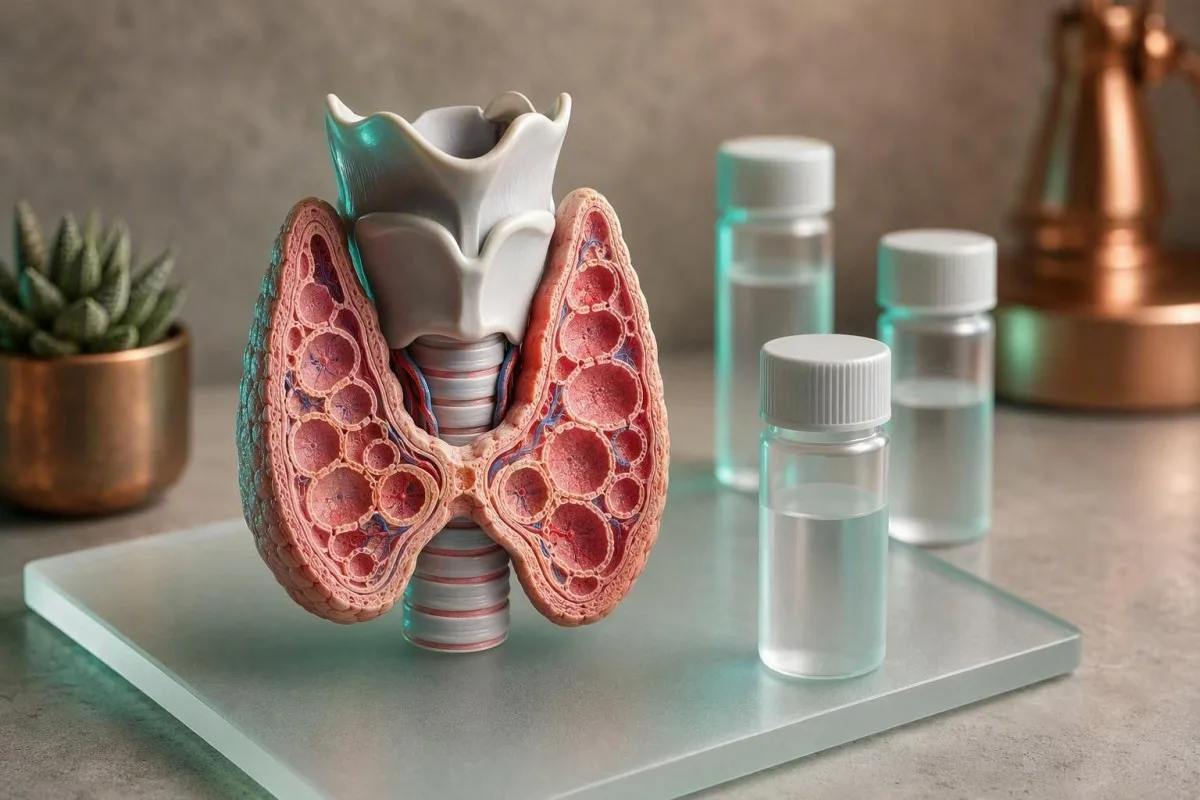
معظم الناس لا يحتاجون إلى فحوصات الغدة الدرقية بشكل متكرر. الفترة المناسبة تعتمد على ما إذا كان TSH لديك طبيعيًا، أو إذا كنتِ حاملًا، أو لديك أعراض، أو تم تغيير جرعة ليفوثيروكسين الخاصة بك مؤخرًا.


- TSH طبيعي بشكل عام لا يحتاج إلى تكرار أكثر من كل 1-5 سنوات ما لم تظهر أعراض، أو حمل، أو أدوية، أو عوامل خطر جديدة.
- بعد تغييرات ليفوثيروكسين, ، كرر TSH بعد 6-8 أسابيع لأن ردود فعل الغدة النخامية تحتاج إلى وقت للاستقرار.
- الحمل يتطلب اختبار TSH عند التأكيد وعادة كل 4 أسابيع حتى منتصف الحمل لدى الأشخاص الذين يعانون من قصور الغدة الدرقية المعروف.
- قصور الغدة الدرقية المعالج والمستقر عادة ما تتم مراقبته كل 6-12 شهرًا، وليس شهريًا.
- ارتفاع TSH فوق 10 mIU/L يستدعي عادةً تقييمًا سريريًا ومناقشة العلاج، حتى عندما يظل T4 الحر في المعدل الطبيعي.
- مكملات البيوتين يمكن أن يشوه بعض فحوصات الغدة الدرقية المناعية؛ التوقف عن تناول البيوتين بجرعات عالية لمدة يومين على الأقل هو إجراء احترازي معقول.
- أضداد TPO تتنبأ بقصور الغدة الدرقية في المستقبل ولكن لا تحتاج إلى قياس تسلسلي لتعديل ليفوثيروكسين.
- تقييم عاجل ضروري في حالات الخفقان الشديد، وآلام الصدر، والارتباك، وضيق التنفس الواضح، أو التورم المتزايد بسرعة في الرقبة.
جدول قرارات لتكرار فحوصات الغدة الدرقية
وتيرة فحص مستويات الغدة الدرقية تعتمد على الوضعية السريرية: كل 1-5 سنوات بعد فحص طبيعي، كل 6-8 أسابيع بعد تغيير الجرعة، كل 4 أسابيع في بداية الحمل عند وجود مرض معروف في الغدة الدرقية، وكل 6-12 شهرًا عندما يكون قصور الغدة الدرقية مستقرًا تحت العلاج. الفحص المبكر يكون مفيدًا فقط عندما تكون النتيجة قادرة بشكل واقعي على تغيير الرعاية.
لشخص بالغ لا يعاني من تشخيص في الغدة الدرقية ونتيجة طبيعية هرمون TSH, ، يعتبر تكرار الفحص كل 1-5 سنوات كافيًا بشكل عام في حالة عدم وجود أعراض جديدة أو عوامل خطر. الفاصل الزمني الواسع يعكس اختلاف سياسات الفحص الوطنية؛ لم يُظهر الفحص الروتيني على مستوى السكان فائدة واضحة بما يكفي لكي توصي به فرقة الخدمات الوقائية الأمريكية (USPSTF، 2015) للبالغين الذين لا يعانون من أعراض.
جدول زمني عملي أكثر فائدة من الفحص السنوي الشامل: إعادة الفحص خلال أسابيع بعد تغيير دواء أو تغيير في الحالة الإنجابية، وخلال أشهر بعد وجود خلل، وسنويًا فقط عندما تتم إدارة حالة مزمنة بنشاط. في عيادتي، الخطأ الأكثر شيوعًا الذي يمكن تجنبه هو فحص TSH مرة أخرى بعد 10 أيام من تغيير الجرعة - يزداد القلق، ولكن النتيجة نادرًا ما تجيب على السؤال.
كانتيستي هو محلل اختبار الدم بالذكاء الاصطناعي الذي يقارن نتائج الغدة الدرقية مع لوحات سابقة مؤرخة، مما يساعد على فصل الاتجاه الهادف عن إعادة الفحص المبكر والضبابي. احتفظ بالمختبر الأصلي، وقت الجمع، الجرعة، حالة الحمل، والمكملات بجوار كل نتيجة؛ هذه التفاصيل تجعل الجدول الزمني قابلاً للتفسير سريريًا. راجع ديال توقيت تحاليل الدم لسياق يستحق التسجيل.
متى يجب تكرار TSH الطبيعي
TSH طبيعي لا يتطلب عادةً تكرارًا سنويًا لدى شخص بالغ سليم لا يعاني من عوامل خطر متعلقة بالغدة الدرقية؛ فترة 1-5 سنوات معقولة. كرر الفحص مبكرًا عندما تكون الأعراض مستمرة، أو يتم التخطيط للحمل، أو حدث تعرض للإشعاع في منطقة الرقبة، أو تم البدء في تناول أدوية تؤثر على وظيفة الغدة الدرقية.
معظم المختبرات تضع مستويات البالغين هرمون TSH حوالي 0.4-4.0 mIU/L، على الرغم من أن الحدود العليا تتراوح من حوالي 4.0 إلى 4.5 mIU/L. قيمة 2.1 mIU/L ليست أفضل بطبيعتها من 3.7 mIU/L؛ كلاهما يمكن أن يكون طبيعيًا إذا كانت free T4 والأعراض والسياق السريري متفقين.
كنعاود ندير تحليل الغدة الدرقية للناس لي عندهم سكري من النوع الأول، أو مرض السيلياك، أو اللي دارو عملية جراحية سابقة للغدة الدرقية، أو لي خداو الدواء لي فيه ليثيوم، أو أميودارون، أو مرض في الغدة النخامية، أو لي عندهم تاريخ عائلي قوي ديال أمراض المناعة الذاتية. هاد المجموعات عندهم احتمالية أكبر قبل التحليل مقارنة بشخص عادي سليم لي ببساطة كيحس بالعيا خلال شهر صعيب.
تحليل TSH طبيعي ماكيحيدش سبب العيا، تساقط الشعر، المزاج المكتئب، أو تغيير الوزن. إذا كانت الأعراض متنوعة، الأطباء غالبا ما يطلبون تحليل CBC، الفيريتين، السكر، علامات وظائف الكلى، وأحيانا B12 بدلا من طلب تحاليل الغدة الدرقية كل بضعة أسابيع؛ دليلنا لـ تحليل نقص التحفيز يشرح هذا التشخيص الأوسع.
أعراض مع نتائج طبيعية: متى لا يزال الاختبار معقولاً
عاود تحليل الغدة الدرقية بعد 6-12 أسبوع إذا استمرت الأعراض أو تطورت رغم نتيجة TSH طبيعية، بدلا من إعادته بعد أيام. الرعشة الجديدة، عدم تحمل الحرارة، تسارع نبضات القلب في وقت الراحة، أعراض في الرقبة، اضطراب الدورة الشهرية، أو تغيير الوزن غير المبرر تستدعي مراجعة أكثر تركيزا.
TSH يمكن أن يتغير بشكل طفيف خلال اليوم، بين المختبرات، وأثناء التعافي من المرض. تغيير من 2.0 إلى 3.1 mIU/L قد يكون تغيرا بيولوجيا عاديا، بينما ارتفاع من 1.2 إلى 8.6 mIU/L يستدعي استجابة مختلفة؛ لهذا السبب سياق الاتجاه أهم من علامة واحدة.
المرض الحاد يمكن أن ينتج عنه انخفاض T3 وأحيانا انخفاض أو TSH طبيعي بدون فشل أولي في الغدة الدرقية، نمط يسمى غالبا "مرض غير متعلق بالغدة الدرقية". قد يكون إجراء التحليل أثناء دخول المستشفى ضروريا، ولكن بالنسبة للأعراض غير العاجلة للمرضى الخارجيين، غالبا ما أنتظر 4-8 أسابيع بعد التعافي قبل تفسير نتيجة borderline كمرض مزمن؛ انظر شرحنا لـ T3 منخفضة خلال المرض.
قاعدة الدكتور توماس كلاين العملية بسيطة: أعد التحليل عندما تغير النتيجة القرار السريري التالي. نتيجة TSH طبيعية مع إمساك مستمر وعدم تحمل البرد قد تتطلب تحليل CBC، فيريتين، مراجعة الأدوية، و T4 مجاني؛ لا ينبغي أن تؤدي تلقائيا إلى لوحات أجسام مضادة شهرية.
متى يتم تكرار TSH بعد تغييرات ليفوثيروكسين
عاود تحليل TSH بعد 6-8 أسابيع من بدء الليفوثيروكسين، أو تغيير الجرعة، أو تغيير التركيبة. الليفوثيروكسين لديه عمر نصف طويل يبلغ حوالي 7 أيام، والغدة النخامية تحتاج عدة أسابيع لإعادة ضبط إنتاجها لـ TSH.
تعديل الجرعة النموذجي هو 12.5-25 ميكروغرام يوميا، خاصة عند كبار السن أو الأشخاص الذين يعانون من أمراض القلب التاجية، على الرغم من أن الطبيب المعالج يحدد ذلك بشكل فردي. فحص TSH عند أسبوعين يمكن أن يساعد أحيانا في ظروف غير عادية، ولكنه مبكر جدا لاتخاذ قرارات الجرعة الروتينية.
تناول الليفوثيروكسين باستمرار مع الماء على معدة فارغة، عادة قبل 30-60 دقيقة من الأكل، أو عند النوم قبل 3-4 ساعات على الأقل من آخر وجبة. الكالسيوم، الحديد، المغنيسيوم، مضادات الحموضة، أدوية ربط الأحماض الصفراوية، وبعض منتجات الألياف يمكن أن تقلل الامتصاص عند تناولها معا؛ فشل الجرعة المفترض أحيانا يكون مشكلة توقيت.
تغيير العلامة التجارية أو الشركة المصنعة يمكن أن يغير التعرض الفعال لبعض المرضى، خاصة أولئك الذين لديهم وظيفة غدة درقية داخلية قليلة. استخدم نفس فترة إعادة الاختبار بعد التبديل، كما هو مفصل في دليلنا لـ دليل تغيير ماركة الليفوثيروكسين.
كم مرة يتم مراقبة قصور الغدة الدرقية المستقر
المرضى الذين يعانون من قصور الغدة الدرقية الأولي المستقر بجرعة غير متغيرة يحتاجون عادة إلى فحص TSH كل 6-12 شهرا. الفحوصات الأكثر تكرارا مناسبة بعد تغيير كبير في الوزن، الحمل، جراحة الجهاز الهضمي، الأدوية المتفاعلة، أو عودة الأعراض المقنعة.
بالنسبة لمعظم البالغين غير الحوامل الذين يعالجون من قصور الغدة الدرقية الأولي، فإن الهدف العلاجي هو TSH ضمن النطاق المرجعي للمختبر بدلا من رقم محدد في الحد الأدنى الطبيعي. TSH المكبوت باستمرار أقل من 0.1 mIU/L عند العلاج التعويضي يرتبط بخطر الرجفان الأذيني وفقدان العظام، خاصة بعد سن 65.
فحص T4 الحر إلى جانب TSH مفيد عند وجود مرض الغدة النخامية، قصور الغدة الدرقية المركزي، الحمل، عدم اليقين بشأن الالتزام، أو أعراض متضاربة. في قصور الغدة الدرقية المركزي، يمكن أن يكون TSH طبيعيا أو منخفضا على الرغم من عدم كفاية العلاج الهرموني، لذلك فإن T4 المجاني - وليس TSH - هو الذي يوجه الجرعة.
كانتيستي هو منصة تفسير تحليل الدم ديال AI التي تضع TSH، T4 المجاني، تغييرات الأدوية، ونتائج الحديد أو الدهون ذات الصلة في عرض طولي واحد. هذا مفيد بشكل خاص لأن انخفاض T4 الحر مع TSH طبيعي يحتاج مسارا سريريا مختلفا عن قصور الغدة الدرقية هاشيموتو العادي.
TSH الحدودي المرتفع: جدول التكرار المعقول
TSH تقريبًا 4.5-10 mIU/L مع free T4 طبيعي يتم إعادته بشكل شائع في 6-12 أسبوعًا قبل تشخيص قصور الغدة الدرقية تحت السريري المزمن. أعد الفحص مبكرًا عندما يرتفع TSH بسرعة، أو في حالة الحمل، أو عندما تكون الأعراض كبيرة.
يمكن أن يتبع ارتفاع TSH العابر مرض فيروسي، أو اضطراب النوم، أو تباين في المختبر، أو التعافي من مرض جهازي شديد. الفحص المتكرر بعد 6-12 أسبوعًا يمنع تشخيص العديد من المرضى بناءً على نتيجة هامشية واحدة؛ استخدم نفس المختبر حيثما أمكن لتقليل اختلافات القياس.
TSH فوق 10 mIU/L هو الحد الذي تفضل فيه معظم الإرشادات مناقشة العلاج لأن التقدم والارتباطات القلبية الوعائية تصبح أكثر إثارة للقلق. توصي إرشادات الجمعية الأمريكية للغدة الدرقية والرابطة الأمريكية لأخصائيي الغدد الصماء السريرية المشتركة لعام 2012 بتفريد العلاج تحت 10 mIU/L وفقًا للأعراض والأجسام المضادة والعمر والسياق القلبي الوعائي (Garber et al., 2012).
يمكن للأجسام المضادة لـ TPO تحسين التوقعات: تزيد الأجسام المضادة الإيجابية من احتمالية تقدم قصور الغدة الدرقية تحت السريري، ولكن تكرار عيار الجسم المضاد لا يخبرنا ما إذا كانت جرعة الليفوثيروكسين صحيحة. دليل TSH على الحدّ لدينا تغطي العوامل التي تغير القرار.
مرض هاشيموتو: ما الذي يجب مراقبته وما الذي يجب تجنبه
يتم مراقبة مرض هاشيموتو بشكل أساسي باستخدام TSH، وعند الحاجة، free T4؛ لا تحتاج الأجسام المضادة لـ TPO إلى اختبارات متسلسلة. الشخص السوي الغدة الدرقية الذي لديه أجسام مضادة لـ TPO إيجابية يحتاج عادةً إلى TSH مرة واحدة في السنة تقريبًا، أو في وقت مبكر أثناء الحمل.
توجد الأجسام المضادة لـ TPO لدى العديد من الأشخاص المصابين بالتهاب الغدة الدرقية المناعي الذاتي وقد تظل إيجابية لعقود. القيم المنخفضة للأجسام المضادة لا تعني بشكل موثوق أن الغدة قد تعافت، والقيم المرتفعة لا تبرر بمفردها تغيير العلاج.
أرى عادةً مرضى أنفقوا أموالًا على اختبارات الأجسام المضادة لـ TPO شهريًا بينما لم يتحرك TSH لديهم لمدة 18 شهرًا. السؤال المفيد سريريًا هو ما إذا كان إنتاج هرمون الغدة الدرقية يتناقص، وليس ما إذا كان التعرف المناعي قد تذبذب.
إذا كان TSH طبيعيًا ولكن الأجسام المضادة إيجابية، فإن TSH السنوي يعد افتراضيًا معقولًا؛ أضف فحصًا قبل الحمل واختبار حمل مبكر إذا كان ذلك مناسبًا. اقرأ المزيد حول الأجسام المضادة لـ TPO الإيجابية مع TSH طبيعي واستخدم الخاص بالواسمات الحيوية لدينا لفهم أسماء المختبرات في تقريرك.
اختبارات الغدة الدرقية أثناء الحمل وقبل الحمل
يجب على الأشخاص الذين يعانون من قصور الغدة الدرقية المعروف فحص TSH فور تأكيد الحمل وحوالي كل 4 أسابيع حتى منتصف الحمل، ثم مرة واحدة على الأقل بالقرب من الأسبوع 30. تزداد متطلبات الليفوثيروكسين بشكل شائع في بداية الحمل، وأحيانًا بنسبة 20-30%.
تستخدم إرشادات الحمل لعام 2017 للجمعية الأمريكية للغدة الدرقية حدًا علويًا لـ TSH يبلغ حوالي 4.0 mIU/L عندما لا يكون لدى المختبر نطاق خاص بالحمل، بدلاً من تطبيق الحدود العالمية القديمة. النطاقات الخاصة بالثلاثة أشهر الأولى وبفحص المختبر مفضلة لأن الجلوبيولين الرابط للثيروكسين وhCG يؤثران على فسيولوجيا الغدة الدرقية (Alexander et al., 2017).
يجب على المرضى الذين يتناولون الليفوثيروكسين بالفعل الاتصال بفريق الأمومة أو الغدد الصماء الخاص بهم على الفور بعد اختبار إيجابي بدلاً من انتظار موعد روتيني. ينصح بعض الأطباء بزيادة فورية تجريبية في الأقراص الأسبوعية لقصور الغدة الدرقية المثبت، ولكن يجب تفريد الخطة الدقيقة - خاصة مع أمراض القلب أو التشخيص غير المؤكد.
بعد الولادة، تعود متطلبات الغدة الدرقية غالبًا إلى جرعة ما قبل الحمل خلال عدة أسابيع، لذا قم بإعادة فحص TSH بعد حوالي 6 أسابيع من الولادة ما لم ينصح طبيبك بخلاف ذلك. يستفيد تفسير الحمل أيضًا من دليلنا لفحص free T4 أثناء الحمل..
كم مرة يتم إجراء الاختبارات عند الاشتباه في فرط نشاط الغدة الدرقية أو علاجه
يشتبه في فرط نشاط الغدة الدرقية يتطلب فحص TSH و free T4 السريع، وغالبًا ما يتم فحص free T3؛ قد يتطلب فرط نشاط الغدة الدرقية المعالج free T4 و T3 كل 4-6 أسابيع في البداية. يمكن أن يظل TSH مكبوتًا لعدة أشهر بعد تطبيع مستويات الهرمون، لذلك لا ينبغي أن يكون العلامة الوحيدة المستخدمة في بداية العلاج.
يشير انخفاض TSH إلى أقل من 0.1 mIU/L مع ارتفاع T4 الحر أو T3 الحر إلى فرط نشاط الغدة الدرقية الواضح ويتطلب مراجعة سريعة من الطبيب. في داء غريفز المعالج بالأدوية المضادة للغدة الدرقية، عادةً ما توجه T4 الحر و T3 الكلي أو الحر إلى تعديلات مبكرة كل 4-6 أسابيع.
لا تستخدم تحليل الغدة الدرقية وحدها لتفسير تسارع ضربات القلب. نبض الراحة الذي يتجاوز باستمرار 120 نبضة في الدقيقة، أو ألم في الصدر، أو إغماء، أو ضيق شديد في التنفس، أو حمى مع هياج، أو ارتباك يتطلب رعاية عاجلة، لأن التسمم الدرقي الشديد يمكن أن يزعزع استقرار نظام القلب والأوعية الدموية.
يمكن للبيوتين أن ينتج نمطًا مضللًا من انخفاض TSH وارتفاع T4 الحر أو T3 في المقايسات الحساسة. توقف عن تناول البيوتين بجرعات عالية، غالبًا 5-10 ملغ يوميًا في مكملات الشعر، لمدة 48 ساعة على الأقل قبل الاختبار ما لم يوجه الطبيب بخلاف ذلك؛ مقالتنا حول أخطاء مقايسة T3 الحر المرتفع يشرح لماذا.
الاختبارات بعد سرطان الغدة الدرقية أو جراحة الغدة الدرقية
بعد استئصال الغدة الدرقية أو علاج سرطان الغدة الدرقية، يتم تخصيص وتيرة الاختبار ويمكن أن تتراوح من كل 6-12 أسبوعًا أثناء تعديل الجرعة إلى كل 6-12 شهرًا عند الاستقرار. قد تكون أهداف TSH أقل عمدًا في مجموعات معينة معرضة لخطر الإصابة بالسرطان، لذلك لا تنطبق أهداف قصور الغدة الدرقية العامة دائمًا.
بعد الإزالة الكاملة للغدة الدرقية، عادة ما يكون ليفوثيروكسين مدى الحياة مطلوبًا، وعادة ما يكون أول تقييم لـ TSH بعد 6-8 أسابيع من تغيير الجرعة. يمكن إضافة الثيروجلوبولين والأجسام المضادة للثيروجلوبولين في مراقبة سرطان الغدة الدرقية المتمايز، ولكن جدولها الزمني يعتمد على علم الأمراض وخطر الانتكاس.
لا يعتبر انخفاض TSH تلقائيًا خطأ بعد سرطان الغدة الدرقية. في المرضى ذوي المخاطر المنخفضة، يمكن أن يؤدي التثبيط العدواني إلى زيادة الرجفان الأذيني وخطر الكسور، لذلك يوازن أخصائيو الغدد الصماء بين الوقاية من الانتكاس ومضار العلاج بدلاً من السعي لتحقيق أدنى TSH ممكن.
أحضر تقارير علم الأمراض والعمليات ونتائج الموجات فوق الصوتية وكل نتيجة سابقة للثيروجلوبولين إلى مراجعة الأخصائي. يمكن لأدوات Kantesti الطولية تنظيم تاريخ المختبر المؤرخ، ولكن الهدف السريري يجب أن يأتي من فريق السرطان الخاص بك والمعايير التي تمت مراجعتها طبياً والموصوفة في نهج التحقق السريري.
الأدوية والمكملات التي تبرر إعادة فحص الغدة الدرقية المبكر
يمكن لليثيوم والأميودارون والانترفيرون ومثبطات نقاط التفتيش المناعية والتعرض لليود والبيوتين بجرعة عالية أن تغير اختبارات الغدة الدرقية أو وظيفة الغدة الدرقية. تتراوح فترة إعادة الاختبار من أيام للاشتباه في تسمم درقي شديد متعلق بالأدوية إلى 3-6 أشهر لخطط المراقبة المستقرة.
يمكن لليثيوم أن يقلل من إطلاق هرمون الغدة الدرقية ويتم مراقبته عادةً باستخدام TSH قبل العلاج وعلى فترات يقررها الطب النفسي والرعاية الأولية بشكل مشترك، غالبًا كل 6-12 شهرًا بمجرد استقرار الحالة. يحتوي الأميودارون على كمية كبيرة من اليود ويمكن أن يسبب قصور الغدة الدرقية أو فرط نشاطها؛ يعتبر اختبار الغدة الدرقية الأساسي والدوري ممارسة سريرية قياسية.
لا يغير الحديد والكالسيوم وظيفة الغدة الدرقية بشكل مباشر، ولكنهما يمكن أن يقللا من امتصاص ليفوثيروكسين عند تناولهما بالقرب من الجرعة. فصلهما لمدة 4 ساعات على الأقل هو نقطة انطلاق عملية، خاصة بالنسبة للأشخاص الذين يعالجون أيضًا نقص الحديد؛ انظر دليلنا إلى الأطعمة الغنية بالحديد.
تجنب العلاج الذاتي لـ TSH الحدودي باستخدام عشب البحر أو منتجات اليود المركزة. يمكن أن يؤدي اليود الزائد إلى خلل في الغدة الدرقية لدى الأشخاص المعرضين للإصابة، بينما تكون احتياجات اليود الغذائي العادية متواضعة؛ دليل الأطعمة الغنية باليود يوفر سياقًا أكثر أمانًا يعتمد على الغذاء.
لماذا قد يكون تكرار مستويات الغدة الدرقية في كثير من الأحيان مضللاً
يمكن أن يؤدي اختبار TSH كل بضعة أيام أو أسابيع إلى إنذارات خاطئة لأن TSH له تباين بيولوجي ويستجيب ببطء لتغييرات الجرعة. بالنسبة لقصور الغدة الدرقية الأولي المستقر، نادرًا ما يؤدي الاختبار بشكل متكرر أكثر من كل 6 أشهر إلى تحسين النتائج.
الإغراء مفهوم: يشعر الشخص بالمرض، ويرى رقمًا، ويريد اليقين. ومع ذلك، فإن القياسات المتكررة تخلق المزيد من الفرص للتحولات الصغيرة حول حد معين، خاصة عندما يختلف وقت الجمع، والمرض الحديث، وحالة الصيام، والمكملات الغذائية، وطريقة المختبر.
يتبع إفراز TSH إيقاعًا يوميًا ويميل إلى أن يكون أعلى في الليل وفي الصباح الباكر. عند مراقبة اتجاه، استخدم توقيت جمع مماثل حيثما أمكن، ولا تتناول ليفوثيروكسين قبل قياس T4 الحر مباشرة ما لم يرغب الطبيب خصيصًا في مستوى ما بعد الجرعة.
كانتيستي هو أداة تحليل ديال تحاليل الدم مدعومة بالذكاء الاصطناعي باش كيشير للتغييرات مقارنة بالقيم السابقة بدل ما يعامل كل علامة صغيرة خارج النطاق على أنها تشخيص جديد. باش تحصل على طريقة أهدأ، قارن النتائج جنبا إلى جنب باستعمال مبادئ دليل التغييرات المختبرية ديالنا دليل التغييرات المختبرية.
أي اختبارات الغدة الدرقية يجب طلبها في كل متابعة
TSH هو أفضل فحص متابعة أولي لمعظم اضطرابات الغدة الدرقية الأولية، بينما يتم إضافة T4 الحر عند وجود TSH غير طبيعي، أو أثناء الحمل، أو قصور الغدة الدرقية المركزي، أو أعراض متضاربة. T3 الحر، والأجسام المضادة، وثيروغلوبولين، والموجات فوق الصوتية هي فحوصات انتقائية بدل ما تكون إضافات شهرية روتينية.
TSH كييقيس استجابة الغدة النخامية، ماشي هرمون الغدة الدرقية نفسه. T4 الحر كيقدّر الثيروكسين المتاح في الدورة الدموية، بينما T3 الحر هو الأكثر فائدة عندما يشتبه في فرط نشاط الغدة الدرقية لأن بعض المرضى لديهم مرض سائد فيه T3 مع T4 حر طبيعي.
الموجات فوق الصوتية للغدة الدرقية ليست فحصاً للتحري عن TSH غير طبيعي وحده. هي الأكثر فائدة لعقدة محسوسة، أو غدة غير متناظرة، أو أعراض انضغاطية، أو عقد لمفاوية مشبوهة، أو عقد معروفة تحتاج لمتابعة تصويرية؛ الفحوصات الدموية الطبيعية لا تستبعد وجود تغيرات بنيوية في الغدة الدرقية.
ملخص نتائج من صفحة واحدة يمكن أن يمنع تكرار الفحوصات ويحسن الموعد التالي. دليل اختصارات تحليل الغدة الدرقية ديالنا دليل اختصارات تحليل الغدة الدرقية كيشرح العلامات الشائعة، و المجلس الاستشاري الطبي لـ Kantesti كيراقب معايير المراجعة السريرية للتفسير التعليمي.
متى لا يجب الانتظار للاختبار التالي المخطط له للغدة الدرقية
اطلب تقييماً طبياً عاجلاً بدلاً من انتظار فحص الغدة الدرقية الروتيني إذا كنت تعاني من ألم في الصدر، أو إغماء، أو ضيق شديد في التنفس، أو ارتباك، أو نبض راحة أعلى من 120، أو حمى عالية مع هياج، أو تورم متفاقم بسرعة في الرقبة. هذه الأعراض تحتاج إلى فحص سريري، وعلامات حيوية، وأحياناً تخطيط كهربائي للقلب (ECG) أو تصوير - وليس مجرد جدول زمني منزلي.
تضخم الرقبة السريع، أو بحة صوت جديدة، أو صعوبة في البلع، أو تنفس مزعج يتطلب تقييماً فورياً حتى لو كان TSH السابق طبيعياً. الفحوصات الدموية تصف فيزيولوجيا الهرمونات؛ لا يمكنها تقييم انضغاط المسالك الهوائية، أو عقدة الغدة الدرقية، أو كتلة متزايدة في الرقبة بشكل موثوق.
بالنسبة للمخاوف الأقل حدة ولكن المستمرة، احجز مراجعة مركزة مع طبيبك وأحضر جرعات الدواء، وملصقات المكملات الغذائية، وحالة الحمل، والنتائج المؤرخة. وجد الدكتور توماس كلاين أن هذا التحضير الأساسي غالباً ما يمنع التطرفين غير المفيدين: تجاهل الأعراض لأن TSH طبيعي، أو تصعيد كل انحراف مخبري معزول.
اعتباراً من 27 أغسطس 2026، يظل جدول فحص الغدة الدرقية الأكثر أماناً قائماً على القرار: افحص عندما يمكن لنتيجة متغيرة أن تغير الرعاية. يدعم الذكاء الاصطناعي تنظيم النتائج والتعليم، وليس التشخيص أو الفرز للطوارئ؛ دليل تقنية الذكاء الاصطناعي يشرح الدور المقصود للدعم السريري.
الأسئلة الشائعة
كم مرة يجب أن أفحص مستويات الغدة الدرقية لدي إذا كانت طبيعية؟
عادةً ما يحتاج البالغون الذين لديهم TSH طبيعي ولا توجد لديهم عوامل خطر متعلقة بالغدة الدرقية إلى إعادة تحليل الغدة الدرقية كل 1-5 سنوات، وليس كل عام. كرر التحليل مبكرًا إذا استمرت الأعراض الجديدة، أو تم التخطيط للحمل أو تأكيده، أو تعرضت المنطقة للتشعيع، أو بدأت في تناول الليثيوم أو الأميودارون أو أي دواء آخر ذي صلة بالغدة الدرقية. النطاق المرجعي النموذجي لـ TSH لدى البالغين هو حوالي 0.4-4.0 mIU/L، على الرغم من أن المختبرات تحدد حدودها الخاصة. لا يستبعد النتيجة الطبيعية الأسباب غير المتعلقة بالغدة الدرقية للإرهاق أو تغير الوزن أو تساقط الشعر.
متى يجب إعادة فحص TSH بعد تغيير الليفوثيروكسين؟
يجب عادةً إعادة فحص TSH بعد 6-8 أسابيع من بدء ليفوثيروكسين، أو تغيير الجرعة اليومية، أو التبديل بين تركيبات المنتج. يبلغ عمر النصف لليفوثيروكسين حوالي 7 أيام، ويستغرق رد فعل الغدة النخامية من TSH عدة أسابيع للوصول إلى توازن جديد. معظم تغييرات الجرعة تكون 12.5-25 ميكروجرام يومياً، على الرغم من أن العمر، وحجم الجسم، والتاريخ القلبي، والحمل تغير الخطة. عادةً ما يكون الفحص بعد 1-2 أسبوع مبكراً جداً لتوجيه تعديل روتيني.
كم مرة يجب مراقبة قصور الغدة الدرقية؟
يتم مراقبة فرط نشاط الغدة الدرقية الأولي المستقر الذي يتم علاجه بجرعة ثابتة من الليفوثيروكسين عادةً عن طريق TSH كل 6-12 شهرًا. يجب إجراء الاختبار في وقت أقرب بعد تغيير الجرعة بمقدار 12.5-25 ميكروغرام، أو الحمل، أو تغيير كبير في الوزن، أو جراحة الجهاز الهضمي، أو إدخال دواء يتفاعل. إن انخفاض TSH عن 0.1 mIU/L في العلاج التعويضي يستحق مراجعة الطبيب لأن الإفراط في العلاج لفترات طويلة يمكن أن يزيد من خطر الرجفان الأذيني وفقدان العظام. يعتبر Free T4 مفيدًا بشكل خاص عندما يكون مرض الغدة النخامية أو قصور الغدة الدرقية المركزي محتملاً.
كم مرة يجب فحص مستويات الغدة الدرقية أثناء الحمل؟
يجب على الأشخاص المصابين بقصور الغدة الدرقية المثبت فحص TSH عند تأكيد الحمل وحوالي كل 4 أسابيع حتى الأسبوع 16-20 من الحمل، ثم مرة واحدة على الأقل بالقرب من الأسبوع 30. تزداد احتياجات الليفوثيروكسين عادة بنسبة 20-30% خلال الحمل المبكر، على الرغم من أن التعديل الدقيق يجب أن يأتي من فريق الأمومة أو الغدد الصماء. عندما لا يكون النطاق المحلي الخاص بالحمل متاحًا، فإن إرشادات الجمعية الأمريكية للغدة الدرقية لعام 2017 تستخدم حدًا مرجعيًا علويًا لـ TSH يبلغ حوالي 4.0 mIU/L. يجب عادةً إعادة فحص TSH بعد حوالي 6 أسابيع من الولادة إذا تغيرت الجرعة أثناء الحمل.
هل من السيئ فحص TSH كثيرًا؟
قد يكون فحص TSH بشكل متكرر مضللاً لأن الهرمون يختلف بيولوجيًا ويتغير ببطء بعد تعديلات العلاج. قد يظهر الاختبار المتكرر بعد 10-14 يومًا من تغيير الليفوثيروكسين حركة دون أن يعكس التأثير النهائي للعلاج، والذي يكون أوضح بعد 6-8 أسابيع. نادراً ما يستفيد قصور الغدة الدرقية المستقر المعالج من فحص TSH الشهري. استخدم نفس المختبر ووقت جمع مماثل عند مراقبة اتجاه لتقليل التباين الذي يمكن تجنبه.
هل يجب تكرار الأجسام المضادة لـ TPO في مرض هاشيموتو؟
عمومًا لا يلزم إعادة فحص مستويات الأجسام المضادة لـ TPO في مرض هاشيموتو لأنها لا توجه تعديلات جرعة الليفوثيروكسين. نتيجة إيجابية للأجسام المضادة لـ TPO تدعم التهاب الغدة الدرقية المناعي الذاتي وتتنبأ بخطر أعلى للإصابة بقصور الغدة الدرقية مستقبلاً، ولكن العلامات المفيدة للمتابعة هي TSH وأحيانًا FT4. يتم فحص TSH عادةً سنويًا للشخص ذي الغدة الدرقية الطبيعية (euthyroid) مع وجود أجسام مضادة إيجابية لـ TPO. يجب أن يكون الاختبار أبكر عند التخطيط للحمل أو تأكيده.
احصل على تحليل الدم بالذكاء الاصطناعي اليوم
انضم إلى أكثر من 2 مليون مستخدم عالمي يثقون في Kantesti لتحليل فوري ودقيق لنتائج التحاليل المخبرية. ارفع نتائج تحليل الدم الخاصة بك واحصل على تفسير شامل لـ 15,000+ للـ biomarkers في ثوانٍ.
📚 أبحاث منشورة مُشار إليها
Klein, T., Mitchell, S., & Weber, H. (2026). محلل تحليل الدم بالذكاء الاصطناعي: تم تحليل 2.5M اختبار | تقرير الصحة العالمية 2026. Kantesti بحث طبي بالذكاء الاصطناعي.
Klein, T., Mitchell, S., & Weber, H. (2026). تحليل الدم لـ RDW: دليل كامل لـ RDW-CV وMCV وMCHC. Kantesti بحث طبي بالذكاء الاصطناعي.
📖 مراجع طبية خارجية
⚕️ إخلاء مسؤولية طبية
هذه المقالة لأغراض تعليمية فقط ولا تشكل نصيحة طبية. استشر دائمًا مقدم رعاية صحية مؤهلًا لاتخاذ قرارات التشخيص والعلاج.
إشارات الثقة E-E-A-T
خبرة
مراجعة سريرية يقودها الأطباء لسير عمل تفسير التحاليل.
خبرة
تركيز طب المختبر على كيفية سلوك الـ biomarkers في السياق السريري.
السلطة
مكتوب من طرف الدكتور Thomas Klein مع مراجعة من طرف الدكتورة Sarah Mitchell والأستاذ الدكتور Hans Weber.
الجدارة بالثقة
تفسير قائم على الأدلة مع مسارات متابعة واضحة لتقليل الإنذار.