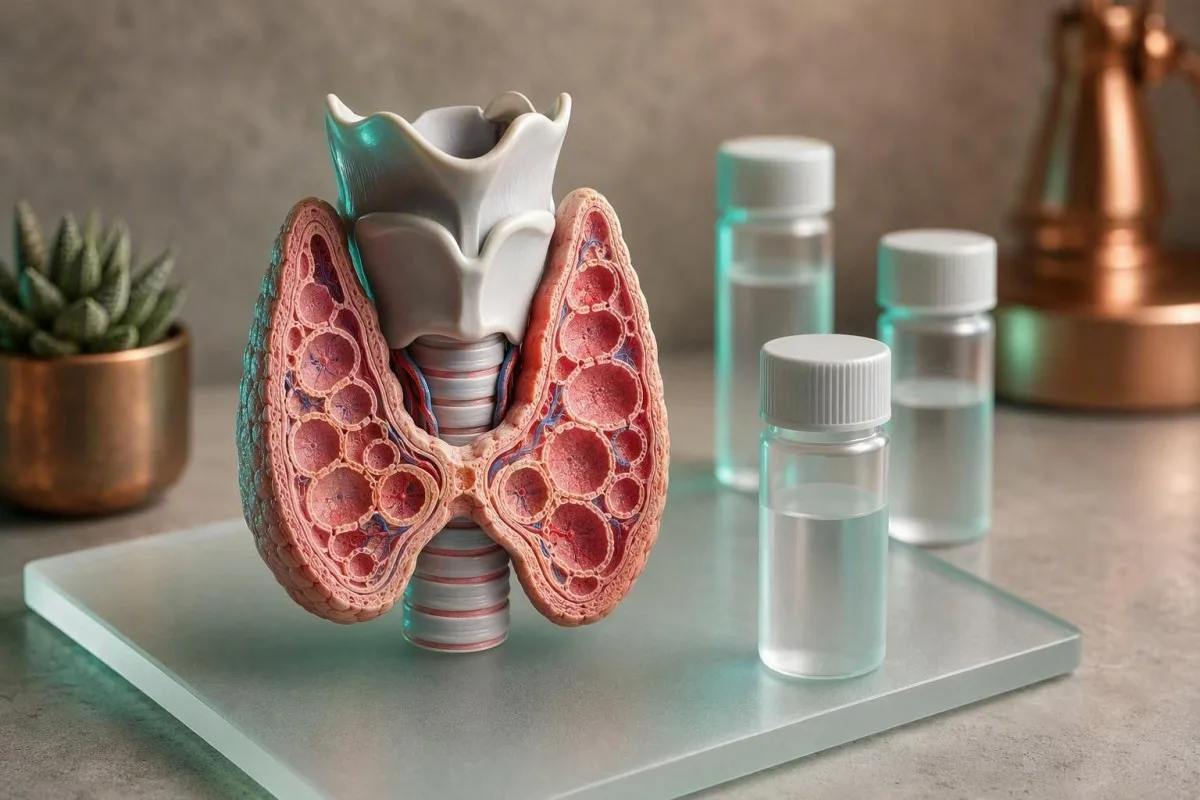
Većina ljudi ne treba česte pretrage štitnjače. Prava učestalost ovisi o tome je li vaš TSH normalan, jeste li trudni, imate li simptome ili ste nedavno promijenili dozu levotiroksina.


- Normalni TSH obično ne treba ponavljati češće nego svakih 1-5 godina, osim ako se pojave simptomi, trudnoća, lijekovi ili novi faktori rizika.
- Nakon promjena levotiroksina, ponovite TSH nakon 6-8 tjedana jer je povratnoj sprezi hipofize potrebno vrijeme za stabilizaciju.
- Trudnoća zahtijeva testiranje TSH-a pri potvrdi i obično svaka 4 tjedna do sredine trudnoće kod osoba s poznatom hipotireozom.
- Stabilna liječena hipotireoza obično se prati svakih 6-12 mjeseci, ne mjesečno.
- TSH iznad 10 mIU/L obično opravdava kliničku procjenu i raspravu o liječenju, čak i kada slobodni T4 ostaje u granicama normale.
- suplementi biotina može iskriviti neke štitnjačne imunoeseje; prestanak uzimanja biotina u visokim dozama najmanje 2 dana je razumna mjera opreza.
- TPO antitijela predviđaju buduću hipotireozu, ali ne zahtijevaju serijsko mjerenje za prilagodbu levotiroksina.
- Potrebna je hitna procjena je potrebno kod jakih palpitacija, boli u prsima, zbunjenosti, izrazite otežano disanje ili naglo povećanje otekline vrata.
Raspored odlučivanja za ponavljanje pretraga štitnjače
Učestalost provjere razine hormona štitnjače ovisi o kliničkoj situaciji: svakih 1-5 godina nakon normalnog probira, 6-8 tjedana nakon promjene doze, svaka 4 tjedna u ranoj trudnoći kod poznate bolesti štitnjače, te svakih 6-12 mjeseci kada je hipotireoza stabilna na terapiji. Ranije testiranje korisno je samo kada bi rezultat realno mogao promijeniti skrb.
Za odraslu osobu bez dijagnoze štitnjače i s normalnim TSH, ponovni test svakih 1-5 godina je općenito dovoljan kada nema novih simptoma ili faktora rizika. Široki interval odražava različite nacionalne politike probira; rutinski probir na razini cijele populacije nije pokazao dovoljno jasnu korist da bi ga U.S. Preventive Services Task Force (USPSTF, 2015.) preporučila za asimptomatske odrasle osobe.
Praktičan raspored korisniji je od općenitog godišnjeg testiranja: ponoviti testiranje unutar tjedana nakon promjene lijekova ili reproduktivnog statusa, unutar mjeseci nakon abnormalnosti, i samo godišnje kada se kronično stanje aktivno liječi. U mojoj ordinaciji, najčešća greška koja se može izbjeći jest ponovna provjera TSH 10 dana nakon promjene doze – anksioznost raste, ali rezultat rijetko daje odgovor na postavljeno pitanje.
Kantesti je Analizator krvnih testova s umjetnom inteligencijom koji uspoređuje rezultate štitnjače s datiranim prethodnim nalazima, što pomaže odvojiti značajan trend od ranog, nepouzdanog ponovnog testiranja. Uz svaki rezultat zadržite podatke o izvornoj laboratoriji, vremenu prikupljanja, dozi, statusu trudnoće i dodacima; ti detalji čine vremensku crtu klinički interpretativnom. Pogledajte naše vodič za vrijeme vađenja krvi za kontekst koji vrijedi zabilježiti.
Kada ponoviti normalan TSH
Normalan TSH obično ne zahtijeva godišnje ponavljanje kod odrasle osobe bez faktora rizika za bolest štitnjače; interval od 1-5 godina je razuman. Ranije ponoviti kada su simptomi uporni, planira se trudnoća, došlo je do zračenja vrata ili su započeti lijekovi koji utječu na funkciju štitnjače.
Većina laboratorija postavlja odrasli TSH otprilike oko 0,4-4,0 mIU/L, iako gornje granice variraju od oko 4,0 do 4,5 mIU/L. Vrijednost od 2,1 mIU/L nije inherentno bolja od 3,7 mIU/L; oba mogu biti normalna ako slobodni T4, simptomi i klinički kontekst to potvrđuju.
Pretragu ponavljam ranije kod osoba s dijabetesom tipa 1, celijakijom, prethodnom operacijom štitnjače, izloženošću litiju, izloženošću amiodaronu, bolestima hipofize ili jakim obiteljskim anamnezama autoimunih bolesti. Te skupine imaju veću pre-testnu vjerojatnost nego inače zdrava osoba koja se samo osjeća umorno tijekom teškog mjeseca.
Normalan TSH ne isključuje sve uzroke umora, gubitka kose, lošeg raspoloženja ili promjene težine. Ako je obrazac simptoma širok, kliničari često procjenjuju CE, feritin, glukozu, bubrežne markere i ponekad B12 umjesto naručivanja pretraga štitnjače svaki nekoliko tjedana; naš vodič za krvne pretrage za nisku motivaciju objašnjava tu širu diferencijalnu dijagnozu.
Simptomi s normalnim rezultatima: kada je testiranje još uvijek razumno
Ponovite panel štitnjače za 6-12 tjedana kada simptomi potraju ili se razviju unatoč normalnom TSH-u, umjesto da ga ponavljate nekoliko dana kasnije. Novi tremor, netolerancija na toplinu, tahikardija u mirovanju, simptomi u vratu, menstrualni poremećaji ili neobjašnjiva promjena težine opravdavaju ciljaniji pregled.
TSH se može umjereno mijenjati tijekom dana, između laboratorija i tijekom oporavka od bolesti. Promjena s 2,0 na 3,1 mIU/L može biti uobičajena biološka varijacija, dok porast s 1,2 na 8,6 mIU/L zaslužuje drugačiji odgovor; zato kontekst trenda ima veću važnost od pojedinačne oznake.
Akutna bolest može uzrokovati nizak T3 i povremeno nizak ili normalan TSH bez primarnog zatajenja štitnjače, obrazac koji se često naziva ne-tireoidnom bolešću. Testiranje tijekom hospitalizacije može biti potrebno, ali za nehitne ambulantne simptome često čekam 4-8 tjedana nakon oporavka prije tumačenja graničnog rezultata kao kronične bolesti; pogledajte naše objašnjenje sniženi T3 tijekom bolesti.
Pravilo dr. Thomasa Kleina je jednostavno: ponovite test kada bi odgovor promijenio sljedeću kliničku odluku. Normalan TSH uz uporni zatvor i netoleranciju na hladnoću može potaknuti CE, feritin, pregled lijekova i slobodni T4; ne bi trebao automatski potaknuti mjesečne panele antitijela.
Kada ponoviti TSH nakon promjena levotiroksina
Ponovite TSH 6-8 tjedana nakon početka uzimanja levotiroksina, promjene doze ili zamjene formulacije. Levotiroksin ima dug poluživot od otprilike 7 dana, a hipofizi je potrebno nekoliko tjedana da resetira svoj TSH izlaz.
Tipično prilagođavanje doze je 12,5-25 mikrograma dnevno, osobito kod starijih odraslih osoba ili osoba sa koronarnom bolešću, iako liječnik koji propisuje lijek to individualizira. Provjera TSH-a nakon 2 tjedna povremeno može pomoći u neuobičajenim okolnostima, ali prerano je za rutinske odluke o doziranju.
Uzimajte levotiroksin dosljedno s vodom na prazan želudac, obično 30-60 minuta prije jela, ili prije spavanja najmanje 3-4 sata nakon posljednjeg obroka. Kalcij, željezo, magnezij, antacidi, sekvestranti žučnih kiselina i neki proizvodi od vlakana mogu smanjiti apsorpciju kada se uzimaju blizu jedan drugome; navodno zatajenje doze ponekad je problem s vremenskim rasporedom.
Promjena marke ili proizvođača može promijeniti učinkovitu izloženost za neke pacijente, posebno one s malo endogene funkcije štitnjače. Koristite isti interval ponovnog testiranja nakon zamjene, kao što je detaljno opisano u našem vodiču za promjenu marke levotiroksina.
Koliko često pratiti stabilnu hipotireozu
Osobe sa stabilnim primarnim hipotireozom na nepromijenjenoj dozi obično trebaju TSH testiranje svakih 6-12 mjeseci. Češće kontrole su prikladne nakon značajne promjene težine, trudnoće, operacije gastrointestinalnog trakta, interakcije lijekova ili povratka uvjerljivih simptoma.
Za većinu netrudnih odraslih osoba liječenih zbog primarnog hipotireoze, cilj liječenja je TSH unutar laboratorijskog referentnog intervala, a ne specifičan nisko-normalan broj. Trajno potisnuti TSH ispod 0,1 mIU/L na nadomjesnoj terapiji povezan je s rizikom atrijalne fibrilacije i gubitka koštane mase, osobito nakon 65. godine života.
Provjera slobodni T4 uz TSH je korisna kada su prisutne bolesti hipofize, centralni hipotireoza, trudnoća, neizvjesnost u pridržavanju terapije ili neskladni simptomi. Kod centralnog hipotireoze, TSH može biti normalan ili nizak unatoč nedovoljnoj hormonskoj nadomjesnoj terapiji, tako da slobodni T4 – ne TSH – vodi doziranje.
Kantesti je Platforma za tumačenje krvnih nalaza pomoću AI-a koji smješta TSH, slobodni T4, promjene lijekova i povezane rezultate željeza ili lipida na jedan longitudinalni pregled. To je posebno korisno jer niski slobodni T4 s normalnim TSH zahtijeva drugačiji klinički put od običnog Hashimotovog hipotireoze.
Granično povišen TSH: razuman raspored ponavljanja
TSH od oko 4,5-10 mIU/L s normalnim slobodnim T4 obično se ponavlja za 6-12 tjedana prije dijagnoze kronične subkliničke hipotireoze. Ponovite ranije kada TSH brzo raste, prisutna je trudnoća ili su simptomi značajni.
Prijelazno povišenje TSH-a može slijediti nakon virusne bolesti, poremećaja spavanja, laboratorijske varijabilnosti ili oporavka od teške sustavne bolesti. Ponovljeno testiranje nakon 6-12 tjedana sprječava dijagnosticiranje mnogih pacijenata na temelju jednog graničnog rezultata; koristite isti laboratorij gdje je moguće kako biste umanjili razlike u analizi.
TSH iznad 10 mIU/L je prag pri kojem većina smjernica favorizira raspravu o liječenju jer napredovanje i kardiovaskularne povezanosti postaju zabrinjavajuće. Zajednička smjernica Američkog tiroidnog udruženja i Američkog udruženja kliničkih endokrinologa iz 2012. preporučuje individualizaciju liječenja ispod 10 mIU/L prema simptomima, antitijelima, dobi i kardiovaskularnom kontekstu (Garber et al., 2012.).
TPO antitijela mogu poboljšati prognozu: pozitivna antitijela povećavaju šansu da će subklinička hipotireoza napredovati, ali ponavljanje titra antitijela ne govori nam je li doza levotiroksina ispravna. Naš vodič za granični TSH pokriva čimbenike koji mijenjaju odluku.
Hashimotova bolest: što pratiti, a što preskočiti
Hashimotova bolest se prati uglavnom pomoću TSH i, kada je potrebno, slobodnog T4; TPO antitijela ne trebaju serijsko testiranje. Eutiroidna osoba s pozitivnim TPO antitijelima obično treba provjeru TSH-a otprilike jednom godišnje, ili ranije tijekom trudnoće.
TPO antitijela prisutna su u mnogih ljudi s autoimunim tiroiditisom i mogu ostati pozitivna desetljećima. Pad vrijednosti antitijela ne znači pouzdano da se žlijezda oporavila, a rastuće vrijednosti same po sebi ne opravdavaju promjenu liječenja.
Često viđam pacijente koji su potrošili novac na mjesečne testove TPO antitijela, dok se njihov TSH nije pomaknuo 18 mjeseci. Klinički korisno pitanje je pada li proizvodnja hormona štitnjače, a ne fluktuira li imunološko prepoznavanje.
Ako je TSH normalan, ali su antitijela pozitivna, godišnji TSH je razuman zadani interval; dodajte provjeru prije začeća i rani test na trudnoću ako je relevantno. Pročitajte više o pozitivna TPO protutijela uz normalan TSH i upotrijebite naš vodič za biomarkere da biste razumjeli nazive laboratorijskih pretraga na vašem izvješću.
Testiranje štitnjače tijekom trudnoće i prije začeća
Osobe s poznatom hipotireozom trebaju provjeriti TSH čim se trudnoća potvrdi i otprilike svaka 4 tjedna do sredine trudnoće, zatim barem jednom oko 30. tjedna. Potrebe za levotiroksinom obično se povećavaju rano u trudnoći, ponekad za 20-30%.
Smjernica Američkog tiroidnog udruženja za trudnoću iz 2017. koristi gornju referentnu granicu TSH od oko 4,0 mIU/L kada laboratorij nema raspon specifičan za trudnoću, umjesto primjene starijih univerzalnih vrijednosti. Rasponi specifični za trimester i metodu analize su poželjniji jer tireoidni hormoni koji vežu globulin i hCG mijenjaju fiziologiju štitnjače (Alexander et al., 2017.).
Pacijenti koji već uzimaju levotiroksin trebaju se odmah obratiti svom timu za majčinstvo ili endokrinologiju nakon pozitivnog testa, umjesto da čekaju redoviti pregled. Neki kliničari savjetuju neposredno empirijsko povećanje tjednih tableta za utvrđenu hipotireozu, ali točan plan mora biti individualiziran – posebno kod bolesti srca ili nesigurne dijagnoze.
Nakon poroda, potrebe za štitnjačom često se vraćaju na dozu prije trudnoće tijekom nekoliko tjedana, stoga ponovite TSH otprilike 6 tjedana nakon poroda, osim ako vaš liječnik ne savjetuje drugačije. Tumačenje trudnoće također ima koristi od našeg vodiča za slobodni T4 u trudnoći..
Koliko često testirati kada se sumnja na hipertireozu ili se ona liječi
Sumnja na hipertireozu zahtijeva hitno testiranje TSH i slobodnog T4, često sa slobodnim T3; liječeni hipertireoza može zahtijevati slobodni T4 i T3 svaka 4-6 tjedana u početku. TSH može ostati potisnut mjesecima nakon normalizacije razine hormona, stoga se ne bi smio koristiti kao jedini pokazatelj rano tijekom liječenja.
Nizak TSH ispod 0,1 mIU/L s povišenim slobodnim T4 ili slobodnim T3 podupire jasni hipertireozu i zahtijeva pravovremeno pregled kod liječnika. Kod Gravesove bolesti liječene antitiroidnim lijekovima, slobodni T4 i ukupni ili slobodni T3 obično vode rane prilagodbe svakih 4-6 tjedana.
Nemojte koristiti samo pretrage štitnjače za objašnjenje ubrzanog rada srca. Puls u mirovanju dosljedno iznad 120 otkucaja u minuti, bol u prsima, nesvjestica, jaka otežana disanja, vrućica s uznemirenošću ili zbunjenost zahtijevaju hitnu medicinsku pomoć, jer teški tireotoksikoza može destabilizirati kardiovaskularni sustav.
Biotin može stvoriti lažan obrazac niskog TSH i visokog slobodnog T4 ili T3 kod podložnih testova. Prestanite uzimati biotin u visokim dozama, često 5-10 mg dnevno u dodacima za kosu, najmanje 48 sati prije testiranja, osim ako liječnik ne uputi drugačije; naš članak o greškama u analizi visokog slobodnog T3 objašnjava zašto.
Testiranje nakon raka štitnjače ili operacije štitnjače
Nakon tireoidektomije ili liječenja raka štitnjače, učestalost testiranja je individualizirana i može se kretati od svakih 6-12 tjedana tijekom titracije doze do svakih 6-12 mjeseci kada je stabilno. Ciljne vrijednosti TSH mogu biti namjerno niže u odabranim skupinama s rizikom od raka, tako da opće ciljne vrijednosti za hipotireozu ne vrijede uvijek.
Nakon potpune odstranjenja štitnjače, doživotna primjena levotiroksina je obično potrebna, a prva procjena TSH je općenito 6-8 tjedana nakon promjene doze. Tiroglobulin i antitijela na tireoglobulin mogu se dodati u nadzor diferenciranog karcinoma štitnjače, ali njihov raspored ovisi o patologiji i riziku od recidiva.
Potisnuti TSH nije automatski pogreška nakon raka štitnjače. Kod bolesnika s nižim rizikom, agresivno suzbijanje može povećati rizik od atrijalne fibrilacije i prijeloma, stoga endokrinolozi uravnotežuju prevenciju recidiva s štetom od liječenja, umjesto da teže najnižem mogućem TSH.
Donijeti patološke nalaze, operativna izvješća, ultrazvučne nalaze i svaki prethodni rezultat tireoglobulina na pregled kod specijalista. Kantesti-ovi longitudinalni alati mogu organizirati kronologiju laboratorijskih povijesti, ali kliničku metu treba dobiti od vašeg tima za rak i medicinski pregledanih standarda opisanih u našem pristup kliničkoj validaciji.
Lijekovi i dodaci koji opravdavaju ranije ponovno testiranje štitnjače
Litij, amiodaron, interferon, inhibitori imunoloških kontrolnih točaka, izloženost jodu i biotin u visokim dozama mogu utjecati na pretrage štitnjače ili funkciju štitnjače. Interval ponovnog testiranja varira od nekoliko dana kod sumnje na teški tireotoksikoza uzrokovan lijekovima do 3-6 mjeseci za stabilne planove praćenja.
Litij može smanjiti oslobađanje hormona štitnjače i često se prati TSH-om prije liječenja i u intervalima koje zajednički odrede psihijatrija i primarna skrb, često svakih 6-12 mjeseci nakon stabilizacije. Amiodaron sadrži znatnu količinu joda i može uzrokovati hipotireozu ili hipertireozu; početno i periodično testiranje štitnjače standardna je klinička praksa.
Željezo i kalcij ne mijenjaju izravno funkciju štitnjače, ali mogu smanjiti apsorpciju levotiroksina kada se uzimaju blizu doze. Njihovo odvajanje najmanje 4 sata je praktična polazna točka, posebno za osobe koje također liječe nedostatak željeza; pogledajte naš vodič o namirnice bogate željezom.
Izbjegavajte samostalno liječenje graničnog TSH algama ili koncentriranim proizvodima joda. Višak joda može potaknuti disfunkciju štitnjače kod osjetljivih osoba, dok su potrebe za normalnim dijetalnim jodom skromne; naš vodič o hrani bogatoj jodom daje sigurniji kontekst na bazi hrane.
Zašto prerano testiranje razine štitnjače može dovesti u zabludu
Testiranje TSH svakih nekoliko dana ili tjedana može stvoriti lažnu uzbunu jer TSH ima biološku varijaciju i sporo reagira na promjene doze. Kod stabilne primarne hipotireoze, testiranje češće od svakih 6 mjeseci rijetko poboljšava ishode.
Napast je razumljiva: osoba se ne osjeća dobro, vidi brojku i želi sigurnost. Ipak, ponovljena mjerenja stvaraju više mogućnosti za male pomake oko granične vrijednosti, osobito kada se vrijeme uzorkovanja, nedavna bolest, status posta, dodaci prehrani i laboratorijska metoda razlikuju.
Izlučivanje TSH prati cirkadijalni ritam i ima tendenciju biti više tijekom noći i rano ujutro. Prilikom praćenja trenda, koristite slično vrijeme uzorkovanja gdje je to moguće i nemojte uzimati levotiroksin neposredno prije mjerenja slobodnog T4, osim ako liječnik izričito ne želi razinu nakon doze.
Kantesti je Alat za analizu krvnih nalaza uz pomoć AI-a koji signalizira promjene u odnosu na prethodne vrijednosti, umjesto da svaku manju vrijednost izvan raspona tretira kao novu dijagnozu. Za mirniju metodu, usporedite rezultate jedan pored drugog koristeći principe iz našeg vodič za promjenu laboratorijskih pretraga.
Koje pretrage štitnjače naručiti pri svakoj kontroli
TSH je najbolji prvi test praćenja za većinu primarnih poremećaja štitnjače, dok se slobodni T4 dodaje kod abnormalnog TSH-a, trudnoće, centralne hipotireoze i neskladnih simptoma. Slobodni T3, antitijela, tireoglobulin i ultrazvuk su selektivni testovi, a ne rutinski mjesečni dodaci.
TSH mjeri odgovor hipofize, a ne sam hormon štitnjače. Slobodni T4 procjenjuje cirkulirajući dostupni tiroksin, dok je slobodni T3 najkorisniji kada se sumnja na hipertireozu jer neki pacijenti imaju bolest dominantnu T3 s normalnim slobodnim T4.
Ultrazvuk štitnjače nije probirni test samo za abnormalni TSH. Najkorisniji je kod palpabilnog čvora, asimetrične žlijezde, kompresivnih simptoma, suspektnih limfnih čvorova ili poznatih čvorova kojima je potrebno slikovno praćenje; normalni krvni nalazi ne isključuju strukturne promjene na štitnjači.
Sažetak rezultata na jednoj stranici može spriječiti dupliranje pretraga i poboljšati sljedeći pregled. Naš vodič za kratice pretraga štitnjače objašnjava uobičajene biljege, a Kantesti medicinsko savjetodavno povjerenstvo nadgleda standarde kliničkog pregleda za obrazovno tumačenje.
Kada ne čekati sljedeću planiranu pretragu štitnjače
Potražite hitnu medicinsku procjenu umjesto čekanja na rutinsko testiranje štitnjače ako imate bol u prsima, nesvjesticu, tešku otežano disanje, zbunjenost, puls u mirovanju iznad 120, visoku temperaturu s uznemirenošću ili brzo pogoršanje oticanja vrata. Ovi simptomi zahtijevaju klinički pregled, vitalne znakove i ponekad EKG ili slikovne pretrage — ne samo kućni raspored.
Brzo povećanje vrata, nova promuklost, poteškoće s gutanjem ili bučno disanje zahtijevaju hitnu procjenu čak i ako je prethodni TSH bio normalan. Krvni testovi opisuju fiziologiju hormona; ne mogu pouzdano procijeniti kompresiju dišnih putova, čvor štitnjače ili rastuću masu na vratu.
Za blaže, ali uporne probleme, rezervirajte ciljani pregled kod svog liječnika i ponesite doze lijekova, naljepnice dodataka prehrani, status trudnoće i datirane rezultate. Dr. Thomas Klein je utvrdio da ova osnovna priprema često sprječava dva beskorisna ekstrema: zanemarivanje simptoma jer je TSH normalan ili eskaliranje svake izolirane laboratorijske devijacije.
Od 27. kolovoza 2026., najsigurniji raspored testiranja štitnjače ostaje utemeljen na odluci: testirajte kada promjena rezultata može promijeniti skrb. Kantesti AI podržava organizaciju rezultata i obrazovanje, ne dijagnozu ili hitnu trijažu; naš vodič uz pomoć AI tehnologije objašnjava predviđenu ulogu kliničke podrške.
Često postavljana pitanja
Koliko često trebam provjeravati razinu hormona štitnjače ako su normalni?
Odraslima s normalnom razinom TSH i bez čimbenika rizika za bolesti štitnjače obično je potrebna ponovna pretraga štitnjače samo svakih 1-5 godina, a ne svake godine. Ponovite pretragu ranije ako se pojave nove uporne tegobe, planira se ili je potvrđena trudnoća, zračena je vratna regija ili započinjete s terapijom litijem, amiodaronom ili drugim lijekom koji utječe na štitnjaču. Tipični referentni interval TSH-a za odrasle je oko 0,4-4,0 mIU/L, iako laboratoriji postavljaju vlastite granice. Normalan rezultat ne isključuje nematične uzroke umora, promjene težine ili gubitka kose.
Kada treba ponovno testirati TSH nakon promjene levotiroksina?
TSH bi se obično trebao ponovno testirati 6-8 tjedana nakon početka primjene levotiroksina, promjene dnevne doze ili promjene formulacije proizvoda. Levotiroksin ima poluvijek od oko 7 dana, a povratna sprega hipofiznog TSH-a traje nekoliko tjedana da bi se postigla nova ravnoteža. Većina promjena doze iznosi 12,5-25 mikrograma dnevno, iako dob, tjelesna veličina, povijest bolesti srca i trudnoća mijenjaju plan. Testiranje nakon 1-2 tjedna obično je prerano za vođenje rutinskog podešavanja.
Koliko često treba pratiti hipotireozu?
Stabilna primarna hipotireoza koja se liječi nepromijenjenom dozom levotiroksina općenito se prati TSH-om svakih 6-12 mjeseci. Testiranje treba obaviti ranije nakon promjene doze od 12,5-25 mikrograma, trudnoće, značajne promjene tjelesne težine, gastrointestinalne operacije ili uvođenja interaktivnog lijeka. TSH ispod 0,1 mIU/L na nadomjesnoj terapiji zaslužuje klinički pregled jer produljeno predoziranje može povećati rizik od atrijske fibrilacije i gubitka koštane mase. Slobodni T4 posebno je koristan kada je moguća bolest hipofize ili središnja hipotireoza.
Koliko često treba provjeravati razinu štitnjače tijekom trudnoće?
Osobe s utvrđenim hipotireozom trebale bi provjeriti TSH pri potvrdi trudnoće i otprilike svakih 4 tjedna do 16-20 tjedana gestacije, a zatim barem jednom blizu 30. tjedna. Potrebe za levotiroksinom obično se povećavaju za 20-30% tijekom rane trudnoće, iako bi točno prilagođavanje trebalo doći od tima za porodiljstvo ili endokrinologiju. Kada lokalni raspon specifičan za trudnoću nije dostupan, smjernica Američkog tireoidnog udruženja iz 2017. koristi gornju referentnu granicu TSH od oko 4,0 mIU/L. TSH bi se obično trebao ponovno provjeriti oko 6 tjedana nakon poroda ako se doza promijenila tijekom trudnoće.
Je li loše prečesto provjeravati TSH?
Prečesto provjeravanje TSH-a može dovesti u zabludu jer hormon biološki varira i polako se mijenja nakon prilagodbi liječenja. Ponovljeno testiranje 10-14 dana nakon promjene levotiroksina može pokazati pomak, a da ne odražava konačni učinak liječenja, koji je jasniji nakon 6-8 tjedana. Stabilna liječena hipotireoza rijetko ima koristi od mjesečnog testiranja TSH-a. Koristite istu laboratoriju i slično vrijeme uzorkovanja pri praćenju trenda kako biste smanjili izbjegavanje varijacija.
Should TPO antibodies be repeated in Hashimoto's disease?
Razine TPO antitijela uglavnom ne zahtijevaju ponovno testiranje kod Hashimotove bolesti jer ne pomažu u prilagođavanju doze levotiroksina. Pozitivan nalaz TPO antitijela podupire autoimuni tiroiditis i predviđa veći rizik od buduće hipotireoze, ali korisni pokazatelji za praćenje su TSH i ponekad slobodni T4. Eutiroidna osoba s pozitivnim TPO antitijelima obično provjerava TSH otprilike jednom godišnje. Testiranje bi trebalo biti ranije kada se planira ili potvrdi trudnoća.
Isprobajte analizu krvne slike uz AI već danas
Pridružite se više od 2 milijuna korisnika diljem svijeta koji vjeruju Kantesti-u za trenutačnu i točnu analizu laboratorijskih nalaza. Prenesite svoje rezultate krvne slike i dobijte sveobuhvatno tumačenje 15,000+ biomarkera u sekundama.
📚 Referirane znanstvene publikacije
Klein, T., Mitchell, S., & Weber, H. (2026). AI analizator krvne slike: analizirano 2,5M testova | Globalno zdravstveno izvješće 2026. Kantesti AI Medical Research.
Klein, T., Mitchell, S., & Weber, H. (2026). Krvna slika: kompletan vodič za RDW-CV, MCV i MCHC. Kantesti AI Medical Research.
📖 Vanjske medicinske reference
⚕️ Medicinska izjava o odricanju odgovornosti
Ovaj je članak samo u obrazovne svrhe i ne predstavlja medicinski savjet. Za odluke o dijagnozi i liječenju uvijek se posavjetujte s kvalificiranim pružateljem zdravstvenih usluga.
E-E-A-T signal(i) povjerenja
Iskustvo
Liječnički vođena klinička revizija radnih tokova tumačenja laboratorijskih nalaza.
Stručnost
Fokus laboratorijske medicine na to kako se biomarkeri ponašaju u kliničkom kontekstu.
Autoritativnost
Napisao dr. Thomas Klein, uz recenziju dr. Sarah Mitchell i prof. dr. Hans Weber.
Pouzdanost
Tumačenje utemeljeno na dokazima, s jasnim putovima praćenja kako bi se smanjila uzbuna.