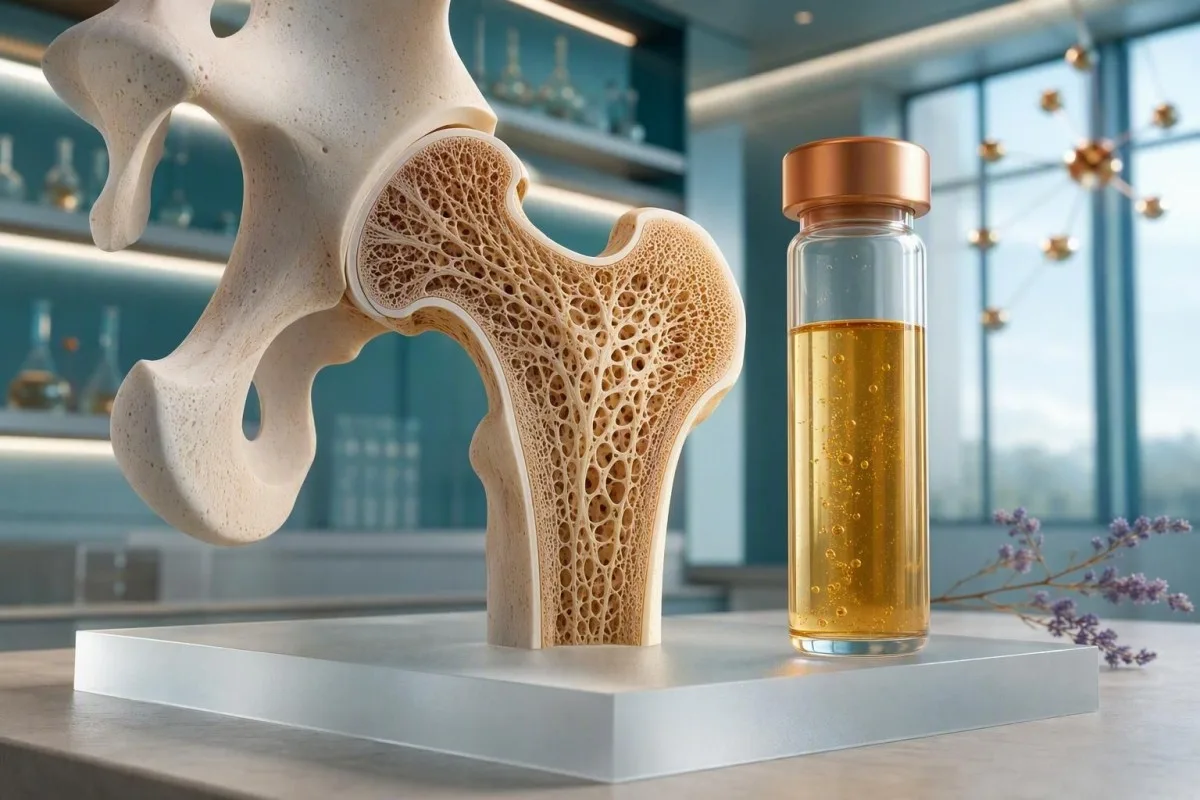
အသက် 60 ကျော်ပါက အသုံးဝင်သော ဓာတ်ခွဲခန်း စီမံချက်သည် စွန့်စားမှု၊ ဆေးဝါးများနှင့် အပြောင်းအလဲများပေါ်တွင် မူတည်ပြီး ရရှိနိုင်သော စစ်ဆေးမှုအားလုံးကို မှာယူခြင်းမဟုတ်ပါ။ ကျိုးကြောင်းဆီလျော်သော စောင့်ကြည့်ခြင်းကို တန်ဖိုးနည်းသော စစ်ဆေးခြင်းမှ မည်သို့ ခွဲခြားရမည်ကို ကျွန်ုပ် လူနာများကို ကူညီပေးပုံကို ဤတွင်ဖော်ပြထားပါသည်။.


- အဓိက ပ్యాနယ်- CBC၊ creatinine/eGFR၊ electrolytes၊ liver enzymes၊ glucose သို့မဟုတ် HbA1c နှင့် lipid profile တို့သည် စွန့်စားမှုအချက်များ သို့မဟုတ် ဆေးဝါးများက အကြောင်းပြပါက အတော်အတန် ပုံမှန် စောင့်ကြည့်စစ်ဆေးမှုများဖြစ်သည်။.
- HbA1c: HbA1c 5.7% မှ 6.4% သည် prediabetes ကို ညွှန်ပြသည်; ပုံမှန်လက္ခဏာများ ရှိနေမှသာ အတည်ပြုရန် 6.5% သို့မဟုတ် ထို့ထက်ပို၍ လိုအပ်ပါသည်။.
- ကျောက်ကပ် စွန့်စားမှု- အနည်းဆုံး 3 လကြာ eGFR သည် 60 mL/min/1.73 m² ထက်နည်းပါက နာတာရှည်ကျောက်ကပ်ရောဂါ၏ အဓိပ္ပါယ်ဖွင့်ဆိုချက်နှင့် ကိုက်ညီပါသည်။.
- အရိုး ကျန်းမာရေး- 25-hydroxyvitamin D ပမာဏ 20 ng/mL ထက် နည်းပါက ကျောက်ကပ်ဆိုင်ရာ ကျန်းမာရေးအတွက် ချို့တဲ့သည်ဟု ယေဘုယျအားဖြင့် သတ်မှတ်သည်၊ သို့သော် ပုံမှန် လူဦးရေ အနှံ့ စစ်ဆေးခြင်းကို မအကြံပြုပါ။.
- သံဓာတ် (Iron): Ferritin 30 ng/mL ထက် နည်းပါက ယေဘုယျအားဖြင့် သံဓာတ် ချို့တဲ့မှုကို ထောက်ကူပေးသည်၊ သို့သော် ရောင်ရမ်းခြင်းသည် ferritin ကို မှားယွင်းစွာ တိုးစေနိုင်သည်။.
- နှလုံး စွန့်စားမှု- Lipoprotein(a) ကို ယေဘုယျအားဖြင့် အရွယ်ရောက်ပြီးသူတွင် တစ်ကြိမ် တိုင်းတာသည်; 50 mg/dL သို့မဟုတ် 125 nmol/L နှင့် အထက် ပမာဏများသည် စွန့်စားမှုကို မြှင့်တင်သည်ဟု သတ်မှတ်သည်။.
- ဆေးဝါးဘေးကင်းလုံခြုံရေး Metformin၊ proton-pump inhibitors၊ diuretics၊ statins၊ သိုင်းရွိုက်အစားထိုးကုထုံးနှင့် သွေးခဲဆေးများသည် စောင့်ကြည့်လေ့လာရန် သီးခြားလိုအပ်ချက်များ ရှိသည်။.
- အရေးပေါ် လက္ခဏာများ— ရင်ဘတ်အသစ်ဖိစီးမှု၊ အနားယူနေစဉ် အသက်ရှူမဝခြင်း၊ မည်းသောဝမ်း၊ သတိလစ်ခြင်း၊ ရှုပ်ထွေးခြင်း သို့မဟုတ် တစ်ဖက်သတ်အားနည်းခြင်းများသည် ပုံမှန်ဓာတ်ခွဲခန်းအော်ဒါထက် အရေးပေါ်ဆေးဘက်ဆိုင်ရာ အကဲဖြတ်မှု လိုအပ်သည်။.
အသက် 60 ကျော် အမျိုးသမီးများသည် သွေးစစ်ဆေးမှုများကို မည်သို့ ဦးစားပေးသင့်သနည်း။
A အသက် 60 ကျော်အမျိုးသမီးများအတွက် သွေးစစ်ဆေးမှု ဆေးစာရင်း၊ ကိုယ်ရေးကိုယ်တာရာဇဝင်၊ မိသားစုရာဇဝင်နှင့် လက္ခဏာများနှင့် စတင်သင့်သည် - ပုံသေ “အသက်ကြီးသူများအတွက် စစ်ဆေးမှု” မဟုတ်ပါ။ ပုံမှန်ဆေးမသောက်သော ကျန်းမာသော အသက် 64 နှစ်အရွယ် အမျိုးသမီးတစ်ဦးသည် အရိုးပွရောဂါ၊ သွေးတိုးရောဂါ၊ metformin သုံးစွဲမှုနှင့် မကြာသေးမီက ပြုတ်ကျမှုရှိသော အသက် 72 နှစ်အရွယ် အမျိုးသမီးထက် စမ်းသပ်မှုများ အလွန်နည်းပါးစွာ လိုအပ်သည်။.
ပထမဆုံး ရွေးချယ်မေးခွန်းမှာ ရလဒ်တစ်ခုသည် ကုသမှုကို ပြောင်းလဲစေမည်လား။ ဥပမာအားဖြင့်၊ HbA1c သည် ဆီးချိုကာကွယ်မှုကို ပြောင်းလဲစေနိုင်သည်။ ကျန်းမာသောလူတစ်ဦးတွင် မတော်တဆ cortisol ပမာဏသည် မည်သည့်အခါမျှ မဖြစ်ပါ။. သင်ကျန်းမာနေချိန်တွင် နှစ်စဉ်သွေးစစ်ဆေးမှု အထွေထွေစမ်းသပ်မှုများသည် အနှောင့်အယှက်ဖြစ်စေသော မှားယွင်းသောသတိပေးချက်များကို မည်သို့ဖန်တီးနိုင်သည်ကို ရှင်းပြသည်။.
အသက်သည် ရောဂါလက္ခဏာမဟုတ်ပါ။ Kantesti ၏ အဓိက ဆေးဘက်ဆိုင်ရာ အရာရှိ ဒေါက်တာ Thomas Klein က “ပင်ပန်းနွမ်းနယ်မှုစစ်ဆေးမှု” များတွင် ကင်ဆာအမှတ်အသားများ၊ လိင်ဟော်မုန်းများနှင့် ဆေးဘက်ဆိုင်ရာ အကြောင်းပြချက်မရှိဘဲ သတ္တုဓာတ်များကို ထည့်သွင်းသောအခါ ရှောင်လွှဲနိုင်သော စမ်းသပ်မှုအများဆုံးကို မြင်သည်။ ထို့နောက် အကွာအဝေးပြင်ပရှိ ရလဒ်တစ်ခုသည် လူနာကို ပိုမိုလုံခြုံအောင် မပြုလုပ်သည့် အတန်းလိုက်ကို စတင်သည်။.
ကန်တက်စတီသည် AI သွေးစမ်းသပ်မှုခွဲခြမ်းစိတ်ဖြာ ပုံမှန်နှင့် အန္တရာယ်-တွန်းအားပေးသော ရလဒ်များကို အတူတကွ စုစည်းရန် ဒီဇိုင်းထုတ်ထားပြီး၊ ထို့ကြောင့် ပိုတက်စီယမ် ခေတ်ရေစီးကြောင်း၊ ကျောက်ကပ်ရလဒ်နှင့် ဆေးဝါးထိတွေ့မှုကို သီးခြားအလံများထက် တစ်ခုတည်းသော ဆေးဘက်ဆိုင်ရာ ဇာတ်လမ်းအဖြစ် ဖတ်သည်။.
မှာယူရန် မတိုင်မီ မေးခွန်းသုံးခု
သင်သည် စောင့်ကြည့်နေသော အခြေအနေတစ်ခုရှိ၊ ဓာတ်ခွဲခန်းဘေးကင်းလုံခြုံရေးကို ပြောင်းလဲစေသော ဆေးတစ်လက်ရှိ၊ သို့မဟုတ် ကွဲပြားသောရောဂါရှာဖွေမှုကို လျှော့ချပေးသည့် လက္ခဏာတစ်ခုရှိသည်ကို မေးပါ။ ဤအချက်များထဲမှ တစ်ခုခုကို “ဟုတ်ကဲ့” ဟု ဖြေကြားခြင်းက ပစ်မှတ်ထားသော သက်ကြီးရွယ်အိုအမျိုးသမီးများ၏ ကြိုတင်ကာကွယ်ရေး ဓာတ်ခွဲခန်းများကို အုပ်စုလိုက် စစ်ဆေးမှုထက် ပိုမိုအသုံးဝင်စေသည်။.
မည်သည့် ပုံမှန် စောင့်ကြည့်စစ်ဆေးမှုများသည် ကျိုးကြောင်းဆီလျော်သော အခြေခံအုတ်မြစ်ကို ဖွဲ့စည်းသနည်း။
အသက် 60 ကျော်အမျိုးသမီးများအတွက် အများစု CBC၊ ကျောက်ကပ်-electrolytes ပန်းကန်၊ အသည်း ပန်းကန်၊ HbA1c သို့မဟုတ် ဂလူးကို့စ်၊ နှင့် lipid ပရိုဖိုင် ဆေးဘက်ဆိုင်ရာ ရာဇဝင်နှင့် တွဲဖက်သောအခါ အသုံးအများဆုံး အခြေခံအချက်များကို ပေးသည်။ အလယ်အကြားသည် ပုံမှန်အားဖြင့် အန္တရာယ်နည်းသော အရွယ်ရောက်ပြီးသူများတွင် 1 မှ 3 နှစ်အထိဖြစ်သည်၊ သို့သော် ဆေးဝါးသုံးစွဲမှုသည် မကြာခဏဆိုသလို တိုတောင်းစေသည်။.
CBC သည် သွေးအားနည်းခြင်း၊ သွေးနီဥအညွှန်းကိန်းများ မြင့်မားခြင်းနှင့် မမျှော်လင့်ထားသော သွေးဖြူဥ သို့မဟုတ် ပန်းကန်ပြားပြောင်းလဲမှုများကို ဖော်ထုတ်သည်။ ပုံမှန်အားဖြင့် ကိုယ်ဝန်မရှိသော အမျိုးသမီးများအတွက် သွေးအားနည်းခြင်း ကန့်သတ်ချက် 12.0 g/dL ထက် နည်းပါးခြင်း၊ MCV 100 fL ထက် မြင့်မားလာခြင်းသည် B12 အခြေအနေ၊ အရက်ထိတွေ့မှု၊ အသည်းရောဂါ၊ သိုင်းရွိုက် လုပ်ဆောင်ချက်နှင့် အလိုအလျောက် ဖောလိတ်ကုသမှုအစား ဆေးဝါးများကို ပြန်လည်သုံးသပ်သင့်သည်။ ကြည့်ပါ။ CBC မှာ ပါဝင်တာတွေ.
Creatinine ကို eGFR၊ ကိုယ်အလေးချိန်၊ ရေဓာတ်နှင့် ယခင်တန်ဖိုးများနှင့် တွဲဖက်၍ အနက်ဖွင့်ရပါမည်။ “ပုံမှန်” ဟုထင်ရသော Creatinine သည် ကြွက်သားထုထည်ကို ခြေရာခံသည့် creatinine ထုတ်လုပ်မှုကြောင့် သေးငယ်သော အသက်ကြီးသော အမျိုးသမီးတစ်ဦးတွင် လျော့နည်းသော eGFR နှင့် အတူတကွ ရှိနေနိုင်သည်။ ထို့ကြောင့် ကျွန်တော်သည် reassurance အဖြစ် creatinine တန်ဖိုးတစ်ခုတည်းကို လက်ခံရန် ခဲယဉ်းသည်။.
Kantesti AI သည် fasting အခြေအနေ၊ ရေဓာတ်ဆိုင်ရာ အရိပ်အမြွက်များ၊ ဆေးဝါးများ၊ ယခင်လမ်းကြောင်းများ၊ နှင့် တွဲဖက် marker များ၏ အခြေအနေတွင် renal panel ကို ဖတ်ရှုသည့် AI သွေးစစ်ဆေးမှု ရလဒ် ပလက်ဖောင်း ဓာတ်ခွဲခန်းအစီရင်ခံစာများတွင် ယူနစ်များနှင့် ကိုးကားချက် အကွာအဝေးများကို နှိုင်းယှဉ်သော UK convention of mmol/L နှင့် US convention of mg/dL အပါအဝင်။ ကျွန်ုပ်တို့၏ biomarker guide အသုံးဝင်သော အကြောင်းအရာကို ပေးသည်၊ သို့သော် လူနာကို သိသော ဆရာဝန်ကို အစားထိုး၍ မရပါ။.
မည်သည့် ဆေးဝါးများသည် အသက် 60 ကျော်ပြီးနောက် ဓာတ်ခွဲခန်း စီမံချက်ကို ပြောင်းလဲစေသနည်း။
အသက် 60 နှစ်ကျော်ပြီးနောက် သွေးစစ်ရန် အများဆုံးအကျိုးရှိစေသည့် အကြောင်းရင်းမှာ ဆေးဝါး-သတ်မှတ်စောင့်ကြည့်ခြင်း ဖြစ်သည်။ ဆီးသွားစေသောဆေးများ (Diuretics) သည် ဆိုဒီယမ်နှင့် ပိုတက်စီယမ်ကို ထိခိုက်စေနိုင်ပြီး၊ metformin သည် B12 ကို လျှော့ချနိုင်ပြီး၊ statins များသည် ရောဂါလက္ခဏာများ ပေါ်လာသောအခါ အသည်းကို ပြန်လည်စစ်ဆေးရန် လိုအပ်နိုင်ပြီး၊ သွေးခဲပျော်စေသော ဆေးများသည် လုံးဝ ကွဲပြားသော စောင့်ကြည့်မှုဆိုင်ရာ စည်းမျဉ်းများ ရှိသည်။.
Thiazide နှင့် loop diuretics များသည် hyponatraemia, hypokalaemia, သို့မဟုတ် creatinine မြင့်တက်ခြင်းကို ဖြစ်စေနိုင်သည်။, အထူးသဖြင့် အော့အန်ခြင်း၊ ဝမ်းလျှောခြင်း သို့မဟုတ် ဆေးပမာဏ တိုးမြှင့်ပြီးနောက်။ ဆိုဒီယမ် 130 mmol/L အောက်တွင် စိတ်ရှုပ်ထွေးခြင်း၊ ပြင်းထန်ခေါင်းကိုက်ခြင်း၊ အော့အန်ခြင်း သို့မဟုတ် မတ်တပ်မရပ်နိုင်ခြင်းတို့ရှိပါက လျင်မြန်စွာ စစ်ဆေးရန်လိုအပ်သည်။ အရေအတွက်သည် အရေးကြီးသော်လည်း ပြောင်းလဲမှုအမြန်နှုန်းသည် အရေးကြီးသည်။ ပြန်လည်စစ်ဆေးပါ ဆေးဝါး-ဆက်နွယ်သော အသက်ကြီးသူများ ဓာတ်ခွဲခန်းဆိုင်ရာ အကျိုးသက်ရောက်မှုများ.
ရေရှည် metformin သည် ဓာတ်ခွဲ B12 ချို့တဲ့မှုနှင့် ဆက်နွယ်နေပြီး၊ UK မှ လမ်းညွှန်ချက်များအရ neuropathy, macrocytic anaemia, သို့မဟုတ် အခြားအန္တရာယ်အချက်များ ပေါ်လာသောအခါ B12 ကို စစ်ဆေးရန် အကြံပြုထားသည်။ စ serum B12 သည် 200 pg/mL ထက် နည်းပါးပါက ဓာတ်ခွဲခန်းအများစုတွင် နည်းပါးသည်၊ သို့သော် 200 မှ 350 pg/mL အတွင်းရှိသော တန်ဖိုးများသည် ရောဂါလက္ခဏာများနှင့် ကိုက်ညီပါက methylmalonic acid သို့မဟုတ် active B12 စစ်ဆေးရန် လိုအပ်နိုင်သည်။.
ALT သည် ဆရာဝန်၏ အကြံဉာဏ်မရှိဘဲ အနည်းငယ်မြင့်နေပါက statin ကို မရပ်တန့်ပါနှင့်။ ALT သည် ဓာတ်ခွဲခန်း၏ အမြင့်ဆုံးကန့်သတ်ချက်၏ သုံးဆထက်နည်းပါက အရက်၊ ဖြည့်စွက်စာ၊ အသည်းအဆီဖုံးခြင်း နှင့် ဗိုင်းရပ်စ်-အန္တရာယ်သမိုင်းကြောင်းများနှင့်အတူ ပြန်လည်စစ်ဆေးလေ့ရှိသည်။ ပြင်းထန်သောအားနည်းခြင်းနှင့် ရှင်းပြ၍မရသော ကြွက်သားနာကျင်မှုသည် CK ပိုမိုသက်ဆိုင်သည့် အခြေအနေဖြစ်သည်။. ဆေးဝါး လုံခြုံရေး ခေတ်ရေစီးကြောင်းများ အပြောင်းအလဲများ၏ အချိန်ကို မြင်သာစေနိုင်သည်။.
ကျောက်ကပ်နှင့် အီလက်ထရောနစ် စစ်ဆေးမှုများသည် မည်သည့်အခါတွင် ပိုမိုဂရုပြုရန် လိုအပ်သနည်း။
eGFR သည် 60 mL/min/1.73 m² အောက်၊ ဆီးထဲတွင် albumin မြင့်တက်နေ၊ သွေးပေါင်ချိန် မြင့်မားနေ၊ ဆီးချိုရှိနေ သို့မဟုတ် ကျောက်ကပ်ကို ထိခိုက်စေသော ဆေးဝါးများ သောက်သုံးနေပါက ကျောက်ကပ် စောင့်ကြည့်ခြင်းကို ပိုမို ဂရုပြုရန် လိုအပ်သည်။ ရေဓာတ်ခမ်းခြောက်မှုကြောင့် eGFR ကျဆင်းခြင်းသည် နာတာရှည်ကျောက်ကပ်ရောဂါကို ရောဂါရှာဖွေရန် မလုံလောက်ပါ။.
နာတာရှည်ကျောက်ကပ်ရောဂါသည် အနည်းဆုံး 3 လအတွက် 60 အောက် eGFR သို့မဟုတ် ကျောက်ကပ်ပျက်စီးမှု၏ အခြားအမှတ်အသားတစ်ခု လိုအပ်သည်။ ဆီးထဲတွင် albumin-creatinine အချိုး 30 mg/g သို့မဟုတ် ထို့ထက်ပိုပါက၊ ခန့်မှန်းခြေ 3 mg/mmol နှင့်ညီမျှပြီး ပုံမှန်မဟုတ်ပေ။ eGFR ကျဆင်းခြင်းကို ရှေ့တိုးစေနိုင်သည်။ ပထမနံနက်ပိုင်း ဆီးစစ်ခြင်းကို ပြန်လည်စစ်ဆေးခြင်းသည် အသံကျယ်ခြင်းကို လျှော့ချပေးသည်။ ဤ ရေဓာတ်ခမ်းခြောက်မှုနောက်ပိုင်း eGFR လမ်းညွှန် ကို အမြဲတမ်း ကျဆင်းသည်ဟု မယူဆမီ အသုံးပြုပါ။.
ACE inhibitors, ARBs, NSAIDs, SGLT2 ဆေးများနှင့် diuretics များသည် အပြင်းအထန် ဖျားနာနေစဉ် အထူးဂရုပြုရန် လိုအပ်သည်။ အလေ့အကျင့်အရ၊ ACE inhibitor သို့မဟုတ် ARB ကို စတင်ပြီးနောက် မကြာမီ creatinine 30% အထိ မြင့်တက်လာခြင်းသည် လက်ခံနိုင်သည်။ အခြားတစ်ဖက်တွင်မူ ပိုကြီးသော မြင့်တက်မှု၊ ပိုတက်စီယမ် သိသိသာသာ မြင့်တက်လာခြင်း၊ သွေးပေါင်ကျဆင်းခြင်း သို့မဟုတ် ပါးစပ်မှ ကောင်းစွာ မစားသုံးနိုင်ခြင်းသည် ဆရာဝန်၏ စစ်ဆေးမှု လိုအပ်သည်။.
2024 KDIGO လမ်းညွှန်ချက်သည် အန္တရာယ်ရှိသူများတွင် eGFR နှင့် ဆီး albumin နှစ်ခုလုံးကို အကဲဖြတ်ရန် အကြံပြုထားသည် အကြောင်းမှာ တစ်ခုတည်းသော တိုင်းတာမှုသည် လူနာများကို လွဲချော်စေသောကြောင့်ဖြစ်သည်။ (KDIGO, 2024)။ အသက်ကြီးသူများသည် ကျောက်ကပ် လုပ်ဆောင်ချက် လျော့နည်းခြင်းသည် “ပုံမှန်အိုမင်းခြင်း” သာဖြစ်သည်ဟု မပြောသင့်ပါ။ ၎င်းသည် ဆေးဝါးပမာဏ၊ ဆန့်ကျင်ဘက်-စကேன் ဆုံးဖြတ်ချက်များနှင့် ကျိုးပဲ့-ကုသမှု ရွေးချယ်မှုများကို ပြောင်းလဲစေသည်။.
အသက်ကြီးသော အမျိုးသမီးများအတွက် မည်သည့် နှလုံး-စွန့်စားမှု သွေးစစ်ဆေးမှုများသည် အသုံးအဝင်ဆုံးနည်း။
ပုံမှန် lipid profile သည် နှလုံးသွေးကြော ကာကွယ်ရေးအတွက် အစမှတ်ဖြစ်ပြီး၊ ApoB နှင့် lipoprotein(a) တို့သည် မိသားစု ရာဇဝင်၊ triglycerides မြင့်မားခြင်း၊ သို့မဟုတ် သွေးကြောဆိုင်ရာ ရောဂါ စောစီးစွာ ဖြစ်ပွားခြင်းကြောင့် LDL ကိုလက်စထရော မလုံလောက်သောအခါ အန္တရာယ်ကို ရှင်းလင်းစေနိုင်သော ရွေးချယ်မှု ကိရိယာများ ဖြစ်သည်။ မည်သည့်စစ်ဆေးမှုကမျှ နှလုံးတိုက်ခိုက်မှုကို မရောဂါရှာဖွေပါ။.
LDL ကိုလက်စထရောသည် atherogenic particle burden ၏ တစ်စိတ်တစ်ပိုင်း ခန့်မှန်းချက်မျှသာဖြစ်သည်။ ApoB သည် ကိုလက်စထရောပါသော အမှုန်အရေအတွက်ကို ထင်ဟပ်စေပြီး၊ 2018 AHA/ACC လမ်းညွှန်ချက်တွင် ApoB 130 mg/dL သို့မဟုတ် ထို့ထက်ပို၍ Lp(a) 50 mg/dL သို့မဟုတ် ထို့ထက်ပိုပါက ကုသမှု ဆုံးဖြတ်ချက်များ မရေမရာဖြစ်နေချိန်တွင် အန္တရာယ်ကို မြှင့်တင်ပေးသည့် အချက်များအဖြစ် ဖော်ပြထားသည်။ (Grundy et al., 2019).
Lp(a) သည် အများအားဖြင့် အမွေဆက်ခံပြီး မီးယပ်ပွင့်ပြီးနောက်၊ ဖျားနာခြင်း သို့မဟုတ် အစားအသောက်ကြောင့် အနည်းငယ်သာ ပြောင်းလဲသည်။ အမျိုးသမီးအများစုသည် အရွယ်ရောက်ပြီးနောက် တစ်ကြိမ်သာ လိုအပ်သည်။ 125 nmol/L သို့မဟုတ် ထို့ထက် ပိုများသော ရလဒ်သည် မိသားစု-အန္တရာယ် ဆွေးနွေးမှုများအတွက် အသုံးဝင်သည်။ စိတ်ပူစရာ သို့မဟုတ် ထိရောက်စွာ မလျှော့ချနိုင်သော ဖြည့်စွက်စာများကို စတင်ရန် အကြောင်းရင်းမဟုတ်ပါ။ ကျွန်ုပ်တို့၏ Lp(a) စစ်ဆေးရေး ရှင်းလင်းချက် သည် ယူနစ်ကွဲပြားမှုများကို ဖုံးလွှမ်းထားသည်။.
ဆေးခန်းတွင်၊ ကျွန်ုပ်သည် triglycerides ၁၇၅ mg/dL ထက်ပိုမိုမြင့်မားခြင်း၊ HDL ကိုလက်စထရောနည်းပါးခြင်း၊ HbA1c တက်လာခြင်းနှင့် သွေးဆုံးပြီးနောက် ဗဟိုအဝလွန်ခြင်းတို့၏ ပေါင်းစပ်မှုကို အထူးဂရုပြုပါသည်။ ထိုပုံစံသည် LDL ပုံမှန်ဖြစ်နေသော်လည်း အင်ဆူလင်ကို ခံနိုင်ရည်ရှိမှုကို ဖော်ပြနိုင်သည်၊; ApoB/ApoA1 အကြောင်းအရာ အကြွေးအကျဉ်းချုပ်ကို ကူညီနိုင်သည်။.
သွေးဆုံးပြီးနောက် ဆီးချိုရောဂါ စစ်ဆေးခြင်းကို မည်သို့ ပြောင်းလဲသင့်သနည်း။
အသက် ၆၀ ကျော် အမျိုးသမီးများသည် အသက် ၃၅ နှစ်မှစတင်၍ အနည်းဆုံး ၃ နှစ်လျှင် တစ်ကြိမ် သွေးတွင်းသကြားဓာတ် စစ်ဆေးသင့်ပြီး အဝလွန်ခြင်း၊ သွေးတိုး၊ သွေးတွင်းအဆီဓာတ်မမှန်ခြင်း၊ ကိုယ်ဝန်ဆောင်စဉ် ဆီးချိုရောဂါဖြစ်ဖူးခြင်း သို့မဟုတ် ဆီးချိုရောဂါမတိုင်မီ အခြေအနေရှိပါက ပိုမိုမကြာခဏ စစ်ဆေးသင့်ပါသည်။ HbA1c သည် လက်တွေ့ကျသော်လည်း သွေးအားနည်းခြင်း၊ ကျောက်ကပ်ပျက်ကွက်ခြင်းနှင့် သွေးနီဥများ ပြောင်းလဲခြင်းတို့ကြောင့် ယုံကြည်စိတ်ချရမှု နည်းပါးလာသည်။.
HbA1c ၅.၇၁TP54T မှ ၆.၄၁TP54T သည် ဆီးချိုရောဂါမတိုင်မီ အခြေအနေကို ဖော်ပြပြီး ၆.၅၁TP54T သို့မဟုတ် ထိုထက်ပိုပါက ရောဂါလက္ခဏာမပြသောသူတွင် နောက်တစ်ရက်တွင် အတည်ပြုပါက ဆီးချိုရောဂါကို ဖော်ပြပါသည်။ အစာရှောင်စဉ် သွေးရည်ကြည် ဂလူးကို့စ် ၁၀၀ မှ ၁၂၅ mg/dL သည် အစာရှောင်စဉ် ဂလူးကို့စ် ချို့ယွင်းမှုကို ဖော်ပြသည်၊ ၁၂၆ mg/dL သို့မဟုတ် ထိုထက်ပိုပါက ရောဂါလက္ခဏာပြသော သွေးတွင်းသကြားဓာတ်မြင့်မားမှု လက္ခဏာများ မရှိပါက အတည်ပြုရန် လိုအပ်ပါသည်။.
ပုံမှန် HbA1c သည် သွေးတွင်းဟီမိုဂလိုဘင်နည်းပါးနေချိန်၊ MCV အလွန်မြင့်မားနေချိန်၊ မကြာသေးမီက သွေးဆုံးရှုံးမှုဖြစ်ပွားခဲ့ချိန် သို့မဟုတ် နာတာရှည် ကျောက်ကပ်ရောဂါဖြစ်ပွားနေချိန်တွင် သွေးတွင်းသကြားဓာတ် မမှန်ခြင်းကို အလုံးစုံ ပယ်ချနိုင်မည်မဟုတ်ပါ။ ထိုအခြေအနေများတွင်၊ အစာရှောင်စဉ် သွေးတွင်းဂလူးကို့စ် သို့မဟုတ် ဂလူးကို့စ် စစ်ဆေးမှုသည် ဇီဝကမ္မဆိုင်ရာ ပုံပျက်နေသော HbA1c ကို ထပ်ခါထပ်ခါလုပ်ခြင်းထက် ပိုမိုမှန်ကန်သော အဖြေကို ပေးနိုင်သည်။ ဖတ်ပါ။ အမျိုးသမီးများအတွက် သွေးချိုအကွာအဝေးများနှင့် နှိုင်းယှဉ်ပါ။.
အမေရိကန် ဆီးချိုရောဂါအသင်း၏ စောင့်ရှောက်မှု စံနှုန်းများတွင် အသက်၊ အဝလွန်မှု၊ သွေးတိုးနှင့် ကိုယ်ဝန်ဆောင်စဉ် ဆီးချိုရောဂါဖြစ်ဖူးခြင်းတို့ကို စောစီးစွာ သို့မဟုတ် ထပ်ခါတလဲလဲ စစ်ဆေးရန် အကြောင်းရင်းများအဖြစ် သတ်မှတ်ထားသည် (American Diabetes Association, 2025)။ ကျွန်ုပ်၏ အတွေ့အကြုံအရ နှစ်နှစ်အတွင်း 0.3% မှ 0.5% HbA1c တက်လာခြင်းသည် အားလပ်ရက် ကာလအပြီးတွင် တစ်ကြိမ်တည်း ပုံမှန်ထက် ကျော်လွန်နေသော တန်ဖိုးထက် ပိုမို အရေးကြီးပါသည်။.
အရိုးကျန်းမာရေးနှင့် အရိုးကျိုးနိုင်ခြေအတွက် မည်သည့် သွေးစစ်ဆေးမှုများသည် အရေးကြီးသနည်း။
သွေးဆုံးပြီးနောက် အရိုးကျန်းမာရေးကို စောင့်ကြည့်ရန်အတွက် ကယ်လ်စီယမ်၊ creatinine/eGFR၊ 25-hydroxyvitamin D၊ alkaline phosphatase၊ phosphate နှင့် parathyroid hormone တို့သည် ရည်ရွယ်ထားသော စစ်ဆေးမှုများ, DEXA စကင်န်အစားထိုးမဟုတ်ပါ။ အရိုးကျိုးခြင်းအန္တရာယ်နှင့် အရိုးပွရောဂါ အကဲဖြတ်မှုသည် ကယ်လ်စီယမ်ပမာဏ မည်သို့ပင်ရှိစေကာမူ အရှုံးအဖုံး ကျိုးခြင်းကြောင့် ဖြစ်သင့်သည်။.
ပုံမှန် ကယ်လ်စီယမ်သည် ၈.၅ မှ ၁၀.၅ mg/dL ဖြစ်သော်လည်း အယ်လ်ဘူမင် ပြောင်းလဲမှုသည် အနက်ဖွင့်ဆိုမှုကို ပြောင်းလဲစေသည်၊ အယ်လ်ဘူမင် နည်းပါးခြင်းသည် အိုင်ယွန်နိုက် ကယ်လ်စီယမ် ပုံမှန်ဖြစ်နေသော်လည်း ပုံမှန် ကယ်လ်စီယမ်ကို နည်းပါးပုံရစေနိုင်သည်။ ၁၀.၅ mg/dL ထက် ပိုများသော ကယ်လ်စီယမ်ကို ထပ်ခါတလဲလဲ စစ်ဆေးခြင်းသည် အစားအသောက် ကယ်လ်စီယမ်ကို ရိုးရိုးတုပ်တုပ် ရပ်တန့်စေမည့်အစား ဖြည့်စွက်စာများ၊ thiazides များ၊ အဓိက hyperparathyroidism နှင့် ရေဓာတ်ကို ပြန်လည်သုံးသပ်သင့်သည်။.
25-hydroxyvitamin D ပမာဏ ၂၀ ng/mL အောက် သို့မဟုတ် 50 nmol/L သည် အရိုးကျန်းမာရေးအတွက် အမျိုးသား အကယ်ဒမီများ၏ ကန့်သတ်ချက်အရ ချို့တဲ့သည်ဟု ယေဘုယျအားဖြင့် သတ်မှတ်သည်။ သို့သော်လည်း အသက်ကြီးသူတိုင်းတွင် ဗီတာမင် D ကို ပုံမှန်စစ်ဆေးခြင်းသည် ငြင်းခုံဆဲဖြစ်သည်။ ကျွန်ုပ်သည် အရိုးပွရောဂါ၊ အရိုးကျိုးခြင်း၊ စုပ်ယူမှုနည်းပါးခြင်း၊ နာတာရှည် ကျောက်ကပ်ရောဂါ၊ နေရောင်ခြည် နည်းပါးခြင်း သို့မဟုတ် မမျှော်လင့်ဘဲ များပြားသော ဖြည့်စွက်ဆေးများ သောက်သုံးခြင်းအတွက်သာ သိမ်းဆည်းထားသည်။. ဗီတာမင် D မြင့်တဲ့ လက္ခဏာများ မကြာခဏ မဖြစ်သော်လည်း အမှန်တကယ် ဖြစ်သည်။.
အရိုးကျန်းမာရေးနှင့် အရိုးပွရောဂါ ဖောင်ဒေးရှင်းသည် အသက် ၆၅ နှစ်နှင့်အထက် အမျိုးသမီးများနှင့် အန္တရာယ်ရှိသော အချက်များရှိသော သွေးဆုံးပြီးခါစ အမျိုးသမီးငယ်များတွင် BMD စစ်ဆေးရန် အကြံပြုထားသည် (LeBoff et al., 2022)။ Kantesti သည် AI-powered သွေးစစ်ဆေးမှု ခွဲခြမ်းစိတ်ဖြာ ကိရိယာ alkaline phosphatase နှင့် ကယ်လ်စီယမ်ကို ယခင်ရလဒ်များနှင့်အတူ ထားရှိနိုင်သော်လည်း ပုံမှန် panel သည် အရိုးပွရောဂါကို ပယ်ချနိုင်မည်မဟုတ်ပါ။.
သံဓာတ်၊ B12 နှင့် ဖောလစ်အက်စစ်ကို မည်သည့်အခါတွင် စစ်ဆေးသင့်သနည်း။
သံဓာတ်နှင့် B12 စစ်ဆေးမှုများသည် သွေးတွင်းဟီမိုဂလိုဘင်နည်းပါးခြင်း၊ MCV မြင့်မားခြင်း၊ အာရုံကြောရောဂါ၊ လျှာရောင်ခြင်း၊ အကြောင်းရင်းမသိသော ပင်ပန်းနွမ်းနယ်ခြင်း၊ စားသုံးမှုနည်းပါးခြင်း၊ metformin သို့မဟုတ် အက်ဆစ် ထိန်းချုပ်မှု အလွန်အကျွံ သုံးစွဲခြင်း သို့မဟုတ် အစာအိမ်-အူလမ်းကြောင်းဆိုင်ရာ လက္ခဏာများ ဖြစ်ပွားပြီးနောက် အသုံးအဝင်ဆုံးဖြစ်သည်။ ၎င်းတို့သည် သွေးဆုံးပြီးနောက် အမျိုးသမီးတိုင်းအတွက် ပုံမှန်နှစ်ပတ်လည် စစ်ဆေးမှုများ မဟုတ်ပါ။.
Ferritin ၃၀ ng/mL အောက်သည် ကျန်းမာသော အရွယ်ရောက်ပြီးသူတွင် သံဓာတ်ကုန်ခမ်းနေခြင်းကို ပြင်းပြင်းထန်ထန် ထောက်ခံသည်၊ သို့သော် ဓာတ်ခွဲခန်း အနိမ့်ဆုံးကန့်သတ်ချက်သည် ၁၂ မှ ၁၅ ng/mL ဖြစ်နိုင်သည်။ Ferritin သည် အလွန်အရေးကြီးသော အဆင့် reactant ဖြစ်သည်၊ ထို့ကြောင့် ၇၀ ng/mL Ferritin နှင့် CRP မြင့်မားနေခြင်းသည် သံဓာတ်ကို ကန့်သတ်ထားခြင်းနှင့်အတူ တည်ရှိနေနိုင်သည်၊ transferrin saturation သည် 20% အောက်တွင်ရှိနေပါက နောက်ထပ် အချက်ပြမှုတစ်ခု ပေးပါသည်။ ကျွန်ုပ်တို့ကိုကြည့်ပါ။ သံဓာတ်လေ့လာမှု ကိုးကားလမ်းညွှန်.
သွေးဆုံးပြီးနောက် သံဓာတ်အားနည်းခြင်းကို အစားအသောက်မှသာ ဖြစ်သည်ဟု မယူဆသင့်ပါ။ ဝှက်ထားသော အစာခြေလမ်းကြောင်း ဆုံးရှုံးခြင်း၊ CE ရောဂါ၊ ပုံမှန် NSAID အသုံးပြုမှုနှင့် ဆီးလမ်းဆုံးရှုံးမှုတို့ကို ထည့်သွင်းစဉ်းစားသင့်ပြီး မည်းနက်သော မစင်များ၊ ကိုယ်အလေးချိန်ကျခြင်း၊ အူလမ်းကြောင်းပုံစံပြောင်းလဲခြင်း သို့မဟုတ် တဖြည်းဖြည်းဆိုးရွားလာသော သွေးအားနည်းခြင်းတို့သည် ဆေးဆိုင်မှ သံဓာတ်ကိုသာ အလွန်အကျွံအသုံးမပြုဘဲ အရေးပေါ် ဆေးဘက်ဆိုင်ရာ ပြန်လည်သုံးသပ်ရန် လိုအပ်ပါသည်။.
Serum B12 သည် 200 pg/mL အောက်ကျဆင်းခြင်းကို ရှားပါးသည်ဟု သာမန်အားဖြင့် ကုသလေ့ရှိပြီး 200 မှ 350 pg/mL သည် methylmalonic acid က ကူညီနိုင်သော မရေရာသော အပိုင်းဖြစ်သည်။ Folate သည် B12 ချို့တဲ့ခြင်းကြောင့် ဖြစ်သော သွေးအားနည်းခြင်းကို ပြုပြင်ပေးနိုင်ပြီး အာရုံကြော ထိခိုက်မှု တိုးလာနေချိန်တွင်၊ ထို့ကြောင့် macrocytosis ရှိနေချိန်တွင် B12 ကို ဦးစွာ စစ်ဆေးပါသည်။; B12 နှင့် ဖိုလိတ် နှိုင်းယှဉ်ချက် က ထောင်ချောက်ကို ရှင်းပြထားပါတယ်။.
အသက် 60 ကျော်ပြီးနောက် သိုင်းရွိုက် စစ်ဆေးမှုသည် မည်သည့်အခါတွင် သင့်လျော်သနည်း။
သိုင်းရွိုက် စစ်ဆေးမှု TSH သည် လက္ခဏာများနှင့် ကိုက်ညီမှုရှိလျှင်၊ သိုင်းရွိုက်ရောဂါကို သိရှိပါက၊ သိုင်းရွိုက်-တက်ကြွသော ဆေးဝါးများ၊ atria fibrillation၊ မရှင်းပြနိုင်သော ကိုလက်စတရော မြင့်ခြင်း သို့မဟုတ် goitre တို့အတွက် သင့်လျော်သည်—အမျိုးသမီးတစ်ဦး သွေးဆုံးပြီးရုံမျှဖြင့် မဟုတ်ပါ။ TSH သည် ပုံမှန်အားဖြင့် ပထမဆုံး စစ်ဆေးမှုဖြစ်ပြီး၊ TSH ပုံမှန်မဟုတ်ပါက သို့မဟုတ် pituitary ရောဂါကို သံသယရှိပါက free T4 ကို ထည့်သွင်းပါသည်။.
TSH သည် 0.4 မှ 4.0 mIU/L ခန့်သည် ပုံမှန် အရွယ်ရောက်ပြီးသူ ဓာတ်ခွဲခန်း အကွာအဝေးဖြစ်သည်၊ သို့သော် levothyroxine သောက်နေသော လူနာများ၊ pituitary ရောဂါရှိသူများ၊ သို့မဟုတ် အသက်ကြီးသူများတွင် မှန်ကန်သော ပစ်မှတ်က ကွဲပြားနိုင်သည်။ အထူးသဖြင့် သက်ကြီးရွယ်အိုအမျိုးသမီးများတွင် free T4 သည် အကွာအဝေးအတွင်း ရှိနေသော်လည်း၊ 0.1 mIU/L အောက်တွင် TSH ကို ပုံမှန်မဟုတ်စွာ လျှော့ချခြင်းသည် atria fibrillation နှင့် အရိုးပွရောဂါကို စိုးရိမ်စေပါသည်။.
Biotin ဖြည့်စွက်ဆေးများသည် immunoassay အချို့ကို အနှောင့်အယှက်ဖြစ်စေပြီး TSH နည်းပါးပြီး free T4 မြင့်မားနေခြင်းကို မှားယွင်းစွာ ပြသနိုင်သည်။ လူနာများသည် “ဆံပင်နှင့် လက်သည်း” ထုတ်ကုန်များကို ၎င်းတို့၏ ဆေးစာရင်းမှ မကြာခဏ ချန်လှပ်ထားလေ့ရှိကြသည်၊ စစ်ဆေးမှု မပြုလုပ်မီ 48 မှ 72 နာရီအထိ အလွန်အကျွံ biotin သောက်သုံးခြင်းကို ရပ်ဆိုင်းရန် အကြံပြုလေ့ရှိသော်လည်း ဓာတ်ခွဲခန်း သို့မဟုတ် ဆရာဝန်ညွှန်ကြားသူသည် ၎င်း၏ assay-specific မူဝါဒကို အတည်ပြုသင့်ပါသည်။.
Levothyroxine ကို ပမာဏ သို့မဟုတ် အမှတ်တံဆိပ် ပြောင်းလဲပြီးနောက် 6 မှ 8 ပတ်အကြာတွင် ပြန်လည်စစ်ဆေးသင့်သည်၊ အဘယ်ကြောင့်ဆိုသော် TSH သည် နှေးကွေးစွာ တုံ့ပြန်သောကြောင့်ဖြစ်သည်။ အချိန်ကိုက် အစီအစဉ်အတွက်၊ ကြည့်ပါ။ သိုင်းရွိုက် ပြန်လည်စစ်ဆေးမှု ဇယားများ; သွေးမထုတ်မီ ချက်ချင်း ဆေးပြားကို သောက်သုံးခြင်းသည် ပျမ်းမျှ ထိတွေ့မှုကို ကိုယ်စားမပြုဘဲ free T4 ကို ယာယီ မြှင့်တင်ပေးနိုင်သည်။.
မည်သည့် လက္ခဏာများသည် ရည်ရွယ်ထားသော သွေးစစ်ဆေးမှုများ သို့မဟုတ် အရေးပေါ်ကုသမှု လိုအပ်သနည်း။
လက္ခဏာများသည် စစ်ဆေးမှုကို ဆုံးဖြတ်ပေးမည်ဖြစ်ပြီး၊ အချို့သော လက္ခဏာများသည် ပုံမှန် ဓာတ်ခွဲခန်း အစီအစဉ် မည်သည်ကိုမဆို မကြုံတွေ့မီ အရေးပေါ် စစ်ဆေးမှု လိုအပ်ပါသည်။ ရင်ဘတ်အသစ် ဖိအား၊ မေ့လဲခြင်း၊ အလွန်အမင်း အသက်ရှူမဝခြင်း၊ မှတ်ဉာဏ်လွဲခြင်း၊ မည်းနက်သော မစင်များ၊ သို့မဟုတ် ရုတ်တရက် အားနည်းခြင်းတို့သည် “နှစ်စဉ် ဓာတ်ခွဲခန်းများအတွက် စောင့်ဆိုင်းပါ” အခြေအနေများ မဟုတ်ပါ။.
အသစ်ထွက်ပေါ်လာသော အားစိုက်ထုတ်မှုကြောင့် အသက်ရှူမဝခြင်းသည် CBC၊ ကျောက်ကပ် အစီအစဉ်၊ သိုင်းရွိုက် စစ်ဆေးမှုများ၊ ECG နှင့် တစ်ခါတစ်ရံ NT-proBNP ကို ထောက်ခံနိုင်သည်၊ သို့သော် မည်သည့် သွေးစစ်ဆေးမှုတစ်ခုကမျှ နှလုံး သို့မဟုတ် အဆုတ် ရောဂါကို လုံခြုံစွာ ဖယ်ထုတ်နိုင်မည် မဟုတ်ပါ။. ရင်ဘတ်-နာကျင်မှု စစ်ဆေးမှု လမ်းညွှန် troponin ကို လက္ခဏာ အချိန်နှင့် အဆက်မပြတ် တိုင်းတာခြင်းဖြင့် ဆေးဘက်ဆိုင်ရာ အခြေအနေတွင် အနက်ပြန်ဆိုရမည်ကို ရှင်းပြထားသည်။.
6 မှ 12 လအတွင်း 5% သို့မဟုတ် ထို့ထက်ပိုသော ကိုယ်အလေးချိန် မတော်တဆ ကျဆင်းခြင်း၊ ညဘက် ချွေးများ၊ အဖျားဆက်တိုက် ဖြစ်ခြင်း၊ သို့မဟုတ် အသည်း စစ်ဆေးမှု အသစ် ပုံမှန်မဟုတ်ခြင်းတို့သည် အာရုံစိုက်သော ရောဂါရာဇဝင်နှင့် စစ်ဆေးမှု လိုအပ်ပါသည်။ ပုံမှန် CBC သည် ကင်ဆာ၊ ရောင်ရမ်းသော ရောဂါ သို့မဟုတ် စိတ်ဓာတ်ကျခြင်းကို ဖယ်ထုတ်နိုင်မည် မဟုတ်ပါ၊ လက္ခဏာမပြသော အမျိုးသမီးများတွင် CA-125 သို့မဟုတ် ကျယ်ပြန့်သော အကျိတ်-အမှတ်အသား အစီအစဉ်များကို မှာယူခြင်းသည် အသုံးဝင်သော အဖြေများထက် မှားယွင်းသော အပေါင်းလက္ခဏာများကို ပိုမိုဖန်တီးသည်။.
သွေးအားနည်းခြင်း၊ ဂလူးကို့စ် 70 mg/dL အောက်၊ ဆိုဒီယမ် 130 mmol/L အောက် သို့မဟုတ် အသစ် မမှန်သော သွေးခုန်နှုန်းတို့နှင့်အတူ ခေါင်းမူးခြင်းသည် အရေးပေါ် အခြေအနေကို ပြောင်းလဲစေပါသည်။ သက်ကြီးရွယ်အိုများသည် နည်းသော ရောဂါလက္ခဏာများနှင့် ပေါ်လာနိုင်သည်၊ ထို့ကြောင့် ခေါင်းမူးခြင်း ဓာတ်ခွဲခန်း အရိပ်အမြွက်များ အရေးကြီးသော လက္ခဏာများနှင့် စစ်ဆေးမှုများကို ဖြည့်စွက်သင့်သည်—အစားထိုးသင့်သည်မဟုတ်။.
မည်သည့် သွေးစစ်ဆေးမှုများသည် ပုံမှန် စစ်ဆေးခြင်းအတွက် အများအားဖြင့် အသုံးမဝင်သနည်း။
လက္ခဏာမပြဘဲ ပုံမှန် စစ်ဆေးမှုတွင် အကျိတ် အမှတ်အသားများ၊ လိင်-ဟော်မုန်း အစီအစဉ်များ၊ cortisol၊ D-dimer၊ အစားအစာ IgG စစ်ဆေးမှုများ၊ ကျယ်ပြန့်သော ကိုယ်ခံအား အစီအစဉ်များ၊ သို့မဟုတ် “အဆိပ်ပြင်းသော သတ္တုများ ဖယ်ရှားခြင်း” စစ်ဆေးမှုများ မပါဝင်ပါ။ ဤစစ်ဆေးမှုများသည် ဘေးကင်းသော မဟုတ်ပါ-စစ်ဆေးမှုမပြုမီ နည်းပါးသော ဖြစ်နိုင်ခြေသည် မှားယွင်းသော အပေါင်းလက္ခဏာများကို ခန့်မှန်းနိုင်စေသည်။.
CA-125 သည် ပျမ်းမျှ-အန္တရာယ်ရှိသော၊ လက္ခဏာမပြသော အမျိုးသမီးများတွင် သားအိမ်ကင်ဆာအတွက် စစ်ဆေးမှုမဟုတ်ပါ၊ အဘယ်ကြောင့်ဆိုသော် အန္တရာယ်မရှိသော အခြေအနေများသည် ၎င်းကို မြှင့်တင်ပေးနိုင်ပြီး အစောပိုင်း ကင်ဆာ မဖြစ်နိုင်ပါ။ အဆက်မပြတ် ဝမ်းဗိုက်တင်းခြင်း၊ အစောပိုင်း အစာပြည့်ခြင်း၊ တင်ပါးဆုံ နာကျင်ခြင်း၊ သို့မဟုတ် ခိုင်မာသော မိသားစု ရာဇဝင်တို့သည် ဆေးဘက်ဆိုင်ရာ စစ်ဆေးမှုကို ထိုက်တန်စေသည်၊ သို့သော် နောက်တစ်ဆင့်သည် တိုက်ရိုက်-စားသုံးသူ အမှတ်အသား အစီအစဉ် မဟုတ်ပါ။ ပြန်လည်သုံးသပ်ပါ။ ကင်ဆာ-မိသားစု-ရာဇဝင် စစ်ဆေးမှု.
D-dimer သည် အသက်၊ ပိုးဝင်ခြင်း၊ ခွဲစိတ်ခြင်း၊ ရောင်ရမ်းခြင်းနှင့် ကင်ဆာတို့ဖြင့် မြင့်မားလာသည်၊ ထို့ကြောင့် သွေးခဲရောဂါ၏ နည်းပါးသော သို့မဟုတ် ကြားခံ အလားအလာကို ဆရာဝန်က ခန့်မှန်းထားမှသာ အသုံးဝင်ပါသည်။ အသက်-ချိန်ညှိသော ကန့်သတ်ချက်ကို အသက် 50 ကျော်ပြီးနောက် မကြာခဏ အသုံးပြုသည်၊ သို့သော် အပေါင်းလက္ခဏာသည် သွေးခဲကို မရောဂါရှာဖွေနိုင်ပါ-ပုံရိပ်များနှင့် လက္ခဏာများသည် ထိုမေးခွန်းကို ဆုံးဖြတ်သည်။.
သွေးဆုံးပြီးနောက် FSH နှင့် estradiol စစ်ဆေးမှုများသည် ရာသီဥတု ပူလာခြင်း သို့မဟုတ် အိပ်စက်ခြင်းကို အနှောင့်အယှက်ဖြစ်စေခြင်းကို ပုံမှန်အားဖြင့် သွေရည်ကြည် ဖြစ်ပြီးနောက် ရှင်းလင်းပေးရန် ခဲယဉ်းပါသည်။ ခြွင်းချက်မှာ အသစ်ထွက်ပေါ်လာသော သွေးဆင်းခြင်း၊ pituitary စိုးရိမ်မှု၊ သို့မဟုတ် ကုသမှု ကြီးကြပ်ခြင်းကဲ့သို့သော သီးခြား ရောဂါရှာဖွေရေး ပဟေဋ္ဌိတစ်ခုဖြစ်သည်။; သွေးဆုံးခြင်းနှင့်ဆက်စပ်သော အီস্ট্রိုဂျင် ရလဒ်များ အခြားနည်းများဖြင့် အထောက်အကူပြုသည်ထက် ပိုမိုရှုပ်ထွေးစေနိုင်သည်။.
အသက် 60 ကျော် အမျိုးသမီးများသည် စစ်ဆေးမှုအတွက် မည်သို့ ပြင်ဆင်သင့်ပြီး မှားယွင်းသော ရလဒ်များကို မည်သို့ ရှောင်ရှားသင့်သနည်း။
တိကျသော ဓာတ်ခွဲခန်း ရလဒ်များသည် အချိန်၊ ရေဓာတ်၊ မကြာသေးမီက လေ့ကျင့်ခန်း၊ ဖြည့်စွက်စာများနှင့် ပြင်းထန်သော ဖျားနာမှုတို့ပေါ်တွင် မူတည်ပါသည်။ ပြန်လည်စစ်ဆေးရန်အတွက် ဖြစ်နိုင်ပါက တူညီသောဓာတ်ခွဲခန်းကို အသုံးပြုပြီး အခြေအနေများကို ပြန်လည်ဖန်တီးပါ- နံနက်ခင်းအချိန်၊ တောင်းဆိုပါက အစာရှောင်နေသော အခြေအနေနှင့် ဆေးဝါးအချိန် တူညီခြင်း။.
အဆီခွဲခြမ်းစိတ်များ အများစုသည် ယခုအခါ အစာရှောင်ရန် မလိုအပ်တော့သော်လည်း၊ အစာမမှန်ဘဲ စားသုံးသည့် အဆီပမာဏ မြင့်မားနေပါက အဆီပမာဏကို 8-12 နာရီကြာ အစာရှောင်ခြင်းဖြင့် ရှင်းလင်းနိုင်ပါသည်။ အဆီပမာဏ 400 mg/dL ထက်ကျော်လွန်ပါက ယုံကြည်စိတ်ချရသော တွက်ချက်ထားသော LDL ရလဒ်ကို ပိတ်ဆို့နိုင်ပြီး၊ အရက်၊ အစာကြီးများ နှင့် မထိန်းချုပ်နိုင်သော ဆီးချိုရောဂါတို့သည် ၎င်းတို့ကို တိုတောင်းသောကာလအတွက် သိသိသာသာ မြှင့်တင်ပေးနိုင်သည်။ ကြည့်ပါ။ မစားဘဲနေခြင်းနှင့် ဖြည့်စွက်စာ အကျိုးသက်ရောက်မှုများ.
CK, AST, creatinine, သို့မဟုတ် ဆီး albumin ကို မခန့်မှန်းနိုင်သော စမ်းသပ်မှု မဟုတ်ပါက 24-48 နာရီအတွင်း ပြင်းထန်သော မရင်းနှီးသော လေ့ကျင့်ခန်းကို ရှောင်ကြဉ်ပါ။ လေ့ကျင့်ခန်းလုပ်သော အသက် 67 နှစ်အရွယ်တစ်ဦး၏ AST သည် ပရဟိတတောင်တက်ပြီးနောက် 89 IU/L သို့ရောက်ရှိသည်ကို ကျွန်ုပ်တွေ့မြင်ခဲ့ရသည်၊ ပြန်လည်ကောင်းမွန်လာပြီးနောက် GGT နှင့် bilirubin ပုံမှန်ဖြစ်ခြင်းဖြင့် ပြန်လည်စစ်ဆေးခြင်းသည် ပိုမိုတည်ငြိမ်သော ဇာတ်လမ်းကို ပြောပြခဲ့သည်။.
ညွှန်ကြားချက်မပါဘဲ သတ်မှတ်ထားသော ဆေးဝါးများကို မရပ်ပါ။ မဂ္ဂနီဆီယမ်၊ ဗီတာမင် D၊ ဘိုင်အိုတင်း၊ ဆေးဖက်ဝင်လက်ဖက်ရည်များ၊ ဝမ်းနုတ်ဆေးများ နှင့် အစာမကြေဆေးများ အပါအဝင် ပြည့်စုံသောစာရင်းကို ယူလာပါ၊ အဘယ်ကြောင့်ဆိုသော် “ဆေးဝါးမဟုတ်သော” များသည် ပိုတက်စီယမ်၊ ကယ်လ်စီယမ်၊ TSH၊ သို့မဟုတ် အသည်း-အင်ဇိုင်းမ် အံ့သြဖွယ်ရာများကို မကြာခဏ ရှင်းပြပေးသောကြောင့်ဖြစ်သည်။. လည်ပတ်မှုများတစ်လျှောက် ဓာတ်ခွဲခန်းအချိန် မှတ်တမ်းတင်ထိုက်ပါသည်။.
အဘယ်ကြောင့် ဓာတ်ခွဲခန်း အလားအလာများသည် တစ်ကြိမ်တည်း ရလဒ်ထက် ပိုမိုအရေးကြီးသနည်း။
ဓာတ်ခွဲခန်းတစ်ခု၏ ရလဒ်သည် တစ်ခုတည်းသော ထိစပ်နေသော ရလဒ်ထက် ပိုမိုအချက်အလက်များပေးနိုင်သည်၊ အပြောင်းအလဲသည် မျှော်မှန်းထားသော ဇီဝနှင့် ခွဲခြမ်းစိတ်ပိုင်းဆိုင်ရာ ကွဲပြားမှုကို ကျော်လွန်သွားသောအခါ။ တည်ငြိမ်သော eGFR ကျဆင်းမှု၊ ဟီမိုဂလိုဘင် ကျဆင်းမှု သို့မဟုတ် HbA1c မြင့်တက်မှုသည် တန်ဖိုးတစ်ခုစီသည် ဓာတ်ခွဲခန်း အကိုးအကား ကန့်သတ်ချက်အတွင်း ရှိနေသော်လည်း အရေးကြီးနိုင်သည်။.
တစ်ရက်မှတစ်ရက် creatinine 2% မှ 3% ကွဲပြားမှုသည် ရေဓာတ်နှင့် assay ဆူညံသံကို ထင်ဟပ်စေနိုင်သည်၊ အခြားတစ်ဖက်တွင်မူ တည်ငြိမ်သော 20% အပြောင်းအလဲသည် မှန်ကန်သော အခြေအနေတွင် အာရုံစိုက်သင့်သည်။ အလားတူပင်၊ 0.1% ၏ HbA1c ပြောင်းလဲမှုသည် ပုံမှန်ကွဲပြားမှုဖြစ်နိုင်သည်၊ အစာရှောင်နေသော ဂလူးကို့စ်နှင့် ကိုယ်အလေးချိန် ပြောင်းလဲမှုနှင့်အတူ ထပ်ခါထပ်ခါ မြင့်တက်နေသော လှုပ်ရှားမှုသည် ပိုမိုဆေးဘက်ဆိုင်ရာ ယုံကြည်မှုရှိသည်။. အဓိပ္ပါယ်ရှိသော ရလဒ်ပြောင်းလဲမှုများ အဆိုပါကွာခြားချက်ကို ရှင်းပြသည်။.
ကန်တက်စတီသည် AI biomarker အဓိပ္ပာယ်ဖော်ခြင်း ပလက်ဖောင်း ယခင်အစီရင်ခံစာများကို နှိုင်းယှဉ်ပြီး မတူညီသောယူနစ်များဖြင့် တင်ပြသည့် ရလဒ်များ အပါအဝင် နောက်ဆက်တွဲ ဆွေးနွေးရန်အတွက် ပုံစံများကို အလံပြပါ။ ကျွန်ုပ်တို့သည် ဂရပ်မှ ရောဂါကို မရောဂနုစိတ်၊ ဆေးခန်းမှူးသည် စုဆောင်းမှု အခြေအနေများ၊ ဖျားနာမှု၊ ဆေးဝါးပြောင်းလဲမှုများနှင့် ရလဒ်ကို ပြန်လည်စစ်ဆေးခြင်း ရှိ၊ မရှိ စစ်ဆေးရန် လိုအပ်နေသေးသည်။.
ကျွန်ုပ်တို့၏ ဆေးဘက်ဆိုင်ရာ နည်းလမ်းကို ဓာတ်ခွဲခန်း အခြေအနေများနှင့် လုံခြုံရေး လမ်းကြောင်းများနှင့် နှိုင်းယှဉ်ပြီး၊ တွင် ဖော်ပြထားသည်။ ဆေးဘက်ဆိုင်ရာ အတည်ပြုခြင်း ခြုံငုံသုံးသပ်ချက်. ဒေါက်တာ Thomas Klein သည် နေ့စွဲ၊ အစာရှောင်နေသော အခြေအနေ၊ ဆေးအသစ်များ၊ ကူးစက်မှု၊ ခရီးသွားခြင်း နှင့် အဓိက လေ့ကျင့်ခန်းများကို အထင်အမြင်မရှိသော ပုံမှန်မဟုတ်သော အရာများကို မကြာခဏ ဖြေရှင်းပေးသည့် အသေးအမွှား အချက်အလက်များကို အဖော်ပြု၍ သိမ်းဆည်းရန် အကြံပြုသည်။.
အသက် 60 ကျော်ပြီးနောက် ကာကွယ်ရေး ဆေးခန်းတွင် မည်သည့်အရာများကို ဆွေးနွေးသင့်သနည်း။
အသက် 60 ကျော်ပြီးနောက် ထိရောက်သော ကာကွယ်ရေးလည်ပတ်မှုသည် စာဖြင့်ရေးသားထားသော အစီအစဉ်ဖြင့် အဆုံးသတ်သည်- မည်သည့် စမ်းသပ်မှုကို စစ်ဆေးနေသည်၊ မည်သည့် ရလဒ်က ကုသမှုကို ပြောင်းလဲစေမည် နှင့် မည်သည့်အခါတွင် မည်သည့် စမ်းသပ်မှုကို ပြန်လည်စစ်ဆေးမည်ကို အဆုံးသတ်သည်။ သွေး စမ်းသပ်မှုများ အပြင်၊ သွေးဖိအား၊ ကာကွယ်ဆေးများ၊ ရင်သားနှင့် ကလိုရက်တဲလ် စစ်ဆေးမှုများ၊ ပြုတ်ကျမှု စစ်ဆေးမှုများ၊ အမြင်အာရုံ၊ နားကြားမှု နှင့် အရိုးသိပ်သည်းမှု အပါအဝင် အခြားသော စစ်ဆေးမှုများအတွက်လည်း မေးမြန်းပါ။.
မှတ်ဉာဏ်ကို မမှီခိုဘဲ ယခင် အစီရင်ခံစာများကို ယူလာပါ။ ဆရာဝန်တစ်ဦးသည် ferritin ကို 68 မှ 19 ng/mL သို့ ကျဆင်းသွားသည်၊ eGFR သည် 3 နှစ်အတွင်း 78 မှ 61 mL/min/1.73 m² သို့ ရွေ့သွားသည်၊ သို့မဟုတ် LDL သည် ဆေးဝါး ချိန်ညှိပြီးနောက် ပြောင်းလဲသွားသည်ကို မြင်သောအခါ ပိုမိုလျင်မြန်စွာ ဆောင်ရွက်နိုင်သည်၊; longitudinal analysis ထို အခြေအနေကို ထိန်းသိမ်းရန် ကူညီပေးသည်။.
ရိုးရိုးမေးခွန်းလေးခုကို မေးပါ- “ကျွန်ုပ်တို့ ဘာကို ရှာဖွေနေလဲ” “ဆေးဝါး တစ်ခုခုက ဒါကို ရှင်းပြနိုင်မလား” “ကျွန်ုပ်ကို ဘာလက္ခဏာတွေ ကြောင့် အမြန်ဆုံး ခေါ်သင့်သလဲ” နှင့် “ကျွန်ုပ်တို့ ဘယ်အချိန်မှာ ပြန်လည်စစ်ဆေးမှာလဲ” Kantesti သည် အကြောင်းအရာ 60 စက္ကန့်ခန့်အတွင်း အစီရင်ခံစာကို စီစဉ်ရန် ကူညီပေးနိုင်သည်၊ သို့သော် ၎င်းသည် ချိန်းဆိုမှုအတွက် ပြင်ဆင်မှု ကိရိယာတစ်ခု ဖြစ်သင့်သည်၊ ကိုယ်တိုင် ဆေးဝါးသောက်ခြင်း သို့မဟုတ် စောင့်ရှောက်မှုကို နောက်ကျစေရန် အကြောင်းရင်း မဟုတ်ပါ။.
ကျွန်ုပ်တို့၏ ဆရာဝန်များနှင့် ပြန်လည်သုံးသပ်သူများသည် ဤပညာရေး ချဉ်းကပ်မှုနောက်ကွယ်မှ ဆေးဘက်ဆိုင်ရာ အကာအကွယ်များကို သတ်မှတ်ပေးသည်၊ ဖတ်ရှုသူများသည် ကို ပြန်လည်သုံးသပ်နိုင်သည် ဆေးဘက်ဆိုင်ရာအကြံပေးဘုတ်အဖွဲ့ နှင့် Kantesti အဖွဲ့. စက်တင်ဘာ 3, 2026 အထိ၊ အလွန်ကောင်းမွန်သော သွေးဆုံးအဆုံး နောက်ပိုင်း ကျန်းမာရေး စောင့်ရှောက်မှုသည် ကိုယ်ပိုင်၊ လိုအပ်သည့်အခါ ပြန်လည်စစ်ဆေးခြင်း နှင့် ရောဂါလက္ခဏာများနှင့် အန္တရာယ်များအပေါ် အခြေခံထားဆဲဖြစ်သည်။.
အမေးများသောမေးခွန်းများ
အသက် ၆၀ နှစ်အရွယ် အမျိုးသမီးတစ်ဦးသည် နှစ်စဉ် မည်သည့်သွေး စစ်ဆေးမှုများ ပြုလုပ်သင့်ပါသနည်း။
အသက် ၆၀ နှစ်အရွယ် အမျိုးသမီးတစ် ဦးသည် နှစ်စဉ် သွေးစစ်ဆေးမှုများကို အလိုအလျောက် မလိုအပ်ပါ။ ဆီးချိုရောဂါ၊ သွေးတိုး၊ ကျောက်ကပ်ရောဂါ၊ ယခင် စစ်ဆေးမှုများတွင် ပုံမှန်မဟုတ်သော ရလဒ်များ၊ သို့မဟုတ် ဆေးဝါး စောင့်ကြည့်လေ့လာမှုများ ရှိနေပါက CBC၊ ကျောက်ကပ်-အီလက်ထရောနစ်အုပ်စု၊ HbA1c သို့မဟုတ် ဂလူးကို့စ်၊ လစ်ပစ်ပရိုဖိုင်နှင့် အသည်းစစ်ဆေးမှုများသည် နှစ်စဉ် သင့်လျော်နိုင်ပါသည်။ အန္တရာယ်နည်းပါးသော အမျိုးသမီးများတွင် ယခင်က တည်ငြိမ်သော ရလဒ်များရှိပြီး ပုံမှန်ဆေးဝါးများ မသုံးစွဲပါက ဤစစ်ဆေးမှုများစွာကို ၁ မှ ၃ နှစ်တစ်ကြိမ် ထပ်ခါတလဲလဲ ပြုလုပ်နိုင်သည်။ ဆုံးဖြတ်ချက်သည် ရလဒ်သည် စောင့်ရှောက်မှုကို ပြောင်းလဲစေမည်လား ဆိုသည့်အချက်ဖြစ်သည်။.
အသက် ၆၀ နှစ်အထက် အမျိုးသမီးများ ဗီတာမင်ဒီ သွေးစစ်သင့်ပါသလား။
အသက် 60 နှစ်အထက်အမျိုးသမီးများသည် ဗီတာမင် D ကို ပုံမှန်စစ်ဆေးရန် မလိုအပ်ပါ။ 25-hydroxyvitamin D တန်ဖိုး 20 ng/mL သို့မဟုတ် 50 nmol/L အောက်သည် အရိုးကျန်းမာရေးအတွက် ချို့တဲ့ခြင်းကို ညွှန်ပြသော်လည်း အရိုးပွရောဂါ၊ ပျော့သောအရိုးကျိုးခြင်း၊ နာတာရှည်ကျောက်ကပ်ရောဂါ၊ စုပ်ယူမှုမမှန်ခြင်း၊ နေရောင်ခြည်ထိတွေ့မှုနည်းခြင်း သို့မဟုတ် ဆေးပမာဏများစွာသုံးစွဲခြင်းတို့တွင် စစ်ဆေးခြင်းသည် အကျိုးအရှိဆုံးဖြစ်သည်။ ဗီတာမင် D စစ်ဆေးခြင်းသည် ကျိုးလွယ်သော အရိုးကျိုးနိုင်ခြေအတွက် DEXA စကင်န်ကို အစားထိုးမည်မဟုတ်ပါ။ ကုသမှုအစီအစဉ်ကို လိုက်နာပြီးနောက် ထပ်ခါတလဲလဲစစ်ဆေးသင့်သည်၊ အလိုအလျောက်မဟုတ်ပါ။.
အသက် 60 နှစ်ကျော် အမျိုးသမီးများအတွက် ပုံမှန် HbA1c သည် အဘယ်နည်း။
အမျိုးသမီး အသက် ၆၀ ကျော်များအတွက် HbA1c ၅.၇၁% အောက်ကို ပုံမှန်အဖြစ် သတ်မှတ်လေ့ရှိပြီး၊ ၅.၇၁% မှ ၆.၄၁% သည် ဆီးချိုမဖြစ်မီ အခြေအနေကို ညွှန်ပြပြီး၊ ၆.၅၁% သို့မဟုတ် ထို့ထက်ပိုပါက လက္ခဏာမပြသောသူတွင် အတည်ပြုပါက ဆီးချိုရောဂါကို စစ်ဆေးနိုင်ပါသည်။ HbA1c သည် ခန့်မှန်းခြေ ၈ မှ ၁၂ ပတ်ခန့်အထိ ပျမ်းမျှဂလူးကို့စ် ပမာဏကို ထင်ဟပ်စေပါသည်။ သွေးအားနည်းရောဂါ၊ မကြာသေးမီက သွေးဆုံးရှုံးခြင်း၊ သွေးသွင်းခြင်းနှင့် ကျောက်ကပ်ရောဂါ အဆင့်မြင့်ခြင်းတို့သည် HbA1c ကို ယုံကြည်စိတ်ချရမှု နည်းပါးစေနိုင်သည်။ ထိုကဲ့သို့သော အခြေအနေများတွင် အစာရှောင်နေစဉ် ဂလူးကို့စ် သို့မဟုတ် အခြားစစ်ဆေးမှုတစ်ခုကို နှစ်သက်စေနိုင်သည်။.
မနောပဒ်နားခါးပြီးနောက် ဖೆރီတင်အဆင့်သည် မည်မျှနိမ့်ကျနေလျှင် စိုးရိမ်ရမည်နည်း။
ဟော်မုန်းဓာတ်ပြောင်းလဲပြီးနောက် သံဓာတ်ချို့တဲ့ခြင်းကို 30 ng/mL အောက်ရှိ ဖErrorritin အဆင့်သည် အဖြစ်များစွာ အထောက်အကူပြုသည်၊ ဓာတ်ခွဲခန်းမှ 12 မှ 15 ng/mL အောက်ရှိ တန်ဖိုးများကိုသာ နည်းပါးသည်ဟု အမှတ်အသားပြုသည့်အခါပင်ဖြစ်သည်။ ဟော်မုန်းဓာတ်ပြောင်းလဲပြီးနောက် သံဓာတ်ချို့တဲ့ခြင်းသည် ရှင်းလင်းချက်တစ်ခု လိုအပ်သည်၊ အဘယ်ကြောင့်ဆိုသော် ရာသီလာစဉ် ဆုံးရှုံးမှုသည် ယခုအခါ အဖြစ်များသော အကြောင်းရင်းမဟုတ်တော့ပေ။ ဆရာဝန်များသည် ဖErrorritin နှင့်အတူ transferrin saturation, CBC indices, CRP, စားသောက်သည့်အစားအစာ၊ NSAID ထိတွေ့မှု နှင့် အစာအိမ်-အူလမ်းကြောင်းဆိုင်ရာ လက္ခဏာများကို မကြာခဏ စစ်ဆေးလေ့ရှိပါသည်။ မဲမှောင်သော မစင်များ၊ ကိုယ်အလေးချိန်ကျဆင်းခြင်း သို့မဟုတ် ဟေမိုဂလိုဘင် အဆင့်ကျဆင်းခြင်းတို့သည် အမြန်ဆုံး ဆေးဘက်ဆိုင်ရာ စစ်ဆေးမှု လိုအပ်ပါသည်။.
အသက် ၆၀ ကျော်ပြီးနောက် သိုင်းရွိုက်အဆင့်များကို မည်မျှ မကြာခဏ စစ်ဆေးသင့်သနည်း။
အသက် 60 နှစ်ကျော်ပြီးနောက်တွင် ရောဂါလက္ခဏာများ၊ သိုင်းရွိုက်ရောဂါ၊ သိုင်းရွိုက်ဆေးဝါးများ၊ atrioventricular fibrillation၊ ရှင်းပြ၍မရသော lipid အပြောင်းအလဲများ၊ သို့မဟုတ် ယခင်ပုံမှန်မဟုတ်သော ရလဒ်များကြောင့် အကြောင်းရင်း ပေါ်လာသောအခါ သိုင်းရွိုက်အဆင့်များကို စစ်ဆေးသင့်ပါသည်။ levothyroxine သောက်သော လူနာများသည် ပုံမှန်အားဖြင့် ဆေးပမာဏ သို့မဟုတ် အမှတ်တံဆိပ်ကို ပြောင်းပြီးနောက် 6 မှ 8 ပတ်အကြာတွင် TSH ကို ပြန်လည်စစ်ဆေးပြီးနောက်၊ တည်ငြိမ်သွားသောအခါ ဆရာဝန်မှ သတ်မှတ်ထားသော အချိန်ကာလများတွင် ပြန်လည်စစ်ဆေးကြပါသည်။ TSH သည် 0.1 mIU/L ထက်နည်းပါက အသက်ကြီးသူများတွင် atrioventricular fibrillation နှင့် အရိုးဆုံးရှုံးမှုတို့အတွက် စိုးရိမ်မှု တိုးလာနိုင်သည်။ ပုံမှန် TSH ရှိပြီး ရောဂါလက္ခဏာမပြသော သူများတွင် ပုံမှန် ရေနွေးနွေး သိုင်းရွိုက်အကန့်များကို ပုံမှန် ပြန်လည်စစ်ဆေးခြင်းသည် အလွန်နည်းပါးပါသည်။.
သာမန် သွေးစစ်ခြင်းဖြင့် အမျိုးသမီးကြီးများတွင် နှလုံးရောဂါကို မဖယ်ထုတ်နိုင်သလော
အသက်ကြီးသော အမျိုးသမီးများတွင် ပုံမှန်သွေးစစ်ခြင်းက နှလုံးရောဂါကို မဖယ်ထုတ်နိုင်ပါ။ Lipid, HbA1c, ApoB နှင့် lipoprotein(a) တို့သည် ကာကွယ်ရေးအန္တရာယ်ကို ခန့်မှန်းပေးပြီး troponin ကို မှန်ကန်သောဆေးဘက်ဆိုင်ရာ အခြေအနေတွင် ဖြစ်နိုင်သော ပြင်းထန်သည့် နှလုံးကြွက်သား ထိခိုက်မှုကို ခန့်မှန်းရန် အသုံးပြုပါသည်။ ယခင် ကိုလက်စထရော ရလဒ်များ ပုံမှန်ဖြစ်ခဲ့လျှင်ပင် ရင်ဘတ်အသစ်ဖိအား၊ လေ့ကျင့်ခန်းလုပ်စဉ် အသက်ရှူမဝခြင်း၊ မေးရိုး သို့မဟုတ် လက်နာကျင်ခြင်း၊ ပျို့အန်ခြင်း သို့မဟုတ် ရုတ်တရက် ချွေးထွက်ခြင်းတို့သည် အရေးပေါ်စစ်ဆေးမှု လိုအပ်ပါသည်။ ECG၊ စစ်ဆေးမှုနှင့် တစ်ခါတစ်ရံ ပုံရိပ်ဖော်ခြင်းသည် ပုံမှန်သွေးစစ်ဆေးမှု မဖြေရှင်းနိုင်သော မေးခွန်းများကို ဖြေရှင်းပေးပါသည်။.
AI ပါဝါသုံး သွေးစစ်ဆေးမှု ရလဒ်ကို ယနေ့ စတင် ခွဲခြမ်းစိတ်ဖြာပါ
Kantesti ကို အချိန်မီ၊ တိကျသော ဓာတ်ခွဲခန်း စစ်ဆေးမှု ရလဒ်ခွဲခြမ်းစိတ်ဖြာမှုအတွက် ယုံကြည်သည့် ကမ္ဘာတစ်ဝန်း အသုံးပြုသူ 2 သန်းကျော်နှင့် ပူးပေါင်းပါ။ သင့် သွေးစစ်ဆေးမှု ရလဒ်များကို တင်ပြီး စက္ကန့်ပိုင်းအတွင်း 15,000+ biomarker များ၏ ပြည့်စုံသော အဓိပ္ပာယ်ဖတ်ချက်ကို ရယူပါ။.
📚 ကိုးကားထားသော သုတေသန ထုတ်ဝေမှုများ
Klein, T., Mitchell, S., & Weber, H. (2026). Kantesti သုတေသနအဖွဲ့။ (၂၀၂၆)။ သံဓာတ်လေ့လာမှုလမ်းညွှန်- TIBC၊ သံဓာတ်ပြည့်ဝမှုနှင့် ဓာတ်နှောင်ကြိုးစွမ်းရည်။ Zenodo။.. Kantesti AI Medical Research.
Klein, T., Mitchell, S., & Weber, H. (2026). Kantesti သုတေသနအဖွဲ့။ (၂၀၂၆)။ aPTT ပုံမှန်အကွာအဝေး- D-Dimer၊ Protein C သွေးခဲလမ်းညွှန်။ Zenodo။.. Kantesti AI Medical Research.
📖 ပြင်ပ ဆေးဘက်ဆိုင်ရာ ကိုးကားချက်များ
ကျောက်ကပ်ရောဂါ- ကမ္ဘာလုံးဆိုင်ရာရလဒ်များကို တိုးတက်စေခြင်း (KDIGO) CKD လုပ်ငန်းအဖွဲ့ (2024)။. The KDIGO 2024 Clinical Practice Guideline for the Evaluation and Management of Chronic Kidney Disease.။ Kidney International။.
⚕️ ဆေးဘက်ဆိုင်ရာ ရှင်းလင်းချက်
ဤဆောင်းပါးသည် ပညာရေးဆိုင်ရာ ရည်ရွယ်ချက်အတွက်သာ ဖြစ်ပြီး ဆေးဘက်ဆိုင်ရာ အကြံဉာဏ် မဟုတ်ပါ။ ရောဂါရှာဖွေခြင်းနှင့် ကုသမှု ဆုံးဖြတ်ချက်များအတွက် အရည်အချင်းပြည့်မီသော ကျန်းမာရေးစောင့်ရှောက်မှုပေးသူနှင့် အမြဲတမ်း တိုင်ပင်ပါ။.
E-E-A-T ယုံကြည်မှု အချက်ပြများ
အတွေ့အကြုံ
ဆရာဝန်ဦးဆောင်သည့် ဓာတ်ခွဲခန်း အဓိပ္ပာယ်ဖတ်ခြင်း လုပ်ငန်းစဉ်များကို ပြန်လည်သုံးသပ်ခြင်း။.
ကျွမ်းကျင်မှု
biomarker များသည် ဆေးဘက်ဆိုင်ရာ အခြေအနေတွင် မည်သို့ ပြုမူနေသည်ကို အာရုံစိုက်သည့် ဓာတ်ခွဲခန်း ဆေးပညာ။.
အခွင့်အာဏာရှိခြင်း
ဒေါက်တာ Thomas Klein မှ ရေးသားပြီး ဒေါက်တာ Sarah Mitchell နှင့် ပါမောက္ခ ဒေါက်တာ Hans Weber တို့က ပြန်လည်သုံးသပ်ထားသည်။.
ယုံကြည်စိတ်ချရမှု
စိတ်ပူစရာများကို လျော့ချရန်အတွက် ရှင်းလင်းသော နောက်ဆက်တွဲ လမ်းကြောင်းများပါဝင်သည့် သက်သေအထောက်အထားအခြေပြု အဓိပ္ပာယ်ဖတ်ချက်။.