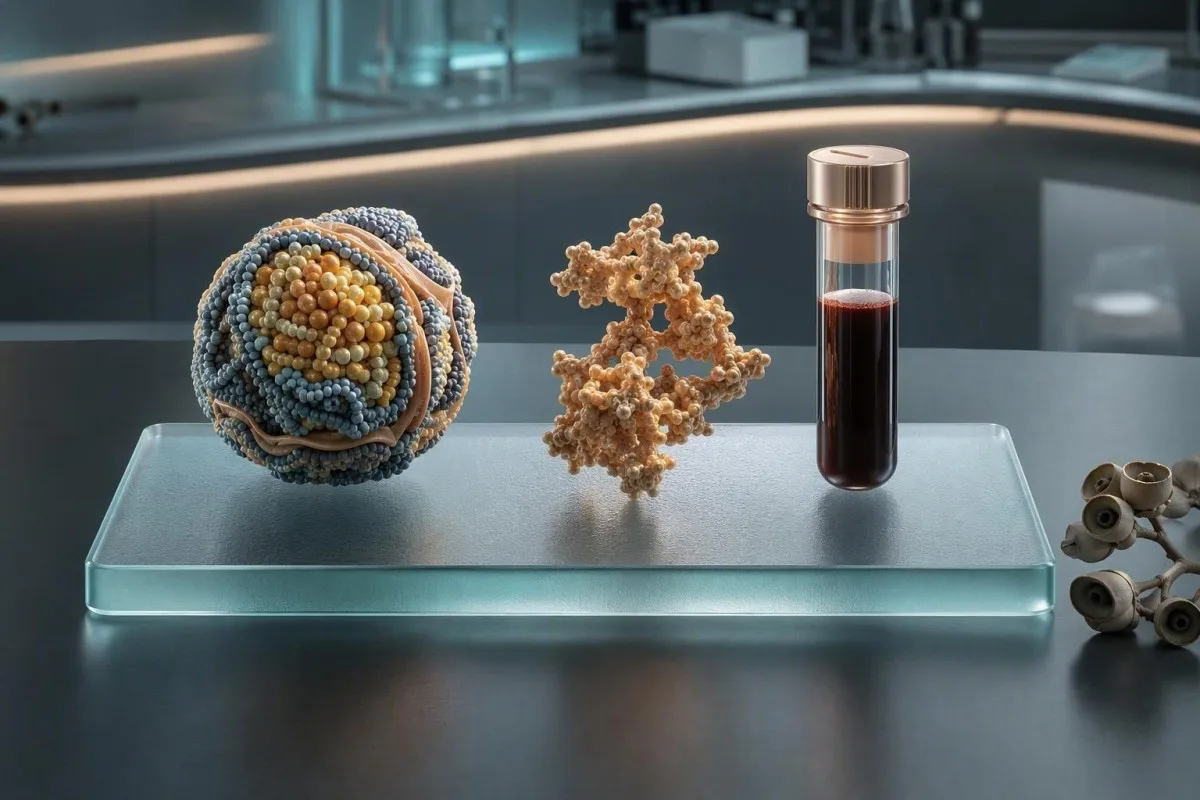
د ډیری بې علامتو لویانو لپاره، کلنۍ وینې معاینه باید د زړه او شکرې ناروغۍ له خطر سره پیل شي—نه د اعظمي پینل سره. یوازې هغه وخت ازموینې اضافه کړئ کله چې عمر، درمل، د کورنۍ تاریخ، رژیم، د امیندوارۍ پلانونو، یا پخوانی پایله د پاملرنې بدلولو لپاره واقعي چانس ولري.


- هیڅ نړیوال پینل نشته: روغ لویانو ته هر کال د وینې ټولو ازموینو ته اړتیا نشته؛ د ازموینې انتخاب باید عمر، د خطر عوامل، درملو، او پخوانیو پایلو تعقیب کړي.
- لیپیډونه: د معیاري لیپیډ پینل د ډیری لویانو لپاره لوړ ارزښت لري ځکه چې LDL-C، non-HDL-C، او triglycerides د زړه مخنیوي لارښوونه کوي.
- د شکرې ناروغۍ سکرینینګ: له 35 څخه تر 70 کلونو پورې لویانو ته چې د وزن زیاتوالی یا چاغښت لري باید د مخدره شکرې یا ډول 2 شکرې لپاره سکرین شي، معمولا د HbA1c یا د ګلوکوز روژه نیولو سره.
- د HbA1c حد: د 5.7% څخه تر 6.4% پورې HbA1c د مخدره شکرې په ګوته کوي؛ 6.5% یا لوړ د تایید غوښتنه کوي پرته لدې چې کلاسیک هایپرګلیسیمیک نښې شتون ولري.
- د پښتورګو معاینې: د کریټینین او eGFR سره سره په لوړ فشار، شکر، د زړه ناروغۍ، نیفروټوکسیک درملو، یا د تیرو غیر معمولي پایلو سره ډیر ګټور دي.
- د تایرایډ ازموینه: د TSH ازموینه د خطر له مخې فعالیږي، نه د عادي کلنۍ ازموینې په توګه، پرته لدې چې نښې، د امیندوارۍ پلان کول، د تایرایډ درملنه، یا د آټو imun ناروغۍ خطر د ازموینې دمخه احتمال بدل کړي.
- غلط مثبت: د 20 خپلواک ازموینو یوه ګروپ کولی شي یوازې په روغ کس کې د فرصت له لارې شاوخوا یوه له حد څخه بهر پایله تولید کړي.
- لومړی تکرار کړئ: د معتدل جلا شوي غیر معمولي حالتونو لپاره، په پراخه امیجنګ، راجع کولو، یا ضمیمو څخه مخکې د مناسبو شرایطو لاندې پلان شوي تکرار ارزښت لري.
- روند مهم است: یو باثباته شخصي اساس د واحد لابراتوار نښه څخه ډیر ډاډمن کیدی شي، په ځانګړې توګه د کریټینین، ALT، فیرټین، او سپینې وینې حجرې شمیر لپاره.
د پریکړې چوکاټ سره پیل وکړئ، نه د پیرودلو لیست
کلنۍ وینې ازموینه ترټولو ګټوره ده کله چې هره ازموینه یوه پریکړه ځواب کړي. په یوه بې علامته بالغ کې، زه له دې سره پیل کوم چې ایا غیر معمولي پایله په راتلونکو 12 میاشتو کې مخنیوی، درمل، سکرینینګ، یا تعقیب بدلوي - نه دا چې کوم لابراتوار ازموینه وړاندیز کوي.
لومړۍ پوښتنه چې زه یې کوم ساده ده: “که دا غیر معمولي وي، موږ به څه توپیر وکړو؟” د لیپید پایله ممکن د رژیم مشورې، د سټیټین بحث، یا د وینې فشار اهدافو بدل کړي؛ غیر غوره شوي کورټیسول کچه په ندرت سره کوم څه بدلوي او د خوب، تمرین، او وخت لخوا په اسانۍ سره تحریف کیږي.
دوهم پوښتنه د ازموینې دمخه احتمال دی. یو 42 کلن کس چې د هغه والدینو له وخت دمخه د زړه ناروغۍ، د وینې فشار 142/88 mmHg، او د LDL-C 156 mg/dL سره لري، د 25 کلن کس څخه چې هیڅ طبي تاریخ او په مکرر ډول نورمال پایلې لري، د مخنیوي وینې ازموینې مختلف پلان ته اړتیا لري.
کانټیسټي یو دی د AI د وینې معاینې شنونکی دا د عمر، جنس، مراجعې وقفې، او پخوانیو ارزښتونو سره د انفرادي پایلو ځای په ځای کوي، پرځای یې د لابراتوار نښه د تشخیص په توګه درملنه وکړي. زما په کلینیکي تجربه کې، دا شرایط د لسو نورو بایو مارکرونو اضافه کولو څخه ډیر غیر ضروري اندیښنه مخه نیسي.
د 31 اګست 2026 پورې، یوه عملي کلنۍ بیاکتنه کې د وینې فشار، وزن یا کمر اندازه کول، د واکسینیشن وضعیت، سګرټ څکول، الکول، خوب، د کورنۍ تاریخ، او مناسب سرطان سکرینینګ هم شامل دي. دا تل د پراخ روغتیا وینې ازموینې څخه غوره د مخنیوي وړ ناروغۍ وړاندوینه کوي؛ زموږ د کورنۍ تاریخچه نښه-لارښود تشریح کوي چې واقعیا د ثبت کولو ارزښت لري.
د ملاقات لپاره څلور پوښتنې
وپوښتئ چې ایا ازموینه کولی شي د زیان رسولو دمخه یو حالت کشف کړي، ایا یوه باوري درملنه تعقیبوي، ایا ستاسو خطر دومره لوړ دی چې یو مثبت پایله یقیني کړي، او کله چې پایله باید تکرار شي. که څلورمه ځواب “موږ نه پوهیږو” وي، ازموینه معمولا دمخه وي.
د لوړ ارزښت لرونکي اصلي مخنیوي پینل کې څه شامل دي؟
د لیپید پینل او د شکر سکرینینګ د اسیمپټوماتیک لویانو لپاره معمول لوړ ارزښت لرونکي وینې ازموینې دي، پداسې حال کې چې د پښتورګو یا ځیګر ازموینې په خطر او درملو ډیر تکیه کوي. د هر روغ کس لپاره د شواهدو پر بنسټ هیڅ نړیوال کلنی “بشپړ پینل” شتون نلري.
یو معیاري لیپید پینل ټول کولیسټرول، LDL-C، HDL-C، او ټرای ګلیسریډز راپوروي. غیر HDL کولیسټرول د ټول کولیسټرول څخه HDL-C منفي دی او د ټولو اتیروجینک ذراتو لخوا لیږدول شوي کولیسټرول پوښي؛ دا په ځانګړې توګه ګټور دی کله چې ټرای ګلیسریډز له 175 mg/dL څخه لوړ وي.
HbA1c د شاوخوا 8 څخه تر 12 اونیو پورې د متوسط ګلایکیمیا منعکس کوي، که څه هم ترټولو وروستي 30 ورځې په غیر متناسب ډول برخه اخلي. HbA1c د 5.7% څخه ښکته معمولا نورمال وي، 5.7% تر 6.4% پورې مخکې شکر وي، او 6.5% یا پورته د شکر حد پوره کوي کله چې په مناسب ډول تایید شي.
یوه اساسي میټابولیک پینل ممکن منطقي وي کله چې څوک لوړ فشار، شکر، د زړه ناروغۍ ولري، د ډیوریتیکس، ACE inhibitors، ARBs، لیتیم، یا منظم ضد التهاب درمل کاروي. پدې کې کریټینین، الکترولایټونه، ګلوکوز، او بای کاربونیټ شامل دي؛ دا د کولیسټرول ازموینې لپاره بدیل ندي، لکه څنګه چې زموږ په میټابولیک پینل درلودل کولیسټرول لارښود کې تشریح شوي.
زه د دې تضمین نه کوم چې کلنۍ معاینه به هر لومړنی ناروغي ومومي. د ډاکټر توماس کلین چلند دا دی چې یوه کوچنۍ پینل غوره کړي چې یو روښانه وروستی پلان ولري، بیا خوندي پاملرنه د وینې فشار، فعالیت، او مخنیوي سکرینینګ باندې مصرف کړي چې لابراتواري پینل نشي بدلولی.
ولې د کولیسټرول ازموینه معمولا غوره بیرته راستنیدنه لري
د لیپید پینل خورا په پراخه کچه ګټور مخنیوی وینې ازموینه ده ځکه چې لوړ LDL-C هیڅ نښې نه لري مګر د راتلونکي اتیروسکلیروتیک زړه ناروغۍ وړاندوینه کوي. د ازموینې فریکونسۍ د کلني څخه تر هر 4 څخه تر 6 کلونو پورې د اساس خطر او درملنې پورې اړه لري.
د LDL-C 190 mg/dL یا لوړ کول د شدید هایپرکولیسټرولیمیا په توګه ګڼل کیږي او عموما د درملنې او فامیلیل هایپرکولیسټرولیمیا لپاره وختي کلینیکي ارزونې ته اړتیا لري. د ټرای ګلیسریډز 500 mg/dL یا لوړ کول د پانکریټایټس خطر زیاتوي او د متوسط لوړ شوي ټول کولیسټرول په پرتله ډیر عاجل پاملرنې مستحق دي.
د 2018 AHA/ACC کولیسټرول لارښود سپارښتنه کوي چې د 40 څخه تر 75 کلونو پورې ډیری بالغو لپاره د LDL-C په ځای د ټول زړه خطر وکارول شي (Grundy et al., 2019). ApoB کولی شي خطر اصلاح کړي کله چې ټرای ګلیسریډز په دوامداره توګه 200 mg/dL یا لوړ وي، میټابولیک سنډروم شتون لري، یا LDL-C په فریبانه توګه عادي ښکاري.
د لیپوپروټین(a)، یا Lp(a) یوه اندازه، لږترلږه یو ځل د لویانو په عمر کې مناسبه ده، په ځانګړي توګه د کورنۍ په کچه د وخت دمخه د زړه ناروغۍ سره. Lp(a) تر ډیره حده میراثي دی او په ډیرو خلکو کې کلنۍ تکرار ته اړتیا نلري؛ زموږ لارښود وګورئ څوک د Lp(a) سکرینینګ ته اړتیا لري.
یوه ناروغه یوه ورځ ما ته وویل چې د هغې HDL 78 mg/dL د هغې LDL 182 mg/dL بې معنی کړه. دا داسې نه ده. د HDL مناسب ارزښت د LDL پورې تړلي خطر لغوه نه کوي، او Kantesti AI د وینې فشار، ګلوکوز، او د کورنۍ تاریخ سره یوځای د لیپید بشپړ نمونه لوستلی شي.
کله چې د علایمو پرته ګلوکوز یا HbA1c وګورئ
د HbA1c یا د روژې ګلوکوز د 35 څخه تر 70 کلونو پورې د هغو بالغو لپاره چې اضافه وزن یا چاقۍ لري، مناسب مخنیوي سکرینینګ دی، او د اضافي خطرونو سره د وخت دمخه ازموینه مناسبه ده. د انزولین، C-peptide، او ګلوکوز د بې توپیره ترتیب کولو پرځای یوه معتبره ګلایکیمیک ازموینه غوره کړئ.
USPSTF د 35 څخه تر 70 کلونو پورې د اضافي وزن یا چاقۍ لرونکي بالغو کې د پریډایبایټس او ډول 2 ډایبېټس لپاره سکرینینګ وړاندیز کوي، بیا هغه کسان چې پریډایبایټس لري اغیزمنو مخنیوي مداخلې ته راجع کوي (US Preventive Services Task Force, 2021). د امیندوارۍ شوګر تاریخ، پولی سیتیک اووری سنډروم، ځینې توکمیز شالیدونه، او د شکر ناروغۍ سره یو لومړنی خپلوان کولی شي د وخت دمخه خبرو اترو ته وده ورکړي.
د 100 څخه تر 125 mg/dL پورې د روژې پلازما ګلوکوز د امپایرډ فاسټینګ ګلوکوز نښه کوي؛ 126 mg/dL یا لوړ د شکر ناروغۍ حد پوره کوي که تایید شي. د لوی خواړه وروسته د تصادفی ګلوکوز پایله د روژې ناکامه ازموینه نه ده - دا یوازې یوه بله پوښتنه ځوابوي.
HbA1c کیدای شي د وروستي وینې لیږد، د پام وړ وینې ضایع، هیمولیسس، د پښتورګو پرمختللي ناروغي، یا د هیموګلوبین ځینې ډولونو وروسته ګمراه کونکی وي. که چیرې HbA1c او ګلوکوز موافق نه وي، نو په ذهني توګه یې اوسط مه کوئ؛ د دلیل تحقیق وکړئ، زموږ څخه پیل کړئ د وینې لیږد وروسته د HbA1c اعتبار لارښود.
د روژې انزولین د انزولین مقاومت لپاره معیاري سکرینینګ ازموینه نه ده. دا په ورځني ډول په پراخه کچه توپیر لري، ازموینې همغږي شوي ندي، او د ګلوکوز، ټرای ګلیسریډز، د کمر اندازه، او کلینیکي شرایطو پرته ارزښت اکثرا خلک د شمیرې په لټه کې کوي نه د کارډیومیتابولیک خطر کمولو پرځای.
چا ته د پښتورګو، الکترولیت، او جگر ازموینو ته اړتیا ده؟
کریټینین، eGFR، الکترولیتونه، ALT، AST، او بilirوبین د خطر له مخې فعال شوي اضافي توکي دي، نه د هر صحي بالغ لپاره لازمي کلنۍ ازموینې. دوی لوړ ارزښت لري کله چې د ناروغۍ، درملو، الکول افشا کیدو، میټابولیک خطر، یا مخکیني غیر معمولي ارزښتونه خاموش ستونزه ممکنه کړي.
د eGFR له 60 mL/min/1.73 m² څخه ټیټ د لږترلږه 3 میاشتو لپاره دوامدار دی د مزمن پښتورګو ناروغۍ وړاندیز کوي ، مګر د ډیهایډریشن ، کریټینین کارولو ، یا شدید تمرین وروسته یوه واحد ټیټه ارزښت دا نه ثابته کوي. د پیشاب البومین-کریټینین نسبت اکثرا د شکر ناروغۍ یا لوړ فشار لرونکي خلکو لپاره یوازې د معمول کیمیا څخه خورا ډیر معلوماتي وي.
د لابراتوار پورتنۍ حد څخه پورته ALT د غوړ ځيګر ناروغۍ ، د الکول سره مخ کیدل ، ویروسي هیپاټایټس ، درملو او سپلیمنټونو کې عام دی. په لابراتوار کې د 40 IU/L پورتنۍ حد سره د 52 IU/L یوه جلا ALT معمولا د تکرار او شرایطو پایله وي ، پداسې حال کې چې ژیړتیا ، ګډوډي ، شدید معدې درد ، یا په چټکۍ سره لوړیدونکي ارزښتونه عاجل بدلون راولي.
د کریټینین ممکن د سخت برداشت پیښې وروسته یا د مایع مصرف کمیدو سره لوړ شي. مخکې له دې چې د پښتورګو د اختلال سره د چا لیبل شي ، زه معمولا دا تکرار کوم کله چې دوی ښه هایډریټ وي او د 24 څخه تر 48 ساعتونو لپاره یې شدید تمرین څخه ډډه کړې وي؛ زموږ د تمرین پورې اړوند کریټینین لارښود دا عملي تفصیل پوښښ کوي.
د هغو خلکو لپاره چې د سټیټینز ، انټي هایپراګینسیو ، میټفارمین ، یا نورو اوږدمهاله درملو سره تجویز شوي ، د نظارت وقفې باید د درملو او شخصي تعقیب کړي - نه کلني روغتیا کڅوړه. د بنسټیز میتابولیک پینل لارښود د ازموینې څخه د ګټورو څارنې توپیر کې مرسته کوي.
ایا بشپړ وینې شمیرنه کلنۍ باید وي؟
د بشپړ وینې شمیرنه، یا CBC، د انیمیا، انتان، د مغز د ناروغۍ، د درملو اغیزو، د میاشتني شدید وینې بهیدنې، د رژیم خطر، یا مزمن ناروغۍ احتمال شتون لري؛ دا د سرطان لپاره یو اعتبار شوی عمومي سکرین نه دی. ډیری کلینیکونه لاهم د بنسټیز CBC ترلاسه کوي ، مګر په ټیټ خطر لرونکي کس کې د دې کلني تکرار لږ حاصل لري.
د لویانو د هیموګلوبین حوالې وقفې د لابراتوار، جنسیت، لوړوالي، او امیندوارۍ وضعیت له مخې توپیر لري؛ د غیر امیندواره میرمنو لپاره عامه حد شاوخوا 12.0 تر 15.5 g/dL او د نارینه وو لپاره 13.5 تر 17.5 g/dL دی. یو ټیټ پایله باید د اوسط حجرو حجم، فیرټین، پښتورګو فعالیت، او رجحان سره تفسیر شي - نه د یوه تشخیص په توګه درملنه کیږي.
د سپینې وینې د حجرو شمیر د ویروسي ناروغۍ، سګرټ څکولو، کورټیکوسټیroidونو، شدید تمرین، او حتی د ورځې وخت وروسته بدلیږي. په یو سالم کس کې د 1.3 × 10⁹/L یو لږ ټیټ نیوتروفیل شمیر د திட்ட شوي تکرار او د نسب پوه شرایطو مستحق دی، پداسې حال کې چې شدید نیوتروپینیا سره تبصره یوه بیلګه کلینیکي حالت دی.
له 100 fL څخه پورته لوړ MCV کولی شي د B12 کمښت، فولیک اسید کمښت، د الکول کارول، د ځيګر ناروغي، هایپوتايرایډیزم، یا درملو منعکس کړي؛ دا د B12 کمښت سره مترادف نه دی. د نښه شوي پایلې لپاره، زموږ د کارولو سره MCV د هیموګلوبین او RDW سره پرتله کړئ MCV او MCH د بڼې لارښود.
کانټیسټي یو دی د AI لاب ټېسټ د تفسیر خدمت دا د CBC کلسترونو پیژني - د مثال په توګه، ټیټ هیموګلوبین جمع لوړ RDW او ټیټ فیرټین - د یوې سرحدي سره د وینې حجرې شاخص څخه د الارم رامینځته کولو پرځای. دا یو له هغه ساحو څخه دی چیرې چې د نمونې پیژندنه واقعیا مهمه ده.
کله د تایرایډ ازموینې معنی لري؟
د TSH ازموینه د نښو، تایرایډ درملو، د امیندوارۍ پلان جوړولو، امیندوارۍ، آټو ایمون ناروغۍ، د غاړې د وړانګو، یا قوي کورنۍ تاریخ سره خورا ګټوره ده؛ د نفوس عمومي سکرینینګ نامعلوم پاتې دي. یو نورمال TSH عموما په غیر امیندواره لویانو کې د لومړني تایرایډ اختلال احتمال نلري.
ډیری لابراتوارونه د 0.4 څخه تر 4.0 mIU/L پورې د TSH حوالې وقفې کاروي ، که څه هم حدود توپیر لري او د امیندوارۍ ځانګړي اهداف مختلف دي. په یو سالم بالغ کې د نورمال وړیا T4 سره د 4.8 mIU/L یو سرحدي TSH اکثرا د 6 څخه تر 12 اونیو کې د تکرار ازموینې ته هڅوي ، نه سمدستي د ژوند لپاره درملنه.
د بایوټین سپلیمنټونه کولی شي د ځینو تایرایډ امون assays سره مداخله وکړي ، کله ناکله TSH جعلي ټیټ او وړیا T4 جعلي لوړ ښکاري. ډیری لابراتوارونه د ازموینې دمخه لږترلږه 48 ساعتونو لپاره د لوړ دوز بایوټین - ډیری وختونه 5،000 څخه تر 10،000 مایکرون ورځني - بندولو مشوره ورکوي ، مګر دقیق وقفه د ازموینې او دوز پورې اړه لري.
د هر ستړي شوي کس لپاره د ریورس T3، د تایرایډ انټي باډي پینل، وړیا T3، او کورټیسول امر کول یو اغیزمن انوائس او د تشخیصي وضاحت ضعیف رامینځته کوي. د یو احتیاط تاریخ او TSH سره پیل کړئ، بیا وړیا T4 یا انټي باډیز اضافه کړئ یوازې کله چې لومړنۍ پایله یا د خطر پروفایل هلته اشاره کوي؛ زموږ د تایرایډ بیا ازموینې مهال ویش مناسب وقفې ورکوي.
ما ناروغان لیدلي چې د انفلوینزا له روغیدو وروسته د یوې لږې لوړې TSH لخوا ویریدلي دي. ډاکټر توماس کلین قاعده دا ده چې د لنډمهاله ناروغۍ په جریان کې د مزمنې اینڈوکرین ناروغۍ له تشخیص څخه ډډه وکړي تر هغه چې بایو کیمیکل نمونې پام وړ نه وي یا نښې عاجل ارزونې ته اړتیا ولري.
اوسپنه، B12، او ویټامین D: د دلیل لپاره ازموینه
فیرټین، ویټامین B12، فولیک اسید، او 25-hydroxyvitamin D د ارزښت وړ دي کله چې رژیم، د وینې ضایع، مالابسورپشن، درمل، امیندوارۍ، د هډوکو خطر، یا نښې نښانې د کمښت احتمال رامینځته کړي. دوی په کلني روغتیایی معاینه کې تل اړین ندي.
د 15 ng/mL څخه لاندې فриеټین د اوسپنې د زیرمه کیدو لوړ مشخص کونکی دی، پداسې حال کې چې د 30 ng/mL څخه لاندې فриеټین د اوسپنې د کمښت ملاتړ کوي کله چې التهاب شتون نلري. فриеټین د التهاب، جگر د ناروغیو، او الکول کارولو سره لوړیږي، نو په لوړ CRP لرونکي شخص کې د 80 ng/mL “نارمل” فриеټین تل د کمښت نشتوالی نه ردوي.
د 200 pg/mL څخه لاندې د سیرم B12، یا 148 pmol/L، په ډیرو لابراتوارونو کې د کمښت ملاتړ کوي، مګر د 200 تر 350 pg/mL ارزښتونه نامشخص کیدی شي. میتیل میلونیک اسید ډیر مشخص دی کله چې کلینیکي پوښتنه پرانیستې پاتې کیږي، په ځانګړي توګه په خلکو کې چې میټفارمین یا اوږدمهاله پروټون پمپ مخنیوی کونکي اخلي.
د وټامین ډي کمښت لپاره د سالم بالغان سکرین کولو شواهد په حقیقت کې مخلوط دي. USPSTF د بې علامتو، ټولنې میشته بالغانود منظم سکرین کولو سپارښتنه کولو لپاره ناکافي شواهد وموندل؛ د اوستیوپوروسس، تکراري فریکچر، مالابسورپشن، مزمن پښتورګو ناروغۍ، یا د هډوکي میتابولیزم اغیزه کونکي درملو سره ازموینه خورا معنی لري.
کانټیسټي یو دی د AI پر بنسټ د وینې ازموینې تحلیل وسیله د 2 ملیون څخه زیاتو خلکو لخوا په 127+ هیوادونو کې د فриеټین او B12 تفسیر لپاره د CBC شاخصونو او رژیم تاریخ سره یوځای کارول کیږي. که فриеټین ټیټ وي، د اوسپنې له لوړې دوز سره د ځان درملنې دمخه پیل کړئ. د اوسپنې د مطالعاتو لارښود د اوسپنې له لوړې دوز سره د ځان درملنې دمخه.
د خطر لامل شوي اضافه شوي توکي چې پاملرنه بدلولی شي
ترټولو غوره اضافه ازموینه هغه ده چې یو ځانګړي خطر سره تړلې وي: د شکر ناروغۍ یا لوړ فشار لپاره د ادرار ACR، د شتمنۍ C لپاره یو ځل د ډیری بالغان لپاره سکرینینګ، Lp(a) یو ځل، یا هدف لرونکي تولیدي او د درملو نظارت. پراخ پینل د هر امر لپاره لنډ، مستند دلیل څخه ضعیف دي.
د 30 mg/g یا لوړ د ادرار البومین-کریټینین تناسب د معتدل لوړې البومینوریا نښه ده او باید تایید شي ځکه چې تبه، تمرین، د ادرار انتان، او حیض کولی شي په لنډمهاله توګه لوړ کړي. د شکر ناروغۍ او لوړ فشار لپاره، دا د کریټینین له لوړیدو دمخه د پښتورګو او وینې رګونو خطر ښکاره کولی شي.
د 1945 او 1965 ترمنځ زیږیدلي بالغان یو وخت د هیپاټایټس C اصلي سکرینینګ ګروپ وو، مګر اوسني عامه روغتیا لارښوونې په ډیری هیوادونو کې د یو ځل د بالغ سکرینینګ ملاتړ کوي، د خطر پر بنسټ تکراري ازموینې سره. دا د یو مخنیوي ازموینې مثال دی چې د اپیډیمولوژي لخوا غوره شوی، نه د “جگر د پاکولو” د مبهم غوښتنې له امله.”
هغه خلک چې لومړني خپلوان لري چې په سړو کې له 55 کلونو څخه مخکې یا په ښځو کې له 65 کلونو څخه مخکې د زړه حمله یا سټروک لري باید د Lp(a)، لیپیدونو، وینې فشار، او د شکر ناروغۍ سکرینینګ په اړه دمخه بحث وکړي. زموږ متمرکز لارښود د سټروک پورې تړلي کورنۍ ازموینه د تومور مارکر پینلونو په پرتله ډیر ګټور پلان ترتیبوي.
د امیندوارۍ پلان کول معادله بدلوي: د وینې ګروپ، روبيلا معافیت چیرته چې اړونده وي، CBC، فриеټین، په غوره شوي خلکو کې د تایرایډ ازموینه، او د ساري ناروغیو سکرینینګ مناسب کیدی شي. ازموینه باید د عامه روغتیا محلي لارښوونو او شخصي تاریخ سره مطابقت ولري، له همدې امله یو عام کلنی بسته په ندرت سره کافي وي.
د ټیټ ارزښت ازموینې چې له پامه غورځول کیږي کله چې تاسو ښه احساس کوئ
د تومور نښه کونکي، پراخ آټو ایمون پینلونه، D-dimer، کورټیسول، د جنسي هورمون پینلونه، د خوړو IgG ازموینې، او د التهاب نښه کونکي د غیر هدف لرونکي کلنۍ سکرینینګ په توګه له پامه غورځ کړئ. دا ازموینې د یو مشخص کلینیکي پوښتنې لپاره ارزښتناک کیدی شي مګر په خلکو کې د هیڅ علایمو سره ضعیف کب نیولو وسیلې دي.
CA-125، CEA، CA 19-9، PSA، او نور تومور مارکرونه د بدلیدونکي سرطان سکرین نه دي. PSA په غوره شوي نارینه وو کې د خبرو اترو وروسته په پام کې نیول کیدی شي، مګر د نښه کونکو غیر انتخاب شوي پینل کولی شي د سرطان مړینې کمولو پرته سکینونو، بایوپسي، او میاشتو اضطراب لامل شي.
D-dimer د مناسب کلینیکي احتمال لرونکي خلکو کې د وینې رګونو د بندیدو د نشتوالي په مرسته ډیزاین شوی، نه د خاموش ټوټو موندلو لپاره. دا د عمر، امیندوارۍ، وروستي جراحي، انتان، سرطان، او التهاب سره لوړیږي؛ په صحي بالغان کې د دې غلط مثبت بار پام وړ دی.
ANA او روماتید فاکتور کولی شي په خلکو کې مثبت وي چې هیڅکله آټو ایمون ناروغي نه لري. د نښو پرته لکه د مفصلونو التهاب، د لمر حساس رش، د پښتورګو موندنې، یا د رینود ډول ځانګړتیاوې پرته په ټیټ عنوان کې یو مثبت ANA معمولا یوه کلینیکي خبرې اترې دي، نه د آټو ایمون تشخیص.
ځینې ناروغان د خوب د کمزورې اونۍ وروسته پراخ هورمون پینلونه غوښتنه کوي. کورټیسول او ټیسټورسټون د ورځې له وخت، ناروغۍ، تمرین، او ازموینې سره توپیر لري؛ که چیرې ریښتینی اندیښنه شتون ولري، سم وخت او پوښتنه وکاروئ، لکه څنګه چې زموږ د سهار هورمون ازموینې لارښود کې بحث شوی. تشریح کوي.
څنګه غلط مثبتونه د روغتیا پینل په لړۍ بدلوي
د غلط مثبت کاسکیډونه هغه وخت پیښیږي ځکه چې د حوالې سلسلې معمولا د 95٪ صحي خلکو د شاملولو لپاره جوړ شوي، د 5٪ په شاوخوا کې د ډیزاین له مخې له وقفې څخه بهر پریږدي. د 20 غیر اړوندو ازموینو سره، لږترلږه یو نښه شوی پایله چانس نږدې 64٪ ته نږدې کیږي که چیرې پایلې خپلواکې وې.
د لابراتوار د حوالې فاصلې د درملنې حدونه ندي. د 5.3 mmol/L پوټاشیم کیدای شي د هیمولیسس یا ځنډ شوي پروسس څخه د راټولولو یوه مصنوعي بڼه وي، پداسې حال کې چې د ECG بدلونونو سره 6.5 mmol/L خطرناک کیدی شي؛ شمیره یوازې د نمونې کیفیت، علایمو، د پښتورګو فعالیت، او درملو سره معنی لري.
د 50-52 کلنۍ میراتون منډه وهونکي د AST سره چې د 89 IU/L وروسته د سیالۍ دمخه د سکلیټل عضلاتو انزایم خوشې کیدو پرځای د لومړني جگر زیان سره وي. د ALT، CK، بilirوبین، الکول مصرف، درملو، او آرام شوي تکرار چک کول د جگر امیجنگ ته د مستقیم کود کولو په پرتله هوښیار دي؛ زموږ د AST ساحې لارښود ښيي چې ولې.
بیولوژیکي تغیرات ریښتیا دي. ټرای ګلیسریډونه کولی شي د الکول، د لوړ کاربوهایډریټ خواړو، شدید ناروغۍ، او خراب خوب وروسته په پراخه کچه بدلون ومومي، او TSH کولی شي د تایرایډ په یوه نوې ناروغۍ پرته د وخت په تیریدو سره په یو فرد کې شاوخوا 30% توپیر ولري.
Kantesti AI د مستحکم سرحدي ارزښت له معنی بدلون څخه توپیر کولو لپاره د رجحان تحلیل کاروي، مګر هیڅ الګوریتم نشي کولی د شدید علایمو یا انتقادي پایلو لپاره عاجل کلینیکي ارزونې ځای ونیسي. یوه پایله باید یوازې هغه وخت یوه لړۍ پیل کړي کله چې راتلونکي ګام کې مرسته کولو لپاره مناسب چانس وي.
د مخنیوي وینې ازموینو لپاره څنګه چمتو کیږي
چمتووالی باید د ازموینې سره سمون ولري: ډیری لیپید پینل نور د روژې اړتیا نلري، مګر روژه کولی شي په روښانه ډول لوړ ټرای ګلیسریډونه یا د ګلوکوز پوښتنې روښانه کړي. ثبات د بشپړتیا په پرتله ډیر مهم دی کله چې تاسو رجحان جوړوئ.
د معیاري لیپید پینل لپاره، غیر روژه لرونکی نمونه اکثرا د منلو وړ وي؛ له 400 mg/dL څخه لوړ ټرای ګلیسریډونه ممکن د روژې تکرار ته اړتیا ولري ځکه چې محاسبه شوي LDL-C لږ معتبر کیږي. اوبه معمولا ښه دي، پداسې حال کې چې په ورځ کې الکول کولی شي په لنډمهاله توګه ټرای ګلیسریډونه او د جگر انزایمونه لوړ کړي.
د CK، کریټینین، AST، یا د جگر پورې اړوند ازموینو چک کولو دمخه د 24 څخه تر 48 ساعتونو لپاره غیر معمولي سخت تمرین څخه ډډه وکړئ پرته لدې چې ستاسو معالج غواړي د تمرین اغیز اندازه کړي. ډیهایډریشن کولی شي هیموګلوبین، البومین، کلسیم، او کریټینین په کافي اندازه متمرکز کړي ترڅو یو ګمراه کونکي نمونې رامینځته کړي.
د درملو او سپلیمنټ لیست راوړئ، پشمول بایوټین، اوسپنه، B12 انجیکشنونه، کریټین، هورمون درملنه، او بوټي محصولات. بایوټین کولی شي د امون assays اغیزه وکړي، او ازموینې دمخه اخیستل شوې اوسپنه کولی شي د اوسپنې زیرمې له ډکولو پرته د سیرم اوسپنه لوړه کړي؛ زموږ وګورئ د روژې او مکملونو لارښود.
که تاسو میاشتنۍ دوره لرئ، د دورې ورځ او ایا وینه بهیدنه غیر معمولي درنه ده کله چې د فیرټین یا هیموګلوبین تفسیر کوئ. موخه دا نه ده چې پایله په نورمالتوب کې بدله شي؛ دا د ازموینې شرایط چمتو کول دي چې په صادقانه توګه پوښتنې ته ځواب ووایی.
ولې رجحانات د یو ځل پایلو څخه غوره دي
د پرتله کولو وړ شرایطو لاندې د تکرار پایله اکثرا د پراخه پینل په پرتله ډیر کلینیکي ارزښت چمتو کوي. رجحانات په ځانګړي ډول د HbA1c، LDL-C، eGFR، ALT، فیرټین، هیموګلوبین، او ټرای ګلیسریډونو لپاره ګټور دي ځکه چې هر یو د لنډمهاله تغیراتو وړاندوینه کیږي.
له 0.78 څخه تر 0.92 mg/dL پورې د کریټینین زیاتوالی ممکن په حد کې پاتې شي مګر که دا پایښت ولري او د نوي البومینوریا یا د وینې فشار بدلونونو سره مل وي. برعکس، د ډیهایډریشن وروسته د 1.08 mg/dL یوه creatinine ممکن په بشپړه توګه حل شي؛ سمت او شرایط مهم دي.
د HbA1c عموما باید شاوخوا 3 میاشتو وروسته بیا وڅیړل شي کله چې د ژوند طرز یا درملو بدلونونو ارزونه کیږي، ځکه چې لنډې فاصلې په عمده توګه د ورته سره د وینې حجرې د افشا کولو موده بیا اندازه کوي. د LDL-C ممکن د لوی خواړو یا درملو بدلون وروسته په 4 څخه تر 12 اونیو کې غبرګون وکړي.
کانټیسټي یو دی د AI بایومارکر تفسیر پلیټفارم چې په وخت سره د اپلوډ شوي لابراتوار راپورونو پرتله کوي او هغه بدلونونه په نښه کوي چې له عادي شور څخه تیریږي. زموږ اوږدمهاله ازموینې لارښود (longitudinal testing guide) وګورئ تشریح کوي چې ولې شخصي اساس د پراخه نفوس حد په پرتله خورا ګټور کیدی شي.
د معنی لرونکي پرتله کولو لپاره، په عملي توګه ورته لابراتوار وکاروئ، د روژې وضعیت، وروستۍ ناروغي، الکول مصرف، شدید روزنه، د حیض وخت، او نوي درمل ثبت کړئ. هغه کوچنۍ یادونه چې د یوې پایلې تر څنګ ده، اکثرا د بلې ګرانې اضافي په پرتله ډیر څه تشریح کوي.
عمر، د کورنۍ تاریخ، او د ژوند مرحله څنګه پلان بدلوي
د ازموینې شدت باید د خطر سره لوړ شي، نه یوازې د کلیزې سره. عمر د زړه او شکر ناروغۍ خطر اغیزه کوي، مګر د کورنۍ تاریخ، امیندوارۍ، مینوپاز، رژیم، درمل، او مخکینۍ پایلې اکثرا دا مشخصوي چې کوم وینې ازموینې په دقیق ډول غوښتنه وکړي.
د زړه خطر لرونکي لویانو باید په وقفو کې د مطلق خطر، پخوانۍ ارزښتونو، او درملنې پراساس د لیپیدونو او ګلایکیمیک وضعیت بیاکتنه وشي. د 198 mg/dL LDL-C سره 28 کلن ځوان سړي ته اوس پاملرنې ته اړتیا لري، پداسې حال کې چې د 105 mg/dL LDL-C سره 58 کلن سړی ممکن د خطر بحث ته اړتیا ولري ځکه چې عمر او د وینې فشار محاسبه بدلوي.
د مینوپاز له امله کیدای شي د LDL-C او فریتین کچه لوړه شي کله چې حيض ودریږي، پداسې حال کې چې د مینوپاز څخه مخکې د حيض زیاتې وینې بهیدنې له امله د اوسپنې زیرمې کمې شي. د 45 کلونو څخه د پورته لویانو لپاره د typical مینوپاز تشخیص لپاره د estradiol یا FSH تکراري ازموینې په ندرت سره اړین دي، ځکه چې کچه یې په پراخه کچه بدلیږي.
د نباتاتو پر اساس رژیم، د معدې جراحي، د سییلیاک ناروغۍ، میټفورمین، او د اسید د اوږدې مودې بندیز د B12، اوسپنې، فولټ، یا ویټامین D ازموینې لپاره حد بدلوي. سم ازموینه د افشا کیدو وروسته راځي؛ زموږ د نباتي رژیم د مغذي موادو بیاکتنې لارښود یو عملي مثال وړاندې کوي.
د سرطان د کورنۍ تاریخ معمولا د عمر مناسبه انځورګري، غایطه، جنیټیک، یا متخصص سکرینینګ بدلوي مخکې له دې چې د معمول وینې معاینات بدل کړي. له عادي تومور مارکر څخه مه ږدئ چې تاسو د تاسیس شوي سکرینینګ میتودونو څخه لیرې وساتي.
د وینې معاینې لپاره خوندي کلنۍ پلان چې خپل ډاکټر ته یې یوسئ
یو خوندي پلان د نمونې راټولولو دمخه اصلي ازموینه، دلیل، د عمل حد، او د تکرار وقفه نوموي. د ډیری علایم نه لرونکو لویانو لپاره، دا پدې معنی ده چې لیپیدونه د HbA1c یا ګلوکوز سره یوځای کیږي، د غیر محدود روغتیا وینې ازموینې پرځای په نښه شوي اضافه کولو سره.
خپل درمل، د امیندوارۍ پلانونه، د کورنۍ تاریخ، د وینې فشار لوستل، د رژیم نمونې، د الکول مصرف، او وروستي لابراتواري ارزښتونه ولیکئ. بیا پوښتنه وکړئ: کوم یو یا دوه ازموینې کولی شي سږکال پاملرنه بدل کړي؟ دا یو ملاقات د 60-مارکر کڅوړې او کلینیکي پوښتنې پرته له راتلو څخه ډیر ګټور کوي.
که تاسو د سینې درد، ساه لنډۍ، بې هوښۍ، تور غالۍ، یرقان، نوي ګډوډي، د پام وړ غیر ارادي وزن کمیدل، دوامداره تبه، یا د الټي سره شدید تنده تجربه کوئ، نو د کلني بیاکتنې لپاره انتظار کولو پرځای سمدستي طبي پاملرنې ته مراجعه وکړئ. مخنیوی ازموینه د خپلو علایمو د تنظیم لپاره نه ده.
د Kantesti AI یوه دقیقه کې د لابراتوار PDF یا عکس تنظیم کولی شي، یوه شخصي اوږد مهاله ریکارډ وساتي، او د ډاکټر لپاره پوښتنې چمتو کړي؛ د دې طریقې او کلینیکي ساتنې په زموږ طبي تایید (ویلیډیشن) عمومي کتنه. .
ډیری ناروغان د متوازن چلند له امله ډاډه کیږي: پټ، د درملنې وړ خطر نیولو لپاره کافي ازموینه وکړئ، مګر دومره نه چې د فرصت غیر معمولي پیښې یوه نوې روغتیا ستونزه شي. که پایله غیر متوقع وي، په غور سره تکرار کړئ، ټول نمونې بیاکتنه وکړئ، او د درملو یا ضمیمو بدلولو دمخه له کلینیک سره مشوره وکړئ.
پوښتل شوې پوښتنې
که کوم نښې نلرم، باید د کلنۍ معاینې پر مهال کومو وینې ازمایښتونو غوښتنه وکړم؟
د ډیرو بې علامتو لویانو لپاره، لومړی د لیپید پینل او د HbA1c یا د روژه نیولو ګلوکوز سره د شکرې سکرینینګ په اړه پوښتنه وکړئ، بیا د وینې فشار، د بدن وزن، درملو، د کورنۍ تاریخ، رژیم، او پخوانیو غیر معمولي کیدو پراساس ازموینې اضافه کړئ. HbA1c له 5.7% څخه تر 6.4% پورې دمراض açúcar (prediabetes) په ګوته کوي، پداسې حال کې چې د LDL-C کچه 190 mg/dL یا لوړه باید په وخت سره کلینیکي بیاکتنه ته اړتیا ولري. د پښتورګو کیمیا، د جگر ازموینې، CBC، تایرایډ ازموینه، د اوسپنې مطالعې، B12، او ویټامین D ګټور دي کله چې یو ځانګړی خطر دوی ته د پاملرنې بدلولو احتمال لري. یوه کلینیک باید وقفه تنظیم کړي ځکه چې د شواهدو پر بنسټ نړیوال کلني لوی پینل شتون نلري.
ایا صحتمند بالغو خلکو ته هر کال د CBC او بشپړ میټابولیک پینل ته اړتیا ده؟
سالم لویان هر کال په اتوماتيک ډول د CBC او جامع میټابولیک پینل ته اړتیا نلري. د وینې بشپړه شمیرنه (CBC) د انیمیا خطر ، درنو دورو ، رژیم محدودیت ، مزمنې ناروغۍ ، درملو څارنې ، یا د پخوانۍ غیر معمولي شمیرو سره ډیر ګټور دی ، پداسې حال کې چې د پښتورګو او الیکټرولیت ازموینې په ځانګړي توګه د لوړ فشار ، شکرې ، د پښتورګو ناروغۍ ، او داسې درملو سره اړونده دي لکه ډیوریتیکس یا ACE مخنیوی کونکي. د 60 mL/min/1.73 m² څخه ټیټ eGFR باید لږترلږه 3 میاشتې دوام وکړي مخکې لدې چې د پښتورګو مزمن ناروغۍ تشخیص شي. یو مستحکم ، لږ خطر لرونکی کس ممکن د کلینیک سره له خبرو وروسته په منطقي ډول لږ ځله معاینه کړي.
ایا د روغتیا د ازموینې لپاره په بشپړ ډول د وینې معاینه کول ارزښت لري؟
یو بشپړ د روغتیا د وینې ازموینه اکثرا ارزښت نلري کله چې پدې کې غیر منتخبه د تومور مارکرونه ، د آټو imun ضد اجنټونه ، کورټیسول ، پراخه هورمون ازموینې ، D-dimer ، او د ویټامین پینلونه شامل وي پرته لدې چې کلینیکي دلیل ولري. ځکه چې د لابراتوار رسمي حدود معمولا د سالم خلکو 95% سلنه شاملوي ، په تصادفی ډول شاوخوا 5% سلنه سالم پایلې له حد څخه بهر کیږي. د 20 خپلواک ازموینو سره ، د لږترلږه یوه نښه شوي پایلې چانس شاوخوا 64% سلنه دی. د تعقیبي پلان سره تړلې یو متمرکزه پینل لږ جعلي مثبت cascades رامینځته کوي او معمولا په کلینیکي توګه ډیر ګټور دی.
آیا باید هر سال د شالید غدې کچه معاینه کړم؟
د تایرایډ ازموینه کلنی، د هغو خلکو لپاره مناسبه ده چې د تایرایډ درمل اخلي او د امیندوارۍ، امیندوارۍ پلان کولو، د معافیتي ناروغیو، د کورنۍ قوي تاریخ، یا د تایرایډ پخوانیو غیرمعمومیتونو سره مناسبه وي. د کمې خطر لرونکي بالغ لپاره پرته له نښو، د معمول TSH سکرینینګ ګټه ناڅرګنده ده. یو عام TSH د حوالې وقفه شاوخوا 0.4 تر 4.0 mIU/L ده، او یو لږ یا لږ لوړوالی د عادي وړیا T4 سره په 6 تر 12 اونیو کې بیا ازموینې ته اړتیا لري. د لوړې دوز بایوټین بشپړونکي کولی شي د ځینو ازموینو سره مداخله وکړي، نو هره ورځ د 5,000 تر 10,000 مایکروسکوپ پورې دوزونه د ازموینې دمخه ښکاره کړئ.
په کومه اندازه د کولیسټرول او HbA1c معاینه باید وشي؟
د کولیسټرول او HbA1c وقفوې په بنسټیز خطر او د درملنې په جریان لرلو پورې تړاو لري. د زړه ناروغیو لوړ خطر لرونکي لویان، شکري ناروغان، دمخه شکري ناروغان، یا د لیپید کمولو درملنه تر سره کوونکي خلک ممکن کلني ازموینې یا د درملنې بدلون وروسته له 4 څخه تر 12 اونیو پورې ازموینې ته اړتیا ولري، پداسې حال کې چې لږ خطر لرونکي لویان د نورمال پایلو سره هر 4 څخه تر 6 کلونو پورې ازموینه کیدی شي. HbA1c د شکرې نږدې 8 څخه تر 12 اونیو پورې منعکس کوي، نو له 3 میاشتو څخه دمخه یې تکرار کول معمولا د ژوند طرزالعمل بدلون ارزونې په وخت کې لږ اضافه کوي. د LDL-C 190 mg/dL یا لوړ د منظمې وقفې انتظار پرته کلینیکي ارزونې ته اړتیا لري.
که د کلنۍ وینې معاینې یوه پایله لږ غیر معمولي وي، څه باید وکړم؟
د وینې د یو لږ غیر معمولي کلني معاینې پایله باید معمولا د معایناتو له پیل څخه مخکې د نښو، درملو، د نمونې د راټولولو شرایطو، نورو بایومارکرونو او پخوانیو پایلو سره په ګډه تفسیر شي. د مثال په توګه، د 52 IU/L ALT سره چې د لابراتوار لوړ حد یې 40 IU/L دی، ډیری وخت د پلان شوي تکرار او د الکول، بشپړونکو، تمرین، وزن او درملو بیاکتنې مستحق دی، د سمدستي امیجنګ پرځای. د 5.3 mmol/L په شاوخوا کې د پوتاشیم پایله د نمونې په اداره کولو اغیزه کولی شي، پداسې حال کې چې دوامداره یا خورا لوړ ارزښتونه چټک عمل ته اړتیا لري. یوازې له یوې احتمالي پایلې څخه پرته له کلینیکي مشورې څخه د اوسپنې، تایرایډ، هورمون، یا ویټامین درملنه مه پیل کوئ.
همدا نن د AI په مرسته د وینې ازموینې تحلیل ترلاسه کړئ
له 2M+ څخه زیات کاروونکي په ټوله نړۍ کې زموږ په Kantesti باور لري چې د لابراتوار ازموینو تحلیل په فوري او دقیق ډول کوي. خپل د وینې ازموینې پایلې اپلوډ کړئ او په ثانیو کې د 15,000+ بایومارکرونو بشپړه تشریح ترلاسه کړئ.
📚 د څېړنې خپرونې چې حواله شوې دي
کلین، ټي، مېچېل، ایس، او وېبر، ایچ. (2026). د نیپا ویروس د وینې معاینه: د ۲۰۲۶ کال د لومړني کشف او تشخیص لارښود. Kantesti د AI طبي څېړنه.
کلین، ټي، مېچېل، ایس، او وېبر، ایچ. (2026). د وینې ډول B منفي، د LDH د وینې ازموینې او د Reticulocyte شمېرنې لارښود. Kantesti د AI طبي څېړنه.
📖 بهرني طبي مراجع
Grundy SM et al. (2019). 2018 AHA/ACC/AACVPR/AAPA/ABC/ACPM/ADA/AGS/APhA/ASPC/NLA/PCNA د وینې د کولیسټرول د مدیریت په اړه لارښود. Circulation.
د متحده ایالاتو د مخنیوي خدماتو کاري ځواک (2021). د پریډایبېټس او ټایپ ۲ ډایبېټس لپاره سکرینینګ: د متحده ایالاتو د مخنیوي خدماتو کاري ځواک (USPSTF) د سپارښتنې بیان. JAMA.
د متحده ایالاتو د مخنیوي خدماتو کاري ځواک (2021). په لویانو کې د وټامین ډي د کمښت لپاره سکرینینګ: د US Preventive Services Task Force د سپارښتنې بیان. JAMA.
⚕️ طبي ردونه
دا مقاله یوازې د زده کړې لپاره ده او طبي مشوره نه جوړوي. د تشخیص او درملنې د پرېکړو لپاره تل د وړ روغتیايي خدمت وړاندې کوونکي سره سلا وکړئ.
د E-E-A-T باور نښې
تجربه
د ډاکټر تر مشرۍ لاندې کلینیکي بیاکتنه د لابراتواري تفسیر د کاري بهیرونو لپاره.
تخصص
د لابراتواري طب تمرکز پر دې چې بایومارکرونه په کلینیکي شرایطو کې څنګه چلند کوي.
واک ورکول
د ډاکټر توماس کلاین له خوا لیکل شوی، د ډاکټر سارا میچل او پروف. ډاکټر هانس ویبر له خوا بیاکتنه.
اعتبار
د شواهدو پر بنسټ تفسیر د روښانه تعقیبي لارو چارو سره، تر څو اندیښنه کمه شي.