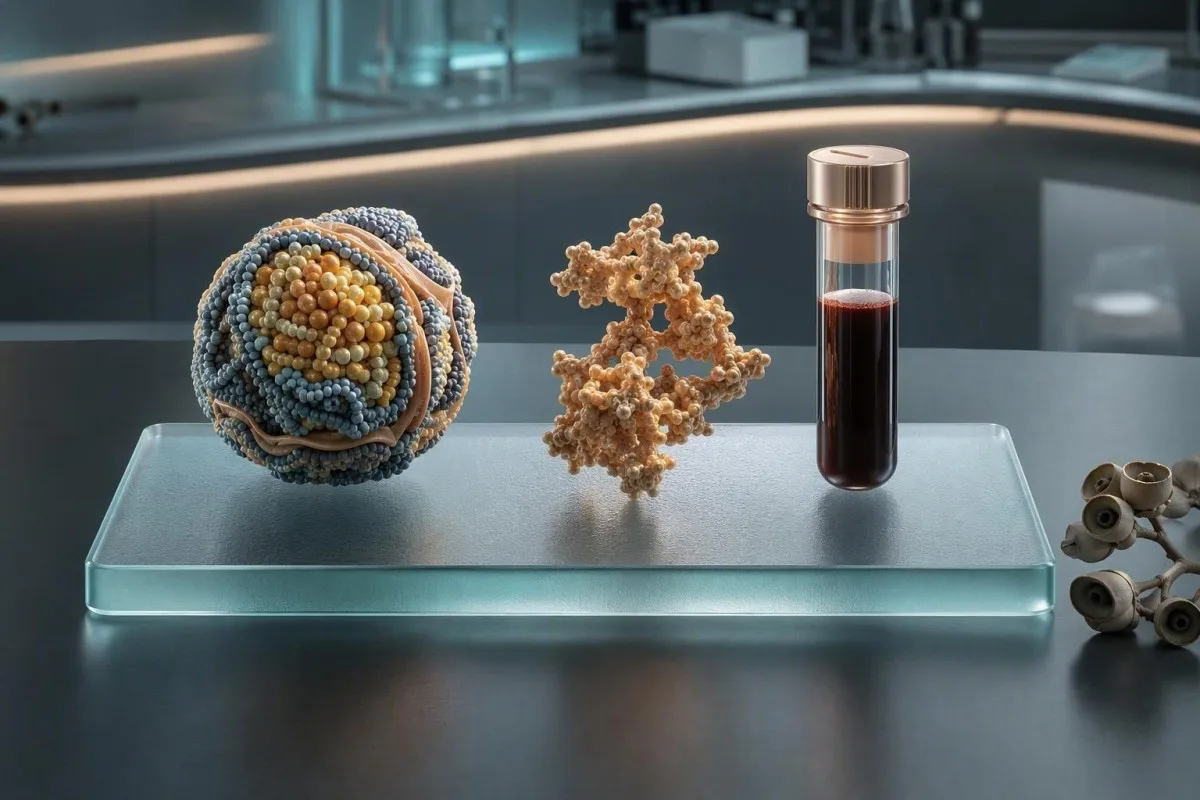
สำหรับผู้ใหญ่ส่วนใหญ่ที่ไม่มีอาการ การตรวจเลือดประจำปีควรเริ่มต้นด้วยความเสี่ยงต่อโรคหัวใจและหลอดเลือดและเบาหวาน ไม่ใช่ชุดการตรวจที่ครอบคลุมทั้งหมด เพิ่มการตรวจเฉพาะเมื่ออายุ ยา ประวัติครอบครัว อาหาร แผนการตั้งครรภ์ หรือผลลัพธ์ก่อนหน้านี้ทำให้มีโอกาสในการเปลี่ยนแปลงการดูแลอย่างสมเหตุสมผล.


- ไม่มีชุดตรวจสากล: ผู้ใหญ่ที่มีสุขภาพดีไม่จำเป็นต้องตรวจเลือดทุกครั้งทุกปี การเลือกการตรวจควรพิจารณาจากอายุ ปัจจัยเสี่ยง ยา และผลลัพธ์ก่อนหน้า.
- ลิปิด: ชุดตรวจลิปิดมาตรฐานมีคุณค่าสูงสำหรับผู้ใหญ่ส่วนใหญ่ เนื่องจาก LDL-C, non-HDL-C และไตรกลีเซอไรด์เป็นแนวทางในการป้องกันโรคหัวใจและหลอดเลือด.
- การคัดกรองเบาหวาน: ผู้ใหญ่ที่มีอายุ 35 ถึง 70 ปีที่มีน้ำหนักเกินหรือโรคอ้วนควรได้รับการคัดกรองโรคเบาหวานก่อนวัยอันควรหรือเบาหวานชนิดที่ 2 โดยปกติจะใช้ HbA1c หรือกลูโคสขณะอดอาหาร.
- เกณฑ์ HbA1c: HbA1c ตั้งแต่ 5.7% ถึง 6.4% บ่งชี้ว่าเป็นโรคเบาหวานก่อนวัยอันควร 6.5% หรือสูงกว่านั้นต้องได้รับการยืนยัน เว้นแต่จะมีอาการเบาหวานขึ้นสูงแบบคลาสสิก.
- การตรวจไต: Creatinine และ eGFR จะมีประโยชน์มากที่สุดเมื่อมีภาวะความดันโลหิตสูง, เบาหวาน, โรคหัวใจและหลอดเลือด, ยาที่มีพิษต่อไต, หรือผลตรวจก่อนหน้านี้ผิดปกติ.
- Thyroid testing: ตรวจไทรอยด์ การตรวจ TSH จะถูกกระตุ้นตามความเสี่ยง ไม่ใช่การตรวจประจำปีตามปกติ เว้นแต่จะมีอาการ, วางแผนตั้งครรภ์, การรักษาไทรอยด์, หรือความเสี่ยงโรคภูมิต้านตนเองเปลี่ยนแปลงความน่าจะเป็นก่อนตรวจ.
- False positives: ผลบวกลวง การตรวจ 20 รายการที่ไม่เกี่ยวข้องกัน อาจให้ผลเกินช่วงปกติประมาณหนึ่งโดยบังเอิญ แม้ในคนที่มีสุขภาพดี.
- Repeat first: ทำซ้ำก่อน ความผิดปกติเล็กน้อยที่เกิดขึ้นเพียงอย่างเดียว มักจะสมควรได้รับการตรวจซ้ำตามแผนภายใต้เงื่อนไขที่เปรียบเทียบได้ ก่อนการตรวจภาพ, การส่งต่อ, หรือการเสริมอาหารอย่างละเอียด.
- แนวโน้มมีความสำคัญ: ค่าพื้นฐานส่วนบุคคลที่คงที่ อาจให้ความมั่นใจมากกว่าการแจ้งผลผิดปกติเพียงครั้งเดียวจากห้องปฏิบัติการ โดยเฉพาะอย่างยิ่งสำหรับ Creatinine, ALT, Ferritin, และจำนวนเม็ดเลือดขาว.
เริ่มต้นด้วยกรอบการตัดสินใจ ไม่ใช่รายการช้อปปิ้ง
การตรวจเลือดประจำปีจะมีประโยชน์มากที่สุดเมื่อทุกการตรวจตอบคำถามในการตัดสินใจ. ในผู้ใหญ่ที่ไม่มีอาการ ฉันจะเริ่มต้นด้วยการพิจารณาว่าผลการตรวจที่ผิดปกติจะเปลี่ยนแปลงการป้องกัน, การใช้ยา, การคัดกรอง, หรือการติดตามผลภายใน 12 เดือนข้างหน้าหรือไม่ ไม่ใช่ว่าห้องปฏิบัติการนั้นมีรายการตรวจหรือไม่.
คำถามแรกที่ฉันถามนั้นง่าย: “เราจะทำอะไรแตกต่างออกไปหากผลนี้ผิดปกติ” ผลการตรวจไขมันอาจเปลี่ยนแปลงการให้คำปรึกษาด้านอาหาร, การพูดคุยเกี่ยวกับยา Statin, หรือเป้าหมายความดันโลหิต; ระดับ Cortisol ที่ไม่เจาะจงมักจะไม่เปลี่ยนแปลงอะไรเลย และถูกบิดเบือนได้ง่ายจากการนอนหลับ, การออกกำลังกาย, และช่วงเวลา.
คำถามที่สองคือความน่าจะเป็นก่อนตรวจ ผู้ที่มีอายุ 42 ปี โดยมีพ่อแม่เป็นโรคหัวใจก่อนวัยอันควร, ความดันโลหิต 142/88 mmHg, และ LDL-C 156 mg/dL ต้องการแผนการตรวจเลือดเพื่อการป้องกันที่แตกต่างจากผู้ที่มีอายุ 25 ปี โดยไม่มีประวัติทางการแพทย์และมีผลตรวจปกติซ้ำๆ.
คันเตสตีเป็น เครื่องวิเคราะห์ผลเลือด AI ซึ่งจะเปรียบเทียบผลรายบุคคลกับอายุ, เพศ, ช่วงอ้างอิง, และค่าก่อนหน้า แทนที่จะถือว่าผลผิดปกติจากห้องปฏิบัติการเป็นการวินิจฉัย จากประสบการณ์ทางคลินิกของฉัน บริบทนี้จะช่วยป้องกันความกังวลที่ไม่จำเป็นได้มากกว่าการเพิ่มเครื่องหมายชีวภาพอีกสิบตัว.
ณ วันที่ 31 สิงหาคม 2026 การทบทวนประจำปีในทางปฏิบัติยังรวมถึงความดันโลหิต, การวัดน้ำหนักหรือรอบเอว, สถานะการฉีดวัคซีน, การสูบบุหรี่, การดื่มแอลกอฮอล์, การนอนหลับ, ประวัติครอบครัว, และการคัดกรองมะเร็งที่เหมาะสม สิ่งเหล่านี้มักจะทำนายโรคที่ป้องกันได้ดีกว่าการตรวจเลือดเพื่อสุขภาพแบบครอบคลุม; ของเรา คู่มือเครื่องหมายประวัติครอบครัว อธิบายว่าอะไรคือสิ่งที่คุ้มค่าที่จะบันทึกจริงๆ.
คำถามสี่ข้อที่จะนำไปพบแพทย์
ถามว่าการตรวจสามารถตรวจพบภาวะก่อนที่จะเกิดอันตรายหรือไม่, มีการรักษาที่น่าเชื่อถือตามมาหรือไม่, ความเสี่ยงของคุณสูงพอที่จะทำให้ผลบวกน่าเชื่อถือหรือไม่, และควรตรวจซ้ำเมื่อใด หากคำตอบที่สี่คือ “เราไม่ทราบ” การตรวจนั้นมักจะเร็วเกินไป.
อะไรคือส่วนหนึ่งของชุดตรวจป้องกันหลักที่มีคุณค่าสูง?
ชุดตรวจไขมันและคัดกรองเบาหวานเป็นการตรวจเลือดที่มีคุณค่าสูงสำหรับผู้ใหญ่ที่ไม่มีอาการ ในขณะที่การตรวจไตหรือตับจะขึ้นอยู่กับความเสี่ยงและยาเป็นส่วนใหญ่. ไม่มี “ชุดตรวจเต็มรูปแบบ” ประจำปีที่เป็นสากลตามหลักฐานสำหรับทุกคนที่มีสุขภาพดี.
ชุดตรวจไขมันมาตรฐานจะรายงาน Total Cholesterol, LDL-C, HDL-C, และ Triglycerides Non-HDL Cholesterol เท่ากับ Total Cholesterol ลบ HDL-C และครอบคลุมคอเลสเตอรอลที่ถูกขนส่งโดยอนุภาคที่ทำให้หลอดเลือดแดงแข็งทั้งหมด; จะมีประโยชน์เป็นพิเศษเมื่อ Triglycerides สูงกว่า 175 mg/dL.
HbA1c สะท้อนระดับน้ำตาลในเลือดเฉลี่ยในช่วงประมาณ 8 ถึง 12 สัปดาห์ แม้ว่า 30 วันล่าสุดจะมีส่วนสำคัญมากกว่า HbA1c ต่ำกว่า 5.7% มักจะปกติ, 5.7% ถึง 6.4% คือภาวะก่อนเบาหวาน, และ 6.5% หรือสูงกว่า ถือเป็นเกณฑ์เบาหวานเมื่อได้รับการยืนยันอย่างเหมาะสม.
ชุดตรวจเมตาบอลิซึมพื้นฐานอาจสมเหตุสมผลเมื่อมีภาวะความดันโลหิตสูง, เบาหวาน, โรคหัวใจ, ใช้ยาขับปัสสาวะ, ACE inhibitors, ARBs, ลิเธียม, หรือยาต้านการอักเสบเป็นประจำ ประกอบด้วย Creatinine, อิเล็กโทรไลต์, กลูโคส, และไบคาร์บอเนต; ไม่สามารถทดแทนการตรวจคอเลสเตอรอลได้ ตามที่อธิบายไว้ในของเรา คู่มือชุดตรวจเมตาบอลิซึมเทียบกับคอเลสเตอรอล.
ฉันไม่สามารถรับประกันได้ว่าการตรวจประจำปีจะสามารถตรวจพบโรคในระยะเริ่มต้นได้ทั้งหมด แนวทางของ ดร. โทมัส ไคลน์ คือการเลือกชุดตรวจขนาดเล็กที่มีแผนการดำเนินงานที่ชัดเจน จากนั้นจึงใช้เวลาที่เหลือในการตรวจความดันโลหิต กิจกรรม และการตรวจคัดกรองเชิงป้องกันที่ชุดตรวจในห้องปฏิบัติการไม่สามารถทดแทนได้.
เหตุใดการตรวจคอเลสเตอรอลจึงมักให้ผลตอบแทนที่ดีที่สุด
ชุดตรวจไขมันในเลือดเป็นการตรวจเลือดเชิงป้องกันที่มีประโยชน์มากที่สุด เนื่องจาก LDL-C สูงไม่มีอาการ แต่บ่งชี้ถึงโรคหัวใจและหลอดเลือดที่เกิดจากหลอดเลือดแข็งในอนาคต. ความถี่ในการตรวจอาจแตกต่างกันไปตั้งแต่ทุกปีถึงทุก 4 ถึง 6 ปี ขึ้นอยู่กับความเสี่ยงพื้นฐานและการรักษา.
LDL-C 190 มก./ดล. หรือสูงกว่าถือเป็นภาวะไขมันในเลือดสูงอย่างรุนแรง และโดยทั่วไปจำเป็นต้องได้รับการประเมินทางคลินิกอย่างทันท่วงทีเพื่อการรักษาและภาวะไขมันในเลือดสูงจากพันธุกรรม ไตรกลีเซอไรด์ 500 มก./ดล. หรือสูงกว่านั้นเพิ่มความเสี่ยงต่อภาวะตับอ่อนอักเสบ และควรได้รับการดูแลอย่างเร่งด่วนมากกว่าระดับคอเลสเตอรอลทั้งหมดที่สูงเล็กน้อย.
แนวทางไขมันในเลือดของ AHA/ACC ปี 2018 แนะนำให้ใช้ความเสี่ยงโดยรวมของโรคหัวใจและหลอดเลือด ไม่ใช่แค่ LDL-C เพียงอย่างเดียว สำหรับผู้ใหญ่ส่วนใหญ่ที่มีอายุ 40 ถึง 75 ปี (Grundy et al., 2019) ApoB สามารถปรับปรุงความเสี่ยงได้เมื่อระดับไตรกลีเซอไรด์สูงอย่างต่อเนื่อง 200 มก./ดล. ขึ้นไป มีภาวะเมตาบอลิกซินโดรม หรือ LDL-C ดูเหมือนปกติอย่างหลอกลวง.
การวัด lipoprotein(a) หรือ Lp(a) ครั้งเดียวมีความสมเหตุสมผลอย่างน้อยหนึ่งครั้งในวัยผู้ใหญ่ โดยเฉพาะอย่างยิ่งเมื่อมีประวัติโรคหัวใจก่อนวัยอันควรในครอบครัว Lp(a) ส่วนใหญ่ถ่ายทอดทางพันธุกรรมและไม่จำเป็นต้องตรวจซ้ำประจำปีในคนส่วนใหญ่ ดูคำแนะนำของเราเกี่ยวกับ ผู้ที่ต้องได้รับการตรวจคัดกรอง Lp(a).
ผู้ป่วยคนหนึ่งเคยบอกฉันว่า HDL ของเขา 78 มก./ดล. ทำให้ LDL ของเขา 182 มก./ดล. ไม่สำคัญ มันไม่ใช่เช่นนั้น ค่า HDL ที่ดีต่อสุขภาพไม่ได้ช่วยลดความเสี่ยงที่เกี่ยวข้องกับ LDL และ Kantesti AI จะอ่านรูปแบบไขมันในเลือดทั้งหมด ควบคู่ไปกับความดันโลหิต ระดับน้ำตาล และประวัติครอบครัว.
เมื่อใดควรตรวจระดับน้ำตาลในเลือดหรือ HbA1c โดยไม่มีอาการ
HbA1c หรือระดับน้ำตาลในเลือดขณะอดอาหารเป็นการตรวจคัดกรองเชิงป้องกันที่เหมาะสมสำหรับผู้ใหญ่ที่มีอายุ 35 ถึง 70 ปี ที่มีน้ำหนักเกินหรือเป็นโรคอ้วน และการตรวจแต่เนิ่นๆ ก็สมเหตุสมผลเมื่อมีปัจจัยเสี่ยงเพิ่มเติม. เลือกการตรวจวัดระดับน้ำตาลที่เชื่อถือได้เพียงอย่างเดียว แทนที่จะสั่งตรวจอินซูลิน, C-peptide, และกลูโคสอย่างไม่เลือก.
USPSTF แนะนำให้ตรวจคัดกรองภาวะก่อนเบาหวานและเบาหวานชนิดที่ 2 ในผู้ใหญ่ที่มีอายุ 35 ถึง 70 ปี ที่มีน้ำหนักเกินหรือเป็นโรคอ้วน จากนั้นส่งต่อผู้ที่มีภาวะก่อนเบาหวานไปรับการแทรกแซงเชิงป้องกันที่มีประสิทธิภาพ (US Preventive Services Task Force, 2021) ประวัติเบาหวานขณะตั้งครรภ์, กลุ่มอาการถุงน้ำรังไข่หลายใบ, ชนชาติบางกลุ่ม, และญาติสายตรงที่เป็นเบาหวาน สามารถเป็นเหตุผลในการปรึกษาแพทย์แต่เนิ่นๆ ได้.
ระดับน้ำตาลในเลือดขณะอดอาหาร 100 ถึง 125 มก./ดล. บ่งชี้ว่ามีภาวะน้ำตาลในเลือดบกพร่องขณะอดอาหาร; 126 มก./ดล. หรือสูงกว่าเข้าเกณฑ์เบาหวานหากได้รับการยืนยัน ระดับน้ำตาลในเลือดสุ่มหลังรับประทานอาหารมื้อใหญ่ไม่ใช่การทดสอบขณะอดอาหารที่ล้มเหลว — เป็นเพียงการตอบคำถามที่แตกต่างกัน.
HbA1c อาจทำให้เข้าใจผิดได้หลังจากการได้รับเลือด, การเสียเลือดอย่างมีนัยสำคัญ, การแตกทำลายของเม็ดเลือดแดง, โรคไตขั้นรุนแรง, หรือความผิดปกติของฮีโมโกลบินบางชนิด หาก HbA1c และระดับน้ำตาลในเลือดไม่ตรงกัน อย่าเฉลี่ยด้วยใจ; หาเหตุผลของการไม่ตรงกัน โดยเริ่มจาก คู่มือความน่าเชื่อถือของ HbA1c หลังการรับเลือด.
การตรวจอินซูลินขณะอดอาหารไม่ใช่การตรวจคัดกรองมาตรฐานสำหรับภาวะดื้อต่ออินซูลิน มีความแปรปรวนอย่างมากในแต่ละวัน การตรวจวัดไม่ได้รับการปรับให้สอดคล้องกัน และค่าที่ได้โดยไม่มีระดับน้ำตาล, ไตรกลีเซอไรด์, ขนาดรอบเอว และบริบททางคลินิก มักทำให้ผู้คนไล่ตามตัวเลข แทนที่จะลดความเสี่ยงต่อเมตาบอลิก.
ใครบ้างที่ต้องการการตรวจไต อิเล็กโทรไลต์ และตับ?
ครีเอตินีน, GFR, อิเล็กโทรไลต์, ALT, AST, และบิลิรูบิน เป็นการตรวจเพิ่มเติมตามปัจจัยเสี่ยง ไม่ใช่การตรวจประจำปีที่จำเป็นสำหรับผู้ใหญ่ที่แข็งแรงทุกคน. การตรวจเหล่านี้มีคุณค่าสูงเมื่อมีโรค, ยา, การสัมผัสแอลกอฮอล์, ความเสี่ยงต่อเมตาบอลิก, หรือค่าที่ผิดปกติมาก่อน ทำให้สงสัยว่ามีปัญหาที่ไม่มีอาการ.
ค่า eGFR ที่ต่ำกว่า 60 มล./นาที/1.73 ตร.ม. ซึ่งคงอยู่นานอย่างน้อย 3 เดือน บ่งชี้ถึงโรคไตเรื้อรัง แต่ค่าที่ต่ำเพียงค่าเดียวหลังจากการขาดน้ำ การใช้ครีเอทีน หรือการออกกำลังกายอย่างหนัก ไม่สามารถยืนยันได้ อัตราส่วนอัลบูมินต่อครีเอตินีนในปัสสาวะมักจะให้ข้อมูลมากกว่าการตรวจทางชีวเคมีทั่วไปเพียงอย่างเดียวสำหรับผู้ที่เป็นโรคเบาหวานหรือความดันโลหิตสูง.
ค่า ALT ที่สูงกว่าขีดจำกัดบนของห้องปฏิบัติการเป็นเรื่องปกติในโรคไขมันพอกตับ การสัมผัสแอลกอฮอล์ ไวรัสตับอักเสบ ยา และอาหารเสริม ค่า ALT ที่แยกได้ 52 IU/L ในห้องปฏิบัติการที่มีขีดจำกัดบน 40 IU/L มักเป็นผลการตรวจซ้ำและดูบริบท ในขณะที่ภาวะดีซ่าน อาการสับสน อาการปวดท้องอย่างรุนแรง หรือค่าที่เพิ่มขึ้นอย่างรวดเร็ว จะเปลี่ยนแปลงความเร่งด่วน.
ครีเอตินีนอาจเพิ่มขึ้น 10% ถึง 20% หลังจากการแข่งขันความทนทานที่หนักหน่วง หรือกับการลดปริมาณของเหลว ก่อนที่จะวินิจฉัยว่ามีภาวะไตบกพร่องในใครก็ตาม ฉันมักจะตรวจซ้ำเมื่อพวกเขาได้รับน้ำเพียงพอและหลีกเลี่ยงการออกกำลังกายอย่างหนักเป็นเวลา 24 ถึง 48 ชั่วโมง คู่มือ ครีเอตินีนที่เกี่ยวข้องกับการออกกำลังกาย ครอบคลุมรายละเอียดเชิงปฏิบัตินั้น.
สำหรับผู้ที่ได้รับยา statins, ยาลดความดันโลหิต, metformin หรือยาอื่นๆ ที่ต้องใช้ระยะยาว ระยะเวลาการติดตามควรเป็นไปตามยาและบุคคลนั้นๆ ไม่ใช่ตามแพ็กเกจตรวจสุขภาพประจำปี คู่มือพาเนลเมตาบอลิซึมพื้นฐาน ช่วยแยกแยะการเฝ้าระวังที่มีประโยชน์ออกจากการตรวจมากเกินไป.
การตรวจความสมบูรณ์ของเม็ดเลือด ควรทำทุกปีหรือไม่?
ตรวจความสมบูรณ์ของเม็ดเลือด หรือ CBC มีประโยชน์เมื่อสงสัยภาวะโลหิตจาง การติดเชื้อ โรคไขกระดูก ผลกระทบจากยา การมีเลือดประจำเดือนมาก ปัจจัยเสี่ยงด้านอาหาร หรือโรคเรื้อรัง ไม่ใช่การคัดกรองมะเร็งทั่วไปที่ผ่านการตรวจสอบแล้ว. แพทย์หลายคนยังคงตรวจ CBC พื้นฐาน แต่การตรวจซ้ำทุกปีในผู้ที่มีความเสี่ยงต่ำให้ผลตอบแทนเพียงเล็กน้อย.
ช่วงอ้างอิงฮีโมโกลบินสำหรับผู้ใหญ่แตกต่างกันไปตามห้องปฏิบัติการ เพศ ระดับความสูง และสถานะการตั้งครรภ์ ช่วงทั่วไปอยู่ที่ประมาณ 12.0 ถึง 15.5 กรัม/เดซิลิตรสำหรับสตรีที่ไม่ตั้งครรภ์ และ 13.5 ถึง 17.5 กรัม/เดซิลิตรสำหรับบุรุษ ผลลัพธ์ที่ต่ำควรแปลผลร่วมกับปริมาตรเม็ดเลือดแดงเฉลี่ย (MCV), เฟอร์ริติน, การทำงานของไต และแนวโน้ม ไม่ใช่ใช้เป็นการวินิจฉัยด้วยตนเอง.
จำนวนเซลล์เม็ดเลือดขาวจะผันผวนหลังจากการเจ็บป่วยจากไวรัส การสูบบุหรี่ การใช้คอร์ติโคสเตียรอยด์ การออกกำลังกายอย่างหนัก และแม้กระทั่งช่วงเวลาของวัน จำนวนนิวโทรฟิลที่ต่ำเล็กน้อย 1.3 × 10⁹/L ในคนที่มีสุขภาพดี ควรมีการตรวจซ้ำตามแผนและพิจารณาประวัติบรรพบุรุษ ในขณะที่อาการไข้ร่วมกับภาวะนิวโทรพีนีารุนแรงเป็นสถานการณ์ทางคลินิกที่แตกต่างกัน.
ค่า MCV ที่สูงกว่า 100 fL อาจบ่งชี้ถึงภาวะขาดวิตามิน B12, ภาวะขาดโฟเลต, การดื่มแอลกอฮอล์, โรคตับ, ภาวะพร่องไทรอยด์ หรือยา ไม่ได้หมายความว่าขาดวิตามิน B12 โดยเฉพาะ สำหรับผลลัพธ์ที่แจ้งเตือน ให้เปรียบเทียบ MCV กับฮีโมโกลบินและ RDW โดยใช้ คู่มือรูปแบบ MCV และ MCH.
คันเตสตีเป็น บริการตีความผลการทดสอบของ AI ของเรา ที่รับรู้กลุ่ม CBC เช่น ฮีโมโกลบินต่ำร่วมกับ RDW สูงและเฟอร์ริตินต่ำ แทนที่จะก่อให้เกิดความตื่นตระหนกจากดัชนีเซลล์เม็ดเลือดแดงเพียงค่าเดียว นี่เป็นหนึ่งในพื้นที่ที่การรู้จำรูปแบบมีความสำคัญอย่างแท้จริง.
เมื่อใดการตรวจไทรอยด์จึงมีความสมเหตุสมผล?
การตรวจ TSH มีประโยชน์มากที่สุดเมื่อมีอาการ, ใช้ยาไทรอยด์, วางแผนการตั้งครรภ์, ตั้งครรภ์, โรคภูมิต้านตนเอง, การฉายรังสีบริเวณคอ หรือประวัติครอบครัวที่ชัดเจน การคัดกรองประชากรทั่วไปยังคงไม่แน่นอน. TSH ปกติโดยทั่วไปทำให้การทำงานของต่อมไทรอยด์ปฐมภูมิไม่น่าเป็นไปได้ในผู้ใหญ่ที่ไม่ตั้งครรภ์.
ห้องปฏิบัติการส่วนใหญ่ใช้ช่วงอ้างอิง TSH ใกล้เคียง 0.4 ถึง 4.0 mIU/L แม้ว่าช่วงจะแตกต่างกันและเป้าหมายเฉพาะสำหรับการตั้งครรภ์จะแตกต่างกัน ค่า TSH ที่ก้ำกึ่ง 4.8 mIU/L ร่วมกับค่า free T4 ปกติในผู้ใหญ่ที่มีสุขภาพดี มักจะกระตุ้นให้ทำการตรวจซ้ำใน 6 ถึง 12 สัปดาห์ ไม่ใช่การรักษาตลอดชีวิตทันที.
การเสริมไบโอตินอาจรบกวนการตรวจอิมมูโนแอสเสย์ของไทรอยด์บางชนิด ทำให้ TSH ดูต่ำเกินจริงและ free T4 สูงเกินจริงได้ ห้องปฏิบัติการหลายแห่งแนะนำให้หยุดการเสริมไบโอตินปริมาณสูง ซึ่งมักจะ 5,000 ถึง 10,000 ไมโครกรัมต่อวัน เป็นเวลาอย่างน้อย 48 ชั่วโมงก่อนการตรวจ แต่ระยะเวลาที่แน่นอนขึ้นอยู่กับการทดสอบและปริมาณ.
การสั่งตรวจ reverse T3, ชุดตรวจแอนติบอดีไทรอยด์, free T3 และคอร์ติซอลสำหรับทุกคนที่เหนื่อย จะทำให้เกิดใบแจ้งหนี้ที่น่าประทับใจและความชัดเจนในการวินิจฉัยที่แย่ เริ่มต้นด้วยการซักประวัติอย่างละเอียดและ TSH จากนั้นจึงเพิ่ม free T4 หรือแอนติบอดีเมื่อผลการตรวจเบื้องต้นหรือโปรไฟล์ความเสี่ยงชี้ไปทางนั้นเท่านั้น ตารางการตรวจไทรอยด์ซ้ำ ให้ระยะเวลาที่สมเหตุสมผล.
ฉันเคยเห็นผู้ป่วยที่หวาดกลัวเนื่องจากค่า TSH สูงเล็กน้อยที่วัดได้ในช่วงพักฟื้นจากไข้หวัดใหญ่ กฎของ ดร. โทมัส ไคลน์ คือ หลีกเลี่ยงการวินิจฉัยโรคต่อมไร้ท่อเรื้อรังในช่วงที่มีอาการเจ็บป่วยชั่วคราว เว้นแต่รูปแบบทางชีวเคมีจะมีความสำคัญหรืออาการต้องการการประเมินอย่างเร่งด่วน.
ธาตุเหล็ก, B12 และวิตามิน D: ตรวจเพื่อเหตุผล
เฟอร์ริติน, วิตามิน B12, โฟเลต และ 25-hydroxyvitamin D มีค่าเมื่ออาหาร, การเสียเลือด, การดูดซึมผิดปกติ, ยา, การตั้งครรภ์, ความเสี่ยงต่อกระดูก หรืออาการ ทำให้เกิดภาวะขาดที่น่าจะเป็นไปได้. การตรวจเลือดประจำปีในผู้ที่ไม่มีอาการนั้นไม่จำเป็นเสมอไป.
Ferritin ที่ต่ำกว่า 15 ng/mL มีความจำเพาะสูงต่อการลดลงของปริมาณธาตุเหล็กในหลายกรณี ในขณะที่ ferritin ที่ต่ำกว่า 30 ng/mL มักสนับสนุนภาวะขาดธาตุเหล็กเมื่อไม่มีการอักเสบ Ferritin จะเพิ่มขึ้นเมื่อมีการอักเสบ โรคตับ และการดื่มแอลกอฮอล์ ดังนั้น ferritin ที่ “ปกติ” ที่ 80 ng/mL จึงไม่สามารถตัดภาวะขาดธาตุเหล็กในผู้ที่มี CRP สูงออกไปได้เสมอไป.
Serum B12 ที่ต่ำกว่าประมาณ 200 pg/mL หรือ 148 pmol/L สนับสนุนภาวะขาดธาตุเหล็กในหลายห้องปฏิบัติการ แต่ค่าระหว่าง 200 ถึง 350 pg/mL อาจไม่ชัดเจน Methylmalonic acid มีความจำเพาะมากขึ้นเมื่อคำถามทางคลินิกยังคงเปิดอยู่ โดยเฉพาะอย่างยิ่งในผู้ที่รับประทาน metformin หรือยา proton-pump inhibitors เป็นเวลานาน.
หลักฐานสำหรับการตรวจคัดกรองผู้ใหญ่ที่มีสุขภาพดีเพื่อหาภาวะขาดวิตามินดีนั้นยังมีความหลากหลาย USPSTF พบว่าหลักฐานไม่เพียงพอที่จะแนะนำให้ตรวจคัดกรองตามปกติในผู้ใหญ่ที่ไม่มีอาการและอาศัยอยู่ในชุมชน การตรวจจะสมเหตุสมผลมากขึ้นเมื่อมีภาวะกระดูกพรุน กระดูกหักซ้ำๆ ภาวะ malabsorption โรคไตเรื้อรัง หรือยาที่มีผลต่อการเผาผลาญกระดูก.
คันเตสตีเป็น เครื่องมือวิเคราะห์ผลตรวจเลือดที่ขับเคลื่อนด้วย AI ใช้โดยผู้คนกว่า 2 ล้านคนทั่ว 127+ ประเทศ เพื่อตีความค่า ferritin และ B12 ควบคู่ไปกับดัชนี CBC และประวัติการรับประทานอาหาร หาก ferritin ต่ำ ให้เริ่มต้นด้วย คู่มือการศึกษาเกี่ยวกับธาตุเหล็ก ก่อนที่จะสั่งยาธาตุเหล็กปริมาณสูงด้วยตนเอง.
การตรวจเพิ่มเติมที่กระตุ้นจากความเสี่ยง ซึ่งสามารถเปลี่ยนแปลงการดูแลได้
การทดสอบเพิ่มเติมที่ดีที่สุดคือการทดสอบที่เกี่ยวข้องกับความเสี่ยงเฉพาะ: urine ACR สำหรับโรคเบาหวานหรือความดันโลหิตสูง การตรวจคัดกรองไวรัสตับอักเสบซีครั้งเดียวสำหรับผู้ใหญ่ส่วนใหญ่ Lp(a) ครั้งเดียว หรือการติดตามผลการสืบพันธุ์และยาที่ตรงเป้าหมาย. แผงการตรวจที่กว้างนั้นอ่อนแอกว่าเหตุผลสั้นๆ ที่บันทึกไว้สำหรับแต่ละคำสั่ง.
อัตราส่วนอัลบูมินต่อครีเอตินินในปัสสาวะ 30 mg/g หรือสูงกว่าถือเป็นภาวะ albuminuria ที่เพิ่มขึ้นปานกลางและควรได้รับการยืนยันเนื่องจากไข้ การออกกำลังกาย การติดเชื้อทางเดินปัสสาวะ และประจำเดือนสามารถเพิ่มค่านี้ได้ชั่วคราว สำหรับโรคเบาหวานและความดันโลหิตสูง สามารถบ่งชี้ความเสี่ยงต่อไตและหลอดเลือดก่อนที่ค่าครีเอตินินจะเพิ่มขึ้น.
ผู้ใหญ่ที่เกิดระหว่างปี 1945 ถึง 1965 เคยเป็นกลุ่มหลักในการตรวจคัดกรองไวรัสตับอักเสบซี แต่แนวทางสาธารณสุขปัจจุบันสนับสนุนการตรวจคัดกรองผู้ใหญ่เพียงครั้งเดียวในหลายประเทศ โดยมีการตรวจซ้ำตามความเสี่ยง นี่เป็นตัวอย่างของการทดสอบป้องกันที่เลือกโดยระบาดวิทยา ไม่ใช่โดยความต้องการที่คลุมเครือในการ “ล้างพิษตับ”
ผู้ที่มีญาติสายตรงเคยมีภาวะกล้ามเนื้อหัวใจตายหรือโรคหลอดเลือดสมองก่อนอายุ 55 ปีในผู้ชายหรือ 65 ปีในผู้หญิงควรปรึกษาเรื่อง Lp(a) ไขมัน ความดันโลหิต และการตรวจคัดกรองโรคเบาหวานตั้งแต่เนิ่นๆ แนวทางที่เน้นของเราสำหรับ การทดสอบทางพันธุกรรมที่เกี่ยวข้องกับโรคหลอดเลือดสมอง นำเสนอแผนการที่เป็นประโยชน์มากกว่าแผงตรวจเครื่องหมายเนื้องอก.
การวางแผนตั้งครรภ์เปลี่ยนแปลงสมการ: หมู่เลือด ภูมิคุ้มกันหัดเยอรมัน (ถ้าเกี่ยวข้อง) CBC, ferritin, การตรวจไทรอยด์ในผู้ที่ได้รับการคัดเลือก และการตรวจคัดกรองโรคติดเชื้ออาจเหมาะสม การทดสอบต้องสอดคล้องกับแนวทางสาธารณสุขท้องถิ่นและประวัติส่วนบุคคล นี่คือเหตุผลว่าทำไมแพ็กเกจประจำปีทั่วไปจึงแทบไม่เพียงพอ.
การตรวจที่มีคุณค่าต่ำที่ควรหลีกเลี่ยงเมื่อคุณรู้สึกดี
หลีกเลี่ยงเครื่องหมายเนื้องอก แผงตรวจภูมิคุ้มกันที่กว้าง D-dimer คอร์ติซอล แผงฮอร์โมนเพศ การทดสอบ IgG อาหาร และเครื่องหมายการอักเสบสำหรับการตรวจคัดกรองประจำปีที่ไม่เจาะจง. การทดสอบเหล่านี้อาจมีคุณค่าสำหรับคำถามทางคลินิกที่กำหนดไว้ แต่เป็นเครื่องมือที่ไม่ดีในการค้นหาในผู้ที่ไม่มีอาการ.
CA-125, CE, CA 19-9, PSA และเครื่องหมายเนื้องอกอื่นๆ ไม่สามารถใช้แทนกันได้ในการตรวจคัดกรองมะเร็ง PSA อาจได้รับการพิจารณาหลังจากการตัดสินใจร่วมกันของผู้ให้ข้อมูลในผู้ชายที่ได้รับการคัดเลือก แต่แผงตรวจเครื่องหมายที่ไม่เจาะจงอาจนำไปสู่การสแกน การตัดชิ้นเนื้อ และความวิตกกังวลหลายเดือนโดยไม่ลดอัตราการตายจากมะเร็ง.
D-dimer ออกแบบมาเพื่อช่วยแยกภาวะลิ่มเลือดอุดตันในหลอดเลือดดำในผู้ที่มีความน่าจะเป็นทางคลินิกที่เหมาะสม ไม่ใช่เพื่อค้นหาลิ่มเลือดที่ไม่มีอาการ ค่านี้จะเพิ่มขึ้นตามอายุ การตั้งครรภ์ การผ่าตัดล่าสุด การติดเชื้อ มะเร็ง และการอักเสบ ภาระผลบวกลวงในผู้ใหญ่ที่มีสุขภาพดีนั้นมีนัยสำคัญ.
ANA และ rheumatoid factor อาจเป็นผลบวกในผู้ที่ไม่เคยเป็นโรคภูมิต้านตนเอง ANA ที่เป็นผลบวกในระดับต่ำโดยไม่มีอาการ เช่น ข้อบวมอักเสบ ผื่นที่แพ้แสง ปัญหาไต หรือลักษณะอาการ Raynaud มักเป็นการพูดคุยทางคลินิก ไม่ใช่การวินิจฉัยโรคภูมิต้านตนเอง.
ผู้ป่วยบางรายสั่งแผงตรวจฮอร์โมนที่กว้างหลังจากมีอาการนอนไม่หลับไม่ดี คอร์ติซอลและเทสโทสเตอโรนจะแตกต่างกันไปตามช่วงเวลาของวัน การเจ็บป่วย การออกกำลังกาย และวิธีการตรวจ หากมีความกังวลที่แท้จริง ให้ใช้เวลาและคำถามที่ถูกต้อง ตามที่เรา คู่มือการทดสอบฮอร์โมนเช้า อธิบายไว้.
ผลบวกลวงเปลี่ยนชุดตรวจสุขภาพให้กลายเป็นน้ำตกได้อย่างไร
น้ำตกผลบวกลวงเกิดขึ้นเนื่องจากช่วงอ้างอิงมักถูกสร้างขึ้นเพื่อรวม 95% ของคนที่มีสุขภาพดี ทิ้งประมาณ 5% นอกช่วงตามการออกแบบ. ด้วยการทดสอบที่ไม่เกี่ยวข้องกัน 20 รายการ โอกาสที่จะมีผลลัพธ์อย่างน้อยหนึ่งรายการที่ถูกตั้งค่าสถานะจะใกล้เคียงกับ 64% หากผลลัพธ์เป็นอิสระต่อกัน.
ช่วงอ้างอิงของห้องปฏิบัติการไม่ใช่เกณฑ์การรักษา โพแทสเซียม 5.3 mmol/L อาจเป็นสิ่งแปลกปลอมจากการเก็บตัวอย่างเนื่องจากเม็ดเลือดแดงแตกหรือการประมวลผลล่าช้า ในขณะที่ 6.5 mmol/L ที่มีการเปลี่ยนแปลงคลื่นไฟฟ้าหัวใจอาจเป็นอันตราย ตัวเลขจะมีความหมายก็ต่อเมื่อพิจารณาคุณภาพของตัวอย่าง อาการ การทำงานของไต และยา.
นักวิ่งมาราธอนอายุ 52 ปีที่มี AST 89 IU/L หลังการแข่งขัน อาจมีการหลั่งเอนไซม์จากกล้ามเนื้อลายมากกว่าการบาดเจ็บของตับหลัก การตรวจ ALT, CK, บิลิรูบิน, การดื่มแอลกอฮอล์, ยา และการตรวจซ้ำหลังพักผ่อน ดีกว่าการทำภาพวินิจฉัยตับทันที คู่มือบริบท AST แสดงให้เห็นว่าทำไม.
ความแปรปรวนทางชีวภาพเป็นเรื่องจริง ไตรกลีเซอไรด์อาจเปลี่ยนแปลงอย่างมากหลังจากการดื่มแอลกอฮอล์ อาหารที่มีคาร์โบไฮเดรตสูง การเจ็บป่วยเฉียบพลัน และการนอนหลับไม่เพียงพอ และ TSH อาจแปรปรวนประมาณ 30% ภายในบุคคลเมื่อเวลาผ่านไปโดยไม่มีความผิดปกติของต่อมไทรอยด์ใหม่.
AI ใช้การวิเคราะห์แนวโน้มเพื่อแยกความแตกต่างระหว่างค่าขอบเขตที่คงที่กับการเปลี่ยนแปลงที่มีความหมาย แต่ไม่มีอัลกอริทึมใดสามารถทดแทนการประเมินทางคลินิกเร่งด่วนสำหรับอาการรุนแรงหรือผลการตรวจที่วิกฤตได้ ผลการตรวจควรเริ่มดำเนินการต่อเมื่อขั้นตอนต่อไปมีโอกาสที่จะช่วยเหลือได้.
วิธีเตรียมตัวสำหรับการตรวจเลือดเพื่อป้องกัน
การเตรียมตัวควรตรงกับการทดสอบ: แผงไขมันส่วนใหญ่ไม่จำเป็นต้องอดอาหารอีกต่อไป แต่การอดอาหารสามารถช่วยให้ไขมันไตรกลีเซอไรด์หรือกลูโคสที่สูงมากชัดเจนขึ้นได้. ความสม่ำเสมอสำคัญกว่าความสมบูรณ์แบบเมื่อคุณกำลังสร้างแนวโน้ม.
สำหรับแผงไขมันมาตรฐาน ตัวอย่างที่ไม่ต้องอดอาหารมักจะยอมรับได้ ไตรกลีเซอไรด์สูงกว่า 400 mg/dL อาจต้องตรวจซ้ำหลังอดอาหารเนื่องจาก LDL-C ที่คำนวณได้จะเชื่อถือได้น้อยลง น้ำมักจะใช้ได้ดี ในขณะที่แอลกอฮอล์ในวันก่อนหน้าสามารถเพิ่มไตรกลีเซอไรด์และเอนไซม์ตับได้ชั่วคราว.
หลีกเลี่ยงการออกกำลังกายที่หนักผิดปกติ 24 ถึง 48 ชั่วโมงก่อนตรวจ CK, ครีเอตินีน, AST หรือการทดสอบที่เกี่ยวข้องกับตับ เว้นแต่แพทย์ของคุณต้องการวัดผลกระทบจากการออกกำลังกาย การขาดน้ำสามารถทำให้ฮีโมโกลบิน, อัลบูมิน, แคลเซียม และครีเอตินีนเข้มข้นเพียงพอที่จะสร้างรูปแบบที่ทำให้เข้าใจผิดได้.
นำรายการยาและอาหารเสริมมาด้วย รวมถึงไบโอติน, ธาตุเหล็ก, การฉีด B12, ครีเอทีน, การบำบัดด้วยฮอร์โมน และผลิตภัณฑ์จากสมุนไพร ไบโอตินอาจส่งผลต่อการตรวจอิมมูโนแอสเซย์ และธาตุเหล็กที่รับประทานก่อนการทดสอบไม่นานอาจทำให้ธาตุเหล็กในซีรัมสูงขึ้นโดยไม่เติมเต็มธาตุเหล็กสำรอง ดูที่ คู่มือการอดอาหารและอาหารเสริม.
หากคุณมีประจำเดือน ให้บันทึกวันในรอบเดือนและว่ามีเลือดออกผิดปกติหรือไม่เมื่อตีความเฟอร์ริตินหรือฮีโมโกลบิน เป้าหมายไม่ใช่การปรับผลลัพธ์ให้เป็นปกติ แต่เป็นการให้สภาวะการทดสอบที่ตอบคำถามอย่างตรงไปตรงมา.
เหตุใดแนวโน้มจึงดีกว่าผลลัพธ์ครั้งเดียว
การตรวจซ้ำภายใต้สภาวะที่เปรียบเทียบกันได้มักจะมีคุณค่าทางคลินิกมากกว่าแผงที่ขยายออกไป. แนวโน้มมีประโยชน์อย่างยิ่งสำหรับ HbA1c, LDL-C, eGFR, ALT, เฟอร์ริติน, ฮีโมโกลบิน และไตรกลีเซอไรด์ เนื่องจากแต่ละรายการมีการเปลี่ยนแปลงระยะสั้นที่คาดการณ์ได้.
การเพิ่มขึ้นของครีเอตินีนจาก 0.78 เป็น 0.92 mg/dL อาจยังคงอยู่ในช่วง แต่ก็อาจมีความสำคัญหากมีความต่อเนื่องและควบคู่ไปกับการมีโปรตีนในปัสสาวะหรือการเปลี่ยนแปลงความดันโลหิต ในทางตรงกันข้าม ครีเอตินีนเพียงครั้งเดียวที่ 1.08 mg/dL หลังจากการขาดน้ำอาจหายไปอย่างสมบูรณ์ ทิศทางและสภาวะมีความสำคัญ.
โดยทั่วไป HbA1c ควรได้รับการตรวจซ้ำประมาณ 3 เดือนเมื่อประเมินการเปลี่ยนแปลงวิถีชีวิตหรือยา เนื่องจากช่วงเวลาที่สั้นกว่าส่วนใหญ่เป็นการวัดซ้ำในช่วงเวลาที่เซลล์เม็ดเลือดแดงสัมผัสเท่าเดิม LDL-C อาจตอบสนองภายใน 4 ถึง 12 สัปดาห์หลังจากการเปลี่ยนแปลงอาหารหรือยาครั้งสำคัญ.
คันเตสตีเป็น แพลตฟอร์มการตีความไบโอมาร์กเกอร์ด้วย AI ที่เปรียบเทียบรายงานห้องปฏิบัติการที่อัปโหลดในช่วงเวลาต่างๆ และแจ้งการเปลี่ยนแปลงที่เกินกว่าความผันผวนปกติ คู่มือการตรวจติดตามแบบต่อเนื่อง (longitudinal) อธิบายว่าเหตุใดค่าพื้นฐานส่วนบุคคลจึงมีประโยชน์มากกว่าช่วงประชากรที่กว้าง.
เพื่อการเปรียบเทียบที่มีความหมาย ให้ใช้ห้องปฏิบัติการเดียวกันถ้าทำได้ บันทึกสถานะการอดอาหาร การเจ็บป่วยล่าสุด การดื่มแอลกอฮอล์ การฝึกซ้อมอย่างหนัก เวลาของประจำเดือน และยาใหม่ การจดบันทึกเล็กๆ น้อยๆ ข้างผลการตรวจ มักจะอธิบายได้มากกว่าค่าเพิ่มเติมราคาแพงอีกรายการหนึ่ง.
อายุ ประวัติครอบครัว และช่วงชีวิตเปลี่ยนแปลงแผนได้อย่างไร
ความเข้มข้นของการทดสอบควรเพิ่มขึ้นตามความเสี่ยง ไม่ใช่เพียงแค่วันเกิด. อายุมีผลต่อความเสี่ยงต่อโรคหัวใจและเบาหวาน แต่ประวัติครอบครัว การตั้งครรภ์ วัยหมดประจำเดือน อาหาร ยา และผลการตรวจก่อนหน้านี้ มักจะเป็นตัวกำหนดว่าจะขอการตรวจเลือดใดได้อย่างแม่นยำยิ่งขึ้น.
ผู้ใหญ่ที่มีความเสี่ยงต่อโรคหัวใจและหลอดเลือดควรได้รับการทบทวนระดับไขมันและระดับน้ำตาลในเลือดเป็นระยะๆ โดยพิจารณาจากความเสี่ยงสัมบูรณ์ ค่าก่อนหน้านี้ และการรักษา ผู้ที่มีอายุ 28 ปีซึ่งมี LDL-C 198 mg/dL ต้องการความสนใจทันที ในขณะที่ผู้ที่มีอายุ 58 ปีซึ่งมี LDL-C 105 mg/dL อาจต้องการการปรึกษาหารือเกี่ยวกับความเสี่ยง เนื่องจากอายุและความดันโลหิตมีผลต่อการคำนวณ.
ภาวะหมดประจำเดือนสามารถทำให้ระดับ LDL-C และเฟอร์ริตินสูงขึ้นหลังจากประจำเดือนหยุด ในขณะที่การมีเลือดออกประจำเดือนมากก่อนหมดประจำเดือนมักจะทำให้ธาตุเหล็กในร่างกายลดลง การตรวจเอสตราไดออลหรือ FSH ซ้ำๆ แทบไม่จำเป็นในการวินิจฉัยภาวะหมดประจำเดือนทั่วไปในผู้ใหญ่ที่มีอายุมากกว่า 45 ปี เนื่องจากระดับฮอร์โมนมีความผันผวนอย่างมาก.
อาหารจากพืช การผ่าตัดลดความอ้วน โรคเซลิแอค เมตฟอร์มิน และการกดกรดในระยะยาว จะเปลี่ยนเกณฑ์สำหรับการตรวจ B12 ธาตุเหล็ก กรดโฟลิก หรือวิตามินดี การตรวจที่ถูกต้องจะตามหลังการสัมผัสโรค ตัวอย่างที่ใช้งานได้จริงนำเสนอโดย คู่มือทบทวนสารอาหารสำหรับอาหารจากพืช ของเรา.
ประวัติครอบครัวเป็นมะเร็ง มักจะเปลี่ยนแปลงการตรวจคัดกรองตามอายุ การตรวจอุจจาระ การตรวจทางพันธุกรรม หรือการตรวจโดยผู้เชี่ยวชาญ ก่อนที่จะเปลี่ยนแปลงการตรวจเลือดประจำ อย่าปล่อยให้ค่า tumor marker ที่ปกติทำให้คุณประมาทวิธีการตรวจคัดกรองที่เป็นมาตรฐาน.
แผนการตรวจเลือดประจำปีที่ปลอดภัยเพื่อนำไปปรึกษาแพทย์ของคุณ
แผนการที่ปลอดภัยระบุการทดสอบหลัก เหตุผล เกณฑ์การดำเนินการ และช่วงเวลาการทำซ้ำก่อนที่จะมีการเก็บตัวอย่าง. สำหรับผู้ใหญ่จำนวนมากที่ไม่มีอาการ นั่นหมายถึงการตรวจไขมันร่วมกับ HbA1c หรือกลูโคส โดยมีการตรวจเพิ่มเติมตามเป้าหมาย แทนที่จะเป็นการตรวจเลือดเพื่อสุขภาพแบบไม่จำกัด.
จดบันทึกยา แผนการตั้งครรภ์ ประวัติครอบครัว ค่าความดันโลหิต รูปแบบการรับประทานอาหาร ปริมาณแอลกอฮอล์ และผลการตรวจทางห้องปฏิบัติการครั้งล่าสุด จากนั้นถามว่า การตรวจหนึ่งหรือสองอย่างใดที่จะสามารถเปลี่ยนแปลงการรักษาในปีนี้ได้? สิ่งนี้ทำให้การนัดหมายมีประสิทธิภาพมากกว่าการมาพร้อมกับชุดตรวจ 60 รายการและไม่มีคำถามทางคลินิก.
หากคุณมีอาการเจ็บหน้าอก หายใจลำบาก หน้ามืด อุจจาระสีดำ ดีซ่าน สับสนเฉียบพลัน น้ำหนักลดลงมากโดยไม่ตั้งใจ มีไข้ไม่หาย หรือกระหายน้ำอย่างรุนแรงร่วมกับการอาเจียน ควรไปพบแพทย์ทันที แทนที่จะรอการตรวจประจำปี การตรวจเพื่อป้องกันไม่ได้ถูกออกแบบมาเพื่อคัดแยกอาการเฉียบพลัน.
AI สามารถจัดระเบียบไฟล์ PDF หรือรูปถ่ายของห้องปฏิบัติการได้ภายในประมาณ 60 วินาที รักษาบันทึกส่วนตัวตามระยะเวลา และเตรียมคำถามสำหรับแพทย์ วิธีการและมาตรการรักษาความปลอดภัยทางคลินิกจะอธิบายไว้ใน ภาพรวมการยืนยันทางการแพทย์. ของเรา รองรับการตีความ แต่ไม่ได้วินิจฉัยโรคหรือแทนที่การประเมินโดยตรง.
ผู้ป่วยส่วนใหญ่พบว่าแนวทางที่สมดุลน่าอุ่นใจ: ตรวจเพียงพอที่จะตรวจพบความเสี่ยงที่ซ่อนอยู่และรักษาได้ แต่ไม่มากเกินไปจนความผิดปกติที่เกิดขึ้นโดยบังเอิญกลายเป็นปัญหาสุขภาพใหม่ หากผลไม่คาดคิด ให้ทำซ้ำอย่างรอบคอบ ทบทวนรูปแบบทั้งหมด และปรึกษาแพทย์ก่อนที่จะเปลี่ยนแปลงยาหรืออาหารเสริม.
คำถามที่พบบ่อย
การตรวจเลือดที่ควรขอเมื่อเข้ารับการตรวจสุขภาพประจำปี หากไม่มีอาการผิดปกติ
สำหรับผู้ใหญ่ที่ไม่มีอาการส่วนใหญ่ ให้สอบถามเกี่ยวกับแผงไขมันและการตรวจคัดกรองเบาหวานด้วย HbA1c หรือระดับน้ำตาลในเลือดขณะอดอาหารก่อน จากนั้นจึงเพิ่มการตรวจตามความดันโลหิต น้ำหนักตัว ยา ประวัติครอบครัว อาหาร และความผิดปกติก่อนหน้านี้ HbA1c ตั้งแต่ 5.7% ถึง 6.4% บ่งชี้ว่าเป็น prediabetes ในขณะที่ระดับ LDL-C 190 มก./ดล. ขึ้นไป จำเป็นต้องได้รับการทบทวนทางคลินิกอย่างทันท่วงที การตรวจเลือดดูการทำงานของไต การตรวจตับ CBC ตรวจไทรอยด์ การตรวจธาตุเหล็ก B12 และวิตามินดี มีประโยชน์เมื่อมีความเสี่ยงเฉพาะที่อาจทำให้ต้องปรับเปลี่ยนการดูแล แพทย์ควรปรับระยะเวลาให้เหมาะสม เนื่องจากไม่มีหลักฐานบ่งชี้ถึงการตรวจกลุ่มใหญ่อเนกประสงค์ประจำปี.
ผู้ใหญ่ที่มีสุขภาพดีจำเป็นต้องตรวจ CBC และแผงการเผาผลาญที่ครอบคลุมทุกปีหรือไม่
ผู้ใหญ่ที่มีสุขภาพดีไม่จำเป็นต้องตรวจ CBC และแผงการเผาผลาญที่ครอบคลุมทุกปีโดยอัตโนมัติ CBC จะมีประโยชน์มากขึ้นเมื่อมีความเสี่ยงต่อภาวะโลหิตจาง, มีประจำเดือนมามาก, มีข้อจำกัดด้านอาหาร, มีโรคเรื้อรัง, มีการติดตามยา, หรือเคยมีผลเลือดผิดปกติมาก่อน ในขณะที่การตรวจไตและอิเล็กโทรไลต์มีความเกี่ยวข้องอย่างยิ่งกับความดันโลหิตสูง, เบาหวาน, โรคไต, และยาต่างๆ เช่น ยาขับปัสสาวะ หรือ ACE inhibitors ค่า eGFR ที่ต่ำกว่า 60 mL/min/1.73 m² จะต้องคงอยู่อย่างน้อย 3 เดือนก่อนที่จะวินิจฉัยว่าเป็นโรคไตเรื้อรัง บุคคลที่มีความเสี่ยงต่ำและคงที่อาจตรวจห่างออกไปได้ตามสมควรหลังจากการปรึกษากับแพทย์.
การตรวจเลือดเพื่อสุขภาพแบบเต็มรูปแบบคุ้มค่าหรือไม่?
การตรวจเลือดเพื่อสุขภาพแบบเต็มรูปแบบมักไม่คุ้มค่าเมื่อมีการตรวจหาตัวบ่งชี้มะเร็งที่ไม่เฉพาะเจาะจง, แอนติบอดีต่อภูมิคุ้มกันผิดปกติ, คอร์ติซอล, การตรวจฮอร์โมนแบบครอบคลุม, D-dimer และแผงวิตามินโดยไม่มีข้อบ่งชี้ทางคลินิก เนื่องจากช่วงอ้างอิงของห้องปฏิบัติการมักครอบคลุม 95% ของคนที่มีสุขภาพดี ผลลัพธ์ที่ปกติ 5% อาจอยู่นอกช่วงโดยบังเอิญ ด้วยการตรวจ 20 รายการที่เป็นอิสระต่อกัน โอกาสที่จะมีผลลัพธ์ที่ผิดปกติอย่างน้อยหนึ่งรายการคือประมาณ 64% แผงการตรวจที่มุ่งเน้นซึ่งเชื่อมโยงกับแผนการติดตามผลจะก่อให้เกิดการรายงานผลบวกลวง (false-positive cascades) น้อยลง และมักมีประโยชน์ทางคลินิกมากกว่า.
ฉันควรตรวจระดับฮอร์โมนไทรอยด์ทุกปีหรือไม่?
การตรวจไทรอยด์ประจำปีมีความเหมาะสมสำหรับผู้ที่รับประทานยาเกี่ยวกับไทรอยด์ และอาจมีความเหมาะสมในช่วงตั้งครรภ์ การวางแผนตั้งครรภ์ โรคแพ้ภูมิตนเอง มีประวัติครอบครัวที่ชัดเจน หรือความผิดปกติของไทรอยด์ในอดีต สำหรับผู้ใหญ่ที่มีความเสี่ยงต่ำและไม่มีอาการ การคัดกรอง TSH ตามปกติมีประโยชน์ที่ไม่แน่นอน ช่วงอ้างอิง TSH ทั่วไปอยู่ที่ประมาณ 0.4 ถึง 4.0 mIU/L และการสูงขึ้นเล็กน้อยแบบแยกเดี่ยวร่วมกับระดับ free T4 ปกติ มักจะได้รับการตรวจซ้ำใน 6 ถึง 12 สัปดาห์ การเสริมไบโอตินในปริมาณสูงอาจรบกวนการทดสอบบางชนิด ดังนั้นควรแจ้งปริมาณที่ใช้ เช่น 5,000 ถึง 10,000 ไมโครกรัมต่อวันก่อนทำการทดสอบ.
ควรตรวจวัดระดับคอเลสเตอรอลและ HbA1c บ่อยแค่ไหน?
การตรวจระดับคอเลสเตอรอลและ HbA1c นั้นขึ้นอยู่กับความเสี่ยงพื้นฐานและการได้รับการรักษาหรือไม่ ผู้ใหญ่ที่มีความเสี่ยงโรคหัวใจและหลอดเลือดสูง, โรคเบาหวาน, ภาวะก่อนเบาหวาน หรือได้รับการรักษาเพื่อลดไขมัน อาจจำเป็นต้องตรวจทุกปี หรือภายใน 4 ถึง 12 สัปดาห์หลังจากการเปลี่ยนแปลงการรักษา ขณะที่ผู้ใหญ่ที่มีความเสี่ยงต่ำและผลตรวจปกติ อาจตรวจทุก 4 ถึง 6 ปี HbA1c สะท้อนระดับน้ำตาลในเลือดโดยเฉลี่ยประมาณ 8 ถึง 12 สัปดาห์ ดังนั้น การตรวจซ้ำเร็วกว่า 3 เดือนมักจะไม่ได้ประโยชน์มากนักเมื่อประเมินการเปลี่ยนแปลงพฤติกรรม LDL-C 190 มก./ดล. หรือสูงกว่านั้น จำเป็นต้องได้รับการประเมินทางคลินิกโดยไม่ต้องรอตามช่วงเวลาปกติ.
หากผลการตรวจเลือดประจำปีของฉันผิดปกติเล็กน้อย ฉันควรทำอย่างไร
ผลการตรวจเลือดประจำปีที่ผิดปกติเล็กน้อยควรถือปฏิบัติโดยพิจารณาจากอาการ, ยา, สภาวะการเก็บสิ่งส่งตรวจ, ตัวบ่งชี้ทางชีวภาพอื่นๆ และผลการตรวจก่อนหน้านี้ก่อนที่จะเริ่มการทดสอบเพิ่มเติม ตัวอย่างเช่น ALT 52 IU/L ซึ่งมีค่าขีดจำกัดบนของห้องปฏิบัติการที่ 40 IU/L มักจะสมควรได้รับการตรวจซ้ำตามแผนและทบทวนเรื่องแอลกอฮอล์, อาหารเสริม, การออกกำลังกาย, น้ำหนัก และยา แทนที่จะเป็นการตรวจด้วยภาพทันที ผลโพแทสเซียมที่ใกล้เคียง 5.3 mmol/L อาจได้รับผลกระทบจากการจัดการตัวอย่าง ในขณะที่ค่าที่คงที่หรือสูงกว่ามากนั้นต้องการการดำเนินการที่รวดเร็วกว่า อย่าเริ่มการรักษาด้วยธาตุเหล็ก, ไทรอยด์, ฮอร์โมน หรือวิตามิน โดยอาศัยผลค่าก้ำกึ่งเพียงครั้งเดียวหากไม่ได้รับคำแนะนำจากแพทย์.
รับการวิเคราะห์ผลตรวจเลือดด้วย AI วันนี้
เข้าร่วมผู้ใช้งานมากกว่า 2 ล้านคนทั่วโลกที่ไว้วางใจ Kantesti สำหรับการวิเคราะห์ผลตรวจทางห้องแล็บแบบทันทีและแม่นยำ อัปโหลดผลตรวจเลือดของคุณ แล้วรับการอ่านผลตรวจเลือดอย่างครอบคลุมของไบโอมาร์กเกอร์ 15,000+ ภายในไม่กี่วินาที.
📚 งานวิจัยที่อ้างอิง
Klein, T., Mitchell, S., & Weber, H. (2026). คู่มือการตรวจเลือดหาเชื้อไวรัสนิปาห์: การตรวจหาและวินิจฉัยโรคในระยะเริ่มต้น ปี 2026.
Klein, T., Mitchell, S., & Weber, H. (2026). คู่มือกรุ๊ปเลือดบีลบ การตรวจเลือด LDH และการนับเม็ดเลือดแดงตัวอ่อน.
📖 อ้างอิงทางการแพทย์ภายนอก
⚕️ ข้อสงวนสิทธิ์ทางการแพทย์
บทความนี้จัดทำเพื่อวัตถุประสงค์ด้านการศึกษาเท่านั้น และไม่ถือเป็นคำแนะนำทางการแพทย์ โปรดปรึกษาผู้ให้บริการด้านสุขภาพที่มีคุณสมบัติเหมาะสมเสมอสำหรับการตัดสินใจด้านการวินิจฉัยและการรักษา.
สัญญาณความน่าเชื่อถือ E-E-A-T
ประสบการณ์
การทบทวนเชิงคลินิกโดยแพทย์ที่นำโดยกระบวนการตีความผลตรวจในห้องแล็บ.
ความเชี่ยวชาญ
โฟกัสด้านเวชศาสตร์ห้องปฏิบัติการเกี่ยวกับพฤติกรรมของไบโอมาร์กเกอร์ในบริบททางคลินิก.
อำนาจ
เขียนโดย ดร. โธมัส ไคลน์ (Dr. Thomas Klein) พร้อมทบทวนโดย ดร. ซาราห์ มิตเชลล์ (Dr. Sarah Mitchell) และ ศ.ดร. ฮันส์ เวเบอร์ (Prof. Dr. Hans Weber).
ความน่าเชื่อถือ
การตีความที่อิงหลักฐาน พร้อมเส้นทางการติดตามที่ชัดเจนเพื่อลดความตื่นตระหนก.