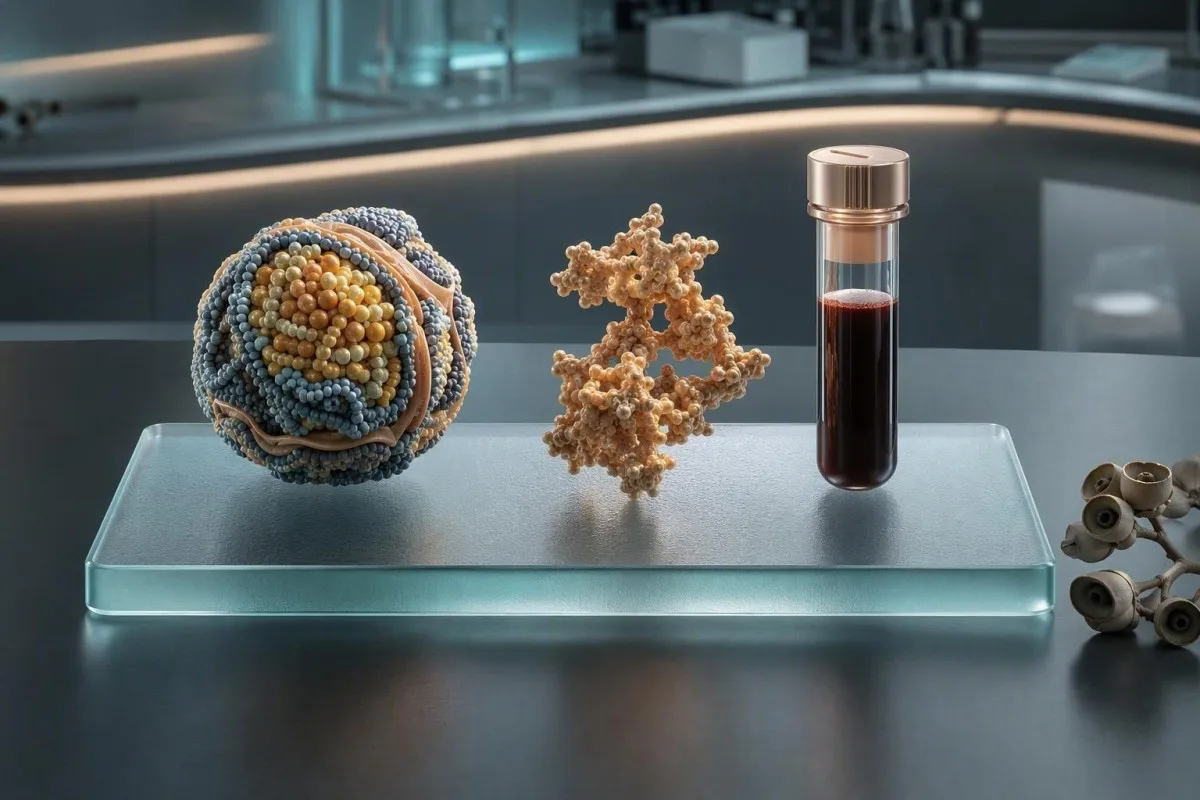
За већину одраслих особа без симптома, годишњи прегледи крви требало би да почну са проценом ризика од кардиоваскуларних болести и дијабетеса – не максималним панелом. Додајте тестове само када узраст, лекови, породична историја, исхрана, планови за трудноћу или претходни резултат дају реалну шансу да одговор промени негу.


- Нема универзалног панела: Здрави одрасли не требају сваки крвни тест сваке године; избор теста треба да прати узраст, факторе ризика, лекове и претходне резултате.
- Липиди: Стандардни панел липида је високе вредности за већину одраслих јер LDL-C, не-HDL-C и триглицериди усмеравају кардиоваскуларну превенцију.
- Скрининг дијабетеса: Одрасли узраста од 35 до 70 година са прекомерном тежином или гојазношћу треба да буду скрирани на пре-дијабетес или тип 2 дијабетес, обично помоћу HbA1c или гликемије наташте.
- Праг HbA1c: HbA1c од 5.7% до 6.4% указује на пре-дијабетес; 6.5% или више захтева потврду осим ако нису присутни класични хипергликемијски симптоми.
- Провера бубрега: Креатинин и eGFR су најкориснији код хипертензије, дијабетеса, кардиоваскуларних болести, нефротоксичних лекова или претходних абнормалних резултата.
- Преглед штитне жлезде: ТСХ тест се активира ризиком, а не подразумевани годишњи тест, осим ако симптоми, планирање трудноће, лечење штитне жлезде или ризик од аутоимуних болести не промене претходну вероватноћу.
- Лажно позитивни резултати: Панел од 20 независних тестова може случајно произвести око један резултат ван опсега чак и код здраве особе.
- Прво поновите: Благе изоловане абнормалности често заслужују планирано понављање под упоредивим условима пре опсежног снимања, упућивања или суплементације.
- Važan je trend: Стабилна лична основна линија може бити уверљивија од једне лабораторијске ознаке, посебно за креатинин, АЛТ, феритин и број белих крвних зрнаца.
Започните са оквиром за доношење одлука, а не са листом за куповину
Годишње анализе крви су најкорисније када сваки тест одговара на одлуку. Код одрасле особе без симптома, почињем са тим да ли би абнормални резултат променио превенцију, лечење, скрининг или праћење у наредних 12 месеци – а не да ли лабораторија случајно нуди тест.
Прво питање које постављам је једноставно: “Шта бисмо урадили другачије ако ово буде абнормално?” Резултат липида може променити саветовање о исхрани, разговор о статинима или циљеве крвног притиска; ненасумични ниво кортизола ретко шта мења и лако га искривљују сан, вежбање и време.
Друго питање је претходна вероватноћа. Особа од 42 године са родитељем који је имао прерану коронарну болест, крвним притиском од 142/88 mmHg и ЛДЛ-Ц од 156 mg/dL, потребно је другачији превентивни план тестирања крви од особе од 25 година без медицинске историје и понављајућих нормалних резултата.
Кантести је АИ анализатор крви што поставља појединачне резултате уз узраст, пол, референтни интервал и претходне вредности, уместо да се лабораторијска ознака третира као дијагноза. По мом клиничком искуству, овај контекст спречава много више непотребног бриге него додавање још десет биомаркера.
Од 31. августа 2026. године, практичан годишњи преглед такође укључује крвни притисак, мерење тежине или струка, статус вакцинације, пушење, алкохол, сан, породичну историју и одговарајући скрининг на рак. Они често предвиђају болести које се могу спречити боље од опсежног здравственог тестирања крви; наш vodič za porodične markere објашњава шта је заиста вредно забележити.
Четири питања која треба поставити на прегледу
Питајте да ли тест може открити стање пре него што настану штете, да ли следи поуздано лечење, да ли је ваш ризик довољно висок да би позитиван резултат био веродостојан и када резултат треба поновити. Ако је четврти одговор “не знамо”, тест је обично преурањен.
Шта спада у основни превентивни панел високе вредности?
Панел липида и скрининг дијабетеса су уобичајени високо вредни тестови крви за одрасле без симптома, док тестови бубрега или јетре више зависе од ризика и лекова. Не постоји емпиријски универзални годишњи “пун панел” за сваку здраву особу.
Стандардни панел липида приказује укупан холестерол, ЛДЛ-Ц, ХДЛ-Ц и триглицериде. Не-ХДЛ холестерол једнак је укупном холестеролу минус ХДЛ-Ц и обухвата холестерол који носе све атерогене честице; посебно је користан када су триглицериди изнад 175 mg/dL.
HbA1c одражава просечну гликемију током отприлике 8 до 12 недеља, иако најскоријих 30 дана непропорционално доприносе. HbA1c испод 5.7% је обично нормалан, 5.7% до 6.4% је предијабетес, а 6.5% или више задовољава праг дијабетеса када се одговарајуће потврди.
Основни метаболички панел може бити разуман када неко има хипертензију, дијабетес, срчану болест, користи диуретике, АЦЕ инхибиторе, АРБ, литијум или редовне антиинфламаторне лекове. Укључује креатинин, електролите, глукозу и бикарбонате; није замена за тестирање холестерола, како је објашњено у нашем водичу за метаболички панел у поређењу са холестеролом.
Не бих обећао да годишње тестирање открива сваку рану болест. Приступ доктора Томаса Клајна је да се изабере мали панел са јасним планом, а затим да се уштеђена пажња посвети крвном притиску, активностима и превентивним скрининзима које лабораторијски панели не могу да замене.
Зашто тестирање холестерола обично даје најбољи повраћај
Липидни панел је најуопштенији користан превентивни тест крви јер високи LDL-C не изазива симптоме, али предвиђа будуће атеросклеротичне кардиоваскуларне болести. Фреквенција тестирања може се кретати од годишње до сваке 4 до 6 година, у зависности од основног ризика и лечења.
LDL-C од 190 mg/dL или више представља тешку хиперхолестеролемију и генерално захтева благовремену клиничку процену ради лечења и породичне хиперхолестеролемије. Триглицериди од 500 mg/dL или више повећавају ризик од панкреатитиса и заслужују хитнију пажњу од благо повишеног укупног холестерола.
Смерница AHA/ACC из 2018. за холестерол препоручује коришћење укупног кардиоваскуларног ризика, а не само LDL-C, за већину одраслих узраста од 40 до 75 година (Grundy et al., 2019). ApoB може прецизирати ризик када триглицериди трајно износе 200 mg/dL или више, присутан је метаболички синдром, или LDL-C изгледа заваравајуће обично.
Једно мерење липопротеина(а), или Lp(a), је разумно бар једном у одраслом добу, посебно код преране породичне срчане болести. Lp(a) је углавном наследан и не захтева годишње понављање код већине људи; погледајте наш водич о коме је потребан скрининг Lp(a).
Један пацијент ми је једном рекао да је његов HDL од 78 mg/dL чинио његов LDL од 182 mg/dL ирелевантним. То није тачно. Повољна вредност HDL-а не поништава ризик повезан са LDL-ом, а [Kantesti] AI чита комплетан липидни образац заједно са крвним притиском, глукозом и породичном историјом.
Када проверити глукозу или HbA1c без симптома
HbA1c или глукоза наташте су прикладан превентивни скрининг за одрасле узраста од 35 до 70 година са прекомерном тежином или гојазношћу, а раније тестирање је разумно уз додатне ризике. Изаберите један поуздан тест гликемије уместо да насумично наручујете инсулин, C-пептид и глукозу.
USPSTF препоручује скрининг за предијабетес и дијабетес тип 2 код одраслих узраста од 35 до 70 година са прекомерном тежином или гојазношћу, а затим упућивање оних са предијабетесом на ефикасне превентивне интервенције (US Preventive Services Task Force, 2021). Историја гестацијског дијабетеса, синдром полицистичних јајника, одређене етничке припадности и сродник првог степена са дијабетесом могу оправдати ранији разговор.
Глукоза у плазми наташте од 100 до 125 mg/dL указује на поремећену глукозу наташте; 126 mg/dL или више задовољава праг за дијабетес ако се потврди. Резултат случајне глукозе након обилног оброка није неуспешан тест наташте – он једноставно одговара на друго питање.
HbA1c може довести у заблуду након недавне трансфузије, значајног губитка крви, хемолизе, узнапредовале болести бубрега или неких варијанти хемоглобина. Ако се HbA1c и глукоза разликују, немојте их ментално просековати; истражите разлог, почевши са нашим водичем о поузданости HbA1c након трансфузије.
Инсулин наташте није стандардни тест скрининга за инсулинску резистенцију. Знатно варира из дана у дан, тестови нису усклађени, а вредност без глукозе, триглицерида, обима струка и клиничког контекста често наводи људе да јуре за бројем, уместо да смање кардиометаболички ризик.
Коме су потребни тестови бубрега, електролита и јетре?
Креатинин, eGFR, електролити, ALT, AST и билирубин су додаци који се покрећу ризиком, а не обавезни годишњи тестови за сваког здраве одрасле особе. Постају високо вредни када болест, лекови, изложеност алкохолу, метаболички ризик или претходне абнормалне вредности чине могућим скривени проблем.
eGFR испод 60 mL/min/1,73 m² који траје најмање 3 месеца сугерише хроничну болест бубрега, али једна нижа вредност након дехидрације, употребе креатина или напорног вежбања је не утврђује. Однос албумина и креатинина у урину је често информативнији од рутинске хемије сам по себи код особа са дијабетесом или хипертензијом.
ALT изнад горње лабораторијске границе је чест код болести масне јетре, изложености алкохолу, вирусних хепатитиса, лекова и суплемената. Изоловани ALT од 52 IU/L у лабораторији са горњом границом од 40 IU/L је обично резултат понављања и контекста, док жутица, конфузија, јаки бол у стомаку или брзо растуће вредности мењају хитну потребу.
Креатинин може порасти 10% до 20% након тешког издржљивог догађаја или са смањеним уносом течности. Пре него што неког означим са оштећењем бубрега, обично то поновим када је добро хидриран и избегава интензивно вежбање 24 до 48 сати; наш водич за креатинин повезан са вежбањем покрива те практичне детаље.
За особе којима су прописани статини, антихипертензиви, метформин или други дуготрајни лекови, интервали праћења треба да прате лек и особу — а не годишњи пакет здравља. водич за основни метаболички панел помаже у разликовању корисне сурвеиланце од претераног тестирања.
Да ли комплетна крвна слика треба да буде годишња?
Комплетна крвна слика, или CBC, је корисна када је анемија, инфекција, болест коштане сржи, ефекти лекова, обилно менструално крварење, дијететски ризик или хронична болест вероватна; то није валидиран општи скрининг за рак. Многи клиничари и даље добијају основну CBC, али њено понављање сваке године код особе са ниским ризиком има скроман принос.
Интервали референце за хемоглобин одраслих варирају по лабораторији, полу, надморској висини и статусу трудноће; уобичајен опсег је око 12,0 до 15,5 g/dL за труднице које нису трудне и 13,5 до 17,5 g/dL за мушкарце. Низак резултат треба тумачити са средњом запремином корпускула, феритином, функцијом бубрега и трендом — а не третирати као дијагнозу сам по себи.
Број белих крвних зрнаца флуктуира након вирусне болести, пушења, кортикостероида, интензивног вежбања, па чак и доба дана. Благо низак број неутрофила од 1,3 × 10⁹/L код здраве особе заслужује планирано понављање и контекст узимајући у обзир порекло, док је грозница са тешком неутропенијом другачија клиничка ситуација.
Висок MCV изнад 100 fL може одражавати недостатак B12, недостатак фолата, употребу алкохола, болест јетре, хипотиреозу или лекове; то није синоним за недостатак B12. За означени резултат, упоредите MCV са хемоглобином и RDW користећи наш vodič za obrazac MCV i MCH.
Кантести је услузи за тумачење лабораторијских тестова заснованој на AI-у који препознаје CBC кластере — на пример, низак хемоглобин плус висок RDW и низак феритин — уместо да генерише аларм из једног граничног црвеног крвног индекса. Ово је једна од оних области где препознавање образаца заиста има значај.
Када има смисла тестирање штитасте жлезде?
ТСХ тестирање је најкорисније са симптомима, терапијом штитасте жлезде, планирањем трудноће, трудноћом, аутоимуним болестима, зрачењем врата или јаком породичном историјом; рутински скрининг становништва остаје неизвестан. Нормалан ТСХ генерално чини примарну дисфункцију штитасте жлезде мало вероватном код одраслих који нису трудни.
Већина лабораторија користи ТСХ референтни интервал близу 0,4 до 4,0 mIU/L, иако опсези варирају и циљеви специфични за трудноћу се разликују. Гранични ТСХ од 4.8 mIU/L са нормалним слободним Т4 код одрасле особе која се добро осећа често подстиче понављање тестирања за 6 до 12 недеља, а не одмах доживотно лечење.
Суплементи биотина могу да interfere са неким тироидним имуноанализама, понекад чинећи да ТСХ изгледа лажно низак, а слободни Т4 лажно висок. Многе лабораторије саветују прекид биотина високих доза — често 5.000 до 10.000 микрограма дневно — најмање 48 сати пре тестирања, али тачан интервал зависи од анализе и дозе.
Наручивање реверзног Т3, панела антитела штитасте жлезде, слободног Т3 и кортизола за сваку уморну особу ствара импресивну фактуру и слабу дијагностичку јасноћу. Почните са пажљивим анамнезом и ТСХ, а затим додајте слободни Т4 или антитела само када почетни резултат или профил ризика указују на то; наш распоред понављања тироидне функције даје разумне интервале.
Видео сам пацијенте уплашене благим порастом ТСХ током опоравка од грипа. Правило др Томаса Клајна је да се избегава дијагностиковање хроничних ендокриних болести током привремене болести осим ако биохемијски образац није значајан или симптоми захтевају хитну процену.
Гвожђе, B12 и витамин D: Тестирајте с разлогом
Феритин, витамин Б12, фолати и 25-хидроксивитамин Д су вредни када исхрана, губитак крви, мал апсорпција, лекови, трудноћа, ризик од костију или симптоми стварају вероватан недостатак. Они нису универзално потребни у годишњем тестирању крви за опште здравље без симптома.
Феритин испод 15 ng/mL је високо специфичан за исцрпљене резерве гвожђа у многим ситуацијама, док феритин испод 30 ng/mL често подржава недостатак гвожђа када нема упале. Феритин расте са упалом, болестима јетре и конзумирањем алкохола, тако да “нормалан” феритин од 80 ng/mL не искључује увек недостатак код особе са повишеним CRP.
Серумски B12 испод око 200 pg/mL, или 148 pmol/L, подржава недостатак у многим лабораторијама, али вредности од 200 до 350 pg/mL могу бити неодређене. Метилмалонска киселина је специфичнија када клиничко питање остаје отворено, посебно код људи који узимају метформин или дуготрајне инхибиторе протонске пумпе.
Докази за скрининг здравих одраслих особа на недостатак витамина Д су искрено помешани. USPSTF је пронашао недовољно доказа да би препоручио рутински скрининг асимптоматских, одраслих особа које живе у заједници; тестирање има више смисла код остеопорозе, понављајућих прелома, малапсорпције, хроничне бубрежне болести или лекова који утичу на метаболизам костију.
Кантести је Алат за анализу крвних тестова уз помоћ AI користи више од 2 милиона људи у 127+ земљама за тумачење феритина и B12 заједно са CBC индексима и историјом исхране. Ако је феритин низак, почните са Водич за проучавање гвожђа пре него што сами себи пропишете велике дозе гвожђа.
Додатне провере покренуте факторима ризика које могу променити негу
Најбољи додатни тест је онај који је везан за специфичан ризик: урин АЦР за дијабетес или хипертензију, скрининг хепатитиса Ц једном за већину одраслих, Lp(a) једном, или циљано праћење репродуктивног здравља и лекова. Широки панели су слабији од кратког, документованог разлога за сваки налог.
Однос албумина и креатинина у урину од 30 mg/g или више је умерено повећана албуминурија и треба га потврдити јер температура, вежбање, уринарна инфекција и менструација могу привремено да је повише. Код дијабетеса и хипертензије, може открити ризик по бубреге и крвне судове пре него што креатинин порасте.
Одrasli rođeni između 1945. i 1965. godine nekada su bili glavna kohorta za skrining hepatitisa C, ali trenutni smernice javnog zdravlja podržavaju jednokratni skrining odraslih u mnogim zemljama, sa ponovnim testiranjem zasnovanim na riziku. Ovo je primer preventivnog testa odabranog epidemiologijom, a ne nejasnom željom za “detoksikacijom jetre”.”
Особе са рођацима првог степена који су имали инфаркт миокарда или мождани удар пре 55. године код мушкараца или 65. године код жена требало би да разговарају о Lp(a), липидима, крвном притиску и скринингу дијабетеса раније. Наш фокусирани водич за породично тестирање повезано са можданим ударом излаже кориснији план него панели тумор маркера.
Планирање трудноће мења једначину: крвна група, имунитет на рубеолу где је релевантно, CBC, феритин, преглед штитне жлезде код одабраних особа и скрининг заразних болести могу бити одговарајући. Тестирање мора одговарати локалним смерницама јавног здравља и личној историји, због чега генерализовани годишњи пакет ретко када довољно.
Тестови ниске вредности које треба прескочити када се осећате добро
Избегавајте тумор маркере, широке аутоимуне панеле, D-димер, кортизол, панеле полних хормона, IgG тестове на храну и инфламаторне маркере као нециљани годишњи скрининг. Ови тестови могу бити вредни за дефинисано клиничко питање, али су лоши алати за „пецање“ код људи без симптома.
CA-125, CEA, CA 19-9, PSA и други тумор маркери нису међусобно заменљиви скрининзи за рак. PSA се може размотрити након информисаног заједничког доношења одлука код одабраних мушкараца, али неселектовани панел маркера може довести до снимања, биопсија и месеци анксиозности без смањења морталитета од рака.
D-димер је дизајниран да помогне у искључивању венске тромбоемболије код људи са одговарајућом клиничком вероватноћом, а не да пронађе тихе крвне угрушке. Повећава се са старошћу, трудноћом, недавном операцијом, инфекцијом, раком и упалом; његово оптерећење лажним позитивима код здравих одраслих особа је значајно.
ANA и реуматоидни фактор могу бити позитивни код људи који никада не развију аутоимуну болест. Позитивна ANA у ниској титри без симптома као што су инфламаторно отечени зглобови, фотосензитивни осип, налаз на бубрезима или карактеристике Реноовог типа је обично клинички разговор, а не аутоимуна дијагноза.
Неки пацијенти наручују широке хормонске панеле након слабе недеље сна. Кортизол и тестостерон варирају у зависности од доба дана, болести, вежбања и анализе; ако постоји стварна забринутост, користите тачно време и питање, као што је наш vodiču za jutarnje testiranje hormona објашњава.
Како лажни позитивни резултати претварају панел за добробит у каскаду
Лажно позитивне каскаде се јављају јер су референтне вредности обично изграђене да укључе 95% здравих људи, остављајући отприлике 5% изван интервала по дизајну. Са 20 неуспешних тестова, шанса за најмање један означен резултат је близу 64% ако су резултати независни.
Лабораторијске референтне вредности нису прагови за лечење. Калијум од 5,3 mmol/L може бити артефакт прикупљања услед хемолизе или касније обраде, док 6,5 mmol/L са ЕКГ променама може бити опасно; број постаје значајан само уз квалитет узорка, симптоме, функцију бубрега и лекове.
52-годишњи маратонац са AST од 89 IU/L након трке може имати ослобађање скелетно-мишићних ензима, а не примарно оштећење јетре. Провера ALT, CK, билирубина, уноса алкохола, лекова и понављање теста у мировању је паметнија него директно приступање снимању јетре; наш Водич за контекст AST показује зашто.
Биолошка варијација је стварна. Триглицериди се могу знатно променити након алкохола, оброка богатог угљеним хидратима, акутне болести и лошег сна, а TSH се може мењати за око 30% код појединца током времена без новог поремећаја штитасте жлезде.
Kantesti AI користи анализу трендова за разликовање стабилне граничне вредности од значајног померања, али ниједан алгоритам не може заменити хитну клиничку процену тешких симптома или критичних резултата. Резултат треба да покрене каскаду само када следећи корак има разумну шансу да помогне.
Како се припремити за превентивне крвне тестове
Припрема треба да одговара тесту: већина панела за липиде више не захтевају пост, али пост може разјаснити знатно високе триглицериде или питања у вези са глукозом. Конзистентност је важнија од савршенства када градите тренд.
За стандардни панел липида, узорак који није узет на празан стомак је често прихватљив; триглицериди изнад 400 mg/dL могу захтевати понављање теста на празан стомак јер израчунати LDL-C постаје мање поуздан. Вода је обично у реду, док алкохол претходног дана може привремено повећати триглицериде и ензиме јетре.
Избегавајте необично напорне вежбе 24 до 48 сати пре провере CK, креатинина, AST или тестова у вези са јетром, осим ако ваш лекар не жели да измери ефекат вежбања. Дехидрација може концентрисати хемоглобин, албумин, калцијум и креатинин довољно да створи погрешан образац.
Понесите списак лекова и суплемената, укључујући биотин, гвожђе, B12 ињекције, креатин, хормонску терапију и биљне производе. Биотин може утицати на имуноанализе, а гвожђе узето непосредно пре тестирања може повећати серумско гвожђе без обнављања залиха гвожђа; погледајте наш vodič za gladovanje i suplemente.
Ако имате менструацију, забележите дан циклуса и да ли је крварење необично јако приликом интерпретације феритина или хемоглобина. Циљ није да се резултат манипулише у нормалност; циљ је да се дају услови теста који поштено одговоре на питање.
Зашто трендови надмашују једнократне резултате
Поновљени резултат под упоредивим условима често пружа више клиничке вредности од проширеног панела. Трендови су посебно корисни за HbA1c, LDL-C, eGFR, ALT, феритин, хемоглобин и триглицериде јер сваки има предвидиве краткорочне варијације.
Повећање креатинина са 0,78 на 0,92 mg/dL може остати у границама, али ипак бити важно ако је трајно и упарено са новом албуминуријом или променама крвног притиска. Насупрот томе, један креатинин од 1,08 mg/dL након дехидрације може се потпуно опоравити; правац и услови су важни.
HbA1c углавном треба поново проверити након око 3 месеца приликом процене промена животног стила или лечења, јер краћи интервали углавном поново мере исти период излагања црвених крвних зрнаца. LDL-C може реаговати у року од 4 до 12 недеља након значајне промене исхране или лечења.
Кантести је платформа за тумачење биомаркера помоћу AI који упоређује отпремљене лабораторијске извештаје током времена и означава промене које премашују уобичајен шум. Наш водич за лонгитудинално тестирање објашњава зашто лична основна линија може бити кориснија од широке популационе границе.
За значајно поређење, користите исту лабораторију где је то практично, забележите статус поста, недавну болест, унос алкохола, интензиван тренинг, време менструације и нове лекове. Та мала напомена поред резултата често објашњава више него други скупа додатна анализа.
Како старост, породична историја и животна фаза мењају план
Интензитет тестирања треба да расте са ризиком, а не само са рођенданима. Старост утиче на ризик од кардиоваскуларних болести и дијабетеса, али породична историја, трудноћа, менопауза, исхрана, лекови и претходни резултати често прецизније одређују које крвне тестове тражити.
Одрасли са кардиоваскуларним ризиком треба да имају преглед липида и гликемијског статуса у интервалима заснованим на апсолутном ризику, претходним вредностима и лечењу. 28-годишњак са LDL-C од 198 mg/dL захтева пажњу одмах, док 58-годишњак са LDL-C од 105 mg/dL може захтевати дискусију о ризику јер старост и крвни притисак мењају израчунавање.
Менопауза може повећати LDL-C и феритин након престанка менструације, док обилно менструално крварење пре менопаузе обично смањује резерве гвожђа. Поновљено тестирање естрадиола или ФСХ ретко је потребно за дијагнозу типичне менопаузе код одраслих старијих од 45 година, јер нивои широко флуктуирају.
Дијета заснована на биљкама, баријатријска хирургија, целијакија, метформин и дуготрајна супресија киселине мењају праг за тестирање Б12, гвожђа, фолата или витамина Д. Прави тест прати изложеност; наш vodič za ponovnu proveru nutrijenata u biljnoj ishrani нуди практичан пример.
Породична историја рака обично мења сликовно снимање, тестирање столице, генетско или специјалистичко скрининг прикладно за узраст, пре него што промени рутинске крвне анализе. Не дозволите да вас нормалан тумор маркер одврати од етаблираних метода скрининга.
Безбедан годишњи план крвних анализа који можете понети свом лекару
Безбедан план наводи основни тест, разлог, праг деловања и интервал понављања пре прикупљања узорка. За многе одрасле особе без симптома, то значи липиде плус HbA1c или глукозу, са циљаним додацима уместо неограниченог теста крви за опште здравље.
Запишите своје лекове, планове трудноће, породичну историју, крвни притисак, начин исхране, унос алкохола и последње лабораторијске вредности. Затим питајте: који један или два теста могу променити негу ове године? Ово чини преглед продуктивнијим него долазак са пакетом од 60 маркера и без клиничког питања.
Потражите хитну медицинску помоћ уместо да чекате годишњи преглед ако развијете бол у грудима, отежано дисање, несвестицу, црну столицу, жутицу, нову конфузију, значајан непланирани губитак тежине, упорну грозницу или јаку жеђ са повраћањем. Превентивно тестирање није намењено тријажи акутних симптома.
Kantesti AI може организовати лабораторијски ПДФ или фотографију за око 60 секунди, сачувати приватни лонгитудинални запис и припремити питања за лекара; његове методе и клиничке заштитне мере описане су у нашем прегледа медицинске валидације. Он подржава тумачење, али не дијагностикује болест нити замењује процену уживо.
Већина пацијената сматра приступ уравнотеженим умирујућим: тестирати довољно да се открију тихи, излечиви ризици, али не толико да случајне абнормалности постану нови здравствени проблем. Ако је резултат неочекиван, поновите пажљиво, прегледајте цео образац и укључите лекара пре него што промените лекове или суплементе.
Често постављана питања
Koje krvne pretrage treba da tražim na godišnjem sistematskom pregledu ako nemam simptome?
Za većinu odraslih osoba bez simptoma, prvo pitajte o lipidnom panelu i skriningu na dijabetes sa HbA1c ili glukozom u plazmi na tašte, a zatim dodajte testove na osnovu krvnog pritiska, telesne težine, lekova, porodične istorije, ishrane i prethodnih abnormalnosti. HbA1c od 5,71% do 6,41% ukazuje na predijabetes, dok nivo LDL-C od 190 mg/dL ili viši zahteva blagovremeni klinički pregled. Hemija bubrega, testovi jetre, CBC, преглед штитне жлезде, studije gvožđa, B12 i vitamin D su korisni kada specifičan rizik čini verovatnim promenu nege. Kliničar treba da prilagodi interval jer ne postoji univerzalni godišnji mega-panel zasnovan na dokazima.
Da li zdravi odrasli ljudi treba svake godine da rade kompletnu krvnu sliku (CBC) i sveobuhvatni metabolički panel?
Здрави одрасли људи не морају обавезно сваке године да раде CBC и комплетну метаболичку анализу. CBC је кориснији код ризика од анемије, обилних менструација, ограничења у исхрани, хроничних болести, праћења терапије лековима или претходно абнормалних вредности, док су тестови бубрега и електролита посебно релевантни код хипертензије, дијабетеса, болести бубрега и лекова попут диуретика или ACE инхибитора. eGFR испод 60 mL/min/1.73 m² мора бити присутан најмање 3 месеца пре постављања дијагнозе хроничне болести бубрега. Стабилна особа са ниским ризиком може разумно чешће да се тестира након разговора са лекаром.
Да ли се исплати комплетан здравствени крвни тест?
Kompletno testiranje krvi za opšte zdravlje često nije opravdano kada uključuje nenamenske tumorske markere, autoimunsko antitela, kortizol, opsežna hormonska testiranja, D-dimer i vitaminske panele bez kliničke indikacije. Budući da laboratorijske referentne vrednosti obično obuhvataju 95% zdravih ljudi, približno 5% zdravih rezultata slučajno pada van opsega. Sa 20 nezavisnih testova, verovatnoća da bar jedan rezultat bude označen je oko 64%. Fokusirana panelna analiza povezana sa planom praćenja daje manje lažno pozitivnih kaskada i obično je klinički korisnija.
Да ли да проверавам ниво тироидне жлезде сваке године?
Годишњи преглед штитне жлезде је прикладан за особе које узимају терапију за штитну жлезду и може бити прикладан током трудноће, планирања трудноће, аутоимуних болести, јаке породичне историје или претходних абнормалности штитне жлезде. За одраслу особу ниског ризика без симптома, рутински ТСХ скрининг има неизвесну корист. Уобичајени ТСХ референтни интервал је приближно 0,4 до 4,0 mIU/L, а благо изоловано повишење уз нормалан слободни Т4 често захтева поновно тестирање за 6 до 12 недеља. Високе дозе суплемената биотина могу ометати неке тестове, тако да пре тестирања пријавите дозе попут 5.000 до 10.000 микрограма дневно.
Koliko često treba proveravati holesterol i HbA1c?
[N] Holesterol i HbA1c intervali zavise od osnovnog rizika i da li je terapija u toku. Odrasli sa povišenim kardiovaskularnim rizikom, dijabetesom, predijabetesom ili terapijom snižavanja lipida mogu zahtevati testiranje godišnje ili u roku od 4 do 12 nedelja nakon promene terapije, dok odrasli sa niskim rizikom i normalnim rezultatima mogu se testirati svake 4 do 6 godine. HbA1c odražava otprilike 8 do 12 nedelja glikemije, tako da njegovo ponavljanje ranije od 3 meseca obično malo doprinosi kada se procenjuje promena načina života. LDL-C od 190 mg/dL ili više opravdava kliničku procenu bez čekanja rutinskog intervala.
Шта треба да урадим ако је један резултат годишњег тестирања крви благо абнормалан?
Blago abnormalni godišnji test krvi obično treba interpretirati uzimajući u obzir simptome, lijekove, uslove uzorkovanja, druge biomarkere i prethodne rezultate prije nego što se započne sa daljnjim testiranjem. Na primer, ALT od 52 IU/L sa gornjom granicom laboratorije od 40 IU/L često opravdava planirano ponavljanje i pregled alkohola, suplemenata, vežbanja, težine i lekova, umesto trenutnog snimanja. Nivo kalijuma blizu 5,3 mmol/L može biti pod uticajem rukovanja uzorkom, dok uporne ili znatno više vrednosti zahtevaju bržu akciju. Nemojte započinjati lečenje gvožđem, štitnom žlezdom, hormonima ili vitaminima samo na osnovu jednog graničnog rezultata bez kliničkog saveta.
Укључите AI анализу крвне слике данас
Придружите се више од 2 милиона корисника широм света који верују Kantesti-у за тренутну и прецизну анализу лабораторијских тестова. Отпремите своје резултате крвне слике и добијте свеобухватно тумачење 15,000+ биомаркера за неколико секунди.
📚 Референциране научне публикације
Klajn, T., Mičel, S., i Veber, H. (2026). Тест крви за вирус Нипах: Водич за рано откривање и дијагнозу 2026. Kantesti AI Medical Research.
Klajn, T., Mičel, S., i Veber, H. (2026). Врста крви Б негативна, водич за LDH тест крви и број ретикулоцита. Kantesti AI Medical Research.
📖 Спољне медицинске референце
⚕️ Медицинска одрицање одговорности
Овај чланак је само у образовне сврхе и не представља медицински савет. За одлуке о дијагнози и лечењу увек се консултујте са квалификованим здравственим радником.
Е-Е-А-Т сигнали поверења
Искуство
Клиничка ревизија процеса тумачења лабораторијских налаза коју води лекар.
Експертиза
Фокус на лабораторијску медицину: како се биомаркери понашају у клиничком контексту.
Ауторитативност
Написао др Томас Клајн, уз рецензију др Саре Мичел и проф. др Ханса Вебера.
Поузданост
Тумачење засновано на доказима, са јасним путевима праћења како би се смањила узнемиреност.