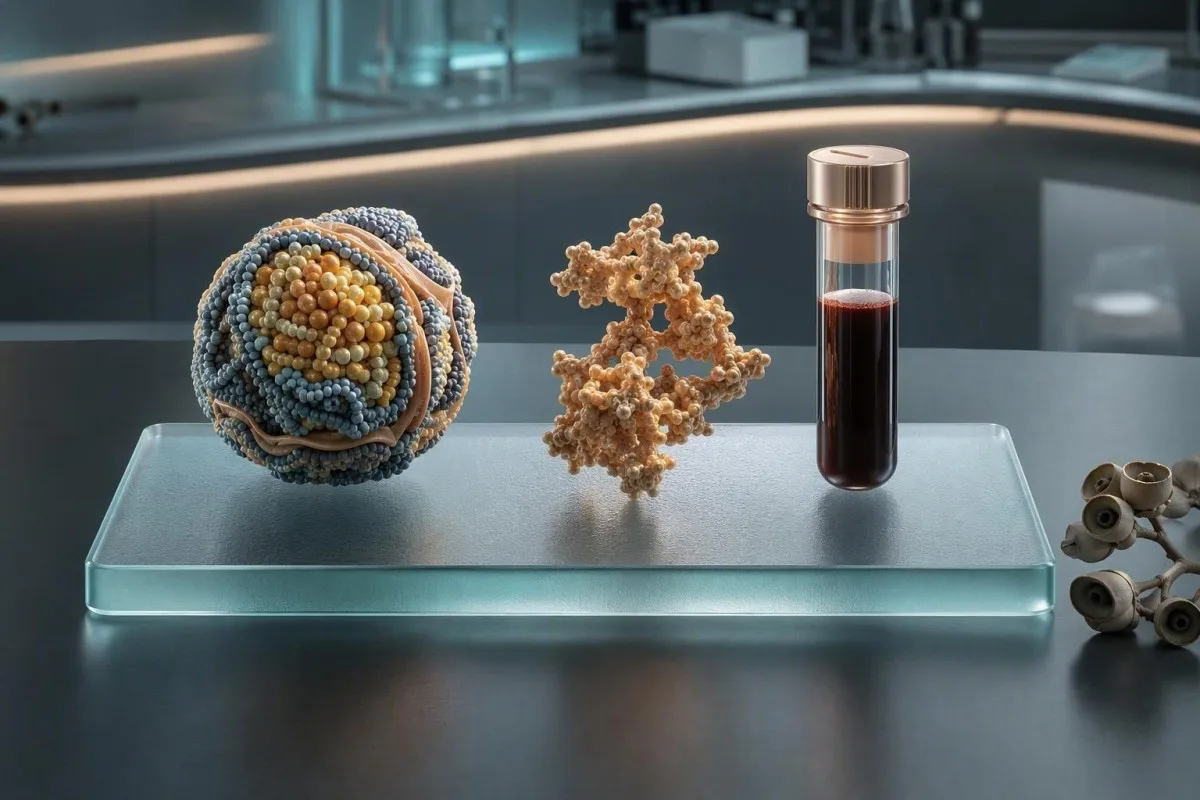
बहुतेक लक्षणे नसलेल्या प्रौढांसाठी, वार्षिक रक्त तपासणी हृदय व रक्तवाहिन्यासंबंधी रोग आणि मधुमेहाच्या जोखमीपासून सुरू व्हायला हवी, सर्वांगीण तपासणी करू नये. वय, औषधे, कौटुंबिक इतिहास, आहार, गर्भधारणेची योजना किंवा पूर्वीचा निकाल मिळाल्यास काळजी घेण्याची शक्यता असल्यास चाचण्या जोडाव्यात.


- सार्वत्रिक पॅनेल नाही: निरोगी प्रौढांना दरवर्षी प्रत्येक रक्त चाचणीची आवश्यकता नसते; चाचणीची निवड वय, जोखीम घटक, औषधे आणि मागील निकालांनुसार असावी.
- लिपिड्स: बहुतेक प्रौढांसाठी मानक लिपिड पॅनेल उच्च-मूल्याचे आहे कारण LDL-C, non-HDL-C आणि ट्रायग्लिसराइड्स हृदय व रक्तवाहिन्यासंबंधी प्रतिबंधासाठी मार्गदर्शक ठरतात.
- मधुमेह तपासणी: 35 ते 70 वयोगटातील जास्त वजन किंवा लठ्ठपणा असलेल्या प्रौढांची प्री-डायबिटीज किंवा टाइप 2 मधुमेहासाठी तपासणी केली पाहिजे, सामान्यतः HbA1c किंवा उपवास ग्लुकोजसह.
- HbA1c ची पातळी: HbA1c 5.7% ते 6.4% प्री-डायबिटीज दर्शवते; 6.5% किंवा त्याहून अधिक असल्यास पुष्टीकरणाची आवश्यकता असते, जोपर्यंत क्लासिक हायपरग्लायसेमिक लक्षणे उपस्थित नाहीत.
- मूत्रपिंड तपासणी: उच्च रक्तदाब, मधुमेह, हृदय व रक्तवाहिन्यासंबंधी रोग, नेफ्रोटॉक्सिक औषधे किंवा पूर्वीचे असामान्य परिणाम यांसाठी क्रिएटिनिन आणि eGFR सर्वात उपयुक्त आहेत.
- थायरॉइड चाचणी: TSH चाचणी ही जोखीम-आधारित असते, ती डिफॉल्ट वार्षिक चाचणी नाही, जोपर्यंत लक्षणे, गर्भधारणेचे नियोजन, थायरॉइड उपचार किंवा स्वयंप्रतिकार रोगाचा धोका प्री-टेस्ट प्रोबॅबिलिटी बदलत नाही.
- चुकीचे पॉझिटिव्ह निष्कर्ष: 20 स्वतंत्र चाचण्यांचा संच निरोगी व्यक्तीमध्ये योगायोगाने सुमारे एक आउट-ऑफ-रेंज निकाल देऊ शकतो.
- प्रथम पुनरावृत्ती करा: सौम्य स्वतंत्र विकृतींसाठी, विस्तृत इमेजिंग, रेफरल्स किंवा सप्लिमेंट्सपूर्वी तुलनात्मक परिस्थितीत नियोजित पुनरावृत्ती योग्य ठरते.
- ट्रेंड महत्त्वाचा आहे: विशेषतः क्रिएटिनिन, ALT, फेरिटिन आणि पांढऱ्या रक्त पेशींच्या संख्येसाठी, एक स्थिर वैयक्तिक बेसलाइन एकल प्रयोगशाळेच्या चिन्हापेक्षा अधिक आश्वासक असू शकते.
निर्णयाच्या चौकटीने सुरुवात करा, खरेदीच्या यादीने नाही
जेव्हा प्रत्येक चाचणी निर्णयाला उत्तर देते तेव्हा वार्षिक रक्त तपासणी सर्वात उपयुक्त ठरते. लक्षणमुक्त प्रौढ व्यक्तीमध्ये, मी प्रथम हे तपासतो की असामान्य परिणामामुळे पुढील 12 महिन्यांत प्रतिबंध, औषधोपचार, तपासणी किंवा पाठपुरावा बदलेल का—प्रयोगशाळेने योगायोगाने चाचणी देऊ केली आहे की नाही हे महत्त्वाचे नाही.
मी विचारलेला पहिला प्रश्न सोपा आहे: “जर हे असामान्य असेल तर आपण काय वेगळे करू?” लिपिडचा परिणाम आहार समुपदेशन, स्टॅटिन चर्चा किंवा रक्तदाब लक्ष्यांमध्ये बदलू शकतो; निवड न केलेला कॉर्टिसॉल स्तर क्वचितच काही बदलतो आणि झोप, व्यायाम आणि वेळेनुसार सहजपणे विकृत होतो.
दुसरा प्रश्न म्हणजे प्री-टेस्ट प्रोबॅबिलिटी. अकाली कोरोनरी रोग असलेल्या पालकांसह 42 वर्षांचा व्यक्ती, 142/88 mmHg रक्तदाब आणि 156 mg/dL LDL-C असलेला व्यक्ती, 25 वर्षांच्या व्यक्तीपेक्षा वेगळ्या प्रतिबंधात्मक रक्त चाचणी योजनेची आवश्यकता भासेल ज्याचा कोणताही वैद्यकीय इतिहास नाही आणि वारंवार सामान्य परिणाम आहेत.
कांटेस्टी हा एक एआय रक्त चाचणी विश्लेषक हे प्रयोगशाळेच्या चिन्हावर निदान म्हणून उपचार करण्याऐवजी, वय, लिंग, संदर्भ अंतराल आणि मागील मूल्यांच्या शेजारी वैयक्तिक परिणामांना स्थान देते. माझ्या क्लिनिकल अनुभवात, हे संदर्भ दहा अतिरिक्त बायोमार्कर जोडण्यापेक्षा अनावश्यक चिंता टाळते.
31 ऑगस्ट 2026 पर्यंत, व्यावहारिक वार्षिक पुनरावलोकनामध्ये रक्तदाब, वजन किंवा कंबर मोजमाप, लसीकरण स्थिती, धूम्रपान, मद्यपान, झोप, कौटुंबिक इतिहास आणि योग्य कर्करोग तपासणी यांचा समावेश होतो. हे अनेकदा विस्तृत वेलनेस रक्त तपासणीपेक्षा प्रतिबंध करण्यायोग्य आजारांचा अंदाज लावतात; आमचे कौटुंबिक इतिहास मार्गदर्शक चिन्ह जे खरोखर रेकॉर्ड करण्यायोग्य आहे ते स्पष्ट करते.
भेटीसाठी चार प्रश्न
चाचणीमुळे नुकसान होण्यापूर्वी स्थिती ओळखता येते का, त्यानंतर विश्वासार्ह उपचार आहे का, सकारात्मक परिणाम विश्वसनीय होण्यासाठी तुमचा धोका पुरेसा आहे का, आणि निकाल कधी पुन्हा घ्यावा हे विचारा. जर चौथे उत्तर “आम्हाला माहित नाही” असेल, तर चाचणी सामान्यतः अकाली असते.
उच्च-मूल्याच्या मुख्य प्रतिबंधात्मक पॅनेलमध्ये काय समाविष्ट आहे?
लिपिड पॅनेल आणि मधुमेह तपासणी ही लक्षणमुक्त प्रौढांसाठी सामान्यतः उच्च-मूल्याच्या रक्त चाचण्या आहेत, तर मूत्रपिंड किंवा यकृत चाचण्या जोखीम आणि औषधांवर अधिक अवलंबून असतात. प्रत्येक निरोगी व्यक्तीसाठी वैज्ञानिकदृष्ट्या सिद्ध झालेले सार्वत्रिक वार्षिक “पूर्ण पॅनेल” अस्तित्वात नाही.
एक मानक लिपिड पॅनेल एकूण कोलेस्ट्रॉल, LDL-C, HDL-C आणि ट्रायग्लिसराइड्सची नोंद करते. नॉन-HDL कोलेस्ट्रॉल म्हणजे एकूण कोलेस्ट्रॉल वजा HDL-C आणि सर्व ॲथेरोजेनिक कणांमध्ये वाहून नेले जाणारे कोलेस्ट्रॉल दर्शवते; जेव्हा ट्रायग्लिसराइड्स 175 mg/dL पेक्षा जास्त असतात तेव्हा ते विशेषतः उपयुक्त ठरते.
HbA1c अंदाजे 8 ते 12 आठवड्यांच्या सरासरी ग्लायसेमियाचे प्रतिबिंब दर्शवते, जरी सर्वात अलीकडील 30 दिवसांचे योगदान असमान असते. HbA1c 5.7% पेक्षा कमी सामान्यतः सामान्य असते, 5.7% ते 6.4% प्री-डायबिटीज असते आणि 6.5% किंवा त्याहून अधिक असल्यास, योग्यरित्या पुष्टी केल्यावर, मधुमेहाची मर्यादा पूर्ण होते.
जेव्हा एखाद्या व्यक्तीला उच्च रक्तदाब, मधुमेह, हृदयविकार असतो, किंवा ती व्यक्ती डाययुरेटिक्स, ACE इनहिबिटर, ARBs, लिथियम किंवा नियमित दाहक-विरोधी औषधे वापरत असेल, तेव्हा बेसिक मेटाबॉलिक पॅनेल करणे फायदेशीर ठरू शकते. यात क्रिएटिनिन, इलेक्ट्रोलाइट्स, ग्लुकोज आणि बायकार्बोनेट यांचा समावेश होतो; हे कोलेस्ट्रॉल तपासणीची जागा घेत नाही, जसे आमच्या मेटाबॉलिक पॅनेल वि. कोलेस्ट्रॉल मार्गदर्शक.
वार्षिक चाचणी प्रत्येक सुरुवातीच्या आजाराचे निदान करेल असे मी वचन देऊ शकत नाही. डॉ. थॉमस क्लेन यांचा दृष्टिकोन म्हणजे स्पष्ट पुढील योजना असलेले लहान पॅनेल निवडणे, नंतर वाचवलेले लक्ष रक्तदाब, क्रियाकलाप आणि प्रतिबंधात्मक तपासणीवर केंद्रित करणे जे प्रयोगशाळा पॅनेल बदलू शकत नाहीत.
कोलेस्ट्रॉल चाचणीचा परतावा सहसा सर्वोत्तम का असतो
लिपिड पॅनेल हे सर्वात उपयुक्त प्रतिबंधात्मक रक्त चाचणी आहे कारण उच्च LDL-C मुळे कोणतीही लक्षणे दिसत नाहीत, तरीही भविष्यातील ॲथेरोस्क्लेरोटिक हृदय व रक्तवाहिन्यासंबंधी रोगाचा अंदाज बांधतो. चाचणीची वारंवारता बेसलाइन जोखीम आणि उपचारांवर अवलंबून दरवर्षी ते दर 4 ते 6 वर्षांपर्यंत बदलू शकते.
190 mg/dL किंवा त्याहून अधिक LDL-C हे गंभीर हायपरकोलेस्ट्रोलेमिया आहे आणि सामान्यतः उपचारांसाठी आणि कौटुंबिक हायपरकोलेस्ट्रोलेमियासाठी वेळेवर क्लिनिकल मूल्यांकनाची आवश्यकता असते. 500 mg/dL किंवा त्याहून अधिक ट्रायग्लिसराइड्स स्वादुपिंडाचा दाह (pancreatitis) वाढवतात आणि सामान्यत: किंचित वाढलेल्या एकूण कोलेस्ट्रॉलपेक्षा अधिक तातडीने लक्ष देण्याची आवश्यकता असते.
2018 AHA/ACC कोलेस्ट्रॉल मार्गदर्शक तत्त्वे 40 ते 75 वयोगटातील बहुतेक प्रौढांसाठी LDL-C ऐवजी एकूण हृदय व रक्तवाहिन्यासंबंधी जोखीम वापरण्याची शिफारस करतात (Grundy et al., 2019). ट्रायग्लिसराइड्स सतत 200 mg/dL किंवा त्याहून अधिक असल्यास, मेटाबॉलिक सिंड्रोम उपस्थित असल्यास, किंवा LDL-C फसव्या सामान्य वाटत असल्यास ApoB जोखीम सुधारू शकते.
लिपोप्रोटीन(a), किंवा Lp(a) चे एक मापन, प्रौढ वयात किमान एकदा करणे योग्य आहे, विशेषतः कुटुंबात अकाली हृदय रोग असल्यास. Lp(a) मोठ्या प्रमाणात अनुवांशिक आहे आणि बहुतेक लोकांमध्ये वार्षिक पुनरावृत्तीची आवश्यकता नाही; आमच्या मार्गदर्शकाचा संदर्भ घ्या कोणाला Lp(a) स्क्रीनिंगची आवश्यकता आहे.
एका रुग्णाने मला एकदा सांगितले की त्याचा 78 mg/dL HDL त्याच्या 182 mg/dL LDL ला अप्रासंगिक बनवतो. ते खरे नाही. अनुकूल HDL मूल्य LDL-संबंधित जोखीम रद्द करत नाही, आणि Kantesti AI रक्तदाब, ग्लुकोज आणि कौटुंबिक इतिहासासह संपूर्ण लिपिड पॅटर्न वाचते.
लक्षणे नसताना ग्लुकोज किंवा HbA1c कधी तपासावे
जास्त वजन किंवा लठ्ठपणा असलेल्या 35 ते 70 वयोगटातील प्रौढांसाठी HbA1c किंवा उपवास ग्लुकोज योग्य प्रतिबंधात्मक तपासणी आहे, आणि अतिरिक्त जोखमींसह लवकर तपासणी करणे योग्य आहे. इन्सुलिन, सी-पेप्टाइड आणि ग्लुकोजचा अंधाधुंदपणे आदेश देण्याऐवजी एक विश्वसनीय ग्लायसेमिक चाचणी निवडा.
USPSTF जास्त वजन किंवा लठ्ठपणा असलेल्या 35 ते 70 वयोगटातील प्रौढांमध्ये प्री-डायबेटीस आणि टाइप 2 मधुमेहासाठी स्क्रीनिंगची शिफारस करते, त्यानंतर प्री-डायबेटीस असलेल्यांना प्रभावी प्रतिबंधात्मक हस्तक्षेपांसाठी पाठवते (US Preventive Services Task Force, 2021). गर्भधारणेदरम्यान मधुमेह (Gestational diabetes) चा इतिहास, पॉलीसिस्टिक ओव्हरी सिंड्रोम, विशिष्ट वांशिक पार्श्वभूमी आणि मधुमेहाचा पहिला-डिग्री नातेवाईक लवकर चर्चेचे समर्थन करू शकतात.
100 ते 125 mg/dL चा उपवास प्लाझ्मा ग्लुकोज (Fasting plasma glucose) इम्पेअर्ड फास्टिंग ग्लुकोज दर्शवतो; पुष्टी झाल्यास 126 mg/dL किंवा त्याहून अधिक मधुमेहाची सीमा पूर्ण करते. मोठ्या जेवणानंतरचा यादृच्छिक ग्लुकोज निकाल अयशस्वी उपवास चाचणी नाही—तो फक्त एक वेगळा प्रश्न सोडवतो.
अलीकडील रक्त संक्रमण, महत्त्वपूर्ण रक्तस्राव, हेमोलिसिस, प्रगत मूत्रपिंडाचा आजार किंवा काही हिमोग्लोबिन व्हेरिएंटनंतर HbA1c दिशाभूल करू शकते. जर HbA1c आणि ग्लुकोज भिन्न असतील, तर त्यांची सरासरी काढू नका; याचे कारण शोधा, आमच्या रक्त संक्रमणानंतर HbA1c ची विश्वासार्हता मार्गदर्शकापासून सुरू करा.
उपवास इन्सुलिन (Fasting insulin) हे इन्सुलिन प्रतिकारासाठी प्रमाणित स्क्रीनिंग चाचणी नाही. ते दिवसेंदिवस लक्षणीयरीत्या बदलते, असे (assays) सुसंगत नाहीत, आणि ग्लुकोज, ट्रायग्लिसराइड्स, कंबरेचा आकार आणि क्लिनिकल संदर्भाशिवायचे मूल्य अनेकदा लोकांना संख्येचा पाठलाग करायला लावते, त्याऐवजी कार्डिओमेटाबॉलिक जोखीम कमी करण्याऐवजी.
कोणाला मूत्रपिंड, इलेक्ट्रोलाइट आणि यकृत चाचण्यांची आवश्यकता आहे?
क्रिएटिनिन, eGFR, इलेक्ट्रोलाइट्स, ALT, AST आणि बिलीरुबिन हे जोखमीवर आधारित अतिरिक्त चाचण्या आहेत, प्रत्येक निरोगी प्रौढांसाठी अनिवार्य वार्षिक चाचण्या नाहीत. आजार, औषधे, अल्कोहोलचा संपर्क, मेटाबॉलिक जोखीम किंवा पूर्वीचे असामान्य मूल्ये असल्यास, जेव्हा एखादी सुप्त समस्या संभाव्य वाटते तेव्हा त्या उच्च-मूल्याचे ठरतात.
60 mL/min/1.73 m² पेक्षा कमी असलेला eGFR, जो किमान 3 महिने टिकून राहतो, तो क्रोनिक किडनी डिसीज दर्शवतो, परंतु डिहायड्रेशन, क्रिएटिन सप्लीमेंटचा वापर किंवा तीव्र व्यायामानंतर आलेले एकच कमी मूल्य ते सिद्ध करत नाही. मधुमेह किंवा उच्च रक्तदाब असलेल्या लोकांसाठी नियमित रसायन चाचण्यांपेक्षा लघवीतील अल्ब्युमिन-क्रिएटिनिन गुणोत्तर (urine albumin-creatinine ratio) अनेकदा अधिक माहितीपूर्ण असते.
प्रयोगशाळेतील उच्च मर्यादेपेक्षा जास्त ALT फॅटी लिव्हर डिसीज, अल्कोहोलचे सेवन, व्हायरल हेपेटायटिस, औषधे आणि सप्लिमेंट्समध्ये सामान्य आहे. 40 IU/L ची उच्च मर्यादा असलेल्या प्रयोगशाळेत 52 IU/L चा स्वतंत्र ALT सहसा पुन्हा तपासून आणि संदर्भानुसार मिळणारे निष्कर्ष असतात, तर कावीळ, गोंधळ, तीव्र ओटीपोटात दुखणे किंवा वेगाने वाढणारी मूल्ये तातडीची परिस्थिती बदलतात.
तीव्र एंड्युरन्स इव्हेंटनंतर किंवा कमी द्रवसेवनामुळे क्रिएटिनिन 10% ते 20% पर्यंत वाढू शकते. एखाद्या व्यक्तीमध्ये मूत्रपिंडाचे कार्य बिघडले आहे असे लेबल करण्यापूर्वी, मी सामान्यतः ती व्यक्ती हायड्रेटेड असताना आणि 24 ते 48 तास तीव्र व्यायाम टाळल्यानंतर पुन्हा तपासणी करते; आमचे व्यायामाशी संबंधित क्रिएटिनिन मार्गदर्शक त्या व्यावहारिक तपशीलवार माहितीचे आवरण करते.
स्टॅटिन, अँटीहायपरटेन्सिव्ह, मेटफॉर्मिन किंवा इतर दीर्घकाळ चालणारी औषधे लिहून दिलेल्या लोकांसाठी, तपासणीचे अंतर वार्षिक वेलनेस पॅकेजनुसार नव्हे, तर औषध आणि व्यक्तीनुसार असावे. बेसिक मेटाबॉलिक पॅनेल मार्गदर्शक अनावश्यक तपासणीपेक्षा उपयुक्त देखरेख वेगळे ओळखण्यास मदत करते.
संपूर्ण रक्त गणना (complete blood count) वार्षिक असावी का?
संपूर्ण रक्त गणना, किंवा CBC, ॲनिमिया, संसर्ग, अस्थिमज्जा रोग, औषधांचे परिणाम, मासिक पाळीत जास्त रक्तस्त्राव, आहाराचा धोका किंवा दीर्घकालीन आजार संभव असल्यास उपयुक्त आहे; हे कर्करोगाचे प्रमाणित सामान्य स्क्रीनिंग नाही. अनेक चिकित्सक अजूनही मूलभूत CBC करतात, परंतु कमी जोखीम असलेल्या व्यक्तीमध्ये दरवर्षी त्याची पुनरावृत्ती केल्याने फारसा फायदा होत नाही.
प्रौढ हिमोग्लोबिन संदर्भ श्रेणी प्रयोगशाळा, लिंग, उंची आणि गर्भधारणेच्या स्थितीनुसार बदलतात; गर्भधारणा नसलेल्या महिलांसाठी सुमारे 12.0 ते 15.5 g/dL आणि पुरुषांसाठी 13.5 ते 17.5 g/dL ही सामान्य श्रेणी आहे. कमी आलेल्या मूल्याचा अर्थ मीन कॉर्पस्क्युलर व्हॉल्यूम (mean corpuscular volume), फेरिटिन, मूत्रपिंडाचे कार्य आणि ट्रेंड (trend) सोबत लावला पाहिजे - स्वतःहून निदान म्हणून नव्हे.
व्हायरल आजार, धूम्रपान, कॉर्टिकोस्टिरॉईड्स, तीव्र व्यायाम आणि दिवसाच्या वेळेनुसारही पांढऱ्या रक्तपेशींची संख्या बदलते. निरोगी व्यक्तीमध्ये 1.3 × 10⁹/L न्यूट्रोफिलची (neutrophil) किंचित कमी संख्या नियोजित पुनरावृत्ती आणि वंश-जाणिवेच्या संदर्भास पात्र ठरते, तर तीव्र न्यूट्रोपेनिया (neutropenia) असलेल्या तापात ही एक वेगळी क्लिनिकल परिस्थिती आहे.
100 fL पेक्षा जास्त MCV चे उच्च प्रमाण B12 ची कमतरता, फोलेटची कमतरता, मद्य सेवन, यकृत रोग, हायपोथायरॉईडीझम किंवा औषधे दर्शवू शकते; हे B12 च्या कमतरतेचे समानार्थी नाही. चिन्हांकित (flagged) परिणामासाठी, आमच्या MCV आणि MCH नमुना मार्गदर्शक (pattern guide).
कांटेस्टी हा एक AI प्रयोगशाळा चाचणी अर्थसेवा (AI lab test interpretation service) सोबत MCV, हिमोग्लोबिन आणि RDW ची तुलना करा, जी एका सीमारेषेवरील लाल रक्तपेशींच्या निर्देशकावरून धोक्याची सूचना देण्याऐवजी CBC क्लस्टर ओळखते - उदाहरणार्थ, कमी हिमोग्लोबिन आणि उच्च RDW व कमी फेरिटिन. हे अशा क्षेत्रांपैकी एक आहे जेथे पॅटर्न ओळखणे खरोखर महत्त्वाचे आहे.
थायरॉइड चाचणी (thyroid test) कधी उपयुक्त ठरते?
TSH चाचणी लक्षणे, थायरॉईड औषधे, गर्भधारणेचे नियोजन, गर्भधारणा, स्वयंप्रतिकार रोग (autoimmune disease), मानेला रेडिएशन किंवा कौटुंबिक इतिहास जोरदार असल्यास सर्वात उपयुक्त ठरते; सामान्य लोकसंख्येतील नियमित तपासणी अजूनही अनिश्चित आहे. सामान्य TSH सहसा प्रौढ, गर्भधारणा नसलेल्या व्यक्तींमध्ये प्राथमिक थायरॉईड बिघाड असण्याची शक्यता कमी करते.
बहुतेक प्रयोगशाळा 0.4 ते 4.0 mIU/L च्या जवळ TSH संदर्भ श्रेणी वापरतात, जरी श्रेणी बदलतात आणि गर्भधारणेनुसार विशिष्ट लक्ष्ये भिन्न असतात. निरोगी प्रौढ व्यक्तीमध्ये सामान्य फ्री T4 सह 4.8 mIU/L चा सीमारेषेवरील TSH अनेकदा त्वरित आयुष्यभर उपचारांऐवजी 6 ते 12 आठवड्यांत पुनरावृत्ती तपासणीस प्रवृत्त करतो.
बायोटिन सप्लिमेंट्स काही थायरॉईड इम्युनोअॅसेजमध्ये (immunoassays) हस्तक्षेप करू शकतात, ज्यामुळे कधीकधी TSH खोट्या अर्थाने कमी आणि फ्री T4 खोट्या अर्थाने उच्च दिसू शकतो. अनेक प्रयोगशाळा चाचणीपूर्वी किमान 48 तास उच्च-डोस बायोटिन - अनेकदा दररोज 5,000 ते 10,000 मायक्रोग्राम - थांबवण्याचा सल्ला देतात, परंतु अचूक मध्यांतर चाचणी पद्धत (assay) आणि डोसवर अवलंबून असते.
प्रत्येक थकलेल्या व्यक्तीसाठी रिव्हर्स T3, थायरॉईड अँटीबॉडी पॅनेल, फ्री T3 आणि कोर्टिसोलची (cortisol) ऑर्डर देणे हे एक प्रभावी बिल आणि खराब निदान स्पष्टता निर्माण करते. काळजीपूर्वक इतिहास आणि TSH ने प्रारंभ करा, त्यानंतर प्रारंभिक निकाल किंवा जोखीम प्रोफाइल सूचित करत असेल तरच फ्री T4 किंवा अँटीबॉडीज जोडा; आमचे थायरॉईड पुन्हा तपासणी वेळापत्रक योग्य मध्यांतरे देते.
मी फ्लू बरे होत असताना घेतलेल्या एका किंचित उच्च TSH मुळे घाबरलेल्या रुग्णांना पाहिले आहे. डॉ. थॉमस क्लेन यांचा नियम आहे की तात्पुरत्या आजारादरम्यान क्रोनिक एंडोक्राइन (endocrine) आजाराचे निदान करणे टाळावे, जोपर्यंत बायोकेमिकल पॅटर्न महत्त्वपूर्ण नसेल किंवा लक्षणांमुळे तातडीच्या मूल्यांकनाची आवश्यकता नसेल.
लोह, B12 आणि व्हिटॅमिन डी: कारणास्तव चाचणी करा
फेरिटिन, व्हिटॅमिन बी12, फोलेट आणि 25-हायड्रॉक्सीव्हिटॅमिन डी (25-hydroxyvitamin D) आहार, रक्त कमी होणे, कुशोषण (malabsorption), औषधे, गर्भधारणा, हाडांचे धोके किंवा लक्षणे संभाव्य कमतरता निर्माण करत असल्यास योग्य ठरतात. लक्षणे नसलेल्या वार्षिक आरोग्य तपासणीमध्ये ते सार्वत्रिकरित्या आवश्यक नाहीत.
15 ng/mL पेक्षा कमी असलेले फेरिटिन अनेक ठिकाणी कमी झालेल्या लोहाचे प्रमाण दर्शवते, तर 30 ng/mL पेक्षा कमी असलेले फेरिटिन, जगात सूज नसताना लोहाची कमतरता दर्शवते. सूज, यकृत रोग आणि मद्यपानामुळे फेरिटिन वाढते, त्यामुळे CRP वाढलेल्या व्यक्तीमध्ये 80 ng/mL चे “सामान्य” फेरिटिन नेहमीच कमतरता दर्शवत नाही.
प्रयोगशाळांमध्ये सुमारे 200 pg/mL किंवा 148 pmol/L पेक्षा कमी असलेले सीरम B12 हे कमतरता दर्शवते, परंतु 200 ते 350 pg/mL यातील मूल्ये अनिश्चित असू शकतात. जर मेटफॉर्मिन किंवा दीर्घकाळ प्रोटॉन-पंप इनहिबिटर घेणाऱ्या व्यक्तींमध्ये क्लिनिकल प्रश्न अनुत्तरित राहिल्यास, मिथाइलमॅलोनिक ऍसिड अधिक विशिष्ट असते.
व्हिटॅमिन डी ची कमतरता असलेल्या निरोगी प्रौढांमध्ये तपासणी करण्याच्या पुराव्यांमध्ये मतभेद आहेत. USPSTF ने लक्षणे नसलेल्या, समाजात राहणाऱ्या प्रौढांच्या नियमित तपासणीची शिफारस करण्यासाठी अपुरा पुरावा आढळला; ऑस्टिओपोरोसिस, वारंवार होणारी फ्रॅक्चर, मॅलाब्सॉर्प्शन, जुनाट मूत्रपिंड रोग किंवा हाडांच्या चयापचयावर परिणाम करणारी औषधे असल्यास चाचणी अधिक योग्य ठरते.
कांटेस्टी हा एक AI-चालित रक्त चाचणी विश्लेषण साधन 127+ देशांमधील 2 दशलक्षाहून अधिक लोकांनी CBC इंडायसेस आणि आहाराच्या इतिहासासोबत फेरिटिन आणि B12 चे विश्लेषण करण्यासाठी वापरले आहे. जर फेरिटिन कमी असेल, तर लोह अभ्यास मार्गदर्शक जास्त डोसचे लोह स्वतः घेण्यापूर्वी.
काळजी बदलू शकणारे, जोखीम-आधारित अतिरिक्त चाचण्या
मधुमेह किंवा उच्च रक्तदाबासाठी मूत्र ACR, हेपेटायटीस C साठी एकदा, Lp(a) साठी एकदा, किंवा विशिष्ट प्रजनन आणि औषधोपचार निरीक्षण यासारखे विशिष्ट धोके असलेल्या चाचण्या सर्वोत्तम आहेत. विस्तृत पॅनेलऐवजी प्रत्येक ऑर्डरसाठी एक संक्षिप्त, दस्तऐवजीकरण केलेले कारण असणे अधिक प्रभावी ठरते.
30 mg/g किंवा त्याहून अधिक युरिन अल्ब्युमिन-क्रिएटिनिन रेशो (ACR) मध्यम प्रमाणात अल्ब्युमिनुरिया दर्शवते आणि त्याची पुष्टी केली पाहिजे कारण ताप, व्यायाम, मूत्रमार्गातील संसर्ग आणि मासिक पाळीमुळे ते तात्पुरते वाढू शकते. मधुमेह आणि उच्च रक्तदाबासाठी, ते क्रिएटिनिन वाढण्यापूर्वी मूत्रपिंड आणि रक्तवाहिन्यासंबंधी धोका दर्शवू शकते.
1945 ते 1965 दरम्यान जन्मलेले प्रौढ हे पूर्वी हेपेटायटीस C तपासणीचे मुख्य गट होते, परंतु सध्याच्या सार्वजनिक आरोग्य मार्गदर्शनानुसार अनेक देशांमध्ये एकदाच प्रौढांची तपासणी केली जाते, त्यानंतर धोक्यावर आधारित पुन्हा तपासणी केली जाते. हा एक प्रतिबंधात्मक चाचणीचा प्रकार आहे जो रोगराईच्या अभ्यासावर आधारित निवडला जातो, “लिव्हर डिटॉक्स” या अस्पष्ट इच्छेवर नाही.”
ज्यांच्या प्रथम-श्रेणीच्या नातेवाईकांना पुरुषांमध्ये 55 वर्षांपूर्वी किंवा स्त्रियांमध्ये 65 वर्षांपूर्वी हृदयविकाराचा झटका किंवा स्ट्रोक आला असेल, त्यांनी Lp(a), लिपिड, रक्तदाब आणि मधुमेह तपासणी लवकर करण्याबाबत चर्चा करावी. आमचे केंद्रित मार्गदर्शन स्ट्रोक-संबंधित कौटुंबिक तपासणी ट्यूमर-मार्कर पॅनेलपेक्षा अधिक उपयुक्त योजना मांडते.
गर्भधारणेचे नियोजन समीकरणाला बदलते: रक्त गट, रुबेला प्रतिकारशक्ती (जेथे लागू असेल), सीबीसी (CBC), फेरिटिन, निवडक लोकांमध्ये थायरॉइड चाचणी (thyroid test) आणि संसर्गजन्य रोगांची तपासणी योग्य असू शकते. चाचण्या स्थानिक सार्वजनिक आरोग्य मार्गदर्शनाशी आणि वैयक्तिक इतिहासाशी जुळल्या पाहिजेत, म्हणूनच एक सामान्य वार्षिक पॅकेज क्वचितच पुरेसे असते.
बरे वाटत असताना टाळण्यासारख्या कमी-मूल्याच्या चाचण्या
ट्यूमर मार्कर, व्यापक ऑटोइम्यून पॅनेल, डी-डायमर, कॉर्टिसॉल, सेक्स-हार्मोन पॅनेल, फूड आयजीजी (IgG) चाचण्या आणि सूज निर्माण करणारे मार्कर यांचा वापर लक्षणे नसलेल्या वार्षिक तपासणीमध्ये टाळावा. या चाचण्या विशिष्ट क्लिनिकल प्रश्नांसाठी उपयुक्त ठरू शकतात, परंतु लक्षणे नसलेल्या लोकांमध्ये त्या केवळ शोध घेणारी साधने आहेत.
CA-125, CE, CA 19-9, PSA, आणि इतर ट्यूमर मार्कर हे परस्पर बदलता येण्याजोगे कर्करोग तपासणी नाहीत. PSA चा विचार निवडक पुरुषांमध्ये माहितीपूर्ण सामायिक निर्णय घेतल्यानंतर केला जाऊ शकतो, परंतु चिन्हांकित न केलेले पॅनेल स्कॅन, बायोप्सी आणि महिन्यांची चिंता वाढवू शकते, ज्यामुळे कर्करोगामुळे होणारे मृत्यू कमी होत नाहीत.
D-dimer हे योग्य क्लिनिकल संभाव्यता असलेल्या लोकांमध्ये व्हेनस थ्रोम्बोएम्बोलिझम (venous thromboembolism) वगळण्यास मदत करण्यासाठी डिझाइन केलेले आहे, शांत गुठळ्या शोधण्यासाठी नाही. ते वय, गर्भधारणा, अलीकडील शस्त्रक्रिया, संसर्ग, कर्करोग आणि सूज यांसारख्या गोष्टींमध्ये वाढते; निरोगी प्रौढांमध्ये त्याचे चुकीचे सकारात्मक प्रमाण लक्षणीय आहे.
ANA आणि संधिवात घटक (rheumatoid factor) अशा लोकांमध्ये सकारात्मक असू शकतात ज्यांना कधीही ऑटोइम्यून रोग विकसित होत नाही. लक्षणे नसताना, कमी टायटरवर सकारात्मक ANA, जसे की दाहक सांधे सूज, प्रकाश-संवेदनशील पुरळ, मूत्रपिंडातील निष्कर्ष किंवा रेनॉड-प्रकारची वैशिष्ट्ये, हे सहसा क्लिनिकल संभाषण असते, ऑटोइम्यून निदान नसते.
काही रुग्ण झोपेच्या खराब आठवड्यानंतर व्यापक हार्मोन पॅनेलची मागणी करतात. कॉर्टिसॉल आणि टेस्टोस्टेरॉन दिवसाची वेळ, आजारपण, व्यायाम आणि चाचणी पद्धतीनुसार बदलतात; खरी चिंता असल्यास, योग्य वेळ आणि प्रश्न वापरा, जसे की आमचे सकाळच्या हार्मोन परीक्षण मार्गदर्शक स्पष्ट करते.
फॉल्स पॉझिटिव्ह्स वेलनेस पॅनेलला कॅस्केडमध्ये कसे बदलतात
चुकीचे सकारात्मक परिणाम म्हणून घडतात कारण संदर्भ श्रेणी सामान्यतः निरोगी लोकांपैकी 95% समाविष्ट करण्यासाठी तयार केल्या जातात, ज्यामुळे डिझाइननुसार अंदाजे 5% लोक अंतराबाहेर राहतात. 20 असंबंधित चाचण्यांसह, किमान एक चिन्हांकित परिणाम मिळण्याची शक्यता 64% च्या जवळ आहे, जर परिणाम स्वतंत्र असतील.
प्रयोगशाळा संदर्भ मध्यांतर उपचारांचे थ्रेशोल्ड नाहीत. 5.3 mmol/L पोटॅशियम हिमोलिसिस किंवा उशिरा प्रक्रिया करण्यामुळे आलेला कलाकृती असू शकतो, तर 105 mmol/L ECG बदलांसह धोकादायक असू शकतो; नमुन्याची गुणवत्ता, लक्षणे, मूत्रपिंडाचे कार्य आणि औषधे यांच्या संयोजनातच आकडेवारी अर्थपूर्ण ठरते.
89 IU/L AST असलेला 52 वर्षीय मॅरेथॉन धावपटू शर्यतीनंतर प्राथमिक यकृत इजा होण्याऐवजी कंकाल-स्नायू एन्झाईम बाहेर पडणे दर्शवू शकतो. यकृत इमेजिंगकडे थेट जाण्याऐवजी ALT, CK, बिलीरुबिन, मद्य सेवन, औषधे आणि विश्रांतीनंतर पुन्हा तपासणे अधिक हुशारीचे आहे; आमचे AST संदर्भ मार्गदर्शक का ते दाखवते.
जैविक फरक खरा आहे. मद्यपान, उच्च-कार्बोहायड्रेटयुक्त जेवण, तीव्र आजार आणि अपुरी झोप यानंतर ट्रायग्लिसराइड्समध्ये लक्षणीय बदल होऊ शकतो, आणि थायरॉईडच्या नवीन आजाराशिवाय TSH व्यक्तीमध्ये कालांतराने सुमारे 30% पर्यंत बदलू शकते.
Kantesti AI स्थिर सीमारेषेतील मूल्य आणि अर्थपूर्ण बदल यातील फरक ओळखण्यासाठी ट्रेंड विश्लेषणाचा वापर करते, परंतु कोणतीही अल्गोरिदम तीव्र लक्षणे किंवा गंभीर निकालांसाठी तातडीच्या क्लिनिकल मूल्यांकनाची जागा घेऊ शकत नाही. पुढील चरणात मदत होण्याची वाजवी शक्यता असेल तेव्हाच निकालामुळे एक साखळी सुरू झाली पाहिजे.
प्रतिबंधात्मक रक्त चाचण्यांसाठी तयारी कशी करावी
तयारी चाचणीशी जुळली पाहिजे: बहुतेक लिपिड पॅनेलसाठी आता उपवासाची आवश्यकता नाही, परंतु उपवास लक्षणीय उच्च ट्रायग्लिसराइड्स किंवा ग्लुकोजच्या प्रश्नांचे स्पष्टीकरण देऊ शकतो. ट्रेंड तयार करताना सातत्य हे परिपूर्णतेपेक्षा अधिक महत्त्वाचे आहे.
सामान्य लिपिड पॅनेलसाठी, नॉन-फास्टिंग नमुना अनेकदा स्वीकार्य असतो; 400 mg/dL पेक्षा जास्त ट्रायग्लिसराइड्ससाठी उपवास करून पुन्हा तपासणीची आवश्यकता असू शकते कारण मोजलेले LDL-C कमी विश्वासार्ह बनते. पाणी सामान्यतः ठीक असते, तर आदल्या दिवशी मद्यपान केल्याने ट्रायग्लिसराइड्स आणि यकृत एन्झाईम्स तात्पुरते वाढू शकतात.
CK, क्रिएटिनिन, AST, किंवा यकृत-संबंधित चाचण्या तपासण्यापूर्वी 24 ते 48 तास असामान्यपणे तीव्र व्यायाम टाळा, जोपर्यंत तुमच्या डॉक्टरांना व्यायामाचा परिणाम मोजायचा नसेल. निर्जलीकरण हिमोग्लोबिन, अल्ब्युमिन, कॅल्शियम आणि क्रिएटिनिनला इतके केंद्रित करू शकते की दिशाभूल करणारे स्वरूप तयार होईल.
औषधे आणि पूरक आहारांची यादी आणा, ज्यामध्ये बायोटिन, लोह, B12 इंजेक्शन, क्रिएटिन, हार्मोन थेरपी आणि हर्बल उत्पादने यांचा समावेश आहे. बायोटिन इम्युनोअॅसेसवर परिणाम करू शकते आणि चाचणीपूर्वी घेतलेले लोह शरीरातील लोहाचा साठा पुन्हा भरल्याशिवाय सीरम लोहाचे प्रमाण वाढवू शकते; आमचे पहा उपाशीपोटी आणि सप्लिमेंट मार्गदर्शक (fasting and supplement guide).
जर तुम्हाला मासिक पाळी येत असेल, तर फेरिटिन किंवा हिमोग्लोबिनचे विश्लेषण करताना सायकलचा दिवस आणि रक्तस्त्राव असामान्यपणे जास्त आहे का ते नोंदवा. निकाल सामान्यतेत आणणे हा उद्देश नाही; प्रश्नाचे प्रामाणिकपणे उत्तर देण्यासाठी चाचणीची परिस्थिती देणे हा उद्देश आहे.
एकाच निष्कर्षांपेक्षा ट्रेंड (Trends) महत्त्वाचे का आहेत
तुलनात्मक परिस्थितीत पुन्हा घेतलेला निकाल अनेकदा विस्तारित पॅनेलपेक्षा अधिक क्लिनिकल मूल्य प्रदान करतो. HbA1c, LDL-C, eGFR, ALT, फेरिटिन, हिमोग्लोबिन आणि ट्रायग्लिसराइड्ससाठी ट्रेंड विशेषतः उपयुक्त आहेत कारण प्रत्येकमध्ये अल्प-मुदतीचे अंदाजे बदल होतात.
0.78 ते 0.92 mg/dL पर्यंत क्रिएटिनिनमध्ये वाढ श्रेणीमध्ये राहू शकते, परंतु जर ती सतत राहिली आणि नवीन अल्बुमिनुरिया किंवा रक्तदाब बदलांशी जोडली गेली तर ती महत्त्वाची ठरू शकते. याउलट, निर्जलीकरणानंतर 1.08 mg/dL चे एकल क्रिएटिनिन पूर्णपणे निराकरण होऊ शकते; दिशा आणि परिस्थिती महत्त्वाची आहे.
जीवनशैली किंवा औषधोपचार बदलांचे मूल्यांकन करताना HbA1c साधारणपणे सुमारे 3 महिन्यांनी पुन्हा तपासले पाहिजे, कारण कमी अंतराने मुख्यत्वे त्याच लाल रक्तपेशींच्या संपर्काचा कालावधी पुन्हा मोजला जातो. प्रमुख आहारातील किंवा औषधोपचारातील बदलांनंतर 4 ते 12 आठवड्यांत LDL-C प्रतिसाद देऊ शकते.
कांटेस्टी हा एक AI बायोमार्कर इंटरप्रिटेशन प्लॅटफॉर्म जे कालांतराने अपलोड केलेल्या प्रयोगशाळेच्या अहवालांची तुलना करते आणि सामान्य गोंधळापेक्षा जास्त बदल दर्शवते. आमचे दीर्घकालीन (longitudinal) चाचणी मार्गदर्शक वैयक्तिक बेसलाइन व्यापक लोकसंख्येच्या श्रेणीपेक्षा अधिक उपयुक्त का आहे हे स्पष्ट करते.
अर्थपूर्ण तुलनेसाठी, शक्य असल्यास, त्याच प्रयोगशाळेचा वापर करा, उपवास स्थिती, अलीकडील आजार, मद्य सेवन, तीव्र प्रशिक्षण, मासिक वेळेनुसार आणि नवीन औषधे नोंदवा. निकालाच्या शेजारी असलेली ती लहान टीप अनेकदा महागड्या अतिरिक्त जोडण्यापेक्षा अधिक स्पष्ट करते.
वय, कौटुंबिक इतिहास आणि आयुष्याचा टप्पा योजना कशी बदलतात
चाचणीची तीव्रता जोखीमेनुसार वाढली पाहिजे, केवळ वाढदिवसानुसार नाही. वय हृदय व रक्तवाहिन्यासंबंधी आणि मधुमेहाच्या जोखमीवर परिणाम करते, परंतु कौटुंबिक इतिहास, गर्भधारणा, रजोनिवृत्ती, आहार, औषधे आणि पूर्वीचे निकाल अनेकदा रक्त चाचण्या अधिक अचूकपणे विचारण्यासाठी निर्धारित करतात.
हृदय व रक्तवाहिन्यासंबंधी धोका असलेल्या प्रौढांनी निरपेक्ष धोका, पूर्वीचे मूल्ये आणि उपचार यावर आधारित अंतराने लिपिड आणि ग्लायसेमिक स्थितीचे पुनरावलोकन केले पाहिजे. 198 mg/dL LDL-C असलेल्या 28 वर्षीय व्यक्तीला आता लक्ष देण्याची गरज आहे, तर 105 mg/dL LDL-C असलेल्या 58 वर्षीय व्यक्तीला जोखीम चर्चेची आवश्यकता असू शकते कारण वय आणि रक्तदाब गणनेमध्ये बदल करतात.
रजोनिवृत्तीमुळे एलडीएल-सी (LDL-C) वाढू शकते आणि मासिक पाळी थांबल्यानंतर फेरिटिन (ferritin) वाढू शकते, तर रजोनिवृत्तीपूर्वी जास्त मासिक रक्तस्राव झाल्यास सामान्यतः लोहाचे साठे कमी होतात. प्रौढांमध्ये 45 वर्षांवरील सामान्य रजोनिवृत्तीचे निदान करण्यासाठी इस्ट्रॅडिओल (estradiol) किंवा एफएसएच (FSH) ची चाचणी वारंवार करणे क्वचितच आवश्यक असते, कारण पातळीत खूप चढ-उतार होतो.
वनस्पती-आधारित आहार, बॅरिएट्रिक शस्त्रक्रिया, सेलिआक रोग, मेटफॉर्मिन (metformin) आणि दीर्घकालीन ऍसिड सप्रेशन (acid suppression) B12, लोह, फोलेट (folate) किंवा व्हिटॅमिन डी (vitamin D) चाचणीची मर्यादा बदलतात. योग्य चाचणी एक्सपोजरनंतर (exposure) केली जाते; आमचे वनस्पती-आधारित पोषकद्रव्य पुनर्तपासणी मार्गदर्शक एक व्यावहारिक उदाहरण देते.
कर्करोगाचा कौटुंबिक इतिहास सामान्यतः नियमित रक्त तपासणीत बदल करण्यापूर्वी वयानुसार इमेजिंग (imaging), मल, अनुवांशिक किंवा विशेषज्ञ स्क्रीनिंग (screening) बदलतो. सामान्य ट्यूमर मार्कर (tumour marker) तुम्हाला स्थापित स्क्रीनिंग पद्धतींपासून परावृत्त करू देऊ नका.
तुमच्या डॉक्टरांसाठी एक सुरक्षित वार्षिक रक्त तपासणी योजना
नमुना गोळा करण्यापूर्वी एक सुरक्षित योजना मुख्य चाचणी, कारण, कृतीची मर्यादा आणि पुनरावृत्ती मध्यांतर (repeat interval) निश्चित करते. अनेक लक्षणे नसलेल्या प्रौढांसाठी, याचा अर्थ लिपिड्स (lipids) अधिक HbA1c किंवा ग्लुकोज (glucose), व्यापक वेलनेस रक्त चाचणीऐवजी (wellness blood test) लक्ष्यित भर.
तुमची औषधे, गर्भधारणेच्या योजना, कौटुंबिक इतिहास, रक्तदाब, आहाराचा प्रकार, मद्य सेवन आणि शेवटची प्रयोगशाळा मूल्ये लिहा. त्यानंतर विचारा: या वर्षी कोणती एक किंवा दोन चाचण्या काळजी बदलू शकतात? हे 60-मार्कर (marker) पॅकेज आणि क्लिनिकल प्रश्नाशिवाय (clinical question) येण्यापेक्षा अपॉइंटमेंट अधिक उत्पादनक्षम बनवते.
छातीत दुखणे, धाप लागणे, बेशुद्ध होणे, काळे मल, कावीळ, नवीन गोंधळ, लक्षणीय अनपेक्षित वजन कमी होणे, सतत ताप येणे किंवा उलट्यांसह तीव्र तहान लागणे यांसारखी लक्षणे दिसल्यास वार्षिक पुनरावलोकनाची वाट पाहण्याऐवजी त्वरित वैद्यकीय सेवा घ्या. प्रतिबंधात्मक चाचणी तीव्र लक्षणांचे वर्गीकरण करण्यासाठी डिझाइन केलेली नाही.
Kantesti AI सुमारे 60 सेकंदात प्रयोगशाळा PDF किंवा फोटो आयोजित करू शकते, खाजगी अनुदैर्ध्य रेकॉर्ड (longitudinal record) जतन करू शकते आणि क्लिनिशियनसाठी (clinician) प्रश्न तयार करू शकते; त्याच्या पद्धती आणि क्लिनिकल सुरक्षा उपाय आमच्या वैद्यकीय पडताळणीचा आढावा. मध्ये वर्णन केल्या आहेत. हे अर्थ लावण्यासाठी समर्थन देते, परंतु ते रोगाचे निदान करत नाही किंवा समोरासमोरच्या मूल्यांकनाची जागा घेत नाही.
बहुतेक रुग्ण संतुलित दृष्टिकोन आश्वासक वाटतात: गुप्त, उपचार करण्यायोग्य धोका पकडण्यासाठी पुरेसे चाचणी करा, परंतु एवढीही नाही की संधीची असामान्यता नवीन आरोग्य समस्या बनेल. जर निकाल अनपेक्षित असेल, तर विचारपूर्वक पुनरावृत्ती करा, संपूर्ण नमुन्याचे पुनरावलोकन करा आणि औषधे किंवा पूरक आहार बदलण्यापूर्वी क्लिनिशियनचा समावेश करा.
सतत विचारले जाणारे प्रश्न
वार्षिक तपासणीमध्ये कोणती रक्त तपासणी (blood tests) करवून घ्यावी, जर मला कोणतीही लक्षणे दिसत नसतील?
बहुतेक लक्षणे नसलेल्या प्रौढांसाठी, प्रथम लिपिड पॅनेल आणि HbA1c किंवा उपवास ग्लुकोजसह मधुमेह तपासणीबद्दल विचारा, नंतर रक्तदाब, शरीराचे वजन, औषधे, कौटुंबिक इतिहास, आहार आणि मागील असामान्यतांवर आधारित चाचण्या जोडा. 5.7% ते 6.4% पर्यंतचा HbA1c प्री-डायबेटिस दर्शवतो, तर 190 mg/dL किंवा त्याहून अधिक LDL-C पातळीला वेळेवर क्लिनिकल पुनरावलोकनाची आवश्यकता असते. किडनी केमिस्ट्री, लिव्हर चाचण्या, CBC, थायरॉईड चाचणी, लोह अभ्यास, B12 आणि व्हिटॅमिन डी उपयुक्त आहेत जेव्हा विशिष्ट धोका असतो तेव्हा ते काळजी बदलण्याची शक्यता असते. क्लिनिशियनने अंतर तयार केले पाहिजे कारण कोणतेही पुरावा-आधारित युनिव्हर्सल वार्षिक मेगा-पॅनेल नाही.
निरोगी प्रौढांना दरवर्षी CBC आणि व्यापक मेटाबॉलिक पॅनेलची आवश्यकता आहे का?
निरोगी प्रौढांना दरवर्षी आपोआप CBC आणि संपूर्ण मेटाबॉलिक पॅनेलची आवश्यकता नसते. ॲनिमियाचा धोका, जास्त रक्तस्त्राव, आहारातील निर्बंध, जुनाट आजार, औषधोपचार निरीक्षण किंवा पूर्वीची असामान्य गणना यांमध्ये CBC अधिक उपयुक्त आहे, तर उच्च रक्तदाब, मधुमेह, मूत्रपिंडाचे आजार आणि लघवीचे प्रमाण वाढवणारी औषधे (diuretics) किंवा ACE inhibitors सारखी औषधे घेत असलेल्या लोकांसाठी मूत्रपिंड आणि इलेक्ट्रोलाइट चाचणी विशेषतः संबंधित आहे. क्रोनिक किडनी डिसीजचे निदान होण्यापूर्वी 60 mL/min/1.73 m² पेक्षा कमी eGFR किमान 3 महिने टिकून राहावे लागते. कमी जोखीम असलेल्या स्थिर व्यक्तीला डॉक्टरांशी चर्चा केल्यानंतर वाजवीपणे कमी वेळा चाचणी करता येते.
संपूर्ण आरोग्य रक्त तपासणी करणे फायदेशीर आहे का?
वैद्यकीय कारणाशिवाय, कर्करोग दर्शक (tumour markers), स्वयंप्रतिकार ऍन्टीबॉडीज (autoimmune antibodies), कॉर्टिसॉल (cortisol), व्यापक संप्रेरक चाचण्या (broad hormone tests), डी-डायमर (D-dimer) आणि जीवनसत्व पॅनेल (vitamin panels) यांचा समावेश असलेल्या संपूर्ण आरोग्य रक्त चाचणीसाठी (wellness blood test) जास्त पैसे मोजणे सहसा फायदेशीर नसते. प्रयोगशाळेतील सामान्य श्रेणींमध्ये (laboratory reference ranges) निरोगी लोकांचे एक ठराविक प्रमाण (95%) समाविष्ट असते, त्यामुळे केवळ योगायोगाने सुमारे 5% निरोगी लोकांचे निकाल या श्रेणीबाहेर येऊ शकतात. 20 स्वतंत्र चाचण्यांमध्ये, किमान एक असामान्य निकाल येण्याची शक्यता सुमारे 64% असते. पुढील उपचारांच्या योजनेशी (follow-up plan) जोडलेला केंद्रित पॅनेल (focused panel) खोट्या सकारात्मक (false-positive) निष्कर्षांचे प्रमाण कमी करतो आणि सामान्यतः अधिक वैद्यकीयदृष्ट्या उपयुक्त असतो.
थायरॉईडची पातळी दरवर्षी तपासावी का?
थायरॉईड औषधोपचार घेणाऱ्या लोकांसाठी वार्षिक थायरॉईड चाचणी योग्य आहे आणि गर्भधारणा, गर्भधारणेची योजना, स्वयंप्रतिकार रोग, मजबूत कौटुंबिक इतिहास किंवा पूर्वीच्या थायरॉईड असामान्यतांसाठी योग्य असू शकते. लक्षणे नसलेल्या कमी-धोक्याच्या प्रौढांसाठी, नियमित TSH स्क्रीनिंगचा फायदा अनिश्चित आहे. एक सामान्य TSH संदर्भ अंतराल अंदाजे 0.4 ते 4.0 mIU/L आहे, आणि सामान्य फ्री T4 सह सौम्य एकाकी वाढीसाठी 6 ते 12 आठवड्यांत पुन: चाचणी करणे योग्य ठरू शकते. उच्च-डोस बायोटिन सप्लिमेंट्स काही तपासण्यांमध्ये व्यत्यय आणू शकतात, म्हणून चाचणीपूर्वी दररोज 5,000 ते 10,000 मायक्रोग्राम सारखे डोस सांगा.
कोलेस्ट्रॉल आणि HbA1c ची तपासणी किती वेळा करावी?
कोलेस्ट्रॉल आणि HbA1c ची पातळी ही व्यक्तीच्या मूळ धोक्यावर (baseline risk) आणि उपचार सुरू आहेत की नाही यावर अवलंबून असते. हृदय व रक्तवाहिन्यांसंबंधी (cardiovascular) धोका जास्त असलेले प्रौढ, मधुमेह (diabetes), पूर्वमधुमेह (prediabetes) किंवा लिपिड-कमी करणारे उपचार (lipid-lowering treatment) घेणारे लोक दरवर्षी किंवा उपचार बदलल्यानंतर 4 ते 12 आठवड्यांनी चाचणी करू शकतात, तर कमी धोका असलेल्या आणि सामान्य परिणाम असलेल्या प्रौढांनी दर 4 ते 6 वर्षांनी चाचणी करावी. HbA1c अंदाजे 8 ते 12 आठवड्यांच्या ग्लायसेमियाचे (glycaemia) प्रतिबिंब दर्शवते, त्यामुळे जीवनशैलीतील बदलाचे मूल्यांकन करताना 3 महिन्यांपेक्षा लवकर चाचणी केल्यास सहसा जास्त फायदा होत नाही. 190 mg/dL किंवा त्याहून अधिक LDL-C असल्यास नियमित अंतराची वाट न पाहता क्लिनिकल मूल्यांकन (clinical assessment) करणे आवश्यक आहे.
जर वार्षिक रक्त तपासणीचा एखादा निकाल थोडा असामान्य आला तर मी काय करावे?
थोडीशी असामान्य वार्षिक रक्त तपासणी साधारणपणे लक्षणांनुसार, औषधांनुसार, नमुना संकलनाच्या स्थितीनुसार, इतर बायोमार्कर्सनुसार आणि पुढील तपासण्या सुरू करण्यापूर्वी मागील निकालांनुसार पाहिली पाहिजे. उदाहरणार्थ, 52 IU/L चा ALT (प्रयोगशाळेची कमाल मर्यादा 40 IU/L) असल्यास, ताबडतोब इमेजिंग करण्याऐवजी, अल्कोहोल, सप्लीमेंट्स, व्यायाम, वजन आणि औषधांचे नियोजनबद्ध पुनरावलोकन आणि तपासणी करणे योग्य ठरते. 5.3 mmol/L च्या जवळ असलेले पोटॅशियमचे निकाल नमुना हाताळणीमुळे प्रभावित होऊ शकतात, तर सातत्यपूर्ण किंवा खूप जास्त मूल्ये असल्यास त्वरित कारवाईची आवश्यकता असते. क्लिनिकल सल्ल्याशिवाय, एकाच संदिग्ध निकालावरून लोह (iron), थायरॉईड, हार्मोन किंवा व्हिटॅमिनचा उपचार सुरू करू नका.
आजच AI-संचालित रक्त तपासणी विश्लेषण मिळवा
जगभरातील 2 दशलक्षांहून अधिक वापरकर्त्यांमध्ये सामील व्हा, जे तात्काळ आणि अचूक प्रयोगशाळा चाचणी विश्लेषणासाठी Kantesti वर विश्वास ठेवतात. तुमचे रक्त तपासणी अहवाल अपलोड करा आणि काही सेकंदांत 15,000+ बायोमार्कर्सचे सर्वसमावेशक अर्थ लावणे मिळवा.
📚 संदर्भित संशोधन प्रकाशने
क्लेन, टी., मिशेल, एस., आणि वेबर, एच. (2026). निपाह विषाणू रक्त चाचणी: लवकर शोध आणि निदान मार्गदर्शक २०२६. Kantesti AI वैद्यकीय संशोधन.
क्लेन, टी., मिशेल, एस., आणि वेबर, एच. (2026). B निगेटिव्ह रक्तगट, LDH रक्त तपासणी आणि रेटिक्युलोसाइट काउंट मार्गदर्शक. Kantesti AI वैद्यकीय संशोधन.
📖 बाह्य वैद्यकीय संदर्भ
⚕️ वैद्यकीय अस्वीकरण
हा लेख केवळ शैक्षणिक उद्देशांसाठी आहे आणि वैद्यकीय सल्ला ठरत नाही. निदान आणि उपचार निर्णयांसाठी नेहमी पात्र आरोग्यसेवा प्रदात्याशी सल्लामसलत करा.
E-E-A-T विश्वास संकेत
अनुभव
प्रयोगशाळेतील अहवाल समजून घेण्याच्या कार्यप्रवाहांचे डॉक्टरांच्या नेतृत्वाखालील क्लिनिकल पुनरावलोकन.
कौशल्य
बायोमार्कर्स क्लिनिकल संदर्भात कसे वागतात यावर प्रयोगशाळा वैद्यकाचा भर.
अधिकृतता
डॉ. थॉमस क्लाइन यांनी लिहिलेले, आणि डॉ. सारा मिशेल व प्रा. डॉ. हान्स वेबर यांनी पुनरावलोकन केलेले.
विश्वासार्हता
पुराव्यावर आधारित अर्थ लावणे, घाबरवणाऱ्या सूचना कमी करण्यासाठी स्पष्ट पुढील मार्गांसह.