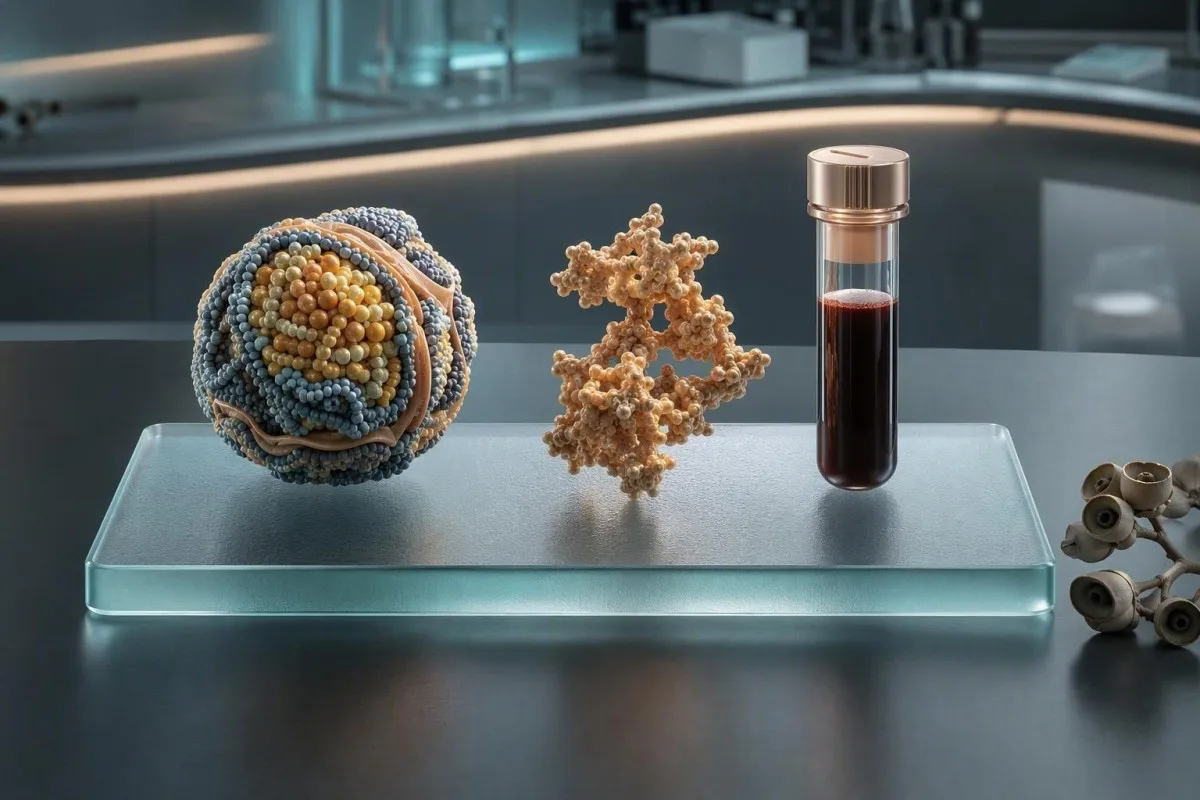
Daugumai besimptomių suaugusiųjų metiniai kraujo tyrimai turėtų prasidėti nuo širdies ir kraujagyslių bei diabeto rizikos vertinimo, o ne nuo maksimalaus testo rinkinio. Atlikite papildomus tyrimus tik tada, kai amžius, vaistai, šeimos istorija, mityba, planai pastoti ar ankstesnis rezultatas suteikia realią galimybę pakeisti gydymą.


- Nėra universalaus rinkinio: Sveiki suaugusieji kasmet neturi atlikti visų kraujo tyrimų; tyrimų pasirinkimas turėtų atitikti amžių, rizikos veiksnius, vaistus ir ankstesnius rezultatus.
- Lipidai: Standartinis lipidų tyrimas yra vertingas daugumai suaugusiųjų, nes LDL-C, ne-HDL-C ir trigliceridai padeda nustatyti širdies ir kraujagyslių prevenciją.
- Diabeto atrankinė diagnostika: Suaugę 35–70 metų asmenys, turintys antsvorį ar nutukimą, turėtų būti tikrinami dėl prediabeto ar 2 tipo diabeto, paprastai atliekant HbA1c arba gliukozės kiekio kraujyje nevalgius tyrimą.
- HbA1c riba: HbA1c nuo 5,7% iki 6,4% rodo prediabetą; 6,5% ar didesnis reikalauja patvirtinimo, nebent yra klasikinių hiperglikemijos simptomų.
- Inkstų patikrinimai: Kreatinino ir eGFR tyrimai yra naudingiausi sergant hipertenzija, diabetu, širdies ir kraujagyslių ligomis, vartojant nefrotoksinius vaistus arba turint ankstesnių nenormalių rezultatų.
- Skydliaukės tyrimas: TSH tyrimas atliekamas nustačius riziką, tai nėra standartinis metinis tyrimas, nebent simptomai, nėštumo planavimas, skydliaukės gydymas ar autoimuninės ligos rizika pakeičia prieš tyrimą buvusią tikimybę.
- Klaidingai teigiami rezultatai: 20 nepriklausomų tyrimų grupė gali nulemti apie vieną neįprastą rezultatą dėl atsitiktinumo net ir sveikam žmogui.
- Pakartoti pirmiausia: Nedideli izoliuoti nukrypimai dažnai nusipelno planuojamo pakartojimo lyginant sąlygas prieš atliekant išplėstinį vaizdinimą, siuntimus ar papildus.
- Rodiklių tendencija svarbi: Pastovi asmeninė bazinė linija gali būti ramesnė nei vienas laboratorinis rodiklis, ypač kreatinino, ALT, feritino ir baltųjų kraujo kūnelių kiekiui.
Pradėkite nuo sprendimų priėmimo sistemos, o ne nuo pirkinių sąrašo
Metinis kraujo tyrimas yra naudingiausias, kai kiekvienas tyrimas atsako į sprendimą. Asimtomatiniam suaugusiam žmogui pirmiausia svarstau, ar nenormalus rezultatas pakeistų prevenciją, medikamentus, atranką ar tolesnę priežiūrą per artimiausius 12 mėnesių – ne tai, ar laboratorija atlieka tyrimą.
Pirmasis klausimas, kurį užduodu, yra paprastas: “Ką darytume kitaip, jei rezultatas būtų nenormalus?” Lipidų rezultatas gali pakeisti mitybos rekomendacijas, statinų vartojimo svarstymą ar kraujospūdžio tikslus; nepasirinktas kortizolio lygis retai ką nors pakeičia ir lengvai iškraipomas miego, fizinio krūvio ir laiko.
Antrasis klausimas yra prieš tyrimą esanti tikimybė. 42 metų asmeniui, kurio tėvai sirgo ankstyva vainikinių arterijų liga, kraujospūdis yra 142/88 mmHg, o LDL-C yra 156 mg/dL, reikia kitokio prevencinio kraujo tyrimų plano nei 25 metų asmeniui be medicininės istorijos ir su nuolat normaliais rezultatais.
Kantesti yra AI kraujo tyrimo analizatorius tai leidžia individualius rezultatus gretinti su amžiumi, lytimi, referenciniu intervalu ir ankstesnėmis vertėmis, o ne laikyti laboratorinį rodiklį diagnoze. Mano klinikinėje patirtyje toks kontekstas apsaugo nuo daug didesnio nereikalingo nerimo nei pridedant dešimt papildomų biocheminių žymenų.
Nuo 2026 m. rugpjūčio 31 d. praktinis metinis patikrinimas taip pat apima kraujospūdį, svorį ar liemens apimtį, skiepijimo būklę, rūkymą, alkoholį, miegą, šeimos istoriją ir tinkamą vėžio atranką. Tai dažnai geriau numato išvengiamas ligas nei išplėstinis sveikatos kraujo tyrimas; mūsų šeimos anamnezės žymeklio gidas paaiškina, ką iš tikrųjų verta užfiksuoti.
Keturi klausimai, kuriuos reikia pateikti konsultacijos metu
Klauskite, ar tyrimas gali nustatyti ligą prieš atsirandant žalai, ar po jo seka patikimas gydymas, ar jūsų rizika yra pakankamai didelė, kad teigiamas rezultatas būtų patikimas, ir kada rezultatą reikėtų pakartoti. Jei atsakymas į ketvirtąjį klausimą yra “mes nežinome”, tyrimas paprastai yra per ankstyvas.
Kas turėtų būti įtraukta į vertingą prevencinių tyrimų rinkinį?
Lipidų panelė ir diabeto atranka yra įprasti vertingi kraujo tyrimai asimtomatiniams suaugusiems, o inkstų ar kepenų tyrimai labiau priklauso nuo rizikos ir vaistų. Nėra įrodymais pagrįstos universalios metinės “pilnos panelės” kiekvienam sveikam žmogui.
Standartinėje lipidų panelėje pateikiami bendras cholesterolis, LDL-C, HDL-C ir trigliceridai. Ne-HDL cholesterolis lygus bendram cholesterolio kiekiui minus HDL-C ir apima visose aterogeninėse dalelėse esantį cholesterolį; jis ypač naudingas, kai trigliceridų kiekis viršija 175 mg/dL.
HbA1c atspindi vidutinę gliukozės koncentraciją maždaug per 8–12 savaičių, nors didžioji dalis pastarųjų 30 dienų yra proporcingai didesnė. HbA1c žemiau 5,7 % paprastai yra normalus, nuo 5,7 % iki 6,4 % yra prediabetas, o 6,5 % ar didesnis atitinka diabeto ribą, kai jis tinkamai patvirtinamas.
Bazinis metabolizmo panelė gali būti protinga, kai asmuo serga hipertenzija, diabetu, širdies liga, vartoja diuretikus, ACE inhibitorius, ARB, litį arba reguliarius priešuždegiminius vaistus. Ji apima kreatininą, elektrolitus, gliukozę ir bikarbonatą; ji nepakeičia cholesterolio tyrimų, kaip paaiškinta mūsų metabolizmo panelės ir cholesterolio vadove.
Nesu tikras, kad metinis testavimas padeda aptikti visas ankstyvas ligas. Daktaro Thomaso Kleino požiūris yra pasirinkti nedidelį tyrimų rinkinį su aiškiu tolesnių veiksmų planu, o sutaupytą dėmesį skirti kraujospūdžiui, fizinei veiklai ir prevenciniams patikrinimams, kurių laboratoriniai tyrimai negali pakeisti.
Kodėl cholesterolio tyrimai paprastai duoda geriausią grąžą
Lipidų tyrimų rinkinys yra plačiausiai naudingas prevencinis kraujo tyrimas, nes didelis LDL-C nesukelia simptomų, tačiau prognozuoja būsimą aterosklerozinę širdies ir kraujagyslių ligą. Tyrimų dažnumas gali svyruoti nuo kasmetinio iki karto per 4–6 metus, priklausomai nuo pradinės rizikos ir gydymo.
LDL-C 190 mg/dL arba didesnis yra sunki hipercholesterolemija ir paprastai reikalauja laiku atlikto klinikinio įvertinimo dėl gydymo ir šeiminės hipercholesterolemijos. Trigliceridai 500 mg/dL arba didesni didina pankreatito riziką ir reikalauja skubesnio dėmesio nei šiek tiek padidėjęs bendrasis cholesterolis.
Vienas lipoprotein(a) arba Lp(a) matavimas yra pagrįstas bent kartą suaugus, ypač jei šeimoje yra ankstyva širdies liga. Lp(a) yra daugiausia paveldimas ir daugeliui žmonių nereikalauja metinio pakartojimo; žr. mūsų vadovą apie.
Viena lipoprotein(a), arba Lp(a), matavimo vertė yra pagrįsta bent kartą suaugus, ypač jei šeimoje yra ankstyvos širdies ligos atvejų. Lp(a) didžiąja dalimi yra paveldimas ir daugumai žmonių nereikia kartoti kasmet; žr. mūsų vadovą apie kam reikia Lp(a) patikrinimo.
Pacientas kartą man sakė, kad jo HDL 78 mg/dL padarė jo LDL 182 mg/dL nereikšmingu. Tai netiesa. Palankus HDL rodiklis neatšaukia su LDL susijusios rizikos, o Kantesti AI skaito visą lipidų profilį kartu su kraujospūdžiu, gliukozės kiekiu ir šeimos anamneze.
Kada tikrinti gliukozę ar HbA1c be simptomų
HbA1c arba gliukozės kiekis nevalgius yra tinkamas prevencinis patikrinimas suaugusiems nuo 35 iki 70 metų, turintiems antsvorį ar nutukimą, o ankstesnis patikrinimas yra pagrįstas, jei yra papildomų rizikos veiksnių. Pasirinkite vieną patikimą gliukozės kiekio kraujyje tyrimą, o ne atsitiktinai skirkite insuliną, C-peptidą ir gliukozę.
USPSTF rekomenduoja patikrinti dėl prediabeto ir 2 tipo diabeto suaugusiems nuo 35 iki 70 metų, turintiems antsvorį ar nutukimą, o tada nukreipti tuos, kuriems nustatytas prediabetas, į veiksmingas prevencines intervencijas (US Preventive Services Task Force, 2021). Nėštumo metu sirgto diabeto istorija, policistinių kiaušidžių sindromas, tam tikros etninės kilmės ir pirmos eilės giminaitis, sergantis diabetu, gali pagrįsti ankstesnį aptarimą.
Gliukozės kiekis plazmoje nevalgius 100–125 mg/dL rodo sutrikusią gliukozės kiekio nevalgius būklę; 126 mg/dL ar didesnis atitinka diabeto ribą, jei patvirtinta. Atsitiktinis gliukozės kiekio matavimas po didelio valgio nėra neteisingas nevalgius atliktas tyrimas – jis tiesiog atsako į kitą klausimą.
HbA1c gali suklaidinti po neseniai atliktos transfuzijos, didelio kraujo netekimo, hemolizės, pažengusios inkstų ligos ar tam tikrų hemoglobino variantų. Jei HbA1c ir gliukozės kiekiai nesutampa, nevidurkinkite jų mintyse; ištirkite priežastį, pradėdami nuo mūsų HbA1c patikimumo po transfuzijos vadovo.
Insulino kiekio matavimas nevalgius nėra standartinis atsparumo insulinui tyrimas. Jis gerokai svyruoja nuo dienos iki dienos, tyrimų metodai nėra suderinti, o rodiklis be gliukozės, trigliceridų, liemens apimties ir klinikinio konteksto dažnai verčia žmones siekti skaičiaus, o ne mažinti kardiometabolinę riziką.
Kam reikalingi inkstų, elektrolitų ir kepenų tyrimai?
Kreatininas, eGFR, elektrolitai, ALT, AST ir bilirubinas yra papildomi tyrimai, atliekami pagal riziką, o ne privalomi metiniai tyrimai kiekvienam sveikam suaugusiam žmogui. Jie tampa vertingi, kai liga, vaistai, alkoholio poveikis, metabolinė rizika ar ankstesni nenormalūs rodikliai leidžia manyti, kad yra paslėpta problema.
eGFR mažesnis nei 60 mL/min/1,73 m², trunkantis mažiausiai 3 mėnesius, rodo lėtinę inkstų ligą, tačiau vienkartinė mažesnė vertė po dehidratacijos, kreatino vartojimo ar intensyvaus fizinio krūvio jos nepatvirtina. Šlapimo albuminurijos santykis dažnai yra informatyvesnis nei įprastiniai biocheminiai tyrimai žmonėms, sergantiems diabetu ar hipertenzija.
ALT viršijantis laboratorinę viršutinę ribą yra dažnas sergant riebia kepenų liga, dėl alkoholio poveikio, virusinio hepatito, vaistų ir maisto papildų. Atskiras ALT 52 TV/L laboratorijoje, kurios viršutinė riba yra 40 TV/L, paprastai yra pakartotinio tyrimo ir konteksto rezultatas, o gelta, sumišimas, stiprus pilvo skausmas ar greitai didėjančios vertės keičia neatidėliotinumą.
Kreatininas gali padidėti iki 10% po sunkios ištvermės varžybos ar sumažėjus skysčių vartojimui. Prieš priskiriant kam nors inkstų nepakankamumą, paprastai jį kartoju, kai jie yra gerai hidratuoti ir vengė intensyvaus fizinio krūvio 24–48 valandas; mūsų su fizine veikla susijęs kreatinino vadovas apima tą praktinę detalę.
Žmonėms, kuriems skiriami statinai, antihipertenziniai vaistai, metforminas ar kiti ilgalaikiai vaistai, stebėjimo intervalai turėtų atitikti vaistus ir asmenį, o ne metinį sveikatos profilaktinį patikrinimą. bazinio metabolinio skydelio gidas padeda atskirti naudingą stebėjimą nuo per didelio tyrimų skaičiaus.
Ar bendras kraujo tyrimas turėtų būti atliekamas kasmet?
Bendras kraujo tyrimas, arba CBC, yra naudingas, kai yra įtariama anemija, infekcija, kaulų čiulpų liga, vaistų poveikis, gausus mėnesinių kraujavimas, mitybos rizika ar lėtinė liga; tai nėra patvirtintas bendras vėžio atrankos tyrimas. Daugelis gydytojų vis dar atlieka bazinį bendrą kraujo tyrimą, tačiau jo kartojimas kasmet mažai rizikuojantiems asmenims duoda nedaug naudos.
Suaugusiųjų hemoglobino atskaitos intervalai skiriasi priklausomai nuo laboratorijos, lyties, aukščio ir nėštumo būklės; dažnas intervalas yra apie 12,0–15,5 g/dL nesilaukiančioms moterims ir 13,5–17,5 g/dL vyrams. Mažą rezultatą reikėtų interpretuoti kartu su vidutiniu eritrocitų tūriu, feritinu, inkstų funkcija ir tendencija, o ne laikyti diagnoze savaime.
Baltųjų kraujo ląstelių skaičius svyruoja po virusinės ligos, rūkymo, kortikosteroidų, intensyvaus fizinio krūvio ir net paros metu. Šiek tiek sumažėjęs neutrofilų skaičius (1,3 × 10⁹/L) gerai besijaučiančiam asmeniui nusipelno suplanuoto pakartotinio tyrimo ir konteksto, atsižvelgiant į kilmę, o karščiavimas su sunkia neutropenija yra kitokia klinikinė situacija.
Aukštas MCV, viršijantis 100 fL, gali atspindėti B12 trūkumą, folio rūgšties trūkumą, alkoholio vartojimą, kepenų ligą, hipotiroidizmą ar vaistus; tai nėra tas pats, kas B12 trūkumas. Dėl pažymėto rezultato palyginkite MCV su hemoglobinu ir RDW naudodami mūsų MCV ir MCH modelio vadovą.
Kantesti yra AI laboratorinio tyrimo interpretavimo paslaugoje , kuri atpažįsta CBC klasterius, pavyzdžiui, mažą hemoglobiną kartu su aukštu RDW ir žemu feritinu, o ne kelia aliarmą dėl vieno kraujo rodiklio ribinės vertės. Tai viena iš tų sričių, kurioje svarbus raštų atpažinimas.
Kada skydliaukės tyrimai yra prasmingi?
TSH tyrimas yra naudingiausias esant simptomams, skiriamam skydliaukės gydymui, planuojant nėštumą, nėštumo metu, sergant autoimuninėmis ligomis, po kaklo apšvitinimo ar turint stiprią šeimos istoriją; nuolatinis populiacijos tikrinimas išlieka neaiškus. Normalus TSH paprastai daro pirminį skydliaukės disfunkciją mažai tikėtiną nesilaukiančioms suaugusioms moterims.
Dauguma laboratorijų naudoja TSH atskaitos intervalą apie 0,4–4,0 mIU/L, nors intervalai skiriasi, o nėštumo laikotarpiui skirti rodikliai yra kitokie. Ribinė TSH 4.8 mIU/L su normaliu laisvuoju T4 gerai besijaučiančiam suaugusiam asmeniui dažnai skatina pakartotinį tyrimą po 6–12 savaičių, o ne nedelsiant taikomą gydymą visą gyvenimą.
Biotino papildai gali trukdyti kai kuriems skydliaukės imunoanaliziams, kartais dėl jų TSH atrodo neteisingai žemas, o laisvasis T4 – neteisingai aukštas. Daugelis laboratorijų pataria nutraukti didelės dozės biotino, dažnai 5000–10000 mikrogramų per dieną, vartojimą bent 48 valandas prieš tyrimą, tačiau tikslus intervalas priklauso nuo bandymo metodo ir dozės.
Skirti atvirkštinio T3, skydliaukės antikūnų, laisvojo T3 ir kortizolio tyrimus kiekvienam pavargusiam žmogui sudaro įspūdingą sąskaitą ir silpnina diagnostinį aiškumą. Pradėkite nuo kruopščios anamnezės ir TSH, tada pridėkite laisvojo T4 arba antikūnų tyrimus tik tada, kai pirminis rezultatas ar rizikos profilis rodo į tai; mūsų skydliaukės pakartotinių tyrimų grafikas nurodo protingus intervalus.
Mačiau pacientų, išgąsdintų vieno šiek tiek padidėjusio TSH, paimto atsigavimo po gripo metu. Dr. Thomas Kleino taisyklė yra vengti lėtinės endokrininės ligos diagnozavimo praeinančios ligos metu, nebent biocheminis modelis yra reikšmingas arba simptomai reikalauja skubaus įvertinimo.
Geležis, B12 ir vitaminas D: atlikite tyrimą dėl priežasties
Feritinas, vitaminas B12, folio rūgštis ir 25-hidroksivitamino D tyrimai yra vertingi, kai mityba, kraujavimas, malabsorbcija, vaistai, nėštumas, kaulų rizika ar simptomai sukelia įtariamą trūkumą. Jie nėra visuotinai būtini metiniame sveikatos patikrinimo kraujo tyrime be simptomų.
Feritinas žemiau 15 ng/mL daugeliu atvejų yra labai specifinis geležies atsargų sumažėjimui, o feritinas žemiau 30 ng/mL dažnai patvirtina geležies trūkumą, kai nėra uždegimo. Feritinas didėja esant uždegimui, kepenų ligoms ir vartojant alkoholį, todėl “normalus” feritino kiekis 80 ng/mL ne visada paneigia trūkumą asmeniui, kurio CRP yra padidėjęs.
B12 kiekis serume žemiau maždaug 200 pg/mL arba 148 pmol/L daugumoje laboratorijų patvirtina trūkumą, tačiau vertės nuo 200 iki 350 pg/mL gali būti neaiškios. Metilmalono rūgštis yra specifinė, kai klinikinė problema lieka neaiški, ypač žmonėms, vartojantiems metforminą ar ilgalaikius protonų siurblio inhibitorius.
Įrodymai apie vitamin D trūkumas profilaktiką sveikiems suaugusiems yra, atvirai kalbant, nevienodi. USPSTF nustatė nepakankamai įrodymų, kad būtų galima rekomenduoti rutininę asimptominių, bendruomenėje gyvenančių suaugusiųjų atranką; tyrimas yra prasmingesnis esant osteoporozei, pasikartojantiems lūžiams, malabsorbcijai, lėtinei inkstų ligai ar vaistams, paveikiantiems kaulų metabolizmą.
Kantesti yra AI pagrindu veikiantis kraujo tyrimų analizės įrankis Naudojama daugiau nei 2 milijonų žmonių 127+ šalyse, siekiant interpretuoti feritino ir B12 tyrimus kartu su CBC rodikliais ir mitybos istorija. Jei feritino kiekis yra mažas, pradėkite nuo geležies tyrimų vadovas prieš savarankiškai skiriant dideles geležies dozes.
Rizika pagrįsti papildomi tyrimai, kurie gali pakeisti gydymą
Geriausias papildomas tyrimas yra susijęs su specifine rizika: šlapimo ACR dėl diabeto ar hipertenzijos, hepatito C tyrimas vieną kartą daugumai suaugusiųjų, Lp(a) vieną kartą arba tikslingas reprodukcinių ir medikamentų stebėjimas. Plati tyrimų grupė yra silpnesnė nei trumpas, pagrįstas kiekvieno užsakymo motyvas.
Šlapimo albuminas-kreatinino santykis 30 mg/g arba didesnis reiškia vidutiniškai padidėjusią albuminuriją ir turėtų būti patvirtintas, nes karščiavimas, fizinis krūvis, šlapimo takų infekcija ir menstruacijos gali jį laikinai padidinti. Esant diabetui ir hipertenzijai, jis gali atskleisti inkstų ir kraujagyslių riziką dar prieš pakeliant kreatinino kiekį.
Suaugusieji, gimę tarp 1945 ir 1965 m., anksčiau buvo pagrindinė hepatito C tyrimų grupė, tačiau dabartinės visuomenės sveikatos rekomendacijos daugelyje šalių palaiko vienkartinį suaugusiųjų atrankinį tyrimą, su rizikos pagrįstais pakartotiniais tyrimais. Tai yra profilaktinio tyrimo, pasirinkto pagal epidemiologiją, o ne pagal neaiškų norą atlikti “kepenų detoksikaciją”, pavyzdys.”
Žmonės, turintys pirmos eilės giminių, kuriems pasireiškė miokardo infarktas ar insultas iki 55 metų vyrams arba 65 metų moterims, turėtų anksčiau aptarti Lp(a), lipidų, kraujospūdžio ir diabeto tyrimus. Mūsų tikslinis vadovas insulto rizikos šeimos tyrimams pateikia naudingesnį planą nei naviko žymenų tyrimų rinkiniai.
Planuojant nėštumą, situacija pasikeičia: kraujo grupė, raudonukės imunitetas, jei aktualu, CBC, feritinas, skydliaukės tyrimas atrinktiems asmenims ir infekcinių ligų patikrinimas gali būti tinkami. Tyrimai turi atitikti vietines visuomenės sveikatos rekomendacijas ir asmens istoriją, todėl bendras metinis tyrimų paketas retai pakankamas.
Mažos vertės tyrimai, kurių reikėtų vengti, kai jaučiatės gerai
Venkite navikų žymenų, plačių autoimuninių tyrimų rinkinių, D-dimero, kortizolio, lytinių hormonų tyrimų rinkinių, maisto IgG tyrimų ir uždegiminių žymenų kaip netikslinės metinės atrankos. Šie tyrimai gali būti vertingi, kai yra aiškus klinicinis klausimas, tačiau jie yra menkos „žvejybos priemonės“ žmonėms be simptomų.
CA-125, CE, CA 19-9, PSA ir kiti naviko žymenys nėra pakeičiami vėžio patikrinimo tyrimai. PSA gali būti svarstomas po informuoto bendro sprendimų priėmimo atrinktiems vyrams, tačiau nepagrįstas žymenų rinkinys gali sukelti tyrimus, biopsijas ir mėnesių nerimą, nesumažinant mirtingumo nuo vėžio.
D-dimeras skirtas padėti atmesti venų tromboemboliją žmonėms, kurių klinikinė tikimybė yra atitinkama, o ne rasti „tylius“ krešulius. Jis didėja su amžiumi, nėštumu, neseniai atlikta operacija, infekcija, vėžiu ir uždegimu; jo klaidingai teigiamų rezultatų našta sveikiems suaugusiems yra didelė.
ANA ir reumatoidinis faktorius gali būti teigiami žmonėms, kurie niekada nesuserga autoimunine liga. Teigiamas ANA mažo titro be simptomų, tokių kaip uždegiminis sąnarių patinimas, jautrumas šviesai bėrimas, inkstų pažeidimai ar Raynaud tipo požymiai, paprastai yra klinikinė diskusija, o ne autoimuninės ligos diagnozė.
Kai kurie pacientai užsisako plačius hormonų tyrimų rinkinius po prastos savaitės miego. Kortizolis ir testosteronas kinta priklausomai nuo paros laiko, ligos, fizinio krūvio ir tyrimo metodo; jei kyla reali abejonė, naudokite tinkamą laiką ir klausimą, kaip mūsų ryto hormonų testavimo vadove .
Kaip klaidingi teigiami rezultatai paverčia gerovės tyrimų rinkinį kaskada
Klaidingai teigiamų rezultatų kaskados atsiranda todėl, kad referenciniai intervalai paprastai sudaryti taip, kad apimtų 95% sveikų žmonių, paliekant apytiksliai 5% už intervalo ribų pagal dizainą. Atliekant 20 nesusijusių tyrimų, tikimybė, kad bent vienas rezultatas bus pažymėtas, yra beveik 64%, jei rezultatai būtų nepriklausomi.
Laboratoriniai referenciniai intervalai nėra gydymo slenksčiai. Kalio kiekis 5,3 mmol/L gali būti mėginio paėmimo artefaktas dėl hemolizės ar vėluojančio apdorojimo, o 6,5 mmol/L su EKG pokyčiais gali būti pavojingas; skaičius tampa reikšmingas tik atsižvelgiant į mėginio kokybę, simptomus, inkstų funkciją ir vaistus.
52 metų maratonininkas, kurio AST po lenktynių yra 89 TV/L, gali turėti skeleto raumenų fermentų išsiskyrimą, o ne pirminį kepenų pažeidimą. Tikrinti ALT, CK, bilirubiną, alkoholio vartojimą, vaistus ir pakartotinai pailsėjus yra protingiau nei iš karto atlikti kepenų vaizdinimą; mūsų AST konteksto vadovas parodo kodėl.
Biologiniai svyravimai yra realūs. Trigliceridų kiekis gali žymiai pasikeisti po alkoholio vartojimo, valgant daug angliavandenių turintį maistą, sergant ūminėmis ligomis ir prastai miegant, o TSH gali svyruoti apie 30% per tą patį asmenį laikui bėgant, nesukeliant naujos skydliaukės ligos.
Kantesti AI naudoja tendencijų analizę, kad atskirtų stabilią ribinę vertę nuo reikšmingo pokyčio, tačiau joks algoritmas negali pakeisti skubaus klinikinio vertinimo esant sunkiems simptomams ar kritiniams rezultatams. Rezultatas turėtų sukelti grandininę reakciją tik tada, kai kitas žingsnis turi pagrįstą galimybę padėti.
Kaip pasiruošti prevenciniams kraujo tyrimams
Pasiruošimas turi atitikti tyrimą: daugeliui lipidų panelių nebereikia pasninko, tačiau pasninkas gali paaiškinti žymiai padidėjusius trigliceridus ar gliukozės klausimus. Nuoseklumas yra svarbesnis nei tobulumas, kai kuriate tendenciją.
Standartinei lipidų panelės nesočiamėginei mėginiui dažnai priimtina; trigliceridų kiekis virš 400 mg/dL gali reikalauti pakartotinio tyrimo nevalgius, nes apskaičiuotas LDL-C tampa mažiau patikimas. Vanduo paprastai yra tinkamas, o alkoholis praėjusią dieną gali laikinai padidinti trigliceridus ir kepenų fermentus.
Venkite neįprastai intensyvaus pratimo 24–48 valandas prieš tikrinant CK, kreatininą, AST ar su kepenimis susijusius tyrimus, nebent jūsų gydytojas nori įvertinti pratimo poveikį. Dehidracija gali sutankinti hemoglobiną, albuminą, kalcį ir kreatininą pakankamai, kad susidarytų klaidinantis modelis.
Atsineškite vaistų ir maisto papildų sąrašą, įskaitant biotiną, geležį, B12 injekcijas, kreatiną, hormonų terapiją ir žolinius produktus. Biotin gali paveikti imuninius tyrimus, o geležis, vartojama netrukus prieš tyrimą, gali padidinti serumo geležies kiekį, neatstatydama geležies atsargų; žr. mūsų nevalgymo ir papildų vadovas.
Jei menstruuojate, užsirašykite ciklo dieną ir ar kraujavimas neįprastai gausus, interpretuodami feritiną ar hemoglobiną. Tikslas yra ne manipuliuoti rezultatu, kad jis atrodytų normalus; tai yra užtikrinti, kad tyrimo sąlygos sąžiningai atsakytų į klausimą.
Kodėl tendencijos viršija vienkartinius rezultatus
Pakartotinis rezultatas, atliktas esant panašioms sąlygoms, dažnai suteikia daugiau klinikinės vertės nei išplėstinė panelė. Tendencijos ypač naudingos HbA1c, LDL-C, eGFR, ALT, feritino, hemoglobino ir trigliceridų atveju, nes kiekvienas iš jų turi nuspėjamų trumpalaikių svyravimų.
Kreatinino padidėjimas nuo 0,78 iki 0,92 mg/dL gali likti normos ribose, bet būti reikšmingas, jei jis yra nuolatinis ir kartu su nauja albuminurija ar kraujospūdžio pokyčiais. Priešingai, vienkartinis kreatinino kiekis 1,08 mg/dL po dehidracijos gali visiškai išnykti; kryptis ir sąlygos yra svarbios.
Paprastai HbA1c turėtų būti pakartotinai patikrintas maždaug po 3 mėnesių, vertinant gyvenimo būdo ar vaistų pokyčius, nes trumpesni intervalai daugiausia pakartotinai matuoja tą patį raudonųjų kraujo kūnelių poveikio laikotarpį. LDL-C gali sureaguoti per 4–12 savaičių po didelių mitybos ar vaistų pakeitimų.
Kantesti yra AI biomarkerių interpretavimo platforma kuris palygina įkeltas laboratorinių ataskaitas laikui bėgant ir pažymi pokyčius, viršijančius įprastą triukšmą. Mūsų išilginio tyrimo gaires paaiškina, kodėl asmeninė bazinė linija gali būti naudingesnė nei platus populiacijos diapazonas.
Dėl reikšmingo palyginimo, jei įmanoma, naudokite tą patį laboratoriją, užsirašykite pasninko būklę, neseniai persirgtas ligas, alkoholio vartojimą, intensyvias treniruotes, menstruacijų laiką ir naujus vaistus. Ta maža pastaba šalia rezultato dažnai paaiškina daugiau nei kitas brangus priedas.
Kaip amžius, šeimos istorija ir gyvenimo etapas keičia planą
Tyrimų intensyvumas turėtų didėti kartu su rizika, o ne tiesiog su gimtadieniais. Amžius veikia širdies ir kraujagyslių bei diabeto riziką, tačiau šeimos istorija, nėštumas, menopauzė, dieta, vaistai ir ankstesni rezultatai dažnai tiksliau nustato, kokių kraujo tyrimų prašyti.
Suaugusiems žmonėms, turintiems širdies ir kraujagyslių riziką, lipidai ir gliukozės statusas turėtų būti peržiūrimi intervalais, pagrįstais absoliučia rizika, ankstesnėmis vertėmis ir gydymu. 28 metų asmeniui, kurio LDL-C yra 198 mg/dL, reikia dėmesio dabar, o 58 metų asmeniui, kurio LDL-C yra 105 mg/dL, gali prireikti rizikos aptarimo, nes amžius ir kraujospūdis keičia skaičiavimą.
Menopauzė gali padidinti LDL-C ir feritino kiekį po menstruacijų ciklo pabaigos, o gausios mėnesinės prieš menopauzę dažnai sumažina geležies atsargas. Estradiolio ar FSH tyrimų kartojimas retai reikalingas diagnozuojant tipišką menopauzę suaugusiems, vyresniems nei 45 metų, nes lygis svyruoja plačiai.
Augalinė mityba, bariatrinė chirurgija, celiakija, metforminas ir ilgalaikis rūgštingumo slopinimas keičia B12, geležies, folio rūgšties ar vitamino D tyrimų ribas. Tinkamas tyrimas seka po poveikio; mūsų augalinės mitybos maistinių medžiagų pakartotinio patikrinimo gidas pateikia praktinį pavyzdį.
Šeimos istorija, susijusi su vėžiu, paprastai pakeičia amžiui tinkamą vaizdinį tyrimą, išmatų, genetinius ar specialistų patikrinimus anksčiau nei įprastus kraujo tyrimus. Neleiskite normaliam naviko žymekliui nuraminti jūsų ir atsisakyti nustatytų patikros metodų.
Saugaus metinio kraujo tyrimų plano, kurį galite pateikti savo gydytojui
Saugus planas nurodo pagrindinį tyrimą, jo priežastį, veikimo ribą ir pakartojimo intervalą prieš paimant mėginį. Daugeliui simptomų nejaučiančių suaugusiųjų tai reiškia lipidų kiekį plius HbA1c arba gliukozę, su tikslingais papildymais, o ne neribotą sveikatos kraujo tyrimą.
Užsirašykite savo vaistus, šeimos planus, šeimos istoriją, kraujospūdžio rodmenis, mitybos įpročius, alkoholio vartojimą ir paskutines laboratorinių tyrimų vertes. Tada paklauskite: kurie vienas ar du tyrimai galėtų pakeisti gydymą šiais metais? Tai padaro konsultaciją produktyvesnę nei atvykus su 60 žymenų paketu ir be klinikinio klausimo.
Kreipkitės skubios medicininės pagalbos, užuot laukę metinės apžiūros, jei pajutote krūtinės skausmą, dusulį, alpimą, juodas išmatas, gelta, naują sumišimą, didelį nevalingą svorio kritimą, nuolatinį karščiavimą ar stiprų troškulį su vėmimu. Prevenciniai tyrimai nėra skirti ūmiems simptomams trijuoti.
Kantesti AI gali sutvarkyti laboratorinį PDF arba nuotrauką per maždaug 60 sekundžių, išsaugoti privatų ilgalaikį įrašą ir parengti klausimus gydytojui; jo metodai ir klinikinės apsaugos priemonės aprašytos mūsų medicininio patvirtinimo apžvalga. Jis padeda interpretuoti, bet ne diagnozuoja ligą ar nepakeičia asmeninio vertinimo.
Dauguma pacientų patenkinti subalansuotu požiūriu: atlikti pakankamai tyrimų, kad būtų galima aptikti tylius, gydomus rizikos veiksnius, bet ne tiek daug, kad atsitiktinės anomalijos taptų nauja sveikatos problema. Jei rezultatas yra netikėtas, apgalvotai pakartokite, peržiūrėkite visą paveikslą ir pasikonsultuokite su gydytoju prieš keisdami vaistus ar papildus.
Dažnai užduodami klausimai
Kokių kraujo tyrimų turėčiau paprašyti per metinę apžiūrą, jei neturiu jokių simptomų?
Daugumai suaugusiųjų be simptomų, pirmiausia paklauskite apie lipidų profilį ir diabeto atranką atliekant HbA1c arba gliukozės kiekį nevalgius, tada pridėkite tyrimus pagal kraujospūdį, kūno svorį, vaistus, šeimos istoriją, mitybą ir ankstesnius nukrypimus nuo normos. HbA1c nuo 5.7% iki 6.4% rodo priešdiabetį, o LDL-C lygis 190 mg/dL ar aukštesnis reikalauja savalaikio klinikinio įvertinimo. Inkstų chemijos, kepenų tyrimai, CBC, skydliaukės tyrimas, geležies kiekio tyrimai, B12 ir vitamino D tyrimai yra naudingi, kai konkretus rizikos veiksnys lemia, kad jie gali pakeisti gydymą. Gydytojas turėtų pritaikyti intervalą, nes nėra įrodymais pagrįsto universalaus metinio didelio tyrimų rinkinio.
Ar sveikiems suaugusiems kasmet reikia atlikti kraujo tyrimą (CBC) ir visapusišką metabolinį tyrimą?
Sveikiems suaugusiesiems nebūtina kasmet atlikti kraujo tyrimą (CBC) ir išsamų metabolizmo tyrimų (comprehensive metabolic panel) profilį. CBC tyrimas yra naudingesnis, jei yra anemijos rizika, gausios menstruacijos, mitybos apribojimai, lėtinė liga, stebimas medikamentų poveikis arba ankstesni nenormalūs rodikliai, o inkstų ir elektrolitų tyrimai ypač svarbūs esant hipertenzijai, diabetui, inkstų ligoms ir vartojant tokius vaistus kaip diuretikai ar ACE inhibitoriai. eGFR rodiklis, mažesnis nei 60 ml/min/1,73 m², turi išlikti mažiausiai 3 mėnesius, prieš diagnozuojant lėtinę inkstų ligą. Asmeniui, kuriam būklė stabili ir rizika maža, po konsultacijos su gydytoju gali būti atliekami tyrimai rečiau.
Ar verta daryti išsamų sveikatos kraujo tyrimą?
Pilnas sveikatos kraujo tyrimas dažnai neapsimoka, kai jame, nesant klinikinės priežasties, yra nepasirinkti naviko žymenys, autoimuniniai antikūnai, kortizolis, plataus diapazono hormonų tyrimai, D-dimeras ir vitaminų tyrimai. Kadangi laboratorinių referencinių intervalų ribose dažnai būna 95% sveikų žmonių, maždaug 5% sveikų rezultatų atsitiktinai patenka už šių ribų. Atliekant 20 nepriklausomų tyrimų, tikimybė gauti bent vieną neįprastą rezultatą yra apie 64%. Tikslingas tyrimų rinkinys, susietas su tolesnių veiksmų planu, sukelia mažiau klaidingų teigiamų rezultatų kaskadų ir paprastai yra kliniškai naudingesnis.
Ar turėčiau kasmet tikrintis skydliaukės hormonų lygį?
Metinis skydliaukės tyrimas yra tinkamas žmonėms, vartojantiems skydliaukės vaistus, ir gali būti tinkamas nėštumo, šeimos planavimo, autoimuninių ligų, stiprios šeimos istorijos ar ankstesnių skydliaukės anomalijų atvejais. Mažos rizikos suaugusiems žmonėms be simptomų, rutininis TSH atrankinis tyrimas turi neaiškią naudą. Dažnas TSH referencinis intervalas yra maždaug nuo 0,4 iki 4,0 mIU/L, o lengvas izoliuotas pakilimas su normaliu laisvu T4 dažnai reikalauja pakartotinio tyrimo po 6–12 savaičių. Didelės biotinio papildų dozės gali trukdyti kai kuriems tyrimams, todėl prieš tyrimą nurodykite dozes, tokias kaip 5 000–10 000 mikrogramų kasdien.
Kaip dažnai reikėtų tikrinti cholesterolio ir HbA1c kiekius?
Cholesterolio ir HbA1c rodiklių intervalai priklauso nuo pradinės rizikos ir nuo to, ar taikomas gydymas. Suaugusiems asmenims, turintiems padidėjusią kardiovaskulinę riziką, sergantiems diabetu, prediabetu arba vartojantiems lipidų kiekį mažinančius vaistus, tyrimai gali būti atliekami kasmet arba per 4–12 savaičių po gydymo pakeitimo, o mažos rizikos suaugusiems asmenims, kurių rezultatai normalūs, tyrimai gali būti atliekami kas 4–6 metus. HbA1c atspindi maždaug 8–12 savaičių glikemijos vidurkį, todėl kartojant tyrimą anksčiau nei po 3 mėnesių, vertinant gyvenimo būdo pokyčius, paprastai mažai naudos. LDL-C rodiklis, viršijantis 190 mg/dL, reikalauja klinikinio vertinimo neatidėliojant iki įprasto patikrinimo.
Ką turėčiau daryti, jei vienas metinio kraujo tyrimo rezultatas yra šiek tiek nenormalus?
Šiek tiek nenormalų metinį kraujo tyrimą paprastai reikėtų vertinti kartu su simptomais, vaistais, mėginio surinkimo sąlygomis, kitais bi žymenimis ir ankstesniais rezultatais, prieš pradedant tolesnius tyrimus. Pavyzdžiui, ALT 52 TV/L, kai laboratorinė viršutinė riba yra 40 TV/L, dažnai reikalauja suplanuoto pakartojimo ir alkoholio, papildų, mankštos, svorio bei vaistų peržiūros, o ne skubaus vaizdinio tyrimo. Kalio kiekį, artimą 5,3 mmol/L, gali paveikti mėginio tvarkymas, o nuolatiniai ar daug didesni kiekiai reikalauja greitesnių veiksmų. Nevadovaukite geležies, skydliaukės, hormonų ar vitaminų gydymo vien tik vieno ribinio rezultato pagrindu be klinikinės konsultacijos.
Gaukite AI pagrįstą kraujo tyrimo analizę jau šiandien
Prisijunkite prie daugiau nei 2 milijonų naudotojų visame pasaulyje, kurie pasitiki Kantesti dėl momentinės, tikslios laboratorinių tyrimų analizės. Įkelkite savo kraujo tyrimo rezultatus ir per kelias sekundes gaukite išsamią 15,000+ biomarkerių interpretaciją.
📚 Nuorodomis pagrįsti moksliniai leidiniai
Klein, T., Mitchell, S., & Weber, H. (2026). Nipah viruso kraujo tyrimas: ankstyvo aptikimo ir diagnostikos vadovas 2026 m.. Kantesti AI Medical Research.
Klein, T., Mitchell, S., & Weber, H. (2026). B neigiama kraujo grupė, LDH kraujo tyrimas ir retikulocitų skaičiaus vadovas. Kantesti AI Medical Research.
📖 Išorinės medicininės nuorodos
⚕️ Medicininis atsakomybės apribojimas
Šis straipsnis skirtas tik mokymo tikslais ir nesudaro medicininės konsultacijos. Visada kreipkitės į kvalifikuotą sveikatos priežiūros specialistą dėl diagnozės ir gydymo sprendimų.
E-E-A-T patikimumo signalai
Patirtis
Gydytojo vadovaujama klinikinė laboratorinių tyrimų interpretavimo darbo eigų peržiūra.
Ekspertizė
Laboratorinės medicinos dėmesys tam, kaip biomarkeriai elgiasi klinikiniame kontekste.
Autoritetas
Parašyta dr. Thomas Klein, peržiūrėjo dr. Sarah Mitchell ir prof. dr. Hans Weber.
Patikimumas
Įrodymais pagrįsta interpretacija su aiškiais tolesnių veiksmų keliais, siekiant sumažinti nerimą.