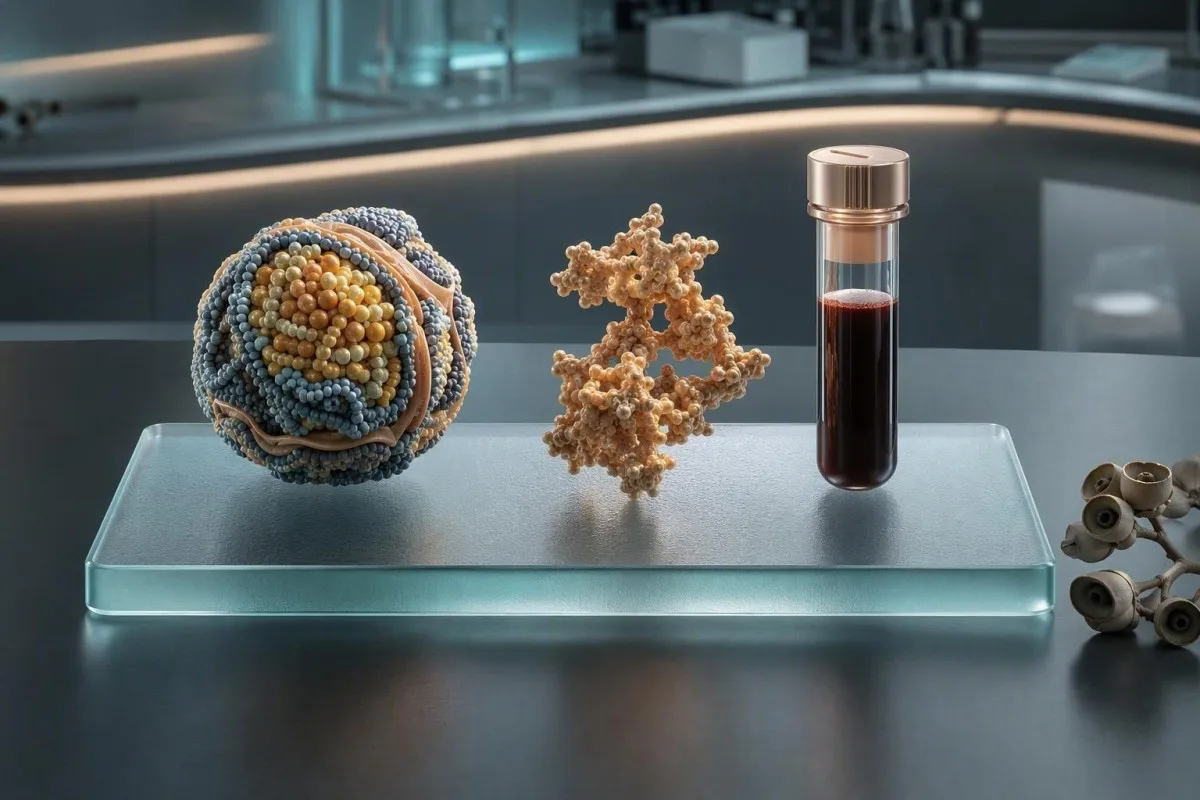
بالنسبة لمعظم البالغين الذين لا يعانون من أعراض، يجب أن تبدأ فحوصات الدم السنوية بتقييم مخاطر أمراض القلب والسكري - وليس بلوحة شاملة. أضف الفحوصات فقط عندما يكون العمر أو الأدوية أو التاريخ العائلي أو النظام الغذائي أو خطط الحمل أو نتيجة سابقة تعطي فرصة واقعية لتغيير الرعاية.


- لا توجد لوحة موحدة: لا يحتاج البالغون الأصحاء إلى كل فحص دم كل عام؛ يجب أن يتبع اختيار الفحص العمر وعوامل الخطر والأدوية والنتائج السابقة.
- الدهون: لوحة الدهون القياسية ذات قيمة عالية لمعظم البالغين لأن LDL-C و non-HDL-C والدهون الثلاثية توجه الوقاية من أمراض القلب والأوعية الدموية.
- فحص السكري: يجب فحص البالغين الذين تتراوح أعمارهم بين 35 و 70 عامًا ويعانون من زيادة الوزن أو السمنة لاختبار مقدمات السكري أو داء السكري من النوع 2، وعادةً ما يتم ذلك باستخدام HbA1c أو جلوكوز الصيام.
- عتبة HbA1c: يشير HbA1c من 5.7% إلى 6.4% إلى مقدمات السكري؛ 6.5% أو أعلى يتطلب تأكيدًا ما لم تكن الأعراض الكلاسيكية لارتفاع نسبة السكر في الدم موجودة.
- فحوصات الكلى: الكرياتينين و eGFR لهما الفائدة الأكبر مع ارتفاع ضغط الدم، أو السكري، أو أمراض القلب والأوعية الدموية، أو الأدوية السامة للكلى، أو النتائج غير الطبيعية السابقة.
- تحليل الغدة الدرقية: اختبار TSH مرتبط بالمخاطر، وليس اختبارًا سنويًا افتراضيًا، إلا إذا كانت الأعراض، أو التخطيط للحمل، أو علاج الغدة الدرقية، أو تغير مخاطر المناعة الذاتية يغير الاحتمالية قبل الاختبار.
- نتائج إيجابية خاطئة: لوحة مكونة من 20 اختبارًا مستقلاً يمكن أن تنتج حوالي نتيجة واحدة خارج النطاق عن طريق الصدفة حتى في شخص سليم.
- كرر أولاً: غالبًا ما تستحق التشوهات البسيطة المنعزلة إعادة فحص مخطط لها في ظروف مماثلة قبل إجراء فحوصات تصويرية مكثفة، أو إحالات، أو مكملات.
- الاتجاه مهم: خط الأساس الشخصي المستقر يمكن أن يكون مطمئنًا أكثر من مجرد علامة مخبرية واحدة، خاصة بالنسبة للكرياتينين، وALT، والفيريتين، وعدد خلايا الدم البيضاء.
ابدأ بإطار عمل لاتخاذ القرار، وليس بقائمة تسوق
الفحوصات الدموية السنوية تكون أكثر فائدة عندما تجيب كل فحص على قرار. عند شخص بالغ لا يعاني من أعراض، أبدأ بالسؤال عما إذا كانت النتيجة غير الطبيعية ستغير الوقاية، أو الدواء، أو الفحص، أو المتابعة خلال الـ 12 شهرًا القادمة - وليس عما إذا كان مختبر ما يعرض هذا الفحص.
السؤال الأول الذي أطرحه بسيط: “ماذا سنفعل بشكل مختلف إذا كانت هذه النتيجة غير طبيعية؟” قد تؤدي نتيجة الدهون إلى تغيير في استشارة النظام الغذائي، أو مناقشة الستاتين، أو أهداف ضغط الدم؛ أما مستوى الكورتيزول غير المنتقى نادرًا ما يغير شيئًا ويتشوه بسهولة بسبب النوم، أو التمرين، أو التوقيت.
السؤال الثاني هو الاحتمالية قبل الاختبار. فمريض يبلغ من العمر 42 عامًا ولديه والد أصيب بأمراض القلب التاجية المبكرة، وضغط دم 142/88 ملم زئبقي، و LDL-C 156 ملغ/ديسيلتر يحتاج إلى خطة فحص دم وقائية مختلفة عن شاب يبلغ من العمر 25 عامًا ليس لديه تاريخ طبي ونتائجه طبيعية بشكل متكرر.
كانتيستي هو محلل اختبار الدم بالذكاء الاصطناعي ذلك يضع النتائج الفردية بجانب العمر، والجنس، وفترة المرجع، والقيم السابقة، بدلاً من اعتبار علامة المختبر كتشخيص. في خبرتي السريرية، هذا السياق يمنع القلق غير الضروري أكثر بكثير من إضافة عشر علامات حيوية أخرى.
اعتبارًا من 31 أغسطس 2026، تشمل المراجعة السنوية العملية أيضًا ضغط الدم، والوزن أو قياس الخصر، وحالة التطعيم، والتدخين، والكحول، والنوم، والتاريخ العائلي، والفحص المناسب للسرطان. هذه غالبًا ما تتنبأ بالأمراض التي يمكن الوقاية منها بشكل أفضل من اختبار دم موسع للصحة؛ دليل مؤشّر التاريخ العائلي يشرح ما يستحق التسجيل فعليًا.
الأسئلة الأربعة التي يجب طرحها في الموعد
اسأل عما إذا كان الفحص يمكنه اكتشاف حالة قبل حدوث ضرر، وما إذا كان هناك علاج موثوق يتبعه، وما إذا كان خطر إصابتك مرتفعًا بما يكفي لجعل النتيجة الإيجابية ذات مصداقية، ومتى يجب تكرار النتيجة. إذا كانت الإجابة الرابعة هي “لا نعرف”، فإن الفحص يكون سابقًا لأوانه عادةً.
ما الذي يجب تضمينه في لوحة وقائية أساسية عالية القيمة؟
لوحة الدهون وفحص السكري هما اختبارا الدم القياسيان ذوا القيمة العالية للبالغين الذين لا يعانون من أعراض، بينما تعتمد اختبارات الكلى أو الكبد بشكل أكبر على المخاطر والأدوية. لا يوجد “لوحة كاملة” سنوية عالمية قائمة على الأدلة لكل شخص سليم.
لوحة الدهون القياسية تسجل إجمالي الكوليسترول، و LDL-C، و HDL-C، والدهون الثلاثية. يساوي الكوليسترول غير HDL إجمالي الكوليسترول مطروحًا منه HDL-C ويشمل الكوليسترول الذي تحمله جميع الجسيمات المسببة لتصلب الشرايين؛ وهو مفيد بشكل خاص عندما تكون الدهون الثلاثية أعلى من 175 ملغ/ديسيلتر.
يعكس HbA1c متوسط مستوى الجلوكوز في الدم على مدى 8 إلى 12 أسبوعًا تقريبًا، على الرغم من أن آخر 30 يومًا تساهم بشكل غير متناسب. عادة ما يكون HbA1c أقل من 5.7% طبيعيًا، ويتراوح بين 5.7% و 6.4% هو مقدمات السكري، و 6.5% أو أعلى يلبي عتبة السكري عند تأكيده بشكل مناسب.
يمكن أن تكون لوحة الأيض الأساسية منطقية عندما يكون لدى شخص ما ارتفاع ضغط الدم، أو السكري، أو أمراض القلب، أو يستخدم مدرات البول، أو مثبطات الإنزيم المحول للأنجيوتنسين، أو حاصرات مستقبلات الأنجيوتنسين، أو الليثيوم، أو أدوية مضادة للالتهابات منتظمة. وهي تشمل الكرياتينين، والكهارل، والجلوكوز، والبيكربونات؛ وهي ليست بديلاً عن اختبار الكوليسترول، كما هو موضح في دليل لوحة الأيض مقابل دليل الكوليسترول.
لن أعد بأنه كل سنة كل الأمراض يمكن اكتشافها مبكرا. طريقة الدكتور توماس كلاين هي اختيار مجموعة صغيرة ذات خطة واضحة، ثم توجيه الاهتمام الموفر لضغط الدم، والنشاط، والفحص الوقائي الذي لا يمكن تعويضه بلوحات المختبر.
لماذا غالباً ما يكون اختبار الكوليسترول هو الأفضل عائدًا
لوحة الدهون هي اختبار الدم الوقائي الأكثر فائدة بشكل عام لأن ارتفاع LDL-C لا يسبب أعراضًا ولكنه يتنبأ بأمراض القلب والأوعية الدموية الشريانية المستقبلية. يمكن أن يتراوح تكرار الاختبار من سنويًا إلى كل 4 إلى 6 سنوات اعتمادًا على المخاطر الأساسية والعلاج.
LDL-C بمقدار 190 ملغ/ديسيلتر أو أعلى يعتبر فرط كوليسترول شديد وعادة ما يستدعي تقييمًا سريريًا في الوقت المناسب للعلاج وفرط كوليسترول الدم العائلي. الدهون الثلاثية بمقدار 500 ملغ/ديسيلتر أو أعلى تزيد من خطر التهاب البنكرياس وتستحق اهتمامًا أكثر إلحاحًا من ارتفاع طفيف في الكوليسترول الكلي.
توصي إرشادات AHA/ACC لعام 2018 للكوليسترول باستخدام المخاطر القلبية الوعائية الإجمالية، وليس LDL-C وحده، لمعظم البالغين الذين تتراوح أعمارهم بين 40 و 75 عامًا (Grundy et al., 2019). يمكن لـ ApoB تحسين المخاطر عندما تكون الدهون الثلاثية بشكل مستمر 200 ملغ/ديسيلتر أو أعلى، أو متلازمة التمثيل الغذائي موجودة، أو يبدو LDL-C طبيعيًا بشكل خادع.
قياس واحد للبروتين الدهني (a)، أو Lp(a)، معقول مرة واحدة على الأقل في مرحلة البلوغ، خاصة مع وجود أمراض قلب مبكرة في العائلة. Lp(a) موروث إلى حد كبير ولا يحتاج إلى تكرار سنوي لدى معظم الناس؛ راجع دليلنا حول من يحتاج لفحص Lp(a).
أخبرني مريض ذات مرة أن ارتفاع HDL لديه إلى 78 ملغ/ديسيلتر يجعل LDL لديه البالغ 182 ملغ/ديسيلتر غير ذي صلة. هذا غير صحيح. القيمة المواتية لـ HDL لا تلغي المخاطر المتعلقة بـ LDL، ويقرأ Kantesti AI نمط الدهون الكامل إلى جانب ضغط الدم، والجلوكوز، والتاريخ العائلي.
متى يجب فحص الجلوكوز أو HbA1c بدون أعراض
HbA1c أو الجلوكوز الصائم مناسب كفحص وقائي للبالغين الذين تتراوح أعمارهم بين 35 و 70 عامًا ويعانون من زيادة الوزن أو السمنة، ويكون الاختبار المبكر معقولًا مع وجود مخاطر إضافية. اختر اختبارًا واحدًا موثوقًا للجلوكوز بدلاً من طلب الأنسولين، والببتيد C، والجلوكوز بشكل عشوائي.
توصي USPSTF بفحص مقدمات السكري والسكري من النوع 2 لدى البالغين الذين تتراوح أعمارهم بين 35 و 70 عامًا ويعانون من زيادة الوزن أو السمنة، ثم إحالة المصابين بمقدمات السكري إلى تدخلات وقائية فعالة (US Preventive Services Task Force, 2021). يمكن لتاريخ الإصابة بسكري الحمل، ومتلازمة تكيس المبايض، والخلفيات العرقية معينة، ووجود قريب من الدرجة الأولى مصاب بالسكري، تبرير مناقشة مبكرة.
يشير مستوى الجلوكوز الصائم في البلازما من 100 إلى 125 ملغ/ديسيلتر إلى ضعف تحمل الجلوكوز الصائم؛ 126 ملغ/ديسيلتر أو أعلى يلبي عتبة داء السكري إذا تم تأكيده. نتيجة الجلوكوز العشوائي بعد وجبة كبيرة ليست اختبارًا فاشلاً للصيام - إنها تجيب ببساطة على سؤال مختلف.
يمكن أن يكون HbA1c مضللاً بعد نقل الدم الحديث، أو فقدان الدم الكبير، أو انحلال الدم، أو أمراض الكلى المتقدمة، أو بعض متغيرات الهيموجلوبين. إذا اختلف HbA1c والجلوكوز، فلا تجمعهما ذهنيًا؛ ابحث عن السبب، بدءًا من دليلنا حول موثوقية HbA1c بعد نقل الدم.
الأنسولين الصائم ليس اختبار فحص قياسي لمقاومة الأنسولين. يتغير بشكل كبير يومًا بعد يوم، ولا تتم مواءمة المقايسات، وغالبًا ما يؤدي وجود قيمة بدون جلوكوز، ودهون ثلاثية، ومحيط خصر، وسياق سريري إلى مطاردة رقم بدلاً من تقليل خطر التمثيل الغذائي القلبي.
من يحتاج إلى فحوصات الكلى والكهارل والكبد؟
الكرياتينين، eGFR، الشوارد، ALT، AST، والبيليروبين هي إضافات يتم تشغيلها حسب المخاطر، وليست اختبارات سنوية إلزامية لكل شخص بالغ بصحة جيدة. تصبح ذات قيمة عالية عندما تجعل الأمراض، الأدوية، التعرض للكحول، مخاطر التمثيل الغذائي، أو القيم غير الطبيعية السابقة مشكلة صامتة محتملة.
إن انخفاض معدل الترشيح الكبيبي المقدر (eGFR) عن 60 مل/دقيقة/1.73 متر مربع لمدة 3 أشهر على الأقل يشير إلى مرض الكلى المزمن، ولكن قيمة منخفضة واحدة بعد الجفاف أو استخدام الكرياتين أو ممارسة التمارين الرياضية الشاقة لا تثبت ذلك. غالباً ما تكون نسبة الألبومين إلى الكرياتين في البول أكثر إفادة من الكيمياء الروتينية وحدها للأشخاص المصابين بالسكري أو ارتفاع ضغط الدم.
إن ارتفاع إنزيم ALT فوق الحد الأعلى للمختبر شائع في أمراض الكبد الدهنية، والتعرض للكحول، والتهاب الكبد الفيروسي، والأدوية، والمكملات الغذائية. إن ارتفاع إنزيم ALT المنفرد إلى 52 وحدة دولية/لتر في مختبر بحد أعلى يبلغ 40 وحدة دولية/لتر هو عادة نتيجة تتطلب إعادة وفحص السياق، في حين أن اليرقان أو الارتباك أو ألم البطن الشديد أو الارتفاع السريع في القيم يغير مدى الإلحاح.
قد يرتفع الكرياتين بشكل ملحوظ بعد حدث تحمّل شاق أو مع انخفاض تناول السوائل. قبل وصم شخص ما بضعف في وظائف الكلى، أقوم عادة بتكرار الفحص عندما يكون مرتوياً جيداً وتجنب التمارين المكثفة لمدة 24 إلى 48 ساعة؛ دليل الكرياتين المتعلق بالتمارين الرياضية يغطي تلك التفاصيل العملية.
بالنسبة للأشخاص الذين يتناولون الستاتينات، أو أدوية خفض ضغط الدم، أو الميتفورمين، أو أدوية أخرى طويلة الأمد، يجب أن تتبع فترات المراقبة الدواء والشخص - وليس حزمة صحية سنوية. للوحة الاستقلاب الأساسية تساعد على التمييز بين المراقبة المفيدة والفحص المفرط.
هل يجب إجراء تحليل الدم الشامل سنويًا؟
تحليل الدم الشامل، أو CBC، مفيد عندما يكون فقر الدم أو العدوى أو أمراض نخاع العظم أو آثار الأدوية أو نزيف الحيض الغزير أو خطر النظام الغذائي أو المرض المزمن محتملاً؛ إنه ليس فحصاً عاماً معتمداً للسرطان. لا يزال العديد من الأطباء يجرون تحليل دم شامل أساسي، ولكن تكراره سنوياً لشخص منخفض المخاطر له فائدة متواضعة.
تختلف فترات المرجع للهيموغلوبين لدى البالغين حسب المختبر والجنس وارتفاع المكان وحالة الحمل؛ نطاق شائع حوالي 12.0 إلى 15.5 جرام/ديسيلتر للنساء غير الحوامل و 13.5 إلى 17.5 جرام/ديسيلتر للرجال. يجب تفسير نتيجة منخفضة مع حجم الكريات الحمراء المتوسط (MCV)، والفيريتين، ووظائف الكلى، والاتجاه - وعدم معالجتها كتشخيص بحد ذاتها.
تتذبذب أعداد خلايا الدم البيضاء بعد الأمراض الفيروسية والتدخين والكورتيكوستيرويدات والتمارين المكثفة وحتى وقت اليوم. العد المتعادل المنخفض قليلاً البالغ 1.3 × 10⁹/لتر لدى شخص بصحة جيدة يستحق تكراراً مخططاً وسياقاً مدركاً للأصل، في حين أن الحمى مع نقص العد المتعادل الشديد هي حالة سريرية مختلفة.
يمكن أن يعكس ارتفاع MCV فوق 100 fL نقص فيتامين B12، أو نقص حمض الفوليك، أو استهلاك الكحول، أو أمراض الكبد، أو قصور الغدة الدرقية، أو الأدوية؛ إنه ليس مرادفًا لنقص فيتامين B12. بالنسبة لنتيجة تم وضع علامة عليها، قارن MCV مع الهيموغلوبين و RDW باستخدام دليل نمط MCV و MCH.
كانتيستي هو خدمة تفسير تحاليل مختبر الذكاء الاصطناعي الذي يتعرف على مجموعات CBC - على سبيل المثال، انخفاض الهيموغلوبين مع ارتفاع RDW وانخفاض الفيريتين - بدلاً من إثارة الإنذار من مؤشر واحد لخلايا الدم الحمراء الحدودي. هذا هو أحد تلك المجالات التي يكون فيها التعرف على الأنماط مهماً حقاً.
متى يكون تحليل الغدة الدرقية منطقيًا؟
يكون اختبار TSH أكثر فائدة مع الأعراض، أو أدوية الغدة الدرقية، أو تخطيط الحمل، أو الحمل، أو أمراض المناعة الذاتية، أو الإشعاع في الرقبة، أو تاريخ عائلي قوي؛ لا يزال فحص السكان الروتيني غير مؤكد. بشكل عام، يجعل TSH الطبيعي اختلال وظائف الغدة الدرقية الأولية غير مرجح لدى البالغين غير الحوامل.
تستخدم معظم المختبرات فترة مرجع TSH بالقرب من 0.4 إلى 4.0 mIU/L، على الرغم من أن النطاقات تختلف وأهداف الحمل المحددة تختلف. غالباً ما يؤدي TSH الحدودي البالغ X mIU/L مع T4 الحر الطبيعي لدى شخص بالغ بصحة جيدة إلى تكرار الفحص في 6 إلى 12 أسبوعاً، وليس العلاج مدى الحياة فوراً.
يمكن لمكملات البيوتين أن تتداخل مع بعض الفحوصات المناعية للغدة الدرقية، مما يجعل TSH يبدو منخفضاً بشكل خاطئ و T4 الحر مرتفعاً بشكل خاطئ في بعض الأحيان. تنصح العديد من المختبرات بالتوقف عن تناول البيوتين بجرعات عالية - غالباً 5000 إلى 10000 ميكروغرام يومياً - لمدة 48 ساعة على الأقل قبل الاختبار، ولكن الفترة الزمنية الدقيقة تعتمد على الفحص والجرعة.
طلب T3 العكسي، ولوحات الأجسام المضادة للغدة الدرقية، و T3 الحر، والكورتيزول لكل شخص متعب يخلق فاتورة مثيرة للإعجاب ووضوحاً تشخيصياً ضعيفاً. ابدأ بتاريخ دقيق و TSH، ثم أضف T4 الحر أو الأجسام المضادة فقط عندما تشير النتيجة الأولية أو ملف المخاطر إلى ذلك؛ جدول إعادة فحص الغدة الدرقية يعطي فترات زمنية معقولة.
لقد رأيت مرضى خائفين من ارتفاع طفيف في TSH تم أخذه أثناء التعافي من الأنفلونزا. قاعدة الدكتور توماس كلاين هي تجنب تشخيص أمراض الغدد الصماء المزمنة أثناء المرض العابر ما لم يكن النمط البيوكيميائي كبيراً أو الأعراض تتطلب تقييماً عاجلاً.
الحديد، B12، وفيتامين د: افحص لسبب وجيه
الفيريتين وفيتامين B12 وحمض الفوليك وفيتامين D25-هيدروكسي تستحق العناء عندما يخلق النظام الغذائي أو فقدان الدم أو سوء الامتصاص أو الأدوية أو الحمل أو خطر العظام أو الأعراض نقصاً محتملاً. ليست ضرورية عالميًا في فحص دم سنوي للعافية خالٍ من الأعراض.
الفيريتين أقل من 15 نانوغرام/مل يكون محددًا جدًا لمخزون الحديد المستنفد في العديد من الحالات، بينما يدعم الفيريتين أقل من 30 نانوغرام/مل غالبًا نقص الحديد عند غياب الالتهاب. يرتفع الفيريتين مع الالتهاب وأمراض الكبد وتعاطي الكحول، لذا فإن الفيريتين “الطبيعي” البالغ 80 نانوغرام/مل لا يستبعد دائمًا النقص لدى شخص يعاني من ارتفاع CRP.
فيتامين ب 12 في المصل أقل من حوالي 200 بيكوغرام/مل، أو 148 بيكومول/لتر، يدعم النقص في العديد من المختبرات، ولكن القيم من 200 إلى 350 بيكوغرام/مل يمكن أن تكون غير محددة. حمض الميثيل مالونيك أكثر تحديدًا عندما يظل السؤال السريري مفتوحًا، خاصة عند الأشخاص الذين يتناولون الميتفورمين أو مثبطات مضخة البروتون طويلة الأمد.
الأدلة على فحص البالغين الأصحاء لنقص فيتامين د مختلطة بصراحة. وجدت USPSTF أدلة غير كافية للتوصية بفحص روتيني للبالغين الذين لا يعانون من أعراض ويعيشون في المجتمع؛ يكون الاختبار أكثر منطقية مع هشاشة العظام، والكسور المتكررة، وسوء الامتصاص، وأمراض الكلى المزمنة، أو الأدوية التي تؤثر على استقلاب العظام.
كانتيستي هو أداة تحليل ديال تحاليل الدم مدعومة بالذكاء الاصطناعي يستخدمه أكثر من 2 مليون شخص عبر 127+ دولة لتفسير الفيريتين وفيتامين ب 12 جنبًا إلى جنب مع مؤشرات CBC وتاريخ النظام الغذائي. إذا كان الفيريتين منخفضًا، ابدأ بـ دليل دراسات الحديد قبل تناول مكملات الحديد بجرعة عالية ذاتيًا.
إضافات محفزة بالمخاطر يمكن أن تغير الرعاية
أفضل اختبار إضافي هو الاختبار المرتبط بخطر محدد: نسبة البول من الألبومين إلى الكرياتين لمرض السكري أو ارتفاع ضغط الدم، فحص التهاب الكبد C مرة واحدة لمعظم البالغين، Lp(a) مرة واحدة، أو مراقبة الإنجاب والأدوية المستهدفة. اللوحات الواسعة أضعف من سبب قصير وموثق لكل طلب.
نسبة الألبومين إلى الكرياتين في البول البالغة 30 ملغ/غ أو أعلى هي زيادة معتدلة في الألبومين في البول ويجب تأكيدها لأن الحمى والتمارين الرياضية والتهاب المسالك البولية والحيض يمكن أن ترفعها مؤقتًا. بالنسبة لمرض السكري وارتفاع ضغط الدم، يمكن أن يكشف عن خطر الإصابة بالكلى والأوعية الدموية قبل ارتفاع الكرياتينين.
كان البالغون المولودون بين عامي 1945 و 1965 هم المجموعة الرئيسية لفحص التهاب الكبد C، ولكن الإرشادات الحالية للصحة العامة تدعم فحص البالغين مرة واحدة في العديد من البلدان، مع تكرار الفحص بناءً على المخاطر. هذا مثال على اختبار وقائي تم اختياره بواسطة علم الأوبئة، وليس بسبب رغبة غامضة في “إزالة سموم الكبد”.”
يجب على الأشخاص الذين لديهم أقارب من الدرجة الأولى أصيبوا باحتشاء عضلة القلب أو سكتة دماغية قبل سن 55 للرجال أو 65 للنساء مناقشة Lp(a) والدهون وضغط الدم وفحص مرض السكري في وقت مبكر. دليلنا المركز لـ اختبارات عائلية مرتبطة بالسكتة الدماغية يضع خطة أكثر فائدة من لوحات علامات الأورام.
تخطيط الحمل يغير المعادلة: فصيلة الدم، مناعة الحصبة الألمانية حيثما ينطبق ذلك، CBC، الفيريتين، اختبار الغدة الدرقية لدى أشخاص محددين، وفحص الأمراض المعدية قد يكون مناسبًا. يجب أن يتناسب الاختبار مع إرشادات الصحة العامة المحلية والتاريخ الشخصي، وهذا هو السبب في أن حزمة سنوية عامة نادرًا ما تكون كافية.
فحوصات منخفضة القيمة يجب تخطيها عندما تشعر أنك بصحة جيدة
تجنب علامات الأورام، ولوحات المناعة الذاتية الواسعة، و D-dimer، والكورتيزول، ولوحات الهرمونات الجنسية، واختبارات IgG الغذائية، وعلامات الالتهاب كفحص سنوي غير مستهدف. يمكن أن تكون هذه الاختبارات قيمة لسؤال سريري محدد ولكنها أدوات صيد ضعيفة لدى الأشخاص الذين لا يعانون من أعراض.
CA-125، CEA، CA 19-9، PSA، وعلامات الأورام الأخرى ليست فحوصات سرطانية قابلة للتبديل. يمكن النظر في PSA بعد اتخاذ قرار مشترك مستنير لدى الرجال المختارين، ولكن لوحة غير محددة من العلامات يمكن أن تؤدي إلى فحوصات، وخزعات، وأشهر من القلق دون تقليل وفيات السرطان.
تم تصميم D-dimer للمساعدة في استبعاد الجلطة الوريدية لدى الأشخاص الذين لديهم احتمالية سريرية مناسبة، وليس للعثور على جلطات صامتة. إنه يرتفع مع العمر والحمل والجراحة الحديثة والعدوى والسرطان والالتهاب؛ عبء النتائج الإيجابية الخاطئة لدى البالغين الأصحاء كبير.
يمكن أن يكون ANA وعامل الروماتويد إيجابيين لدى الأشخاص الذين لا يصابون أبدًا بأمراض المناعة الذاتية. يعتبر ANA الإيجابي بتيترا منخفضًا بدون أعراض مثل تورم المفاصل الالتهابي، والطفح الجلدي الحساس للضوء، ومشاكل الكلى، أو ميزات من نوع رينود عادةً محادثة سريرية، وليس تشخيصًا للمناعة الذاتية.
يطلب بعض المرضى لوحات هرمونات واسعة بعد أسبوع سيء من النوم. يختلف الكورتيزول والتستوستيرون حسب الوقت من اليوم والمرض والتمارين الرياضية والفحص؛ إذا كان هناك قلق حقيقي، استخدم التوقيت والسؤال الصحيحين، كما هو موضح في دليل اختبار الهرمونات الصباحي .
كيف تحول النتائج الإيجابية الخاطئة لوحة العافية إلى سلسلة من الإجراءات
تحدث شلالات النتائج الإيجابية الخاطئة لأن النطاقات المرجعية تبنى عادة لتشمل 95% من الأشخاص الأصحاء، تاركة حوالي 5% خارج النطاق عن قصد. مع 20 اختبارًا غير مرتبط، فإن فرصة وجود نتيجة واحدة على الأقل تم وضع علامة عليها تقترب من 64% إذا كانت النتائج مستقلة.
فترات القياس المرجعية للمختبر ليست عتبات للعلاج. تركيز البوتاسيوم 5.3 مليمول/لتر قد يكون نتيجة خلل في جمع العينة بسبب انحلال الدم أو التأخر في المعالجة، بينما 6.5 مليمول/لتر مع تغيرات في تخطيط كهربية القلب قد تكون خطيرة؛ الرقم يصبح ذا مغزى فقط مع جودة العينة، والأعراض، ووظائف الكلى، والأدوية.
عداء ماراثون يبلغ من العمر 52 عامًا لديه AST بقيمة 89 وحدة دولية/لتر بعد السباق قد يعاني من إطلاق إنزيمات العضلات الهيكلية بدلاً من إصابة كبدية أولية. التحقق من ALT، CK، البيليروبين، تناول الكحول، الأدوية، وإعادة الفحص بعد الراحة أذكى من القفز مباشرة إلى تصوير الكبد؛ دليل سياق AST يبيّن السبب.
الاختلاف البيولوجي حقيقي. الدهون الثلاثية يمكن أن تتغير بشكل ملحوظ بعد شرب الكحول، أو تناول وجبة عالية الكربوهيدرات، أو المرض الحاد، أو قلة النوم، وقد يختلف TSH بحوالي 30% لدى الفرد بمرور الوقت دون اضطراب جديد في الغدة الدرقية.
يستخدم الذكاء الاصطناعي تحليل الاتجاه للتمييز بين القيمة الحدودية المستقرة والتغيير ذي المعنى، ولكن لا يمكن لأي خوارزمية أن تحل محل التقييم السريري العاجل للأعراض الشديدة أو النتائج الحرجة. يجب أن تؤدي النتيجة إلى سلسلة من الإجراءات فقط عندما تكون الخطوة التالية لديها فرصة معقولة للمساعدة.
كيفية الاستعداد لفحوصات الدم الوقائية
يجب أن يتوافق التحضير مع الاختبار: معظم فحوصات الدهون لم تعد تتطلب الصيام، ولكن الصيام يمكن أن يوضح ارتفاعًا ملحوظًا في الدهون الثلاثية أو أسئلة متعلقة بالجلوكوز. الاتساق أهم من الكمال عندما تقوم ببناء اتجاه.
بالنسبة لفحص الدهون القياسي، غالبًا ما تكون العينة غير الصائمة مقبولة؛ الدهون الثلاثية التي تزيد عن 400 ملغم/ديسيلتر قد تتطلب فحصًا صائمًا متكررًا لأن حساب LDL-C يصبح أقل موثوقية. الماء عادة ما يكون جيدًا، بينما الكحول في اليوم السابق يمكن أن يزيد مؤقتًا من الدهون الثلاثية وإنزيمات الكبد.
تجنب التمارين المجهدة بشكل غير عادي لمدة 24 إلى 48 ساعة قبل فحص CK، الكرياتينين، AST، أو الاختبارات المتعلقة بالكبد إلا إذا أراد طبيبك قياس تأثير التمرين. الجفاف يمكن أن يركز الهيموغلوبين، الألبومين، الكالسيوم، والكرياتينين بما يكفي لخلق نمط مضلل.
أحضر قائمة بالأدوية والمكملات الغذائية، بما في ذلك البيوتين، والحديد، وحقن B12، والكرياتين، والعلاج الهرموني، والمنتجات العشبية. يمكن أن يؤثر البيوتين على المقايسات المناعية، والحديد المأخوذ قبل الاختبار بوقت قصير يمكن أن يرفع الحديد في المصل دون تجديد مخازن الحديد؛ راجع ديال الصيام والمكملات.
إذا كنتِ في فترة الحيض، لاحظي يوم الدورة وما إذا كان النزيف غزيرًا بشكل غير عادي عند تفسير الفيريتين أو الهيموغلوبين. الهدف ليس التلاعب بالنتيجة لجعلها طبيعية؛ بل هو توفير ظروف اختبار تجيب على السؤال بصدق.
لماذا تتفوق الاتجاهات على النتائج الفردية
نتيجة متكررة في ظل ظروف مماثلة غالبًا ما توفر قيمة سريرية أكبر من لوحة موسعة. الاتجاهات مفيدة بشكل خاص لـ HbA1c، LDL-C، eGFR، ALT، الفيريتين، الهيموغلوبين، والدهون الثلاثية لأن لكل منها تقلبات قصيرة الأجل متوقعة.
ارتفاع الكرياتينين من 0.78 إلى 0.92 ملغم/ديسيلتر قد يظل ضمن النطاق ولكنه قد يكون مهمًا إذا كان مستدامًا ومصحوبًا بوجود بروتينية جديدة أو تغيرات في ضغط الدم. على العكس من ذلك، قد يختفي كرياتينين واحد بقيمة 1.08 ملغم/ديسيلتر بعد الجفاف تمامًا؛ الاتجاه والظروف مهمان.
يجب بشكل عام إعادة فحص HbA1c بعد حوالي 3 أشهر عند تقييم تغييرات نمط الحياة أو الأدوية، لأن الفواصل الزمنية الأقصر تعيد قياس نفس فترة تعرض خلايا الدم الحمراء بشكل أساسي. قد يستجيب LDL-C في غضون 4 إلى 12 أسبوعًا بعد تغيير كبير في النظام الغذائي أو الأدوية.
كانتيستي هو منصة تفسير المؤشرات الحيوية بالذكاء الاصطناعي الذي يقارن تقارير المختبر المحملة بمرور الوقت ويشير إلى التغييرات التي تتجاوز الضوضاء العادية. لاختبارات طولية يشرح لماذا يمكن أن يكون خط الأساس الشخصي أكثر فائدة من نطاق سكاني واسع.
للمقارنة ذات المعنى، استخدم نفس المختبر حيثما كان ذلك عمليًا، وسجل حالة الصيام، والمرض الأخير، وتناول الكحول، والتدريب المكثف، وتوقيت الدورة الشهرية، والأدوية الجديدة. هذا التعليق الصغير بجوار النتيجة غالبًا ما يفسر أكثر من إضافة مكلفة أخرى.
كيف يغير العمر والتاريخ العائلي والمرحلة الحياتية الخطة
يجب أن تزداد شدة الاختبار مع المخاطر، وليس ببساطة مع أعياد الميلاد. يؤثر العمر على مخاطر أمراض القلب والسكري، ولكن التاريخ العائلي، والحمل، وانقطاع الطمث، والنظام الغذائي، والأدوية، والنتائج السابقة غالبًا ما تحدد فحوصات الدم التي يجب طلبها بشكل أكثر دقة.
يجب على البالغين الذين لديهم خطر أمراض القلب والأوعية الدموية مراجعة حالة الدهون والجلوكوز على فترات تستند إلى الخطر المطلق، والقيم السابقة، والعلاج. شاب يبلغ من العمر 28 عامًا ولديه LDL-C بقيمة 198 ملغم/ديسيلتر يحتاج إلى اهتمام الآن، بينما قد يحتاج شخص يبلغ من العمر 58 عامًا ولديه LDL-C بقيمة 105 ملغم/ديسيلتر إلى مناقشة المخاطر لأن العمر وضغط الدم يؤثران على الحساب.
يمكن لانقطاع الطمث أن يرفع مستوى LDL-C والحديد في الدم بعد توقف الدورات الشهرية، بينما النزيف المهبلي الغزير قبل انقطاع الطمث يقلل عادةً من مخزون الحديد. نادراً ما يكون فحص الإستراديول أو FSH بشكل متكرر ضرورياً لتشخيص انقطاع الطمث النمطي لدى البالغات فوق سن 45، لأن المستويات تتقلب بشكل كبير.
يغير النظام الغذائي النباتي، والجراحة السمنة، ومرض السيلياك، والميتفورمين، وقمع الأحماض طويل الأمد عتبة اختبار فيتامين B12، أو الحديد، أو الفولات، أو فيتامين D. الاختبار الصحيح يتبع التعرض؛ دليل إعادة التحقق من مغذيات الحمية النباتية يقدم مثالاً عملياً.
يؤدي التاريخ العائلي للإصابة بالسرطان عادةً إلى تغيير التصوير المناسب للعمر، أو اختبار البراز، أو الفحص الجيني، أو الفحص المتخصص قبل أن يغير الفحوصات الروتينية للدم. لا تدع علامة ورم طبيعية تطمئنك بعيداً عن طرق الفحص الراسخة.
خطة آمنة لفحوصات الدم السنوية لأخذها إلى طبيبك
تحدد الخطة الآمنة الاختبار الأساسي، والسبب، وعتبة الإجراء، وفترة التكرار قبل جمع العينة. بالنسبة للعديد من البالغين الذين لا يعانون من أعراض، فهذا يعني الدهون بالإضافة إلى HbA1c أو الجلوكوز، مع إضافات مستهدفة بدلاً من اختبار دم صحي غير مقيد.
اكتب أدويتك، وخطط الحمل، والتاريخ العائلي، وقراءات ضغط الدم، ونمط النظام الغذائي، وتناول الكحول، وآخر قيم المختبر. ثم اسأل: أي اختبار واحد أو اثنين يمكن أن يغير الرعاية هذا العام؟ هذا يجعل الموعد أكثر إنتاجية من الحضور بحزمة من 60 علامة ودون سؤال سريري.
اطلب الرعاية الطبية الفورية بدلاً من انتظار المراجعة السنوية إذا كنت تعاني من ألم في الصدر، أو ضيق في التنفس، أو إغماء، أو براز أسود، أو يرقان، أو ارتباك جديد، أو فقدان وزن كبير غير مقصود، أو حمى مستمرة، أو عطش شديد مع قيء. لا يهدف الفحص الوقائي إلى فرز الأعراض الحادة.
يمكن لـ Kantesti AI تنظيم ملف PDF للمختبر أو صورة في حوالي 60 ثانية، والحفاظ على سجل شخصي طولي، وإعداد أسئلة للطبيب؛ يتم وصف أساليبه وضماناته السريرية في نظرة عامة على التحقق الطبي. إنه يدعم التفسير، ولكنه لا يشخص الأمراض ولا يحل محل التقييم الشخصي.
يجد معظم المرضى النهج المتوازن مطمئناً: إجراء فحوصات كافية للكشف عن المخاطر الصامتة القابلة للعلاج، ولكن ليس كثيراً لدرجة أن تصبح التشوهات العرضية مشكلة صحية جديدة. إذا كانت النتيجة غير متوقعة، كررها بعناية، وراجع النمط بأكمله، وأشرك طبيباً قبل تغيير الأدوية أو المكملات.
الأسئلة الشائعة
شنو التحاليل ديال الدم لي خاصني نسول عليهم ف الفحص السنوي إلا ماكانوش عندي عراض؟
بالنسبة لمعظم البالغين الذين لا يعانون من أعراض، اسأل أولاً عن لوحة الدهون وفحص السكري باستخدام HbA1c أو سكر الدم الصائم، ثم أضف فحوصات بناءً على ضغط الدم، ووزن الجسم، والأدوية، والتاريخ العائلي، والنظام الغذائي، والحالات الشاذة السابقة. يشير HbA1c من 5.7% إلى 6.4% إلى مرحلة ما قبل السكري، بينما يتطلب مستوى LDL-C البالغ 190 ملغ / ديسيلتر أو أعلى مراجعة سريرية في الوقت المناسب. تعد كيمياء الكلى، واختبارات الكبد، و CBC، وتحليل الغدة الدرقية، ودراسات الحديد، و B12، وفيتامين D مفيدة عندما يجعل الخطر المحدد من المحتمل أن يغير الرعاية. يجب على الطبيب تحديد الفترة الزمنية لأن لا يوجد دليل علمي على لوحة ضخمة سنوية عالمية.
هل يحتاج البالغون الأصحاء إلى إجراء فحص الدم الشامل (CBC) ولوحة الأيض الشاملة (comprehensive metabolic panel) سنويًا؟
لا يحتاج البالغون الأصحاء تلقائيًا إلى فحص CBC ولوحة الأيض الشاملة كل عام. يعد فحص CBC أكثر فائدة مع خطر فقر الدم، أو غزارة الطمث، أو القيود الغذائية، أو الأمراض المزمنة، أو مراقبة الأدوية، أو وجود نتائج سابقة غير طبيعية، في حين أن اختبارات الكلى والكهارل ذات أهمية خاصة مع ارتفاع ضغط الدم والسكري وأمراض الكلى والأدوية مثل مدرات البول أو مثبطات ACE. يجب أن يستمر انخفاض eGFR عن 60 مل/دقيقة/1.73 م² لمدة 3 أشهر على الأقل قبل تشخيص مرض الكلى المزمن. قد يقوم الشخص المستقر ذو المخاطر المنخفضة بإجراء الفحوصات بشكل أقل تكرارًا بعد مناقشة الأمر مع أخصائي.
واش شي تحليل ديال الدم شامل ديال الصحة كيديرها؟
التحليل الشامل للدم للصحة العامة غالبًا ما لا يكون ذا قيمة عندما يشمل علامات الأورام غير المختارة، والأجسام المضادة لأمراض المناعة الذاتية، والكورتيزول، واختبارات الهرمونات الواسعة، و D-dimer، ولوحات الفيتامينات بدون سبب سريري. لأن نطاقات المختبر المرجعية تشمل عادةً 95% من الأشخاص الأصحاء، فإن حوالي 5% من النتائج الصحية تقع خارج النطاق بالصدفة. مع 20 اختبارًا مستقلاً، فإن احتمال وجود نتيجة واحدة على الأقل تم الإبلاغ عنها هو حوالي 64%. لوحة مركزة مرتبطة بخطة متابعة تنتج عددًا أقل من التصاعدات الإيجابية الكاذبة وعادة ما تكون أكثر فائدة سريريًا.
واش خصني ندير تحليل الغدة الدرقية كل عام؟
تحليل الغدة الدرقية السنوي مناسب للأشخاص الذين يتناولون أدوية الغدة الدرقية وقد يكون مناسباً خلال الحمل، والتخطيط للحمل، وأمراض المناعة الذاتية، والتاريخ العائلي القوي، أو التشوهات السابقة في الغدة الدرقية. بالنسبة للبالغين ذوي المخاطر المنخفضة دون أعراض، فإن فحص TSH الروتيني له فائدة غير مؤكدة. فترة مرجع TSH الشائعة هي تقريباً 0.4 إلى 4.0 mIU/L، والارتفاع الطفيف المعزول مع T4 الحر الطبيعي غالباً ما يستدعي تكرار الاختبار في غضون 6 إلى 12 أسبوعاً. يمكن لمكملات البيوتين بجرعات عالية أن تتداخل مع بعض الفحوصات، لذا يجب الإفصاح عن الجرعات مثل 5,000 إلى 10,000 ميكروجرام يومياً قبل الاختبار.
شحال من مرة خصنا نديرو تحليل ديال الكوليسترول و HbA1c؟
لييباز و HbA1c كيعتمدوا على المخاطر الأساسية واش كتاخد الدواء ولالا. الكبار لي عندهم خطر قلبي كبير، السكري، مقدمات السكري، أو كياخدوا دوا باش يخفضوا ليدهم، خاصهم يتحللوا مرة في العام أو بين 4 و 12 سيمانة بعد تغيير الدواء، أما الكبار لي عندهم خطر قليل ونتائجهم طبيعية يمكن ليهم يديروا التحليلة كل 4 ل 6 سنين. HbA1c كيعكس تقريبًا 8 ل 12 سيمانة ديال السكر في الدم، باش تعاودها قبل 3 شهور ما كتزيد بزاف ملي كتقيم تغيير في نمط الحياة. LDL-C ديال 190 mg/dL أو أكثر كيتطلب تقييم طبي بلا ما تسنى الموعد العادي.
آش خاصني ندير إلا كانت نتيجة ديال تحليل دم السنوي شوية ماشي نورمال؟
التحاليل السنوية اللي فيها شوية تغيير، غالباً خصها تفسر بالأعراض، الأدوية، كيفاش تعطلات العينة، التحاليل الأخرى، والنتائج القديمة قبل ما تبدا تحاليل زايدة. مثلاً، واحد ALT ديال 52 IU/L و الحد الأعلى ديال المختبر هو 40 IU/L، غالباً كيتطلب نعاودو التحليل ونشوفو الاستهلاك ديال الكحول، المكملات، الرياضة، الوزن، والأدوية، بلا ما نديرو تصوير فوراً. نتيجة البوتاسيوم قريبة لـ 5.3 mmol/L ممكن تأثر عليها طريقة التعامل مع العينة، بينما القيم اللي مستمرة أو أعلى بزااف كتطلب إجراء أسرع. ما تبداش العلاج ديال الحديد، الغدة الدرقية، الهرمونات، أو الفيتامينات غير من نتيجة وحدة اللي ماشي واضحة بلا استشارة طبية.
احصل على تحليل الدم بالذكاء الاصطناعي اليوم
انضم إلى أكثر من 2 مليون مستخدم عالمي يثقون في Kantesti لتحليل فوري ودقيق لنتائج التحاليل المخبرية. ارفع نتائج تحليل الدم الخاصة بك واحصل على تفسير شامل لـ 15,000+ للـ biomarkers في ثوانٍ.
📚 أبحاث منشورة مُشار إليها
Klein, T., Mitchell, S., & Weber, H. (2026). اختبار الدم لفيروس نيباه: دليل الكشف المبكر والتشخيص 2026. Kantesti بحث طبي بالذكاء الاصطناعي.
Klein, T., Mitchell, S., & Weber, H. (2026). دليل فصيلة الدم B السالبة، تحليل LDH، وعدّ الخلايا الشبكية. Kantesti بحث طبي بالذكاء الاصطناعي.
📖 مراجع طبية خارجية
⚕️ إخلاء مسؤولية طبية
هذه المقالة لأغراض تعليمية فقط ولا تشكل نصيحة طبية. استشر دائمًا مقدم رعاية صحية مؤهلًا لاتخاذ قرارات التشخيص والعلاج.
إشارات الثقة E-E-A-T
خبرة
مراجعة سريرية يقودها الأطباء لسير عمل تفسير التحاليل.
خبرة
تركيز طب المختبر على كيفية سلوك الـ biomarkers في السياق السريري.
السلطة
مكتوب من طرف الدكتور Thomas Klein مع مراجعة من طرف الدكتورة Sarah Mitchell والأستاذ الدكتور Hans Weber.
الجدارة بالثقة
تفسير قائم على الأدلة مع مسارات متابعة واضحة لتقليل الإنذار.