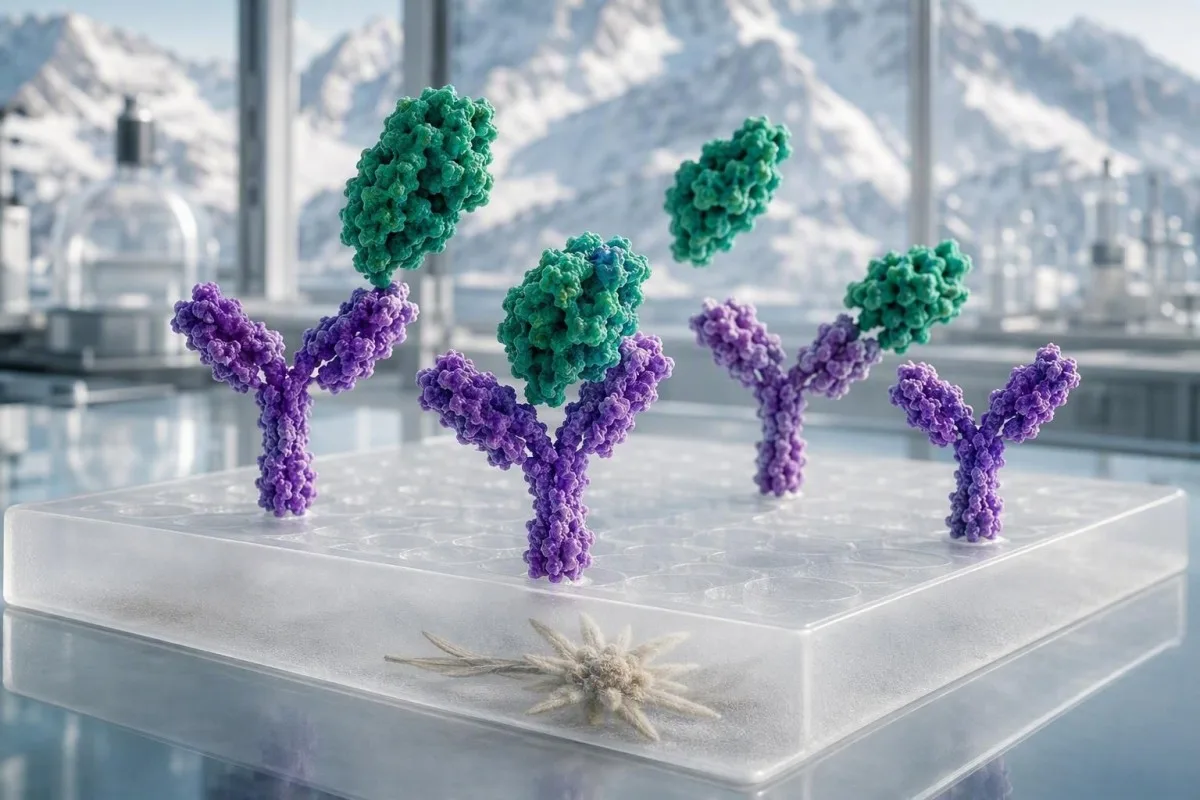
د استخراج مثبت پایله تاسو ته وایي چې IgE په مخلوط کې یو څه پیژندلي. د اجزاو ازموینه کولی شي هغه انفرادي پروټین وپیژني چې پکې دخیل دي - او ځینې وختونه تشریح کوي چې ولې پایله د ریښتیني ژوند نښو سره مطابقت نلري.


- ځانګړی IgE د 0.10 kUA/L یا لوړ د حساسیت ښودنه کوي، نه په خپله د خواړو یا ګرده الرجی کلینیکي.
- ارا ایچ ۲ حساسیت د ریښتینې د مونږ د الرجی سره د مونږ د استخراج پایلې په پرتله ډیر قوي تړاو لري، که څه هم هیڅ واحد ارزښت د عکس العمل شدت وړاندوینه نه کوي.
- ارا ایچ ۸ معمولا د لرګیو ګرده کراس - عکس العمل منعکس کوي او ډیری وختونه د خام د مونږ سره خولې خارش کوي د سیسټمیک عکس العملونو پرځای.
- د ذخیره کولو پروټینونه لکه Cor a 9، Cor a 14، Ana o 3، او Bos d 8 ګرم او د هضم ضد دي، چې د خطر خبرې اترې بدلوي.
- کراس - عکس العمل کاربوهایډریټ تعیین کونکي کولی شي پراخ، ټیټ - کچې مثبت د وینې ازموینې پایلې رامینځته کړي چې په معتبره توګه نښې نه وړاندې کوي.
- د اجزاو - حل شوي تشخیص نشي کولی د احتیاطي عکس العمل تاریخ یا نظارت شوي شفاهي خواړو ننګونې ځای ونیسي کله چې تشخیص نامعلوم پاتې شي.
- ټول IgE د الرجی لپاره هیڅ نړیوال عادي حد نلري او باید د انفرادي خواړو عکس العمل د جديتوب درجه بندي کولو لپاره ونه کارول شي.
- بیړني نښې د خواړو د افشا کیدو وروسته - د تنفس ستونزې، بې هوښۍ، تکراري کانګې، یا پراخه خارش - د برخې پایلو ته په پام سره عاجل ارزونې ته اړتیا لري.
د مالیکولر ازموینې اضافه کول د معیاري الرجی د وینې ازموینې څخه هاخوا
د مالیکولر الرجی ازموینه د ټول استخراج پرځای انفرادي الرجن پروټینونو پروړاندې IgE اندازه کوي, ، نو دا کولی شي د کراس reaksi څخه یو احتمالي لومړني الرجی توپیر کړي. د معیاري استخراج پر بنسټ د الرجی د وینې ازموینه کیدی شي مثبت وي کله چې یو شخص هیڅکله د دې خواړو سره عکس العمل نه وي ښودلی؛ د برخې نمونې اکثرا تشریح کوي ولې.
استخراج مخلوط دي. د مونګ استخراج، د مثال په توګه، د ذخیره کولو پروټینونه، لیپید-انتقال پروټینونه، پروفایلینز، او د برچ د ګرده سره شریک شوي پروټینونه لري؛ مثبت پایله موږ ته یوازې دا وایی چې د سیرم IgE د دې مخلوط لږترلږه یوې برخې سره تړلی و. Kantesti د AI د وینې ازموینې تحلیل کونکی دی چې د کاروونکي لخوا د ازموینې میتود، واحدونو، او د نښو تاریخ سره د راپور شوي برخې نومونه څنګ په څنګ ایږدي. د پایلې بڼې اساساتو لپاره، زموږ کیفي په مقابل کې کمی ګټوره ده.
په کلینیک کې، ما یوه ۲۹ کلنه ښځه د مونګ استخراج IgE سره ولیده چې 7.8 kUA/L وه چې په اونۍ کې د مونګ مکھن پرته له ستونزې خوړله. د هغې جلا شوې Ara h 8 پایله، د منفي Ara h 1، 2، 3، 6، او 9 سره، د برچ سره تړلي کراس- عکس العمل سره سمون درلود - دا د هغې له رژیم څخه د مونګ لرې کولو لامل نه و. شمیره د پروټین او د خواړو وخت کیسې څخه کمه مهمه وه.
د برخې حل شوي تشخیصات، چې د CRD, په نوم هم یادیږي، ترټولو ګټور دي کله چې تاریخ او د استخراج پایله موافق نه وي، کله چې یو شمیر بوټانیکي غیر اړوند خواړه مثبت ازموینه کوي، یا کله چې د خواړو ننګونې په اړه بحث کیږي. دوی احتمال زیاتوي؛ دوی په خلا کې الرجی تشخیص نه کوي. میټریکاردي او نور. د مالیکولر الرجیولوژي د کلینیکي پریکړې نیولو د مرستې په توګه تشریح کړه، نه د هغې بدیل (Matricardi et al., 2016).
حساسیت د کلینیکي الرجی په څیر نه دی
د الرجی د وینې مثبت ازموینه د IgE حساسیت ښیې، پداسې حال کې چې کلینیکي الرجی د افشا کیدو وروسته د تکراري نښو ته اړتیا لري. ډیری لابراتوارونه له 0.10 kUA/L څخه پورته ځانګړي IgE راپوروي، مګر دا تحلیلي حد موږ ته نه وایی چې ایا یو شخص به د خواړو خوړلو پرمهال عکس العمل وښیې.
د ځانګړي IgE پایلې معمولا د ټیټ، متوسط، یا لوړ په توګه ګروپ کیږي، مګر دا کټګورۍ د نړیوال خطر بانډونو پرځای د ازموینې کنوانسیونونه دي. د هګۍ لپاره 0.35 kUA/L ارزښت په کوچني ماشوم کې چې د پخې هګۍ له 15 دقیقو وروسته خارش ولري، معنی لرونکی کیدی شي، پداسې حال کې چې 15 kUA/L په ګرده حساس شوي بالغ کې چې پرته له نښو پخې هګۍ خوري، کلینیکي توګه بې معنی کیدی شي. افشا کیدل د تشخیصي فشار ازموینه پاتې کیږي.
ټول IgE اکثرا په اکزیما، پرازیتي انتاناتو، سګرټ څښلو، او ډیری معافیتي شرایطو کې لوړیږي؛ دا نشي کولی د خواړو الرجی تایید کړي. د 100 IU/mL څخه پورته ټول IgE په اتوپي ناروغۍ کې عام دي، مګر هیڅ ټول IgE غلظت شتون نلري چې یو ځانګړي خواړه ناامنه ثابت کړي. لوستونکي چې د دې جلا شوې پایلې لخوا ویره شوي دي کولی شي بیاکتنه وکړي لوړ IgE څه معنی کیدی شي.
یو په خاموشۍ سره ګټور نښه د استخراج پایلې یوازې پرځای د برخې پایلو ترمنځ تناسب دی. پروفایلینز یا کاربوهایډریټ جوړښتونو ته پراخه ټیټې کچې سیګنالونه، د عکس العمل له تاریخ سره جوړه شوې، باید یو کلینیکین مخکې له دې چې د مخنیوي سپارښتنه وکړي ودروي. یوازې د حساسیت پراساس محدود رژیم کولی شي د تغذیې او ټولنیز زیان رامینځته کړي - په ځانګړي توګه په ماشومانو کې.
څنګه کراس - عکس العمل مثبته پایله بدله کوي
کراس- عکس العمل هغه وخت پیښیږي کله چې IgE په مختلفو سرچینو کې ورته پروټین جوړښتونه پیژني، چې د مساوي کلینیکي خطر پرته مثبتې ازموینې تولیدوي. ترټولو عام مالیکولر کورنۍ PR-10 پروټینونه، پروفایلینز، ټرپوومایوسینز، لیپید-انتقال پروټینونه، او د کراس-عکس العمل کاربوهایډریټ تعیینات دي.
د برچ پوستکی Bet v 1 او د خوړو PR-10 پروټینونه دومره جوړښت لري چې د IgE سره کراس-بایډ کولی شي. له همدې امله یو څوک چې د برچ سره حساس وي ممکن د مڼو Mal d 1، هزلنټ Cor a 1، سوی Gly m 4، مونګ Ara h 8، اجوړکي Api g 1، او ګاجر Dau c 1 لپاره مثبت ازموینه وکړي؛ نښې، کله چې شتون لري، اکثرا د خامو خوړو سره د خولې خارښ پورې محدود وي. پخلی اکثرا د PR-10 پروټینونه بدلوي، که څه هم په کور کې په عادي توګه د ازموینې لپاره په کافي اندازه باور نلري.
د پروفایلین حساسیت کولی شي د ګلانو، خټکي، کیلې، رومي، او لیټیکس په پراخه کچه اغیزمنه پینل هم تولید کړي. د لیټیکس Hev b 8 یو پروفایلین دی او د ریښتیني لیټیکس حساسیت په څیر د کلینیکي پلوه مهمو لیټیکس پروټینونو ته ورته معنی نه لري. د EAACI د خوړو د الرجی لارښود مشوره ورکوي چې تشخیصي ازموینه باید د پراخ سکرینینګ پرځای د الرجی تمرکز تاریخ تعقیب کړي (Santos et al., 2023).
کراس ری ایکټیو کاربوهایډریټ ډیټرمنینټس، چې ډیری وختونه د CCD یا MUXF3 په نوم راپور کیږي، د پروټینونو پرځای نباتات او حشرات دي. د CCD ځانګړي IgE کولی شي د ډیری ټیټ مثبت استخراج پایلو لامل شي، په ځانګړي توګه د ګلانو، زهرونو، او نباتي خوړو لپاره، مګر دا په ندرت سره د نښو سره تړاو لري. دا یو دلیل دی چې د اجزا پینل کولی شي د ګډوډونکي الرجی وینې ازموینې کوچنۍ کړي، نه لویه.
د مونږ د اجزاوو: ولې Ara h 2 او Ara h 8 مختلفې کیسې بیانوي
Ara h 2 او Ara h 6 د مونګ ذخیره پروټینونه دي چې یوازې د مونګ استخراج په پرتله د ریښتینې مونګ الرجی ملاتړ کوي، پداسې حال کې چې Ara h 8 اکثرا د برچ پورې تړلي کراس رییکټیویټي سیګنال کوي. هیڅ یوه برخه نشي کولی دقیق دوز وړاندوینه وکړي چې د عکس العمل لامل کیږي یا د راتلونکي قضیې شدت.
Ara h 1، Ara h 2، Ara h 3، او Ara h 6 د تخم ذخیره پروټینونه دي چې د تودوخې او هضم په وړاندې مقاومت لري. د راجع کولو نفوس په اوږدو کې، Ara h 2 معمولا ترټولو ډیر تشخیصي ګټور واحد مونګ جز دی؛ له 0.1 kUA/L څخه پورته ارزښتونه حساسیت رامینځته کوي، پداسې حال کې چې د پریکړې حدونه د عمر، ازموینې، او محلي نفوس لخوا توپیر لري. زما په تجربه، یو ماشوم چې سمدستي خارښ لري او Ara h 2 یې 12 kUA/L دی د یو اسیمپټوماتیک بالغ څخه د Ara h 8 2 kUA/L سره خورا توپیر لرونکې خبرې اترې ته اړتیا لري.
Ara h 9 یو غیر مشخص لیپیډ-انتقال پروټین، یا LTP دی. دا په مدیترانې نفوس کې ډیر عام لیدل کیږي او ممکن د سیسټمیک عکس العملونو سره تړاو ولري، کله ناکله د تمرین، الکول، غیر سټرایډ ضد التهاب ضد درملو، یا یو بین المللي ناروغۍ لخوا وده کیږي. دا کوفکتورونه مستند کولو ارزښت لري ځکه چې ورته خواړه ممکن په عادي ورځ او وروسته له اوږده منډې وروسته زغمل کیدی شي.
د Ara h 2 منفي پایله مونګ په اتوماتيک ډول خوندي نه کوي. Ara h 6، Ara h 1، Ara h 3، Ara h 9، د شخص جغرافیه، او د عکس العمل کیسه ټول اړونده پاتې کیږي؛ یو الرجیست ممکن لاهم د څارنې لاندې ننګونې وړاندیز کړي. د عملي نښو د شرایطو لپاره، زموږ لارښود وګورئ خارش لرونکي پوستکي لپاره د وینې ازموینې.
د ونو مغز اجزا کولی شي له ډیر تشخیص څخه مخنیوی وکړي او خطر روښانه کړي
د هزلنټ Cor a 9 او Cor a 14، کاشوګ Ana o 3، او جوار Jug r 1 مستحکم تخم-ذخیره پروټینونه ښیې او په عمومي ډول د ګلانو-اړوند برخو په پرتله ډیر کلینیکي وزن لري. د یوې ونې مغز لپاره مثبت پایله د هرې ونې مغز لپاره الرجی ثابت نه کوي.
د هزلنټ ازموینه یوه پیژندل شوې تله ده. Cor a 1 د برچ پورې تړلی PR-10 پروټین دی او اکثرا د خام هزلنټ سره د انفرادي خولې نښو سره سمون لري، پداسې حال کې چې Cor a 9 او Cor a 14 د ذخیره شوي پروټینونه دي چې د سیسټمیک هزلنټ الرجی سره ډیر تړاو لري. توپیر مهم دی ځکه چې هزلنټ په خپرونو، پخه شوي محصولاتو، کنفیکشنري، او پوډر شوي خوړو کې ښکاري چیرې چې پروټین ګرم شوی وي نه ویجاړ شوی.
انا او ۳ په کاشوګ کې یو 2S البومین ذخیره شوی پروټین دی او یو ځانګړی ګټور نښه کونکی دی کله چې د کاشوګ الرجی شک کیږي. کاشوګ او پستې د پام وړ کلینیکي کراس رییکټیویټي شریکوي، مګر لابراتواري پایله دا نه ثابتوي چې هر بل مغز باید له پامه غورځول شي. زه معمولا په دقیق ډول پوښتنه کوم چې کوم مغزونه په خوندي ډول خوړل شوي، په کوم شکل، او څومره وخت دمخه له مخنیوي مخکې.
د ونې د مغز پینلونه د سکرینینګ ازموینې په توګه ترتیب شوي کله چې شور شي. یو ماشوم چې بادام، جوار، او پیټان زغملی شي باید یوازې د دې لپاره چې یو نامناسب مغز استخراج ضعیف مثبت وي هغه خواړه له لاسه ورنکړي؛ د زغملو وړ خواړه ساتل ممکن د رژیم تنوع وساتي او اضطراب کم کړي. کورنۍ چې د خواړو پورې تړلي نښو ته ځي باید د الرجی څخه توپیر وکړي د ګلوټین ازموینې چمتووالی, ، کوم چې د مختلف معافیتي لارې ته پاملرنه کوي.
د شیدو او هګۍ اجزا د پخلي شوي خواړو زغم خبرو اترو کې مرسته کوي
په شیدو کې کیسین او په هګۍ کې اووومیوکوایډ د تودوخې-مستحکم پروټینونه دي، نو Bos d 8 یا Gal d 1 ته IgE ممکن د په پراخه کچه پخه شوي فورمو زغم احتمال کم کړي. دوی د خطر نښې دي، نه اجازه لیکونه چې د انفرادي پلان پرته پخه شوي شیدې یا هګۍ هڅه وکړي.
شیدې کې کیسین او وی پروټینونه شامل دي. Bos d 8 کیسین د پخولو او هضم پرمهال نسبي مستحکم پاتې کیږي، پداسې حال کې چې Bos d 4 الفا-الکټالبيومین او Bos d 5 بیټا-لاکتوګلوبولین د تودوخې-لیبائل دي؛ دا نمونې کولی شي یو الرجیست سره مرسته وکړي ترڅو پریکړه وکړي چې ایا د شیدو پخولو ننګونه مناسبه ده. د کیسین پایله 0.2 kUA/L په 10-میاشتني ماشوم کې د ښوونځي عمر ماشوم په پرتله د مخکیني تنفس سره د شیدو وروسته د ورته احتمال په پرتله نلري.
هګۍ ورته عملي ویش لري. ګال د 1 اووموکویډ د تودوخې په وړاندې نسبتاً پایښت لري، پداسې حال کې چې ګال د 2 اووالبومین د تودوخې په وړاندې ډیر حساس دی؛ څوک چې په عمده توګه د اووالبومین سره حساس وي ممکن د پخلي شوي هګۍ سره مقاومت وکړي، مګر دا باید په خوندي توګه وښودل شي. په کور کې “د پخلي شوي هګۍ ازموینې” بې ضرره ندي کله چې د تنفسي ستونزې، تکراري کانګې، یا مخکیني اضطراري لیدنې شتون ولري.
Kantesti یوه AI د وینې ازموینې تشریح پلیټ فارم دی چې د لابراتوار د برخې نومول شوي نومونه په پوښتنو بدلوي چې د الرجۍ متخصص ته د وړلو ارزښت لري ، پرځای یې خواړه خوندي یا ناامنه لیبل کړي. د تغذیې بدلونونه باید په کوچنیو ماشومانو، د خوړو د اختلالاتو لرونکو خلکو، او هر هغه چا سره چې څو استثناوې لري، په ځانګړي ډول محتاط وي؛ زموږ د خواړو او کولمو روغتیا مقاله د غیر ضروري محدودیت لاندې اغیز پوښښي.
د غنمو اجزا کولی شي د تمرین پورې تړلو عکس العملونو ته ورسوي
تری ای 19، چې د اومیګا-5 ګلیاډین په نوم هم یادیږي، کلیدي برخه ده چې د غنمو پورې تړلي تمرین-induced انفیلاکسیز سره تړاو لري. یو شخص ممکن په آرام کې د غنمو سره مقاومت وکړي مګر کله چې د غنمو مصرف د تمرین، الکول، اسپرین په څیر درملو، تودوخې، یا انفیکشن سره تعقیب شي غبرګون وښيي.
د غنمو استخراج IgE تفسیر کول ستونزمن دي ځکه چې د واښو ګرده حساسیت په عام ډول ټیټ مثبت پایلې تولیدوي. تری ای 19 خورا ځانګړی دی کله چې قضیې د تمرین وروسته شاوخوا 1 تر 4 ساعتونو کې دurticaria، wheeze، collapse، یا جدي معدې نښې ښیې. د خواړو او فعالیت دواړه وخت د استخراج له طبقې څخه ډیر معلوماتي دی.
ما یو ځل د تفریحي سایکل چلونکي بیاکتنه وکړه چې په 18 میاشتو کې یې درې “ناڅرګنده” عکس العملونه درلودل، ټول د غنمو پر بنسټ ناشتې او د 40 کیلومتره سواری وروسته. د هغه د غنمو استخراج پایله 1.1 kUA/L وه، مګر اومیګا-5 ګلیاډین په روښانه توګه مثبت و؛ د اوږدمهاله تمرین څخه څو ساعته دمخه د غنمو څخه ډډه کول د هغه د متخصص پلان برخه وه. دا تشخیص د الرجیسټ ان پټ ته اړتیا لري ځکه چې د کوفکټر حدونه په پراخه کچه توپیر لري.
د غنمو الرجی سیلیک ناروغي، غیر سیلیک غنمو حساسیت، یا عدم برداشت ندی. د سیلیک ازموینه د اتومیمونیت اندازه کوي - معمولا د نسج ټرانسګلوټامینز IgA او ټول IgA - د خواړو ځانګړي IgE په پرتله. که چیرې ټول IgA ټیټ وي، تفسیر ته د مختلفو لارو اړتیا لري، زموږ په د ټیټ IgA ازموینې لارښود.
شیلفش، زهر، او لیټیکس ښیې چې ولې پروټین کورنۍ مهمې دي
ټراپوومیسین کولی شي د شیلفش پایلې د کور د دوړو مایت حساسیت سره وصل کړي، پداسې حال کې چې زهر او لیټیکس برخې کولی شي د بشپړ استخراج څخه ډیر دقیق کلینیکي پلوه اړونده پروټینونه وپیژني. دا پینلونه خورا ارزښتمن دي کله چې د عکس العمل تاریخ کولی شي اضطراري درملنه یا مسلکي مشوره بدل کړي.
پین ای 1 د سالمون ټراپوومیسین دی؛ ډیر پي 10 د مایت ټراپوومیسین دی. ځکه چې ټراپوومیسین د بې ان vértebrates په اوږدو کې ساتل کیږي، د مایت حساس خلک ممکن د شیلفش خوړلو یا ورته غبرګون پرته ټیټ کچې شیلفش IgE وښیي. برعکس، د کرسټاسیان اصلي الرجی کیدی شي کلینیکي پلوه مهم وي حتی کله چې یو څوک د کب سره مقاومت وکړي، ځکه چې کب او شیلفش په بیولوژیکي توګه غیر اړوند د خوړو ګروپونه دي.
د زهر د برخې ازموینه ممکن د لومړني شاتو مچۍ حساسیت جلا کړي، چې اکثراApi m 1 پکې شامل وي، د هغه نمونو څخه چیرې چې د استخراج ازموینه لږ روښانه وي. دا کولی شي د زهر د ایمونوتراپي پریکړو کې مرسته وکړي، مګر د بیس لاین ټریپټیس، د عکس العمل شدت، د افشا کیدو خطر، او د درملنې الرجیسټ ارزونه ټول مهم دي. د سرې وهلو عمومي عکس العمل د سرخوږی یا هوایی لارې نښو سره د متخصص بیاکتنې مستحق دی حتی که د برخې پایله کوچنۍ وي.
د لیټیکس ازموینه هم د مالیکولر توضیحاتو څخه ګټه پورته کوي. Hev b 5 او Hev b 6 په ډیری روغتیایي پورې تړلو لیټیکس عکس العملونو کې د Hev b 8 پروفیلین په پرتله ډیر کلینیکي پلوه اړونده دي؛ دا ممکن د پروسیجرونو دمخه او د محافظتي تجهیزاتو کارولو لپاره کارګرانو لپاره مهم وي. د پوستکي خارشونه د غیر الرجیک تقلید کونکي لري، نو زموږ د پوستکي ستونزې د وینې ازموینې لارښود ممکن د پراخو پوښتنو په جوړولو کې مرسته وکړي.
ولې د اجزاو ارزښتونه د عکس العمل شدت نه اندازه کوي
د برخې لوړه ځانګړې IgE ارزښت معمولا په سم ترتیب کې د کلینیکي الرجی احتمال زیاتوي، مګر دا اټکل نه کوي چې راتلونکی عکس العمل به نرم یا د ژوند ګواښونکي وي. شدت په خوراک، د اسما کنټرول، کوفکټرونو، ځنډ شوي درملنه، او چانس او همدارنګه حساسیت پورې اړه لري.
ځانګړي IgE معمولا په kUA/L کې راپور کیږي، او د ازموینې ارزښتونه په مستقیم ډول د ملی میترو په اندازې کې د پوستکي پنک ویل اندازې سره د تبادلې وړ ندي. د تکراري ازموینو په اوږدو کې لوړیدونکی ارزښت ممکن د بدلون حساسیت منعکس کړي، مګر ورته پایله ممکن د ازموینې تغیر او بیولوژیکي تغیر له امله 20% یا ډیروالی ولري. د رجحان تفسیر تل ممکنه وي کله چې ورته لابراتوار میتود ته اړتیا وي.
د برخې پایله د شخصي عکس العمل حد اټکل کولو کې خورا ضعیف ده. یو څوک چې د Ara h 2 0.9 kUA/L سره د 0.9 kUA/L سره کیدی شي د 20 kUA/L سره بل شخص برعکس، تر هغه وخته چې ډیر لوی خوراک نه وي، عکس العمل وښیي؛ مطالعات کولی شي د ډلې اوسط تشریح کړي، نه د فرد تضمین. دا یوه له هغو سیمو څخه ده چې شرایط د رنګ کوډ شوي بیرغ څخه ډیر مهم دي.
د خواړو ننګونه د حوالې معیار پاتې کیږي کله چې ځواب به پاملرنه بدل کړي او خطر د منلو وړ وي. د 2020 AAAAI کاري ګروپ راپور د شفاهي خواړو ننګونو لپاره منظم خوراک، د بندولو معیارونه، او د څارنې اړتیاوې په ګوته کوي (Bird et al., 2020). د عکس العملونو او درملو تاریخي ریکارډ وساتئ؛ زموږ د وینې ټسټ د مهالویش لارښود تشریح کوي چې ولې کلینیکي شرایط باید د کوم لابراتوار رجحان سره وي.
کله د اجزاو - حل شوي تشخیص امر کول ارزښت لري
د الرجین اجزا ازموینه خورا ګټوره ده وروسته له دې چې یو متمرکز تاریخ او یو مبهم یا پراخ استخراج پر بنسټ پینل ولري، نه د سکرینینګ ازموینې په توګه د خوړو لپاره چې په خوندي ډول خوړل کیږي. دا کولی شي غیر ضروري مخنیوی کم کړي کله چې کراس - عکس العمل احتمال شتون لري او کله چې مستحکم پروټین سنزیت شتون ولري لارښود ته لارښوونه کولی شي.
د منلو وړ نښو کې یو قانع کونکی عکس العمل دграни IgE سره، په مکرر ډول زغملو وړ خواړه کې مثبت استخراج پایله، احتمال لرونکی د Birch-pollen کراس - عکس العمل، شکمن د غنمو - تمرین غبرګونونه، ناڅرګنده زهر د الرجی، او د څارنې شوي خواړو ننګونې دمخه ارزونه شامله ده. له کلینیکي پوښتنې پرته د هر شته اجزا ازموینه د ناڅاپي موندنو زیاتوالی راولي. د ډاکټر توماس کلین په تمرین کې، خورا ګټور غوښتنه اکثرا کوچنۍ وي.
د ازموینې دمخه، د خواړو بڼه، نږدې اندازه، د نښو پیل کیدو دقیقې، تکرار، کارول شوې درملنه، او کوفاکټرونه ثبت کړئ. د دقیقو څخه تر 2 ساعتونو پورې پیل شوي نښې د IgE - منځګړیتوب لرونکي خواړو الرجی سره د راتلونکې ورځې له انزوا څخه ډیر مطابقت لري، که څه هم استثناوې شتون لري. انټي هسټامینونه د سیرم ځانګړي IgE پایلو نه بدلوي، د پوستکي - پریک ازموینې باندې د دوی د اغیزو برخلاف.
Kantesti کاروونکو سره مرسته کوي چې اصلي راپور، تکراري ارزښتونه، او د نښو یادښتونه په یوه د بیا کتلو وړ ریکارډ کې د ژبو په اوږدو کې تنظیم کړي. که تاسو راپور شریک کوئ، زموږ په عملي محافظتونو کې عملي محافظتونه وکاروئ د وینې ازموینې اپلوډ محرمیت چیک لیست; شخصي پایلې باید هیڅکله د تفسیر لپاره په عامه ډلو کې خپاره نه شي.
د الرجی اجزا راپور څنګه د ډیر عکس العمل پرته لوستل کیږي
لومړی د الرجین سرچینه ولولئ، بیا انفرادي اجزا، د پایلې واحد، تحلیلي بند، او ستاسو د افشا تاریخ. یو راپور چې “مثبت” نښه شوی دی یوه تحلیلي موندنه ده؛ دا د اضطراري لارښود نه دی او باید د کلینیکي اقدام پلان ځای ونه نیسي.
وګورئ چې ایا ازموینې د واحد - پلس ImmunoCAP - سټایل راپور ورکول، یو ملټي پلکس مایکرورای، یا بل میتود کارولی. ملټي پلکس پینل کولی شي د کوچني نمونې څخه ډیری ټیټ - کچې حساسیتونه کشف کړي، مګر د دوی عددي حدونه او کلینیکي اعتبار ممکن د واحد - الرجین assays څخه توپیر ولري. د 0.12 kUA/L پایله باید د لوړ، ننګونې - تایید شوي احتمال حد سره مساوي ونه ګڼل شي.
د نمونې په لټه کې شئ، نه د جلا نقطو: مونږک Ara h 2 جمع Ara h 6 د Ara h 8 یوازې څخه توپیر لري؛ هیزلنټ Cor a 14 د Cor a 1 یوازې څخه توپیر لري. که PDF عکس اخیستل شوی یا سکین شوی وي، د واحد سمبولونه او د اعشاریې نقطې عام لیږد تېروتنې دي - یو دلیل زموږ د PDF اپلوډ د تېروتنې چک لېست د عمل کولو دمخه د اصلي لابراتوار پاڼې چک کولو وړاندیز کوي.
Kantesti د یو په توګه کار کوي د AI پر بنسټ د وینې ازموینې تحلیل وسیله چې راپور شوي تحلیلي، واحد، او لابراتوار بیرغ پیژني، مګر دا هغه خواړه نشي لیدلی چې تاسو یې خورئ، ستاسو د تنفس نښې، یا ستاسو د معاینې موندنې. یو مالیکولر پایله باید ښه پوښتنې راوپاروي، نه پخپله لارښود بیا معرفي کول یا بشپړ مخنیوی.
غلط مثبت، غلط منفي، او د ازموینې محدودیتونه
غلط - مثبت د الرجی پایلې عام دي کله چې ازموینه د نښو لخوا لارښود نه وي، او غلط - منفي واقع کیدی شي کله چې اړونده پروټین په استخراج کې شتون ونلري یا کم وي. اجزا پریکړه ښه کوي، مګر دوی د ازموینې محدودیتونه یا بیولوژیکي અનिश्चितता له منځه نه وړي.
د استخراج کیفیت توپیر لري ځکه چې د الرجین سرچینې د کلتور، موسم، پروسس، او د پروټین ثبات له مخې توپیر لري. د سوداګریزو استخراجونو کې لابایل پروټین ممکن لږ وي، پداسې حال کې چې مستحکم پروټین ممکن غالب وي؛ دا مرسته کوي چې ولې یو څوک چې روښانه شفاهي نښې لري ممکن د استخراج ټیټه پایله ولري. په مقابل کې، یو پراخ استخراج کولی شي کراس - عکس العمل جوړښتونه ولري چې د ښودل شوي سنزیت انفلاسیون کوي.
بایوټین سپلیمنټونه د ډیری ځانګړو IgE assays لپاره معمول جدي مسله نده، مګر هټیروفیل انټي باډیز او تخنیکي عوامل کولی شي کله ناکله امون assays اغیزمن کړي. د شدید عکس العمل پرمهال راټول شوي نمونه د ځانګړي IgE لپاره د تفسیر وړ ده، که څه هم ټرپټیس جلا وخت - حساس اداره قواعد لري. که پایله ناممکن وي، تکراري ازموینه یا بل تشخیصي وسیله ممکن مناسب وي.
دقت هم پدې پورې اړه لري چې ایا پایله د شواهدو په اساس تفسیر کیږي. Kantesti AI د واحدونو، د حوالې یادښت، او متناقض لابراتوار نمونې لپاره منظم چیکونه پلي کوي؛ زموږ د کلینیکي تایید (validation) تګلاره دا توضيح کوي چې ولې د AI تفسیر د تشخیص پرځای د تعلیمي ملاتړ په توګه ګڼل کیږي.
د ماشومانو، د سږو ناروغۍ، او امیندوارۍ لپاره ځانګړي ملاحظات
هغه ماشومان چې اکزیما لري او هغه خلک چې د ساه لنډۍ په کنټرول نه لري د الرجی تفسیر ته ځانګړې پاملرنې ته اړتیا لري ځکه چې دواړه د غلط مخنیوي او شدیدو عکس العملونو خطر زیاتوي. امیندوارۍ د IgE پایلې نامعتبر نه کوي، مګر دا بدله کوي چې د رژیم بدلونونه او ننګونې باید په څومره احتیاط سره پلان شي.
هغه ماشومان چې متوسط تر شدید اکزیما لري ډیری وختونه د خوړو ځانګړي IgE لري پرته له دې چې سمدستي د هر مثبت خواړو سره عکس العمل وښيي. د سکرینینګ پر اساس شیدې، هګۍ، غنم، یا ډیری اساسي خواړه لرې کول کولی شي د پروټین، کلسیم، اوسپنې، او انرژي مصرف کم کړي؛ د ودې چارټونه او د تغذیې پوهانو نظر د برخې طبقې په څیر مهم دي. د فارمول بدلونونه باید یوازې د آنلاین تفسیر له مخې ونه شي.
په خراب ډول کنټرول شوي اسما د انفیلاکسس په جریان کې د شدیدو پایلو لپاره د پیژندل شوي خطر فاکتور دی، که څه هم دا د برخې ارزښت “ډیر شدید” نه کوي. هر څوک چې د خواړو له امله رامینځته کیدونکي ټوخي، ویز، د غږ بدلون، بې هوشي، یا تکراري کانګې ولري د خپل ډاکټر څخه د لیکلي بیړني پلان ته اړتیا لري. د اسما نښې نښانې د اضطراب سره موازي کیدی شي، مګر دا هیڅکله د تنفسي نښو ردولو لامل ندي.
د امیندوارۍ په جریان کې، د خواړو نوی پراخ مخنیوی کولی شي د مخنیوي وړ غذایی تشې او اضطراب رامینځته کړي. د الرجی متخصص ممکن د خوړو ننګونه وځنډوي تر څو چې پایله په مادي ډول پاملرنه بدله نه کړي؛ د انفیلاکسس بیړني درملنه باید ونه ځنډول شي ځکه چې څوک امیندواره ده. زموږ د امیندوارۍ لابراتوار سور بیرغ لارښود د وختي کلینیکي ارزونې پراخه اصولو پوښښ کوي.
د اجزا پینل پایلو ترلاسه کولو وروسته څه باید وکړي
د برخې ازموینې وروسته راتلونکی ګام د مالیکولر نمونې د واقعي تماسونو سره سمون او پریکړه کول دي چې ایا مخنیوی، نظارت شوي ننګونه، بیړني پلان، یا هیڅ بدلون مناسب دی. په کور کې د شک لرونکي الرجن ازموینه د مخکیني سیسټمیک reaksi وروسته په قصدي ډول مه کوئ.
د تنفسي مشکل، د ستوني تنګیدل، بې هوشي، دوامداره سرخوږی، یا وروسته تکراري کانګې سره د عکس العملونو لپاره سمدستي د الرجی بیاکتنې تنظیم کړئ خواړه، حشراتو وهل، یا لیټیکس سره تماس. د بیړني خدمات مناسب دي فعال شدید نښې؛ د اډرینالین اتوماتیک انجیکٹر، کله چې لیکل شوي وي، باید د لابراتوار پایلې ته د انتظار کولو پرځای د انفرادي عمل پلان سره سم وکارول شي. د خام میوو سره لږ خارش خوله توپیر لري، مګر بیا هم د شرایطو مستحق دی.
غیر تدوین شوي راپور، د عکس العمل ډیری، د درملو لیست، د اسما حالت، او د الصور که شتون ولري راوړئ. څلور مشخصې پوښتنې وپوښتئ: کوم پروټین مثبت و؟ ایا دا نمونه زما عکس العمل سره سمون لري؟ ایا دا خواړه اوس په هغه بڼه کې خوندي دي چې زه یې خورم؟ ایا طبي نظارت شوي ننګونه به مدیریت بدل کړي؟ هغه خبرې اترې د دې پوښتنې په پرتله ډیرې ګټورې دي چې ایا پایله په ساده ډول “لوړه” ده.”
د اګست 31، 2026 پورې، ترټولو خوندي تفسیر لاهم د تاریخ، ازموینې، او - کله چې اړین وي - ننګونې یو کلینیکي مشرتابه ترکیب پاتې دی. Kantesti طبي مینځپانګه د ډاکټر نظارت سره بیاکتنه کیږي؛ لوستونکي کولی شي د زموږ له لارې شامل ډاکټران وګوري د طبي مشورتي بورډ او زده کړي چې د پایلې-مربوطه توکو کاري وسیلې څنګه په د AI ټکنالوژۍ لارښود.
پوښتل شوې پوښتنې
د الرجی په وینې ازموینه کې د برخې حل شوي تشخیص څه شی دی؟
د اجزا په واسطه تشخیص د انفرادي الرجن پروټینونو پروړاندې IgE انټي باډیز اندازه کوي د بشپړ خواړو، ګرده، زهر، یا لیټیکس استخراج پرځای. د 0.10 kUA/L یا لوړ IgE ځانګړې پایله معمولا د لابراتوار حساسیت په ګوته کوي، مګر دا پخپله د کلینیکي الرجی تشخیص نه کوي. د مثال په توګه، د араکی تخم Ara h 2 د birch-related Ara h 8 څخه مختلف خطر نمونه وړاندیز کوي. یو کلینیکین د اجزا پروفایل د عکس العمل وخت، خوړل شوي مقدار، او ایا خواړه زغمل شوي دي سره یوځای کوي.
ایا د ارا ایچ ۲ مثبت پایله د بادامو حساسیت معنی لري؟
د ارا h 2 مثبت پایله د ریښتینې دنجو د حساسیت احتمال زیاتوي، په ځانګړې توګه کله چې نښې د دنجو د اغیزې په 2 ساعتونو کې ښکاره شي، خو دا مطلق تشخیص نه دی. د ارا h 2 ارزښتونه په kUA/L کې راپور شوي، او هیڅ یو حد د هر عمر ګروپ یا لابراتوار لپاره په مساوي توګه د حساسیت وړاندوینه نه کوي. د ارا h 6، ارا h 1، ارا h 3، د عکس العمل تاریخ، او د خولې خواړو ننګونې موندنې کولی شي تفسیر بدل کړي. ارا h 2 د راتلونکي عکس العمل شدت یا د دنجو دقیق مقدار وړاندوینه نشي کولی چې نښې به یې رامنځته کړي.
ایا د ګلانو الرجی د خواړو الرجی د وینې ازموینې غلط مثبت پایله ورکولی شي؟
هو، د ګرده حساسیت کولی شي د کراس ری ایکټیو پروټینونو لکه PR-10 پروټینونو او پروفیلینونو له لارې د خواړو الرجی مثبت وینې ازموینې لامل شي. د الباغ پورې اړوند Ara h 8 په مغز کې، Cor a 1 په هزلنټ کې، او Mal d 1 په مڼو کې ډیری وخت د خامو خواړو له امله د خولې خارښ سره تړاو لري د سیسټمیک عکس العملونو پرځای. پایلې په 0.10 kUA/L یا له هغه څخه پورته د IgE بانډینګ ښیې، نه ضروري چې خواړه له مینځه وړو ته اړتیا وي. تودوخه کولی شي د PR-10 فعالیت کم کړي، مګر خلک باید د هرې پخوانۍ جدي عکس العمل وروسته په کور کې شکمن الرجین ازموینه ونه کړي.
د خوړو د الرجی لپاره د IgE ټول کچه لوړه کیدل څه معنی لري؟
د IgE ټول کچه لوړه نه په ګوته کوي چې کوم خواړه د نښو لامل کیږي او د خواړو د الرجی شدت نه اندازه کوي. د 100 IU/mL څخه لوړه د IgE ټول کچه په اکزیما او نورو اتوپیک شرایطو کې عامه ده، پداسې حال کې چې د تایید شوي خواړو الرجی لرونکي خلک د IgE ټول کچه د لابراتوار حوالې په فاصله کې لري. د خواړو د یو ډول ارزونې لپاره د IgE ټول کچې په پرتله د برخې-ځانګړي IgE او کلینیکي تاریخ ډیر ګټور دي. د IgE خورا لوړ پایله ممکن د بیا تکرار انفیکشن، شدید پوستکي، یا نورو غیر معمولي نښو سره د پراخ طبي تفسیر مستحق وي.
ایا د برخې ازموینه د خوراکي توکو د خولې ازموینې ځای نیولی شي؟
د برخو ازمايښت نشي کولی د څارل شوي شفاهي خواړو ننګونې بشپړ ځای ونیسي کله چې تشخیص نامعلوم پاتې شي او ځواب به پاملرنې بدل کړي. شفاهي خواړو ننګونه د روزل شوي طبي څارنې لاندې په تدریجي ډول د اندازې شوي دوزونو کارول شامل دي ، د بندولو معیارونو او نظارت سره چې په کور کې نشي تکرار کیدی. باثباته پروټین حساسیت ، لکه Ana o 3 یا Bos d 8 ، ممکن د ناروغانو په انتخاب کې مرسته وکړي څوک چې د ننګونې دمخه ډیر احتیاط ته اړتیا لري. د 2020 AAAAI شفاهي خواړو ننګونې راپور د یوازې IgE ارزښت باندې تکیه کولو پرځای منظم دوزینګ او اضطراري چمتووالي باندې ټینګار کوي.
د شیدو یا هګۍ د پخیدو له امله په کومو الرجی اجزاوو کې لږ زغم ښیي؟
د شیدو کیسین Bos d 8 او د هګۍ اوووموکایډ Gal d 1 نسبتاً تودوخې ته باثباته پروټینونه دي، نو د دوی سره حساسیت کولی شي په پراخه کچه پخ شوي شیدو یا هګۍ زغم likelihood کم کړي. د دوی پایلې په kUA/L اندازه کیږي، مګر هیڅ نړیوال ارزښت شتون نلري چې په خوندي ډول د کور معرفي کولو اجازه ورکړي. ځینې خلک چې مثبت Bos d 8 یا Gal d 1 لري لاهم پخ شوي محصولات زغمي، پداسې حال کې چې نور نه. یو الرجیست ممکن د بشپړ تاریخ، د پوستکي ازموینې، د اجزاوو نمونې، او د نظارت شوي ننګونې څخه کار واخلي ترڅو راتلونکي ګامونه پریکړه کړي.
د الرجيک غبرګون شک کولو په صورت کې کله باید عاجل مرستې ته ورشم؟
د الرجيک عکس العمل د شک په صورت کې د ساه لنډۍ، د ستوني تنګوالي، د غږ بدلون، بې هوښۍ، شدید سرخوږی، یا پرله پسې کانګو لپاره سمدستي عاجل مرسته وغواړئ. دا نښې نښانې کولی شي د انفیلاکسس نښه وي حتی که خارش شتون ونلري او حتی که د الرجی د وینې ازموینه پخوا ټیټه یا منفي وي. د شخصي بیړني پلان له مخې د انادرینالین prescribed وکاروئ او د نښو ترڅو څرګند شي انتظار مه کوئ. د برخې ازموینه وروسته تشخیص لپاره ګټوره ده، مګر دا د فعالې اضطراري حالت په اداره کولو کې هیڅ رول نلري.
همدا نن د AI په مرسته د وینې ازموینې تحلیل ترلاسه کړئ
له 2M+ څخه زیات کاروونکي په ټوله نړۍ کې زموږ په Kantesti باور لري چې د لابراتوار ازموینو تحلیل په فوري او دقیق ډول کوي. خپل د وینې ازموینې پایلې اپلوډ کړئ او په ثانیو کې د 15,000+ بایومارکرونو بشپړه تشریح ترلاسه کړئ.
📚 د څېړنې خپرونې چې حواله شوې دي
کلین، ټي، مېچېل، ایس، او وېبر، ایچ. (2026). د سیرم پروټین لارښود: ګلوبولین، البومین او د A/G تناسب د وینې معاینه. Kantesti د AI طبي څېړنه.
کلین، ټي، مېچېل، ایس، او وېبر، ایچ. (2026). د C3 C4 تکمیلي وینې ازموینه او د ANA ټایټر لارښود. Kantesti د AI طبي څېړنه.
📖 بهرني طبي مراجع
Santos AF et al. (2023). EAACI لارښودونه د IgE-منقول خواړو الرجی تشخیص باندې. حساسیت (Allergy).
Bird JA et al. (2020). د شفاهي خواړو ننګونې ترسره کول: د 2009 ز کال د خوړو سره د ناغوښتلو عکس العملونو کمیټې کاري ګروپ راپور تازه کول. د الرجی او کلینیکي immunology ژورنال: په عمل کې.
Matricardi PM et al. (2016). EAACI مالیکولر الرجیولوژي کارونکي لارښود. پیډیاټریک الرجی او امیونولوژي.
⚕️ طبي ردونه
دا مقاله یوازې د زده کړې لپاره ده او طبي مشوره نه جوړوي. د تشخیص او درملنې د پرېکړو لپاره تل د وړ روغتیايي خدمت وړاندې کوونکي سره سلا وکړئ.
د E-E-A-T باور نښې
تجربه
د ډاکټر تر مشرۍ لاندې کلینیکي بیاکتنه د لابراتواري تفسیر د کاري بهیرونو لپاره.
تخصص
د لابراتواري طب تمرکز پر دې چې بایومارکرونه په کلینیکي شرایطو کې څنګه چلند کوي.
واک ورکول
د ډاکټر توماس کلاین له خوا لیکل شوی، د ډاکټر سارا میچل او پروف. ډاکټر هانس ویبر له خوا بیاکتنه.
اعتبار
د شواهدو پر بنسټ تفسیر د روښانه تعقیبي لارو چارو سره، تر څو اندیښنه کمه شي.