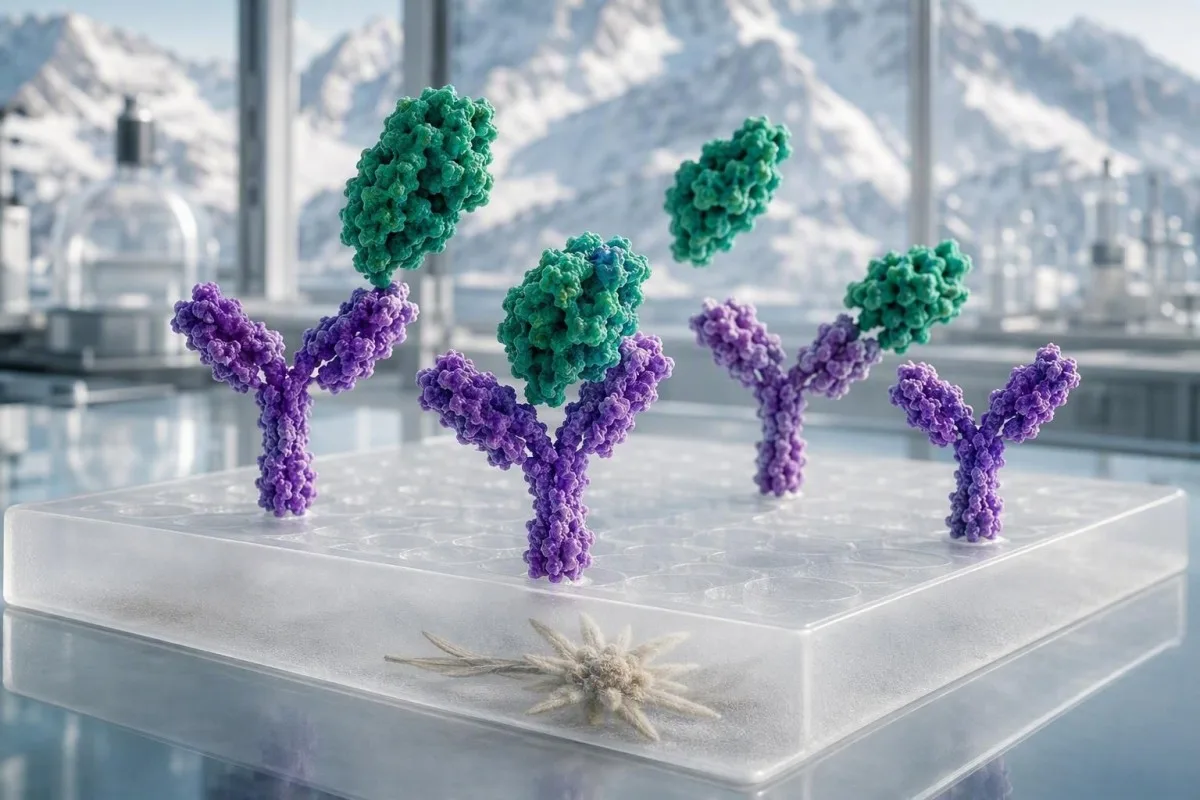
Դրական արդյունքը ցույց է տալիս, որ IgE-ն ճանաչել է ինչ-որ բան խառնուրդի մեջ։ Կոմպոնենտների թեստավորումը կարող է բացահայտել առանձին սպիտակուցը, որը ներգրավված է, և երբեմն բացատրում է, թե ինչու արդյունքը չի համապատասխանում իրական ախտանիշներին։.


- Հատուկ IgE 0.10 kUA/լ կամ ավելի բարձր ցույց է տալիս սենսիբիլիզացիա, այլ ոչ թե սննդի կամ ծաղկափոշու կլինիկական ալերգիա՝ ինքնին։.
- Արա հ 2 սենսիբիլիզացիան ավելի ուժեղորեն կապված է իրական գետնանուշի ալերգիայի հետ, քան միայն գետնանուշի էքստրակտի արդյունքը, թեև ոչ մի առանձին արժեք չի կանխատեսում ռեակցիայի ծանրությունը։.
- Արա հ 8 սովորաբար արտացոլում է կեչու ծաղկափոշու խաչաձև ռեակտիվությունը և հաճախ առաջացնում է բերանի քոր հում գետնանուշի հետ, այլ ոչ թե համակարգային ռեակցիաներ։.
- Պահեստավորման սպիտակուցներ ինչպիսիք են Cor a 9, Cor a 14, Ana o 3, և Bos d 8-ը, հակված են լինել ջերմության և մարսողության նկատմամբ կայուն, ինչը փոխում է ռիսկի քննարկումը։.
- Խաչաձև ռեակտիվ ածխաջրային դետերմինանտներ կարող են ստեղծել լայն, ցածր մակարդակի դրական ալերգիկ արյան անալիզի արդյունքներ, որոնք հուսալիորեն չեն կանխատեսում ախտանիշները։.
- Կոմպոնենտային լուծորդային ախտորոշում չի կարող փոխարինել մանրակրอบ ռեակցիայի պատմությունը կամ հսկվող բերանացի սննդային մարտահրավերը, երբ ախտորոշումը մնում է անորոշ։.
- Ընդհանուր IgE չունի ալերգիայի համար ունիվերսալ նորմալ կտրվածք և չպետք է օգտագործվի անհատական սննդային ռեակցիայի ծանրությունը գնահատելու համար։.
- Արտակարգ ախտանիշներ սննդի ազդեցությունից հետո՝ շնչառական դժվարություն, թուլություն, կրկնվող փսխում կամ մաշկային ցան՝ անկախ բաղադրիչների արդյունքներից, պահանջում է շտապ գնահատում։.
Ինչ է ավելացնում մոլեկուլյար թեստավորումը ստանդարտ ալերգիկ արյան անալիզի արդյունքներից դուրս
Մոլեկուլային ալերգիայի թեստավորումը չափում է IgE-ն՝ իդեալական ալերգենային սպիտակուցների, այլ ոչ թե ամբողջական մզվածքի դեմ։, ուստի այն կարող է տարբերել հավանական առաջնային ալերգիան խաչաձև ռեակցիայից։ Ստանդարտ մզվածքի վրա հիմնված ալերգիայի արյան թեստը կարող է դրական լինել, երբ մարդը երբեք չի արձագանքել այդ սննդին. բաղադրիչների ձևը հաճախ բացատրում է, թե ինչու։.
Մզվածքները խառնուրդներ են։ Գետնանուշի մզվածքը, օրինակ, պարունակում է պահեստային սպիտակուցներ, լիպիդ-փոխադրող սպիտակուցներ, պրոֆիլիններ և սպիտակուցներ, որոնք ընդհանուր են կեչու ծաղկափոշու հետ. դրական արդյունքը մեզ ասում է միայն այն, որ շիճուկի IgE-ն կապված է այդ խառնուրդի առնվազն մեկ մասի հետ։. Kantesti-ը AI արյան թեստի վերլուծիչ է, որը տեղադրում է հաղորդված բաղադրիչների անունները վերլուծության մեթոդի, միավորների և օգտատիրոջ կողմից մուտքագրված ախտանիշների պատմության կողքին։. Արդյունքների ձևաչափի հիմունքների համար մեր որակական ընդդեմ քանակական ուղեցույցի օգտակար է։.
Կլինիկայում ես տեսել եմ 29-ամյա մի կնոջ, ում մոտ գետնանուշի մզվածքի IgE-ն կազմում էր 7.8 kUA/L, ով շաբաթը մեկ անգամ առանց խնդիրների ուտում էր գետնանուշի կարագ։ Նրա մեկուսացված Ara h 8 արդյունքը, բացասական Ara h 1, 2, 3, 6 և 9-ով, համապատասխանում էր կեչու հետ կապված խաչաձև ռեակտիվությանը, այլ ոչ թե պատճառ էր նրա սննդակարգից գետնանուշը հեռացնելու։ Թիվը ավելի քիչ էր կարևոր, քան սպիտակուցը և ճաշի ժամանակ պատմությունը։.
Բաղադրիչների վրա հիմնված ախտորոշումը, որը նաև կոչվում է CRD, առավել օգտակար են, երբ պատմությունը և մզվածքի արդյունքը հակասում են, երբ մի քանի բուսաբանորեն անկապ սնունդներ դրական են, կամ երբ քննարկվում է սննդային մարտահրավերը։ Նրանք հավանականությունը հստակեցնում են; նրանք չեն ախտորոշում ալերգիա վակուումի մեջ։ Matricardi-ն և գործընկերները մոլեկուլային ալերգոլոգիան նկարագրել են որպես կլինիկական որոշումների կայացման օգնություն, այլ ոչ թե դրա փոխարինում (Matricardi et al., 2016)։.
Սենսիբիլիզացիան տարբերվում է կլինիկական ալերգիայից
Ալերգիայի արյան թեստի դրական արդյունքը ցույց է տալիս IgE սենսիբիլիզացիա, մինչդեռ կլինիկական ալերգիան պահանջում է կրկնվող ախտանիշներ՝ ազդեցությունից հետո։. Շատ լաբորատորիաներ հաղորդում են հատուկ IgE-ի մակարդակը 0.10 kUA/L-ից սկսած, սակայն այս վերլուծական շեմը մեզ չի ասում, թե արդյոք մարդը կարձագանքի սնունդը ուտելիս։.
Հատուկ IgE-ի արդյունքները սովորաբար խմբավորվում են որպես ցածր, միջին կամ բարձր, սակայն այս կատեգորիաները ավելի շատ թեստի ստանդարտներ են, քան ունիվերսալ ռիսկի խմբեր։ 0.35 kUA/L արժեքը ձվի համար կարող է նշանակալից լինել փոքրիկ երեխայի մոտ, ով 15 րոպեի ընթացքում ունի մաշկային ցան՝ ձվի պատճառով, մինչդեռ 15 kUA/L-ը կարող է կլինիկապես անհեթեթ լինել փոշոտված մեծահասակի մոտ, ով առանց ախտանիշների ուտում է թխած ձու։. Փորձը մնում է ախտորոշիչ սթրես-թեստը։.
Ընդհանուր IgE-ն հաճախ բարձր է էկզեմայի, մակաբուծական վարակների, ծխելու և մի քանի իմունային վիճակների դեպքում. այն չի կարող հաստատել սննդային ալերգիան։ 100 IU/mL-ից բարձր ընդհանուր IgE-ն տարածված է ատոպիկ հիվանդության դեպքում, սակայն չկա ընդհանուր IgE-ի այնպիսի կոնցենտրացիա, որը կապացուցի որոշակի սննդի անապահով լինելը։ Այս մեկուսացված արդյունքից տեղեկացած ընթերցողները կարող են ծանոթանալ ինչ կարող է նշանակել բարձր IgE-ն.
Մեկ աննկատ արժեքավոր ցուցիչը բաղադրիչների արդյունքների հարաբերակցությունն է, այլ ոչ միայն մզվածքի արդյունքը։ Պրոֆիլինների կամ ածխաջրային կառուցվածքների նկատմամբ ցածր մակարդակի լայն ազդանշանները, համատեղված ռեակցիայի պատմության բացակայության հետ, պետք է բժշկին ստիպեն դադար առնել՝ նախքան խուսափելը խորհուրդ տալը։ Միայն սենսիբիլիզացիայի վրա հիմնված սահմանափակ դիետան կարող է սննդային և սոցիալական վնաս պատճառել, հատկապես երեխաների մոտ։.
Ինչպես խաչաձև ռեակտիվությունը փոխում է դրական արդյունքը
Խաչաձև ռեակտիվությունը տեղի է ունենում, երբ IgE-ն ճանաչում է նման սպիտակուցային կառուցվածքներ տարբեր աղբյուրներում, առաջացնելով դրական թեստեր՝ առանց հավասար կլինիկական ռիսկի։. Համընդհանուր մոլեկուլային ընտանիքներն են PR-10 սպիտակուցները, պրոֆիլինները, տրոպոմիոզինները, լիպիդ-փոխադրող սպիտակուցները և խաչաձև ռեակտիվ ածխաջրային դետերմինանտները։.
Բерезини пиливи Bet v 1-ը և սննդային PR-10 սպիտակուցները բավականաչափ կառուցվածք ունեն IgE-ի խաչաձև կապի համար։ Այսպիսով, բерезини ալերգիա ունեցող անձը կարող է դրական արդյունք ցույց տալ խնձորի Mal d 1-ի, Hazelnut Cor a 1-ի, սոյայի Gly m 4-ի, գետնանուշի Ara h 8-ի, նեխուրի Api g 1-ի և գազարի Dau c 1-ի նկատմամբ; ախտանիշները, երբ առկա են, հաճախ սահմանափակվում են բերանի քորով հում մթերքների դեպքում։ Եփելը հաճախ փոխում է PR-10 սպիտակուցները, թեև ոչ բավարար հուսալիորեն, որպեսզի կարելի լինի պատահականորեն փորձարկել այն տանը։.
Պրոֆիլինի զգայնություն կարող է նաև տալ տպավորիչ պանել ծաղկափոշիների, սեխի, բանանի, լոլիկի և լատեքսի վրա։ Լատեքս Hev b 8-ը պրոֆիլին է և չունի նույն նշանակությունը, ինչ իսկական լատեքսի զգայնությունը կլինիկական առումով կարևոր լատեքսային սպիտակուցների նկատմամբ։ EAACI սննդային ալերգիայի ուղեցույցը խորհուրդ է տալիս, որ ախտորոշիչ թեստավորումը պետք է իրականացվի ալերգիայի վրա կենտրոնացած պատմությանը համապատասխան, այլ ոչ թե լայնածավալ սկրինինգի (Santos et al., 2023):.
Խաչաձև ռեակտիվ ածխաջրային դետերմինանտները, որոնք հաճախ հաղորդվում են որպես CCD կամ MUXF3, բույսերի և միջատների շաքարային մոտիվներ են, այլ ոչ թե սպիտակուցներ։ CCD-ի վրա հիմնված IgE-ն կարող է հանգեցնել բազմաթիվ ցածր դրական մզվածքի արդյունքների, հատկապես ծաղկափոշիների, թույների և բուսական մթերքների համար, սակայն դա հազվադեպ է համընկնում ախտանիշների հետ։ Սա մեկ պատճառ է, որ կոմպոնենտային պանելը կարող է շփոթեցնող ալերգիայի արյան թեստը դարձնել ավելի փոքր, այլ ոչ ավելի մեծ։.
Գետնանուշի կոմպոնենտներ. ինչու են Ara h 2-ը և Ara h 8-ը տարբեր պատմություններ պատմում
Ara h 2-ը և Ara h 6-ը գետնանուշի պահեստային սպիտակուցներ են, որոնք ավելի ուժեղ են աջակցում գետնանուշի իսկական ալերգիային, քան միայն գետնանուշի մզվածքը, մինչդեռ Ara h 8-ը հաճախ ազդարարում է березини-ի հետ կապված խաչաձև ռեակտիվությունը։. Ոչ մի կոմպոնենտ չի կարող կանխատեսել ճշգրիտ չափաբաժինը, որը կառաջացնի ռեակցիա, կամ ապագա դրվագի ծանրությունը։.
Ara h 1, Ara h 2, Ara h 3, և Ara h 6-ը սերմերի պահեստային սպիտակուցներ են, որոնք դիմացկուն են տաքացման և մարսմանը։ Առողջապահական հաստատություններում Ara h 2-ը սովորաբար ամենաախտորոշիչ օգտակար միայն գետնանուշի կոմպոնենտն է. 0.1 kUA/L-ից բարձր արժեքները հաստատում են զգայնությունը, մինչդեռ որոշման շեմերը տարբերվում են ըստ տարիքի, անալիզի և տեղական բնակչության։ Իմ փորձով, ակնթարթային եղնջացանով երեխան, ում մոտ Ara h 2-ը կազմում է 12 kUA/L, պետք է շատ տարբեր քննարկում ունենա, քան ասիմպտոմատիկ մեծահասակը, ում մոտ Ara h 8-ը կազմում է 2 kUA/L։.
Ara h 9-ը ոչ-սպեցիֆիկ ճարպային փոխադրող սպիտակուց է, կամ LTP։ Այն ավելի հաճախ հանդիպում է Միջերկրական ծովի բնակչության շրջանում և կարող է կապված լինել համակարգային ռեակցիաների հետ, որոնք երբեմն ուժեղանում են ֆիզիկական ծանրաբեռնվածության, ալկոհոլի, ոչ ստերոիդային հակաբորոքային դեղամիջոցների կամ միաժամանակյա հիվանդության պատճառով։ Այս համատեղ գործոնները արժե փաստաթղթել, քանի որ նույն սնունդը կարող է հանդուրժվել սովորական օրերին և ոչ թե երկար վազքից հետո։.
Բացասական Ara h 2-ը գետնանուշը ավտոմատ կերպով անվտանգ չի դարձնում։ Ara h 6, Ara h 1, Ara h 3, Ara h 9, անձի աշխարհագրությունը և ռեակցիայի պատմությունը դեռևս հարաբերական են; ալերգոլոգը կարող է դեռ խորհուրդ տալ վերահսկվող մարտահրավեր։ Համալիր ախտանիշների համար տես մեր ուղեցույցը քոր առաջացնող մաշկի համար արյան անալիզների մասին.
Ծառի ընկույզի կոմպոնենտները կարող են կանխել գերախտորոշումը և պարզաբանել ռիսկը
Hazelnut Cor a 9 և Cor a 14, ընկույզ Ana o 3, և ընկույզ Jug r 1-ը ցույց են տալիս կայուն սերմերի պահեստային սպիտակուցներ և ընդհանուր առմամբ ավելի մեծ կլինիկական նշանակություն ունեն, քան ծաղկափոշու հետ կապված կոմպոնենտները։. Մի ծառի ընկույզի նկատմամբ դրական արդյունքը չի ապացուցում ալերգիա բոլոր ծառի ընկույզների նկատմամբ։.
Hazelnut-ի թեստավորումը ծանոթ թակարդ է։ Cor a 1-ը березини-ի հետ կապված PR-10 սպիտակուց է և հաճախ համապատասխանում է հում hazelnut-ի հետ կապված բերանի խոռոչի ախտանիշներին, մինչդեռ Cor a 9-ը և Cor a 14-ը պահեստային սպիտակուցներ են, որոնք ավելի շատ կապված են համակարգային hazelnut ալերգիայի հետ։ Այս տարբերակումը կարևոր է, քանի որ hazelnut-ը հայտնվում է տարածումներում, թխվածքաբլիթներում, կոնֆետներում և փոշիացված մթերքներում, որտեղ սպիտակուցը տաքացվել է, այլ ոչ թե ոչնչացվել։.
Անա օ 3 Cashew-ի 2S ալբումինային պահեստային սպիտակուց է և հատկապես օգտակար մարկեր է, երբ կասվում է cashew-ի ալերգիա։ Cashew-ը և pistachio-ն ունեն զգալի կլինիկական խաչաձև ռեակտիվություն, բայց լաբորատոր արդյունքը չի հաստատում, որ բոլոր մյուս ընկույզները պետք է բացառվեն։ Ես սովորաբար հարցնում եմ, թե ճիշտ որ ընկույզներն են անվտանգ ուտվել, ինչ ձևով, և որքան վերջերս են ուտվել, նախքան խուսափելու ընդլայնումը։.
Ծառի ընկույզների պանելները կարող են դառնալ աղմկոտ, երբ պատվիրվում են որպես սկրինինգային թեստեր։ Մի երեխա, ով հանդուրժում է նուշ, ընկույզ և պեկան, չպետք է կորցնի այդ մթերքները, միայն այն պատճառով, որ ոչ կապված ընկույզի մզվածքը թույլ դրական է; հանդուրժվող մթերքները պահպանելը կարող է պահպանել սննդակարգի բազմազանությունը և նվազեցնել անհանգստությունը։ Սննդի հետ կապված ախտանիշները ուսումնասիրող ընտանիքները պետք է նաև տարբերակեն ալերգիան գլյուտենի թեստավորման նախապատրաստում, որը վերաբերում է իմունային տարբեր ուղու։.
Կաթի և ձվի կոմպոնենտները օգնում են քննարկել թխած մթերքի հանդեպ հանդուրժողականությունը
Կաթի մեջ կազեինը և ձվի մեջ օվոմուկոիդը ջերմակայուն սպիտակուցներ են, ուստի Bos d 8-ի կամ Gal d 1-ի IgE-ն կարող է նվազեցնել լայնորեն թխված ձևերի հանդուրժողականության հավանականությունը։. Նրանք ռիսկային մարկերներ են, ոչ թե թույլտվության քարտեր՝ փորձելու թխված կաթ կամ ձու առանց անհատականացված պլանի։.
Կաթը պարունակում է կազեիններ և շիճուկային սպիտակուցներ։. Bos d 8 կազեին մնում է համեմատաբար կայուն թխման և մարսման ընթացքում, մինչդեռ Bos d 4 ալֆա-լակտալբումինը և Bos d 5 բետա-լակտոգլոբուլինը ավելի ջերմազգայուն են; այս օրինաչափությունը կարող է օգնել ալերգոլոգին որոշել, թե արդյոք թխված կաթի մարտահրավերը ողջամիտ է։ 0.2 kUA/L կազեինի արդյունքը չունի նույն հավանականությունը 10- ամսական երեխայի մոտ, ինչ 10- ամսական երեխայի մոտ, ինչ դպրոցական տարիքի երեխայի մոտ, ում մոտ կաթից հետո եղել է շնչարգելություն։.
Ձվի դեպքում նմանատիպ գործնական բաժանում կա։ Gal d 1 օվոմուկոիդը համեմատաբար ջերմակայուն է, մինչդեռ Gal d 2 օվալբումինն ավելի զգայուն է ջերմության նկատմամբ. մեկը, ով զգայունացված է հիմնականում օվալբումինի նկատմամբ, կարող է հանդուրժել լավ ջեռուցված ձու, բայց դա պետք է ապահով կերպով ցուցադրվի։ Տնային “ձվի թխման թեստերը” անվնաս չեն, երբ եղել է շնչառության դժվարություն, կրկնվող փսխում կամ նախորդող շտապ օգնության այցելություն։.
Kantesti-ը AI արյան անալիզի մեկնաբանման հարթակ է, որը լաբորատորիայի բաղադրիչների անվանացանկը վերածում է այնպիսի հարցերի, որոնք արժե տալ ալերգոլոգի, այլ ոչ թե սնունդը անվտանգ կամ ոչ անվտանգ համարելու։. Սննդակարգի փոփոխությունները պետք է հատկապես զգուշությամբ իրականացվեն փոքր երեխաների, սննդային խանգարումներ ունեցող մարդկանց և բազմաթիվ բացառություններ ունեցող ցանկացած անձի մոտ. մեր սննդի և աղիքային առողջության հոդվածը ծածկում է ավելորդ սահմանափակման հետևանքները։.
Ցորենի կոմպոնենտները կարող են բացահայտել ֆիզիկական ակտիվությունից կախված ռեակցիաները
Tri a 19, որը նաև կոչվում է օմեգա-5 գլիադին, հանդիսանում է ցորենից կախված ֆիզիկական ծանրաբեռնվածությունից առաջացած անաֆիլաքսիայի հետ կապված հիմնական բաղադրիչը։. Մարդը կարող է հանդուրժել ցորենը հանգստի ժամանակ, բայց արձագանքել, երբ ցորենի ընդունումից հետո հաջորդում է ֆիզիկական ծանրաբեռնվածություն, ալկոհոլ, ասպիրինանման դեղամիջոցներ, ջերմություն կամ վարակ։.
Ցորենի էքստրակտի IgE-ի մեկնաբանությունը դժվար է, քանի որ խոտի փոշու ալերգիան հաճախ առաջացնում է ցածր դրական արդյունքներ։ Tri a 19 շատ ավելի ճշգրիտ է, երբ դրվագները ներառում են եղնջացան, հևոց, կոլապս կամ ծանր ստամոքս-աղիքային ախտանիշներ ֆիզիկական ծանրաբեռնվածությունից հետո ցորենի ընդունումից մոտ 1-4 ժամվա ընթացքում։ Թե՛ ուտեստի, թե՛ ակտիվության ժամկետը ավելի շատ տեղեկատվական է, քան միայն էքստրակտի դասը։.
Ես մի անգամ վերանայել եմ սիրողական հեծանվորի դեպք, ով 18 ամսվա ընթացքում երեք “պարզաբանված” ռեակցիա է ունեցել, բոլորը ցորենի վրա հիմնված նախաճաշից և 40 կիլոմետրանոց երթից հետո։ Նրա ցորենի էքստրակտի արդյունքը համեստ էր՝ 1.1 kUA/L, բայց օմեգա-5 գլիադինը հստակ դրական էր. ցորենից խուսափելը ֆիզիկական ծանրաբեռնվածությունից մի քանի ժամ առաջ նրա մասնագիտական պլանի մաս էր կազմում։ Այս ախտորոշումը պահանջում է ալերգոլոգի մասնակցություն, քանի որ համակցող գործոնների շեմերը հսկայական տարբերվում են։.
Ցորենի ալերգիան ոչ թե ցելիակիա հիվանդություն է, ոչ ցելիակիա ցորենի զգայունություն, կամ ոչ տոլերանտություն։ Ցելիակիայի թեստավորումը չափում է աուտոիմունային պատասխանը, այլ ոչ թե սննդին-առանձնահատուկ IgE: Եթե ընդհանուր IgA-ն ցածր է, մեկնաբանությունը պահանջում է տարբեր ուղի, որը բացատրված է մեր ցածր IgA թեստավորման ուղեցույցում.
Պղպեղ, խայթոց և լատեքս. ցույց են տալիս, թե ինչու են սպիտակուցային ընտանիքները կարևոր
Տրոպոմիոզինը կարող է կապել խեցեմորթուց առաջացած արդյունքները տնային փոշու տիզի զգայունության հետ, մինչդեռ թույների և լատեքսի բաղադրիչները կարող են ավելի ճշգրիտ բացահայտել կլինիկական նշանակություն ունեցող սպիտակուցները, քան ամբողջական էքստրակտները։. Այս պանելները ամենաարժեքավորն են, երբ ռեակցիայի պատմությունը կարող է փոխել շտապ բուժումը կամ մասնագիտական խորհուրդը։.
Pen a 1-ը ծովախեցգետնի տրոպոմիոզինն է, իսկ Der p 10-ը՝ տիզի տրոպոմիոզինը։ Քանի որ տրոպոմիոզինը պահպանվում է անողնաշարավորների մոտ, տիզի զգայունացված մարդիկ կարող են ցույց տալ ցածր մակարդակի խեցեմորթուց IgE-ի մակարդակ, առանց խեցեմորթուց ուտելու կամ դրան արձագանքելու։ Ընդհակառակը, իսկական խեցեմորթուց ալերգիան կարող է կլինիկական նշանակություն ունենալ, նույնիսկ եթե մարդը հանդուրժում է ձուկ, քանի որ ձուկը և խեցեմորթուցը կենսաբանորեն չկապված սննդային խմբեր են։.
Թույնի բաղադրիչի թեստավորումը կարող է տարբերակել մեղուների առաջնային զգայունացումը, որը հաճախ ներառում է Api m 1, այն օրինակներից, երբ էքստրակտի թեստավորումը պակաս պարզ է։ Այն կարող է նպաստել թույնի իմունոթերապիայի որոշումներին, բայց հիմնական տրիպտազը, ռեակցիայի ծանրությունը, ազդեցության ռիսկը և բուժող ալերգոլոգի գնահատումը բոլորը կարևոր են։ Ընդհանուր խայթոցի ռեակցիան, որն ուղեկցվում է գլխապտույտով կամ շնչուղիների ախտանիշներով, արժանի է մասնագիտական զննման, նույնիսկ եթե բաղադրիչի արդյունքը փոքր է։.
Լատեքսի թեստավորումը նույնպես օգուտ է քաղում մոլեկուլային մանրամասնությունից։ Hev b 5 և Hev b 6-ը ավելի կլինիկական նշանակություն ունեն շատ առողջապահական ոլորտներում լատեքսի ռեակցիաների դեպքում, քան միայն Hev b 8 պրոֆիլինը. սա կարող է կարևոր լինել պրոցեդուրաներից առաջ և պաշտպանիչ սարքավորումներ օգտագործող աշխատողների համար։ Մաշկի ցաները ունեն մի քանի ոչ ալերգիկ նմանակներ, ուստի մեր մաշկի խնդիրների արյան թեստի ուղեցույցը կարող է օգնել ձևավորել ավելի լայն հարցեր։.
Ինչու կոմպոնենտների արժեքները չեն չափում ռեակցիայի ծանրությունը
Բաղադրիչին-առանձնահատուկ IgE-ի ավելի բարձր արժեքը սովորաբար մեծացնում է կլինիկական ալերգիայի հավանականությունը ճիշտ պայմաններում, բայց այն չի կանխատեսում, թե արդյոք հաջորդ ռեակցիան կլինի մեղմ, թե կյանքին վտանգող։. Ծանրությունը կախված է դոզայից, ասթմայի վերահսկողությունից, համակցող գործոններից, ուշացած բուժումից և պատահականությունից, ինչպես նաև զգայունացումից։.
Առանձնահատուկ IgE-ն ընդհանուր առմամբ հաղորդվում է kUA/L, և անալիզի արժեքները չեն փոխադարձաբար փոխարինելի մաշկի քսուքի չափի հետ միլիմետրերով։ Կրկնվող թեստերում աճող արժեքը կարող է արտացոլել փոփոխվող զգայունացում, բայց նույն արդյունքը կարող է տատանվել 20%-ով կամ ավելի շատ՝ անալիզի և կենսաբանական տարբերակման պատճառով։ Միտումի մեկնաբանությունը, երբ հնարավոր է, պահանջում է նույն լաբորատոր մեթոդը։.
Բաղադրիչի արդյունքը հատկապես վատ է անձնական ռեակցիայի շեմը կանխատեսելու համար։ 0.9 kUA/L Ara h 2 ունեցող մեկը կարող է արձագանքել մի քանի միլիգրամ ընկույզի սպիտակուցին, մինչդեռ մյուս անձը 20 kUA/L-ով կարող է չարձագանքել մինչև շատ ավելի մեծ դոզայի. ուսումնասիրությունները կարող են նկարագրել խմբի միջինները, ոչ թե անհատի երաշխիքը։ Սա այն ոլորտներից մեկն է, որտեղ կոնտեքստը ավելի կարևոր է, քան գունային ծածկագրված դրոշակը։.
Սննդային մարտահրավերը մնում է վերաբերող ստանդարտը, երբ պատասխանը կփոխի խնամքը, և ռիսկը ընդունելի է։ 2020 թվականի AAAAI աշխատանքային խմբի զեկույցը ներկայացնում է բերանային սննդային մարտահրավերների համար կառուցված դեղաչափեր, դադարեցման չափանիշներ և դիտարկման պահանջներ (Bird et al., 2020): Պահպանեք ռեակցիաների և դեղորայքի ամսաթվով գրանցում; մեր արյան քննության ժամանակացույցի ուղեցույցը բացատրում է, թե ինչու լաբորատորական միտումին պետք է ուղեկցի կլինիկական համատեքստը։.
Երբ կոմպոնենտային լուծորդային ախտորոշումները արժե պատվիրել
Ալերգենային բաղադրիչների թեստավորումն առավել օգտակար է կենտրոնացված պատմության և երկիմաստ կամ լայն էքստրակտի վրա հիմնված վահանակից հետո, ոչ թե որպես ստուգիչ թեստ այն սննդամթերքների համար, որոնք անվտանգ օգտագործվում են։. Այն կարող է նվազեցնել անհարկի խուսափումը, երբ խաչաձև ռեակտիվությունը հավանական է, և ուղղորդել դիմելու, երբ առկա է կայուն սպիտակուցային զգայունություն։.
Ռեալիստական ցուցումները ներառում են համոզիչ ռեակցիա սահմանային էքստրակտ IgE-ով, դրական էքստրակտի արդյունք հաճախ հանդուրժվող սննդի դեպքում, խաչաձև ռեակտիվություն բարդու ծաղկափոշու հետ, կասկածվող ցորեն-ֆիզիկական ծանրաբեռնվածության ռեակցիաներ, անորոշ թույնի ալերգիա և գնահատում՝ հսկվող սննդային մարտահրավերից առաջ։ Յուրաքանչյուր հասանելի բաղադրիչի թեստավորումը առանց կլինիկական հարցի մեծացնում է պատահական գտածոները։ Դոկտոր Թոմաս Քլայնի պրակտիկայում ամենաօգտակար պատվերը հաճախ ամենափոքրն է։.
Թեստավորումից առաջ գրանցեք սննդի ձևը, մոտավոր քանակությունը, ախտանշանների սկիզբը րոպեներով, կրկնողականությունը, օգտագործված բուժումը և համակցիչները։ Ախտանշանները, որոնք սկսվում են րոպեների ընթացքում մինչև 2 ժամ, ավելի շատ համապատասխանում են IgE-միջնորդված սննդային ալերգիային, քան մեկուսացված փքվածությունը հաջորդ օրը, չնայած կան բացառություններ։ Հակահիստամինները չեն փոխում շիճուկային սպեցիֆիկ IgE արդյունքները, ի տարբերություն մաշկի փորձարկման վրա դրանց ազդեցության։.
Kantesti օգնում է օգտատերերին կազմակերպել սկզբնական զեկույցը, կրկնվող արժեքները և ախտանշանների նշումները մեկ վերանայվող գրանցամատյանում՝ լեզուների միջև։ Եթե դուք կիսվում եք զեկույցով, օգտագործեք մեր գործնական երաշխիքները արյան թեստի վերբեռնման գաղտնիության ցանկը; մասնավոր արդյունքները երբեք չպետք է հրապարակվեն հանրային խմբերում՝ մեկնաբանության համար։.
Ինչպես կարդալ ալերգեն կոմպոնենտների հաշվետվությունը՝ առանց չափից շատ արձագանքելու
Նախ կարդացեք ալերգենի աղբյուրը, այնուհետև առանձին բաղադրիչը, արդյունքի միավորը, վերլուծական կտրվածքը և ձեր ազդեցության պատմությունը։. “Դրական” նշված զեկույցը վերլուծական գտածք է; դա արտակարգ իրավիճակների հրահանգ չէ և չպետք է փոխարինի բժշկի գործողությունների պլանին։.
Ստուգեք, արդյոք թեստը օգտագործել է singleplex ImmunoCAP-ոճի զեկուցում, multiplex microarray, թե այլ մեթոդ։ Multiplex վահանակները կարող են հայտնաբերել բազմաթիվ ցածր մակարդակի զգայունություններ փոքր նմուշից, բայց դրանց թվային միջակայքերը և կլինիկական վավերացումը կարող են տարբերվել միայնակ ալերգենի անալիզներից։ 0.12 kUA/L արդյունքը չպետք է վերաբերվի որպես հավասար բարձր, մարտահրավերով հաստատված հավանականության շեմին։.
Փնտրեք օրինակներ, ոչ թե մեկուսացված կետեր. գետնանուշ Ara h 2 գումարած Ara h 6-ը տարբերվում է միայն Ara h 8-ից; Hazelnut Cor a 14-ը տարբերվում է Cor a 1-ից։ Եթե PDF-ը լուսանկարված կամ սկանավորված է, միավորի սիմվոլները և տասնորդական կետերը սովորական տրանսկրիպցիայի սխալներ են - մեկ պատճառ, թե ինչու մեր PDF-ի վերբեռնման սխալների ստուգաթերթիկը խորհուրդ է տալիս գործելուց առաջ ստուգել լաբորատորիայի բնօրինակ էջը։.
Kantesti-ը գործում է որպես AI-ով աշխատող արյան թեստի վերլուծության գործիք , որը նույնականացնում է զեկուցված անալիտը, միավորը և լաբորատորիայի դրոշը, բայց այն չի կարող տեսնել ձեր ուտած սնունդը, ձեր շնչառական ախտանշանները կամ ձեր քննության արդյունքները։ Մոլեկուլային արդյունքը պետք է հանգեցնի ավելի լավ հարցերի, ոչ թե ինքնուրույն վերաներդրման կամ ամբողջական խուսափման։.
Կեղծ դրական, կեղծ բացասական և թեստի սահմանափակումներ
Ալերգիայի կեղծ դրական արդյունքները տարածված են, երբ թեստավորումը չի ուղեկցվում ախտանշաններով, իսկ կեղծ բացասականները կարող են առաջանալ, երբ համապատասխան սպիտակուցը բացակայում է կամ ենթաներկայացված է էքստրակտում։. Բաղադրիչները բարելավում են բանաձևը, բայց դրանք չեն վերացնում անալիզի սահմանափակումները կամ կենսաբանական անորոշությունը։.
Էքստրակտի որակը տատանվում է, քանի որ ալերգենի աղբյուրները տարբերվում են սորտով, սեզոնով, մշակմամբ և սպիտակուցի կայունությամբ։ Անկայուն սպիտակուցները կարող են քիչ լինել առևտրային էքստրակտում, մինչդեռ կայուն սպիտակուցները կարող են գերակշռել; սա օգնում է բացատրել, թե ինչու մարդը՝ ակնհայտ բերանային ախտանշաններով, կարող է ունենալ ցածր էքստրակտի արդյունք։ Ընդհակառակը, լայն էքստրակտը կարող է պարունակել խաչաձև ռեակտիվ կառուցվածքներ, որոնք ուռեցնում են զգայունությունը։.
Բիոտինի հավելումները մեծ խնդիր չեն մեծամասնության սպեցիֆիկ-IgE անալիզների համար, բայց հետերոֆիլ հակամարմինները և տեխնիկական գործոնները կարող են երբեմն ազդել իմունոանալիզների վրա։ Սուր ռեակցիայի ընթացքում հավաքված նմուշը դեռ կարող է մեկնաբանվել սպեցիֆիկ IgE-ի համար, չնայած տրիպտազան ունի առանձին ժամկետային մշակման կանոններ։ Եթե արդյունքը անհավանական է, կրկնակի թեստավորումը կամ ախտորոշման այլ մոդալություն կարող են լինել պատշաճ։.
Ճշգրտությունը կախված է նաև նրանից, թե արդյոք արդյունքը մեկնաբանվում է իր ապացույցների հիման վրա։. Kantesti AI-ն կիրառում է կառուցված ստուգումներ միավորների, հղման նշումների և անհամաձայն լաբորատորական օրինակների համար; մեր կլինիկական վավերացման մոտեցումը Նկարագրում է, թե ինչու է ԱՀ մեկնաբանությունը ծառայում ախտորոշման փոխարեն ուսումնական աջակցություն։.
Հատուկ նկատառումներ երեխաների, ասթմայի և հղիության վերաբերյալ
էկզեմայով երեխաները և չվերահսկվող ասթմայով մարդիկ հատուկ զգուշության կարիք ունեն ալերգիկ մեկնաբանության համար, քանի որ երկու դեպքերում էլ մեծանում է սխալ խուսափումների և ծանր ռեակցիաների ռիսկը։. Հղիությունը չի դարձնում իմունոգլոբուլին E (IgE) բաղադրիչային արդյունքներն անվավեր, սակայն փոխում է, թե որքան զգուշությամբ պետք է պլանավորվեն սննդակարգային փոփոխություններն ու մարտահրավերները։.
Միջինից մինչև ծանր էկզեմայով երեխաների մոտ հաճախ կարող են հայտնաբերվել սննդի-հատուկ IgE, առանց յուրաքանչյուր դրական մթերքի նկատմամբ անմիջական ռեակցիաների։ Կարագի, ձվի, ցորենի կամ մի քանի հիմնական մթերքների հեռացումը սքրինինգի հիման վրա կարող է խաթարել սպիտակուցների, կալցիումի, երկաթի և էներգիայի մուտքը. աճի գծապատկերներն ու դիետոլոգի խորհուրդները կարևոր են, որքան բաղադրիչի դասը։ Ֆորմուլայի փոփոխությունները չպետք է կատարվեն միայն առցանց մեկնաբանության հիման վրա։.
Աստմայի վատ վերահսկումը ճանաչված ռիսկի գործոն է անաֆիլաքսիայի ժամանակ ծանր արդյունքների համար, չնայած այն չի դարձնում բաղադրիչի արժեքը “ավելի ծանր”։ Յուրաքանչյուր ոք, ով ունի սննդի հետևանքով առաջացած հազ, շնչարգելություն, ձայնի փոփոխություն, թուլություն կամ կրկնվող փսխում, պետք է ունենա իր կլինիցիստի կողմից գրավոր արտակարգ իրավիճակների պլան։ Աստմայի ախտանիշները կարող են համընկնել անհանգստության հետ, բայց դա երբեք չպետք է լինի սուր շնչառական ախտանիշները անտեսելու պատճառ։.
Հղիության ընթացքում սննդի նոր լայնածավալ խուսափումը կարող է առաջացնել խուսափելի սնուցողական բացեր և անհանգստություն։ Ալերգոլոգը կարող է հետաձգել սննդի մարտահրավերը, եթե արդյունքը էապես չփոխի բուժումը. անաֆիլաքսիայի շտապ բուժումը չպետք է հետաձգվի, քանի որ մեկը հղի է։ Մեր հղիության լաբորատորային կարմիր դրոշակի ուղեցույցը ընդգրկում է ժամանակին կլինիկական գնահատման ավելի լայն սկզբունքը։.
Ինչ անել կոմպոնենտային վահանակի արդյունքները ստանալուց հետո
Բաղադրիչային թեստավորումից հետո հաջորդ քայլը մոլեկուլային նախշը համապատասխանեցնել իրական ազդեցությունների հետ և որոշել, թե արդյոք խուսափումը, վերահսկվող մարտահրավերը, արտակարգ իրավիճակների պլանավորումը կամ որևէ փոփոխություն չանելը, հարմար է։. Մի՛ միտումնավոր կերպով թեստավորեք կասկածվող ալերգենը տանը նախորդ սիստեմային ռեակցիայից հետո։.
Շտապ ալերգոլոգիական զննում նշանակեք շնչառական դժվարություններ, կոկորդի սեղմում, թուլություն, մշտական գլխապտույտ կամ կրկնվող փսխում սննդի, միջատների խայթոցի կամ լատեքսի ազդեցությունից հետո ռեակցիաների դեպքում։ Արտակարգ իրավիճակների ծառայությունները հարմար են ակտիվ ծանր ախտանիշների համար. ադրենալինի ավտո-ներարկիչը, երբ նշանակված է, պետք է օգտագործվի անհատական գործողությունների պլանի համաձայն, այլ ոչ թե լաբորատոր արդյունքին սպասելով։ Թեթև բերանի քոր մրգի հետ տարբեր է, բայց դեռ արժանի է համատեքստի։.
Վերցրեք չխմբագրված զեկույցը, ռեակցիաների օրագիրը, դեղորայքի ցուցակը, ասթմայի վիճակը և եղնջիկի լուսանկարները, եթե առկա են։ Տվեք չորս կոնկրետ հարց. Ո՞ր սպիտակուցն էր դրական։ Արդյո՞ք այս նախշը համապատասխանում է իմ ռեակցիային։ Արդյո՞ք այս մթերքը ներկայումս անվտանգ է այն ձևով, որով ես այն ուտում եմ։ Արդյո՞ք բժշկի կողմից վերահսկվող մարտահրավերը կփոխի կառավարումը։ Այդ զրույցն ավելի արդյունավետ է, քան հարցնելը, թե արդյոք արդյունքը պարզապես “բարձր” է։”
Օգոստոսի 31, 2026թ.-ի դրությամբ, ամենաանվտանգ մեկնաբանությունը մնում է կլինիցիստի կողմից կառավարվող պատմության, թեստավորման և, երբ անհրաժեշտ է, մարտահրավերի համադրությունը։ Kantesti-ի բժշկական բովանդակությունը վերանայվում է բժիշկների հսկողությամբ. ընթերցողները կարող են տեսնել ներգրավված կլինիցիստներին մեր միջոցով Բժշկական խորհրդատվական խորհուրդ և իմանալ, թե ինչպես են աշխատում արդյունքների համատեքստային գործիքները AI տեխնոլոգիայի ուղեցույց.
Հաճախակի տրվող հարցեր
Ինչ է բաղադրիչային ախտորոշումը ալերգիկ արյան թեստում։
Բաղադրիչ-լուծվող ախտորոշումն իջևանային IgE հակամարմինները չափում է յուրաքանչյուր ալերգեն սպիտակուցի նկատմամբ, այլ ոչ միայն ամբողջ սննդամթերքի, ծաղկափոշու, թույնի կամ լատեքսի էքստրակտի նկատմամբ։ 0.10 կՈՒԱ/լ կամ ավելի բարձր հատուկ IgE արդյունքը սովորաբար վկայում է լաբորատոր զգայնության մասին, սակայն ինքնին չի ախտորոշում կլինիկական ալերգիա։ Օրինակ, գետնանուշի Ara h 2-ը ենթադրում է ռիսկի տարբեր նախշ, քան կեչու հետ կապված Ara h 8-ը։ Բժիշկը համադրում է բաղադրիչների պրոֆիլը ռեակցիայի ժամկետի, կերած քանակության և սննդամթերքի հանդեպ հանդուրժողականության հետ։.
Արդյո՞ք Ara h 2-ի դրական արդյունքը նշանակում է գետնանուշի ալերգիա:
Ara h 2-ի դրական արդյունքը մեծացնում է գետնանուշի իսկական ալերգիայի հավանականությունը, հատկապես երբ ախտանշանները ի հայտ են եկել գետնանուշի հետ շփումից հետո 2 ժամվա ընթացքում, սակայն դա բացարձակ ախտորոշում չէ։ Ara h 2-ի արժեքները նշվում են kUA/L-ով, և ոչ մի կտրվածք հավասարապես լավ չի կանխատեսում ալերգիա բոլոր տարիքային խմբերում կամ լաբորատորիաներում։ Ara h 6-ը, Ara h 1-ը, Ara h 3-ը, ռեակցիայի պատմությունը և բերանային սննդային մարտահավանության արդյունքները կարող են փոխել մեկնաբանությունը։ Ara h 2-ը չի կարող կանխատեսել ապագա ռեակցիայի ծանրությունը կամ գետնանուշի ճշգրիտ քանակությունը, որը կառաջացնի ախտանշաններ։.
Ուսի ալերգիան կարո՞ղ է առաջացնել սննդային ալերգիայի արյան թեստի կեղծ դրական արդյունք։
Դե, ծաղկափոշու նկատմամբ զգայունությունը կարող է հանգեցնել սննդային ալերգիայի դրական արյան թեստի՝ խաչաձև ռեակտիվ սպիտակուցների, ինչպիսիք են PR-10 սպիտակուցները և պրոֆիլինները, միջոցով։ Կեչու հետ կապված Ara h 8-ը գետնանուշի մեջ, Cor a 1-ը ածիկի մեջ, և Mal d 1-ը խնձորի մեջ հաճախ կապված են բերանի քորի հետ՝ հում մթերքներից, քան համակարգային ռեակցիաների հետ։ 0,10 kUA/L կամ ավելի բարձր արդյունքները ցույց են տալիս IgE կապում, ոչ անպայման պարտադիր է մթերքից հրաժարվել։ Ջեռուցումը կարող է նվազեցնել PR-10 ակտիվությունը, սակայն մարդիկ չպետք է տանը փորձարկեն կասկածելի ալերգեն՝ նախորդ լուրջ ռեակցիայից հետո։.
Ինչ են նշանակում IgE-ի բարձր ընդհանուր մակարդակները սննդային ալերգիայի դեպքում:
Բարձր ընդհանուր IgE-ն չի նույնականացնում, թե որ սննդամթերքն է առաջացնում ախտանիշներ, և չի չափում սննդային ալերգիայի ծանրությունը։ 100 ՄՄ/մլ-ից բարձր ընդհանուր IgE-ն հաճախ հանդիպում է էկզեմայի և այլ ատոպիկ վիճակների դեպքում, մինչդեռ սննդային ալերգիա ունեցող մարդկանց մոտ ընդհանուր IgE-ն կարող է լինել լաբորատոր ստանդարտի սահմաններում։ Մեկ սննդամթերքի գնահատման համար բաղադրիչ-սպեցիֆիկ IgE-ն և կլինիկական պատմությունը ավելի օգտակար են, քան ընդհանուր IgE-ն։ Շատ բարձր ընդհանուր IgE-ի արդյունքը կարող է պահանջել ավելի լայն բժշկական մեկնաբանություն, երբ այն ուղեկցվում է կրկնվող վարակներով, ծանր դերմատիտով կամ այլ անսովոր ախտանիշներով։.
Կարո՞ղ է բաղադրիչային թեստավորումը փոխարինել սննդի բերանային մարտահավերժությունը։
Բաղադրիչների թեստավորումը չի կարող ամբողջությամբ փոխարինելու հսկվող բերանային սննդային մարտահրավերը, երբ ախտորոշումը մնում է անորոշ, և պատասխանը կփոխի բուժումը։ Բերանային սննդային մարտահրավերը ներառում է աստիճանաբար աճող չափված չափաբաժիններ՝ մարզված բժշկական հսկողության ներքո, դադարեցման չափանիշներով և դիտարկումով, որը չի կարելի վերարտադրել տանը։ Կայուն սպիտակուցային զգայնությունը, ինչպիսին է Ana o 3 կամ Bos d 8, կարող է օգնել ընտրել այն հիվանդներին, ովքեր ավելի մեծ զգուշություն են պահանջում մարտահրավերից առաջ։ 2020 թվականի AAAAI բերանային սննդային մարտահրավերի զեկույցը շեշտում է կառուցված չափաբաժինները և պատրաստվածությունը արտակարգ իրավիճակների համար, այլ ոչ թե ապավինել միայն IgE արժեքին։.
Ինչ ալերգիկ բաղադրիչներ են ցույց տալիս, որ թխած կաթը կամ թխած ձուն կարող են ավելի քիչ հանդուրժվել:
Կաթնային կազեին (Bos d 8) և ձվի օվոմուկոիդ (Gal d 1) սպիտակուցները համեմատաբար ջերմակայուն են, ուստի դրանց նկատմամբ սենսիբիլիզացիան կարող է նվազեցնել լավ թխված կաթնամթերքի կամ ձվի հանդեպ հանդուրժողականության հավանականությունը։ Արդյունքները չափվում են kUA/L-ով, սակայն չկա միասնական արժեք, որը անվտանգ կերպով կհաստատի տնային պայմաններում ներմուծումը։ Ոմանք, ովքեր ունեն դրական Bos d 8 կամ Gal d 1, դեռևս հանդուրժում են թխված մթերքները, իսկ ոմանք՝ ոչ։ Ալերգոլոգը կարող է օգտագործել ամբողջական պատմությունը, մաշկային թեստավորումը, կոմպոնենտային պրոֆիլը և հսկվող մարտահրավերը՝ հաջորդ քայլերը որոշելու համար։.
Ե՞րբ պետք է անհետաձգելի բուժօգնություն դիմել ալերգիկ ռեակցիայի կասկածի դեպքում։
Անհապաղ օգնություն դիմեք շնչառական դժվարության, կոկորդի սեղմման, ձայնի փոփոխության, գիտակցության կորստի, ուժեղ գլխապտույտի կամ կրկնվող փսխման դեպքում՝ կասկածվող ալերգենի ազդեցությունից հետո։ Այս ախտանիշները կարող են վկայել անաֆիլաքսիայի մասին, նույնիսկ եթե եղանաբորբը բացակայում է, և նույնիսկ եթե ալերգիայի արյան թեստը նախկինում ցածր կամ բացասական է եղել։ Օգտագործեք նշանակված ադրենալին՝ համաձայն անձնական շտապօգնության պլանի, և մի սպասեք, մինչև ախտանիշները ավելի ակնհայտ դառնան։ Բաղադրիչային թեստավորումը օգտակար է հետագա ախտորոշման համար, սակայն այն դեր չունի ակտիվ շտապ իրավիճակի կառավարման մեջ։.
Ստացեք AI-ով աշխատող արյան անալիզի վերլուծություն այսօր
Միացեք ավելի քան 2 միլիոն օգտատերերի ամբողջ աշխարհում, ովքեր վստահում են Kantesti-ին՝ լաբորատոր թեստերի ակնթարթային, ճշգրիտ վերլուծության համար։ Վերբեռնեք ձեր արյան անալիզի արդյունքները և ստացեք 15,000+ բիոմարկերների համապարփակ մեկնաբանություն վայրկյանների ընթացքում։.
📚 Հղված հետազոտական հրապարակումներ
Klein, T., Mitchell, S., & Weber, H. (2026). Արյան շիճուկի սպիտակուցների ուղեցույց. գլոբուլինների, ալբումինի և A/G հարաբերակցության արյան ստուգում.։ Kantesti AI Medical Research.
Klein, T., Mitchell, S., & Weber, H. (2026). C3 C4 կոմպլեմենտի արյան անալիզ և ANA տիտրի ուղեցույց.։ Kantesti AI Medical Research.
📖 Արտաքին բժշկական հղումներ
⚕️ Բժշկական հրաժարում
Այս հոդվածը միայն կրթական նպատակների համար է և չի հանդիսանում բժշկական խորհրդատվություն։ Ախտորոշման և բուժման որոշումների համար միշտ խորհրդակցեք որակավորված բուժաշխատողի հետ։.
E-E-A-T վստահության ազդանշաններ
Փորձառություն
Բժշկի կողմից ղեկավարվող կլինիկական վերանայում՝ լաբորատոր մեկնաբանության աշխատանքային հոսքերի համար։.
Մասնագիտություն
Լաբորատոր բժշկության կենտրոնացում՝ այն բանի վրա, թե ինչպես են բիոմարկերները դրսևորվում կլինիկական համատեքստում։.
Հեղինակություն
Գրված է դոկտոր Թոմաս Քլայնի կողմից՝ դոկտոր Սառա Միթչելի և պրոֆեսոր դոկտոր Հանս Վեբերի կողմից վերանայմամբ։.
Հուսալիություն
Ապացույցների վրա հիմնված մեկնաբանություն՝ հստակ հետագա քայլերի ուղիներով՝ ահազանգերը նվազեցնելու համար։.