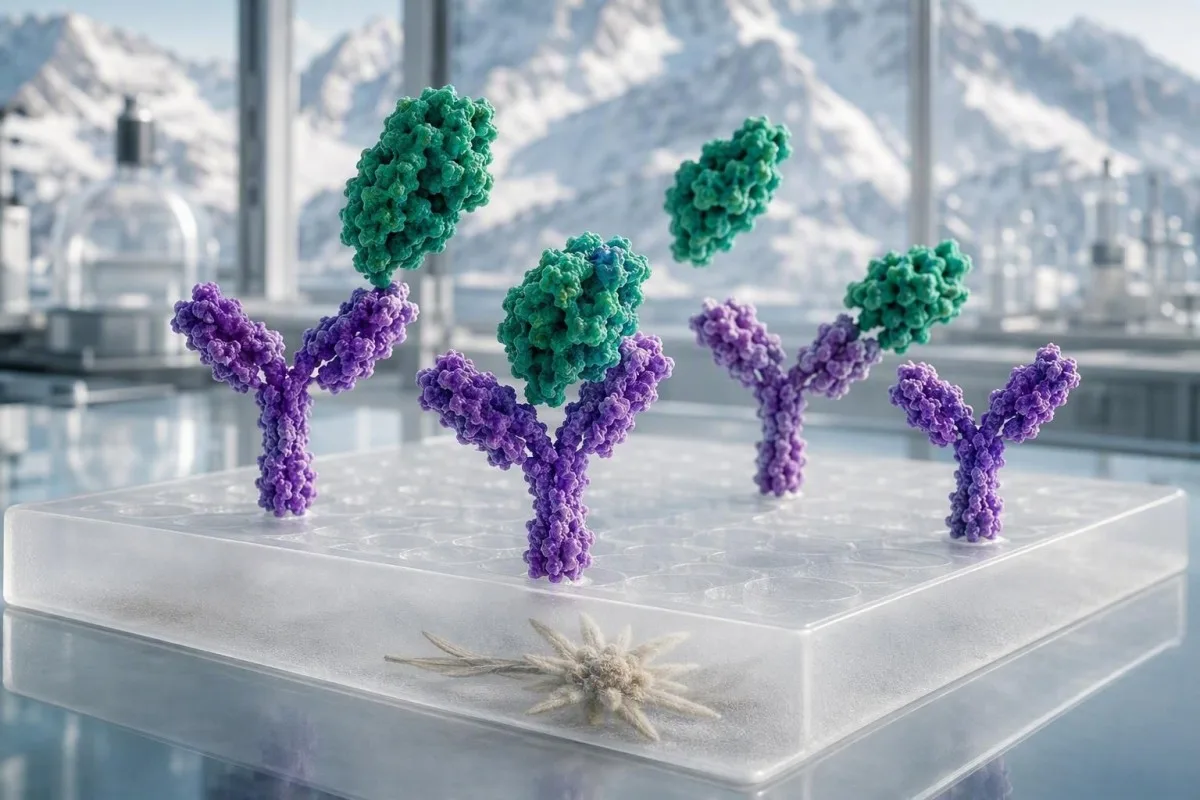
هڪ مثبت نتيجو توهان کي ٻڌائي ٿو ته IgE ڪنهن به ملاوٽ ۾ ڪجهه سڃاتو. اجزاء جي جانچ انفرادي پروٽين کي سڃاڻي سگهي ٿي - ۽ ڪڏهن ڪڏهن اهو سبب بيان ڪري ٿي ته نتيجو حقيقي زندگي جي علامتن سان ڇو نٿو ملي.


- مخصوص IgE 0.10 kUA/L يا ان کان وڌيڪ جو نتيجو حساسيت ظاهر ڪري ٿو، نه ته ڪنهن کاڌي يا پولن جي الرجي جي ڪلينڪل تشخيص اڪيلو.
- ارا ا 2 حساسيت حقيقي مونگ جي الرجي سان گڏجي هوندي آهي، جيتوڻيڪ ڪو به اڪيلو قدر رد عمل جي شدت جي اڳڪٿي نٿو ڪري.
- ارا ا 8 عام طور تي برچ-پولن ڪراس-ريڪٽيويٽي کي ظاهر ڪري ٿو ۽ اڪثر ڪري خام مونگ سان وات جي خارش جو سبب بڻجي ٿو نه ته سسٽمڪ رد عمل.
- اسٽوريج پروٽين جهڙوڪ Cor a 9، Cor a 14، Ana o 3، ۽ Bos d 8 گرمي ۽ هضم جي لحاظ کان مستحڪم هوندا آهن، جيڪا خطري جي گفتگو کي تبديل ڪري ٿي.
- ڪراس-ريڪٽيو ڪاربوهائيڊريٽ ڊيٽرميننٽس وسيع، گهٽ-سطح جا مثبت الرجي خون جي جاچ جا نتيجا ٺاهي سگهن ٿا جيڪي علامتن جي اڳڪٿي نٿا ڪن.
- اجزاء-حل ٿيل تشخيص تشخیص جي عدم يقين جي صورت ۾، ڪابه به شڪايت ريڪشن جي تاريخ يا نگراني ۾ کاڌي جي چيلينج کي تبديل نٿي ڪري سگهي.
- ڪل IgE الرجي لاءِ ڪو به عالمي نارمل ڪٽ آف ناهي ۽ ان کي ڪنهن به فرد کاڌي جي رد عمل جي سنگيني کي درجي بندي ڪرڻ لاءِ استعمال نه ڪيو وڃي.
- هنگامي علامتون کاڌي جي نمائش کانپوءِ - سانس جي تڪليف، بي هوشي، بار بار الٽي، يا پکڙيل خارش - انهن کي اضافي تشخيص جي ضرورت آهي، بغير ڪنهن به جزو جي نتيجن جي.
مالڪيولر ٽيسٽنگ معياري الرجي خون جي جانچ کان ٻاهر ڇا شامل ڪري ٿي
مالڪيولر الرجي ٽيسٽ مڪمل نڪاسي جي بدران انفرادي الرجن پروٽين جي خلاف IgE کي ماپي ٿي, ، تنهنڪري اهو هڪ امڪاني بنيادي الرجي کي ڪراس-رياڪشن کان ممتاز ڪري سگهي ٿو. هڪ معياري نڪاسي جي بنياد تي الرجي بلڊ ٽيسٽ مثبت ٿي سگهي ٿي جڏهن ڪنهن ماڻهوءَ ڪڏهن به ان کاڌي تي رد عمل نه ڪيو هجي؛ جزو نمونو اڪثر وضاحت ڪري ٿو ڇو.
نڪاسي مرکب آهن. مثال طور، مونگ جي نڪاسي ۾ اسٽوريج پروٽين، لپڊ-ٽرانسفر پروٽين، پروفائلين، ۽ برچ پولن سان شيئر ڪيل پروٽين شامل آهن؛ هڪ مثبت نتيجو اسان کي صرف ٻڌائي ٿو ته سيرم IgE ان مرکب جي گهٽ ۾ گهٽ هڪ حصي سان ڳنڍيل آهي. Kantesti هڪ AI بلڊ ٽيسٽ انالائزر آهي جيڪو رپورٽ ڪيل جزن جا نالا، ايسي جي طريقي، يونٽس، ۽ صارف طرفان داخل ڪيل علامات جي تاريخ جي اڳيان رکي ٿو. نتيجي جي بنياد جي بنيادن لاءِ، اسان جو معياري بمقابله مقداري گائيڊ مفيد آهي.
ڪلينڪ ۾، مون هڪ 29 سالن جي عورت کي ڏٺو آهي جنهن جي مونگ جي نڪاسي IgE 7.8 kUA/L هئي، جنهن بغير ڪنهن تڪليف جي هفتي ۾ مونگ جو مکڻ کائيندو هو. هن جو اڪيلو Ara h 8 نتيجو، جنهن ۾ Ara h 1، 2، 3، 6، ۽ 9 منفي هئا، برچ سان لاڳاپيل ڪراس-ريئڪٽيويٽي سان ٺهيو - هن جي غذا مان مونگ کي هٽائڻ جو ڪو سبب ناهي. عدد پروٽين ۽ کاڌي جي وقت جي ڪهاڻي کان گهٽ اهم هو.
جزو-حل ٿيل تشخيص، پڻ سڏيو ويندو آهي CRD, ، تمام گهڻو مددگار آهن جڏهن تاريخ ۽ نڪاسي جو نتيجو متفق نه هجي، جڏهن ڪيترائي ٻوٽن جي لحاظ کان اڻ لاڳاپيل کاڌا مثبت ٽيسٽ ڪن، يا جڏهن کاڌي جي چيلينج تي بحث ڪيو وڃي. اهي امڪان کي درست ڪن ٿا؛ اهي اڪيلائي ۾ الرجي جو تشخيص نه ڪندا آهن. Matricardi et al. مالڪيولر الرجي کي ڪلينڪل فيصلي جي حمايت جي طور تي بيان ڪيو، نه ته ان جي متبادل جي طور تي (Matricardi et al., 2016).
حساسيت ڪلينڪل الرجي جي برابر ناهي
هڪ مثبت الرجي بلڊ ٽيسٽ IgE سنسڪرتيشن ڏيکاري ٿو، جڏهن ته ڪلينڪل الرجي لاء نمائش کانپوءِ ورجائي سگهندڙ علامات جي ضرورت آهي. گهڻا ليبارٽريز 0.10 kUA/L کان مٿي مخصوص IgE رپورٽ ڪن ٿا، پر اهو تحليلي حد اسان کي نٿي ٻڌائي ته ڪو ماڻهوءَ کاڌو کائڻ وقت رد عمل ڪندو يا نه.
مخصوص IgE نتيجن کي عام طور تي گهٽ، وچولي، يا اعليٰ جي طور تي گروپ ڪيو ويندو آهي، پر اهي درجا بنديون ڪنهن به فرد جي خطرن جي پٽي جي بدران ايسي جي ڪنوينشن آهن. 15 منٽن اندر انڊي جي ڇنڊڇاڻ کانپوءِ خارش واري ننڍڙي ٻار ۾ 0.35 kUA/L جو انڊا لاء قدر معني رکي سگهي ٿو، جڏهن ته 15 kUA/L پولن-حساس بالغن ۾ ڪلينڪلي غير لاڳاپيل ٿي سگهي ٿو جيڪي بغير ڪنهن علامت جي بيڪڊ انڊو کائيندا آهن. نمائش تشخيصي دٻاءُ جو امتحان رهي ٿو.
مجموعي IgE اڪثر ڪري ايجزيما، پاراسائيٽڪ انفيڪشن، سگريٽ نوشي، ۽ ڪيترين ئي مدافعتي حالتن ۾ وڌي ويندي آهي؛ اهو کاڌي جي الرجي جي تصديق نٿو ڪري سگهي. 100 IU/mL کان مٿي مجموعي IgE اٽوپيڪ بيماري ۾ عام آهي، پر ڪو به مجموعي-IgE ڳڻپ ناهي جيڪو ثابت ڪري ته ڪو خاص کاڌو غير محفوظ آهي. انهن سياحتي نتيجن کان پريشان ٿيندڙ پڙهندڙن جو جائزو وٺي سگھن ٿا اعليٰ IgE جو ڇا مطلب ٿي سگهي ٿو.
هڪ خاموشي سان مفيد اشارو جزن جي نتيجن جي وچ ۾ تناسب آهي، نه صرف نڪاسي جو نتيجو. پروفائلين يا ڪاربوهائيڊريٽ جي بنيادي structures جي وسيع گهٽ-سطح سگنل، ڪنهن به رد عمل جي تاريخ سان ڳنڍيل، ڪنهن به ڪلينشن کي اجتناب جي سفارش ڪرڻ کان اڳ روڪڻ گهرجي. صرف سنسڪرتيشن جي بنياد تي هڪ پابندي واري غذا غذائي ۽ سماجي نقصان پيدا ڪري سگهي ٿي - خاص طور تي ٻارن ۾.
ڪيئن ڪراس-ريڪٽيويٽي مثبت نتيجي کي تبديل ڪري ٿي
ڪراس-رياڪشن تڏهن ٿيندي آهي جڏهن IgE مختلف ذريعن ۾ ساڳيون پروٽين structures کي سڃاڻي ٿو، برابر ڪلينڪل خطري کان سواء مثبت ٽيسٽ پيدا ڪري ٿو. عام مالڪيولر خاندان PR-10 پروٽين، پروفائلين، ٽروپومائوسين، لپڊ-ٽرانسفر پروٽين، ۽ ڪراس-ريئڪٽو ڪاربوهائيڊريٽ ڊيٽرميننٽ آهن.
برچ-پولن Bet v 1 ۽ کاڌي جون PR-10 پروٽينون IgE سان گڏ بائينڊ ڪرڻ لاءِ ڪافي جوڙجڪ شيئر ڪن ٿيون. برچ-حساس ماڻهو تنهن ڪري ايپل Mal d 1، هيزل نٽ Cor a 1، سويا Gly m 4، مونگ پھلي Ara h 8، اجوائن Api g 1، ۽ گاجر Dau c 1 لاءِ مثبت ٽيسٽ ڪري سگهي ٿو؛ علامتون، جڏهن موجود هونديون آهن، اڪثر خام کاڌي سان وات ۾ خارش تائين محدود هونديون آهن. پچائڻ اڪثر ڪري PR-10 پروٽين کي تبديل ڪري ٿو، جيتوڻيڪ گهر ۾ ان کي بي ترتيب سان آزمائڻ لاءِ ڪافي طور تي قابل اعتماد ناهي.
پروفائلين جي حساسيت پولن، خربوزي، ڪيلا، ٽماٽو، ۽ ليٽڪس جي وسيع پينل کي به متاثر ڪندڙ انداز ۾ پيدا ڪري سگهي ٿي. ليٽڪس Hev b 8 هڪ پروفائلين آهي ۽ ان ۾ حقيقي ليٽڪس جي حساسيت جيئن ڪلينڪل طور اهم ليٽڪس پروٽين جو ساڳيو مطلب ناهي. EAACI کاڌي جي الرجي گائيڊلائن صلاح ڏئي ٿي ته تشخيصي جانچ جامع اسڪريننگ جي بدران الرجي-مرڪوز تاريخ جي پيروي ڪرڻ گهرجي (Santos et al., 2023).
کراس-ريئڪٽو ڪاربوهايدريٽ ڊٽرميننٽس، اڪثر ڪري CCD يا MUXF3 طور رپورٽ ڪيا وڃن ٿا، اهي پروٽين نه پر ٻوٽن ۽ حشرن جي کنڊ جا نمونا آهن. CCD-خاص IgE جي ڪري گھڻا گھٽ مثبت نتيجا اچي سگهن ٿا، خاص ڪري پولن، ويرم، ۽ ٻوٽن جي کاڌي جي لاءِ، پر اهو گهٽ ئي علامتن سان لاڳاپيل هوندو آهي. هي هڪ سبب آهي جو هڪ جزو پينل اليرجي بلڊ ٽيسٽ کي وڏو نه پر ننڍو ڪري سگهي ٿو.
مونگ جي اجزاء: ڇو Ara h 2 ۽ Ara h 8 مختلف ڪهاڻيون ٻڌائين ٿا
Ara h 2 ۽ Ara h 6 مونگ پھلي جا اسٽوريج پروٽين آهن جيڪي صرف مونگ پھلي جي نڪال کان وڌيڪ مضبوطي سان حقيقي مونگ پھلي جي الرجي کي سپورٽ ڪن ٿا، جڏهن ته Ara h 8 اڪثر برچ-سان لاڳاپيل ڪراس-ريئڪٽيويٽي جو اشارو ڏئي ٿو. ڪوبه جزو ان درست مقدار جي اڳڪٿي نٿو ڪري سگهي جيڪا رد عمل جو سبب بڻجي يا مستقبل جي قسط جي شدت.
Ara h 1، Ara h 2، Ara h 3، ۽ Ara h 6 ٻج جي اسٽوريج پروٽين آهن جيڪي گرمي ۽ هضم کي مزاحمت ڪن ٿيون. ريفرل آبادي جي لحاظ کان، Ara h 2 عام طور تي سڀ کان وڌيڪ تشخيصي طور تي مفيد اڪيلو مونگ پھلي جو جزو هوندو آهي؛ 0.1 kUA/L کان مٿي جي قيمتن سان حساسيت قائم ٿئي ٿي، جڏهن ته فيصلي جي حد عمر، ايسي، ۽ مقامي آبادي جي لحاظ کان مختلف هوندي آهي. منهنجي تجربے ۾، 12 kUA/L جي Ara h 2 سان فوري ڄڻ وارن ٻار جي بحث، 2 kUA/L جي Ara h 8 سان بي علامتي بالغن جي بحث کان تمام گهڻو مختلف آهي.
Ara h 9 هڪ غير مخصوص لپڊ-ٽرانسفر پروٽين، يا LTP آهي. اهو ميڊيٽرينين آبادي ۾ وڌيڪ اڪثر ڏسي سگهجي ٿو ۽ سسٽمڪ رد عمل سان لاڳاپيل ٿي سگهي ٿو، ڪڏهن ڪڏهن ورزش، شراب، غير اسٽيرائڊل ضد سوزش واريون دوائون، يا هڪ انٽرڪرنٽ بيماري سان وڌايو وڃي ٿو. اهي گڏيل عنصر دستاويزي طور تي قابل قدر آهن ڇاڪاڻ ته ساڳيو کاڌو هڪ عام ڏينهن تي برداشت ڪري سگهجي ٿو ۽ ڊگهي ڊوڙ کانپوءِ نه.
هڪ منفي Ara h 2 مونگ پھلي کي خود بخود محفوظ نٿو بڻائي. Ara h 6، Ara h 1، Ara h 3، Ara h 9، شخص جو جغرافيائي، ۽ رد عمل جي ڪهاڻي سڀ لاڳاپيل رهي ٿي؛ هڪ الرجيولوجسٽ اڃا تائين نگراني چيلينج جي سفارش ڪري سگهي ٿو. عملي علامتن جي حوالي سان، اسان جي گائيڊ ڏسو خارش واري چمڙي لاءِ رت جا امتحان.
وڻن جي ٻج جا اجزاء وڌيڪ تشخيص کان بچائي سگهن ٿا ۽ خطري کي واضح ڪري سگهن ٿا
هزل نٽ Cor a 9 ۽ Cor a 14، ڪيشو Ana o 3، ۽ اخروٽ Jug r 1 مستحڪم ٻج-اسٽوريج پروٽين کي ظاهر ڪن ٿا ۽ عام طور تي پولن-لنڪڊ اجزاء کان وڌيڪ ڪلينڪل وزن کڻندا آهن. هڪ وڻ جي نٽ لاءِ مثبت نتيجو هر وڻ جي نٽ لاءِ الرجي ثابت نٿو ڪري.
هزل نٽ جي جاچ هڪ واقف ڄاڻ آهي. Cor a 1 هڪ برچ-سان لاڳاپيل PR-10 پروٽين آهي ۽ اڪثر خام هزل نٽ سان الڳ ٿيل وات جي علامتن ۾ فٽ ٿئي ٿو، جڏهن ته Cor a 14 ۽ Cor a 14 اسٽوريج پروٽين سسٽمڪ هزل نٽ الرجي سان وڌيڪ لاڳاپيل آهن. فرق اهم آهي ڇاڪاڻ ته هزل نٽ اسپريڊ، بيڪڊ پراڊڪٽس، ڪنفيڪشنري، ۽ پاؤڊر کاڌي ۾ ظاهر ٿئي ٿو جتي پروٽين کي تباهه ٿيڻ بدران گرم ڪيو ويو آهي.
انا او 3 ڪيشو ۾ 2S البومين اسٽوريج پروٽين آهي ۽ اهو هڪ خاص طور تي مددگار مارڪر آهي جڏهن ڪيشو الرجي جو شڪ هجي. ڪيشو ۽ پستو ڪافي ڪلينڪل ڪراس-ريئڪٽيويٽي شيئر ڪن ٿا، پر ليبارٽري نتيجو اهو قائم نٿو ڪري ته ٻيا سڀ نٽ خارج ڪيا وڃن. مان عام طور تي پڇا ڪريان ٿو ته ڪهڙا نٽ محفوظ طور تي کائي رهيا هئا، ڪهڙي شڪل ۾، ۽ بچاءُ وڌائڻ کان ڪيترو تازو.
وڻ جي نٽ پينل اسڪريننگ ٽيسٽ طور ترتيب ڏنو وڃي ته شور بڻجي سگهن ٿا. هڪ ٻار جيڪو بادام، اخروٽ، ۽ پيڪن کي برداشت ڪري ٿو، ان کي صرف ان ڪري نه وڃائڻ گهرجي ڇو ته غير لاڳاپيل نٽ جو نڪال ڪمزور مثبت آهي؛ برداشت ڪيل کاڌي کي برقرار رکڻ سان غذا جي تنوع کي برقرار رکڻ ۽ پريشاني گهٽائي سگهجي ٿي. خانداني خوراڪ-سان لاڳاپيل علامتن جي ڳولا ڪندڙن کي الرجي کان پڻ فرق ڪرڻ گهرجي گلوٽين ٽيسٽنگ جي تياري, ، جيڪو هڪ مختلف مدافعتي رستي کي خطاب ڪري ٿو.
کير ۽ انڊا جا اجزاء بيڪ ٿيل کاڌي جي برداشت تي بحث ڪرڻ ۾ مدد ڪن ٿا
کير ۾ ڪاسين ۽ انڊي ۾ اوو موڪوائي گرمي-مستحڪم پروٽين آهن، تنهنڪري Bos d 8 يا Gal d 1 ڏانهن IgE گهڻو بيڪ ٿيل شڪلن کي برداشت ڪرڻ جي امڪانيت گهٽائي سگھي ٿو. اهي خطري جا مارڪر آهن، نه انفرادي منصوبي کان سواءِ بيڪ ٿيل کير يا انڊي آزمائڻ جي اجازت جا پروانا.
کير ۾ ڪاسين ۽ ويهي پروٽين هوندا آهن. بوس ڊ 8 ڪيسين بيڪنگ ۽ هضم دوران نسبتاً مستحڪم رهي ٿو، جڏهن ته Bos d 4 الفا-لاڪٽالبيومين ۽ Bos d 5 بيٽا-لاڪٽوگلوبولين وڌيڪ گرمي-لبيائل آهن؛ هي نمونو هڪ الرجيولوجسٽ کي اهو فيصلو ڪرڻ ۾ مدد ڪري سگهي ٿو ته ڇا بيڪ ٿيل کير جو چيلينج معقول آهي. 0.2 kUA/L جي ڪيسين جو نتيجو 10 مهينن جي ٻار ۾ ساڳئي امڪان نه کڻندو آهي جيئن اسڪول جي عمر جي ٻار ۾ کير کانپوءِ اڳئين ويزنگ سان.
انڊي ۾ هڪجهڙائي عملي طور تي ورهايل آهي. گال ڊي 1 اوووميوڪوڊ موازني ۾ گرمي جي لحاظ کان مستحڪم آهي، جڏهن ته گال ڊي 2 اوولبومين وڌيڪ گرمي جي لحاظ کان حساس آهي؛ اوولبومين جي اڳواڻي ۾ حساس ٿيل ماڻهو وڌيڪ بيڪ ٿيل انڊا برداشت ڪري سگهي ٿو، پر اهو محفوظ طور تي ثابت ٿيڻ گهرجي. گهر جي “بيڪڊ انڊا ٽيسٽ” بي ضرر نه آهن جڏهن سانس وٺڻ ۾ مشڪلات، بار بار الٽيون، يا اڳئين ايمرجنسي جو دورو ڪيو ويو آهي.
Kantesti هڪ AI خون جي جاچ جو نتيجو پليٽ فارم آهي جيڪو ليبارٽري جي جزو نامياتي کي سوالن ۾ ترجمو ڪري ٿو جن جي جاچ ڪرڻ لائق الرجي ڪلينڪ ڏانهن وٺي وڃي، بجاءِ کاڌي کي محفوظ يا غير محفوظ قرار ڏيڻ جي. غذائيت ۾ تبديليون ننڍن ٻارن، کائڻ جي خرابين وارن ماڻهن، ۽ ڪنهن به ماڻهوءَ لاءِ تمام گهڻو احتياط سان گڏ هجڻ گهرجن؛ اسان جي کاڌي ۽ آنڊن جي صحت جو مضمون غير ضروري پابندي جي هيٺئين اثر کي ڍڪي ٿو.
ڪڻڪ جي اجزاء ورزش تي منحصر رد عمل کي ظاهر ڪري سگهن ٿا
ٽرائي اي 19، جنهن کي اوميگا-5 گليڊين پڻ چيو ويندو آهي، اهو ڪنجي جزو آهي جيڪو ڪڻڪ جي ڀروسي واري مشق جي سبب ٿيندڙ انفيليڪسس سان لاڳاپيل آهي. ڪو ماڻهو آرام سان ڪڻڪ برداشت ڪري سگهي ٿو پر رد عمل ڪري ٿو جڏهن ڪڻڪ جو استعمال مشق، شراب، اسپرين جهڙيون دوائون، گرمي، يا انفيڪشن سان گڏ هجي.
ڪڻڪ جو عرق IgE تشريح ڪرڻ مشڪل آهي ڇاڪاڻ ته گھاس جي پردي جي حساسيت عام طور تي گهٽ مثبت نتيجا ڏئي ٿي. ٽرائي اي 19 تمام گهڻو مخصوص آهي جڏهن قسطن ۾ يوٽرياريا، ويز، تباهي، يا سخت گيسٽروئنٽيسٽنل علامتون شامل آهن مشق کان پوءِ تقريباً 1 کان 4 ڪلاڪن جي اندر ڪڻڪ جي استعمال کان پوءِ. کاڌي ۽ سرگرمي ٻنهي جي وقت جو عرق ڪلاس کان وڌيڪ ڄاڻ ڏيندڙ آهي.
مون هڪ ڀيرو هڪ تفريحي سائيڪل سوار جو جائزو ورتو جنهن کي 18 مهينن ۾ ٽي “اڻ ڄاتل” رد عمل آيا هئا، سڀ ڪڻڪ تي ٻڌل ناشتي ۽ 40 ڪلوميٽر جي سواري کان پوءِ. سندس ڪڻڪ جي عرق جو نتيجو 1.1 kUA/L تي معمولي هو، پر اوميگا-5 گليڊين واضح طور تي مثبت هو؛ ڪڻڪ کان ڪيترن ئي ڪلاڪن تائين پرهيز ڪرڻ کان اڳ انڊورنس مشق سندس ماهر منصوبي جو حصو هو. هن تشخيص کي الرجيولوجسٽ جي ضرورت آهي ڇاڪاڻ ته ڪوفيڪٽر جي حدون تمام گهڻو مختلف ٿين ٿيون.
ڪڻڪ جي الرجي سيلياڪ بيماري، غير سيلياڪ ڪڻڪ جي حساسيت، يا عدم برداشت ناهي. سيلياڪ ٽيسٽنگ آٽو ايونٽي کي ماپي ٿي—عام طور تي ٽشو ٽرانسگلوٽامينيز IgA ۽ مجموعي IgA—کاڌي جي مخصوص IgE جي بدران. جيڪڏهن مجموعي IgA گهٽ آهي، تشريح کي مختلف رستن جي ضرورت آهي، اسان جي گهٽ IgA ٽيسٽنگ گائيڊ ۾ بيان ڪيل آهي.
شيلفش، زهر، ۽ ليٽڪس ڏيکاري ٿو ته پروٽين خاندانن جو ڇو اهميت آهي
ٽروپوميوڪسين شيلفش نتيجن کي گهر جي مٽي جي ڪيٽي جي حساسيت سان ڳنڍي سگهي ٿو، جڏهن ته زهر ۽ ليٽس جا حصا سڄي عرق کان وڌيڪ صحيح طور تي ڪلينڪلي لاڳاپيل پروٽينن کي سڃاڻي سگهن ٿا. اها پينل سڀ کان وڌيڪ قيمتي هوندي آهي جڏهن رد عمل جي تاريخ ايمرجنسي علاج يا پيشه ورانه مشورن کي تبديل ڪري سگهي ٿي.
پين اي 1 شيمپ ٽروپوميوڪسين آهي؛ ڊي آر پي 10 مائيٽ ٽروپوميوڪسين آهي. ڇاڪاڻ ته ٽروپوميوڪسين اڻ ڄاتل جانورن ۾ محفوظ آهي، مائيٽ-حساس ماڻهن ۾ شيلفش کائڻ يا ان تي رد عمل ڪرڻ کان سواءِ گهٽ سطح جي شيلفش IgE ڏيکاري سگهي ٿي. ان جي ابتڙ، حقيقي ڪرسٽيشين الرجي ڪلينڪ طور تي اهم ٿي سگهي ٿي جيتوڻيڪ ماڻهو مڇي برداشت ڪري، ڇاڪاڻ ته مڇي ۽ شيلفش حياتياتي طور تي غير لاڳاپيل کاڌي جا گروپ آهن.
زهر جي جزو جي ٽيسٽنگ پرائمري هينبي سينسٽائيزيشن کي الڳ ڪري سگهي ٿي، جنهن ۾ اڪثر ڪري ايپي ايم 1 شامل هوندو آهي، نمونن سان جتي عرق جي ٽيسٽنگ گهٽ واضح هوندي آهي. اهو زهر جي imunotherapy بابت فيصلا ڪرڻ ۾ مدد ڪري سگهي ٿو، پر بيس لائن ٽريپٽيس، رد عمل جي شدت، نمائش جي خطري، ۽ علاج ڪندڙ الرجيولوجسٽ جو جائزو سڀ اهم آهن. چڪر يا هوائي رستن جي علامتن سان گڏ هڪ عام اسٽنگ رد عمل ماهر جي نظرثاني جي لائق آهي جيتوڻيڪ جزو جو نتيجو ننڍو هجي.
ليٽس ٽيسٽنگ پڻ ماليڪيولر تفصيل مان فائدو حاصل ڪري ٿي. هيو بي 5 ۽ هيو بي 6 ڪيترين ئي صحت جي سار سنڀال سان لاڳاپيل ليٽس رد عملن ۾ هيو بي 8 پروفائلين کان وڌيڪ ڪلينڪلي لاڳاپيل آهن؛ اهو طريقيڪار کان اڳ ۽ حفاظتي سامان استعمال ڪندڙ مزدورن لاءِ اهم ٿي سگهي ٿو. جلد جي ڌنڌن جا ڪيترائي غير الرجڪ نقل آهن، تنهنڪري اسان جي جلد جي مسئلي جي خون جي جاچ جي رهنمائي وسيع سوالن کي ترتيب ڏيڻ ۾ مدد ڪري سگهي ٿي.
اجزاء جون قيمتون رد عمل جي شدت کي ڇو نه ماپينديون آهن
هڪ اعلي جزو-مخصوص IgE قدر عام طور تي صحيح سيٽنگ ۾ ڪلينڪ الرجي جي امڪان کي وڌائي ٿو، پر اهو پيش نه ڪري سگهي ٿو ته ايندڙ رد عمل هلڪو يا زندگي جي خطري وارو هوندو. شدت خوراک، دم جو ڪنٽرول، ڪوفڪٽرز، دير سان علاج، ۽ موقعي سان گڏ حساسيت تي منحصر آهي.
مخصوص IgE عام طور تي kUA/L ۾ رپورٽ ڪيو ويندو آهي، ۽ ايسي قدر ملي ميٽرن ۾ اسڪين-پرڪ وهل جي ماپ سان سڌو سنئون مٽائي نٿا سگهن. ورجائي ٽيسٽن ۾ هڪ وڌندڙ قدر تبديل ٿيندڙ حساسيت کي ظاهر ڪري سگهي ٿو، پر ايسي ويجهڙائي ۽ حياتياتي تبديلي جي ڪري ساڳيو نتيجو 20% يا وڌيڪ سان گهٽجي سگهي ٿو. ٽرينڊ جي تشريح جي ضرورت آهي ته جيئن ممڪن هجي ساڳيو ليبارٽري طريقو.
هڪ جزو جو نتيجو ذاتي رد عمل جي حد جي اڳڪٿي ڪرڻ ۾ خاص طور تي خراب آهي. 0.9 kUA/L جي Ara h 2 سان ڪو ماڻهو مونگ جي پروٽين جي ڪجھ ملي گرام تي رد عمل ڪري سگهي ٿو، جڏهن ته 20 kUA/L تي ٻيو ماڻهو گهڻو وڏو مقدار نه ٿيڻ تائين رد عمل نه ڪري سگهي ٿو؛ مطالعي گروپ اوسط بيان ڪري سگهن ٿا، نه فرد جي ضمانت. اهو انهن علائقن مان هڪ آهي جتي سياق و سباق رنگ-ڪوڊ ٿيل پرچم کان وڌيڪ اهم آهي.
کاڌي جو چئلينج تڏهن به ريفرنس اسٽينڊرڊ رهي ٿو جڏهن جواب علاج ۾ تبديلي آڻي ۽ خطرو قبول هجي. 2020 AAAAI ورڪ-گروپ رپورٽ زباني کاڌي جي چئلينجز (Bird et al., 2020) لاءِ منظم ڊاسنگ، روڪڻ جا معيار، ۽ مشاهدي جي ضرورتن کي بيان ڪري ٿي. رد عملن ۽ دوائن جو تاريخ وار رڪارڊ رکو؛ اسان جو رت جي جاچ جو ٽائيم لائن گائيڊ بيان ڪري ٿو ته ڪنهن به ليبارٽري رجحان سان ڪلينيڪل ڪنٽيڪسٽ ڇو گڏ هجڻ گهرجي.
اجزاء-حل ٿيل تشخيص ڪڏهن آرڊر ڪرڻ جي لائق آهن
الرجين ڪمپوننٽ ٽيسٽنگ اڪثر ڪري تڏهن ئي تمام ڪارائتو ٿئي ٿي جڏهن هڪ مرکوز تاريخ ۽ هڪ غير يقيني يا وسيع ايسٽريڪٽ-بينڊ پينل هجي، نه ته اها کاڌي لاءِ اسڪريننگ ٽيسٽ هجي جيڪا محفوظ طور تي کائي وڃي ٿي. اهو غير ضروري بچاءُ گهٽائي سگهي ٿو جڏهن ڪراس-ريڪٽيويٽي ممڪن هجي ۽ جڏهن مستحڪم پروٽين سينسيٽائيزيشن موجود هجي ته حوالو ڏيڻ ۾ مدد ڪري سگهي ٿو.
معقول اشارن ۾ شامل آهن هڪ قائل ڪندڙ رد عمل جنهن ۾ حدون igE، هڪ مثبت ايسٽريڪٽ نتيجو هڪ اڪثر ڪري برداشت ڪيل کاڌي ۾، امڪاني برچ-پولن ڪراس-ريڪٽيويٽي، شڪي ڪڻڪ-ورزش جا رد عمل، غير يقيني زهر جي الرجي، ۽ نگراني هيٺ کاڌي جي چئلينج کان اڳ تشخيص. ڪلينيڪل سوال کان سواءِ هر موجود ڪمپوننٽ جي جانچ ڪرڻ سان غير ارادي نتيجا وڌي ويندا آهن. ڊاڪٽر ٿامس ڪلين جي پريڪٽس ۾، سڀ کان وڌيڪ ڪارائتي ريڪويزيشن اڪثر ڪري ننڍي هوندي آهي.
ٽيسٽ ڪرڻ کان اڳ، کاڌي جي شڪل، اندازي مطابق مقدار، علامتن جي شروعات تائين منٽ، ريپروڊيوسيبيليٽي، استعمال ٿيل علاج، ۽ گڏيل عنصرن جو رڪارڊ ڪريو. منٽن کان 2 ڪلاڪن اندر شروع ٿيندڙ علامتون igE-mediated کاڌي جي الرجي سان گڏ اڪيلي بلونگ کان وڌيڪ لاڳاپيل آهن، جيتوڻيڪ استثنا آهن. اينٽي هسٽامائنز سرم جي مخصوص-IgE نتيجن کي نه بدلائيندا آهن، ان جي برعڪس انهن جي اسڪن-پرڪ ٽيسٽنگ تي اثر.
Kantesti صارفين کي اصل رپورٽ، ورجائي قيمتون، ۽ علامتن جا نوٽس ٻولين ۾ ھڪڙي نظرثاني واري رڪارڊ ۾ منظم ڪرڻ ۾ مدد ڪري ٿو. جيڪڏھن توھان رپورٽ شيئر ڪري رھيا آھيو، اسان ۾ عملي حفاظتي اپاءَ استعمال ڪريو بلڊ ٽيسٽ اپلوڊ پرائيويسي چيڪ لسٽ; ؛ ذاتي نتيجن کي ڪڏهن به عوامي گروپن ۾ تشريح لاءِ پوسٽ نه ڪيو وڃي.
وڌيڪ رد عمل کان سواء الرجي اجزاء جي رپورٽ ڪيئن پڙجي
پهرين الرجين جو ذريعو پڙهو، پوءِ انفرادي ڪمپوننٽ، نتيجي جو يونٽ، تحليلي ڪٽ آف، ۽ توهان جي نمائش جي تاريخ. “مثبت” طور نشان لڳل رپورٽ هڪ تحليلي نتيجو آهي؛ اها هنگامي هدايت ناهي ۽ ان کي ڪلينيشن جي عمل جي منصوبي کي تبديل نه ڪرڻ گهرجي.
چيڪ ڪريو ته ٽيسٽ ۾ سنگل پليڪس ImmunoCAP-style رپورٽنگ، هڪ ملٽي پليڪس مائڪرو اير، يا ٻيو طريقو استعمال ڪيو ويو آهي. ملٽي پليڪس پينل ننڍي نموني مان ڪيترائي گهٽ-سطح سينسيٽائيزيشن ڳولي سگهن ٿا، پر انهن جي عددي رينج ۽ ڪلينيڪل تصديق سنگل-الرجين ايسيز کان مختلف ٿي سگهي ٿي. 0.12 kUA/L جو نتيجو اعليٰ، چئلينج-تصديق ٿيل امڪان جي حد جي برابر نه سمجهيو وڃي.
نمونن لاءِ ڏسو، اڪيلو نقطا نه: مونگ جي داڻي Ara h 2 پلس Ara h 6، Ara h 8 کان مختلف آهي؛ هزل نٽ Cor a 14، Cor a 1 کان مختلف آهي. جيڪڏهن PDF تصوير يا اسڪين ڪيو ويو آهي، يونٽ جا نشان ۽ ڏهين اکر عام ٽرانسڪرپشن غلطيون آهن - هڪ سبب اسان جو PDF اپلوڊ غلطي چيڪ لسٽ عمل ڪرڻ کان اڳ اصل ليبارٽري صفحي کي چيڪ ڪرڻ جي سفارش ڪري ٿو.
Kantesti هڪ AI-powered رت جي ٽيسٽ تجزيي جو اوزار جيئن ڪم ڪري ٿو جيڪو رپورٽ ٿيل اينالائيٽ، يونٽ، ۽ ليبارٽري پرچم جي سڃاڻپ ڪري ٿو، پر اهو توهان جي کاڌي، توهان جي سانس جي علامتن، يا توهان جي امتحان جي نتيجن کي نه ڏسي سگهي ٿو. هڪ ماليڪيولر نتيجو بهتر سوالن کي جنم ڏيڻ گهرجي، نه ته خود هدايت ڪيل ٻيهر تعارف يا مجموعي بچاءُ.
ڪوڙي مثبت، ڪوڙي منفي، ۽ ايسائي حدون
جڏهن علامتن جي طرفان ٽيسٽنگ نه ڪئي ويندي آهي ته ڪوڙي مثبت الرجي جا نتيجا عام آهن، ۽ ڪوڙي نفي ٿي سگهي ٿي جڏهن لاڳاپيل پروٽين ايسٽريڪٽ ۾ غير حاضر يا گهٽ هجي. ڪمپوننٽس ريزوليوشن کي بهتر بڻائين ٿا، پر اهي ايسي جي حدن يا حياتياتي غير يقيني صورتحال کي ختم نٿا ڪن.
ايسٽريڪٽ جي معيار ۾ فرق هوندو آهي ڇو ته الرجين جا ذريعا قسم، موسم، پروسيسنگ، ۽ پروٽين جي استحڪام جي لحاظ کان مختلف هوندا آهن. ليبائيل پروٽين هڪ تجارتي ايسٽريڪٽ ۾ گهٽ ٿي سگهن ٿا، جڏهن ته مستحڪم پروٽين غالب ٿي سگهن ٿا؛ اهو وضاحت ڪرڻ ۾ مدد ڪري ٿو ته ڇو واضح زباني علامتن واري شخص ۾ گهٽ ايسٽريڪٽ جو نتيجو هجي. ان جي برعڪس، هڪ وسيع ايسٽريڪٽ ۾ ڪراس-ريڪٽيو ساخت شامل ٿي سگهن ٿا جيڪي ظاهري سينسيٽائيزيشن کي وڌائين ٿا.
بائيوٽين سپليمنٽس گهڻو ڪري مخصوص-IgE ايسيز لاءِ معمول جو وڏو مسئلو ناهي، پر هيٽرروفائل اينٽي باڊيز ۽ ٽيڪنيڪل عنصر ڪڏهن ڪڏهن امون assays کي متاثر ڪري سگهن ٿا. هڪ اڪيوت رد عمل دوران گڏ ڪيل نمونو اڃا تائين مخصوص igE لاءِ تشريح لائق آهي، جيتوڻيڪ ٽرپٽيس ۾ الڳ وقت-حساس هٿ ڪرڻ جا قاعدا آهن. جيڪڏهن نتيجو غير يقيني هجي، ته ٻيهر ٽيسٽنگ يا هڪ مختلف تشخيصي طريقو مناسب ٿي سگهي ٿو.
درستي انهي تي پڻ منحصر آهي ته ڇا نتيجو ان جي ثبوت جي بنياد اندر تشريح ڪيو وڃي. Kantesti AI يونٽن، حوالي جي نشانن، ۽ متضاد ليبارٽري نمونن لاءِ منظم چيڪ لاڳو ڪري ٿو؛ اسان جو ڪلينڪل تصديق جو طريقو اهو بيان ڪري ٿو ته AI تشريح تشخيص جي بدران تعليمي مدد ڇو آهي.
ٻارن، دمما، ۽ حمل لاء خاص خيال
هڪجيميا (eczema) ۽ غير ڪنٽرول ٿيل دمھ جي مريضن کي الرجي جي تشريح جي خاص طور تي محتاط تشريح جي ضرورت آهي ڇاڪاڻ ته ٻئي غلط اجتناب ۽ سخت رد عمل جي خطري کي وڌايو. حمل جي ڪري مڪمل IgE جا نتيجا باطل نه ٿيندا آهن، پر اهو تبديل ڪري ٿو ته ڪيئن احتياط سان کاڌي ۾ تبديليون ۽ چيلينجز جو منصوبو ٺاهڻ گهرجي.
درمياني کان سخت هڪجيميا واري ٻارن ۾ اڪثر کاڌي جي مخصوص IgE جو پتو لڳايو ويندو آهي بغير هر مثبت کاڌي تي فوري رد عمل جي. اسڪريننگ جي بنياد تي کير، انڊا، ڪڻڪ، يا ڪيترن ئي اسٽيپل شين کي هٽائڻ سان پروٽين، ڪلسيم، لوهه، ۽ توانائي جي استعمال ۾ رڪاوٽ اچي سگهي ٿي؛ واڌ جي چارٽ ۽ ڊائٽيشن جي صلاح مڪمل درجي جيترو ئي اهم آهن. فارمولا تبديليون صرف آن لائن تشريح مان نه ڪرڻ گهرجن.
خراب ڪنٽرول ٿيل دمھ انحرافي دوران سنگين نتيجن لاءِ هڪ سڃاتل خطري جو عنصر آهي، جيتوڻيڪ اهو مڪمل قيمت کي “وڌيڪ سنگين” نٿو بڻائي. کاڌي جي ڪري ڇڪڻ، ساهه کڻڻ ۾ تڪليف، آواز ۾ تبديلي، بي هوشي، يا بار بار الٽي ڪرڻ وارن کي پنهنجي ڊاڪٽر کان لکيل هنگامي منصوبي جي ضرورت آهي. دمھ جي علامتون پريشاني سان ملندڙ جلندڙ ٿي سگهن ٿيون، پر اها ڪڏهن به تيز سانس جي تڪليف کي رد ڪرڻ جو سبب ناهي.
حمل دوران، نئين وسيع کاڌي کان اجتناب غير ضروري غذائي خال ۽ تڪليف پيدا ڪري سگهي ٿو. هڪ الرجسٽ کاڌي جي چيلينج کي ملتوي ڪري سگهي ٿو جيستائين نتيجو سنڀال ۾ اهم تبديلي نه آڻي. انحرافي جي هنگامي علاج ۾ دير نه ڪرڻ گهرجي ڇاڪاڻ ته ڪو ماڻهو حامله آهي. اسان جي حمل جي ليبر جي ريڊ فليگ گائيڊ وقت سر سريڪل تشخيص جي وسيع اصولن تي مشتمل آهي.
اجزاء پينل جي نتيجن کان پوء ڇا ڪجي
مڪمل ٽيسٽنگ کان پوءِ ايندڙ قدم مالڪيولر نموني کي حقيقي نمائش سان ملائڻ ۽ اهو فيصلو ڪرڻ آهي ته اجتناب، نگراني چيلينج، هنگامي منصوبو، يا ڪا به تبديلي نه ڪرڻ مناسب آهي. پهرين نظامي رد عمل کان پوءِ گهر ۾ شڪي الرجن کي ارادي سان آزمايو نه.
کاڌي، ڪيڙي جي ڪاٽ، يا ليٽيڪس جي نمائش کان پوءِ سانس جي تڪليف، گلي جي تنگي، بي هوشي، مسلسل چڪر، يا بار بار الٽي شامل رد عملن لاءِ فوري الرجي جو جائزو وٺو. فعال سنگين علامتن لاءِ هنگامي خدمتون مناسب آهن؛ ادريينالين آٽو-انجيڪٽر، جڏهن تجويز ڪيو وڃي، تڪليف جي انتظار ڪرڻ بدران انفرادي عمل جي منصوبي موجب استعمال ڪيو وڃي. تازي ميوي سان هلڪي وات جي خارش مختلف آهي، پر اڃا به پس منظر جي مستحق آهي.
اڻ ڇپيل رپورٽ، رد عمل جو ڊائري، دوائن جي لسٽ، دمھ جي حالت، ۽ جيڪڏهن موجود هجي ته ڇپين جي تصويرون آڻيو. چار ٺوس سوال پڇو: ڪهڙو پروٽين مثبت هو؟ ڇا هي نمونو منهنجي رد عمل سان ٺهڪي ٿو؟ ڇا هي کاڌو هاڻي ان شڪل ۾ محفوظ آهي جنهن ۾ مان کائيندو آهيان؟ ڇا طبي نگراني هيٺ چيلينج انتظام کي تبديل ڪندو؟ اها ڳالهه ٻولهه صرف “وڌيڪ” نتيجن جي باري ۾ پڇڻ کان وڌيڪ مفيد آهي.”
آگسٽ 31، 2026 تائين، سڀ کان وڌيڪ محفوظ تشريح تاريخ، ٽيسٽنگ، ۽ - جڏهن ضروري هجي - چيلينج جي clinician-led synthesis رهي ٿي. Kantesti جي طبي مواد جو جائزو ڊاڪٽرن جي نگراني سان ڪيو ويندو آهي؛ پڙهندڙ ڏسي سگهن ٿا ته اسان جي ذريعي ڪهڙا ڊاڪٽر شامل آهن طبي صلاحڪار بورڊ ۽ سکو ته نتيجو-پس منظر جا اوزار ڪيئن ڪم ڪن ٿا AI ٽيڪنالاجي گائيڊ.
وچان وچان سوال ڪرڻ
الرجی جي رت جي ٽيسٽ ۾ جزو-حل ٿيل تشخيص ڇا آهي؟
جز-مقررات تشخيصي، مڪمل خوراڪ، پولن، زهر، يا ليٽڪس جي عرق جي بدران الڳ الڳ الرجن پروٽينس ڏانهن IgE اينٽي باڊيز جي ماپ ڪري ٿو. 0.10 kUA/L يا ان کان مٿي جو مخصوص IgE نتيجو عام طور تي ليبارٽري سينسٽائيزيشن ظاهر ڪري ٿو، پر اهو پاڻمرادو ڪلينڪل الرجي جو تشخيص نٿو ڪري. مثال طور، مونگ Ara h 2، برچ سان لاڳاپيل Ara h 8 کان مختلف خطري واري نموني جو مشورو ڏئي ٿو. هڪ ڪلينيشن جز پروفائل کي رد عمل جي وقت، کائي ويل مقدار، ۽ ڇا خوراڪ برداشت ڪئي وئي آهي سان گڏي ٿو.
ڇا Ara h 2 جو مثبت نتيجو مونگ جي الرجي جو مطلب آهي؟
Ara h 2 جو مثبت نتيجو حقيقي مونگ جي الرجي جو امڪان وڌائي ٿو، خاص طور تي جڏهن مونگ جي نمائش جي 2 ڪلاڪن اندر علامتون ظاهر ٿين، پر اهو ڪو حتمي تشخيص ناهي. Ara h 2 قدر kUA/L ۾ ٻڌايو وڃي ٿو، ۽ ڪو به ڪٽ آف هر عمر جي گروپ يا ليبارٽري ۾ الرجي کي برابر سٺي نموني سان اڳڪٿي نٿو ڪري. Ara h 6، Ara h 1، Ara h 3، رد عمل جي تاريخ، ۽ زباني کاڌي جي چيلينج جا نتيجا تعبير تبديل ڪري سگهن ٿا. Ara h 2 مستقبل جي رد عمل جي شدت يا مونگ جي صحيح مقدار جي اڳڪٿي نٿو ڪري سگهي جيڪا علامتن کي ٽرگر ڪندي.
ڇا پولن الرجي کاذب-مثبت کاڌي جي الرجي جي رت جي ٽيسٽ جو سبب بڻجي سگهي ٿي؟
ها، پولن جي ڪري ماڻهن ۾ فوڊ الرجي بابت رت جا ٽيسٽ مثبت اچي سگهن ٿا، جنهن جو سبب پراڻي قسم جا پروٽين آهن جيئن ته PR-10 پروٽين ۽ پروفائلين. مکڻ ۾ موجود برچ سان لاڳاپيل Ara h 10، هزل نٽ ۾ Cor a 1، ۽ سيب ۾ Mal d 1 اڪثر ڪري خام خوراڪ کان وات ۾ خارش جو سبب بڻجن ٿا، بجاءِ ته جسم ۾ وڏيون تبديليون اچن. 0.10 kUA/L يا ان کان وڌيڪ جا نتيجا IgE جي ڀرپاسي کي ظاهر ڪن ٿا، ضروري ناهي ته خوراڪ کان پرهيز ڪرڻ جي ضرورت پوي. گرم ڪرڻ سان PR-10 جي سرگرمي گهٽجي سگهي ٿي، پر جيڪڏهن ڪنهن کي اڳ ۾ سخت ردعمل ٿيو هجي ته گهر ۾ ڪنهن به شڪي الرجيڪل شيخ تي تجربو نه ڪرڻ گهرجي.
خوراڪ جي الرجي لاءِ اعليٰ مجموعي IgE جي سطحن جو ڇا مطلب آهي؟
مجموعي طور تي اعلي IgE اهو سڃاڻي نه ٿو ته ڪهڙو کاڌو بيماري جو سبب بڻجي ٿو ۽ کاڌي جي الرجي جي شدت کي نٿو ماپي. 100 IU/mL کان مٿي مجموعي IgE ايگزيما ۽ ٻين ايٽوپيڪ حالتن ۾ عام آهي، جڏهن ته تصديق ٿيل کاڌي جي الرجي وارن ڪجهه ماڻهن ۾ مجموعي IgE ليبارٽري جي حوالن جي وچ ۾ هوندو آهي. هڪ کاڌي جي قيمت جو اندازو لڳائڻ لاءِ مجموعي IgE کان وڌيڪ ڪمپونٽ-اسپيسفڪ IgE ۽ ڪلينيڪل تاريخ وڌيڪ ڪارائتي آهي. مجموعي IgE جو تمام اعلي نتيجو اڃا تائين وسيع طبي تفسير جو مستحق ٿي سگهي ٿو جڏهن اهو بار بار ٿيندڙ انفڪشن، شديد ڊرماتائٽس، يا ٻين غير معمولي علامتن سان ظاهر ٿئي.
ڇا جزو جي جانچ کاڌي جي چيلينج جي جاءَ وٺي سگهي ٿي؟
جڏهن تشخيص اڃا غير يقيني هجي ۽ جواب سنڀال تبديل ڪندو، ته ٻي صورت ۾ مريض جي گهرو کاڌي جي چئلينج کي مڪمل طور تي تبديل نٿو ڪري سگهجي. زباني کاڌي جي چئلينج ۾ تربيت يافته طبي نگراني ۾ بتدريج وڌندڙ ماپيل دوز استعمال ڪيا ويندا آهن، جنهن ۾ روڪڻ جا معيار ۽ مشاهدو هوندو آهي جنهن کي گهر ۾ ٻيهر نه ٿو ڪري سگهجي. مستحڪم پروٽين جي حساسيت، جهڙوڪر Ana o 3 يا Bos d 8، انهن مريضن کي چونڊڻ ۾ مدد ڪري سگهي ٿي جن کي چئلينج کان اڳ وڌيڪ احتياط جي ضرورت آهي. 2020 AAAAI زباني کاڌي جي چئلينج رپورٽ، هڪڙي IgE قيمت تي ڀروسو ڪرڻ بدران، منظم دوز ۽ هنگامي تيارين تي زور ڏئي ٿي.
ڪهڙا الرجي جا جزو بيڪڊ کير يا بيڪڊ انڊي جي گهٽ برداشت جو مشورو ڏين ٿا؟
ککري مادو ۽ هڏين جو اوووميوڪوڊ گال ڊي 1 نسبتاً گرمي-مستحکم پروٽين آھن، تنھنڪري انھن ڏانھن حساسيت گھٽائي سگھي ٿي ته وڌيڪ بيڪ ٿيل کير يا انڊا برداشت ڪرڻ جي امڪان کي. انهن جا نتيجا kUA/L ۾ ماپيا ويندا آهن، پر ڪو به عالمگير قدر ناهي جيڪو گهر جي تعارف کي محفوظ طور تي اختيار ڪري. مثبت باس ڊي 8 يا گال ڊي 1 سان ڪجهه ماڻهو اڃا تائين بيڪ ٿيل پراڊڪٽس برداشت ڪن ٿا، جڏهن ته ٻيا نه ٿا ڪن. هڪ الرجيسٽ مڪمل تاريخ، جلد جي جانچ، اجزاء جو نمونو، ۽ نگرانيءَ واري چئلينج کي استعمال ڪري سگھي ٿو ته ايندڙ قدمن جو فيصلو ڪري.
مون کي ڪڏهن هنگامي طور تي الرجڪ رد عمل جي شڪ ۾ ڊاڪٽري ڏانهن وڃڻ گهرجي؟
شڪي الرجين جي ظاهر ٿيڻ کانپوءِ سانس جي تڪليف، ڳلي جي تنگي، آواز جي تبديلي، بي هوشي، سخت چڪر، يا بار بار الٽي اچڻ جي صورت ۾ فوراً ايمرجنسي مدد طلب ڪريو. اهي علامتون انفيلاڪسس جي نشاني ٿي سگهن ٿيون، جيتوڻيڪ جلد تي ڳاڙها داغ نه هجن ۽ الرجي جي بلڊ ٽيسٽ پهرين گهٽ يا ناڪاري هجي. مقرر ڪيل ايڊرينالين کي ذاتي ايمرجنسي پلان موجب استعمال ڪريو ۽ علامتن جي وڌيڪ واضح ٿيڻ جو انتظار نه ڪريو. اجزاء جي جانچ بعد ۾ تشخيص لاءِ مفيد آهي، پر اها فعال ايمرجنسي جي انتظام ۾ ڪو به ڪردار نه ادا ڪري ٿي.
اڄ ئي AI-طاقتور خون جي جاچ جو تجزيو حاصل ڪريو
دنيا ڀر ۾ 2 ملين کان وڌيڪ استعمال ڪندڙن ۾ شامل ٿيو جيڪي فوري ۽ درست ليب ٽيسٽ تجزيو لاءِ Kantesti تي ڀروسو ڪن ٿا. پنهنجا خون جي جاچ جا نتيجا اپلوڊ ڪريو ۽ سيڪنڊن ۾ 15,000+ بائيو مارڪرز جي جامع تشريح حاصل ڪريو.
📚 حوالا ڏنل تحقيقي اشاعتون
ڪلين، ٽي.، مچل، ايس.، ۽ ويبر، ايڇ. (2026). سيرم پروٽين گائيڊ: گلوبولين، البومين ۽ اي/جي تناسب بلڊ ٽيسٽ. Kantesti AI Medical Research.
ڪلين، ٽي.، مچل، ايس.، ۽ ويبر، ايڇ. (2026). C3 C4 Complement Blood Test ۽ ANA Titer گائيڊ. Kantesti AI Medical Research.
📖 ٻاهرين طبي حوالا
⚕️ طبي دستبرداري
هي آرٽيڪل صرف تعليمي مقصدن لاءِ آهي ۽ طبي مشورو نٿو بڻجي. تشخيص ۽ علاج جي فيصلن لاءِ هميشه ڪنهن قابل صحت فراهم ڪندڙ سان صلاح ڪريو.
E-E-A-T اعتماد جا سگنل
تجربو
ڊاڪٽر جي نگرانيءَ هيٺ ليبارٽري نتيجن جي تشريح واري عمل جو جائزو.
ماهر
ليبارٽري دوائن جو ڌيان ان ڳالهه تي ته بايو مارڪرز ڪلينڪل حوالي سان ڪيئن رويو ڏيکارين ٿا.
اختيار
ڊاڪٽر ٿامس ڪلين لکيو، ۽ ڊاڪٽر ساره مچل ۽ پروف. ڊاڪٽر هانس ويبر طرفان جائزو ورتل.
اعتبار
ثبوتن تي ٻڌل تشريح، جنهن سان خبرداري گهٽائڻ لاءِ واضح پيرويءَ جا رستا موجود هجن.