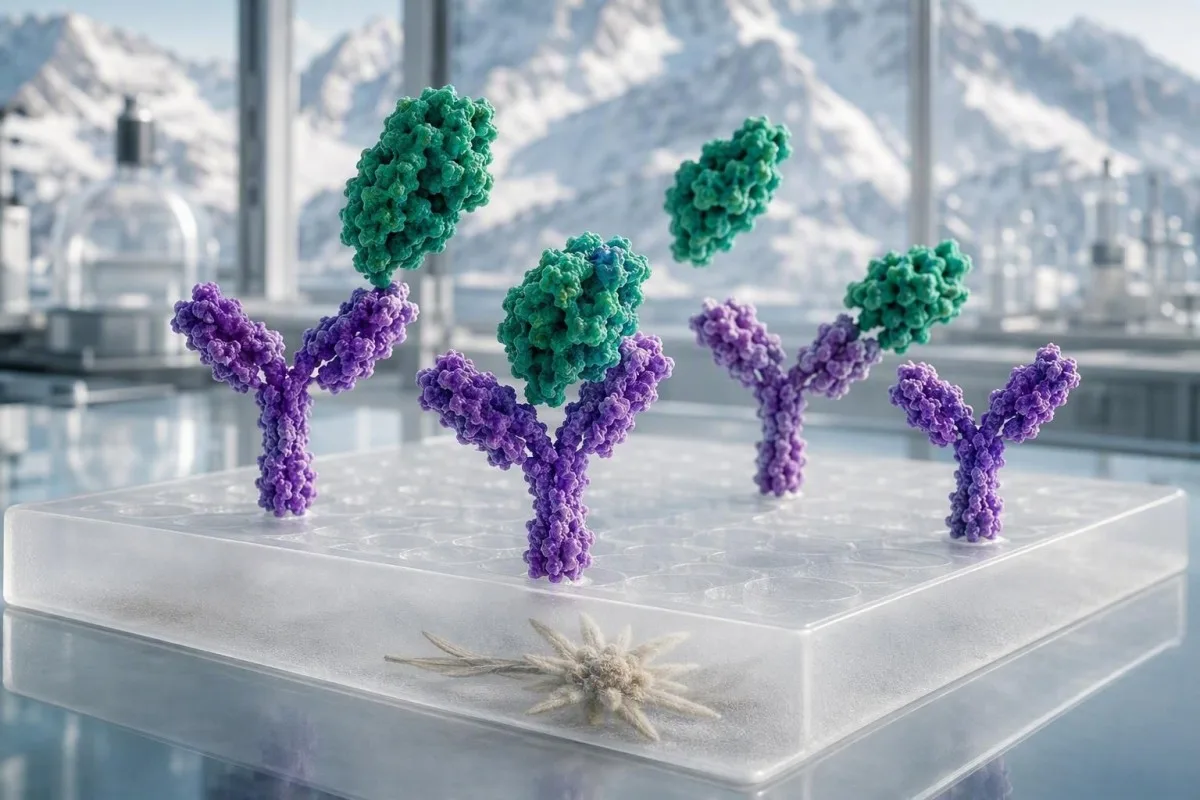
លទ្ធផលវិជ្ជមាននៃការចំរាញ់ចេញបង្ហាញអ្នកថា IgE បានទទួលស្គាល់អ្វីមួយនៅក្នុងល្បាយមួយ។ ការធ្វើតេស្តសមាសធាតុអាចកំណត់អត្តសញ្ញាណប្រូតេអ៊ីននីមួយៗដែលពាក់ព័ន្ធ — និងពេលខ្លះពន្យល់ថាលទ្ធផលមិនត្រូវគ្នាទៅនឹងរោគសញ្ញាជាក់ស្តែងទេ។.


- IgE ជាក់លាក់ (Specific IgE) នៃ 0.10 kUA/L ឬខ្ពស់ជាងនេះបង្ហាញពីការបង្កផលប៉ះពាល់, មិនមែនជាអាហារគ្លីនិកឬអាលែរហ្ស៊ីលំអងដោយខ្លួនឯងទេ។.
- អាลัก ฮ 2 ការបង្កផលប៉ះពាល់មានទំនាក់ទំនងយ៉ាងខ្លាំងទៅនឹងអាលែរហ្ស៊ីសណ្តែកដីពិតប្រាកដជាងលទ្ធផលចំរាញ់សណ្តែកដីតែមួយមុខ, ទោះបីជាគ្មានតម្លៃតែមួយដែលទស្សន៍ទាយភាពធ្ងន់ធ្ងរនៃប្រតិកម្មក៏ដោយ។.
- អាลัก ฮ 8 ជាធម្មតាឆ្លុះបញ្ចាំងពីការប្រតិកម្មឆ្លងនៃលំអង Birch និងបង្កឱ្យមានរោគសញ្ញារមាស់មាត់ជាមួយនឹងសណ្តែកដីឆៅច្រើនជាងប្រតិកម្មជាប្រព័ន្ធ។.
- ប្រូតេអ៊ីនផ្ទុក ដូចជា Cor a 9, Cor a 14, Ana o 3, និង Bos d 8 មានទំនោរនឹងរក្សាលំនឹងកំដៅនិងការរំលាយអាហារ, ដែលផ្លាស់ប្តូរការសន្ទនាអំពីហានិភ័យ។.
- កាបូអ៊ីដ្រាតប្រតិកម្មឆ្លង អាចបង្កើតលទ្ធផលពិនិត្យឈាមអាលែរហ្ស៊ីវិជ្ជមានទាបៗដែលមិនទស្សន៍ទាយរោគសញ្ញាបានយ៉ាងគួរឱ្យទុកចិត្ត។.
- ការធ្វើរោគវិនិច្ឆ័យដោយសមាសធាតុដែលបានកែតម្រូវ មិនអាចជំនួសប្រវត្តិប្រតិកម្មដែលយកចិត្តទុកដាក់ ឬការធ្វើតេស្តអាហារតាមមាត់ក្រោមការត្រួតពិនិត្យ ប្រសិនបើការធ្វើរោគវិនិច្ឆ័យនៅតែមិនប្រាកដ។.
- IgE សរុប (Total IgE) មិនមានកម្រិតធម្មតាជាសកលសម្រាប់ការថែទាំអាឡែស៊ីទេ ហើយមិនគួរប្រើដើម្បីវាយតម្លៃភាពធ្ងន់ធ្ងរនៃប្រតិកម្មអាហារបុគ្គលឡើយ។.
- រោគសញ្ញាបន្ទាន់ បន្ទាប់ពីការប៉ះពាល់នឹងអាហារ — ពិបាកដកដង្ហើម វិលមុខ ក្អួតម្តងហើយម្តងទៀត ឬរោគសញ្ញាករ ត្រូវតែមានការវាយតម្លៃបន្ទាន់ ដោយមិនគិតពីលទ្ធផលសមាសធាតុ។.
តើសមាសធាតុធ្វើតេស្តបន្ថែមពីលើការធ្វើតេស្តឈាមអាលែរហ្ស៊ីស្តង់ដារយ៉ាងដូចម្តេច
ការធ្វើតេស្តអាឡែស៊ីម៉ូលេគុលវាស់ IgE ប្រឆាំងនឹងប្រូតេអ៊ីនអាឡែហ្សែននីមួយៗ ជាជាងការទាញយកទាំងមូល, ដូច្នេះ វាអាចបែងចែកអាឡែស៊ីបឋមដែលមានលទ្ធភាពពីប្រតិកម្មឆ្លង។ ការធ្វើតេស្តឈាមអាឡែស៊ីស្តង់ដារដោយផ្អែកលើការទាញយកអាចមានលទ្ធផលវិជ្ជមាន នៅពេលដែលមនុស្សម្នាក់មិនដែលប្រតិកម្មនឹងអាហារនោះទេ ការផ្គូផ្គងសមាសធាតុតែងតែពន្យល់ពីមូលហេតុ។.
ការទាញយកគឺជាល្បាយ។ ឧទាហរណ៍ ការទាញយកសណ្តែកដីមានផ្ទុកប្រូតេអ៊ីនផ្ទុក ខ្លាញ់ ការផ្ទេរប្រូតេអ៊ីន profilins និងប្រូតេអ៊ីនដែលចែករំលែកជាមួយលំអង birch; លទ្ធផលវិជ្ជមានប្រាប់យើងតែថា serum IgE បានភ្ជាប់ទៅនឹងយ៉ាងហោចណាស់ផ្នែកមួយនៃល្បាយនោះ។. Kantesti គឺជាឧបករណ៍វិភាគឈាម AI ដែលដាក់ឈ្មោះសមាសធាតុដែលបានរាយការណ៍នៅក្បែរវិធីសាស្រ្ត assay,ឯកតា និងប្រវត្តិរោគសញ្ញាដែលបញ្ចូលដោយអ្នកប្រើប្រាស់។. សម្រាប់មូលដ្ឋានទ្រង់ទ្រាយលទ្ធផល ការណែនាំ qualitative ទល់នឹង quantitative មានប្រយោជន៍។.
នៅក្នុងគ្លីនិក ខ្ញុំបានឃើញបុរសអាយុ 29 ឆ្នាំម្នាក់ដែលមានសណ្តែកដី IgE 7.8 kUA/L ដែលបានញ៉ាំប៊ឺសណ្តែកដីមួយសប្តាហ៍ដោយគ្មានបញ្ហា។ លទ្ធផល Ara h 8 ដាច់ដោយឡែករបស់នាង ដោយមាន Ara h 1, 2, 3, 6, និង 9 អវិជ្ជមាន បានសមស្របនឹងប្រតិកម្មឆ្លងដែលទាក់ទងនឹង birch — មិនមែនជាហេតុផលដើម្បីដកសណ្តែកដីចេញពីរបបអាហាររបស់នាងទេ។ ចំនួននេះមានសារសំខាន់តិចជាងប្រូតេអ៊ីន និងរឿងរ៉ាវពេលអាហារ។.
ការធ្វើរោគវិនិច្ឆ័យដោយបែងចែកសមាសធាតុ ដែលត្រូវបានគេហៅផងដែរថា CRD, មានប្រយោជន៍បំផុតនៅពេលដែលប្រវត្តិ និងលទ្ធផលការទាញយកមិនស៊ីគ្នា នៅពេលដែលអាហារជាច្រើនដែលមិនទាក់ទងគ្នាជាលក្ខណៈរុក្ខសាស្ត្រ មានលទ្ធផលវិជ្ជមាន ឬនៅពេលពិភាកនាការធ្វើតេស្តអាហារ។ ពួកវាកែលម្អប្រូបាប៊ីលីតេ ពួកវាមិនធ្វើរោគវិនិច្ឆ័យអាឡែស៊ីក្នុងភាពទទេឡើយ។ Matricardi et al. បានពិពណ៌នាអាឡែស៊ីម៉ូលេគុលថាជាជំនួយដល់ការសម្រេចចិត្តព្យាបាល មិនមែនជាការជំនួសឡើយ (Matricardi et al., 2016)។.
ការបង្កផលប៉ះពាល់មិនដូចទៅនឹងជំងឺអាលែរហ្ស៊ីគ្លីនិកទេ
លទ្ធផលវិជ្ជមាននៃការធ្វើតេស្តឈាមអាឡែស៊ីបង្ហាញពីការបង្កកំណើត IgE ខណៈពេលដែលអាឡែស៊ីព្យាបាលទាមទាររោគសញ្ញាដែលអាចកើតឡើងវិញបន្ទាប់ពីការប៉ះពាល់។. មន្ទីរពិសោធន៍ភាគច្រើនរាយការណ៍ពី specific IgE ចាប់ពី 0.10 kUA/L ឡើងទៅ ប៉ុន្តែដែនកំណត់វិភាគនោះមិនប្រាប់យើងថាតើមនុស្សម្នាក់នឹងមានប្រតិកម្មនៅពេលញ៉ាំអាហារនោះទេ។.
លទ្ធផល specific IgE ជាទូទៅត្រូវបានបែងចែកជាទាប មធ្យម ឬខ្ពស់ ប៉ុន្តែប្រភេទទាំងនេះគឺជាការ conventions assay ជាជាងក្រុមហានិភ័យជាសកល។ តម្លៃ 0.35 kUA/L សម្រាប់ពងមាន់អាចមានន័យនៅក្នុងកុមារតូចដែលមានរោគសញ្ញា hives ក្នុងរយៈពេល 15 នាទីនៃការញ៉ាំពងមាន់ចៀន ខណៈពេលដែល 15 kUA/L អាចគ្មានន័យព្យាបាលនៅក្នុងមនុស្សពេញវ័យដែលមានការបង្កកំណើតលំអងដែលញ៉ាំពងមាន់ដុតនំដោយគ្មានរោគសញ្ញា។. ការប៉ះពាល់នៅតែជាការធ្វើតេស្តភាពតានតឹងនៃការធ្វើរោគវិនិច្ឆ័យ។.
Total IgE ជារឿយៗកើនឡើងនៅក្នុងជំងឺត្រអក ការឆ្លងមេរោគប៉ារ៉ាស៊ីត ការជក់បារី និងជំងឺប្រព័ន្ធភាពស៊ាំមួយចំនួន។ វាមិនអាចបញ្ជាក់ពីអាឡែស៊ីអាហារបានទេ។ Total IgE លើសពី 100 IU/mL ជារឿងធម្មតានៅក្នុងជំងឺ atopic ប៉ុន្តែមិនមានកំហាប់ total-IgE ដែលបង្ហាញថាអាហារជាក់លាក់ណាមួយមានគ្រោះថ្នាក់ទេ។ អ្នកអានដែលភ័យខ្លាចដោយលទ្ធផលដាច់ដោយឡែកនេះអាចពិនិត្យមើល អ្វីដែល IgE ខ្ពស់អាចមានន័យ.
គន្លឹះដ៏មានប្រយោជន៍មួយដែលមិនត្រូវបានគេកត់សម្គាល់ឃើញនោះគឺសមាមាត្ររវាងលទ្ធផលសមាសធាតុ ជាជាងលទ្ធផលការទាញយកតែប៉ុណ្ណោះ។ សញ្ញាដែលមានកម្រិតទាបទូលំទូលាយទៅលើ profilins ឬរចនាសម្ព័ន្ធកាបូអ៊ីដ្រាត ដែលផ្គូផ្គងជាមួយនឹងប្រវត្តិគ្មានប្រតិកម្ម គួរតែធ្វើឱ្យគ្រូពេទ្យឈប់គិតមុនពេលណែនាំឱ្យជៀសវាង។ របបអាហារដែលមានកម្រិតដោយផ្អែកលើការបង្កកំណើតតែប៉ុណ្ណោះ អាចបង្កើតការខូចខាតផ្នែកអាហារូបត្ថម្ភ និងសង្គម — ជាពិសេសចំពោះកុមារ។.
តើការប្រតិកម្មឆ្លងផ្លាស់ប្តូរលទ្ធផលវិជ្ជមានយ៉ាងដូចម្តេច
ប្រតិកម្មឆ្លងកើតឡើងនៅពេលដែល IgE ទទួលស្គាល់រចនាសម្ព័ន្ធប្រូតេអ៊ីនស្រដៀងគ្នានៅក្នុងប្រភពផ្សេងៗគ្នា បង្កើតការធ្វើតេស្តវិជ្ជមានដោយគ្មានហានិភ័យព្យាបាលស្មើគ្នា។. គ្រួសារម៉ូលេគុលទូទៅបំផុតគឺប្រូតេអ៊ីន PR-10, profilins, tropomyosins, lipid-transfer proteins, និង cross-reactive carbohydrate determinants។.
Bet v 1 โปรตีน Birch-pollen และโปรตีน PR-10 ในอาหารมีโครงสร้างที่คล้ายคลึงกันมากพอที่จะจับกับ IgE ได้ ดังนั้น บุคคลที่มีอาการแพ้ Birch อาจมีผลบวกต่อ Mal d 1 ในแอปเปิ้ล, Cor a 1 ในเฮเซลนัท, Gly m 4 ในถั่วเหลือง, Ara h 8 ในถั่วลิสง, Api g 1 ในเซเลอรี่ และ Dau c 1 ในแครอท; อาการต่างๆ หากมี มักจะจำกัดอยู่แค่การคันในปากเมื่อรับประทานอาหารดิบ การปรุงอาหารมักจะเปลี่ยนแปลงโปรตีน PR-10 แม้ว่าจะไม่สม่ำเสมอพอที่จะทดสอบได้ง่ายๆ ที่บ้าน.
การแพ้โปรตีน Profilin สามารถแสดงผลการตรวจที่น่าประทับใจสำหรับละอองเกสร, แตง, กล้วย, มะเขือเทศ และยางลาเท็กซ์ Hev b 8 คือโปรตีน Profilin และไม่ได้บ่งบอกถึงความสำคัญเหมือนกับการแพ้ยางลาเท็กซ์จริงๆ ต่อโปรตีนยางลาเท็กซ์ที่สำคัญทางการแพทย์ แนวทางของ EAACI เกี่ยวกับการแพ้อาหารแนะนำว่าการทดสอบวินิจฉัยต้องทำตามประวัติที่เน้นเรื่องภูมิแพ้ แทนที่จะเป็นการคัดกรองแบบกว้าง (Santos et al., 2023).
สารกำหนดคาร์โบไฮเดรตที่เกิดปฏิกิริยาไขว้ (Cross-reactive carbohydrate determinants) หรือที่มักรายงานว่าเป็น CCD หรือ MUXF3 คือรูปแบบน้ำตาลของพืชและแมลง แทนที่จะเป็นโปรตีน IgE ที่จำเพาะต่อ CCD อาจนำไปสู่ผลการตรวจสารสกัดหลายรายการที่มีค่าบวกต่ำ โดยเฉพาะอย่างยิ่งต่อละอองเกสร, พิษจากแมลง และอาหารจากพืช แต่ไม่ค่อยมีความสัมพันธ์กับอาการ นี่คือเหตุผลหนึ่งที่แผงส่วนประกอบสามารถทำให้การตรวจเลือดภูมิแพ้ที่สับสนมีขนาดเล็กลง ไม่ใช่ใหญ่ขึ้น.
សមាសធាតុសណ្តែកដី៖ ហេតុអ្វីបានជា Ara h 2 និង Ara h 8 ប្រាប់រឿងផ្សេងៗគ្នា
Ara h 2 และ Ara h 6 เป็นโปรตีนสะสมในถั่วลิสงที่บ่งชี้ถึงอาการแพ้ถั่วลิสงที่แท้จริงได้ดีกว่าสารสกัดถั่วลิสงเพียงอย่างเดียว ในขณะที่ Ara h 8 มักบ่งบอกถึงปฏิกิริยาไขว้ที่เกี่ยวข้องกับ Birch. ส่วนประกอบใดส่วนประกอบหนึ่งไม่สามารถคาดการณ์ปริมาณที่แน่นอนที่จะทำให้เกิดอาการแพ้ หรือความรุนแรงของอาการที่อาจเกิดขึ้นได้.
Ara h 1, Ara h 2, Ara h 3 และ Ara h 6 เป็นโปรตีนสะสมในเมล็ดที่ทนต่อความร้อนและการย่อย ในกลุ่มประชากรที่เข้ารับการปรึกษา Ara h 2 มักเป็นส่วนประกอบถั่วลิสงเดี่ยวที่มีประโยชน์ในการวินิจฉัยมากที่สุด ค่าที่สูงกว่า 0.1 kUA/L บ่งชี้ว่ามีการแพ้ ในขณะที่เกณฑ์การตัดสินแตกต่างกันไปตามอายุ การทดสอบ และประชากรในพื้นที่ จากประสบการณ์ของฉัน เด็กที่มีอาการลมพิษทันที ร่วมกับ Ara h 2 ที่ 12 kUA/L จำเป็นต้องมีการปรึกษาที่แตกต่างอย่างมากจากผู้ใหญ่ที่ไม่มีอาการกับ Ara h 8 ที่ 2 kUA/L.
Ara h 9 เป็นโปรตีนขนส่งไขมันที่ไม่จำเพาะ หรือ LTP มักพบในประชากรแถบเมดิเตอร์เรเนียน และอาจเกี่ยวข้องกับอาการแพ้ทั่วร่างกาย ซึ่งบางครั้งอาจรุนแรงขึ้นจากการออกกำลังกาย แอลกอฮอล์ ยาต้านการอักเสบที่ไม่ใช่สเตียรอยด์ หรือการเจ็บป่วยที่เกิดขึ้นร่วมด้วย ปัจจัยร่วมเหล่านี้มีค่าควรแก่การบันทึก เนื่องจากอาหารชนิดเดียวกันอาจทนได้ในวันปกติ และไม่ทนหลังจากวิ่งมาราธอน.
ผล Ara h 2 เป็นลบ ไม่ได้หมายความว่าถั่วลิสงจะปลอดภัยโดยอัตโนมัติ Ara h 6, Ara h 1, Ara h 3, Ara h 9 ภูมิศาสตร์ของบุคคล และประวัติการเกิดอาการแพ้ ยังคงมีความเกี่ยวข้องทั้งหมด แพทย์ผู้เชี่ยวชาญด้านภูมิแพ้ อาจยังคงแนะนำการท้าทายภายใต้การดูแล เพื่อบริบทอาการที่ใช้ได้จริง โปรดดูคู่มือของเราเกี่ยวกับ ការធ្វើតេស្តឈាមសម្រាប់ស្បែករមាស់.
សមាសធាតុគ្រាប់ធញ្ញជាតិអាចការពារការធ្វើរោគវិនិច្ឆ័យលើសនិងបញ្ជាក់ពីហានិភ័យ
เฮเซลนัท Cor a 9 และ Cor a 14, เม็ดมะม่วงหิมพานต์ Ana o 3 และวอลนัท Jug r 1 บ่งชี้ถึงโปรตีนสะสมในเมล็ดที่เสถียร และโดยทั่วไปมีน้ำหนักทางคลินิกมากกว่าส่วนประกอบที่เชื่อมโยงกับละอองเกสร. ผลบวกต่อถั่วเปลือกแข็งชนิดหนึ่ง ไม่ได้พิสูจน์ว่าแพ้ถั่วเปลือกแข็งทุกชนิด.
การทดสอบเฮเซลนัทเป็นกับดักที่คุ้นเคย Cor a 1 เป็นโปรตีน PR-10 ที่เกี่ยวข้องกับ Birch และมักเกี่ยวข้องกับอาการในช่องปากอย่างโดดเดี่ยวเมื่อรับประทานเฮเซลนัทดิบ ในขณะที่ Cor a 9 และ Cor a 14 เป็นโปรตีนสะสมที่เกี่ยวข้องกับการแพ้เฮเซลนัททั่วร่างกายมากกว่า ความแตกต่างนี้มีความสำคัญ เนื่องจากเฮเซลนัทพบได้ในสเปรด ผลิตภัณฑ์อบ ขนมหวาน และอาหารผง ซึ่งโปรตีนได้ผ่านการให้ความร้อนแล้ว แทนที่จะถูกทำลาย.
អាណ ៑ 3 เป็นโปรตีนสะสมประเภท 2S albumin ในเม็ดมะม่วงหิมพานต์ และเป็นเครื่องหมายบ่งชี้ที่มีประโยชน์อย่างยิ่งเมื่อสงสัยว่าแพ้เม็ดมะม่วงหิมพานต์ เม็ดมะม่วงหิมพานต์และพิสตาชิโอมีความสัมพันธ์ไขว้กันอย่างมากทางคลินิก แต่ผลการตรวจทางห้องปฏิบัติการไม่ได้ยืนยันว่าต้องหลีกเลี่ยงถั่วชนิดอื่นทั้งหมด ฉันมักจะถามอย่างเจาะจงว่าถั่วชนิดใดที่รับประทานได้โดยไม่แพ้ ในรูปแบบใด และเมื่อเร็วๆ นี้ก่อนที่จะขยายการหลีกเลี่ยง.
แผงตรวจถั่วเปลือกแข็งอาจกลายเป็นสิ่งรบกวนเมื่อสั่งเป็นการทดสอบคัดกรอง เด็กที่ทนต่ออัลมอนด์ วอลนัท และพีแคน ไม่ควรถูกห้ามรับประทานอาหารเหล่านั้น เพียงเพราะการตรวจสารสกัดจากถั่วที่ไม่เกี่ยวข้องมีผลบวกอ่อนๆ การบริโภคอาหารที่ทนได้ตามปกติอาจช่วยรักษาความหลากหลายของอาหารและลดความวิตกกังวล ครอบครัวที่กำลังสำรวจอาการที่เกี่ยวข้องกับอาหารควรกำหนดความแตกต่างระหว่างอาการแพ้กับ การเตรียมการทดสอบกลูเตน, ซึ่งเกี่ยวข้องกับเส้นทางภูมิคุ้มกันที่แตกต่างกัน.
សមាសធាតុទឹកដោះគោនិងស៊ុតជួយពិភាកនាអំពីការអត់ធ្មត់ចំពោះអាហារដុតនំ
เคซีนในนม และโอโวมูคอยด์ในไข่ เป็นโปรตีนที่ทนความร้อน ดังนั้น IgE ต่อ Bos d 8 หรือ Gal d 1 อาจลดโอกาสในการทนต่อผลิตภัณฑ์ที่ผ่านการอบเป็นเวลานาน. เป็นเครื่องหมายบ่งชี้ความเสี่ยง ไม่ใช่ใบอนุญาตให้ลองนมหรือไข่ที่อบโดยไม่มีแผนการเฉพาะบุคคล.
นมประกอบด้วยเคซีนและโปรตีนเวย์. ហ្គាស ឌ 8 កាសេអ៊ីន ยังคงมีความเสถียรค่อนข้างมากในระหว่างการอบและการย่อย ในขณะที่ Bos d 4 alpha-lactalbumin และ Bos d 5 beta-lactoglobulin มีความไวต่อความร้อนมากกว่า รูปแบบนี้สามารถช่วยให้นักภูมิแพ้ตัดสินใจได้ว่าการท้าทายด้วยนมที่อบแล้วนั้นสมเหตุสมผลหรือไม่ ผลเคซีน 0.2 kUA/L ไม่ได้มีความน่าจะเป็นเหมือนกันในทารกอายุ 10 เดือน กับเด็กวัยเรียนที่มีประวัติหายใจมีเสียงหวีดหลังดื่มนม.
ស៊ុតមានការបែងចែកជាក់ស្តែងស្រដៀងគ្នា។ Gal d 1 ovomucoid មានភាពធន់នឹងកំដៅប្រៀបធៀប ខណៈពេលដែល Gal d 2 ovalbumin មានភាពរសើបនឹងកំដៅជាង។ អ្នកដែលមានប្រតិកម្មជាចម្បងទៅនឹង ovalbumin អាចទ្រាំទ្រពងមាន់ដុតនំបានយ៉ាងល្អ ប៉ុន្តែត្រូវតែបង្ហាញដោយសុវត្ថិភាព។ “តេស្តពងមាន់ដុតនំតាមផ្ទះ” មិនមានសុវត្ថិភាពនៅពេលដែលមានការពិបាកដកដង្ហើម ក្អួតម្តងហើយម្តងទៀត ឬការទៅជួបបន្ទាន់ពីមុនមក។.
Kantesti គឺជាវេទិកា ការបកស្រាយលទ្ធផលឈាម ដោយ AI ដែលបកប្រែការដាក់ឈ្មោះសមាសធាតុរបស់មន្ទីរពិសោធន៍ទៅជាសំណួរដែល Worthtaking ទៅជួបគ្រូពេទ្យអាឡែរហ្សី ជំនួសឲ្យការដាក់ចំណាត់ថ្នាក់អាហារថាមានសុវត្ថិភាពឬមិនមានសុវត្ថិភាព។. ការផ្លាស់ប្តូររបបអាហារគួរតែប្រុងប្រយ័ត្នជាពិសេសចំពោះកុមារតូចៗ អ្នកដែលមានជំងឺទាក់ទងនឹងការញ៉ាំ និងអ្នកដែលមានការរឹតបន្តឹងជាច្រើន។ អត្ថបទស្តីពីអាហារ និងសុខភាពពោះវៀនរបស់យើង គ្របដណ្តប់លើផលប៉ះពាល់ជាបន្តបន្ទាប់នៃការរឹតត្បិតដែលមិនចាំបាច់។.
សមាសធាតុស្រូវសាលីអាចរកឃើញប្រតិកម្មដែលពឹងផ្អែកលើការលំហាត់ប្រាណ
Tri a 19 ដែលត្រូវបានគេស្គាល់ផងដែរថាជា omega-5 gliadin គឺជាសមាសធាតុសំខាន់ដែលទាក់ទងនឹង anaphylaxis ដែលបណ្តាលមកពីការហាត់ប្រាណដោយពឹងផ្អែកលើស្រូវសាលី។. មនុស្សម្នាក់អាចទ្រាំទ្រស្រូវសាលីនៅពេលសម្រាក ប៉ុន្តែមានប្រតិកម្មនៅពេលដែលការទទួលទានស្រូវសាលីត្រូវបានបន្តដោយការហាត់ប្រាណ គ្រឿង ថ្នាំស្រដៀងនឹង aspirin កំដៅ ឬការឆ្លងមេរោគ។.
ការធ្វើតេស្ត IgE ស្រូវសាលី មានការបកស្រាយពិបាក ដោយសារតែការចាប់សញ្ញាស្មៅជាទូទៅ បង្កើតលទ្ធផលវិជ្ជមានទាប។ Tri a 19 គឺមានលក្ខណៈជាក់លាក់ជាងច្រើន នៅពេលដែលករណីពាក់ព័ន្ធនឹង urticaria wheeze ការដួលសន្លប់ ឬរោគសញ្ញាក្រពះពោះវៀនធ្ងន់ធ្ងរបន្ទាប់ពីការហាត់ប្រាណក្នុងរយៈពេលប្រហែល ១ ទៅ ៤ ម៉ោងបន្ទាប់ពីការទទួលទានស្រូវសាលី។ កាលវិភាគនៃការទទួលទានអាហារ និងសកម្មភាពទាំងពីរ គឺមានព័ត៌មានច្រើនជាងប្រភេទសារធាតុចម្រាញ់តែឯង។.
ខ្ញុំធ្លាប់បានពិនិត្យអ្នកជិះកង់កម្សាន្តម្នាក់ ដែលមានប្រតិកម្ម “មិនអាចពន្យល់បាន” ចំនួនបីដងក្នុងរយៈពេល ១៨ ខែ ដោយសុទ្ធតែបន្ទាប់ពីទទួលទានអាហារពេលព្រឹកដែលមានមូលដ្ឋានលើស្រូវសាលី និងការជិះកង់ចម្ងាយ ៤០ គីឡូម៉ែត្រ។ លទ្ធផលសារធាតុចម្រាញ់ស្រូវសាលីរបស់គាត់មានលក្ខណៈមធ្យមត្រឹម ១,១ kUA/L ប៉ុន្តែ omega-5 gliadin មានលក្ខណៈវិជ្ជមានយ៉ាងច្បាស់។ ការជៀសវាងស្រូវសាលីជាច្រើនម៉ោងមុនពេលហាត់ប្រាណខ្លាំង គឺជាផ្នែកមួយនៃផែនការរបស់គាត់។ រោគវិនិច្ឆ័យនេះតម្រូវឱ្យមានការបញ្ចូលពីអ្នកជំនាញខាងអាឡែរហ្សី ដោយសារតែ thresholds នៃ cofactors ប្រែប្រួលយ៉ាងខ្លាំង។.
អាឡែរហ្សីស្រូវសាលី មិនមែនជាជំងឺ celiac ទេ ភាពមិនអត់ឱនចំពោះស្រូវសាលីដោយមិនមែន celiac ឬការមិនអត់ឱន។ ការធ្វើតេស្ត celiac វាស់ auto-immunity — ជាធម្មតា tissue transglutaminase IgA និង total IgA — ជំនួសឲ្យអាហារspecific IgE។ ប្រសិនបើ total IgA ទាប ការបកស្រាយតម្រូវឱ្យមានផ្លូវផ្សេង ដែលត្រូវបានពន្យល់នៅក្នុង មគ្គុទ្ទេសក៍ការធ្វើតេស្ត IgA ទាបរបស់យើង.
សំបកខ្យង, ពិស, និងកៅស៊ូបង្ហាញហេតុអ្វីបានជាក្រុមគ្រួសារប្រូតេអ៊ីនមានសារៈសំខាន់
Tropomyosin អាចភ្ជាប់លទ្ធផលអាហារសមុទ្រជាមួយនឹងការចាប់សញ្ញាផ្ទះ-mites ខណៈពេលដែលសមាសធាតុ venom និង latex អាចកំណត់អត្តសញ្ញាណប្រូតេអ៊ីនដែលមានលក្ខណៈគ្លីនិកពាក់ព័ន្ធបានត្រឹមត្រូវជាងសារធាតុចម្រាញ់ទាំងមូល។. ក្រុម panels ទាំងនេះមានតម្លៃបំផុត នៅពេលដែលប្រវត្តិប្រតិកម្មអាចផ្លាស់ប្តូរការព្យាបាលបន្ទាន់ ឬដំបូន្មានការងារ។.
Pen a 1 គឺជា shrimp tropomyosin; Der p 10 គឺជា mite tropomyosin ។ ដោយសារតែ tropomyosin ត្រូវបានរក្សាទុកទូទាំង invertebrates អ្នកដែលមាន mites-sensitized អាចបង្ហាញកម្រិតទាបនៃ shellfish IgE ដោយមិនបានបរិភោគអាហារសមុទ្រ ឬមានប្រតិកម្មចំពោះវា។ ផ្ទុយទៅវិញ អាឡែរហ្សី crustacean ពិតប្រាកដ អាចមានសារៈសំខាន់គ្លីនិក ទោះបីជាមនុស្សម្នាក់អាចទ្រាំទ្រត្រីក៏ដោយ ដោយសារតែត្រី និងអាហារសមុទ្រ គឺជាក្រុមអាហារដែលមិនទាក់ទងគ្នាខាងជីវសាស្ត្រ។.
ការធ្វើតេស្តសមាសធាតុ venom អាចបែងចែកការចាប់សញ្ញាឃ្មុំជាបឋម ដែលជាទូទៅពាក់ព័ន្ធនឹង Api m 1 ពីលំនាំដែលការធ្វើតេស្តសារធាតុចម្រាញ់មានភាពមិនច្បាស់លាស់។ វាអាចរួមចំណែកក្នុងការសម្រេចចិត្តអំពី venom immunotherapy ប៉ុន្តែ baseline tryptase ភាពធ្ងន់ធ្ងរនៃប្រតិកម្ម ហានិភ័យនៃការប៉ះពាល់ និងការវាយតម្លៃរបស់អ្នកជំនាញខាងអាឡែរហ្សីសុទ្ធតែមានសារៈសំខាន់។ ប្រតិកម្ម sting ទូទៅជាមួយនឹងរោគសញ្ញាវិលមុខ ឬផ្លូវដង្ហើម xứng đáng នឹងការពិនិត្យពីអ្នកជំនាញ ទោះបីជាលទ្ធផលសមាសធាតុមានទំហំតូចក៏ដោយ។.
ការធ្វើតេស្ត Latex ក៏ទទួលបានអត្ថប្រយោជន៍ពីព័ត៌មានលម្អិតនៃម៉ូលេគុលផងដែរ។ Hev b 5 និង Hev b 6 មានភាពពាក់ព័ន្ធគ្លីនិកច្រើនជាងនៅក្នុងប្រតិកម្ម latex ដែលទាក់ទងនឹងការថែទាំសុខភាពច្រើនជាង Hev b 8 profilin តែឯង។ នេះអាចមានសារៈសំខាន់មុនពេលការវះកាត់ និងសម្រាប់កម្មករដែលប្រើឧបករណ៍ការពារ។ រោគសញ្ញាស្បែកមាន mimics ដែលមិនមានអាឡែរហ្សីជាច្រើន ដូច្នេះ មគ្គុទ្ទេសក៍ការធ្វើតេស្តឈាមបញ្ហាស្បែករបស់យើង អាចជួយក្នុងការបង្កើតសំណួរទូលំទូលាយ។.
ហេតុអ្វីបានជាតម្លៃសមាសធាតុមិនវាស់ភាពធ្ងន់ធ្ងរនៃប្រតិកម្ម
តម្លៃ IgE ជាក់លាក់នៃសមាសធាតុខ្ពស់ជាធម្មតា បង្កើនលទ្ធភាពនៃអាឡែរហ្សីគ្លីនិកក្នុងបរិបទត្រឹមត្រូវ ប៉ុន្តែវាមិនអាចទស្សន៍ទាយបានថាតើប្រតិកម្មបន្ទាប់នឹងស្រាល ឬគំរាមកំហែងដល់អាយុជីវិតនោះទេ។. ភាពធ្ងន់ធ្ងរអាស្រ័យលើកម្រិត ការគ្រប់គ្រងជំងឺហឺត cofactors ការព្យាបាលយឺតយ៉ាវ និងសំណាង ក៏ដូចជាការចាប់សញ្ញា។.
Specific IgE ជាទូទៅត្រូវបានរាយការណ៍ជា kUA/L ហើយតម្លៃ assay មិនអាចផ្លាស់ប្តូរដោយផ្ទាល់ជាមួយនឹងទំហំ wheal ក្នុងស្បែក millimeter បានទេ។ តម្លៃដែលកើនឡើង ឆ្លងកាត់ការធ្វើតេស្តឡើងវិញ អាចឆ្លុះបញ្ចាំងពីការផ្លាស់ប្តូរនៃការចាប់សញ្ញា ប៉ុន្តែលទ្ធផលដូចគ្នានេះអាចប្រែប្រួលដោយ 20% ឬច្រើនជាងនេះ ដោយសារតែការប្រែប្រួល assay និងការប្រែប្រួលជីវសាស្រ្ត។ ការបកស្រាយនិន្នាការ តម្រូវឱ្យមានវិធីសាស្រ្តមន្ទីរពិសោធន៍ដូចគ្នារាល់ពេលដែលអាចធ្វើទៅបាន។.
លទ្ធផលសមាសធាតុ គឺអាក្រក់ជាពិសេសក្នុងការទស្សន៍ទាយ threshold នៃប្រតិកម្មផ្ទាល់ខ្លួន។ មនុស្សដែលមាន Ara h 2 0.9 kUA/L អាចមានប្រតិកម្មចំពោះប្រូតេអ៊ីនសណ្តែកដីពីរបីមីលីក្រាម ខណៈពេលដែលមនុស្សម្នាក់ទៀតដែលមាន 20 kUA/L អាចមិនមានប្រតិកម្ម រហូតដល់កម្រិតដែលធំជាងនេះ។ ការសិក្សាអាចពិពណ៌នាអំពីមធ្យមភាគនៃក្រុម ជំនួសឲ្យការធានារបស់បុគ្គល។ នេះជាផ្នែកមួយក្នុងចំណោមផ្នែកទាំងនេះ ដែលបរិបទមានសារៈសំខាន់ជាងទង់ជាតិដែលមានពណ៌។.
ការប្រកួតប្រជែងផ្នែកអាហារនៅតែជាស្តង់ដារយោងនៅពេលដែលចម្លើយនឹងផ្លាស់ប្តូរការថែទាំហើយហានិភ័យអាចទទួលយកបាន។ របាយការណ៍ក្រុមការងារឆ្នាំ 2020 AAAAI បានកំណត់កម្រិតថ្នាំរចនាសម្ព័ន្ធលក្ខណៈវិនិច្ឆ័យក្នុងការបញ្ឈប់និងតម្រូវការតាមដានសម្រាប់ការប្រកួតប្រជែងអាហារតាមមាត់ (Bird et al., 2020) ។ រក្សាកំណត់ត្រាកាលបរិច្ឆេទនៃប្រតិកម្មនិងថ្នាំ។ មគ្គុទេសក៍ពេលវេលាសម្រាប់ការធ្វើតេស្តឈាម ពន្យល់ពីមូលហេតុដែលបរិបទគ្លីនិកគួរតែ accompanies និន្នាការមន្ទីរពិសោធន៍។.
តើពេលណាការធ្វើរោគវិនិច្ឆ័យដោយសមាសធាតុដែលបានកែតម្រូវមានតម្លៃក្នុងការបញ្ជាទិញ
ការធ្វើតេស្តសមាសធាតុអាឡែរហ្ស៊ីមានប្រយោជន៍បំផុតបន្ទាប់ពីប្រវត្តិផ្តោតអារម្មណ៍និងបន្ទះផ្អែកលើការដកស្រង់ដែលមិនច្បាស់លាស់ឬទូលំទូលាយមិនមែនជាការធ្វើតេស្តអេក្រង់សម្រាប់អាហារដែលត្រូវបានបរិភោគដោយសុវត្ថិភាព។. វាអាចកាត់បន្ថយការជៀសវាងដែលមិនចាំបាច់នៅពេលដែលការឆ្លងប្រតិកម្មទំនងជាកើតមានហើយណែនាំការបញ្ជូនបន្តនៅពេលដែលមានការប្រឈមនឹងប្រូតេអ៊ីនមានស្ថិរភាព។.
ការចង្អុលបង្ហាញសមហេតុផលរួមមានប្រតិកម្មបញ្ជាក់ដោយមានកម្រិត IgE ដែលដកស្រង់បានលទ្ធផលវិជ្ជមានដែលដកស្រង់ក្នុងអាហារដែលត្រូវបានអត់ឱនឱ្យជាញឹកញាប់ការឆ្លងប្រតិកម្មលំអង birch ដែលទំនងជាកើតមានការសង្ស័យប្រតិកម្មស្រូវសាលី-លំហាត់ប្រាណអាឡែរហ្ស៊ីពីងពាងមិនប្រាកដនិងការវាយតម្លៃមុនពេលការប្រកួតប្រជែងអាហារដែលត្រួតពិនិត្យ។ ការធ្វើតេស្តសមាសធាតុដែលមានទាំងអស់ដោយគ្មានសំណួរគ្លីនិកបង្កើនការរកឃើញដោយចៃដន្យ។ ក្នុងការអនុវត្តរបស់លោកវេជ្ជបណ្ឌិត Thomas Kleinសំណើរសុំមានប្រយោជន៍បំផុតជាញឹកញាប់គឺតូចបំផុត។.
មុនពេលធ្វើតេស្តសូមកត់ត្រាទម្រង់អាហារបរិមាណប្រហាក់ប្រហែលនាទីដល់ការចាប់ផ្តើមរោគសញ្ញាការធ្វើម្តងទៀតការព្យាបាលដែលបានប្រើនិងកត្តារួម។ រោគសញ្ញាដែលចាប់ផ្តើមក្នុងរយៈពេលប៉ុន្មាននាទីដល់ ២ ម៉ោងគឺត្រូវបានយល់ច្រឡំជាងអាឡែរហ្ស៊ីអាហារដែលមាន IgE mediated ជាងការហើមពោះតែឯងនៅថ្ងៃបន្ទាប់ទោះបីជាមានករណីលើកលែងក៏ដោយ។ ថ្នាំ Antihistamines មិនផ្លាស់ប្តូរលទ្ធផល IgE ក្នុងឈាមដែលមានលក្ខណៈជាក់លាក់ទេផ្ទុយពីឥទ្ធិពលរបស់វាលើការធ្វើតេស្តស្បែក។.
Kantesti ជួយអ្នកប្រើរៀបចំរបាយការណ៍ដើមធ្វើម្តងទៀតតម្លៃនិងកំណត់ចំណាំរោគសញ្ញាក្នុងកំណត់ត្រាមួយដែលអាចពិនិត្យឡើងវិញបាននៅទូទាំងភាសា។ ប្រសិនបើអ្នកកំពុងចែករំលែករបាយការណ៍សូមប្រើការការពារជាក់ស្តែងក្នុង បញ្ជីត្រួតពិនិត្យឯកជនភាពការផ្ទុកឯកសារឡើងនៃការធ្វើតេស្តឈាម; ។ លទ្ធផលឯកជនមិនគួរត្រូវបានបង្ហោះក្នុងក្រុមសាធារណៈដើម្បីបកស្រាយឡើយ។.
របៀបអានរបាយការណ៍សមាសធាតុអាលែរហ្ស៊ីដោយមិនមានប្រតិកម្មហួសហេតុ
សូមអានប្រភពអាឡែរហ្ស៊ីជាមុនសិនបន្ទាប់មកសមាសធាតុនីមួយៗលទ្ធផលឯកតាកាត់ការវិភាគនិងប្រវត្តិការប៉ះពាល់របស់អ្នក។. របាយការណ៍ដែលសម្គាល់ថា“ វិជ្ជមាន” គឺជាការរកឃើញការវិភាគ។ វាមិនមែនជាការណែនាំបន្ទាន់ទេហើយមិនគួរជំនួសផែនការសកម្មភាពរបស់គ្រូពេទ្យឡើយ។.
សូមពិនិត្យមើលថាតើការធ្វើតេស្តបានប្រើរបាយការណ៍ប្រភេទ ImmunoCAP តែមួយគត់បន្ទះមីក្រូរ៉ាយច្រើនឬវិធីផ្សេង។ បន្ទះមីក្រូរ៉ាយច្រើនអាចរកឃើញការប្រឈមនឹងកម្រិតទាបជាច្រើនពីគំរូតូចប៉ុន្តែជួរលេខនិងការផ្ទៀងផ្ទាត់គ្លីនិករបស់ពួកគេអាចខុសពីការធ្វើតេស្តអាឡែរហ្ស៊ីតែមួយ។ លទ្ធផល 0.12 kUA/L មិនគួរត្រូវបានចាត់ទុកថាស្មើនឹងកម្រិតខ្ពស់ដែលបានផ្ទៀងផ្ទាត់ដោយការប្រកួតប្រជែងឡើយ។.
សូមរកមើលគំរូមិនមែនជាចំណុចដាច់ដោយឡែក៖ សណ្តែកដី Ara h 2 បូកនឹង Ara h 6 ខុសពី Ara h 8 តែមួយ។ ផ្កាក្ដុល Cor a 14 ខុសពី Cor a 1 តែមួយ។ ប្រសិនបើឯកសារ PDF ត្រូវបានថតរូបឬស្កេននិមិត្តសញ្ញាឯកតានិងចំណុចទស្ស]$. បញ្ជីត្រួតពិនិត្យកំហុសការផ្ទុកឡើង PDF ណែនាំឱ្យពិនិត្យមើលទំព័រមន្ទីរពិសោធន៍ដើមមុនពេលធ្វើសកម្មភាព។.
Kantesti ដំណើរការដូចជា ឧបករណ៍វិភាគតេស្តឈាមដោយ AI ដែលកំណត់អត្តសញ្ញាណអ្នកវិភាគដែលបានរាយការណ៍ឯកតានិងទង់មន្ទីរពិសោធន៍ប៉ុន្តែវាមិនអាចមើលឃើញអាហារដែលអ្នកបានញ៉ាំរោគសញ្ញាដង្ហើមរបស់អ្នកឬលទ្ធផលពិនិត្យរបស់អ្នកឡើយ។ លទ្ធផលម៉ូលេគុលគួរតែជំរុញឱ្យមានសំណួរល្អជាងនេះមិនមែនការណែនាំឡើងវិញដោយខ្លួនឯងឬការជៀសវាងដោយឯកឯងឡើយ។.
លទ្ធផលវិជ្ជមានក្លែងក្លាយ, លទ្ធផលអវិជ្ជមានក្លែងក្លាយ, និងដែនកំណត់នៃការវិភាគ
លទ្ធផលអាឡែរហ្ស៊ីវិជ្ជមានក្លែងក្លាយគឺជារឿងធម្មតានៅពេលដែលការធ្វើតេស្តមិនត្រូវបានណែនាំដោយរោគសញ្ញាហើយលទ្ធផលអវិជ្ជមានក្លែងក្លាយអាចកើតមាននៅពេលដែលប្រូតេអ៊ីនពាក់ព័ន្ធអវត្តមានឬមានតិចតួចក្នុងការដកស្រង់។. សមាសធាតុបង្កើនការបកស្រាយប៉ុន្តែពួកវាមិនលុបបំបាត់ដែនកំណត់នៃការធ្វើតេស្តឬភាពមិនប្រាកដនៃជីវសាស្ត្រឡើយ។.
គុ量ការដកស្រង់ប្រែប្រួលដោយសារប្រភពអាឡែរហ្ស៊ីខុសគ្នាតាមពូជរដូវកាលដំណើរការនិងស្ថិរភាពប្រូតេអ៊ីន។ ប្រូតេអ៊ីនដែលមិនស្ថិតស្ថេរអាចមានតិចតួចក្នុងការដកស្រង់ពាណិជ្ជកម្មចំណែកប្រូតេអ៊ីនមានស្ថិរភាពអាចមានច្រើន។ នេះជួយពន្យល់ថាហេតុអ្វីបានជាមនុស្សដែលមានរោគសញ្ញាមាត់ច្បាស់លាស់អាចមានលទ្ធផលដកស្រង់ទាប។ ផ្ទុយទៅវិញការដកស្រង់ទូលំទូលាយអាចមានរចនាសម្ព័ន្ធឆ្លងប្រតិកម្មដែលធ្វើឱ្យការប្រឈមមុខហាក់ដូចជាកើនឡើង។.
ការបំពេញបន្ថែមប៊ីយ៉ូទីនមិនមែនជាបញ្ហាធំជាទូទៅសម្រាប់ការធ្វើតេស្ត IgE ជាក់លាក់ភាគច្រើនទេប៉ុន្តែអង់ទីបឌី heterophile និងកត្តាបច្ចេកទេសអាចប៉ះពាល់ដល់ការធ្វើតេស្តអ៊ិមម្មូណូហាសក្នុងពេលខ្លះ។ គំរូដែលប្រមូលបានក្នុងអំឡុងពេលមានប្រតិកម្មស្រួចស្រាវនៅតែអាចបកស្រាយបានសម្រាប់ IgE ជាក់លាក់ទោះបីជា tryptase មានច្បាប់ក្នុងការគ្រប់គ្រងតាមពេលវេលាដាច់ដោយឡែក។ ប្រសិនបើលទ្ធផលមិនសមហេតុផលការធ្វើតេស្តឡើងវិញឬវិធីវិនិច្ឆ័យផ្សេងទៀតអាចសមស្រប។.
ភាពត្រឹមត្រូវក៏អាស្រ័យលើថាតើលទ្ធផលត្រូវបានបកស្រាយក្នុងមូលដ្ឋានភស្តុតាងរបស់វាដែរឬទេ។. Kantesti AI អនុវត្តការត្រួតពិនិត្យរចនាសម្ព័ន្ធសម្រាប់ឯកតាការបញ្ជាក់យោងនិងលំនាំមន្ទីរពិសោធន៍មិនស៊ីចង្វាក់គ្នា។ វិធីសាស្ត្រសម្រាប់ការធ្វើឲ្យមានសុពលភាពក្នុងការព្យាបាល (clinical validation) រៀបរាប់ពីមូលហេតុដែលការបកស្រាយដោយ AI គឺជាការគាំទ្រផ្នែកអប់រំ ជាជាងការធ្វើរោគវិនិច្ឆ័យ។.
ការពិចារណាតាមលក្ខណៈពិសេសសម្រាប់កុមារ, ជំងឺហឺត, និងការមានផ្ទៃពោះ
កុមារដែលមានជំងឺត្រអក និងអ្នកដែលមានជំងឺហឺតដែលមិនអាចគ្រប់គ្រងបាន ត្រូវការការបកស្រាយអាឡែរហ្ស៊ីដោយប្រុងប្រយ័ត្នជាពិសេស ដោយសារតែទាំងពីរបង្កើនហានិភ័យនៃការជៀសវាងដោយមានកំហុស និងប្រតិកម្មធ្ងន់ធ្ងរ។. ការមានផ្ទៃពោះមិនធ្វើឱ្យលទ្ធផល IgE សមាសធាតុមិនត្រឹមត្រូវទេ ប៉ុន្តែវាផ្លាស់ប្តូរពីរបៀបដែលការផ្លាស់ប្តូររបបអាហារ និងការប្រកួតប្រជែងគួរតែត្រូវបានគ្រោងទុកដោយប្រុងប្រយ័ត្ន។.
ទារកដែលមានជំងឺត្រអកកម្រិតមធ្យមទៅធ្ងន់ធ្ងរ ជារឿយៗមានអាហារ-specific IgE ដែលអាចរកឃើញដោយគ្មានប្រតិកម្មភ្លាមៗចំពោះអាហារវិជ្ជមានគ្រប់មុខ។ ការដកទឹកដោះគោ ស៊ុត ស្រូវសាលី ឬអាហារចម្បងជាច្រើនដោយផ្អែកលើការស្វែងរកអាចធ្វើឱ្យប៉ះពាល់ដល់ការទទួលទានប្រូតេអ៊ីន កាល់ស្យូម ជាតិដែក និងថាមពល។ ការតារាងការលូតលាស់ និងការចូលរួមរបស់គ្រូពេទ្យជំនាញខាងចំណីអាហារមានសារៈសំខាន់ដូចថ្នាក់សមាសធាតុដែរ។ ការផ្លាស់ប្តូរទឹកដោះគោសម្រាប់ទារកមិនគួរត្រូវបានធ្វើឡើងដោយផ្អែកលើការបកស្រាយតាមអ៊ីនធឺណែតតែមួយមុខទេ។.
ជំងឺហឺតដែលមិនអាចគ្រប់គ្រងបានល្អ គឺជាកត្តាហានិភ័យដែលត្រូវបានទទួលស្គាល់សម្រាប់លទ្ធផលធ្ងន់ធ្ងរក្នុងអំឡុងពេលមានប្រតិកម្មអាណាហ្វីឡាក់ស៊ីត ទោះបីជាវាមិនធ្វើឱ្យតម្លៃសមាសធាតុ “កាន់តែធ្ងន់ធ្ងរ” ក៏ដោយ។ អ្នកដែលមានការក្អក ការដកដង្ហើម ការផ្លាស់ប្តូរខ្សែសំលេង វិលមុខ ឬក្អួតซ้ำៗ ដោយសារអាហារ ត្រូវការផែនការបន្ទាន់ជាលាយលក្ខណ៍អក្សរពីគ្រូពេទ្យរបស់ពួកគេ។ រោគសញ្ញាជំងឺហឺតអាចត្រួតលើគ្នានឹងការថប់បារម្ភ ប៉ុន្តែវាមិនមែនជាហេតុផលដើម្បីបដិសេធរោគសញ្ញាផ្លូវដង្ហើមស្រួចស្រាវទេ។.
ក្នុងអំឡុងពេលមានផ្ទៃពោះ ការជៀសវាងអាហារទូលំទូលាយថ្មីអាចបង្កើតភាពខ្វះខាតសារធាតុចិញ្ចឹម និងភាពមិនស្រួលដែលអាចជៀសវាងបាន។ អ្នកឯកទេសខាងអាឡែរហ្ស៊ីអាចពន្យាពេលការប្រកួតប្រជែងអាហារ លុះត្រាតែលទ្ធផលផ្លាស់ប្តូរការថែទាំយ៉ាងខ្លាំង។ ការព្យាបាលបន្ទាន់សម្រាប់ប្រតិកម្មអាណាហ្វីឡាក់ស៊ីតមិនគួរត្រូវបានពន្យារពេល ដោយសារតែនរណាម្នាក់មានផ្ទៃពោះទេ។ របស់យើង មគ្គុទ្ទេសក៍សម្គាល់គ្រោះថ្នាក់សម្រាប់មន្ទីរពិសោធន៍អំឡុងពេលមានផ្ទៃពោះ គ្របដណ្តប់គោលការណ៍ទូលំទូលាយនៃការវាយតម្លៃគ្លីនិកទាន់ពេលវេលា។.
តើត្រូវធ្វើអ្វីបន្ទាប់ពីទទួលបានលទ្ធផលបន្ទះសមាសធាតុ
ជំហានបន្ទាប់បន្ទាប់ពីការធ្វើតេស្តសមាសធាតុគឺការផ្គូផ្គងលំនាំម៉ូលេគុលជាមួយនឹងការប៉ះពាល់ជាក់ស្តែង និងសម្រេចថាតើការជៀសវាង ការប្រកួតប្រជែងក្រោមការត្រួតពិនិត្យ ការគ្រោងទុកបន្ទាន់ ឬមិនមានការផ្លាស់ប្តូរណាមួយសមស្រប។. កុំធ្វើតេស្តអាឡែរហ្សេនដែលសង្ស័យដោយចេតនាដោយខ្លួនឯងនៅផ្ទះ បន្ទាប់ពីមានប្រតិកម្មជាប្រព័ន្ធពីមុន។.
រៀបចំការពិនិត្យអាឡែរហ្ស៊ីភ្លាមៗសម្រាប់ប្រតិកម្មដែលពាក់ព័ន្ធនឹងការពិបាកដកដង្ហើម ការតឹងបំពង់ក វិលមុខ វិលមុខជាប់រហូត ឬក្អួតซ้ำៗ បន្ទាប់ពីការប៉ះពាល់នឹងអាហារ សត្វល្អិត ឬកៅស៊ូ។ សេវាសង្គ្រោះបន្ទាន់គឺសមស្របសម្រាប់រោគសញ្ញាធ្ងន់ធ្ងរដែលកំពុងកើតឡើង។ ឧបករណ៍ auto-injector អាដ្រេណាលីន ពេលចេញវេជ្ជបញ្ជា គួរតែត្រូវបានប្រើប្រាស់តាមផែនការសកម្មភាពផ្ទាល់ខ្លួន ជាជាងការរង់ចាំលទ្ធផលមន្ទីរពិសោធន៍។ រមាស់មាត់ស្រាលជាមួយនឹងផ្លែឈើឆៅគឺខុសគ្នា ប៉ុន្តែនៅតែសមនឹងទទួលបានបរិបទ។.
យករបាយការណ៍ដែលមិនបានកែសម្រួល កំណត់ហេតុប្រតិកម្ម បញ្ជីថ្នាំ ស្ថានភាព ជំងឺហឺត និងរូបថតជំងឺកញ្ជ្រឹល ប្រសិនបើមាន។ សួរសំណួរជាក់លាក់ចំនួនបួនគឺ៖ ប្រូតេអ៊ីនណាដែលមានលទ្ធផលវិជ្ជមាន? លំនាំនេះសមស្របនឹងប្រតិកម្មរបស់ខ្ញុំទេ? អាហារនេះមានសុវត្ថិភាពក្នុងទម្រង់ដែលខ្ញុំញ៉ាំទេ? តើការប្រកួតប្រជែងក្រោមការត្រួតពិនិត្យផ្នែកវេជ្ជសាស្ត្រនឹងផ្លាស់ប្តូរការគ្រប់គ្រងទេ? ការសន្ទនានោះមានប្រសិទ្ធភាពជាងការសួរថាតើលទ្ធផលគ្រាន់តែជា “ខ្ពស់” ទេ។”
គិតត្រឹមថ្ងៃទី 31 ខែសីហា ឆ្នាំ 2026 ការបកស្រាយដែល មានសុវត្ថិភាពបំផុត នៅតែជាការសំយោគពីប្រវត្តិ ការធ្វើតេស្ត និង - នៅពេលចាំបាច់ - ការប្រកួតប្រជែង ដែលដឹកនាំដោយគ្រូពេទ្យ។ អត្ថបទវេជ្ជសាស្រ្តរបស់ Kantesti ត្រូវបានពិនិត្យដោយមានការត្រួតពិនិត្យពីវេជ្ជបណ្ឌិត។ អ្នកអានអាចមើលឃើញគ្រូពេទ្យដែលពាក់ព័ន្ធតាមរយៈ ក្រុមប្រឹក្សាប្រឹក្សាវេជ្ជសាស្ត្រ របស់យើង ហើយរៀនពីរបៀបដែលឧបករណ៍បរិបទលទ្ធផលដំណើរការនៅក្នុង មគ្គុទេសក៍បច្ចេកវិទ្យា AI.
សំណួរដែលសួរញឹកញាប់
តើការធ្វើរោគវិនិច្ឆ័យតាមសមាសធាតុក្នុងការធ្វើតេស្តឈាមរកអាលែហ្សីគឺជាអ្វី?
ការធ្វើរោគវិនិច្ឆ័យដោយបំបែកសមាសធាតុ វាស់អង្គបដិប្រាណ IgE ទៅនឹងប្រូតេអ៊ីនអាឡែរហ្សែននីមួយៗជាជាងការវាស់ទៅលើសារធាតុចំរាញ់ពីអាហារទាំងមូល លំអង ពិស ឬកៅស៊ូ។ លទ្ធផល IgE ជាក់លាក់ចាប់ពី 0.10 kUA/L ឬខ្ពស់ជាងនេះ ជាទូទៅបង្ហាញពីការមានភាពប្រក្រតីនៃមន្ទីរពិសោធន៍ ប៉ុន្តែវាមិនមែនជាការធ្វើរោគវិនិច្ឆ័យជំងឺអាឡែរហ្ស៊ីគ្លីនិកដោយខ្លួនវាទេ។ ឧទាហរណ៍ Ara h 2 ក្នុងសណ្តែកដី បង្ហាញពីលំនាំហានិភ័យខុសគ្នាពី Ara h 8 ដែលទាក់ទងនឹងទឹករំអិល។ អ្នកជំនាញផ្នែកវេជ្ជសាស្ត្រ បញ្ចូលគ្នានូវប្រវត្តិរូបសមាសធាតុជាមួយនឹងពេលវេលាប្រតិកម្ម បរិមាណដែលបរិភោគ និងថាតើអាហារនោះត្រូវបានអត់ឱនឲ្យបានដែរឬទេ។.
តើលទ្ធផលវិជ្ជមាននៃការធ្វើតេស្ត Ara h 2 បង្ហាញពីអាលែកហ្ស៊ីសណ្តែកដីទេ?
លទ្ធផលវិជ្ជមាននៃប្រូតេអ៊ីន Ara h 2 បង្កើនលទ្ធភាពនៃការមានអាលែកហ្ស៊ីសណ្តែកដីពិតប្រាកដ ជាពិសេសនៅពេលរោគសញ្ញាកើតឡើងក្នុងរយៈពេល ២ ម៉ោងបន្ទាប់ពីប៉ះពាល់នឹងសណ្តែកដី ប៉ុន្តែវាមិនមែនជាការធ្វើរោគវិនិច្ឆ័យដាច់ខាតនោះទេ។ តម្លៃ Ara h 2 ត្រូវបានរាយការណ៍ជា kUA/L ហើយគ្មានតម្លៃកំណត់ណាមួយអាចទស្សន៍ទាយអាលែកហ្ស៊ីបានល្អដូចគ្នាក្នុងគ្រប់ក្រុមអាយុឬមន្ទីរពិសោធន៍ទេ។ Ara h 6, Ara h 1, Ara h 3, ប្រវត្តិនៃប្រតិកម្ម និងលទ្ធផលនៃការធ្វើតេស្តចំណីអាហារដោយការលេបអាចផ្លាស់ប្តូរការបកស្រាយបាន។ Ara h 2 មិនអាចទស្សន៍ទាយពីភាពធ្ងន់ធ្ងរនៃប្រតិកម្មនាពេលអនាគត ឬបរិមាណសណ្តែកដីពិតប្រាកដដែលនឹងបង្ករោគសញ្ញាបានទេ។.
តើអាលែកហ្ស៊ីនឹងលំអងអាចបណ្តាលឱ្យមានលទ្ធផលវិជ្ជមានក្លែងក្លាយនៃការធ្វើតេស្តឈាមរកអាលែកហ្ស៊ីនឹងអាហារបានទេ?
បាទ/ចាស, ការប្រែប្រួលទៅនឹងលំអងអាចបណ្តាលឱ្យមានលទ្ធផលវិជ្ជមាននៃតេស្តឈាមអាលែរហ្សីអាហារតាមរយៈប្រូតេអ៊ីនដែលមានប្រតិកម្មឆ្លងដូចជាប្រូតេអ៊ីន PR-10 និង profilins។ Ara h 8 ដែលទាក់ទងនឹង birch នៅក្នុងសណ្តែកដី, Cor a 1 នៅក្នុង butter nut, និង Mal d 1 នៅក្នុងផ្លែប៉ោម ជារឿយៗទាក់ទងនឹងការរមាស់មាត់ពីអាហារឆៅ ជាជាងប្រតិកម្មទូទៅ។ លទ្ធផលចាប់ពី 0.10 kUA/L ឡើងទៅ បង្ហាញពីការភ្ជាប់ IgE, មិនមែនជាតម្រូវការជាចាំបាច់ដើម្បីជៀសវាងអាហារនោះទេ។ ការកម្ដៅអាចកាត់បន្ថយសកម្មភាព PR-10, ប៉ុន្តែអ្នកជំងឺមិនគួរធ្វើតេស្តអាលែរហ្សីដែលសង្ស័យនៅផ្ទះទេ បន្ទាប់ពីមានប្រតិកម្មធ្ងន់ធ្ងរពីមុនមក។.
តើកម្រិត IgE សរុបខ្ពស់មានន័យដូចម្តេចចំពោះអាឡែរហ្សីអាហារ?
IgE សរុបខ្ពស់មិនអាចបញ្ជាក់ថាក្រោយអាហារបង្កឱ្យមានរោគសញ្ញាទេ ហើយក៏មិនអាចវាស់កម្រិតនៃប្រតិកម្មអាលែហ្សីនឹងអាហារដែរ។ IgE សរុបខ្ពស់ជាង 100 IU/mL គឺជារឿងធម្មតាចំពោះជម្ងឺត្រអក និងជំងឺអាតូពីផ្សេងទៀត ខណៈពេលដែលមនុស្សមួយចំនួនដែលមានប្រតិកម្មអាលែហ្សីនឹងអាហារដែលបានបញ្ជាក់មានកម្រិត IgE សរុបនៅក្នុងចន្លោះយោងរបស់មន្ទីរពិសោធន៍។ IgE ដែលទាក់ទងនឹងសមាសធាតុជាក់លាក់ និងប្រវត្តិវេជ្ជសាស្ត្រមានប្រយោជន៍ជាង IgE សរុបសម្រាប់ការវាយតម្លៃអាហារមួយមុខ។ លទ្ធផល IgE សរុបខ្ពស់ខ្លាំងនៅតែអាចតម្រូវឱ្យមានការបកស្រាយផ្នែកវេជ្ជសាស្ត្រទូលំទូលាយ នៅពេលដែលវាជួបប្រទះនឹងការឆ្លងមេរោគកើតឡើងវិញ រលាកស្បែកធ្ងន់ធ្ងរ ឬរោគសញ្ញា unusual ផ្សេងៗទៀត។.
តើការធ្វើតេស្តសមាសធាតុអាចជំនួសការធ្វើតេស្តអាហារតាមមាត់បានទេ?
ការធ្វើតេស្តសមាសធាតុមិនអាចជំនួសទាំងស្រុងនូវការប្រឈមនឹងអាហារដោយផ្ទាល់មាត់ដែលមានការត្រួតពិនិត្យបានទេ នៅពេលដែលការធ្វើរោគវិនិច្ឆ័យនៅតែមិនប្រាកដប្រជា ហើយចម្លើយនឹងផ្លាស់ប្តូរការថែទាំ។ ការប្រឈមនឹងអាហារដោយផ្ទាល់មាត់ប្រើកម្រិតដែលបានវាស់ដែលកើនឡើងជាលំដាប់ក្រោមការត្រួតពិនិត្យផ្នែកវេជ្ជសាស្ត្រដែលមានការបណ្ដុះបណ្ដាល ព្រមទាំងលក្ខណៈវិនិច្ឆ័យក្នុងការបញ្ឈប់ និងការសង្កេត ដែលមិនអាចធ្វើឡើងវិញនៅផ្ទះបាន។ ការមានភាពប្រែប្រួលនៃប្រូតេអ៊ីន ដែលមានស្ថិរភាព ដូចជា Ana o 3 ឬ Bos d 8 អាចជួយជ្រើសរើសអ្នកជំងឺដែលត្រូវការការប្រុងប្រយ័ត្នបន្ថែមទៀត មុនពេលប្រឈម។ របាយការណ៍ AAAAI ឆ្នាំ ២០២០ ស្ដីពីការប្រឈមនឹងអាហារដោយផ្ទាល់មាត់ ផ្ដោតលើកម្រិតដែលបានរៀបចំ និងការត្រៀមបង្ការបន្ទាន់ ជាជាងពឹងលើតម្លៃ IgE តែមួយ។.
តើសមាសធាតុអាលែហ្សីមួយណាដែលបង្ហាញថាទឹកដោះគោដុតនំ ឬស៊ុតដុតនំអាចមិនត្រូវបានអត់ឱនទេ?
પ્રોટીન Bos d 8 (Milk casein) અને Gal d 1 (egg ovomucoid) પ્રમાણમાં ગરમી-સ્થિર હોય છે, તેથી તેમના પ્રત્યે સંવેદનશીલતા તેમને ખૂબ શેકેલા દૂધ અથવા ઇંડા સહન કરવાની શક્યતા ઘટાડી શકે છે. તેમના પરિણામો kUA/L માં માપવામાં આવે છે, પરંતુ ઘરેલું પરિચયને સુરક્ષિત રીતે અધિકૃત કરવા માટે કોઈ સાર્વત્રિક મૂલ્ય નથી. Bos d 8 અથવા Gal d 1 પોઝિટિવ ધરાવતા કેટલાક લોકો શેકેલા ઉત્પાદનો સહન કરે છે, જ્યારે અન્ય લોકો નથી કરતા. એલર્જીસ્ટ આગળનાં પગલાં નક્કી કરવા માટે સંપૂર્ણ ઇતિહાસ, ત્વચા પરીક્ષણ, ઘટક પેટર્ન અને દેખરેખ હેઠળના પડકારનો ઉપયોગ કરી શકે છે.
ខ្ញុំគួរទៅជួបគ្រូពេទ្យបន្ទាន់នៅពេលណា ប្រសិនបើខ្ញុំសង្ស័យថាមានប្រតិកម្មអាលែរហ្សី?
ស្វែងរកជំនួយបន្ទាន់ជាបន្ទាន់ ចំពោះ បញ្ហា ដកដង្ហើម, តឹង បំពង់ក, ផ្លាស់ប្តូរ សំឡេង, វិល មុខ, វិល មុខ ខ្លាំង, ឬ ក្អួត ញឹកញាប់ ក្រោយពេល សង្ស័យ ប៉ះ សារធាតុ អាលែរហ្សី. រោគសញ្ញា ទាំងនេះ អាច បង្ហាញ ពី ប្រតិកម្ម អាណាហ្វីឡាក់ទិច ទោះបី ជា មិន មាន កន្ទួល ក៏ដោយ ហើយ ទោះបី ជា លទ្ធផល តេស្ត ឈាម រក អាលែរហ្សី ធ្លាប់ ទាប ឬ អវិជ្ជមាន ពីមុន ក៏ដោយ. ប្រើ ថ្នាំ អាដ្រេណាលីន ដែល បាន វេជ្ជបញ្ជា តាម ផែនការ បន្ទាន់ ផ្ទាល់ខ្លួន ហើយ កុំ រង់ចាំ រោគសញ្ញា ឲ្យ កាន់តែ ច្បាស់. ការ ធ្វើ តេស្ត សមាសធាតុ មាន ប្រយោជន៍ សម្រាប់ការ ធ្វើ រោគវិនិច្ឆ័យ នៅពេលក្រោយ, ប៉ុន្តែ វាមិន មាន តួនាទី ក្នុងការ គ្រប់គ្រង ស្ថានភាព បន្ទាន់ ដែល កំពុង កើតឡើង.
ទទួលការវិភាគឈាមដោយ AI ដែលមានថាមពលថ្ងៃនេះ
ចូលរួមជាមួយអ្នកប្រើប្រាស់ជាង 2 លាននាក់នៅទូទាំងពិភពលោក ដែលទុកចិត្ត Kantesti សម្រាប់ការវិភាគលទ្ធផលតេស្តមន្ទីរពិសោធន៍ភ្លាមៗ និងត្រឹមត្រូវ។ ផ្ទុកឡើងលទ្ធផលពិនិត្យឈាមរបស់អ្នក ហើយទទួលការបកស្រាយយ៉ាងទូលំទូលាយនៃសញ្ញាសម្គាល់ (biomarkers) 15,000+ ក្នុងរយៈពេលប៉ុន្មានវិនាទី។.
📚 ឯកសារស្រាវជ្រាវដែលបានយោង
Klein, T., Mitchell, S., & Weber, H. (2026). ការណែនាំអំពីប្រូតេអ៊ីនសេរ៉ូម៖ ការធ្វើតេស្តឈាមសម្រាប់គ្លូប៊ុយលីន អាល់ប៊ុយមីន និងសមាមាត្រ A/G.។ ការស្រាវជ្រាវវេជ្ជសាស្ត្រដោយ AI របស់ Kantesti។.
Klein, T., Mitchell, S., & Weber, H. (2026). មគ្គុទេសក៍ការពិនិត្យឈាមសមាសធាតុ C3 C4 និងកម្រិត ANA.។ ការស្រាវជ្រាវវេជ្ជសាស្ត្រដោយ AI របស់ Kantesti។.
📖 ឯកសារយោងវេជ្ជសាស្ត្រខាងក្រៅ
Santos AF et al. (2023). ការណែនាំរបស់ EAACI بشأنការធ្វើរោគវិនិច្ឆ័យអាឡែរហ្ស៊ីអាហារដែលទាក់ទងនឹង IgE.។ Allergy។.
Bird JA et al. (2020). ការធ្វើតេស្តអាហារតាមមាត់៖ ការធ្វើបច្ចុប្បន្នភាពរបាយការណ៍ក្រុមការងារគណៈកម្មការប្រតិកម្មមិនល្អចំពោះអាហារឆ្នាំ ២០០៩. Journal of Allergy and Clinical Immunology: In Practice.
Matricardi PM et al. (2016). EAACI molecular allergology user's guide. Pediatric Allergy and Immunology.
⚕️ ការបដិសេធផ្នែកវេជ្ជសាស្ត្រ
អត្ថបទនេះមានគោលបំណងសម្រាប់ការអប់រំប៉ុណ្ណោះ ហើយមិនមែនជាការផ្តល់ដំបូន្មានផ្នែកវេជ្ជសាស្ត្រទេ។ សូមពិគ្រោះជាមួយអ្នកផ្តល់សេវាសុខភាពដែលមានសមត្ថភាពជានិច្ច សម្រាប់ការសម្រេចចិត្តអំពីការធ្វើរោគវិនិច្ឆ័យ និងការព្យាបាល។.
សញ្ញាទុកចិត្ត E-E-A-T
បទពិសោធន៍
ការពិនិត្យព្យាបាលដោយវេជ្ជបណ្ឌិតលើដំណើរការការបកស្រាយលទ្ធផលមន្ទីរពិសោធន៍។.
ជំនាញ
ផ្តោតលើវិទ្យាសាស្ត្រមន្ទីរពិសោធន៍ថា សញ្ញាសម្គាល់ (biomarkers) មានឥរិយាបថយ៉ាងដូចម្តេចក្នុងបរិបទព្យាបាល។.
ភាពមានសិទ្ធិអំណាច
សរសេរដោយវេជ្ជបណ្ឌិត Thomas Klein ជាមួយការពិនិត្យឡើងវិញដោយវេជ្ជបណ្ឌិត Sarah Mitchell និងសាស្ត្រាចារ្យវេជ្ជបណ្ឌិត Hans Weber។.
ភាពគួរឱ្យទុកចិត្ត
ការបកស្រាយដោយផ្អែកលើភស្តុតាង ជាមួយផ្លូវបន្តតាមដានច្បាស់លាស់ ដើម្បីកាត់បន្ថយការភ័យខ្លាច។.