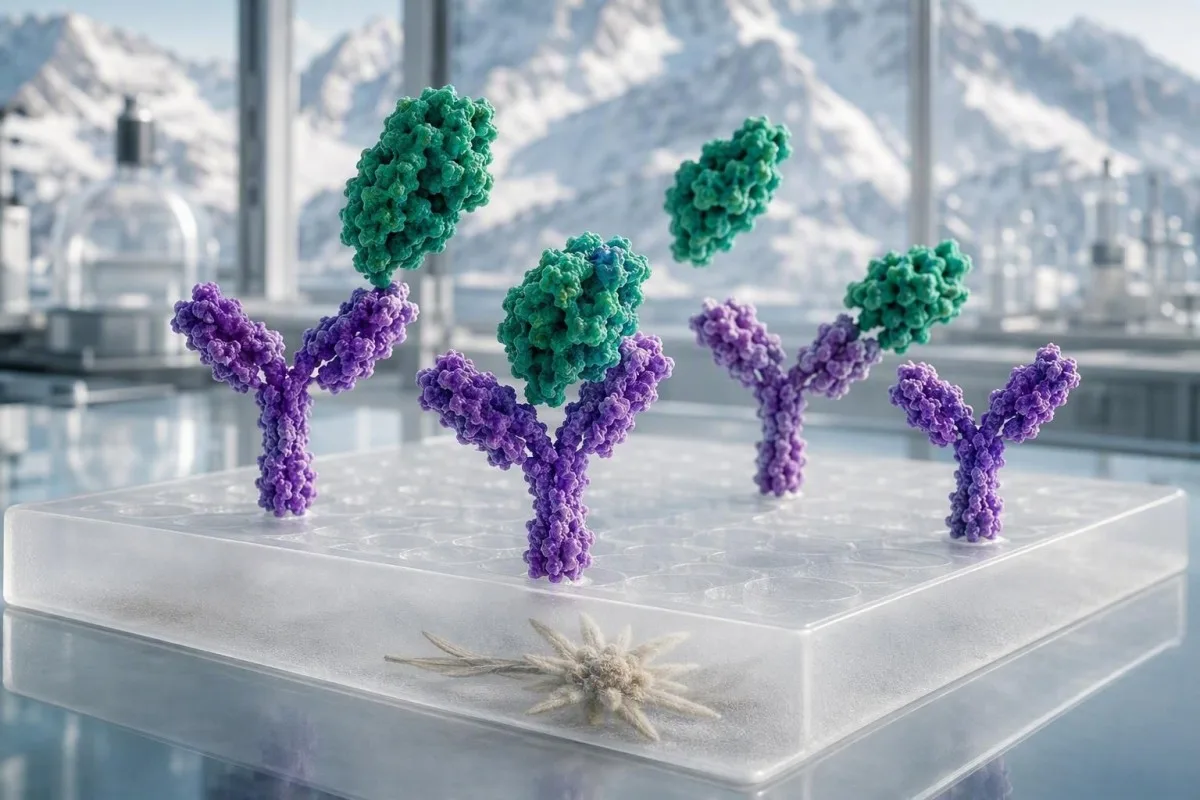
Позитивдүү экстракт натыйжасы IgE аралашмадагы бир нерсени тааныганын билдирет. Компоненттик тест учурда ошол жеке протеинди аныктай алат — жана кээде эмне үчүн натыйжа реалдуу симптомдорго дал келбестигин түшүндүрүп берет.


- Спецификалык IgE 0.10 kUA/L же андан жогору көрсөткүчү бир эле учурда клиникалык тамак-аш же чаңча аллергиясын эмес, сезимталдыкты көрсөтөт.
- Ара h 2 Жержаңгак экстрактынын натыйжасынан айырмаланып, сезимталдык чыныгы жержаңгак аллергиясы менен күчтүү байланыштуу, бирок бир дагы баалуулук реакциянын оордугун алдын ала айта албайт.
- Ара h 8 көбүнчө кайың чаңчасынын өз ара реактивдүүлүгүн чагылдырат жана системалык реакцияларга караганда чийки жержаңгак менен ооздун кычышуусун пайда кылат.
- Сактоочу белоктор мисалы, Cor a 9, Cor a 14, Ana o 3 жана Bos d 8 сыяктуулар жылуулукка жана сиңирүүгө туруктуу, бул тобокелдик жөнүндөгү сүйлөшүүнү өзгөртөт.
- Өз ара реактивдүү көмүртектердин детерминанттары симптомдорду ишенимдүү алдын ала айта албаган кеңири, төмөн деңгээлдеги позитивдүү аллергия кан анализинин жыйынтыктарын жаратышы мүмкүн.
- Компоненттик-чечилген диагностика диагностиканы тактоо үчүн кылдаттык менен алынган реакция тарыхын же көзөмөлдөнгөн оозеки тамак-аш сынагын алмаштыра албайт.
- Жалпы IgE аллергия үчүн универсалдуу нормалдуу чеги жок жана аны индивидуалдык тамак-аш реакциясынын оордугун баалоо үчүн колдонууга болбойт.
- Шашылыш белгилер тамак-аштын таасиринен кийин — дем алуунун кыйындашы, эстен тануу, кайталап кусуу же кеңири жайылган ысыктар — компоненттин жыйынтыктарына карабастан, шашылыш баалоону талап кылат.
Молекулярдык тест стандарттык аллергиялык кан анализинен тышкары эмнени кошот
Молекулярдык аллергия тестирлөө бүт экстрактка эмес, жеке аллергендик белокторго IgEди өлчөйт, ошондуктан ал ыктымалдуу негизги аллергияны кайчылаш реакциядан айырмалай алат. Стандарттык экстрактка негизделген аллергиялык кан анализи, адам эч качан бул тамакка реакция кылбаса дагы, оң болушу мүмкүн; компоненттин үлгүсү көбүнчө эмне үчүн экендигин түшүндүрөт.
Экстракттар аралашмалар. Мисалы, арахис экстрактында сактоочу белоктор, липид-өткөргүч белоктор, профилиндер жана кайың чаңчасы менен бөлүшүлгөн белоктор бар; оң натыйжа бизге serum IgEдин ошол аралашманын жок дегенде бир бөлүгүнө байланганын гана айтат. Kantesti - бул AI кан анализин анализдөөчү, ал колдонуучу киргизген анализ ыкмасы, бирдиктери жана симптом тарыхы менен бирге компоненттин аталыштарын жайгаштырат. Жыйынтык форматтын негиздери боюнча, биздин сапаттык жана сандык боюнча жетекчилик пайдалуу.
Клиникада мен 29 жаштагы адамды көрдүм, анын арахис экстрактына IgEси 7.8 kUA/L болгон, бирок ал жума сайын арахис майын эч кандай кыйынчылыксыз жечү. Анын жалгыз Ara h 8 натыйжасы, терс Ara h 1, 2, 3, 6, жана 9 менен, кайыңга байланыштуу кайчылаш реактивдүүлүккө туура келген — анын диетасынан арахисти алууга себеп эмес. Сандан белогу жана тамактын убактысы боюнча окуя көбүрөөк маанилүү болгон.
Компонентке негизделген диагностика, ошондой эле CRD, деп аталат, тарых жана экстракттын жыйынтыгы дал келбегенде, бир нече ботаникалык жактан байланышы жок тамактар оң чыкканда же тамак-аш сынагын талкуулоодо эң пайдалуу. Алар ыктымалдуулукту тактайт; алар вакуумда аллергияны диагноз коюшпайт. Matricardi жана башкалар молекулярдык аллергологияны клиникалык чечим кабыл алууга жардамчы каражат катары сүрөттөшкөн, бирок алмаштыруучу эмес (Matricardi et al., 2016).
Сезимталдык клиникалык аллергия менен бирдей эмес
Аллергияга каршы оң кан анализи IgE сенсибилизациясын көрсөтөт, ал эми клиникалык аллергия таасир эткенден кийин кайталануучу симптомдорду талап кылат. Көпчүлүк лабораториялар 0.10 kUA/L жана андан жогору болгон специфик IgEди отчеттошот, бирок бул аналитикалык чекит адам тамак жегенде реакция кылабы же жокпу, айтпайт.
Специфик IgEнин жыйынтыктары көбүнчө төмөн, орточо же жогору деп бөлүнөт, бирок бул категориялар универсалдуу тобокелдик тилкелери эмес, анализдөө конвенциялары болуп саналат. Жумуртка үчүн 0.35 kUA/L мааниси, эртең мененки жумурткадан 15 мүнөттүн ичинде ысыктары бар жаш балада маанилүү болушу мүмкүн, ал эми 15 kUA/L, симптомсуз бышырылган жумуртка жеген чаңчага сезгич чоң кишиде клиникалык жактан маанисиз болушу мүмкүн. Таасир алуу диагностикалык стресс-тест бойдон калат.
Жалпы IgE көбүнчө экземада, мите инфекциясында, тамеки чегүүдө жана бир нече иммундук шарттарда көтөрүлөт; ал тамак-аш аллергиясын тастыктай албайт. 100 IU/mL жогору жалпы IgE атопиялык ооруда көп кездешет, бирок белгилүү бир тамактын кооптуу эмес экендигин далилдеген жалпы IgE концентрациясы жок. Бул жалгыз жыйынтыктан чочулаган окурмандар карап чыга алышат жогорку IgE эмнени билдириши мүмкүн.
Бир аз байкалчу пайдалуу белги, жалгыз экстракттын жыйынтыгына караганда, компоненттик жыйынтыктардын ортосундагы катыш болуп саналат. Профилиндерге же углеводдук структураларга кеңири төмөн деңгээлдеги сигналдар, реакция тарыхы жок болсо, дарыгерге сактанууну сунуштоодон мурун ойлонууга себеп болушу керек. Жөн гана сенсибилизацияга негизделген чектөөчү диета, өзгөчө балдарда, тамактанууга жана социалдык зыян келтириши мүмкүн.
Өз ара реактивдүүлүк позитивдүү натыйжаны кантип өзгөртөт
Кайчылаш реактивдүүлүк IgE ар кандай булактардагы окшош белоктордун структураларын тааныганда пайда болот, бул клиникалык тобокелдикке барабар эмес оң тесттерди пайда кылат. Эң кеңири таралган молекулярдык үй-бүлөлөр PR-10 белоктору, профилиндер, тропомиозиндер, липид-өткөргүч белоктор жана кайчылаш реактивдүү углеводдук детерминанттар болуп саналат.
Кайыңдын чаңчасы Bet v 1 жана тамак-аш PR-10 белоктору IgE менен кайчылаш байланышууга жетиштүү структурага ээ. Ошондуктан, кайыңга сезгич адам алма Mal d 1, фундук Cor a 1, соя Gly m 4, жер жаңгак Ara h 8, сельдерей Api g 1 жана сабиз Dau c 1 үчүн позитивдүү тесттен өтүшү мүмкүн; симптомдор, бар болсо, көбүнчө чийки тамактар менен ооздун кычышуусу менен чектелип калат. Бышыруу көбүнчө PR-10 белокторун өзгөртөт, бирок бул үй шартында кокусунан текшерүү үчүн жетиштүү ишенимдүү эмес.
Профилинге сезгичтик чаңчалар, дарбыз, банан, помидор жана латекс боюнча таасирдүү көрүнгөн панелди да жаратышы мүмкүн. Латекс Hev b 8 - бул профилин жана клиникалык жактан маанилүү латекс белокторуна чыныгы латексти сезгичтик сыяктуу таасирди алып келбейт. EAACI тамак-ашка аллергия боюнча көрсөтмөсү диагностикалык тестирлөө кеңири скринингдин ордуна аллергияга багытталган тарыхтан кийин жүргүзүлүшү керектигин сунуштайт (Santos et al., 2023).
Кайчылаш реактивдүү углеводдук детерминанттар, көбүнчө CCD же MUXF3 катары билдирилүүчү, белокторго караганда өсүмдүк жана курт-кумурскалардын кант мотивдери болуп саналат. CCD-спецификалык IgE көптөгөн төмөн позитивдүү экстракт натыйжаларына алып келиши мүмкүн, айрыкча чаңчаларга, ууларга жана өсүмдүк азыктарына, бирок ал сейрек симптомдор менен байланыштуу болот. Бул компоненттик панелди аллергиялык кан анализин чоңойтуунун ордуна кичирейтүүгө мүмкүндүк берген себептердин бири.
Жержаңгак компоненттери: эмне үчүн Ara h 2 жана Ara h 8 ар кандай окуяларды баяндайт
Ara h 2 жана Ara h 6 - бул жер жаңгактын сактоочу белоктору, алар жер жаңгак экстрактынан гана эмес, чыныгы жер жаңгак аллергиясын да бекемдейт, ал эми Ara h 8 көбүнчө кайыңга байланышкан кайчылаш реактивдүүлүктү билдирет. Эч бир компонент реакцияны пайда кыла турган так дозаны же келечектеги окуянын оордугун алдын ала айта албайт.
Ara h 1, Ara h 2, Ara h 3 жана Ara h 6 - бул жылуулукка жана сиңирүүгө туруктуу болгон урук сактоочу белоктор. Бардык кайрылуучу популяцияларда, Ara h 2, адатта, диагностикалык жактан эң пайдалуу бир жер жаңгак компоненти болуп саналат; 0,1 kUA/L жогору болгон маанилер сезгичтикти белгилейт, ал эми чечимдин босогосу жаш курагына, анализге жана жергиликтүү популяцияга жараша өзгөрөт. Менин тажрыйбамда, тез уйкалак менен 12 kUA/L Ara h 2 болгон бала 2 kUA/L Ara h 8 болгон симптому жок чоң кишиден абдан башкача талкууну талап кылат.
Ara h 9 - бул майга байланыштыруучу белок, же LTP. Ал көбүнчө Жер Ортолук деңизинин популяцияларында кездешет жана системалуу реакциялар менен байланыштуу болушу мүмкүн, кээде көнүгүү, алкоголь, стероид эмес сезгенүүгө каршы дары-дармектер же аралаш оорулар менен күчөйт. Бул факторлорду документтештирүү пайдалуу, анткени бир эле тамак кадимки күндөрү жана узак чуркоодон кийин кабыл алынышы мүмкүн.
Терс Ara h 2 жер жаңгакты автоматтык түрдө коопсуз кылбайт. Ara h 6, Ara h 1, Ara h 3, Ara h 9, адамдын географиясы жана реакциянын баяны бардыгы тиешелүү бойдон калат; аллерголог дагы эле көзөмөлдөнгөн сыноону сунуштай алат. Практикалык симптом контексти үчүн, биздин колдонмону караңыз кычышкан териге кан анализдери.
Дарак жаңгак компоненттери ашыкча диагноз коюудан сактап, тобокелди тактай алат
Фундук Cor a 9 жана Cor a 14, кешью Ana o 3 жана грек жаңгак Jug r 1 туруктуу урук-сактоочу белокторду көрсөтөт жана көбүнчө чаңга байланышкан компоненттерге караганда көбүрөөк клиникалык салмакка ээ. Бир дарак жаңгагына позитивдүү натыйжа ар бир дарак жаңгагына аллергияны далилдебейт.
Фундук тестирлөө - бул тааныш тузак. Cor a 1 - бул кайыңга байланыштуу PR-10 белок жана көбүнчө чийки фундук менен болгон обочолонгон оозеки симптомдорго туура келет, ал эми Cor a 1, Cor a 9 жана Cor a 14 - бул системалуу фундук аллергиясы менен көбүрөөк байланышкан сактоочу белоктор. Айырмалоо маанилүү, анткени фундук пасталарда, бышырылган азыктарда, кондитердик азыктарда жана порошок түрүндөгү азыктарда кездешет, мында белок ысытылган, бирок жок кылынган эмес.
Ана о 3 - бул кешьюдагы 2S альбумин сактоочу белок жана кешью аллергиясы шектүү болгондо өзгөчө пайдалуу маркер болуп саналат. Кешью жана пистация клиникалык жактан бир топ кайчылаш реактивдүүлүккө ээ, бирок лабораториялык натыйжа башка жаңгактардын бардыгын алып салуу керек дегенди билдирбейт. Мен, адатта, кайсы жаңгактар коопсуз жегени, кандай формада жана канчалык жакында жегени жөнүндө так сурайм, андан кийин алыс калтырууну кеңейтем.
Дарак жаңгактарынын панелдери скринингдик тест катары буюртма берилгенде ызы-чууга айланышы мүмкүн. Бадам, грек жаңгак жана пеканды көтөрө алган бала, башка байланышпаган жаңгак экстракты начар позитивдүү болгондуктан, ошол тамактарды жоготпошу керек; жегенге мүмкүн болгон тамактарды сактап калуу диетанын ар түрдүүлүгүн сактап, тынчсызданууну азайтышы мүмкүн. Тамак-ашка байланыштуу симптомдорду изилдеген үй-бүлөлөр аллергияны да айырмалашы керек глютен тестирлөө даярдыгы, ал башка иммундук жолду карайт.
Сүт жана жумуртка компоненттери бышкан тамакка чыдамдуулукту талкуулоого жардам берет
Сүттөгү казеин жана жумурткадагы овомукоид - бул жылуулукка туруктуу белоктор, андыктан Bos d 8 же Gal d 1ге IgE, кылдат бышырылган формаларды көтөрүү мүмкүнчүлүгүн азайтышы мүмкүн. Алар тобокелдик маркерлери, бышырылган сүт же жумуртканы индивидуалдаштырылган плансыз сынап көрүүгө уруксат бербейт.
Сүт казеин жана сарысуу белокторун камтыйт. Сүттүн казеини Bos d 8 бышыруу жана сиңирүү учурунда салыштырмалуу туруктуу бойдон калат, ал эми Bos d 4 альфа-лактальбумин жана Bos d 5 бета-лактоглобулин көбүрөөк жылуулукка сезгич; бул схема аллергологго бышырылган сүттү сынап көрүү акылга сыярлыкпы же жокпу чечүүгө жардам берет. 0,2 kUA/L казеин натыйжасы 10 айлык ымыркайда же мурункуда сүткө дем алуусу бар мектеп жашындагы баладай эле ыктымалдуулукту алып келбейт.
Жумуртканын да практикалык бөлүнүшү окшош. Gal d 1 овомукоид салыштырмалуу жылуулукка туруктуу, ал эми Gal d 2 овалбумин жылуулукка сезгич; овалбуминге көбүнчө сезгич болгон адам бышырылган жумуртканы, бирок бул коопсуз көрсөтүлүшү керек. Дем алуунун кыйындашы, кайталап кусуу же мурунку тез жардамга кайрылуу болгондо, үй шартында “бышырылган жумуртка сыноолору” зыянсыз эмес.
Kantesti бул AI кан анализинин жыйынтыгы платформасы, ал лабораториянын компонент номенклатурасын азык-түлүктөрдү коопсуз же кооптуу деп белгилөөгө караганда, аллерголог менен барууга арзый турган суроолорго которот. Тамактануунун өзгөрүшү жаш балдарда, тамактануунун бузулушу бар адамдарда жана бир нече чектөөлөрү бар ар ким үчүн өзгөчө этият болуу керек; биздин тамак-аш жана ичегилердин саламаттыгы боюнча макалабыз ашыкча чектөөнүн кесепеттерин камтыйт.
Буудай компоненттери көнүгүүгө байланыштуу реакцияларды ачышы мүмкүн
Три а 19, ошондой эле омега-5 глиадин деп аталат, бул буудайдан көз каранды жашыруун анафилаксия менен байланышкан негизги компонент. Адам эс алууда буудайды көтөрө алат, бирок буудайды жегенден кийин көнүгүү, алкоголь, аспирин сыяктуу дары-дармектер, ысык же инфекция болгондо реакция кылышы мүмкүн.
Буудай экстракты IgE интерпретациялоо кыйын, анткени чөп чаңчасынын сезгичтиги көбүнчө төмөн оң натыйжаларды берет. Три а 19, эгерде симптомдордо уртикария, ышкырык, эсин жоготуу же көнүгүүдөн кийин 1-4 сааттын ичинде буудайды жегенден кийин оор ичеги-карын симптомдору пайда болсо, алда канча конкреттүү. Тамактануу жана активдүүлүк убактысы экстракт классынан алда канча маанилүү.
Мен бир жолу 18 айдын ичинде үч “түшүнүксүз” реакцияларды башынан өткөргөн рекреациялык велосипедчинин ишин карап чыктым, бардыгы буудай негизиндеги эртең мененки тамактан кийин жана 40 километрлик сейилдөөдөн кийин болгон. Анын буудай экстрактынын натыйжасы 1,1 кUA/л болгон, бирок омега-5 глиадин ачык эле оң болгон; адистин планынын бир бөлүгү катары интенсивдүү көнүгүү алдында бир нече саат бою буудайдан баш тартуу болгон. Бул диагноз аллергологдун катышуусун талап кылат, анткени кофактордун чектери абдан чоң айырмаланат.
Буудай аллергиясы целиакия оорусу, целиакия эмес буудай сезгичтиги же чыдамсыздык эмес. Целиакия тестирлөө азык-түлүккө спецификалык IgE эмес, аутоиммунитетти – көбүнчө ткандардын трансглутаминазасы IgA жана жалпы IgA – өлчөйт. Эгерде жалпы IgA аз болсо, интерпретациялоо башка жолду талап кылат, биздин IgA аздыгын текшерүү боюнча колдонмодо.
Моллюскалар, уу жана латекс протеин үй-бүлөлөрү эмне үчүн маанилүү экенин көрсөтөт
Тропомиозин моллюскалардын натыйжаларын чаң кенелеринин сезгичтиги менен байланыштыра алат, ал эми уу жана латекс компоненттери бүт экстракттарга караганда клиникалык жактан маанилүү протеиндерди такыраак аныктай алат. Бул панелдер реакция тарыхы тез жардамды дарылоону же кесиптик кеңешти өзгөртө алган учурда эң баалуу.
Pen a 1 - креветка тропомиозини; Der p 10 - кене тропомиозини. Тропомиозин омурткасыздарда сакталып калгандыктан, кенелерге сезгич болгон адамдар моллюскаларды жебестен же аларга реакция кылбастан, моллюскалардын IgE деңгээли төмөн болушу мүмкүн. Тескерисинче, балык жана моллюскалар биологиялык жактан байланышпаган азык-түлүк топтору болгондуктан, чыныгы рак сымал аллергиясы клиникалык жактан маанилүү болушу мүмкүн, жада калса адам балыкты көтөрө алса да.
Уу компонентинин тестирлөөсү бал аарысынын негизги сезгичтигин, көбүнчө Api m 1ди камтыган, экстрактты тестирлөө анча айкын эмес болгон үлгүлөрдөн айырмалай алат. Ал уулуу иммунотерапия боюнча чечимдерге салым кошо алат, бирок базалдык триптаза, реакциянын оордугу, таасир этүү риски жана дарылоочу аллергологдун баасы бардыгы маанилүү. Баш айлануу же аба жолдорунун симптомдору менен жалпыланган чакка реакция анын компонентинин натыйжасы кичинекей болсо да, адистин кароосун талап кылат.
Латекс тестирлөө да молекулярдык деталдардан пайда көрөт. Hev b 5 жана Hev b 6 көпчүлүк саламаттыкты сактоо тармагында латекске болгон реакцияларда Hev b 8 профилин сыяктуу эле клиникалык жактан маанилүү; бул процедуралардан мурун жана коргоочу жабдууларды колдонгон жумушчулар үчүн маанилүү болушу мүмкүн. Теринин исиркектеринин бир нече аллергиялык эмес окшоштору бар, андыктан биздин тери көйгөйлөрү боюнча кан анализинин колдонмосу кеңири суроолорду түзүүгө жардам берет.
Компоненттик баалуулуктар реакциянын оордугун эмне үчүн өлчөбөйт
Компонентке спецификалык IgEнин жогорку мааниси, адатта, туура контекстте клиникалык аллергиянын ыктымалдыгын жогорулатат, бирок ал кийинки реакция жеңил же өмүргө коркунучтуу болобу, алдын ала айта албайт. Оордугу дозага, астма контролуна, кофакторлорго, кечиктирилген дарылоого жана жөн гана мүмкүнчүлүккө, ошондой эле сезгичтикке жараша болот.
Спецификалык IgE, адатта, kUA/L боюнча отчеттолуп, анализдин маанилери миллиметрлик тери-тешүү көлөмү менен түз алмаштырылбайт. Кайталап текшерүүлөрдө жогорулаган баа сезгичтиктин өзгөрүшүн чагылдырышы мүмкүн, бирок анализдин вариациясы жана биологиялык вариациядан улам ошол эле натыйжа 20% же андан көпкө өзгөрүшү мүмкүн. Тенденцияны интерпретациялоо мүмкүн болгондо эле бирдей лабораториялык ыкманы талап кылат.
Компоненттин натыйжасы жеке реакциянын чегин алдын ала айтууда өзгөчө начар. 0,9 кUA/л болгон Ara h 2 менен адам жаңгак протеининин бир нече миллиграммине реакция кылышы мүмкүн, ал эми 20 кUA/л болгон башка адам чоң дозага чейин реакция кылбай калышы мүмкүн; изилдөөлөр топтун орточо көрсөткүчтөрүн, жеке адамдын кепилдигин эмес, сүрөттөп бере алат. Бул контекст түстүү белгиден алда канча маанилүү болгон жерлердин бири.
Тамак-аш сынагы, жооп дарылоону өзгөртсө жана тобокелдик жагымдуу болгондо, эталондук стандарт болуп саналат. 2020-жылдагы AAAAI жумушчу тобунун отчету оозеки тамак-аш сыноолору үчүн структураланган дозаланууну, токтотуу критерийлерин жана байкоо талаптарын аныктайт (Bird et al., 2020). Реакциялардын жана дары-дармектердин датасы коюлган жазуусун сактаңыз; биздин кан анализинин убакыт тилкеси боюнча колдонмо лабораториялык тенденциянын артында клиникалык контекст эмне үчүн болушу керектигин түшүндүрөт.
Компоненттик-чечилген диагностика качан тапшырууга арзыйт
Аллерген компоненттерин текшерүү, кылдат сурамжылоодон жана айкын эмес же кеңири экстракт-негизиндеги панелден кийин эң пайдалуу, коопсуз жеген тамактарды скринингдик тест катары эмес. Бул кайчылаш реактивдүүлүк ыктымал болгондо ашыкча баш тартууну азайтып, туруктуу белокторго сезгичтик болгондо шилтеме берүүгө жардам берет.
Негизги көрсөтмөлөргө чек арадагы IgE экстракты менен ишеничтүү реакция, көп учурда жакшы көтөрүлгөн тамак-ашта оң экстракт натыйжасы, жаңгактын жаздык гүлдүү кайчылаш реактивдүүлүгү, буудай-машыгуу реакциялары шектүү, уу аллергиясы белгисиз жана көзөмөлдөнгөн тамак-аш сынагына чейин баалоо кирет. Клиникалык суроосуз ар бир жеткиликтүү компонентти текшерүү кокустан табылган нерселерди көбөйтөт. Доктор Томас Клейндин практикасында эң пайдалуу суроо-талап көбүнчө эң кичинекейи болот.
Текшерүүдөн мурун, тамак-аштын формасын, болжолдуу көлөмүн, симптомдордун башталышына чейинки мүнөттөрдү, кайталанышын, колдонулган дарылоону жана кофакторлорду жазыңыз. Бир нече мүнөттөн 2 саатка чейин башталган симптомдор кечээги жалгыз ичтин көбүшүнө караганда IgE-медиатордук тамак-аш аллергиясы менен көбүрөөк шайкеш келет, бирок өзгөчөлүктөр бар. Антигистаминдер тери-прикк тестирлөөгө тийгизген таасиринен айырмаланып, кандын белгилүү IgE натыйжаларын өзгөртпөйт.
Kantesti колдонуучуларга баштапкы отчетту, кайталанган маанилерди жана симптомдук жазууларды бир кароого боло турган жазууда тилдер боюнча уюштурууга жардам берет. Эгер сиз отчетту бөлүшүп жатсаңыз, биздин практикалык коопсуздук чараларыбызды колдонуңуз кан анализин жүктөө купуялык тизмеси; жеке натыйжалар эч качан чечмелөө үчүн коомдук топторго жарыяланбашы керек.
Компоненттик отчетту ашыкча реакция кылбай туруп кантип окуу керек
Аллергендин булагын, анан жеке компонентин, натыйжанын бирдигин, аналитикалык чегин жана сиздин экспозицияңыздын тарыхын биринчи окуңуз. “Оң” деп белгиленген отчет - бул аналитикалык табылга; бул шашылыш көрсөтмө эмес жана клиницисттин иш-аракетинин планына алмаштырылбашы керек.
Тесттин бир сыноочу ImmunoCAP стилиндеги отчетун, көп сыноочу микрочиптерин же башка ыкманы колдонгонун текшериңиз. Көп сыноочу панелдер кичинекей үлгүдөн көптөгөн аз өлчөмдөгү сезгичтикти аныктай алышат, бирок алардын сандык диапазондору жана клиникалык валидациясы бир аллергендик анализдерден айырмаланышы мүмкүн. 0.12 kUA/L натыйжасы жогорку, сынакта далилденген ыктымалдуулук чегине барабар деп кабыл алынбашы керек.
Изоляцияланган чекиттерди эмес, үлгүлөрдү издеңиз: арахис Ara h 2 плюс Ara h 6, жалгыз Ara h 8ден айырмаланат; фундук Cor a 14, жалгыз Cor a 1ден айырмаланат. Эгер PDF сүрөткө тартылса же сканерленсе, бирдик белгилери жана ондук чекиттер жалпы которуу каталары болуп саналат — биздин бир себеби PDF жүктөө каталары боюнча текшерүү тизмеси иш-аракет кылардан мурун баштапкы лабораториялык баракчаны текшерүүнү сунуштайт.
Kantesti AI менен иштеген кан анализин талдоо куралы катары иштейт, ал отчеттогу затты, бирдикти жана лабораториялык белгини аныктайт, бирок ал сиз жеген тамакты, дем алууңуздун симптомдорун же текшерүү жыйынтыктарыңызды көрө албайт. Молекулярдык натыйжа өз алдынча кайра киргизүүнү же жалпы баш тартууну эмес, жакшыраак суроолорду жаратышы керек.
Жалган позитивдер, жалган негативдер жана анализдин чектөөлөрү
Симптомдор менен жетектелбегенде жалган оң аллергиялык натыйжалар көп кездешет, ал эми тиешелүү протеин жок болгондо же экстрактта жетишсиз болгондо жалган терс натыйжалар пайда болушу мүмкүн. Компоненттер резолюцияны жакшыртат, бирок алар анализдин чектелгендиктерин же биологиялык белгисиздикти жок кылбайт.
Экстракттын сапаты ар кандай болот, анткени аллерген булактары сорт, мезгил, иштетүү жана белоктордун туруктуулугу боюнча айырмаланат. Туруксуз белоктор коммерциялык экстрактта аз болушу мүмкүн, ал эми туруктуу белоктор басымдуулук кылышы мүмкүн; бул, эмне үчүн айкын оозеки симптомдору бар адамдын экстракттын төмөн натыйжасы болушу мүмкүн экенин түшүндүрүүгө жардам берет. Тескерисинче, кеңири экстракт сезгичтикти күчөтүүчү кайчылаш реактивдүү структураларды камтышы мүмкүн.
Биотин кошулмалары көпчүлүк специфик-IgE анализи үчүн кадимки чоң көйгөй эмес, бирок гетерофилдик антителолор жана техникалык факторлор кээде иммундук анализдерге таасир этиши мүмкүн. Курч реакция учурунда алынган үлгү дагы эле специфик IgE үчүн чечмелөөгө жарактуу, бирок триптаза үчүн өзүнчө убакытка сезгич иштөө эрежелери бар. Натыйжа жагымсыз болсо, кайталап текшерүү же башка диагностикалык модалдуулук ылайыктуу болушу мүмкүн.
Тактык, ошондой эле натыйжа далил базасынын ичинде чечмеленеби же жокпу көз каранды. Kantesti AI бирдиктер, шилтеме нотациялары жана карама-каршы келген лабораториялык үлгүлөр үчүн структураланган текшерүүлөрдү колдонот; биздин клиникалық валидация тәсілі AI чечмелөө эмне үчүн диагноз коюудан көрө, билим берүүчү колдоо болуп саналат.
Балдар, астма жана кош бойлуулук үчүн өзгөчө ойлор
Экземасы бар балдар жана астмасы көзөмөлсүз адамдар аллергияны чечмелөөдө өзгөчө этият болушу керек, анткени экөө тең туура эмес баш тартуу жана олуттуу реакциялар коркунучун жогорулатат. Кош бойлуулук компонент IgE натыйжаларын жараксыз кылбайт, бирок ал диеталык өзгөрүүлөрдү жана чакырыктарды канчалык этияттык менен пландаштыруу керектигин өзгөртөт.
Орточодон оор экземасы бар ымыркайлар көбүнчө тамак-ашка тиешелүү IgE антителолорун аныкташат, бирок ар бир позитивдүү тамакка дароо реакция бербейт. Скринингдин негизинде сүт, жумуртка, буудай же бир нече негизги азыктарды алып салуу белоктордун, кальцийдин, темирдин жана энергиянын сиңүүсүн начарлатышы мүмкүн; өсүү диаграммалары жана диетологдун пикири компоненттик класска барабар маанилүү. Формула өзгөртүүлөр онлайн чечмелөөгө гана негизделиши керек.
Начар көзөмөлдөнгөн астма анафилаксия учурунда олуттуу кесепеттерге алып келүүчү белгилүү бир коркунуч фактору болуп саналат, бирок ал компоненттин баалуулугун “өтө олуттуу” кылбайт. Тамак-аштан улам пайда болгон жөтөл, ышкырык, үн өзгөрүү, эс-учун жоготуу же кайталануучу кусуусу бар ар бир адам клиницистинен жазуу түрүндөгү шашылыш план алышы керек. Астма симптомдору тынчсыздануу менен дал келиши мүмкүн, бирок бул курч дем алуу симптомдорун четке кагууга эч качан себеп болбойт.
Кош бойлуулук учурунда тамак-аштан баш тартуунун жаңы кеңири түрү керексиз азык жетишсиздигин жана стрессти жаратышы мүмкүн. Аллерголог тамак-ашка сыноодон баш тартышы мүмкүн, эгер натыйжа дарылоону олуттуу өзгөртпөсө; кош бойлуу болгондугуна байланыштуу анафилаксиянын шашылыш дарылоосу кечиктирилбеши керек. Биздин кош бойлуулук үчүн лабораториялык "кызыл белги" колдонмо өз убагында клиникалык баалоонун кеңири принцибин камтыйт.
Компоненттик панелдин жыйынтыктарын алгандан кийин эмне кылуу керек
Компоненттик тестирлөөдөн кийинки кийинки кадам - молекулярдык үлгүгө реалдуу таасирлерди дал келтирүү жана баш тартуу, көзөмөлдөнгөн сыноо, шашылыш пландоо же эч кандай өзгөрүү зарылбы же жокпу чечүү. Мурдагы системалуу реакциядан кийин үйдө күмөндүү аллергенди атайылап сынабаңыз.
Дем алуунун кыйындашы, тамактын кысылышы, эс-учун жоготуу, туруктуу баш айлануу же тамак-аш, курт-кумурска чакканы же латекске тийгенден кийин кайталануучу кусуу менен байланышкан реакциялар үчүн тез арада аллергиялык кароодон өтүңүз. Активдүү оор симптомдор үчүн шашылыш кызматтар ылайыктуу; адреналин авто-инжектору, жазылып берилгенде, лабораториялык жыйынтыкты күтпөстөн, жеке иш-аракет планына ылайык колдонулушу керек. Жаңы жемиш менен болгон ооздун жеңил кычышуусу башкача, бирок контекстти талап кылат.
Түзөтүлбөгөн отчетту, реакция журналын, дары-дармектердин тизмесин, астманын абалын жана мүмкүн болсо, ыйлаакчанын сүрөттөрүн алып келиңиз. Төрт конкреттүү суроо бериңиз: Кайсы протеин позитивдүү болгон? Бул үлгү менин реакциямга туура келеби? Бул тамак азыр мен жеген формада коопсузбу? Медициналык жактан көзөмөлдөнгөн сыноо башкарууну өзгөртөбү? Жөн гана “жогору” деген суроо берүүдөн көрө, бул сүйлөшүү жемиштүү болот.”
2026-жылдын 31-августуна карата эң коопсуз чечмелөө тарыхын, тестирлөөнү жана зарыл болсо, сыноону клиницист тарабынан бириктирүү бойдон калууда. Kantesti медициналык мазмуну дарыгердин көзөмөлүндө каралат; окурмандар аркылуу катышкан клиницисттерди көрө алышат Медициналык кеңеш жана натыйжа-контекст куралдары кантип иштей турганын билиңиз AI технология боюнча колдонмо.
Көп берилүүчү суроолор
Компоненттик-чечмелөөчү аллергиялык кан анализи деген эмне?
Компонент-резольвалык диагностика бүтүндөй тамак-аш, чаңча, уу же латекс экстракттарына эмес, жекече аллерген белокторуна IgE антителолорун өлчөйт. 0,10 кАЕ/л же андан жогору болгон специфик IgE натыйжасы, адатта, лабораториялык сезгичтикти көрсөтөт, бирок өз алдынча клиникалык аллергияны аныктабайт. Мисалы, жер жаңгактын Ara h 2 курамы, кайыңга байланыштуу Ara h 8 курамынан башкача тобокелдик үлгүсүн көрсөтөт. Клиницист компоненттик профилди реакциянын убактысы, жеген көлөмү жана тамак-аштын көтөрүлгөндүгү менен айкалыштырат.
Ara h 2 анализинин оң жыйынтыгы арахис аллергиясын билдиреби?
Ara h 2нин оң жыйынтыгы, өзгөчө симптомдор жер жаңгакка тийгенден кийин 2 сааттын ичинде пайда болгондо, чыныгы жер жаңгак аллергиясынын ыктымалдыгын жогорулатат, бирок бул абсолюттук диагноз эмес. Ara h 2нин баалуулуктары kUA/L менен билдирилет жана эч бир чектөө ар бир курактык топко же лабораторияга бирдей жакшы аллергияны алдын ала айтпайт. Ara h 6, Ara h 1, Ara h 3, реакция тарыхы жана оозеки тамак-аш сынагынын жыйынтыктары чечмелөөнү өзгөртө алат. Ara h 2 келечектеги реакциянын оордугун же симптомдорду пайда кыла турган жер жаңгактын так көлөмүн алдын ала айта албайт.
Чаңча аллергиясы тамак-аш аллергиясын аныктоочу кан анализинин жалган оң жыйынтыгын бере алабы?
Ооба, чаңчаларга сезгичтик PR-10 белоктору жана профилиндер сыяктуу кайчылаш реактивдүү белоктор аркылуу тамак-ашка болгон аллергиянын кан анализин оң натыйжасын бериши мүмкүн. Жуурулуш сымал Ara h 8 (жук), Cor a 1 (жаңгак) жана Mal d 1 (алма) көбүнчө чийки тамактардан ооздун кычышуусуна, системалык реакцияларга караганда байланыштуу. 0,10 кUA/л же андан жогору натыйжалар IgE байланышын көрсөтөт, сөзсүз түрдө тамак-ашты жебөөнү талап кылбайт. Ысытуу PR-10 активдүүлүгүн азайтышы мүмкүн, бирок мурда олуттуу реакциясы болгон адамдар шектүү аллергенди үйдөн сынап көрбөшү керек.
Тамак-аш аллергиясында жалпы IgE деңгээлинин жогору болушу эмнени билдирет?
Жалпы IgEнин жогорулугу кайсы тамак симптомдорду жаратаарын аныктабайт жана тамак-аш аллергиясынын оордугун өлчөбөйт. 100 IU/mLден жогору жалпы IgE экземада жана башка атопиялык шарттарда кеңири таралган, ал эми тастыкталган тамак-аш аллергиясы бар кээ бир адамдарда жалпы IgE лабораториялык шилтеме интервалында болот. Компонентке-спецификалык IgE жана клиникалык тарых жалпы IgEге караганда бир тамакты баалоо үчүн пайдалуураак. Абдан жогорку жалпы IgE натыйжасы кайталануучу инфекциялар, катуу дерматит же башка адаттан тыш симптомдор менен коштолгондо дагы кеңири медициналык чечмелөөнү талап кылышы мүмкүн.
Компоненттик тест аллергияны текшерүүнүн оозеки жолун алмаштыра алабы?
Компоненттик тесттер, диагноз такталбай, жооп дарылоого таасир эте турган болсо, байкоо астындагы оозеки тамак-ашка сыноодон толук эле баш тарттырбайт. Оозеки тамак-ашка сыноо үй шартында кайталангыс болгон токтотуу критерийлери жана байкоо менен, медициналык адис көзөмөлүндө акырындык менен көбөйүп баруучу ченемдүү дозаларды колдонот. Туруктуу белокторго сезгичтик, мисалы Ana o 3 же Bos d 8, сыноо алдында көбүрөөк этияттык талап кылынган бейтаптарды аныктоого жардам берет. 2020-жылдагы AAAAI оозеки тамак-ашка сыноо отчету бир гана IgE маанисине таянбастан, структураланган дозалоого жана чукул абалдардын даярдыгына басым жасайт.
Бышырылган сүткө же бышырылган жумурткага чыдамсыздыктын кайсы аллергия компоненттери шек туудурат?
Сүт казеини Bos d 8 жана жумуртканын овомукоиди Gal d 1 салыштырмалуу ысыкка туруктуу белоктор, ошондуктан аларга сезгичтик сүт же жумуртканы кылдат бышыргандарга чыдамдуулукту азайтышы мүмкүн. Алардын натыйжалары kUA/L менен өлчөнөт, бирок үйдө колдонууну коопсуз бекитүүчү универсалдуу маани жок. Позитивдүү Bos d 8 же Gal d 1 болгон кээ бир адамдар дагы эле бышырылган азыктарга чыдай алышат, ал эми башкалары чыдай алышпайт. Аллерголог кийинки кадамдарга чечим кабыл алуу үчүн толук тарыхын, тери сынагын, компонент үлгүсүн жана көзөмөлдөнгөн сыноону колдонушу мүмкүн.
Аллергиялык реакциядан шектелгенде качан шашылыш жардамга кайрылуу керек?
Дем алуунун кыйындашы, тамактын таруусу, үн өзгөрүшү, эс-учун жоготуу, катуу баш айлануу же аллергенге шектелгенден кийин кайталап кусуу болгон учурда дароо тез жардамга кайрылыңыз. Бул симптомдор, кызыл бүдүрлөр жок болсо да, аллергиянын кан анализи мурда төмөн же терс болсо да, анафилаксияны көрсөтүшү мүмкүн. Жазылган адреналинди жеке шашылыш планга ылайык колдонуңуз жана симптомдордун күчөшүн күтпөңүз. Компоненттик сыноо кийинки диагноз коюу үчүн пайдалуу, бирок ал активдүү шашылыш кырдаалды башкарууда эч кандай ролго ээ эмес.
Бүгүн AI менен күчөтүлгөн кан анализин талдоону алыңыз
Дүйнө жүзү боюнча 2 миллиондон ашык колдонуучу Kantestiти заматта, так лабораториялык анализ талдоосу үчүн ишенет. Кан анализиңизди жүктөп, бир нече секунд ичинде 15,000+ биомаркерлеринин комплекстүү чечмелөөсүн алыңыз.
📚 Шилтемеленген изилдөө басылмалары
Кляйн, Т., Митчелл, С., & Вебер, Х. (2026). Кан сары суусунун белоктору боюнча колдонмо: Глобулиндер, альбуминдер жана A/G катышы боюнча кан анализи. Kantesti AI медициналык изилдөө.
Кляйн, Т., Митчелл, С., & Вебер, Х. (2026). C3 C4 комплемент кан анализи жана ANA титр боюнча колдонмо. Kantesti AI медициналык изилдөө.
📖 Тышкы медициналык шилтемелер
⚕️ Медициналык эскертүү
Бул макала билим берүү максатында гана жана медициналык кеңеш болуп саналбайт. Диагноз коюу жана дарылоо чечимдери үчүн дайыма квалификациялуу саламаттыкты сактоо адисине кайрылыңыз.
E-E-A-T ишеним сигналдары
Тажрыйба
Дарыгер жетектеген лабораториялык чечмелөө иш процесстерин клиникалык кароо.
Экспертиза
Биомаркерлер клиникалык контекстте кандай жүрөрүнө лабораториялык медицина багыты.
Авторитеттүүлүк
Доктор Томас Клейн жазган, доктор Сара Митчелл жана профессор доктор Ханс Вебер тарабынан каралган.
Ишенимдүүлүк
Тынчсызданууну азайтуу үчүн так кийинки кадамдар менен далилге негизделген чечмелөө.