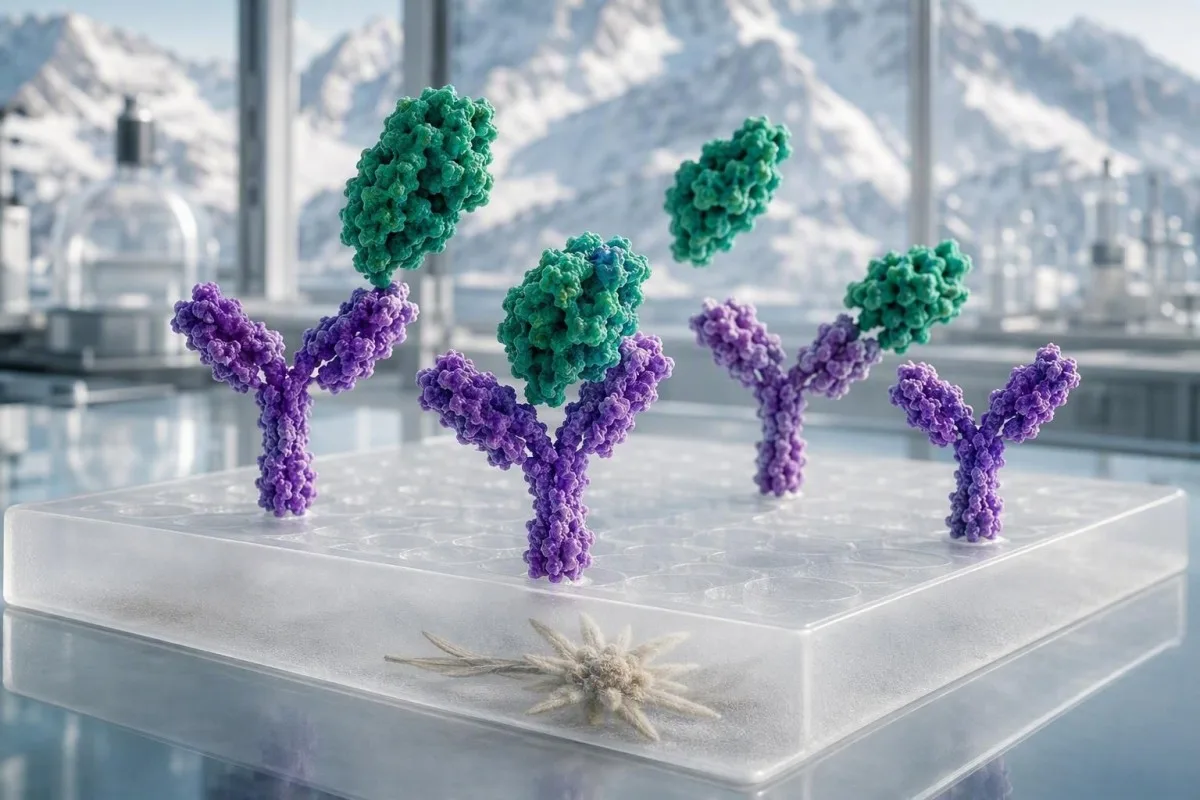
In posityf ekstraktresultaat fertelt jo dat IgE eat yn in mingsel herkende. Komponenttesting kin it yndividuele proteïne identifisearje - en ferklearret soms wêrom't it resultaat net oerienkomt mei symptomen yn it echte libben.


- Spesifike IgE fan 0.10 kUA/L of heger toant sensibilisaasje, net allinnich in klinyske fiedsel- of pollenallergy op himsels.
- Ara h 2 sensibilisaasje is sterker assosjearre mei echte pinda-allergy dan allinnich in pinda-ekstraktresultaat, hoewol't gjin inkele wearde de earnst fan reaksjes foarsizze kin.
- Ara h 8 wjerspegelet meastentiids birch-pollen krúsreaktiviteit en feroarsaket faak orale jeuk by rau pinda ynstee fan systemyske reaksjes.
- Opslachproteïnen lykas Cor a 9, Cor a 14, Ana o 3, en Bos d 8 binne meastentiids waarmte- en spiisfertarring-stabyl, wat it risiko petear feroaret.
- Krúsreaktive koalhydraatdeterminanten kinne brede, lege positive allergy bloedtest resultaten meitsje dy't symptomen net betrouber foarsizze.
- Komponint-oploste diagnostyk kin in foarbeoardere reaksjeskiednis of in begelate orale fiedselútdaging net ferfange as de diagnoaze ûnwis bliuwt.
- Totale IgE hat gjin universele normale grins foar allergy en moat net brûkt wurde om de earnst fan in yndividuele fiedselreaksje te beoardieljen.
- Dringende symptomen nei fiedselblootstelling—ademhalingsswierrichheden, flauwheid, weromkommend braken, of útsprutsen hives—ferbetterje needhelp, ûnôfhinklik fan de resultaten fan de komponinten.
Wat molekulêre testing tafoeget boppe in standert allergy bloedtest
Molekulêre allergytests mjitte IgE tsjin yndividuele allergeenproteïnen ynstee fan in hiele ekstrakt, sadat it in wierskynlike primêre allergy fan in krúswetjouwing ûnderskiede kin. In standert ekstrakt-basearre allergybloedtest kin posityf wêze as immen nea reagearre hat op dat iten; it komponintpatroan ferklearret faak wêrom.
Ekstrakten binne mingsels. Pinda-ekstrakt befettet bygelyks opslachproteïnen, lipide-transferproteïnen, profilinen, en proteïnen dy't dield wurde mei bjirkepollen; in posityf resultaat fertelt ús allinnich dat serume IgE bûn is oan teminsten ien diel fan dat mingsel. Kantesti is in AI bloedtest analyzer dy't rapporteare komponintnammen neist de assaymetoade, ienheden, en de symptoomskiednis ynfierd troch de brûker pleatst. Foar de basis fan it resultaatformaat, ús kwalitative tsjin kwantitative hantlieding nuttich.
Yn de praktyk haw ik in 29-jierrige sjoen mei pinda-ekstrakt IgE fan 7.8 kUA/L dy't sûnder problemen wykliks pindabûter iet. Har isolearre Ara h 8 resultaat, mei negative Ara h 1, 2, 3, 6, en 9, paste by bjirkebreke krúswetjouwing—net in reden om pinda út har dieet te ferwiderjen. It oantal wie minder wichtich dan it proteïne en it ferhaal fan de mieltiid.
Komponint-oplosbere diagnostyk, ek wol CRD, neamd, binne it meast helber as de skiednis en it ekstraktresultaat ôfwike, as ferskate botanysk ûnrelatearre fiedsels posityf teste, of as in fiedselútdaging besprutsen wurdt. Se ferfine de wierskynlikheid; se diagnostisearje gjin allergy yn in fakuüm. Matricardi et al. beskreaune molekulêre allergology as in helpmiddel foar klinyske beslútfoarming, net in ferfanging dêrfan (Matricardi et al., 2016).
Sensibilisaasje is net itselde as klinyske allergy
In posityf allergybloedtest lit IgE-sensibilisaasje sjen, wylst klinyske allergy reprodusearbere symptomen nei blootstelling fereasket. De measte laboratoaren rapportearje spesifike IgE fan 0.10 kUA/L omheech, mar dy analytyske drompel fertelt ús net oft immen reagearje sil by it iten fan it iten.
Spesifike IgE-resultaten wurde faak groepearre as leech, middelgrut, of heech, mar dizze kategoryen binne assaykonvinsjes ynstee fan universele risikobannen. In wearde fan 0.35 kUA/L foar aai kin betsjutting hawwe by in pjut mei hives binnen 15 minuten nei roere aai, wylst 15 kUA/L klinysk irrelevant wêze kin by in pollen-sensibilisearre folwoeksene dy't bakt aai yt sûnder symptomen. Blootstelling bliuwt de diagnostyske stress test.
Totaal IgE is faak ferhege by ekseem, parasytêre ynfeksje, smoken, en ferskate ymmúnsykten; it kin gjin fiedselallergy befêstigje. Totaal IgE boppe 100 IU/mL is gewoan by atopyske sykte, mar der is gjin totale IgE-konsintraasje dy't bewiist dat in bepaalde fiedsel ûnfeilich is. Lêzers dy't skrokken binne troch dit isolearre resultaat kinne it folgjende kontrolearje wat hege IgE betsjutte kin.
In stil brûkbere oanwizing is de ferhâlding tusken komponintresultaten ynstee fan allinich it ekstraktresultaat. Brede lege sinjalen nei profilinen of koalhydraatstruktueren, kombinearre mei gjin reaksjeskiednis, moatte in dokter stopje foardat er foarbehoedzjen oanbefellet. In restriktive dieet basearre op sensibilisaasje allinich kin fiedingskundige en sosjale skea feroarsaakje—benammen by bern.
Hoe't krúsreaktiviteit in posityf resultaat feroaret
Krúswetjouwing komt foar as IgE ferlykbere proteïnestruktueren yn ferskate boarnen herkent, wat resulteart yn posityf tests sûnder lykweardich klinysk risiko. De meast foarkommende molekulêre famyljes binne PR-10 proteïnen, profilinen, tropomyosinen, lipide-transferproteïnen, en krúswetjouwing koalhydraatdeterminanten.
Birch-pollen Bet v 1 en fiediel PR-10-proteïnen diele genôch struktuer om IgE te krúsbinnen. In persoan mei birch-sensibilisaasje kin dêrom posityf teste foar appel Mal d 1, hazelynoot Cor a 1, soja Gly m 4, pinda Ara h 8, selderij Api g 1, en wortel Dau c 1; symptomen, as oanwêzich, binne faak beheind ta jeukjen fan 'e mûle mei rauwe fiedings. Koken feroaret faak PR-10-proteïnen, hoewol net betrouber genôch om dit ûnoandachtich thús te testen.
Profiline sensibilisaasje kin ek in yndrukwekkend paniel produsearje foar pollen, meloen, banaan, tomaat en lateks. Latex Hev b 8 is in profiline en draacht net deselde ymplikaasje as wiere lateks sensibilisaasje foar klinysk wichtige lateks proteïnen. De EAACI fiedselallergyrjochtline advisearret dat diagnostyske testing in allergy-rjochte skiednis folgje moat ynstee fan brede screening (Santos et al., 2023).
Krúsreaktive koalhydraatdeterminanten, faak rapporteare as CCD of MUXF3, binne plant- en ynsektesûkermotiven ynstee fan proteïnen. CCD-spesifike IgE kin liede ta meardere lege posityf ekstraktresultaten, benammen foar pollen, gifstoffen en plantefiedsels, mar it korrelet selden mei symptomen. Dit is ien reden wêrom't in komponintpaniel in betiizjende allergybloedtest lytter meitsje kin, net grutter.
Pinda-komponinten: wêrom't Ara h 2 en Ara h 8 ferskillende ferhalen fertelle
Ara h 2 en Ara h 6 binne pinda-opslachproteïnen dy't echte pinda-allergy sterker stypje dan pinda-ekstrakt allinich, wylst Ara h 8 faak birch-relatearre krúsreaktiviteit sinjalearret. Gjin fan beide komponinten kin de eksakte dosis foarsizze dy't in reaksje feroarsaakje sil of de earnst fan in takomstige episode.
Ara h 1, Ara h 2, Ara h 3 en Ara h 6 binne siedopslachproteïnen dy't waarmte en spiisfertarring wjerstean. Oer referinsjepopulaasjes is Ara h 2 meastentiids de meast diagnostysk nuttige ienige pinda-komponint; wearden boppe 0.1 kUA/L fêstigje sensibilisaasje, wylst beslútdrempels ferskille per leeftiid, assay en lokale populaasje. Nei myn ûnderfining hat in bern mei direkte hûskes plus Ara h 2 fan 12 kUA/L in hiel oare diskusje nedich as in asymptomatyske folwoeksene mei Ara h 8 fan 2 kUA/L.
Ara h 9 is in net-spesifyk lipid-transfer proteïne, of LTP. It wurdt faker sjoen yn Meditterraanske populaasjes en kin assosjearre wêze mei systemyske reaksjes, soms fersterke troch oefening, alkohol, net-steroïdale anty-inflammatoare medisinen, of in tuskenkommende sykte. Dizze ko-faktoaren binne it neamen wurdich, om't itselde iten op in gewoane dei tolerearre wurde kin en net nei in lange rin.
In negative Ara h 2 makket pinda net automatysk feilich. Ara h 6, Ara h 1, Ara h 3, Ara h 9, de geografy fan de persoan, en it reaksjefortel bliuwe relevant; in allergolooch kin noch altyd begeliede útdaagje oanbefelje. Foar praktyske symptoomkontekst, sjoch ús gids foar bloedtests foar jeukende hûd.
Nute-komponinten kinne oerdiagnoaze foarkomme en risiko dúdlik meitsje
Hazelynoot Cor a 9 en Cor a 14, cashewnoat Ana o 3, en walnuts Jug r 1 jouwe stabile siedopslachproteïnen oan en drage oer it algemien mear klinyske gewicht as pollen-keppele komponinten. In posityf resultaat foar ien beamnoot bewiist gjin allergy foar elke beamnoot.
Hazelynoot testen is in fertroude fal. Cor a 1 is in birch-relatearre PR-10-proteïne en past faak by isolearre orale symptomen mei rauwe hazelynoot, wylst Cor a 9 en Cor a 14 opslachproteïnen binne dy't mear assosjearre binne mei systemyske hazelynootallergy. It ûnderskie is wichtich, om't hazelynoot ferskynt yn smeersels, gebakken produkten, snoep en poederfoedsel wêr't it proteïne ferwaarme ynstee fan ferneatige is.
Ana o 3 is in 2S albumine opslachproteïne yn cashewnoat en is in bysûnder nuttige marker as cashewnoatallergy fertocht wurdt. Cashewnoat en pistache diele substansjele klinyske krúsreaktiviteit, mar in laboratoariumresultaat fêstiget net dat elke oare noot útsletten wurde moat. Ik freegje meastentiids presys hokker noten feilich iten waarden, yn hokker foarm, en hoe koartlyn foardat ik iten feroaring útwreidzje.
Beamnoatpanielen kinne lûd wurde as se as screeningtests besteld wurde. In bern dat amandelen, walnuts en pekannen tolerearret, moat dy fiedsels net ferlieze gewoan om't in ûnrelatearre noot-ekstrakt swak posityf is; it behâld fan tolerearre fiedsels kin dieetferskaat behâlde en eangst ferminderje. Famyljes dy't fiedsel-relatearre symptomen ûndersykje, moatte ek allergy ûnderskiede fan tarieding fan gluten test, dy't in oar ymmúnpad oanpakt.
Molke- en aai-komponinten helpe by it besprekken fan de tolerânsje foar bakte iten
Caseïne yn molke en ovomucoid yn aai binne waarmte-stabile proteïnen, dus IgE foar Bos d 8 of Gal d 1 kin de kâns ferminderje om wiidweidich gebakken foarmen te tolerearjen. Se binne risikomarkers, gjin tastemingskaarten om gebakken molke of aai te probearjen sûnder in yndividualisearre plan.
Molke befettet caseïnen en wei-proteïnen. Bos d 8 caseïne bliuwt relatyf stabyl by bakken en spiisfertarring, wylst Bos d 4 alfa-lactalbumine en Bos d 5 beta-lactoglobuline mear waarmte-labyl binne; dit patroan kin in allergolooch helpe beslute oft in gebakken-molke-útdaagje ridlik is. In caseïne resultaat fan 0.2 kUA/L hat net deselde wierskynlikheid by in 10-moanne-âlde as by in skoalbern mei eardere piepjen nei molke.
Aai hat in ferlykbere praktyske ferdieling. Gal d 1 ovomucoid is ferhâldingsgewijs waarmtefêst, wylst Gal d 2 ovalbumine waarmtegefoeliger is; immen dy't benammen sensibilisearre is foar ovalbumine kin wiidweidich bakte aai ferneare, mar dit moat feilich demonstrearre wurde. “Thús bakte aai tests” binne net sûnder gefaar as der sykhellingsproblemen, weromkommend braken, of in eardere needgefallenbesite west hat.
Kantesti is in AI **bloedtest útslach** platfoarm dat de nomenklatuer fan de laboratoariumkomponinten oerset yn fragen dy't it wurdich binne om te stellen oan in allergist, ynstee fan fiedings feilich of ûnfeilich te neamen. Fiedingswizigingen moatte benammen foarsichtich wêze by jonge bern, minsken mei ytstoornissen, en elkenien mei ferskate útslutingen; ús artikel oer fiedsel- en darmgesondheid behannelet it gefolch fan ûnnedige beheining.
Tarwe-komponinten kinne oefeningsôfhinklike reaksjes ûntdekke
Tri a 19, ek wol omega-5 gliadine neamd, is de wichtichste komponint dy't assosjearre is mei tarwe-ôfhinklike oefeningsinduzearre anafylakse. In persoan kin tarwe yn rêst ferneare, mar reagearje as tarwe-yntak folge wurdt troch oefening, alkohol, aspirine-eftige medisinen, waarmte of ynfeksje.
Tarwe-ekstrakt IgE is dreech te ynterpretearjen, om't de sensibilisaasje foar gerspollen faak lege positive resultaten jout. Tri a 19 is folle spesifiker as ôfleverings urticaria, piepjen, ynstoarten, of slimme gastrointestinale symptomen befetsje nei oefening binnen likernôch 1 oant 4 oeren nei tarwe-yntak. De timing fan sawol de miel as de aktiviteit is ynformatyfder as allinnich de ekstraktklasse.
Ik haw ea in rekreative fytser besjoen dy't oer 18 moannen trije “ûnferklearbere” reaksjes hie, allegear nei in tarwe-basearre moarnsiten en in rit fan 40 kilometer. Syn tarwe-ekstraktresultaat wie matich op 1.1 kUA/L, mar omega-5 gliadine wie dúdlik posityf; it fermijden fan tarwe foar ferskate oeren foar duorsume oefening wie ûnderdiel fan syn spesjalistyske plan. Dizze diagnoaze fereasket ynfier fan in allergist, om't ko-faktor drempels enoarm ferskille.
Tarwe-allergy is gjin coeliakie, net-coeliakie tarwe-sensitiviteit, of in yntolerânsje. Coeliakie testen mjit autoimmune reaksjes – meastentiids tissue transglutaminase IgA en totale IgA – ynstee fan fiedsel-spesifike IgE. As de totale IgA leech is, fereasket de ynterpretaasje in oar paad, dat útlein wurdt yn ús gids foar it testen fan lege IgA.
Skulpdieren, gif en lateks litte sjen wêrom't proteïnefamyljes fan belang binne
Tropomyosine kin skulpdykresultaten ferbine mei sensibilisaasje foar hûsmyt, wylst gif- en latekskomponinten klinysk relevante aaiwiten presizer identifisearje kinne as hiele ekstrakten. Dizze panielen binne it meast weardefol as in skiednis fan reaksjes de needbehandeling of beropsadvizen kinne feroarje.
Pen a 1 is garnalen tropomyosine; Der p 10 is myt tropomyosine. Om't tropomyosine konservearre is by ynvertebraten, kinne myt-sensibilisearre minsken lege skulpdyk IgE sjen litte sûnder skulpdyk iten te hawwen of dêrop reagearre te hawwen. Omgekeard kin echte krustasea-allergy klinysk signifikant wêze, sels as in persoan fisk ferneart, om't fisk en skulpdyk biologysk ûnrelatearre fiedselgroepen binne.
Testen fan gifkomponinten kin primêre bijegif-sensibilisaasje, faak mei Api m 1, skiede fan patroanen wêrby't ekstrakt testen minder dúdlik is. It kin bydrage oan besluten oer gif-immunoterapy, mar basis tryptase, reaksjeswimens, bleatstellingsrisiko, en de beoardieling fan de behanneljende allergist binne allegearre wichtich. In generalisearre stekreaksje mei duizeligheid of luchtwegsymptomen fertsjinnet spesjalistyske resinsje, sels as in komponintresultaat lyts is.
Latekstesten profitearje ek fan molekulêre details. Hev b 5 en Hev b 6 binne klinysk relevanter yn in protte sûnenssoarch-relatearre lateksreaksjes as allinnich Hev b 8 profilin; dit kin wichtich wêze foar prosedueres en foar arbeiders dy't beskermjende apparatuer brûke. Hûd rashes hawwe ferskate net-allergyske mimikry, dus ús gids foar bloedtesten foar hûdproblemen kin helpe by it foarmjen fan bredere fragen.
Wêrom't komponintwearden de earnst fan reaksjes net mjitte
In hegere komponint-spesifike IgE-wearde fergruttet meastentiids de kâns op klinyske allergy yn de juste kontekst, mar it foarseit net oft de folgjende reaksje mild of libbensgefaarlik sil wêze. Swimens hinget ôf fan dosis, astmakontrôle, ko-faktoaren, fertrage behanneling, en kâns, likegoed as sensibilisaasje.
Spesifike IgE wurdt meastentiids rapporteare yn kUA/L, en assaywearden binne net direkt útwikselber mei de grutte fan de hûdprikweelde yn millimeters. In stiging fan wearden by werhellingstests kin feroarjende sensibilisaasje wjerspegelje, mar itselde resultaat kin mei 20% of mear skommelje fanwege assay- en biologyske farianten. Yntrepretaasje fan trends fereasket safolle mooglik deselde laboratoariummetoade.
In komponintresultaat is bysûnder min yn it foarsizzen fan in persoanlike reaksjedrempel. Ien mei Ara h 2 fan 0.9 kUA/L kin reagearje op in pear milligrammen pinda-aaiwyt, wylst in oar persoan op 20 kUA/L net reagearret oant in folle gruttere dosis; stúdzjes kinne groepsgemiddelden beskriuwe, gjin garânsje foar in yndividu. Dit is ien fan dy gebieten wêr't kontekst mear betsjut as in kleurkoade flagge.
Iten ûnderfining bliuwt de referinsje noarmen as it antwurd de soarch feroarje sil en it risiko akseptabel is. It wurkrapport fan 2020 AAAAI stelt struktureare dosering, stopkritearia, en observaasje easken foar orale iten útdagingen (Bird et al., 2020). Hâld in datearre ferslach fan reaksjes en medisinen by; ús bloedtest-tiidline-gids leit út wêrom't de klinyske kontekst elke laboratoariumtrend begeliede moat.
Wannear't komponint-oploste diagnostyk it wurdich is om te bestellen
Allergeenkomponent testen is it meast nuttich nei in rjochte skiednis en in twifelich of breed ekstrakt-basearre paniel, net as in screening test foar iten dy't feilich iten wurdt. It kin ûnnedige fermijing ferminderje as krúsreaktiviteit wierskynlik is en ferwizing begeliede as stabile proteïne sensisaasje oanwêzich is.
Redelike yndikaasjes omfetsje in oertsjûgjende reaksje mei in grinsoer IgE, in posityf ekstraktresultaat yn in faak ferneare iten, wierskynlike bjirkepollen krúsreaktiviteit, fertochte weet-oefening reaksjes, ûnwisse gifallergie, en beoardieling foar in begeliede iten útdaging. It testen fan elke beskikbere komponint sûnder in klinyske fraach fergruttet ynsidintele befinings. Yn de praktyk fan Dr. Thomas Klein is it meast nuttige oanfraachfoarstel faak it lytste.
Foardat jo testje, registrearje de foarm fan it iten, de rûsde hoemannichte, minuten nei it begjin fan symptomen, reprodusearberens, brûkte behanneling, en kofaktoren. Symptomen dy't binnen minuten oant 2 oeren begjinne, binne mear yn oerienstimming mei IgE-mediëarre fiedselallergy as allinnich opgeblazenheid de oare deis, hoewol't der útsûnderings binne. Antihistaminika feroarje serum spesifike IgE-resultaten net, yn tsjinstelling ta harren effekt op hûdprick testen.
Kantesti helpt brûkers it orizjinele ferslach, werhellingswearden en symptoomnotysjes te organisearjen yn ien te beoardieljen ferslach yn alle talen. As jo in ferslach diele, brûk dan de praktyske feiligensmaatregels yn ús checklist foar privacy by it uploade fan bloedtestresultaten; privee resultaten moatte nea yn iepenbiere groepen pleatst wurde foar ynterpretaasje.
Hoe't jo in allergeenkomponintrapport lêze sûnder te oerreagearjen
Lês earst de allergeenboarne, dan de yndividuele komponint, de resultatenienheid, de analytyske grins, en jo eksposysjeskiednis. In ferslach dat markearre is as “posityf” is in analytyske befinings; it is gjin needynstruksje en moat it aksjeplan fan in klinikus net ferfange.
Kontrolearje oft de test singleplex ImmunoCAP-styl rapportaazje, in multiplex microarray, of in oare metoade brûkt hat. Multiplex-panielen kinne in protte sensisaasjes op leech nivo detektearje út in lyts sample, mar har numerike berikken en klinyske falidaasje kinne oars wêze fan single-allergeen assays. In resultaat fan 0.12 kUA/L moat net behannele wurde as lykweardich oan in hege, troch útdaging falidearre drempel fan wierskynlikens.
Sykje nei patroanen, net isolearre punten: pinda Ara h 2 plus Ara h 6 ferskilt fan allinnich Ara h 8; hazzenút Cor a 14 ferskilt fan allinnich Cor a 1. As de PDF wurdt fotografearre of skand, binne ienheidssymbolen en desimale punten mienskiplike transkripsjefouten—ien reden dat ús PDF-upload flaterkontrôleliste oanbefellet it kontrolearjen fan de orizjinele laboratoariumside foardat jo hannelje.
Kantesti wurket as in AI-oandreaune ark foar analyse fan bloedtests dat it rapportearre analyte, ienheid en laboratoariumflagge identifisearret, mar it kin it iten dat jo ieten, jo sykheljen symptomen, of jo ûndersyksbefinings net sjen. In molekulêr resultaat moat bettere fragen oproppe, net selsrjochte reintroduksje of algemiene fermijing.
Falske positives, falske negatives en assaybeheiningen
Falsk-positive allergyresultaten binne gewoan as testen net begelaat wurdt troch symptomen, en falsk-negative kinne foarkomme as it relevante proteïne ôfwêzich of ûnderfertjinwêzich is yn in ekstrakt. Komponinten ferbetterje resolúsje, mar se eliminearje gjin assaygrinzen of biologyske ûnwissichheid.
Ekstraktkwaliteit ferskilt om't allergeenboarnen ferskille per kultivar, seizoen, ferwurking, en proteïne stabiliteit. Labil proteïnen kinne sparse wêze yn in kommersjeel ekstrakt, wylst stabile proteïnen dominant kinne wêze; dit helpt te ferklearjen wêrom't in persoan mei dúdlike orale symptomen in leech ekstraktresultaat kin hawwe. Omkeard kin in breed ekstrakt krúsreaktive struktueren befetsje dy't skynbere sensisaasje opblaasd meitsje.
Biotine-supplementen binne foar de measte spesifike IgE-assays gjin routine grut probleem, mar heterophile antistoffen en technyske faktoaren kinne ymmunoassays sa no en dan beynfloedzje. In sample sammele tidens in akute reaksje is noch altyd ynterpretearre foar spesifike IgE, hoewol't tryptase aparte tiid-gefoelige behannelingsregels hat. As in resultaat ûnplausibel is, kin werhelling fan testen of in oare diagnostyske modaliteit passend wêze.
Krektens hinget ek ôf fan oft in resultaat yn syn bewiisbasis ynterpretearre wurdt. Kantesti AI past struktureare kontrôles ta foar ienheden, referinsjenotaasje, en ûngelykige laboratoariumpatroanen; ús oanpak foar klinyske falidaasje Beskriuwt wêrom't in AI-ynterpretaasje edukative stipe is ynstee fan in diagnoaze.
Spesjale beskôgingen foar bern, astma en swangerskip
Bern mei ekseem en minsken mei ûnkontrôle astma hawwe benammen soarchfâldige allergy-ynterpretaasje nedich, om't beide de gefaren fan ferkearde foarkommen en earnstige reaksjes ferheegje. Swangerskip makket komponente IgE-resultaten net ûnjildich, mar it feroaret hoe foarsichtich dieetwizigingen en útdagings pland wurde moatte.
Poppen mei matich oant slim ekseem hawwe faak detektearber fiedsel-spesifike IgE sûnder direkte reaksjes op elk posityf iten. It fuortheljen fan molke, aai, weet, of meardere haadprodukten op basis fan screening kin de opname fan aaiwiten, kalsium, izer en enerzjy hinderje; groeikaarten en ynfier fan diëtist binne like wichtich as in komponente klasse. Formulewizigingen moatte net allinich basearre wêze op in online ynterpretaasje.
Droege ûnkontrôle astma is in erkende risikofaktor foar slimme útkomsten by anafylakse, hoewol't it in komponente wearde net “sûnder mear slim” makket. Elkenien mei fiedsel-útlokke hoastje, piipjen, stimferoaring, ûnwittendheid, of weromkommend braken hat in skriftlike needplan nedich fan harren klinikus. Astmasymptomen kinne oerlaapje mei eangst, mar dat is nea in reden om akute sykhellingssymptomen te negearjen.
Tidens swangerskip kin nij breed fiedselfoarkommen tefoaren te kommen fiedingsgatten en pine feroarsaakje. In allergolooch kin in fiedselútdaging útstelle, útsein as it resultaat de soarch materieel soe feroarje; needbehandeling fan anafylakse moat net fertrage wurde om't immen swier is. Us swangerskip laboratoarium read-flag gids dekt it bredere prinsipe fan tiidige klinyske beoardieling.
Wat te dwaan nei it ûntfangen fan resultaten fan komponintepanielen
De folgjende stap nei komponentsûntesting is it ôfstimmen fan it molekulêre patroan op eigentlike bleatstellingen en beslute oft foarkommen, begelate útdaging, needplanning, of gjin feroaring passend is. Test net doelbewust in fertochte allergeen thús nei in eardere systemyske reaksje.
Regelje prompt allergybeoardieling foar reaksjes dy't sykheljen swierrichheden, keelknyp, ûnwittendheid, oanhâldende duizeligheid, of repetitive braken nei fiedsel, ynsektebyt, of latekseksponinsje belûke. Spoede tsjinsten binne passend foar aktive slimme symptomen; in adrenaline auto-injector, wannear foarskreaun, moat brûkt wurde neffens it yndividuele aksjeplan ynstee fan te wachtsjen op in laboratoariumresultaat. Milde mûl jeuk mei rau fruit is oars, mar fertsjinnet noch altyd kontekst.
Nim it ûnbewurke rapport, in reaksjedeiboek, medikaasjelist, astmastatus, en foto's fan bijen as beskikber. Stel fjouwer konkrete fragen: Hokker aaiwyt wie posityf? Past dit patroan by myn reaksje? Is dit iten op dit stuit feilich yn de foarm dy't ik yt? Soe in medysk begelate útdaging it belied feroarje? Dat petear is produktiver dan te freegjen oft in resultaat gewoan “heech” is.”
Fanôf 31 augustus 2026 bliuwt de feilichste ynterpretaasje in troch klinikus liede synthese fan skiednis, testen, en - as it nedich is - útdaging. Kantesti syn medyske ynhâld wurdt beoardiele mei tafersjoch fan in dokter; lêzers kinne de belutsen klinisy sjen fia ús Medyske Advysried en leare hoe't resultaat-kontekst ark wurkje yn de AI-technologygids.
Faak stelde fragen
Wat is komponint-rjochte diagnostyk by in allergiebloedtest?
Komponint-ôfhanlike diagnostyk mjit IgE-antistoffen tsjin yndividuele allergeenproteïnen ynstee fan allinich tsjin in hiele fiedsel-, pollen-, gif- of lateksekstrakt. In spesifyk IgE-resultaat fan 0,10 kUA/L of heger jout meastal oan dat der yn it laboratoarium sensibilaasje is, mar it diagnostisearret op himsels gjin klinyske allergy. Bygelyks, pinda Ara h 2 suggerearret in oar risikopattern as bjirk-relatearre Ara h 8. In klinikus kombinearret it komponinteprofyl mei reaksjetiid, de konsumeare hoemannichte en oft it iten ferneard is.
Betsjut in posityf Ara h 2 result dat der in pinda-allergy is?
In posityf Ara h 2 resultaat fergruttet de kâns op echte pinda-allergie, benammen as symptomen optreden binnen 2 oeren nei pinda-ynname, mar it is gjin absolute diagnoaze. Ara h 2 wearden wurde rapporteare yn kUA/L, en gjin inkelde grins foarsizze allergie like goed yn elke leeftydsgroep of laboratoarium. Ara h 6, Ara h 1, Ara h 3, reaksjeskiednis, en orale fiedselprovokaasjefinings kinne de ynterpretaasje feroarje. Ara h 2 kin de earnst fan in takomstige reaksje of de presize hoemannichte pinda dy't symptomen feroarsaakje sil net foarsizze.
Kin pollenallergy in falsk-posityf fiedselallergy bloedtest feroarsaakje?
Ja, pollen sensibilisaasje kin in positive fiedselallergy bloedtest feroarsaakje troch krúsreaktive proteïnen lykas PR-10-proteïnen en profilinen. Bjirk-relatearre Ara h 8 yn pinda, Cor a 1 yn hazzenút, en Mal d 1 yn apel korrelearje faak mei orale jeuk fan rauwe fiedsels ynstee fan systemyske reaksjes. Resultaten fan 0,10 kUA/L of heger litte IgE-bining sjen, net needsaaklik in needsaak om it iten te foarkommen. It ferwaarmjen kin de PR-10-aktiviteit ferminderje, mar minsken moatte gjin fertochte allergeen thús testen nei in eardere serieuze reaksje.
Wat betsjutte hege totale IgE-nivo's foar fiedselallergy?
In hege totale IgE identifisearret net hokker fiedsel symptomen feroarsaket en mjit de earnst fan fiedselallergy net. Totale IgE boppe 100 IU/mL komt faak foar by ekseem en oare atopyske betingsten, wylst guon minsken mei befêstige fiedselallergy totale IgE hawwe binnen it laboratoariumreferinsjeinterval. Komponint-spesifike IgE en in klinyske skiednis binne nuttiger dan totale IgE foar it evaluearjen fan ien fiedsel. In heul heech resultaat fan totale IgE kin noch altyd bredere medyske ynterpretaasje rjochtfeardigje as it foarkomt mei weromkommende ynfeksjes, earnstich dermatitis, of oare ûngewoane symptomen.
Kinne testen fan komponinten in orale itenútdaging ferfange?
Komponinttesten kinne in begelate mûnlinge fiedselútdaging net folslein ferfange as de diagnoaze ûnwis bliuwt en it antwurd de soarch soe feroarje. In mûnlinge fiedselútdaging brûkt stadichoan tanimmende mjitten doses ûnder oplaat medyske begelieding, mei stopkritearia en observaasje dy't thús net reprodusearber binne. Stabile-proteïne sensibilisaasje, lykas Ana o 3 of Bos d 8, kin helpe by it selektearjen fan pasjinten dy't mear foarsichtigens nedich binne foar de útdaging. It AAAAI-rapport fan 2020 oer mûnlinge fiedselútdagingen beklammet struktureare dosering en needparaatheid ynstee fan te fertrouwen op in inkelde IgE-wearde.
Hokker allergeenkomponinten suggerearje dat bakte molke of bakte aai minder goed tolerearre wurde kin?
Molke kaseïne Bos d 8 en aai-ovomucoid Gal d 1 binne relatyf waarmte-stabile proteïnen, sadat sensibilaasje dêroan de kâns op tolerânsje foar útwreide bakte molke of aai ferminderje kin. Harren resultaten wurde mjitten yn kUA/L, mar der is gjin universele wearde dy't feilich in yntroduksje thús autorisearret. Guon minsken mei positive Bos d 8 of Gal d 1 tolerearje noch altyd bakte produkten, wylst oaren dat net dogge. In allergolooch kin de folsleine skiednis, hûdtesten, komponintpatroan, en in begeliede útdaging brûke om folgjende stappen te bepalen.
Wannear moat ik driuwend help sykje by in fertochte allergyske reaksje?
Sykje fuortendaliks help yn need by sykheljen swierrichheden, kjertstrakens, stimferoaring, flauwheid, slimme duzeligens, of weromkommend spuugjen nei fermoede bleatstelling oan in allergeen. Dizze symptomen kinne anafylakse oanjaan, sels as der gjin hûdútslach is en sels as de bloedtest foar allergy earder leech of negatyf wie. Brûk foarskreaune adrenaline neffens it persoanlike needplan en wachtsje net oant de symptomen dúdliker wurde. Komponententests binne nuttich foar letter diagnoaze, mar hawwe gjin rol by it behanneljen fan in aktive needssituaasje.
Krij hjoed noch AI-oandreaune bloedtest-analyse
Doch mei oan mear as 2 miljoen brûkers wrâldwiid dy’t Kantesti fertrouwe foar direkte, krekte analyse fan laboratoariumtests. Upload jo bloedtest resultaten en ûntfange wiidweidige ynterpretaasje fan 15,000+-biomarkers yn sekonden.
📚 Ferwiisde ûndersykspublikaasjes
Klein, T., Mitchell, S., & Weber, H. (2026). Serumproteïnegids: Globulinen, Albumine & A/G-ferhâlding Bloedtest. Kantesti AI Medysk Undersyk.
Klein, T., Mitchell, S., & Weber, H. (2026). Gids foar C3- en C4-komplementbloedtest & ANA-titer. Kantesti AI Medysk Undersyk.
📖 Eksterne medyske referinsjes
⚕️ Medyske disclaimer
Dit artikel is allinnich foar ûnderwiisdoelen en foarmet gjin medysk advys. Rieplachtsje altyd in kwalifisearre soarchferliener foar besluten oer diagnoaze en behanneling.
E-E-A-T fertrouwensignalen
Ûnderfining
Dokter-oandreaune klinyske resinsje fan lab-ynterpretaasje-wurkprosessen.
Ekspertize
Fokus fan laboratoariummedisyne op hoe’t biomarkers har gedrage yn in klinyske kontekst.
Autoriteit
Skreaun troch dr. Thomas Klein mei resinsje troch dr. Sarah Mitchell en prof. dr. Hans Weber.
Betrouberens
Bewiis-basearre ynterpretaasje mei dúdlike ferfolchpaadkes om alarm te ferminderjen.