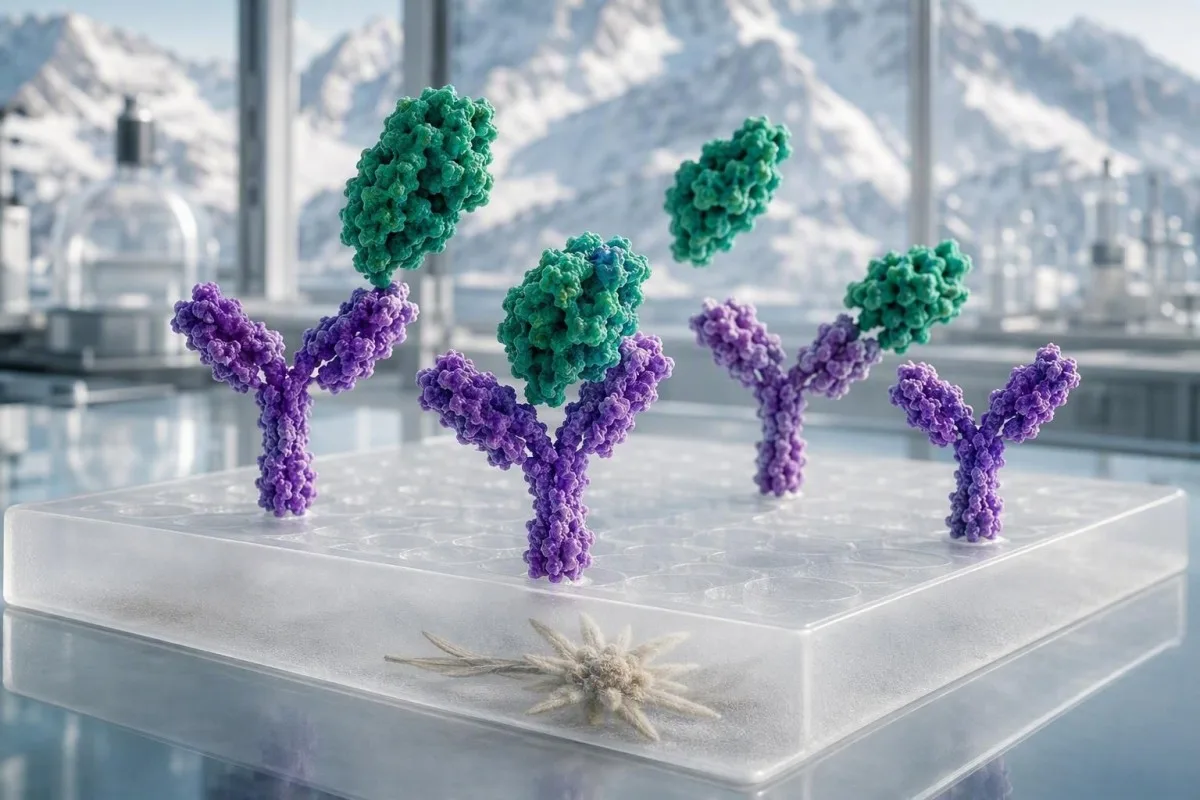
Эерэг хариу нь IgE нь холимог дахь ямар нэг зүйлийг таньж мэдсэн гэдгийг илтгэнэ. Бүрэлдэхүүн шинжилгээ нь оролцсон хувь хүний уургийг тодорхойлж чадна - заримдаа яагаад үр дүн нь бодит амьдралын шинж тэмдгүүдтэй тохирохгүй байгааг тайлбарладаг.


- Тодорхой IgE 0.10 kUA/L ба түүнээс дээш нь зөвхөн хоол эсвэл тоосонд мэдрэмтгий болохыг илтгэдэг, гэхдээ эмнэлзүйн хоол эсвэл тоосонд харшилтай гэсэн үг биш юм.
- Ара х 2 Мэдрэмтгий байдал нь зөвхөн самарны хандлагаас илүүтэйгээр жинхэнэ самарны харшилтай илүү нягт холбоотой байдаг ч, нэг ч үнэ цэнэ нь урвалын хүнд байдлыг урьдчилан таамаглах боломжгүй юм.
- Ара х 8 Ихэвчлэн хус модны тоосонд хөндлөн урвалд ордог бөгөөд системийн урвал үүсгэхээс илүүтэйгээр түүхий самар амны хэсэгт загатнах шалтгаан болдог.
- Хадгалах уургууд Cor a 9, Cor a 14, Ana o 3, болон Bos d 8 зэрэг нь дулаан болон хоол боловсруулалтанд тэсвэртэй байдаг нь эрсдлийн талаарх яриаг өөрчилдөг.
- Хөндлөн урвалд ордог нүүрс усны детерминант Өргөн, бага түвшний эерэг харшлын цусны шинжилгээний хариуг бий болгож чаддаг бөгөөд энэ нь шинж тэмдгийг найдвартай урьдчилан таамаглах боломжгүй юм.
- Бүрэлдэхүүнээр нарийвчлан оношлох оношлого урвал, эсвэл хяналттай амны хоолны туршилтыг орлож чадахгүй, онош нь тодорхойгүй хэвээр байна.
- Нийт IgE харшлын хувьд нийтлэг хэвийн хязгаар байхгүй бөгөөд хувь хүний хоол хүнсний урвалын ноцтой байдлыг үнэлэхэд ашиглах ёсгүй.
- 2 дахин хоол хүнс хэрэглэсний дараа – амьсгалахад бэрхшээлтэй, ухаан алдах, давтан бөөлжих, эсвэл өргөн тархсан тууралт гарах – бүрэлдэхүүн хэсгийн үр дүнгээс үл хамааран яаралтай үзлэг хийх шаардлагатай.
Уламжлалт харшлын цусны шинжилгээнээс гадна молекул шинжилгээ юу нэмдэг вэ?
Молекул харшлын шинжилгээ нь бүхэл бүтэн хандлагаас илүүтэйгээр хувьд бүрэлдэхүүн хэсгийн IgE-г хэмждэг., тиймээс энэ нь анхдагч харшил болон хөндлөн урвалыг ялгаж чадна. Стандарт хандлагад суурилсан харшлын цусны шинжилгээ нь хүн тэр хоолыг хэзээ ч мэдэрч байгаагүй байсан ч эерэг гарч болно; бүрэлдэхүүн хэсгийн загвар нь ихэвчлэн үүний шалтгааныг тайлбарладаг.
Хандлагууд нь холимог байдаг. Жишээлбэл, газрын самарны хандлагад хадгалах уураг, липид-шилжүүлэгч уураг, профилин, хус цэцгийн тоосны хамт байдаг уураг агуулдаг; эерэг үр дүн нь цусны сийвэнгийн IgE нь тэр холимогийн ядаж нэг хэсэгт холбогдсон гэдгийг бидэнд хэлдэг. Kantesti нь хиймэл оюун ухаант цусны шинжилгээний анализатор бөгөөд тайлагдсан бүрэлдэхүүн хэсгийн нэрсийг шинжилгээний арга, нэгж, хэрэглэгчийн оруулсан шинж тэмдгийн түүхтэй хавсаргадаг. Үр дүнгийн үндсэн хэлбэрийн хувьд бидний чанарын болон тоон харьцуулалт хэрэгтэй.
Эмнэлэгт би 7.8 kUA/L газрын самарны хандлагатай IgE-тэй 29 настай эмэгтэйг долоо хоногт газрын самар иддэг байсан хэдий ч ямар нэгэн зовиургүй байсныг харсан. Түүний ганцаардсан Ara h 8 үр дүн, Ara h 1, 2, 3, 6, 9 нь сөрөг байсан нь хус модтой холбоотой хөндлөн урвалтай тохирч байсан – энэ нь түүний хоолны дэглэмээс газрын самар хасах шалтгаан биш байв. Тоо нь уураг болон хоолны цагтай холбоотой түүхээс хамаагүй бага байв.
Бүрэлдэхүүн хэсэгт суурилсан оношлогоо, мөн CRD, гэж нэрлэгддэг, түүх ба хандлагын үр дүн зөрчилдөж байвал, олон төрлийн ботаник байдлаар хамааралгүй хоол хүнс эерэг гарсан үед, эсвэл хоолны туршилтын талаар хэлэлцэх үед хамгийн их тустай байдаг. Тэд магадлалыг сайжруулдаг; тэд вакуумд харшлыг оношилдоггүй. Matricardi болон бусад (2016) молекул харшлыг оношлогооны орлуулагч биш, харин эмнэлзүйн шийдвэр гаргахад туслах хэрэгсэл гэж тодорхойлсон.
Мэдрэмтгий байдал нь эмнэлзүйн харшилтай адил биш юм
Эерэг харшлын цусны шинжилгээ нь IgE мэдрэмжийг харуулдаг бол эмнэлзүйн харшил нь хоол хүнс хэрэглэсний дараа давтагддаг шинж тэмдгийг шаарддаг. Ихэнх лабораториуд тусгай IgE-г 0.10 kUA/L-аас дээш хэмжээгээр тайлагнадаг боловч энэ аналитик босго нь хүн хоол идэхэд урвалд орох эсэхийг бидэнд хэлдэггүй.
Тусгай IgE-ийн үр дүнг ихэвчлэн бага, дунд, эсвэл өндөр гэж ангилдаг боловч эдгээр ангилал нь нийтлэг эрсдлийн бүс биш, харин шинжилгээний арга юм. Хоёр настай хүүхэд шар буурцаг идсэний дараа 15 минутын дотор тууралт гарсан тохиолдолд 0.35 kUA/L-ын өндөгний үнэ цэнэ нь ач холбогдолтой байж болох ч, шинж тэмдэггүйгээр шарсан өндөг иддэг цэцгийн тоосонд мэдрэмтгий болсон насанд хүрэгчдэд 15 kUA/L нь эмнэлзүйн хувьд хамааралгүй байж болно. Хоол хүнс хэрэглэх нь оношлогооны стресс тест хэвээр байна.
Нийт IgE нь ихэвчлэн атопик дерматит, паразит халдвар, тамхи татах, хэд хэдэн дархлааны өвчин зэрэгт нэмэгддэг; энэ нь хоол хүнсний харшлыг баталж чадахгүй. Нийт IgE нь 100 IU/mL-аас дээш байвал атопийн өвчинд түгээмэл байдаг, гэхдээ тодорхой хоолыг аюултай гэдгийг баталдаг нийт IgE-ийн концентраци байхгүй. Энэхүү ганцаардсан үр дүнгээс айж байсан уншигчид дараахийг үзэж болно өндөр IgE юу гэсэн үг вэ.
Нэг анзаарагддаггүй ашигтай зүйл бол зөвхөн хандлагын үр дүн биш, бүрэлдэхүүн хэсгийн үр дүнгийн харьцаа юм. Профилин эсвэл нүүрс усны бүтэцтэй өргөн, бага түвшний дохио, урвал явагдсан түүхгүйгээр хослуулбал эмчээс зайлсхийхийг зөвлөхөөс өмнө бодох ёстой. Зөвхөн мэдрэмж байдалд суурилсан хязгаарлагдмал хоолны дэглэм нь шим тэжээл, нийгмийн хор хөнөөлийг, ялангуяа хүүхдэд учруулж болзошгүй юм.
Хөндлөн урвал нь эерэг үр дүнг хэрхэн өөрчилдөг
Хөндлөн урвал нь IgE янз бүрийн эх үүсвэр дэх ижил төстэй уургийн бүтэцийг танихад үүсдэг бөгөөд энэ нь ижил эмнэлзүйн эрсдэлгүйгээр эерэг шинжилгээний үр дүн гаргуулдаг. Хамгийн түгээмэл молекул гэр бүлүүд нь PR-10 уураг, профилин, тропомиозин, липид-шилжүүлэгч уураг, болон хөндлөн урвалд ордог нүүрс усны детерминант юм.
Хуурай модны тоосны Bet v 1 болон хүнсний PR-10 уураг нь IgE-тэй харилцан үйлчлэлцэхүйц хангалттай ижил бүтэцтэй байдаг. Иймээс хуурай модны тоосонд мэдрэгжсэн хүн алимны Mal d 1, hazelnut-ийн Cor a 1, шар буурцагны Gly m 4, газрын самарны Ara h 8, селөрений Api g 1, луувангийн Dau c 1 зэрэгт эерэг шинжилгээ өгч болно; хэрэв шинж тэмдэг илэрвэл амны хөндий загатнах шинжээр хязгаарлагддаг. Хоол хийх нь PR-10 уургийг байнга өөрчилдөг боловч гэрээр санамсаргүйгээр туршиж үзэхэд хангалттай найдвартай биш юм.
Профилиний мэдрэгшил мөн хуурай модны тоос, хулуу, гадил, улаан лооль, латекс зэрэг олон төрлийн шинжилгээг гаргаж болно. Латексын Hev b 8 нь профилин бөгөөд жинхэнэ латексын мэдрэгшилээс ялгаатай бөгөөд амин чухал латексын уурагт нөлөөлдөггүй. EAACI хүнсний харшлын удирдамж нь оношлогооны шинжилгээ нь өргөн хүрээний скринингээс илүү харшлын чиглэлтэй түүхээс хамаарна гэж зөвлөдөг (Сантос болон бусад, 2023).
Цэвэрлэсэн нүүрс усны детерминант, ихэвчлэн CCD эсвэл MUXF3 гэж нэрлэгддэг нь уураг биш харин ургамал, шавьжны чихрийн хэлбэр юм. CCD-ийн тусгай IgE нь ялангуяа хуурай модны тоос, хор, ургамлын гаралтай хүнсний бүтээгдэхүүний олон тооны бага эерэг үр дүнг өгч болно, гэхдээ энэ нь ховорхон шинж тэмдэгтэй холбоотой байдаг. Энэ нь нэг бүрэлдэхүүн хэсгийн багц нь таны харшлын цусны шинжилгээг багасгадаг, нэмэгдүүлдэггүй нэг шалтгаан юм.
Самарны бүрэлдэхүүн: Яагаад Ara h 2 болон Ara h 8 нь өөр өөр түүх ярьдаг вэ?
Ara h 2 болон Ara h 6 нь газрын самарны хадгалалтын уураг бөгөөд зөвхөн газрын самрын экстракттай харьцуулахад жинхэнэ газрын самарны харшлыг илүү хүчтэй дэмждэг бол Ara h 8 нь ихэвчлэн хуурай модтой холбоотой хөндлөнгийн мэдрэгшлийг илэрхийлдэг. Аль ч бүрэлдэхүүн хэсэг нь урвалыг үүсгэх тодорхой тунг эсвэл ирээдүйн урвалын хүнд байдлыг урьдчилан таамаглах боломжгүй.
Ara h 1, Ara h 2, Ara h 3, болон Ara h 6 нь халаалт, хоол боловсруулалтыг тэсвэрлэдэг үрийн хадгалалтын уураг юм. Олон төрлийн эмнэлэгт ирсэн хүмүүсийн дунд Ara h 2 нь ихэвчлэн хамгийн оношлогооны хувьд ашигтай нэг газрын самарны бүрэлдэхүүн хэсэг юм; 0.1 kUA/L-аас дээш утга нь мэдрэгшлийг тогтоодог бол шийдвэрлэх босго нь нас, шинжилгээ, орон нутгийн хүн ам зэргээс хамаардаг. Миний туршлагаар, Ara h 2 нь 12 kUA/L байхад шууд хэрцгий загатнах шинж тэмдэгтэй хүүхэд нь Ara h 8 нь 2 kUA/L байхад ямар ч шинж тэмдэггүй насанд хүрэгчдээс тэс өөр яриа хэлэлцээрийг шаарддаг.
Ara h 9 нь тослог-шилжүүлэгч уураг буюу LTP юм. Энэ нь Төв Азийн хүн амд илүү түгээмэл тохиолддог бөгөөд системийн урвалтай холбоотой байж болно, заримдаа дасгал хөдөлгөөн, архи, стероид бус үрэвслийн эсрэг эм, эсвэл халдварт өвчний улмаас нэмэгддэг. Эдгээр кофакторуудыг баримтжуулах нь зүйтэй, учир нь ижил хоол нь энгийн өдөр нь тэсвэрлэж болох боловч удаан гүйсний дараа тэсвэрлэхгүй байж болно.
Эерэг бус Ara h 2 нь газрын самрыг автоматаар аюулгүй болгодоггүй. Ara h 6, Ara h 1, Ara h 3, Ara h 9, тухайн хүний газарзүй, урвалын түүх бүгд хамаатай хэвээр байна; харшлын эмч нь хяналттай сорилыг зөвлөж болно. Практик шинж тэмдгийн контекст, бидний гарын авлагаас үзнэ үү загатнах арьсны цусан дахь шинжилгээ.
Царсны модны бүрэлдэхүүн хэсгүүд нь хэтрүүлэн оношлохоос урьдчилан сэргийлж, эрсдэлийг тодруулж чадна
Hazelnut Cor a 9 болон Cor a 14, cashew Ana o 3, болон walnut Jug r 1 нь тогтвортой үрийн хадгалалтын уураг бөгөөд ихэвчлэн хуурай модны тоосноос хамааралтай бүрэлдэхүүн хэсгүүдээс илүү клиникийн ач холбогдолтой байдаг. Нэг төрлийн модны самарны эерэг үр дүн нь бүх төрлийн модны самрыг харшилтай гэдгийг баталдаггүй.
Hazelnut-ийн шинжилгээ нь танил болсон урхи юм. Cor a 1 нь хуурай модтой холбоотой PR-10 уураг бөгөөд ихэвчлэн түүхий hazelnut-тай холбоотой амны хөндийг хязгаарласан шинж тэмдгүүдэд тохирдог бол Cor a 9 болон Cor a 14 нь системийн hazelnut харшилтай илүү холбоотой хадгалалтын уураг юм. Hazelnut нь шүүс, жигнэсэн бүтээгдэхүүн, чихэр, нунтаг хүнсний бүтээгдэхүүнд агуулагддаг бөгөөд уураг нь халаагдаж, устгагдаагүй байдаг тул ялгаа нь чухал юм.
Ана о 3 нь cashew-ийн 2S альбумин хадгалалтын уураг бөгөөд cashew-ийн харшил сэжиглэгдэж байвал онцгой тустай маркер юм. Cashew болон pistachio нь клиникийн хувьд ихээхэн хөндлөн харилцан үйлчлэлцдэг боловч лабораторийн үр дүн нь бусад бүх самарнаас зайлсхийх ёстой гэдгийг тогтоодоггүй. Би ихэвчлэн ямар самар, ямар хэлбэрээр, хэр ойрхон аюулгүй идэж байсан талаар нарийвчлан асуудаг.
Модны самарны багцууд нь скрининг шинжилгээ болгон захиалсан тохиолдолд нэмэлт мэдээлэл болж болно. Almond, walnut, болон pecan-ийг тэсвэрлэдэг хүүхэд нь холбоогүй самарны экстракт нь бага зэрэг эерэг гарсан ч гэсэн эдгээр хүнсний бүтээгдэхүүнийг алдах ёсгүй; тэсвэрлэдэг хүнсний бүтээгдэхүүнийг хадгалах нь хоолны дэглэмийн төрөл зүйлийг хадгалах, түгшээрийг бууруулах боломжтой. Хүнсний бүтээгдэхүүнтэй холбоотой шинж тэмдгийг судалж буй гэр бүлүүд харшлыг ялгах ёстой. глютений шинжилгээний бэлтгэл, нь өөр өөр дархлааны замыг хангадаг.
Сүү, өндөгний бүрэлдэхүүн хэсгүүд нь шатаасан хүнсний тэсвэр тэвчээрийг хэлэлцэхэд тусалдаг
Сүүний казеин болон өндөгний овономукоид нь халуунд тэсвэртэй уураг тул Bos d 8 эсвэл Gal d 1-ийн IgE нь их хэмжээгээр жигнэсэн хэлбэрийг тэсвэрлэх магадлалыг бууруулж болно. Тэд эрсдэлийн маркерууд боловч хувь хүнд зориулсан төлөвлөгөөгүйгээр жигнэсэн сүү, өндөг туршиж үзэх эрх биш.
Сүү нь казеин болон шар уураг агуулдаг. Bos d 8 казеин нь жигнэх, хоол боловсруулалтын явцад харьцангуй тогтвортой байдаг бол Bos d 4 альфа-лактальбумин ба Bos d 5 бета-лактоглобулин нь халуунд илүү мэдрэмтгий байдаг; энэ загвар нь жигнэсэн сүүг туршиж үзэх нь зүйтэй эсэхийг харшлын эмч шийдэхэд тусална. Казеины 0.2 kUA/L-ийн үр дүн нь 10 сартай хүүхдэд өмнө нь сүү уусны дараа ханиалгаж байсан сургуулийн насны хүүхэдтэй ижил магадлалтай биш юм.
Өндөгний хувьд ижил төстэй практик хуваалт байдаг. Gal d 1 овоомукоид нь дунд зэрэг халуунд тэсвэртэй байдаг бол Gal d 2 оваалбумин нь халуунд илүү мэдрэмтгий байдаг; оваалбуминд ихэвчлэн мэдрэг болсон хүн өндгийг их хэмжээгээр шатаасан байсан ч тэсвэрлэж чадах боловч үүнийг аюулгүй байдлаар баталгаажуулах ёстой. Амьсгалын замын хүндрэл, давтан бөөлжих, эсвэл өмнө нь яаралтай тусламж үзүүлж байсан тохиолдолд гэрээр хийсэн “шатаасан өндөгний шинжилгээ” аюулгүй байдаггүй.
Kantesti нь лабораторийн бүрэлдэхүүн хэсгийн нэр томьёог аюулгүй эсвэл аюултай хоолноос илүүтэйгээр харшлын эмчээс асуух асуулт болгон орчуулдаг хиймэл оюун ухааны цусны шинжилгээний тайлал платформ юм. Ялангуяа бага насны хүүхэд, хоолны эмгэгтэй хүмүүс, хэд хэдэн зүйлийг хасдаг хүмүүст тэжээлийн өөрчлөлт хийхдээ онцгой анхаарах хэрэгтэй; бидний хоол хүнс ба гэдэсний эрүүл мэндийн тухай нийтлэл нь шаардлагагүй хязгаарлалтын дараах нөлөөллийг авч үзнэ.
Улаан буудайн бүрэлдэхүүн хэсгүүд нь дасгал хөдөлгөөнөөс хамааралтай урвалыг илрүүлж чадна
Три а 19, омега-5 глиадин гэж нэрлэгддэг нь улаан буудайнаас хамааралтай дасгалтай холбоотой анафилаксийн гол бүрэлдэхүүн хэсэг юм. Хүн амьсгалах үед улаан буудайг тэсвэрлэж чадах боловч улаан буудай хэрэглэсний дараа дасгал, согтууруулах ундаа, аспирин төстэй эм, халуун, эсвэл халдвар зэрэг тохиолдолд урвалд орж болно.
Улаан буудайн хандлагаар хийсэн IgE шинжилгээг тайлахад хэцүү байдаг, учир нь өвсөн шигшүүрийн мэдрэмтгий байдал нь ихэвчлэн бага эерэг үр дүнг өгдөг. Три а 19 нь урвалд чонон хөрөнгө, амьсгал давхцах, ухаан алдах, эсвэл дасгал хийснээс хойш 1-4 цагийн дотор улаан буудай идсэний дараа ходоод гэдэсний хүнд шинж тэмдэг илэрдэг тохиолдолд илүү тодорхой байдаг. Хоол болон дасгал хөдөлгөөний цаг нь зөвхөн хандлагаас илүү чухал мэдээлэлтэй байдаг.
Би нэгэн цагт 18 сар орчим хугацаанд гурван удаа “тодорхойгүй” урвал өгсөн, бүгд улаан буудайнаас гаралтай өглөөний цай болон 40 км зам туулсны дараа болсон рекреацийн дугуйчныг үзсэн. Түүний улаан буудайн хандлагаас авсан үр дүн 1.1 kUA/L байсан боловч омега-5 глиадин нь тодорхой эерэг байсан; биеийн тамирын дасгал хийхээс хэдэн цагийн өмнө улаан буудайг зайлуулах нь түүний мэргэжлийн төлөвлөгөөний нэг хэсэг байв. Кофакторын босго нь асар их ялгаатай байдаг тул энэ оношийг тогтоохын тулд харшлын эмчийн оролцоо шаардлагатай.
Улаан буудайн харшил нь целиак өвчин, целиак бус улаан буудайн мэдрэмтгий байдал, эсвэл тэсвэргүй байдал биш юм. Целиак шинжилгээ нь хоол хүнсэнд онцгой IgE-ээс илүүтэйгээр аутоиммунитетийг - ихэвчлэн эдийн трансглютаминаза IgA ба нийт IgA-г хэмждэг. Хэрэв нийт IgA бага байвал тайлал нь өөр замаар хийгдэх бөгөөд энэ нь манай бага IgA шинжилгээний гарын авлагад.
Хясаа, хор, латекс нь уургийн овог хэр чухал болохыг харуулдаг
тайлбарласан болно. Эдгээр панелууд нь урвал үүссэн түүх нь яаралтай тусламж эсвэл ажил мэргэжлийн зөвлөгөөг өөрчилж болох үед хамгийн үнэ цэнэтэй байдаг.
Pen a 1 нь сам хорхойн тропомиозин; Der p 10 нь үртэсний тропомиозин юм. Тропомиозин нь хөдөлгөөнгүй амьтдын дунд хадгалагддаг тул үртэсэнд мэдрэг болсон хүмүүс сам хорхой идэж, түүнээс урвалд ороогүй байсан ч бага зэргийн хавч IgE-ийг үзүүлж болно. Эсрэгээр, загас ба хавч нь биологийн хувьд холбоогүй хоолны бүлгүүд тул загасыг тэсвэрлэж чадсан ч бодит хавчны харшил нь эмнэлзүйн хувьд чухал байж болно.
Хорны бүрэлдэхүүн хэсгийн шинжилгээ нь зөгийний анхдагч мэдрэмтгий байдлыг Api m 1-ийг агуулсан байдлаас ялгаж чаддаг бөгөөд энэ нь хандлагаар хийсэн шинжилгээ тодорхойгүй байдаг. Энэ нь хорны дархлаа эмчилгээний шийдвэр гаргахад хувь нэмэр оруулж болох боловч суурь триптаза, урвалын хүнд байдал, өртөх эрсдэл, эмчилгээ хийж буй харшлын эмчийн үнэлгээ зэрэг нь чухал ач холбогдолтой. Ухаан алдах эсвэл амьсгалын замын шинж тэмдэг бүхий ерөнхий цочролын урвал нь бүрэлдэхүүн хэсгийн үр дүн бага байсан ч мэргэжилтний хяналт шаарддаг.
Латексын шинжилгээ нь молекулын нарийвчилсан байдлаас ашиг тусаа өгдөг. Hev b 5 ба Hev b 6 нь Hev b 8 профилинээс илүүтэйгээр олон эмнэлгийн холбоотой латексын урвалд илүү чухал ач холбогдолтой; энэ нь процедур хийлгэхээс өмнө болон хамгаалалтын хэрэгсэл ашигладаг ажилчдад чухал байж болно. Арьсны тууралт нь олон төрлийн харшлын бус хуулбарлагчтай байдаг тул манай арьсны асуудалтай холбоотой цусны шинжилгээний гарын авлага нь илүү өргөн хүрээтэй асуултуудыг тавихад тусалж болно.
Бүрэлдэхүүний үнэ цэнэ нь урвалын хүнд байдлыг хэрхэн хэмждэггүй вэ?
Бүрэлдэхүүн хэсэгт онцгой IgE-ийн өндөр утга нь зөв нөхцөлд эмнэлзүйн харшлын магадлалыг ихэвчлэн нэмэгдүүлдэг боловч дараагийн урвал нь зөөлөн эсвэл амь насанд аюултай байх эсэхийг урьдчилан таамаглах боломжгүй юм. Хүнд байдал нь тун, астма хянах, кофактор, хожимдсон эмчилгээ, азтай байдал, мөн мэдрэмтгий байдлаас хамаарна.
Тусгай IgE нь ерөнхийдөө kUA/L хэмжээгээр тайлагнагддаг бөгөөд шинжилгээний утга нь арьсанд цоолох үед үүссэн үүртэй тэнцүү хэмжээтэй (мм) байдаггүй. Давтан шинжилгээний явцад нэмэгдэж буй утга нь мэдрэмтгий байдлын өөрчлөлтийг тусгаж болно, гэхдээ ижил үр дүн нь шинжилгээний болон биологийн хувьсах байдлаас шалтгаалж 20% эсвэл түүнээс илүү хэлбэлзэж болно. Чиглэлийг тайлахад боломжтой бол ижил лабораторийн аргыг ашиглах шаардлагатай.
Бүрэлдэхүүний үр дүн нь хувийн урвалын босгыг урьдчилан таамаглахад онцгойлон муу байдаг. Ara h 2 нь 0.9 kUA/L байдаг хүн хэдэн миллиграмм буюу ширхэгтэй буюу ширхэглэлтэй буюу ширхэглэлтэй буюу ширхэглэлтэй буюу ширхэглэлтэй буюу ширхэглэлтэй буюу ширхэглэлтэй буюу ширхэглэлтэй буюу ширхэглэлтэй буюу ширхэглэлтэй буюу ширхэглэлтэй буюу ширхэглэлтэй буюу ширхэглэлтэй буюу ширхэглэлтэй буюу ширхэглэлтэй буюу ширхэглэлтэй буюу ширхэглэлтэй буюу ширхэглэлтэй буюу ширхэглэлтэй буюу ширхэглэлтэй буюу ширхэглэлтэй буюу ширхэглэлтэй буюу ширхэглэлтэй буюу ширхэглэлтэй буюу ширхэглэлтэй буюу ширхэглэлтэй буюу ширхэглэлтэй буюу ширхэглэлтэй буюу ширхэглэлтэй буюу ширхэглэлтэй буюу ширхэглэлтэй буюу ширхэглэлтэй буюу ширхэглэлтэй буюу ширхэглэлтэй буюу ширхэглэлтэй буюу ширхэглэлтэй буюу ширхэглэлтэй буюу ширхэглэлтэй буюу ширхэглэлтэй буюу ширхэглэлтэй буюу ширхэглэлтэй буюу ширхэглэлтэй буюу ширхэглэлтэй буюу ширхэглэлтэй буюу ширхэглэлтэй буюу ширхэглэлтэй буюу ширхэглэлтэй буюу ширхэглэлтэй буюу ширхэглэлтэй буюу ширхэглэлтэй буюу ширхэглэлтэй буюу ширхэглэлтэй буюу ширхэглэлтэй буюу ширхэглэлтэй буюу ширхэглэлтэй буюу ширхэглэлтэй буюу ширхэглэлтэй буюу ширхэглэлтэй буюу ширхэглэлтэй буюу ширхэглэлтэй буюу ширхэглэлтэй буюу ширхэглэлтэй буюу ширхэглэлтэй буюу ширхэглэлтэй буюу ширхэглэлтэй буюу ширхэглэлтэй буюу ширхэглэлтэй буюу ширхэглэлтэй буюу ширхэглэлтэй буюу ширхэглэлтэй буюу ширхэглэлтэй буюу ширхэглэлтэй буюу ширхэглэлтэй буюу ширхэглэлтэй буюу ширхэглэлтэй буюу ширхэглэлтэй буюу ширхэглэлтэй буюу ширхэглэлтэй буюу ширхэглэлтэй буюу ширхэглэлтэй буюу ширхэглэлтэй буюу ширхэглэлтэй буюу ширхэглэлтэй буюу ширхэглэлтэй буюу ширхэглэлтэй буюу ширхэглэлтэй буюу ширхэглэлтэй буюу ширхэглэлтэй буюу ширхэглэлтэй буюу ширхэглэлтэй буюу ширхэглэлтэй буюу ширхэглэлтэй буюу ширхэглэлтэй буюу ширхэглэлтэй буюу ширхэглэлтэй буюу ширхэглэлтэй буюу ширхэглэлтэй буюу ширхэглэлтэй буюу ширхэглэлтэй буюу ширхэглэлтэй буюу ширхэглэлтэй буюу ширхэглэлтэй буюу ширхэглэлтэй буюу ширхэглэлтэй буюу ширхэглэлтэй буюу ширхэглэлтэй буюу ширхэглэлтэй буюу ширхэглэлтэй буюу ширхэглэлтэй буюу ширхэглэлтэй буюу ширхэглэлтэй буюу ширхэглэлтэй буюу ширхэглэлтэй буюу ширхэглэлтэй буюу ширхэглэлтэй буюу ширхэглэлтэй буюу ширхэглэлтэй буюу ширхэглэлтэй буюу ширхэглэлтэй буюу ширхэглэлтэй буюу ширхэглэлтэй буюу ширхэглэлтэй буюу ширхэглэлтэй буюу ширхэглэлтэй буюу ширхэглэлтэй буюу ширхэглэлтэй буюу ширхэглэлтэй буюу ширхэглэлтэй буюу ширхэглэлтэй буюу ширхэглэлтэй буюу ширхэглэлтэй буюу ширхэглэлтэй буюу ширхэглэлтэй буюу ширхэглэлтэй буюу ширхэглэлтэй буюу ширхэглэлтэй буюу ширхэглэлтэй буюу ширхэглэлтэй буюу ширхэглэлтэй буюу ширхэглэлтэй буюу ширхэглэлтэй буюу ширхэглэлтэй буюу ширхэглэлтэй буюу ширхэглэлтэй буюу ширхэглэлтэй буюу ширхэглэлтэй буюу ширхэглэлтэй буюу ширхэглэлтэй буюу ширхэглэлтэй буюу ширхэглэлтэй буюу ширхэглэлтэй буюу ширхэглэлтэй буюу ширхэглэлтэй буюу ширхэглэлтэй буюу ширхэглэлтэй буюу ширхэглэлтэй буюу ширхэглэлтэй буюу ширхэглэлтэй буюу ширхэглэлтэй буюу ширхэглэлтэй буюу ширхэглэлтэй буюу ширхэглэлтэй буюу ширхэглэлтэй буюу ширхэглэлтэй буюу ширхэглэлтэй буюу ширхэглэлтэй буюу ширхэглэлтэй буюу ширхэглэлтэй буюу ширхэглэлтэй буюу ширхэглэлтэй буюу ширхэглэлтэй буюу ширхэглэлтэй буюу ширхэглэлтэй буюу ширхэглэлтэй буюу ширхэглэлтэй буюу ширхэглэлтэй буюу ширхэглэлтэй буюу ширхэглэлтэй буюу ширхэглэлтэй буюу ширхэглэлтэй буюу ширхэглэлтэй буюу ширхэглэлтэй буюу ширхэглэлтэй буюу ширхэглэлтэй буюу ширхэглэлтэй буюу ширхэглэлтэй буюу ширхэглэлтэй буюу ширхэглэлтэй буюу ширхэглэлтэй буюу ширхэглэлтэй буюу ширхэглэлтэй буюу ширхэглэлтэй буюу ширхэглэлтэй буюу ширхэглэлтэй буюу ширхэглэлтэй буюу ширхэглэлтэй буюу ширхэглэлтэй буюу ширхэглэлтэй буюу ширхэглэлтэй буюу ширхэглэлтэй буюу ширхэглэлтэй буюу ширхэглэлтэй буюу ширхэглэлтэй буюу ширхэглэлтэй буюу ширхэглэлтэй буюу ширхэглэлтэй буюу ширхэглэлтэй буюу ширхэглэлтэй буюу ширхэглэлтэй буюу ширхэглэлтэй буюу ширхэглэлтэй буюу ширхэглэлтэй буюу ширхэглэлтэй буюу ширхэглэлтэй буюу ширхэглэлтэй буюу ширхэглэлтэй буюу ширхэглэлтэй буюу ширхэглэлтэй буюу ширхэглэлтэй буюу ширхэглэлтэй буюу ширхэглэлтэй буюу ширхэглэлтэй буюу ширхэглэлтэй буюу ширхэглэлтэй буюу ширхэглэлтэй буюу ширхэглэлтэй буюу ширхэглэлтэй буюу ширхэглэлтэй буюу ширхэглэлтэй буюу ширхэглэлтэй буюу ширхэглэлтэй буюу ширхэглэлтэй буюу ширхэглэлтэй буюу ширхэглэлтэй буюу ширхэглэлтэй буюу ширхэглэлтэй буюу ширхэглэлтэй буюу ширхэглэлтэй буюу ширхэглэлтэй буюу ширхэглэлтэй буюу ширхэглэлтэй буюу ширхэглэлтэй буюу ширхэглэлтэй буюу ширхэглэлтэй буюу ширхэглэлтэй буюу ширхэглэлтэй буюу ширхэглэлтэй буюу ширхэглэлтэй буюу ширхэглэлтэй буюу ширхэглэлтэй буюу ширхэглэлтэй буюу ширхэглэлтэй буюу ширхэглэлтэй буюу ширхэглэлтэй буюу ширхэглэлтэй буюу ширхэглэлтэй буюу ширхэглэлтэй буюу ширхэглэлтэй буюу ширхэглэлтэй буюу ширхэглэлтэй буюу ширхэглэлтэй буюу ширхэглэлтэй буюу ширхэглэлтэй буюу ширхэглэлтэй буюу ширхэглэлтэй буюу ширхэглэлтэй буюу ширхэглэлтэй буюу ширхэглэлтэй буюу ширхэглэлтэй буюу ширхэглэлтэй буюу ширхэглэлтэй буюу ширхэглэлтэй буюу ширхэглэлтэй буюу ширхэглэлтэй буюу ширхэглэлтэй буюу ширхэглэлтэй буюу ширхэглэлтэй буюу ширхэглэлтэй буюу ширхэглэлтэй буюу ширхэглэлтэй буюу ширхэглэлтэй буюу ширхэглэлтэй буюу ширхэглэлтэй буюу ширхэглэлтэй буюу ширхэглэлтэй буюу ширхэглэлтэй буюу ширхэглэлтэй буюу ширхэглэлтэй буюу ширхэглэлтэй буюу ширхэглэлтэй буюу ширхэглэлтэй буюу ширхэглэлтэй буюу ширхэглэлтэй буюу ширхэглэлтэй буюу ширхэглэлтэй буюу ширхэглэлтэй буюу ширхэглэлтэй буюу ширхэглэлтэй буюу ширхэглэлтэй буюу ширхэглэлтэй буюу ширхэглэлтэй буюу ширхэглэлтэй буюу ширхэглэлтэй буюу ширхэглэлтэй буюу ширхэглэлтэй буюу ширхэглэлтэй буюу ширхэглэлтэй буюу ширхэглэлтэй буюу ширхэглэлтэй буюу ширхэглэлтэй буюу ширхэглэлтэй буюу ширхэглэлтэй буюу ширхэглэлтэй буюу ширхэглэлтэй буюу ширхэглэлтэй буюу ширхэглэлтэй буюу ширхэглэлтэй буюу ширхэглэлтэй буюу ширхэглэлтэй буюу ширхэглэлтэй буюу ширхэглэлтэй буюу ширхэглэлтэй буюу ширхэглэлтэй буюу ширхэглэлтэй буюу ширхэглэлтэй буюу ширхэглэлтэй буюу ширхэглэлтэй буюу ширхэглэлтэй буюу ширхэглэлтэй буюу ширхэглэлтэй буюу ширхэглэлтэй буюу ширхэглэлтэй буюу ширхэглэлтэй буюу ширхэглэлтэй буюу ширхэглэлтэй буюу ширхэглэлтэй буюу ширхэглэлтэй буюу ширхэглэлтэй буюу ширхэглэлтэй буюу ширхэглэлтэй буюу ширхэглэлтэй буюу ширхэглэлтэй буюу ширхэглэлтэй буюу ширхэглэлтэй буюу ширхэглэлтэй буюу ширхэглэлтэй буюу ширхэглэлтэй буюу ширхэглэлтэй буюу ширхэглэлтэй буюу ширхэглэлтэй буюу ширхэглэлтэй буюу ширхэглэлтэй буюу ширхэглэлтэй буюу ширхэглэлтэй буюу ширхэглэлтэй буюу ширхэглэлтэй буюу ширхэглэлтэй буюу ширхэглэлтэй буюу ширхэглэлтэй буюу ширхэглэлтэй буюу ширхэглэлтэй буюу ширхэглэлтэй буюу ширхэглэлтэй буюу ширхэглэлтэй буюу ширхэглэлтэй буюу ширхэглэлтэй буюу ширхэглэлтэй буюу ширхэглэлтэй буюу ширхэглэлтэй буюу ширхэглэлтэй буюу ширхэглэлтэй буюу ширхэглэлтэй буюу ширхэглэлтэй буюу ширхэглэлтэй буюу ширхэглэлтэй буюу ширхэглэлтэй буюу ширхэглэлтэй буюу ширхэглэлтэй буюу ширхэглэлтэй буюу ширхэглэлтэй буюу ширхэглэлтэй буюу ширхэглэлтэй буюу ширхэглэлтэй буюу ширхэглэлтэй буюу ширхэглэлтэй буюу ширхэглэлтэй буюу ширхэглэлтэй буюу ширхэглэлтэй буюу ширхэглэлтэй буюу ширхэглэлтэй буюу ширхэглэлтэй буюу ширхэглэлтэй буюу ширхэглэлтэй буюу ширхэглэлтэй буюу ширхэглэлтэй буюу ширхэглэлтэй буюу ширхэглэлтэй буюу ширхэглэлтэй буюу ширхэглэлтэй буюу ширхэглэлтэй буюу ширхэглэлтэй буюу ширхэглэлтэй буюу ширхэглэлтэй буюу ширхэглэлтэй буюу ширхэглэлтэй буюу ширхэглэлтэй буюу ширхэглэлтэй буюу ширхэглэлтэй буюу ширхэглэлтэй буюу ширхэглэлтэй буюу ширхэглэлтэй буюу ширхэглэлтэй буюу ширхэглэлтэй буюу ширхэглэлтэй буюу ширхэглэлтэй буюу ширхэглэлтэй буюу ширхэглэлтэй буюу ширхэглэлтэй буюу ширхэглэлтэй буюу ширхэглэлтэй буюу ширхэглэлтэй буюу ширхэглэлтэй буюу ширхэглэлтэй буюу ширхэглэлтэй буюу ширхэглэлтэй буюу ширхэглэлтэй буюу ширхэглэлтэй буюу ширхэглэлтэй буюу ширхэглэлтэй буюу ширхэглэлтэй буюу ширхэглэлтэй буюу ширхэглэлтэй буюу ширхэглэлтэй буюу ширхэглэлтэй буюу ширхэглэлтэй буюу ширхэглэлтэй буюу ширхэглэлтэй буюу ширхэглэлтэй буюу ширхэглэлтэй буюу ширхэглэлтэй буюу ширхэглэлтэй буюу ширхэглэлтэй буюу ширхэглэлтэй буюу ширхэглэлтэй буюу ширхэглэлтэй буюу ширхэглэлтэй буюу ширхэглэлтэй буюу ширхэглэлтэй буюу ширхэглэлтэй буюу ширхэглэлтэй буюу ширхэглэлтэй буюу ширхэглэлтэй буюу ширхэглэлтэй буюу ширхэглэлтэй буюу ширхэглэлтэй буюу ширхэглэлтэй буюу ширхэглэлтэй буюу ширхэглэлтэй буюу ширхэглэлтэй буюу ширхэглэлтэй буюу ширхэглэлтэй буюу ширхэглэлтэй буюу ширхэглэлтэй буюу ширхэглэлтэй буюу ширхэглэлтэй буюу ширхэглэлтэй буюу ширхэглэлтэй буюу ширхэглэлтэй буюу ширхэглэлтэй буюу ширхэглэлтэй буюу ширхэглэлтэй буюу ширхэглэлтэй буюу ширхэглэлтэй буюу ширхэглэлтэй буюу ширхэглэлтэй буюу ширхэглэлтэй буюу ширхэглэлтэй буюу ширхэглэлтэй буюу ширхэглэлтэй буюу ширхэглэлтэй буюу ширхэглэлтэй буюу ширхэглэлтэй буюу ширхэглэлтэй буюу ширхэглэлтэй буюу ширхэглэлтэй буюу ширхэглэлтэй буюу ширхэглэлтэй буюу ширхэглэлтэй буюу ширхэглэлтэй буюу ширхэглэлтэй буюу ширхэглэлтэй буюу ширхэглэлтэй буюу ширхэглэлтэй буюу ширхэглэлтэй буюу ширхэглэлтэй буюу ширхэглэлтэй буюу ширхэглэлтэй буюу ширхэглэлтэй буюу ширхэглэлтэй буюу ширхэглэлтэй буюу ширхэглэлтэй буюу ширхэглэлтэй буюу ширхэглэлтэй буюу ширхэглэлтэй буюу ширхэглэлтэй буюу ширхэглэлтэй буюу ширхэглэлтэй буюу ширхэглэлтэй буюу ширхэглэлтэй буюу ширхэглэлтэй буюу ширхэглэлтэй буюу ширхэглэлтэй буюу ширхэглэлтэй буюу ширхэглэлтэй буюу ширхэглэлтэй буюу ширхэглэлтэй буюу ширхэглэлтэй буюу ширхэглэлтэй буюу ширхэглэлтэй буюу ширхэглэлтэй буюу ширхэглэлтэй буюу ширхэглэлтэй буюу ширхэглэлтэй буюу ширхэглэлтэй буюу ширхэглэлтэй буюу ширхэглэлтэй буюу ширхэглэлтэй буюу ширхэглэлтэй буюу ширхэглэлтэй буюу ширхэглэлтэй буюу ширхэглэлтэй буюу ширхэглэлтэй буюу ширхэглэлтэй буюу ширхэглэлтэй буюу ширхэглэлтэй буюу ширхэглэлтэй буюу ширхэглэлтэй буюу ширхэглэлтэй буюу ширхэглэлтэй буюу ширхэглэлтэй буюу ширхэглэлтэй буюу ширхэглэлтэй буюу ширхэглэлтэй буюу ширхэглэлтэй буюу ширхэглэлтэй буюу ширхэглэлтэй буюу ширхэглэлтэй буюу ширхэглэлтэй буюу ширхэглэлтэй буюу ширхэглэлтэй буюу ширхэглэлтэй буюу ширхэглэлтэй буюу ширхэглэлтэй буюу ширхэглэлтэй буюу ширхэглэлтэй буюу ширхэглэлтэй буюу ширхэглэлтэй буюу ширхэглэлтэй буюу ширхэглэлтэй буюу ширхэглэлтэй буюу ширхэглэлтэй буюу ширхэглэлтэй буюу ширхэглэлтэй буюу ширхэглэлтэй буюу ширхэглэлтэй буюу ширхэглэлтэй буюу ширхэглэлтэй буюу ширхэглэлтэй буюу ширхэглэлтэй буюу ширхэглэлтэй буюу ширхэглэлтэй буюу ширхэглэлтэй буюу ширхэглэлтэй буюу ширхэглэлтэй буюу ширхэглэлтэй буюу ширхэглэлтэй буюу ширхэглэлтэй буюу ширхэглэлтэй буюу ширхэглэлтэй буюу ширхэглэлтэй буюу ширхэглэлтэй буюу ширхэглэлтэй буюу ширхэглэлтэй буюу ширхэглэлтэй буюу ширхэглэлтэй буюу ширхэглэлтэй буюу ширхэглэлтэй буюу ширхэглэлтэй буюу ширхэглэлтэй буюу ширхэглэлтэй буюу ширхэглэлтэй буюу ширхэглэлтэй буюу ширхэглэлтэй буюу ширхэглэлтэй буюу ширхэглэлтэй буюу ширхэглэлтэй буюу ширхэглэлтэй буюу ширхэглэлтэй буюу ширхэглэлтэй буюу ширхэглэлтэй буюу ширхэглэлтэй буюу ширхэглэлтэй буюу ширхэглэлтэй буюу ширхэглэлтэй буюу ширхэглэлтэй буюу ширхэглэлтэй буюу ширхэглэлтэй буюу ширхэглэлтэй буюу ширхэглэлтэй буюу ширхэглэлтэй буюу ширхэглэлтэй буюу ширхэглэлтэй буюу ширхэглэлтэй буюу ширхэглэлтэй буюу ширхэглэлтэй буюу ширхэглэлтэй буюу ширхэглэлтэй буюу ширхэглэлтэй буюу ширхэглэлтэй буюу ширхэглэлтэй буюу ширхэглэлтэй буюу ширхэглэлтэй буюу ширхэглэлтэй буюу ширхэглэлтэй буюу ширхэглэлтэй буюу ширхэглэлтэй буюу ширхэглэлтэй буюу ширхэглэлтэй буюу ширхэглэлтэй буюу ширхэглэлтэй буюу ширхэглэлтэй буюу ширхэглэлтэй буюу ширхэглэлтэй буюу ширхэглэлтэй буюу ширхэглэлтэй буюу ширхэглэлтэй буюу ширхэглэлтэй буюу ширхэглэлтэй буюу ширхэглэлтэй буюу ширхэглэлтэй буюу ширхэглэлтэй буюу ширхэглэлтэй буюу ширхэглэлтэй буюу ширхэглэлтэй буюу ширхэглэлтэй буюу ширхэглэлтэй буюу ширхэглэлтэй буюу ширхэглэлтэй буюу ширхэглэлтэй буюу ширхэглэлтэй буюу ширхэглэлтэй буюу ширхэглэлтэй буюу ширхэглэлтэй буюу ширхэглэлтэй буюу ширхэглэлтэй буюу ширхэглэлтэй буюу ширхэглэлтэй буюу ширхэглэлтэй буюу ширхэглэлтэй буюу ширхэглэлтэй буюу ширхэглэлтэй буюу ширхэглэлтэй буюу ширхэглэлтэй буюу ширхэглэлтэй буюу ширхэглэлтэй буюу ширхэглэлтэй буюу ширхэглэлтэй буюу ширхэглэлтэй буюу ширхэглэлтэй буюу ширхэглэлтэй буюу ширхэглэлтэй буюу ширхэглэлтэй буюу ширхэглэлтэй буюу ширхэглэлтэй буюу ширхэглэлтэй буюу ширхэглэлтэй буюу ширхэглэлтэй буюу ширхэглэлтэй буюу ширхэглэлтэй буюу ширхэглэлтэй буюу ширхэглэлтэй буюу ширхэглэлтэй буюу ширхэглэлтэй буюу ширхэглэлтэй буюу ширхэглэлтэй буюу ширхэглэлтэй буюу ширхэглэлтэй буюу ширхэглэлтэй буюу ширхэглэлтэй буюу ширхэглэлтэй буюу ширхэглэлтэй буюу ширхэглэлтэй буюу ширхэглэлтэй буюу ширхэглэлтэй буюу ширхэглэлтэй буюу ширхэглэлтэй буюу ширхэглэлтэй буюу ширхэглэлтэй буюу ширхэглэлтэй буюу ширхэглэлтэй буюу ширхэглэлтэй буюу ширхэглэлтэй буюу ширхэглэлтэй буюу ширхэглэлтэй буюу ширхэглэлтэй буюу ширхэглэлтэй буюу ширхэглэлтэй буюу ширхэглэлтэй буюу ширхэглэлтэй буюу ширхэглэлтэй буюу ширхэглэлтэй буюу ширхэглэлтэй буюу ширхэглэлтэй буюу ширхэглэлтэй буюу ширхэглэлтэй буюу ширхэглэлтэй буюу ширхэглэлтэй буюу ширхэглэлтэй буюу ширхэглэлтэй буюу ширхэглэлтэй буюу ширхэглэлтэй буюу ширхэглэлтэй буюу ширхэглэлтэй буюу ширхэглэлтэй буюу ширхэглэлтэй буюу ширхэглэлтэй буюу ширхэглэлтэй буюу ширхэглэлтэй буюу ширхэглэлтэй буюу ширхэглэлтэй буюу ширхэглэлтэй буюу ширхэглэлтэй буюу ширхэглэлтэй буюу ширхэглэлтэй буюу ширхэглэлтэй буюу ширхэглэлтэй буюу ширхэглэлтэй буюу ширхэглэлтэй буюу ширхэглэлтэй буюу ширхэглэлтэй буюу ширхэглэлтэй буюу ширхэглэлтэй буюу ширхэглэлтэй буюу ширхэглэлтэй буюу ширхэглэлтэй буюу ширхэглэлтэй буюу ширхэглэлтэй буюу ширхэглэлтэй буюу ширхэглэлтэй буюу ширхэглэлтэй буюу ширхэглэлтэй буюу ширхэглэлтэй буюу ширхэглэлтэй буюу ширхэглэлтэй буюу ширхэглэлтэй буюу ширхэглэлтэй буюу ширхэглэлтэй буюу ширхэглэлтэй буюу ширхэглэлтэй буюу ширхэглэлтэй буюу ширхэглэлтэй буюу ширхэглэлтэй буюу ширхэглэлтэй буюу ширхэглэлтэй буюу ширхэглэлтэй буюу ширхэглэлтэй буюу ширхэглэлтэй буюу ширхэглэлтэй буюу ширхэглэлтэй буюу ширхэглэлтэй буюу ширхэглэлтэй буюу ширхэглэлтэй буюу ширхэглэлтэй буюу ширхэглэлтэй буюу ширхэглэлтэй буюу ширхэглэлтэй буюу ширхэглэлтэй буюу ширхэглэлтэй буюу ширхэглэлтэй буюу ширхэглэлтэй буюу ширхэглэлтэй буюу ширхэглэлтэй буюу ширхэглэлтэй буюу ширхэглэлтэй буюу ширхэглэлтэй буюу ширхэглэлтэй буюу ширхэглэлтэй буюу ширхэглэлтэй буюу ширхэглэлтэй буюу ширхэглэлтэй буюу ширхэглэлтэй буюу ширхэглэлтэй буюу ширхэглэлтэй буюу ширхэглэлтэй буюу ширхэглэлтэй буюу ширхэглэлтэй буюу ширхэглэлтэй буюу ширхэглэлтэй буюу ширхэглэлтэй буюу ширхэглэлтэй буюу ширхэглэлтэй буюу ширхэглэлтэй буюу ширхэглэлтэй буюу ширхэглэлтэй буюу ширхэглэлтэй буюу ширхэглэлтэй буюу ширхэглэлтэй буюу ширхэглэлтэй буюу ширхэглэлтэй буюу ширхэглэлтэй буюу ширхэглэлтэй буюу ширхэглэлтэй буюу ширхэглэлтэй буюу ширхэглэлтэй буюу ширхэглэлтэй буюу ширхэглэлтэй буюу ширхэглэлтэй буюу ширхэглэлтэй буюу ширхэглэлтэй буюу ширхэглэлтэй буюу ширхэглэлтэй буюу ширхэглэлтэй буюу ширхэглэлтэй буюу ширхэглэлтэй буюу ширхэглэлтэй буюу ширхэглэлтэй буюу ширхэглэлтэй буюу ширхэглэлтэй буюу ширхэглэлтэй буюу ширхэглэлтэй буюу ширхэглэлтэй буюу ширхэглэлтэй буюу ширхэглэлтэй буюу ширхэглэлтэй буюу ширхэглэлтэй буюу ширхэглэлтэй буюу ширхэглэлтэй буюу ширхэглэлтэй буюу ширхэглэлтэй буюу ширхэглэлтэй буюу ширхэглэлтэй буюу ширхэглэлтэй буюу ширхэглэлтэй буюу ширхэглэлтэй буюу ширхэглэлтэй буюу ширхэглэлтэй буюу ширхэглэлтэй буюу ширхэглэлтэй буюу ширхэглэлтэй буюу ширхэглэлтэй буюу ширхэглэлтэй буюу ширхэглэлтэй буюу ширхэглэлтэй буюу ширхэглэлтэй буюу ширхэглэлтэй буюу ширхэглэлтэй буюу ширхэглэлтэй буюу ширхэглэлтэй буюу ширхэглэлтэй буюу ширхэглэлтэй буюу ширхэглэлтэй буюу ширхэглэлтэй буюу ширхэглэлтэй буюу ширхэглэлтэй буюу ширхэглэлтэй буюу ширхэглэлтэй буюу ширхэглэлтэй буюу ширхэглэлтэй буюу ширхэглэлтэй буюу ширхэглэлтэй буюу ширхэглэлтэй буюу ширхэглэлтэй буюу ширхэглэлтэй буюу ширхэглэлтэй буюу ширхэглэлтэй буюу ширхэглэлтэй буюу ширхэглэлтэй буюу ширхэглэлтэй буюу ширхэглэлтэй буюу ширхэглэлтэй буюу ширхэглэлтэй буюу ширхэглэлтэй буюу ширхэглэлтэй буюу ширхэглэлтэй буюу ширхэглэлтэй буюу ширхэглэлтэй буюу ширхэглэлтэй буюу ширхэглэлтэй буюу ширхэглэлтэй буюу ширхэглэлтэй буюу ширхэглэлтэй буюу ширхэглэлтэй буюу ширхэглэлтэй буюу ширхэглэлтэй буюу ширхэглэлтэй буюу ширхэглэлтэй буюу ширхэглэлтэй буюу ширхэглэлтэй буюу ширхэглэлтэй буюу ширхэглэлтэй буюу ширхэглэлтэй буюу ширхэглэлтэй буюу ширхэглэлтэй буюу ширхэглэлтэй буюу ширхэглэлтэй буюу ширхэглэлтэй буюу ширхэглэлтэй буюу ширхэглэлтэй буюу ширхэглэлтэй буюу ширхэглэлтэй буюу ширхэглэлтэй буюу ширхэглэлтэй буюу ширхэглэлтэй буюу ширхэглэлтэй буюу ширхэглэлтэй буюу ширхэглэлтэй буюу ширхэглэлтэй буюу ширхэглэлтэй буюу ширхэглэлтэй буюу ширхэглэлтэй буюу ширхэглэлтэй буюу ширхэглэлтэй буюу ширхэглэлтэй буюу ширхэглэлтэй буюу ширхэглэлтэй буюу ширхэглэлтэй буюу ширхэглэлтэй буюу ширхэглэлтэй буюу ширхэглэлтэй буюу ширхэглэлтэй буюу ширхэглэлтэй буюу ширхэглэлтэй буюу ширхэглэлтэй буюу ширхэглэлтэй буюу ширхэглэлтэй буюу ширхэглэлтэй буюу ширхэглэлтэй буюу ширхэглэлтэй буюу ширхэглэлтэй буюу ширхэглэлтэй буюу ширхэглэлтэй буюу ширхэглэлтэй буюу ширхэглэлтэй буюу ширхэглэлтэй буюу ширхэглэлтэй буюу ширхэглэлтэй буюу ширхэглэлтэй буюу ширхэглэлтэй буюу ширхэглэлтэй буюу ширхэглэлтэй буюу ширхэглэлтэй буюу ширхэглэлтэй буюу ширхэглэлтэй буюу ширхэглэлтэй буюу ширхэглэлтэй буюу ширхэглэлтэй буюу ширхэглэлтэй буюу ширхэглэлтэй буюу ширхэглэлтэй буюу ширхэглэлтэй буюу ширхэглэлтэй буюу ширхэглэлтэй буюу ширхэглэлтэй буюу ширхэглэлтэй буюу ширхэглэлтэй буюу ширхэглэлтэй буюу ширхэглэлтэй буюу ширхэглэлтэй буюу ширхэглэлтэй буюу ширхэглэлтэй буюу ширхэглэлтэй буюу ширхэглэлтэй буюу ширхэглэлтэй буюу ширхэглэлтэй буюу ширхэглэлтэй буюу ширхэглэлтэй буюу ширхэглэлтэй буюу ширхэглэлтэй буюу ширхэглэлтэй буюу ширхэглэлтэй буюу ширхэглэлтэй буюу ширхэглэлтэй буюу ширхэглэлтэй буюу ширхэглэлтэй буюу ширхэглэлтэй буюу ширхэглэлтэй буюу ширхэглэлтэй буюу ширхэглэлтэй буюу ширхэглэлтэй буюу ширхэглэлтэй буюу ширхэглэлтэй буюу ширхэглэлтэй буюу ширхэглэлтэй буюу ширхэглэлтэй буюу ширхэглэлтэй буюу ширхэглэлтэй буюу ширхэглэлтэй буюу ширхэглэлтэй буюу ширхэглэлтэй буюу ширхэглэлтэй буюу ширхэглэлтэй буюу ширхэглэлтэй буюу ширхэглэлтэй буюу ширхэглэлтэй буюу ширхэглэлтэй буюу ширхэглэлтэй буюу ширхэглэлтэй буюу ширхэглэлтэй буюу ширхэглэлтэй буюу ширхэглэлтэй буюу ширхэглэлтэй буюу ширхэглэлтэй буюу ширхэглэлтэй буюу ширхэглэлтэй буюу ширхэглэлтэй буюу ширхэглэлтэй буюу ширхэглэлтэй буюу ширхэглэлтэй буюу ширхэглэлтэй буюу ширхэглэлтэй буюу ширхэглэлтэй буюу ширхэглэлтэй буюу ширхэглэлтэй буюу ширхэглэлтэй буюу ширхэглэлтэй буюу ширхэглэлтэй буюу ширхэглэлтэй буюу ширхэглэлтэй буюу ширхэглэлтэй буюу ширхэглэлтэй буюу ширхэглэлтэй буюу ширхэглэлтэй буюу ширхэглэлтэй буюу ширхэглэлтэй буюу ширхэглэлтэй буюу ширхэглэлтэй буюу ширхэглэлтэй буюу ширхэглэлтэй буюу ширхэглэлтэй буюу ширхэглэлтэй буюу ширхэглэлтэй буюу ширхэглэлтэй буюу ширхэглэлтэй буюу ширхэглэлтэй буюу ширхэглэлтэй буюу ширхэглэлтэй буюу ширхэглэлтэй буюу ширхэглэлтэй буюу ширхэглэлтэй буюу ширхэглэлтэй буюу ширхэглэлтэй буюу ширхэглэлтэй буюу ширхэглэлтэй буюу ширхэглэлтэй буюу ширхэглэлтэй буюу ширхэглэлтэй буюу ширхэглэлтэй буюу ширхэглэлтэй буюу ширхэглэлтэй буюу ширхэглэлтэй буюу ширхэглэлтэй буюу ширхэглэлтэй буюу ширхэглэлтэй буюу ширхэглэлтэй буюу ширхэглэлтэй буюу ширхэглэлтэй буюу ширхэглэлтэй буюу ширхэглэлтэй буюу ширхэглэлтэй буюу ширхэглэлтэй буюу ширхэглэлтэй буюу ширхэглэлтэй буюу ширхэглэлтэй буюу ширхэглэлтэй буюу ширхэглэлтэй буюу ширхэглэлтэй буюу ширхэглэлтэй буюу ширхэглэлтэй буюу ширхэглэлтэй буюу ширхэглэлтэй буюу ширхэглэлтэй буюу ширхэглэлтэй буюу ширхэглэлтэй буюу ширхэглэлтэй буюу ширхэглэлтэй буюу ширхэглэлтэй буюу ширхэглэлтэй буюу ширхэглэлтэй буюу ширхэглэлтэй буюу ширхэглэлтэй буюу ширхэглэлтэй буюу ширхэглэлтэй буюу ширхэглэлтэй буюу ширхэглэлтэй буюу ширхэглэлтэй буюу ширхэглэлтэй буюу ширхэглэлтэй буюу ширхэглэлтэй буюу ширхэглэлтэй буюу ширхэглэлтэй буюу ширхэглэлтэй буюу ширхэглэлтэй буюу ширхэглэлтэй буюу ширхэглэлтэй буюу ширхэглэлтэй буюу ширхэглэлтэй буюу ширхэглэлтэй буюу ширхэглэлтэй буюу ширхэглэлтэй буюу ширхэглэлтэй буюу ширхэглэлтэй буюу ширхэглэлтэй буюу ширхэглэлтэй буюу ширхэглэлтэй буюу ширхэглэлтэй буюу ширхэглэлтэй буюу ширхэглэлтэй буюу ширхэглэлтэй буюу ширхэглэлтэй буюу ширхэглэлтэй буюу ширхэглэлтэй буюу ширхэглэлтэй буюу ширхэглэлтэй буюу ширхэглэлтэй буюу ширхэглэлтэй буюу ширхэглэлтэй буюу ширхэглэлтэй буюу ширхэглэлтэй буюу ширхэглэлтэй буюу ширхэглэлтэй буюу ширхэглэлтэй буюу ширхэглэлтэй буюу ширхэглэлтэй буюу ширхэглэлтэй буюу ширхэглэлтэй буюу ширхэглэлтэй буюу ширхэглэлтэй буюу ширхэглэлтэй буюу ширхэглэлтэй буюу ширхэглэлтэй буюу ширхэглэлтэй буюу ширхэглэлтэй буюу ширхэглэлтэй буюу ширхэглэлтэй буюу ширхэглэлтэй буюу ширхэглэлтэй буюу ширхэглэлтэй буюу ширхэглэлтэй буюу ширхэглэлтэй буюу ширхэглэлтэй буюу ширхэглэлтэй буюу ширхэглэлтэй буюу ширхэглэлтэй буюу ширхэглэлтэй буюу ширхэглэлтэй буюу ширхэглэлтэй буюу ширхэглэлтэй буюу ширхэглэлтэй буюу ширхэглэлтэй буюу ширхэглэлтэй буюу ширхэглэлтэй буюу ширхэглэлтэй буюу ширхэглэлтэй буюу ширхэглэлтэй буюу ширхэглэлтэй буюу ширхэглэлтэй буюу ширхэглэлтэй буюу ширхэглэлтэй буюу ширхэглэлтэй буюу ширхэглэлтэй буюу ширхэглэлтэй буюу ширхэглэлтэй буюу ширхэглэлтэй буюу ширхэглэлтэй буюу ширхэглэлтэй буюу ширхэглэлтэй буюу ширхэглэлтэй буюу ширхэглэлтэй буюу ширхэглэлтэй буюу ширхэглэлтэй буюу ширхэглэлтэй буюу ширхэглэлтэй буюу ширхэглэлтэй буюу ширхэглэлтэй буюу ширхэглэлтэй буюу ширхэглэлтэй буюу ширхэглэлтэй буюу ширхэглэлтэй буюу ширхэглэлтэй буюу ширхэглэлтэй буюу ширхэглэлтэй буюу ширхэглэлтэй буюу ширхэглэлтэй буюу ширхэглэлтэй буюу ширхэглэлтэй буюу ширхэглэлтэй буюу ширхэглэлтэй буюу ширхэглэлтэй буюу ширхэглэлтэй буюу ширхэглэлтэй буюу ширхэглэлтэй буюу ширхэглэлтэй буюу ширхэглэлтэй буюу ширхэглэлтэй буюу ширхэглэлтэй буюу ширхэглэлтэй буюу ширхэглэлтэй буюу ширхэглэлтэй буюу ширхэглэлтэй буюу ширхэглэлтэй буюу ширхэглэлтэй буюу ширхэглэлтэй буюу ширхэглэлтэй буюу ширхэглэлтэй буюу ширхэглэлтэй буюу ширхэглэлтэй буюу ширхэглэлтэй буюу ширхэглэлтэй буюу ширхэглэлтэй буюу ширхэглэлтэй буюу ширхэглэлтэй буюу ширхэглэлтэй буюу ширхэглэлтэй буюу ширхэглэлтэй буюу ширхэглэлтэй буюу ширхэглэлтэй буюу ширхэглэлтэй буюу ширхэглэлтэй буюу ширхэглэлтэй буюу ширхэглэлтэй буюу ширхэглэлтэй буюу ширхэглэлтэй буюу ширхэглэлтэй буюу ширхэглэлтэй буюу ширхэглэлтэй буюу ширхэглэлтэй буюу ширхэглэлтэй буюу ширхэглэлтэй буюу ширхэглэлтэй буюу ширхэглэлтэй буюу ширхэглэлтэй буюу ширхэглэлтэй буюу ширхэглэлтэй буюу ширхэглэлтэй буюу ширхэглэлтэй буюу ширхэглэлтэй буюу ширхэглэлтэй буюу ширхэглэлтэй буюу ширхэглэлтэй буюу ширхэглэлтэй буюу ширхэглэлтэй буюу ширхэглэлтэй буюу ширхэглэлтэй буюу ширхэглэлтэй буюу ширхэглэлтэй буюу ширхэглэлтэй буюу ширхэглэлтэй буюу ширхэглэлтэй буюу ширхэглэлтэй буюу ширхэглэлтэй буюу ширхэглэлтэй буюу ширхэглэлтэй буюу ширхэглэлтэй буюу ширхэглэлтэй буюу ширхэглэлтэй буюу ширхэглэлтэй буюу ширхэглэлтэй буюу ширхэглэлтэй буюу ширхэглэлтэй буюу ширхэглэлтэй буюу ширхэглэлтэй буюу ширхэглэлтэй буюу ширхэглэлтэй буюу ширхэглэлтэй буюу ширхэглэлтэй буюу ширхэглэлтэй буюу ширхэглэлтэй буюу ширхэглэлтэй буюу ширхэглэлтэй буюу ширхэглэлтэй буюу ширхэглэлтэй буюу ширхэглэлтэй буюу ширхэглэлтэй буюу ширхэглэлтэй буюу ширхэглэлтэй буюу ширхэглэлтэй буюу ширхэглэлтэй буюу ширхэглэлтэй буюу ширхэглэлтэй буюу ширхэглэлтэй буюу ширхэглэлтэй буюу ширхэглэлтэй буюу ширхэглэлтэй буюу ширхэглэлтэй буюу ширхэглэлтэй буюу ширхэглэлтэй буюу ширхэглэлтэй буюу ширхэглэлтэй буюу ширхэглэлтэй буюу ширхэглэлтэй буюу ширхэглэлтэй буюу ширхэглэлтэй буюу ширхэглэлтэй буюу ширхэглэлтэй буюу ширхэглэлтэй буюу ширхэглэлтэй буюу ширхэглэлтэй буюу ширхэглэлтэй буюу ширхэглэлтэй буюу ширхэглэлтэй буюу ширхэглэлтэй буюу ширхэглэлтэй буюу ширхэглэлтэй буюу ширхэглэлтэй буюу ширхэглэлтэй буюу ширхэглэлтэй буюу ширхэглэлтэй буюу ширхэглэлтэй буюу ширхэглэлтэй буюу ширхэглэлтэй буюу ширхэглэлтэй буюу ширхэглэлтэй буюу ширхэглэлтэй буюу ширхэглэлтэй буюу ширхэглэлтэй буюу ширхэглэлтэй буюу ширхэглэлтэй буюу ширхэглэлтэй буюу ширхэглэлтэй буюу ширхэглэлтэй буюу ширхэглэлтэй буюу ширхэглэлтэй буюу ширхэглэлтэй буюу ширхэглэлтэй буюу ширхэглэлтэй буюу ширхэглэлтэй буюу ширхэглэлтэй буюу ширхэглэлтэй буюу ширхэглэлтэй буюу ширхэглэлтэй буюу ширхэглэлтэй буюу ширхэглэлтэй буюу ширхэглэлтэй буюу ширхэглэлтэй буюу ширхэглэлтэй буюу ширхэглэлтэй буюу ширхэглэлтэй буюу ширхэглэлтэй буюу ширхэглэлтэй буюу ширхэглэлтэй буюу ширхэглэлтэй буюу ширхэглэлтэй буюу ширхэглэлтэй буюу ширхэглэлтэй буюу ширхэглэлтэй буюу ширхэглэлтэй буюу ширхэглэлтэй буюу ширхэглэлтэй буюу ширхэглэлтэй буюу ширхэглэлтэй буюу ширхэглэлтэй буюу ширхэглэлтэй буюу ширхэглэлтэй буюу ширхэглэлтэй буюу ширхэглэлтэй буюу ширхэглэлтэй буюу ширхэглэлтэй буюу ширхэглэлтэй буюу ширхэглэлтэй буюу ширхэглэлтэй буюу ширхэглэлтэй буюу ширхэглэлтэй буюу ширхэглэлтэй буюу ширхэглэлтэй буюу ширхэглэлтэй буюу ширхэглэлтэй буюу ширхэглэлтэй буюу ширхэглэлтэй буюу ширхэглэлтэй буюу ширхэглэлтэй буюу ширхэглэлтэй бую.
Хоолны туршилт нь хариулт нь эмчилгээг өөрчлөх бөгөөд эрсдэл нь хүлээн зөвшөөрөгдөхөд хүртэлх үндсэн стандарт хэвээр байна. 2020 оны AAAAI ажлын хэсгийн тайланд амаар хоолны туршилтыг (Bird et al., 2020) зохион байгуулалттай тун, зогсоох шалгуур, ажиглалтын шаардлага зэргийг тусгасан. Урвал ба эмүүдийн тэмдэглэгдсэн бүртгэлийг хадгал; манайх цусны шинжилгээний цагийн хуваарийн гарын авлага яагаад лабораторийн хандлага бүрийг эмнэлзүйн контекст дагалдах ёстойг тайлбарладаг.
Бүрэлдэхүүнээр нарийвчлан оношлох нь хэзээ хийх нь зүйтэй вэ?
Харшлын бүрэлдэхүүн хэсгүүдийн шинжилгээ нь тодорхой түүх, эргэлзээтэй эсвэл өргөн хүрээтэй экстракт дээр суурилсан бүрэлдэхүүнийг хэрэглэсний дараа хамгийн их ашигтай байдаг, зориудаар идэж байгаа хоол хүнсийг скрининг хийх тест биш юм. Энэ нь хөндлөн урвал үүсэх магадлалтай үед шаардлагагүй зайлсхийхийг багасгаж, тогтвортой уургийн мэдрэмтгий байдал байх үед шилжүүлэн өгөхөд тусалдаг.
Хүлээн зөвшөөрөгдөхүйц шалтгаанууд нь хил хязгаартай экстракт IgE-ийн хариу урвал, тогтмол иддэг хоолонд эерэг экстракт үр дүн, хус модны тоосны хөндлөн урвал, улаан буудайн дасгалтай холбоотой урвал, хорхой шавьжны харшлын тухай эргэлзээ, хяналттай хоолны туршилтын өмнөх үнэлгээ зэргийг агуулдаг. Клиникийн асуултгүйгээр байгаа бүх бүрэлдэхүүн хэсгийг шалгах нь санамсаргүй олдлуудыг нэмэгдүүлдэг. Доктор Томас Клейний практикт хамгийн их ашигтай хүсэлт нь ихэвчлэн хамгийн бага нь байдаг.
Шинжилгээ хийхээс өмнө хоолны хэлбэр, ойролцоох хэмжээ, шинж тэмдэг илрэх хугацаа, давтагдах байдал, ашигласан эмчилгээ, нэмэлт хүчин зүйлсийг бүртгэнэ. Хэдэн минутаас 2 цагийн дотор эхэлсэн шинж тэмдгүүд нь дараа өдрийн тусгаарлагдсан гэдэс дүүрэлтэй харьцуулахад IgE-медиатортой хоолны харшилтай илүү нийцдэг, гэхдээ үл хамаарах зүйлс бий. Арьсны шинжилгээнд үзүүлэх нөлөөтэй харьцуулахад antihistamines нь сийвэнгийн тусгай IgE үр дүнг өөрчлөхгүй.
Kantesti нь хэрэглэгчдэд анхны тайланг зохион байгуулах, үр дүнг давтах, шинж тэмдгийн тэмдэглэлийг хэл хоорондын нэг тайлан дээр байрлуулах боломжийг олгодог. Хэрэв та тайланг хуваалцаж байгаа бол манайхтай хамт практик хамгаалалтыг ашиглана уу цусны шинжилгээний хувийн мэдүүлгийн жагсаалт; хувийн үр дүнг хэзээ ч нийтийн бүлгүүдэд тайлбарлах зорилгоор байрлуулах ёсгүй.
Харшлын бүрэлдэхүүн тайланг хэтрүүлэн хандалгүйгээр хэрхэн унших вэ?
Харшлын эх сурвалжийг, дараа нь хувь хүний бүрэлдэхүүн хэсгийг, үр дүнгийн нэгжийг, аналитик хязгаарыг, болон таны өртөлтийн түүхийг уншина уу. “Эерэг” гэж тэмдэглэгдсэн тайлан нь аналитик олдвор юм; энэ нь яаралтай тусламжийн заавар биш бөгөөд эмчлэгч эмчийн үйл ажиллагааны төлөвлөгөөг орлох ёсгүй.
Шинжилгээнд singleplex ImmunoCAP-style тайлан, multiplex microarray, эсвэл өөр аргыг ашигласан эсэхийг шалгана уу. Multiplex panels нь жижиг дээжээс олон тооны бага түвшний мэдрэмтгий байдлыг илрүүлж чаддаг, гэхдээ тэдгээрийн тоон хязгаар ба клиникийн баталгаа нь дан харшлын шинжилгээнээс ялгаатай байж болно. 0.12 kUA/L-ийн үр дүнг өндөр, туршилтаар баталгаажсан магадлалын босготой тэнцүү гэж үзэх ёсгүй.
Тусгаарлагдсан цэгүүдийг бус, харин загваруудыг хай: арахис Ara h 2 болон Ara h 6 нь Ara h 8-аас өөр; hazelnut Cor a 14 нь Cor a 1-ээс өөр. Хэрэв PDF зураг эсвэл скан хийгдсэн бол нэгжийн тэмдэг ба аравтын бутархай нь нийтлэг дамжуулалтын алдаанууд юм - энэ нь манайхны нэг шалтгаан юм PDF байршуулах алдааны шалгах жагсаалт үйлдэхээсээ өмнө анхны лабораторийн хуудсыг шалгахыг зөвлөж байна.
Kantesti нь AI-аар ажилладаг цусны шинжилгээний үр дүнгийн шинжилгээний хэрэгсэл нь тайлагнагдсан аналитийг, нэгжийг, лабораторийн тэмдгийг тодорхойлдог, гэхдээ энэ нь таны идсэн хоол, амьсгалын шинж тэмдэг, эсвэл үзлэгийн үр дүнг харах боломжгүй юм. Молекулын үр дүн нь илүү сайн асуултыг өдөөх ёстой, бие даасан дахин нэвтрүүлэлт эсвэл бүхэл бүтэн зайлсхийхийг бус.
Хуурамч эерэг, хуурамч сөрөг ба шинжилгээний хязгаарлалт
Шинжилгээ нь шинж тэмдгээр удирддаггүй үед хуурамч эерэг харшлын үр дүнгүүд түгээмэл байдаг, харин холбогдох уураг байхгүй эсвэл экстракт дотор бага байвал хуурамч сөрөг үр дүнгүүд гарч болно. Бүрэлдэхүүн хэсгүүд нь нарийвчлалыг сайжруулдаг, гэхдээ тэдгээр нь шинжилгээний хязгаарыг эсвэл биологийн тодорхой бус байдлыг арилгадаггүй.
Экстракт чанар нь сорт, улирал, боловсруулалт, уургийн тогтвортой байдлаас хамаарч харшлын эх сурвалжууд өөр өөр байдаг тул өөр өөр байдаг. Лабиль уургууд нь арилжааны экстракт дотор бага байж болох ба тогтвортой уургууд нь давамгайлж болно; энэ нь тодорхой амаар шинж тэмдэгтэй хүн бага экстракт үр дүнгтэй байж болох шалтгааныг тайлбарлахад тусалдаг. Эсрэгээр, өргөн экстракт нь мэдрэмтгий байдлыг нэмэгдүүлдэг хөндлөн урвал үүсгэгч бүтцийг агуулж болно.
Биотин нэмэлтүүд нь ихэнх тусгай IgE шинжилгээнд ердийн чухал асуудал биш, гэхдээ гетерофил эсрэгбие ба техникийн хүчин зүйлс нь дархлааны шинжилгээнд үе үе нөлөөлж болно. Хурц урвалын үед цуглуулсан дээж нь тусгай IgE-д тайлбарлагдах боломжтой хэвээр байна, гэхдээ триптаз нь цаг хугацаанаас хамааралтай тусад нь зохицуулах дүрэмтэй байдаг. Хэрэв үр дүн нь боломжгүй бол давтан шинжилгээ эсвэл өөр оношлогооны арга нь тохиромжтой байж болно.
Нарийвчлал нь үр дүнг түүний нотолгооны суурь дотор тайлбарласан эсэхээс хамаарна. Kantesti AI нь нэгж, лавлагааны тэмдэглэл, болон лабораторийн зөрүүтэй загваруудад зориулсан бүтцийн хяналтыг хэрэглэдэг; манайх клиник баталгаажуулалтын арга нь хиймэл оюун ухааны тайлал нь оношлогоо биш, харин боловсролын дэмжлэг болох шалтгааныг тайлбарлана.
Хүүхэд, астма, жирэмслэлт зэрэгт тусгайлан анхаарах зүйлс
Арьсны экзем болон хяналтгүй астматай хүүхдүүд харшил, харшлын урвалын үед анхаарлаа хандуулах шаардлагатай, учир нь хоёулаа буруу зайлсхийх, хүнд хэлбэрийн урвал үүсгэх эрсдлийг нэмэгдүүлдэг. Жирэмсэлт нь IgE-ийн тодорхой үр дүнг хүчингүй болгодоггүй, гэхдээ хоолны дэглэмийн өөрчлөлт, сорилтыг хэрхэн болгоомжтой төлөвлөх ёстойг өөрчилдөг.
Дунд болон хүнд хэлбэрийн экземтэй нялх хүүхдүүд нь хоолны харшилтай байдаг бөгөөд энэ нь бүх хоолны талаар шууд урвал үзүүлэхгүй байж болно. Хүнсний бүтээгдэхүүн, өндөг, улаан буудай, эсвэл олон төрлийн хүнсний бүтээгдэхүүнийг скрининг хийх замаар хасах нь уураг, кальци, төмөр, эрчим хүчний хэрэглээг бууруулж болно; өсөлтийн график, хоол тэжээлийн эмчтэй зөвлөлдөх нь бүрэлдэхүүн хэсгийн ангиллаас илүү чухал байдаг. Онлайнаар тайлбар хийх замаар буруу хэлбэрээр өөрчлөх ёсгүй.
Хяналтгүй астма нь анафилаксийн үед хүндрэл гарах эрсдэлт хүчин зүйл гэж тооцогддог боловч энэ нь бүрэлдэхүүн хэсгийн үнэ цэнийг “илүү хүндрүүлдэг”гүй. Хоол хүнсээр өдөөгдсөн ханиалга, амьсгалам, хоолой өөрчлөгдөх, ухаан алдах, эсвэл давтан бөөлжих шинж тэмдэгтэй хэн ч эмчээс бичгээр авах ёстой. Астмагийн шинж тэмдэг нь түгшүүртэй хавсарч болно, гэхдээ энэ нь ямар ч үед амьсгалын замын цочмог шинж тэмдгийг үл тоомсорлох шалтгаан биш юм.
Жирэмсний үед шинэ өргөн хүрээтэй хоол хүнсээс татгалзах нь хоол тэжээлийн дутагдал, сэтгэлийн хямралыг үүсгэж болзошгүй юм. Харшлын эмч нь хоолны сорилтыг хойшлуулж магадгүй, хэрэв үр дүн нь эмчилгээг эрс өөрчлөхгүй бол; жирэмсэн эмэгтэй хүн гэдгээс анафилаксийн яаралтай тусламжийг хойшлуулах ёсгүй. Манай жирэмсэн үеийн лабораторийн улаан тугны гарын авлага цаг тухайд нь хийх эмнэлгийн үнэлгээний өргөн зарчмыг хамарна.
Бүрэлдэхүүн бүлэгчилсэн шинжилгээний хариуг авсны дараа юу хийх вэ?
Бүрэлдэхүүн хэсгийг туршиж үзсэний дараах дараагийн алхам нь молекул хэв маягийг бодит харьцалтай харьцуулж, зайлсхийх, хяналттай сорилт, яаралтай төлөвлөлт, эсвэл ямар ч өөрчлөлт хийхгүй байх нь зүйтэй эсэхийг шийдэх явдал юм. Өмнө нь системтэй урвал үзүүлсний дараа гэрээр харшил үүсгэгчийг санаатайгаар туршиж үзэхгүй байх.
Хоол хүнс, шавьж, эсвэл латексээс харшил үүсгэх, амьсгалахад хүндрэлтэй, хоолой нь чангарч, ухаан алдах, байнга толгой эргэх, эсвэл давтан бөөлжих зэрэг урвал гарах үед түргэн харшлын үзлэг хийлгэх. Идэвхтэй хүнд шинж тэмдэг илэрвэл яаралтай тусламжийн үйлчилгээ тохиромжтой; Адреналины автоматаар тарих эм, хэрэв жороор олгосон бол, лабораторийн үр дүнг хүлээх биш, хувь хүний үйл ажиллагааны төлөвлөгөөний дагуу хэрэглэх ёстой. Сорвитой амны хөндийн хөнгөн загатнах нь өөр боловч контекст шаарддаг.
Засварлагдаагүй тайлан, урвалын тэмдэглэл, эмчилгээний жагсаалт, астмагийн байдал, хальсны зурагнууд (хэрэв байгаа бол) авчраарай. Дөрвөн тодорхой асуулт асуу: Аль уураг нь эерэг байсан бэ? Энэ хэв маяг миний урвалд тохирч байна уу? Энэ хоол одоогоор би идэж байгаа хэлбэрээр аюулгүй байна уу? Эмнэлгийн хяналттай сорилт нь эмчилгээг өөрчлөх үү? Үр дүн нь зүгээр л “өндөр” эсэхийг асуухаас илүүтэйгээр энэ яриа илүү үр дүнтэй байх болно.”
2026 оны 8-р сарын 31-ний байдлаар хамгийн найдвартай тайлал нь түүх, шинжилгээ, шаардлагатай бол сорилтыг эмчлэгчээр нэгтгэх явдал хэвээр байна. Kantesti-ийн эмнэлгийн агуулгыг эмч нарын хяналт дор хянадаг; уншигчид бидний хяналт дор эмч нарыг харж болно Эмнэлгийн зөвлөх зөвлөл ба үр дүнг хязгаарлах хэрэгслүүд хэрхэн ажилладаг талаар үүний талаар суралцаж болно AI технологийн заавар.
Байнга асуудаг асуултууд
Харшлын цусны шинжилгээнд бүрэлдэхүүн хэсэгт хамаарах оношлогоо гэж юу вэ?
Бүрэлдэхүүн-нарийвчилсан оношлогоо нь бүхэл бүтэн хоол, тоос, хор, эсвэл хөвдний ханднаас гадна хувь хүн тус бүрийн харшлын уургуудад IgE-ийн эсрэгбиеийг хэмждэг. 0.10 kUA/L ба түүнээс дээш тодорхой IgE-ийн үр дүн нь ихэвчлэн лабораторийн мэдрэмж буйг илтгэдэг боловч зөвхөн өөрөө эмнэлзүйн харшлыг оношлодоггүй. Жишээлбэл, арахис Ara h 2 нь хус модтой холбоотой Ara h 8-аас өөр эрсдлийн хэв маягийг илтгэнэ. Эмч нь бүрэлдэхүүн хэсгийн профайлыг урвалын цаг, идсэн хэмжээ, хоолыг тэсвэрлэсэн эсэхтэй хослуулдаг.
Ара h 2-ийн эерэг хариу нь peanuts харшилтай гэсэн үг үү?
Ara h 2 эерэг гарсан нь жинхэнэ шар буурцагт харшилтай байх магадлалыг нэмэгдүүлдэг, ялангуяа шар буурцагт өртсөнөөс хойш 2 цагийн дотор шинж тэмдэг илэрсэн тохиолдолд, гэхдээ энэ нь эцсийн оношлогоо биш юм. Ara h 2-ийн утгыг kUA/L-аар илэрхийлдэг бөгөөд ямар ч хязгаарлалт нь насны бүлэг эсвэл лабораторийг хамаагүйгээр харшлыг нэгэн адил сайн оношилж чадахгүй. Ara h 6, Ara h 1, Ara h 3, урвалын түүх, амны хүнсний сорилтын үр дүн нь тайлбарыг өөрчилж болно. Ara h 2 нь ирээдүйн урвалын хүнд байдал эсвэл шинж тэмдэг үүсгэх шар буурцагны тодорхой хэмжээг урьдчилан таамаглах боломжгүй.
Тоосонцрын харшил нь хоол хүнсний харшлын цусан дахь шинжилгээнд хуурамч эерэг хариуг өгч чадах уу?
Тийм ээ, тоосонцорын мэдрэгшил нь хөндлөн урвалд ордог уураг, тухайлбал PR-10 уураг, профилин зэргээс үүдэлтэй хоолны харшлын цусан дахь шинжилгээг эерэг гарч болно. Цагаан хус модноос үүдэлтэй буюу царсны Ara h 8, hazelnut-ын Cor a 1, ямсны Mal d 1 нь ихэвчлэн түүхий хүнсийг идэхэд аманд загатнах шинж тэмдэгтэй холбоотой байдаг ба системчилсэн урвал харьцангуй бага байдаг. 0.10 kUA/L ба түүнээс дээш үр дүн нь IgE холболтыг харуулдаг боловч хоол хүнснээс татгалзах шаардлагатайг заавал илтгэхгүй. Халаах нь PR-10-ын идэвхийг бууруулж болно, гэхдээ өмнө нь ноцтой урвал өгсөн хүмүүс гэрээрээ сэжигтэй харшил үүсгэгчийг туршиж үзэх ёсгүй.
Хүнсний харшилтай холбоотойгоор нийт IgE-ийн түвшин өндөр байх нь юу гэсэн үг вэ?
Нийт IgE-ийн өндөр түвшин нь ямар хүнс харшил үүсгэж байгааг тодорхойлохгүй бөгөөд хоол хүнсний харшлын хүнд байдлыг хэмждэггүй. 100 IU/mL-ээс дээш байх нийт IgE нь атопийн дерматит болон бусад атопийн өвчинд түгээмэл байдаг бол, батлагдсан хоол хүнсний харшилтай зарим хүмүүст нийт IgE нь лабораторийн лавлагааны хязгаарт байдаг. Бүрэлдэхүүн хэсэгт чиглэлсэн IgE болон эмнэлзүйн түүх нь нэг хүнсийг үнэлэхэд нийт IgE-ээс илүү ач холбогдолтой. Хэрэв нийт IgE-ийн маш өндөр үр дүн нь дахилтат халдвар, хүнд арьсны үрэвсэл эсвэл бусад ер бусын шинж тэмдэг илэрвэл өргөн хүрээний эмнэлзүйн тайлбарыг шаардаж болно.
Компонент шинжилгээ нь амны хоол тэсвэржилтийг орлож чадах уу?
Бүрэлдэхүүн хэсгийн туршилт нь онош нь тодорхойгүй хэвээр байвал болон хариулт нь эмчилгээг өөрчлөх байвал аюулгүй аман хоол тэжээлийн сорилыг бүрэн орлож чадахгүй. Аман хоол тэжээлийн сорил нь гэртээ давтаж боломжгүй зогсоох шалгуур ба ажиглалтын хамт, сургагдсан эмнэлгийн хяналтан дор аажмаар нэмэгдэж буй хэмжсэн тунг хэрэглэдэг. Ana o 3 эсвэл Bos d 8 зэрэг тогтвортой уургийн мэдрэмж нь сорилоос өмнө илүү болгоомжтой байх шаардлагатай өвчтөнүүдийг сонгоход тусалж болно. 2020 оны AAAAI аман хоол тэжээлийн сорилын тайланд ганц IgE утгад найлахын оронд бүтцэд оруулсан тун ба яаралтай бэлэн байдлыг онцолжээ.
Сүү эсвэл өндөг шатааж хийсэн бүтээгдэхүүнийг тэсвэрлэх чадвар муу байгааг илтгэх харшлын ямар бүрэлдэхүүн хэсгүүд байдаг вэ?
Сүүний казеин Bos d 8 ба өндөгний овомукоид Gal d 1 нь харьцангуй халуунд тэсвэртэй уураг тул тэдгээрт мэдрэмтгий болох нь маш их болгосон сүү эсвэл өндөгний бүтээгдэхүүнийг тэсвэрлэх магадлалыг бууруулж болзошгүй юм. Тэдгээрийн үр дүнг kUA/L-аар хэмждэг боловч гэртээ нэвтрүүлэхийг аюулгүй зөвшөөрөх нийтлэг үнэ цэнэ байдаггүй. Эерэг Bos d 8 эсвэл Gal d 1-тэй зарим хүмүүс болгосон бүтээгдэхүүнийг тэсвэрлэдэг бол зарим нь тэсвэрлэдэггүй. Харшил судлаач дараагийн алхмуудыг шийдэхийн тулд бүрэн түүх, арьсны шинжилгээ, бүрэлдэхүүн хэсгийн загвар, хяналттай сорилтыг ашиглаж болно.
Хэрэв харшилтай гэж сэжиглэж байгаа бол яаралтай тусламж хэзээ авах ёстой вэ?
Харшлын бодис батлагдсан тохиолдолд амьсгалахад хүндрэх, хоолой зангирах, хоолой өөрчлөгдөх, ухаан алдах, гэнэт бие өвдөх, давтан бөөлжих зэрэг шинж тэмдэг илэрвэл нэн даруй яаралтай тусламж дуудаарай. Эдгээр шинж тэмдгүүд нь чонын хөрөв байхгүй, мөн харшлын цусны шинжилгээ өмнө нь бага эсвэл сөрөг гарсан ч гэсэн анафилаксийн хариу урвал болж болзошгүйг илтгэнэ. Заавал ууж байсан адреналинийг хувийн яаралтай тусламжийн төлөвлөгөөний дагуу хэрэглэж, шинж тэмдэг тодорхой болох хүртэл бүү хүлээ. Бүрэлдэхүүн хэсгийн шинжилгээ нь дараагийн оношлогоонд тустай боловч идэвхтэй яаралтай үед ямар ч үүрэг гүйцэтгэхгүй.
Өнөөдөр AI-аар дэмжигдсэн цусны шинжилгээний тайлал аваарай
Лабораторийн шинжилгээний агшин зуур, үнэн зөв тайлалд итгэдэг дэлхийн 2 сая гаруй хэрэглэгчтэй нэгдээрэй. Цусны шинжилгээний хариугаа байршуулж, 15,000+ биомаркеруудын цогц тайллыг хэдхэн секундын дотор аваарай.
📚 Иш татсан судалгааны нийтлэлүүд
Клейн, Т., Митчелл, С., ба Вебер, Х. (2026). Сийвэнгийн уургийн гарын авлага: Глобулин, альбумин ба A/G харьцааны цусны шинжилгээ. Kantesti AI Медикл Рисерч.
Клейн, Т., Митчелл, С., ба Вебер, Х. (2026). C3 C4 Комплементын цусны шинжилгээ & ANA титрийн гарын авлага. Kantesti AI Медикл Рисерч.
📖 Гадаад эмнэлгийн лавлагаа
⚕️ Эмнэлгийн мэдэгдэл
Энэ нийтлэл зөвхөн боловсролын зорилготой бөгөөд эмнэлгийн зөвлөгөө биш болно. Оношилгоо, эмчилгээний шийдвэр гаргахдаа мэргэшсэн эрүүл мэндийн үйлчилгээ үзүүлэгчтэй заавал зөвлөлдөнө.
E-E-A-T итгэлийн дохио
Туршлага
Эмчийн удирдлагатай лабораторийн тайлалын ажлын урсгалын клиник хяналт.
Мэргэшсэн байдал
Биомаркерууд клиникийн нөхцөлд хэрхэн ажиллаж/өөрчлөгдөж байгаад чиглэсэн лабораторийн анагаах ухаан.
Эрх мэдэл
Доктор Томас Клейн бичсэн, Доктор Сара Митчелл, Проф. Доктор Ханс Вебер нар хянан тохиолдуулсан.
Найдвартай байдал
Сэрэмжлүүлгийг бууруулахын тулд тодорхой дараагийн алхамтай, нотолгоонд суурилсан тайлал.