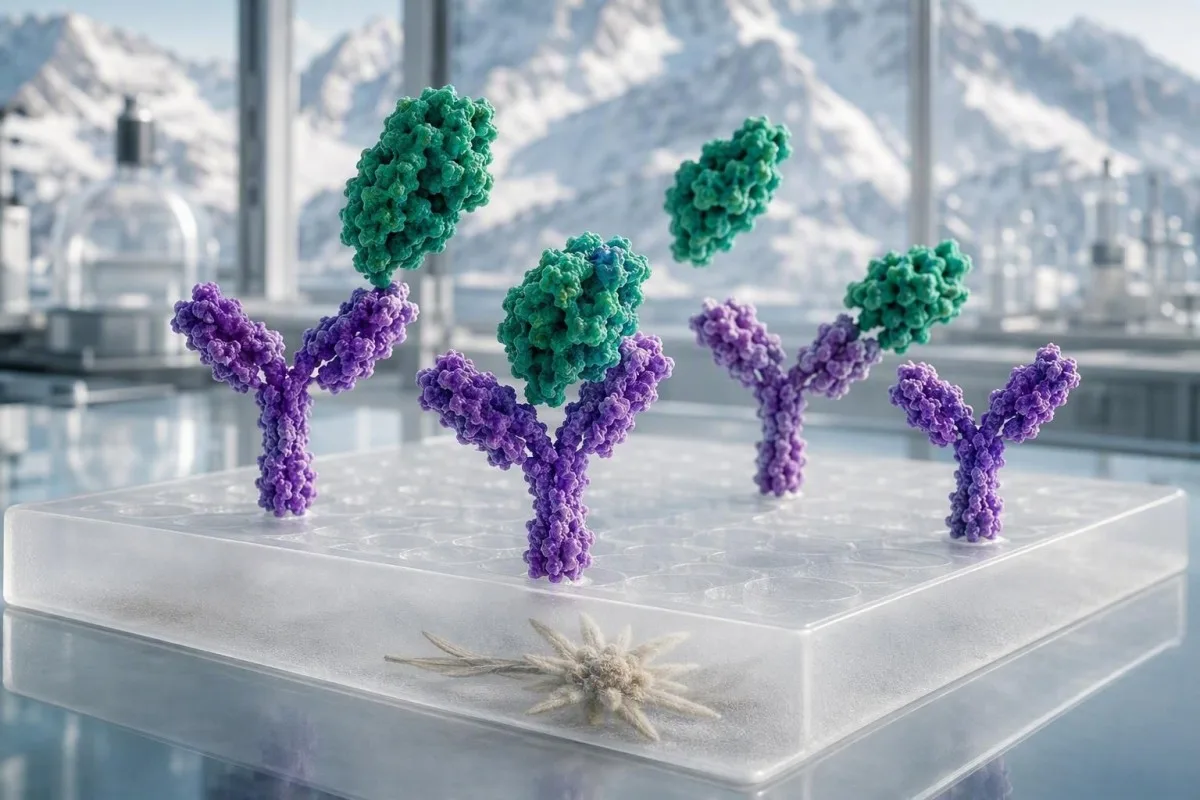
ධනාත්මක නිස්සාරණ ප්රතිඵලයක් ඔබට කියන්නේ IgE එකතුවක ඇති යමක් හඳුනාගෙන ඇති බවයි. සංරචක පරීක්ෂණය මඟින් සම්බන්ධිත තනි ප්රෝටීනය හඳුනාගත හැකිය - සහ සමහර විට ප්රතිඵලය සැබෑ ජීවිතයේ රෝග ලක්ෂණ සමඟ නොගැලපෙන්නේ මන්දැයි පැහැදිලි කරයි.


- නිශ්චිත IgE 0.10 kUA/L හෝ ඊට වැඩි ප්රමාණයක් සංවේදීතාවයක් පෙන්නුම් කරයි, ආහාර හෝ පරාග අසාත්මිකතාවක් පමණක් නොවේ.
- Ara h 2 සංවේදීතාවය, සැබෑ රටකජු අසාත්මිකතාව සමඟ, රටකජු නිස්සාරණ ප්රතිඵලයකට වඩා ශක්තිමත්ව සම්බන්ධ වී ඇත, කෙසේ වෙතත්, තනි අගයක් ප්රතික්රියා වල බරපතලකම පුරෝකථනය නොකරයි.
- Ara h 8 සාමාන්යයෙන් බර්ච්-පරාග කුරුස-ප්රතික්රියාකාරිත්වය පිළිබිඹු කරයි, සහ බොහෝ විට අමු රටකජු සමඟ මුඛයේ කැසීම ඇති කරයි, පද්ධතිමය ප්රතික්රියාවලට වඩා.
- ගබඩා ප්රෝටීන Cor a 9, Cor a 14, Ana o 3, සහ Bos d 8 වැනි, තාප- සහ ජීර්ණ-ආරක්ෂිත වන අතර, එය අවදානම් සංවාදය වෙනස් කරයි.
- කුරුස-ප්රතික්රියාකාරී කාබෝහයිඩ්රේට් නිර්ණායක පුළුල්, අඩු-මට්ටමේ ධනාත්මක අසාත්මිකතා රුධිර පරීක්ෂණ ප්රතිඵල නිර්මාණය කළ හැකිය, ඒවා රෝග ලක්ෂණ විශ්වාසදායක ලෙස පුරෝකථනය නොකරයි.
- සංරචක-විභේදනය කරන ලද රෝග විනිශ්චය රෝග විනිශ්චය අවිනිශ්චිතව පවතින විට පරිස්සම් ප්රතික්රියා ඉතිහාසයක් හෝ අධීක්ෂණය කරන ලද මුඛ ආහාර අභියෝගයක් වෙනුවට ආදේශ කළ නොහැක.
- සම්පූර්ණ IgE අසාත්මිකතාව සඳහා විශ්වීය සාමාන්ය කප්-ඔෆ් එකක් නොමැති අතර, තනි ආහාර ප්රතික්රියාවක බරපතලකම ශ්රේණිගත කිරීමට එය භාවිතා නොකළ යුතුය.
- හදිසි ලක්ෂණ ආහාරවලට නිරාවරණය වීමෙන් පසු—හුස්ම ගැනීමේ අපහසුතාව, මුහුණ රතුවීම, පුනරාවර්තන වමනය, හෝ ශරීරය පුරා කැසීම—සංරචක ප්රතිඵල නොසලකා හදිසි තක්සේරුවක් අවශ්ය වේ.
සම්මත අසාත්මිකතා රුධිර පරීක්ෂණයකට වඩා අණුක පරීක්ෂණය එක් කරන්නේ කුමක්ද?
අණුක අසාත්මිකතා පරීක්ෂණය සම්පූර්ණ සාරයකට එරෙහිව IgE මනිනු ලබන අතර, තනි අසාත්මිකතා ප්රෝටීනවලට එරෙහිව නොවේ., එබැවින් එය හරස්-ප්රතික්රියාවකින් ප්රාථමික අසාත්මිකතාවක් වෙන්කර හඳුනාගත හැකිය. පුද්ගලයෙකු කිසි විටෙකත් එම ආහාරයට ප්රතිචාර නොදැක්වූ විට සම්මත සාර-දන ලද අසාත්මිකතා රුධිර පරීක්ෂාව ධනාත්මක විය හැක; සංරචක රටාව බොහෝ විට එයට හේතුව පැහැදිලි කරයි.
සාර යනු මිශ්රණයන්ය. උදාහරණයක් ලෙස, රටකජු සාරය තුළ මේද-ප්රවාහන ප්රෝටීන, ලිපිඩ-ප්රවාහන ප්රෝටීන, ප්රොෆිලින්, සහ බර්ච් පරාග සමඟ බෙදා ගන්නා ප්රෝටීන අඩංගු වේ; ධනාත්මක ප්රතිඵලයක් මඟින් සේරම් IgE එම මිශ්රණයේ කොටසකට බැඳී ඇති බව පමණක් අපට කියයි. Kantesti යනු පරිශීලකයා විසින් ඇතුළත් කරන ලද අසායි ක්රමය, ඒකක සහ රෝග ලක්ෂණ ඉතිහාසය අසල වාර්තා කරන ලද සංරචක නම් තබන AI රුධිර පරීක්ෂණ විශ්ලේෂකයකි. ප්රතිඵල-ආකෘති මූලික කරුණු සඳහා, අපගේ ගුණාත්මක එදිරිව ප්රමාණාත්මක මාර්ගෝපදේශය ප්රයෝජනවත් වේ.
සායනයේදී, මම 29 හැවිරිදි පුද්ගලයකු දුටුවෙමි, ඔහු රටකජු සාරය IgE 7.8 kUA/L සමඟ සතියකට රටකජු බටර් ගැටලුවකින් තොරව අනුභව කළේය. ඇගේ හුදකලා වූ Ara h 8 ප්රතිඵලය, ඍණාත්මක Ara h 1, 2, 3, 6, සහ 9 සමඟ, බර්ච්-ආශ්රිත හරස්-ප්රතික්රියාවකට ගැලපුණි - ඇගේ ආහාරයෙන් රටකජු ඉවත් කිරීමට හේතුවක් නොවේ. අංකය ප්රෝටීනයට සහ ආහාර වේල කතාවට වඩා අඩු වැදගත්කමක් දැරීය.
සංරචක-විසඳුම් රෝග විනිශ්චය, ලෙසද හැඳින්වේ CRD, ඉතිහාසය සහ සාර ප්රතිඵලය එකඟ නොවන විට, ශාකමය වශයෙන් සම්බන්ධයක් නැති ආහාර කිහිපයක් ධනාත්මකව පරීක්ෂා කරන විට, හෝ ආහාර අභියෝගයක් සාකච්ඡා කරන විට වඩාත් ප්රයෝජනවත් වේ. ඒවා සම්භාවිතාව වැඩි දියුණු කරයි; ඒවා තනිව අසාත්මිකතාවක් හඳුනා නොගනී. Matricardi et al. අණුක අසාත්මිකතා විද්යාව clinical decision-making සඳහා උපකාරකයක් ලෙස විස්තර කර ඇත, එය එයට ආදේශකයක් නොවේ (Matricardi et al., 2016).
සංවේදීතාව යනු සායනික අසාත්මිකතාවක් නොවේ
ධනාත්මක අසාත්මිකතා රුධිර පරීක්ෂාව IgE සංවේදීතාව පෙන්වයි, අතර clinical allergy සඳහා නිරාවරණයෙන් පසු නැවත නැවත සිදුවන රෝග ලක්ෂණ අවශ්ය වේ. බොහෝ රසායනාගාරවලින් 0.10 kUA/L සිට ඉහළට නිශ්චිත IgE වාර්තා කරයි, නමුත් එම විශ්ලේෂණාත්මක සීමාව පුද්ගලයෙකු ආහාර අනුභව කරන විට ප්රතිචාර දක්වන්නේද යන්න අපට නොකියයි.
නිශ්චිත IgE ප්රතිඵල සාමාන්යයෙන් අඩු, මධ්යම, හෝ ඉහළ ලෙස කණ්ඩායම් කර ඇත, නමුත් මෙම කාණ්ඩයන් විශ්වීය අවදානම් කලාපවලට වඩා assay සම්මුතීන් වේ. බිත්තර සඳහා 0.35 kUA/L අගයක්, බිත්තර උයමින් මිනිත්තු 15ක් ඇතුළත කැසීම සහිත කුඩා දරුවෙකු තුළ අර්ථවත් විය හැකි අතර, 15 kUA/L අගයක්, රෝග ලක්ෂණ නොමැතිව බේක් කළ බිත්තර අනුභව කරන පරාග-සංවේදී වැඩිහිටියෙකු තුළ clinical වශයෙන් අදාළ නොවන එකක් විය හැකිය. නිරාවරණය රෝග විනිශ්චය ආතති පරීක්ෂණය ලෙස පවතී.
දද, පරපෝෂිත ආසාදන, දුම්පානය, සහ විවිධ ප්රතිශක්තිකරණ තත්වයන් තුළ සමස්ත IgE බොහෝ විට ඉහළ යයි; එය ආහාර අසාත්මිකතාවක් තහවුරු කළ නොහැක. 100 IU/mL ට වඩා වැඩි සමස්ත IgE අගයක් atopic රෝගවලදී සාමාන්ය වේ, නමුත් නිශ්චිත ආහාරයක් අනාරක්ෂිත බව ඔප්පු කරන සමස්ත IgE සාන්ද්රණයක් නොමැත. මෙම හුදකලා ප්රතිඵලයෙන් බියට පත් වූ පාඨකයින්ට සමාලෝචනය කළ හැකිය ඉහළ IgE යන්නෙන් අදහස් කළ හැක්කේ කුමක්දැ.
මෘදු ලෙස ප්රයෝජනවත් ඉඟියක් වන්නේ සාර ප්රතිඵලය පමණක් නොව, සංරචක ප්රතිඵල අතර අනුපාතයයි. ප්රොෆිලින් හෝ කාබෝහයිඩ්රේට් ව්යුහයන්ට පුළුල් අඩු-මට්ටමේ සංඥා, ප්රතික්රියා ඉතිහාසයක් නොමැතිව යුගලනය කිරීම, වළක්වා ගැනීමේ නිර්දේශ කිරීමට පෙර වෛද්යවරයෙකුට විරාමයක් ලබා දිය යුතුය. සංවේදීතාව මත පමණක් පදනම් වූ සීමාකාරී ආහාර වේලක් පෝෂණ හා සමාජීය හානි - විශේෂයෙන් ළමුන් තුළ - ඇති කළ හැකිය.
කුරුස-ප්රතික්රියාකාරිත්වය ධනාත්මක ප්රතිඵලයක් වෙනස් කරන්නේ කෙසේද?
හරස්-ප්රතික්රියාව සිදුවන්නේ IgE විවිධ ප්රභවයන් තුළ සමාන ප්රෝටීන් ව්යුහයන් හඳුනා ගන්නා විට, සමාන clinical අවදානමක් නොමැතිව ධනාත්මක පරීක්ෂණ නිපදවයි. වඩාත් සුලබ අණුක පවුල් වන්නේ PR-10 ප්රෝටීන, ප්රොෆිලින්, ට්රොපොමයොසින්, ලිපිඩ්-ප්රවාහන ප්රෝටීන, සහ හරස්-ප්රතික්රියාකාරී කාබෝහයිඩ්රේට් නිශ්චයයන් ය.
Birch-pollen Bet v 1 සහ ආහාර PR-10 ප්රෝටීන එකිනෙක IgE සමඟ ප්රතික්රියා දැක්වීමට තරම් ව්යුහයක් බෙදා ගනී. එබැවින් බර්ච්-සෙන්ටයිස් වූ පුද්ගලයෙකුට ඇපල් Mal d 1, හේසල්නට් Cor a 1, සෝයා Gly m 4, රටානිදු Arah 8, සෙලරි Api g 1, සහ කැරට් Dau c 1 සඳහා ධනාත්මක පරීක්ෂණයක් කළ හැකිය; රෝග ලක්ෂණ, ඇති විට, බොහෝ විට අමු ආහාර සමඟ මුඛයේ කැසීම දක්වා සීමා වේ. ආහාර පිසීම බොහෝ විට PR-10 ප්රෝටීන වෙනස් කරයි, කෙසේ වෙතත් නිවසේදී අහඹු ලෙස පරීක්ෂා කිරීමට තරම් විශ්වාසදායක නොවේ.
ප්රොෆිලින් සංවේදීතාව පරාග, කොමඩු, කෙසෙල්, තක්කාලි සහ ලැටෙක්ස් හරහා ආකර්ශනීය පෙනුමක් ඇති පුවරුවක් ද නිපදවිය හැකිය. ලැටෙක්ස් Hev b 8 යනු ප්රොෆිලින් එකක් වන අතර සැබෑ ලැටෙක්ස් සංවේදීතාව සායනික වශයෙන් වැදගත් ලැටෙක්ස් ප්රෝටීන වලට සමාන අදහස් දරන්නේ නැත. EAACI ආහාර අසාත්මිකතා මාර්ගෝපදේශය උපදෙස් දෙන්නේ රෝග විනිශ්චය පරීක්ෂණය පුළුල් තිරගත කිරීමට වඩා අසාත්මිකතා-අවධානය යොමු කළ ඉතිහාසයක් අනුගමනය කළ යුතු බවයි (Santos et al., 2023).
Cross-reactive carbohydrate determinants, බොහෝ විට CCD හෝ MUXF3 ලෙස වාර්තා වේ, ප්රෝටීන වෙනුවට ශාක සහ කෘමි සීනි මෝටිෆ් වේ. CCD-විශේෂිත IgE, විශේෂයෙන් පරාග, විෂ, සහ ශාක ආහාර සඳහා, බහු අඩු ධනාත්මක සාරය ප්රතිඵලවලට හේතු විය හැක, නමුත් එය කලාතුරකින් රෝග ලක්ෂණ සමඟ සම්බන්ධ වේ. මෙය එක් හේතුවක් වන්නේ සංරචක පුවරුවක් අසාත්මිකතා රුධිර පරීක්ෂාව විශාල කරවා ගැනීමට නොව, අඩු කරවා ගැනීමට උපකාර වන බවයි.
රටකජු සංරචක: Ara h 2 සහ Ara h 8 විවිධ කථා කියන්නේ ඇයි?
Arah 2 සහ Arah 6 යනු රටානිදු ගබඩා ප්රෝටීන වන අතර ඒවා රටානිදු සාරය පමණක් නොව සැබෑ රටානිදු අසාත්මිකතාවට ද ශක්තිමත්ව සහාය දක්වයි, Arah 8 බොහෝ විට බර්ච්-අනුරූපී හරස්-ප්රතික්රියාව සංඥා කරයි. කිසිම සංරචකයක් ප්රතික්රියාවක් ඇති කරන නිශ්චිත මාත්රාව හෝ අනාගත සිදුවීමක බරපතලකම පුරෝකථනය කළ නොහැක.
Arah 1, Arah 2, Arah 3, සහ Arah 6 යනු තාපය සහ ආහාර ජීර්ණයට ඔරොත්තු දෙන බීජ ගබඩා ප්රෝටීන වේ. යොමු ජනගහනය හරහා, Arah 2 සාමාන්යයෙන් රෝග විනිශ්චය වශයෙන් වඩාත් ප්රයෝජනවත් තනි රටානිදු සංරචකය වේ; 0.1 kUA/L ට වඩා වැඩි අගයන් සංවේදීතාව ස්ථාපිත කරන අතර, තීරණ සීමාවන් වයස, පරීක්ෂණය, සහ දේශීය ජනගහනය අනුව වෙනස් වේ. මගේ අත්දැකීම අනුව, 12 kUA/L Arah 2 සමඟ ක්ෂණික දද ඇති දරුවෙකුට, 2 kUA/L Arah 8 සහිත රෝග ලක්ෂණ රහිත වැඩිහිටියෙකුගෙන් ඉතා වෙනස් සාකච්ඡාවක් අවශ්ය වේ.
Arah 9 යනු non-specific lipid-transfer protein, හෝ LTP වේ. එය මධ්යධරණී ජනගහනය තුළ බහුලව දක්නට ලැබේ සහ ශාරීරික ප්රතික්රියා සමඟ සම්බන්ධ විය හැකිය, සමහර විට ව්යායාම, මත්පැන්, non-steroidal anti-inflammatory medicines, හෝ අතුරු රෝගයකින් උග්ර වේ. එම ආහාරය සාමාන්ය දිනයකදී ඉවසා සිටිය හැකි අතර දිගු ධාවනයකින් පසුව නොහැකි වන බැවින් එම සම-කారణකාරකයන් ලේඛනගත කිරීම වටී.
Arah 2 ඍණාත්මක වීම රටානිදු ස්වයංක්රීයව ආරක්ෂිත නොකරයි. Arah 6, Arah 1, Arah 3, Arah 9, පුද්ගලයාගේ භූගෝලය, සහ ප්රතික්රියා කථාව සියල්ලම අදාළව පවතී; අසාත්මිකතා විශේෂඥයෙක් තවමත් අධීක්ෂණය කරන ලද අභියෝගයක් නිර්දේශ කළ හැකිය. ප්රායෝගික රෝග ලක්ෂණ සන්දර්භය සඳහා, අපගේ මාර්ගෝපදේශය බලන්න කැසීම සහිත සම සඳහා රුධිර පරීක්ෂණ.
ගස්-ගෙඩි සංරචක අධික ලෙස රෝග විනිශ්චය කිරීම වැළැක්විය හැකි අතර අවදානම පැහැදිලි කළ හැකිය
Hazelnut Cor a 9 සහ Cor a 14, cashew Ana o 3, සහ walnut Jug r 1 ස්ථාවර බීජ-ගබඩා ප්රෝටීන වලට දර්ශක වන අතර සාමාන්යයෙන් පරාග-සම්බන්ධිත සංරචක වලට වඩා වැඩි සායනික බරක් දරයි. එක් ගස් ඇට වර්ගයකට ධනාත්මක ප්රතිඵලයක් සෑම ගස් ඇට වර්ගයකටම අසාත්මිකතාව ඔප්පු නොකරයි.
Hazelnut පරීක්ෂණය හුරුපුරුදු උගුලකි. Cor a 1 යනු බර්ච්-ආශ්රිත PR-10 ප්රෝටීනයක් වන අතර එය බොහෝ විට අමු හේසල්නට් සමඟ හුදකලා වූ වාචික රෝග ලක්ෂණ වලට ගැලපේ, නමුත් Cor a 9 සහ Cor a 14 යනු හේසල්නට් අසාත්මිකතාව සමඟ වැඩිපුර සම්බන්ධ වන ගබඩා ප්රෝටීන වේ. වෙනස වැදගත් වන්නේ හේසල්නට් ව්යාප්තිය, බේක් කළ නිෂ්පාදන, රසකැවිලි, සහ කුඩු කළ ආහාර වල දක්නට ලැබෙන අතර එහිදී ප්රෝටීනය විනාශ වූවාට වඩා රත් කර ඇත.
Ana o 3 යනු කජු වල 2S ඇල්බුමින් ගබඩා ප්රෝටීනයක් වන අතර කජු අසාත්මිකතාවක් සැක කෙරෙන විට එය විශේෂයෙන් ප්රයෝජනවත් සලකුණකි. කජු සහ පිස්ටාඕ බෙහෙවින් සමාන සායනික හරස්-ප්රතික්රියාවක් බෙදා ගන්නා නමුත්, රසායනාගාර ප්රතිඵලයක් අනෙක් සියලුම ඇට වර්ග බැහැර කළ යුතු බව ස්ථාපිත නොකරයි. මම සාමාන්යයෙන් අනුග්රහය දක්වන ලද වළක්වා ගැනීම පුළුල් කිරීමට පෙර නියම වශයෙන් කුමන ඇට වර්ග ආරක්ෂිතව අනුභව කරන ලදේද, කුමන ආකාරයෙන්ද, සහ කොතරම් මෑතකදීදැයි අසමි.
ගස්-ඇට වර්ග පුවරු තිරගත කිරීමේ පරීක්ෂණ ලෙස ඇණවුම් කරන විට ශබ්දයක් බවට පත්විය හැකිය. ආමන්ඩ්, walnuts, සහ pecan ඉවසා සිටින දරුවෙකු අනොන්ය නොවන ඇට වර්ග සාරයක් දුර්වල ලෙස ධනාත්මක වූ පමණින් එම ආහාර අහිමි නොවිය යුතුය; ඉවසා සිටින ආහාර පවත්වා ගැනීමෙන් ආහාර විවිධත්වය ආරක්ෂා කර කාංසාව අඩු කළ හැකිය. ආහාර-ආශ්රිත රෝග ලක්ෂණ ගවේෂණය කරන පවුල් විසින් ද අසාත්මිකතාවෙන් වෙන් කළ යුතුය ග්ලූටන් පරීක්ෂණ සූදානම, එය වෙනත් ප්රතිශක්තිකරණ මාර්ගයක් අමතයි.
කිරි සහ බිත්තර සංරචක බේක් කරන ලද ආහාර ඉවසීම සාකච්ඡා කිරීමට උපකාරී වේ
කිරි වල කැසීන් සහ බිත්තර වල ඕවෝමයූකොයිඩ් තාප-ස්ථාවර ප්රෝටීන වේ, එබැවින් Bos d 8 හෝ Gal d 1 ට IgE, අතිශයින් බේක් කරන ලද ආකාර වල ඉවසීමේ සම්භාවිතාව අඩු කළ හැකිය. ඒවා අවදානම් සලකුණු මිස, තනි තනි සැලැස්මක් නොමැතිව බේක් කළ කිරි හෝ බිත්තර උත්සාහ කිරීමට අවසර පත්ර නොවේ.
කිරි වල කැසීන් සහ වේ ප්රෝටීන අඩංගු වේ. Bos d 8 casein බේකින් සහ ආහාර ජීර්ණය අතරතුර සාපේක්ෂව ස්ථාවරව පවතී, නමුත් Bos d 4 alpha-lactalbumin සහ Bos d 5 beta-lactoglobulin තාපයට වඩාත් ලේබල් වේ; මෙම රටාව බේක් කරන ලද-කිරි අභියෝගයක් යෝග්යද යන්න තීරණය කිරීමට අසාත්මිකතා විශේෂඥයෙකුට උපකාර කළ හැකිය. 0.2 kUA/L ක කැසීන් ප්රතිඵලයක්, කිරි පසු පෙර wheeze සහිත පාසල් වයසේ දරුවෙකු තුළ ඇති තරම් සම්භාවිතාවක් 10-මාස-අර්ධ වයසේ දරුවෙකු තුළ දරන්නේ නැත.
බිත්තරවලටත් මෙවැනි සමාන ප්රායෝගික බෙදීමක් ඇත. Gal d 1 ovomucoid සාපේක්ෂව තාපය-ස්ථායී වන අතර, Gal d 2 ovalbumin ඊට වඩා තාපය-සංවේදී වේ; ovalbumin වලට ප්රමුඛ වශයෙන් සංවේදී වූ කෙනෙකුට විස්තීර්ණ ලෙස බේක් කළ බිත්තර ඉවසාගත හැකි නමුත්, මෙය ආරක්ෂිතව ඔප්පු කළ යුතුය. හුස්ම ගැනීමේ අපහසුව, පුනරාවර්තන වමනය හෝ පෙර හදිසි සංචාරයක් සිදුවී ඇත්නම්, නිවසේ “බේක් කළ බිත්තර පරීක්ෂණ” හානිකර නොවේ.
Kantesti යනු රසායනාගාරයේ සංඝටක නාමකරණය ආහාර සුරක්ෂිත හෝ අනාරක්ෂිත ලෙස ලේබල් කිරීමට වඩා අසාත්මිකතා වෛද්යවරයකු වෙත ගෙන යා යුතු ප්රශ්න බවට පරිවර්තනය කරන AI රුධිර පරීක්ෂණ ප්රතිඵල වේදිකාවකි. ළදරුවන්, ආහාර ගැනීමේ ආබාධ සහිත පුද්ගලයින් සහ බොහෝ බැහැර කිරීම් සහිත ඕනෑම අයෙකුට පෝෂණ වෙනස්කම් විශේෂයෙන්ම පරෙස්සම් විය යුතුය. ආහාර සහ බඩවැල් සෞඛ්ය ලිපිය අනවශ්ය සීමා කිරීම්වල ප්රතිවිපාක ආවරණය කරයි.
තිරිඟු සංරචක ව්යායාම-ආශ්රිත ප්රතික්රියා හෙළි කළ හැකිය
ට්රයි ඒ 19, ඔමේගා-5 ග්ලියාඩින් ලෙසද හැඳින්වේ, එය තිරිඟු-පාදක ව්යායාම්-ආශ්රිත ඇනෆිලැක්සිස් සමඟ සම්බන්ධ වූ ප්රධාන සංඝටකය වේ. පුද්ගලයෙකුට විවේකයේදී තිරිඟු ඉවසා සිටිය හැකි නමුත් තිරිඟු පරිභෝජනයෙන් පසු ව්යායාම, මධ්යසාර, ඇස්පිරින් වැනි ඖෂධ, තාපය හෝ ආසාදන ඇති වුවහොත් ප්රතික්රියා දැක්විය හැකිය.
තිරිඟු නිස්සාරක IgE අර්ථකථනය කිරීමට අපහසුය, මන්ද තණකොළ-පරාග සංවේදීතාවය සාමාන්යයෙන් අඩු ධනාත්මක ප්රතිඵල ලබා දෙන බැවිනි. ව්යායාමයෙන් පසු හෝ 1 සිට 4 පැය ඇතුළත උර්ටිකාරියා, wheeze, කඩා වැටීම, හෝ දරුණු ආමාශ ආන්ත්රික රෝග ලක්ෂණ ඇතුළත් වන විට ට්රයි ඒ 19 වඩාත් විශේෂිත වේ. ආහාර වේල සහ ක්රියාකාරකම් යන දෙකෙහිම කාලය නිස්සාරක පන්තියට වඩා තොරතුරු සපයයි.
මාස 18ක් පුරා “හේතුවක් නොදැක්වූ” ප්රතික්රියා තුනක්, සියල්ල තිරිඟු-පාදක උදෑසන ආහාරයකින් සහ කිලෝමීටර් 40ක ගමනකින් පසු අත්විඳින ලද විනෝදාංශ පාපැදි කරුවෙකු මා විසින් සමාලෝචනය කරන ලදී. ඔහුගේ තිරිඟු නිස්සාරක ප්රතිඵලය 1.1 kUA/L ලෙස මධ්යස්ථ විය, නමුත් ඔමේගා-5 ග්ලියාඩින් පැහැදිලිවම ධනාත්මක විය; ඔහුට විශේෂඥ සැලැස්මේ කොටසක් වූයේ විඳදරාගැනීමේ ව්යායාමයට පැය කිහිපයකට පෙර තිරිඟු මගහැරීමයි. මෙම රෝග විනිශ්චය සඳහා අසාත්මිකතා වෛද්යවරයකුගේ ආදානය අවශ්ය වේ, මන්ද කාරක සීමාවන් විශාල ලෙස වෙනස් වේ.
තිරිඟු අසාත්මිකතාවය යනු celiac රෝගය, celiac නොවන තිරිඟු සංවේදීතාවය, හෝ නොඉවසීමක් නොවේ. Coeliac පරීක්ෂාව ආහාර-විශේෂිත IgE ට වඩා ස්වයංක්රීය ප්රතිශක්තිය මනිනු ලබයි - සාමාන්යයෙන් tissue transglutaminase IgA සහ සම්පූර්ණ IgA. සම්පූර්ණ IgA අඩු නම්, අර්ථකථනයට වෙනත් මාර්ගයක් අවශ්ය වේ, එය අපගේ අඩු IgA පරීක්ෂණ මාර්ගෝපදේශයෙහි පැහැදිලි කර ඇත.
ෂෙල්ෆිෂ්, විෂ, සහ ලැටෙක්ස් ප්රෝටීන් පවුල් වැදගත් වන්නේ මන්දැයි පෙන්වයි
ට්රොපොමියොසින් ෂෙල්ෆිෂ් ප්රතිඵල නිවර්තන-දූවිලි-මයිට් සංවේදීතාවය සමඟ සම්බන්ධ කළ හැකි අතර, විෂ සහ ලැටෙක්ස් සංඝටක සම්පූර්ණ නිස්සාරකවලට වඩා වෛද්යමය වශයෙන් අදාළ ප්රෝටීන නිවැරදිව හඳුනාගත හැකිය. ප්රතික්රියා ඉතිහාසයක් හදිසි ප්රතිකාර හෝ වෘත්තීය උපදෙස් වෙනස් කළ හැකි විට මෙම පැනල් වඩාත්ම වටිනා වේ.
පෙන් ඒ 1 යනු ඉස්සන් ට්රොපොමියොසින්; ඩර් පී 10 යනු මයිට් ට්රොපොමියොසින්. ට්රොපොමියොසින් අපෘෂ්ඨවංශීන් හරහා සංරක්ෂණය වී ඇති බැවින්, මයිට්-සෙන්ටයිස් කරන ලද පුද්ගලයින් ෂෙල්ෆිෂ් අනුභව නොකර හෝ ඊට ප්රතික්රියා නොකර අඩු මට්ටමක ෂෙල්ෆිෂ් IgE පෙන්විය හැක. ඊට පටහැනිව, මාළු සහ ෂෙල්ෆිෂ් ජීව විද්යාත්මකව සම්බන්ධ නැති ආහාර කණ්ඩායම් නිසා, මාළු ඉවසා සිටියත් සැබෑ කවච මාළු අසාත්මිකතාවය වෛද්යමය වශයෙන් වැදගත් විය හැකිය.
විෂ සංඝටක පරීක්ෂණය මගින් මී පැණි-බඹර සංවේදීතාවය, Api m 1 ඇතුළත් වන, නිස්සාරක පරීක්ෂණය අඩු පැහැදිලි රටා වලින් වෙන් කළ හැකිය. එය විෂ ප්රතිශක්තිකරණ ප්රතිකාර පිළිබඳ තීරණවලට දායක විය හැකිය, නමුත් බේස්ලයින් ට්රිප්ටේස්, ප්රතික්රියා වල බරපතලකම, නිරාවරණ අවදානම සහ ප්රතිකාර කරන අසාත්මිකතා වෛද්යවරයාගේ තක්සේරුව සියල්ලම වැදගත් වේ. කරකැවිල්ල හෝ වායු මාර්ග රෝග ලක්ෂණ සහිත සාමාන්යකරණය වූ දෂ්ට කිරීමේ ප්රතික්රියාවක්, සංඝටක ප්රතිඵලය කුඩා වුවද, විශේෂඥ සමාලෝචනයක් ලැබිය යුතුය.
ලැටෙක්ස් පරීක්ෂණය ද අණුක විස්තර වලින් ප්රතිලාභ ලබයි. හෙව් බී 5 සහ හෙව් බී 6 බොහෝ සෞඛ්ය සේවා-ආශ්රිත ලැටෙක්ස් ප්රතික්රියාවලදී හෙව් බී 8 ප්රොෆිලින් පමණක් නොව වඩාත් වෛද්යමය වශයෙන් අදාළ වේ; මෙය ක්රියා පටිපාටිවලට පෙර සහ ආරක්ෂිත උපකරණ භාවිතා කරන සේවකයින්ට වැදගත් විය හැකිය. සමේ කැසීම් වලට බොහෝ අසාත්මික නොවන අනුකරණ ඇත, එබැවින් අපගේ සමේ ගැටළු රුධිර පරීක්ෂණ මාර්ගෝපදේශය පුළුල් ප්රශ්න සැකසීමට උපකාරී වේ.
සංරචක අගයන් ප්රතික්රියා වල බරපතලකම මනින්නේ නැත්තේ ඇයි?
ඉහළ සංඝටක-විශේෂිත IgE අගයක් සාමාන්යයෙන් නිවැරදි පසුබිමක වෛද්ය අසාත්මිකතාවයේ සම්භාවිතාව ඉහළ නංවයි, නමුත් එය ඊළඟ ප්රතික්රියාව මෘදු හෝ ජීවිතයට තර්ජනයක් වන බවට අනාවැකියක් නොකියයි. බරපතලකම මාත්රාව, ඇදුම පාලනය, කාරක, ප්රමාද වූ ප්රතිකාරය සහ අවදානම මෙන්ම සංවේදීතාවය මත රඳා පවතී.
විශේෂිත IgE සාමාන්යයෙන් kUA/L ලෙස වාර්තා වන අතර, assay අගයන් මිලිමීටරවල සම-ප්රික් wheal ප්රමාණයට සෘජුවම හුවමාරු කළ නොහැක. නැවත නැවත කරන ලද පරීක්ෂණ හරහා ඉහළ යන අගයක් වෙනස් වන සංවේදීතාවයක් පිළිබිඹු කළ හැකිය, නමුත් assay වෙනස්කම් සහ ජීව විද්යාත්මක වෙනස්කම් නිසා එකම ප්රතිඵලය 20% හෝ ඊට වැඩි ප්රමාණයකින් උච්චාවචනය විය හැක. ප්රවණතා අර්ථකථනයට හැකි සෑම විටම එකම රසායනාගාර ක්රමයක් අවශ්ය වේ.
සංඝටක ප්රතිඵලය පුද්ගලික ප්රතික්රියා සීමාව ගැන අනාවැකි කීමට විශේෂයෙන් දුර්වල වේ. 0.9 kUA/L හි Ara h 2 ඇති අයෙකුට කඩල ප්රෝටීන් මිලිග්රෑම් කිහිපයකට ප්රතික්රියා කළ හැකි අතර, 20 kUA/L හි තවත් අයෙකුට ඊට වඩා විශාල මාත්රාවක් දක්වා ප්රතික්රියා නොකළ හැකිය; අධ්යයනයන්ට කණ්ඩායම් සාමාන්යයන් විස්තර කළ හැකි අතර, පුද්ගලයාගේ ඇපකරය නොවේ. මෙය සන්දර්භය වර්ණ-කේත කළ කොඩියකට වඩා වැදගත් වන ප්රදේශවලින් එකකි.
ආහාර අභියෝගය යනු පිළිතුර රැකවරණය වෙනස් කරන විට සහ අවදානම පිළිගත හැකි විට යොමු ප්රමිතියක් ලෙස පවතී. 2020 AAAAI කාර්ය සාධක කණ්ඩායමේ වාර්තාව මගින් මුඛ ආහාර අභියෝග සඳහා (Bird et al., 2020) සැකසුණු මාත්රාව, නැවැත්වීමේ නිර්ණායක සහ නිරීක්ෂණ අවශ්යතා ඉදිරිපත් කරයි. ප්රතික්රියා සහ ඖෂධවල දිනය සටහන් කරන ලද වාර්තාවක් තබා ගන්න; අපේ රුධිර පරීක්ෂණ කාලරේඛා මාර්ගෝපදේශය රසායනාගාර ප්රවණතාවක් සමඟ සායනික සන්දර්භය එකතු විය යුත්තේ මන්දැයි පැහැදිලි කරයි.
සංරචක-විභේදනය කරන ලද රෝග විනිශ්චය ඇණවුම් කිරීම වටින්නේ කවදාද?
අසාත්මිකතා සංරචක පරීක්ෂාව වඩාත් ප්රයෝජනවත් වන්නේ අවධානය යොමු කළ ඉතිහාසයකට පසුව සහ අපැහැදිලි හෝ පුළුල් සාරය-පාදක පැනලයක් සමඟ මිස, ආරක්ෂිතව පරිභෝජනය කරන ආහාර සඳහා තිරගත කිරීමේ පරීක්ෂණයක් ලෙස නොවේ. කුරුස-ප්රතික්රියාව සිදුවීමට ඉඩ ඇති විට අනවශ්ය පැහැර හැරීම අඩු කිරීමට සහ ස්ථාවර-ප්රෝටීන් සංවේදීතාව පවතින විට යොමු කිරීම් මාර්ගෝපදේශනය කිරීමට මෙය සමත් වේ.
සාධාරණ ඇඟවුම් අතර සීමා සහිත සාරය IgE සමඟ ඒත්තු ගැන්වෙන ප්රතික්රියාවක්, නිතර හෘදයාබාධයකින් පෙළෙන ආහාරවල ධනාත්මක සාරය ප්රතිඵලයක්, බර්ච්-පරාග කුරුස-ප්රතික්රියාවට ඉඩ ඇති, තිරිඟු-ව්යායාම ප්රතික්රියා සැක සහිත, විෂ ඇදුම අසාත්මිකතාවය, සහ අධීක්ෂණය කරන ලද ආහාර අභියෝගයකට පෙර ඇගැයීම ඇතුළත් වේ. සායනික ප්රශ්නයක් නොමැතිව පවතින සෑම සංරචකයක්ම පරීක්ෂා කිරීම අහම්බෙන් සිදුවන සොයාගැනීම් වැඩි කරයි. ආචාර්ය තෝමස් කляемල්ගේ පුහුණුවේදී, වඩාත්ම ප්රයෝජනවත් ඉල්ලීම බොහෝ විට කුඩාම එකයි.
පරීක්ෂා කිරීමට පෙර, ආහාර ආකාරය, ආසන්න ප්රමාණය, රෝග ලක්ෂණ ආරම්භ වීමට ගත වූ මිනිත්තු, පුනරාවර්තනය, භාවිතා කරන ලද ප්රතිකාරය සහ සම-සාධක වාර්තා කරන්න. මිනිත්තු කිහිපයක සිට පැය 2ක් ඇතුළත ආරම්භ වන රෝග ලක්ෂණ ඊළඟ දවසේ හුදකලා වූ ඉදිමුමට වඩා IgE-මධ්යස්ථ ආහාර අසාත්මිකතාවයට අනුකූල වේ, ව්යතිරේඛයන් තිබුණද. සම-කැට ගැසීමේ පරීක්ෂණයේ ඔවුන්ගේ බලපෑමට මෙන් නොව, ප්රති-හයිස්ටමින් මගින් සෙරුමයෙහි නිශ්චිත-IgE ප්රතිඵල වෙනස් නොවේ.
Kantesti පරිශීලකයින්ට මුල් වාර්තාව, නැවත නැවත අගයන් සහ රෝග ලක්ෂණ සටහන් එක් සමාලෝචනය කළ හැකි වාර්තාවක භාෂා හරහා සංවිධානය කිරීමට උපකාරී වේ. ඔබ වාර්තාවක් බෙදා ගන්නේ නම්, අපේ {{private policy}} හි ප්රායෝගික ආරක්ෂාවන් භාවිතා කරන්න. රුධිර පරීක්ෂණ උඩුගත කිරීමේ පෞද්ගලිකත්ව ලැයිස්තුව; පුද්ගලික ප්රතිඵල අර්ථ නිරූපණය සඳහා මහජන කණ්ඩායම්වල කිසි විටෙක පළ නොකළ යුතුය.
අධික ලෙස ප්රතික්රියා නොකර අසාත්මිකතා සංරචක වාර්තාවක් කියවන්නේ කෙසේද?
පළමුව අසාත්මිකතා ප්රභවය, පසුව තනි සංරචකය, ප්රතිඵල ඒකකය, විශ්ලේෂණාත්මක කප්-ඕෆ්, සහ ඔබේ නිරාවරණ ඉතිහාසය කියවන්න. “ධනාත්මක” ලෙස සලකුණු කරන ලද වාර්තාවක් යනු විශ්ලේෂණාත්මක සොයාගැනීමකි; එය හදිසි උපදෙස් නොවේ, එය වෛද්යවරයෙකුගේ ක්රියාකාරී සැලැස්මක් වෙනුවට නොගත යුතුය.
භාවිතා කළ පරීක්ෂණය තනි-ප්ලෙක්ස් ImmunoCAP-ශෛලියේ වාර්තා කිරීම, බහු-ප්ලෙක්ස් මයික්රෝ රේඛාවක්, හෝ වෙනත් ක්රමයක් දැයි පරීක්ෂා කරන්න. බහු-ප්ලෙක්ස් පැනලවලට කුඩා සාම්පලයකින් අඩු-මට්ටමේ සංවේදීතාවයන් රාශියක් හඳුනාගත හැකිය, නමුත් ඒවායේ සංඛ්යාත්මක පරාසයන් සහ සායනික වලංගුභාවය තනි-අසාත්මිකතා අසෙස් වලින් වෙනස් විය හැකිය. 0.12 kUA/L හි ප්රතිඵලයක් ඉහළ, අභියෝග-වලංගු කළ සම්භාවිතා සීමාවට සමාන ලෙස නොසැලකිය යුතුය.
රටා සොයන්න, හුදකලා ලකුණු නොවේ: පීනට් ඩි ඊ 2 ඊ 6 ඊ 8 ට වඩා වෙනස් ය; හෙසල්නට් ඩි 14 ඩි 1 ට වඩා වෙනස් ය. PDF ඡායාරූපයක් හෝ ස්කෑන් කර ඇත්නම්, ඒකක සංකේත සහ දශම ලකුණු පොදු පිටපත් කිරීමේ දෝෂයන් වේ—ඒ අපේ {{original lab page}} {{recommends checking}} {{before acting}} {{why}}. PDF උඩුගත කිරීමේ දෝෂ පරීක්ෂණ ලැයිස්තුව {{recommends checking}} {{original lab page}} {{before acting}} {{why}}.
Kantesti {{works as an}} AI මගින් බලගැන්වූ රුධිර පරීක්ෂණ විශ්ලේෂණ මෙවලම {{that identifies the}} {{reported analyte, unit, and laboratory flag, but it cannot see the food you ate, your breathing symptoms, or your examination findings}}. {{A molecular result should prompt better questions, not self-directed reintroduction or blanket avoidance}}.
වැරදි ධනාත්මක, වැරදි සෘණ, සහ assay සීමාවන්
රෝග ලක්ෂණ මගින් මාර්ගෝපදේශනය නොවන විට පරීක්ෂාවෙන් වැරදි-ධනාත්මක අසාත්මිකතා ප්රතිඵල පොදු වේ, සහ අදාළ ප්රෝටීනය නිස්සාරණයක නොපැමිණෙන විට හෝ යටපත් වූ විට වැරදි-ඍණ සිදුවිය හැකිය. සංරචක විභේදනය වැඩි දියුණු කරයි, නමුත් ඒවා අසෙ සීමාවන් හෝ ජීව විද්යාත්මක අවිනිශ්චිතතාවය ඉවත් නොකරයි.
cultivar, කන්නය, සැකසීම, සහ ප්රෝටීන් ස්ථායීතාවය අනුව අසාත්මිකතා ප්රභවයන් වෙනස් වන බැවින් නිස්සාරණයේ ගුණය වෙනස් වේ. වාණිජ නිස්සාරණයක labile ප්රෝටීන හිඟ විය හැකි අතර, ස්ථාවර ප්රෝටීන ආධිපත්යය දැරිය හැකිය; පැහැදිලි මුඛ රෝග ලක්ෂණ ඇති පුද්ගලයෙකුට අඩු නිස්සාරණ ප්රතිඵලයක් තිබිය හැක්කේ මන්දැයි මෙය පැහැදිලි කිරීමට උපකාරී වේ. අනෙක් අතට, පුළුල් නිස්සාරණයකට සංවේදීතාවය ඉදිමී ඇති කුරුස-ප්රතික්රියාකාරී ව්යුහයන් අඩංගු විය හැකිය.
බොහෝ නිශ්චිත-IgE අසෙස් සඳහා බයෝටින් අතිරේක සාමාන්ය ප්රධාන ගැටලුවක් නොවේ, නමුත් හෙටරොෆිලික් ප්රතිදේහ සහ තාක්ෂණික සාධක occasionally immunoassays වලට බලපෑම් කළ හැකිය. උග්ර ප්රතික්රියාවකදී එකතු කරන ලද සාම්පලයක් නිශ්චිත IgE සඳහා තවමත් අර්ථ නිරූපණය කළ හැකිය, ට්රිප්ටේස් වලට වෙනම කාල-සීමාව සහිත හැසිරවීම් නීති තිබියදීත්. ප්රතිඵලය විශ්වාස කළ නොහැකි නම්, නැවත පරීක්ෂා කිරීම හෝ වෙනත් රෝග විනිශ්චය ක්රමයක් සුදුසු විය හැකිය.
නිරවද්යතාවය රඳා පවතින්නේ ප්රතිඵලය එහි සාක්ෂි පදනම තුළ අර්ථ නිරූපණය කර තිබේද යන්න මතය. Kantesti AI ඒකක, යොමු සටහන්, සහ අසමගි රසායනාගාර රටා සඳහා සැකසුණු පරීක්ෂණ යොදයි; අපේ අපගේ සායනික වලංගුකරණ ප්රවේශය AI අර්ථ නිරූපණය රෝග විනිශ්චයක් වෙනුවට අධ්යාපනික සහාය වන්නේ ඇයිද යන්න විස්තර කරයි.
ළමුන්, ඇදුම සහ ගැබ් ගැනීම සඳහා විශේෂ සලකා බැලීම්
දද (eczema) සහ නිසි ලෙස පාලනය නොකළ ඇදුම (asthma) ඇති දරුවන්ට අසාත්මිකතා (allergy) අර්ථ නිරූපණය ඉතා සූක්ෂ්මව කළ යුතුය. මන්ද, වැරදි ආහාර මගහැරීම සහ බරපතල ප්රතික්රියා යන දෙඅංශයේම අවදානම මේ තත්ත්වයන්හිදී වැඩිවේ. ගැබ් ගැනීම නිසා IgE ප්රතිඵල අවලංගු නොවේ, නමුත් ආහාර වෙනස්කම් සහ අභියෝගයන් කොතරම් කල්පනාකාරීව සැලසුම් කළ යුතුද යන්න එය වෙනස් කරයි.
මධ්යම-ඉතා බරපතල දද (eczema) සහිත ළදරුවන්ට සෑම විටම ක්ෂණික ප්රතික්රියා නොමැතිව ආහාර-විශේෂිත IgE හඳුනාගත හැකිය. තිරගත කිරීම (screening) මත පදනම්ව කිරි, බිත්තර, තිරිඟු හෝ විවිධ ප්රධාන ආහාර ඉවත් කිරීමෙන් ප්රෝටීන්, කැල්සියම්, යකඩ සහ බලශක්ති පරිභෝජනයට බාධා ඇති විය හැක; වර්ධන සටහන් (growth charts) සහ පෝෂණවේදී උපදෙස් සංරචක (component) පන්තියක් තරමටම වැදගත් වේ. සූත්ර වෙනස්කම් (Formula changes) මාර්ගගත අර්ථ නිරූපණයකින් පමණක් නොකළ යුතුය.
නිසි ලෙස පාලනය නොකළ ඇදුම (asthma) උග්ර ඇනෆිලැක්සිස් (anaphylaxis) වලදී බරපතල ප්රතිඵල සඳහා පිළිගත් අවදානම් සාධකයකි, නමුත් එය සංරචක (component) අගය “වැඩි වශයෙන් බරපතල” නොකරයි. ආහාර-අධික්රියාව (food-triggered) නිසා කැස්ස, කිවිසුම්, ස්වර වෙනස්වීම, ක්ලාන්තය හෝ පුනරාවර්තන වමනය ඇති ඕනෑම අයෙකුට ඔවුන්ගේ වෛද්යවරයාගෙන් ලිඛිත හදිසි සැලැස්මක් අවශ්ය වේ. ඇදුම (asthma) රෝග ලක්ෂණ කාංසාව සමඟ එකිනෙකට බැඳී තිබිය හැකිය, නමුත් උග්ර ශ්වසන රෝග ලක්ෂණ බැහැර කිරීමට එය කිසි විටෙකත් හේතුවක් නොවේ.
ගැබ් ගැනීම් වලදී, නව පුළුල් ආහාර මගහැරීමෙන් වැළැක්විය හැකි පෝෂණ හිඟයක් සහ දුෂ්කරතා ඇති විය හැකිය. ප්රතිඵලය රැකවරණයෙහි ද්රව්යමය වෙනසක් සිදු කරන්නේ නම් මිස, අසාත්මිකතා වෛද්යවරයෙකුට ආහාර අභියෝගයක් (food challenge) කල් දැමිය හැක; ගැබ්ගෙන සිටීම නිසා ඇනෆිලැක්සිස් (anaphylaxis) සඳහා හදිසි ප්රතිකාර ප්රමාද නොකළ යුතුය. අපේ ගැබ් ගැනීම් රසායනාගාර රතු-ධජ මාර්ගෝපදේශය නියමිත කාලය තුළ වෛද්ය ඇගයීමේ පුළුල් මූලධර්මය ආවරණය කරයි.
සංරචක පැනල් ප්රතිඵල ලැබීමෙන් පසු කළ යුතු දේ
සංරචක (component) පරීක්ෂණයෙන් පසු ඊළඟ පියවර වන්නේ අණුක රටාව (molecular pattern) සැබෑ නිරාවරණයන් (exposures) සමඟ ගැලපීම සහ මගහැරීම, අධීක්ෂණය කරන ලද අභියෝගයක් (supervised challenge), හදිසි සැලසුම් කිරීම හෝ කිසිදු වෙනසක් සුදුසුද යන්න තීරණය කිරීමයි. පෙර පද්ධතිමය ප්රතික්රියාවකින් (systemic reaction) පසු නිවසේදී සැක සහිත අසාත්මික කාරකයක් (allergen) හිතාමතා පරීක්ෂා නොකරන්න.
ආහාර, කෘමි දෂ්ට කිරීම්, හෝ ලැටෙක්ස් (latex) නිරාවරණයෙන් පසු හුස්ම ගැනීමේ අපහසුතාව, උගුරේ තද ගතිය, ක්ලාන්තය, දිගුකලක් පවතින කරකැවිල්ල, හෝ පුනරාවර්තන වමනය සම්බන්ධ ප්රතික්රියා සඳහා කඩිනම් අසාත්මිකතා (allergy) සමාලෝචනයක් සංවිධානය කරන්න. සක්රීය බරපතල රෝග ලක්ෂණ සඳහා හදිසි සේවා සුදුසු වේ; ඇඩ්රිනලින් ස්වයං-නික්ෂේපකයක් (adrenaline auto-injector), නියම කළ විට, රසායනාගාර ප්රතිඵලයක් බලාපොරොත්තුවෙන් සිටීමට වඩා තනි පුද්ගල ක්රියාකාරී සැලැස්මට (action plan) අනුකූලව භාවිතා කළ යුතුය. නැවුම් පලතුරක් සමඟ ඇති වන සුළු මුඛයේ කැසීම වෙනස් ය, නමුත් තවමත් සන්දර්භය (context) ලැබිය යුතුය.
සංස්කරණය නොකළ වාර්තාව, ප්රතික්රියා දිනපොත (reaction diary), ඖෂධ ලැයිස්තුව, ඇදුම (asthma) තත්ත්වය සහ හැකි නම් කැසීම් වල ඡායාරූප ගෙන එන්න. මූලික ප්රශ්න හතරක් අසන්න: කුමන ප්රෝටීනය (protein) ධනාත්මකද? මෙම රටාව (pattern) මගේ ප්රතික්රියාවට ගැලපේද? මම කන ආකාරයට මෙම ආහාරය දැනට ආරක්ෂිතද? වෛද්ය අධීක්ෂණය කරන ලද අභියෝගයක් (medically supervised challenge) කළමනාකරණය වෙනස් කරයිද? “ධනාත්මක” යන්න සරලව "ඉහළ"දැයි ඇසීමට වඩා එම සංවාදය වඩාත් ඵලදායී වේ.”
2026 අගෝස්තු 31 වන විට, වඩාත්ම ආරක්ෂිත අර්ථ නිරූපණය ඉතිහාසය, පරීක්ෂා කිරීම සහ - අවශ්ය වූ විට - අභියෝගය (challenge) යන සංශ්ලේෂණයකි. Kantesti හි වෛද්ය අන්තර්ගතය වෛද්ය අධීක්ෂණය සමඟ සමාලෝචනය කරනු ලැබේ; පාඨකයන්ට අප හරහා සම්බන්ධ වන වෛද්යවරුන් දැක ගත හැකිය වෛද්ය උපදේශක මණ්ඩලය සහ ප්රතිඵල-සන්දර්භ (result-context) මෙවලම් ක්රියා කරන ආකාරය ඉගෙන ගත හැකිය AI තාක්ෂණික මාර්ගෝපදේශය.
නිතර අසන ප්රශ්න
ආසාත්මිකතා රුධිර පරීක්ෂණයක සංරචක-විභේදනය කරන ලද රෝග විනිශ්චය යනු කුමක්ද?
සංකල්ප-විභේදක රෝග විනිශ්චය මඟින් සම්පූර්ණ ආහාර, පරාග, විෂ, හෝ කිරි කිරි කැටිති නිස්සාරණයට පමණක් නොව, තනි අසාත්මිකතා ප්රෝටීන වලට IgE ප්රතිදේහ මනිනු ලැබේ. 0.10 kUA/L හෝ ඊට වැඩි නිශ්චිත IgE ප්රතිඵලයක් සාමාන්යයෙන් රසායනාගාර සංවේදීතාවයක් පෙන්නුම් කරයි, නමුත් එය තනිවම සායනික අසාත්මිකතාවයක් හඳුනා නොගනී. උදාහරණයක් ලෙස, රටකජු Ara h 2, බර්ච්-ආශ්රිත Ara h 8 වලට වඩා වෙනස් අවදානම් රටාවක් පෙන්නුම් කරයි. වෛද්යවරයෙක් සංකල්ප පැතිකඩ ප්රතික්රියා කාලය, අනුභව කළ ප්රමාණය සහ ආහාරය ඉවසා ඇත්ද යන්න සමඟ ඒකාබද්ධ කරයි.
ධනාත්මක Ara h 2 ප්රතිඵලයක් අදහස් කරන්නේ රටකජු අසාත්මිකතාවයක්ද?
Ara h 2 ධනාත්මක ප්රතිඵලය සැබෑ රටකජු අසාත්මිකතාවයේ සම්භාවිතාව වැඩි කරයි, විශේෂයෙන් රෝග ලක්ෂණ රටකජු නිරාවරණය වීමෙන් පැය 2ක් ඇතුළත ඇති වූ විට, නමුත් එය නිරපේක්ෂ රෝග විනිශ්චයක් නොවේ. Ara h 2 අගයන් kUA/L වලින් වාර්තා වන අතර, කිසිදු කඩඉමක් සෑම වයස් කාණ්ඩයකම හෝ රසායනාගාරයකම සමානව හොඳින් අසාත්මිකතාවය පුරෝකථනය නොකරයි. Ara h 6, Ara h 1, Ara h 3, ප්රතික්රියා ඉතිහාසය, සහ වාචික ආහාර අභියෝග සොයාගැනීම් අර්ථකථනය වෙනස් කළ හැකිය. Ara h 2 මගින් අනාගත ප්රතික්රියාවක බරපතලකම හෝ රෝග ලක්ෂණ ඇති කරන රටකජු වල නිශ්චිත ප්රමාණය පුරෝකථනය කළ නොහැක.
පරාග අසාත්මිකතාවක් ආහාර අසාත්මිකතාව සඳහා වැරදි-ධනාත්මක රුධිර පරීක්ෂාවකට හේතු විය හැකිද?
ඔව්, පරාග සංවේදීතාවය PR-10 ප්රෝටීන් සහ ප්රොෆිලින් වැනි හරස්-ප්රතික්රියාශීලී ප්රෝටීන හරහා ධනාත්මක ආහාර අසාත්මිකතා රුධිර පරීක්ෂාවකට හේතු විය හැක. රටකජු වල birch-related Ara h 8, ලා දුඹුරු ඇට වල Cor a 1, සහ ඇපල් වල Mal d 1 බොහෝ විට අමු ආහාර වලින් මුඛයේ කැසීම සමඟ සම්බන්ධ වන අතර පද්ධතිමය ප්රතික්රියා වලට හේතු නොවේ. 0.10 kUA/L හෝ ඊට වැඩි ප්රතිඵල IgE බන්ධනය පෙන්වයි, ආහාර ගැනීමෙන් වැළකී සිටීමේ අවශ්යතාවයක් අනිවාර්යයෙන්ම නොවේ. තාපනය PR-10 ක්රියාකාරිත්වය අඩු කළ හැකි නමුත්, බරපතල ප්රතික්රියාවක් අත්විඳ ඇති අය නිවසේදී සැක සහිත අසාත්මික කාරකයක් පරීක්ෂා නොකළ යුතුය.
ආහාර අසාත්මිකතාවයේ දී ඉහළ මුළු IgE මට්ටම්වලින් අදහස් කරන්නේ කුමක්ද?
ඉහළ සම්පූර්ණ IgE මඟින් රෝග ලක්ෂණ ඇති කරන ආහාරය හඳුනා නොගන්නා අතර ආහාර අසාත්මිකතාවයේ බරපතලකම මනින්නේ නැත. 100 IU/mL ට වැඩි සම්පූර්ණ IgE, එක්සිමා සහ වෙනත් ආසාත්මිකතා තත්වයන්හිදී සාමාන්ය වන අතර, තහවුරු කරන ලද ආහාර අසාත්මිකතා ඇති සමහර පුද්ගලයින් තුළ සම්පූර්ණ IgE රසායනාගාරයෙහි සලකුණු සීමාව තුළ පවතී. එක් ආහාරයක් තක්සේරු කිරීම සඳහා සම්පූර්ණ IgE ට වඩා කොටස-විශේෂිත IgE සහ සායනික ඉතිහාසය වඩාත් ප්රයෝජනවත් වේ. නැවත නැවත ඇතිවන ආසාදන, දරුණු සමේ රෝග හෝ වෙනත් අසාමාන්ය රෝග ලක්ෂණ සමඟ ඉතා ඉහළ සම්පූර්ණ IgE ප්රතිඵලයක් ඇති වූ විට පුළුල් වෛද්ය අර්ථකථනයක් අවශ්ය විය හැකිය.
සංරචක පරීක්ෂාව මගින් වාචික ආහාර අභියෝගයක් ප්රතිස්ථාපනය කළ හැකිද?
රෝග විනිශ්චය තවමත් අවිනිශ්චිත වන විට සහ පිළිතුර ප්රතිකාර වෙනස් කරන විට, අ komponenkture පරීක්ෂාවට අධීක්ෂණය කරන ලද වාචික ආහාර අභියෝගයක් සම්පූර්ණයෙන් ප්රතිස්ථාපනය කළ නොහැක. වාචික ආහාර අභියෝගයක් යනු නිවසේදී ප්රතිනිෂ්පාදනය කළ නොහැකි නතර කිරීමේ නිර්ණායක සහ නිරීක්ෂණය සමඟ, පුහුණු වෛද්ය අධීක්ෂණය යටතේ ක්රමයෙන් වැඩි කරන ලද මනින ලද මාත්රාවන් භාවිතා කිරීමකි. Ana o 3 හෝ Bos d 8 වැනි ස්ථාවර-ප්රෝටීන් සංවේදීතාව, අභියෝගයට පෙර වැඩි කල්පනාකාරී බවක් අවශ්ය වන රෝගීන් තෝරා ගැනීමට උපකාරී වේ. 2020 AAAAI වාචික ආහාර අභියෝග වාර්තාව, තනි IgE අගයක් මත රඳා සිටීමට වඩා, සංවිධානාත්මක මාත්රාව සහ හදිසි සූදානම අවධාරණය කරයි.
බේක් කළ කිරි හෝ බේක් කළ බිත්තර අසාත්මිකතාවයේ කුමන සංරචක මගින් අඩු ඉවසීමක් ඇති විය හැකිද?
කිරි කේසීන් (Bos d 8) සහ බිත්තර ඕවොmucoid (Gal d 1) සාපේක්ෂව තාපයට ඔරොත්තු දෙන ප්රෝටීන වන බැවින්, ඒවාට සංවේදී වීමෙන් අධික ලෙස බේක් කරන ලද කිරි හෝ බිත්තර ඉවසා ගැනීමේ සම්භාවිතාව අඩු විය හැකිය. ඒවායේ ප්රතිඵල kUA/L වලින් මනිනු ලැබේ, නමුත් නිවසේදී හඳුන්වාදීම ආරක්ෂිතව අවසර දෙන විශ්වීය අගයක් නොමැත. Bos d 8 හෝ Gal d 1 ධනාත්මක අයගෙන් සමහරු බේක් කරන ලද නිෂ්පාදන ඉවසා සිටින අතර, තවත් සමහරු එසේ නොකරති. අසාත්මිකතා විශේෂඥයෙකුට ඊළඟ පියවර තීරණය කිරීමට සම්පූර්ණ ඉතිහාසය, සම පරීක්ෂාව, සංයුති රටාව සහ අධීක්ෂණය කරන ලද අභියෝගයක් භාවිතා කළ හැකිය.
ආසාත්මිකතා ප්රතික්රියාවක් සැක කෙරේ නම්, කවදාද වෛද්ය ප්රතිකාර සඳහා යොමු විය යුතුද?
අසාත්මිකතාවයක් (allergen) ශරීරගත වූ බවට සැක කෙරෙන අවස්ථාවක හුස්ම ගැනීමේ අපහසුතාව, උගුරේ තද ගතිය, කටහඬ වෙනස් වීම, සිහිය නැතිවීම, අධික කරකැවිල්ල හෝ නිතර වමනය වැනි රෝග ලක්ෂණ ඇති වුවහොත් වහාම හදිසි වෛද්ය ආධාර ලබා ගන්න. මේ රෝග ලක්ෂණ අසාත්මිකතා රුධිර පරීක්ෂණය කලින් අඩු හෝ ඍණාත්මක වුවත්, දද (hives) නැතත් ඇනෆිලැක්සිස් (anaphylaxis) පෙන්නුම් කළ හැකිය. නියමිත ඇඩ්රිනලින් (adrenaline) උපදෙස් පරිදි සහ පුද්ගලික හදිසි සැලැස්මට අනුකූලව භාවිතා කරන්න, රෝග ලක්ෂණ වැඩි වන තෙක් බලා නොසිටින්න. අංග පරීක්ෂාව (Component testing) පසුකාලීනව රෝග විනිශ්චය සඳහා ප්රයෝජනවත් වන නමුත්, ක්රියාකාරී හදිසි අවස්ථාවකදී කළමනාකරණයට එයට කිසිදු කාර්යභාරයක් නොමැත.
අදම AI බලයෙන් රුධිර පරීක්ෂණ විශ්ලේෂණය ලබාගන්න
තත්පර කිහිපයකින් ක්ෂණික හා නිවැරදි රසායනාගාර පරීක්ෂණ විශ්ලේෂණය සඳහා Kantesti විශ්වාස කරන ලොව පුරා මිලියන 2කට වැඩි පරිශීලකයන්ට එක්වන්න. ඔබගේ රුධිර පරීක්ෂණ ප්රතිඵල උඩුගත කර, තත්පර කිහිපයකින් 15,000+ ජෛව සලකුණු පිළිබඳ සවිස්තර අර්ථකථනය ලබාගන්න.
📚 යොමු කර ඇති පර්යේෂණ ප්රකාශන
ක්ලයින්, ටී., මිචෙල්, එස්., සහ වෙබර්, එච්. (2026). සෙරුම් ප්රෝටීන් මාර්ගෝපදේශය: ග්ලෝබියුලින්, ඇල්බියුමින් සහ A/G අනුපාත රුධිර පරීක්ෂාව. Kantesti AI වෛද්ය පර්යේෂණ.
ක්ලයින්, ටී., මිචෙල්, එස්., සහ වෙබර්, එච්. (2026). C3 C4 අනුපූරක රුධිර පරීක්ෂණය සහ ANA ටයිටර් මාර්ගෝපදේශය. Kantesti AI වෛද්ය පර්යේෂණ.
📖 බාහිර වෛද්ය යොමු
⚕️ වෛද්ය වියාචනය
මෙම ලිපිය අධ්යාපනික අරමුණු සඳහා පමණක් වන අතර වෛද්ය උපදෙස් ලෙස නොසැලකේ. රෝග නිદાન සහ ප්රතිකාර තීරණ සඳහා සෑම විටම සුදුසුකම් ලත් සෞඛ්ය සේවා සපයන්නෙකුගෙන් උපදෙස් ලබාගන්න.
E-E-A-T විශ්වාස සංඥා
අත්දැකීම්
වෛද්යවරයා විසින් මෙහෙයවන ලද රසායනාගාර අර්ථකථන ක්රියාවලි පිළිබඳ සමාලෝචනය.
ප්රවීණතාව
සායනික සන්දර්භය තුළ ජෛව සලකුණු (biomarkers) හැසිරෙන ආකාරය පිළිබඳ රසායනාගාර වෛද්ය විද්යා අවධානය.
අධිකාරීත්වය
ආචාර්ය තෝමස් ක්ලයින් විසින් ලියන ලද අතර ආචාර්ය සාරා මිචෙල් සහ මහාචාර්ය ආචාර්ය හෑන්ස් වෙබර් විසින් සමාලෝචනය කරන ලදී.
විශ්වසනීයත්වය
අනතුරු ඇඟවීම් අඩු කිරීමට පැහැදිලි පසුකැඳවීම් මාර්ග සහිත සාක්ෂි-පාදක අර්ථකථනය.