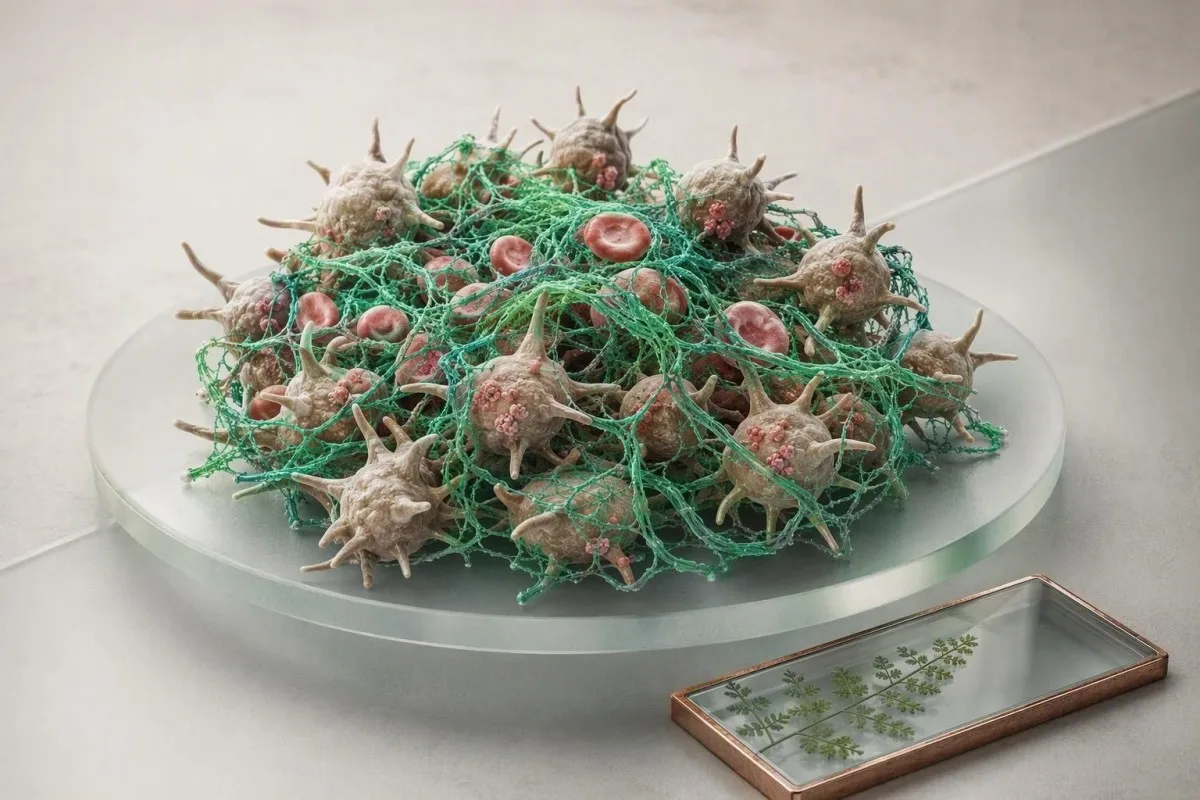
النتائج الفحص الطبيعية مطمئنة، لكنها تختبر فقط أجزاء مختارة من عملية تخثر الدم. الكدمات، والدورات الشهرية الغزيرة، والجلطات، والتاريخ العائلي، والأدوية قد تبرر إجراء اختبارات مستهدفة.


- نورمال PT او aPTT لا تستبعد مرض فون ويلبراند، أو اضطرابات وظائف الصفائح الدموية، أو نقص العامل XIII، أو نقص العوامل الخفيف، أو معظم حالات تخثر الدم الوراثية.
- PT البالغين النموذجي حوالي 10-13 ثانية و INR حوالي 0.8-1.2 بدون الوارفارين، ولكن يجب على كل مختبر تقديم فترته المرجعية الخاصة.
- عادي aPTT غالبًا ما تكون 25-35 ثانية؛ نتيجة طبيعية لا تستبعد بشكل موثوق نقص العامل VIII أو IX أو XI الخفيف.
- درنه حیض وینه الذي يتطلب تغيير الحماية كل ساعة لأكثر من ساعتين متتاليتين يستدعي تقييمًا سريريًا عاجلاً حتى عندما تكون نتائج الفحص طبيعية.
- د پلیټلیټ شمېر تقيس الكمية، وليس الأداء؛ يمكن أن يتواجد عدد 250 × 10⁹/لتر مع اضطراب وظيفي مهم سريريًا في الصفائح الدموية.
- D-dimer يساعد في استبعاد الجلطات الوريدية فقط عندما يكون الاحتمال قبل الاختبار منخفضًا أو متوسطًا ويتم استخدام مسار معتمد.
- اختبار عامل فون ويلبراند يُفسر بشكل أفضل باستخدام العامل الثامن وأخذ عينات متكررة لأن الإجهاد والحمل والالتهاب والإستروجين يمكن أن ترفع النتائج مؤقتًا.
- بیړني نښې تشمل السعال المصحوب بدم، وضيق التنفس المفاجئ، وتورم الساق من جانب واحد، وأعراض عصبية جديدة، وبراز أسود، أو نزيف غير منضبط.
لماذا لا تنهي النتائج الفحص الطبيعية التحقيق
لا تستبعد اختبارات PT و INR و aPTT الطبيعية جميع اضطرابات النزيف أو التخثر. تقوم بشكل أساسي بتقييم مسارات تخثر البلازما المختارة، بينما تظل وظيفة الصفائح الدموية وعامل فون ويلبراند والعامل XIII والعديد من مخاطر التخثر غير مرئية. اعتبارًا من 22 أغسطس 2026، يعتبر هذا التمييز نقطة انطلاق مفيدة لشرح نتائج لوحة التخثر.
في ممارستي السريرية، الخطأ الشائع هو التعامل مع لوحة طبيعية كشهادة براءة عالمية. إنها ليست كذلك. PT يقوم بفحص المسار الخارجي والمشترك؛; د APTT يقوم بفحص المسار الداخلي والمشترك؛ لا يقيس أي منهما مدى التصاق الصفائح الدموية عند إصابة الأوعية الدموية الصغيرة. يرى الدكتور توماس كلاين هذا بشكل خاص بعد نزيف الأسنان أو فترات الحيض الغزيرة مدى الحياة، عندما تبدو الفحوصات المخبرية طبيعية تمامًا.
کانټیسټي یو دی د AI د وینې معاینې شنونکی والتي تقرأ قيم التخثر بجانب تعداد الدم الكامل، وعلامات الكبد، والأدوية، والأعراض المبلغ عنها بدلاً من إعلان نتيجة “جيدة” ببساطة. يؤكد العدد الطبيعي للصفائح الدموية الذي يتراوح بين 150-450 × 10⁹/لتر وجود عدد كافٍ من الصفائح الدموية المنتشرة لمعظم الأشخاص، ولكنه لا يمكن أن يظهر ما إذا كانت هذه الصفائح الدموية تتواصل وتتجمع بشكل طبيعي. د بشپړ وینې شمېر لارښود کې تشرح لماذا يكون العد والوظيفة سؤالين منفصلين.
نموذج ذهني مفيد يتكون من ثلاث طبقات: جدار الوعاء الدموي، والصفائح الدموية، وبروتينات التخثر. تفحص PT و aPTT الطبقة الثالثة في الغالب. إذا كان لدى شخص ما نزيف في الأنف يستمر لمدة 25 دقيقة، ونزيف في اللثة، وفقر دم بسبب نقص الحديد من الحيض، وأحد الوالدين لديه أعراض مشابهة، فإن هذا التاريخ يحمل وزنًا تشخيصيًا أكبر من فحص واحد طبيعي.
ما تعنيه النتيجة الطبيعية فعليًا
تعني لوحة فحص طبيعية أن وقت التخثر المقاس يقع ضمن فترة المختبر المعنية في ظل ظروف هذا الفحص. لا يثبت ذلك أن الإرقاء سيكون طبيعيًا أثناء الجراحة أو الولادة أو الصدمة أو التعرض لمضادات التخثر.
ما تقيسه فعليًا اختبارات PT و INR و aPTT
تقيس PT و INR و aPTT الوقت الذي تستغرقه بلازما المختبر لتكوين الفيبرين بعد إضافة كواشف اصطناعية. إنها فحوصات للمسارات، وليست اختبارات مباشرة لخطر النزيف في الجسم كله أو لمعرفة ما إذا كان الشخص يعاني من جلطة خطيرة.
A PT حوالي 10-13 ثانية, INR 0.8–1.2، او aPTT حوالي 25-35 ثانية هي فترات طبيعية شائعة لدى البالغين الذين لا يستخدمون مضادات التخثر، على الرغم من أن الكواشف تختلف بما يكفي بحيث يفوز النطاق الخاص بالتقرير. يوحد INR معيار PT بشكل أساسي لمراقبة الوارفارين؛ وهو ليس مقياسًا عالميًا لـ “سمك الدم”. لا يخبرنا INR 1.1 ما إذا كان الأسبرين قد أضعف وظيفة الصفائح الدموية.
يصبح PT مطولًا عندما يكون العامل VII منخفضًا، أو تقل نسبة فيتامين K المتاحة، أو يكون الوارفارين نشطًا، أو تكون وظيفة الكبد الاصطناعية ضعيفة. يمكن أن يصبح aPTT أطول مع الهيبارين، ومضاد التخثر الذئبي، ونقص العوامل VIII أو IX أو XI أو XII. نمط لوړ PT د نورمال aPTT سره يضيق الاحتمالات، ولكن القيم الطبيعية لا تعكس المنطق.
مريضة تبلغ من العمر 42 عامًا قمت بمراجعتها كان لديها aPTT 29 ثانية قبل إجراء، لكنها أصيبت بنزيف مفرط في موقع الجراحة. كشفت إعادة التاريخ عن نزيف في الأنف في الطفولة ونزيف حيض غزير لدى الأم؛ دعمت الاختبارات اللاحقة مرض فون ويلبراند. لقد أدت الفحص وظيفتها - ببساطة لم يتم تصميمها للإجابة على السؤال النهائي.
اضطرابات النزيف التي قد تفوتها اختبارات PT و aPTT الطبيعية
مرض فون ويلبراند واضطرابات الصفائح الدموية النوعية هما السببان الأكثر شيوعًا للنزيف المخاطي الجلدي مع PT و aPTT طبيعيين. نقص العامل XIII، الهيموفيليا الخفيفة، اضطرابات النسيج الضام، وأسباب أمراض النساء الموضعية هي احتمالات أخرى.
مرض فون ويلبراند (VWD) يصيب حوالي 0.1% من الناس بمستوى ذي أهمية سريرية، على الرغم من أن قياسات VWF المنخفضة أكثر تواترًا. يسبب عادة نزيف الأنف المتكرر، سهولة الكدمات، نزيف الأسنان المطول، ونزيف الدورة الشهرية الغزير. توصي المبادئ التوجيهية التشخيصية لـ ASH/ISTH/NHF/WFH باختبار مستضد VWF، ونشاط VWF المعتمد على الصفائح الدموية، واختبار العامل الثامن عندما يثير تاريخ النزيف الشكوك (James et al., 2021).
اضطرابات وظائف الصفائح الدموية يمكن أن تنتج PT، aPTT، وعدد الصفائح الدموية طبيعيًا. يمكن أن تؤثر الأسبرين على وظائف الصفائح الدموية لمدة عمر الصفائح الدموية - حوالي 7-10 أيام - بينما يكون تأثير الإيبوبروفين أقصر ومتغيرًا؛ قد تكون المكملات مثل زيت السمك، الجنكة، والثوم بجرعة عالية مهمة حول الإجراءات، على الرغم من أن الأدلة على الانقطاع الروتيني مختلطة. أ عدد الصفائح الدموية قبل استخراج الأسنان مفيد، ولكنه لا يمكن أن يحل محل تاريخ النزيف.
يثبت العامل XIII الفيبرين بعد النقطة النهائية التي تقاس بواسطة PT و aPTT، لذلك يمكن أن يؤدي النقص الشديد إلى بقاء كلتا الفحصين طبيعيتين. إنه نادر، ولكن النزيف المتأخر المتكرر بعد الإجراء، ضعف التئام الجروح، أو نزيف الحبل السري غير المعتاد عند حديثي الولادة يجب أن يستدعي نصيحة أخصائي. لهذا السبب لا يجب أن يتجاوز “لوحة التخثر الطبيعية” أبدًا ظاهرة سريرية لافتة.
لماذا قد تحتاج اختبارات VWF إلى التكرار أحيانًا
VWF هو تفاعلي طور حاد: يمكن أن يرفعه التمرين، العدوى، القلق، الحمل، الاستروجين، وحتى تجربة أخذ العينة. قد يحتاج نتيجة شبه طبيعية تم الحصول عليها أثناء مرض حاد إلى تكرارها عندما يكون المريض بصحة جيدة سريريًا، عادةً مع خطة أمراض دم.
نمط النزيف يوجه الاختبار التالي بشكل أفضل من PT غالبًا
نزيف الغشاء المخاطي يشير أولاً إلى مشاكل الصفائح الدموية أو فون ويلبراند، بينما يشير نزيف العضل العميق وتورم المفاصل المتكرر إلى نقص عامل التخثر. النمط ليس مثاليًا، ولكنه يحدد ما إذا كان المتابعة يجب أن تركز على VWF، وظائف الصفائح الدموية، العوامل، أو التشريح.
النقاط النزفية، نزيف اللثة، نزيف الأنف المتكرر، نزيف الأسنان الفوري بعد الأسنان، وفترات الحيض الغزيرة هي كلاسيكيًا مؤشرات على التخثر الأولي أدوات. غالبًا ما تكون أداة تقييم النزيف الموحدة أكثر كشفًا من السؤال “هل تعاني من الكدمات بسهولة؟” لأن الجميع تقريبًا يعانون من ذلك من وقت لآخر. التفصيل الذي يغير قلقي هو الكدمات الأكبر من 5 سم دون صدمة واضحة، أو النزيف الذي يحتاج إلى رعاية طبية.
النزيف الدموي العميق، النزيف المتأخر بعد 24-48 ساعة من الجراحة، ونزيف المفاصل أكثر دلالة على نقص العوامل. قد لا يزال الهيموفيليا الخفيفة تعطي aPTT طبيعيًا اعتمادًا على الفحص ومستوى العامل، خاصة عندما يكون نشاط العامل الثامن أو التاسع فوق حوالي 30-40 وحدة دولية / ديسيلتر. فحص العامل - وليس فحص عام متكرر - يجيب على هذا السؤال.
فقر الدم يوفر فحصًا مفيدًا. انخفاض الهيموجلوبين، وانخفاض الفيريتين، وزيادة عدد الصفائح الدموية، والدورات الشهرية الغزيرة قد تعكس فقدان الحديد المزمن حتى عندما تكون PT و aPTT طبيعية؛ استعرض قيم الفيريتين عند النساء جنبًا إلى جنب مع قصة النزيف. السبب في أهمية هذا المزيج هو الخسارة التراكمية: دورة شهرية “طبيعية” واحدة لا تهم، ولكن سنوات من الخسارة تهم.
يمكن أن تحاكي مشاكل الجلد والأنسجة الضامة مشكلة تخثر
يمكن أن تسبب متلازمات إهلرز دانلوس، والتعرض للستيرويدات، وشيخوخة الجلد، ونقص فيتامين C كدمات دون وجود فحص تخثر غير طبيعي. يبحث الأطباء عادةً عن فرط حركة المفاصل، وهشاشة الجلد، وتاريخ النظام الغذائي والأدوية قبل طلب لوحات عوامل واسعة.
لماذا لا تستبعد النتائج الفحص الطبيعية وجود جلطة
لا تستبعد PT و INR و aPTT الطبيعية تجلط الأوردة العميقة، والانسداد الرئوي، ومتلازمة الأجسام المضادة للفوسفوليبيد، أو اضطرابات التخثر الموروثة. تقيس هذه الفحوصات سرعة التخثر في بلازما مُحضّرة، وليس ما إذا كانت جلطة قد تشكلت في ساق أو رئة أو وعاء دموي آخر.
لا يعني aPTT الطبيعي أن الشخص محمي من التخثر؛ في الواقع، تنتج بعض حالات التخثر المفرط عدم وجود أي شذوذ فحص. يتطلب اختبار Factor V Leiden، و prothrombin G20210A، ونقص بروتين C، ونقص بروتين S، ونقص مضاد الثرومبين اختبارات موجهة، وتتأثر النتائج بسهولة أثناء الحمل، أو التخثر الحاد، أو العلاج بمضادات التخثر. يحذر Connors (2017) من أن اختبار اضطرابات التخثر غير التمييزي غالبًا ما يسبب الارتباك دون تغيير الرعاية.
عند الاشتباه في انسداد رئوي،, ضيق تنفس مفاجئ غير مبرر، ألم صدري جنبي، سعال دموي، إغماء، أو نبض سريع يستدعي تقييمًا طارئًا في نفس اليوم بغض النظر عن PT أو aPTT. بالنسبة للاشتباه في تجلط الأوردة العميقة، فإن تورم الساق أحادي الجانب، أو الدفء، أو الألم يحتاج إلى تحديد درجة الاحتمالية السريرية والموجات فوق الصوتية بدلاً من الاطمئنان من لوحة الفحوصات.
يكون اختبار D-dimer أكثر فائدة عندما تكون الاحتمالية قبل الاختبار منخفضة أو متوسطة. عند البالغين الذين تزيد أعمارهم عن 50 عامًا، تستخدم العديد من المسارات المعتمدة عتبة معدلة حسب العمر تبلغ العمر × 10 نانوغرام / مل FEU؛ لذلك، يبلغ عمر الشخص البالغ 70 عامًا عتبة 700 نانوغرام / مل FEU في تلك المسارات. اقرأ الفروق الدقيقة في دليل دقة D-dimer.
D-dimer والفيبرينوجين يضيفان أدلة، وليس إجابات نهائية
D-dimer حساس ولكنه غير محدد، بينما يمكن أن يكون الفيبرينوجين مرتفعًا أثناء الالتهاب وطبيعيًا في وقت مبكر من المرض الخطير. لا ينبغي تفسير أي من الاختبارين بمعزل عن الأعراض، والتوقيت، وقرارات التصوير، وبقية لوحة التخثر.
يرتفع D-dimer عند تكسير الفيبرين المتشابك، لذا يمكن أن يزيد مع العمر والحمل والسرطان والجراحة والصدمات والعدوى ودخول المستشفى - وليس فقط مع التخثر. لا يعتبر D-dimer بقيمة 1200 نانوغرام / مل FEU لدى مريض بعد 10 أيام من جراحة الركبة تشخيصًا للجلطة؛ الأعراض والتصوير يحددان الخطوة التالية. على العكس من ذلك، قد يكون الانخفاض كاذبًا مطمئنًا إذا تم سحبه بعد العلاج بمضادات التخثر أو في وقت متأخر جدًا من المرض.
فایبرینوجن يكون عادة حوالي 2.0-4.0 جم / لتر، ولكن الطرق تختلف. يمكن أن تساهم القيمة التي تقل عن 1.5 جم / لتر في النزيف الإجرائي، وغالبًا ما تتطلب المستويات التي تقل عن 1.0 جم / لتر لدى مريض ينزف بنشاط قرارات استبدال عاجلة بقيادة المستشفى؛ هذا يعتمد على السياق بدلاً من عتبة الإدارة المنزلية. د فایبرینوګن ازموینې لارښود يوضح سبب إخفاء المستويات المرتفعة للاستهلاك في وقت مبكر.
Kantesti AI يميز الأنماط المتناقضة - على سبيل المثال، PT مطول مع انخفاض الفيبرينوجين، وانخفاض الصفائح الدموية، ومرض حاد - كنمط مراجعة عاجل بدلاً من إعطاء معنى لرقم واحد. Kantesti هو د AI بایومارکر تفسیر پلیټفارم مصمم للحفاظ على هذه العلاقات عندما يقارن المستخدمون النتائج عبر تواريخ مختلفة.
D-dimer الطبيعي ليس نهائيًا عالميًا
يمكن لاختبار D-dimer سلبي عالي الحساسية أن يقلل بأمان من الحاجة إلى التصوير فقط بعد أن يقيم الطبيب أن الشخص لديه خطر منخفض أو متوسط باستخدام مسار معتمد. الحمل والجراحة الحديثة والاحتمالية السريرية العالية تغير هذه المعادلة.
الأدوية والمكملات الغذائية وأخطاء الجمع يمكن أن تشوه النتائج
يمكن لمضادات التخثر، والأدوية المضادة للصفائح الدموية، والأخطاء ما قبل التحليلية أن تجعل نتائج التخثر تبدو طبيعية أو غير طبيعية بشكل غير متوقع. قائمة الأدوية وطريقة جمع العينة غالباً ما تكون مفيدة بنفس قدر النتيجة الرقمية.
الوارفارين عادة ما يرفع INR، والهيبارين غير المجزأ غالباً ما يطيل aPTT، ومضادات التخثر الفموية المباشرة يمكن أن تؤثر بشكل متفاوت على PT و aPTT والاختبارات المتخصصة. لا يمكن أن يؤكد PT أو aPTT الطبيعي غياب أو عدم نشاط الأبيكسابان أو الريفاروكسابان أو الدابيغاتران أو الإيدوكسابان. غالباً ما تكون هناك حاجة لمستويات دواء معايرة محددة قبل الجراحة العاجلة أو للنزيف الشديد.
يجب أن تحتوي الأنبوبة الزرقاء الفاتحة المحتوية على الستريه على نسبة الدم الصحيحة إلى مضاد التخثر. قد يؤدي التقليل من ملئها إلى تطويل PT و aPTT بشكل خاطئ، وقد يتطلب الهيماتوكريت الذي يزيد عن 55% تعديل حجم الستريه لأن الستريه الزائد يرتبط بالكالسيوم كثيراً أثناء الاختبار. هذه التفاصيل مملة حتى تمنع التحقيق في حالة طوارئ غير ضرورية.
في مراجعاتنا، نسأل أيضاً عن التوقيت: آخر جرعة، وظائف الكلى، الإسهال، المضادات الحيوية، استهلاك الكحول، والمنتجات العشبية الجديدة. أ السجل الزمني لاختبارات الدم يساعد في فصل التغير الفسيولوجي الحقيقي عن القياس غير الدقيق بسبب التوقيت السيئ. لا تتوقف عن تناول مضادات التخثر الموصوفة بناءً على اختبار معملي دون خطة صريحة من الطبيب الواصف.
لماذا نتائج الكبد مهمة
ينتج الكبد معظم عوامل التخثر، لذا فإن PT غير الطبيعي قد يكون مؤشراً مبكراً على وظيفة التصنيع عندما تتغير البيليروبين أو الألبومين أو إنزيمات الكبد أيضاً. لا يمكن لـ PT وحده تشخيص أمراض الكبد، ولا يستبعد PT الطبيعي الأمراض المبكرة.
متى تبرر الأعراض إجراء اختبارات فون ويلبراند أو الصفائح الدموية
يعتبر اختبار VWF الموجه واختبار الصفائح الدموية معقولاً عندما يكون النزيف متكرراً، أو غير متناسب، أو عائلي، أو مرتبطاً بنقص الحديد - حتى مع وجود PT و aPTT طبيعيين. يكون الاختبار أكثر إنتاجية عند طلبه بناءً على سؤال سريري واضح بدلاً من كونه فحصاً شاملاً.
تشمل أسباب السؤال: فترات الحيض الغزيرة منذ البلوغ، نزيف ما بعد الولادة، نزيف الأسنان المفرط، نزيفان أنفيان عفويان أسبوعياً أو أكثر، كدمات كبيرة متكررة، أو وجود قريب من الدرجة الأولى مصاب باضطراب نزيف مشخص. يؤثر نزيف الحيض الغزير على ما يصل إلى 30% من المرضى في سن الإنجاب، ولكن مجموعة فرعية فقط لديها اضطراب تخثر موروث؛ التاريخ المرضي يحدد من يستفيد من التقييم.
يتضمن تقييم VWD عادةً مستضد VWF، ونشاط VWF المعتمد على الصفائح الدموية، ونشاط العامل الثامن. يستخدم دليل ASH/ISTH/NHF/WFH لعام 2021 VWF أقل من 0.30 وحدة دولية/مل لتأكيد النوع 1 من VWD بغض النظر عن النزيف، و 0.30–0.50 وحدة دولية/مل لدى شخص يعاني من نزيف غير طبيعي؛ لا يزال التفسير يتطلب خبرة في الفحص المحلي (James et al., 2021).
دراسات تجميع الصفائح الدموية متخصصة، حساسة للإعداد، وليست اختباراً أولياً منطقياً لكل كدمة. قد يتم النظر فيها بعد تقييم تأثير الأدوية، نقص الصفائح الدموية، و VWD. يمكن للذكاء الاصطناعي تنظيم ملخص الأعراض والنتائج للطبيب، ولكن التشخيص يتطلب متخصصاً معالجاً، وغالباً، مختبر تخثر.
الحمل يتطلب خط أساس مختلف
يزداد VWF والعامل الثامن بشكل طبيعي أثناء الحمل، لذا قد تبدو القيمة المنخفضة السابقة طبيعية في أواخر الحمل. يحتاج المرضى الذين يعانون من نزيف ما بعد الولادة سابقاً أو VWD مثبت إلى خطة طبية نسائية-دموية قبل الولادة، وليس مجرد فحص واحد في الثلث الثالث من الحمل.
ما يحدث عندما تكون PT أو aPTT غير طبيعية
تساعد دراسة الخلط في التمييز بين نقص عامل التخثر أو وجود مثبط عندما يكون PT أو aPTT مطولاً. يشير التصحيح بعد خلط بلازما المريض مع البلازما الطبيعية إلى النقص؛ يشير الاستمرار في التطويل إلى وجود مثبط أو تأثير دواء.
الاختبار بسيط بشكل خادع: يجمع المختبر أجزاء متساوية من بلازما المريض والبلازما المجمعة الطبيعية، ثم يعيد فحص التخثر فوراً وأحياناً بعد الحضانة. يشير التصحيح نحو فاصل المرجع إلى نقص في العامل؛ قد يشير الفشل في التصحيح إلى وجود مضاد للتخثر الذئبي، أو مثبط محدد للعامل، أو تأثير دواء. شارح دراسة الخلط الخاص بنا يغطي المنطق بتفصيل أكبر.
مضاد التخثر الذئبي يطيل بشكل شائع زمن الثرومبوبلاستين الجزئي المنشط في المختبر ولكنه يرتبط بخطر التجلط بدلاً من النزيف. هذا التناقض الظاهري يقلق المرضى، وهو أمر مفهوم. يصبح النزيف مصدر قلق بشكل أساسي عندما يكون هناك مشكلة ثانية - مثل نقص الصفائح الدموية، أو انخفاض البروثرومبين في حالات نقص البروثرومبين الذئبي النادرة، أو العلاج المضاد للتخثر.
تقيس معايرات العوامل النشاط بوحدات IU/dL أو IU/mL، واختيار المعايرة مهم. يتم اكتشاف بعض أنواع الهيموفيليا A الخفيفة بشكل مختلف بواسطة معايرات العامل الثامن أحادية المرحلة مقابل المعايرات الكروموجينية، لذلك قد يتم تكرار المعايرة الأولية الطبيعية بشكل عرضي بطريقة أخرى في مركز متخصص. هذا مثال كلاسيكي على قيود اختبار التخثر كونها منهجية، وليست وهمية.
لا تفسر دراسات الخلط بمفردها
تعتمد أنماط دراسات الخلط على حساسية الكاشف، والاحتضان، ودرجة التشوه. يدمج أخصائي أمراض الدم هذه الدراسات مع زمن الثرومبين، واختبار مضاد Xa، ومستويات العوامل، والتعرض للأدوية قبل تسمية الاضطراب.
متى يكون اختبار تخثر الدم الوراثي مفيدًا - ومتى لا يكون كذلك
عادة ما يتم حجز اختبارات التخثر الوراثي للأشخاص المختارين الذين يعانون من تجلط غير مبرر أو في موقع غير عادي، أو أنماط عائلية قوية، أو في القرارات التي قد يغير فيها النتيجة الإدارة. لا يستبعد أو يؤسس اختبار زمن البروثرومبين والثرومبوبلاستين الجزئي المنشط الطبيعي خطر التجلط الوراثي.
نادراً ما يكون الاختبار مفيداً بعد تجلط مبرر بوضوح بسبب جراحة كبيرة، أو عدم الحركة لفترة طويلة، أو عامل خطر مؤقت، لأن مدة العلاج مدفوعة عادة بالحدث وخطر النزيف. أكد كونورز (2017) أن المتغير الوراثي الإيجابي غالباً لا يغير قرارات مضادات التخثر بعد الانسداد الوريدي الشائع الأول. ومع ذلك، قد تكون النتيجة مهمة في سياقات مختارة بعناية لتخطيط الأسرة أو تجلط غير عادي.
يمكن تقليل قيم بروتين C، وبروتين S، والثرومبين المضاد بواسطة التجلط الحاد، والحمل، وأمراض الكبد، وفقدان البروتين في النطاق الكلوي، ومضادات التخثر. يمكن للاختبار خلال تلك الفترات أن يضع علامة خاطئة على شخص ما. في الممارسة العملية، غالباً ما يختار أخصائي أمراض الدم التوقيت بعد الحدث الحاد وبعد مراجعة ما إذا كان يمكن إيقاف العلاج بأمان - إذا كان الاختبار ذا قيمة.
متلازمة الأجسام المضادة للفوسفوليبيد مختلفة: إنها مكتسبة، وتتطلب أجساماً مضادة إيجابية مستمرة بفاصل 12 أسبوعاً على الأقل، ويمكن أن تؤثر على اختيار العلاج. زمن الثرومبوبلاستين الجزئي المنشط الطبيعي لا يستبعدها. بالنسبة للأشخاص الذين يعانون من السكتة الدماغية، أو تكرار موربيديتي الحمل، أو الجلطات غير المبررة، يجب أن يكون السؤال “هل سيغير هذا الاختبار خطتي؟” بدلاً من “هل يمكننا اختبار كل شيء؟”
التاريخ العائلي يحتاج إلى دقة
“كان لدى جدتي جلطة في سن 82” أقل إثارة للقلق من أحد الوالدين أو الأشقاء الذين يعانون من جلطة غير مبررة قبل سن الخمسين، أو أحداث متكررة، أو موقع غير عادي مثل تجلط الوريد الدماغي. الأعمار الدقيقة، والمحفزات، والتشخيصات أكثر فائدة من قائمة عائلية طويلة غير مؤكدة.
النتائج الطبيعية قبل الجراحة أو طب الأسنان أو الولادة
لا يضمن زمن البروثرومبين والثرومبوبلاستين الجزئي المنشط الطبيعي قبل الإجراء نزيفاً جراحياً طبيعياً، لذا يظل تاريخ النزيف المنظم هو الفحص الأول الأفضل. يجب الكشف عن نزيف سابق غير متوقع في الأسنان، أو العمليات الجراحية، أو بعد الولادة حتى لو كانت لوحة ما قبل الجراحة طبيعية.
اختبارات زمن البروثرومبين والثرومبوبلاستين الجزئي المنشط الروتينية لدى الأشخاص ذوي المخاطر المنخفضة الذين ليس لديهم تاريخ نزيف لها إنتاجية ضعيفة ويمكن أن تخلق تأخيرات بسبب تشوهات تافهة. تاريخ نقل الدم، أو العودة إلى غرفة العمليات، أو إعادة التعبئة للجرح، أو نزيف ما بعد الولادة، أو النزيف المطول بعد خلع الأسنان أكثر تنبؤاً. سيقرر أطباء التخدير والجراحون بعد ذلك ما إذا كانت اختبارات VWF، أو معايرات العوامل، أو رأي أمراض الدم مناسبة.
بالنسبة لإجراءات الأسنان، لا تفترض أنه يجب إيقاف كل مضاد للتخثر. العديد من الإجراءات الطفيفة أكثر أماناً مع تدابير وقف النزيف الموضعي وخطة يقودها وصف الطبيب بدلاً من التوقف غير المراقب الذي يخلق خطر التجلط. غالباً ما يكون عدد الصفائح الدموية فوق 50 × 10^9/لتر كافياً للعديد من الإجراءات الغازية، ولكن نوع الإجراء ووظيفة الصفائح الدموية يمكن أن يغير هذا الحد بشكل كبير.
يضيف المخاض تغيراً فسيولوجياً سريعاً: يمكن أن تنخفض مستويات VWF مرة أخرى نحو خط الأساس في غضون أيام إلى أسابيع بعد الولادة. يجب أن يكون لدى الشخص الذي يعاني من نزيف شديد سابق بعد الولادة خطة موثقة للولادة، أو حمض الترانيكساميك، أو دعم العوامل حيثما كان ذلك ضرورياً، والمتابعة. د امیندوارۍ د پلیټلیټونو رینجونو توفر سياقاً مفيداً ولكنها لا تحل محل تلك الخطة.
ما يجب إحضاره إلى زيارة ما قبل الجراحة
أحضر ملاحظات العمليات السابقة إذا كانت متوفرة، والقائمة الدقيقة للأدوية والمكملات الغذائية، وتشخيصات العائلة، وتواريخ نوبات النزيف السابقة. عبارة غامضة “أنا أنزف كثيراً” مفهومة ولكنها أقل قابلية للتنفيذ من “كانت هناك حاجة إلى التعبئة بعد الاستخراج لمدة 18 ساعة”.”
كيفية قراءة نتائج تخثر الدم في السياق السريري
تكون نتائج التخثر الأكثر موثوقية عند تفسيرها كنمط عبر CBC، وملف الكبد، ووظائف الكلى، والتعرض للأدوية، والتوقيت. نادراً ما يروي وقت تخثر طبيعي أو غير طبيعي القصة كاملة.
قد يعكس مؤشر التخثر (INR) المنفرد البالغ 1.3 لدى شخص سليم تنوع الكاشف، أو النظام الغذائي، أو تأثير فيتامين ك المبكر، أو التعامل مع العينة؛ ويستحق التأكيد قبل الإنذار. وجود INR 1.3 مع اليرقان، وانخفاض الألبومين، وارتفاع البيليروبين، وكدمات، يمثل صورة سريرية مختلفة جدًا. مراجعة د ځیګر پینل اجزا (components) بیاکتنه وکړئ بدلاً من اعتبار زمن البروثرومبين (PT) كاختبار كبدي مستقل.
الصفائح الدموية التي تقل عن 50 × 10⁹/لتر تزيد من خطر النزيف للعديد من الإجراءات، في حين أن العد التنازلي السريع يمكن أن يكون مهمًا حتى قبل أن يتجاوز هذا الخط. العد التنازلي من 280 إلى 110 × 10⁹/لتر خلال 48 ساعة يحتوي على معلومات لا يوفرها رقم 110 لمرة واحدة. هذا هو السبب في أن الاتجاهات، وتعليقات العينة، والحالة السريرية مهمة.
کانټیسټي یو دی د AI پر بنسټ د وینې ازموینې تحلیل وسیله المستخدمة في بلدان 127+ لمقارنة النتائج مع فترات مختبرهم والقيم السابقة. دليل مقارنة اختبارات الدم لدينا مبني على تلك الحقيقة العملية: الأرقام هي لقطات، لكن القرارات تعتمد عادةً على الاتجاه والسياق.
لا “تصحح” نتيجة طبيعية
لا ينبغي البدء بتناول فيتامين ك، أو الحديد، أو الأعشاب، أو المكملات الغذائية لمجرد تحسين رقم تخثر طبيعي يقع بالفعل ضمن النطاق. العلاج يتبع سببًا - نقص غذائي، إدارة الوارفارين، مرض كبدي، أو اضطراب محدد - وليس الرغبة في وقت تخثر محسّن.
الأعراض التي تحتاج إلى عناية عاجلة رغم نتائج الفحص الطبيعية
اطلب تقييمًا طارئًا للنزيف غير المنضبط، أو البراز الأسود أو الدموي، أو السعال الدموي، أو أعراض الصدر المفاجئة، أو تورم الساق أحادي الجانب، أو الإغماء، أو ضعف أو صعوبة الكلام الجديدة - حتى لو كانت نتائج PT و aPTT طبيعية. تتطلب هذه الأعراض الفحص، أو التصوير، أو تكرار الاختبار الذي لا يمكن أن توفره لوحة فحص روتينية.
اتصل بخدمات الطوارئ عند ضيق التنفس المفاجئ، أو ألم الصدر، أو الانهيار، أو السعال الدموي، أو ضعف أحادي الجانب جديد. يمكن أن تشير هذه إلى انسداد رئوي، أو أمراض القلب، أو سكتة دماغية، أو حالات أخرى حساسة للوقت، والانتظار للحصول على نتائج تخثر المرضى الخارجيين غير آمن. لا ينطبق اختبار D-dimer الطبيعي أو aPTT من الأسبوع الماضي تلقائيًا على الأعراض اليوم.
التقييم العاجل في نفس اليوم يكون منطقيًا للنزيف الذي لا يتوقف مع ضغط مستمر قوي لمدة 15-20 دقيقة، أو القيء الدموي، أو البراز الأسود القطري، أو الدم المرئي في البول، أو الصداع الشديد بعد إصابة في الرأس، أو النزيف المهبلي الغزير جدًا مع الدوار. يجب أن يكون لدى المرضى الذين يتناولون الوارفارين، أو مضادات التخثر الفموية المباشرة، أو الهيبارين، أو الأسبرين، أو العلاج المزدوج بمضادات الصفيحات عتبة أقل لطلب النصيحة.
أقلق أيضًا عندما تحدث التعب، الشحوب، ضيق التنفس عند صعود السلالم، والنزيف الغزير معًا لأن الهيموجلوبين يمكن أن ينخفض بصمت. دليل نقص الهيماتوكريت يساعد في شرح الجانب المخبري، ولكن الأعراض تحدد الاستعجال. لا تقود السيارة بنفسك إذا شعرت بالإغماء.
ما تقوله في العناية العاجلة
اذكر وقت بدء الأعراض، واسم دواء مضاد التخثر وجرعته الأخيرة، وحالة الحمل، وتاريخ التخثر أو النزيف السابق، والنتائج الدقيقة إذا كانت متاحة. هذه التفاصيل الخمسة يمكن أن تسرع الفرز الآمن أكثر من قائمة طويلة من العلامات المخبرية الهامشية.
كيفية الاستعداد لزيارة متابعة مدفوعة بالأعراض
الموعد اللاحق الأكثر فائدة يجمع بين تاريخ نزيف أو تخثر مؤرخ والتوقيت الدقيق للأدوية والتقرير المخبري الأصلي. هذا يسمح للطبيب باختيار عدد قليل من الاختبارات عالية الإنتاجية بدلاً من تكرار لوحة تخثر عامة.
سجل متى بدأت الأعراض، ومدتها، والمحفزات، وما إذا كان الضغط فعالًا، وما إذا كان العلاج مطلوبًا، والتاريخ العائلي من كلا الجانبين. بالنسبة للدورات، وثّق عدد الأيام الغزيرة، والفيضانات، والتغيرات الليلية، وعلاج الحديد. هذا يحول الاستشارة القائمة على الذاكرة إلى دليل يمكن أن يدعم اختبار VWF أو الإحالة.
أحضر التقرير الكامل، بما في ذلك تاريخ الجمع، ونطاقات المرجع، وتعليقات العينة، وجميع النتائج - وليس فقط العلامة غير الطبيعية. إذا أمكن، قم بتضمين CBC، الفيريتين، لوحة الكبد، ولوحة الكلى الأخيرة. يمكن لـ Kantesti AI إنشاء ملخص زمني واضح من التقارير التي تم تحميلها، بينما د طبي تایید معیارونه تصف حدود التفسير المدعوم بالذكاء الاصطناعي ولماذا يظل التأكيد السريري ضروريًا.
قاعدة الدكتور توماس كلاين العملية بسيطة: لا تطلب “كل اختبارات التخثر”. اسأل أي تشخيص يناسب أعراضك، وأي اختبار سيغير الرعاية، وما إذا كان التوقيت يمكن أن يجعله غير موثوق. هذه المحادثة أكثر هدوءًا وأرخص وعادة ما تكون أكثر دقة.
أسئلة تستحق طرحها
اسأل عما إذا كان نمط النزيف لديك يشير إلى مرض فون ويلبراند أو خلل في الصفائح الدموية، وما إذا كانت الأدوية يمكن أن تفسره، وما إذا كان يجب إجراء اختبار متكرر عند التحسن، وما الذي يجب تغييره قبل إجراء مستقبلي أو حمل. للإشراف المتخصص، يمكن للقراء مراجعة موقعنا د طبي مشورتي بورډ.
الخلاصة العملية للوحات تخثر الدم الطبيعية
لوحة التخثر الطبيعية مطمئنة للمسارات التي تقيسها، لكنها لا تغلق القضية عندما تكون الأعراض أو التاريخ العائلي مقنعة. الخطوة التالية الصحيحة هي اختبار يعتمد على الأعراض، وليس الذعر وليس الرفض.
إذا لم يكن لديك نزيف غير عادي، ولا أعراض تجلط، ولا أدوية ذات صلة، ولا تاريخ عائلي قوي، فإن PT و INR و aPTT الطبيعية مطمئنة بشكل عام. الاختبارات الفحص مفيدة بالضبط لأنها تلتقط العديد من مشاكل العوامل المكتسبة، وآثار الأدوية، وتشوهات المسارات الرئيسية. وهي ليست مخصصة للعثور على كل اضطراب لدى كل شخص.
إذا استمرت الأعراض، فقد تشمل قائمة المتابعة CBC و smear، الفيريتين، مستضد ونشاط VWF، العامل الثامن، اختبار وظائف الصفائح الدموية، الفيبرينوجين، وقت الثرومبين، مستوى anti-Xa، دراسة الخلط، مقايسات العوامل، D-dimer أو التصوير. يجب أن يتطابق الاختبار مع السؤال. للحصول على مرجع تقني مفصل، راجع موقعنا د aPTT او کوګولیشن لارښود.
لا يقوم الذكاء الاصطناعي بـ Kantesti بتشخيص اضطرابات النزيف أو التخثر، ولا تقوم أي نتيجة معزولة بذلك. ما يهدف فريقنا إلى القيام به هو جعل التقرير مقروءًا بما يكفي لمحادثة سريرية أفضل - خاصة عندما “الطبيعي” لا يتطابق مع سلوك جسمك. هذا الاختلاف يستحق أن يؤخذ على محمل الجد.
نقطة أمان أخيرة
لا تقم بتعديل مضادات التخثر الموصوفة، أو العلاج المضاد للصفائح الدموية، أو تناول فيتامين ك بناءً على تفسير عبر الإنترنت فقط. تعتمد الخطة الآمنة على سبب وصف الدواء، وظائف الكلى والكبد، وخطر الإجراء، وعواقب التجلط.
پوښتل شوې پوښتنې
هل يمكن أن أصاب باضطراب نزفي مع وجود زمن البروثرومبين (PT) والزمن الثرومبوبلاستيني الجزئي المفعل (aPTT) طبيعيين؟
نعم. لا تستبعد اختبارات تخثر البروثرومبين (PT) ووقت الثرومبوبلاستين الجزئي المفعل (aPTT) الطبيعية مرض فون ويلبراند، أو اضطرابات الصفائح الدموية النوعية، أو نقص العامل الثالث عشر، أو نقص العوامل الخفيف، أو أسباب الكدمات المرتبطة بأمراض النسيج الضام، أو الأسباب الموضعية للنزيف. عادةً ما يشمل اختبار فون ويلبراند مستضد عامل فون ويلبراند (VWF antigen)، ونشاط عامل فون ويلبراند (VWF activity)، ونشاط العامل الثامن (factor VIII activity)، ويشير انخفاض عامل فون ويلبراند عن 0.30 وحدة دولية/مل إلى النوع الأول من مرض فون ويلبراند بغض النظر عن تاريخ النزيف. تبرر نزيف الأنف المتكرر، أو غزارة الدورة الشهرية، أو نزيف الأسنان غير الطبيعي، أو التاريخ العائلي، مراجعة الطبيب حتى في ظل نتائج الفحص الطبيعي.
ما هو المعدل الطبيعي لـ PT INR و aPTT؟
فترات المرجع القياسية للبالغين هي تقريبًا 10-13 ثانية لوقت البروثرومبين (PT)، و 0.8-1.2 لمؤشر التخثر الطبيعي (INR)، و 25-35 ثانية لوقت الثرومبوبلاستين الجزئي المفعل (aPTT) للأشخاص الذين لا يستخدمون مضادات التخثر. تؤدي كواشف كل مختبر وجهازه إلى إنشاء فترته المعتمدة الخاصة، لذلك فإن النطاق المطبوع على التقرير له الأسبقية. تم تصميم INR بشكل أساسي لتوحيد PT لمراقبة الوارفارين ولا يقيس سماكة الدم الإجمالية. لا يثبت القيمة الطبيعية أن وظيفة الصفائح الدموية أو عامل فون ويلبراند طبيعية.
هل يمكن لـ D-dimer الطبيعي استبعاد الجلطة الدموية؟
يمكن لـ D-dimer الطبي ذي الحساسية العالية المساعدة في استبعاد تجلط الأوردة العميقة أو الانسداد الرئوي فقط عندما يصنف مسار سريري تم التحقق منه الشخص على أنه ذو احتمالية منخفضة أو متوسطة. لدى البالغين فوق سن الخمسين، تستخدم العديد من المسارات قطعًا معدل حسب العمر يبلغ العمر × 10 نانوغرام/مل FEU، مثل 700 نانوغرام/مل FEU عند سن 70. D-dimer أقل فائدة بعد الجراحة، أو أثناء الحمل، أو مع السرطان، أو أثناء المرض الحاد، أو عندما تكون الاحتمالية السريرية عالية. ضيق التنفس المفاجئ، أو ألم الصدر، أو الإغماء، أو تورم ساق أحادية الجانب يحتاج إلى تقييم عاجل بغض النظر عن نتيجة طبيعية سابقة.
لماذا نتائج اختبارات PT و aPTT لدي طبيعية ولكنني أعاني من سهولة في الكدمات؟
سهولة حدوث الكدمات مع طبيعية زمن البروثرومبين (PT) وزمن الثرومبوبلاستين الجزئي المفعل (aPTT) قد تنشأ من خلل وظيفي في الصفائح الدموية، أو مرض فون ويلبراند، أو أدوية مثل الأسبرين، أو ترقق الجلد المرتبط بالستيرويدات، أو اضطرابات النسيج الضام، أو نقص التغذية، أو صدمات عادية. أعداد الصفائح الدموية بين 150 و 450 × 10⁹/لتر تؤكد الكمية ولكن لا تظهر أداء الصفائح. الكدمات الأكبر من 5 سم بدون إصابة واضحة، أو النزيف من اللثة أو الأنف، أو فترات الحيض الغزيرة، أو نقص الحديد تجعل التاريخ الطبي والفحوصات المستهدفة أكثر فائدة. عادةً ما يقوم الطبيب بمراجعة الأدوية، و CBC، والفيريتين، ونمط النزيف قبل طلب فحوصات متخصصة.
هل أكرر فحص التخثر الطبيعي قبل الجراحة؟
إن تكرار فحص زمن البروثرومبين (PT) وزمن الثرومبوبلاستين الجزئي المفعل (aPTT) بشكل روتيني قبل الجراحة ليس ذا فائدة لدى شخص ليس لديه تاريخ نزيفي، أو مرض كبدي، أو تعرض لمضادات التخثر. الحاجة السابقة لنقل الدم، أو العودة إلى غرفة العمليات، أو نزيف طويل الأمد في الأسنان، أو نزيف ما بعد الولادة، أو وجود قريب يعاني من اضطراب نزفي مشخص، تكون ذات صلة أكثر من تكرار الفحص. قد يكون فحص مستضد عامل فون ويلبراند (VWF)، ونشاطه، وعامل VIII أكثر ملاءمة عند وجود هذا التاريخ. لا تتوقف أبدًا عن تناول الوارفارين، أو مضادات التخثر الفموية المباشرة، أو الأسبرين، أو أي دواء آخر مضاد للصفيحات موصوف دون خطة محددة للإجراء من قبل الطبيب الواصف.
هل يمنع اختبار aPTT الطبيعي وجود مضاد للتخثر الذئبي أو متلازمة الأجسام المضادة للفوسفوليبيد؟
لا. لا يستبعد اختبار زمن الثرومبوبلاستين الجزئي المنشط (aPTT) الطبي وجود مضاد للذئبة أو متلازمة أضداد الفوسفوليبيد لأن حساسية الكواشف تختلف وقد يكون لدى بعض الأشخاص المصابين فحوصات مسحية طبيعية. تتطلب متلازمة أضداد الفوسفوليبيد معايير سريرية مثل التخثر الوريدي أو الشرياني أو اعتلالات الحمل المحددة بالإضافة إلى وجود أجسام مضادة إيجابية باستمرار في اختبارات يتم إجراؤها بفارق 12 أسبوعًا على الأقل. يمكن لمضاد الذئبة إطالة زمن الثرومبوبلاستين الجزئي المنشط (aPTT) في المختبر ولكنه قد يرتبط بالتخثر بدلاً من النزيف. يعد التفسير المتخصص مهمًا بشكل خاص إذا حدث تخثر في سن مبكرة، أو تكرر، أو شمل موقعًا غير عادي.
همدا نن د AI په مرسته د وینې ازموینې تحلیل ترلاسه کړئ
له 2M+ څخه زیات کاروونکي په ټوله نړۍ کې زموږ په Kantesti باور لري چې د لابراتوار ازموینو تحلیل په فوري او دقیق ډول کوي. خپل د وینې ازموینې پایلې اپلوډ کړئ او په ثانیو کې د 15,000+ بایومارکرونو بشپړه تشریح ترلاسه کړئ.
📚 د څېړنې خپرونې چې حواله شوې دي
کلین، ټي، مېچېل، ایس، او وېبر، ایچ. (2026). اختبار اليوروبيلينوجين في البول: دليل تحليل البول الشامل 2026. (2026). Zenodo. https://doi.org/10.5281/zenodo.18226379. ResearchGate: https://www.researchgate.net/; Academia.edu: https://www.academia.edu/. Kantesti د AI طبي څېړنه.
کلین، ټي، مېچېل، ایس، او وېبر، ایچ. (2026). دليل دراسات الحديد: TIBC، تشبع الحديد والقدرة على الارتباط. (2026). Zenodo. https://doi.org/10.5281/zenodo.18248745. ResearchGate: https://www.researchgate.net/; Academia.edu: https://www.academia.edu/. Kantesti د AI طبي څېړنه.
📖 بهرني طبي مراجع
جیمز پي ډي او نور . (2021). د ASH ISTH NHF WFH 2021 لارښوونې د von Willebrand ناروغۍ د تشخیص لپاره. Blood Advances.
كونورز ج. م. (2017). اختبارات الثرومبوفيليا وتجلط الأوردة. د نیو انګلنډ د طب ژورنال.
⚕️ طبي ردونه
دا مقاله یوازې د زده کړې لپاره ده او طبي مشوره نه جوړوي. د تشخیص او درملنې د پرېکړو لپاره تل د وړ روغتیايي خدمت وړاندې کوونکي سره سلا وکړئ.
د E-E-A-T باور نښې
تجربه
د ډاکټر تر مشرۍ لاندې کلینیکي بیاکتنه د لابراتواري تفسیر د کاري بهیرونو لپاره.
تخصص
د لابراتواري طب تمرکز پر دې چې بایومارکرونه په کلینیکي شرایطو کې څنګه چلند کوي.
واک ورکول
د ډاکټر توماس کلاین له خوا لیکل شوی، د ډاکټر سارا میچل او پروف. ډاکټر هانس ویبر له خوا بیاکتنه.
اعتبار
د شواهدو پر بنسټ تفسیر د روښانه تعقیبي لارو چارو سره، تر څو اندیښنه کمه شي.