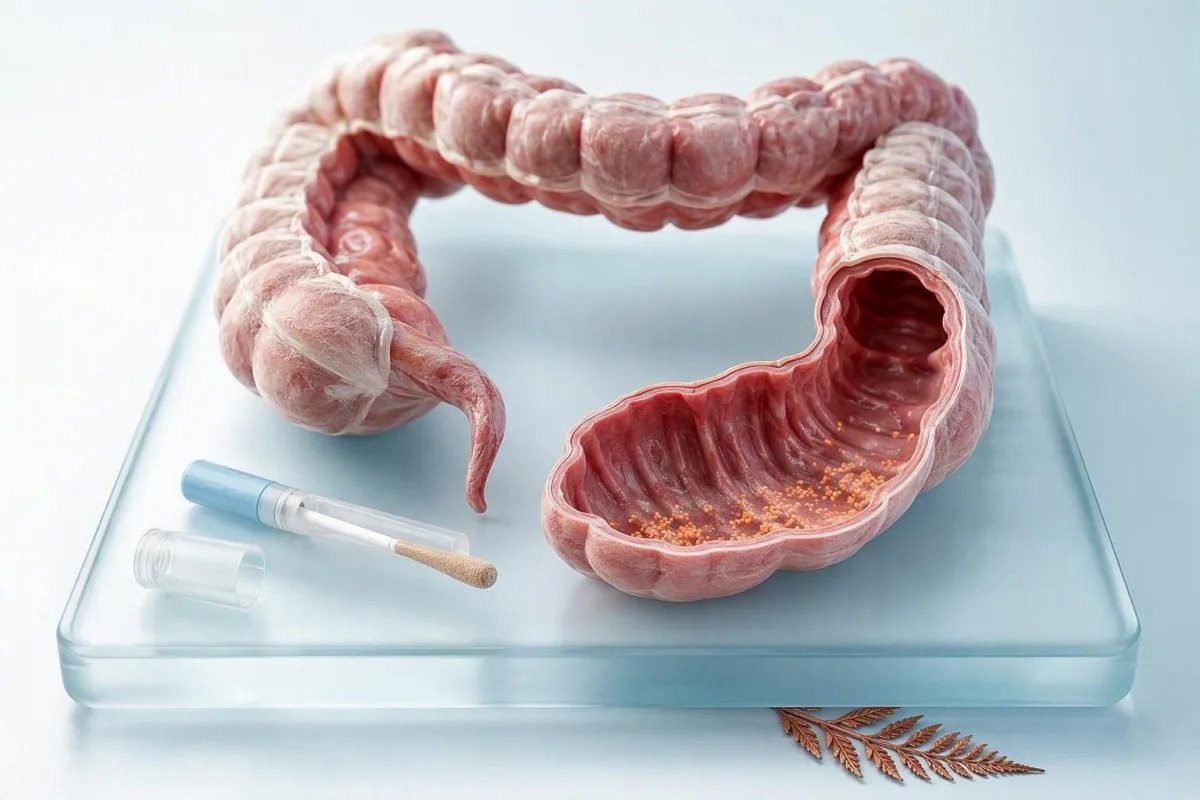
A positibo nga FIT test nagpasabut nga adunay nakit-an nga hemoglobin sa tawo sa imong hugaw. Dili kini makatambal sa kanser, apan nanginahanglan kini og diagnostic colonoscopy—mas maayo nga gihan-ay sulod sa 2 ka semana ug makompleto sulod sa 3 ka bulan; pangitaa dayon ang pag-atiman sa samang adlaw kung adunay daghang pagdugo sa tumbong, pagkalipong, grabe nga kasakit, o itom nga dagta nga hugaw.


- Positibo nga FIT test nagpasabut nga ang fecal immunochemical test nakadetekta og hemoglobin sa tawo sa hugaw; dili niini matino ang gigikanan sa pagdugo.
- Panahon sa Colonoscopy kinahanglan unta sulod sa 3 ka bulan sa usa ka positibo nga screening FIT; ang mga paglangan labaw sa 9 ka bulan nalambigit sa mas taas nga risgo sa kanser sa colon.
- Kaloob sa Kanser pagkahuman sa positibo nga FIT kasagaran mga 1 sa 50 hangtod 1 sa 10, samtang ang advanced polyps makit-an sa mga 1 sa 10 hangtod 1 sa 4, depende sa edad ug sa threshold sa programa.
- FIT threshold nagkalainlain sa serbisyo; ang mga symptomatic nga UK pathway sagad naggamit ug 10 µg hemoglobin kada gramo sa hugaw, samtang ang screening thresholds mahimong mas taas.
- Mga sintomas sa emergency naglakip sa padayon nga grabeng pagdugo, itom nga tarry stool, pagkalipong, grabeng sakit sa tiyan, o kakulang sa gininhawa kung naglingkod.
- Ayaw’g ulitin ang FIT sa pagkansela sa positibo nga resulta; ang ulahi nga negatibo nga sample dili kasaligang makawagtang sa panagsaang pagdugo sa polyp o kanser.
- Kasagarang hinungdan nga dili kanser naglakip sa hemorrhoids, anal fissures, diverticular disease, colitis, polyps, ug pagdugo gikan sa taas nga digestive tract nga dili kaayo kasagaran.
- Blood tests sama sa full blood count, ferritin, ug transferrin saturation makatabang sa pag-ila sa iron-deficiency anemia samtang naghulat ka sa colonoscopy.
Unsay Kahulugan sa Positibo nga FIT Test Karon
A positibo nga FIT test nagpasabot nga ang fecal immunochemical test nakadetek sa hemoglobin sa tawo sa stool sample, busa posible ang pagdugo sa ubos nga tinai. Dili kini usa ka emergency diagnosis sa iyang kaugalingon, apan kini usa ka resulta nga lihokan dayon kaysa bantayan sulod sa pipila ka bulan.
Sa akong clinical practice, ang labing mapuslanon nga unang sentence nga akong ikahatag mao kini: ang positibo nga resulta usa ka referral trigger, dili usa ka hukom sa kanser. Ang FIT makadetek sa globin nga bahin sa hemoglobin sa tawo, nga kasagarang mabungkag sa paglabay gikan sa tiyan ug gamay nga tinai; kana naghimo sa test nga medyo naka-focus sa pagdugo gikan sa colon o rectum. Ang usa ka microscopic bleed mahimong makahatag ug positibo nga resulta, bisan kung gibati nimo nga maayo ang tanan.
Sukad sa Septembre 4, 2026, ang mga screening programme magkalain gihapon sa ilang pagreport ug thresholds. Sa symptomatic nga UK primary-care pathways, 10 µg hemoglobin kada gramo sa hugaw usa ka kasagarang gigamit nga threshold alang sa dinalian nga colorectal assessment, samtang ang mga population-screening programme mahimong mogamit ug mas taas nga threshold sama sa 80 o 120 µg/g. Ang usa ka “positibo” nga resulta gikan sa usa ka laboratoryo busa dili numero nga mapuli sa lain.
Si Thomas Klein, MD, nagtambag sa mga pasyente nga tawagan ang clinician o screening service nga nag-order sa test sulod sa 2 ka adlaw sa trabaho kung walay referral plan nga giingon na. Hupti ang report, timan-i ang bisan unsang rectal bleeding o pagbag-o sa paggawas sa tinai, ug likayi ang pag-self-medicate sa iron gawas kung ang usa ka clinician nakakumpirma sa kakulangan. Ang among giya sa FIT ug FOBT differences nagpatin-aw ngano kining mas bag-ong stool test mas espesipiko alang sa dugo sa tawo kaysa sa daan nga guaiac testing.
Ngano Kinahanglan ang Colonoscopy Pagkahuman sa Positibo nga Resulta
Ang Colonoscopy mao ang standard next test human sa usa ka positibo nga FIT tungod kay kini makakita, makakuha ug sample, ug kasagaran makatangtang sa hinungdan sa pagdugo sa usa ka pamaagi. Ang pag-usab sa stool test dili luwas nga makapuli niini, tungod kay ang pagdugo sa tinai mahimong panagsa.
Ang FIT dili makaila sa usa ka gamay nga adenoma gikan sa usa ka dako nga kanser, usa ka nagdugo nga hemorrhoid, o colitis. Ang Colonoscopy nagsusi sa rectum ug colon direkta, nagtugot sa pagtangtang sa kadaghanan sa mga polyp, ug nagtugot sa pagsusi sa tissue kung ang usa ka apektadong dapit nagkinahanglan og klaripikasyon. Sa mga populasyon sa screening, mga 3% ngadto sa 10% sa mga tawo nga adunay positibo nga FIT adunay colorectal cancer, samtang mga 20% ngadto sa 40% adunay advanced adenomas o advanced serrated lesions; edad, sekso, threshold, ug gisundan nga screening nagbag-o sa mga numero sa igo.
Ang US Preventive Services Task Force nag-ingon nga ang usa ka positibo nga resulta sa usa ka pagsulay sa screening sa colorectal nga dili colonoscopy nagkinahanglan og colonoscopy aron makab-ot ang benepisyo sa screening (Davidson et al., 2021). Kana nga pulong importante: ang FIT usa ka two-step screening strategy, dili usa ka nahuman nga pagsulay. Nakakita ko og mga pasyente nga nadasig sa usa ka sunod-sunod nga negatibo nga home kit, usa lang ka colonoscopy ang nakatultol sa usa ka polyp nga wala lang nagdugo sa ikaduhang adlaw.
Si Kantesti usa ka AI blood test analyzer, busa kini makatabang sa pag-organisar sa may kalabutan nga full blood count ug iron-study results, apan wala kini magdayagnos sa tinubdan sa usa ka positibo nga stool test o mopuli sa endoscopy. Kung aduna kay daghang mga report, gamita ang summary sa lab nga pang-doctor-visit aron paghiusa ang mga petsa, mga tambal, mga kantidad sa hemoglobin, ug mga sintomas alang sa referral appointment.
Unsa Ka Dali Kinahanglan Maghan-ay og Colonoscopy?
Kadaghanan sa mga tawo nga adunay positibo nga FIT kinahanglan nga makompleto ang colonoscopy sulod sa 3 ka bulan, ug ang referral kinahanglan magsugod sulod sa mga adlaw hangtod sa pipila ka semana. Ang paghulat sa pipila ka semana kasagaran madumala kung maayo ka, apan ang paglangan sa 9 ka bulan o labaw pa dili usa ka komportable nga “watch and wait” interval.
Ang praktikal nga target nga akong gamiton yano ra: kontaka ang nag-order nga serbisyo sulod sa 48 oras, pagsiguro og referral sulod sa 2 ka semana, ug pagtumong sa colonoscopy sulod sa 3 months. Ang access nagkalainlain, ug ang usa ka clinician mahimong mopili og CT colonography o espesyalista nga assessment una alang sa usa ka tawo nga huyang kaayo alang sa sedation. Ang dili unta mahitabo mao ang usa ka walay katapusan nga paglangan nga walay usa ka ginganlan nga serbisyo nga responsable sa follow-up.
Gikuha ni Corley ug mga kauban ang kapin sa 70,000 ka mga pasyente nga FIT-positive ug nakaplagan nga ang insidente ug stage sa kanser sa colorectal nagsugod sa pagkadaut sa diha nga ang colonoscopy nahitabo human sa mga 6 ka bulan, nga adunay mas klaro nga dili maayo nga mga asosasyon human sa 9 ka bulan (Corley et al., 2017). Kining observational study dili makapamatud-an nga ang matag indibidwal nga paglangan hinungdan sa paglala, apan kini igo na nga makapaniwalag aron magiyahan ang mga target sa serbisyo. Ang usa ka positibo nga FIT nga gipares sa iron-deficiency anemia nagkinahanglan og partikular nga pagkamalahutayon.
Kung naghulat ka, pangutana ug usa ka konkretong pangutana: “Unsa ang akong gi-book nga diagnostic date, ug kinsa ang akong tawagan kung kini milabay na?” Isulat ang ngalan ug numero. Ang mga pasyente nga adunay usab mababang ferritin nang walang mabibigat na regla kinahanglan nga isulti kini sa dayag, tungod kay ang tinago nga pagkawala sa tinai usa ka posible nga pagpatin-aw sa mga hamtong.
Mga Sintomas nga Namula nga Nanginahanglan og Mas Dali nga Pag-atiman
Ang usa ka positibo nga FIT plus bug-at nga pagdugo, itom nga tarry stool, pagkalipong, grabe nga sakit sa tiyan, o bag-ong kakulang sa gininhawa nagkinahanglan og dinalian nga pagtimbang-timbang sa samang adlaw. Kining mga sintomas mahimong magpakita sa dakong pagkawala sa dugo, pagbabag sa tinai, o laing problema nga dili angay maghulat alang sa usa ka routine endoscopy slot.
Adto sa emergency care o tawag sa lokal nga serbisyo sa emerhensya alang sa balik-balik nga daghang gidaghanon sa hayag-red rectal bleeding, pagkahugno, kalibog, sakit sa dughan, o kakulang sa gininhawa sa pahulay. Itom, lapot, tar-like nga tae mahimong magpakita sa natunaw nga dugo gikan sa mas taas sa digestive tract, ilabi na kung kini adunay pagkalipong o kahuyang. Ang mga tabletang iron ug bismuth makapaitom sa tae, apan kini dili kasagarang maghimo niini nga lapot ug tarry; ang pagduhaduha nagkinahanglan og pagtimbang-timbang imbes nga internet detective work.
Kontaka ang imong clinician sa samang adlaw alang sa makanunayon nga pagsuka, usa ka namamaga nga tiyan nga walay abilidad sa paggawas sa tae o gas, hilanat nga labaw sa 38.0°C, o nagkagrabe nga pagpangurog sa sakit sa tiyan. Ang bag-ong dili tinuyo nga pagkawala sa timbang nga labaw sa 5% sa gibug-aton sa lawas sulod sa 6 hangtod 12 ka bulan, padayon nga kakapoy, o usa ka tin-aw nga nagbag-o nga pattern sa tinai nagpalig-on usab sa kaso alang sa gipadali nga pagrepaso. Ang kombinasyon mas importante kaysa bisan unsang usa ka sintomas.
Ang bug-os nga blood count makapadayag sa anemia, apan ang normal nga hemoglobin wala magwagtang sa sakit sa colorectal tungod kay ang pagdugo mahimong gamay o balik-balik. Basaha ang among praktikal nga giya sa ubos nga sintomas sa red blood cell kung adunay pagkakapoy, pagka-asul, kusog nga pagpitik sa kasingkasing, o kakulang sa gininhawa sa pagpaningkamot nga nagpakita kauban sa resulta sa FIT.
Mga Kasagaran nga Hinungdan nga Dili Kanser sa Positibo nga FIT
Ang mga ugat (Haemorrhoids), anal fissures, mga polyp, sakit nga diverticular, colitis, ug pagdugo sa mucosa nga nalangkit sa tambal tanan mahimong hinungdan sa positibo nga FIT. Walay usa niini nga mga katin-awan ang usa ka rason sa paglaktaw sa colonoscopy gawas kon ang nagpatambal nga clinician nakahimo og lain nga klaro nga plano.
Ang mga ugat komon, ilabi na sa pagkadunot, pagmabdos, ug dugay nga pagpugos, apan kini usa ka sagad nga lit-ag sa klinikal nga pangatarungan. Ang pagkakita og hayag-pulang dugo sa papel ug ang pagkahibalo nga adunay mga ugat wala magpamatuod nga kini ang hinungdan sa positibo nga FIT. Sa mga hamtong nga nag-edad og 50 anyos o labaw pa, sa kasagaran giisip nako ang usa ka positibo nga pagsulay nga nagkinahanglan og pagsusi sa tinai bisan kung ang mga ugat daw makatarunganon.
Ang mga benign polyp sagad magdugo sa dili pa kini magpahinabog kasakit o mausab nga paggawas sa tinai; kana ang eksaktong hinungdan ngano nga molihok ang FIT screening. Ang mga inflammatory bowel disease, makatakod nga colitis, diverticulitis, ug mga pagbag-o sa tinai nga may kalabotan sa radiation mahimo usab nga makapataas sa mga balor sa FIT. Ang taas nga resulta sa fecal calprotectin makasuporta sa panghubag sa tinai, apan kini nagtubag sa laing pangutana ug dili makawagtang sa polyp o kanser.
Ang ebidensya bahin sa mga tambal usa ka komplikado nga butang. Ang Aspirin, anticoagulants, ug mga anti-inflammatory nga tambal mahimong makapahimo sa usa ka naglungtad nga tinubdan sa pagdugo nga mas mailhan, apan dili kini makapawala sa kahulogan sa positibo nga FIT; ayaw hunungon ang gireseta nga antiplatelet o anticoagulant nga pagtambal kung wala ang tambag sa nagreseta. Si Thomas Klein, MD, nakakita og mga madali nga pagpundo nga nahitabo sa dihang ang mga pasyente kalit nga mihunong sa tambal human mabasa nga kini mahimong makaapekto sa pagsulay sa tai.
Makahatag ba ang mga Period, Pagkaon, o Ehersisyo og Sayop nga Positibo?
Ang kontaminasyon sa pagregla ug ang makitang pagdugo gikan sa dapit sa anus mahimong makaapekto sa usa ka sample sa FIT, apan ang pula nga karne ug kadaghanan sa mga pagkaon dili hinungdan sa positibo nga moderno nga FIT. Ang fecal immunochemical test dili parehas sa usa ka mas karaan nga fecal occult blood test nga nag-react sa mga dietary peroxidases.
Ang usa ka tawo nga nagregla kasagaran kinahanglan maghulat hangtod mohunong ang pagdugo sa dili pa mangolekta og usa ka routine screening sample, pagsunod sa kaugalingon nga mga instruksyon sa kit. Kung ang sample gikolekta sa panahon sa pagregla, isulti kini sa serbisyo imbes nga isipon nga ang resulta walay pulos; ang ubang mga sistema mahimong mosubli niini, samtang ang uban magrekomendar pa gihapon og imbestigasyon base sa edad ug mga sintomas. Ang makitang dugo sa ihi mahimo usab nga makadugang sa kontaminasyon sa sample, busa importante ang pagpili og oras.
Dili sama sa guaiac-based fecal occult blood tests, ang FIT dili kasagaran dili magkinahanglan og paglikay sa pula nga karne, prutas sa sitrus, bitamina C, o broccoli. Kana nga kalainan nagpamenos sa mga sayop nga alarma ug nagpasayon sa pagsunod. Ang mga tawo sagad makahinumdom sa mga pagdili gikan sa mas karaan nga pagsulay sa usa ka ginikanan ug dili kinahanglan nga maglangan sa screening; ang among katin-awan sa mga resulta sa FOBT ug mga sayop nga positibo nagbahin sa duha ka paagi.
Ang grabe nga ehersisyo sa paglahutay usahay mahimong nalangkit sa temporaryo nga iritasyon sa tinai o pagdugo, ilabi na sa dehydration o kainit. Kung ang usa ka marathon o usa ka ultradistance nga panghitabo nahitabo sulod sa 24 hangtod 48 ka oras sa pagkolekta, hisguti kini, apan ayaw kini ibaliwala sa imong kaugalingon. Ang may kalabutan nga panghitabo sa runner’s haematuria nakaapekto sa ihi, dili sa tai, ug ang duha dili angay isagol.
Ngano nga Ang Pag-usab sa FIT Kasagaran Mao ang Sayop nga Sunod nga Lakang
Ang ikaduha nga negatibo nga FIT dili mokanselar sa unang positibo nga FIT tungod kay ang mga polyp ug kanser mahimong magdugo nga walay pagka-regular. Ang colonoscopy nagpabilin nga angay nga diagnostic test gawas kon ang usa ka espesyalista mopili og alternatibo tungod sa indibidwal nga risgo o mga limitasyon sa pag-access.
Ang labing kasagarang pangutana nga akong madungog mao, “Pwede ba nako kini sublion?” Sa usa ka tawo nga walay mga simtomas ug adunay kabalaka sa sampol, ang programa sa screening mahimong mangayo ug laing sampol; kana usa ka desisyon nga piho sa serbisyo. Apan ang usa ka gisabutan nga balik-balik nga pagsulay adunay usa ka peligroso nga epekto sa pangisip: ang negatibo nga resulta mahimong hinungdan nga kanselahon sa usa ka tawo ang referral bisan walay direkta nga pagtan-aw sa tinai.
Ang mga resulta sa FIT nagbag-o tungod kay ang pagdugo episodic, ang sampol gikan sa usa ka paggawas sa tinai, ug ang hemoglobin nadaot sa ulahi o init nga transportasyon. Ang resulta nga ubos sa threshold sa laboratoryo nagpasabut nga “wala nadiskobrehan sa kini nga lebel sa sampol,” dili “ang tinai napamatud-an nga normal.” Kini ang usa ka rason ngano nga ang positibo nga pagsulay adunay lahi nga klinikal nga kahulugan gikan sa usa ka borderline nga resulta sa dugo nga mahimong makatarunganon nga susihon pag-usab.
Kung ang kabalaka bahin sa usa ka sayup nga positibo nagpugong kanimo sa pag-book, hisguti ang eksaktong mga kahimtang sa endoscopy team. Para sa mas lapad nga pagtandi sa estratehiya ug mga limitasyon, tan-awa ang FIT batok sa colonoscopy. Ang colonoscopy adunay kaugalingon nga mga limitasyon, apan kini nagtanyag og usa ka aksyonable nga pagpangita nga dili mahimo sa usa ka balik-balik nga kit.
Unsaon Pag-andam sa Luwas alang sa Colonoscopy
Ang pagpangandam sa tinai, dili ang camera mismo, mao ang bahin nga labing nagtino kung ang colonoscopy makadiskubre ba sa gagmay nga mga samad. Sunda ang sinulat nga iskedyul sa pagpangandam sa eksakto, ug kontaka ang unit sa dili pa usbon ang mga tambal sa diabetes, iron, antiplatelets, o anticoagulants.
Kadaghanan sa mga sentro naggamit og split-dose laxative regimen: bahin sa gabii sa dili pa ug bahin mga 4 hangtod 6 ka oras sa dili pa ang pamaagi, nga adunay katapusang dosis nga nahuman sumala sa lokal nga mga instruksyon sa pagpuasa. Kini nga pag-iskedyul makanunayon nga naghatag og mas limpyo nga tuo nga tinai kaysa pagkuha sa tanan nga pagpangandam sa miaging adlaw. Ang tin-aw nga dalag nga likido nga hugaw sa katapusan kasagaran ang tumong, bisan kung ang kaugalingon nga giya sa unit kanunay nga mauna.
Ang dehydration mao ang problema nga malikayan nga akong makita kanunay. Gawas kung gisultihan ka nga limitahan ang mga pluwido tungod sa sakit sa kasingkasing o kidney, pag-inom og tin-aw nga mga likido kanunay samtang nag-andam; daghang mga unit ang nagsugyot mga 2 hangtod 3 ka litro sa tibuok nga bentana sa pagpangandam. Ang mga tawo nga adunay laygay nga sakit sa kidney, pagkapakyas sa kasingkasing, diabetes, o kasaysayan sa ubos nga sodium nagkinahanglan og indibidwal nga tambag kaysa usa ka generic nga target nga gidaghanon.
Mangutana gayud bahin sa oral iron, nga kasagarang gahunong 5 hangtod 7 ka adlaw sa dili pa ang colonoscopy tungod kay kini nag-itom sa nahabilin nga hugaw, ug bahin sa mga tambal sa GLP-1, insulin, ug anticoagulants. Ang among coagulation panel giya nagpatin-aw kung ngano nga ang normal nga mga resulta sa pagpundasyon wala nagsulti kanimo kung luwas ba nga ihunong ang usa ka gireseta nga anticoagulant nga walay plano.
Unsay Mahitabo sa Panahon sa Appointment sa Colonoscopy
Ang colonoscopy kasagarang molungtad og 20 hangtod 45 ka minuto, bisan kung ang kinatibuk-ang pagbisita mahimong molungtad og 2 hangtod 4 ka oras tungod sa pagtugot, pagduka, pagkaayo, ug posibleng pagtangtang sa polyp. Kadaghanan sa mga pasyente nahinumdom sa pressure, paghubag, o mubo nga mga cramps kaysa sa hait nga kasakit.
Sa pag-check-in, ang team kinahanglan nga kumpirmahon ang positibo nga resulta sa FIT, mga simtomas, mga alerdyi, miaging operasyon, ug plano sa tambal. Nagkalainlain ang mga pamaagi sa pagduka: ang ubang mga tawo mipili og walay pagduka, ang uban makadawat og inhaled analgesia, ug ang uban makadawat og intravenous sedation. Mahimo kang mangutana kung ang usa ka chaperone, usa ka endoscopist nga parehas og sekso kung mahimo, o suporta sa komunikasyon magamit—ang mga praktikal nga detalye makaapekto kung ang mga pasyente makakompleto ba sa pagsulay.
Ang endoscopist nagpadayon sa usa ka flexible nga camera pinaagi sa tinai ug naggamit og carbon dioxide o hangin aron mapauswag ang pagkakita. Ang carbon dioxide mas paspas nga masuhop ug kasagarang makunhuran ang paghubag human sa pamaagi. Ang mga polyp ubos sa 10 mm kasagarang gitangtang atol sa samang pagsusi, ug ang mga sampol sa tissue mahimong kuhaon gikan sa apektadong dapit bisan kung ang lining morag gamay ra ang pagkausab.
Human sa pagduka, ayaw pagmaneho, pag-operate og makinarya, pagpirma og mga legal nga dokumento, o pag-inom og alkohol sulod sa , hunong ang high-dose. Ang malumo nga gas ug gamay nga tulo sa dugo human sa pagtangtang sa polyp mahimong mahitabo, apan ang pagtaas sa kasakit, hilanat, pagkalipong, o padayon nga pagdugo nagkinahanglan og dinalian nga kontak sa endoscopy unit. Ang Bristol stool chart makatabang kanimo sa paghulagway sa mga kausaban sa tinai sa tukma sa dili pa ug human sa pamaagi.
Unsay Makita sa mga Resulta sa Colonoscopy
Ang colonoscopy human sa positibo nga FIT mahimong walay makitang dakong abnormalidad, usa ka makuha nga polyp, paghubag, sakit sa diverticular, hemorrhoids, o kanser. Ang normal nga eksaminasyon makahatag og kasegurohan, apan ang agwat sa follow-up niini nagdepende sa kalidad sa pag-andam sa tinai, pagkompleto, kasaysayan sa pamilya, ug lokal nga polisiya sa screening.
Kung walay makit-an nga hinungdan ug ang pag-andam sa tinai maayo kaayo, ang mga doktor kasagarang ibalik ang usa ka pasyente nga naa sa kasagaran nga risgo sa regular nga screening kaysa magbalik-balik dayon sa colonoscopy. Ang normal nga colonoscopy dili garantiya sa tibuok kinabuhi: ang mga nakalimtan nga samad dili kasagaran apan posible, ilabi na kung dili maayo ang pag-andam, dili kompleto ang pagsusi, o ang matang sa samad kay patag ug lisud makita. Pangutan-a kung naabot ba ang caecum ug kung ang pag-andam giisip nga igo.
Ang mga adenoma ug serrated polyp dili kanser, apan ang uban mahimong mahimong kanser sulod sa mga tuig. Ang pag-timing sa pag-monitor nagdepende sa gidaghanon, gidak-on, mga bahin sa selula, ug pagkompleto sa pagtangtang; ang usa ka gamay nga low-risk adenoma gitratar sa lahi kaayo gikan sa 5 o labaw pa mga adenoma o usa ka samad 10 mm o mas dako. Kasagaran mokabat og pipila ka adlaw ang resulta sa pathology, 1 hangtod 3 ka semana, nga daw mas taas pa kaysa sa tinuod.
Kung ang pagsusi sa tissue makaila sa kanser, ang sunod nga mga lakang kasagaran naglakip sa CT staging, mga blood test, multidisciplinary review, ug referral sa colorectal surgery o oncology. Ang usa ka kantidad sa CEA mahimong sukdon alang sa baseline monitoring, apan ang CEA dili makatino o makawagtang sa posibilidad sa colorectal cancer. Ang among artikulo bahin sa CEA ug CA 19-9 trends nagpasabot ngano ang mga tumour marker mga tabang, dili mga screening test.
Mga Pagsusi sa Dugo nga Makadugang sa Mapuslanon nga Konteksto Samtang Naghulat Ka
Ang bug-os nga pag-ihap sa dugo ug mga pagtuon sa iron makaila sa iron-deficiency anemia, nga nagpalig-on sa panginahanglan sa pagsusi sa tinago nga pagdugo sa gastrointestinal. Ang normal nga mga resulta sa dugo wala maghimo sa positibo nga FIT nga luwas pasagdan.
Alang sa mga hamtong nga dili mabdos, ang hemoglobin ubos sa mga 130 g/L sa mga lalaki o 120 g/L sa mga babaye katumbas sa kasagaran nga mga depinisyon sa anemia, bisan kung ang mga laboratoryo ug klinikal nga konteksto magkalainlain. Ang ferritin ubos sa 30 µg/L kasagaran nagsuporta sa nahurot nga mga tindahan sa iron; kung adunay panghubag, ang ferritin mahimong tan-awon nga makapakalma nga bakak tungod kay kini motaas isip usa ka acute-phase protein. Ang ubos nga transferrin saturation, kasagaran ubos sa 20%, nagdugang ug mapuslanong konteksto.
Si Kantesti usa ka AI lab test interpretation service nga nagbutang sa hemoglobin, mean cell volume, ferritin, C-reactive protein, ug kidney function sa usa ka longitudinal nga pagtan-aw. Kana mapuslanon kung ang usa ka positibo nga FIT tapad sa kakapoy o ubos nga iron, apan kini kinahanglan mosuporta—dili maglangan—sa agianan sa endoscopy. Among girekomenda ang pag-download sa orihinal nga mga taho sa laboratoryo ug pagpaambit niini sa doktor nga nagdumala sa referral.
Ang pagkunhod sa MCV, pagtaas sa RDW, ug pagkunhod sa ferritin mahimong mouna sa dayag nga anemia sulod sa mga bulan. Ang giya sa pagtuon sa puthaw nagpasabot ngano ang serum iron lamang nagkalahi pag-ayo sa tibuok adlaw aron mahibal-an ang kakulangan. Kung makasinati ka og palpitations, kasakit sa dughan, o kakulang sa gininhawa samtang naghulat, paghangyo og assessment dayon kaysa pagdugang lang sa iron sa pagkaon.
Mga Tambal, Edad, ug Kasaysayan sa Pamilya nga Makapausab sa Triage
Ang mga anticoagulant, antiplatelet, usa ka first-degree relative nga adunay colorectal cancer, mga naunang polyp, ug inflammatory bowel disease kinahanglan tanan i-flag sa referral human sa positibo nga FIT. Kini nga mga hinungdan nakaapekto sa pagtasa sa risgo ug pagplano sa pamaagi, apan walay usa niini ang naghimo sa usa ka positibo nga resulta nga awtomatikong dili makadaot.
Ang aspirin, clopidogrel, warfarin, apixaban, rivaroxaban, ug susamang mga tambal mahimong makadugang sa pagkakita sa pagdugo gikan sa usa ka samad nga didto na. Ayaw kini hunongon sa imong kaugalingon: ang risgo sa stroke, venous thrombosis, o coronary events mahimong mas dako pa kaysa sa risgo sa pagdugo nga may kalabotan sa pamaagi. Ang endoscopy team mohatag ug plano nga piho sa tambal base sa kidney function, indikasyon, ug kung gipaabot ba ang pagtangtang sa polyp.
Usa ka first-degree relative nga nadayagnos nga adunay colorectal cancer sa wala pay edad 50 ka tuig, o duha ka first-degree relatives nga nadayagnos sa bisan unsang edad, mahimong magpaila sa usa ka mas taas nga peligro nga dalan sa pamilya. Sultihi ang clinician bahin sa mga paryente nga adunay kanser sa colon, kanser sa endometrium, kanser sa obaryo, o daghang mga polyp, lakip ang ilang mga edad sa pagdayagnos. Ang kasaysayan sa pamilya sagad dili kompleto ang pagrekord tungod kay ang mga tawo nahinumdom sa “kanser” apan dili sa organ o edad; ang usa ka dali nga tawag sa pamilya makapausab sa triage.
Si Kantesti usa ka plataporma sa paghubad sa AI biomarker nga makatabang sa mga pamilya sa pagsubay sa mga ginanansyang resulta sa laboratoryo, apan ang usa ka family-risk assessment dili makadayagnos sa mga namana nga sindrom sa kanser. Alang sa usa ka praktikal nga rekord nga dad-on sa primary care, review mga marka sa peligro sa pamilya nga may kalabutan sa kanser. Ang genetic counselling mahimong angay bisan kung ang naandan nga mga pagsulay sa dugo normal.
Kung Ang Colonoscopy Nalangan, Dili Kompleto, o Dili Angay
Ang CT colonography usa ka kasagaran nga alternatibo kung ang colonoscopy dili kompleto o dili luwas, apan dili kini makatangtang sa mga polyp o makakuha og mga sample sa tisyu. Ang usa ka positibo nga FIT nagkinahanglan pa og dokumentadong plano sa pagdayagnos bisan kung ang standard colonoscopy dili mahimo.
Ang pagkaluya, grabe nga sakit sa kasingkasing o baga, lisud nga anatomy sa tinai, pagkakomplikado sa anticoagulation, o usa ka dili kompleto nga unang pagsusi mahimong mosangpot sa usa ka espesyalista sa pagrekomendar sa CT colonography. Kini naggamit ug pag-andam sa tinai ug gas insufflation, kasagaran nga walay sedation, ug maayo sa pag-detect sa mas dagkong mga pagtubo. Kung kini makaila sa usa ka kadudahang polyp o apektadong lugar, ang colonoscopy mahimo gihapon nga gikinahanglan alang sa pagtangtang o pagsusi sa tisyu.
Ang capsule colon imaging magamit sa pinili nga mga setting, apan ang pagkaanaa ug mga agianan sa follow-up dili managsama. Dili kini shortcut sa pag-andam sa tinai, ug ang usa ka positibo nga resulta kasagaran mosangpot sa tradisyonal nga endoscopy. Kung ang mga appointment balik-balik nga gikansela, pangutana sa rason, ang alternatibo, ug ang target nga petsa sa sinulat; ang kawalay kasigurohan mas lisud sulbaron kung ang tanan magdahom nga ang uban ang nag-book niini pag-usab.
Ang sulod sa medisina sa Kantesti gisusi uban sa pagdumala sa klinikal, ug ang among pamaagi sa balidasyon sa medisina nagpatin-aw kung giunsa namon pagbulag ang interpretasyon sa pattern gikan sa diagnosis. Ang usa ka digital nga report makahan-ay sa imong mga pangutana, apan ang nagpatambal nga serbisyo lamang ang makahukom kung ang dinalian nga imaging, pagrepaso sa anesthesia, o lain nga pagsulay ang klinikal nga angay.
Unsay Buhaton Pagkahuman sa Normal nga Colonoscopy
Ang usa ka taas nga kalidad nga normal nga colonoscopy pagkahuman sa usa ka positibo nga FIT makahatag ug kasigurohan, apan ang bag-ong pagdugo, iron-deficiency anemia, o padayon nga mga sintomas nagkinahanglan gihapon og reassessment. Ang sunod nga screening interval kinahanglan nga gikan sa report sa endoscopy kaysa sa usa ka gipatumaw nga unibersal nga lagda.
Basaha ang report alang sa tulo ka mga butang: kalidad sa pag-andam, kung ang pagsusi nakaabot ba sa caecum, ug ang girekomendar nga petsa sa follow-up. Sa daghang mga programa, ang usa ka tawo nga adunay kasagaran nga peligro nga adunay usa ka kompleto nga taas nga kalidad nga normal nga colonoscopy nibalik sa naandan nga screening pagkahuman sa pipila ka tuig, apan ang mga nasudnong polisiya managlahi. Ayaw pagpadayon sa pagbuhat sa tinuig nga pribadong FIT tests gawas kung girekomendar kini sa imong clinician; ang dili kinahanglan nga pagsulay mahimong makamugna og makalibog nga mga siklo sa balik-balik nga mga pamaagi.
Ang padayon nga kakapoy o ubos nga ferritin pagkahuman sa usa ka normal nga colonoscopy mahimong manginahanglan og assessment alang sa pagkawala sa itaas nga gastrointestinal, coeliac disease, pagkawala sa pagregla, sakit sa amimika, kakulangan sa pagkaon, o malabsorption. Ang negatibo nga colonoscopy dili nagsusi sa matag bahin sa digestive tract. Ang giya sa gluten challenge adunay kalabutan lamang kung gikonsiderar ang coeliac testing ug karon ka nagkaon ug gluten.
Gisultihan nako ang mga pasyente nga ang kasigurohan kinahanglan nga espesipiko, dili dili klaro: “Ang colon husto nga gisusi niining petsaha, ug ania ang makapabalik kanako sa mas sayo.” Bag-ong itom nga tinai, balik-balik nga makitang pagdugo sa tumbong, wala’y katin-awan nga pagkawala sa timbang, o pagkahulog sa hemoglobin nga 10 g/L o labaw pa gikan sa una nga baseline kinahanglan nga mag-aghat sa usa ka clinician review. Hupti ang report uban sa imong mga rekord sa kasaysayan sa panglawas.
Mga Pangutana nga Itanong sa Imong FIT Follow-Up Appointment
Ang labing mapuslanon nga mga pangutana sa follow-up mao kung kanus-a mahitabo ang diagnostic test, kung ang mga sintomas mag-usab sa pagka-dinalian, ug kung unsaon pagdumala ang mga tambal. Ang usa ka sinulat nga lista nagpamenos sa nawala nga mga detalye kung ang usa ka wala damha nga positibo nga resulta sa screening naghimo sa panag-istoryahanay nga daw nagdali.
Pangutana: “Unsa ang akong resulta sa FIT ug unsa ang threshold niini, kung kini gihatag sa kantidad?”, “Ang colonoscopy ba ang saktong sunod nga pagsulay alang kanako?”, ug “Unsa nga mga sintomas ang nagpasabut nga kinahanglan nako nga motawag dayon?” Ang mas taas nga kantidad sa numero mahimong molukop sa mas dako nga posibilidad sa mahinungdanong mga resulta sa tinai, apan walay usa ka numero ang makadugmok sa kanser. Ang resulta sa usa ka tukma nga imbestigasyon mas importante kay sa pagsulay sa paghubad sa usa ka resulta sa kaugalingon.
Pagdala ug listahan sa mga tambal nga adunay dosis, mga report sa miaging colonoscopy ug pathology, kasaysayan sa kanser sa pamilya, ug mga petsa sa pagdugo o kausaban sa paggawas sa tinai. Kung ang kakapoy kabahin sa hulagway, ilakip ang resulta sa haemoglobin, MCV, ferritin, ug transferrin saturation. Ang Kantesti AI makatabang kanimo sa pag-ila niadtong mga sumbanan sa pagsulay sa dugo ug paghimo ug usa ka report nga gihan-ay sa oras, samtang ang espesyalista ang magdesisyon kung unsa ang gipasabut niini alang sa imong imbestigasyon sa tinai.
Ang akong kataposang punto sa klinikal deliberado nga yano: ayaw itugot nga ang kaulaw makapahunong kanimo. Ang mga team sa colorectal naghisgot bahin sa hugaw, pagdugo sa tumbong, ug mga batasan sa tinai kada adlaw; ang tin-aw nga mga tubag makapauswag sa pag-atiman. Ang among mga doktor ug proseso sa pagdumala gihulagway sa Lupon sa Medikal nga Magtatambag, ug mahimo nimong gamiton ang Kantesti aron masabtan kung diin makatabang ang interpretasyon sa AI ug kung diin ang direkta nga pagtimbang-timbang sa medisina nagpabilin nga dili mabulag.
Kanunay nga Gipangutana nga mga Pangutana
Unsa ka dinalian ang positibo nga FIT test?
Ang positibo nga FIT test kasagaran dinalian igo aron sugdan ang referral sulod sa pipila ka adlaw ug makompleto ang colonoscopy sulod sa mga 3 ka bulan, apan dili kini awtomatikong emerhensya kung maayo ang imong gibati. Nakaplagan sa ebidensya sa pagpaniid ang mas grabe nga mga resulta sa colorectal cancer kung ang follow-up colonoscopy nadugay lapas sa mga 6 ka bulan, nga adunay mas klaro nga risgo pagkahuman sa 9 ka bulan. Pangita og pag-atiman sa samang adlaw kung ang positibo nga resulta mahitabo uban ang bug-at nga pagdugo sa tumbong, itom nga tarry stool, pagkalipong, grabeng kasakit sa tiyan, kasakit sa dughan, o kakulang sa gininhawa sa pagpahulay.
Unsa ang tsansa nga ang positibo nga FIT test nagpasabot og kanser?
Ang positibo nga FIT test nagpasabot nga posible ang colorectal cancer apan dili sigurado; ang kanser makit-an sa gibana-banang 3% hangtod 10% sa mga partisipante sa screening nga positibo sa FIT, depende sa edad, sekso, threshold sa pagsulay, ug programa sa screening. Ang mga advanced polyps o advanced serrated lesions mas sagad makit-an, kasagaran sa mga 20% hangtod 40% sa mga tawo. Gikinahanglan ang colonoscopy tungod kay kini makalahi sa kanser gikan sa mga polyps, haemorrhoids, panghubag, ug uban pang mga hinungdan sa dugo sa bangkito.
Makapahinabo ba ang almoranas sa positibo nga FIT test?
Ang mga hemorrhoid makatampo sa positibo nga FIT test kay mahimo kini nga magpagawas ug dugo sa tai, ilabi na panahon sa pagkadunot o pag-ukay. Bisan pa, ang nahibal-an nga mga hemorrhoid dili kasaligan nga makapatin-aw sa positibo nga resulta sa usa ka hamtong nga kwalipikado alang sa bowel screening. Ang colonoscopy o uban pang imbestigasyon sa tinai nga gipahinungod sa clinician nagpabilin nga angay tungod kay ang mga hemorrhoid ug polyp mahimong magkauban.
Kinahanglan ba nako usbon ang akong FIT test kung positibo kini?
Ang balik-balik nga FIT test kasagaran dili ang husto nga paagi aron ibaliwala ang positibo nga resulta sa FIT tungod kay ang pagdugo sa tinai dili kanunay ug ang ulahi nga negatibo nga sample mahimong makalimtan ang parehas nga samad. Ang orihinal nga positibo nga resulta kinahanglan mosangpot sa colonoscopy gawas kon ang serbisyo sa screening o espesyalista piho nga mohangyo og balik tungod sa problema sa pagkolekta. Ang negatibo nga balik-balik dili mopuli sa direktang pagsusi sa tinai human sa nakumpirma nga positibo nga resulta.
Unsay FIT level ang gikonsiderar nga positibo?
Ang usa ka FIT nga lebel giisip nga positibo kung ang tambok nga hemoglobin moabot o molapas sa threshold nga gigamit sa maong laboratoryo o programa sa screening. Ang mga symptomatic nga UK pathway kasagarang naggamit ug 10 µg nga hemoglobin matag gramo sa tambok, samtang ang mga serbisyo sa pag-screen sa populasyon mahimong mogamit ug thresholds nga mga 80 o 120 µg/g. Ang mas taas nga kantidad mahimong makadugang sa kabalaka alang sa importante nga sakit sa tinai, apan walay numerikal nga FIT value nga makakumpirma o makawagtang sa kanser nga walay diagnostic nga imbestigasyon.
Makapahimo ba ang pagkaon o tambal nga positibo ang FIT test?
Ang pula nga karne, bitamina C, ug mga utanon dili kasagaran hinungdan sa positibo nga modernong fecal immunochemical test kay ang FIT nakadetektar sa tawhanong globin imbes nga dietary peroxidase activity. Ang mga anticoagulants, aspirin, ug mga tambal nga anti-inflammatory mahimong makapadali sa pagkakita sa naglungtad nga tinubdan sa pagdugo, apan kini dili makapawala sa kaimportante sa positibo nga resulta. Ayaw huntawa ang warfarin, apixaban, clopidogrel, aspirin, o susamang gireseta nga mga tambal kon walay tambag gikan sa clinician nga nagdumala niini.
Karon na ang AI-Powered Blood Test Analysis
Apil sa kapin sa 2 milyon nga mga user sa tibuok kalibutan nga nagsalig sa Kantesti para sa dayon ug tukma nga pag-analisa sa lab test. I-upload ang imong resulta sa blood test ug makadawat og komprehensibong pagsabot sa 15,000+ nga mga biomarker sulod sa mga segundo.
📚 Mga Napangalan nga Research Publications
Klein, T., Mitchell, S., & Weber, H. (2026). Kantesti. (2026). RDW Blood Test: Complete Guide to RDW-CV, MCV & MCHC. Zenodo.. Kantesti AI Medical Research.
Klein, T., Mitchell, S., & Weber, H. (2026). Kantesti. (2026). BUN/Creatinine Ratio Explained: kidney function test Guide. Zenodo.. Kantesti AI Medical Research.
📖 Mga Panlabas nga Sanggunian sa Medisina
⚕️ Pagpasabot sa Medikal
Kini nga artikulo para sa katuyoan sa edukasyon ra ug dili kini mosangpot sa medikal nga tambag. Kanunay mokonsulta sa usa ka kwalipikado nga healthcare provider alang sa mga desisyon sa diagnosis ug pagtambal.
Mga E-E-A-T Trust Signals
Kasinatian
Pagsusi sa klinika nga gipangulohan sa doktor sa mga workflow sa interpretasyon sa lab.
Kahanas
Pokus sa medisina sa laboratoryo kung giunsa paglihok ang mga biomarker sa konteksto sa klinika.
Pagka-awtorisado
Gisulat ni Dr. Thomas Klein ug gisusi ni Dr. Sarah Mitchell ug Prof. Dr. Hans Weber.
Kasaligan
Interpretasyon nga base sa ebidensya, nga adunay klaro nga mga agianan sa sunod nga buhat aron makunhuran ang kabalaka.