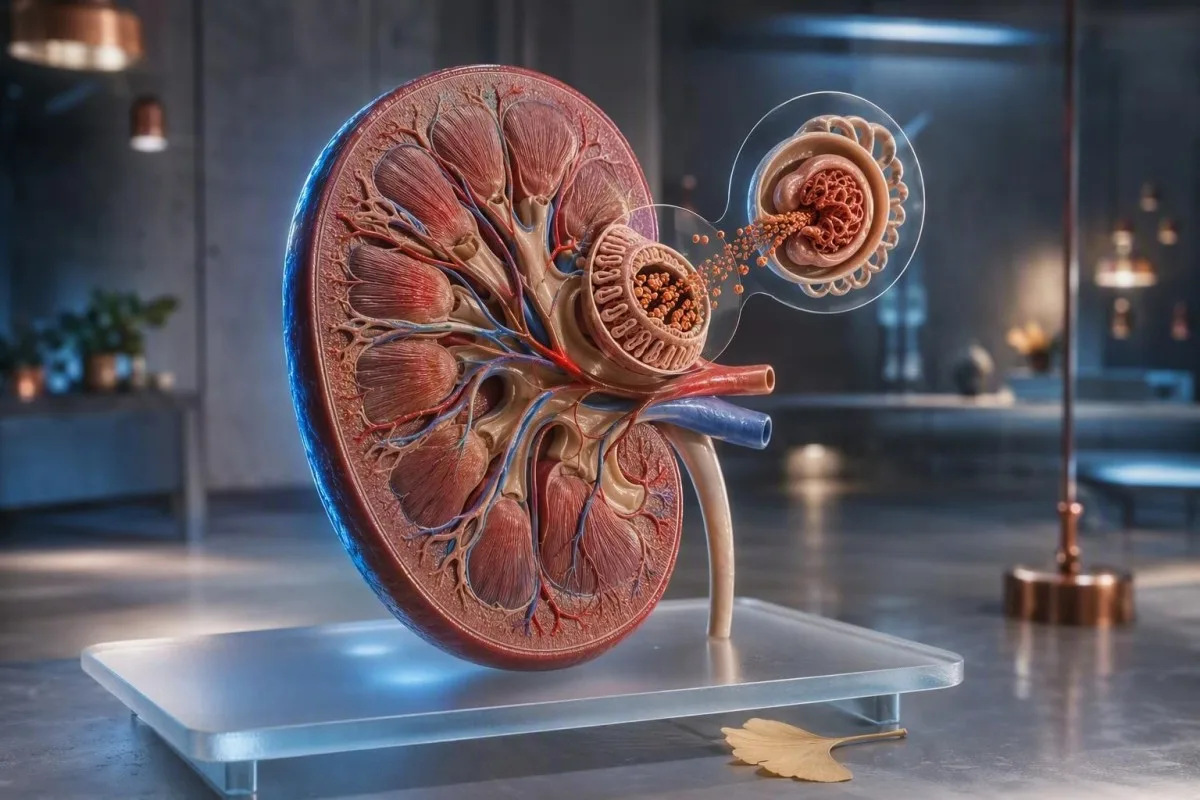
Pipila ka mga bula human sa paspas nga agos sa ihi kasagaran pisika ra. Ang bula nga balik-balik nga nagtabon sa kasilyas, magpabilin human sa pag-flush, o uban sa paghubag angayan ug urine albumin test kaysa pagtag-an.


- Mubo nga mga bula nga mawala sulod sa pipila ka segundo kasagaran nagpabanaag sa gikusgon sa ihi, nahibilin nga panglimpyo sa kasilyas, o concentrated urine kaysa sakit sa kidney.
- Balik-balik nga mabula nga ihi mas makapabalaka kon ang baga nga puti nga sapaw magpabilin sulod sa 1-2 minutos sa balik-balik nga mga okasyon.
- Urine ACR ubos sa 3 mg/mmol (30 mg/g) normal o gamay nga pagtaas sa albumin excretion sa kadaghanan sa mga hamtong.
- Albuminuria sa 3-30 mg/mmol (30-300 mg/g) kinahanglan kumpirmahon sa balik-balik nga sayo sa buntag nga mga sample sulod sa labing menos 3 ka bulan.
- ACR labaw sa 30 mg/mmol (300 mg/g) grabe nga pagtaas sa albuminuria ug nagkinahanglan og dinalian nga klinikal nga pagsusi.
- Mga red flags naglakip sa paghubas sa nawong o tiil, makitang dugo, kalisud sa pagginhawa, pagkunhod sa gidaghanon sa ihi, hilanat, o pagmabdos nga adunay sakit sa ulo ug taas nga presyon sa dugo.
- Mga butang sa pagkolekta: likayi ang bug-at nga ehersisyo sulod sa 24 ka oras, gumamit ug limpyo nga midstream nga sample sa sayong buntag, ug isulti sa doktor bahin sa pagregla o UTI.
- Makatabang ang mga pagsulay sa dugo: creatinine, eGFR, serum albumin, glucose, ug HbA1c maklaro kung ang protina sa ihi nagpakita ba ug problema sa kidney, diabetes, o sistema nga sakit.
Unsaon pag-ila ang dili makadaot nga mga bula gikan sa balik-balik nga mabula nga ihi
Mga hinungdan sa mabula nga ihi gikan sa kusog nga agos nga motama sa tubig hangtod sa albumin nga motulo sa kidney filter. Ang dili makadaot nga mga bula dako, tin-aw, ug dali mawala; ang makapabalaka nga bula mas nipis, puti, balik-balik, ug magpabilin sulod sa mga 1-2 minutos bisan pa sa limpyo nga kaldero.
Ang surface tension makapatin-aw sa kadaghanan sa usa ka higayon nga mga bula. Ang usa ka kusog nga una nga agos sa buntag, dehydration, konsentradong mga solute, o nahabilin nga ahente sa pagpanglimpyo mahimong makadaot sa hangin sa ibabaw sa tubig nga walay pagkawala sa protina; kini ilabi na nga komon human sa usa ka taas nga biyahe, hilanat, o usa ka lisud nga pag-ehersisyo.
Ang sumbanan mas importante kay sa usa ka obserbasyon. Sa akong 15 ka tuig nga klinikal nga praktis, akong gipangutana ang mga pasyente nga mamatikdan ang bula sa tulo ka managlahi nga adlaw gamit ang usa ka limpyo, walay bleach nga kaldero; ang usa ka balik-balik nga nipis nga bula mas maayong rason sa pagsulay kaysa usa ka makapakurat nga panghitabo human sa ehersisyo.
Ang bula lamang dili makadugang sa proteinuria tungod kay ang phosphate, bile salts, semilya, ug paghubag sa urinary tract mahimo usab nga makausab sa surface tension. Kung ang ihi dili tin-aw imbes nga mabula, ang kalainan mopunting sa mga kristal, selula, o impeksyon; among giya sa mga timailhan sa dili tin-aw nga ihi makatabang sa pagbulag niini nga mga sumbanan.
Usa ka yano nga lagda sa obserbasyon sa balay
Ayaw pagkuha og litrato sa kasilyas o paghimo og mga “shake test” sa balay. Hinunoa, timan-i kung ang bula makita sa limpyo nga kaldero sa labing menos 3 sa 7 ka adlaw, kung kini molungtad labaw sa 1 ka minuto, ug kung adunay paghubag o pagbag-o sa presyon sa dugo. Kana nga mga detalye naghimo sa hangyo sa laboratoryo nga mas mapuslanon.
Ngano nga ang protina sa ihi makamugna og lig-on nga bula
Mabula nga protina sa ihi kasagaran mao ang albumin, usa ka negatibong gi-charge nga protina nga normal nga nagpabilin sa agos sa dugo. Kung ang glomerular filter mahimong mas permeable, ang albumin makapakunhod sa surface tension ug makamugna og gagmay, lig-on nga mga bula.
Ang usa ka himsog nga hamtong kasagaran nagpagawas ug ubos sa 30 mg nga albumin kada adlaw, bisan kung ang usa ka routine dipstick mahimong dili makamatikod sa ubos nga lebel sa pagkawala sa albumin. Ang mas sensitibo nga ratio sa albumin-creatinine sa ihi, o ACR, nagtul-id sa albumin alang sa konsentrasyon sa ihi ug gipalabi alang sa unang screening.
Ang albumin dili lamang ang protina nga importante. Ang light chains gikan sa mga sakit sa plasma-cell, mga protina sa tubular human sa pipila ka mga tambal, ug mga temporaryo nga protina panahon sa hilanat mahimong makaikyas sa usa ka dipstick nga panguna nga gidisenyo alang sa albumin; kini ang hinungdan ngano nga ang usa ka negatibo nga strip dili makasulbad sa matag kaso sa padayon nga bula.
Si Dr. Thomas Klein nagrepaso sa mga resulta sa ihi kauban ang serum creatinine, eGFR, albumin, ug glucose imbes nga trataron ang usa ka biswal nga sintomas isip usa ka pagdayagnos. Ang among giya sa serum protein nagpatin-aw kung ngano ang usa ka ubos nga resulta sa albumin sa dugo ug usa ka taas nga urine ACR nga magkauban adunay mas dako nga timbang kaysa usa kanila nga nag-inusara.
Mga kasagaran nga hinungdan sa mabula nga ihi nga dili tungod sa kidney
Kadaghanan sa temporaryo nga mabula nga ihi adunay dili-kidney nga katin-awan: konsentradong ihi, kusog nga pag-ihi, bag-o nga paggawas, residue sa sabon, hilanat, o grabe nga ehersisyo. Kini nga mga hinungdan kasagarang mawala sulod sa 24-48 ka oras human sa normal nga hydration ug pag-ayo.
Ang dehydration naghimo sa ihi nga mas ngitngit ug mas konsentrado, mao nga ang mga bula mahimong mas baga bisan kung normal ang pagpagawas sa albumin. Pagtinguha og maputla nga kolor sa dayami nga ihi sa sunod nga adlaw imbes nga pugson ang daghang pluwido; ang pag-inom og daghang litro dayon mahimong makapakunhod sa sodium sa mga tawo nga daling maapektuhan.
Ang ehersisyo mahimong temporaryong makapataas sa urinary albumin. Ang usa ka 10-kilometros nga lumba, high-intensity resistance session, o dugay nga pagkaladlad sa kainit mahimong makamugna og protina sa usa ka sample nga nakolekta dayon human niini, mao nga ang mga laboratoryo kasagarang nagtambag sa paglikay sa kusog nga ehersisyo sulod sa 24 ka oras sa wala pa ang ACR testing.
Ang semilya sa urethra human sa paggawas mahimong makamugna og temporaryo nga mga bula ug usa ka trace-positive nga protina strip. Ang makit-an nga pink o kolor sa tsa nga ihi makapausab sa pangutana sa tibuuk ug kinahanglan nga susihon gamit kini nga giya sa dugo sa ihi, labi na human sa edad nga 45 o sa bisan kinsa nga nabutang sa aso sa sigarilyo.
Kanus-a ang balik-balik nga bula nagpakita og clinically relevant protein loss
Ang padayon nga bula nagkinahanglan og pagsulay sa protina sa ihi kung kini kanunay ug labi na kung kini gipares sa diabetes, taas nga presyon sa dugo, paghubag, o pagkunhod sa eGFR. Ang albuminuria mahimong usa ka sayo nga pasidaan sa amimihanan bisan kung ang creatinine nagpabilin sa sulod sa sakup sa laboratoryo.
Ang KDIGO naghubit sa ACR ubos sa 3 mg/mmol, o 30 mg/g, isip A1; 3-30 mg/mmol isip A2; ug labaw sa 30 mg/mmol isip A3 albuminuria. Ang mga kategorya nagtagna sa risgo sa amimihanan ug cardiovascular sa labing tukma kung gipares sa eGFR, dili gigamit nga nag-inusara (KDIGO, 2024).
Ang diabetes ug alta presyon mao ang labing komon nga mga hinungdan sa chronic albuminuria sa tibuok kalibutan, apan dili lamang kini. Ang Glomerulonephritis, obesity-related glomerulopathy, lupus, pre-eclampsia, sleep apnoea, ug pipila ka anti-inflammatory nga mga tambal mahimo usab nga makatampo; ang padayon nga mga resulta nagkinahanglan og usa ka clinician aron masusi ang mekanismo.
Si Kantesti usa ka AI blood test analyzer nga nagbutang sa creatinine, eGFR, serum albumin, glucose, ug HbA1c sa usa ka longitudinal nga konteksto. Dili kini makasukod sa urine ACR gikan sa usa ka blood panel, apan kini makatabang sa pag-ila sa metabolic o renal pattern nga naghimo sa resulta sa ihi nga mas dinalian.
Unsang mga urine protein test ang labing maayo nga makatubag sa pangutana
Ang sayo sa buntag nga spot urine ACR mao ang labing maayo nga unang pagsulay alang sa gituohang pagkawala sa albumin sa kadaghanan sa mga hamtong. Ang protina-creatinine ratio, o PCR, mapuslanon kung ang dili-albumin nga protina giklaro o kung ang kinatibuk-ang protina kinahanglan sukdon.
Ang ACR gitaho isip mg/mmol sa UK ug daghang ubang mga nasud, o mg/g sa Estados Unidos. Ang ACR nga 3 mg/mmol katumbas sa mga 30 mg/g; kini nga pagkakabig importante tungod kay ang mga pasyente usahay sayop nga magtuo sa nagkalain-laing mga yunit isip usa ka dako nga kausaban sa resulta.
Ang usa ka dipstick protein nga resulta nga trace o 1+ usa ka screening clue, dili usa ka diagnosis. Ang alkaline nga ihi, ang concentrated nga ihi, ug ang kontaminasyon mahimong hinungdan sa mga sayop nga positibo, samtang ang dilute nga ihi ug ang dili-albumin nga mga protina mahimong makahatag og bakak nga kasiguruhan; ang quantitative nga pagsulay makasulbad niana nga kawalay kasigurohan.
Ang 24-oras nga koleksyon karon gigahin alang sa pinili nga mga sitwasyon, sama sa taas kaayo nga pagkawala sa protina, pagsusi sa pagmabdos, o dili managsama nga mga spot sample. Sayon ra ang dili pagkuha og igo, busa basaha ang among praktikal Giya sa pagkolekta og 24-oras nga ihi sa dili pa magsugod niini.
Unsaon pagkuha og urine protein testing sa tukma
Ang tukma nga pagsulay sa protina sa ihi nagsugod sa usa ka limpyo nga sayo sa buntag nga midstream sample nga nakolekta human sa 24 ka oras nga walay bug-at nga ehersisyo. Ang unang ihi pagkahuman sa pagmata mas gipalabi tungod kay ang postura, hydration, ug kalihokan sa adlaw adunay gamay nga epekto sa paggawas sa albumin.
Hugasi ang mga kamot, gamita ang sterile container nga gihatag, sugdi ang pag-ihi sa kasilyas, dayon kuhaa ang tunga-tunga nga bahin nga dili hikapa ang sulod sa sudlanan o taklob. Ihatod dayon ang sample; kung dili malikayan ang paglangan, sunda ang mga instruksyon sa laboratoryo sa pagpabugnaw kaysa ibilin kini sa init nga sakyanan.
I-postpone ang dili dinalian nga pagsulay atol sa usa ka symptomatic UTI, hilanat, kalibanga, regla, o sulod sa 24 ka oras pagkahuman sa kusog nga ehersisyo. Kining mga kondisyon mahimong temporaryo nga makapataas sa paggawas sa albumin, samtang ang menstrual contamination mahimo usab nga makahatag og daw dugo ug protina; mga resulta sa leukocyte esterase mahimong maklaro ang posibleng sumbanan sa impeksyon.
Ang orthostatic proteinuria angayan hisgutan, ilabi na sa mga tin-edyer ug mga batan-on. Ang protina nga makita sa ihi sa adlaw apan wala sa unang sample sa buntag kasagaran dili makadaot, bisan kung ang usa ka clinician kinahanglan magpamatuod sa sumbanan kaysa paghunahuna niini.
Unsaon paghubad sa ACR ug protein-creatinine results
Ang ACR ubos sa 3 mg/mmol kasagaran makahatag og kasigurohan, samtang ang nakumpirma nga ACR nga 3 mg/mmol o mas taas pa nagkinahanglan og follow-up base sa risgo. Ang usa ka taas nga sample wala magtukod og chronic kidney disease tungod kay ang ehersisyo, impeksyon, ug pagtaas sa glucose mahimong hinungdan sa mubo nga albuminuria.
Alang sa mga hamtong nga walay diabetes, ang bag-ong taas nga ACR kasagarang gisubli gamit ang sayo sa buntag nga sample sulod sa mga semana. Ang chronic kidney disease nagkinahanglan og mga abnormalidad nga anaa sulod sa labing menos 3 ka bulan, gawas kung adunay klaro nga acute kidney injury o dakong pagtaas sa protina nga nagkinahanglan og mas paspas nga pagrepaso (KDIGO, 2024).
Ang ACR labaw sa 70 mg/mmol, gibana-bana nga 700 mg/g, kasagaran nagkinahanglan og dinalian nga konsultasyon sa espesyalista bisan kung ang eGFR napanindot, labi na kung adunay dugo sa ihi. Ang nephrotic-range proteinuria kasagaran PCR labaw sa 300 mg/mmol o paggawas sa protina labaw sa 3.5 g/adlaw, kasagaran giubanan sa paghubag ug ubos nga serum albumin.
Si Kantesti usa ka AI lab test interpretation service nga makahimo og organisasyon sa mga renal blood markers sa lain-laing mga petsa ug makahatag og timailhan sa pagkahulog sa eGFR trend. Ang paghubad sa trend nagsuporta, apan dili gayud mopuli, sa urine microscopy, kumpirmasyon sa ACR, ug pagrepaso sa tambal sa usa ka clinician.
Mga blood test nga makahimo sa mabula nga urine results nga makahuluganon
Ang Creatinine, eGFR, serum albumin, glucose, HbA1c, electrolytes, ug lipids makatabang sa pagpasabot kung ang protina sa ihi nagpakita ba sa kadaot sa pagsala sa amimihanan o usa ka mas lapad nga metabolic disorder. Ang normal nga creatinine dili makawagtang sa sayo nga albuminuria.
Ang eGFR gikalkula gikan sa creatinine ug nahulog sa ulahi kaysa sa malumo nga pagtulo sa albumin sa daghang mga tawo nga adunay diabetes. Ang eGFR ubos sa 60 mL/min/1.73 m² sulod sa 3 ka bulan o labaw pa nakab-ot ang usa ka sukdanan alang sa laygay nga sakit sa amimika, apan ang mga kantidad kinahanglan ipasabut sa edad, masa sa kaunuran, ug bag-o nga sakit.
Ubos nga serum albumin ubos sa gibana-bana nga 35 g/L uban sa bug-at nga protina sa ihi ug bag-ong paghubag sa buolbuol makapataas sa kabalaka alang sa mahinungdanong pagkawala sa protina sa amimika. Sa laing bahin, ang taas nga albumin nga adunay ngitngit nga ihi labi pa nga nagpakita sa dehydration; among nga giya sa eGFR pagkahuman sa dehydration nagpatin-aw ngano nga ang pag-usab sa pagsulay pagkahuman sa pagkaayo mahimong makatarunganon.
Ang American Diabetes Association nagrekomendar sa labing menos tinuig nga UACR ug eGFR testing sa type 2 diabetes ug sa type 1 diabetes nga molungtad og 5 ka tuig o labaw pa (ADA Professional Practice Committee, 2024). Ang HbA1c nagsulti kanato mahitungod sa kasagaran nga glycaemia, apan ang usa ka kalit nga pagtaas sa glucose mahimo gihapon nga temporaryo nga makadugang sa albumin sa ihi sa dili pa mausab ang HbA1c.
Mga tambal, suplemento, ug sakit nga makaapekto sa urine protein
Ang mga tambal sa kasakit nga makapugong sa panghubag, lithium, pipila ka mga pagtambal sa kanser, ug grabe nga mga impeksyon mahimong makausab sa pagsala sa amimika o pagdumala sa protina sa tubular. Ayaw ihunong ang gireseta nga tambal tungod lang kay ang ihi morag mabula; paghangyo ug pagsusi sa ihi ug dugo sa amimika.
Ang NSAIDs sama sa ibuprofen ug naproxen makapakunhod sa agas sa dugo sa amimika, ilabi na sa panahon sa dehydration, pagkapakyas sa kasingkasing, o naglungtad nga CKD. Ang risgo motaas kung ang NSAID ipares sa usa ka diuretic ug usa ka ACE inhibitor o ARB, usa ka kombinasyon nga usahay gitawag sa mga klinisyan nga “triple whammy.”
Ang mga tambal nga SGLT2 mahimong hinungdan sa gamay nga sayo nga pagkunhod sa eGFR apan kasagaran makapakunhod sa albuminuria sa paglabay sa panahon sa angay nga gipili nga mga pasyente. Kana nga gipaabot nga pagbag-o sa hemodinamiko lahi sa progresibong kadaot; tan-awa mga pagbag-o sa eGFR sa pagtambal sa SGLT2 alang sa praktikal nga mga kalainan.
Ang taas nga dosis sa bitamina C mahimong makabalda sa pipila ka mga dipstick sa ihi, samtang ang creatine mahimong makomplikado sa interpretasyon sa creatinine nga dili kinahanglan makadaot sa mga amimika. Dad-a ang usa ka kompleto nga listahan sa mga gireseta nga tambal, mga tambal sa kasakit nga mapalit sa counter, mga protein powder, ug mga herbal nga produkto sa appointment—ang mga ngalan ug dosis importante.
Diabetes ug taas nga presyon sa dugo: ang labing taas og kita nga mga pagsusi sa peligro
Ang diabetes ug alta presyon naghimo sa makanunayon nga bula nga mas klinikal nga importante tungod kay ang duha mahimong hinungdan sa albuminuria mga tuig sa dili pa makita ang mga sintomas. Ang presyon sa dugo sa o labaw sa 140/90 mmHg ug ang ACR sa o labaw sa 3 mg/mmol kinahanglan magpahinabog usa ka gi-istruktura nga primary-care review.
Alang sa daghang mga tawo nga adunay CKD ug albuminuria, ang mga klinisyan nagtumong sa usa ka standardised nga office systolic blood pressure ubos sa 120 mmHg kung kini maagwanta, bisan pa ang mga target kinahanglan nga indibidwal alang sa edad, risgo sa pagkahulog, pagmabdos, ug pamaagi sa pagsukod. Ang mga pagbasa sa balay nga gikuha sa sayup nga paagi kinahanglan dili magpahinabog mga pagbag-o sa tambal nga mag-inusara.
Ang Albuminuria usa usab ka vascular risk marker. Ang rason nga kita nabalaka mahitungod sa ACR elevation plus taas nga presyon sa dugo mao nga sila magkauban nagpakita sa endothelial ug glomerular stress, samtang ang bisan unsa niini nga pagpangita kausa sa panahon sa acute illness mahimong temporaryo; among giya sa alta presyon nga lab naglatid sa mas lapad nga trabaho.
Si Kantesti usa ka plataporma sa paghubad sa AI biomarker gigamit sa 127+ ka mga nasud sa pagtandi sa glucose, HbA1c, renal markers, ug lipid trends. Alang sa makanunayon nga mabula nga ihi, ang may kalabutan nga sunod nga pagsulay nagpabilin nga usa ka laboratoryo nga ihi ACR, labing maayo nga gisusi sa parehas nga clinical team nga nagdumala sa presyon sa dugo o diabetes.
Ang mabula nga ihi sa pagmabdos ug sa mga bata nagkinahanglan og lahi nga mga lagda
Ang mabula nga ihi sa panahon sa pagmabdos nagkinahanglan og pagtasa sa samang adlaw kung kini mahitabo uban sa sakit sa ulo, pagbag-o sa panan-aw, kasakit sa ibabaw nga tiyan, kalit nga paghubag, o taas nga presyon sa dugo. Ang Proteinuria pagkahuman sa 20 ka semana mahimong bahin sa pre-eclampsia, apan ang dagway lamang dili gyud diagnostic.
Sa pagmabdos, ang ratio sa protina-creatinine nga 30 mg/mmol o labaw pa, o 300 mg nga protina sa 24 oras, nagsuporta sa mahinungdanong proteinuria sa angay nga clinical setting. Ang usa ka normal nga panagway nga sample sa ihi dili makawagtang sa pre-eclampsia kung ang presyon sa dugo mao ang 140/90 mmHg o mas taas pa nga adunay makabalaka nga mga sintomas.
Ang mga bata sagad adunay temporaryo nga proteinuria human sa hilanat, dula, o dehydration. Ang makanunayon nga protina sa tulo ka sample, taas nga presyon sa dugo, edema, o dugo sa ihi naghatag og katarungan sa paediatric assessment; ang unang-buntag nga pagsulay ilabi na nga mapuslanon sa pagwagtang sa postural proteinuria sa mga tin-edyer.
Ang pagmabdos nagbag-o sa pagsala, mao nga ang mga kantidad sa creatinine nga morag “normal” alang sa mga dili mabdos nga hamtong mahimong dili makahatag kasigurohan. Ang among giya sa ang mga kantidad sa GFR sa pagmabdos naghatag og konteksto, apan ang dinalian nga mga sintomas kinahanglan moadto direkta sa maternity triage imbes nga online nga interpretasyon.
Mga timailhan sa peligro: kanus-a ang mabula nga ihi nagkinahanglan og dinalian nga pag-atiman sa medisina
Pangayo og dinalian nga medikal nga pagtasa alang sa mabula nga ihi nga adunay kalisud sa pagginhawa, paspas nga paghubag sa tiil o nawong, hilabihan nga pagkunhod sa ihi, makita nga dugo, hilanat nga adunay kasakit sa kilid, o mga sintomas sa pasidaan sa pagmabdos. Kini nga mga kombinasyon mahimong magpakita sa mahinungdanong renal, cardiac, impeksyon, o sakit nga may kalabutan sa pagmabdos.
Ang bag-ong paghubag sa nawong pagkahigmata, paghugot sa mga sapatos sa gabii, ug pagdugang sa timbang nga labaw pa sa 2 kg sa 2-3 ka adlaw mahimong magpakita sa paghawak sa pluwido. Kung kini nga mga sintomas makita kauban ang padayon nga mga bula, gisusi sa mga doktor ang protina sa ihi, creatinine, albumin, presyon sa dugo, ug usahay ang mga resulta sa dughan dayon.
Ang ihi nga sama sa tsa human sa grabe nga ehersisyo nga adunay grabe nga kasakit sa kaunoran dili kasagaran nga dili makadaot nga bula; kini mahimong magpaila sa pagpagawas sa myoglobin ug nagkinahanglan og dinalian nga pagsulay sa dugo ug ihi. Mao usab ang mahitabo sa ihi nga sama sa cola nga adunay gamay nga pag-ihi, nga mahimong magpakita sa pagdugo sa glomerulus o kadaot sa kaunoran.
Si Dr. Thomas Klein nagtambag sa mga pasyente nga dili maghulat sa resulta sa home dipstick kung adunay mga pula nga bandila. Alang sa mga kausaban sa kolor nga may kalabotan sa ehersisyo, ang among artikulo bahin sa hematuria sa magdadagan nagpatin-aw sa dili makadaot nga bahin sa spektrum ug sa mga kinaiya nga dili makadaot.
Unsay buhaton sa mga clinician human sa positibo nga urine protein result
Human sa positibo nga ACR o PCR, ang mga doktor kasagarang magpamatuod sa resulta, mosukod sa presyon sa dugo ug eGFR, magsusi sa sediment sa ihi, ug magrepaso sa diabetes, mga tambal, mga sintomas sa autoimmune, ug kaagi sa pamilya. Ang sunod nga lakang nagdepende sa gidaghanon, pagkamalahutayon, ug kauban nga dugo o pagkunhod sa pagsala.
Ang mikroskopyo sa ihi makaila sa pula nga mga selula, puti nga mga selula, ug mga cast nga dili ikapatin-aw sa numero sa protina lamang. Ang mga red-cell cast o dysmorphic red cells nagsugyot sa glomerular source ug nagpadali sa referral sa nephrology; ang yano nga hyaline cast mahimong mahitabo human sa dehydration o ehersisyo, sama sa gitakpan sa among giya sa hyaline casts.
Kung makumpirma ang albuminuria, ang pagtambal kasagaran nagtumong sa drayber: pagkontrol sa presyon sa dugo, pagdumala sa glucose, pagsuporta sa gibug-aton ug pagpanigarilyo, ug mga tambal nga nanalipod sa amimihanan kung gikinahanglan. Ang renal ultrasound, immune testing, serum electrophoresis, o kidney biopsy mao ang pinili nga mga pagsulay—dili awtomatiko nga mga sangputanan sa usa ka 1+ dipstick.
Ang clinical methodology sa pamaagi sa balidasyon sa medisina. Ang among papel mao ang paghimo sa kasamtangang mga resulta sa dugo nga mas sayon hisgutan, dili ang pagdayagnos sa usa ka glomerular disorder gikan sa usa ka hulagway o usa ka laboratory value lamang.
Usa ka praktikal nga pito ka adlaw nga plano alang sa balik-balik nga bula
Alang sa padayon nga mabula nga ihi nga walay pula nga mga bandila, paghimo og primary-care urine ACR ug urinalysis sulod sa 1-2 ka semana, mas maayo gamit ang sample sa sayong buntag. Irekord ang presyon sa dugo, hydration, ehersisyo, mga tambal, ug kung ang bula molungtad labaw pa sa 1 minuto sulod sa pito ka adlaw.
Adlaw 1-3: normal nga pag-inom, paglikay sa grabe nga ehersisyo, ug pag-obserbar lamang sa usa ka limpyo nga kasilyas nga walay dugang nga panglimpyo. Ayaw pagsulay sa “pagwagtang” sa isyu pinaagi sa sobra nga tubig; ang tumong mao ang usa ka representante nga sample, dili usa ka artipisyal nga gipamubo.
Adlaw 4-7: hangyoa ang urinalysis ug ACR, ug pangutana kung ang creatinine, eGFR, potassium, serum albumin, glucose, ug HbA1c angay alang sa imong kahimtang. Dad-a ang kanhing mga resulta tungod kay ang kausaban gikan sa ACR 2 ngadto sa 8 mg/mmol adunay mas daghang kahulugan kaysa sa bisan unsa nga numero nga walay konteksto; pagsubaybay sa resulta sa paglipas ng panahon makatabang sa pag-organisar sa mga petsa.
Sugod sa Septiyembre 4, 2026, ang makatarunganon nga mensahe nagpabilin nga makapadasig apan lig-on: kadaghanan sa nag-inusara nga mga bula walay mahimo, samtang ang balik-balik nga pino nga bula angayan sa usa ka quantitative urine test. Kung kinahanglan nimo ang tabang sa pag-andam og mga pangutana alang sa usa ka doktor, ang among medical advisory team nagtakda sa clinical standards sa luyo sa among educational content.
Kanunay nga Gipangutana nga mga Pangutana
Ang ihi nga mabula ba kanunay usa ka timailhan sa protina sa ihi?
Dili, ang hugaw nga ihi dili kanunay usa ka timaan sa pagkawala sa protina. Ang paspas nga agos, dehydration, nahabilin nga panlinis sa kasilyas, hilanat, ehersisyo, ug semilya mahimong makamugna og mga bula nga mawala sa pipila ka segundo. Ang padayon, pino nga puti nga bula nga balik-balik sa daghang adlaw mas nagsugyot sa proteinuria ug kinahanglan nga susihon gamit ang usa ka urine albumin-creatinine ratio. Ang ACR nga 3 mg/mmol, nga katumbas sa 30 mg/g, o mas taas pa, gikonsiderar nga dili normal igo aron manginahanglan og konteksto sa klinikal ug kanunay nga sublion nga pagsulay.
Unsa kadugay ang bula sa ihi nga angay ikabalaka?
Ang bula nga magpabilin nga baga nga sapaw sulod sa mga 1-2 ka minuto sa paulit-ulit nga mga higayon mas makabalaka kay sa dagkong mga bula nga dali mawala. Ang gidugayon dili usa ka diagnostic test tungod kay ang mga kemikal sa kasilyas ug ang konsentrasyon sa ihi mahimong makausab sa kalig-on sa bula. Kung ang sumbanan masubli sa 3 o daghan pang adlaw, pag-iskedyul og urinalysis ug urine ACR sulod sa 1-2 ka semana. Pangayo og dinalian nga pag-atiman sa mas sayo kung ang bula inubanan sa paghubas, makit-an nga dugo, kalisud sa pagginhawa, hilanat, o pagkunhod sa gidaghanon sa ihi.
Unsa nga pagsulay sa protina sa ihi ang angay nako ipangutana?
Ang labing maayong unang pagsulay alang sa kadaghanan sa mga hamtong mao ang ratio sa albumin-creatinine sa ihi sa sayong buntag, gitawag nga ACR o UACR. Ang ACR nga ubos sa 3 mg/mmol, o 30 mg/g, kasagaran normal hangtod sa gamay nga pagtaas, samtang ang 3-30 mg/mmol nagpaila sa kasarangan nga pagtaas sa albuminuria. Ang ratio sa protina-creatinine mahimong idugang kung gidudahan ang kinatibuk-an o dili-albumin nga pagkawala sa protina. Ang rutin nga dipstick mapuslanon nga screening apan dili kaayo tukma kaysa ACR alang sa gamay nga pagkawala sa albumin.
Makapahinabog ba ang dehydration sa foamy nga ihi?
Oo, ang dehydration makahimo sa ihi nga mas concentrated ug mahimong makamugna og mas makita nga mga bula o bula nga walay padayon nga pagkawala sa protina sa kidney. Sagad kini mahitabo sa mas itom nga dalag nga ihi, kauhaw, pagkaladlad sa kainit, pagsuka, kalibanga, o dugay nga panahon nga walay pag-inom. Balik sa naandan nga pag-inom og likido sulod sa 24-48 ka oras sa dili dinalian nga pagsulay, apan likayi ang sobra nga pag-inom aron lang madilute ang resulta. Kung magpadayon ang bula human sa hydration, pangayo og urine ACR testing.
Makahatag ba ang ehersisyo og protina ug bula sa ihi?
Ang kusog nga ehersisyo mahimong hinungdan sa temporaryong albuminuria ug mabula nga ihi, ilabi na pagkahuman sa pagdagan, bug-at nga resistance training, endurance events, o pag-ehersisyo sa init. Ang epekto kasagaran mawala sulod sa 24-48 ka oras, mao nga ang usa ka ACR sample kinahanglan nga kuhaon human sa paglikay sa kusog nga ehersisyo sulod sa 24 ka oras. Ang padayon nga proteinuria sa sample sa sayong kabuntagon human sa pagkaayo dili kaayo mahimong ipasabot sa ehersisyo lamang. Ang ngitngit o kolor nga cola nga ihi nga adunay grabe nga kasakit sa kaunuran nagkinahanglan og dinalian nga medikal nga pagsusi.
Unsa nga lebel sa ACR ang delikado?
Ang ACR nga labaw sa 30 mg/mmol, o 300 mg/g, hilabihan nga pagtaas sa albuminuria ug nanginahanglan ug dinalian nga medikal nga pagsusi, ilabi na kon ang eGFR ubos o adunay dugo sa ihi. Ang ACR nga labaw sa 70 mg/mmol, mga 700 mg/g, kasagarang mopukaw sa dinalian nga espesyalista nga diskusyon bisan kon normal ang creatinine. Ang risgo gitino pinaagi sa kombinasyon sa ACR, eGFR, presyon sa dugo, kahimtang sa diabetes, mga sintomas, ug balik-balik nga mga pagsukod. Ang usa ka taas nga ACR kinahanglan kasagaran kumpirmahon gawas kon ang kahimtang sa klinika dinalian.
Karon na ang AI-Powered Blood Test Analysis
Apil sa kapin sa 2 milyon nga mga user sa tibuok kalibutan nga nagsalig sa Kantesti para sa dayon ug tukma nga pag-analisa sa lab test. I-upload ang imong resulta sa blood test ug makadawat og komprehensibong pagsabot sa 15,000+ nga mga biomarker sulod sa mga segundo.
📚 Mga Napangalan nga Research Publications
Klein, T., Mitchell, S., & Weber, H. (2026). Clinical Validation Framework v2.0 (Panid sa Balidasyon sa Medikal). Kantesti AI Medical Research.
Klein, T., Mitchell, S., & Weber, H. (2026). AI Blood Test Analyzer: 2.5M nga mga Pagsulay ang Gisusi | Global Health Report 2026. Kantesti AI Medical Research.
📖 Mga Panlabas nga Sanggunian sa Medisina
⚕️ Pagpasabot sa Medikal
Kini nga artikulo para sa katuyoan sa edukasyon ra ug dili kini mosangpot sa medikal nga tambag. Kanunay mokonsulta sa usa ka kwalipikado nga healthcare provider alang sa mga desisyon sa diagnosis ug pagtambal.
Mga E-E-A-T Trust Signals
Kasinatian
Pagsusi sa klinika nga gipangulohan sa doktor sa mga workflow sa interpretasyon sa lab.
Kahanas
Pokus sa medisina sa laboratoryo kung giunsa paglihok ang mga biomarker sa konteksto sa klinika.
Pagka-awtorisado
Gisulat ni Dr. Thomas Klein ug gisusi ni Dr. Sarah Mitchell ug Prof. Dr. Hans Weber.
Kasaligan
Interpretasyon nga base sa ebidensya, nga adunay klaro nga mga agianan sa sunod nga buhat aron makunhuran ang kabalaka.