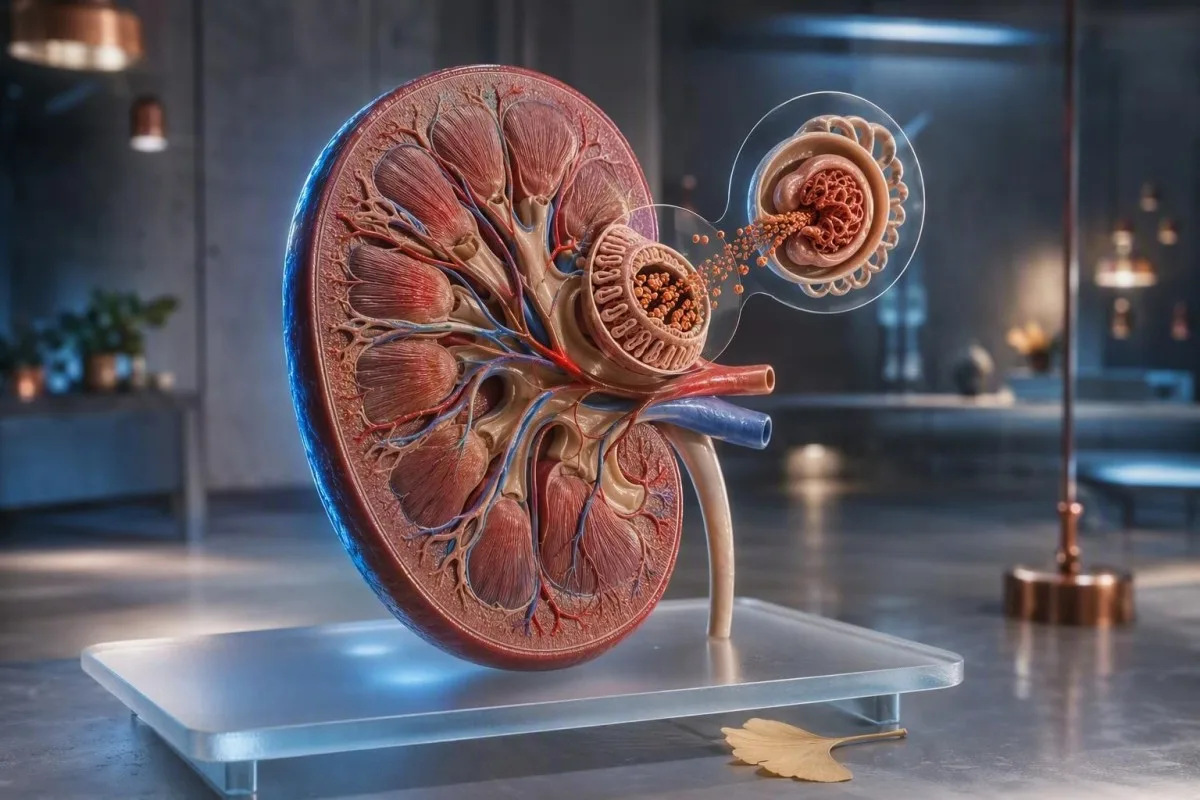
වේගවත් මුත්රා පිටවීමකින් පසු ඇතිවන සුළු බුබුළු සාමාන්යයෙන් භෞතික විද්යාවයි. නාන තොටිය ආවරණය කරන, සේදීමෙන් පසු පවතින, හෝ ඉදිමුමක් සමඟ එන පෙන, අනුමානයට වඩා මුත්රා ඇල්බුමින් පරීක්ෂාවකට සුදුසුය.


- කෙටි බුබුළු තත්පර කිහිපයකින් අතුරුදහන් වන ඒවා, වකුගඩු රෝගයකට වඩා මුත්රා වල වේගය, වැසිකිළි පිරිසිදු කිරීමේ ද්රව්යවල අවශේෂ, හෝ සංකේන්ද්රීය මුත්රා පිළිබිඹු කරයි.
- ස්ථීර පෙන සහිත මුත්රා නැවත නැවතත් 1-2 විනාඩි පවතින ඝන සුදු ස්ථරයක් ඇති විට එය වඩාත් කනස්සල්ලට කරුණකි.
- මුත්රා ACR 3 mg/mmol (30 mg/g) ට වඩා අඩු වන්නේ බොහෝ වැඩිහිටියන් තුළ සාමාන්ය හෝ මෘදු ලෙස වැඩි වූ ඇල්බුමින් බැහැර කිරීමකි.
- ඇල්බියුමිනියුරියා 3-30 mg/mmol (30-300 mg/g) අවම වශයෙන් මාස 3 කට වැඩි කාලයක් පුරා නැවත නැවත උදෑසන සාම්පල සමඟ තහවුරු කළ යුතුය.
- ACR 30 mg/mmol ට වඩා වැඩි (300 mg/g) යනු දරුණු ලෙස වැඩි වූ ඇල්බුමිනුරියා වන අතර එය කඩිනම් සායනික තක්සේරුවක් අවශ්ය වේ.
- රතු කොඩි මුහුණේ හෝ කකුල් ඉදිමීම, පෙනෙන රුධිරය, හුස්ම හිරවීම, මුත්රා පිටවීම අඩුවීම, උණ, හෝ හිසරදය සහ අධි රුධිර පීඩනය සමඟ ගැබ් ගැනීම ඇතුළත් වේ.
- සාම්පල එකතු කිරීමේදී සලකා බැලිය යුතු කරුණු: පැය 24ක් අධික ව්යායාම කිරීමෙන් වලකින්න, මුත්රා සාම්පලයක් උදෑසන මුල් භාගයේදී පිරිසිදු ස්ට්රීම් එකක් ලෙස එකතු කරන්න, සහ ඔසප් වීම හෝ මුත්රා ආසාදනය (UTI) පිළිබඳව වෛද්යවරයාට දන්වන්න.
- රුධිර පරීක්ෂණ උපකාරී වේ: ක්රියේටිනින්, eGFR, සෙරුම් ඇල්බියුමින්, ග්ලූකෝස් සහ HbA1c මගින් මුත්රා වල ප්රෝටීන් වකුගඩු, දියවැඩියාව හෝ පද්ධතිමය රෝගය පිළිබිඹු කරන්නේද යන්න පැහැදිලි කරයි.
හානිකර නොවන බුබුළු ස්ථීර පෙන සහිත මුත්රා වලින් වෙන්කර ගන්නේ කෙසේද
පෙණ සහිත මුත්රා ඇතිවීමට හේතු ජලයට වැටෙන වේගවත් ධාරාවක සිට ඇල්බියුමින් වකුගඩු පෙරහන හරහා කාන්දු වීම දක්වා විහිදේ. හානිකර නොවන බුබුලු විශාල, පැහැදිලි සහ ඉක්මනින් අතුරුදහන් වේ; කරදරකාරී පෙන සුදු, නැවත නැවත ඇතිවන අතර පිරිසිදු භාජනයක් තිබියදීත් දළ වශයෙන් මිනිත්තු 1-2 ක් පවතී.
මතුපිට ආතතිය එක්-කාලීන බුබුලු බොහොමයක් පැහැදිලි කරයි. ශක්තිමත් පළමු-උදෑසන ධාරාව, විජලනය, සංයුක්ත ද්රාව හෝ ඉතිරිව ඇති පිරිසිදු කාරකයක් ප්රෝටීන් අහිමි වීමකින් තොරව ජල මතුපිට වාතය අල්ලා ගත හැකිය; මෙය විශේෂයෙන් දිගු ගුවන් ගමනක්, උණ හෝ දැඩි ව්යායාමයකින් පසුව සාමාන්ය වේ.
නිරීක්ෂණ රටාවකට වඩා රටාව වැදගත් වේ. මගේ වසර 15ක සායනික භාවිතයේදී, මම රෝගීන්ට පිරිසිදු, නොකැඩුණු භාජනයක් භාවිතයෙන් දින තුනකදී වෙන වෙනම පෙන නිරීක්ෂණය කරන ලෙස අසමි; නැවත නැවත ඇතිවන පෙන තට්ටුවක්, ව්යායාමයෙන් පසු නාටකීය පෙනුමක් ඇති episodi එකකට වඩා පරීක්ෂණයට හොඳ හේතුවකි.
ෆෝම් පමණක් ප්රෝටිනුරියා රෝග විනිශ්චය කළ නොහැකි ය, මන්ද පොස්පේට්, පිත්තාශ ලවණ, ශුක්රාණු සහ මුත්රාශයේ දැවිල්ල මතුපිට ආතතිය වෙනස් කළ හැකි බැවිනි. මුත්රා පෙනෙනවා වෙනුවට අපැහැදිලි නම්, වෙනස්කම් ස්ඵටික, සෛල හෝ ආසාදන වෙත මාරු වේ; අපගේ මාර්ගෝපදේශය අපැහැදිලි මුත්රා පිළිබඳ ඉඟි මෙම රටා වෙන් කිරීමට උපකාරී වේ.
සරල නිවාස නිරීක්ෂණ රීතියක්
වැසිකිළි බඳුනේ ඡායාරූප නොගන්න හෝ නිවසේ “ෂේක් පරීක්ෂණ” නොකරන්න. ඒ වෙනුවට, දින 7 න් අවම වශයෙන් 3 දිනකදී පිරිසිදු භාජනයක පෙන ඇතිවේද, එය මිනිත්තුවකට වඩා පවතීද, සහ ඉදිමීම හෝ රුධිර පීඩන වෙනස්කම් පවතීද යන්න සලකන්න. එම විස්තර රසායනාගාර ඉල්ලීම වඩාත් ප්රයෝජනවත් කරයි.
මුත්රා වල ප්රෝටීන් ස්ථීර පෙන ඇති කරන්නේ ඇයි?
පෙන සහිත මුත්රා ප්රෝටීන් බොහෝ විට ඇල්බියුමින්, සෘණ ආරෝපිත ප්රෝටීනයක් වන අතර එය සාමාන්යයෙන් රුධිර සංසරණයේ පවතී. ග්ලෝමියුලර් පෙරහන වැඩි පාරගම්යතාවයකින් යුක්ත වන විට, ඇල්බියුමින් මතුපිට ආතතිය අඩු කර කුඩා, ස්ථායී බුබුලු ඇති කළ හැකිය.
සෞඛ්ය සම්පන්න වැඩිහිටියෙකු සාමාන්යයෙන් දිනකට මිලිග්රෑම් 30 කට වඩා අඩු ඇල්බියුමින් බැහැර කරයි, නමුත් සාමාන්ය ඩිප්ස්ටික් අඩු-මට්ටමේ ඇල්බියුමින් පාඩුව හඳුනා නොගත හැකිය. වඩාත් සංවේදී මුත්රා ඇල්බියුමින්-ක්රියේටිනින් අනුපාතය, හෝ ACR, මුත්රා සාන්ද්රණය සඳහා ඇල්බියුමින් නිවැරදි කරයි, සහ මුල් තිරගත කිරීම සඳහා වඩාත් සුදුසු වේ.
ඇල්බියුමින් පමණක් වැදගත් වන ප්රෝටීනය නොවේ. ප්ලාස්මා-සෛල ආබාධවලින් එන ආලෝක දාම, ඇතැම් ඖෂධවලින් පසු ටියුබුලර් ප්රෝටීන්, සහ උණ අතරතුර තාවකාලික ප්රෝටීන්, ප්රධාන වශයෙන් ඇල්බියුමින් සඳහා නිර්මාණය කරන ලද ඩිප්ස්ටික් එකකින් ගැලවිය හැකිය; මෙය ස්ථීර පෙන තත්ත්වයකදී ඍණාත්මක තීරුවක් සෑම අවස්ථාවකම තීරණය නොකරන්නේ ඇයි.
ආචාර්ය තෝමස් කැලින්, දෘශ්ය රෝග ලක්ෂණයක් රෝග විනිශ්චයක් ලෙස සැලකීමට වඩා, මුත්රා සොයාගැනීම් සෙරුම් ක්රියේටිනින්, eGFR, ඇල්බියුමින් සහ ග්ලූකෝස් සමඟ එක්ව සමාලෝචනය කරයි. අපේ සෙරුම් ප්රෝටීන් මාර්ගෝපදේශය අඩු රුධිර ඇල්බියුමින් ප්රතිඵලය සහ ඉහළ මුත්රා ACR එකට එකකට වඩා වැඩි බරක් දරන්නේ මන්දැයි පැහැදිලි කරයි.
ස්ථීර පෙන සහිත මුත්රා වල පොදු වකුගඩු නොවන හේතු
බොහෝ තාවකාලික පෙන සහිත මුත්රා වලට වකුගඩු නොවන පැහැදිලි කිරීමක් ඇත: සංයුක්ත මුත්රා, වේගවත් මුත්රා කිරීම, මෑතකදී ශුක්රාණු පිටවීම, සබන් අවශේෂ, උණ, හෝ දැඩි ව්යායාම. මෙම හේතු සාමාන්යයෙන් සාමාන්ය ජලවායුකරණය සහ සුවය ලැබීමෙන් පැය 24-48ක් ඇතුළත සමනය වේ.
විජලනය මුත්රා අඳුරු සහ වඩාත් සංයුක්ත කරයි, එබැවින් ඇල්බියුමින් බැහැර කිරීම සාමාන්ය වන විටත් බුබුලු ඝන ලෙස පෙනිය හැකිය. ඊළඟ දවසේ ලා දුඹුරු පැහැති මුත්රා ඉලක්ක කරන්න, අධික තරල බල කරමින්; කිහිප දෙනෙකු ලීටර් එකවර පානය කිරීමෙන් සමහර පුද්ගලයන්ට සෝඩියම් අඩු විය හැකිය.
ව්යායාම මගින් මුත්රා ඇල්බියුමින් තාවකාලිකව ඉහළ නැංවිය හැක. කිලෝමීටර 10 ධාවනය, අධි-තීව්රතා ප්රතිරෝධක සැසියක්, හෝ දිගු තාප නිරාවරණය වහාම පසුව එකතු කරන ලද සාම්පලයක ප්රෝටීන් නිපදවිය හැකිය, මේ හේතුව නිසා රසායනාගාර සාමාන්යයෙන් ACR පරීක්ෂණයට පෙර පැය 24ක් අධික ව්යායාමයෙන් වලකින ලෙස උපදෙස් දෙයි.
ශුක්රාණු පිටවීමෙන් පසු මුත්රාශයේ ශුක්රාණු තාවකාලික බුබුලු සහ ට්රේස්-පොසිටිව් ප්රෝටීන් තීරුවක් නිපදවිය හැකිය. පෙනෙන රෝස හෝ තේ-කහ මුත්රා සම්පූර්ණයෙන්ම ප්රශ්නය වෙනස් කරයි, සහ මේ සඳහා මාර්ගෝපදේශය භාවිතයෙන් ඇගයිය යුතුය. මුත්රාව තුළ ලේ, විශේෂයෙන්ම 45 හැවිරිදි වියෙන් පසු හෝ දුම් පානයට නිරාවරණය වූ අයෙකුට.
ස්ථීර පෙන සායනිකව වැදගත් ප්රෝටීන් අලාභයක් යෝජනා කරන විට
මුත්රා වල ප්රෝටීන් පරීක්ෂාව සඳහා ඝන පෙණ නිතර ඇතිවීම, විශේෂයෙන් දියවැඩියාව, අධික රුධිර පීඩනය, ඉදිමුම හෝ eGFR අඩුවීමක් සමඟ ඇතිවන විට, පරීක්ෂා කළ යුතුය. ඇල්බුමිනූරියා යනු මුල්ම වකුගඩු රෝග ලක්ෂණයකි, ක්රියේටිනින් සාමාන්ය පරාසය තුල තිබුනද.
KDIGO අනුව, ACR 3 mg/mmol ට අඩුවීම (හෝ 30 mg/g) A1 ලෙසත්, 3-30 mg/mmol A2 ලෙසත්, 30 mg/mmol ට වැඩිවීම A3 ඇල්බුමිනූරියා ලෙසත් අර්ථ දක්වයි. මෙම වර්ගීකරණයන් eGFR සමඟ එක්ව වකුගඩු සහ හෘද රෝග අවදානම වඩාත් නිවැරදිව පුරෝකථනය කරයි (KDIGO, 2024).
දියවැඩියාව සහ අධි රුධිර පීඩනය ලොව පුරා ඇල්බුමිනුරියා හි බහුලවම ඇතිවන නිදන්ගත රෝග කාරකයන් වේ, නමුත් ඒවා පමණක් නොවේ. Glomerulonephritis, තරබාරුකමට සම්බන්ධ glomerulopathy, ලූපස්, pre-eclampsia, sleep apnoea, සහ ඇතැම් anti-inflammatory ඖෂධ ද දායක විය හැකිය; persistent findings need a clinician to sort out the mechanism.
කන්ටෙස්ටි යනු AI රුධිර පරීක්ෂණ විශ්ලේෂකය එමඟින් ක්රියේටිනින්, eGFR, සෙරුම් ඇල්බුමින්, ග්ලූකෝස් සහ HbA1c එකම කාලීන සන්දර්භයක තැබිය හැකිය. එය රුධිර පරීක්ෂණයකින් මුත්රා ACR මැනිය නොහැකි නමුත්, මුත්රා ප්රතිඵලයක හදිසි බව තීරණය කිරීමට උපකාරී වන පරිවෘත්තීය හෝ වකුගඩු රටාව හඳුනා ගැනීමට උපකාරී වේ.
මුත්රා ප්රෝටීන් පරීක්ෂණ වලින් කුමක් හොඳින් පිළිතුරු දෙයිද?
බොහෝ වැඩිහිටියන්ගේ ඇල්බියුමින් අහිමිවීම සැක කරන විට, උදෑසන ස්පොට් මුත්රා ACR යනු හොඳම පළමු පරීක්ෂණයයි. මුත්රා වල ප්රෝටීන්-ක්රියේටිනින් අනුපාතය, හෝ PCR, non-albumin protein සැක කරන විට හෝ මුළු ප්රෝටීන් ප්රමාණය මැනිය යුතු විට ප්රයෝජනවත් වේ.
එක්සත් රාජධානියේ සහ බොහෝ රටවල ACR mg/mmol ලෙස ද, එක්සත් ජනපදයේ mg/g ලෙස ද වාර්තා වේ. 3 mg/mmol ACR 30 mg/g ට සමාන වේ; මෙම ඒකක වෙනස් වීම වැදගත් වන්නේ රෝගීන් සමහර විට මෙම වෙනස් ඒකක විශාල ප්රතිඵල වෙනසක් ලෙස වරදවා වටහා ගන්නා බැවිනි.
ඩිප්ස්ටික් ප්රෝටීන් 1+ හෝ ඊට අඩු ප්රතිඵලයක් රෝග විනිශ්චයක් නොව පෙරදැරි පරීක්ෂාවකි. ක්ෂාරීය මුත්රා, ඝන වූ මුත්රා සහ දූෂණය වැරදි ධනාත්මක ප්රතිඵල ඇති කළ හැකිය, නමුත් තනුක මුත්රා සහ ඇල්බුමින් නොවන ප්රෝටීන වැරදි සහතිකයක් ලබා දිය හැකිය; ප්රමාණාත්මක පරීක්ෂාව එම අවිනිශ්චිතතාවය නිරාකරණය කරයි.
පැය 24ක එකතුවක් දැන් තෝරාගත් අවස්ථා සඳහා වෙන් කර ඇත, එනම් අධික ප්රෝටීන් අලාභය, ගර්භණී තත්ත්වය ඇගයීම, හෝ නොගැලපෙන ස්පොට් සාම්පල. එකතු කිරීමේදී අඩු වීම පහසුය, එබැවින් අපගේ ප්රායෝගික පැය 24ක urine එකතු කිරීමේ මාර්ගෝපදේශය එකක් ආරම්භ කිරීමට පෙර.
මුත්රා ප්රෝටීන් පරීක්ෂණ නිවැරදිව එකතු කරන්නේ කෙසේද?
නිවැරදි මුත්රා ප්රෝටීන් පරීක්ෂාව ආරම්භ වන්නේ දැඩි ව්යායාමයකින් තොරව පැය 24කට පසු උදෑසන මුලින්ම ගන්නා ස්වෙච්ඡා මුත්රා සාම්පලයකිනි. අවදි වූ පසු මුත්රා කිරීම වඩාත් සුදුසු වන්නේ ඉරියව්ව, ජලීයතාවය සහ දිවා කාලයේ ක්රියාකාරකම් ඇල්බුමින් බැහැර කිරීම කෙරෙහි අඩු බලපෑමක් ඇති කරන බැවිනි.
අත් සෝදන්න, සපයා ඇති විෂබීජහරණය කළ කන්ටේනරය භාවිතා කරන්න, වැසිකිළියට මුත්රා කිරීම ආරම්භ කරන්න, ඉන්පසු භාජනයේ හෝ පියනේ ඇතුළත ස්පර්ශ නොකර මැද කොටස අල්ලා ගන්න. සාම්පලය වහාම භාර දෙන්න; ප්රමාදයක් සිදුවුවහොත්, උණුසුම් කාරයක තැබීමට වඩා රසායනාගාරයේ ශීතකරණ උපදෙස් අනුගමනය කරන්න.
රෝග ලක්ෂණ සහිත UTI, උණ, පාචනය, ඔසප් වීම, හෝ දැඩි ව්යායාමයකින් පැය 24ක් ඇතුළත, අනවශ්ය පරීක්ෂණ කල් දමන්න. මෙම තත්වයන් විසින් ඇල්බුමින් බැහැර කිරීම තාවකාලිකව වැඩි කළ හැකිය, ඔසප් දූෂණය මගින් රුධිරය සහ ප්රෝටීන් පෙනුමද ඇතිවිය හැකිය; ලියුකොසයිට් එස්ටරේස් ප්රතිඵල ආසාදන රටාවක් පැහැදිලි කළ හැකිය.
ඕතොස්ටැටික් ප්රෝටිනූරියා, විශේෂයෙන් යෞවනයන් හා තරුණ වැඩිහිටියන් අතර, සඳහන් කිරීම වටී. දිවා කාලයේ මුත්රාවල ඇතිවන ප්රෝටීන, නමුත් උදෑසන මුලින්ම ගන්නා සාම්පලයේ නොමැති වීම, බොහෝ විට හානිකර නොවන අතර, වෛද්යවරයෙකු එය උපකල්පනය කරනවාට වඩා රටාව තහවුරු කළ යුතුය.
ACR සහ ප්රෝටීන්-ක්රියේටිනින් ප්රතිඵල අර්ථකථනය කරන්නේ කෙසේද?
3 mg/mmol ට අඩු ACR සාමාන්යයෙන් සහතිකයක් වන අතර, තහවුරු කරන ලද 3 mg/mmol හෝ ඊට වැඩි ACR අවදානම්-පාදක අනුගාමිකාව අවශ්ය වේ. එක උන්නැති සාම්පලයක් නිදන්ගත වකුගඩු රෝගයක් තහවුරු නොකරන්නේ මන්ද ව්යායාම, ආසාදන, සහ ග්ලූකෝස් ස්පයික්ස් කෙටි කාලීන ඇල්බුමිනූරියා ඇති කළ හැකිය.
දියවැඩියාව නොමැති වැඩිහිටියන් සඳහා, නව ADA ACR සාමාන්යයෙන් සති කිහිපයක් ඇතුළත උදෑසන සාම්පලයක් භාවිතා කර නැවත නැවත සිදු කෙරේ. නිදන්ගත වකුගඩු රෝග සඳහා අවම වශයෙන් මාස 3ක් සඳහා අසාමාන්යතා අවශ්ය වේ, පැහැදිලි තියුණු වකුගඩු තුවාලයක් හෝ වේගවත් සමාලෝචනයක් අවශ්ය වන සැලකිය යුතු ලෙස ඉහළ ප්රෝටීන නොමැති නම් (KDIGO, 2024).
70 mg/mmol ට වැඩි ACR, ආසන්න වශයෙන් 700 mg/g, සාමාන්යයෙන් විශේෂඥ සාකච්ඡාවට හේතු වේ, eGFR සුරකිනු ලැබුවත්, විශේෂයෙන් මුත්රාවල රුධිරය තිබේ නම්. නෙෆ්රොටික්-පරාසයේ ප්රෝටිනූරියා සාමාන්යයෙන් 300 mg/mmol ට වැඩි PCR හෝ දිනකට 3.5 g ට වැඩි ප්රෝටීන් බැහැර කිරීම, බොහෝ විට ඉදිමුම සහ අඩු සෙරුම් ඇල්බුමින් සමඟ දක්නට ලැබේ.
කන්ටෙස්ටි යනු AI රසායනාගාර පරීක්ෂණ අර්ථකථන සේවාව දිනයන් හරහා වකුගඩු රුධිර සලකුණු සංවිධානය කළ හැකි අතර පහත වැටෙන eGFR ප්රවණතාවයක් සලකුණු කළ හැකිය. ප්රවණතා අර්ථ නිරූපණය වෛද්යවරයෙකුගේ මුත්රා අන්වීක්ෂය, ACR තහවුරු කිරීම, සහ ඖෂධ සමාලෝචනයට සහාය දක්වයි, නමුත් කිසි විටෙකත් එය ප්රතිස්ථාපනය නොකරයි.
පෙන සහිත මුත්රා ප්රතිඵල අර්ථවත් කරන රුධිර පරීක්ෂණ
ක්රියේටිනින්, eGFR, සෙරුම් ඇල්බුමින්, ග්ලූකෝස්, HbA1c, ඉලෙක්ට්රෝලයිට්, සහ මේද, මුත්රා ප්රෝටීන් වකුගඩු පෙරීමේ තුවාලයක් හෝ පුළුල් පරිවෘත්තීය ආබාධයක් පිළිබිඹු කරන්නේද යන්න පැහැදිලි කිරීමට උපකාරී වේ. සාමාන්ය ක්රියේටිනින් මුල් ඇල්බුමිනූරියා බැහැර නොකරයි.
බොහෝ දියවැඩියා රෝගීන් තුළ eGFR, ක්රියේටිනීන් වලින් ගණනය කරනු ලබන අතර, මධ්යස්ථ ඇල්බියුමින් කාන්දු වීමෙන් පසුව අඩුවී යයි. සති 3ක් හෝ ඊට වැඩි කාලයක් 60 mL/min/1.73 m² ට වඩා අඩු eGFR අගයක් නිදන්ගත වකුගඩු රෝග සඳහා එක් නිර්ණායකයක් සපුරාලයි, නමුත් වයස, මාංශපේශී ස්කන්ධය සහ මෑතකදී ඇති වූ අසනීපය අනුව අගයන් අර්ථකථනය කළ යුතුය.
ආසන්න වශයෙන් 35 g/L ට වඩා අඩු සෙරුම් ඇල්බියුමින්, අධික මුත්රා ප්රෝටීන් සහ නව යටිපතුල් ඉදිමුම සමඟ වකුගඩු ප්රෝටීන් විශාල වශයෙන් අහිමි වීම පිළිබඳ සැලකිල්ලක් ඇති කරයි. ඊට වෙනස්ව, අඳුරු මුත්රා සමඟ ඉහළ ඇල්බියුමින් බොහෝ විට විජලනය පිළිබිඹු කරයි; සුවය ලැබීමෙන් පසු නැවත පරීක්ෂා කිරීම අර්ථවත් වන්නේ කෙසේද යන්න අපගේ විජලනයෙන් පසු eGFR මාර්ගෝපදේශය පැහැදිලි කරයි.
ඇමරිකානු දියවැඩියා සංගමය, වර්ග 2 දියවැඩියාව සහ වසර 5ක් හෝ ඊට වැඩි කාලයක් පවතින වර්ග 1 දියවැඩියාව (ADA Professional Practice Committee, 2024) සඳහා වසරකට අවම වශයෙන් UACR සහ eGFR පරීක්ෂණ නිර්දේශ කරයි. HbA1c අපට සාමාන්ය ග්ලයිසිමියාව ගැන කියයි, නමුත් තියුණු ග්ලූකෝස් වැඩිවීමක් HbA1c මාරුවීමට පෙර මුත්රා ඇල්බියුමින් තාවකාලිකව වැඩි කළ හැකිය.
මුත්රා ප්රෝටීන්ට බලපෑම් කළ හැකි ඖෂධ, අතිරේක සහ අසනීප
ප්රදාහ-විරෝධී වේදනා නාශක, ලිතියම්, සමහර පිළිකා ප්රතිකාර සහ දරුණු ආසාදන වකුගඩු පෙරීම හෝ ටියුබල් ප්රෝටීන් හසුරුවීම වෙනස් කළ හැකිය. මුත්රා පෙනෙන නිසා නියම කළ ඖෂධ ගැනීමෙන් නතර නොකරන්න; මුත්රා සහ වකුගඩු රුධිර පරීක්ෂණ සමාලෝචනයක් සඳහා ඉල්ලා සිටින්න.
ඩික්ලෝෆෙනැක් සහ නප්රොක්සන් වැනි NSAIDs, විශේෂයෙන් විජලනය, හෘදයාබාධ හෝ දැනටමත් CKD ඇති විට, වකුගඩු රුධිර ප්රවාහය අඩු කළ හැකිය. ඩයුරික් සහ ACE inhibitor හෝ ARB සමඟ NSAID එකක් සංයුක්ත වූ විට අවදානම වැඩිවේ, එය වෛද්යවරුන් සමහර විට “ට්රිපල් විковый” ලෙස හඳුන්වන සංයෝගයකි.”
SGLT2 ඖෂධ මුලින්ම eGFR හි සුළු පහත වැටීමක් ඇති කළ හැකි නමුත් සාමාන්යයෙන් සුදුසු රෝගීන් තුළ කාලයත් සමඟ ඇල්බුමිනූරියා අඩු කරයි. එම අපේක්ෂිත හීමෝඩිනමික් මාරුව ප්රගතිශීලී තුවාලයෙන් වෙනස් වේ; බලන්න SGLT2 ප්රතිකාර සමඟ eGFR වෙනස්කම් ප්රායෝගික වෙනස්කම් සඳහා.
අධික මාත්රාවලින් විටමින් C සමහර මුත්රා ඩිප්ස්ටික් වලට බාධා කළ හැකි අතර, ක්රියේටීන් වකුගඩු වලට හානි නොකර ක්රියේටිනීන් අර්ථ නිරූපණය සංකීර්ණ කළ හැකිය. බෙහෙත් වට්ටෝරු, අධික ඖෂධ, ප්රෝටීන් කුඩු සහ ශාකසාර නිෂ්පාදන වල සම්පූර්ණ ලැයිස්තුවක් හමුවීමට රැගෙන එන්න—නම සහ මාත්රාව වැදගත් වේ.
දියවැඩියාව සහ රුධිර පීඩනය: ඉහළම ඵලදායි අවදානම් පරීක්ෂණ
දියවැඩියාව සහ අධි රුධිර පීඩනය, රෝග ලක්ෂණ පෙනීමට වසර ගණනාවකට පෙර ඇල්බුමිනූරියා ඇති කළ හැකි බැවින්, අඛණ්ඩ පෙන පිළිබඳව සායනික වශයෙන් වැදගත් වේ. 140/90 mmHg හෝ ඊට වැඩි රුධිර පීඩනය සහ 3 mg/mmol හෝ ඊට වැඩි ACR, ප්රාථමික සත්කාර සමාලෝචනයක් උද්දීපනය කළ යුතුය.
CKD සහ ඇල්බුමිනූරියා ඇති බොහෝ දෙනෙකුට, වෛද්යවරුන් විසින් ඉවසා සිටින විට, 120 mmHg ට වඩා අඩු සම්මත කාර්යාලීය සිස්ටලික් රුධිර පීඩනයක් අරමුණු කරයි, නමුත් ඉලක්ක වයස, වැටීමේ අවදානම, ගැබ් ගැනීම සහ මිනුම් ක්රමය සඳහා තනි තනිව සැකසිය යුතුය. වැරදි ලෙස ගත් නිවෙස් කියවීම් ඖෂධ වෙනස්කම් තනිවම අවුලුවා නොගත යුතුය.
ඇල්බුමිනූරියා ද රුධිර වාහිනී අවදානම් සලකුණකි. ACR ඉහළ යාම සහ අධි රුධිර පීඩනය ගැන අපි කනස්සලට පත් වන්නේ, ඒවා එක්ව එන්ඩොතලියල් සහ ග්ලෝමියුලර් ආතතියක් පෙන්නුම් කරන බැවිනි, අතර එක් සොයාගැනීමක් උග්ර අසනීපයකදී තාවකාලික විය හැකිය; අපගේ අධි රුධිර පීඩන රසායනාගාර මාර්ගෝපදේශය පුළුල් වැඩ-අප් විස්තර කරයි.
කන්ටෙස්ටි යනු AI biomarker interpretation platform ග්ලූකෝස්, HbA1c, වකුගඩු සලකුණු සහ මේද ප්රවණතා සංසන්දනය කිරීම සඳහා 127+ රටවල් පුරා භාවිතා කරයි. අඛණ්ඩ පෙන සහිත මුත්රා සඳහා, අදාළ ඊළඟ පරීක්ෂණය රසායනාගාර මුත්රා ACR පවතී, එය රුධිර පීඩනය හෝ දියවැඩියාව කළමනාකරණය කරන එකම සායනික කණ්ඩායම සමඟ සමාලෝචනය කිරීම වඩාත් සුදුසුය.
ගැබ් ගැනීම් වලදී සහ ළමුන් තුළ පෙන සහිත මුත්රා වලට වෙනස් නීති අවශ්ය වේ
ගැබ්ගැනීමේදී මුත්රා පෙනීම, හිසරදය, පෙනීමේ වෙනස්කම්, උදරයේ ඉහළ කොටසේ වේදනාව, හදිසි ඉදිමීම හෝ රුධිර පීඩනය ඉහළ යාම සමඟ සිදුවන්නේ නම්, එය දවසේම තක්සේරු කිරීම අවශ්ය වේ. සති 20 න් පසු ප්රෝටිනූරියා පෙර-eclampsia හි කොටසක් විය හැකිය, නමුත් පෙනුම පමණක් කිසි විටෙකත් රෝග විනිශ්චය නොවේ.
ගැබ්ගැනීමේදී, 30 mg/mmol හෝ ඊට වැඩි ප්රෝටීන්-ක්රියේටිනීන් අනුපාතයක්, හෝ පැය 24 තුළ 300 mg ප්රෝටීන්, සුදුසු සායනික පසුබිමක සැලකිය යුතු ප්රෝටිනූරියා සඳහා සහාය වේ. රුධිර පීඩනය 140/90 mmHg හෝ ඊට වැඩි නම්, උනන්දුවක් දක්වන රෝග ලක්ෂණ සහිතව, සාමාන්ය පෙනුමැති මුත්රා නියැදියක් පෙර-eclampsia බැහැර කළ නොහැක.
ළමුන් තුළ බොහෝ විට උණ, ක්රීඩා හෝ විජලනයෙන් පසු තාවකාලික ප්රෝටිනූරියා ඇති වේ. තුන් වතාවක් නියැදියක අඛණ්ඩ ප්රෝටීන්, අධි රුධිර පීඩනය, ඉදිමීම, හෝ මුත්රා වල රුධිරය, ළමා රෝග විශේෂඥයින්ගේ තක්සේරු කිරීම අවශ්ය වේ; යෞවනයන් තුළ ඉරියව් ප්රෝටිනූරියා බැහැර කිරීම සඳහා පළමු උදෑසන පරීක්ෂණය විශේෂයෙන් ප්රයෝජනවත් වේ.
ගැබ්ගැනීම් පෙරීම වෙනස් කරන බැවින්, ගැබ් නොගත් වැඩිහිටියන් සඳහා “සාමාන්ය” ලෙස පෙනෙන ක්රියේටිනීන් අගයන් සැනසිලිදායක නොවිය හැකිය. අපගේ මාර්ගෝපදේශය ගර්භනීභාවයේ GFR අගය සන්දර්භය ලබා දෙන නමුත්, හදිසි රෝග ලක්ෂණ මාර්ගගත අර්ථ නිරූපණයකට වඩා ප්රසව හා නාරිවේද අංශයට කෙලින්ම යැවිය යුතුය.
අනතුරු ඇඟවීම්: පෙන සහිත මුත්රා වලට හදිසි වෛද්ය ප්රතිකාර අවශ්ය වූ විට
හුස්ම හිරවීම, කකුල් හෝ මුහුණේ ඉදිමීම වේගයෙන් වැඩි වීම, මුත්රා ප්රමාණය අඩුවීම, රුධිරය පෙනීම, ඉළ ඇටයේ වේදනාව සමඟ උණ, හෝ ගැබ්ගැනීම් අනතුරු ඇඟවීමේ රෝග ලක්ෂණ සහිත පෙන සහිත මුත්රා සඳහා හදිසි වෛද්ය තක්සේරුවක් ලබා ගන්න. මෙම සංයෝග සැලකිය යුතු වකුගඩු, හෘද, ආසාදන, හෝ ගැබ්ගැනීම්-ආශ්රිත රෝගයක් දැක්විය හැකිය.
උදෑසන මුහුණේ ඉදිමුම, සවස් වන විට සපත්තු තද වීම, සහ දින 2-3 තුළ කිලෝග්රෑම් 2 කට වඩා බර වැඩිවීම ශරීරයේ ජලය රඳවා තබා ගැනීම පිළිබිඹු විය හැකිය. එම රෝග ලක්ෂණ නොකඩවා පෙන සහිත මුත්රා සමඟ ඇති වූ විට, වෛද්යවරුන් විසින් මුත්රා ප්රෝටීන්, ක්රියේටිනින්, ඇල්බියුමින්, රුධිර පීඩනය, සහ සමහර විට පපුවේ තත්ත්වයන් පිළිබඳව වහාම පරීක්ෂා කරනු ලැබේ.
දැඩි මාංශ පේශි වේදනාව සමඟ දැඩි ව්යායාමයෙන් පසු තේ පැහැති මුත්රා සාමාන්ය හානික නොවන පෙන වලට අසාමාන්ය ය; එය මයෝග්ලොබින් මුදා හැරීමක් සංඥා කළ හැකි අතර වහාම රුධිරය සහ මුත්රා පරීක්ෂා කිරීම අවශ්ය වේ. අඩු වීමක් සහිත කෝලා පැහැති මුත්රා සඳහාද මෙය අදාළ වන අතර, එය ග්ලෝමෙරුලර් රුධිර වහනයක් හෝ මාංශ පේශි තුවාලයක් පිළිබිඹු විය හැකිය.
ආචාර්ය තෝමස් කැලින්, අනතුරු ඇඟවීමේ ලක්ෂණ පවතින විට නිවසේ ඩිප්ස්ටික් ප්රතිඵලයක් සඳහා බලා නොසිටින ලෙස රෝගීන්ට උපදෙස් දෙයි. වෙහෙස සම්බන්ධ වර්ණ වෙනස්කම් සඳහා, අපගේ ලිපිය ධාවකයාගේ රුධිරවාහිනී වර්ණාවලියේ හානික නොවන අන්තය සහ හානික නොවන ලක්ෂණ පැහැදිලි කරයි.
මුත්රා ප්රෝටීන් ධනාත්මක ප්රතිඵලයකින් පසු වෛද්යවරුන් කරන්නේ කුමක්ද?
ධනාත්මක ACR හෝ PCR එකකින් පසුව, වෛද්යවරුන් සාමාන්යයෙන් ප්රතිඵලය තහවුරු කරයි, රුධිර පීඩනය සහ eGFR මනිනු ලැබේ, මුත්රා අවක්ෂේප පරීක්ෂා කරයි, සහ දියවැඩියාව, ඖෂධ, ස්වයංක්රීය ප්රතිශක්තිකරණ රෝග ලක්ෂණ, සහ පවුල් ඉතිහාසය සමාලෝචනය කරයි. ඊළඟ පියවර රඳා පවතින්නේ ප්රමාණය, පැවතීම, සහ ඒ සමඟ ඇති රුධිරය හෝ පෙරීම අඩු වීම මත ය.
මුත්රා අන්වීක්ෂය මගින් රතු රුධිරාණු, සුදු රුධිරාණු, සහ ප්රෝටීන් සංඛ්යාවකින් පමණක් පැහැදිලි කළ නොහැකි වාත්තු හඳුනාගත හැකිය. රතු රුධිරාණු වාත්තු හෝ ඩිස්මෝෆික් රතු රුධිරාණු ග්ලෝමෙරුලර් ප්රභවයක් යෝජනා කරයි සහ නෙෆ්රොලොජි වෙත යොමු කිරීම වේගවත් කරයි; හුදෙක් හයලීන් වාත්තු විජලනය හෝ ව්යායාමයෙන් පසුව සිදුවිය හැකිය, අපගේ හයලීන් වාත්තු මාර්ගෝපදේශය.
ඇල්බුමිනුරියාව තහවුරු වුවහොත්, ප්රතිකාරය සාමාන්යයෙන් රියදුරා ඉලක්ක කරයි: රුධිර පීඩන පාලනය, ග්ලූකෝස් කළමනාකරණය, බර සහ දුම්බීම සඳහා සහාය, සහ අවශ්ය විටදී වකුගඩු-ආරක්ෂිත ඖෂධ. වකුගඩු අල්ට්රා සවුන්ඩ්, ප්රතිශක්ති පරීක්ෂණ, සෙරුම් ඉලෙක්ට්රොෆොරේසිස්, හෝ වකුගඩු බයොප්සි තෝරාගත් පරීක්ෂණ වේ - එක් 1+ ඩිප්ස්ටික් එකක ස්වයංක්රීය ප්රතිවිපාක නොවේ.
Kantesti's සායනික ක්රමවේදය සංවිධිත ආරක්ෂක ප්රමිතීන්ට එරෙහිව සමාලෝචනය කර ඇත, සහ පාඨකයින්ට අපගේ වෛද්ය සත්යාපන (medical validation) ප්රවේශය. අපගේ කාර්යභාරය වන්නේ දැනට පවතින රුධිර ප්රතිඵල සාකච්ඡා කිරීම පහසු කිරීම මිස, රූපයක් හෝ තනි රසායනාගාර අගයකින් ග්ලෝමියුලර් ආබාධයක් හඳුනා ගැනීම නොවේ.
ස්ථීර පෙන සඳහා ප්රායෝගික සතියක සැලැස්මක්
රතු කොඩි නොමැතිව නොකඩවා පෙන සහිත මුත්රා සඳහා, 1-2 සති ඇතුළත ප්රාථමික-සත්කාර මුත්රා ACR සහ මුත්රා විශ්ලේෂණයකට සකස් කරන්න, වඩාත් සුදුසු උදෑසන සාම්පලයක් භාවිතා කරන්න. රුධිර පීඩනය, සජලනය, ව්යායාම, ඖෂධ, සහ දින හතක් සඳහා මිනිත්තු 1 කට වඩා පෙන පවතීද යන්න වාර්තා කරන්න.
දින 1-3: සාමාන්යයෙන් ජලය පානය කරන්න, දැඩි ව්යායාමයෙන් වළකින්න, සහ පිරිසිදු විෂබීජ නාශක එකතු නොකළ පිරිසිදු වැසිකිළි භාජනයක පමණක් නිරීක්ෂණය කරන්න. අතිශයින්ම ජලය සමඟ ගැටළුව “පිරිසිදු කිරීමට” උත්සාහ නොකරන්න; අරමුණ නියෝජිත සාම්පලයක් මිස කෘතිමව තනුක කළ එකක් නොවේ.
දින 4-7: මුත්රා විශ්ලේෂණය සහ ACR ඉල්ලා සිටින්න, සහ ක්රියේටිනින්, eGFR, පොටෑසියම්, සෙරුම් ඇල්බියුමින්, ග්ලූකෝස්, සහ HbA1c ඔබේ තත්වයන් සඳහා සුදුසුදැයි අසන්න. පෙර ප්රතිඵල ගෙන එන්න, මන්ද ACR 2 සිට 8 mg/mmol දක්වා වෙනසක් සන්දර්භය නොමැතිව ඕනෑම සංඛ්යාවකට වඩා අර්ථවත් වන බැවිනි; දිගුකාලීන ප්රතිඵල අනුගමනය දින සංවිධානය කිරීමට උපකාර කළ හැක.
සැප්තැම්බර් 4, 2026 වන විට, යහපත් අදහස සැනසිලිදායක නමුත් තදින් පවතී: බොහෝ හුදකලා බුබුළු හානික නොවන අතර, නැවත නැවතත් සිහින් පෙන ප්රමාණාත්මක මුත්රා පරීක්ෂාවකට සුදුසු ය. වෛද්යවරයකු සඳහා ප්රශ්න සකස් කිරීමට ඔබට උපකාර අවශ්ය නම්, අපගේ වෛද්ය උපදේශක කණ්ඩායම අපගේ අධ්යාපනික අන්තර්ගතයට පිටුපසින් සිටින සායනික ප්රමිතීන් ස්ථාපිත කරයි.
නිතර අසන ප්රශ්න
මුත්රා වල පෙණ සහිත ස්වභාවයක් සැම විටම මුත්රා වල ප්රෝටීන් ඇති බවට ලකුණක්ද?
නැත, පෙන සහිත මුත්රා සෑම විටම ප්රෝටීන් අහිමි වීමේ ලකුණක් නොවේ. වේගවත් ධාරාව, විජලනය, වැසිකිළි-පිරිසිදුකාරකයේ ඉතිරි, උණ, ව්යායාම සහ ශුක්රාණු තත්පර කිහිපයකින් අතුරුදහන් වන බුබුලු ඇති කළ හැකිය. දින කිහිපයක් පුරා නැවත නැවත ඇතිවන නිරන්තර, සිහින් සුදු පෙන, ප්රෝටීන් මුත්රාවලීම (proteinuria) වලට වඩාත් යෝජනා කරන අතර මුත්රා ඇල්බුමින්-ක්රියේටිනින් අනුපාතය (urine albumin-creatinine ratio) මගින් පරීක්ෂා කළ යුතුය. ACR 3 mg/mmol, 30 mg/g ට සමාන, හෝ ඊට වඩා වැඩි නම්, සායනික සන්දර්භය සහ බොහෝ විට නැවත පරීක්ෂා කිරීම අවශ්ය වන තරමට අසාමාන්ය ලෙස සැලකේ.
මුත්රා වල පෙණ කොපමණ කලක් පවතින්නේ නම් මා කලබල විය යුතුද?
නැවත නැවතත් දළ වශයෙන් 1-2 විනාඩි පැවති ඝන ස්ථරයක් ලෙස ඉතිරි වන පෙණ, ඉක්මනින් අතුරුදහන් වන විශාල බුබුලු වලට වඩා සැලකිල්ලට ගත යුතුය. මුත්රා රසායනික ද්රව්ය සහ මුත්රා සාන්ද්රණය බුබුලු වල ස්ථාවරත්වයට බලපෑම් කළ හැකි බැවින්, කාලසීමාව රෝග විනිශ්චය පරීක්ෂණයක් නොවේ. දින 3ක් හෝ ඊට වැඩි දිනක් මෙම රටාව නැවත නැවත සිදුවන්නේ නම්, 1-2 සති ඇතුළත මුත්රා විශ්ලේෂණයක් (urinalysis) සහ මුත්රා ACR සඳහා කටයුතු කරන්න. ඉදිමීම, පෙනෙන රුධිරය, හුස්ම හිරවීම, උණ හෝ මුත්රා පිටවීම අඩුවීම සමඟ පෙණ ඇති වුවහොත් වහාම වෛද්ය ප්රතිකාර ලබා ගන්න.
මට කුමන මුත්රා ප්රෝටීන් පරීක්ෂාව ගැන ඇසුවොත් හොඳද?
වැඩිහිටියන්ගෙන් අතිමහත් බහුතරයකට සුදුසුම පළමු පරීක්ෂණය වන්නේ උදෑසන මුත්රා ඇල්බුමින්-ක්රියේටිනින් අනුපාතය (ACR හෝ UACR) ය. ACR මිලිග්රෑම් 3/mmol ට වඩා අඩු වීම, හෝ 30 mg/g, සාමාන්යයෙන් සාමාන්ය හෝ සුළු වශයෙන් වැඩි වූ අගයක් ලෙස සැලකේ, නමුත් මිලිග්රෑම් 3-30/mmol මගින් මධ්යස්ථව වැඩි වූ ඇල්බුමිනූරියා පෙන්නුම් කරයි. මුළු ප්රෝටීන් හෝ ඇල්බුමින් නොවන ප්රෝටීන් අහිමි වීමක් සැක කෙරේ නම් ප්රෝටීන්-ක්රියේටිනින් අනුපාතයක් එක් කළ හැකිය. සාමාන්ය ඩිප්ස්ටික් පරීක්ෂණය ප්රයෝජනවත් තිරගත කිරීමක් වන නමුත් අඩු මට්ටම්වල ඇල්බුමින් අහිමි වීම සඳහා ACR ට වඩා අඩුවෙන් නිවැරදි වේ.
විජලනය නිසා මුත්රා පෙණ ගැසිය හැකිද?
ඔව්, විජලනය මුත්රා වැඩි ඝනත්වයකට පත් කර, නොනැසෙන වකුගඩු ප්රෝටීන් අලාභයකින් තොරව වැඩි දෘශ්යමාන බුබුලු හෝ පෙන ඇති කළ හැකිය. එය බොහෝ විට තද කහ පැහැති මුත්රා, පිපාසය, තාපයට නිරාවරණය වීම, වමනය, පාචනය හෝ දිගු කලක් පානය නොකිරීම සමඟ සිදු වේ. හදිසි නොවන පරීක්ෂණයකට පැය 24-48 කට පෙර සාමාන්ය පරිදි ද්රව පානය වෙත ආපසු යන්න, නමුත් ප්රතිඵලය තනුක කිරීම සඳහා පමණක් අධික ලෙස පානය කිරීමෙන් වළකින්න. ජලීයකරණයෙන් පසු පෙන නොනැසී පැවතුනහොත්, මුත්රා ACR පරීක්ෂණයක් ඉල්ලා සිටින්න.
ව්යායාම මගින් මුත්රා වල ප්රෝටීන් සහ පෙන ඇති විය හැකිද?
අධික ව්යායාම නිසා, විශේෂයෙන් දිවීම, බර ඉසිලීමේ පුහුණුව, විඳදරාගැනීමේ තරඟ, හෝ උණුසුම් කාලගුණය තුළ ව්යායාම කිරීමෙන් පසු, තාවකාලික ඇල්බුමිනූරියා සහ පෙන සහිත මුත්රා ඇති විය හැක. මෙම බලපෑම සාමාන්යයෙන් පැය 24-48 තුළ පහව යන අතර, ඒ නිසා ශක්තිමත් ව්යායාම පැය 24ක් මගහැරීමෙන් පසු ACR සාම්පලයක් එකතු කිරීම වඩාත් සුදුසුය. සුවය ලැබීමෙන් පසු උදෑසන සාම්පලයක දිගටම ප්රෝටීන්ූරියා තිබීම, ව්යායාම පමණක් නිසා පැහැදිලි කිරීමට ඇති ඉඩකඩ අඩුය. දැඩි මාංශ පේශි වේදනාව සමඟ අඳුරු හෝ කෝලා පැහැති මුත්රා සඳහා වහාම වෛද්ය ඇගයීමක් අවශ්ය වේ.
අනතුරුදායක ACR මට්ටම කුමක්ද?
30 mg/mmol (හෝ 300 mg/g) ට වැඩි ACR ප්රමාණයක්, ඉතා බරපතල ඇල්බුමිනූරියාවක් වන අතර, වහාම වෛද්ය ඇගයීමක් අවශ්ය වේ, විශේෂයෙන් eGFR අඩුවී ඇත්නම් හෝ මුත්රා වල රුධිරය පවතී නම්. 70 mg/mmol (දළ වශයෙන් 700 mg/g) ට වැඩි ACR ප්රමාණයක්, සාමාන්යයෙන් ක්රියේටිනින් සාමාන්ය වුවද, හදිසි විශේෂඥ සාකච්ඡාවක් ඇති කරයි. ACR, eGFR, රුධිර පීඩනය, දියවැඩියා තත්ත්වය, රෝග ලක්ෂණ සහ නැවත නැවත මැනීම යන සංයෝගය මගින් අවදානම තීරණය වේ. සායනික තත්ත්වය හදිසි නොවන්නේ නම්, එක් ඉහළ ACR අගයක් සාමාන්යයෙන් තහවුරු කළ යුතුය.
අදම AI බලයෙන් රුධිර පරීක්ෂණ විශ්ලේෂණය ලබාගන්න
තත්පර කිහිපයකින් ක්ෂණික හා නිවැරදි රසායනාගාර පරීක්ෂණ විශ්ලේෂණය සඳහා Kantesti විශ්වාස කරන ලොව පුරා මිලියන 2කට වැඩි පරිශීලකයන්ට එක්වන්න. ඔබගේ රුධිර පරීක්ෂණ ප්රතිඵල උඩුගත කර, තත්පර කිහිපයකින් 15,000+ ජෛව සලකුණු පිළිබඳ සවිස්තර අර්ථකථනය ලබාගන්න.
📚 යොමු කර ඇති පර්යේෂණ ප්රකාශන
ක්ලයින්, ටී., මිචෙල්, එස්., සහ වෙබර්, එච්. (2026). Clinical Validation Framework v2.0 (Medical Validation Page). Kantesti AI වෛද්ය පර්යේෂණ.
ක්ලයින්, ටී., මිචෙල්, එස්., සහ වෙබර්, එච්. (2026). AI රුධිර පරීක්ෂණ විශ්ලේෂකය: විශ්ලේෂණය කළ පරීක්ෂණ 2.5M | ගෝලීය සෞඛ්ය වාර්තාව 2026. Kantesti AI වෛද්ය පර්යේෂණ.
📖 බාහිර වෛද්ය යොමු
⚕️ වෛද්ය වියාචනය
මෙම ලිපිය අධ්යාපනික අරමුණු සඳහා පමණක් වන අතර වෛද්ය උපදෙස් ලෙස නොසැලකේ. රෝග නිદાન සහ ප්රතිකාර තීරණ සඳහා සෑම විටම සුදුසුකම් ලත් සෞඛ්ය සේවා සපයන්නෙකුගෙන් උපදෙස් ලබාගන්න.
E-E-A-T විශ්වාස සංඥා
අත්දැකීම්
වෛද්යවරයා විසින් මෙහෙයවන ලද රසායනාගාර අර්ථකථන ක්රියාවලි පිළිබඳ සමාලෝචනය.
ප්රවීණතාව
සායනික සන්දර්භය තුළ ජෛව සලකුණු (biomarkers) හැසිරෙන ආකාරය පිළිබඳ රසායනාගාර වෛද්ය විද්යා අවධානය.
අධිකාරීත්වය
ආචාර්ය තෝමස් ක්ලයින් විසින් ලියන ලද අතර ආචාර්ය සාරා මිචෙල් සහ මහාචාර්ය ආචාර්ය හෑන්ස් වෙබර් විසින් සමාලෝචනය කරන ලදී.
විශ්වසනීයත්වය
අනතුරු ඇඟවීම් අඩු කිරීමට පැහැදිලි පසුකැඳවීම් මාර්ග සහිත සාක්ෂි-පාදක අර්ථකථනය.