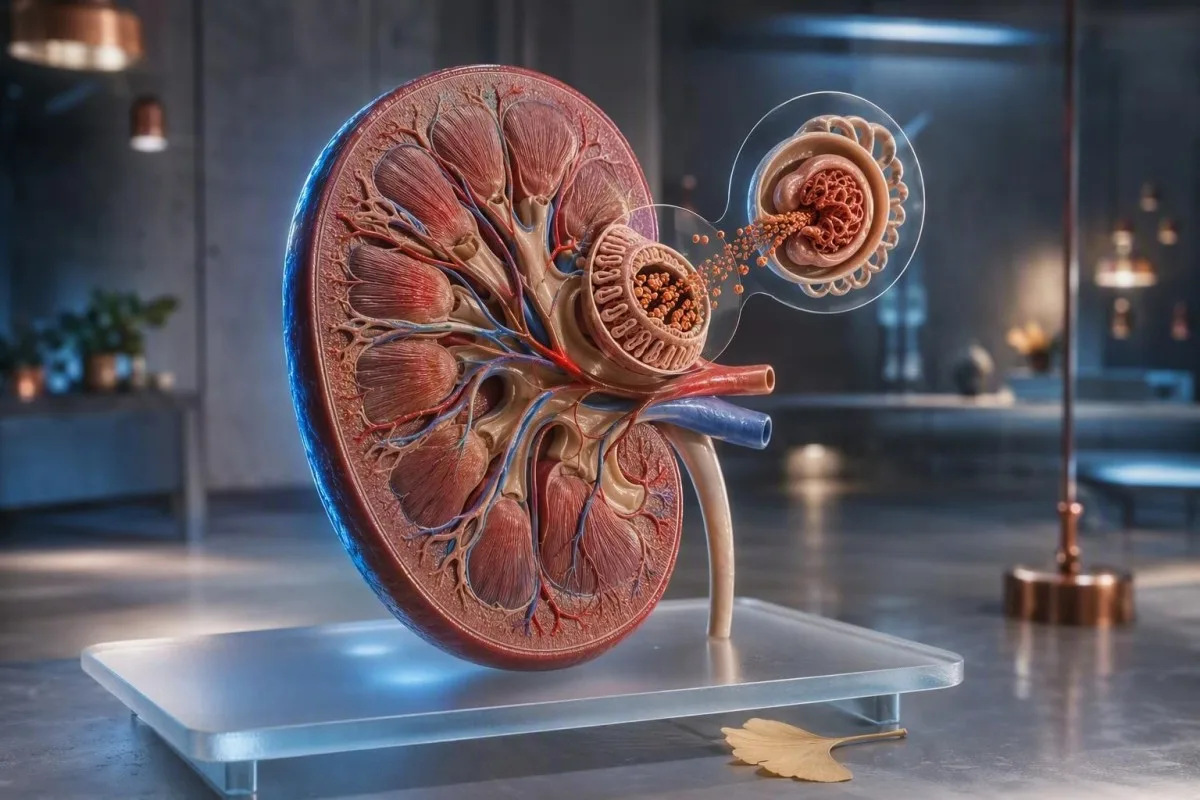
Մի քանի փուփուլները միզարձակման արագ հոսքից հետո, սովորաբար ֆիզիկական երևույթ են։ Փրփուրը, որը կրկնվում է ամանը ծածկելիս, մնում է լվանալուց հետո, կամ ուղեկցվում է այտուցով, ավելի շուտ մեզի ալբումինի թեստի կարիք ունի, քան ենթադրությունների։.


- Կարճ փուփուլներ որոնք անհետանում են վայրկյանների ընթացքում, սովորաբար արտացոլում են մեզի արագությունը, զուգարանի մաքրող միջոցի մնացորդները կամ խտացած մեզը, այլ ոչ թե երիկամների հիվանդությունը։.
- Մշտական փրփրուն մեզ ավելի մտահոգիչ է, երբ 1-2 րոպեի ընթացքում կրկնվող դեպքերում մնում է խիտ սպիտակ շերտ։.
- Մեզի ACR 3 մգ/մմոլ-ից (30 մգ/գ) ցածր ալբումինի արտազատումը մեծահասակների մեծ մասի մոտ նորմալ է մինչև թեթևակի բարձրացած։.
- Ալբումինուրիա 3-30 մգ/մմոլ (30-300 մգ/գ) պետք է հաստատվի վաղ առավոտյան նմուշների կրկնակի վերցմամբ առնվազն 3 ամսվա ընթացքում։.
- ACR-ը 30 մգ/մմոլ-ից բարձր (300 մգ/գ) ալբումինուրիայի ծանր բարձրացում է և պահանջում է անհապաղ կլինիկական գնահատում։.
- Կարմիր դրոշակներ ներառյալ դեմքի կամ ոտքերի այտուց, տեսանելի արյուն, շնչառության դժվարություն, միզարձակության նվազում, տենդ կամ հղիություն՝ գլխացավի և բարձր արյան ճնշման հետ մեկտեղ։.
- Կոլեկցիայի հարցերը: 24 ժամվա ընթացքում խուսափեք ինտենսիվ մարզումներից, օգտագործեք մաքուր, միջին հոսքի վաղ առավոտյան նմուշ, և տեղեկացրեք բժշկին դաշտանառության կամ միզուղիների վարակի (UTI) մասին։.
- Արյան անալիզները օգնում են: կրեատինին, eGFR, շիճուկային ալբումին, գլյուկոզա և HbA1c պարզաբանում են՝ արդյոք միզային սպիտակուցը արտացոլում է երիկամների, դիաբետի կամ համակարգային հիվանդություն։.
Ինչպես տարբերել անվնաս փրփուրը մշտական փրփրուն մեզից
Փրփրուն մեզի պատճառներ տարբերվում են ջրի վրա ընկնող արագ հոսքից մինչև երիկամային ֆիլտրի միջով արտահոսող ալբումին։ Անվնաս փրփուրները մեծ են, պարզ և արագ անհետանում են. մտահոգություն առաջացնող փրփուրը ավելի նուրբ է, սպիտակ, կրկնվող և մնում է մոտ 1-2 րոպե՝ մաքուր ամանի դեպքում։.
Մակերեսային լարվածությունը բացատրում է միանգամյա փրփուրների մեծ մասը։ Ուժեղ առաջին առավոտյան հոսքը, ջրազրկումը, խտացված լուծված նյութերը կամ մաքրող միջոցի մնացորդները կարող են օդ գցել ջրի մակերեսին՝ առանց սպիտակուցի կորստի. սա հատկապես տարածված է երկար թռիչքից, տենդից կամ ինտենսիվ մարզումից հետո։.
Ձևը ավելի կարևոր է, քան մեկ դիտարկումը։ Իմ 15 տարվա կլինիկական պրակտիկայում ես հիվանդներին խնդրում եմ նշել փրփուրը երեք առանձին օրերին՝ օգտագործելով մաքուր, չսպիտակեցված աման; կրկնվող նուրբ փրփուրի շերտը ավելի լավ պատճառ է հետազոտության համար, քան մարզումներից հետո դրամատիկ թվացող դրվագը։.
Միայն փրփուրը չի կարող ախտորոշել պրոտեինուրիա, քանի որ ֆոսֆատը, լեղու աղերը, սերմնաբջիջները և միզուղիների բորբոքումը նույնպես կարող են փոխել մակերեսային լարվածությունը։ Եթե միզը ամպամած է, քան փրփրուն, ապա տարբերակումը տեղափոխվում է դեպի բյուրեղներ, բջիջներ կամ վարակ; մեր ուղեցույցը ամպամած միզի հուշումներ օգնում է տարանջատել այս ձևերը։.
Տնային դիտարկման պարզ կանոն
Մի՛ լուսանկարեք զուգարանակոնքը կամ մի՛ փորձեք տնային “շտկման թեստեր”։ Փոխարենը, նշեք, արդյոք փրփուրը հայտնվում է մաքուր ամանի մեջ 7 օրվա ընթացքում առնվազն 3 օր, արդյոք այն տևում է 1 րոպեից ավելի, և արդյոք առկա են այտուց կամ արյան ճնշման փոփոխություններ։ Այս մանրամասները լաբորատորիայի խնդրանքը շատ ավելի օգտակար են դարձնում։.
Ինչու մեզում սպիտակուցը կարող է կայուն փրփուր առաջացնել
Փրփրուն միզային սպիտակուց ըमोस्ट հաճախ ալբումին է, բացասական լիցքավորված սպիտակուց, որը սովորաբար մնում է արյան շրջանառության մեջ։ Երբ երիկամային ֆիլտրը ավելի թափանցիկ է դառնում, ալբումինը նվազեցնում է մակերեսային լարվածությունը և կարող է ստեղծել փոքր, կայուն փրփուրներ։.
Առողջ մեծահասակը սովորաբար օրական արտադրում է 30 մգ-ից պակաս ալբումին, թեև սովորական թղթե թեստը կարող է չհայտնաբերել ցածր մակարդակի ալբումինի կորուստ։ Ավելի զգայուն միզային ալբումին-կրեատինին հարաբերակցությունը, կամ ACR, շտկում է ալբումինը միզի խտության համար և նախընտրելի է սկզբնական սկրինինգի համար։.
Ալբումինը միակ սպիտակուցը չէ, որը կարևոր է։ Լույսի շղթաները պլազմային բջիջների խանգարումներից, խողովակային սպիտակուցները որոշակի դեղամիջոցներից հետո, և անցողիկ սպիտակուցները տենդի ժամանակ կարող են դուրս մնալ թղթե թեստից, որը հիմնականում նախատեսված է ալբումինի համար. սա է պատճառը, որ բացասական թեստը չի լուծում մշտական փրփուրի յուրաքանչյուր դեպք։.
Դոկտոր Թոմաս Քլայնը վերանայում է միզային գտածոները շիճուկային կրեատինինի, eGFR-ի, ալբումինի և գլյուկոզի հետ մեկտեղ, այլ ոչ թե բուժելով տեսողական ախտանիշը որպես ախտորոշում։ Մեր շիճուկային սպիտակուցների ուղեցույց բացատրում է, թե ինչու ցածր արյան ալբումինի արդյունքը և բարձր միզային ACR-ը միասին ավելի մեծ քաշ ունեն, քան դրանցից մեկը առանձին։.
Միզարձակման փրփրման տարածված պատճառներ, որոնք կապված չեն երիկամների հետ
Ամենից շատ անցողիկ փրփրուն միզը ունի ոչ երիկամային բացատրություն՝ խտացած միզ, արագ միզել, վերջին սերմնաժայթքում, օճառի մնացորդներ, տենդ կամ ծանր մարզումներ։ Այս պատճառները սովորաբար վերանում են 24-48 ժամվա ընթացքում նորմալ հիդրացիայից և վերականգնումից հետո։.
Ջրազրկումը միզը դարձնում է ավելի մուգ և խտացած, ուստի փրփուրները կարող են ավելի խիտ երևալ, նույնիսկ երբ ալբումինի արտադրությունը նորմալ է։ Հաջորդ օրվա ընթացքում ձգտեք բաց-դեղին միզի, այլ ոչ թե չափից շատ հեղուկ խմել; մի քանի լիտր ջուր արագ խմելը կարող է ինքնին նվազեցնել նատրիումի մակարդակը զգայուն մարդկանց մոտ։.
Մարզումները կարող են անցողիկորեն բարձրացնել միզային ալբումինը։ 10 կիլոմետրանոց մրցավազք, բարձր ինտենսիվության դիմադրության մարզում կամ երկարատև ջերմային ազդեցություն կարող են առաջացնել սպիտակուց նմուշում, որը հավաքվել է անմիջապես հետո, ինչի պատճառով լաբորատորիաները սովորաբար խորհուրդ են տալիս խուսափել ուժեղ մարզումներից 24 ժամ առաջ ACR թեստավորման։.
Սերմը միզուկում սերմնաժայթքումից հետո կարող է առաջացնել ժամանակավոր պղպջակներ և հետք թողնող դրական սպիտակուցային շերտ։ Միզի տեսանելի վարդագույն կամ թեյի գույնի փոփոխությունները ամբողջությամբ փոխում են հարցը, և պետք է գնահատվեն այս ուղեցույցի միջոցով արյուն մեզում, հատկապես 45 տարեկանից հետո կամ ծխախոտի ազդեցության ենթարկված ցանկացած մարդու մոտ։.
Ե՞րբ մշտական փրփուրը վկայում է կլինիկորեն նշանակալի սպիտակուցային կորստի մասին
Կայուն փրփուրը հիմք է տալիս մեզի սպիտակուցի թեստավորման համար, երբ այն կրկնվում է, և հատկապես, երբ զուգակցվում է դիաբետի, բարձր արյան ճնշման, այտուցների կամ նվազած eGFR-ի հետ։ Ալբումինուրիան կարող է երիկամների վաղ նախազգուշացում լինել, նույնիսկ երբ կրեատինինը մնում է լաբորատոր միջակայքում։.
KDIGO-ն որպես A1 սահմանում է ACR-ը <3 մգ/մմոլ, կամ 30 մգ/գ, A2-ը՝ 3-30 մգ/մմոլ, իսկ A3 ալբումինուրիան՝ 30 մգ/մմոլ-ից բարձր։ Կատեգորիաները երիկամների և սրտանոթային ռիսկը գնահատում են ամենաճշգրիտ, երբ զուգակցվում են eGFR-ի հետ, ոչ թե առանձին (KDIGO, 2024)։.
Շաքարային դիաբետը և հիպերտոնիան ալբումինուրիայի ամենատարածված քրոնիկ պատճառներն են ամբողջ աշխարհում, բայց դրանք միակը չեն։ Գլոմերուլոնեֆրիտը, գիրության հետ կապված գլոմերուլոպաթիան, լուպուսը, պրեէկլամպսիան, քնի ապնոէն և որոշ հակաբորբոքային դեղամիջոցները նույնպես կարող են նպաստել դրան. կայուն արդյունքները պահանջում են, որ բժիշկը պարզի մեխանիզմը։.
Կանտեստին մի է AI արյան անալիզատոր , որը կրեատինինը, eGFR-ը, շիճուկային ալբումինը, գլյուկոզան և HbA1c-ը ներառում է մեկ երկայնական համատեքստում։ Այն չի կարող չափել մեզի ACR-ը արյան պանելիից, բայց այն կարող է օգնել բացահայտել այն նյութափոխանակային կամ երիկամային պրոֆիլը, որը մեզի արդյունքն ավելի հրատապ է դարձնում։.
Որո՞նք են մեզի սպիտակուցի թեստերը, որոնք լավագույնս պատասխանում են հարցին
Վաղ առավոտյան մեզի ACR սպոտ-թեստը մեծահասակների մոտ ալբումինի կորստի կասկածի դեպքում լավագույն առաջին թեստն է։ Սպիտակուց-կրեատինինի հարաբերակցությունը, կամ PCR, օգտակար է, երբ կասկածվում է ոչ ալբումինային սպիտակուցի առկայություն կամ երբ անհրաժեշտ է քանակականորեն որոշել ընդհանուր սպիտակուցը։.
ACR-ը Մեծ Բրիտանիայում և շատ այլ երկրներում հաշվետվությունների մեջ ներկայացվում է մգ/մմոլ-ով, իսկ Միացյալ Նահանգներում՝ մգ/գ-ով։ 3 մգ/մմոլ ACR-ը հավասար է մոտ 30 մգ/գ-ի. այս փոխարկումը կարևոր է, քանի որ հիվանդները երբեմն տարբեր միավորները շփոթում են արդյունքի մեծ փոփոխության հետ։.
Թրեյս կամ 1+ դիպստիկ սպիտակուցի արդյունքը սկրինինգի ցուցիչ է, ոչ թե ախտորոշում։ Հալական միզամուտքը, խիտ միզամուտքը և աղտոտումը կարող են պատճառ դառնալ կեղծ դրական արդյունքների, մինչդեռ նոսր միզամուտքը և ոչ ալբումինային սպիտակուցները կարող են հանգեցնել կեղծ հանգստության. քանակական թեստավորումը վերացնում է այդ անորոշությունը։.
24-ժամյա հավաքագրումն այժմ պահպանվում է ընտրված իրավիճակների համար, ինչպիսիք են շատ բարձր սպիտակուցի կորուստը, հղիության գնահատումը կամ անհամատեղելի սպոտ նմուշները։ Հեշտ է անբավարար հավաքագրել, ուստավա կարդացեք մեր գործնական 24-ժամյա մեզի հավաքման ուղեցույցը նախքան այն սկսելը։.
Ինչպես ճշգրիտ հավաքել մեզի սպիտակուցի թեստավորման համար
Մեզի սպիտակուցների ճշգրիտ թեստավորումը սկսվում է մաքուր վաղ առավոտյան միջին հոսքի նմուշով, որը հավաքվում է 24 ժամ անց առանց ծանր ֆիզիկական ակտիվության։ Արթնանալուց հետո առաջին միզամուտքը նախընտրելի է, քանի որ կեցվածքը, հիդրատացիան և ցերեկային ակտիվությունը ավելի քիչ ազդեցություն ունեն ալբումինի արտազատության վրա։.
Լվանալ ձեռքերը, օգտագործել տրամադրված ստերիլ տարան, սկսել միզել զուգարանակոնքի մեջ, այնուհետև բռնել միջին մասը՝ չդիպչելով տարայի կամ կափարիչի ներսին։ Անմիջապես հանձնել նմուշը. եթե ուշացումը անխուսափելի է, հետևել լաբորատորիայի սառեցման ցուցումներին, քան թողնել այն տաք մեքենայում։.
Հետաձգել ոչ հրատապ թեստավորումը ախտանշանային միզուղիների վարակի (UTI), տենդի, փորլուծության, դաշտանի կամ ուժեղ ֆիզիկական ակտիվությունից 24 ժամվա ընթացքում։ Այս պայմանները կարող են ժամանակավորապես բարձրացնել ալբումինի արտազատությունը, մինչդեռ դաշտանային աղտոտումը կարող է նաև առաջացնել արյան և սպիտակուցի տեսանելիություն.; лейкоцитарной эстеразы կարող է պարզաբանել հնարավոր վարակիչ պատճառը։.
Ուղղահայաց պրոտեինուրիան արժանի է հիշատակման, հատկապես դեռահասների և երիտասարդ մեծահասակների մոտ։ Սպիտակուցը, որը հայտնվում է ցերեկային միզամուտքում, բայց բացակայում է առավոտյան առաջին նմուշից, հաճախ բարորակ է, թեև բժիշկը պետք է հաստատի նախշը, այլ ոչ թե ենթադրի այն։.
Ինչպես մեկնաբանել ACR և սպիտակուց-կրեատինին արդյունքները
ACR-ը 3 մգ/մմոլ-ից ցածր սովորաբար հանգստացնող է, մինչդեռ հաստատված ACR-ը 3 մգ/մմոլ կամ ավելի բարձր պահանջում է ռիսկի վրա հիմնված հետևում։ Մեկ բարձրացած նմուշը չի հաստատում քրոնիկ երիկամային հիվանդություն, քանի որ ֆիզիկական ակտիվությունը, վարակը և գլյուկոզայի բարձրացումը կարող են առաջացնել կարճատև ալբումինուրիա։.
Շաքարային դիաբետ չունեցող մեծահասակների համար նոր բարձրացած ACR-ը սովորաբար կրկնվում է վաղ առավոտյան նմուշի օգտագործմամբ մի քանի շաբաթվա ընթացքում։ Քրոնիկ երիկամային հիվանդությունը պահանջում է 3 ամսվա ընթացքում առկա անոմալիաներ, բացառությամբ ակնհայտ սուր երիկամային վնասվածքի կամ զգալիորեն բարձրացած սպիտակուցի, որը պահանջում է ավելի արագ վերանայում (KDIGO, 2024)։.
ACR-ը 70 մգ/մմոլ-ից բարձր (մոտ 700 մգ/գ) սովորաբար արժանի է շտապ մասնագիտական քննարկման, նույնիսկ եթե eGFR-ը պահպանված է, հատկապես մեզի մեջ արյան առկայության դեպքում։ Նեֆրոտիկ-դիապազոնի պրոտեինուրիան սովորաբար PCR-ն է 300 մգ/մմոլ-ից բարձր կամ սպիտակուցի արտազատումը 3,5 գ/օր-ից բարձր, հաճախ ուղեկցվում է այտուցով և ցածր շիճուկային ալբումինով։.
Կանտեստին մի է ԱԻ լաբորատոր թեստի մեկնաբանման ծառայությունում , որը կարող է կազմակերպել երիկամային արյան մարկերները ամսաթվերի համաձայն և ազդանշել eGFR-ի անկման միտումը։ Միտումի մեկնաբանությունը աջակցում է, բայց երբեք չի փոխարինում երիկամային միկրոսկոպիայի, ACR հաստատման և դեղորայքի վերանայման բժշկական գնահատմանը։.
Արյան թեստեր, որոնք իմաստավորում են փրփրուն մեզի արդյունքները
Կրեատինինը, eGFR-ը, շիճուկային ալբումինը, գլյուկոզան, HbA1c-ը, էլեկտրոլիտները և լիպիդները օգնում են պարզել, թե արդյոք մեզի սպիտակուցը արտացոլում է երիկամների ֆիլտրացիոն վնասը, թե ավելի լայն նյութափոխանակային խանգարումը։ Սովորական կրեատինինը չի բացառում ալբումինուրիայի վաղ փուլը։.
eGFR-ը հաշվարկվում է կրեատինինից և շատ դիաբետ ունեցող մարդկանց մոտ ալբումինի աննշան արտահոսքից ավելի ուշ է նվազում։ 3 ամիս կամ ավելի երկար ժամանակահատվածում 60 մլ/րոպե/1.73 մ²-ից ցածր eGFR-ը բավարարում է քրոնիկ երիկամային հիվանդության չափանիշներից մեկը, սակայն արժեքները պետք է մեկնաբանվեն ըստ տարիքի, մկանային զանգվածի և վերջին հիվանդության։.
Մոտավորապես 35 գ/լ-ից ցածր շիճուկային ալբումինը, զուգորդված մեզի մեծ քանակությամբ սպիտակուցների և նոր` կոճերի այտուցի հետ, մտահոգություն է առաջացնում երիկամային սպիտակուցների զգալի կորստի վերաբերյալ։ Ընդհակառակը, բարձր ալբումինը մուգ մեզի հետ ավելի հաճախ արտացոլում է ջրազրկումը. մեր eGFR ջրազրկումից հետո ուղեցույցը բացատրում է, թե ինչու է վերականգնումից հետո կրկնակի թեստավորումը կարող լինել իմաստալից։.
Շաքարային դիաբետի ամերիկյան ասոցիացիան խորհուրդ է տալիս առնվազն տարեկան UACR և eGFR թեստավորում 2-րդ տիպի դիաբետի և 5 տարի կամ ավելի երկար տևողությամբ 1-ին տիպի դիաբետի դեպքում (ADA Professional Practice Committee, 2024): HbA1c-ը մեզ պատմում է միջին գլիկեմիայի մասին, սակայն գլյուկոզայի կտրուկ բարձրացումը դեռ կարող է անցողիկորեն բարձրացնել մեզի ալբումինը, նախքան HbA1c-ի փոփոխությունը։.
Դեղորայք, հավելումներ և հիվանդություններ, որոնք կարող են ազդել մեզի սպիտակուցի վրա
Հակաբորբոքային ցավազգիչ դեղամիջոցները, լիթիումը, որոշ քիմիոթերապևտիկ միջոցներ և ծանր վարակները կարող են փոխել երիկամների ֆիլտրացիան կամ խողովակային սպիտակուցների մշակումը։ Մի դադարեցրեք նշանակված դեղորայքը միայն այն պատճառով, որ մեզը փրփրուն է երևում; խնդրեք մեզի և երիկամների արյան թեստի վերանայում։.
NSAID-ները, ինչպիսիք են իբուպրոֆենը և նապրոքսենը, կարող են նվազեցնել երիկամների արյան հոսքը, հատկապես ջրազրկման, սրտային անբավարարության կամ առկա CKD-ի ժամանակ։ Ռիսկը մեծանում է, երբ NSAID-ը համակցվում է դիուրետիկի և ACE inhibitor-ի կամ ARB-ի հետ, մի համադրություն, որը բժիշկները երբեմն անվանում են “եռակի հարված”։”
SGLT2 դեղամիջոցները կարող են առաջացնել eGFR-ի մի փոքր վաղ նվազում, բայց սովորաբար ժամանակի ընթացքում նվազեցնում են ալբումինուրիան պատշաճ ընտրված հիվանդների մոտ։ Այս սպասված հեմոդինամիկ փոփոխությունը տարբերվում է առաջադեմ վնասից. տես eGFR-ի փոփոխությունները SGLT2 բուժման դեպքում գործնական տարբերությունների համար։.
Վիտամին C-ի բարձր դոզան կարող է խանգարել մեզի որոշ մատիտներին, մինչդեռ կրեատինը կարող է բարդացնել կրեատինինի մեկնաբանությունը՝ առանց անպայման վնասելու երիկամները։ Այցի ժամանակ ներկայացրեք դեղատոմսով նշանակված դեղերի, առանց դեղատոմսի ցավազրկողների, սպիտակուցային փոշիների և բուսական միջոցների ամբողջական ցուցակը՝ անունները և դեղաչափերը կարևոր են։.
Շաքարախտը և արյան բարձր ճնշումը. ամենաբարձր մակարդակի ռիսկի ստուգումները
Դիաբետը և հիպերտոնիան դարձնում են մշտական փրփուրը ավելի կլինիկորեն նշանակալի, քանի որ երկուսն էլ կարող են առաջացնել ալբումինուրիա տարիներ առաջ` մինչև ախտանշանների ի հայտ գալը։ Արյան ճնշումը 140/90 մմ սնդ. ստ. սանդղակում կամ ավելի բարձր, և ACR-ը 3 մգ/մմոլ-ում կամ ավելի բարձր պետք է հանգեցնի առաջնային բուժօգնության կառուցված մշակման։.
Շատ CKD և ալբումինուրիա ունեցող մարդկանց համար բժիշկները ձգտում են ստանդարտացված գրասենյակային սիստոլիկ արյան ճնշում 120 մմ սնդ. ստ. սանդղակից ցածր պահել, երբ դա հանդուրժվում է, թեև թիրախները պետք է անհատականացվեն ըստ տարիքի, ընկնելու ռիսկի, հղիության և չափման մեթոդի։ Տնային չափումները, եթե կատարվել են ոչ ճիշտ, չպետք է միայն դեղորայքի փոփոխություններ առաջացնեն։.
Ալբումինուրիան նաև անոթային ռիսկի մարկեր է։ Մենք մտահոգվում ենք ACR-ի բարձրացման և բարձր արյան ճնշման վերաբերյալ, քանի որ միասին դրանք ենթադրում են էնդոթելիալ և գլոմերուլյար սթրես, մինչդեռ ցանկացած գտածք, որը տեղի է ունեցել սուր հիվանդության ժամանակ, կարող է լինել անցողիկ; մեր հիպերտոնիայի լաբորատոր ուղեցույցը մանրամասնում է ավելի լայն հետազոտությունը։.
Կանտեստին մի է AI բիոմարկերների մեկնաբանման հարթակ օգտագործվում է 127+ երկրներում՝ գլյուկոզայի, HbA1c-ի, երիկամային մարկերների և լիպիդային միտումների համեմատության համար։ Մշտական փրփրուն մեզի համար, համապատասխան հաջորդ թեստը մնում է լաբորատոր մեզի ACR-ը, որը իդեալական է վերանայել արյան ճնշումը կամ դիաբետը կառավարող նույն կլինիկական թիմի հետ։.
Հղիության և երեխաների մոտ փրփրուն մեզի համար տարբեր կանոններ են գործում
Հղիության ընթացքում փրփրուն մեզը պահանջում է նույն օրը գնահատում, եթե այն ուղեկցվում է գլխացավով, տեսողության փոփոխությամբ, որովայնի վերին մասում ցավով, հանկարծակի այտուցով կամ բարձր արյան ճնշմամբ։ 20 շաբաթից հետո պրոտեինուրիան կարող է լինել նախածննդյան էկլամպսիայի մաս, սակայն միայն արտաքին տեսքը երբեք ախտորոշիչ չէ։.
Հղիության ընթացքում 30 մգ/մմոլ կամ ավելի սպիտակուց-կրեատինին հարաբերակցությունը, կամ 24 ժամում 300 մգ սպիտակուցը, աջակցում է զգալի պրոտեինուրիային համապատասխան կլինիկական պայմաններում։ Նորմալ տեսք ունեցող մեզի նմուշը չի կարող բացառել նախածննդյան էկլամպսիան, եթե արյան ճնշումը 140/90 մմ սնդ. ստ. սանդղակում կամ ավելի բարձր է մտահոգիչ ախտանշաններով։.
Երեխաները հաճախ ունենում են ժամանակավոր պրոտեինուրիա տենդից, սպորտից կամ ջրազրկումից հետո։ Երեք նմուշներում սպիտակուցի առկայությունը, բարձր արյան ճնշումը, այտուցը կամ մեզում արյունը պահանջում են մանկաբուժական գնահատում; առավոտյան առաջին թեստավորումը հատկապես օգտակար է դեռահասների մոտ պոստուրալ պրոտեինուրիայի բացառման համար։.
Հղիությունը փոխում է ֆիլտրացիան, ուստի այն կրեատինինի արժեքները, որոնք “նորմալ” են թվում ոչ հղի չափահասների համար, կարող են չլինել հուսադրող։ Մեր ուղեցույցը հղիության GFR արժեքները ապահովում է համատեքստ, բայց անհետաձգելի ախտանշանները պետք է ուղղվեն անմիջապես մայրության բուժկետ, այլ ոչ թե առցանց մեկնաբանությանը։.
Կարմիր դրոշակներ. երբ փրփրուն մեզը պահանջում է շտապ բժշկական օգնություն
Շտապ բժշկական գնահատում դիմեք փրփրուն մեզի, շնչահեղձության, ոտքերի կամ դեմքի այտուցվածության արագ աճի, մեզի զգալի նվազման, արյան տեսանելի առկայության, տենդի ու կողքի ցավի կամ հղիության նախազգուշացնող ախտանիշների դեպքում։ Այս համադրությունները կարող են վկայել երիկամների, սրտի, վարակիչ կամ հղիության հետ կապված լուրջ հիվանդությունների մասին։.
Առավոտյան արթնանալիս դեմքի նոր փքվածությունը, երեկոյան կիպ կոշիկները և 2-3 օրվա ընթացքում 2 կգ-ից ավելի քաշի ավելացումը կարող են վկայել հեղուկի կանգի մասին։ Երբ այդ ախտանիշներն ուղեկցվում են մշտական փրփուրով, բժիշկները հրատապ ստուգում են մեզի սպիտակուցը, կրեատինինը, ալբումինը, արյան ճնշումը, իսկ երբեմն էլ կրծքավանդակի վիճակը։.
Ծանր մկանային ցավով ուղեկցվող ինտենսիվ ֆիզիկական ծանրաբեռնվածությունից հետո թեյի գույնի մեզը բնորոշ փրփուր չէ. այն կարող է ազդարարել միոգլոբինի արտանետում և պահանջում է շտապ արյան և մեզի թեստավորում։ Նույնը վերաբերում է կոլայի գույնի մեզին՝ նվազած արտադրությամբ, որը կարող է արտացոլել գլոմերուլյար արյունահոսություն կամ մկանային վնասվածք։.
Դոկտոր Թոմաս Քլայնը խորհուրդ է տալիս հիվանդներին չսպասել տնային թեստի արդյունքին, երբ առկա են վտանգի նշաններ։ Ֆիզիկական ծանրաբեռնվածության հետ կապված գույնի փոփոխությունների դեպքում մեր հոդվածը « վազորդի հեմատուրիա » բացատրում է սպեկտրի բարորակ ծայրը և այն հատկանիշները, որոնք ոչ բարորակ են։.
Ի՞նչ են անում բժիշկները մեզի սպիտակուցի դրական արդյունքից հետո
ACR կամ PCR դրական արդյունքից հետո բժիշկները սովորաբար հաստատում են արդյունքը, չափում են արյան ճնշումը և eGFR-ը, հետազոտում են մեզի նստվածքը և վերանայում են դիաբետը, դեղորայքը, աուտոիմունային ախտանիշները և ընտանեկան պատմությունը։ Հաջորդ քայլը կախված է քանակից, տևականությունից և ուղեկցող արյան առկայությունից կամ ֆիլտրացիայի նվազումից։.
Մեզի մանրադիտակային հետազոտությունը կարող է բացահայտել կարմիր արյան բջիջներ, սպիտակ արյան բջիջներ և ձուլուկներ, որոնք միայն սպիտակուցի թիվը չի կարող բացատրել։ Կարմիր արյան բջիջների ձուլուկները կամ դիսմորֆ կարմիր արյան բջիջները ենթադրում են գլոմերուլյար ծագում և արագացնում են նեֆրոլոգիական խորհրդատվությունը; պարզ հիալինային ձուլուկները կարող են առաջանալ ջրազրկումից կամ ֆիզիկական ծանրաբեռնվածությունից հետո, ինչպես նկարագրված է մեր հիալինային ձուլուկների ուղեցույցում.
Եթե ալբումինուրիան հաստատվի, բուժումը սովորաբար ուղղված է պատճառի վրա. արյան ճնշման վերահսկում, գլյուկոզայի կառավարում, քաշի և ծխելու դադարեցման աջակցություն, և երիկամները պաշտպանող դեղորայք, որտեղ դա անհրաժեշտ է։ երիկամների ուլտրաձայնային հետազոտություն, իմունային թեստավորում, շիճուկային էլեկտրաֆորեզ կամ երիկամների բիոպսիա ընտրովի թեստեր են, ոչ թե 1+ թեստային շերտիկի ավտոմատ հետևանք։.
Kantesti-ի կլինիկական մեթոդաբանությունը վերանայվում է կառուցված անվտանգության ստանդարտների համաձայն, և ընթերցողները կարող են ծանոթանալ մեր բժշկական վավերացման մոտեցումը. ։ Մեր դերը եղած արյան արդյունքները ավելի հեշտ քննարկելն է, ոչ թե պատկերից կամ մեկ լաբորատոր արժեքից գլոմերուլյար խանգարում ախտորոշելը։.
Յոթօրյա պրակտիկ պլան մշտական փրփուրի համար
Եթե առանց վտանգի նշանների մշտական փրփրուն մեզ է առկա, 1-2 շաբաթվա ընթացքում նշանակեք առաջնային բուժօգնության մեզի ACR և մեզի ընդհանուր անալիզ, իդեալականորեն վաղ առավոտյան նմուշ օգտագործելով։ Արձանագրեք արյան ճնշումը, հիդրատացիան, ֆիզիկական ծանրաբեռնվածությունը, դեղորայքը և արդյոք փրփուրը տևում է ավելի քան 1 րոպե յոթ օրվա ընթացքում։.
Օր 1-3. նորմալ հիդրատացիա, խուսափեք ինտենսիվ ֆիզիկական ծանրաբեռնվածությունից և դիտարկեք միայն մաքուր զուգարանակոնքի մեջ՝ առանց լվացող միջոցների։ Մի փորձեք “լվանալ” խնդիրը ավելորդ ջրով. նպատակը ներկայացուցչական նմուշն է, ոչ թե արհեստականորեն նոսրացվածը։.
Օր 4-7. խնդրեք մեզի ընդհանուր անալիզ և ACR, և հարցրեք, արդյոք կրեատինինը, eGFR-ը, կալիումը, շիճուկային ալբումինը, գլյուկոզան և HbA1c-ը համապատասխան են ձեր հանգամանքներին։ Ներկայացրեք նախորդ արդյունքները, քանի որ ACR 2-ից 8 մգ/մմոլ փոփոխությունը ավելի մեծ նշանակություն ունի, քան առանց համատեքստի ցանկացած թիվ.; трекінг результатів у часі կարող է օգնել կազմակերպել ամսաթվերը։.
Սեպտեմբերի 4, 2026 թվականի դրությամբ, ողջախոհ հաղորդագրությունը մնում է հանգստացնող, բայց կտրուկ. մեկուսացած փրփուրների մեծ մասը անվնաս է, մինչդեռ կրկնվող նուրբ փրփուրը արժանի է քանակական մեզի թեստի։ Եթե ձեզ անհրաժեշտ է օգնություն հարցեր պատրաստելու համար բժշկի համար, մեր բժշկական խորհրդատվական թիմը սահմանում է կլինիկական ստանդարտները մեր կրթական բովանդակության ետևում։.
Հաճախակի տրվող հարցեր
Անփրփուր մեզը միշտ ազդանշանո՞ւմ է արյան մեջ սպիտակուցի առկայություն։
Ոչ, փրփրուն մեզը միշտ չէ, որ սպիտակուցի կորստի նշան է։ Արագ հոսքը, ջրազրկումը, զուգարանակոնքի մաքրող միջոցների մնացորդները, տենդը, ֆիզիկական ծանրաբեռնվածությունը և սերմնահեղուկը կարող են առաջացնել փուչիկներ, որոնք անհետանում են վայրկյանների ընթացքում։ Մշտական, մանր սպիտակ փրփուրը, որը կրկնվում է մի քանի օրերի ընթացքում, ավելի շատ վկայում է պրոտեինուրիայի մասին և պետք է ստուգվի մեզի ալբումին-կրեատինին հարաբերակցությամբ։ ACR-ը 3 մգ/մմոլ, որը հավասար է 30 մգ/գ, կամ ավելի բարձր ցուցանիշը համարվում է այնքան ոչ նորմալ, որքան պահանջում է կլինիկական համատեքստը և հաճախ կրկնակի թեստավորում։.
Որքա՞ն պետք է տևի միզամուտքի փրփուրը, մինչև մտահոգվելու պատճառ լինի:
Փրփուրը, որը կրկնվող դեպքերում մնում է խիտ շերտի տեսքով մոտ 1-2 րոպե, ավելի անհանգստացնող է, քան մեծ փուչիկները, որոնք արագ անհետանում են։ Տևողությունը ախտորոշիչ թեստ չէ, քանի որ զուգարանակոնքի քիմիական նյութերն ու մեզի խտությունը կարող են փոխել փրփուրի կայունությունը։ Եթե պատկերն կրկնվում է 3 կամ ավելի օր, 1-2 շաբաթվա ընթացքում կազմակերպեք մեզի ընդհանուր անալիզ և մեզի ACR։ Անհապաղ դիմեք բժշկական օգնության, եթե փրփուրը ուղեկցվում է այտուցով, տեսանելի արյունով, շնչահեղձությամբ, տենդով կամ մեզի արտադրության նվազմամբ։.
Ինչ մեզի սպիտակուցի թեստ պետք է խնդրեմ։
Մեծահասակների մեծ մասի համար լավագույն առաջին թեստը առավոտյան միզանոթի ալբումին-կրեատինին հարաբերակցությունն է, որը կոչվում է ACR կամ UACR։ ACR-ը 3 մգ/մմոլ-ից կամ 30 մգ/գ-ից ցածրը սովորաբար համարվում է նորմալ կամ մի փոքր բարձր, մինչդեռ 3-30 մգ/մմոլ-ը ցույց է տալիս միջին աստիճանի ալբումինուրիա։ Սպիտակուց-կրեատինին հարաբերակցությունը կարող է ավելացվել, երբ կասկածվում է սպիտակուցի ընդհանուր կամ ոչ-ալբումինային կորուստ։ Ռուտինային թեստ-ստրիպը օգտակար է սկրինինգի համար, բայց ավելի քիչ ճշգրիտ է, քան ACR-ը ցածր մակարդակի ալբումինի կորստի համար։.
Ուժեղ ջրազրկումը կարո՞ղ է փրփրուն մեզ առաջացնել։
Այո, ջրազրկումը կարող է մեզ ավելի խիտ դարձնել և առաջացնել ավելի տեսանելի փրփուր կամ պղպջակներ՝ առանց երիկամներում սպիտակուցի կայուն կորստի։ Այն հաճախ առաջանում է մուգ դեղին մեզի, ծարավի, ջերմային ազդեցության, փսխման, լուծի կամ երկար ժամանակ ջուր չխմելու դեպքում։ Վերադարձեք սովորական հեղուկի ընդունմանը 24-48 ժամվա ընթացքում՝ մինչև ոչ շտապ թեստը, սակայն խուսափեք չափից շատ հեղուկ խմելուց՝ պարզապես արդյունքը նոսրացնելու համար։ Եթե հիդրացիայից հետո փրփուրը մնում է, խնդրեք մեզի ACR թեստավորում։.
Կարո՞ղ է ֆիզիկական ակտիվությունը սպիտակուց և փրփուր առաջացնել մեզի մեջ։
Ծանր ֆիզիկական ակտիվությունը կարող է առաջացնել ժամանակավոր ալբումինուրիա և փրփրուն մեզ, հատկապես վազքից, ծանր ռեզիստենտային մարզումներից, տոկունության միջոցառումներից կամ շոգին մարզվելուց հետո: Այս ազդեցությունը սովորաբար վերանում է 24-48 ժամվա ընթացքում, այդ իսկ պատճառով ACR նմուշը իդեալական է հավաքել 24 ժամվա ընթացքում ակտիվ ֆիզիկական ակտիվությունը խուսափելուց հետո: Վերականգնումից հետո վաղ առավոտյան վերցված նմուշում սպիտակուցիուրիան, որը պայմանավորված է միայն ֆիզիկական ակտիվությամբ, ավելի քիչ հավանական է: Մուգ կամ կոլայի գույնի մեզ՝ ուժեղ մկանային ցավով, պահանջում է անհապաղ բժշկական գնահատում:.
Որո՞նք են վտանգավոր ACR մակարդակները:
ACR-ը 30 մգ/mmol-ից (300 մգ/գ) բարձր լինելը ալբումինուրիայի զգալի բարձրացում է և պահանջում է անհապաղ բժշկական գնահատում, հատկապես, եթե eGFR-ը նվազել է կամ մեզում արյուն կա։ ACR-ը 70 մգ/mmol-ից (700 մգ/գ) բարձր լինելը, սովորաբար, հանգեցնում է մասնագետի հրատապ քննարկման, նույնիսկ եթե կրեատինինը նորմալ է։ Ռիսկը որոշվում է ACR-ի, eGFR-ի, արյան ճնշման, դիաբետի կարգավիճակի, ախտանշանների և կրկնակի չափումների համադրությամբ։ Մեկ բարձրացած ACR սովորաբար պետք է հաստատվի, եթե կլինիկական իրավիճակը հրատապ չէ։
.Ստացեք AI-ով աշխատող արյան անալիզի վերլուծություն այսօր
Միացեք ավելի քան 2 միլիոն օգտատերերի ամբողջ աշխարհում, ովքեր վստահում են Kantesti-ին՝ լաբորատոր թեստերի ակնթարթային, ճշգրիտ վերլուծության համար։ Վերբեռնեք ձեր արյան անալիզի արդյունքները և ստացեք 15,000+ բիոմարկերների համապարփակ մեկնաբանություն վայրկյանների ընթացքում։.
📚 Հղված հետազոտական հրապարակումներ
Klein, T., Mitchell, S., & Weber, H. (2026). Կլինիկական վավերացման շրջանակ v2.0 (Բժշկական վավերացման էջ).։ Kantesti AI Medical Research.
Klein, T., Mitchell, S., & Weber, H. (2026). AI արյան անալիզատոր. Վերլուծվել է 2.5M թեստ | Համաշխարհային առողջապահական զեկույց 2026.։ Kantesti AI Medical Research.
📖 Արտաքին բժշկական հղումներ
⚕️ Բժշկական հրաժարում
Այս հոդվածը միայն կրթական նպատակների համար է և չի հանդիսանում բժշկական խորհրդատվություն։ Ախտորոշման և բուժման որոշումների համար միշտ խորհրդակցեք որակավորված բուժաշխատողի հետ։.
E-E-A-T վստահության ազդանշաններ
Փորձառություն
Բժշկի կողմից ղեկավարվող կլինիկական վերանայում՝ լաբորատոր մեկնաբանության աշխատանքային հոսքերի համար։.
Մասնագիտություն
Լաբորատոր բժշկության կենտրոնացում՝ այն բանի վրա, թե ինչպես են բիոմարկերները դրսևորվում կլինիկական համատեքստում։.
Հեղինակություն
Գրված է դոկտոր Թոմաս Քլայնի կողմից՝ դոկտոր Սառա Միթչելի և պրոֆեսոր դոկտոր Հանս Վեբերի կողմից վերանայմամբ։.
Հուսալիություն
Ապացույցների վրա հիմնված մեկնաբանություն՝ հստակ հետագա քայլերի ուղիներով՝ ահազանգերը նվազեցնելու համար։.