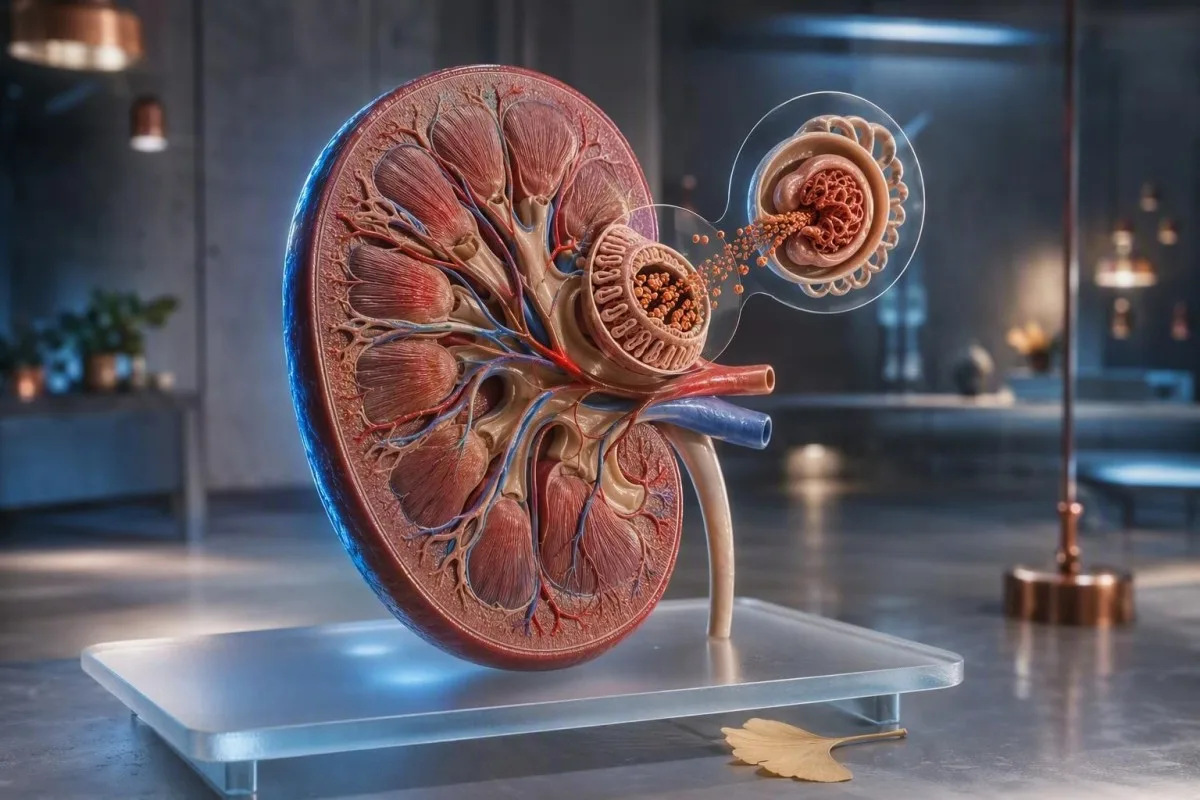
پیشاب کے تیز بہاؤ کے بعد کچھ بلبلے عام طور پر طبیعیات کا نتیجہ ہوتے ہیں۔ جھاگ جو بار بار پیالے کا احاطہ کرتا ہے، فلشنگ کے بعد بھی رہتا ہے، یا سوجن کے ساتھ آتا ہے، اندازے کے بجائے پیشاب البومن ٹیسٹ کا مستحق ہے۔.


- مختصر بلبلے جو سیکنڈوں میں غائب ہو جاتے ہیں وہ عام طور پر گردے کی بیماری کے بجائے پیشاب کی رفتار، ٹوائلٹ کلینر کے باقیات، یا گاڑھا پیشاب کی عکاسی کرتے ہیں۔.
- مستقل جھاگ دار پیشاب اس وقت زیادہ تشویشناک ہوتا ہے جب بار بار ہونے والے مواقع پر 1-2 منٹ تک ایک گھنا سفید تہہ برقرار رہے۔.
- پیشاب ACR 3 mg/mmol (30 mg/g) سے نیچے زیادہ تر بالغوں میں البومن کا اخراج معمول یا ہلکا سا بڑھا ہوا ہوتا ہے۔.
- البومینوریا 3-30 mg/mmol (30-300 mg/g) کو کم از کم 3 مہینوں کے دوران صبح کے وقت کے نمونوں کو دہرانے سے تصدیق کی جانی چاہئے۔.
- ACR 30 mg/mmol سے اوپر (300 mg/g) شدید طور پر بڑھا ہوا البومینوریا ہے اور اس کے لیے فوری طبی تشخیص کی ضرورت ہے۔.
- خطرے کی نمایاں علامات چہرے یا ٹانگوں کی سوجن، نظر آنے والا خون، سانس کی قلت، پیشاب کی مقدار میں کمی، بخار، یا سر درد اور ہائی بلڈ پریشر کے ساتھ حمل شامل ہیں۔.
- نمونہ جمع کرنا: 24 گھنٹے تک سخت ورزش سے گریز کریں، صبح کا صاف درمیان کا نمونہ استعمال کریں، اور ماہواری یا پیشاب کی نالی کے انفیکشن (UTI) کے بارے میں ڈاکٹر کو بتائیں۔.
- خون کے ٹیسٹ مددگار ہیں: کریٹینائن، eGFR، سیرم البومن، گلوکوز، اور HbA1c یہ واضح کرتے ہیں کہ آیا پیشاب میں پروٹین گردے، ذیابیطس، یا سیسٹیمیٹک بیماری کی عکاسی کرتا ہے۔.
بے ضرر بلبلوں کو مستقل جھاگ دار پیشاب سے کیسے پہچانیں
جھاگ دار پیشاب کی وجوہات پانی پر تیز دھار سے گرنے والے البومن کے گردے کے فلٹر سے گزرنے تک مختلف ہو سکتے ہیں۔ بے ضرر بلبلے بڑے، صاف ہوتے ہیں اور تیزی سے غائب ہو جاتے ہیں۔ پریشان کن جھاگ باریک، سفید، بار بار آنے والا ہوتا ہے، اور صاف پیالے کے باوجود تقریباً 1-2 منٹ تک رہتا ہے۔.
سطح کا تناؤ زیادہ تر ایک بار کے بلبلوں کی وضاحت کرتا ہے۔ صبح کی پہلی تیز دھار، پانی کی کمی، مرتکز محلول، یا صفائی کے ایجنٹ کے باقیات ہوا کو پانی کی سطح پر پھنسا سکتے ہیں بغیر کسی پروٹین کے نقصان کے؛ یہ خاص طور پر طویل پرواز، بخار، یا سخت ورزش کے بعد عام ہے۔.
ایک مشاہدے کے بجائے ایک نمونہ زیادہ اہمیت رکھتا ہے۔ اپنی 15 سالہ طبی مشق میں، میں مریضوں سے صاف، بغیر بلیچ والے پیالے کا استعمال کرتے ہوئے تین الگ الگ دنوں میں جھاگ کو نوٹ کرنے کو کہتا ہوں۔ بار بار آنے والا باریک جھاگ، ورزش کے بعد ڈرامائی نظر آنے والے واقعے سے زیادہ ٹیسٹ کرنے کی بہتر وجہ ہے۔.
جھاگ اکیلے پروٹینوریا کی تشخیص نہیں کر سکتا کیونکہ فاسفیٹ، पित्त کے نمکیات، سیمن، اور پیشاب کی نالی کی سوزش بھی سطح کے تناؤ کو تبدیل کر سکتی ہے۔ اگر پیشاب جھاگ کے بجائے گدلا ہو تو، فرق کرسٹل، خلیات، یا انفیکشن کی طرف بڑھ جاتا ہے۔ ہمارا رہنما گدلا پیشاب کے اشارے ان نمونوں کو الگ کرنے میں مدد کرتا ہے۔.
گھر میں ایک سادہ مشاہدہ کا اصول
ٹوائلٹ کے پیالے کی تصویر نہ لیں یا گھر پر “شیک ٹیسٹ” کرنے کی کوشش نہ کریں۔ اس کے بجائے، نوٹ کریں کہ آیا 7 دن میں سے کم از کم 3 دن صاف پیالے میں جھاگ ہوتا ہے، کیا یہ 1 منٹ سے زیادہ رہتا ہے، اور کیا سوجن یا بلڈ پریشر میں تبدیلی موجود ہے۔ وہ تفصیلات لیبارٹری کی درخواست کو بہت زیادہ مفید بناتی ہیں۔.
پیشاب میں پروٹین سے مستحکم جھاگ کیوں بن سکتا ہے
جھاگ والا پیشاب پروٹین اکثر البومن ہوتا ہے، جو ایک منفی چارج شدہ پروٹین ہے جو عام طور پر خون میں رہتا ہے۔ جب گلومیرولر فلٹر زیادہ پارگمی ہو جاتا ہے، تو البومن سطح کے تناؤ کو کم کرتا ہے اور چھوٹے، مستحکم بلبلے پیدا کر سکتا ہے۔.
ایک صحت مند بالغ عام طور پر روزانہ 30 ملی گرام سے کم البومن خارج کرتا ہے، حالانکہ ایک معمول کی ڈپ اسٹک کم سطح کے البومن کے اخراج کا پتہ نہیں لگا سکتی ہے۔ زیادہ حساس پیشاب البومن-کریٹینائن تناسب، یا ACR، پیشاب کی ارتکاز کے لیے البومن کو درست کرتا ہے اور ابتدائی اسکریننگ کے لیے ترجیح دی جاتی ہے۔.
البومن واحد پروٹین نہیں ہے جو اہم ہے۔ پلازما سیل کے عوارض سے ہلکی زنجیریں، کچھ ادویات کے بعد ٹیوبولر پروٹین، اور بخار کے دوران عارضی پروٹین ایک ڈپ اسٹک سے بچ سکتے ہیں جو بنیادی طور پر البومن کے لیے ڈیزائن کی گئی ہے۔ یہی وجہ ہے کہ ایک منفی پٹی مستقل جھاگ کے ہر معاملے کو حل نہیں کرتی ہے۔.
ڈاکٹر تھامس کلین سیرم کریٹینائن، eGFR، البومن، اور گلوکوز کے ساتھ پیشاب کے نتائج کا جائزہ لیتے ہیں بجائے اس کے کہ بصری علامت کو تشخیص کے طور پر سمجھیں۔ ہماری سیرم پروٹین گائیڈ واضح کرتی ہے کہ کم خون میں البومن کا نتیجہ اور زیادہ پیشاب ACR دونوں مل کر اکیلے کسی ایک سے زیادہ وزن رکھتے ہیں۔.
جھاگ دار پیشاب کی عام غیر گردہ کی وجوہات
زیادہ تر عارضی جھاگ والے پیشاب کی گردے سے غیر متعلقہ وجہ ہوتی ہے: مرتکز پیشاب، تیز رفتار سے پیشاب کرنا، حال ہی میں انزال، صابن کا باقیات، بخار، یا شدید ورزش۔ یہ وجوہات عام طور پر 24-48 گھنٹوں کے اندر عام ہائیڈریشن اور صحت یابی کے بعد ٹھیک ہو جاتی ہیں۔.
پانی کی کمی پیشاب کو گہرا اور زیادہ مرتکز بناتی ہے، لہذا البومن کے اخراج کے معمول پر ہونے پر بھی بلبلے زیادہ گہرے نظر آ سکتے ہیں۔ اگلے دن ہلکے پیلے رنگ کے پیشاب کا مقصد رکھیں بجائے اس کے کہ زیادہ مقدار میں سیال پیا جائے؛ چند لیٹر تیزی سے پینا خود حساس افراد میں سوڈیم کو کم کر سکتا ہے۔.
ورزش عارضی طور پر پیشاب کے البومن کو بڑھا سکتی ہے۔ 10 کلومیٹر کی دوڑ، اعلیٰ شدت کا مزاحمتی سیشن، یا طویل گرمی کا سامنا فوراً بعد جمع کیے گئے نمونے پر پروٹین پیدا کر سکتا ہے، یہی وجہ ہے کہ لیبارٹریاں عام طور پر ACR ٹیسٹنگ سے 24 گھنٹے پہلے شدید ورزش سے گریز کرنے کا مشورہ دیتی ہیں۔.
انزال کے بعد پیشاب کی نالی میں سیمن عارضی بلبلے اور پروٹین پٹی کے معمولی مثبت نتیجہ پیدا کر سکتا ہے۔ نظر آنے والا گلابی یا چائے کے رنگ کا پیشاب سوال کو مکمل طور پر بدل دیتا ہے اور اس گائیڈ کے ساتھ اس کا اندازہ لگایا جانا چاہئے پیشاب میں خون, ، خاص طور پر 45 سال کی عمر کے بعد یا تمباکو نوشی کے اثرات والے کسی بھی فرد میں۔.
مستقل جھاگ جب طبی لحاظ سے متعلقہ پروٹین کے نقصان کی نشاندہی کرتا ہے
مستقل جھاگ، جب بار بار پیش آئے اور خاص طور پر ذیابیطس، ہائی بلڈ پریشر، سوجن، یا کم eGFR کے ساتھ، تو پیشاب میں پروٹین کی جانچ کروانے کی ضرورت ہے۔ البومینوریا ایک ابتدائی گردے کی وارننگ ہو سکتی ہے یہاں تک کہ جب کریٹینائن لیبارٹری کی حد کے اندر رہے۔.
KDIGO کے مطابق، 3 ملی گرام/مل، یا 30 ملی گرام/g سے کم ACR کو A1؛ 3-30 ملی گرام/مل کو A2؛ اور 30 ملی گرام/مل سے زیادہ کو A3 البومینوریا کے طور پر بیان کیا گیا ہے۔ یہ زمرے eGFR کے ساتھ مل کر گردوں اور قلبی خطرات کی سب سے درست پیشین گوئی کرتے ہیں، اکیلے استعمال نہیں ہوتے (KDIGO، 2024)۔.
ذیابیطس اور ہائی بلڈ پریشر دنیا بھر میں البومینوریا کے سب سے عام دائمی محرکات ہیں، لیکن وہ واحد نہیں ہیں۔ گلومیرولونےفرائٹس، موٹاپے سے متعلق گلومیرولوپیتھی، لופس، پری ایکلمپسیا، نیند کی کمی، اور بعض سوزش مخالف ادویات بھی اس میں حصہ ڈال سکتی ہیں۔ مستقل نتائج کے لیے ڈاکٹر کی ضرورت ہوتی ہے کہ وہ طریقہ کار کو سمجھ سکے۔.
کنٹیسٹی ایک ہے۔ اے آئی بلڈ ٹیسٹ تجزیہ کار جو کریٹینائن، eGFR، سیرم البومین، گلوکوز، اور HbA1c کو ایک طویل مدتی تناظر میں رکھتا ہے۔ یہ بلڈ پینل سے پیشاب کا ACR نہیں ناپ سکتا، لیکن یہ میٹابولک یا گردے کے اس پیٹرن کی شناخت میں مدد کر سکتا ہے جو پیشاب کے نتیجے کو زیادہ اہم بناتا ہے۔.
کون سے پیشاب پروٹین ٹیسٹ بہترین جواب دیتے ہیں
زیادہ تر بالغوں میں البومین کے ضیاع کے شبہ میں صبح سویرے کا اسپاٹ یورین ACR سب سے پہلا اور بہترین ٹیسٹ ہے۔ پروٹین-کریٹینائن کا تناسب، یا PCR، اس وقت مفید ہے جب غیر البومین پروٹین کا شبہ ہو یا جب کل پروٹین کی مقدار جاننے کی ضرورت ہو۔.
ACR کو برطانیہ اور بہت سے دوسرے ممالک میں mg/mmol میں، یا ریاستہائے متحدہ میں mg/g میں رپورٹ کیا جاتا ہے۔ 3 ملی گرام/مل کا ACR تقریباً 30 ملی گرام/g کے برابر ہے؛ یہ تبدیلی اہم ہے کیونکہ مریض کبھی کبھی مختلف یونٹوں کو نتیجے میں بڑی تبدیلی سمجھ لیتے ہیں۔.
ٹیسٹ سٹرپ پر ٹریس یا 1+ پروٹین کا نتیجہ صرف ایک اشارہ ہے، تشخیص نہیں۔ الکلائن پیشاب، گاڑھا پیشاب، اور آلودگی غلط مثبت نتائج کا سبب بن سکتے ہیں، جبکہ پتلا پیشاب اور غیر البومین پروٹین غلط اطمینان بخش نتائج دے سکتے ہیں۔ مقداری جانچ اس غیر یقینی صورتحال کو دور کرتی ہے۔.
24 گھنٹے کا نمونہ اب مخصوص حالات کے لیے محفوظ ہے، جیسے کہ بہت زیادہ پروٹین کا ضیاع، حمل کا معائنہ، یا متضاد اسپاٹ نمونے۔ اسے کم جمع کرنا آسان ہے، لہذا ہمارا عملی 24 گھنٹے کے یورین جمع کرنے کی گائیڈ اس کو شروع کرنے سے پہلے پڑھیں۔.
پیشاب پروٹین ٹیسٹنگ کو درست طریقے سے کیسے جمع کیا جائے
پیشاب میں پروٹین کی درست جانچ ایک صاف صبح کے وسط بہاؤ کے نمونے سے شروع ہوتی ہے جو 24 گھنٹے کی شدید ورزش کے بغیر جمع کیا جاتا ہے۔ جاگنے کے بعد پہلا پیشاب ترجیح دی جاتی ہے کیونکہ پوز، ہائیڈریشن، اور دن کی سرگرمی البومین کے اخراج پر کم اثر ڈالتی ہے۔.
ہاتھ دھوئیں، فراہم کردہ جراثیم سے پاک کنٹینر استعمال کریں، ٹوائلٹ میں پیشاب کرنا شروع کریں، پھر برتن یا ڈھکن کے اندر کو چھوئے بغیر درمیانی حصہ پکڑیں۔ نمونہ جلد جمع کروائیں؛ اگر تاخیر ناگزیر ہے، تو گرم کار میں چھوڑنے کے بجائے لیبارٹری کی ریفریجریشن ہدایات پر عمل کریں۔.
علامات والے UTI، بخار، اسہال، ماہواری، یا شدید ورزش کے 24 گھنٹوں کے اندر غیر ضروری جانچ کو ملتوی کریں۔ یہ حالات عارضی طور پر البومین کے اخراج کو بڑھا سکتے ہیں، جبکہ ماہواری کی آلودگی سے خون اور پروٹین بھی ظاہر ہو سکتا ہے۔; leukocyte esterase کے نتائج ممکنہ انفیکشن کے پیٹرن کو واضح کر سکتا ہے۔.
آرتھوسٹیٹک پروٹینوریا کا ذکر کرنا ضروری ہے، خاص طور پر نوعمروں اور نوجوانوں میں۔ دن کے وقت پیشاب میں پروٹین کا آنا لیکن صبح کے پہلے نمونے میں نہ ہونا اکثر بے ضرر ہوتا ہے، حالانکہ ڈاکٹر کو اس پیٹرن کی تصدیق کرنی چاہیے بجائے اس کے کہ وہ فرض کر لیں۔.
ACR اور پروٹین-کریٹینین کے نتائج کو کیسے سمجھیں
3 ملی گرام/مل سے کم ACR عام طور پر تسلی بخش ہوتا ہے، جبکہ 3 ملی گرام/مل یا اس سے زیادہ کے تصدیق شدہ ACR کے لیے خطرے پر مبنی فالو اپ کی ضرورت ہوتی ہے۔ ایک بلند نمونہ دائمی گردے کی بیماری کو قائم نہیں کرتا کیونکہ ورزش، انفیکشن، اور گلوکوز کے اضافے سے مختصر البومینوریا ہو سکتا ہے۔.
ذیابیطس کے بغیر بالغوں کے لیے، ایک نیا بلند ACR عام طور پر چند ہفتوں کے اندر صبح کے نمونے کا استعمال کرتے ہوئے دہرایا جاتا ہے۔ دائمی گردے کی بیماری کے لیے کم از کم 3 ماہ تک غیر معمولیات کا موجود ہونا ضروری ہے، جب تک کہ واضح شدید گردے کی چوٹ یا نمایاں پروٹین کی مقدار نہ ہو جس کے لیے تیز تر نظر ثانی کی ضرورت ہو (KDIGO، 2024)۔.
70 ملی گرام/مل سے زیادہ ACR، تقریبا 700 ملی گرام/g، عام طور پر فوری ماہر مشاورت کا مستحق ہوتا ہے، یہاں تک کہ اگر eGFR برقرار ہو، خاص طور پر اگر پیشاب میں خون ہو۔ نیفروٹک رینج پروٹینوریا عام طور پر 300 ملی گرام/مل سے زیادہ PCR یا 3.5 گرام/دن سے زیادہ پروٹین کا اخراج ہوتا ہے، جو اکثر سوجن اور کم سیرم البومین کے ساتھ ہوتا ہے۔.
کنٹیسٹی ایک ہے۔ اے آئی لیب ٹیسٹ کی تشریح کی خدمت جو تاریخوں کے حساب سے گردوں کے خون کے مارکر کو منظم کر سکتا ہے اور گرتے ہوئے eGFR کے رجحان کو نمایاں کر سکتا ہے۔ رجحان کی تشریح ڈاکٹر کی پیشاب کی مائکروسکوپی، ACR کی تصدیق، اور ادویات کے جائزے کی حمایت کرتی ہے، لیکن کبھی بھی اس کی جگہ نہیں لیتی۔.
خون کے ٹیسٹ جو جھاگ دار پیشاب کے نتائج کو بامعنی بناتے ہیں
کریٹینائن، eGFR، سیرم البومین، گلوکوز، HbA1c، الیکٹرولائٹس، اور لپڈز یہ سمجھنے میں مدد کرتے ہیں کہ آیا پیشاب میں پروٹین گردوں کے فلٹرنگ کے نقصان کو ظاہر کرتا ہے یا ایک وسیع میٹابولک خرابی کو۔ عام کریٹینائن ابتدائی البومینوریا کو رد نہیں کرتا ہے۔.
eGFR کریٹینائن سے ماخوذ ہے اور ذیابیطس کے بہت سے مریضوں میں البومین کے ہلکے اخراج کے بعد ظاہر ہوتا ہے۔ 60 mL/min/1.73 m² سے کم eGFR 3 ماہ یا اس سے زیادہ عرصے تک دائمی گردے کی بیماری کے ایک معیار کو پورا کرتا ہے، لیکن عمر، پٹھوں کی کمیت، اور حالیہ بیماری کے مطابق قدروں کی تشریح ہونی چاہیے۔.
تقریباً 35 g/L سے کم سیرم البومین، پیشاب میں پروٹین کی زیادہ مقدار اور ٹخنوں کی نئی سوجن کے ساتھ گردے سے پروٹین کے نمایاں نقصان کا خدشہ بڑھ جاتا ہے۔ اس کے برعکس، زیادہ البومین کے ساتھ سیاہ پیشاب زیادہ تر پانی کی کمی کی عکاسی کرتا ہے؛ ہماری پانی کی کمی کے بعد eGFR گائیڈ کو استعمال کریں۔ وضاحت کرتی ہے کہ صحت یابی کے بعد دوبارہ جانچ کیوں سمجھدار ہو سکتی ہے۔.
امریکن ڈائیبیٹیز ایسوسی ایشن ٹائپ 2 ذیابیطس اور 5 سال یا اس سے زیادہ عرصے سے ٹائپ 1 ذیابیطس والے مریضوں میں سالانہ UACR اور eGFR جانچ کی سفارش کرتی ہے (ADA پروفیشنل پریکٹس کمیٹی، 2024)۔ HbA1c ہمیں اوسطاً بلڈ شوگر کے بارے میں بتاتا ہے، لیکن HbA1c میں تبدیلی سے پہلے گلوکوز میں تیزی سے اضافہ پیشاب میں البومین کو عارضی طور پر بڑھا سکتا ہے۔.
دوائیں، سپلیمنٹس، اور بیماریاں جو پیشاب کے پروٹین کو متاثر کر سکتی ہیں
سوزش مخالف درد کی ادویات، لتیم، کچھ کینسر کے علاج، اور شدید انفیکشن گردے کے فلٹریشن یا ٹیوبلر پروٹین کی کارکردگی کو متاثر کر سکتے ہیں۔ پیشاب کے جھاگ دار ہونے کی وجہ سے مقررہ ادویات کو روکیں نہیں؛ پیشاب اور گردے کے خون کے ٹیسٹ کا جائزہ لیں۔.
NSAIDs جیسے کہ ibuprofen اور naproxen گردے کے خون کے بہاؤ کو کم کر سکتے ہیں، خاص طور پر پانی کی کمی، دل کی ناکامی، یا پہلے سے موجود CKD کے دوران۔ جب NSAID کو diuretic اور ACE inhibitor یا ARB کے ساتھ ملایا جاتا ہے تو خطرہ بڑھ جاتا ہے، ایک ایسا مجموعہ جسے ڈاکٹر کبھی کبھی “ٹرپل وہمی” کہتے ہیں۔”
SGLT2 ادویات ابتدائی طور پر eGFR میں معمولی کمی کا سبب بن سکتی ہیں لیکن عام طور پر مناسب طریقے سے منتخب مریضوں میں وقت کے ساتھ ساتھ البومینیوریہ کو کم کرتی ہیں۔ وہ متوقع haemodynamic تبدیلی مسلسل نقصان سے مختلف ہے؛ عملی اختلافات کے لیے SGLT2 علاج کے ساتھ eGFR میں تبدیلی دیکھیں۔.
زیادہ مقدار میں وٹامن سی کچھ پیشاب کی ڈپ اسٹکس میں مداخلت کر سکتا ہے، جبکہ کریٹین گردوں کو غیر ضروری نقصان پہنچائے بغیر کریٹینائن کی تشریح کو پیچیدہ بنا سکتا ہے۔ ملاقات کے وقت نسخے کی ادویات، اوور دی کاؤنٹر درد سے نجات، پروٹین پاؤڈر، اور جڑی بوٹیوں کی مصنوعات کی مکمل فہرست ساتھ لائیں - نام اور خوراک اہم ہیں۔.
ذیابیطس اور بلڈ پریشر: سب سے زیادہ نتیجہ خیز رسک چیک
ذیابیطس اور ہائی بلڈ پریشر مستقل جھاگ کو طبی لحاظ سے زیادہ اہم بناتے ہیں کیونکہ دونوں علامات ظاہر ہونے سے سالوں پہلے البومینیوریہ کا سبب بن سکتے ہیں۔ 140/90 mmHg یا اس سے زیادہ بلڈ پریشر اور 3 mg/mmol یا اس سے زیادہ ACR بنیادی دیکھ بھال کے منظم جائزے کو متحرک کرنا چاہیے۔.
CKD اور البومینیوریہ والے بہت سے لوگوں کے لیے، ڈاکٹر برداشت ہونے پر 120 mmHg سے کم معیاری دفتری سسٹولک بلڈ پریشر کا ہدف رکھتے ہیں، حالانکہ عمر، گرنے کے خطرے، حمل، اور پیمائش کے طریقہ کار کے لیے اہداف کو انفرادی بنانا ضروری ہے۔ گھر پر غلط طریقے سے لی گئی ریڈنگز کو اکیلے ادویات میں تبدیلی کا باعث نہیں بننا چاہیے۔.
البومینیوریہ ایک عروقی خطرے کا مارکر بھی ہے۔ وجہ جس کے بارے میں ہم ACR میں اضافہ اور ہائی بلڈ پریشر کے بارے میں فکر مند ہیں وہ یہ ہے کہ مل کر وہ اینڈوتھیلیل اور گلومرولر تناؤ کی نشاندہی کرتے ہیں، جبکہ شدید بیماری کے دوران کوئی بھی تلاش عارضی ہو سکتی ہے؛ ہماری ہائی بلڈ پریشر لیب گائیڈ وسیع تر تفتیش کا خاکہ پیش کرتی ہے۔.
کنٹیسٹی ایک ہے۔ AI بایومارکر تشریح پلیٹ فارم گلوکوز، HbA1c، گردے کے مارکر، اور لپڈ رجحانات کا موازنہ کرنے کے لیے 127+ ممالک میں استعمال کیا جاتا ہے۔ مستقل جھاگ دار پیشاب کے لیے، متعلقہ اگلا ٹیسٹ ایک لیبارٹری پیشاب ACR ہے، ترجیحی طور پر بلڈ پریشر یا ذیابیطس کا انتظام کرنے والی وہی کلینیکل ٹیم کے ساتھ جائزہ لیا جائے۔.
حمل کے دوران اور بچوں میں جھاگ دار پیشاب کے مختلف اصولوں کی ضرورت ہوتی ہے
اگر سر درد، بینائی میں تبدیلی، پیٹ کے اوپری حصے میں درد، اچانک سوجن، یا بلند بلڈ پریشر کے ساتھ حمل کے دوران جھاگ دار پیشاب ہو تو فوری طور پر جانچ کی ضرورت ہے۔ 20 ہفتوں کے بعد پروٹینوریا پری ایکلمپسیا کا حصہ ہو سکتا ہے، لیکن ظاہری شکل خود کبھی بھی تشخیصی نہیں ہوتی۔.
حمل میں، 30 mg/mmol یا اس سے زیادہ کا پروٹین-کریٹینائن تناسب، یا 24 گھنٹے میں 300 mg پروٹین، مناسب کلینیکل صورتحال میں نمایاں پروٹینوریا کی حمایت کرتا ہے۔ اگر بلڈ پریشر 140/90 mmHg یا اس سے زیادہ ہو اور تشویشناک علامات ہوں تو نارمل نظر آنے والا پیشاب کا نمونہ پری ایکلمپسیا کو خارج نہیں کر سکتا۔.
بچوں میں اکثر بخار، کھیل، یا پانی کی کمی کے بعد عارضی پروٹینوریا ہوتا ہے۔ تین نمونوں میں مسلسل پروٹین، ہائی بلڈ پریشر، ورم، یا پیشاب میں خون کی موجودگی بچوں کے معائنے کی ضرورت کی نشاندہی کرتی ہے؛ نوعمروں میں پوسچرل پروٹینوریا کو خارج کرنے کے لیے صبح کا پہلا ٹیسٹ خاص طور پر مفید ہے۔.
حمل فلٹریشن کو بدل دیتا ہے، اس لیے کریٹینائن کی وہ قدریں جو غیر حاملہ بالغوں کے لیے “نارمل” نظر آتی ہیں، اطمینان بخش نہیں ہو سکتیں۔ ہماری گائیڈ حمل GFR کی قدریں۔ سیاق و سباق فراہم کرتی ہے، لیکن فوری علامات کو آن لائن تشریح کے بجائے براہ راست زچگی ٹریاج میں جانا چاہیے۔.
ریڈ فلیگ: جب جھاگ دار پیشاب کو فوری طبی امداد کی ضرورت ہوتی ہے
سانس کی قلت، ٹانگوں یا چہرے کی سوجن میں تیزی سے اضافہ، پیشاب میں نمایاں کمی، پیشاب میں خون، پسلیوں کے درد کے ساتھ بخار، یا حمل کی انتباہی علامات کے ساتھ جھاگ دار پیشاب کے لیے فوری طبی تشخیص حاصل کریں۔ یہ مرکبات گردے، دل، انفیکشن، یا حمل سے متعلقہ بیماری کی نشاندہی کر سکتے ہیں۔.
صبح کے وقت چہرے کی نئی سوجن، شام تک تنگ جوتے، اور 2-3 دنوں میں 2 کلوگرام سے زیادہ وزن میں اضافہ سیال کے جمود کی عکاسی کر سکتا ہے۔ جب یہ علامات مستقل جھاگ کے ساتھ ہوں، تو معالج جلد از جلد پیشاب میں پروٹین، کریٹینائن، البومین، بلڈ پریشر، اور کبھی کبھی سینے کے نتائج کی جانچ کرتے ہیں۔.
شدید پٹھوں کے درد کے ساتھ شدید ورزش کے بعد چائے کے رنگ کا پیشاب کوئی عام بے ضرر جھاگ نہیں ہے؛ یہ مایوگلوبن کے اخراج کا اشارہ دے سکتا ہے اور اس کے لیے فوری خون اور پیشاب کے ٹیسٹ کی ضرورت ہوتی ہے۔ یہی بات کولا کے رنگ کے پیشاب کے لیے بھی درست ہے جس میں پیشاب کی مقدار کم ہو، جو گردے کے جھلیوں سے خون بہنے یا پٹھوں کی چوٹ کی عکاسی کر سکتا ہے۔.
ڈاکٹر تھامس کلین مشورہ دیتے ہیں کہ مریض جب خطرے کی علامات موجود ہوں تو گھر کے ڈپ اسٹک کے نتائج کا انتظار نہ کریں۔ ورزش سے متعلق رنگت کی تبدیلیوں کے لیے، ہماری مضمون رنر کی ہیماٹوریہ بے ضرر صورتحال اور غیر بے ضرر خصوصیات کی وضاحت کرتا ہے۔.
مثبت پیشاب پروٹین کے نتیجے کے بعد ڈاکٹر کیا کرتے ہیں
مثبت ACR یا PCR کے بعد، معالج عام طور پر نتیجہ کی تصدیق کرتے ہیں، بلڈ پریشر اور eGFR کی پیمائش کرتے ہیں، پیشاب کے تلچھٹ کا معائنہ کرتے ہیں، اور ذیابیطس، ادویات، خود کار قوت کی علامات، اور خاندانی تاریخ کا جائزہ لیتے ہیں۔ اگلا قدم مقدار، مستقل مزاجی، اور ساتھ میں خون یا فلٹریشن میں کمی پر منحصر ہوتا ہے۔.
پیشاب کا خوردبینی معائنہ سرخ خلیات، سفید خلیات، اور کاسٹ کی شناخت کر سکتا ہے جنہیں صرف پروٹین کا عدد واضح نہیں کر سکتا۔ سرخ خلیے کے کاسٹ یا ڈسمورفک سرخ خلیے گردے کے جھلیوں کے ماخذ کا مشورہ دیتے ہیں اور نیفرولوجی ریفرل کو تیز کرتے ہیں۔ سادہ ہیلن کاسٹ پانی کی کمی یا ورزش کے بعد ہو سکتے ہیں، جیسا کہ ہماری ہیلن کاسٹ گائیڈ.
میں بیان کیا گیا ہے۔ اگر البومینوریا کی تصدیق ہو جاتی ہے، تو علاج عام طور پر اس کی بنیادی وجہ پر مبنی ہوتا ہے: بلڈ پریشر کا کنٹرول، گلوکوز کا انتظام، وزن اور تمباکو نوشی میں مدد، اور جہاں ضرورت ہو گردوں کی حفاظت کرنے والی ادویات۔ گردے کا الٹراساؤنڈ، مدافعتی جانچ، سیرم الیکٹروفوریسس، یا گردے کی بایپسی منتخب ٹیسٹ ہیں—1+ ڈپ اسٹک کے خودکار نتائج نہیں۔.
Kantesti کے کلینیکل طریقہ کار کا جائزہ منظم حفاظتی معیارات کے مطابق کیا جاتا ہے، اور قارئین ہمارے طبی توثیق (medical validation) کی حکمتِ عملی. کا جائزہ لے سکتے ہیں۔ ہمارا کردار موجودہ خون کے نتائج کو بات چیت کے لیے آسان بنانا ہے، نہ کہ کسی تصویر یا ایک لیبارٹری کے نتیجے سے گردے کے جھلیوں کی بیماری کی تشخیص کرنا۔.
مستقل جھاگ کے لیے ایک عملی سات روزہ منصوبہ
جن مریضوں میں سرخ پرچم کے بغیر مستقل جھاگ والا پیشاب ہو، ان کے لیے 1-2 ہفتوں کے اندر پرائمری کیئر پیشاب ACR اور یورینالیسس کا بندوبست کریں، مثالی طور پر صبح کے پہلے نمونے کا استعمال کریں۔ بلڈ پریشر، پانی کی مقدار، ورزش، ادویات، اور سات دن تک جھاگ 1 منٹ سے زیادہ رہتا ہے یا نہیں، اسے ریکارڈ کریں۔.
دن 1-3: عام طور پر پانی پئیں، شدید ورزش سے گریز کریں، اور صرف ایک صاف ٹوائلٹ باول میں بغیر کسی کلینر کے مشاہدہ کریں۔ ضرورت سے زیادہ پانی سے مسئلے کو “بہانے” کی کوشش نہ کریں؛ مقصد ایک نمائشی نمونہ ہے، نہ کہ مصنوعی طور پر پتلا کیا ہوا نمونہ۔.
دن 4-7: یورینالیسس کے ساتھ ACR کی درخواست کریں، اور پوچھیں کہ کیا کریٹینائن، eGFR، پوٹاشیم، سیرم البومین، گلوکوز، اور HbA1c آپ کے حالات کے مطابق مناسب ہیں۔ پچھلے نتائج لائیں کیونکہ ACR 2 سے 8 mg/mmol میں تبدیلی بغیر سیاق و سباق کے کسی بھی نمبر سے زیادہ معنی رکھتی ہے؛; طویل مدتی نتیجہ ٹریکنگ تاریخوں کو منظم کرنے میں مدد کر سکتا ہے۔.
4 ستمبر 2026 تک، سمجھدار پیغام پر امید لیکن مضبوط ہے: زیادہ تر تنہا بلبلے بے ضرر ہیں، جبکہ بار بار باریک جھاگ کو ایک مقداری پیشاب کے ٹیسٹ کی ضرورت ہوتی ہے۔ اگر آپ کو معالج کے لیے سوالات تیار کرنے میں مدد کی ضرورت ہے، تو ہمارا طبی مشاورتی ٹیم ہمارے تعلیمی مواد کے پیچھے کلینیکل معیارات قائم کرتا ہے۔.
اکثر پوچھے گئے سوالات
کیا پیشاب میں جھاگ آنا ہمیشہ پروٹین کی موجودگی کی علامت ہوتا ہے؟
نہیں، جھاگدار پیشاب ہمیشہ پروٹین کی کمی کا اشارہ نہیں ہوتا۔ تیز بہاؤ، پانی کی کمی، بیت الخلاء صاف کرنے والے مادے کے باقیات، بخار، ورزش، اور سیمن ایسے بلبلے پیدا کر سکتے ہیں جو چند سیکنڈ میں غائب ہو جاتے ہیں۔ مسلسل، باریک سفید جھاگ جو کئی دنوں تک دوبارہ ظاہر ہو، پروٹینوریا کی زیادہ نشاندہی کرتا ہے اور اسے پیشاب کے البومن-کریٹینین تناسب سے جانچنا چاہیے۔ 3 ملی گرام/مل (mg/mmol) کا ACR، جو 30 ملی گرام/گرام (mg/g) کے برابر ہے، یا اس سے زیادہ کو غیر معمولی سمجھا جاتا ہے جس کے لیے طبی سیاق و سباق اور اکثر دہرائی جانے والی جانچ کی ضرورت ہوتی ہے۔.
پیشاب میں جھاگ کتنی دیر تک رہنا چاہیے کہ مجھے فکر مند ہونا پڑے؟
جو جھاگ بار بار 1-2 منٹ تک گھنے تہہ کے طور پر باقی رہے وہ ان بڑے بلبلوں سے زیادہ پریشان کن ہے جو تیزی سے غائب ہو جاتے ہیں۔ جھاگ کا دورانیہ کوئی تشخیصی امتحان نہیں ہے کیونکہ بیت الخلا کے کیمیکلز اور پیشاب کا ارتکاز بلبلوں کے استحکام کو بدل سکتا ہے۔ اگر یہ نمونہ 3 یا اس سے زیادہ دنوں تک دہرایا جائے تو 1-2 ہفتوں کے اندر پیشاب کا تجزیہ (urinalysis) اور پیشاب کا ACR کروائیں۔ اگر جھاگ کے ساتھ سوجن، نظر آنے والا خون، سانس کی قلت، بخار، یا پیشاب کی مقدار میں کمی ہو تو جلد از جلد طبی امداد حاصل کریں۔.
مجھے کونسا پیشاب پروٹین ٹیسٹ کروانا چاہیے؟
زیادہ تر بالغوں کے لیے بہترین پہلا ٹیسٹ صبح سویرے پیشاب کا البومین-کریٹینائن تناسب ہے، جسے ACR یا UACR کہا جاتا ہے۔ ACR 3 ملی گرام/ایم ایمول سے کم، یا 30 ملی گرام/g، عام طور پر معمول سے لے کر معمولی طور پر بڑھا ہوا ہوتا ہے، جبکہ 3-30 ملی گرام/ایم ایمول اعتدال سے بڑھی ہوئی البومینوریا کی نشاندہی کرتا ہے۔ جب کل یا غیر البومین پروٹین کے نقصان کا شبہ ہو تو پروٹین-کریٹینائن تناسب شامل کیا جا سکتا ہے۔ معمول کی ڈپ اسٹک مفید اسکریننگ ہے لیکن کم سطح کے البومین کے نقصان کے لیے ACR سے کم درست ہے۔.
کیا پانی کی کمی سے پیشاب جھاگ دار ہو سکتا ہے؟
جی ہاں، پانی کی کمی پیشاب کو زیادہ گاڑھا کر سکتی ہے اور گردوں کے مستقل پروٹین کے نقصان کے بغیر زیادہ نمایاں بلبلے یا جھاگ پیدا کر سکتی ہے۔ یہ اکثر گہرے پیلے پیشاب، پیاس، گرمی کے اثر، الٹی، اسہال، یا طویل عرصے تک پانی نہ پینے کے ساتھ ہوتا ہے۔ غیر ضروری ٹیسٹ سے 24-48 گھنٹے قبل معمول کے مطابق سیال کی مقدار میں واپسی کریں، لیکن صرف نتیجے کو پتلا کرنے کے لیے زیادہ مقدار پینے سے گریز کریں۔ اگر پانی پینے کے بعد بھی جھاگ برقرار رہے تو پیشاب ACR ٹیسٹنگ کی درخواست کریں۔.
کیا ورزش سے پیشاب میں پروٹین اور جھاگ آسکتا ہے؟
سخت ورزش سے عارضی البیومینوریا اور جھاگ دار پیشاب ہو سکتا ہے، خاص طور پر دوڑنے، بھاری ریزسٹنس ٹریننگ، برداشت کے مقابلے، یا گرمی میں ورزش کے بعد۔ یہ اثر عام طور پر 24-48 گھنٹوں کے اندر ٹھیک ہو جاتا ہے، یہی وجہ ہے کہ 24 گھنٹے تک سخت ورزش سے پرہیز کرنے کے بعد مثالی طور پر ACE کا نمونہ جمع کیا جانا چاہیے۔ صحت یابی کے بعد صبح کے ابتدائی نمونے میں مستقل پروٹینوریا کی وجہ صرف ورزش سے ہونے کا امکان کم ہے۔ شدید پٹھوں میں درد کے ساتھ سیاہ یا کولا کے رنگ کا پیشاب کو فوری طبی تشخیص کی ضرورت ہے۔.
اے سی آر کی کون سی سطح خطرناک ہے؟
30 ملی گرام/ایم ایم او ایل، یا 300 ملی گرام/گرام سے زیادہ اے سی آر، شدید طور پر بڑھی ہوئی البیومینیوریہ ہے اور اس کے لیے فوری طبی تشخیص کی ضرورت ہوتی ہے، خاص طور پر اگر eGFR کم ہو یا پیشاب میں خون موجود ہو۔ 70 ملی گرام/ایم ایم او ایل، تقریباً 700 ملی گرام/گرام سے زیادہ اے سی آر، عام طور پر کریٹینائن کے نارمل ہونے کے باوجود فوری ماہر مشاورت کا باعث بنتا ہے۔ خطرہ اے سی آر، eGFR، بلڈ پریشر، ذیابیطس کی حالت، علامات اور بار بار کی پیمائش کے امتزاج سے طے ہوتا ہے۔ ایک بار کی بڑھی ہوئی اے سی آر کی عام طور پر تصدیق کی جانی چاہیے جب تک کہ کلینیکل صورتحال فوری نہ ہو۔.
آج ہی اے آئی سے طاقتور خون کے ٹیسٹ کا تجزیہ حاصل کریں
دنیا بھر میں 2M+ صارفین میں شامل ہوں جو فوری اور درست لیب ٹیسٹ تجزیے کے لیے Kantesti پر بھروسہ کرتے ہیں۔ اپنے خون کے ٹیسٹ کے نتائج اپلوڈ کریں اور چند سیکنڈ میں 15,000+ بایومارکرز کی جامع تشریح حاصل کریں۔.
📚 حوالہ دی گئی تحقیقی اشاعتیں
کلائن، ٹی.، مچل، ایس.، اور ویبر، ایچ. (2026). کلینیکل ویلیڈیشن فریم ورک v2.0 (میڈیکل ویلیڈیشن پیج).۔ Kantesti اے آئی میڈیکل ریسرچ۔.
کلائن، ٹی.، مچل، ایس.، اور ویبر، ایچ. (2026). اے آئی بلڈ ٹیسٹ اینالائزر: 2.5M ٹیسٹ تجزیہ کیے گئے | عالمی صحت کی رپورٹ 2026.۔ Kantesti اے آئی میڈیکل ریسرچ۔.
📖 بیرونی طبی حوالہ جات
⚕️ میڈیکل ڈس کلیمر
یہ مضمون صرف تعلیمی مقاصد کے لیے ہے اور طبی مشورہ نہیں ہے۔ تشخیص اور علاج کے فیصلوں کے لیے ہمیشہ کسی مستند صحت کے ماہر سے رجوع کریں۔.
E-E-A-T اعتماد کے اشارے
تجربہ
معالج کی قیادت میں لیب تشریح کے ورک فلو کا کلینیکل جائزہ۔.
مہارت
لیبارٹری میڈیسن کا فوکس یہ کہ بایومارکرز کلینیکل سیاق میں کیسے برتاؤ کرتے ہیں۔.
مستندیت
ڈاکٹر تھامس کلائن نے لکھا، ڈاکٹر سارہ مچل اور پروف. ڈاکٹر ہانس ویبر نے نظرثانی کی۔.
امانت داری
شواہد پر مبنی تشریح واضح فالو اپ راستوں کے ساتھ تاکہ گھبراہٹ کم ہو۔.