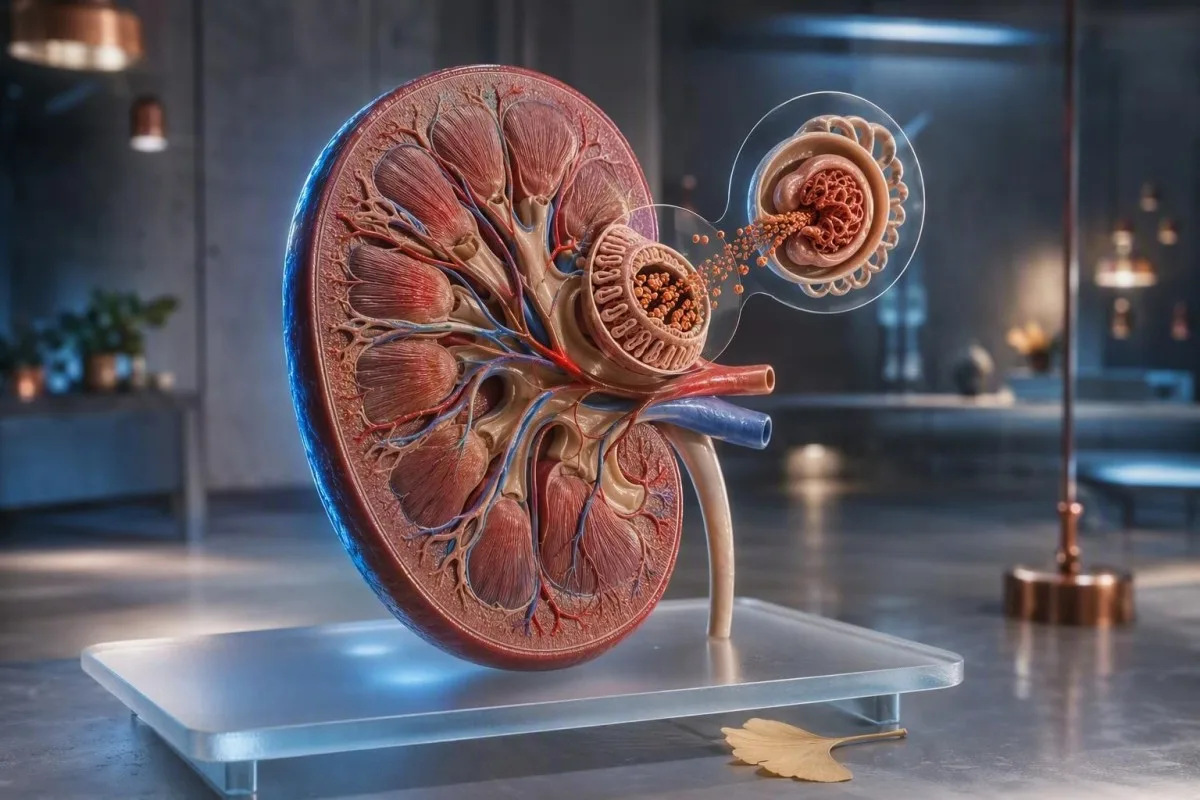
Unas polidas borras après un rapin d'urina son generalament de la fisica. La escuma que cobris l'aigafont de faiçon repetida, dura après la descàrrega, o ven amb un enfonsament merita un test d'albumina urinaire puslèu que de devina.


- Borras brèvas que s'esvanisson en qualques segondas refletisson comunament la velocitat de l'urina, de las rescasas de netejador de bany, o de l'urina concentrada puslèu que de malautiá renala.
- Urina espumosa persistenta es mai preocupanta quand una capa blanca densa demòra pendent 1-2 minutas a d'òcasions repetidas.
- ACR urinari en dejós de 3 mg/mmol (30 mg/g) es normala a leugièrament aumentada l'excrecion d'albumina en la màger part dels adults.
- Albuminuria de 3-30 mg/mmol (30-300 mg/g) deurián èsser confirmats amb d'essemples repetits del matin dins un minimum de 3 meses.
- ACR en dessús de 30 mg/mmol (300 mg/g) es una albuminuria severament aumentada e a besonh d'una avaloracion clinica rapida.
- Senhals d’alarma incluisson enfonsament facial o de las cambas, sang visibla, dificultat de respirar, reduction de la produccion d'urina, febressa, o gràvida amb mal de cap e pression sanguina auta.
- Càusas de la recòlta: evitar l'exercici intensiu pendent 24 oras, utilizar un jònt de matin net de mièg cors, e informar lo mètge de la menstruacion o d'una infeccion urinària.
- Los analisis de sang ajúdan: la creatinina, l'eGFR, l'albumina serica, lo glucòsa, e l'HbA1c clarifican se la proteïna urinària refleta una malautiá renala, diabetica, o sistemica.
Com indicar las borras inofensivas de l'urina espumosa persistenta
Causes d’urina espumosa van d'un raig fòrt que ten la aiga a l'albumina que passa per lo filtre renal. Las bullas inofensivas son grandas, claras, e desapareisson lèu; la espuna preocupanta es pus fina, blanca, recurrenta, e demòra aperaquí 1-2 minutas malgrat un bol net.
La tension superficiala explica la màger part de las bullas unicòlas. Un raig fòrt del primièr matin, la desidratacion, de soluts concentrats, o un residu de detergent pòdon capturar d'aire a la superfícia de l'aiga sens pèrda de proteïnas; aquò es particularament frequent aprés un long vòl, una fèbre, o un entraïnament intensiu.
Lo tipe d'aparicion es mai important qu'una sola observacion. Dins los 15 ans de practica clinica, demani als pacients de notar l'espuna tres jorns separats en utilizant un bol net e non blanquit; una espuna fina repetibla es una melhora rason de faire un test qu'un episòdi dramatica aprés l'exercici.
L'espuna sola pòt pas diagnosticar una proteinuria que los fosfats, los acids bilhars, lo semèn, e l'inflamacion de las vias urinaris pòdon tanben cambiar la tension superficiala. Se l'urina es opaca puslèu qu'espumosa, lo diagnostèc diferencial s'orienta cap a de cristals, de cellulas, o una infeccion; nòstre guida sus las indices d'urina opaca ajuda a separar aquestes apròches.
Una regla simple d'observacion a l'ostal
Ne fotografiatz pas lo bol de la letrina ni ensajatz pas de “tests d'agitacion” a l'ostal. Al contrari, notatz se l'espuna apareis dins un bol net pendent almens 3 jorns sus 7, se dura mai d'1 minuta, e se i a de tumefaccion o de cambiaments de la pression arteriala. Aital detalhs fan la demanda de laboratòri fòrça mai utila.
Per qué la proteïna dins l'urina pòt crear una escuma establa
La proteïna de l'urina espumosa es mai sovent de l'albumina, una proteïna cargada negativament que demòra normalament dins lo sang. Quand lo filtre glomerular ven mai permeabla, l'albumina abaissa la tension superficiala e pòt crear de bullas pichonas e estables.
Un adulte san expulsa generalament mens de 30 mg d'albumina per jorn, quitament se una tira de teste rutinièra pòt pas detectar una pèrda d'albumina de bas nivèl. La relacion urina albumina/creatinina, o ACR, pus sensibla, ajusta l'albumina a la concentracion de l'urina e es preferibla per lo dépistage inicial.
L'albumina es pas la sola proteïna importanta. Las cadenas leugièras de las malautiás de las cellulas plasmaticas, las proteïnas tubularas aprés cèrts medicaments, e las proteïnas transitories pendent la fèbre pòdon escapar a una tira de teste concebuda principalament per l'albumina; es per aquò qu'una tira negativa resòu pas cada cas d'espuna persistenta.
Lo Dr. Thomas Klein examina los resultats urinàris amb la creatinina serica, l'eGFR, l'albumina, e lo glucòsa puslèu que de considerar un simptòma visual coma un diagnostic. Nòstre guia de proteïna sérica explica perqué un resultat bas d'albumina sanguina e una ACR urinària nauta junts pesan mai que cadun sol.
Causas comunas non renalas d'urina espumosa
La màger part de l'urina espumosa temporària a una explicacion non renala: urina concentrada, miction rapida, ejaculacion recenta, residu de sabon, fèbre, o exercici intensiu. Aquestas causas se resolon generalament en 24-48 oras aprés una idratacion normala e la recuperacion.
La desidratacion rend l'urina mai escura e pus concentrada, doncas las bullas pòdon aparéisser mai densas quitament quand l'excrecion d'albumina es normala. Visez una urina de color palha clara pendent lo jorn seguent puslèu que de forçar de liquids excessius; beure plusiors litres rapidament pòt de per si abaissar lo sòdi a las personas susceptiblas.
L'exercici pòt aumentar transitoriament l'albumina urinària. Una corsa de 10 km, una sesilha de resisténcia de nauta intensitat, o una exposicion prolongada a la calor pòdon produire de proteïnas sus un jònt recuelhit just aprés, es per aquò que los laboratòris conselhan comunament d'evitar l'exercici vigorós 24 oras abans un test ACR.
Lo semèn dins l'uretra aprés l'ejaculacion pòt produire de bullas temporàrias e una tira de proteïnas traça positiva. L'aparicion visibla d'urina rosada o color te pòt cambiar completament la question e deuriá èsser avaluada amb aquesta guida a sang dins l’urina, especialament après 45 ans o en tota persona expausada a la fumada.
Quand l'escuma persistenta suggèris una pèrda de proteïna clinicament importanta
Una escuma persistenta demanda un tèst de proteïnas urinaris quand es repetida e especialament quand es associada amb lo diabèti, l'ipertension arteriala, los enfonsaments, o un eGFR reduit. L'albuminuria pòt èsser un signe precòç de la malautiá renala quitament quand la creatinina demòra dins la gamma del laboratòri.
KDIGO definís l'ACR en dejós de 3 mg/mmol, o 30 mg/g, coma A1; 3-30 mg/mmol coma A2; e en dessús de 30 mg/mmol coma A3 albuminuria. Las categorias predisson lo risc renal e cardiovascular lo mai precisament quand son associadas amb l'eGFR, non utilizadas isolament (KDIGO, 2024).
Lo diabèti e l'ipertension son los motors cronics mai comuns de l'albuminuria dins lo monde, mas son pas los unics. La glomerulonefrita, la glomerulopatia ligada a l'obesitat, lo lupus, la pre-eclampsa, l'apnèa del son, e cèrts medicaments anti-inflamatòris pòdon tanben contribuir; las constatacions persistentas demandan un clinician per ne comprendre lo mecanisme.
Kantesti es un Analizador de tèst de sang d'IA qu'interpausa la creatinina, l'eGFR, l'albumina serica, lo glucòsa, e l'HbA1c dins un contèxte longitudinal unic. Pòt pas mesurar l'ACR urinari a partir d'un panel sanguin, mas pòt ajudar a identificar lo tipe metabolic o renal que fa qu'un resultat urinari siá mai urgent.
Quins tests de proteïnas urinàrias respondon melhor a la question
Un ACR d'un escag d'urina del matin es lo melhor tèst inicial per la pèrda d'albumina suspectada dins la màger part dels adults. Un rapòrt proteïna-creatinina, o PCR, es util quand una proteïna non-albuminica es suspectada o quand la proteïna totala se devèm quantificar.
L'ACR es raportat en mg/mmol al RU e dins de nombroses autras nacions, o mg/g als Estats Units. Un ACR de 3 mg/mmol es egal a aperaquí 30 mg/g; aquesta conversion es importanta perque los patients confondon de còps las unitats divèrsas amb un cambiament important del resultat.
Un resultat de proteïnas a la bendèta de traça o 1+ es un indici de depistatge, non un diagnostic. Una urina alcalina, una urina concentrada, e una contaminacion pòdon causar de resultats fals positives enganoses, mentre qu'una urina diluida e de proteïnas non-albuminicas pòdon donar una faussa seguretat; lo tèst quantitatiu resòu aquesta incertitud.
Una reculhida de 24 oras es ara reservada a de situacions seleccionadas, coma una pèrda de proteïnas fòrça importanta, l'evaluacion de la grossessa, o d'escanilhs de amostras ponctuèlas discordantas. Es aisat de reculhir pauc, doncas legissètz nòstre article practic guia de recòlta d’urina de 24 oras abans d'en començar un.
Com reculhir precisament lo test de proteïnas urinàrias
Un tèst precís de proteïnas urinaris comença amb un escanilh de mièg cors del matin net reculhit après 24 oras sens exercici intens. La primièra urina levat es preferida perque la postura, l'idratacion, e l'activitat del jorn an mens d'efèit sus l'excrecion d'albumina.
Lavatz-vos las mans, utilizatz lo recipient esteril provesit, començatz d'urinar dins lo WC, puèi prenetz la partia mejana sens tocar l'interior del pot o del capuchon. Livratz l'escanilh promptament; se lo retard es inevitable, seguitz las instruccions de refrigeracion del laboratòri puslèu que de lo daissar dins una autra cauda.
Suspendetz los tèsts non urgents pendent una infeccion urinària sintomatica, una febre, una diarrea, una menstruacion, o dins las 24 oras que precedisson un exercici vigorós. Aquestas condicions pòdon aumentar temporàriament l'excrecion d'albumina, mentre que la contaminacion menstruala pòt tanben crear de sang e de proteïnas aparentas; resultats de l’estèrasa leucocitària pòt clarificar un tipe d'infeccion possible.
L'albuminuria ortostatica merita d'èsser mencionada, particularament en adolescents e joves adults. La proteïna que comparéis dins l'urina del jorn mas absenta d'un escanilh del matin es sovent benigna, quitament se un clinician devèm confirmar lo tipe puslèu que de presumir.
Com interpretar los resultats de l'ACR e de la proteïna-creatinina
Un ACR en dejós de 3 mg/mmol es generalament rasonable, mentre qu'un ACR confirmat de 3 mg/mmol o mai demanda un seguiment basat sus lo risc. Un unic escanilh elevat non establisca pas una malautiá renala cronica perque l'exercici, l'infeccion, e los pics de glucòsa pòdon causar una albuminuria de corta durada.
Per los adults sens diabèti, un ACR recentament elevat es comunament repetit amb un escanilh del matin dins las semanas. La malautiá renala cronica demanda d'anormalitats presentas pendent al mens 3 meses, levat s'i a una lesion renala aguda clara o una proteïna marcadament elevada que demanda una revision mai rapida (KDIGO, 2024).
Un ACR de mai de 70 mg/mmol, aperaquí 700 mg/g, merita generalament una discussion urgenta amb un especialista quitament se l'eGFR es preservat, particularament amb de sang dins l'urina. La proteinuria de tipe nefròtic es generalament un PCR de mai de 300 mg/mmol o una excrecion de proteïnas de mai de 3,5 g/dia, sovent acompanhada d'edema e d'una albumina serica bassa.
Kantesti es un servici d’interpretacion de tests de l’IA que pòt organizar los marcators sanguins renals sus de datas e senhalar una tendéncia a la casuda de l'eGFR. L'interpretacion de la tendéncia sosten, mas remplaça jamai, la microscopia urinària d'un clinician, la confirmacion de l'ACR, e la revision dels medicaments.
Tests sanguins que fan significatius los resultats de l'urina espumosa
La creatinina, l'eGFR, l'albumina serica, lo glucòsa, l'HbA1c, los electrolits, e los lipids ajudan a explicar se la proteïna urinària refleta una lesion del filtratge renal o un desòrdre metabolic mai ample. Una creatinina normala non exclutz pas una albuminuria precòça.
L'eGFR es calculat a partir de la creatinina e apareis mai tard que la pèrda de proteïnas leugièra dins fòrça diabètics. Un eGFR de mendre que 60 mL/min/1,73 m² pendent 3 meses o mai satisfà un critèri de malautiá renala cronica, mas los valors devon èsser interpretats segon l'edat, la massa musculara e las malautiás recentas.
Una bassa albuminemia serica en dejós de gaireben 35 g/L amb una proteïna urinària importanta e un novel inflament dels turces fa pensar a una pèrda renala significativa de proteïnas. A l'invers, una albumina auta amb una urina escura es mai sovent lo signe d'una desidratacion; nòstre guia de eGFR aprés desidratacion explica perqué lo refasatge aprés la recuperacion pòt èsser pertinent.
L'American Diabetes Association recomanda almens un tèst annal UACR e eGFR pel diabèta de tipe 2 e pel diabèta de tipe 1 que dura 5 ans o mai (ADA Professional Practice Committee, 2024). L'HbA1c nos balha una idèa de la glicemia mejana, mas una pujada rapida del sucre pòt totjorn aumentar transitàriament l'albumina urinària abans que l'HbA1c s'ajuste.
Medicaments, complements e malautias que pòdon afectar la proteïna urinària
Las medecinas antinflamatòrias contra la dolor, lo liti, cèrts tractaments contra lo càncer e las infeccions sevèras pòdon alterir la filtracion renala o la gestion tubulara de las proteïnas. Ne reduisez pas lo tractament prescrit simplament pr'amor que l'urina pareisca espumosa; demandatz una revision de l'urina e un analisis de sang renal.
Los AINS coma l'ibuprofèn e lo naproxèn pòdon reduire lo flux sanguin renal, sustot en cas de desidratacion, d'insufisança cardiaca o de malautiá renala cronica existenta. Lo risc aumenta quand un AINS es combinat amb un diüretic e un inhibidor de l'ECA o un ARB, una combinason que los clinicians apelan de còps que i a la “triple bomba”.”
Los medicaments SGLT2 pòdon provocar una pichona baissa d'eGFR en debut, mas reduison generalament l'albuminuria amb lo temps chez los pacients adequadament seleccionats. Aquela modificacion hemodinamica esperada es diferenta d'una legion progressiva; vesètz los cambiaments d'eGFR amb lo tractament SGLT2 per las distincions practicas.
Una dòsi auta de vitamina C pòt interferir amb cèrts bandelets urinàris, mentre que la creatina pòt complicar l'interpretacion de la creatinina sens damatjar necessàriament los reins. Portatz una lista completa de medicaments prescrits, de antidolors de venda liura, de poudres de proteïnas e de produches d'erbas al rendetz-vos — los noms e las dòsis son importants.
Diabètis e pression sanguina: los checks de risc de mai grand rendament
Lo diabèta e l'ipertension arteriala fan que la espumositat persistenta siá pus clinicament significativa pr'amor que totes dos pòdon provocar albuminuria ans abans que los simptòmas apareisson. Una tension arteriala de 140/90 mmHg o pus e una ACR de 3 mg/mmol o pus devon provocar una revision estructurada pel mètge de primièrs ensenhaments.
Per fòrça personas que patisson de malautiá renala cronica e d'albuminuria, los clinicians visan una tension arteriala sistolica de tipe oficina normalizada en dejós de 120 mmHg quand es tolerada, ben que las ciblas devon èsser individualizadas segon l'edat, lo risc de casuda, la prenessa, e la metòda de mesura. Las lechuras a l'ostal fachas incorrectament ne devon pas provocar de cambiaments de tractament solament.
L'albuminuria es tanben un marcaire de risc vascular. La rason per la qual nos preocupam d'una elevacion de l'ACR amb una tension arteriala auta es que totas dos suggerisson un stress endotelial e glomerular, mentre que cadun d'eles trobat un còp pendent una malautiá aguda pòt èsser transitori; nòstre guida de laboratòri per l'ipertension descriu l'exploracion mai ampla.
Kantesti es un plataforma d’interpretacion de biomarcaires per IA utilisada dins X païses per comparar las tendéncias de la glucemia, de l'HbA1c, dels marcaires renals e dels lipids. Per una urina espumosa persistenta, lo tèst seguent pertinent demòra una ACR urinària de laboratòri, idealament revista amb la meteissa equipa clinica que gestiona la tension arteriala o lo diabèta.
L'urina espumosa pendent la gràvida e los mainats a besonh de règlas diferentas
L'urina espumosa pendent la prenessa demanda una evaluacion lo meteis jorn se se produtz amb mal de cap, cambiament de la vision, dolor abdominala superiora, inflament subte, o tension arteriala auta. La proteinuria aprés 20 setmanas pòt far partida de la pre-eclàmpsia, mas l'aparicion sola es jamai diagnostica.
En prenessa, un rapòrt proteïna-creatinina de 30 mg/mmol o pus, o 300 mg de proteïna en 24 oras, confòrma una proteinuria significativa dins lo contèxte clinic adequat. Un echantillon d'urina d'aspecte normal pòt pas exclure la pre-eclàmpsia se la tension arteriala es de 140/90 mmHg o mai amb simptòmas preocupants.
Los mainats an sovent una proteinuria temporària aprés la fèbre, lo espòrt o la desidratacion. Una proteïna persistenta sus tres echantillons, una tension arteriala auta, un odèma, o de sang dins l'urina justifican una evaluacion pediatrica; lo tèst del primièr matin es especialament util per exclure la proteinuria posturala chez los adolescents.
La prenessa modifica la filtracion, doncas que los valors de creatinina que paréisson “normals” per los adults non prenans pòdon èsser pas rasonables. Nòstra guida cap a i valori GFR in gravidanza balha de contèxte, mas los simptòmas urgents devon anar dirèctament a la tria de la maternitat puslèu qu'a una interpretacion en linha.
Indicators de gravetat: quand l'urina espumosa a besonh de sòrt medicala urgenta
Cercatz una evaluacion medicala urgenta per una urina espumosa amb dificultats respiratòrias, inflament rapid dels cambalons o del fulard, reduccion marcada de l'urina, sang visibla, fèbre amb dolor de flanc, o simptòmas d'alèrta de prenessa. Aquelas combinasons pòdon indicar una malautiá renala, cardiaca, infecciosa, o relacionada amb la prenessa significativa.
Un inflorament facial novèl al desrevelhar, de scarpa serada lo ser, e una augmentacion de pes de mai de 2 kg en 2-3 jorns que pòdon reflectir una retencion idrica. Quand aqueles simptòmas acompanhan una escuma persistenta, los clinicians verifican promptament la proteïna urinària, la creatinina, l'albumina, la pression arteriala, e de còps los trobalhs toracics.
L'urina colorada de te après un exercici intens amb dolors musculars severes es pas una escuma benigna tipica; pòt suggerir una liberacion de mioglobina e demanda de tests urgents de sang e d'urina. Lo meteis s'aplica a l'urina colorada de cola amb una produccion redusida, que pòt reflectir un saunament glomerular o una lesion musculara.
Lo Doctor Thomas Klein conselha als patients de pas esperer lo resultat d'una benda reagenta a l'ostal quand de senhals d'alarma son presents. Per los cambiament de color ligats a l'esfòrç, nòstre article sus l'ematuria del corrilhon explica l'ensems benign del espectre e los caractèrs que son pas benignes.
Qu'es que fan los clinicians après un resultat positiu de proteïna urinària
Après una ACR o PCR positiva, los clinicians confirman de costuma lo resultat, mesuran la pression arteriala e lo eGFR, examinan lo sedimet urinaire, e repassan lo diabèta, los medicaments, los simptòmas autoimmunes, e l'istorial familial. La pròcha etapa depend de la quantitat, de la persisténcia, e de la preséncia de sang associada o d'una filtracion redusida.
La microscopia urinària pòt identificar de globuls roges, de globuls blancs, e de cilindres que un simple chifre de proteïnas pòt pas explicar. Los cilindres de globuls roges o los globuls roges dismòrfics suggerisson una font glomerulara e acceleran la referéncia nefrologica; los simples cilindres hialins pòdon aparéisser après la desidratacion o l'exercici, coma es tractat dins nòstre guia dels cilindres hialins.
Se l'albuminuria es confirmada, lo tractament visa de costuma lo motor: contraròtle de la pression arteriala, gestion del glucòsa, sosten per lo pes e lo tabagisme, e medicaments renals protectoras quand son indicats. L'ecografia renala, los tests immunes, l'electrifòresi serica, o la biopsia renala son de tests selectius, pas de consequéncias automaticas d'una benda 1+.
La metòda clinica de Kantesti es revistada contra de nòrmas de seguretat estructuradas, e los legidors pòdon examinar nòstre manièra de validacion medica. Nòstre ròtle es de rendre los resultats sanguins existents pus faciles de discutir, pas de diagnosticar una malautiá glomerulara a partir d'una imatge o d'una sola valor de laboratòri.
Un plan practic de sèt jorns per l'escuma persistenta
Per una urina escumosa persistenta sens senhals d'alarma, prepausar una ACR urinària de primària e una analisis d'urina dins las 1-2 setmanas, idealament amb un eschantillon del matin. Notar la pression arteriala, l'idratacion, l'exercici, los medicaments, e se l'escuma dura mai d'1 minuta pendent sèt jorns.
Jorn 1-3: s'idratar normalament, evitar l'exercici intens, e observar solament dins una escudèla de retret net sens detergent apondut. Donar pas d'ensajar de “desfar” lo problèma amb d'aiga excessiva; lo but es un eschantillon representatiu, pas un artificialament diluit.
Jorn 4-7: demandar una analisis d'urina amb ACR, e demandar se la creatinina, lo eGFR, lo potassi, l'albumina serica, lo glucòsa, e lo HbA1c son adaptats a vòstras circonstàncias. Portar los resultats precedents perque un cambiament d'ACR 2 a 8 mg/mmol a mai de sens que lo chifre sens contèxte; seguiment longitudinal dels resultats pòt ajudar a organizar las datas.
A partir del 4 de setembre de 2026, lo messatge sensat demòra rassicurant mas ferm: la màger part de las burbulhas isoladas son inofensivas, mentre que l'escuma fina repetida merita un test urinari quantitatiu. Se avetz besonh d'ajuda per preparar de questions per un clinician, nòstre equip d’assessorament medical establisca las nòrmas clinicas que sostenon nòstre contengut educatiu.
Questions frequentas
L'urina espumosa es totjorn un signe de proteïnas dins l'urina?
Non, l'urina espumosa es pas totjorn un signe de pèrda de proteïna. Un jòc rapid, la desidratacion, de resiús de netejador de lavabos, la fièbra, l'exercici fisic e lo semen pòdon crear de bulas que desapareisson en quauques segondas. Una escuma blanca fina e persistenta que se repetís pendent divèrses jorns es mai suggerenta d'una proteinuria e deuriá èsser verificada amb un rapòrt albumina/creatinina urinarie. Un RAC de 3 mg/mmol, equivalent a 30 mg/g, o mai es considerat coma anormal per requerir un contèxte clinic e sovent de tèstes de repeticion.
Quant de temps la escuma dins l'urina pòt durar abans de m'inquietar?
Una escuma que demòra coma una finaau densa pendent aperaquí 1-2 minutas a cada cop es mai preocupanta que de gròssas bullas que s'escapan rapidament. La durada es pas un test diagnostic que los produches de netejatge de las toaletas e la concentracion de l'urina pòdon modificar la estabilitat de las bullas. Se lo tipe de bullas se repetís pendent 3 jorns o mai, planificar una analisis d'urina e una ACR d'urina dins 1-2 setmanas. Cercatz una consulta urgenta mai lèu se l'escuma apareis amb de tumefaccion, de sang visible, de dificultats respiratòrias, de fièbra, o una diminucion de la quantitat d'urina.
Qual tèst de proteïna urinària deviá demandar?
Lo melhor prumèr tèst per la màger part dels adults es un rapòrt albumina-creatinina urinari de bon matin, apelat ACR o UACR. Un ACR de devath de 3 mg/mmol, o 30 mg/g, es generalament normau a leugierament aumentat, mentre que 3-30 mg/mmol indica una albuminuria moderadament aumentada. Un rapòrt proteïna-creatinina pòt èsser ajustat quand una pèrda proteïna globala o non albuminica es sospichada. Un tiraire rutinari es un bon depistatge, mas es mens precís que l'ACR per la pèrda d'albumina a bas nivèu.
La desidratacion pòt èsser la causa d'urina espumosa?
Aquò es possible, la desidratacion pòt rendar l'urina mai concentrada e crear de bòlas o d'escuma mai visiblas sens pèrda persistenta de proteïnas renalas. Se manifèsta sovent amb una urina d'un jàune mai escur, set, exposicion a la calor, vòmits, diarrea, o un long periòde sens beure. Tornatz a un abitud de liquide normal pendent 24-48 oras abans un test non urgent, mas evitetz de beure de quantitats excessivas sonque per diluir lo resultat. Se l'escuma persistís aprés idratacion, demandatz un test ACR urinari.
L'exercici pòt causar proteïnas e escuma dins l'urina?
L'exercici intens pòt provocar albuminuria temporària e urina escumosa, particularament aprés corsas, entraïnament intens de resisténcia, eveniments d'endurança, o exercici dins la calor. L'efècte se resòlv generalament en 24-48 oras, es per aquò que un eprem de ACR deuriá idealament èsser culhit aprés aver evitat l'exercici vigorós pendent 24 oras. La proteinuria persistenta sus un eprem del matin aprés recuperacion es mens probabla d'èsser explicada sonque per l'exercici. L'urina escura o de color cola amb dolor muscular severa necessita una avaloracion medicala urgenta.
Quin nivèl d'ACR es perilhós?
Un ACR superior a 30 mg/mmol, o 300 mg/g, es una albuminuria severamenta aumentada e necessita una evaluacion medicala prompta, particularament si l'eGFR es redusit o se l'urina contèn sang. Un ACR superior a 70 mg/mmol, aperaquí 700 mg/g, provoca comunament una discussion urgenta amb un specialist quitament se la creatinina es normala. Lo risc es determinat per la combinason de l'ACR, l'eGFR, la pression arteriala, l'estat diabetic, los simptòmas, e las mesuras repetidas. Un sol ACR aumentat deuriá èsser confirmat levat se la situacion clinica es urgenta.
Obtén uèi una analisi de sang amb IA
Joinhètz mai de 2 milions d’utilizaires al mond que confian en Kantesti per una analisi instantanèa e precisa dels analisis de laboratòri. Mandatz vòstres resultats analisi de sang e recebetz una interpretacion complèta de 15,000+ biomarcadors en segondas.
📚 Publicacions de recerca citadas
Klein, T., Mitchell, S., & Weber, H. (2026). Quadre de validacion clinica v2.0 (Pàgina de validacion medica). Kantesti IA Recèrca Medicala.
Klein, T., Mitchell, S., & Weber, H. (2026). Analizator d’analisi de sang amb IA: 2,5M d’analisis analisadas | Rapòrt de salut globala 2026. Kantesti IA Recèrca Medicala.
📖 Referéncias mèdicas externes
⚕️ Avertiment medical
Aqueste article es solament per tòcas educatius e constituís pas de conselh medical. Consultatz totjorn un professional de la sant qualificat per las decisions de diagnostica e de tractament.
Senhals de confiança E-E-A-T
Experiéncia
Revisión clinica menada pel metge de las practicas d’interpretacion de las analisis.
Expertisa
Fòcus sus la medicina de laboratòri sus cossí los biomarcadors se comportan dins un contèxte clinic.
Autoritat
Escrich pel Dr. Thomas Klein amb revisión pel Dr. Sarah Mitchell e Prof. Dr. Hans Weber.
Fisança
Interpretacion basada sus d’evidéncias amb de camins de seguiment clars per reduzir l’alarmisme.