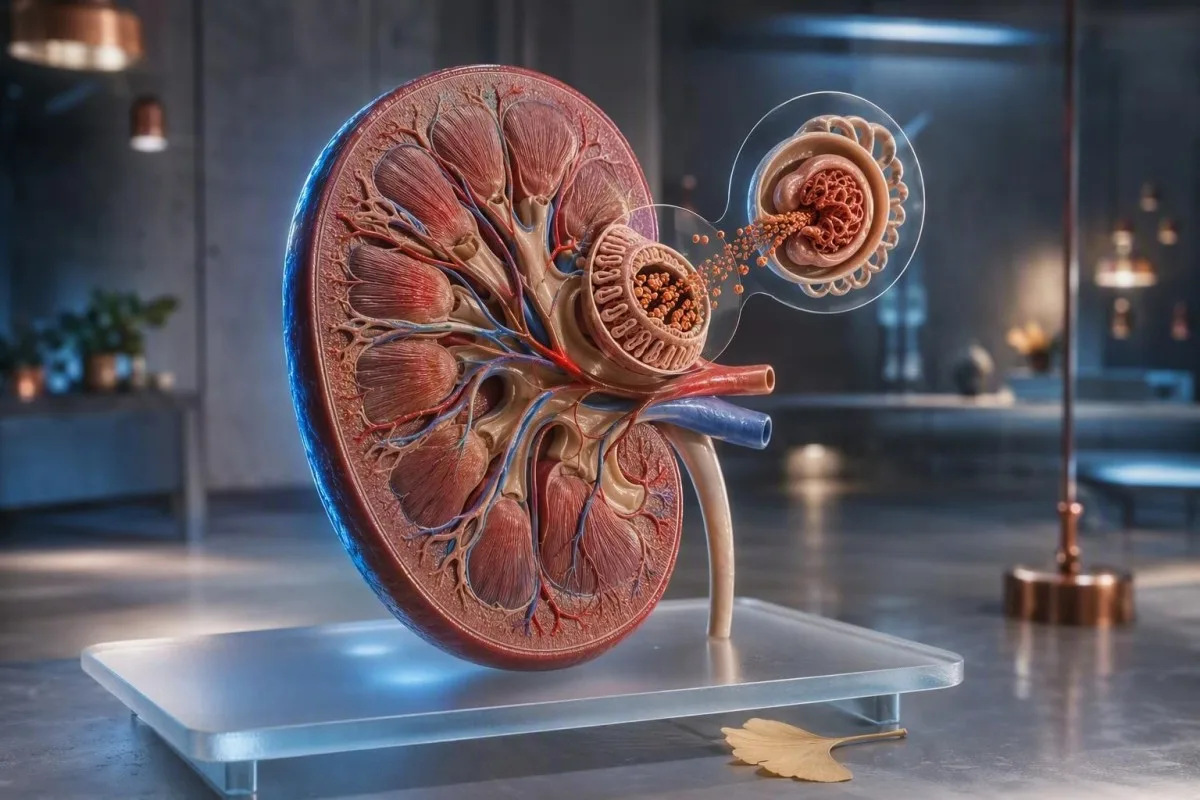
快速排尿后出现的少量气泡通常是物理现象。如果泡沫反复覆盖尿池、冲水后仍持续存在或伴有肿胀,则应进行尿液白蛋白检测,而非猜测。.

本指南在以下人员的领导下撰写: 托马斯·克莱因医学博士 与……合作 Kantesti AI 医疗顾问委员会, 其中包括 Hans Weber 教授博士的贡献以及 Sarah Mitchell 医学博士、哲学博士的医学审查。.
托马斯·克莱因,医学博士
Kantesti AI首席医疗官
Thomas Klein 博士是经董事会认证的临床血液科医师兼内科医师,拥有超过 15 年的实验室医学与 AI 辅助临床分析经验。作为 Kantesti AI 的首席医疗官,他负责对专有神经网络的医疗准确性进行临床监督。Klein 博士已发表关于生物标志物解读与实验室诊断的研究。.
Sarah Mitchell,医学博士,哲学博士
首席医学顾问 - 临床病理学和内科
Sarah Mitchell博士是获得董事会认证的临床病理科医生,拥有超过18年的实验室医学与诊断分析经验。她在临床化学方面拥有专业认证,并在临床实践中就生物标志物面板与实验室分析发表了大量研究成果。.
汉斯·韦伯教授,博士
实验室医学与临床生物化学教授
Hans Weber教授博士在临床生物化学、实验室医学和生物标志物研究方面拥有30年以上的专业经验。曾任德国临床化学学会主席,他专注于诊断面板分析、生物标志物标准化以及AI辅助的实验室医学。.
- 短暂的气泡 几秒钟内消失的气泡通常是由于尿液流速、洁厕剂残留或尿液浓缩所致,而非肾脏疾病。.
- 持续性泡沫尿 当反复出现浓密的白色层持续 1-2 分钟时,更应引起关注。.
- 尿液ACR 大多数成人低于 3 mg/mmol (30 mg/g) 为正常至轻度升高的白蛋白排泄。.
- 白蛋白尿 3-30 mg/mmol (30-300 mg/g) 应在至少 3 个月内通过重复的晨尿样本进行确认。.
- ACR 超过 30 mg/mmol (300 mg/g) 为严重升高的蛋白尿,需要及时的临床评估。.
- 红旗信号 包括面部或腿部肿胀、可见血尿、呼吸急促、尿量减少、发烧,或伴有头痛和高血压的妊娠。.
- 样本收集很重要: 避免剧烈运动24小时,使用清洁的中段晨尿样本,并告知医生月经或尿路感染的情况。.
- 血液检查有帮助:肌酐、eGFR、血清白蛋白、葡萄糖和HbA1c有助于阐明尿蛋白是否反映肾脏、糖尿病或全身性疾病。.
如何区分无害气泡与持续性泡沫尿
泡沫尿液的原因 范围从快速流到水中激起的泡沫到肾脏过滤器漏出的白蛋白。无害的泡沫大而清晰,迅速消失;令人担忧的泡沫更细,呈白色,反复出现,即使碗很干净,也会持续大约1-2分钟。.
表面张力解释了大多数一次性泡沫。浓烈的晨尿、脱水、浓缩的溶质或残留的清洁剂会在不损失蛋白质的情况下将空气困在水面上;这在长途飞行、发烧或剧烈运动后尤其常见。.
模式比单一观察更重要。在我15年的临床实践中,我要求患者在三个不同的日子里使用干净、未经漂白的碗来观察泡沫;一个可重复的细泡沫层比运动后戏剧性的发泡事件更有理由进行检测。.
单纯的泡沫不能诊断蛋白尿,因为磷酸盐、胆汁盐、精液和尿路炎症也会改变表面张力。如果尿液浑浊而不是起泡,则需要考虑结晶、细胞或感染;我们的指南 浑浊尿液的线索 有助于区分这些模式。.
一种简单的家庭观察规则
不要拍摄马桶圈照片或尝试家庭“摇晃测试”。相反,请注意泡沫是否在7天中的至少3天出现在干净的碗中,是否持续超过1分钟,以及是否存在肿胀或血压变化。这些细节使实验室的请求更有用。.
尿液中的蛋白质为何会产生稳定的泡沫
起泡的尿蛋白 最常见的是白蛋白,一种带负电荷的蛋白质,通常留在血液中。当肾小球滤过膜的通透性增加时,白蛋白会降低表面张力并产生细小、稳定的气泡。.
健康成人每天通常排泄少于30毫克白蛋白,尽管常规试纸可能无法检测到低水平的白蛋白丢失。更敏感的尿白蛋白/肌酐比(ACR)会根据尿液浓度校正白蛋白,并且是初步筛查的首选。.
白蛋白并非唯一重要的蛋白质。浆细胞疾病产生的轻链、某些药物后的肾小管蛋白以及发烧期间的暂时性蛋白质可能会逃过主要针对白蛋白设计的试纸;这就是为什么阴性试纸并不能解决所有持续起泡的情况。.
Thomas Klein医生将尿液检查结果与血清肌酐、eGFR、白蛋白和葡萄糖一起进行评估,而不是将视觉症状作为诊断。我们的 血清蛋白指南 解释了为什么低血清白蛋白结果和升高的尿ACR结合起来比单独的任何一项更有分量。.
引起泡沫尿的常见非肾脏原因
大多数暂时性的泡沫尿都有非肾脏原因:浓缩尿、快速排尿、近期射精、肥皂残留、发烧或剧烈运动。这些原因通常在正常补水和恢复24-48小时后解决。.
脱水会使尿液颜色变深、浓度增加,因此即使白蛋白排泄正常,泡沫也可能显得更浓。第二天要达到淡黄色尿液,而不是强迫大量饮水;快速饮用数升水本身可能会导致易感人群钠含量降低。.
运动会暂时升高尿液中的白蛋白。一场10公里赛跑、高强度抗阻训练或长时间暴露在高温下,可能会在收集到的样本中产生蛋白质,这就是为什么实验室通常建议在进行ACR检测前24小时避免剧烈运动。.
射精后尿道中的精液可能会产生暂时的气泡和微量阳性蛋白试纸。可见的粉红色或茶色尿液会完全改变问题,应使用本指南进行评估 尿中带血, ,尤其是在45岁以上或有吸烟史的人群中。.
何时持续性泡沫尿提示有临床意义的蛋白质丢失
Persistent foam warrants urine protein testing when it occurs repeatedly and especially when paired with diabetes, high blood pressure, swelling, or reduced eGFR. Albuminuria can be an early kidney warning even when creatinine remains within the laboratory range.
KDIGO defines ACR under 3 mg/mmol, or 30 mg/g, as A1; 3-30 mg/mmol as A2; and above 30 mg/mmol as A3 albuminuria. The categories predict kidney and cardiovascular risk most accurately when paired with eGFR, not used in isolation (KDIGO, 2024).
Diabetes and hypertension are the commonest chronic drivers of albuminuria worldwide, but they are not the only ones. Glomerulonephritis, obesity-related glomerulopathy, lupus, pre-eclampsia, sleep apnoea, and certain anti-inflammatory medicines may also contribute; persistent findings need a clinician to sort out the mechanism.
Kantesti 是一个 人工智能血液检测分析仪 that places creatinine, eGFR, serum albumin, glucose, and HbA1c in one longitudinal context. It cannot measure urine ACR from a blood panel, but it can help identify the metabolic or renal pattern that makes a urine result more urgent.
哪些尿液蛋白质检测最能解答该问题
An early-morning spot urine ACR is the best first test for suspected albumin loss in most adults. A protein-creatinine ratio, or PCR, is useful when non-albumin protein is suspected or when total protein needs quantifying.
ACR is reported as mg/mmol in the UK and many other countries, or mg/g in the United States. An ACR of 3 mg/mmol equals about 30 mg/g; this conversion matters because patients sometimes mistake the different units for a large result change.
A dipstick protein result of trace or 1+ is a screening clue, not a diagnosis. Alkaline urine, concentrated urine, and contamination can cause misleading positives, while dilute urine and non-albumin proteins can yield false reassurance; quantitative testing resolves that uncertainty.
A 24-hour collection is now reserved for selected situations, such as very high protein loss, pregnancy assessment, or discordant spot samples. It is easy to under-collect, so read our practical 24小时尿收集指南 before starting one.
如何准确收集尿液进行蛋白质检测
Accurate urine protein testing starts with a clean early-morning midstream sample collected after 24 hours without heavy exercise. The first urine after waking is preferred because posture, hydration, and daytime activity have less effect on albumin excretion.
Wash hands, use the sterile container supplied, begin urinating into the toilet, then catch the middle portion without touching the inside of the pot or lid. Deliver the sample promptly; if delay is unavoidable, follow the laboratory's refrigeration instructions rather than leaving it in a warm car.
Postpone non-urgent testing during a symptomatic UTI, fever, diarrhoea, menstruation, or within 24 hours of vigorous exercise. These conditions can temporarily raise albumin excretion, while menstrual contamination can also create apparent blood and protein; 白细胞酯酶结果 may clarify a possible infection pattern.
Orthostatic proteinuria deserves a mention, particularly in teenagers and young adults. Protein appearing in daytime urine but absent from a first-morning sample is often benign, although a clinician should confirm the pattern rather than assuming it.
如何解读 ACR 和蛋白-肌酐结果
ACR below 3 mg/mmol is usually reassuring, while a confirmed ACR of 3 mg/mmol or higher requires risk-based follow-up. One elevated sample does not establish chronic kidney disease because exercise, infection, and glucose spikes can cause short-lived albuminuria.
For adults without diabetes, a newly raised ACR is commonly repeated using an early-morning sample within weeks. Chronic kidney disease requires abnormalities present for at least 3 months, unless there is clear acute kidney injury or markedly elevated protein requiring faster review (KDIGO, 2024).
An ACR above 70 mg/mmol, roughly 700 mg/g, usually merits urgent specialist discussion even if eGFR is preserved, particularly with blood in urine. Nephrotic-range proteinuria is generally PCR above 300 mg/mmol or protein excretion above 3.5 g/day, often accompanied by oedema and low serum albumin.
Kantesti 是一个 AI 实验室检测解读服务 that can organize renal blood markers across dates and flag a falling eGFR trend. Trend interpretation supports, but never replaces, a clinician's urine microscopy, ACR confirmation, and medication review.
有助于解读泡沫尿结果的血液检查
Creatinine, eGFR, serum albumin, glucose, HbA1c, electrolytes, and lipids help explain whether urine protein reflects kidney filtering injury or a broader metabolic disorder. A normal creatinine does not rule out early albuminuria.
eGFR is calculated from creatinine and falls later than mild albumin leakage in many people with diabetes. An eGFR below 60 mL/min/1.73 m² for 3 months or longer meets one criterion for chronic kidney disease, but values must be interpreted by age, muscle mass, and recent illness.
Low serum albumin below roughly 35 g/L alongside heavy urine protein and new ankle swelling raises concern for significant renal protein loss. Conversely, high albumin with dark urine more often reflects dehydration; our 脱水后 eGFR 指南 explains why retesting after recovery can be sensible.
The American Diabetes Association recommends at least annual UACR and eGFR testing in type 2 diabetes and in type 1 diabetes lasting 5 years or more (ADA Professional Practice Committee, 2024). HbA1c tells us about average glycaemia, but a sharp glucose rise can still transiently increase urine albumin before HbA1c shifts.
可能影响尿液蛋白质的药物、补充剂和疾病
Anti-inflammatory pain medicines, lithium, some cancer therapies, and severe infections can alter kidney filtration or tubular protein handling. Do not stop prescribed medication solely because urine looks foamy; ask for a urine and renal blood-test review.
NSAIDs such as ibuprofen and naproxen can reduce kidney blood flow, especially during dehydration, heart failure, or existing CKD. The risk rises when an NSAID is combined with a diuretic and an ACE inhibitor or ARB, a combination clinicians sometimes call the “triple whammy.”
SGLT2 medicines may cause a small early eGFR dip but usually reduce albuminuria over time in appropriately selected patients. That expected haemodynamic shift is different from progressive injury; see eGFR changes with SGLT2 treatment for the practical distinctions.
High-dose vitamin C can interfere with some urine dipsticks, while creatine can complicate creatinine interpretation without necessarily harming kidneys. Bring a complete list of prescription drugs, over-the-counter pain relief, protein powders, and herbal products to the appointment—names and doses matter.
糖尿病和血压:最高收益的风险检查
Diabetes and hypertension make persistent foam more clinically significant because both can cause albuminuria years before symptoms appear. Blood pressure at or above 140/90 mmHg and ACR at or above 3 mg/mmol should prompt a structured primary-care review.
For many people with CKD and albuminuria, clinicians aim for a standardised office systolic blood pressure below 120 mmHg when tolerated, though targets must be individualised for age, falls risk, pregnancy, and measurement method. Home readings taken incorrectly should not trigger medication changes alone.
Albuminuria is also a vascular risk marker. The reason we worry about ACR elevation plus high blood pressure is that together they suggest endothelial and glomerular stress, whereas either finding once during acute illness may be transient; our hypertension lab guide outlines the broader work-up.
Kantesti 是一个 AI 生物标志物解读平台 used across 127+ countries to compare glucose, HbA1c, renal markers, and lipid trends. For persistent foamy urine, the relevant next test remains a laboratory urine ACR, ideally reviewed with the same clinical team managing blood pressure or diabetes.
孕妇和儿童的泡沫尿有不同的规则
Foamy urine during pregnancy needs same-day assessment if it occurs with headache, vision change, upper abdominal pain, sudden swelling, or raised blood pressure. Proteinuria after 20 weeks can be part of pre-eclampsia, but appearance alone is never diagnostic.
In pregnancy, a protein-creatinine ratio of 30 mg/mmol or more, or 300 mg protein in 24 hours, supports significant proteinuria in the appropriate clinical setting. A normal-looking urine sample cannot exclude pre-eclampsia if blood pressure is 140/90 mmHg or higher with concerning symptoms.
Children often have temporary proteinuria after fever, sport, or dehydration. Persistent protein on three samples, high blood pressure, oedema, or blood in urine warrants paediatric assessment; first-morning testing is especially useful for excluding postural proteinuria in adolescents.
Pregnancy changes filtration, so creatinine values that look “normal” for non-pregnant adults may not be reassuring. Our guide to 怀孕期间的GFR值 gives context, but urgent symptoms should go directly to maternity triage rather than an online interpretation.
危险信号:何时泡沫尿需要紧急就医
Seek urgent medical assessment for foamy urine with breathlessness, rapidly increasing leg or facial swelling, markedly reduced urine, visible blood, fever with flank pain, or pregnancy warning symptoms. These combinations can indicate significant renal, cardiac, infectious, or pregnancy-related illness.
New facial puffiness on waking, tight shoes by evening, and a weight increase of more than 2 kg in 2-3 days can reflect fluid retention. When those symptoms accompany persistent foam, clinicians check urine protein, creatinine, albumin, blood pressure, and sometimes chest findings promptly.
Tea-coloured urine after intense exercise with severe muscle pain is not typical benign foam; it can signal myoglobin release and requires urgent blood and urine testing. The same applies to cola-coloured urine with reduced output, which may reflect glomerular bleeding or muscle injury.
Dr. Thomas Klein advises patients not to wait for a home dipstick result when red flags are present. For exertion-related colour changes, our article on runner's hematuria explains the benign end of the spectrum and the features that are not benign.
医生在尿液蛋白质检测结果呈阳性后如何处理
After a positive ACR or PCR, clinicians usually confirm the result, measure blood pressure and eGFR, examine urine sediment, and review diabetes, medicines, autoimmune symptoms, and family history. The next step depends on quantity, persistence, and accompanying blood or reduced filtration.
Urine microscopy can identify red cells, white cells, and casts that a protein number alone cannot explain. Red-cell casts or dysmorphic red cells suggest a glomerular source and accelerate nephrology referral; simple hyaline casts can occur after dehydration or exercise, as covered in our hyaline casts guide.
If albuminuria is confirmed, treatment usually targets the driver: blood-pressure control, glucose management, weight and smoking support, and kidney-protective medicines where indicated. Renal ultrasound, immune testing, serum electrophoresis, or kidney biopsy are selective tests—not automatic consequences of one 1+ dipstick.
Kantesti's clinical methodology is reviewed against structured safety standards, and readers can examine our 医学验证方法. Our role is to make existing blood results easier to discuss, not to diagnose a glomerular disorder from an image or a single laboratory value.
持续性泡沫尿的为期七天的实用计划
For persistent foamy urine without red flags, arrange a primary-care urine ACR and urinalysis within 1-2 weeks, ideally using an early-morning sample. Record blood pressure, hydration, exercise, medicines, and whether foam lasts longer than 1 minute for seven days.
Day 1-3: hydrate normally, avoid intense exercise, and observe only in a clean toilet bowl without added cleaner. Do not try to “flush away” the issue with excessive water; the goal is a representative sample, not an artificially diluted one.
Day 4-7: request urinalysis plus ACR, and ask whether creatinine, eGFR, potassium, serum albumin, glucose, and HbA1c are appropriate for your circumstances. Bring prior results because a change from ACR 2 to 8 mg/mmol has more meaning than either number without context; 纵向结果追踪 can help organise dates.
As of September 4, 2026, the sensible message remains reassuring but firm: most isolated bubbles are harmless, while repeated fine foam deserves a quantitative urine test. If you need help preparing questions for a clinician, our 医学咨询团队 sets the clinical standards behind our educational content.
常见问题
泡沫尿总是尿蛋白的征兆吗?
不,泡沫尿不总是蛋白质流失的迹象。快速排尿、脱水、洁厕剂残留、发烧、运动和精液会产生几秒钟内就会消失的气泡。持续出现、细小、白色且在几天内反复出现的泡沫更可能表明有蛋白尿,应通过尿液白蛋白肌酐比值进行检查。ACR 达到 3 毫摩尔/毫升(相当于 30 毫克/克)或更高,就被认为异常,需要结合临床情况并通常需要重复检测。.
尿液中的泡沫应该持续多久才需要引起关注?
持续约1-2分钟的浓密泡沫比迅速消失的大气泡更令人担忧。持续时间不是诊断性测试,因为马桶清洁剂和尿液浓度会改变泡沫的稳定性。如果此模式在3天或更长时间内重复出现,请在1-2周内安排尿液分析和尿液 ACR。如果泡沫伴有肿胀、可见血、呼吸困难、发烧或尿量减少,请尽快就医。.
我应该要求做哪种尿蛋白检测?
对大多数成年人来说,最佳的初次检查是清晨的尿液白蛋白-肌酐比值,称为 ACR 或 UACR。ACR 低于 3 mg/mmol(或 30 mg/g)通常为正常或轻度升高,而 3-30 mg/mmol 则表明中度白蛋白尿。当怀疑有总蛋白或非白蛋白蛋白丢失时,可能会添加蛋白-肌酐比值。常规试纸条是一种有用的筛查方法,但对于低水平白蛋白丢失的准确性不如 ACR。.
脱水会导致尿液起泡吗?
是的,脱水会使尿液浓缩,并可能产生更多的气泡或泡沫,而没有持续的肾脏蛋白质流失。它通常与尿液颜色加深、口渴、暴露于高温、呕吐、腹泻或长时间不饮水有关。在非紧急检测前 24-48 小时恢复正常的液体摄入量,但避免仅为稀释结果而过量饮水。如果补充水分后泡沫仍然存在,请要求进行尿液 ACR 检测。.
运动会导致尿液中出现蛋白质和泡沫吗?
剧烈运动可能导致暂时性蛋白尿和泡沫尿,尤其是在跑步、大重量抗阻训练、耐力比赛或在高温下运动后。这种影响通常在 24-48 小时内消退,这就是为什么理想情况下应在避免剧烈运动 24 小时后采集 ACR 样本。恢复后早晨的样本中持续存在的蛋白尿不太可能仅仅由运动引起。带有严重肌肉疼痛的深色或可乐色尿液需要紧急医疗评估。.
哪些 ACR 级别是危险的?
ACR 超过 30 毫克/毫摩尔(或 300 毫克/克)为严重白蛋白尿,需要立即就医,特别是当 eGFR 降低或尿液中含有血液时。 ACR 超过 70 毫克/毫摩尔(约 700 毫克/克)通常会引发紧急专科会诊,即使肌酐正常。风险由 ACR、eGFR、血压、糖尿病状况、症状和重复测量结果组合决定。通常应确认单次升高的 ACR,除非临床情况紧急。.
立即获取AI驱动的血液检测分析
加入全球超过2,000,000名用户,他们信任Kantesti进行即时、准确的检验分析。上传你的血液检查结果,并在几秒内获得对15,000+生物标志物的全面解读。.
📚 参考研究论文
Klein, T., Mitchell, S., & Weber, H. (2026). 临床验证框架 v2.0(医学验证页面). Kantesti AI医学研究。.
Klein, T., Mitchell, S., & Weber, H. (2026). AI血液检测分析:已分析2.5M项检测 | 全球健康报告2026. Kantesti AI医学研究。.
📖 外部医学参考资料
📖 继续阅读
从 坎特什蒂 医疗团队探索更多经过专家审核的医学指南:

跑步者血尿:运动后出现粉红色尿液的原因解释
运动医学 2026 年尿液分析更新 患者友好指南 长跑后出现粉红色或茶色尿液样本通常是...
阅读文章 →
重金属血液检查:时间、用途和局限性
环境健康实验室解读 2026 年更新 患者友好型 重金属血液检查最适合近期或持续性...
阅读文章 →
胆红素维生素B12:活性结果的误导性
维生素 B12 实验室解读 2026 年更新 患者友好型 补充后不久正常的活性 B12 结果可能表明最近…….
阅读文章 →
60岁以上女性的血液检查:基于风险的优先事项
女性健康实验室解读 2026 年更新 患者友好指南 60 岁以后有用的实验室计划取决于风险、药物…….
阅读文章 →
皮肤干燥的血液检测:缺乏症线索与后续步骤
皮肤健康实验室解读 2026 更新 患者友好型 大部分皮肤干燥是由于气候、肥皂、湿疹或皮肤屏障受损所致——而非….
阅读文章 →
胸痛血检:紧急结果与后续步骤
急诊分诊实验室解读 2026 年更新 患者友好型 胸痛是一种症状,而不是一种诊断。最安全的决定...
阅读文章 →发现我们所有的健康指南以及 基于AI的血液检查分析工具 在 kantesti.net
⚕️ 医疗免责声明
本文仅用于教育目的,不构成医疗建议。诊断和治疗决策请始终咨询合格的医疗专业人员。.
E-E-A-T信任信号
经验
由医生主导的临床审阅:实验室解读工作流程。.
专业知识
实验室医学重点:生物标志物在临床情境中的表现。.
权威
由 Thomas Klein 博士撰写,并由 Sarah Mitchell 博士与 Hans Weber 教授审阅。.
可信度
基于循证的解读,并提供清晰的后续路径以减少警报。.