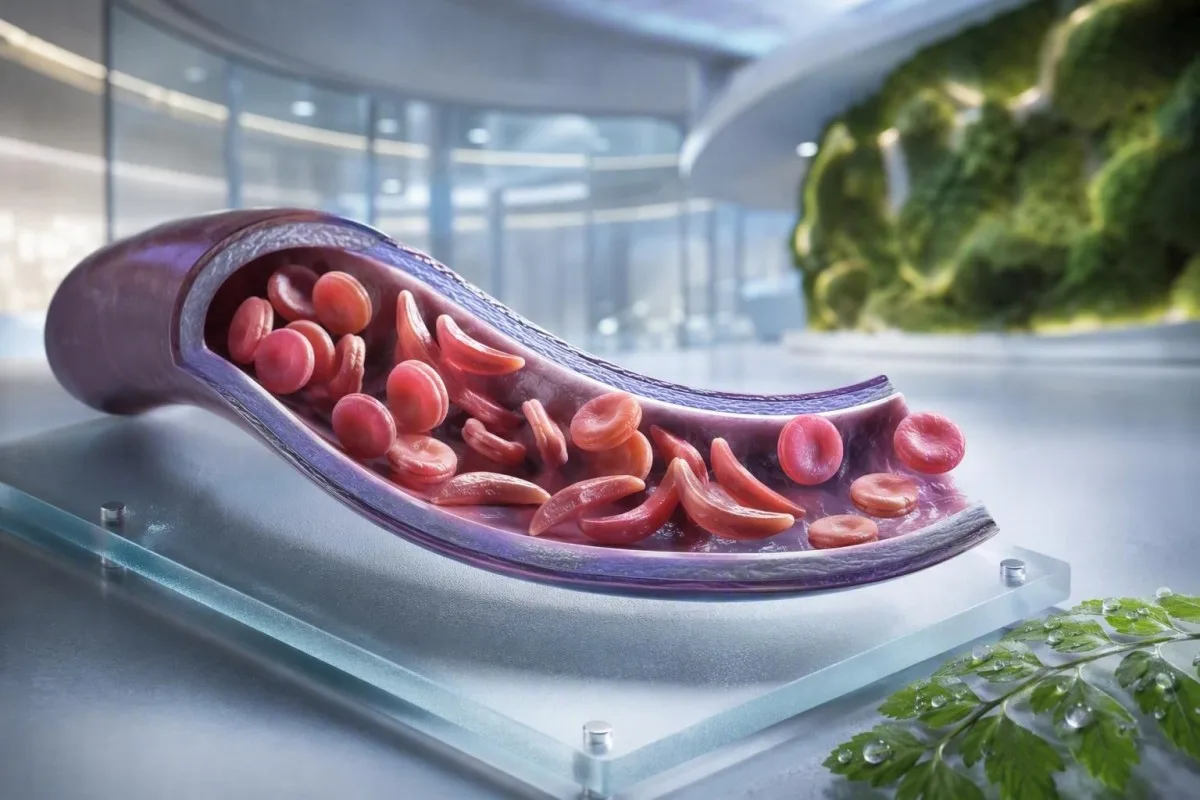
Sikelĉela anemio ne estas unu testo, unu simptomo, aŭ unu urĝonivelo. Ĉi tiu paciento-unua gvidilo disigas portanto-statuson, konfirmita malsanon, rutinan kontroladon kaj situaciojn, kiuj bezonas kriz-helpon.


- Sikelĉela trajto signifas unu HbS-genon; ĝi kutime ne kaŭzas kronikan anemion aŭ ripetiĝantajn dolorajn krizojn.
- Novnaskita testado identigas la plej multajn trafitajn bebojn antaŭ ol simptomoj komenciĝas, permesante penicilinon kaj specialistan sekvaĵon komenci frue.
- Hemoglobina elektroforezo disigas hemoglobinajn tipojn kaj helpas konfirmi HbSS, HbSC, HbS-beta talasemion, aŭ portantan statuson.
- Severa brusta doloro, anhelado, febro de 38,5°C aŭ pli alta, konfuzo, aŭ nova malforteco bezonas urĝan kriz-taksanon ĉe persono kun sikelĉela anemio.
- Akuta brusta sindromo povas komenciĝi per tuso, febro, brusta doloro, aŭ malalta oksigeno kaj povas plimalboniĝi dum horoj prefere ol tagoj.
- Subita hemoglobina falo de 2 g/dL aŭ pli de la kutima nivelo de homo povas signali falciforman krizon, sechestradon, sangadon aŭ akcelitan hemolizon.
- Retikulocita nombro helpas distingi aktivan medolan respondon de falciforma krizo; malalta nombro dum plimalboniĝanta anemio estas averta ŝablono.
- Hidroksiureo estas malsano-modifa medikamento, ne simple doloriga medikamento; monitorado ofte inkluzivas plenan sangokalkulon ĉiun 4 semajnojn dum dozo-ĝustigo.
Kion signifas sikelĉela anemio—kaj kion ĝi ne signifas
Falciforma anemio kutime rilatas al HbSS-malsano, kie homo heredas du genojn, kiuj produktas hemoglobinon S; ruĝaj ĉeloj povas fariĝi rigidaj, disfalegi frue kaj bloki malgrandajn vaskulojn. Falciforma trajto estas malsama: unu HbS-geno kutime sufiĉas por transdoni genetike, sed ne sufiĉas por kaŭzi la kronikan anemion kaj ripetajn vaskulajn obstrukciajn epizodojn viditajn en HbSS.
Falciforma ĉela malsano estas ombrela termino, kiu inkluzivas HbSS, HbSC, HbS-beta-zero talasemion, kaj HbS-beta-plus talasemion. HbSS ofte kaŭzas la plej elstaran anemion, sed severeco varias enorme eĉ ene de unu familio; baza hemoglobino de 7.5 g/dL povas esti stabila por unu plenkreskulo kaj danĝera por alia, se ĝi rapide falis.
La hemoglobina S-mutacio ŝanĝas unu aminoacidon en beta-globino: valino anstataŭigas glutaman acidon ĉe pozicio 6. Sub malalta oksigeno, dehidratiĝo, acidozo aŭ febro, HbS-molekuloj povas polimerizi ene de la ĉelo. Tiu fizika ŝanĝo klarigas kial krizo povas evolui post longa flugo, gastro-intesta malsano, aŭ nokto de malbona likva konsumado.
Kantesti AI estas AI-sangotesta analizilo kiu metas CBC, bilirubinon, LDH, retikulociton, creatininon, kaj antaŭajn rezultojn en unu longituda vido; ĝi ne diagnozas falciforman ĉelan malsanon nur de CBC. Por praktika refreŝigo pri hemoglobina raportado, vidu kion HGB signifas.
Je la 4-a de septembro 2026, mi ankoraŭ vidas pacientojn erare dirite, ke trajto kaj malsano estas interŝanĝeblaj. Ili ne estas. La klinika regulo de D-ro Thomas Klein estas simpla: peti la precizan hemoglobinan genotipon, ne neklara deklaro, ke testo estis “pozitiva”.”
Kial genotipo ŝanĝas zorgon
HbSC povas havi pli altan hemoglobinon ol HbSS tamen kaŭzi retajn komplikaĵojn, doloron aŭ avaskulan nekrozon. HbS-beta talasemio povas simili trajton aŭ HbSS depende de ĉu beta-globina produktado estas parte ĉeesta, kio estas kial molekula testado foje solvas neambiguan elektroforezan padronon.
Sikelĉela malsansimptomoj laŭ aĝo kaj baza nivelo
Falciformaj ĉelaj malsanaj simptomoj ofte inkluzivas episodan ostan aŭ brustan doloron, lacecon, ictison, senspiron, prokrastitan kreskon, kaj oftajn infektojn, sed neniuj du homoj spertas la saman ŝablonon. Simptomoj kutime aperas post 4 ĝis 6 monatoj de aĝo ĉar feta hemoglobino komence protektas bebojn kontraŭ HbS-polimerizado.
Daktylito—dolora ŝvelaĵo de manoj aŭ piedoj—povas esti la unua videbla signo ĉe beboj. En lernejaĝaj infanoj, abdomena doloro meritas specialan atenton ĉar estreñimiento, galvezikaj malsanoj, liena pligrandiĝo, kaj vaskula obstrukcio povas senti surprize simile hejme.
Iktero en falciforma ĉela malsano reflektas daŭran ruĝ-ĉelan rompon kaj ne-rektan bilirubin-altigon; ĝi ne aŭtomate signifas hepatiton. Malhela urino, pala fekaĵo, jukado, febro, aŭ dekstra-supra abdomena doloro ŝanĝas tiun takson kaj postulas takson de hepataj kaj biliaraj kaŭzoj; nia gvidilo al rektaj bilirubinaj padronoj klarigas la diferencon.
Plenkreskuloj povas normaligi doloron, kiu fariĝis pli ofta. Laŭ mia sperto, ŝanĝo de du hejme administritaj epizodoj jare al du monataj epizodoj estas klinike signifa eĉ se krizaj vizitoj ne pliiĝis. Dorma interrompo, maltrafita laboro, erektilaj simptomoj, malalta humoro, kaj reduktita ekzerca toleremo devas esti dokumentitaj ĉar ili ofte antaŭas formalan ŝanĝon en traktado.
Hemoglobina koncentriĝo de 6 ĝis 9 g/dL povas esti kutima stabila gamo en HbSS, dum valoro sub 10 g/dL estus neatendita ĉe plej multaj homoj sen malsano. La nombro gravas, sed la ŝanĝo de persona bazlinio gravas pli.
Kiu devus konsideri sikelĉelan portant-testadon
Falciforma ĉela rastrumo estas racia antaŭ gravedeco aŭ frue en gravedeco por iu ajn kies portanto-statuso estas nekonata, sendepende de aspekto, familia nomo, aŭ supozata deveno. Portanto-statuso estas heredita kaj ofte restas nekonata ĝis novnaska rastrumo aŭ neatendite nenormala hemoglobina testo.
Se ambaŭ biologiaj gepatroj portas variantan genon rilatan al HbS aŭ beta-talasemio, ĉiu gravedeco povas havi 25% ŝancon heredi klinike signifan hemoglobinan kondiĉon, depende de la implikitaj variantoj. Portanto povas havi normalan energion, normalajn CBC rezultojn, kaj neniun historion de doloraj epizodoj.
Ekzamenado estas precipe utila kiam unu partnero havas HbAS, HbC trajton, beta-talasemian trajton, neklarigitan mikrocitozon, aŭ familian historion de falcemia anemio. Malalta meza korpuskla volumo ne devus esti atribuita al feromanko sen kontrolado de feritino kaj konsiderado de talasemio; komparu MCV kaj MCH indicoj.
Monda Organizaĵo pri Sano-tutmonda raporto de 2022 taksis, ke hemoglobinaj malordoj restas grava hereda malsana ŝarĝo, precipe kie novnaska ekzamenada aliro estas neegala. La plej respektema aliro estas universala aliro al informita ekzamenado prefere ol uzi etnecon kiel pordogardiston.
Kantesti estas AI sangotesta interpretada platformo kiu povas klarigi raportitan HbS-rezulton en simpla lingvo, sed portanta konfirmo kaj reprodukta konsilado postulas akreditan laboratorion kaj klinikiston. Se paro planas gravedecon, demandu ĉu partnertestado kaj genetika konsilado povas okazi antaŭ koncepto prefere ol post kiam rezulto fariĝas temp-sentema.
Kiel hemoglobina elektroforezo konfirmas la diagnozon
Hemoglobina elektroforezo apartigas hemoglobinajn frakciojn kaj estas baza testo por konfirmi falcemia anemio aŭ trajton, ofte kune kun alt-efikeca likva kromatografio kaj, kiam necese, gena testado. Rutina CBC ne povas konfirmi HbSS aŭ trajton, ĉar feromanko kaj talasemio povas produkti interkovrantajn eritrocitajn indicojn.
En netraktita HbSS, elektroforezo tipe montras ĉefe HbS sen HbA, kvankam HbF procento varias. HbAS kutime montras kaj HbA kaj HbS, ofte kun HbA pli alta ol HbS; precizaj procentoj povas ŝanĝiĝi kun ko-heredita alfa-talasemio aŭ lastatempa transfuzo.
Lastatempa transfuzo povas igi elektroforezan rezulton misgvida dum proksimume 3 monatoj, ĉar donaca HbA ankoraŭ cirkulas. Tial ankaŭ HbA1c povas subtaksi mezan glukozon post transfuzo aŭ en alta turno-hemolizo; vidu kiam HbA1c misinformas.
Periferia ŝmiraĵo povas montri celĉelojn, polikromazion kaj faligitajn formojn, sed mikroskopio subtenas prefere ol anstataŭigas frakcion-testadon. D-ro Klein vidis “normalajn” krizajn ŝmiraĵojn prokrasti klarigon kiam paciento estis transfuzita semajnojn pli frue—ĉiam diru al la laboratorio kaj hematologia teamo pri transfuzoj.
Novnaskaj ekzamenaj metodoj identigas HbS antaŭ klinika malsano, sed la rezulto ankoraŭ bezonas ĝustatempan konfirman testadon. La 2014-datita evidenc-bazita gvidlinio de Yawn et al. rekomendas specialistan implikiĝon frue en vivo, kun preventaj rimedoj komenciĝantaj antaŭ la unua grava komplikaĵo (Yawn et al., 2014).
Rutina sangokontrolo: kion klinikistoj efektive spuras
Rutina monitorado en la talasemio kutena kutime kutemegas hemoglobino, retikulocitoj, blankaj ĉeloj, trombocitoj, bilirubino, LDH, rena funkcio kaj urina proteino—ne unu izolita rezulto. La plej sekura komparo estas kun la stabila baza linio de la paciento mem, ideale prenita kiam ili estas sanaj kaj ne lastatempe transfuzeitaj.
Hemolizo ofte produktas altigitan LDH,ндан bilirubino, kaj retikulocitojn kun malalta haptoglobino. Haptoglobino povas esti malalta pro aliaj kialoj, inkluzive de hepata malsano, do la kombinita ŝablono estas pli forta ol iu ajn unuopa signo; nia haptoglobina interpretada gvidilo montras kial.
Nur retikulocita procento povas troŝati la respondecon de la medolo en signifa anemio. Kuracistoj ofte kalkulas absolutajn retikulocitajn kalkulojn aŭ korektitajn retikulocitajn respondojn; falanta absoluta kalkulo dum plimalboniĝanta anemio kaŭzas zorgon pri kriz-aplasta krizo asociita kun parvoviruso B19.
Kantesti estas AI-movita ilo por analizo de sangotestoj kiu komparas ripetitajn hematologiajn rezultojn prefere ol trakti altan LDH kiel memstaran diagnozon. Specimeno markita kiel hemolizita en la tubo povas false pliigi kalion kaj LDH, do surpriza rezulto eble bezonas rekalkuladon; revizio ripeti testadon post hemolizo.
Hidroksiureo ofte pliigas MCV kaj HbF laŭlonge de la tempo, dum modeste malaltigas neutrofilojn ĉe efika dozo. Tiuj ŝanĝoj povas esti atenditaj, sed absoluta neutrofila kalkulo sub la individua traktada sojlo aŭ rapide falanta trombocita kalkulo postulas revizion de la preskribanto prefere ol mem-ĝustigo de medikamento.
Kiam doloro estas vazo-okluziva epizodo—kaj kiam ĝi ne estas
Vaso-okluziva doloro estas ofte profunda, severa, kaj situas en la dorso, brusto, koksoj, membroj, aŭ abdomeno, sed nova doloro ne devas esti aŭtomate etikedita kiel falcemia krizo. Februlo, fokusa ŝvelaĵo, vundo, abdomena gardado, aŭ unupartiaj neŭrologiaj simptomoj indikas problemojn bezonantajn malsaman esploradon.
Hejma dolorplano kutime inkludas fruan hidratiĝon, varmon, preskribitan analgezion, ripozon, kaj personan eskaladan sojlon interkonsentitan kun la falcemia teamo. Trinki troajn volumojn ne estas pli sekura: homoj kun rena difekto aŭ kormalsano povas evoluigi fluidan troŝarĝon, precipe dum akuta malsano.
Doloro kiu restas nekontrolita post la kutima savplano, malhelpas fluidojn aŭ medikamentojn esti retenitaj, aŭ estas malsama laŭ kvalito aŭ loko devus instigi urĝan klinikan konsilon. Ŝvelinta, varma artikulo povas reprezenti septan artriton aŭ ostoinfekton prefere ol nekomplikaĵa vaskula okluzio; nia esplorgvidilo pri neklarigebla doloro skizas utilajn unuajn esplorojn.
En kriz-prizorgo, ĝustatempa analgezio kaj re-takso gravas pli ol pruvi dolor-severon per laboratorio-numero. La gvidlinio de NICE pri akraj doloraj falcemaj epizodoj rekomendas rapidan analgezia takson kaj oftajn reviziojn, ĉar sub-traktado mem kontribuas al plilongigita mizero kaj malfrua resaniĝo (NICE, 2012).
Evitu malvarmajn sakojn rekte sur areo de vaskula-okluziva doloro krom se via teamo specife konsilas ilin; malvarmo povas kuntiri periferiajn vaskulojn. Tiu praktika detalo ŝajnas sensignifa, sed multaj pacientoj diras al mi, ke neniu klarigis ĝin ĝis post pluraj malfacilaj epizodoj.
Akuta brusta sindromo: la krizo, kiun multaj homoj maltrafas
Akuta toraka sindromo estas nova pulma enfiltrado sur toraka bildigo plus spiraj simptomoj, febro, brustodoloro, aŭ malalta oksigeno ĉe persono kun falcemia malsano, kaj ĝi estas krizo. Ĝi povas plimalboniĝi rapide, foje post akcepto por dolorepizodo prefere ol en la momento kiam torakaj simptomoj komenciĝas.
Voku krizajn servojn aŭ iru al kriz-prizorgo por nova dispneo, brustodoloro, blu-grizaj lipoj, sveno, persista tuso kun febro, aŭ oksigen-saturo sub la preskribita celo de la persono. Saturo de 92% povas esti granda falo por iu kutime ĉe 98%, dum kelkaj pacientoj havas pli malaltan dokumentitan bazan linion; kaj la absoluta valoro kaj la ŝanĝo gravas.
Akuta toraka sindromo povas impliki infekton, grasan emboligon el la medolo, pulman vaskulan obstrukcion, atelectazon, aŭ plurajn procezojn samtempe. Kuracistoj kutime taksas oksigenigon, CBC, retikulocitojn, kulturojn dum febro, torakan bildigon, kaj foje sangajn gasojn; sangokontroloj por senspira manko aldonas kuntekston al ĉi tiuj rezultoj.
Ĉe plenkreskuloj, tro-sedado de opioidoj, supra influkvanto pro doloro, kaj troa intravejna fluido povas plimalbonigi la spiran staton. Impulsa spirometrío dum hospitaligo reduktas pulmajn komplikaĵojn en elektitaj doloraj epizodoj, kvankam ĝi ne estas anstataŭaĵo por urĝa takso kiam simptomoj jam komenciĝis.
La 2018-revizio de Kato kaj kolegoj priskribas akutan torakan sindromon kiel gravan kaŭzon de malsaneco kaj morteco dum la tuta vivo (Kato et al., 2018). Ne veturu vin mem se senspirado, dormemo, aŭ brusta premo estas signifa.
Febro, infekto kaj lienaj krizoj
Febro de 38.5°C (101.3°F) aŭ pli alta ĉe infano aŭ plenkreskulo kun falcemia anemio postulas urĝan samtagan medicinan taksadon, krom se ilia specialistteamo donis alian planon. Funkcia perdo de splena imuna funkcio povas kaŭzi kelkajn bakteriajn infektojn progresi multe pli rapide ol ordinara virusa febro.
Febro plus letargio, ekzemo, malalta sangopremo, konfuzo, aŭ reduktita urina eligo postulas krizan zorgon nun. Normal-aspektanta blanka globulonombro ne fidinde ekskludas gravan infekton en falcemia anemio, precipe frue en malsano aŭ dum hidroksiurea terapio.
Splena sechestrado okazas plej ofte ĉe junaj infanoj kaj kaŭzas subitan spline-pligrandigon, palan koloron, abdomenan pleneco, rapidan spiradon, kaj rapidan hemoglobinan falon. Gepatroj foje estas instruitaj kiel senti la lienon de sia infano, sed ajna nova pligrandigo kun malsano devus ekigi urĝan taksadon prefere ol ripetitaj hejmaj kontroladoj.
Hemoglobina malpliiĝo de 2 g/dL aŭ pli sub la kutima bazlinio kun pligrandigita lieno estas zorgiga pri sechestrado. Kontraste, severa anemio kun tre malalta retikulocita nombro povas sugesti aplastan krizon, ofte ligitan al parvoviruso B19; retikulocita nombro interpretado klarigas la medolan signaledon.
Sepsaj laboratorioj povas inkluzivi laktan acidon, kulturojn, CBC, renajn testojn, kaj inflatajn markilojn, sed traktadaj decidoj neniam devus atendi ke ĉiu valoro revenu. Por kunteksto pri urĝaj padronoj, legu sepsisaj markilaj klarigoj.
Vakcinoj kaj preventaj antibiotikoj
Vakcinoj kaj infanaj penicilinaj profilaksoj reduktas riskon sed ne faras febron malalt-riska. Konfirmu vian individualigitan planon kun hematologia aŭ pediatria teamo, precipe post splenektomio, vojaĝo, nova bebo, aŭ ŝanĝo en loka imuniga horaro.
Apopleksio kaj neŭrologiaj avertosignoj bezonas tujan agon
Ajna subita vizaĝa faldo, braka aŭ krura malforto, paroladmalfacilaĵo, konvulsio, severa nekutima kapdoloro, konfuzo, aŭ perdo de ekvilibro en falcemia anemio devus esti traktata kiel ebla apopleksia krizo. Voku krizajn servojn tuj; ne atendu vidi ĉu simptomoj pasos aŭ donu doloran medikamenton unue.
Infanoj kun HbSS aŭ HbS-beta-zero talasemio estas ofte ofertitaj transkranian dopleran ultrasonan ekzamenon de 2 ĝis 16 jaroj. Malbona tempo-mezumita maksimuma rapideco de 200 cm/sekundo aŭ pli alta identigas signife pliigitan apopleksian riskon kaj postulas rapidan specialistan agon.
Kronika transfuzterapio povas redukti la unuan apopleksian riskon ĉe infanoj kun malbonaj dopleraj trovoj, sed ĝi kreas kromajn bezonojn: fer-superŝarĝan monitoradon, antikorpan ekzamenon, kaj zorgan matĉadon de donacaj ĉeloj. Ĉi tio estas specialigita prizorgo, ne rezulto por administri per aplikaĵo.
Plenkreskuloj povas havi pasemajn neŭrologiajn simptomojn, kognajn ŝanĝojn, aŭ silentajn cerbajn vundojn sen klasika drameca apopleksio. 10-minuta epizodo de vorto-trova malfacilaĵo ankoraŭ postulas krizan taksadon ĉar pasemaj iskemiaj simptomoj povas esti averto, ne certigo.
D-ro Thomas Klein konsilas familiojn konservi sian lokan falcan krizan kontaktan numeron apud la kutima dolora plano. Ĝi forigas unu decidon dum la malmultaj minutoj kiam infano aŭ plenkreskulo povas lukti komuniki.
Protekti renojn, okulojn kaj pulmojn inter krizoj
Falcemia anemio povas damaĝi renojn, retinojn, pulmojn kaj koron eĉ kiam doloro estas malofta, do rutina organsupervido estas parto de traktado prefere ol laŭvola aldono. Urina albuminotesto, sangopremo-kontroladoj, okulaj ekzamenoj, kaj simptom-movita pulma taksado identigas komplikaĵojn antaŭ ol ili fariĝas evidentaj.
Albuminurio povas esti frua signo de falca nefropatio. Urina albumino-al-kreatinina proporcio de 30 mg/g aŭ pli estas nenormala ĉe plej plenkreskuloj kaj devus esti konfirmita per ripetita testado ĉar febro, ekzercado, menstruo, kaj dehidratiĝo povas paseme altigi ĝin.
Kreatinino povas aspekti trompe normale en falcemia anemio ĉar pliigita tubula sekrecio kaj pli malalta muskola maso povas kaŝi reduktitan filtradon. Cistatin C aŭ kombinitaj ekvacioj povas aldoni utilan kuntekston, dum persista ŝaŭma urino meritas taksadon; vidu proteinon en urino-gvidlinioj.
Retinopatio estas precipe grava en HbSC-malsano, kiu povas esti klinike pli silenta rilate aliajn aspektojn. Novaj flosantoj, ekbriloj, kurten-simila vida ŝanĝo aŭ subita malklara vizio postulas urĝan oftalmologian revizion, ne rutinan rendevuon post semajnoj.
Gravedeco aldonas fiziologian hiperfiltradon kaj pli altan patrin-fetan riskon, do baza rena kaj urina taksado devus okazi frue. Nia klarigo de gravedecaj GFR-ŝanĝoj helpas distingi atendatan ŝanĝon de zorgiga tendenco.
Traktado-elektoj, hidroksiureo kaj transfuz-sekureco
Hidroksiureo reduktas dolorajn epizodojn kaj akutan torakan sindromon por multaj homoj kun HbSS aŭ HbS-beta-zero talasemio per pliigo de feta hemoglobino, sed ĝi bezonas strukturitan monitoradon. Transfuzo povas savi vivojn por elektitaj komplikaĵoj, tamen ripetitaj transfuzoj alportas ferŝarĝon kaj riskon de antikorpoj kontraŭ ruĝaj globuloj.
Hidroksiureo estas kutime titrita per CBC kaj retikulocitokalkulo proksimume ĉiujn 4 semajnojn ĝis stabila dozo estas atingita, poste ĉe pli longaj intervaloj determinitaj de la traktanta teamo. Pli alta MCV ofte estas atendata traktorefiko, dum severa citopenio bezonas medikamentan revizion kaj foje provizoran ĉesigon.
Simpla transfuzo pliigas oksigen-portan kapablon, sed troa hemoglobina koncentriĝo povas pliigi viskozecon en HbSS. Multaj akraj protokoloj evitas pliigi post-transfuzan hemoglobinon multe super 10 g/dL, krom se specialisto fiksas malsaman celon; interŝanĝa transfuzo estas uzata por elektitaj severaj komplikaĵoj.
Ferŝarĝo fariĝas pli verŝajna post ripetitaj transfuzoj kaj estas taksata per feritinaj tendencoj plus hepata aŭ kora MRI kiam konvene. Feritino altiĝas kun inflamo, do ununura alta nivelo ne estas pruvo de feta ferŝarĝo; nia gvidilo pri feraj studoj klarigas la limojn.
La indico estas plej forta por hidroksiureo en HbSS kaj HbS-beta-zero-malsano; profito en HbSC restas areo kun malpli da certeco kaj pli granda individua decido. Medikamenta plano devus inkluzivi diskutojn pri kontraŭkoncipado kaj gravedeco kiam aplikeble, adherbaroj, kaj skriba plano por maltrafitaj dozoj.
Gravedeco, fekundeco kaj familia planado kun HbS
Gravedeco kun falĉisela malsano bezonas frue komunan zorgon de obstetriko kaj hematologio, ĉar riskoj de doloraj epizodoj, anemio, trombozo, infekto, preeklampsio, feta kreskomalrapidiĝo kaj antaŭtempa naskiĝo estas pli altaj. Portista ekranado gravas antaŭ gravedeco, ĉar genetika risko dependas de ambaŭ biologiaj gepatroj.
Antaŭgraveda vizito devus revizii genotipon, bazan hemoglobinon, renan funkcion, urinan albuminon, sangopremon, transfuzan historion, antikorpojn kontraŭ ruĝaj globuloj, vakcinadojn, kaj medikamentojn. Hidroksiureaj decidoj dum gravedeco estas individuismaj kaj devas esti faritaj kun specialistoj; ne ĉesu aŭ rekomencu ĝin nur bazante sur interreta konsilo.
Ferro ne devus esti preskribita aŭtomate por malalta hemoglobino en HbSS. Feromanko povas kunekzisti, precipe kun gravedeco aŭ peza menstrua sangado, sed feritino kaj transgerina saturado devus gvidi traktadon, ĉar kronika hemolizo sole ne egalas feromankon.
Kiam ambaŭ gepatroj portas rilatajn hemoglobinajn variantojn, genetika konsilado povas klarigi naturan koncipadon, prenaskajn diagnostikajn elektojn, donacajn eblojn, kaj preimplanta genetikan testadon sen instigi familion al unu decido. La celo estas informita elekto, ne alarmo.
Por aliaj praktikaj gravedecaj laboratoriaj ruĝaj flagoj, vidu samtagajn gravedecajn laboratoriajn zorgojn. La konata baza stato de la paciento devas esti inkluzivita en ĉiu patrina transdono; ĝi ŝanĝas kiel hemoglobina rezulto estas interpretita.
Uzi laboratoriajn rezultojn sekure inter rendevuoj
Laboratoria rezulto de falĉisela malsano estas plej utila kiam komparite kun via genotipo, stabila bazlinio, simptomoj, traktadoj, kaj lastatempaj transfuzoj. Alta bilirubino aŭ malalta hemoglobino povas esti atendata por unu persono kun HbSS sed urĝa por la sama persono, se la rezulto ŝanĝiĝas abrupte.
Konservu unupaĝan registron de genotipo, kutima hemoglobino, kutima oksigena saturado se konata, sangogrupo kaj antikorpoj, nunaj medikamentoj, transfuzaj datoj, kaj krizaj kontaktoj. Ĉi tio ŝparas tempon en nekonataj krizaj fakoj kaj reduktas la eblecon, ke HbSS-bazlinio estu erare vidita kiel lastatempe malkovrita anemio.
Kantesti estas AI-labora testa interpretservo kiu povas organizi alŝutitajn laboratoriajn raportojn kaj flagi padronojn por diskuto, inkluzive de hemolizaj markiloj, renaj tendencoj, kaj medikamenta monitorado. Ĝi ne povas vidi vian bruston, mezuri oksigenigon, aŭ anstataŭigi krizan zorgon kiam simptomoj indikas akutan torakan sindromon, sepson aŭ apopleksion.
Rezulto ekster la laboratoria referenca intervalo ne estas aŭtomate danĝera, kaj rezulto ene de ĝi povas ankoraŭ esti danĝera se ĝi akre ŝanĝiĝis. Por klarigo pri raportaj flagoj kaj referencaj intervaloj, legu klarigo pri ne-intervalaj rezultoj.
. La klinika alproksimiĝo de Kantesti estas reviziita kontraŭ difinitaj metodoj kaj limigoj; legantoj, kiuj volas kompreni niajn sekurigilojn, povas revizii klinikaj validigaj normoj. Alportu la originalan PDF-on al via hematologia rendevuo—OCR estas utila, sed la fonta raporto restas la registro.
Klara kriz-agoplano por sikelĉela anemio
Serĉu krizhelpon nun por brustodoloro aŭ spirmanko, febro de 38,5 °C aŭ pli alta, novaj neŭrologiaj simptomoj, sveno, severa paleco, nekontrolita doloro, rapide pligrandiĝanta abdomeno, aŭ malkapablo trinki kaj preni medikamentojn. Tiuj avertosignoj povas indiki akutan brustan sindromon, sepson, apopleksion, severan anemion, aŭ lienan sekvestradon.
Informu krizpersonaron, ke vi havas falĉelan malsanon, sciigu vian genotipon se konata, kaj priskribu kio diferencas de via kutima epizodo. Menciu lastatempan transfuzon, bazan hemoglobinon, dolormedikamentojn jam prenitajn kun dozoj kaj tempoj, alergiojn, gravedecon, kaj ajnan antaŭan akutan brustan sindromon aŭ apopleksion.
Ne atendu, ke hejma pulsa oksimetro fariĝu nenormala, se brustaj simptomoj plimalboniĝas. Konsumaj aparatoj povas mislegi kun malvarmaj fingroj, unĝaj produktoj, movo, malbona cirkulado, kaj kelkaj haŭtnuancoj; simptomoj kaj klinika taksado superas unu konfidan ekranon.
Se vi prizorgas infanon, petu ilian teamon skriban sojlon de febro, analgezan planon, kaj instrukciojn pri lieno-kontrolado. Se vi estas plenkreskulo, konservu kopion en via telefono kaj dividu ĝin kun unu fidinda persono; familiaj sanrekordaj planoj povas faciligi tion.
La medicina teamo de Kantesti, inkluzive de nia Medicina Konsila Komisiono, subtenas edukadon pri laboratoria interpreto, dum krizaj decidoj apartenas al lokaj klinikaj servoj. Pri nia organizo kaj klinika misio, vidu nia teamo kaj alproksimiĝo.
Oftaj Demandoj
Kio estas la unuaj simptomoj de talasemio en beboj?
La unuaj simptomoj de falĉisila anemio ofte aperas post 4 ĝis 6 monatoj de aĝo, kiam feta hemoglobino nature malpliiĝas. Dolora ŝveliĝo de la manoj kaj piedoj, nomata daktoilo, febro, nekutima ĉagrenemo, pala haŭto, iktero, malbona nutrado kaj ŝvelinta abdomeno estas oftaj fruaj averto-signoj. Febro de 38,5°C (101,3°F) aŭ pli alta ĉe bebo kun falĉisila malsano postulas urĝan samtagan medicinan taksadon, ĉar grava infekto povas rapide progresi. Novnaskita ekzamenado identigas trafitajn bebojn antaŭ ol simptomoj komenciĝas, sed konfirmtestado kaj specialist-sekvado restas necesaj.
Ĉu oni povas havi falĉilecan trajton kaj tamen havi simptomojn?
La plej multaj homoj kun falĉileca trajto havas neniun kronikan anemion, neniujn ripetiĝantajn dolorajn krizojn, kaj normalan ĉiutagan ekzercan toleremon. Maloftaj komplikaĵoj povas okazi en ekstrema senhidratiĝo, severa ekspozicio al varmego, altaj altitudoj, tre intensa penado, aŭ medioj kun malalta oksigeno, kaj sango en urino devus esti taksita prefere ol supozata esti benigna. Trajto signifas unu HbS-genon, dum falĉileca anemio kutime signifas HbSS-malsanon kun du trafitaj beta-globina genoj. Hemoglobina elektroforezo aŭ ekvivalenta frakciiga testo povas klarigi la distingon.
Kiu testo konfirmas falĉiselan anemion?
Hemoglobina elektroforezo, alt-efikeca likva kromatografio, aŭ kapilara elektroforezo konfirmas la ĉeestantajn hemoglobinajn frakciojn kaj estas centra al diagnozado de falforma ĉela anemio. Ne traktita HbSS ofte montras ĉefe hemoglobinon S sen hemoglobino A, dum trajto kutime montras kaj hemoglobinon A kaj hemoglobinon S. A CBC povas identigi anemion aŭ malgrandajn ruĝajn ĉelojn sed ne povas sendepende diagnozi HbSS, HbSC, aŭ trajton. Lastatempa transfuzo povas distordi frakciajn rezultojn dum ĉirkaŭ 3 monatoj, do molekula testado povas esti bezonata kiam la padrono estas neklara.
Kiam devus iu kun falĉilela anemio iri al la kriz-sekcio?
Persono kun falĉileĉela malsano devas serĉi krizan taksadon por febro de 38.5°C (101.3°F) aŭ pli alta, brustodoloro, spirmanko, malalta oksigeno, subita malforto, parolmalfacileco, konvulsio, sinkopo, rapide plimalboniĝanta paleeco, severa abdomena ŝveliĝo, aŭ doloro kiu restas nekontrolita kun ilia establita plano. Tiuj simptomoj povas signali akutan brustosindromon, infekton, apopleksion, lienan sekecon, aŭ subitan hemoglobinan malkreskon. Nova aŭ malsama doloro ankaŭ bezonas taksadon ĉar ostoinfekto, galvezikmalsano, apendicito, kaj sangokoagulaĵoj povas simili vaskul-okluzivan doloron. Ne veturu vin mem se neŭrologiaj aŭ spiraj simptomoj estas signifaj.
Kia hemoglobina nivelo estas danĝera en falĉela anemio?
Ne ekzistas unu sola danĝera hemoglobinnombro en falĉelmalsano ĉar multaj homoj kun HbSS havas stabilan bazan nivelon inter ĉirkaŭ 6 kaj 9 g/dL. Malsupreniĝo de 2 g/dL aŭ pli de la kutima hemoglobino de la individuo ofte estas pli zorgiga ol la absoluta valoro kaj povas sugesti aplastan krizon, lienan sekecon, sangadon, aŭ akcelitan hemolizon. Severaj simptomoj kiel spiritomanko, senkonsciiĝo, brustodoloro, rapida korbatado, aŭ konfuzo postulas urĝan taksadon ĉe ajna hemoglobinnivelo. Transfuzaj decidoj dependas de simptomoj, baza nivelo, kaŭzo de anemio, oksigenado, kaj risko de hiperviskeco.
Ĉu hidroksiureo resanigas falĉileman anemion?
Hidroksiureo ne kuracas falciforman ĉelan anemion, sed ĝi povas redukti dolorajn epizodojn, akutan brustosindromon, bezonon de transfuzaĵoj, kaj hospitalan uzon por multaj homoj kun HbSS aŭ HbS-beta-zero talasemio. Ĝi funkcias parte pliigante fetan hemoglobinon kaj kutime postulas CBC kaj retikulocitan monitoradon proksimume ĉiujn 4 semajnojn dum la dozo estas ĝustigata. Leviĝanta MCV kaj HbF nivelo povas indiki biologian efikon, kvankam nek rezulto pruvas perfektan aliĝon. Kuracaj aliroj kiel stamĉela transplantado kaj kelkaj gen-bazitaj terapioj postulas tre specialecan elekteblecan taksadon kaj longtempan sekvadon.
Akiru hodiaŭ AI-movitan analizon de sangoanalizo
Aliĝu al pli ol 2 milionoj da uzantoj tutmonde, kiuj fidas je Kantesti por tuja, preciza analizo de laboratoriaj testoj. Alŝutu viajn rezultojn de sangoanalizo kaj ricevu ampleksan interpretadon de 15,000+-biomarkiloj en sekundoj.
📚 Referencitaj esplorpublikaĵoj
Klein, T., Mitchell, S., & Weber, H. (2026). Gvidilo pri komplementa sangotesto C3 C4 & ANA-titro. Kantesti AI Medicina Esploro.
Klein, T., Mitchell, S., & Weber, H. (2026). Sangotesto por la Nipah-Viruso: Gvidilo pri Frua Detekto kaj Diagnozo 2026. Kantesti AI Medicina Esploro.
📖 Eksteraj medicinaj referencoj
⚕️ Medicina Deklaro
Ĉi tiu artikolo estas nur por edukaj celoj kaj ne konsistigas medicinan konsilon. Ĉiam konsultu kvalifikitan sanprovizanton por diagnozaj kaj traktadaj decidoj.
Signaloj de fido E-E-A-T
Sperto
Kuracista gvidata klinika revizio de laboratoriaj interpretaj laborfluoj.
Kompetenteco
Laboratoria medicino fokusiĝas pri kiel biomarkiloj kondutas en klinika kunteksto.
Aŭtoritateco
Skribita de d-ro Thomas Klein kun revizio de d-ro Sarah Mitchell kaj prof. d-ro Hans Weber.
Fidindeco
Evident-bazita interpretado kun klaraj sekvaj vojoj por redukti alarmon.