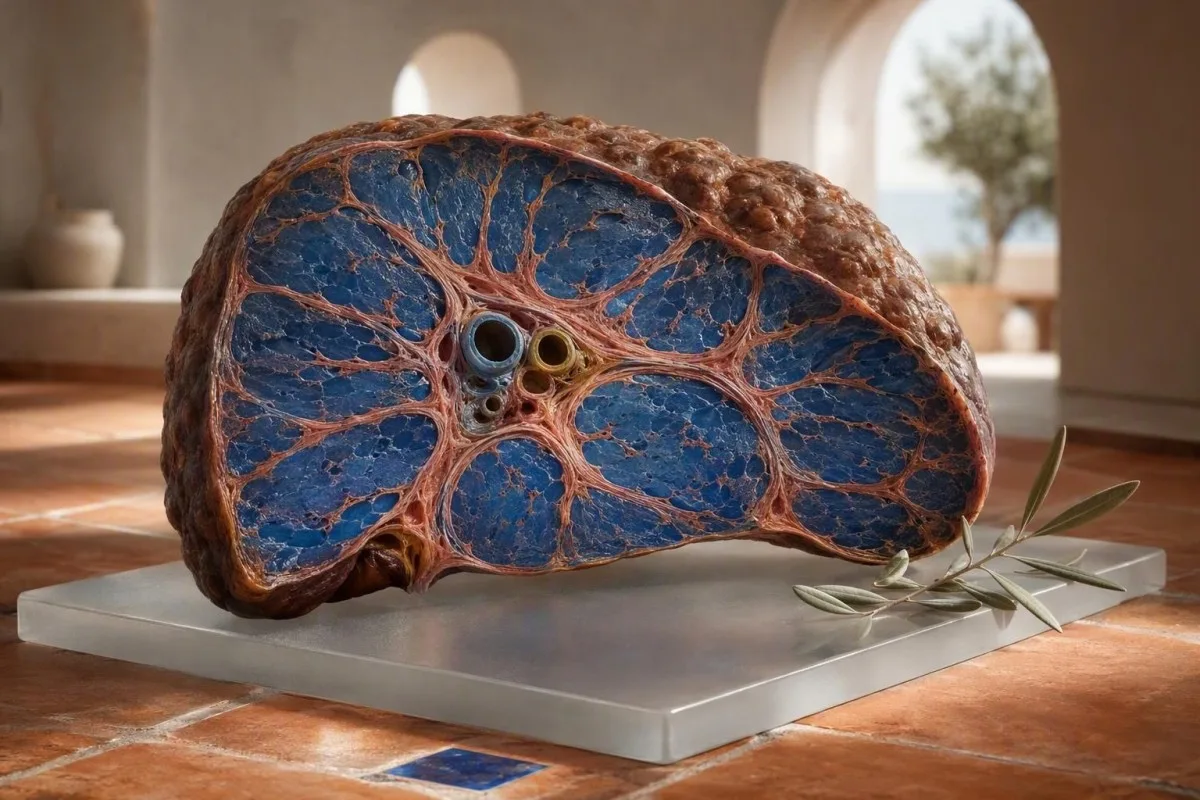
La frua cirozo ofte ne kaŭzas evidentan doloron: laceco, dormaj ŝanĝoj, kontuziĝoj, jukado, kaj malpliiĝanta trombocita nombro povas aperi antaŭ iktero. La utila sugesto estas kutime ŝablono tra hepataj testoj, sangokalkulo kaj fibrozo-poentaroj—ne unu anomalio.


- Silenta cikatriĝo povas okazi kun normalaj ALT kaj AST, precipe en metabola grashepata malsano kaj alkohol-rilata hepata malsano.
- Trombocitoj sub 150 × 10⁹/L povas esti frua porta-hipertensia sugesto kiam ili malkreskas graduale kune kun hepataj riskfaktoroj.
- FIB-4 sub 1.3 kutime indikas malaltan riskon de progresinta fibrozo ĉe plenkreskuloj sub 65 jaroj; 2.67 aŭ pli alta postulas rapidan specialistan taksadon.
- Albumino sub 35 g/L aŭ kreskanta INR povas indiki reduktitan hepatan sintezan funkcion, eĉ se la aminotransferazoj estas modestaj.
- AST:ALT super 1 ne estas diagnoza de cirozo, sed ĝi kreskigas zorgon kiam parigita kun trombocitopenio, pliigita GGT, aŭ bildaj ŝanĝoj.
- Bilirubino super 34 µmol/L kun iktero, malhela urino, febro, konfuzo aŭ abdomena ŝvelo postulas urĝan klinikan taksadon.
- Normalaj enzimoj signifas neniun aktivan enzim-elakton en tiu momento; ili ne pruvas, ke la hepata arkitekturo estas normala.
- Alkohola ĉesigo, kuracado de metabolaj riskoj, prizorgo de virusa hepatito, kaj revizio de medikamentoj povas malrapidigi aŭ foje parte inversigi pli fruajn stadiojn de fibrozo.
Subtilaj fruaj cirozaj simptomoj, kiuj meritas hepatan kontrolon
Fruaj simptomoj de cirozo ofte estas neklaraj kaj intermitaj, kun laceco, malpliigita apetito, perturba dormo, jukado, facila kontuzado, aŭ malpliigita ekzerca toleremo okazantaj longe antaŭ flava haŭto aŭ likva reteno. Laŭ mia klinika sperto, la zorgiga trajto ne estas unu laca posttagmezo; ĝi estas kvieta grupo, kiu daŭras 6 ĝis 12 semajnojn ĉe iu kun diabeto, obezeco, regula alkohola ekspozicio, hepatita risko, aŭ familia historio de hepata malsano.
Homo ankoraŭ povas labori, trejniĝi, kaj aspekti tute bone dum fibrozo progresas. Mi vidis 48-jaran oficejan laboriston, kies sola ŝanĝo estis vekiĝo je 3 a.m. kun jukado kaj laceco; lia ALT estis 31 IU/L, sed trombocitoj malleviĝis de 214 ĝis 136 × 10⁹/L dum kvar jaroj. Tiu tendenco instigis elastografion kaj identigis altan fibron.
Cirozo kutime ne kaŭzas akran hepatan doloron. La hepata kapsulo povas streĉiĝi malfrue en la procezo, sed frua cikatriĝo estas biologie kvieta, ĉar fibrozo evoluas inter mikroskopaj vaskulaj kanaloj. Nova sento de abomena pleneco, frua sateco, aŭ maleola ŝvelo estas pli zorgiga ol neklara dekstraflanka doloro, precipe kiam la pezo pliiĝas per pli ol 2 kg semajne.
D-ro Thomas Klein konsilas alporti antaŭajn rezultojn, ne nur la plej novan panelon, al hepata revizio. A komenca sangosistemo fariĝas multe pli utila kiam ĝi povas esti komparita kun rezultoj de 12, 24 kaj 48 monatoj pli frue.
Simptomoj, kiuj ne devas atendi rutinan rendevuon
Konfuzo, nova tagtempa dormemo, sanga vomado, nigra feko, febro kun abdomena ŝvelo, aŭ rapide kreskanta iktero postulas samtagan krizan taksadon. Tiuj povas reflekti malkompensitan cirozon, gastrointestinalan sangadon, infekton, aŭ akutan hepatan vundon prefere ol sendanĝeran fluktuon.
Kial normalaj ALT kaj AST ne ekskludas cirozon
Normalaj ALT kaj AST ne ekskludas signifan fibron aŭ cirozon. ALT kaj AST reflektas nunan ĉelan enzim-elakton, dum fibrozo reflektas akumulitan arkitekturan cikatriĝon, kiu povas produkti malmulte da daŭranta elakto post kiam hepataĉela maso kaj inflamo malpliiĝas.
Multaj laboratorioj uzas ALT-suprajn limojn ĉirkaŭ 35 ĝis 45 IU/L por viroj kaj 25 ĝis 35 IU/L por virinoj, kvankam referencaj intervaloj varias laŭ analizmetodo kaj lando. Rezulto de 28 IU/L povas esti normala sur papero, sed tamen malpli trankviliga ĉe homo kun obezeco, tipo 2 diabeto, trombocita nombro de 128 × 10⁹/L, kaj alta FIB-4 poentaro.
La gvidlinioj de AASLD 2023 deklaras, ke aminotransferazoj povas esti normalaj ĉe pacientoj kun altnivela nealkohola grasa hepata malsano; riskodivido devus tial inkluzivi ne-invasivan fibrotan testadon prefere ol nur enzimojn (Rinella et al., 2023). Ĉi tio estas unu el tiuj areoj, kie la padrono gravas pli ol la flago apud unuopa valoro.
Malfacila trejnado, muskola vundo, kaj kelkaj medikamentoj povas altigi AST sen hepata cikatriĝo. 52-jara maratonisto kun AST 89 IU/L post kurado povas havi muskolan fonton, precipe se kreatin kinazo estas alta kaj bilirubino, trombocitoj, INR, kaj GGT estas normalaj; nia alta AST gvidilo klarigas tiun distingon.
Cirozaj sangokontroloj: la ŝablono pri kiu la klinikistoj efektive zorgas
La plej zorgiga hepata sangoprov-padrono kombinas malpliiĝantajn trombocitojn, AST superantan ALT, altigitan bilirubinon aŭ GGT, kaj difektitan albuminon aŭ INR prefere ol izola enzim-pliiĝo. Ĉiu testo kaptas malsaman aspekton de hepata biologio: vundo, gala fluo, porta premo, aŭ proteinproduktado.
Trombocitoj sub 150 × 10⁹/L estas oftaj en progresinta fibrozo ĉar porta hipertensio pligrandigas la lienon kaj pliigas platetan entenon. Kalkulo de 142 × 10⁹/L ne estas pruvo de cirozo, tamen descenda trajektorio de 240 ĝis 142 estas klinike pli signifa ol unu izolita rezulto.
AST:ALT-proporcio super 1.0 povas okazi dum fibrozo progresas, dum proporcioj super 2.0 estas clase asociitaj kun alkohol-rilata hepatito sed ne estas nek sentemaj nek specifaj. GGT ofte altiĝas kun alkoholo, metabola grasa hepato, kolestazo, kaj medikamentaj efikoj; legu pli pri kion GGT signifas antaŭ ol supozi, ke alkoholo estas la kaŭzo.
Kantesti AI interpretas hepatajn panelojn pesante ĉi tiujn ligitajn rezultojn kontraŭ aĝo, sekso, raportitaj kondiĉoj kaj antaŭaj valoroj prefere ol asigni diagnozon de unu flago. Kantesti estas AI-sanga analizilo desegnita por identigi postajn padronojn kiel malaltaj platetoj plus altiĝanta AST:ALT-proporcio, kiuj meritas klinikan revizion.
La ofta fals-trankviliga kaptilo
Normala bilirubino kaj normala albumino povas koekzisti kun kompensita cirozo. Tiuj signoj ofte plimalboniĝas poste, post kiam la hepato perdis pli da funkcia rezervo, do ili estas malriĉaj memstaraj ekranaj testoj por frua cikatriĝo.
FIB-4 kaj ne-invadaj sugestoj pri klinike signifa cikatriĝo
FIB-4 estas validigita unua-linia fibroskora poentaro uzante aĝon, AST, ALT kaj platetan kalkulon. Ĉe plenkreskuloj pli junaj ol 65 jaroj, FIB-4 sub 1.3 ĝenerale indikas malaltan riskon de progresinta fibrozo, dum rezulto de 2.67 aŭ pli alta devus ekigi specialistan takson aŭ elastografion.
La formulo estas aĝo × AST dividita per platetoj × la kvadrata radiko de ALT, kun AST kaj ALT en IU/L kaj platetoj en × 10⁹/L. Aĝo substantiale ŝanĝas la poentaron: EASL rekomendas pli altan malalt-riskan limon de 2.0 por homoj pli ol 65 jarojn ĉar ordinara aĝ-rilata poentado alie povas produkti falsajn pozitivulojn (Eŭropa Asocio por la Studo de la Hepato, 2021).
FIB-4 poentaro estas triage-ilo, ne diagnozo. Akuta hepatito, lastatempa peza alkohola epizodo, kemioterapio, aŭ transitoria plateta falo povas pligrandigi ĝin, do mi kutime ripetas malstabilajn testojn en 4 ĝis 12 semajnoj antaŭ interpretado de limŝeligita rezulto, krom se la persono havas ictaron aŭ aliajn ruĝajn flagojn.
Kantesti estas AI-labora testa interpretservo kiuj povas kalkuli kaj kuntekstigi FIB-4 kiam la necesaj rezultoj ĉeestas, sed alta poentaro bezonas medicinan konfirmon per transita elastografio, specialista takso, aŭ foje ŝtofa ekzameno. Nia hepata-panelo superrigardo montras kiuj testoj estas ofte haveblaj.
Malaltaj trombocitoj: frua porta-hipertensia sugesto, ne verdikto
Persista platela nombro sub 150 × 10⁹/L povas esti unu el la plej fruaj rutinaj sangotestaj indikoj de porta hipertensio, sed ĝi havas multajn ne-hepatajn kaŭzojn. La hepata ligo fortiĝas kiam nombroj malpliiĝas graduale kaj okazas kun liena pligrandiĝo, alta FIB-4, aŭ nenormala hepata bildigo.
Porta hipertensio ŝanĝas la cirkuladon tra la hepato kaj lieno. La lieno povas reteni pli da platoj, tiel ke nombro de 110 ĝis 140 × 10⁹/L povas antaŭiri ascitojn aŭ varicojn jarojn en kompensita malsano. Tial platela tendenco estas inkluzivita en FIB-4 prefere ol traktita kiel ĝenerala CBC piednoto.
Ne ĉiu malalta rezulto reflektas veran falon. EDTA-rilata platela aglutiniĝo povas falsigi malaltan kalkulon, kaj la laboratorio povas konfirmi tion per sangofilma revizio aŭ citrata specimeno; vidu nian klarigon de EDTA-trombocita amasiĝo. Vira malsano, imuna trombocitopenio, folata manko, kaj medolaj kondiĉoj ankaŭ restas eblaj.
D-ro Thomas Klein trovis, ke kalkulo falanta je 20% dum du jaroj ofte estas pli utila ol demandi ĉu ĝi transiris laboratorian malsupran limon. Parigu ĝin kun la kompleta sangokalkulado eroj kaj antaŭaj ultrasonaj raportoj antaŭ ol fari konkludojn.
Albuminio kaj INR: sangokontroloj, kiuj mezuras hepata rezerveco
Malalta albumino kaj plilongigita INR povas signali reduktitan hepatan sintezan funkcion, precipe kiam ili disvolviĝas kune. Albumino sub 35 g/L aŭ INR super 1.3 sen kontraŭkoagulanta traktado postulas ĝustatempan klinikan revizion, kvankam nek rezulto estas specifa al cirozo.
Albumino havas duoniĝotempon de proksimume 20 tagoj, do ĝi ŝanĝiĝas malrapide kaj ofte restas normala en kompensita cirozo. Subnutrado, rena proteina perdo, severa sistema malsano, gravedeco, kaj likva troŝarĝo ankaŭ povas malaltigi albuminon; la gvidilo pri albumino kaj globulino helpas apartigi ĉi tiujn eblecojn.
INR reflektas vitaminon K-dependan koagulfaktoran agadon, multe de kiu estas produktita de la hepato. INR de 1.5 en persono ne prenanta varfarino estas pli zorgiga ol iomete levita ALT, sed vitamino K-manko pro malabsorbado, antibiotikoj, aŭ kolestazo ankaŭ povas plilongigi ĝin kaj povas esti revertebla.
Kantesti AI estas AI-movita ilo por analizo de sangotestoj kiu reliefigas albuminajn, bilirubinajn, INR, kaj platelajn padronojn kune ĉar sintezfunkcio ne estas kaptita de ALT sole. Por teknika kunteksto pri koagulaj analizoj, revizuu nian gvidilo pri koaguliĝa testado.
Iktero, jukado, malhela urino kaj pala feko: kion ili povas signifi
Iktero, malhelaj te-koloraj urino, pala feko, kaj ĝeneraligita jukado povas indiki difektitan bilan fluon aŭ difektitan bilirubinan prilaboradon kaj devas esti rapide taksataj. Totala bilirubino super 34 µmol/L, ĉirkaŭ 2 mg/dL, ofte fariĝas videbla kiel flaviĝo en natura lumo, kvankam haŭta koloro kaj lumigado influas detekton.
Malhela urino estas kutime kaŭzita de konjugita bilirubino, ne de bilirubino kiu estas nekonjugita. Urina teststrimeto pozitiva por bilirubino tial indikas al kuracistoj hepatobiliaran malsanon aŭ obstrukcion prefere ol simplan ruĝ-ĉelan rompon; nia gvidilo pri urina bilirubino klarigas la sekvajn kontroladojn.
Pala aŭ argilkolora feko signifas malpli da pigmento atingas la inteston. Ĝi povas okazi kun galŝtono, medikament-rilata kolestazo, pankreata aŭ bila dukta malsano, aŭ progresinta hepata misfunkcio, do ne estas sekure nomi ĝin detoksiga reago; vidu kaŭzoj de palaj fekoj.
Jukado pro kolestazo povas esti severa antaŭ ol bilirubino fariĝas draste alta. Ĝi ofte influas manplatojn kaj plandojn kaj plimalboniĝas nokte; kuracistoj kutime kontrolas ALP, GGT, bilirubajn frakciojn, medikamentan eksponiĝon, gravedecan statuson kie aplikeblas, kaj ultrasonan aliron al la bilaj duktoj.
ALP, GGT, kaj bilirubino: rekoni kolestazan ŝablonon
Kolestaza hepata-testa ŝablono signifas, ke alkala fosfatato kaj GGT kreskas pli ol ALT kaj AST, ofte kun rekta bilirubina plialtiĝo. Tiu ŝablono devus instigi serĉon pri bila dukta obstrukcio, medikamenta vundo, aŭtoimuna kolestaza malsano, aŭ infiltrataj hepataj kondiĉoj prefere ol aŭtomata supozo de cirozo.
ALP estas produktita de bila dukta histo sed ankaŭ de osto, placento kaj intesto. Plialtigita ALP kun normala GGT povas esti osto-devena, precipe post frakturo, dum kresko, aŭ kun manko de vitamino D, dum alta ALP plus alta GGT subtenas hepatobiliaran fonton; nia ALP kaj GGT klarigo donas praktikajn ekzemplojn.
La R-proporcio helpas klasifiki akrajn enzimajn ŝablonojn: ALT dividita per ĝia supra normala limo, poste dividita per ALP dividita per ĝia supra limo. R-proporcio super 5 sugestas hepatocitan vudon, sub 2 sugestas kolestazon, kaj 2 ĝis 5 estas miksita—utila por medikamenta taksado sed ne memstara diagnozo.
Kantesti AI uzas laboratoriajn referencajn limojn de la alŝutita raporto prefere ol trudante universalan ALP-limon, ĉar gamoj diferencas. La kolestaza sang-testa gvidilo estas utila preparado por kuracista diskuto.
Trovi la kaŭzon gravas same kiel trovi la cikatron
Cirozo estas fino, ne ununura malsano: alkoholo, metabola grashepata malsano, hepatito B aŭ C, aŭtoimuna malsano, ferokumulo, kaj kelkaj medikamentoj povas ĉiuj kaŭzi ĝin. Identigi la kaŭzon ŝanĝas traktadon, familian ekzamenadon, kanceran kontroladon, kaj la ŝancon malrapidigi plian fibrozon.
Metabola risko meritas rektan konversacion. Centra pezo-kresko, trigliceridoj super 1.7 mmol/L aŭ 150 mg/dL, hipertensio, kaj tipo 2 diabeto pliiĝas la probablecon de steatota hepata malsano, eĉ kiam alkohola konsumado estas malalta. A metabola sindromo kontrol-listo povas klarigi la asociitajn riskojn.
Feritino super 300 ng/mL ĉe viroj aŭ postmenopaŭzaj virinoj ne sufiĉas por diagnozi feran troŝarĝon. Transfumina saturiĝo konstante super 45% estas pli specifa por hereda hemokromatozo kaj kutime instigas HFE genetikan testadon en taŭga klinika kunteksto; vidu nian gvidilon pri hemokromatozaj simptomoj.
Medikamentaj kaj suplementaj historioj estas rutine subtaksitaj. Alt-dozaj verdaj tea ekstraktoj, anabolaj agentoj, multkomponentaj produktoj por pezoperdo, amiodarono, metotreksato kaj kelkaj antibiotikoj povas ŝanĝi hepatajn testojn, dum supozata hepata purigado povas prokrasti taŭgan taksadon; nia recenzo pri suplementa sekureco estas intence singarda pri tio.
Virushepatito devas esti testita, ne divenita el simptomoj
Kronika hepatito C povas resti sensimptoma dum jardekoj dum fibrosizo progresas. Antikorpa testado identigas eksponiĝon, dum HCV RNA-testo konfirmas aktivan infekton; nia gvidilo pri testado de hepatito C klarigas kial ambaŭ testoj gravas.
Kio okazas post anomalio en ciroza sangokontrola ŝablono
Nenormala fibrosiza ŝablono kutime kondukas al ripetaj sangokontroloj, ultrasono kaj elastografio prefere ol tuja diagnozo de cirozo. Elastografio taksas hepatan rigidecon en kilopaskaloj kaj estas plej fidinda kiam akuta inflamo, kongesto kaj lastatempa peza alkohola eksponiĝo estas konsiderataj.
Klinika kuracisto ofte ripetas AST, ALT, ALP, GGT, bilirubino, albumino, INR, kaj kompletan sangokalkulon ene de semajnoj se rezultoj estas neatenditaj. Ili povas aldoni hepatitojn B kaj C-testojn, feritinon kun transfumina saturiĝo, imunoglobulinojn, aŭtoantikorpojn, koeliakiajn testojn, kaj ceruloplasminon ĉe pli junaj plenkreskuloj—kvankam la preciza listo sekvas aĝon kaj riskan historion.
La 2021-jara ne-invada testgvidilo de EASL subtenas du-ŝtupan aliron: unue FIB-4, poste transiciona elastografio aŭ dua serumtesto por homoj super la malalt-riska sojlo (Eŭropa Asocio por la Studo de la Hepato, 2021). Hela rigideco ne identas al fibrosizo; korinsuficienca kongesto, kolestazo, kaj akuta hepatito povas provizore pliigi ĝin.
Kantesti estas AI-biomarkila interpretada platformo kiu povas organizi alŝarĝitan panelon en demandojn por la sekva rendevuo, inkluzive de kiuj valoroj ŝanĝiĝis kaj kiaj eblaj kaŭzoj bezonas ekskludon. Nia klinika metodologio estas priskribita en la superrigardo pri medicina validigo, sed ĝi ne anstataŭas ekzamenon aŭ bildigan mendon.
Alkoholo, metabola risko, kaj kiam ripari hepatajn testojn
Alkohola redukto kaj traktado de metabola risko povas plibonigi hepatajn enzimojn ene de semajnoj, sed fibrosiza risko ne devus esti juĝita laŭ ununura plibonigita ALT-rezulto. GGT ofte malpliiĝas dum 2 ĝis 6 semajnoj post alkohola ĉeso, dum sangaj kaj fibrosizaj ŝanĝoj povas daŭri pli longe kaj dependi de la subesta malsanstadio.
Ne ekzistas universale sekura alkohola sojlo por persono kun establita cirozo; abstinenco estas la norma rekomendo ĉar eĉ malgrandaj kvantoj povas plimalbonigi portalan hipertension aŭ malhelpi resaniĝon. Por homoj sen cirozo, raportita konsumo ankoraŭ bezonas kuntekston: binge-padronoj, korpa pezo, diabeto, kaj medikamenta uzo modifas riskon konsiderinde.
En metabola hepata malsano, daŭra 5% al 10% korpopeza redukto estas asociita kun plibonigo en steatohepatito kaj povas plibonigi fibrosizon ĉe kelkaj pacientoj, kvankam individuaj rezultoj varias. Rapida dietado povas provizore pliigi ALT, do interpretu panelon kune kun lastatempa peza ŝanĝo; nia artikolo pri hepatajn enzimojn post pezoperdo klarigas kial.
AI-tendenca analizo estas plej informa kiam testoj estas prenitaj ĉe kompareblaj punktoj—ideale evitante fortan ekzercon dum 48 horoj kaj notante alkoholon, malsanon, kaj novajn suplementojn. La horloĝo de biomarkiloj pri ĉesigo de alkoholo priskribas, kio povas normaligi unue.
Manĝaj kaj suplementaj mitoj, kiuj povas prokrasti hepatan prizorgon
Neniu suko-purigo, herba produkto, aŭ suplemento povas fidinde forigi cikatran histon de cirozo. Mediteranea manĝpadrono, taŭga proteino, diabeto-mastrumado, kaj evitado de hepatoksaj suplementoj povas subteni hepatan sanon, sed ili ne anstataŭas la identigon de la kaŭzo de fibrozo.
Homoj kun cirozo foje estas konsilitaj eviti ĉian proteinon, kio povas plimalbonigi muskolan perdon kaj malfortikecon. Krom se ekzistas specifa provizora instrukcio dum severa hepata encefalopatio, multaj pacientoj bezonas proksimume 1.2 ĝis 1.5 g proteino por kg korpa pezo ĉiutage, dividita inter manĝoj, sub dieta konsilo.
Atentu pri produktoj venditaj kiel senvenenigiloj. Koncentrita kurkumo, kaŭo, nigra grizio, kaj mult-ingrediencaj korpokonstruaj aŭ sveltigaj suplementoj estis ĉiuj ligitaj al hepata vundo en kazaj serioj, kaj produktoj eble ne enhavas tion, kion iliaj etikedoj asertas. Nia evidenc-bazita hepata manĝa gvidilo apartigas subtenajn dietajn kutimojn de merkatigaj asertoj.
Se likva reteno evoluas, natria limigo ofte gravas pli ol likva limigo. Komuna celo estas malpli ol 2 g natrio ĉiutage, sed diuretikoj, rena funkcio, sangopremo, kaj nutra taŭgeco postulas personigitan kontrolon prefere ol interreta manĝplano.
Kiam cirozaj simptomoj fariĝas urĝaj
Vomado de sango, nigra tar-simila fekaĵo, konfuzo, febro kun abdomena ŝveliĝo, severa manko de spiro, aŭ rapide plimalboniĝanta iktero estas krizaj simptomoj ĉe iu kun konata aŭ suspektata cirozo. Tiuj signoj povas reprezenti varisan sangadon, hepatan encefalopation, spontanean bakterian peritoniton, renan vundon, aŭ akutan-sur-kronikan hepatan fiaskon.
Nova konfuzo aŭ inversigita dormo-veka ciklo ne estas simple laceco ĉe cirozo. Ĝi povas indiki hepatan encefalopation, precipe se akompanata de estreñimiento, dehidratiĝo, infekto, gastro-intesta sangado, sedativa uzo, aŭ alta amoniako-rezulto; amoniako sole, tamen, ne fidinde diagnozas aŭ gradas encefalopation.
Distendita abdomeno povas reflekti ascitojn, sed ĝi ankaŭ povas ekesti de obezeco, intestina distendo, ovaria malsano, aŭ kora fiasko. Febro, doloro, malalta sangopremo, aŭ plimalboniĝanta rena funkcio ĉe persono kun ascitoj devas esti taksataj tuj ĉar infekto povas esti subtila kaj danĝera.
Por ne-kriza necerteco, skribu simptomojn, medikamentojn, alkohol-konsumadon, suplementojn, kaj dato-markitajn pezojn antaŭ ol telefoni al kuracisto. A sang-testa resumo-kontrololisto povas igi tiun konversacion pli efika.
Praktika kontrololisto por hepata rendevuo, kiu ŝanĝas decidojn
La plej bona hepata rendevuo inkluzivas antaŭajn laboratoriajn raportojn, realisman alkohol- kaj medikamentan historion, metabolan historion, kaj ajnajn bildajn raportojn. Tiuj detaloj permesas al kuracistoj distingi transian enziman rezulton de multjara padrono sugestanta fibron.
Alportu ĉiun rezulton, kiun vi povas trovi, inkluzive de CBC, hepata panelo, INR, feritino, hepatito-testoj, ultrasonaj raportoj, kaj elastografiaj valoroj en kPa. Ununura rezulto povas esti brua; tri rezultoj disvastiĝantaj tra 18 monatoj povas montri, ĉu trombocitoj malaltiĝas aŭ bilirubino estas stabila. Nia flanke-flanke rezulto-kompara gvidilo klarigas, kiaj ŝanĝoj estas kutime signifaj.
Demandu kvar rektajn demandojn: Kio estas la verŝajna kaŭzo? Kia fibroza stadio estas suspektata? Ĉu mi bezonas elastografion aŭ hepatologianReferon? Kiuj simptomoj devus sendi min al krizhelpo? Se cirozo estas konfirmita, demandu pri sesmonata ultrasonaŭdito por hepata kancero kaj ĉu endoskopio estas necesa por taksi varikojn.
Ekde la 4-a de septembro 2026, niaj kuracistoj ankoraŭ rekomendas, ke AI-generitaj klarigoj estu traktataj kiel preparo, ne diagnozo. La klinika laboro de Kantesti estas reviziita kun inspektado de la Medicina Konsila Komisiono, kaj la fina decido pri cirozo apartenas al la kuracanta kuracisto, kiu povas ekzameni vin kaj ordoni konfirmantan testadon.
Oftaj Demandoj
Ĉu oni povas havi cirozon kun normalaj hepat-enzimoj?
Jes. Normalaj ALT kaj AST ne ekskluzas cirozon, ĉar tiuj enzimoj reflektas aktualan hepatĉelan vundon prefere ol la kvanton de establita cikatra histo. Kompensita cirozo povas prezentiĝi kun ALT kaj AST ene de laboratorio-referenca intervalo, precipe en metabola hepata malsano. Plateta nombro sub 150 × 10⁹/L, FIB-4 de 2.67 aŭ pli alta, nenormala elastografio, malalta albumino, aŭ kreskanta INR povas doni pli utilajn sugestojn ol nur enzimoj.
Kio estas la unuaj avertaj signoj de cirozo?
Fruaj cirozaj simptomoj povas inkluzivi persistantan lacecon, malbonan apetiton, jukon, facilecon de kontuziĝo, reduktitan ekzercan toleremon, dormajn ŝanĝojn kaj abdomenan plenecon, sed multaj homoj ne havas simptomojn. Iktero, malhela urino, pala feko, maleola ŝveliĝo, abdomina fluido, konfuzo, vomado de sango kaj nigra feko emas esti pli malfruaj aŭ urĝaj signoj. Simptomoj sole ne povas diagnozi cirozon, do hepata panelo, CBC kun trombocitoj, INR, albumino kaj fibrozotakso kutime necesas.
Kia trombocita nombro sugestas cirozon?
Plaketanombro sub 150 × 10⁹/L povas altigi suspekton pri progresinta hepata fibrozo aŭ porta hipertensio kiam ĝi persistas kaj tendencas malsuprenen, sed ĝi ne diagnozas cirozon. Plaketoj kuniĝantaj, virusaj malsanoj, imuna trombocitopenio, medikamentoj, nutraj mankoj kaj medolaj malordoj ankaŭ povas malaltigi la nombron. Progresiva falo, kiel 220 ĝis 135 × 10⁹/L dum du jaroj kune kun levita AST kaj alta FIB-4, estas pli informiga ol unu milde malalta legado.
Kion signifas la FIB-4-poentaro pri cirozo?
FIB-4 ne diagnozas cirozon, sed ĝi taksas la riskon de progresinta fibrozo el aĝo, AST, ALT kaj trombocitoj. Ĉe plenkreskuloj pli junaj ol 65 jaroj, poentaro sub 1,3 ĝenerale indikas malaltan riskon, 1,3 ĝis 2,66 bezonas plian neinvadan taksadon, kaj 2,67 aŭ pli altan valoron postulas specialistan taksadon. Ĉe plenkreskuloj pli aĝaj ol 65 jaroj, sojlo super 2,0 estas ofte uzata por redukti kun aĝo rilatajn falsajn pozitivajn rezultojn.
Ĉu cirozo povas pliboniĝi se detektita frue?
Pli frua fibrozo povas pliboniĝi kiam la kaŭzo estas forigita aŭ kontrolita, inkluzive de daŭra alkohola abstinado, sukcesa kuracado de virusa hepatito, malplipeziĝo en metabolaj hepataj malsanoj, aŭ kuracado de imuno-mediaciita malsano. Establiĝinta cirozo eble ne plene inversiĝas, sed komplikaĵoj kaj plia cikatriĝo ofte povas esti reduktitaj per specialista prizorgo. Daŭra 7% al 10% malplipeziĝo povas pliboniĝi steatohepatiton ĉe multaj homoj kun metabolaj hepataj malsanoj, kvankam rezultoj diferencas inter pacientoj.
Kiam mi devus iri al hospitalo por ebla cirozo?
Serĉu krizan helpon por sangado per vomado, nigraj taraj fekaĵoj, nova konfuzo, senkonsciiĝo, febro kun ŝvelinta abdomeno, severa iktero, aŭ rapide plimalboniĝanta spirmanko. Tiuj simptomoj povas indiki varican sangadon, infekton en ascita fluido, hepatan encefalopation, aŭ akutan hepatan fiaskon kaj ne devus atendi ripetajn ambulatoriajn sangokontrolojn. Se vi havas mildajn simptomojn sed bilirubino superas 34 µmol/L, INR superas 1.3 sen antikoagulantoj, aŭ trombocitoj malpliiĝas, kontaktu kuraciston senprokraste por konsilo.
Akiru hodiaŭ AI-movitan analizon de sangoanalizo
Aliĝu al pli ol 2 milionoj da uzantoj tutmonde, kiuj fidas je Kantesti por tuja, preciza analizo de laboratoriaj testoj. Alŝutu viajn rezultojn de sangoanalizo kaj ricevu ampleksan interpretadon de 15,000+-biomarkiloj en sekundoj.
📚 Referencitaj esplorpublikaĵoj
Klein, T., Mitchell, S., & Weber, H. (2026). Kantesti Esplora Teamo. (2026). aPTT Norma Gamo: D-dimero, Proteino C Sangokoagula Gvidilo. Zenodo. https://doi.org/10.5281/zenodo.18262555. Esplorpago kaj Academia.edu haveblecligiloj estas konservitaj tra la publikada rekordo.. Kantesti AI Medicina Esploro.
Klein, T., Mitchell, S., & Weber, H. (2026). Kantesti Esplora Teamo. (2026). Serumpoteina Gvidilo: Globulinoj, Albumino & A/G-proporcio Sangotesto. Zenodo. https://doi.org/10.5281/zenodo.18316300. Esplorpago kaj Academia.edu haveblecligiloj estas konservitaj tra la publikada rekordo.. Kantesti AI Medicina Esploro.
📖 Eksteraj medicinaj referencoj
⚕️ Medicina Deklaro
Ĉi tiu artikolo estas nur por edukaj celoj kaj ne konsistigas medicinan konsilon. Ĉiam konsultu kvalifikitan sanprovizanton por diagnozaj kaj traktadaj decidoj.
Signaloj de fido E-E-A-T
Sperto
Kuracista gvidata klinika revizio de laboratoriaj interpretaj laborfluoj.
Kompetenteco
Laboratoria medicino fokusiĝas pri kiel biomarkiloj kondutas en klinika kunteksto.
Aŭtoritateco
Skribita de d-ro Thomas Klein kun revizio de d-ro Sarah Mitchell kaj prof. d-ro Hans Weber.
Fidindeco
Evident-bazita interpretado kun klaraj sekvaj vojoj por redukti alarmon.