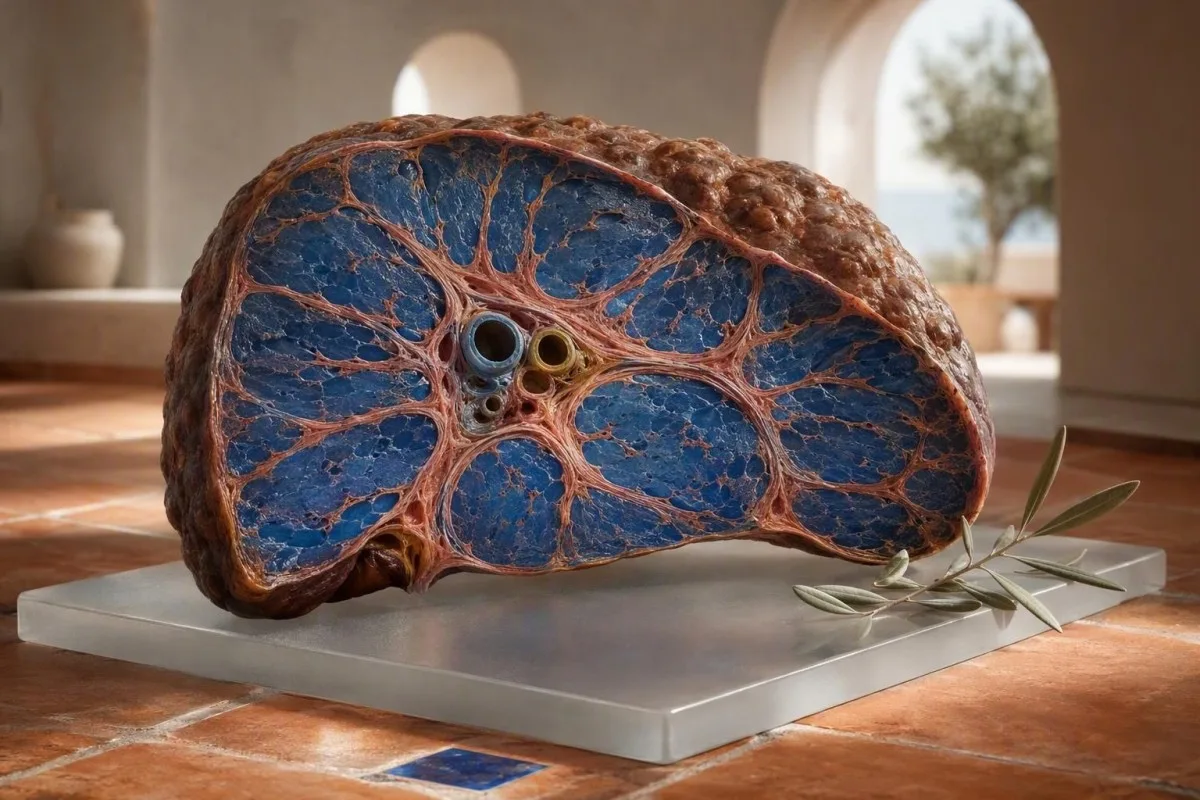
Cirroza e hershme shpesh nuk shkakton dhimbje të dukshme: lodhja, ndryshimet në gjumin, mavijosjet, kruajtja dhe një rënie e numrit të trombociteve mund të shfaqen para verdhëzës. Të dhëna e dobishme zakonisht janë një model nëpër testet e mëlçisë, analizën e gjakut dhe rezultatet e fibrozës—jo një enzimë jonormale.


- Mbresë e heshtur mund të ndodhë me ALT dhe AST normale, veçanërisht në sëmundjen e mëlçisë yndyrore metabolike dhe sëmundjen e mëlçisë të lidhur me alkoolin.
- Trombocitet nën 150 × 10⁹/L mund të jetë një shenjë e hershme e hipertensionit portal kur ato bien gradualisht së bashku me faktorët e rrezikut të mëlçisë.
- FIB-4 nën 1.3 zakonisht tregon rrezik të ulët të fibrozës së avancuar te të rriturit nën 65 vjeç; 2.67 ose më i lartë kërkon vlerësim të shpejtë nga specialisti.
- Albuminë nën 35 g/L ose një INR në rritje mund të tregojë funksion të reduktuar sintetizues të mëlçisë, edhe nëse transaminazat janë modeste.
- AST:ALT mbi 1 nuk është diagnostikuese për cirrozë, por rrit shqetësimin kur çiftëzohet me trombocitopeni, GGT të ngritur ose ndryshime imazherike.
- Bilirubina mbi 34 µmol/L me verdhë, urinë e errët, ethe, konfuzion ose fryrje të barkut kërkon vlerësim të menjëhershëm klinik.
- Enzima normale do të thotë që nuk ka rrjedhje aktive të enzimave në atë moment; ato nuk dëshmojnë se arkitektura e mëlçisë është normale.
- Ndërprerja e alkoolit, trajtimi i rrezikut metabolik, kujdesi për hepatitin viral dhe rishikimi i medikamenteve mund të ngadalësojnë ose ndonjëherë të kthejnë pjesërisht fibrozën në fazë të hershme.
Simptoma të hershme subtile të cirrozës që kërkojnë një kontroll të mëlçisë
Simptomat e hershme të cirrozës janë shpesh të paqarta dhe ndërprerëse, me lodhje, oreks të reduktuar, gjumë të çrregulluar, kruarje, mavijosje të lehtë ose tolerancë të reduktuar ndaj ushtrimeve që ndodhin shumë para lëkurës së verdhë ose mbajtjes së lëngjeve. Në përvojën time klinike, tipari shqetësues nuk është një pasdite e lodhur; është një grup i heshtur që zgjat 6 deri në 12 javë tek dikush me diabet, obezitet, ekspozim të rregullt ndaj alkoolit, rrezik nga hepatiti ose histori familjare e sëmundjes së mëlçisë.
Një person mund të punojë, të stërvitet dhe të duket plotësisht mirë ndërsa fibrozia përparon. Kam parë një punonjës zyre 48-vjeçar, i cili ndryshimi i vetëm ishte zgjimi në orën 3 të mëngjesit me kruarje dhe lodhje; ALT e tij ishte 31 IU/L, por trombocitet kishin zbritur nga 214 në 136 × 10⁹/L gjatë katër viteve. Ky trend nxitoi elastografinë dhe identifikoi fibrozë të avancuar.
Cirroza zakonisht nuk shkakton dhimbje të mprehtë të mëlçisë. Kapsula e mëlçisë mund të shtrihet vonë në proces, por dhëmbëzimi i hershëm është biologjikisht i qetë sepse fibrozia zhvillohet midis kanaleve mikroskopike vaskulare. Një ndjenjë e re e plotësisë së barkut, ngopjes së hershme ose ënjtjes së kaviljes është më shqetësuese sesa një dhimbje e paqartë në të djathtë, veçanërisht kur pesha rritet me më shumë se 2 kg në një javë.
Dr. Thomas Klein këshillon sjelljen e rezultateve të mëparshme, jo vetëm panelin më të fundit, në një rishikim të mëlçisë. Një test gjaku bazë bëhet shumë më i dobishëm kur mund të krahasohet me rezultatet nga 12, 24 dhe 48 muaj më parë.
Simptoma që nuk duhet të presin për një takim rutinë
Konfuzioni, përgjumja e re gjatë ditës, të vjella gjaku, jashtëqitje të zezë, ethe me fryrje të barkut ose verdhëza që përkeqësohet shpejt kërkojnë vlerësim urgjent në të njëjtën ditë. Këto mund të pasqyrojnë cirrozë të dekompensuar, gjakderdhje gastrointestinale, infeksion ose dëmtim akut të mëlçisë, sesa një luhatje të padëmshme.
Pse ALT dhe AST normale nuk përjashtojnë cirrozën
ALT dhe AST normale nuk përjashtojnë fibrozën ose cirrozën e rëndësishme. ALT dhe AST pasqyrojnë rrjedhjen aktuale të enzimave qelizore, ndërsa fibrozia pasqyron dhëmbëzimin arkitektonik të grumbulluar që mund të prodhojë pak rrjedhje të vazhdueshme pasi masa qelizore e mëlçisë dhe inflamacioni bien.
Shumë laboratorë përdorin kufijtë e sipërm të ALT rreth 35-45 IU/L për meshkuj dhe 25-35 IU/L për femra, megjithëse intervalet e referencës ndryshojnë sipas analizës dhe vendit. Një rezultat prej 28 IU/L mund të jetë normal në letër, ndërsa ende është më pak inkurajues tek një person me obezitet, diabet tip 2, numër trombocitesh 128 × 10⁹/L dhe një rezultat të lartë FIB-4.
Udhëzimi i AASLD i vitit 2023 thotë se aminotransferazat mund të jenë normale te pacientët me sëmundje të avancuar të mëlçisë yndyrore joalkoolike; prandaj, stratifikimi i rrezikut duhet të përfshijë testime joinvazive të fibrozës, në vend që vetëm enzimat (Rinella et al., 2023). Ky është një nga ato raste ku modeli ka më shumë rëndësi sesa flamuri pranë një vlere të vetme.
Stërvitja e vështirë, dëmtimi i muskujve dhe disa medikamente mund të rrisin AST pa dhëmbëzim të mëlçisë. Një maratonist 52-vjeçar me AST 89 IU/L pas një race mund të ketë një burim muskulor, veçanërisht nëse kreatin kinaza është e lartë dhe bilirubina, trombocitet, INR dhe GGT janë normale; udhëzuesi ynë për AST të lartë e shpjegon këtë dallim.
Testet e gjakut për cirrozën: modeli që u shqetëson vërtet mjekëve
Modeli më shqetësues i testeve të gjakut për cirrozë kombinon rënien e trombociteve, AST që tejkalon ALT, bilirubin ose GGT të ngritur dhe albumin ose INR të dëmtuar, në vend që një rritje e izoluar e enzimës. Secili test kap një aspekt të ndryshëm të biologjisë së mëlçisë: dëmtim, rrjedhje biliare, presion portal ose prodhim proteinash.
Trombocitet nën 150 × 10⁹/L janë të zakonshme në fibrozën e avancuar sepse hipertensioni portal zmadhon shpretkën dhe rrit grumbullimin e trombociteve. Një numër prej 142 × 10⁹/L nuk është provë e cirrozës, megjithatë një trajektore në rënie nga 240 në 142 është më kuptimplote klinikisht sesa një rezultat i vetëm.
Një raport AST:ALT mbi 1.0 mund të ndodhë ndërsa fiboza përparon, ndërsa raportet mbi 2.0 shoqërohen në mënyrë klasike me hepatitin e lidhur me alkoolin, por nuk janë as të ndjeshme, as specifike. GGT shpesh rritet me alkoolin, mëlçinë yndyrore metabolike, kolestazën dhe efektet e medikamenteve; lexoni më shumë rreth çfarë do të thotë GGT para se të supozoni se alkooli është shkaku.
Kantesti AI interpreton panelet e mëlçisë duke peshuar këto rezultate të lidhura kundër moshës, gjinisë, kushteve të raportuara dhe vlerave të mëparshme, në vend që të caktojë një diagnozë nga një sinjal i vetëm. Kantesti është një analizues i gjakut me AI të dizajnuara për të identifikuar modelet e ndjekjes siç janë trombocitet e ulëta plus raporti në rritje AST:ALT, të cilat meritojnë rishikim nga kliniku.
Gracka e zakonshme e qetësimit të rremë
Bilirubina normale dhe albumina normale mund të ekzistojnë së bashku me cirrozën e kompensuar. Këta shenjues shpesh përkeqësohen më vonë, pasi mëlçia ka humbur më shumë rezervë funksionale, kështu që janë teste të dobëta screening më vete për mbirje të hershme.
FIB-4 dhe të dhëna jo-invazive për mbresë klinikisht domethënëse
FIB-4 është një rezultat i vërtetuar i fibrozës së vijës së parë duke përdorur moshën, AST, ALT dhe numrin e trombociteve. Tek të rriturit nën 65 vjeç, një FIB-4 nën 1.3 në përgjithësi tregon rrezik të ulët të fibrozës së avancuar, ndërsa një rezultat prej 2.67 ose më të lartë duhet të shkaktojë vlerësim nga specialisti ose elastografi.
Formula është mosha × AST e pjestuar me trombocitet × rrënjën katrore të ALT, me AST dhe ALT në IU/L dhe trombocitet në × 10⁹/L. Mosha ndryshon rezultatin ndjeshëm: EASL rekomandon një prag më të lartë të rrezikut të ulët prej 2.0 për njerëzit mbi 65 vjeç, sepse vlerësimi i zakonshëm i moshës mund të prodhojë përndryshe rezultate false pozitive (European Association for the Study of the Liver, 2021).
Një rezultat FIB-4 është një mjet prioriteti, jo një diagnozë. Hepatitisi akut, një episod i fundit i konsiderueshëm alkooli, kimioterapia ose një rënie e përkohshme e trombociteve mund ta fryjë atë, kështu që zakonisht i përsëris testet e paqëndrueshme në 4 deri në 12 javë para se të interpretoj një rezultat kufitar, nëse personi nuk ka ethe të verdhë ose sinjale të tjera paralajmëruese.
Kantesti është një shërbimin e interpretimit të analizave të AI që mund të llogarisë dhe kontekstualizojë FIB-4 kur janë të pranishme rezultatet e nevojshme, por një rezultat i lartë kërkon konfirmim mjekësor me elastografi transitor, vlerësim nga specialisti ose ndonjëherë ekzaminim i indit. Tonë pasqyrë e panelit të mëlçisë tregon cilat teste janë përgjithësisht të disponueshme.
Trombocitet e ulëta: një shenjë e hershme e hipertensionit portal, jo një vendim
Një numër i vazhdueshëm i trombociteve nën 150 × 10⁹/L mund të jetë një nga shenjat më të hershme të testeve rutinë të gjakut për hipertensionin portal, por ka shumë shkaqe jo-mëlçisore. Lidhja me mëlçinë bëhet më e fortë kur numrat bien gradualisht dhe ndodhin me zmadhim të shpretkës, FIB-4 të lartë, ose imazheri jonormal të mëlçisë.
Hipertensioni portal ndryshon qarkullimin përmes mëlçisë dhe shpretkës. Shpretka mund të mbajë më shumë trombocite, kështu që një numër prej 110 deri në 140 × 10⁹/L mund të paraprijë ascitin ose variçet me vite në sëmundje të kompensuar. Kjo është arsyeja pse trendi i trombociteve përfshihet në FIB-4 në vend që të trajtohet si një fusnotë e përgjithshme e analizës së plotë të gjakut.
Jo çdo rezultat i ulët reflekton një rënie të vërtetë. Grumbullimi i trombociteve i lidhur me EDTA mund të ulë falsisht numrin, dhe laboratori mund ta konfirmojë këtë me një rishikim të shtupave të gjakut ose një mostër me citrat; shihni shpjegimin tonë të 38 x10^9/L. Sëmundjet virale, trombocitopenia imune, mungesa e folateve dhe gjendjet e palcës gjithashtu mbeten të mundshme.
Dr. Thomas Klein ka gjetur se një numër që bie me 20% gjatë dy viteve është shpesh më i dobishëm sesa të pyetet nëse ka kaluar kufirin e ulët të laboratorit. Bashkojeni atë me komponentët e analizës së plotë të gjakut dhe raportet e mëparshme të ultratingujve para se të nxirrni përfundime.
Albumina dhe INR: teste gjaku që matin rezervën e mëlçisë
Albumin i ulët dhe një INR e zgjatur mund të sinjalizojnë funksion të zvogëluar sinteze të mëlçisë, veçanërisht kur zhvillohen së bashku. Albumin nën 35 g/L ose një INR mbi 1.3 pa trajtim antikoagulant kërkon rishikim të menjëhershëm klinike, megjithëse asnjë nga rezultatet nuk është specifik për cirrozën.
Albumin ka një gjysmë-jetë prej rreth 20 ditësh, kështu që ndryshon ngadalë dhe shpesh mbetet normal në cirrozë të kompensuar. Kequshqyerja, humbja e proteinave nga veshkat, sëmundjet sistemike të rënda, shtatzënia dhe mbingarkesa me lëngje gjithashtu mund të ulë albuminin; udhëzues për albuminën dhe globulinën ndihmon në ndarjen e këtyre mundësive.
INR reflekton aktivitetin e faktorëve të mpiksjes të varur nga vitamina K, shumica e të cilëve prodhohen nga mëlçia. Një INR prej 1.5 te një person që nuk merr warfarin është më shqetësues se një ALT lehtësisht e ngritur, por mungesa e vitaminës K nga malabsorbimi, antibiotikët ose kolestaza gjithashtu mund ta zgjasin atë dhe mund të jenë të kthyeshme.
Kantesti AI është një Mjet për analizën e testeve të gjakut me AI që nxjerr në pah albuminin, bilirubinën, INR dhe modelet e trombociteve së bashku sepse funksioni sinteze nuk kapet vetëm nga ALT. Për kontekst teknik mbi analizat e mpiksjes, rishikoni tonë udhëzuesi ynë për testet e koagulimit.
Verdhëza, kruajtja, urina e errët dhe jashtëqitja e zbehtë: çfarë mund të nënkuptojnë ato
Verëza, urinë e errët si çaj, jashtëqitje e zbehtë dhe kruarje e përgjithshme mund të tregojnë dëmtim të rrjedhjes së tëmthit ose përpunim të dëmtuar të bilirubinës dhe duhet të vlerësohen menjëherë. Bilirubina totale mbi 34 µmol/L, rreth 2 mg/dL, shpesh bëhet e dukshme si verdhëzim në dritën e ditës, megjithëse toni i lëkurës dhe ndriçimi ndikojnë në zbulimin.
Ura e errët zakonisht shkaktohet nga bilirubina e konjuguar, jo nga bilirubina që është e pakonjuguar. Një shirit urinar pozitiv për bilirubinë prandaj i drejton klinistët drejt sëmundjes hepatobiliare ose bllokimit, sesa thjesht shpërbërjes së qelizave të kuqe të gjakut; ynë udhëzuesin tonë për bilirubinën në urinë shpjegon kontrollet e ardhshme.
Jashtëqitja e zbehtë ose me ngjyrë balte do të thotë që më pak pigment arrin në zorrë. Mund të ndodhë me gurë në tëmth, kolestazë të shkaktuar nga medikamentet, sëmundje të pankreasit ose të traktit biliar, ose disfunksion të avancuar të mëlçisë, prandaj nuk është e sigurt ta etiketoni si një reaksion detoksikues; shihni shkaqet e jashtëqitjes së zbehtë.
Kruarja nga kolestaza mund të jetë e rëndë para se bilirubina të bëhet në mënyrë të dukshme e lartë. Zakonisht prek shuplakat dhe shputat dhe përkeqësohet natën; klinistët zakonisht kontrollojnë ALP, GGT, fraksionet e bilirubinës, ekspozimin ndaj medikamenteve, statusin e shtatzënisë kur është e relevantë, dhe aksesin me ultratinguj të kanaleve biliare.
ALP, GGT dhe bilirubina: njohja e një modeli kolestatik
Një model testesh të mëlçisë kolestatike do të thotë që fosfataza alkaline dhe GGT rriten më shumë se ALT dhe AST, shpesh me rritje të bilirubinës direkte. Ky model duhet të nxisë kërkimin për bllokim të traktit biliar, dëmtim nga medikamentet, sëmundje autoimune kolestatike, ose kushteHeparin liver të infiltrative sesa një supozim automatik i cirrozës.
ALP prodhohet nga indi i traktit biliar, por edhe nga kockat, placenta dhe zorrët. Një ALP i ngritur me një GGT normal mund të jetë me origjinë nga kockat, veçanërisht pas një frakture, gjatë rritjes, ose me mungesë e vitaminës D, ndërsa ALP i lartë plus GGT i lartë mbështet një burim hepatobiliar; ynë shpjegim ALP dhe GGT jep shembuj praktikë.
R-ratio ndihmon në klasifikimin e modeleve akute të enzimave: ALT e ndarë me limitin e saj të sipërm normal, pastaj e ndarë me ALP të ndarë me limitin e saj të sipërm. Një R-ratio mbi 5 sugjeron dëmtim hepatocelular, nën 2 sugjeron kolestazë, dhe 2 deri në 5 është i përzier—i dobishëm për vlerësimin e medikamenteve, por jo një diagnozë e vetme.
Kantesti AI përdor kufijtë referencë laboratorike nga raporti i ngarkuar në vend që të imponojë një kufi të sipërm universal ALP, sepse gamat ndryshojnë. guida e testit të gjakut për kolestazën është përgatitje e dobishme për një diskutim me një klinist.
Gjetja e shkakut ka rëndësi po aq sa edhe gjetja e mbresës
Cirroza është një përfundim, jo një sëmundje e vetme: alkooli, sëmundja metabolike e mëlçisë yndyrore, hepatiti B ose C, sëmundjet autoimune, mbipopullimi me hekur dhe disa medikamente mund ta shkaktojnë atë. Identifikimi i shkakut ndryshon trajtimin, screening familjar, mbikëqyrjen e kancerit dhe mundësinë e ngadalësimit të fibrozës së mëtejshme.
Rreziku metabolik meriton një bisedë të drejtpërdrejtë. Shtimi në peshë qendrore, trigliceridet mbi 1.7 mmol/L ose 150 mg/dL, hipertensioni dhe diabeti tip 2 rrisin mundësinë e sëmundjes së mëlçisë steatozë, edhe kur konsumi i alkoolit është i ulët. Një listë kontrolli për sindromën metabolike mund të sqarojë rreziqet e lidhura.
Ferritina mbi 300 ng/mL te burrat ose grate ne menopauze nuk mjafton per te diagnostikuar mbizoterimin e hekurit. Satura e transferines vazhdimisht mbi 45% eshte me specifike per hemokromatozen trashëgimore dhe zakonisht nxit testimin gjenetik HFE ne nje kuader te pershtatshem klinike; shikoni udherrefyesin tone per simptomat e hemokromatozes simptomat e hemokromatozes.
Historiku i medikamenteve dhe suplementeve vleresohet zakonisht nen rrethanat. Ekstrakti i cajit te gjelber ne doza te larta, agjente anabolic, produkte me shume perberes per humbje peshe, amiodarone, metotreksat dhe disa antibiotike mund te ndryshojne testet e heparit, ndersa nje e ashtuquajturi pastrim i heparit mund te vonoje vleresimin adekuat; rishikimi yne i sigurisë se suplementeve eshte qellimisht i kujdesshem per kete.
Hepatitit viral duhet te testohet, jo te besohet nga simptomat
Hepatitit kronik C mund te mbetet asimptomatik per dekada ndersa fibrozë perparon. Testimi me antitrupa identifikon ekspozimin, ndersa nje test RNA HCV konfirmon infeksionin aktiv; udhëzuesi i testimit për hepatitin C shpjegon pse te dy testet kane rendesi.
Çfarë ndodh pas një modeli jonormal të testit të gjakut për cirrozë
Një model jonormal i fibrozës zakonisht çon në testime të përsëritura të gjakut, një ultratingull dhe elastografi, në vend që të diagnostikohet menjëherë cirroza. Elastografia vlerëson ngurtësinë e mëlçisë në kilopaskale dhe është më e besueshme kur merren parasysh inflamacioni akut, kongjestioni dhe ekspozimi i rëndë i fundit ndaj alkoolit.
Një mjek zakonisht përsërit AST, ALT, ALP, GGT, bilirubinë, albuminë, INR dhe numërimin e plotë të gjakut brenda javësh nëse rezultatet janë të papritura. Ata mund të shtojnë teste për hepatit B dhe C, ferritinë me saturim transferine, imunoglobulina, autoantitrupa, testimin për celiaqe dhe ceruloplasmin tek të rriturit më të rinj - megjithëse lista e saktë ndjek moshën dhe historinë e rrezikut.
Udhëzuesi jo-invaziv i testimeve të EASL-it të vitit 2021 mbështet një qasje me dy hapa: së pari FIB-4, pastaj elastografi tranzitore ose një test i dytë serik për njerëzit mbi pragun e rrezikut të ulët (Shoqata Evropiane për Studimin e Mëlçisë, 2021). Ngurtësia e mëlçisë nuk është identike me fibrozën; kongjestioni nga pamjaftueshmëria e zemrës, kolestaza dhe hepatiti akut mund ta rrisin përkohësisht atë.
Kantesti është një platformë për interpretimin e biomarkerëve nga AI që mund të organizojë një panel të ngarkuar në pyetje për takimin e ardhshëm, duke përfshirë se cilat vlera kanë ndryshuar dhe cilat shkaqe të mundshme duhet të përjashtohen. Metodologjia jonë klinike është përshkruar në përmbledhje e verifikimit mjekësor, por ajo nuk zëvendëson një ekzaminim ose urdhër imazherie.
Alkooli, rreziku metabolik dhe kur të përsëriten testet e mëlçisë
Reduktimi i alkoolit dhe trajtimi i rrezikut metabolik mund të përmirësojnë enzimat e mëlçisë brenda javësh, por rreziku i fibrozës nuk duhet të gjykohet nga një rezultat i përmirësuar ALT. GGT shpesh bie brenda 2-6 javësh pas ndërprerjes së alkoolit, ndërsa ndryshimet në pllakëza dhe rezultatet e fibrozës mund të zgjasin më shumë dhe varen nga stadi i sëmundjes themelore.
Nuk ka asnjë prag alkooli të sigurt universalisht për një person me cirrozë të vendosur; abstenimi është rekomandimi standard sepse edhe sasi të vogla mund të përkeqësojnë hipertensionin portal ose të ndërhyjnë në shërim. Për njerëzit pa cirrozë, marrja e raportuar ende ka nevojë për kontekst: modelet e pirjes në sasi të mëdha, pesha trupore, diabeti dhe përdorimi i medikamenteve modifikojnë rrezikun ndjeshëm.
Në sëmundjet metabolike të mëlçisë, një i qëndrueshëm 7% deri në 10% reduktim i peshës trupore shoqërohet me përmirësim në steatohepatit dhe mund të përmirësojë fibrozën te disa pacientë, megjithëse rezultatet individuale ndryshojnë. Dietat ekstreme mund të rrisin përkohësisht ALT, prandaj interpretoni një panel së bashku me ndryshimin e fundit të peshës; artikulli ynë mbi enzimat e mëlçisë pas humbjes së peshës shpjegon pse.
Kantesti Analiza e trendit AI është më informuese kur testet merren në pika të krahasueshme—idealja është të shmanget ushtrimi fizik intensiv për 48 orë dhe të vihet re alkooli, sëmundja dhe suplementet e reja. afati kohor i biomarkerit të lënies së alkoolit përshkruan se çfarë mund të normalizohet së pari.
Mite rreth ushqimit dhe suplementeve që mund të vonojnë kujdesin për mëlçinë
Asnjë dietë me lëngje, produkt bimor apo suplement mund të heqë në mënyrë të besueshme indin e dëmtuar nga cirroza. Një stil jetese ushqimor mesdhetar, proteina adekuate, menaxhimi i diabetit dhe shmangia e suplementeve hepatotoksike mund të mbështesin shëndetin e mëlçisë, por ato nuk janë zëvendësime për identifikimin e shkakut të fibrozës.
Personave me cirrozë ndonjëherë u thuhet të shmangin të gjitha proteinat, gjë që mund të përkeqësojë humbjen e muskujve dhe dobësinë. Përveç nëse ka një udhëzim të veçantë të përkohshëm gjatë encefalopatisë së rëndë hepatike, shumë pacientë kanë nevojë për rreth 1.2 deri në 1.5 g proteina për kg peshë trupore në ditë, të ndara në vakte, nën drejtimin dietetik.
Kujdesuni për produktet e tregtuara si detoksifikues. Kurkuma e koncentruar, kava, cohosh i zi dhe suplementet shumë-përbërëse për forcimin e muskujve apo dobësimin e trupit, të gjitha janë lidhur me dëmtimin e mëlçisë në seri rastesh, dhe produktet mund të mos përmbajnë atë që pretendojnë etiketimet e tyre. Udhëzuesi ynë bazuar në dëshmi për ushqimin e mëlçisë ndan zakonet ushqimore mbështetëse nga pretendimet marketing.
Nëse zhvillohet mbajtje likidi, kufizimi i natriumit shpesh ka më shumë rëndësi se kufizimi i likidit. Një objektiv i zakonshëm është më pak se 2 g natrium në ditë, por diuretikët, funksioni i veshkave, presioni i gjakut dhe përshtatshmëria ushqimore kërkojnë mbikëqyrje të personalizuar, jo një plan ushqimor nga interneti.
Kur simptomat e cirrozës bëhen urgjente
Të vjella gjaku, jashtëqitje e zezë si katran, konfuzion, ethe me fryrje barku, gulçim i rëndë ose verdhëz në përkeqësim të shpejtë janë simptoma emergjente tek dikush me cirrozë të njohur ose të dyshuar. Këto shenja mund të përfaqësojnë gjakderdhje nga variçet, encefalopati hepatike, peritonit bakterial spontan, dëmtim të veshkave, ose mëlçi kronike-akute në mëlçi.
Konfuzioni i ri ose një cikël gjumi-zgjim i përmbysur nuk është thjesht lodhje në cirrozë. Mund të tregojë encefalopati hepatike, veçanërisht nëse shoqërohet me kapsllëk, dehidrim, infeksion, gjakderdhje gastrointestinale, përdorim sedativ, ose një rezultat i lartë i amoniakut; amoniaku vetëm, megjithatë, nuk diagnostikon apo gradon në mënyrë të besueshme encefalopatinë.
Një bark i fryrë mund të pasqyrojë ascites, por mund të vijë edhe nga obeziteti, fryrja e zorrëve, sëmundja e vezoreve, ose dështimi i zemrës. Ethet, ndjeshmëria, presioni i ulët i gjakut, ose përkeqësimi i funksionit të veshkave tek një person me ascites duhet të vlerësohen menjëherë, sepse infeksioni mund të jetë subtil dhe i rrezikshëm.
Për pasiguri jo-emergjente, shkruani simptomat, medikamentet, marrjen e alkoolit, suplementet dhe peshat e datës përpara se të telefononi një mjek. Një listë kontrolli për përmbledhjen e testeve të gjakut mund ta bëjë atë bisedë më efikase.
Një listë praktike kontrolli për vizitën te mëlçia që ndryshon vendimet
Takimi më i mirë për mëlçinë përfshin raporte laboratorike paraprake, një histori realiste të alkoolit dhe medikamenteve, histori metabolike dhe çdo raport imazherik. Këto detaje lejojnë mjekët të dallojnë një rezultat të përkohshëm të enzimave nga një model shumëvjeçar që sugjeron fibrozë.
Sillni çdo rezultat që mund të gjeni, duke përfshirë CBC, panelin e mëlçisë, INR, ferritinën, testet e hepatitit, raportet e ultrazërit dhe vlerat e elastografisë në kPa. Një rezultat i vetëm mund të jetë i pasaktë; tre rezultate që mbulojnë 18 muaj mund të tregojnë nëse trombocitet po bien apo bilirubina është stabile. Tonë udhëzuesi ynë i krahasimit të rezultateve krah për krah shpjegon se cilat ndryshime janë zakonisht kuptimplota.
Bëni katër pyetje të drejtpërdrejta: Cila është shkaku i mundshëm? Cili stad fibrotik dyshohet? A kam nevojë për elastografi ose referim te hepatologu? Cilat simptoma duhet të më dërgojnë në kujdesin urgjent? Nëse konfirmohet cirroza, pyesni për mbikëqyrje me ultratinguj çdo gjashtë muaj për kancerin e mëlçisë dhe nëse nevojitet endoskopia për të vlerësuar variçet.
Që nga 4 shtatori 2026, mjekët tanë ende rekomandojnë që shpjegimet e gjeneruara nga AI të trajtohen si përgatitje, jo diagnozë. Puna klinike e Kantesti shqyrtohet me mbikëqyrje nga Bordi Këshillimor Mjekësor, dhe vendimi përfundimtar për cirrozën i përket mjekut kurues i cili mund t'ju ekzaminojë dhe të urdhërojë teste konfirmuese.
Pyetje të Shpeshta
A keni cirrozë me enzima të mëlçisë normale?
Po. ALT dhe AST normale nuk përjashtojnë cirrozën, sepse këto enzima pasqyrojnë dëmtimin aktual të qelizave të mëlçisë, dhe jo sasinë e indit të ngurtësuar të krijuar. Cirroza e kompensuar mund të shfaqet me ALT dhe AST brenda një intervali referues laboratorik, veçanërisht në sëmundjet metabolike të mëlçisë. Një numër trombocitesh nën 150 × 10⁹/L, FIB-4 prej 2.67 ose më i lartë, elastografia jonormale, albumina e ulët ose një INR në rritje mund të ofrojnë tregues më të dobishëm sesa vetëm enzimat.
Cilat janë shenjat e para paralajmëruese të cirrozës?
Simptomat e hershme të cirrozës mund të përfshijnë lodhje të vazhdueshme, oreks të ulët, kruarje, mavijosje të lehtë, tolerancë të reduktuar ndaj ushtrimeve, ndryshime në gjumë dhe ndjenjë ngopjeje në bark, por shumë njerëz nuk kanë simptoma. Ikteri, urina e errët, jashtëqitja e zbehtë, ënjtja e kaviljeve, lëngu në bark, konfuzioni, të vjella gjaku dhe jashtëqitja e zezë priren të jenë shenja më të vonshme ose urgjente. Simptomat vetëm nuk mund të diagnostikojnë cirrozën, prandaj zakonisht nevojitet një panel i mëlçisë, CBC with platelets, INR, albumin, dhe vlerësimi i fibrozës.
Cila numër i trombociteve sugjeron cirrozë?
Një numër i trombociteve nën 150 × 10⁹/L mund të ngrejë dyshime për fibrozë të avancuar të mëlçisë ose hipertension portal kur ajo vazhdon dhe ka tendencë zbritëse, por nuk diagnostikon cirrozë. Grumbullimi i trombociteve, sëmundjet virale, trombocitopenia imune, medikamentet, mangësitë ushqyese dhe çrregullimet e palcës kockore gjithashtu mund të ulë numrin. Një rënie progresive, siç është 220 në 135 × 10⁹/L gjatë dy viteve krahas AST-së së ngritur dhe një FIB-4 të lartë, është më informuese sesa një lexim i vetëm pak i ulët.
Çfarë do të thotë rezultati FIB-4 për cirrozën?
FIB-4 nuk diagnostikon cirrozën, por vlerëson rrezikun e fibrozës së avancuar nga mosha, AST, ALT dhe trombocitet. Tek të rriturit nën 65 vjeç, një pikë më e ulët se 1.3 zakonisht tregon rrezik të ulët, 1.3 deri në 2.66 kërkon vlerësim jo-invaziv të mëtejshëm, dhe 2.67 ose më lart kërkon vlerësim specialist. Tek të rriturit mbi 65 vjeç, një prag mbi 2.0 zakonisht përdoret për të reduktuar fals pozitivët e lidhur me moshën.
A mund të përmirësohet cirroza nëse zbulohet herët?
Fibroza në fazë më të hershme mund të përmirësohet kur hiqet ose kontrollohet shkaku themelor, duke përfshirë abstenimin e qëndrueshëm nga alkooli, trajtimin e suksesshëm të hepatitit viral, humbjen e peshës në sëmundjet metabolike të mëlçisë ose trajtimin e sëmundjeve të ndërmjetësuara nga sistemi imunitar. Cirroza e konsoliduar mund të mos kthehet plotësisht, por komplikacionet dhe mbresat e mëtejshme mund të reduktohen shpesh me kujdes specialist. Një reduktim i qëndrueshëm i peshës prej 7% në 10% mund të përmirësojë steatohepatitin te shumë njerëz me sëmundje metabolike të mëlçisë, megjithëse rezultatet ndryshojnë midis pacientëve.
Kur duhet të shkoj në spital për cirrozë të mundshme?
Kërkoni kujdes mjekësor urgjent nëse keni të vjella gjaku, jashtëqitje të zezë si katran, konfuzion të ri, të fikët, ethe me fryrje të barkut, verdhëz të rëndë, ose vështirësi në frymëmarrje që përkeqësohet shpejt. Këto simptoma mund të tregojnë gjakderdhje nga variçet, infeksion në lëngun e ascitit, encefalopati hepatike, ose mëlçi të dështuar akute dhe nuk duhet të prisni për teste përsëritëse të gjakut në ambulancë. Nëse keni simptoma të lehta, por bilirubina tejkalon 34 µmol/L, INR tejkalon 1.3 pa antikoagulantë, ose trombocitet po bien, kontaktoni menjëherë një mjek për këshilla.
Merrni sot analizë të analizave të gjakut me AI
Bashkohuni me mbi 2 milionë përdorues në mbarë botën që i besojnë Kantesti për analizë të menjëhershme dhe të saktë të analizave laboratorike. Ngarkoni rezultatet e analizave të gjakut dhe merrni interpretim gjithëpërfshirës të biomarkerëve të 15,000+ brenda sekondash.
📚 Publikime kërkimore të cituara
Klein, T., Mitchell, S., & Weber, H. (2026). Kantesti Research Team. (2026). Diapazoni Normal i aPTT: D-Dimer, Proteinë C Udhëzues për Koagulimin e Gjakut. Zenodo. https://doi.org/10.5281/zenodo.18262555. Lidhjet e disponueshmërisë në ResearchGate dhe Academia.edu ruhen përmes të dhënave të publikimit.. Kantesti Kërkim Mjekësor me AI.
Klein, T., Mitchell, S., & Weber, H. (2026). Kantesti Research Team. (2026). Udhëzues për Proteina Serike: Globulina, Albuminë & Raporti A/G Testi i Gjakut. Zenodo. https://doi.org/10.5281/zenodo.18316300. Lidhjet e disponueshmërisë në ResearchGate dhe Academia.edu ruhen përmes të dhënave të publikimit.. Kantesti Kërkim Mjekësor me AI.
📖 Referenca të jashtme mjekësore
⚕️ Mohim përgjegjësie mjekësore
Ky artikull është vetëm për qëllime edukative dhe nuk përbën këshilla mjekësore. Gjithmonë konsultohuni me një ofrues të kualifikuar të kujdesit shëndetësor për vendimet e diagnozës dhe trajtimit.
Sinjalet e Besimit E-E-A-T
Përvoja
Rishikim klinik i udhëhequr nga mjeku i flukseve të punës për interpretimin e analizave.
Ekspertizë
Fokus i mjekësisë laboratorike mbi mënyrën se si sillen biomarkerët në kontekstin klinik.
Autoritariteti
Shkruar nga Dr. Thomas Klein me rishikim nga Dr. Sarah Mitchell dhe Prof. Dr. Hans Weber.
Besueshmëria
Interpretim i bazuar në prova, me rrugë të qarta për ndjekje për të reduktuar alarmin.