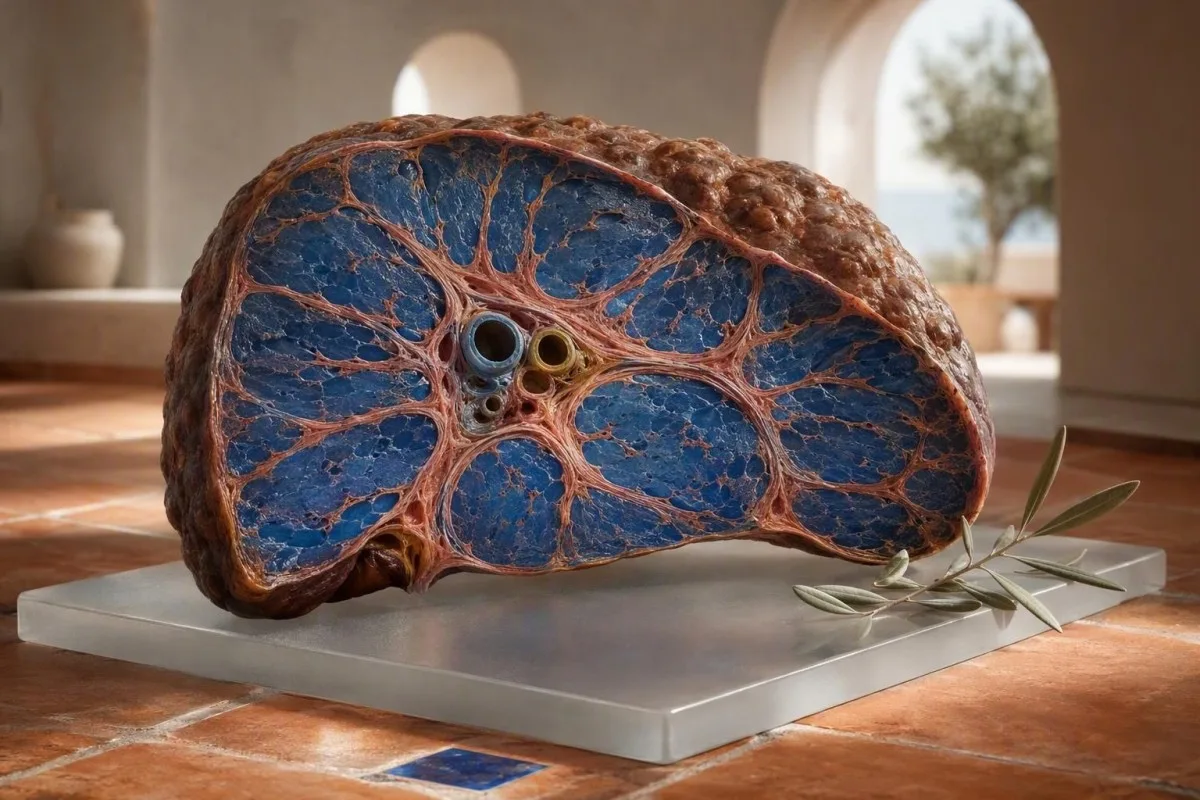
Agrīna ciroze bieži nerada acīmredzamas sāpes: nogurums, miega pārmaiņas, zilumi, nieze un samazināts trombocītu skaits var parādīties pirms dzelte. Noderīga norāde parasti ir aknu testu, asins analīžu un fibrozes rādītāju kopums, nevis viens patoloģisks enzīms.


- Klusa rētaudze var rasties ar normālu ALT un AST, īpaši metaboliskās tauku aknu slimības un ar alkoholu saistītu aknu slimību gadījumā.
- Trombocīti zem 150 × 10⁹/l var būt agrīna portālās hipertensijas pazīme, kad tie pakāpeniski samazinās kopā ar aknu riska faktoriem.
- FIB-4 zem 1,3 parasti norāda zemu progresējušas fibrozes risku pieaugušajiem līdz 65 gadu vecumam; 2,67 vai augstāks prasa savlaicīgu speciālista novērtējumu.
- Albumīns zem 35 g/L vai paaugstināts INR var norādīt uz samazinātu aknu sintētisko funkciju, pat ja aminotransferāzes ir mērenas.
- AST:ALT virs 1 nav diagnostiska cirozei, bet rada bažas, ja tā ir kopā ar trombocitopēniju, paaugstinātu GGT vai attēlveidošanas izmaiņām.
- Bilirubīns virs 34 µmol/L Pacientam ar dzelti, tumšu urīnu, drudzi, apjukumu vai vēdera uzpūšanos nepieciešama steidzama klīniska izmeklēšana.
- Normāli enzīmi nenozīmē aktīvu enzīmu noplūdi konkrētajā brīdī; tie nepierāda, ka aknu arhitektūra ir normāla.
- Alkohola lietošanas pārtraukšana, vielmaiņas risku ārstēšana, vīrushepatīta aprūpe un medikamentu pārskatīšana var palēnināt vai dažkārt daļēji atgriezt agrīnas stadijas fibrozi.
Smalki agrīnas cirozes simptomi, kas prasa aknu pārbaudi
Agrīni cirozes simptomi bieži ir nenoteikti un neregulāri, tādi kā nogurums, samazināta apetīte, miega traucējumi, nieze, viegli sasitumi vai samazināta slodzes tolerance rodas ilgi pirms ādas dzeltēšanas vai šķidruma aiztures. Pēc manas klīniskās pieredzes, satraucoša pazīme nav viens noguris pēcpusdiena; tas ir kluss simptomu kopums, kas saglabājas 6 līdz 12 nedēļas personai ar diabētu, aptaukošanos, regulāru alkohola ietekmi, hepatīta risku vai aknu slimību ģimenes anamnēzi.
Cilvēks var turpināt strādāt, trenēties un izskatīties pilnīgi vesels, kamēr fibroze progresē. Esmu redzējis 48 gadus vecu biroja darbinieku, kura vienīgā izmaiņa bija pamošanās 3:00 no rīta ar niezi un nogurumu; viņa ALT bija 31 IU/L, bet trombocītu skaits četru gadu laikā samazinājās no 214 līdz 136 × 10⁹/L. Šī tendence pamudināja uz elastogrāfiju un atklāja progresējošu fibrozi.
Ciroze parasti nerada asas aknu sāpes. Aknu kapsula var stiepties procesa beigu stadijā, taču agrīna rēta veidošanās ir bioloģiski klusa, jo fibroze attīstās starp mikroskopiskiem asinsvadu kanāliem. Jauna pilnuma sajūta vēderā, agrīna sāta sajūta vai potīšu pietūkums ir vairāk satraucošs nekā nenoteikta sāpes labajā pusē, īpaši, ja svars nedēļā palielinās par vairāk nekā 2 kg.
Dr. Thomas Klein iesaka uz aknu apskati ņemt līdzi iepriekšējos rezultātus, nevis tikai jaunāko analīžu kopumu. Bāzes asins analīzes kļūst daudz noderīgāks, kad to var salīdzināt ar rezultātiem no 12, 24 un 48 mēnešiem iepriekš.
Simptomi, kas nedrīkst gaidīt rutīnas vizīti
Apjukums, jauna dienas miegainība, vemšana ar asinīm, melni izkārnījumi, drudzis ar vēdera uzpūšanos vai strauji pieaugoša dzeltēšana prasa nekavējošu neatliekamās palīdzības izmeklēšanu tajā pašā dienā. Tie var atspoguļot dekompensētu cirozi, kuņģa-zarnu trakta asiņošanu, infekciju vai akūtu aknu bojājumu, nevis nekaitīgu svārstību.
Kāpēc normāls ALT un AST neizslēdz cirozi
Normāli ALT un AST neizslēdz būtisku fibrozi vai cirozi. ALT un AST atspoguļo pašreizējo šūnu enzīmu noplūdi, savukārt fibroze atspoguļo uzkrājušos arhitektūras rētas, kas var radīt nelielu pastāvīgu noplūdi, kad aknu šūnu masa un iekaisums samazinās.
Daudzas laboratorijas izmanto ALT augšējās robežas ap 35 līdz 45 IU/L vīriešiem un 25 līdz 35 IU/L sievietēm, lai gan atsauces intervāli atšķiras atkarībā no testa metodes un valsts. Rezultāts 28 IU/L var būt normāls uz papīra, bet tomēr mazāk nomierinošs personai ar aptaukošanos, 2. tipa diabētu, trombocītu skaitu 128 × 10⁹/L un augstu FIB-4 rādītāju.
2023. gada AASLD vadlīnijas norāda, ka aminotransferāzes var būt normālas pacientiem ar progresējošu nealkoholisko taukaino aknu slimību; tāpēc riska stratifikācijā jāiekļauj neinvazīva fibrozes testēšana, nevis tikai enzīmi (Rinella et al., 2023). Šī ir viena no tām jomām, kurā modelis ir svarīgāks nekā karodziņš blakus vienai vērtībai.
Intensīvi treniņi, muskuļu traumas un daži medikamenti var paaugstināt AST bez aknu rētaudiem. 52 gadus vecs maratonists ar AST 89 IU/L pēc skrējiena varētu būt cēlonis muskuļos, īpaši, ja kreatīnkināze ir augsta, bet bilirubīns, trombocīti, INR un GGT ir normāli; mūsu augsts AST ceļvedis izskaidro šo atšķirību.
Cirozes asins analīzes: aina, kas ārstus patiešām satrauc
Vissatraucošākais cirozes asins analīžu modelis apvieno krītošus trombocītus, AST pārsniegumu virs ALT, paaugstinātu bilirubīna vai GGT līmeni un traucētu albumīna vai INR līmeni, nevis izolētu enzīmu pieaugumu. Katrs tests atspoguļo atšķirīgu aknu bioloģijas aspektu: bojājumu, žults plūsmu, portālo spiedienu vai olbaltumvielu ražošanu.
Trombocīti zem 150 × 10⁹/l ir bieži sastopami progresējošā fibrozes stadijā, jo portālā hipertensija palielina liesu un palielina trombocītu uzkrāšanos. Skaits 142 × 10⁹/L nav aknu cirozes pierādījums, tomēr samazināšanās trajektorija no 240 līdz 142 ir klīniski nozīmīgāka nekā viens izolēts rezultāts.
AST:ALT attiecība virs 1.0 var rasties, progresējot fibrozei, savukārt attiecība virs 2.0 klasiski tiek saistīta ar ar alkoholu saistītu hepatītu, taču tā nav ne jutīga, ne specifiska. GGT bieži paaugstinās kopā ar alkoholu, metaboliskām tauku aknām, holestāzi un medikamentu ietekmi; lasiet vairāk par ko nozīmē GGT pirms pieņemt, ka iemesls ir alkohols.
Kantesti AI interpretē aknu paneļus, svērdama šos saistītos rezultātus pret vecumu, dzimumu, ziņotajiem stāvokļiem un iepriekšējām vērtībām, nevis piešķirot diagnozi no viena rādītāja. Kantesti ir AI asins analīžu analizators izstrādāts, lai identificētu turpmākos modeļus, piemēram, zemu trombocītu skaitu plus pieaugošu AST:ALT attiecību, kas prasa ārsta novērtējumu.
Bieža nepatiesa pārliecības slazds
Normāls bilirubīna un normāls albumīna līmenis var pastāvēt līdztekus kompensētai cirozei. Šie marķieri bieži pasliktinās vēlāk, pēc tam, kad aknas ir zaudējušas vairāk funkcionālās rezerves, tāpēc tie ir slikti atsevišķi skrīninga testi agrīnai rētaudiem.
FIB-4 un neinvazīvas norādes uz klīniski nozīmīgu rētaudiem
FIB-4 ir validēts pirmās līnijas fibrozes rādītājs, izmantojot vecumu, AST, ALT un trombocītu skaitu. Pieaugušajiem, kas jaunāki par 65 gadiem, FIB-4 zem 1.3 parasti norāda uz zemu progresējošas fibrozes risku, savukārt rezultātam 2.67 vai augstākam jāizraisa speciālista novērtējums vai elastogrāfija.
Formula ir vecums × AST, dalīts ar trombocītiem × ALT kvadrātsakni, kur AST un ALT ir IU/L, bet trombocīti ir × 10⁹/L. Vecums būtiski maina rādītāju: EASL iesaka augstāku zema riska slieksni 2.0 cilvēkiem, kas vecāki par 65 gadiem, jo citādi parastā ar vecumu saistītā punktu skaitīšana var radīt viltus pozitīvus rezultātus (European Association for the Study of the Liver, 2021).
FIB-4 rādītājs ir triāžas instruments, nevis diagnoze. Akūts hepatīts, nesenā smaga alkohola lietošana, ķīmijterapija vai īslaicīgs trombocītu kritums to var palielināt, tāpēc es parasti atkārtoju nestabilus testus 4 līdz 12 nedēļu laikā pirms robežvērtības rezultāta interpretēšanas, ja vien personai nav dzelte vai citas brīdinājuma pazīmes.
Kantesti ir AI laboratorijas testa interpretācijas pakalpojumā kas var aprēķināt un kontekstualizēt FIB-4, ja ir pieejami nepieciešamie rezultāti, taču augsts rādītājs prasa medicīnisku apstiprinājumu ar tranzīta elastogrāfiju, speciālista novērtējumu vai reizēm audu izmeklēšanu. Mūsu aknu paneļa pārskats parāda, kuri testi ir parasti pieejami.
Zems trombocītu skaits: agrīna portālās hipertensijas pazīme, nevis spriedums
Pastāvīgs trombocītu skaits zem 150 × 10⁹/L var būt viena no agrīnākajām rutīnas asins analīžu pazīmēm portālai hipertensijai, taču tam ir daudzi ne-aknu cēloņi. Saikne ar aknām kļūst spēcīgāka, kad skaits pakāpeniski samazinās un notiek kopā ar liesas palielināšanos, augstu FIB-4 vai patoloģisku aknu attēlveidošanu.
Portālā hipertensija maina asins plūsmu caur aknām un liesu. Liesā var uzkrāties vairāk trombocītu, tāpēc skaits no 110 līdz 140 × 10⁹/L var parādīties gadiem pirms ascīta vai varikozām vēnām kompensētas slimības gadījumā. Tāpēc trombocītu tendence ir iekļauta FIB-4, nevis tiek uzskatīta par vispārīgu CBC piezīmi.
Ne katrs zems rezultāts atspoguļo patiesu kritumu. EDTA saistīta trombocītu salipšana var nepareizi pazemināt skaitu, un laboratorija to var apstiprināt, pārskatot asins smērējumu vai izmantojot citrāta paraugu; skatiet mūsu skaidrojumu par EDTA izraisīta trombocītu salipšana. Vīrusu slimības, imūnā trombocitopēnija, folātu deficīts un kaulu smadzenes traucējumi arī paliek iespējami.
Dr. Thomas Klein ir atklājis, ka skaits, kas samazinās par 20% divu gadu laikā, bieži ir noderīgāks nekā jautājums, vai tas ir pārsniedzis laboratorijas apakšējo robežu. Savienojiet to ar pilna asins aina komponentiem un iepriekšējiem ultraskaņas ziņojumiem pirms secinājumu izdarīšanas.
Albuminu un INR: asins analīzes, kas mēra aknu rezervi
Zems albumīna līmenis un pagarināts INR var signalizēt par samazinātu aknu sintētisko funkciju, īpaši, ja tie attīstās kopā. Albumīns zem 35 g/L vai INR virs 1.3 bez antikoagulantu terapijas prasa savlaicīgu klīnisko izskatīšanu, lai gan neviens no šiem rezultātiem nav specifisks cirozei.
Albumīna pusizvades laiks ir aptuveni 20 dienas, tāpēc tas mainās lēni un bieži paliek normāls kompensētas cirozes gadījumā. Nepietiekams uzturs, nieru proteīnu zudums, smagas sistēmiskas slimības, grūtniecība un šķidruma pārslodze var arī pazemināt albumīnu; albumīna un globulīna ceļvedis palīdz atšķirt šīs iespējas.
INR atspoguļo K vitamīna atkarīgo recēšanas faktoru aktivitāti, no kuriem lielu daļu ražo aknas. INR 1.5 personai, kura nelieto varfarīnu, rada lielākas bažas nekā nedaudz paaugstināts ALT, taču K vitamīna deficīts no malabsorbcijas, antibiotikām vai holestāzes var arī to pagarināt un var būt atgriezenisks.
Kantesti AI ir ar AI balstīts asins analīzes rīks , kas izceļ albumīna, bilirubīna, INR un trombocītu tendences kopā, jo sintētisko funkciju ALT vien neuzrāda. Lai iegūtu tehnisku kontekstu par recēšanas testiem, skatiet mūsu koagulācijas analīžu ceļvedis.
Dzelte, nieze, tumšs urīns un gaiši izkārnījumi: ko tie var nozīmēt
Dzelte, tumši tējas krāsas urīns, balti izkārnījumi un vispārējs nieze var liecināt par traucētu žults plūsmu vai bilirubīna metabolismu, un tie ir nekavējoties jāizmeklē. Kopējais bilirubīns virs 34 µmol/L, apmēram 2 mg/dL, bieži kļūst redzams kā dzeltēšana dienasgaismā, lai gan ādas tonis un apgaismojums ietekmē tā noteikšanu.
Tumšu urīnu parasti izraisa konjugētais bilirubīns, nevis nekonjugētais bilirubīns. Urīna testa strēmelīte, kas ir pozitīva attiecībā uz bilirubīnu, tāpēc norāda klīnicistiem uz aknu un žultsceļu slimību vai obstrukciju, nevis vienkāršu sarkano asinsķermenīšu sadalīšanos; mūsu urīna bilirubīna ceļvedī izskaidro turpmākās pārbaudes.
Blāvi vai māla krāsas izkārnījumi nozīmē, ka zarnās nonāk mazāk pigmenta. Tas var rasties žultsakmens gadījumā, medikamentu izraisītas holestāzes, aizkuņģa dziedzera vai žultsvadu slimību vai progresējošas aknu disfunkcijas gadījumā, tāpēc nav droši to dēvēt par detoksikācijas reakciju; skatiet gaišu izkārnījumu cēloņiem.
Holestāzes izraisīts nieze var būt smaga, pirms bilirubīna līmenis kļūst ievērojami augsts. Tas bieži skar plaukstas un pēdas un pastiprinās naktī; klīnicisti parasti pārbauda ALP, GGT, bilirubīna frakcijas, medikamentu lietošanu, grūtniecības statusu, kur tas ir attiecināms, un pieejamību žultsvadu ultraskaņas izmeklēšanai.
ALP, GGT un bilirubīns: holestātiskas ainas atpazīšana
Holestātiskam aknu testu profilam raksturīgs sārmainās fosfatāzes un GGT paaugstināšanās vairāk nekā ALT un AST, bieži vien ar tiešā bilirubīna paaugstināšanos. Šim profilam vajadzētu mudināt meklēt žultsvadu obstrukciju, medikamentu izraisītus bojājumus, autoimūnu holestātisku slimību vai invazīvas aknu slimības, nevis automātiski pieņemt cirozi.
ALP ražo žultsvadu audi, bet arī kauli, placenta un zarnas. Paaugstināts ALP ar normālu GGT var būt kaulu izcelsmes, īpaši pēc lūzuma, augšanas laikā vai D vitamīna deficīta gadījumā, savukārt augsts ALP plus augsts GGT atbalsta aknu un žultsceļu izcelsmi; mūsu ALP un GGT skaidrojums sniedz praktiskus piemērus.
R koeficients palīdz klasificēt akūtus enzīmu profilus: ALT dalīts ar tā normālo augšējo robežu, tad dalīts ar ALP dalītu ar tā augšējo robežu. R koeficients virs 5 liecina par aknu šūnu bojājumu, zem 2 liecina par holestāzi, un 2 līdz 5 ir jaukti — noderīgi medikamentu novērtēšanai, bet nav patstāvīga diagnoze.
Kantesti AI izmanto laboratorijas atsauces robežas no augšupielādētā ziņojuma, nevis nosaka universālu ALP izslēgšanas kritēriju, jo diapazoni atšķiras. holestāzes asins analīžu ceļvedis ir noderīgs sagatavošanās klīniska diskusijai.
Cēloņa noteikšana ir tikpat svarīga kā rētaudzes noteikšana
Ciroze ir gala stadija, nevis viena slimība: alkohols, metaboliskā taukaudu aknu slimība, B vai C hepatīts, autoimūnas slimības, dzelzs pārslodze un daži medikamenti var to izraisīt. Cēloņa identificēšana maina ārstēšanu, ģimenes skrīningu, vēža uzraudzību un iespēju palēnināt turpmāku fibrozi.
Metabolisko risku ir vērts apspriest tieši. Vidukļa apvidus aptaukošanās, triglicerīdi virs 1,7 mmol/L vai 150 mg/dL, hipertensija un 2. tipa diabēts palielina taukaudu aknu slimības iespējamību, pat ja alkohola patēriņš ir zems. metaboliskā sindroma kontrolsaraksts var noskaidrot saistītos riskus.
Feritīna līmenis virs 300 ng/mL vīriešiem vai sievietēm pēc menopauzes nav pietiekams, lai diagnosticētu dzelzs pārslodzi. Transferīna piesātinājums, kas pastāvīgi pārsniedz 45%, ir specifiskāks iedzimtai hemokromatozei un parasti mudina veikt HFE ģenētisko testēšanu atbilstošā klīniskā vidē; skatiet mūsu hemokromatozes simptomu ceļvedi.
Zāļu un uztura bagātinātāju vēstures tiek pastāvīgi nenovērtētas. Augstas devas zaļās tējas ekstrakts, anaboliskie līdzekļi, daudzkomponentu svara samazināšanas produkti, amiodarons, metotreksāts un daži antibiotikas var ietekmēt aknu testus, savukārt iespējamā "aknu tīrīšana" var aizkavēt pareizu izmeklēšanu; mūsu uztura bagātinātāju drošības apskats ir apzināti piesardzīgs šajā ziņā.
Vīrusu hepatītu jātestē, nevis jāmin no simptomiem
Hronisks C hepatīts var palikt bez simptomiem gadu desmitiem, kamēr fibroze progresē. Antivielu testēšana identificē inficēšanos, savukārt HCV RNS tests apstiprina aktīvu infekciju; mūsu hepatīta C testēšanas ceļvedis izskaidro, kāpēc abi testi ir svarīgi.
Kas notiek pēc patoloģiskas cirozes asins analīžu ainas
Anormāla fibrozes aina parasti noved pie atkārtotām asins analīzēm, ultraskaņas un elastogrāfijas, nevis tūlītējas cirozes diagnozes. Elastogrāfija novērtē aknu stīvumu kilopaskālos un ir visuzticamākā, ja tiek ņemta vērā akūta iekaisums, sastrēgums un nesena smaga alkohola ietekme.
Klīnisko speciālistu parasti atkārtoti veic AST, ALT, ALP, GGT, bilirubīna, albumīna, INR un pilnu asins analīzi dažu nedēļu laikā, ja rezultāti ir negaidīti. Viņi var pievienot B un C hepatīta testus, feritīnu ar transferīna piesātinājumu, imunoglobulīnus, autoantivielas, celiakijas testēšanu un seruloplazmīnu jaunākiem pieaugušajiem, lai gan precīzs saraksts atkarīgs no vecuma un riska vēstures.
EASL 2021. gada neinvazīvo testu vadlīnijas atbalsta divpakāpju pieeju: vispirms FIB-4, pēc tam īslaicīgu elastogrāfiju vai otro seruma testu personām virs zema riska sliekšņa (European Association for the Study of the Liver, 2021). Aknu stīvums nav identisks fibrozei; sirds mazspējas sastrēgums, holestāze un akūts hepatīts var to īslaicīgi paaugstināt.
Kantesti ir AI biomarķieru interpretācijas platforma kas var organizēt augšupielādētu paneli jautājumos nākamajai vizītei, ieskaitot, kuras vērtības ir mainījušās un kādi potenciāli cēloņi ir jāizslēdz. Mūsu klīniskā metodoloģija ir aprakstīta medicīniskās validācijas pārskats, bet tā neaizstāj izmeklēšanu vai attēlveidošanas pasūtīšanu.
Alkohols, metaboliskais risks un kad atkārtot aknu testus
Alkohola samazināšana un vielmaiņas riska ārstēšana var uzlabot aknu enzīmus dažu nedēļu laikā, taču fibrozes risku nedrīkst vērtēt pēc viena uzlabota ALT rezultāta. GGT bieži samazinās 2 līdz 6 nedēļas pēc alkohola pārtraukšanas, savukārt trombocītu un fibrozes rādītāju izmaiņas var ilgt ilgāk un ir atkarīgas no pamatslimības stadijas.
Nav universāli drošas alkohola sliekšņa personām ar diagnosticētu cirozi; atturība ir standarta ieteikums, jo pat neliels daudzums var pasliktināt portālo hipertensiju vai traucēt atveseļošanos. Personām bez cirozes ziņotais patēriņš joprojām prasa kontekstu: epizodisks patēriņš, ķermeņa svars, diabēts un medikamentu lietošana būtiski maina risku.
Vielmaiņas aknu slimības gadījumā noturīga 7% līdz 10% ķermeņa masas samazināšanās ir saistīta ar steatohepatīta uzlabošanos un var uzlabot fibrozi dažiem pacientiem, lai gan individuālie rezultāti atšķiras. Strauja diēta var īslaicīgi paaugstināt ALT, tāpēc panelis ir jāinterpretē kopā ar nesenām svara izmaiņām; mūsu raksts par aknu enzīmi pēc svara zuduma izskaidro, kāpēc.
Kantesti AI tendenču analīzi ir visinformatīvākais, ja testi tiek veikti salīdzināmos laika punktos — ideālā gadījumā izvairoties no smaga fiziskā slodzes 48 stundas pirms tam un atzīmējot alkohola, slimību un jaunu uztura bagātinātāju lietošanu. Biomarkeru grafiks alkohola pārtraukšanai apraksta, kas var normalizēties vispirms.
Pārtikas un uztura bagātinātāju mīti, kas var aizkavēt aknu aprūpi
Neviena sulu tīrīšana, augu izcelsmes līdzeklis vai uztura bagātinātājs nevar droši noņemt cirozes rētaudus. Vidusjūras stila ēšanas režīms, pietiekams olbaltumvielu daudzums, diabēta aprūpe un aknām kaitīgu uztura bagātinātāju lietošanas izvairīšanās var atbalstīt aknu veselību, taču tie neaizstāj fibrozes cēloņa noteikšanu.
Cilvēkiem ar cirozi dažreiz saka izvairīties no visām olbaltumvielām, kas var pasliktināt muskuļu zudumu un vājumu. Izņemot īpašus īslaicīgus norādījumus smagas aknu encefalopātijas gadījumā, daudziem pacientiem nepieciešams aptuveni 1,2 līdz 1,5 g olbaltumvielu uz kg ķermeņa svara dienā, sadalītas pa ēdienreizēm, dietologa uzraudzībā.
Uzmanieties no produktiem, kas tiek tirgoti kā detoksikatori. Koncentrēta kurkuma, kava, melnā cohosh un daudzkomponenšu kultūrisma vai slaiduma uztura bagātinātāji ir saistīti ar aknu bojājumiem gadījumu sērijās, un produkti var nesaturēt to, ko norāda to etiķetes. Mūsu uz pierādījumiem balstītā aknu pārtikas ceļvedis atdala atbalstošos uztura ieradumus no mārketinga apgalvojumiem.
Ja rodas šķidruma aizture, nātrija ierobežojums bieži ir svarīgāks nekā šķidruma ierobežojums. Parasti mērķis ir mazāk nekā 2 g nātrija dienā, bet diurētiskie līdzekļi, nieru funkcija, asinsspiediens un uztura pilnvērtība prasa personalizētu uzraudzību, nevis interneta ēdienkarti.
Kad cirozes simptomi kļūst steidzami
Vemšana ar asinīm, melni, darvai līdzīgi izkārnījumi, apjukums, drudzis ar vēdera pietūkumu, smaga elpas trūkums vai strauji pasliktināta dzelte ir neatliekamas pazīmes cilvēkam ar zināmu vai aizdomām par cirozi. Šīs pazīmes var liecināt par varikālu asiņošanu, aknu encefalopātiju, spontānu bakteriālu peritonītu, nieru bojājumiem vai akūtu-hronisku aknu mazspēju.
Jauns apjukums vai apgriezts miega-mošanās cikls cirozes gadījumā nav vienkārši nogurums. Tas var norādīt uz aknu encefalopātiju, īpaši, ja to pavada aizcietējums, dehidratācija, infekcija, kuņģa-zarnu trakta asiņošana, sedatīvu līdzekļu lietošana vai augsts amonjaka līmenis; tomēr vienīgi amonjaks neuzticami nediagnosticē vai nenoteic encefalopātijas pakāpi.
Pietūkušs vēders var atspoguļot ascītu, bet tas var rasties arī no aptaukošanās, zarnu uzpūšanās, olnīcu slimībām vai sirds mazspējas. Drudzis, jutīgums, zems asinsspiediens vai pasliktināta nieru funkcija cilvēkam ar ascītu jānovērtē nekavējoties, jo infekcija var būt smalka un bīstama.
Ja rodas nenoteiktība, kas nav neatliekama, pirms sazināšanās ar ārstu pierakstiet simptomus, medikamentus, alkohola patēriņu, uztura bagātinātājus un svērumus ar datumu. asins analīžu kopsavilkuma kontrolsaraksts var padarīt šo sarunu efektīvāku.
Praktiska aknu vizītes kontrolsaraksts, kas maina lēmumus
Labākā vizīte pie hepatologa ietver iepriekšējus laboratorisko izmeklējumu rezultātus, reālistisku alkohola un medikamentu anamnēzi, vielmaiņas anamnēzi un jebkādus attēlveidošanas ziņojumus. Šīs detaļas ļauj ārstiem atšķirt pārejošu enzīmu rezultātu no vairāku gadu tendences, kas liecina par fibrozi.
Iesniedziet visus rezultātus, ko varat atrast, ieskaitot CBC, aknu paneli, INR, feritīnu, hepatīta testus, ultraskaņas ziņojumus un elastogrāfijas vērtības kPa. Viens rezultāts var būt neprecīzs; trīs rezultāti, kas aptver 18 mēnešus, var parādīt, vai trombocītu skaits samazinās vai bilirubīna līmenis ir stabils. Mūsu blakus salīdzināšanas rezultātu rokasgrāmata paskaidro, kādas izmaiņas parasti ir nozīmīgas.
Uzdodiet četrus tiešus jautājumus: Kāds ir iespējamais cēlonis? Kāda stadija fibrozei tiek uzskatīta? Vai man nepieciešama elastogrāfija vai gastroenterologa nosūtījums? Kādi simptomi man liktu vērsties neatliekamās palīdzības nodaļā? Ja tiek apstiprināta ciroze, jautājiet par ik pusgadu veicamajām ultraskaņas pārbaudēm aknu vēža skrīningam un vai ir nepieciešama endoskopija varikozu vēnu izvērtēšanai.
Sākot ar 2026. gada 4. septembri, mūsu ārsti joprojām iesaka AI radītos skaidrojumus uzskatīt par sagatavošanos, nevis diagnozi. Kantesti klīniskais darbs tiek pārskatīts ar uzraudzību no Medicīnas konsultatīvā padome, un galīgais lēmums par cirozi ir ārstējošā klīnicista ziņā, kurš var jūs izmeklēt un nozīmēt apstiprinošas analīzes.
Bieži uzdotie jautājumi
Vai aknu cirozi var diagnosticēt ar normāliem aknu fermentu rādītājiem?
Jā. Normāls ALT un AST neizslēdz cirozi, jo šie enzīmi atspoguļo pašreizējo aknu šūnu bojājumu, nevis esošā rētaudu daudzumu. Kompensēta ciroze var parādīties ar ALT un AST, kas ir laboratorijas atsauces intervālā, īpaši metaboliskās aknu slimībās. Trombocītu skaits, kas ir zemāks par 150 × 10⁹/L, FIB-4 2.67 vai augstāks, anormāla elastogrāfija, zems albumīna līmenis vai paaugstināts INR var sniegt noderīgākus norādījumus nekā tikai enzīmi.
Kādas ir cirozes pirmās brīdinājuma pazīmes?
Agrīni cirozes simptomi var ietvert pastāvīgu nogurumu, sliktu apetīti, niezi, vieglu sasitumu veidošanos, samazinātu slodzes toleranci, miega pārmaiņas un vēdera pilnuma sajūtu, taču daudziem cilvēkiem nav simptomu. Dzelte, tumšs urīns, gaiši izkārnījumi, potīšu tūska, šķidrums vēderā, apjukums, vemšana ar asinīm un melni izkārnījumi mēdz būt vēlākas vai steidzamas pazīmes. Simptomi vien nevar diagnosticēt cirozi, tāpēc parasti ir nepieciešama aknu paneļa analīze, CBC ar trombocītiem, INR, albumīns un fibrozes novērtējums.
Kāds trombocītu skaits liecina par cirozi?
Trombocītu skaits, kas zemāks par 150 × 10⁹/L, var radīt aizdomas par progresējošu aknu fibrozi vai portālo hipertensiju, ja tas saglabājas un ir tendence samazināties, taču tas nenosaka cirozi. Trombocītu salipšana, vīrusu slimības, imūnā trombocitopēnija, medikamenti, uzturvielu trūkums un kaulu smadzeņu traucējumi arī var pazemināt skaitu. Progresējošs kritums, piemēram, no 220 līdz 135 × 10⁹/L divu gadu laikā kopā ar paaugstinātu AST un augstu FIB-4, ir informatīvāks nekā viens nedaudz zems rādījums.
Ko nozīmē FIB-4 rādītājs cirozi?
FIB-4 nediagnosticē cirozi, bet novērtē sasniegušās fibrozes risku, pamatojoties uz vecumu, AST, ALT un trombocītiem. Jaunākiem par 65 gadiem, rādītājs zem 1,3 parasti norāda uz zemu risku, no 1,3 līdz 2,66 nepieciešama tālākā neinvazīva izmeklēšana, bet 2,67 vai augstāks ir iemesls speciālista novērtēšanai. Pieaugušajiem, kas vecāki par 65 gadiem, lai samazinātu ar vecumu saistītos viltus pozitīvos rezultātus, bieži izmanto robežu virs 2,0.
Vai ciroze var uzlaboties, ja tā tiek atklāta agrīnā stadijā?
Agrākās stadijas fibrozi var uzlabot, ja pamata cēlonis tiek novērsts vai kontrolēts, tostarp ilgstoša alkohola atturība, veiksmīga vīrusu hepatīta ārstēšana, svara zudums metaboliskās aknu slimības gadījumā vai imūnmediētās slimības ārstēšana. Izveidojusies ciroze pilnībā neatgriezeniski var nebūt, taču komplikācijas un turpmāku rētu veidošanos bieži var samazināt ar speciālistu aprūpi. Ilgstoša 7% līdz 10% svara samazināšana var uzlabot steatohepatītu daudziem cilvēkiem ar metaboliskām aknu slimībām, lai gan rezultāti dažādiem pacientiem atšķiras.
Kad man jābrauc uz slimnīcu, ja ir aizdomas par cirozi?
Meklējiet neatliekamo medicīnisko palīdzību, ja rodas vemšana ar asinīm, melni, darvai līdzīgi izkārnījumi, jauna apmulsums, ģībonis, drudzis ar vēdera uzpūšanos, smaga dzelte vai strauji progresējoša elpas trūkums. Šie simptomi var norādīt uz barības vada varikātu asiņošanu, ascīta šķidruma infekciju, aknu encefalopātiju vai akūtu aknu mazspēju, un tiem nevajadzētu gaidīt atkārtotas ambulatorās asins analīzes. Ja jums ir viegli simptomi, bet bilirubīns pārsniedz 34 µmol/L, INR pārsniedz 1.3 bez antikoagulantiem vai trombocītu skaits samazinās, nekavējoties sazinieties ar ārstu, lai saņemtu padomu.
Iegūstiet AI vadītu asins analīžu analīzi jau šodien
Pievienojieties vairāk nekā 2 miljoniem lietotāju visā pasaulē, kuri uzticas Kantesti tūlītējai, precīzai laboratorijas analīžu interpretācijai. Augšupielādējiet savas asins analīzes rezultātus un dažu sekunžu laikā saņemiet visaptverošu 15,000+ biomarķieru interpretāciju.
📚 Atsauces pētniecības publikācijas
Kleins, T., Mičels, S., un Vēbers, H. (2026). Kantesti pētniecības komanda. (2026). aPTT normālā robeža: D-dimērs, Proteīns C asins recēšanas ceļvedis. Zenodo. https://doi.org/10.5281/zenodo.18262555. Saites uz pieejamību vietnēs ResearchGate un Academia.edu tiek uzturētas publikāciju ierakstu ietvaros.. Kantesti AI Medicīnas pētījumi.
Kleins, T., Mičels, S., un Vēbers, H. (2026). Kantesti pētniecības komanda. (2026). Serum Proteīnu ceļvedis: Globulīni, Albuminu & A/G koeficienta asins analīžu ceļvedis. Zenodo. https://doi.org/10.5281/zenodo.18316300. Saites uz pieejamību vietnēs ResearchGate un Academia.edu tiek uzturētas publikāciju ierakstu ietvaros.. Kantesti AI Medicīnas pētījumi.
📖 Ārējās medicīniskās atsauces
⚕️ Medicīniskā atruna
Šis raksts ir paredzēts tikai izglītojošiem nolūkiem un nav medicīnisks padoms. Vienmēr konsultējieties ar kvalificētu veselības aprūpes speciālistu, lai pieņemtu lēmumus par diagnostiku un ārstēšanu.
E-E-A-T uzticēšanās signāli
Pieredze
Ārstu vadīta klīniskā laboratorijas interpretācijas darbplūsmu pārskatīšana.
Ekspertīze
Laboratorijas medicīnas fokuss uz to, kā biomarķieri uzvedas klīniskā kontekstā.
Autoritāte
Sagatavojis Dr. Thomas Klein, pārskatījusi Dr. Sarah Mitchell un prof. Dr. Hans Weber.
Uzticamība
Uz pierādījumiem balstīta interpretācija ar skaidriem turpmākās rīcības ceļiem, lai mazinātu trauksmi.