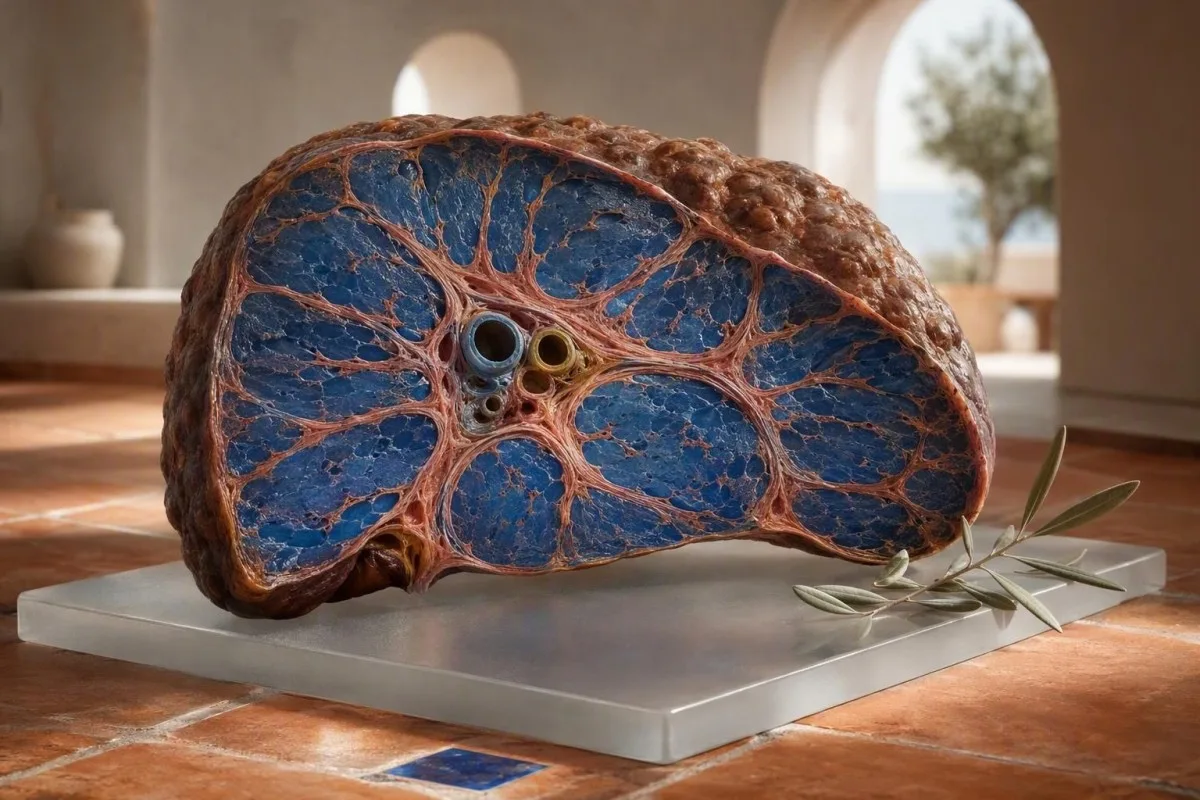
මුල් අක්මා සිරෝසිස් බොහෝ විට පැහැදිලි වේදනාවක් ඇති නොකරයි: සෙංගමාලය පැමිණීමට පෙර තෙහෙට්ටුව, නින්දේ වෙනස්කම්, තැලීම්, කැසීම සහ පට්ටිකා ගණන අඩුවීම සිදුවිය හැකිය. සාමාන්යයෙන් අක්මා පරීක්ෂණ, රුධිර ගණන් සහ ෆයිබ්රෝසිස් ලකුණු රටාවකි - එක් අසාමාන්ය එන්සයිමයක් නොවේ.


- නිහඬ කැළැල් සාමාන්ය ALT සහ AST සමඟ සිදුවිය හැක, විශේෂයෙන් පරිවෘත්තීය මේද අක්මා රෝග සහ මත්පැන් ආශ්රිත අක්මා රෝග වලදී.
- 150 × 10⁹/L ට පහළ පට්ටිකා සංඛ්යාව අක්මා අවදානම් සාධක සමඟ සෙමින් පහත වැටෙන විට මුල් ද්වාර අධි රුධිර පීඩන ඉඟියක් විය හැකිය.
- FIB-4 1.3ට පහළින් සාමාන්යයෙන් 65 න් පහළ වැඩිහිටියන් තුළ උසස් ෆයිබ්රෝසිස් අවදානම අඩු බව දක්වයි; 2.67 හෝ ඊට වැඩි කඩිනම් විශේෂඥ තක්සේරුවක් අවශ්ය වේ.
- ඇල්බියුමින් 35 g/L ට පහළින් නැතහොත් ඉහළ යන INR, ඇමිනෝට්රාන්ස්ෆෙරේස් මධ්යස්ථ වුවද, අඩු අක්මා සංශ්ලේෂණ ක්රියාකාරිත්වය දැක්විය හැක.
- AST:ALT 1 ට වඩා සිරෝසිස් රෝග විනිශ්චයක් නොවේ, නමුත් එය තැම්බෝසයිටෝපීනියා, ඉහළ GGT, හෝ ඉමේජින් වෙනස්කම් සමඟ යුගල වූ විට සැලකිල්ලක් දක්වයි.
- බිලිරුබින් 34 µmol/L ට වඩා කහ Ngoài, අඳුරු මුත්රා, උණ, ව්යාකූලත්වය හෝ උදරයේ ඉදිමීම වැනි රෝග ලක්ෂණ ඇති අයෙකුට වහාම සායනික ඇගයීමක් අවශ්ය වේ.
- සාමාන්ය එන්සයිම යන්නෙන් එම අවස්ථාවේදී සක්රීය එන්සයිම කාන්දුවක් නොමැති බවයි; ඒවා අක්මාවේ ගෘහ නිර්මාණ ශිල්පය සාමාන්ය බවට සාක්ෂි සපයන්නේ නැත.
- මධ්යසාර භාවිතය නැවැත්වීම, පරිවෘත්තීය අවදානම් සඳහා ප්රතිකාර කිරීම, වෛරස් හෙපටයිටිස් රැකවරණය සහ ඖෂධ සමාලෝචනය මුල් අවධියේ ඇති ෆයිබ්රෝසිස් මන්දගාමී කිරීමට හෝ සමහර විට අර්ධ වශයෙන් ආපසු හැරවීමට හැකිය.
අක්මා පරීක්ෂාවකට සුදුසු මුල් අක්මා සිරෝසිස් රෝග ලක්ෂණ
මුල් සිරෝසිස් රෝග ලක්ෂණ බොහෝ විට නොපැහැදිලි සහ අතරින් පතර හටගනී, තෙහෙට්ටුව, රුචිය අඩුවීම, නින්ද බාධා, කැසීම, පහසුවෙන් තැලීම් හෝ ව්යායාම ඉවසීම අඩුවීම කහ සම හෝ තරල රඳවා තබා ගැනීමට බොහෝ කලකට පෙර සිදුවීම. මගේ සායනික අත්දැකීම්වල, කනස්සල්ලට හේතුවන ලක්ෂණය වන්නේ එක් තෙහෙට්ටු පස්වරු දිනයක් නොවේ; එය දියවැඩියාව, තරබාරුකම, නිතිපතා මධ්යසාර භාවිතය, හෙපටයිටිස් අවදානම, හෝ අක්මා රෝග පිළිබඳ පවුල් ඉතිහාසයක් ඇති අයෙකු තුළ සති 6 සිට 12 දක්වා පවතින නිහඬ කණ්ඩායමකි.
කෙනෙකුට තවමත් රැකියාව කිරීමට, පුහුණු වීමට සහ ෆයිබ්රෝසිස් වර්ධනය වන අතරතුර සම්පූර්ණයෙන්ම යහපත් ලෙස පෙනී සිටීමට හැකිය. මම 48 හැවිරිදි කාර්යාල සේවකයෙකු දැක ඇත්තෙමි, ඔහුගේ එකම වෙනස වූයේ උදෑසන 3ට කැසීම සහ තෙහෙට්ටුව සමඟ අවදි වීමයි; ඔහුගේ ALT 31 IU/L විය, නමුත් පසුගිය වසර හතර තුළ පට්ටිකා 214 සිට 136 × 10⁹/L දක්වා පහත වැටී තිබුණි. එම ප්රවණතාවය ඉලාස්ටොග්රැෆි මගින් තීරණය කර දියුණු ෆයිබ්රෝසිස් හඳුනා ගන්නා ලදී.
සිරෝසිස් සාමාන්යයෙන් තියුණු අක්මා වේදනාවක් ඇති නොකරයි. අක්මා කැප්සියුලය ක්රියාවලියේ අගභාගයේදී දිගු විය හැකි නමුත්, මුල් කැළැල් ජෛව විද්යාත්මකව නිහඬ වන්නේ ෆයිබ්රෝසිස් ක්ෂුද්ර ස්කොපික් රුධිර නාල අතර ඇති වන බැවිනි. උදරයේ පූර්ණත්වය පිළිබඳ නව හැඟීමක්, මුල් තෘප්තියක් හෝ විලුඹ ඉදිමීමක්, සතියකට කිලෝග්රෑම් 2කට වඩා බර වැඩි වන විට, නොපැහැදිලි දකුණු පැත්තේ වේදනාවකට වඩා කනස්සල්ලට හේතුවකි.
ආචාර්ය තෝමස් ක්ලයින්, අලුත්ම පැනලය පමණක් නොව, පෙර ප්රතිඵල ද රැගෙන ඒමට උපදෙස් දෙයි. මූලික රුධිර පරීක්ෂාව මාස 12, 24, සහ 48 කට පෙර ප්රතිඵල සමඟ සංසන්දනය කළ විට වඩාත් ප්රයෝජනවත් වේ.
සාමාන්ය හමුවීමක් සඳහා බලා නොසිටිය යුතු රෝග ලක්ෂණ
ව්යාකූලත්වය, දිවා කාලයේ නිදිමත, රුධිරය වමනය කිරීම, කළු මළපහ, උදරයේ ඉදිමීම සමඟ උණ, හෝ කහකම වේගයෙන් වැඩිවීම වැනි රෝග ලක්ෂණ සඳහා එකම දින හදිසි ඇගයීමක් අවශ්ය වේ. මේවා ඩි-කොම්පෙන්සේටඩ් සිරෝසිස්, ආමාශ ආන්ත්ර රුධිර වහනය, ආසාදනය, හෝ හානිකර නොවන උච්චාවචනයකට වඩා තියුණු අක්මා තුවාලයක් පිළිබිඹු කළ හැකිය.
සාමාන්ය ALT සහ AST ඇයි සිරෝසිස් බැහැර නොකරන්නේ
සාමාන්ය ALT සහ AST සැලකිය යුතු ෆයිබ්රෝසිස් හෝ සිරෝසිස් බැහැර නොකරයි. ALT සහ AST වර්තමාන සෛලීය එන්සයිම කාන්දුව පිළිබිඹු කරන අතර, ෆයිබ්රෝසිස් යනු සමුච්චිත ගෘහ නිර්මාණ කැළැල් පිළිබිඹු කරන අතර, අක්මා සෛල ස්කන්ධය සහ දැවිල්ල අඩුවීමෙන් පසු අවම කාන්දුවක් ඇති කළ හැකිය.
බොහෝ රසායනාගාර පිරිමින් සඳහා 35 සිට 45 IU/L දක්වා සහ කාන්තාවන් සඳහා 25 සිට 35 IU/L දක්වා ALT ඉහළ සීමාවන් භාවිතා කරයි, එසේ වුවද විමර්ශන පරතරයන් පරීක්ෂණය සහ රට අනුව වෙනස් වේ. 28 IU/L ප්රතිඵලයක් කඩදාසි මත සාමාන්ය විය හැකි අතර, තරබාරුකම, වර්ග 2 දියවැඩියාව, 128 × 10⁹/L පට්ටිකා ගණනක් සහ ඉහළ FIB-4 ලකුණු ඇති පුද්ගලයෙකු තුළ අඩුවෙන් සන්සුන් විය හැකිය.
2023 AASLD මාර්ගෝපදේශය පවසන්නේ ඇමිනොට්රාන්ස්ෆෙරේස් අසාමාන්ය මේද අක්මා රෝගය ඇති රෝගීන් තුළ සාමාන්ය විය හැකි බවයි; එබැවින් අවදානම් ස්තරීකරණයට එන්සයිම පමණක් නොව ආක්රමණශීලී නොවන ෆයිබ්රෝසිස් පරීක්ෂණ ඇතුළත් විය යුතුය (Rinella et al., 2023). මෙය රටාව තනි අගයකට අසල ඇති කොඩියකට වඩා වැදගත් වන ප්රදේශයකි.
දැඩි පුහුණුව, මාංශ පේශි තුවාල, සහ සමහර ඖෂධ AST ඉහළ නැංවිය හැක. ධාවන තරඟයකින් පසු AST 89 IU/L සහිත 52 හැවිරිදි මැරතන් ධාවකයෙකුට මාංශ පේශි ප්රභවයක් තිබිය හැකිය, විශේෂයෙන් ක්රියේටීන් කිනේස් ඉහළ නම් සහ බිලිරුබින්, පට්ටිකා, INR, සහ GGT සාමාන්ය නම්; අපගේ ඉහළ AST මාර්ගෝපදේශය එම වෙනස පැහැදිලි කරයි.
සිරෝසිස් රුධිර පරීක්ෂණ: වෛද්යවරුන් ඇත්තටම කනස්සල්ලට පත්වන රටාව
වඩාත් කනස්සල්ලට හේතුවන සිරෝසිස් රුධිර පරීක්ෂණ රටාව, පහත වැටෙන පට්ටිකා, ALT ට වඩා AST ඉහළ යාම, ඉහළ බිලිරුබින් හෝ GGT, සහ ඇල්බුමින් හෝ INR දුර්වල වීම ඒකාකාර එන්සයිම ඉහළ යාමට වඩා ඒකාබද්ධ කරයි. සෑම පරීක්ෂණයක්ම අක්මා ජීව විද්යාවේ විවිධ පැති අල්ලා ගනී: තුවාල, පිත්තාශයේ ගලායාම, පෝර්ටල් පීඩනය, හෝ ප්රෝටීන් නිෂ්පාදනය.
150 × 10⁹/L ට පහළ පට්ටිකා සංඛ්යාව දියුණු තන්තුමයතාවයේ දී පොදු වේ, මන්ද පෝටල් අධි රුධිර පීඩනය ප්ලීහාව විශාල කර රුධිර පට්ටිකා සමුච්චය වීම වැඩි කරයි. 142 × 10⁹/L ක ගණනක් සිරෝසිස් වලට සාක්ෂියක් නොවේ, නමුත් 240 සිට 142 දක්වා පහළට යන ගමනක්, වෛද්යමය වශයෙන් හුදකලා ප්රතිඵලයකට වඩා වැදගත් වේ.
AST:ALT අනුපාතය 1.0 ට වඩා වැඩිවීම තන්තුමයතාවය වර්ධනය වන විට සිදුවිය හැකිය, අතර 2.0 ට වඩා වැඩි අනුපාතයන් සාමාන්යයෙන් මධ්යසාර-ආශ්රිත හෙපටයිටිස් සමඟ සම්බන්ධ වේ, නමුත් ඒවා සංවේදී හෝ නිශ්චිත නොවේ. GGT බොහෝ විට මධ්යසාර, පරිවෘත්තීය මේද අක්මාව, කොලෙස්ටේසිස් සහ ඖෂධ බලපෑම් සමඟ ඉහළ යයි; මේ ගැන වැඩිදුර කියවන්න GGT යනු කුමක්දැයි මධ්යසාර හේතුව යැයි උපකල්පනය කිරීමට පෙර.
Kantesti AI, රෝග විනිශ්චයක් එක් ලකුණකින් නියම කිරීම වෙනුවට, මෙම සම්බන්ධිත ප්රතිඵල වයස, ලිංගභේදය, වාර්තා කරන ලද තත්වයන් සහ පෙර අගයන්ට එරෙහිව කිරා බැලීමෙන් අක්මා පැනල අර්ථකථනය කරයි. Kantesti යනු AI රුධිර පරීක්ෂණ විශ්ලේෂකයකි අඩු රුධිර පට්ටිකා සමඟ ඉහළ යන AST:ALT අනුපාතය වැනි අනුගමන රටා හඳුනා ගැනීමට නිර්මාණය කර ඇත, ඒවා වෛද්යවරයෙකුගේ සමාලෝචනයට සුදුසුය.
සාමාන්ය වැරදි සහතික කිරීමේ උගුල
සාමාන්ය බිලිරුබින් සහ සාමාන්ය ඇල්බුමින් සංයුක්ත සිරෝසිස් සමඟ පැවතිය හැකිය. අක්මාවට තවත් ක්රියාකාරී සංචිතයක් අහිමි වූ පසු මෙම සලකුණු බොහෝ විට පසුව පිරිහී යයි, එබැවින් ඒවා මුල් තුවාල සඳහා දුර්වල ස්වාධීන තිරගත කිරීමේ පරීක්ෂණ වේ.
FIB-4 සහ සායනික වශයෙන් වැදගත් කැළැල් සඳහා ආක්රමණශීලී නොවන ඉඟි
FIB-4 යනු වයස, AST, ALT සහ රුධිර පට්ටිකා ගණන භාවිතා කරන වලංගු පළමු පෙළ තන්තුමයතා ලකුණු වේ. 65 ට අඩු වැඩිහිටියන් තුළ, 1.3 ට අඩු FIB-4 සාමාන්යයෙන් දියුණු තන්තුමයතාවයේ අඩු අවදානමක් පෙන්නුම් කරයි, අතර 2.67 හෝ ඊට වැඩි ප්රතිඵලයක් විශේෂඥ තක්සේරුවක් හෝ ඉලාස්ටෝග්රැෆි එකක් ආරම්භ කළ යුතුය.
සූත්රය වන්නේ වයස × AST ÷ (ප්ලැට්ලට් × √ALT) වන අතර, AST සහ ALT IU/L හි සහ පට්ටිකා × 10⁹/L හි ඇත. වයස ලකුණු සැලකිය යුතු ලෙස වෙනස් කරයි: EASL නිර්දේශ කරන්නේ 65 ට වැඩි පුද්ගලයින් සඳහා 2.0 ක ඉහළ අඩු-අවදානම් සීමාවක් වන අතර, සාමාන්ය වයස්-ආශ්රිත ලකුණු කිරීම එසේ නොමැති නම් වැරදි ධනාත්මක ප්රතිඵල ඇති කළ හැකි බැවිනි (European Association for the Study of the Liver, 2021).
FIB-4 ලකුණු යනු වර්ගීකරණ මෙවලමක් මිස රෝග විනිශ්චයක් නොවේ. තියුණු හෙපටයිටිස්, මෑතකදී අධික මධ්යසාර පානයක්, කීමෝතෙරපි හෝ තාවකාලික පට්ටිකා පහත වැටීමක් එය වැඩි කළ හැකිය, එබැවින් කහ හෝ වෙනත් අනතුරු ඇඟවීම් ඇති පුද්ගලයෙකු හැර, මායිම් ප්රතිඵලයක් අර්ථකථනය කිරීමට පෙර මම සාමාන්යයෙන් අස්ථාවර පරීක්ෂණ 4 ත් 12 ත් අතර සතිවලදී නැවත සිදු කරමි.
කන්ටෙස්ටි යනු AI රසායනාගාර පරීක්ෂණ අර්ථකථන සේවාව අවශ්ය ප්රතිඵල පවතින විට FIB-4 ගණනය කර සන්දර්භගත කළ හැකි නමුත්, ඉහළ ලකුණු සඳහා තාවකාලික ඉලාස්ටෝග්රැෆි, විශේෂඥ තක්සේරුව හෝ සමහර විට පටක පරීක්ෂාව සමඟ වෛද්ය තහවුරු කිරීමක් අවශ්ය වේ. අපේ අක්මා-පැනල දළ විශ්ලේෂණය සාමාන්යයෙන් ලබා ගත හැකි පරීක්ෂණ මොනවාදැයි පෙන්වයි.
අඩු පට්ටිකා: මුල් ද්වාර අධි රුධිර පීඩන ඉඟියක්, තීන්දුවක් නොවේ
150 × 10⁹/L ට වඩා අඩු නිරන්තර පට්ටිකා ගණනක් පෝර්ටල් අධි රුධිර පීඩනය සඳහා වන මුල්ම සාමාන්ය රුධිර පරීක්ෂණ ඉඟි වලින් එකක් විය හැකි නමුත්, ඊට බොහෝ අක්මාව-නොවන හේතු ඇත. ගණන් සෙමෙන් පහත වැටෙන විට සහ ප්ලීහාවේ විශාල වීම, ඉහළ FIB-4, හෝ අසාමාන්ය අක්මා රූපකරණය සමඟ සිදු වූ විට අක්මා සම්බන්ධය ශක්තිමත් වේ.
පෝර්ටල් අධි රුධිර පීඩනය අක්මාව සහ ප්ලීහාව හරහා සංසරණය වෙනස් කරයි. ප්ලීහාවට වැඩි පට්ටිකා රඳවා තබා ගත හැකිය, එබැවින් 110 සිට 140 × 10⁹/L දක්වා වූ ගණනක් වසර ගණනාවකට පෙර ඇසයිටීස් හෝ වරිකෝස් වලට පෙර සිදු විය හැක. ඒ නිසා පට්ටිකා ප්රවණතාවය FIB-4 හි ඇතුළත් වන්නේ සාමාන්ය CBC පා සටහනක් ලෙස සැලකීමට වඩා.
සෑම අඩු ප්රතිඵලයක්ම සැබෑ පහත වැටීමක් පිළිබිඹු නොකරයි. EDTA-සම්බන්ධ පට්ටිකා එකට ගැසීම ගණන වැරදි ලෙස අඩු කළ හැකි අතර, රසායනාගාරය මෙය රුධිර-චිත්රපට සමාලෝචනයක් හෝ සයිට్రేට් සාම්පලයක් සමඟ තහවුරු කළ හැකිය; අපගේ පැහැදිලි කිරීම බලන්න EDTA නිසා පට්ටිකා එකට ගැටීම (platelet clumping). වෛරස් රෝග, ප්රතිශක්තිකරණ ත්රොම්බොසයිටොපීනියා, ෆෝලේට් ඌණතාවය, සහ ඇට මිදුළු තත්වයන් ද හැකි ය.
ආචාර්ය තෝමස් ක්ලයින් සොයාගෙන ඇත්තේ වසර දෙකක කාලයක් තුළ 20% කින් පහත වැටෙන ගණනක්, රසායනාගාරයේ පහළ සීමාව ඉක්මවා තිබේදැයි ඇසීමට වඩා බොහෝ විට ප්රයෝජනවත් වන බවයි. එය සමඟ යුගල කරන්න සම්පූර්ණ රුධිර ගණනය සංරචක සහ නිගමනවලට එළඹීමට පෙර පෙර අල්ට්රා සවුන්ඩ් වාර්තා.
ඇල්බුමින් සහ INR: අක්මා සංචිතය මනින රුධිර පරීක්ෂණ
අඩු ඇල්බුමින් සහ දිගු වූ INR, අඩු වූ අක්මා සංශ්ලේෂණ ක්රියාකාරිත්වය සංඥා කළ හැකිය, විශේෂයෙන් ඒවා එකට වර්ධනය වන විට. 35 g/L ට වඩා අඩු ඇල්බුමින් හෝ ප්රති-රුධිර කැටි ගැසීමේ ප්රතිකාරයකින් තොරව 1.3 ට වඩා වැඩි INR, කාලෝචිත සායනික සමාලෝචනයක් වලංගු කරයි, නමුත් ප්රතිඵල දෙකම සිරෝසිස් සඳහා විශේෂිත නොවේ.
ඇල්බුමින් වල අර්ධ ආයු කාලය දළ වශයෙන් දින 20 ක් වන අතර, එබැවින් එය සෙමින් වෙනස් වන අතර බොහෝ විට වන්දි ලැබූ සිරෝසිස් වල සාමාන්යව පවතී. මන්දපෝෂණය, වකුගඩු ප්රෝටීන් අලාභය, දරුණු පද්ධතිමය අසනීප, ගැබ් ගැනීම සහ තරල අධික ලෙස පැටවීම ද ඇල්බුමින් අඩු කළ හැකිය; albumin සහ globulin මාර්ගෝපදේශය මෙම විකල්පයන් වෙන් කිරීමට උපකාරී වේ.
INR, විටමින් K-ආශ්රිත කැටි ගැසීමේ සාධක ක්රියාකාරිත්වය පිළිබිඹු කරයි, එයින් බොහෝමයක් අක්මාව මගින් නිපදවනු ලැබේ. වෝෆරින් නොගන්නා පුද්ගලයෙකුගේ 1.5 INR, තරමක් ඉහළ ගිය ALT එකකට වඩා සැලකිය යුතු ය, නමුත් මැලAbsorption, ප්රතිජීවක, හෝ කොලෙස්ටැසිස් වලින් විටමින් K ඌණතාවය ද එය දිගු කළ හැකි අතර එය ආපසු හැරවිය හැකිය.
Kantesti AI යනු AI මගින් බලගැන්වූ රුධිර පරීක්ෂණ විශ්ලේෂණ මෙවලම එය ඇල්බුමින්, බිලිරුබින්, INR, සහ පට්ටිකා රටා එකට ඉස්මතු කරයි, මන්ද සංශ්ලේෂණ ක්රියාකාරිත්වය ALT මගින් පමණක් ග්රහණය කර නොගනී. කැටි ගැසීමේ assays පිළිබඳ තාක්ෂණික සන්දර්භය සඳහා, අපගේ සමාලෝචනය කරන්න ලේ කැටි ගැසීමේ පරීක්ෂණ මාර්ගෝපදේශය (coagulation testing guide).
සෙංගමාලය, කැසීම, තද මුත්රා සහ සුදුමැලි මළපහ: ඒවායේ අදහස් විය හැක්
සෙංගමාලය, තද තේ පැහැති මුත්ර, සුදුමැලි මළපහ සහ සාමාන්ය කැසීම අක්මාවේ පිත්තාශයේ ගමනාගමනයට බාධා ඇතිවීම හෝ පිත්තාශ ලැයිස්තු සැකසීමට බාධා ඇතිවීම දැක්විය හැකි අතර වහාම තක්සේරු කළ යුතුය. 34 µmol/L ට වැඩි මුළු පිත්තාශ ලැයිස්තුවක්, 2 mg/dL පමණ, දිවා ආලෝකයේ කහ පැහැයක් ලෙස පෙනී යයි, සමේ පැහැය සහ ආලෝකය හඳුනාගැනීමට බලපායි.
තද මුත්රාවලට හේතුව සාමාන්යයෙන් සංයුක්ත පිත්තාශ ලැයිස්තුව මිස, සංයුක්ත නොවන පිත්තාශ ලැයිස්තුව නොවේ. එබැවින් මුත්රාවල පිත්තාශ ලැයිස්තුව ධනාත්මක වීම, රක්තපාත රුධිර සෛල බිඳවැටීමට වඩා අක්මා-පිත්තාශ රෝග හෝ අවහිරතා වෙතට වෛද්යවරුන් යොමු කරයි; අපගේ මුත්රා bilirubin මාර්ගෝපදේශය ඊළඟ පරීක්ෂණ පැහැදිලි කරයි.
සුදුමැලි හෝ මැටි-වර්ණ මළපහ යනු අඩු වර්ණකයක් බඩවැල්වලට ළඟා වන බවයි. එය පිත්තාශ ගල, ඖෂධ-ආශ්රිත කොලෙස්ටැසිස්, අග්න්යාශය හෝ පිත්තාශ නාල රෝග, හෝ දියුණු අක්මා අක්රියතාව සමඟ සිදු විය හැක, එබැවින් එය විෂ ඉවත් කිරීමේ ප්රතික්රියාවක් ලෙස නම් කිරීම ආරක්ෂිත නොවේ; බලන්න සුදුමැලි මළ ඇතිවීමට හේතු.
කොලෙස්ටැසිස් වලින් කැසීම, පිත්තාශ ලැයිස්තුව කැපී පෙනෙන ලෙස ඉහළ යාමට පෙර දරුණු විය හැක. එය සාමාන්යයෙන් අත්ල සහ යටිපතුල් වලට බලපාන අතර රාත්රියේදී නරක අතට හැරේ; වෛද්යවරුන් සාමාන්යයෙන් ALP, GGT, පිත්තාශ ලැයිස්තු භාග, ඖෂධ නිරාවරණය, අදාළ වන විට ගැබ්ගැනීම් තත්ත්වය, සහ පිත්තාශ නාල වලට අල්ට්රා සවුන්ඩ් ප්රවේශය පරීක්ෂා කරයි.
ALP, GGT, සහ බිලිරුබින්: කොලෙස්ටැටික් රටාවක් හඳුනා ගැනීම
කොලෙස්ටැටික් අක්මා-පරීක්ෂණ රටාවක් යනු ක්ෂාරීය පොස්පේටේස් සහ GGT, ALT සහ AST ට වඩා ඉහළ යාම, බොහෝ විට සෘජු පිත්තාශ ලැයිස්තුව ඉහළ යාමත් සමඟ ය. මෙම රටාව, සිරෝසිස් වල ස්වයංක්රීය උපකල්පනයකට වඩා, පිත්තාශ නාල අවහිරතා, ඖෂධ හානි, ස්වයං ප්රතිශක්තිකරණ කොලෙස්ටැටික් රෝග, හෝ අක්මා ආක්රමණශීලී තත්වයන් සෙවීමක් අවුලුවිය යුතුය.
ALP පිත්තාශ නාල පටක මගින් නිපදවනු ලැබේ, නමුත් අස්ථි, වැදෑමහ සහ බඩවැල් මගින් ද නිපදවනු ලැබේ. ඉහළ යන ALP සහ සාමාන්ය GGT අස්ථි-ආරම්භක විය හැකිය, විශේෂයෙන්ම අස්ථි බිඳීමකින් පසු, වර්ධනය අතරතුර, හෝ විටමින් D ඌනතාවය සමඟ, ඉහළ ALP සමග ඉහළ GGT අක්මා-පිත්තාශ ප්රභවයකට සහාය දක්වයි; අපගේ ALP සහ GGT පැහැදිලි කිරීම ප්රායෝගික උදාහරණ ලබා දෙයි.
R අනුපාතය උග්ර එන්සයිම රටා වර්ගීකරණය කිරීමට උපකාරී වේ: ALT ඊට ඉහළ සාමාන්ය සීමාවෙන් බෙදා, ඉන්පසු ALP ඊට ඉහළ සාමාන්ය සීමාවෙන් බෙදා. R අනුපාතය 5 ට වඩා හෙපටෝසෙලියුලර් තුවාලයක්, 2 ට වඩා කොලෙස්ටැසිස්, සහ 2 සිට 5 දක්වා මිශ්රණයක් යෝජනා කරයි - ඖෂධ තක්සේරු කිරීම සඳහා ප්රයෝජනවත් නමුත් ස්වාධීන රෝග විනිශ්චයක් නොවේ.
Kantesti AI විසින් විශ්වීය ALP කප්-ඕෆ් එකක් පැනවීම වෙනුවට උඩුගත කරන ලද වාර්තාවෙන් රසායනාගාර යොමු සීමාවන් භාවිතා කරයි, මන්ද පරාසයන් වෙනස් වේ. කොලෙස්ටැසිස් රුධිර-පරීක්ෂණ මාර්ගෝපදේශය වෛද්ය සාකච්ඡාවක් සඳහා ප්රයෝජනවත් සූදානමක් වේ.
හේතුව සොයා ගැනීම කැළලක් සොයා ගැනීම තරම්ම වැදගත්
සිරෝසිස් යනු අවසානයක් මිස තනි රෝගයක් නොවේ: මත්පැන්, පරිවෘත්තීය මේද අක්මා රෝග, හෙපටයිටිස් බී හෝ සී, ස්වයං ප්රතිශක්තිකරණ රෝග, යකඩ අධික වීම, සහ සමහර ඖෂධ සියල්ලම එයට හේතු විය හැක. හේතුව හඳුනා ගැනීමෙන් ප්රතිකාර, පවුල් පරීක්ෂාව, පිළිකා අධීක්ෂණය, සහ තවත් තන්තුමය වීම මන්දගාමී කිරීමේ අවස්ථාව වෙනස් වේ.
පරිවෘත්තීය අවදානම සඳහා සෘජු සංවාදයක් අවශ්ය වේ. මධ්යම බර වැඩිවීම, 1.7 mmol/L ට වඩා ට්රයිග්ලිසරයිඩ හෝ 150 mg/dL, අධි රුධිර පීඩනය, සහ වර්ග 2 දියවැඩියාව, මත්පැන් පානය අඩු වුවද, ස්ටෙටෝටික් අක්මා රෝගයේ සම්භාවිතාව වැඩි කරයි. පරිවෘත්තීය සින්ඩ්රෝම් චෙක්-ලැයිස්තුව සම්බන්ධිත අවදානම් පැහැදිලි කළ හැකිය.
පිරිමින් තුළ හෝ ආර්තවහරණයෙන් පසු කාන්තාවන් තුළ 300 ng/mL ට වඩා වැඩි ෆෙරටින් යකඩ අධිමාත්රාව හඳුනා ගැනීමට ප්රමාණවත් නොවේ. ට්රාන්ස්ෆෙරින් සතූරේෂන් 45% ට වඩා ස්ථාවරව පැවතීම, පාරම්පරික හීමෝක්රොමාටෝසිස් සඳහා වඩාත් නිශ්චිත වන අතර, සුදුසු සායනික සැකසුමක දී සාමාන්යයෙන් HFE ජාන පරීක්ෂාවට හේතු වේ; අපගේ බලන්න හීමෝක්රොමාටෝසිස් රෝග ලක්ෂණ මාර්ගෝපදේශය.
ඖෂධ සහ අතිරේක ඉතිහාසයන් නිරන්තරයෙන් අවතක්සේරු කරනු ලැබේ. අධික මාත්රාවෙන් යුත් කොළ තේ සාරය, ඇනබලික් කාරක, බහු-අමුද්රව්ය බර අඩු කිරීමේ නිෂ්පාදන, ඇමියෝඩරෝන්, මෙතෝට්රෙක්සෙට් සහ සමහර ප්රතිජීවක ඖෂධ අක්මා පරීක්ෂණවලට බලපෑම් කළ හැකි අතර, අනුමාන කරන ලද අක්මා පිරිසිදු කිරීම නිසි තක්සේරුව ප්රමාද කළ හැකිය; අපගේ අතිරේක ආරක්ෂාව සමාලෝචනය මේ සම්බන්ධයෙන් හිතාමතාම පරෙස්සම් වේ.
රෝග ලක්ෂණ වලින් අනුමාන නොකර, වෛරස් හෙපටයිටිස් පරීක්ෂා කළ යුතුය
නිදන්ගත හෙපටයිටිස් C දශම ගණනාවක් තිස්සේ රෝග ලක්ෂණ රහිතව පැවතිය හැකි අතර තන්තුමය වීම ඉදිරියට යයි. ප්රතිදේහ පරීක්ෂාව මගින් නිරාවරණය හඳුනා ගැනේ, එ අතර HCV RNA පරීක්ෂාව සක්රීය ආසාදනය තහවුරු කරයි; අපගේ හෙපටයිටිස් C පරීක්ෂණ මාර්ගෝපදේශය මෙම පරීක්ෂණ දෙකම වැදගත් වන්නේ මන්දැයි පැහැදිලි කරයි.
අසාමාන්ය සිරෝසිස් රුධිර පරීක්ෂණ රටාවකින් පසුව සිදුවන්නේ කුමක්ද?
අසාමාන්ය තන්තුමය රටාවක් සාමාන්යයෙන් සිරෝසිස් හඳුනාගැනීම වහාම සිදුකිරීමට වඩා නැවත නැවත රුධිර පරීක්ෂණ, අල්ට්රා සවුන්ඩ් සහ ඉලාස්ටෝග්රැෆි වෙත යොමු කරයි. ඉලාස්ටෝග්රැෆි මගින් අක්මා තද බව කිලෝපැස්කල් වලින් තක්සේරු කරනු ලැබේ, අතර උග්ර දැවිල්ල, තදබදය සහ මෑතකාලීන අධික මධ්යසාර නිරාවරණය සලකා බැලීමේදී එය වඩාත් විශ්වාසදායක වේ.
ප්රතිඵල අනපේක්ෂිත නම්, වෛද්යවරයෙකු සාමාන්යයෙන් සති කිහිපයක් ඇතුළත AST, ALT, ALP, GGT, බිලිරුබින්, ඇල්බුමින්, INR, සහ සම්පූර්ණ රුධිර ගණනය නැවත සිදු කරයි. තරුණ වැඩිහිටියන් තුළ හෙපටයිටිස් B සහ C පරීක්ෂණ, ට්රාන්ස්ෆෙරින් සතූරේෂන් සහිත ෆෙරටින්, ඉමියුනොග්ලොබුලින්, ස්වයංක්රීය ප්රතිදේහ, CEලියාක් පරීක්ෂණ, සහ සෙරූලොප්ලාස්මින් එක් කළ හැකිය - නියම ලැයිස්තුව වයස සහ අවදානම් ඉතිහාසය අනුගමනය කළද.
EASL හි 2021 ආක්රමණශීලී නොවන පරීක්ෂණ මාර්ගෝපදේශය ද්වි-අදියර ප්රවේශයකට සහාය දක්වයි: පළමුව FIB-4, පසුව තාවකාලික ඉලාස්ටෝග්රැෆි හෝ අඩු-අවදානම් සීමාවට වඩා සිටින පුද්ගලයින් සඳහා දෙවන සෙරුම් පරීක්ෂණය (European Association for the Study of the Liver, 2021). අක්මා තද බව තන්තුමය වීම හා සමාන නොවේ; හෘදයාබාධ තදබදය, කොලෙස්ටැසිස් සහ උග්ර හෙපටයිටිස් එය තාවකාලිකව ඉහළ නැංවිය හැකිය.
කන්ටෙස්ටි යනු AI biomarker interpretation platform ඊළඟ හමුවීම සඳහා උඩුගත කරන ලද පැනලයක් ප්රශ්න බවට පත් කළ හැකි, වෙනස් වූ අගයන් සහ බැහැර කළ යුතු විය හැකි හේතු ඇතුළුව. අපගේ සායනික ක්රමවේදය විස්තර කර ඇත වෛද්ය සනාථ කිරීමේ දළ විශ්ලේෂණය සඳහා මූලික වේ, නමුත් එය විභාගයක් හෝ රූපගත කිරීමේ නියෝගයක් ආදේශ නොකරයි.
මත්පැන්, පරිවෘත්තීය අවදානම, සහ අක්මා පරීක්ෂණ නැවත කවදාද?
මධ්යසාර අඩුවීම සහ පරිවෘත්තීය අවදානම් ප්රතිකාර මගින් සති කිහිපයක් ඇතුළත අක්මා එන්සයිම වැඩිදියුණු කළ හැකිය, නමුත් තන්තුමය වීම අවදානම් එක් ALT ප්රතිඵලයකින් විනිශ්චය නොකළ යුතුය. මධ්යසාර නතර කිරීමෙන් පසු GGT බොහෝ විට සති 2 සිට 6 දක්වා පහත වැටේ, අතර පට්ටිකා සහ තන්තුමය-ලකුණු වෙනස්වීම් සඳහා වැඩි කාලයක් ගත විය හැකි අතර පදනම් වූ රෝග අදියර මත රඳා පවතී.
දැනටමත් සිරෝසිස් ඇති පුද්ගලයෙකුට විශ්වීය වශයෙන් ආරක්ෂිත මධ්යසාර සීමාවක් නොමැත; උපායික අධි රුධිර පීඩනය නරක අතට හැරිය හැකි හෝ සුව කිරීමට බාධා කළ හැකි බැවින්, ස්වල්ප ප්රමාණයක් වුවද, වැළකීම සම්මත නිර්දේශය වේ. සිරෝසිස් නොමැති පුද්ගලයින් සඳහා, වාර්තා කරන ලද පරිභෝජනයට තවමත් සන්දර්භය අවශ්ය වේ: බීමත් රටා, ශරීර බර, දියවැඩියාව සහ ඖෂධ භාවිතය අවදානම් සැලකිය යුතු ලෙස වෙනස් කරයි.
පරිවෘත්තීය අක්මා රෝග වලදී, ස්ථාවර 7% සිට 10% ශරීර බර අඩුවීම ස්ටැටෝහෙපටයිටිස් වල වැඩිදියුණු වීම හා සම්බන්ධ වන අතර සමහර රෝගීන් තුළ තන්තුමය වීම වැඩි දියුණු කළ හැකිය, පුද්ගලික ප්රතිඵල වෙනස් වුවද. වේගවත් ආහාර ගැනීමෙන් ALT තාවකාලිකව ඉහළ නැංවිය හැකිය, එබැවින් මෑතකාලීන බර වෙනස්වීම් සමඟ පැනලයක් අර්ථකථනය කරන්න; අපගේ ලිපිය jetrni encimi po izgubi teže පිළිබඳ අපගේ ලිපිය ඒක පැහැදිලි කරයි.
Kantesti AI ප්රවණතා විශ්ලේෂණය පරීක්ෂණ සමාන ලක්ෂ්යවල ගන්නා විට වඩාත් තොරතුරු සපයයි - කදිම ලෙස 48 පැය සඳහා තීව්ර ව්යායාම මගහැරීම සහ මධ්යසාර, අසනීප සහ නව අතිරේක සටහන් කිරීම. මත්පැන් නතර කිරීමේ ජෛව සලකුණු කාලසටහන සාමාන්යයෙන් මුලින්ම යථා තත්ත්වයට පත්වන්නේ කුමක්දැයි විස්තර කරයි.
අක්මා රැකවරණය ප්රමාද කළ හැකි ආහාර සහ අතිරේක මිථ්යාවන්
යුෂ පිරිසිදු කිරීමක්, ශාකසාර නිෂ්පාදනයක් හෝ අතිරේකයක් අක්මාවේ කැළැල් පටක විශ්වාසදායක ලෙස ඉවත් කළ නොහැක. මධ්යධරණී-ආකාරයේ ආහාර රටාවක්, ප්රමාණවත් ප්රෝටීන්, දියවැඩියා කළමනාකරණය සහ අක්මාවට විෂ සහිත අතිරේක මගහැරීම අක්මා සෞඛ්යයට සහාය විය හැකි නමුත් ඒවා ෆයිබ්රෝසිස් (fibrosis) සඳහා හේතුව හඳුනා ගැනීමට ආදේශක නොවේ.
ෆයිබ්රෝසිස් (cirrhosis) ඇති පුද්ගලයින්ට සමහර විට සියලුම ප්රෝටීන් මගහරින ලෙස පවසනු ලැබේ, මෙය මාංශ පේශි අහිමි වීම සහ දුර්වලතාවය තවත් නරක අතට හැරිය හැක. දරුණු හෙපටික් එන්සෙෆලෝපති (hepatic encephalopathy) අතරතුර විශේෂ තාවකාලික උපදෙස් හැර, බොහෝ රෝගීන්ට දළ වශයෙන් අවශ්ය වේ දිනකට ශරීර බර කිලෝග්රෑම් 1.2 සිට 1.5 දක්වා ප්රෝටීන්, ආහාර වේල් පුරා බෙදා, ආහාර විද්යාඥයෙකුගේ මගපෙන්වීම යටතේ.
විෂ ඉවත් කරන ලෙස වෙළෙඳාම් කරන නිෂ්පාදන ගැන විමසිල්ලෙන් සිටින්න. සාන්ද්රිත කහ, කවා, කළු කොහෝෂ්, සහ බහු-අමුද්රව්ය ශරීර ගොඩනැගීම හෝ සිහින් වීම සඳහා වන අතිරේක සියල්ලම අවස්ථා මාලාවක අක්මා හානිය සමඟ සම්බන්ධ වී ඇති අතර, නිෂ්පාදනවල ඒවායේ ලේබල් හිමිකම් නොතිබිය හැකිය. අපගේ සාක්ෂි-පාදක අක්මා ආහාර මාර්ගෝපදේශය සහායක ආහාර ගැනීමේ පුරුදු අලෙවිකරණ හිමිකම් වලින් වෙන් කරයි.
තරල රඳවා තබා ගැනීමක් සිදුවුවහොත්, තරල සීමා කිරීම් වලට වඩා සෝඩියම් සීමා කිරීම බොහෝ විට වැදගත් වේ. පොදු ඉලක්කය වන්නේ ඊට වඩා අඩුවෙන් දිනකට 2g සෝඩියම්, නමුත් ඩයුරික්ස්, වකුගඩු ක්රියාකාරිත්වය, රුධිර පීඩනය සහ පෝෂණ සුදුසුකම සඳහා අන්තර්ජාල ආහාර සැලැස්මකට වඩා පුද්ගලාරෝපිත අධීක්ෂණයක් අවශ්ය වේ.
සිරෝසිස් රෝග ලක්ෂණ උග්ර වන විට
රුධිරය වමනය කිරීම, කළු තාර මළ, ව්යාකූලත්වය, උදරය ඉදිමීම සමඟ උණ, දැඩි හුස්ම හිරවීම, හෝ ශීඝ්රයෙන් නරක අතට හැරෙන සෙංගමාලය යනු දන්නා හෝ සැක සහිත ෆයිබ්රෝසිස් (cirrhosis) ඇති පුද්ගලයෙකුගේ හදිසි රෝග ලක්ෂණ වේ. මෙම සංඥා වරිකෝස් රුධිර වහනය, හෙපටික් එන්සෙෆලෝපති (hepatic encephalopathy), ස්වයංසිද්ධ බැක්ටීරියා පෙරිටෝනයිටිස් (spontaneous bacterial peritonitis), වකුගඩු තුවාල, හෝ උග්ර-උග්ර අක්මා අසමත් වීම නියෝජනය කළ හැකිය.
ෆයිබ්රෝසිස් (cirrhosis) වල නව ව්යාකූලත්වය හෝ විපරිත නින්ද-අවදි චක්රයක් හුදෙක් තෙහෙට්ටුවක් නොවේ. මෙය හෙපටික් එන්සෙෆලෝපති (hepatic encephalopathy) පෙන්නුම් කළ හැකිය, විශේෂයෙන් මලබද්ධය, විජලනය, ආසාදනය, ආමාශ ආන්ත්ර රුධිර වහනය, සෙඩාටිව් භාවිතය, හෝ ඉහළ ඇමෝනියා (ammonia) ප්රතිඵලයක් සමඟ; කෙසේ වෙතත්, ඇමෝනියා (ammonia) පමණක් එන්සෙෆලෝපති (encephalopathy) රෝග විනිශ්චය කිරීමට හෝ ශ්රේණිගත කිරීමට විශ්වාසදායක නොවේ.
ඉදිමුණු උදරයක් ඇසයිටිස් (ascites) පිළිබිඹු කළ හැකිය, නමුත් එය තරබාරුකම, බඩවැල් ඉදිමීම, ඩිම්බකෝෂ රෝග, හෝ හෘදයාබාධ වලින් ද මතු විය හැකිය. උණ, මුදු බව, අඩු රුධිර පීඩනය, හෝ ඇසයිටිස් (ascites) සහිත පුද්ගලයෙකුගේ වකුගඩු ක්රියාකාරිත්වය නරක අතට හැරීම වහාම තක්සේරු කළ යුතුය, මන්ද ආසාදනය සියුම් හා භයානක විය හැකි බැවිනි.
හදිසි නොවන අවිනිශ්චිතතාවය සඳහා, රෝග ලක්ෂණ, ඖෂධ, මත්පැන් පානය, අතිරේක, සහ දිනය-මුද්රිත බර ලක්ෂණ ලියා තබා, වෛද්යවරයෙකුට ඇමතීමට පෙර. seznam povzetkov krvnih preiskav එම සංවාදය වඩාත් කාර්යක්ෂම කළ හැකිය.
තීරණ වෙනස් කරන ප්රායෝගික අක්මා හමුවීම් චෙක්ලැයිස්ට් එකක්
හොඳම අක්මා හමුවීම සඳහා පෙර රසායනාගාර වාර්තා, යථාර්ථවාදී මත්පැන් සහ ඖෂධ ඉතිහාසය, පරිවෘත්තීය ඉතිහාසය, සහ ඕනෑම රූප වාර්තා ඇතුළත් වේ. මෙම විස්තර වෛද්යවරුන්ට තාවකාලික එන්සයිම (enzyme) ප්රතිඵලයක් ෆයිබ්රෝසිස් (fibrosis) යෝජනා කරන බහු-වසර රටාවකින් වෙන් කිරීමට ඉඩ සලසයි.
ඔබ සොයා ගත හැකි සෑම ප්රතිඵලයක්ම ගෙන එන්න, CBC, අක්මා පැනලය, INR, ෆෙරිටින් (ferritin), හෙපටයිටිස් (hepatitis) පරීක්ෂණ, අල්ට්රා සවුන්ඩ් (ultrasound) වාර්තා, සහ kPa හි ඉලාස්ටෝග්රැෆි (elastography) අගයන් ඇතුළුව. තනි ප්රතිඵලයක් ශබ්දකාරී විය හැකිය; මාස 18 ක කාලයක් පුරා පැතිරී ඇති තුනේ ප්රතිඵල පට්ටිකා පහත වැටෙමින් තිබේද හෝ බිලිරුබින් (bilirubin) ස්ථායීද යන්න පෙන්විය හැකිය. අපගේ සමාන-සමීප ප්රතිඵල සංසන්දන මාර්ගෝපදේශ සාමාන්යයෙන් අර්ථවත් වන වෙනස්කම් පැහැදිලි කරයි.
හතරක් සෘජු ප්රශ්න අසන්න: ඊට හේතුව කුමක්ද? කුමන ෆයිබ්රෝසිස් අදියරක් සැක කෙරේද? මට ඉලාස්ටෝග්රැෆි හෝ හෙපටොලොජි යොමුවක් අවශ්යද? කුමන රෝග ලක්ෂණ මා හදිසි ප්රතිකාර සඳහා යැවිය යුතුද? සිරෝසිස් තහවුරු වුවහොත්, අක්මා පිළිකා සඳහා මාස හයකට වරක් අල්ට්රා සවුන්ඩ් නිරීක්ෂණය කිරීම ගැන අසන්න සහ විරිසස් තක්සේරු කිරීමට එන්ඩොස්කොපි අවශ්යද යන්න ගැන අසන්න.
2026 සැප්තැම්බර් 4 වන දින වන විට, අපගේ වෛද්යවරු තවමත් නිර්දේශ කරන්නේ AI- උත්පාදනය කරන ලද පැහැදිලි කිරීම් රෝග විනිශ්චය සඳහා නොව, සූදානම් කිරීම් ලෙස සැලකිය යුතු බවයි. Kantesti ගේ සායනික කටයුතු සමාලෝචනය කරනු ලබන්නේ අධීක්ෂණය යටතේ ය වෛද්ය උපදේශක මණ්ඩලය, සහ සිරෝසිස් පිළිබඳ අවසාන තීරණය ඔබට පරීක්ෂා කර තහවුරු කරන පරීක්ෂණ ඇණවුම් කළ හැකි ප්රතිකාරක වෛද්යවරයා සතුය.
නිතර අසන ප්රශ්න
අක්මාවේ එන්සයිම සාමාන්ය මට්ටමේ තිබියදීත් සිරෝසිස් රෝගය ඇති විය හැකිද?
ඔව්. සාමාන්ය ALT සහ AST සිරෝසිස් රෝගය බැහැර නොකරයි, මන්ද මෙම එන්සයිම දැනට පවතින කැළැල් පටක වල ප්රමාණයට වඩා වර්තමාන අක්මා සෛල හානිය පිළිබිඹු කරයි. වන්දි සිරෝසිස්, විශේෂයෙන් පරිවෘත්තීය අක්මා රෝග වලදී, රසායනාගාර යොමුව තුල ALT සහ AST සමග ඉදිරිපත් විය හැකිය. 150 × 10⁹/L ට අඩු පට්ටිකා ගණන, 2.67 ට වැඩි FIB-4, අසාමාන්ය ඉලාස්ටෝග්රැෆි, අඩු ඇල්බුමින්, හෝ ඉහළ යන INR එන්සයිම වලට වඩා වැඩි ප්රයෝජනවත් ඉඟි සැපයිය හැකිය.
සිරෝසිස් වල පළමු අනතුරු ඇඟවීමේ සංඥා මොනවාද?
අක්මාවේ සිරෝසිස් රෝගයේ මුල් රෝග ලක්ෂණ අතරට පවතින්නා වූ තෙහෙට්ටු බව, ආහාර අරුචිය, කැසීම, පහසුවෙන් තැලීම් ඇතිවීම, ව්යායාම ඉවසීමේ අඩුවීම, නින්දේ වෙනස්වීම් සහ උදරයේ පූර්ණ බව ඇතුළත් විය හැකි නමුත් බොහෝ දෙනෙකුට රෝග ලක්ෂණ නොපෙන්වයි. කහටු ගතිය, මුත්රා තද වීම, මළපහ සුදුමැලි වීම, වළලුකර ඉදිමීම, උදරයේ තරල එකතුවීම, ව්යාකූලත්වය, රුධිරය වමනය වීම සහ මළපහ කළු වීම යන ඒවා ප්රමාද හෝ හදිසි සංඥා ලෙස සැලකේ. රෝග ලක්ෂණ පමණක් සිරෝසිස් රෝගය හඳුනා ගැනීමට ප්රමාණවත් නොවන බැවින්, සාමාන්යයෙන් අක්මා පැනලය, පට්ටිකා සහිත CBC, INR, ඇල්බියුමින් සහ ෆයිබ්රෝසිස් තක්සේරුවක් අවශ්ය වේ.
සිරෝසිස් යෝජනා කරන පට්ටිකා ගණන කුමක්ද?
150 × 10⁹/L ට වඩා අඩු පට්ටිකා ගණනක්, උසස් වූ අක්මා තන්තුමය වීම (advanced liver fibrosis) හෝ පෝර්ටල් අධි රුධිර පීඩනය (portal hypertension) පිළිබඳ සැකයක් ඇති කළ හැකිය, විශේෂයෙන් එය දිගටම පවතී නම් සහ අඩු වෙමින් පවතී නම්, නමුත් එය සිරෝසිස් (cirrhosis) රෝග විනිශ්චය නොකරයි. පට්ටිකා කැටි ගැසීම, වෛරස් රෝග, ප්රතිශක්ති ඌණතා ත්රොම්බොසයිටොපීනියා (immune thrombocytopenia), ඖෂධ, පෝෂණ ඌණතා සහ ඇට මිදුළු ආබාධ ද මෙම ගණන අඩු කළ හැකිය. වසර දෙකක් තුළ AST ඉහළ යාමක් සහ ඉහළ FIB-4 දර්ශකයක් සමඟ 220 සිට 135 × 10⁹/L දක්වා ක්රමයෙන් අඩුවීමක්, අඩු අගයක් එක විටක් දැකීමට වඩා තොරතුරු සපයයි.
FIB-4 ලකුණු සිරෝසිස් (Cirrhosis) අදහස් කරන්නේ කුමක්ද?
FIB-4, අක්මාවේ තන්තුමය වෙනස්කම් (cirrhosis) හඳුනා නොගන්නා නමුත්, වයස, AST, ALT, සහ ප්ලැට්ලට් (platelets) ප්රමාණය මත පදනම්ව උසස් තන්තුමය වෙනස්කම් (advanced fibrosis) ඇතිවීමේ අවදානම ඇස්තමේන්තු කරයි. 65 ට අඩු වැඩිහිටියන් තුළ, 1.3 ට අඩු ලකුණු සාමාන්යයෙන් අඩු අවදානමක් පෙන්නුම් කරයි, 1.3 සිට 2.66 දක්වා තවදුරටත් ආක්රමණශීලී නොවන තක්සේරුවක් (non-invasive assessment) අවශ්ය වන අතර, 2.67 හෝ ඊට වැඩි ලකුණු විශේෂඥ ඇගයීමක් (specialist evaluation) සඳහා සුදුසු වේ. 65 ට වැඩි වැඩිහිටියන් තුළ, වයසට සම්බන්ධ වැරදි ධනාත්මක (false positives) අඩු කිරීම සඳහා 2.0 ට වැඩි සීමාවක (threshold) බොහෝ විට භාවිතා කරයි.
මුල් අවධියේදී හඳුනාගතහොත් සිරෝසිස් සුව විය හැකිද?
රෝගයට හේතුව ඉවත් කිරීමෙන් හෝ පාලනය කිරීමෙන් මුල් අවධියේ ඇති තන්තුමය වීම (fibrosis) යහපත් විය හැක. ඊට, මත්පැන් අඛණ්ඩව ප්රතික්ෂේප කිරීම, වෛරස් හෙපටයිටිස් සාර්ථකව ප්රතිකාර කිරීම, පරිවෘත්තීය අක්මා රෝග වලදී බර අඩු කර ගැනීම, හෝ ප්රතිශක්තිකරණ-මැදිහත්වීමේ රෝග වලට ප්රතිකාර කිරීම ඇතුළත් වේ. ස්ථාපිත සිරෝසිස් (cirrhosis) සම්පූර්ණයෙන්ම ආපසු හැරවිය නොහැකි වුවද, විශේෂඥ වෛද්ය ප්රතිකාර මගින් සංකූලතා සහ වැඩිදුර කැළැල් අවම කළ හැකිය. බොහෝ පරිවෘත්තීය අක්මා රෝග ඇති පුද්ගලයන්ගේ ස්ටීටෝහෙපටයිටිස් (steatohepatitis) බර 7% සිට 10% දක්වා අඛණ්ඩව අඩු කිරීමෙන් යහපත් විය හැකිය, කෙසේ වෙතත් රෝගීන් අතර ප්රතිඵල වෙනස් වේ.
සිරෝසිස් රෝගය වැළඳීමට ඉඩ ඇති විට කවදා රෝහලට යා යුතුද?
රුධිර වමනය, කළු තාර වැනි මළපහ, නව මානසික ව්යාකූලත්වය, සිහිය නැතිවීම, උදරය ඉදිමීම සමඟ උණ, දරුණු සෙංගමාලය හෝ හුස්ම හිරවීම වේගයෙන් නරක අතට හැරීම වැනි රෝග ලක්ෂණ සඳහා හදිසි වෛද්ය ප්රතිකාර ලබා ගන්න. මෙම රෝග ලක්ෂණ මගින් variceal bleeding, ascites fluid එකේ ආසාදනය, hepatic encephalopathy, හෝ acute liver failure පෙන්නුම් කළ හැකි අතර, නැවත නැවත සායනික රුධිර පරීක්ෂණ සඳහා බලා නොසිටිය යුතුය. ඔබට සුළු රෝග ලක්ෂණ තිබේ නම් නමුත් bilirubin 34 µmol/L ඉක්මවන්නේ නම්, INR 1.3 ඉක්මවන්නේ නම් (anticoagulants නොමැතිව), හෝ platelets පහත වැටෙන්නේ නම්, උපදෙස් සඳහා වහාම වෛද්යවරයෙකු අමතන්න.
අදම AI බලයෙන් රුධිර පරීක්ෂණ විශ්ලේෂණය ලබාගන්න
තත්පර කිහිපයකින් ක්ෂණික හා නිවැරදි රසායනාගාර පරීක්ෂණ විශ්ලේෂණය සඳහා Kantesti විශ්වාස කරන ලොව පුරා මිලියන 2කට වැඩි පරිශීලකයන්ට එක්වන්න. ඔබගේ රුධිර පරීක්ෂණ ප්රතිඵල උඩුගත කර, තත්පර කිහිපයකින් 15,000+ ජෛව සලකුණු පිළිබඳ සවිස්තර අර්ථකථනය ලබාගන්න.
📚 යොමු කර ඇති පර්යේෂණ ප්රකාශන
ක්ලයින්, ටී., මිචෙල්, එස්., සහ වෙබර්, එච්. (2026). Kantesti පර්යේෂණ කණ්ඩායම. (2026). aPTT සාමාන්ය පරාසය: D-Dimer, Protein C රුධිර කැටිගැසීමේ මාර්ගෝපදේශය. Zenodo. https://doi.org/10.5281/zenodo.18262555. ResearchGate සහ Academia.edu ලබා ගැනීමේ සබැඳි ප්රකාශන වාර්තාව හරහා පවත්වාගෙන යනු ලැබේ.. Kantesti AI වෛද්ය පර්යේෂණ.
ක්ලයින්, ටී., මිචෙල්, එස්., සහ වෙබර්, එච්. (2026). Kantesti පර්යේෂණ කණ්ඩායම. (2026). සෙරුම් ප්රෝටීන මාර්ගෝපදේශය: ග්ලෝබියුලින්, ඇල්බුමින් & A/G අනුපාත රුධිර පරීක්ෂාව. Zenodo. https://doi.org/10.5281/zenodo.18316300. ResearchGate සහ Academia.edu ලබා ගැනීමේ සබැඳි ප්රකාශන වාර්තාව හරහා පවත්වාගෙන යනු ලැබේ.. Kantesti AI වෛද්ය පර්යේෂණ.
📖 බාහිර වෛද්ය යොමු
⚕️ වෛද්ය වියාචනය
මෙම ලිපිය අධ්යාපනික අරමුණු සඳහා පමණක් වන අතර වෛද්ය උපදෙස් ලෙස නොසැලකේ. රෝග නිદાન සහ ප්රතිකාර තීරණ සඳහා සෑම විටම සුදුසුකම් ලත් සෞඛ්ය සේවා සපයන්නෙකුගෙන් උපදෙස් ලබාගන්න.
E-E-A-T විශ්වාස සංඥා
අත්දැකීම්
වෛද්යවරයා විසින් මෙහෙයවන ලද රසායනාගාර අර්ථකථන ක්රියාවලි පිළිබඳ සමාලෝචනය.
ප්රවීණතාව
සායනික සන්දර්භය තුළ ජෛව සලකුණු (biomarkers) හැසිරෙන ආකාරය පිළිබඳ රසායනාගාර වෛද්ය විද්යා අවධානය.
අධිකාරීත්වය
ආචාර්ය තෝමස් ක්ලයින් විසින් ලියන ලද අතර ආචාර්ය සාරා මිචෙල් සහ මහාචාර්ය ආචාර්ය හෑන්ස් වෙබර් විසින් සමාලෝචනය කරන ලදී.
විශ්වසනීයත්වය
අනතුරු ඇඟවීම් අඩු කිරීමට පැහැදිලි පසුකැඳවීම් මාර්ග සහිත සාක්ෂි-පාදක අර්ථකථනය.