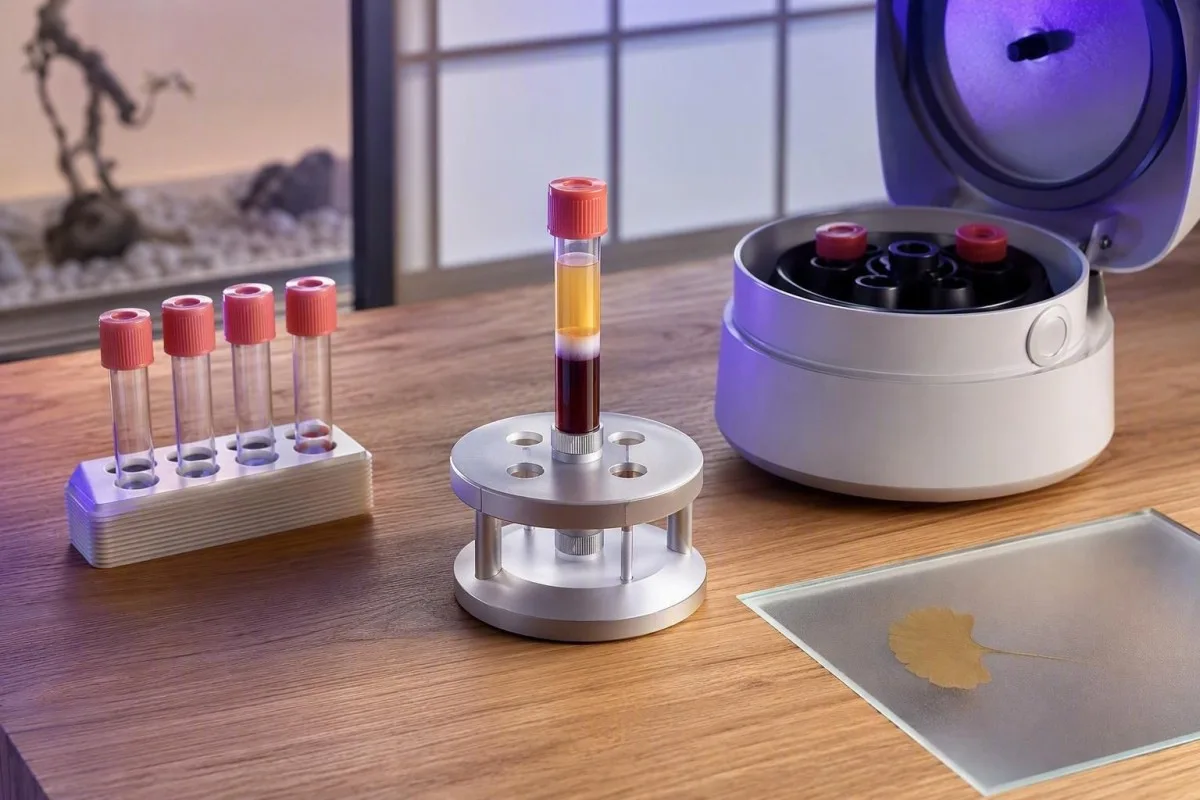
ප්රයෝජනවත් පළමු රුධිර සාම්පලයක් ඔබේ සාමාන්ය ශරීර විද්යාව වාර්තා කරයි, ඊයේ ව්යායාම, පානීය, නින්ද නොයාම, හෝ සෙම්ප්රතිශ්යාවක ජෛව රසායනික ප්රතිචාරය නොවේ. වසර ගණනාවක් පුරා භාවිතා කළ හැකි නැවත නැවතත් කළ හැකි සන්දර්භයක් නිර්මාණය කිරීම මෙහි අරමුණයි.


- මූලික පරීක්ෂණ වේලාව: නිරාහාර ග්ලූකෝස්, ට්රයිග්ලිසරයිඩ, යකඩ අධ්යයනය, හෝ ඉන්සියුලින් ඇතුළත් කර ඇත්නම්, ආහාර නොමැතිව පැය 8-12 කට පසුව උදෑසන රුධිර සාම්පලයක් වෙන්කරවා ගන්න.
- ව්යායාම විරාමය: සාමාන්ය මූලික පරීක්ෂණයට පෙර පැය 24-48ක් සඳහා අසාමාන්ය ලෙස දැඩි ප්රතිරෝධක පුහුණුව, කාල පරතරයන්, හෝ විඳදරාගැනීමේ සිදුවීම් මඟ හරින්න.
- මධ්යසාර කවුළුව: ට්රයිග්ලිසරයිඩ සහ අක්මා එන්සයිම පරීක්ෂණවලට පෙර අවම වශයෙන් පැය 48ක් සඳහා මධ්යසාර මඟ හරින්න; අධික ලෙස මත්පැන් පානය කිරීමෙන් ප්රතිඵල දිගු කලක් පවා විකෘති විය හැකිය.
- අසනීප රීතිය: උණ හෝ සැලකිය යුතු ශ්වසන හෝ ආමාශ ආන්ත්ර ආබාධ වල රෝග ලක්ෂණ පහව ගිය පසු අවම වශයෙන් සති 2 ක් දක්වා සුවතාවය මූලික පරීක්ෂණය කල් දමන්න.
- ජලීයකරණ ඉලක්කය: සාමාන්ය පරිදි පෙර දින බීමත්ව, ජලය 250-500 mL එකතු කිරීමට පැය 2 කට පෙර ගන්න, තරල සීමා කර ඇත්නම් මිස.
- බයෝටින් ගැන සැලකිලිමත් වන්න: බොහෝ ප්රතිශක්තිකරණ පරීක්ෂණවලට පෙර දින 48-72 පැය තුළ නියම නොකළ අධික මාත්රාවකින් යුත් බයෝටින් නතර කරන්න, නමුත් නියම කරන්නාගෙන් විමසීමකින් තොරව නියමිත ප්රතිකාරය කිසි විටෙකත් නතර නොකරන්න.
- චක්ර සන්දර්භය: ඊස්ට්රොජන්, ප්රොජෙස්ටරෝන්, එල්එච්, එෆ්එච්, සහ සමහර විට මේද සඳහා චක්ර දිනය සටහන් කරන්න; එය බොහෝ දෙනා සිතනවාට වඩා අර්ථ නිරූපණය වෙනස් කරයි.
- නැවත නැවත කළ හැකි වීම: කාලයත් සමඟ රසායනාගාර ප්රතිඵල නිරීක්ෂණය කරන විට එකම රසායනාගාරය, සමාන උදෑසන කාලය සහ සූදානම් වීමේ රටාව භාවිතා කරන්න.
පළමු රුධිර සාම්පලයක් සැබෑ මූලික මට්ටමක් බවට පත් කරන්නේ කුමක්ද?
A මූලික රුධිර පරීක්ෂාව සාමාන්ය සතියක් ග්රහණය කර ගන්නා විට එය වඩාත් ප්රයෝජනවත් වේ: ස්ථාවර ආහාර, සුපුරුදු ජලීයකරණය, උග්ර රෝගයක් නොමැතිකම, සහ අසාමාන්ය පුහුණුවක් හෝ බීමත්වීමක් නොමැතිකම. වැඩිහිටියන්ගෙන් අතිමහත් බහුතරයකට, ග්ලූකෝස්, ට්රයිග්ලිසරයිඩ, යකඩ සලකුණු, හෝ ඉන්සියුලින් මනින විට පැය 8-12 නිරාහාරව සිටීමෙන් පසු උදෑසන සාම්පලයක් නිර්දේශ කරමි.
ප්රායෝගික ඉලක්කය වන්නේ ප්රතිඵල වඩා හොඳින් පෙනෙන පරිදි කිරීම නොවේ. එය අඩු කිරීමට ය විශ්ලේෂණ පූර්ව වෙනස්කම්— විශ්ලේෂකයා සාම්පලය දකිනවාට පෙර සිදුවන වෙනස්කම්. 96 mg/dL හි නිරාහාර ග්ලූකෝස් සහ 105 mg/dL හි ට්රයිග්ලිසරයිඩ් මට්ටමක් යන දෙකම සම්පූර්ණයෙන්ම සාමාන්ය විය හැකිය, එහෙත් පුද්ගලයා ප්රමාද වී ආහාර ගත්තා නම්, 10 km දිව්වා නම්, හෝ පැය 3ක් නිදාගෙන සිටියා නම් ඔවුන්ගේ අර්ථය වෙනස් වේ.
මගේ සායනික කටයුතුවලදී, පළමු රුධිර සාම්පලය යොමු ඡායාරූපයක් ලෙස සලකන ලෙස මම රෝගීන්ට පවසමි. අවදි වන වේලාව, නිරාහාරව සිටින කාලය, ඖෂධ, අතිරේක, පෙර පැය 72 තුළ මත්පැන්, පෙර පැය 48 තුළ ව්යායාම, ඔසප් චක්ර දිනය, සහ මෑතකදී ආසාදනය වීම පිළිබඳ කෙටි වාර්තාවක් තබා ගන්න. එම වාර්තාව බොහෝ විට දෙවන පරීක්ෂණයේදී “සාමාන්ය” ලකුණකට වඩා ප්රයෝජනවත් වේ.
කන්ටෙස්ටි යනු AI රුධිර පරීක්ෂණ විශ්ලේෂකය රෝගයක් ලෙස උද්දීපනය කරන ලද සෑම අගයක්ම සලකනවා වෙනුවට එම ප්රායෝගික සන්දර්භය සමඟ ප්රතිඵල කියවීම සඳහා නිර්මාණය කර ඇත. අර්ථවත් පරීක්ෂණ ලැයිස්තුවක් සඳහා, අපගේ වාර්ෂික රුධිර වැඩ මාර්ගෝපදේශය වෙතින් ආරම්භ කර, ඔබේ ඉතිහාසය දන්නා වෛද්යවරයෙකු සමඟ අමතර දෑ එකඟ කරගන්න.
පදනම පුද්ගලික වන අතර, හුදෙක් “පරාසය තුළ” නොවේ”
රසායනාගාර යොමු කිරීමේ විචල්යතාවය සාමාන්යයෙන් තෝරාගත් ජනකාගාරයක අගයන්හි කේන්ද්රීය 9TP42T අඩංගු කරයි; එය ඔබේ සෞඛ්ය සම්පන්නම හෝ ආරක්ෂිතම පුද්ගලික අංකය නිර්වචනය නොකරයි. ක්රියේටිනින් ප්රතිඵලයක් රසායනාගාර පරාසය තුළ පැවතිය හැකි නමුත් ඔබේම නැවත නැවත ගත් අගයෙන් අර්ථවත් ලෙස ඉහළ යා හැකිය, ඒ නිසා මූලික ලේඛනගත කිරීම වැදගත් වේ.
නිරාහාරව සිටීම සහ පෙර දින ආහාර ගැනීම ප්රතිඵල හැඩගස්වන ආකාරය
එක කොටසක් පමණයි. පැය 8-12ක් ට්රයිග්ලිසරයිඩ, නිරාහාර ග්ලූකෝස්, ඉන්සියුලින්, සහ සෙරුම් යකඩ සඳහා වඩාත් පැහැදිලි පළමු සංසන්දනයක් නිපදවයි, නමුත් මේද පැනල් බොහොමයක් නිරාහාරව සිටීමකින් තොරව අර්ථ නිරූපණය කළ හැකිය. ජලය අවසර වන අතර සාමාන්යයෙන් උපකාරී වේ; කෝපි, යුෂ, විදුරුමස්, සහ කැලරි සහිත බීම සැබෑ නිරාහාරයක් නොවේ.
100 mg/dL ට අඩු නිරාහාර ප්ලාස්මා ග්ලූකෝස් සාමාන්යයෙන් සාමාන්ය වන අතර, 100-125 mg/dL අක්රීය නිරාහාර ග්ලූකෝස් පෙන්නුම් කරයි, සහ 126 mg/dL හෝ ඊට වැඩි ප්රමාණයක් රෝග ලක්ෂණ සහ කැපී පෙනෙන හයිපර්ග්ලයිසිමියා පවතින්නේ නම් මිස තහවුරු කිරීම අවශ්ය වේ. HbA1c ආසන්න වශයෙන් පෙර පැය 8-12 ක් පිළිබිඹු කරයි, එබැවින් එක් උදෑසන ආහාරයකින් එය අර්ථවත් ලෙස අඩු කළ නොහැක; ADA රසායනාගාර මාර්ගෝපදේශය ග්ලූකෝස් සහ HbA1c විවිධ ප්රශ්නවලට පිළිතුරු දෙන්නේ මන්දැයි පැහැදිලි කරයි (Sacks et al., 2023).
ට්රයිග්ලිසරයිඩ විශේෂයෙන් ආහාරයට සංවේදී වේ. 150 mg/dL ට අඩු අගයක් සාම්ප්රදායිකව සුදුසු වන අතර, 500 mg/dL හෝ ඊට වැඩි ප්රමාණයක් පැන්ක්රියටයිටිස් අවදානම පිළිබඳ සැලකිල්ලක් ඇති කරයි සහ කඩිනම් සායනික තක්සේරුවක් ලැබිය යුතුය. පොහොසත් ප්රමාද වූ ආහාර වේලක් හෝ මත්පැන් මඟින් වැරදි ලෙස ඉහළ පළමු ප්රතිඵලයක් නිර්මාණය කළ හැකිය, එබැවින් ට්රයිග්ලිසරයිඩ් නැවත පරීක්ෂා කිරීමේ සැලැස්මක් භාවිතා කරන්න, එක් දිනක් සඳහා “පරිපූර්ණ ලෙස ආහාර ගැනීමට” උත්සාහ කරනවාට වඩා.
කන්ටෙස්ටි යනු AI රුධිර පරීක්ෂණ ප්රතිඵල වේදිකාව වේගවත් තත්වයන් ආරක්ෂා කළ හැකි අතර, එමඟින් පසු සංසන්දනය කිරීම් වලදී දෝෂයන් අඩු වේ. අපගේ අවශ්ය වේ, අදාළ වන පරීක්ෂණ මොනවාද සහ අදාළ නොවන පරීක්ෂණ මොනවාද යන්න පැහැදිලි කරයි.
ව්යායාම අසාමාන්ය අක්මාව සහ වකුගඩු පරීක්ෂණවලට සමාන වන ආකාරය
දැඩි ව්යායාමය තාවකාලිකව ඉහළ නැංවිය හැක CK, AST, ALT, ක්රියේටිනින්, සුදු රුධිරාණු, සහ සමහර විට පොටෑසියම්, එබැවින් පදනම් තහඩුවට පෙර පැය 24-48 ක් සඳහා අසම්මත හෝ අධි-තීව්ර පුහුණුවක් මගින් වළකින්න. සෙමින් ඇවිදීම සහ සාමාන්ය දෛනික චලනය හොඳය.
මා විසින් සමාලෝචනය කරන ලද 52-හැවිරිදි මැරතන් ධාවන ශූරයෙකුට දිගු ධාවන තරඟයකින් පසුව AST 89 IU/L, ALT 36 IU/L සහ CK 2,000 IU/L ට වඩා වැඩි විය. එම රටාව අක්මා තුවාලයකට වඩා පුහුණුවීමෙන් සිදුවන මාංශ පේශි වලට යොමු විය, නමුත් එය සුවය ලැබීමෙන් පසු නැවත කිරීමට අවශ්ය විය; හුදකලා සංඛ්යා කලාතුරකින් ප්රමාණවත් වේ. පිළිබඳ වැඩිදුර කියවන්න ව්යායාමයෙන් පසු AST අක්මා ගැටලුවක් යැයි උපකල්පනය කිරීමට පෙර.
ක්රියේටීන් කිනස් යොමු සීමාවන් රසායනාගාරය, ලිංගභේදය, මූලාරම්භය, මාංශ පේශි ස්කන්ධය, සහ පුහුණු තත්ත්වය අනුව වෙනස් වේ, නමුත් බොහෝ රසායනාගාරවල ආසන්න වශයෙන් 200-300 IU/L ට වඩා වැඩි අගයන් සලකුණු කරයි. exertion පසු උඩු සීමාව 5 ගුණයකට වඩා වැඩි CK සාමාන්ය වේ; 5,000 IU/L ට වඩා වැඩි CK තද මුත්රා, දැඩි මාංශ පේශි වේදනාව, හෝ අඩු මුත්රා නිස්සාරණය සමඟ exertion rhabdomyolysis සඳහා හදිසි තක්සේරුවක් අවශ්ය වේ.
ජල අහිමි වීම නිසා මාංශ පේශි බිඳවැටීම සහ වකුගඩු රුධිර ප්රවාහය අඩුවීම හරහා තීව්ර ක්රියාකාරකම් වලින් පසුව ක්රියේටීන් ඉහළ යයි. ධාවන තරඟයකින් පසු සාම්පලයකින් අඩු eGFR නිදන්ගත වකුගඩු රෝගයක් ලෙස සුව කිරීමේ පරීක්ෂාවකින් තොරව අර්ථකථනය නොකරන්න; අපගේ ව්යායාම ක්රියේටිනින් මාර්ගෝපදේශය ආරක්ෂිත නැවත ඇඳීමේ කවුළුව පැහැදිලි කරයි.
පැය 48 ක නැවත සැකසීම සෑම කෙනෙකුටම රීතියක් නොවේ
විනෝදාත්මක ජිම් සැසියක් සඳහා, පැය 24 ක් බොහෝ විට ප්රමාණවත් වේ. අති-මැරතන්, CrossFit තරඟාවලිය, බර eccentric lifting, හෝ තාප නිරාවරණය වීමෙන් පසුව, සිදුවීම තක්සේරු කිරීමට වඩා ස්ථායී පදනමක් සඳහා නම්, මම බොහෝ විට පැය 48-72 ක් බලා සිටිමි.
මත්පැන් 48-පැය මූලික විරාමයකට සුදුසු ඇයි
අවම වශයෙන් සඳහා මත්පැන් වැළැක්වීම 48 පදනම් රුධිර පරීක්ෂාවට පෙර ට්රයිග්ලිසර්රයිඩ්, ග්ලූකෝස්, GGT, AST, ජලවායු සලකුණු, සහ නින්දට සම්බන්ධ කායික විද්යාවේ කෙටි කාලීන විකෘති කිරීම් අඩු කරයි. තනි බර සවසක් බොහෝ රෝගීන් අපේක්ෂා කරනවාට වඩා වැදගත් විය හැකිය.
මත්පැන්, විශේෂයෙන් අධික කාබෝහයිඩ්රේට් ආහාර ගැනීමෙන් පසු, අක්මාවේ ඉතා-පහත්- ඝනත්ව ලිපොප්රෝටීන් නිෂ්පාදනය වැඩි කිරීමෙන් ට්රයිග්ලිසර්රයිඩ් ඉහළ නැංවිය හැකිය. බලපෑම විචල්ය වේ: එක් පුද්ගලයෙකුගේ ප්රතිඵලය පැය 24 කින් පදනම් මට්ටමට පැමිණෙන අතර, මේද අක්මාව, දියවැඩියාව, හෝ අධික පරිභෝජනය ඇති අනෙක් අය දින කිහිපයක් සඳහා වෙනස්කම් පෙන්විය හැකිය. සති අන්තයේ බීම වලින් පසු 220 mg/dL හි ෆාස්ටින් ට්රයිග්ලිසර්රයිඩ් ස්ථාවර පරිවෘත්තීය ගැටලුවක් නම් කිරීමට පෙර නැවත කළ යුතුය.
GGT සංවේදී නමුත් අනිශ්චිත ය. බොහෝ රසායනාගාර පිරිමින් සඳහා 55-60 IU/L සහ කාන්තාවන් සඳහා 35-40 IU/L පමණ ඉහළ සීමාවන් භාවිතා කරයි, එහෙත් ඖෂධ, කොලෙස්ටැසිස්, මේද අක්මාව, සහ මත්පැන් සියල්ල ඉහළ නැංවිය හැකිය. අර්ථවත් රටාව වන්නේ GGT, ALT, ALP, බිලිරුබින්, පට්ටිකා ගණන, සහ මත්පැන් ඉතිහාසය; ඒවායේ කොටස් කෙසේද යන්න සඳහා අපගේ බලන්න. අක්මා පැනල් පැහැදිලි කිරීම මෙම කොටස් එකට ගැළපෙන ආකාරය.
සැප්තැම්බර් 1, 2026 වන විට, අක්මා ප්රතිඵල වැඩි දියුණු කිරීමට “විෂහරණය” හෝ අධික ලෙස වේගවත් කිරීම මම තවමත් නිර්දේශ නොකරමි. සාමාන්ය ආහාර, සාමාන්ය ජලය, මත්පැන් නැත, සහ ලේඛනගත කාල සීමාවක් පිරිසිදු විද්යාවකි. සති කිහිපයක පරතරයකින් යුත් 2 සාම්පල වල රසායනාගාරයේ ඉහළ සීමාවට වඩා වැඩි ALT අඛණ්ඩව පැවතීම වෛද්ය සමාලෝචනයක්, අන්තර්ජාල පිරිසිදු කිරීමක් නොවේ.
අසනීප හෝ එන්නත් කිරීම සුවය සඳහා රුධිර සාම්පලයක් ප්රමාද කළ යුත්තේ කවදාද?
උණ, ක්රියාකාරී ආමාශ ආන්ත්ර ආබාධ, සැලකිය යුතු ශ්වසන ආසාදනයක් හෝ සුව වූ පසු පළමු සති 1-2 තුළ යහපැවැත්මේ මූලික මට්ටම ප්රමාද කරන්න, මන්ද CRP, ෆෙරිටින්, සුදු රුධිරාණු, පට්ටිකා, ග්ලූකෝස් සහ තයිරොයිඩ් පරීක්ෂණය තාවකාලිකව වෙනස් විය හැක. හදිසි රෝග විනිශ්චය පරීක්ෂණය වෙනස් වේ: ඔබ අසනීප වූ විට එය ප්රමාද නොකරන්න.
C-reactive protein සාමාන්යයෙන් පැය 6-8ක් ඇතුළත දැවිල්ලකදී ඉහළ යන අතර, හේතුව සමනය වූ පසු ඉක්මනින් පහත වැටිය හැක. 3 mg/L ට වඩා අඩු CRP බොහෝ විට හෘද වාහිනී අවදානම් වර්ගීකරණය සඳහා භාවිතා කරනු ලබන්නේ පුද්ගලයා සායනිකව යහපත් වූ විට පමණි; සෙම්ප්රතිශ්යාවක් අතරතුර 18 mg/L ප්රතිඵලයක් දිගුකාලීන සනාල අවදානම ගැන එතරම් දෙයක් නොකියයි. CRP සහ ඇල්බියුමින් රටාව ඕනෑම ප්රතිඵලයකට වඩා තොරතුරු සපයයි.
ෆෙරිටින් යනු යකඩ ගබඩා කරන ප්රෝටීනයක් මෙන්ම උග්ර-අදියර ප්රතික්රියාකාරකයක් ද වේ. ආසාදනයක් අතරතුර 110 ng/mL ෆෙරිටින්, යකඩ හිඟ තොග සඟවා තැබිය හැකි අතර, 15 ng/mL ට වඩා අඩු ෆෙරිටින්, වෙනත් ආකාරයකින් නිරෝගී වැඩිහිටියෙකුගේ යකඩ ඌRunthāva සඳහා ඉතා විශේෂිත වේ. මෙය මම ෆෙරිටින් ට්රාන්ස්ෆරින් සතූරේෂන්, CRP, හිමොග්ලොබින් සහ සායනික කථාව සමඟ යුගල කරන්නේ එබැවිනි.
එන්නත් කිරීම මගින් CRP සහ සුදු රුධිරාණු උප සමූහවල තාවකාලික වෙනස්කම් ඇතුළුව සංක්ෂිප්ත ප්රතිශක්තිකරණ ප්රතිචාරයක් ඇති කළ හැකිය. නිශ්ශබ්ද මූලික මට්ටමක් අරමුණු කරන්නේ නම්, සාමාන්ය පරීක්ෂණ සාමාන්යයෙන් එන්නත් කිරීමෙන් දින 3-7 කට පසුව බලා සිටිය හැකි නමුත්, ඖෂධ අධීක්ෂණය සඳහා නියමිත ආරක්ෂක පැනලයක් නියම කරන වෛද්යවරයාගේ උපදෙස් අනුගමනය කළ යුතුය. අපේ එන්නත් පසු රසායනාගාර මාර්ගෝපදේශය ප්රායෝගික වෙනස්කම් ආවරණය කරයි.
සති දෙකක රීතියට ව්යතිරේඛ ඇත
නියුමෝනියාව, රෝහල් ගතවීම, බෝවන මොනොනියුක්ලියෝසිස්, හෝ නිදන්ගත රෝගයක දරුණු උග්රවීමකින් පසුව, සති දෙකක් ප්රමාණවත් නොවිය හැකිය. එම අවස්ථාවලදී, මම දින දර්ශනයකට වඩා රෝග ලක්ෂණ සුව කිරීම, CRP ප්රවණතාවය සහ වෛද්ය තීරණය බොහෝ විට භාවිතා කරමි.
නින්ද නොයාම සහ වේලාව රුධිර පරීක්ෂණයක් වෙනස් කරන ආකාරය
නින්ද නොයාමෙන් එක රැයක් පමණක් වීමෙන් නිරාහාර ග්ලූකෝස්, කෝටිසෝල්, රුධිර පීඩනය සහ දැවිල්ල සංඥා ඉහළ යා හැකි අතර, කාලය ටෙස්ටොස්ටෙරෝන්, කෝටිසෝල්, යකඩ සහ TSH වෙනස් කළ හැකිය. පළමු මූලික මට්ටම සඳහා, ඉලක්ක කරන්න පැය 7-9 ක සාමාන්ය නින්ද සහ හැකි නම්, පෙරවරු 7 ත් 10 ත් අතර නියැදිය ගන්න.
කෝටිසෝල් ශක්තිමත් දෛනික රිද්මයක් අනුගමනය කරයි. උදෑසන සෙරුම් කෝටිසෝල් සාමාන්යයෙන් උදෑසන 8 ට පමණ මනිනු ලැබේ, නමුත් රුධිරය ගැනීමේ කාලය, රෝග ලක්ෂණ සහ බොහෝ විට ACTH පරීක්ෂණය නොමැතිව අගයක් ඇඩ්රිනල් රෝග විනිශ්චය කළ නොහැක. පෙර උදෑසන 8 ත් 10 ත් අතර නියැදියක් සමඟ සසඳන විට පස්වරු නියැදියක්, එකම රසායනාගාරය දෙකම කළත්, වලංගු ප්රවණතාවක් නොවේ.
පැය 4-5 ක නින්ද සීමා කිරීම ඊළඟ උදෑසන ඉන්සියුලින් සංවේදීතාවය නරක අතට හැරවිය හැකි අතර ආහාර හෝමෝන වෙනස් කළ හැකිය; රසායනාගාරයේ වෙනස්කමේ ප්රමාණය පුද්ගලයා අනුව සැලකිය යුතු ලෙස වෙනස් වේ. මම මෙය බොහෝ විට දකින්නේ ෂිෆ්ට් කම්කරුවන්, නව දෙමාපියන් සහ නිතර ගමන් කරන්නන් අතර, එහිදී “මූලික මට්ටමක්” ආදර්ශමත් එකක් වෙනුවට ඔවුන්ගේ සැබෑ කාලසටහන නියෝජනය කළ යුතුය. අපේ නින්දේ රසායනාගාර මාර්ගෝපදේශය ප්රයෝජනවත් සටහන් ලැයිස්තුවක් පිරිනමයි.
ආචාර්ය තෝමස් ක්ලයින්ගේ ප්රායෝගික උපදෙස් සරල ය: නරක නින්දක් හේතුවෙන් අවශ්ය පරීක්ෂණයක් අවලංගු නොකරන්න, නමුත් එය ලියාපදිංචි කරන්න. රාත්රිය පුරාම සිටීමෙන් පසු මායිම්ගත නිරාහාර ග්ලූකෝස් 103 mg/dL නම්, ප්රෙඩයබටීස් ගැන නිගමනවලට එළඹීමට පෙර සාමාන්ය තත්ව යටතේ නැවත කරන්න.
කැෆේන් සැම විටම හානිකර නොවන සූදානමක් නොවේ
කළු කෝපි බොහෝ පරීක්ෂණ වලට එතරම් බලපෑමක් නොකළද, එය ග්ලූකෝස්, කැටෙකොලමයින්, රුධිර පීඩනය සහ සමහර විශේෂිත අන්තරාසර්ග පරීක්ෂණ වලට බලපෑම් කළ හැකිය. නිරාහාර ඉන්සියුලින්, ග්ලූකෝස්, කෝටිසෝල්, හෝ මෙටනෙප්රින් නියම කර ඇත්නම්, සාමාන්ය ජලය වඩාත් අවිනිශ්චිත තේරීම වේ.
කුමන අතිරේක සහ ඖෂධ වාර්තා කළ යුතුද?
සාමාන්ය රුධිර පරීක්ෂණය සඳහා නියමිත ඖෂධ ගැනීම නතර නොකරන්න, එසේම වෛද්යවරයා විසින් එසේ කිරීමට උපදෙස් දුන්නේ නම් මිස, මාත්රාව සහ කාලය සමඟ සෑම ඖෂධයක්ම සහ අතිරේකයක්ම ලියා ගන්න. බයෝටින්, යකඩ, B12, ක්රියේටිනින්, අයඩීන්, කෝටිකොස්ටෙරොයිඩ්, සහ ඩිකන්ජෙස්ටන්ට් ජීව විද්යාව හෝ පරීක්ෂණ ක්රමය වෙනස් කළ හැකිය.
අධික මාත්රාවලින් ගන්නා බයෝටින්, බොහෝ විට කෙස් සහ නිය නිෂ්පාදනවල දිනකට 5,000-10,000 මයික්රෝග්රෑම්, සමහර ස්ට්රෙප්ටාවිඩින්-බයෝටින් ඉමියුනෝසෙස් වලට බාධා කළ හැකිය. එය පරීක්ෂණ සැලසුම අනුව TSH මට්ටම වැරදි ලෙස අඩු හෝ නිදහස් T4, ට්රොපොනින්, හෝ හෝමෝන ප්රතිඵල වැරදි ලෙස ඉහළ මට්ටමක පෙන්විය හැකිය. නියම නොකළ බයෝටින් සඳහා දින 48-72 ක විරාමයක් සාමාන්යයෙන් භාවිතා කරයි, නමුත් එය වෛද්ය තත්වයක් සඳහා ගන්නා පුද්ගලයින් මුලින්ම ඔවුන්ගේ වෛද්යවරයාගෙන් විමසිය යුතුය.
මුඛ යකඩ සෙරුම් යකඩ තාවකාලිකව ඉහළ නැංවිය හැකි අතර, ක්රියේටිනින් අතිරේකයන් සැබෑ පෙරීම අඩු නොකර ක්රියේටිනින් වැඩි කළ හැකිය. කෝටිකොස්ටෙරොයිඩ් ග්ලූකෝස් සහ සුදු රුධිරාණු ඉහළ නැංවිය හැක; ප්රෝටෝන-පොම්ප නිෂේධක කාලයත් සමඟ මැග්නීසියම් සහ B12 වලට බලපෑම් කළ හැකිය. නිවැරදි ප්රතිචාරය වන්නේ සන්දර්භය මිස හදිසි ස්වයං-විසංයෝජනය නොවේ; අපගේ අතිරේක නිරාහාර මාර්ගෝපදේශය පොදු ව්යතිරේඛයන් පැහැදිලි කරයි.
කන්ටෙස්ටි යනු AI මගින් බලගැන්වූ රුධිර පරීක්ෂණ විශ්ලේෂණ මෙවලම ප්රතිඵල අසල වාර්තා කරන ලද අතිරේකයන් ලැයිස්තුගත කරන අතර එමඟින් පැහැදිලි තයිරොයිඩ් හෝ වකුගඩු වෙනසක් එය පැහැදිලි කළ හැකි නිරාවරණය සමඟ සමාලෝචනය කළ හැකිය. රෝගීන්ට ඔවුන්ගේ සායනික නිරවද්යතා චෙක්ලැයිස්ට් සමඟ වාර්තා කරන ලද ප්රතිඵල සංසන්දනය කළ හැකිය, අනපේක්ෂිත කොඩියක් මත ක්රියා කිරීමට පෙර.
ඖෂධ ගැනීම කාලය නියම කිරීමේ කොටසක් විය හැකිය
තයිරොයිඩ් ආදේශනය, ටෙස්ටොස්ටෙරෝන් චිකිත්සාව, ඉන්සියුලින්, ඩයුරටික්, සහ ප්රති-කැටිලන්ට් යන සෑම එකක්ම පරීක්ෂණ-නිශ්චිත කාල අනුගමනය කරයි. උදාහරණයක් ලෙස, අනුකූලතාව නිරීක්ෂණය කිරීම සඳහා තයිරොයිඩ් පරීක්ෂණ බොහෝ විට දිවා ආහාරයට පෙර ලබා ගනු ලැබේ, නමුත් නියම කරන වෛද්යවරයාගේ ප්රොටෝකෝලය ප්රමුඛතාවය ගත යුතුය.
ඔසප් චක්රයේ වේලාව පළමු හෝමෝන මූලික මට්ටමට බලපාන ආකාරය
ප්රජනන හෝමෝන පරීක්ෂණය සඳහා, චක්ර දිනය ප්රතිඵලයේ කොටසකි. FSH, LH, එස්ටැඩිෙයෝල්, ප්රොජෙස්ටරෝන්, ටෙස්ටොස්ටෙරෝන්, ප්රොලැක්ටින්, සහ සමහර විට ලිපිඩ චක්රය පුරා වෙනස් විය හැකිය, එබැවින් වාර්තා නොකළ දිනයක් අර්ථ නිරූපණය දුර්වල කරයි.
මුල්-ෆොලිකුලර් පරීක්ෂණය, බොහෝ විට චක්ර දින 2-5, 2-5, බොහෝ විට FSH, LH, සහ එස්ටැඩිෙයෝල් සඳහා මූලික පරීක්ෂණය ලෙස භාවිතා කරයි. ප්රොජෙස්ටරෝන් සාමාන්යයෙන් ඩිම්බ මෝචනයෙන් දින 7 කට පසුව මනිනු ලැබේ - ස්වයංක්රීයව “දිනය 21” නොවේ, මන්ද දින 35 ක චක්රයක් වෙනස් ජීව විද්යාවකට අනුගමනය කරයි. දළ වශයෙන් 3 ng/mL ට වඩා වැඩි ප්රොජෙස්ටරෝන් අගය බොහෝ සැකසුම් වල මෑතකාලීන ඩිම්බ මෝචනයට සහාය විය හැකිය, නමුත් නිශ්චිත අර්ථ නිරූපණය පරීක්ෂණය සහ කාලය මත රඳා පවතී.
ප්රොලැක්ටින් ආතතිය, මෑතකාලීන ව්යායාම, ලිංගික ක්රියාකාරකම් සහ දුෂ්කර සාම්පල එකතු කිරීමට සංවේදී වේ. මධ්යස්ථ ඉහළ යාම බොහෝ විට මිනිත්තු 20-30 ක නිහඬ විවේකයකින් පසුව නැවත නැවතත් සිදු කරනු ලැබේ, වඩාත් සුදුසු උදෑසන; 100 ng/mL ට වඩා ඉහළ මට්ටමක පවතී නම්, ඖෂධ බලපෑම් පොදු වන අතර, කඩිනම් අන්තරාසර්ග තක්සේරුවක් ලැබිය යුතුය. අපගේ බලන්න ප්රොලැක්ටින් නැවත පරීක්ෂණ මාර්ගෝපදේශය ඥානවන්ත ඊළඟ පියවර සඳහා.
චක්ර-ආශ්රිත ලිපිඩ මාරුවීම් සැබෑ නමුත් සාමාන්යයෙන් බර, ආහාර, මධ්යසාර, දියවැඩියාව, හෝ ජාන විද්යාවෙන් වන වෙනස්කම් වලට වඩා කුඩා ය. ඔබ වසර ගණනාවක් පුරා රුධිර පරීක්ෂණ සමඟ සෞඛ්යය නිරීක්ෂණය කිරීමට අදහස් කරන්නේ නම්, නැවත ලිපිඩ සහ හෝමෝන පැනල් සඳහා සමාන චක්ර අවධියක් තෝරන්න, විශේෂයෙන් රෝග ලක්ෂණ හෝ ප්රතිකාර ඇගයීමට ලක් කරන විට.
හෝමෝන සංසේචනය ප්රශ්නය වෙනස් කරයි
ඒකාබද්ධ හෝමෝන සංසේචනය අභ්යන්තර FSH, LH, එස්ටැඩිෙයෝල්, සහ ඇන්ඩ්රොජන් මිනුම් මර්දනය කළ හැකිය, එබැවින් මෙම ප්රතිඵල ප්රතිකාර නොකළ ශරීර විද්යාව විස්තර නොකරනු ඇත. ගැබ්ගැනීමේ අවදානම සහ පරීක්ෂා කිරීමේ සායනික හේතුව සලකා බැලීමකින් තොරව මූලික ලබා ගැනීම සඳහා සංසේචනය නතර නොකරන්න.
ජලීයතාව, ඉරියව්ව සහ එකතු කිරීමේ තාක්ෂණය වැදගත් වන්නේ ඇයි?
සාමාන්ය තරල පරිභෝජනය සහ නියැදිය ලබා ගැනීමට මිනිත්තු 10-15කට පෙර වාඩි වී විවේක ගැනීම ප්රතිඵලවල නැවත නැවත සිදුවීමේ හැකියාව වැඩි දියුණු කරයි, මන්ද විජලනය, වැඩි වේලාවක් සිටීම සහ දුෂ්කර නියැදිය ලබා ගැනීම නිසා කිහිපයක් ප්රතිඵල සාන්ද්රණය විය හැකිය හෝ වෙනස් විය හැකිය. ඊට පෙර දවසේ සාමාන්ය පරිදි පානය කරන්න, සහ දියර සීමා කර නොමැති නම්, මිලි ලීටර් 250-500 ජලය හමුවීමට පැය 2කට පෙර.
ප්ලාස්මා පරිමාව හැකිලීම නිසා හීමොග්ලොබින්, හීමොක්රිට්, ඇල්බියුමින්, කැල්සියම්, මුළු ප්රෝටීන් සහ ක්රියේටිනින් සාමාන්ය තරල පරිභෝජනය යටතේ පවතින ප්රමාණයට වඩා වැඩි විය හැකිය. ඊට වෙනස්ව, පරීක්ෂාවට පෙර වහාම ලීටර් ගණනක ජලය පානය කිරීමෙන් සෝඩියම් සහ අනෙකුත් මිනුම් තනුක කළ හැකිය. සාමාන්ය සෝඩියම් පරාසය සාමාන්යයෙන් 135-145 mmol/L වේ, නමුත් අනපේක්ෂිත ප්රතිඵලයක් සැමවිටම තරල පරිභෝජනය සහ ග්ලූකෝස් තත්ත්වය සමඟ අර්ථකථනය කළ යුතුය.
ඉරියව්ව මිනිසුන් සිතනවාට වඩා වැදගත් ය. සිටගෙන සිටීම තරල මාරු වීම හරහා ඇල්බියුමින් සහ ප්රෝටීන්-ආශ්රිත විශ්ලේෂක වැඩි කළ හැකි අතර, ටූර්නිකට් කාලය වැඩි වීම සහ නැවත නැවත ග්රහණය කිරීම නිසා පොටෑසියම් සහ ලැක්ටේට් අසත්ය ලෙස ඉහළ යා හැකිය. වකුගඩු රෝගයක්, රෝග ලක්ෂණ හෝ ECG වෙනස්කම් නොමැතිව 5.5 mmol/L ට වඩා වැඩි පොටෑසියම් සාමාන්යයෙන් ඉක්මනින් නැවත පරීක්ෂා කරනු ලැබේ, මන්ද නියැදිය ලබා ගැනීමේ දෝෂය සාමාන්ය වේ; අපගේ පොටෑසියම් නියැදිය ලබා ගැනීමේ දෝෂ මාර්ගෝපදේශය පිළිබඳ අපගේ ලිපිය ඒක පැහැදිලි කරයි.
ඔසප් වීම, පාචනය නිසා මෑතකදී තරල අහිමි වීම, මුත්රාශ ස්ප්රේ ඖෂධ, සහ සෝනා භාවිතය සියල්ල නියැදිය ලබා ගැනීමේ සටහනට එක් කළ යුතුය. විජලනයෙන් පසු eGFR අනපේක්ෂිත ලෙස අඩු වුවහොත්, සාමාන්ය පරිභෝජනය නැවත ලබාගෙන නැවත පරීක්ෂා කිරීම ගැන සාකච්ඡා කරන්න; බලන්න තාවකාලික eGFR වෙනස්කම් ස්ථිර වකුගඩු හානියක් උපකල්පනය කිරීමට පෙර.
රතු නලය රෝග විනිශ්චයක් නොවේ
නලයේ වර්ණය රසායනාගාර සැකසුම් සඳහා භාවිතා කරන ආකලන හඳුනා ගනී, පරීක්ෂණයේ බරපතලකම නොවේ. සායනික වශයෙන් වැදගත් වන්නේ නිවැරදි නල තේරීම, ප්රවාහන උෂ්ණත්වය, සැකසුම් ප්රමාදය සහ රසායනාගාරය හීමොලිසිස් හෝ ප්රමාණවත් නොවන නියැදියක් වාර්තා කරයිද යන්නයි.
පළමු රුධිර සාම්පලයට පසුව ප්රතිඵල සංසන්දනය කරන්නේ කෙසේද?
ඔබ රසායනාගාර ප්රතිඵල කාලයත් සමඟ නිරීක්ෂණය කරන සෑම විටම එකම රසායනාගාරය, සමාන නියැදිය ලබා ගැනීමේ වේලාවක් සහ සමාන සූදානම් කිරීමේ පිළිවෙතක් භාවිතා කරන්න. සැබෑ ජීව විද්යාත්මක වෙනසක් විශ්ලේෂණ ක්රමය, නිරාහාරව සිටීමේ තත්ත්වය, ව්යායාම සහ සාමාන්ය දෛනික විචලනයෙහි ඒකාබද්ධ බලපෑමට වඩා කුඩා විය හැකිය.
LDL කොලෙස්ටරෝල් සෘජුව මැනීමට වඩා ගණනය කළ හැකිය, අතර ට්රයිග්ලිසරයිඩ වැඩි වන විට ගණනය කිරීම අඩු විශ්වාසදායක වේ. 2018 AHA/ACC කොලෙස්ටරෝල් මාර්ගෝපදේශය බොහෝ පුද්ගලයින් තුළ නිරාහාරව නොසිටීමේ තිරගත කිරීම් වලට සහාය දක්වයි, නමුත් ඉතා ඉහළ ට්රයිග්ලිසරයිඩ සහ රෝග විනිශ්චය අවිනිශ්චිතතාවය (Grundy et al., 2019) ඇතුළු තෝරාගත් තත්වයන් තුළ නිරාහාරව සිටීමේ තක්සේරුවක් නිර්දේශ කරයි. තීරණාත්මක කරුණ වන්නේ අනුකූලතාව මිස පරිපූර්ණත්වය නොවේ.
යොමු වෙනස් කිරීමේ අගය, හෝ RCV, විශ්ලේෂණමය නොවැදගත්කම සහ තනි පුද්ගලයෙකුගේ සාමාන්ය ජීව විද්යාත්මක විචලනය ඒකාබද්ධ කරයි. එක් මාර්කරයක 10% චලනයක් ශබ්දය විය හැකි අතර අනෙකක 30% වෙනසක් අර්ථවත් විය හැකිය; සෑම පරීක්ෂණයකටම අදාළ වන විශ්වීය ප්රතිශතයක් නොමැත. අපගේ මෙම වෙනස සැබෑ මාර්ගෝපදේශයද ඊතල වලට පාට සංකේත යෙදීමෙන් ඔබ්බට ප්රවණතා සඳහා මන්දැයි පෙන්වයි.
Kantesti AI විශ්ලේෂණ ඒකක, යොමු පරතර, නියැදිය ලබා ගැනීමේ දිනයන් සහ අදාළ ජෛව මාර්කර් සංසන්දනය කිරීමෙන් නැවත නැවත සිදු වන පැනල් අර්ථකථනය කරයි, සාමාන්ය නොවන කොඩි ගණන් කිරීම පමණක් නොවේ. අපගේ AI සංසන්දන ක්රියාපටිපාටිය මෙම දිගුකාලීන ප්රශ්නය සඳහා ගොඩනඟා ඇත: අවධානය යොමු කිරීමට තරම් වෙනස් වී ඇත්තේ කුමක්ද?
මුල් වාර්තාව තබා ගන්න
PDF හෝ පැහැදිලි ඡායාරූපය සුරකින්න, ටයිප් කළ ප්රතිඵලය පමණක් නොවේ. ඒකක පරිවර්තනය, රසායනාගාර පරාසයන්, හීමොලිසිස් පිළිබඳ අදහස්, සහ LDL ගණනය කර ඇත්ද යන්න අනාගත වෛද්යවරයෙකු විසින් ප්රවණතාවය කියවන ආකාරය ද්රව්යමය ලෙස වෙනස් කළ හැකිය.
සෑම රුධිර පරීක්ෂාවකින්ම සුරැකිය යුතු සන්දර්භ සටහන
කෙටි සන්දර්භ සටහනක් හුදකලා සංඛ්යා භාවිතා කළ හැකි දිගුකාලීන දත්ත බවට පත් කරයි. වාර්තාව දිනය, වේලාව, නිරාහාර පැය, නින්ද, ව්යායාම, මත්පැන්, අසනීප, ඖෂධ, අතිරේක, චක්ර දිනය, බර වෙනස්කම්, සහ නව රෝග ලක්ෂණ සෑම නියැදිය ලබා ගැනීමේදී.
මගේ අවම සටහනට අයිතම අටක් ඇත: එකතු කරන වේලාව; නිරාහාරව සිටින කාලය; පැය 48ක් ඇතුළත ව්යායාම; පැය 72ක් ඇතුළත මත්පැන්; වත්මන් අසනීපය; බෙහෙත් වෙනස්කම්; අතිරේක මාත්රාව සහ අවසාන මාත්රාව; සහ ගැහැණු ආර්තව චක්රය හෝ ගැබ් ගැනීම සම්බන්ධ තත්ත්වය. මෙම තත්ත්වයන් අදාළ වන විට ගමන්, ජෙට් ලැග්, සහ උන්නතාංශය එකතු කරන්න, මන්ද මේ සෑම එකක්ම හයිඩ්රේෂන්, කෝටිසෝල්, හිමොග්ලොබින්, සහ නින්දට සංවේදී සලකුණු වෙනස් කළ හැකිය.
දින 10ක් තුළ කිලෝග්රෑම් 1.5ක බර අඩු වීම, අලුත් උස ප්රෝටීන් ආහාරයක් ගැනීම, හෝ අඛණ්ඩ රාත්රී කිහිපයකින් නින්ද බාධා වීම කාලයත් සමඟ මධ්යස්ථ රුධිර පරීක්ෂණ වෙනස්කම් පැහැදිලි කළ හැකිය. එය ප්රතිඵලය වැදගත් නොවන බවක් අදහස් නොකරයි - එය එය අර්ථ නිරූපණය කළ හැකි එකක් කරයි. නැවත භාවිතා කළ හැකි අනුවාදයක් සඳහා, අපගේ රසායනාගාර සන්දර්භ ලුහුබැඳීම රෝගීන් බොහෝ විට අමතක කරන විස්තර ඇතුළත් කරයි.
ආචාර්ය තෝමස් ක්ලයින් මහතා පවසන්නේ ප්රතිඵල බලාපොරොත්තුවෙන් සිටින අතරතුර නොව, නිවසින් පිටවීමට පෙර සටහනක් ලියන ලෙසයි. අනපේක්ෂිත සලකුණක් පසු මතකය විශ්වාස කළ නොහැකි වන අතර, මිනිසුන් තේරුම් ගත හැකි පරිදි පෙර සතියේ අංකය ගැලපෙන පරිදි නැවත ගොඩනඟයි.
“සවි කිරීමක්” ලෙස වාර්තා නොකළ යුතු දේ”
වඩාත් ආකර්ශනීය පළමු මූලික රේඛාවක් ලබා ගැනීම සඳහා පමණක් ආහාර, ජලය පානය, ව්යායාම, හෝ අතිරේක ඖෂධ වෙනස් නොකරන්න. මූලික රේඛාවක් ඔබේ ජීවිතය නියෝජනය කළ යුතුය; එසේ නොමැති නම් ඊළඟ පරීක්ෂණය සරලවම වඩාත් අවංක නිසා නරක ලෙස පෙනෙනු ඇත.
කුමන මායිම් සොයාගැනීම් කනස්සල්ලට පෙර නැවත නැවත කළ යුතුද?
බොහෝ මායිම් මූලික රේඛා ප්රතිඵල රෝග ලෙස සැලකීමට පෙර ස්ථාවර තත්වයන් යටතේ නැවත නැවතත් කළ යුතුය, විශේෂයෙන් අක්මා එන්සයිම, ක්රියේටිනින්, පොටෑසියම්, ප්රොලැක්ටින්, නියුට්රොෆිල්, සහ ට්රයිග්ලිසරයිඩවල හුදකලා වූ සුළු වෙනස්කම්. හදිසි රෝග ලක්ෂණ හෝ කැපී පෙනෙන අසාමාන්ය අගයන් ව්යතිරේකයකි.
රසායනාගාරයේ ඉහළ සීමාවට වඩා 2 ගුණයක් අඩු ALT, සාමාන්ය බිලිරුබින්, ALP, සහ රෝග ලක්ෂණ නොමැති විට, මත්පැන්, දැඩි ව්යායාම, හෝ අන්තර් intercurrent අසනීප වැනි තාවකාලික දායකයින් ඉවත් කිරීමෙන් පසු සාමාන්යයෙන් නැවත පරීක්ෂා කෙරේ. බිලිරුබින් මට්ටම 3 mg/dL ට වඩා වැඩි වීම, කහගුළිය, තද මුත්ර, සුදුමැලි මළපහ, උණ, හෝ උදර වේදනාව සමඟ වෙනස් වන අතර සාමාන්ය මූලික නැවත ඇඳීම සඳහා බලා නොසිටිය යුතුය.
සුළු වශයෙන් අඩු නියුට්රොෆිල් ගණනක් වෛරස් ආසාදනයකින් පසුව හෝ පුද්ගලයාගේ ස්ථාවර සාමාන්ය තත්ත්වය පිළිබිඹු කළ හැකිය. 1.0-1.5 × 10⁹/L හි සම්පූර්ණ නියුට්රොෆිල් ගණන සාමාන්යයෙන් සුළු නියුට්රොපීනියාවකි, නමුත් 0.5 × 10⁹/L ට වඩා අඩු වීම ආසාදන අවදානම සැලකිය යුතු ලෙස වැඩි කරයි සහ හදිසි වෛද්ය මාර්ගෝපදේශය ඉල්ලා සිටියි, විශේෂයෙන් උණ සමඟ. අපගේ නියුට්රොෆිල් අනුගමන මාර්ගෝපදේශය සාමාන්ය නැවත පරීක්ෂණ රතු කොඩි වලින් වෙන් කරයි.
වඩාත් ප්රයෝජනවත් ආරක්ෂාවන්ගෙන් එකක් වන්නේ රටා පරීක්ෂා කිරීමයි. උදාහරණයක් ලෙස, අඩු කරන ලද පැරාතයිරොයිඩ් හෝමෝනය සමඟ අධික කැල්සියම්, විජලනය සහ ඇල්බියුමින් ඉහළ යාමත් සමඟ අධික කැල්සියම් වලට වඩා වෙනස් හදිසිභාවයක් ඇත; සංයෝග ගැන අපි කනස්සල්ලට පත්ව සිටීමට හේතුව ජීව විද්යාව කලාතුරකින් එක් සලකුණක් පමණක් වෙනස් කිරීමයි.
මූලික රුධිර පරීක්ෂාවකදී වෛද්ය ප්රතිකාර වෙනුවට ආදේශ නොකළ යුත්තේ කවදාද?
රතු කොඩි රෝග ලක්ෂණ, වේගයෙන් නරක අතට හැරෙන අසනීප, ගැබ්ගැනීමේ සංකූලතා, හෝ තීරණාත්මක රසායනාගාර ඇඟවීමක් ඇති විට මූලික ප්රොටෝකෝලයක් සුදුසු නොවේ. පපුවේ වේදනාව, දැඩි හුස්ම හිරවීම, ව්යාකූලත්වය, සිහිය නැතිවීම, කහගුළිය, කළු මළපහ, හෝ දරුණු විජලනය සඳහා දැන් වෛද්ය තක්සේරුවක් අවශ්ය වේ - වඩා හොඳින් සූදානම් කළ නැවත පරීක්ෂණයක් නොවේ.
ලිටර් 6.0 mmol/L හෝ ඊට වැඩි පොටෑසියම්, ලිටර් 120 mmol/L ට අඩු සෝඩියම්, වමනය හෝ පටලැවිල්ල සමඟ mg/dL 300 ට වැඩි ග්ලූකෝස්, හෝ 7 g/dL පමණ හිමොග්ලොබින් වැනි ප්රතිඵල සඳහා කඩිනම් ක්රියාමාර්ගයක් අවශ්ය විය හැකි අතර, සම්පූර්ණ සායනික පසුබිම සලකා බැලීම වැදගත් වේ. සාමාන්යයෙන් රසායනාගාර විසින් ඉල්ලුම් කළ කණ්ඩායම සම්බන්ධ කරගනු ලබන්නේ ඉතා වැදගත් අගයන් (critical values) සඳහා වන නමුත්, ඇමතුමක් නොලැබීමෙන් ප්රතිඵලය ආරක්ෂිත බව මෙනෙහි නොකළ යුතුය.
ඔබ ගැබ්ගෙන සිටිනවා නම්, නිදන්ගත වකුගඩු රෝගය තිබේ නම්, ඉන්සියුලින් ගන්නවා නම්, ප්රති-කැටි ගැසීම් (anticoagulants) භාවිතා කරනවා නම්, පිළිකා ප්රතිකාර (chemotherapy) ලබනවා නම්, හෝ දැනටමත් අක්මා රෝගයක් තිබේ නම්, සූදානම් වීමේ උපදෙස් වෙනස් විය හැකිය. දියවැඩියාව ඇති සමහර පුද්ගලයන් සඳහා නිරාහාරව සිටීම ආරක්ෂිත නොවිය හැකි අතර, ඖෂධ ලබා ගන්නා වේලාව වැදගත් විය හැක. අපගේ මාර්ගෝපදේශය පරිදි කොපමණ වාරයක් පරීක්ෂා කළ යුතුද යන්න අවදානම් කණ්ඩායම සැලැස්ම වෙනස් කරන ආකාරය පැහැදිලි කරයි.
කන්ටෙස්ටි යනු AI රසායනාගාර පරීක්ෂණ අර්ථකථන සේවාව වෛද්යවරුන් සඳහා ප්රශ්න හඳුනා ගැනීමට උපකාරී වන අතර, කඩිනම් ඇගයීමක් හෝ රෝග විනිශ්චයක් සඳහා එය ආදේශ නොවේ. අපගේ කාර්යයේ පසුබිමේ ඇති සායනික ආරක්ෂක සහ වෛද්ය සමාලෝචන මූලධර්ම අපගේ වෛද්ය උපදේශක මණ්ඩලය.
ඔබේ පළමු මූලික පරීක්ෂාව සඳහා ප්රායෝගික 72-පැයක ප්රොටෝකෝලය
ප්රයෝජනවත් පළමු මූලික අගය (baseline) සඳහා, පැය 72ක් ඔබේ පිළිවෙත පවත්වා ගන්න, පැය 48ක් මත්පැන් පානයෙන් වැළකී සිටින්න, පැය 24-48ක් අධික ව්යායාමයෙන් වැළකී සිටින්න, සාමාන්ය ලෙස නිදා ගන්න, අවශ්ය විට පැය 8-12ක් නිරාහාරව සිටින්න, ජලය පානය කරන්න, සහ ඔබේ සන්දර්භය (context) සටහන් කරන්න. අනුකූලතාව (Consistency) යනු මැදිහත්වීමයි.
හැත්තෑ දෙක සිට 48 පැය වලට පෙර: නව අතිරේකයක් (supplement), දැඩි ආහාර වේලක් (crash diet), පවිත්රකරණයක් (cleanse), හෝ පුහුණු අදියරක් (training block) ආරම්භ නොකරන්න. ඔබ දැනටමත් අතිරේකයක් ගන්නේ නම්, නිශ්චිත මාත්රාව සටහන් කරන්න; ඉහළ මාත්රාවක බයෝටින් (biotin) අඩංගු නම්, මාත්රාව පැය 48-72ක් නතර කිරීම සුදුසුදැයි විමසන වෛද්යවරයාගෙන් හෝ ඖෂධවේදියෙකුගෙන් විමසන්න. පැය 48ක් මත්පැන් පානයෙන් වැළකී සිටින්න සහ ක්රියාකාරී රෝගයක් (active illness) පවතී නම් සාමාන්ය පරීක්ෂණ කල් දමන්න.
ඊට පෙර දවස: ඔබේ සාමාන්ය ආහාර අනුභව කරන්න, සාමාන්ය පරිදි ජලය පානය කරන්න, රූපවාහිනී හෝ දුර දිවීමේ තරඟ වලින් (endurance events) වැළකී සිටින්න, සහ ඇඳේ පැය 7-9ක් ගත කිරීමට සැලසුම් කරන්න. නිරාහාරව පරීක්ෂණ (fasting panels) සඳහා, හමුවීමට පැය 8-12කට පෙර ආහාර ගැනීම අවසන් කරන්න; ජලය පානය කිරීම හොඳය. රුධිර සාම්පල ගන්නා උදෑසන, ග්ලූකෝස්, ඉන්සියුලින්, කෝටිසෝල් (cortisol), කැටෙකොලමයින් (catecholamines), හෝ විශේෂිත අන්තරාසර්ග (endocrine) පරීක්ෂණ සැලසුම් කර ඇත්නම් කෝපි සහ නිකොටින් වලින් (nicotine) වැළකී සිටින්න.
ප්රතිඵලය පැමිණි පසු, කිසිවක් වෙනස් කිරීමට පෙර මුල් වාර්තාව සහ එහි සන්දර්භ සටහන (context note) සුරකින්න. Kantesti AI ප්රතිඵල කාලානුරූපව (longitudinal view) සංවිධානය කළ හැකි අතර, අපගේ තාක්ෂණය සහ සායනික-ක්රමවේදය (clinical-method) මාර්ගෝපදේශය රෝග ලක්ෂණ, ප්රධාන අසාමාන්යතා සහ ප්රතිකාර තීරණ සඳහා රටා හඳුනාගැනීම (pattern recognition) තවමත් මිනිස් වෛද්ය අනුගමනයක් (follow-up) අවශ්ය වන්නේ මන්දැයි පැහැදිලි කරයි.
නිතර අසන ප්රශ්න
මූලික රුධිර පරීක්ෂාවකට මම සූදානම් වන්නේ කෙසේද?
සාමාන්ය පරිදි කටයුතු කිරීම, මත්පැන් පානයෙන් පැය 48ක් වැළකීම, දැඩි ව්යායාමවලින් පැය 24-48ක් වැළකීම, සාමාන්ය පරිදි නින්ද, ඖෂධ හා අතිරේක සටහන් කිරීම මගින් මූලික රුධිර පරීක්ෂාවකට සූදානම් වන්න. ඇණවුමේ උපවාස ග්ලූකෝස්, ට්රයිග්ලිසෙරයිඩ්, ඉන්සියුලින් හෝ යකඩ අධ්යයන ඇතුළත් කර ඇත්නම් පැය 8-12ක් උපවාස කරන්න; සාමාන්යයෙන් ජලය පානය කිරීමට අවසර ඇත. හෝමෝන හෝ යකඩ ඇතුළත් කර ඇත්නම් උදෑසන 7 ත් 10 ත් අතර කාලය තුළ නියමිත පරිදි පානය කරන්න, අධික ලෙස ජලය පානය කිරීමෙන් වලකින්න. උග්ර අසනීපයක් අතරතුර සුවතාවයේ මූලික තත්ත්වය කල් දමන්න, එම අසනීපය තක්සේරු කිරීමට පරීක්ෂණය අවශ්ය නොවන්නේ නම්.
මගේ පළමු රුධිර පරීක්ෂාව සඳහා මම නිරාහාරව සිටිය යුතුද?
ට්රයිග්ලිසරයිඩ, නිරාහාර ග්ලූකෝස්, ඉන්සියුලින්, හෝ සෙරුම් යකඩ ඇතුළත් වන මුල් රුධිර පරීක්ෂණය සඳහා පැය 8-12 ක නිරාහාරයක් වඩාත් ප්රයෝජනවත් වන අතර, බොහෝ සාමාන්ය ලිපිඩ් පැනල් වලට දැන් නිරාහාරයක් අවශ්ය නොවේ. සාමාන්ය ජලය නිරාහාරය බිඳී නොයන අතර දුෂ්කර එකතු කිරීම් හෝ විජලනය-ආශ්රිත සාන්ද්රණ බලපෑම් වැළැක්වීමට උපකාරී වේ. කෝපි, යුෂ, කිරි, මධ්යසාර, චුවිංගම් සහ අතිරේක ආහාර මඟින් තෝරාගත් ප්රතිඵල වෙනස් කළ හැකිය හෝ අපේක්ෂිත සූදානම වලංගු නොවන ලෙස කළ හැකිය. ඔබේ වෛද්යවරයා විසින් වෙනස් නිරාහාර කාලයක් ලබා දෙන්නේ නම්, ඇණවුම්-විශේෂිත උපදෙස් අනුගමනය කරන්න.
ව්යායාමවලින් පසුදා රුධිර පරීක්ෂණ ප්රතිඵලවලට බලපෑමක් ඇති විය හැකිද?
ඔව්, දැඩි ව්යායාම මගින් ක්රියේටීන් කිනේස්, AST, ALT, ක්රියේටිනින්, සුදු රුධිරාණු සහ සමහර විට පොටෑසියම් ඉහළ නංවා, පැය 24-72 සඳහා රුධිර පරීක්ෂණ ප්රතිඵල වලට බලපෑම් කළ හැකිය. දුෂ්කර ප්රතිරෝධක පුහුණුව, මැරතන් ධාවනය, අධි-තීව්රතා පරතරයන් සහ තාපයට නිරාවරණය වීම සාමාන්ය ඇවිදීමට වඩා විශාල වෙනස්කම් ඇති කරයි. ස්ථාවර යහපැවැත්මේ පදනමක් සඳහා, පැය 24-48 සඳහා අසාමාන්ය හෝ තීව්ර ව්යායාමයක් මඟහරින්න; ප්රධාන විඳදරාගැනීමේ සිදුවීමකින් පසුව, පැය 48-72 බොහෝ විට වඩා යථාර්ථවාදී ය. දරුණු මාංශ පේශි වේදනාව, තද මුත්රා, දුර්වලතාවය හෝ මුත්රා පිටවීම අඩුවීම වැනි රෝග ලක්ෂණ සඳහා හදිසි පරීක්ෂණ ප්රමාද නොකරන්න.
රුධිර පරීක්ෂාවකට පෙර කොපමණ කාලයක් මත්පැන් පානය කිරීමෙන් වැළකිය යුතුද?
මේදය, ග්ලූකෝස්, GGT, AST, ALT, හෝ ජලීයකරණයට සංවේදී මාකර්ස් තක්සේරු කරන විට, විශේෂයෙන්ම, මූලික රුධිර පරීක්ෂාවකට අවම වශයෙන් පැය 48කට පෙර මත්පැන් පානය කිරීමෙන් වළකින්න. මත්පැන්, දියවැඩියාව, මේද අක්මාව හෝ සාමාන්යයෙන් අධික ලෙස මත්පැන් පානය කරන පුද්ගලයන් තුළ, එක රැයකින් මේදය වැඩි කිරීමට හේතුවිය හැකි අතර, එම බලපෑම දින කිහිපයක් පැවතිය හැකිය. 395 mg/dL ත් 500 mg/dL ත් අතර මේදයේ ප්රතිඵලයක් සඳහා වහාම වෛද්ය තක්සේරුවක් අවශ්ය වේ, මන්ද මේද අග්න්යාශ රෝග (pancreatitis) අවදානම සැලකිය යුතු ලෙස ඉහළ නගී. ඊට පසු කිසිදු "cleans" හෝ දැඩි උපවාසයක් කිරීමට උත්සාහ නොකරන්න; සාමාන්ය ආහාර ගැනීම සහ ජලය පානය කිරීම වඩාත් නිවැරදි නැවත ලබා ගැනීමේ ප්රතිඵලය ලබා දෙනු ඇත.
නරක නින්ද රුධිර පරීක්ෂණ ප්රතිඵල වෙනස් කළ හැකිද?
නින්ද නොමැතිකම ඊළඟ උදෑසන නිරාහාර ග්ලූකෝස්, කෝටිසෝල්, රුධිර පීඩනය සහ සමහර ගිනි අවුලුවන සංඥා, විශේෂයෙන් පැය 4-5ක නින්දකින් පසුව හෝ රාත්රී මාරුවකින් පසුව වෙනස් කළ හැකිය. එය HbA1c, එය දළ වශයෙන් සති 8-12ක සාමාන්ය ග්ලයිසීමියාව පිළිබිඹු කරන අතර, එය අර්ථවත් ලෙස වෙනස් නොකරයි. නින්දක් නැති රාත්රියකින් පසු හදිසි නොවන මූලික ප්රතිඵලයක් මායිම්ගතව තිබේ නම්, නින්ද අහිමි වීම සටහන් කර, සාමාන්ය තත්ව යටතේ පරීක්ෂණය නැවත කිරීමට සලකා බලන්න. අවශ්ය පරීක්ෂණ තවමත් ඉදිරියට යා යුතුය, මන්ද රෝග ලක්ෂණ සහ කැපී පෙනෙන අසාමාන්යතා, පරිපූර්ණ සූදානමට වඩා වැදගත් වන බැවිනි.
මගේ ඔසප් චක්රයේ නිශ්චිත දිනයක හෝමෝන පරීක්ෂා කළ යුතුද?
ඔව්, හෝමෝන පරීක්ෂාව සායනික ප්රශ්නයට අනුව සිදු කළ යුතු අතර, ඔසප් චක්රයේ දිනය සෑම විටම සටහන් කළ යුතුය. FSH, LH, සහ estradiol බොහෝ විට චක්රයේ 2-5 දිනවල මුල් ෆොලිකියුලර් පාදක රේඛාව සඳහා තක්සේරු කරනු ලැබේ, ප්රොජෙස්ටරෝන් සාමාන්යයෙන් 21 වන දින ස්වයංක්රීයව පරීක්ෂා කරනවාට වඩා ඩිම්බකෝෂයෙන් දින 7 කට පමණ පසු පරීක්ෂා කරනු ලැබේ. මිලි ලීටරයට 3 ng ට වැඩි ප්රොජෙස්ටරෝන් මට්ටමක් මෑතකාලීන ඩිම්බකෝෂයට සහාය විය හැකි නමුත්, රසායනාගාර සහ සායනික තත්වයන් වෙනස් වේ. හෝමෝන උපත් පාලන ක්රම අභ්යන්තර හෝමෝන ප්රතිඵල වෙනස් කරයි, එබැවින් වෛද්ය උපදෙස් නොමැතිව පරීක්ෂණය සඳහා එය නතර නොකරන්න.
අදම AI බලයෙන් රුධිර පරීක්ෂණ විශ්ලේෂණය ලබාගන්න
තත්පර කිහිපයකින් ක්ෂණික හා නිවැරදි රසායනාගාර පරීක්ෂණ විශ්ලේෂණය සඳහා Kantesti විශ්වාස කරන ලොව පුරා මිලියන 2කට වැඩි පරිශීලකයන්ට එක්වන්න. ඔබගේ රුධිර පරීක්ෂණ ප්රතිඵල උඩුගත කර, තත්පර කිහිපයකින් 15,000+ ජෛව සලකුණු පිළිබඳ සවිස්තර අර්ථකථනය ලබාගන්න.
📚 යොමු කර ඇති පර්යේෂණ ප්රකාශන
ක්ලයින්, ටී., මිචෙල්, එස්., සහ වෙබර්, එච්. (2026). Kantesti LTD. (2026). C3 C4 කොම්ප්ලිමන්ට් රුධිර පරීක්ෂාව සහ ANA ටයිටර මාර්ගෝපදේශය. Zenodo.. Kantesti AI වෛද්ය පර්යේෂණ.
ක්ලයින්, ටී., මිචෙල්, එස්., සහ වෙබර්, එච්. (2026). Kantesti LTD. (2026). නිපා වෛරස රුධිර පරීක්ෂණය: මුල් හඳුනාගැනීම සහ රෝග විනිශ්චය මාර්ගෝපදේශය 2026. Zenodo.. Kantesti AI වෛද්ය පර්යේෂණ.
📖 බාහිර වෛද්ය යොමු
⚕️ වෛද්ය වියාචනය
මෙම ලිපිය අධ්යාපනික අරමුණු සඳහා පමණක් වන අතර වෛද්ය උපදෙස් ලෙස නොසැලකේ. රෝග නිદાન සහ ප්රතිකාර තීරණ සඳහා සෑම විටම සුදුසුකම් ලත් සෞඛ්ය සේවා සපයන්නෙකුගෙන් උපදෙස් ලබාගන්න.
E-E-A-T විශ්වාස සංඥා
අත්දැකීම්
වෛද්යවරයා විසින් මෙහෙයවන ලද රසායනාගාර අර්ථකථන ක්රියාවලි පිළිබඳ සමාලෝචනය.
ප්රවීණතාව
සායනික සන්දර්භය තුළ ජෛව සලකුණු (biomarkers) හැසිරෙන ආකාරය පිළිබඳ රසායනාගාර වෛද්ය විද්යා අවධානය.
අධිකාරීත්වය
ආචාර්ය තෝමස් ක්ලයින් විසින් ලියන ලද අතර ආචාර්ය සාරා මිචෙල් සහ මහාචාර්ය ආචාර්ය හෑන්ස් වෙබර් විසින් සමාලෝචනය කරන ලදී.
විශ්වසනීයත්වය
අනතුරු ඇඟවීම් අඩු කිරීමට පැහැදිලි පසුකැඳවීම් මාර්ග සහිත සාක්ෂි-පාදක අර්ථකථනය.