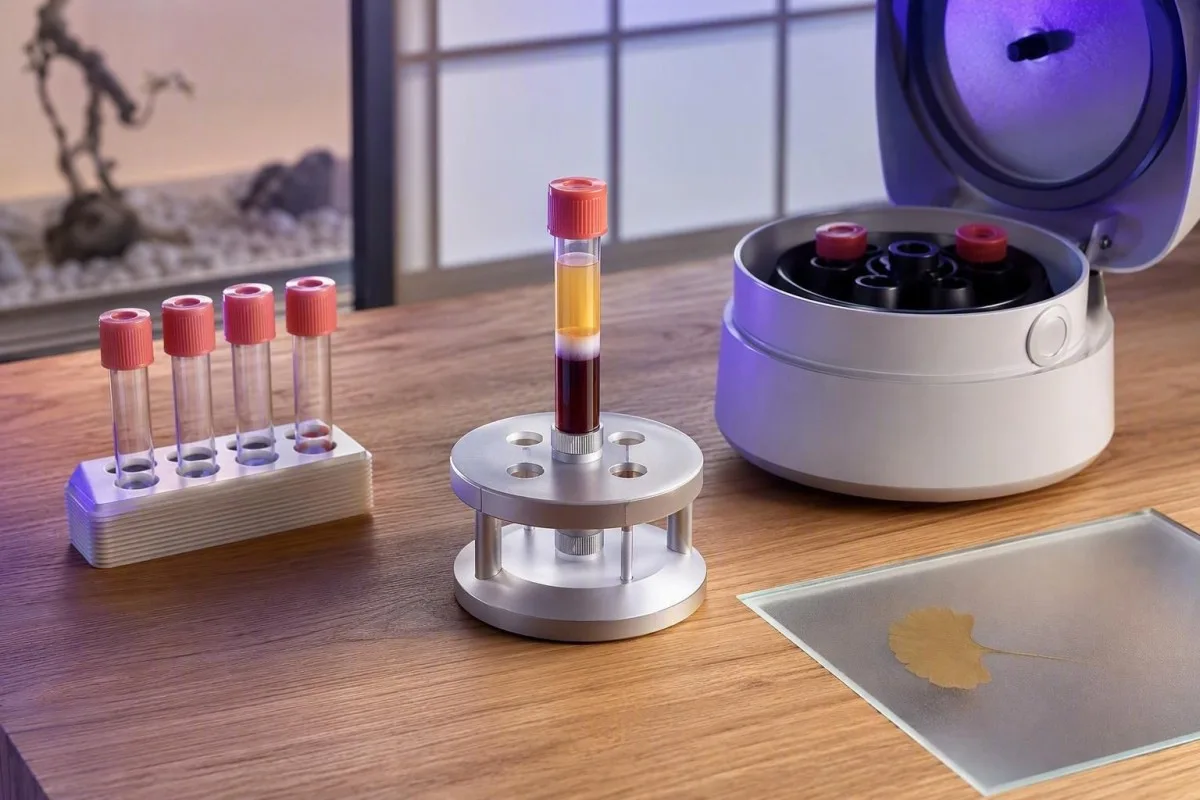
Корисен прв тест ги евидентира вашата вообичаена физиологија, а не биохемиското ехо од вчерашниот тренинг, пијалоци, лош сон или пролазна вирусна инфекција. Целта е повторлив контекст што можете да го користите со години.


- Тајминг на основата: закажете утрински тест после 8-12 часа без храна ако се вклучени гликоза на гладно, триглицериди, студии за железо или инсулин.
- Пауза пред вежбање: избегнувајте невообичаено тешко тренинг со отпор, интервални или издржливосни активности 24-48 часа пред рутинско тестирање на основата.
- Прозорец за алкохол: избегнувајте алкохол најмалку 48 часа пред тестови за триглицериди и црниот дроб; тешкото пиење може да ги искриви резултатите подолго.
- Правило за болест: одложете тест за општа здравствена состојба до најмалку 2 недели по што ќе поминат треската или значителните респираторни или гастроинтестинални симптоми.
- Цел за хидратација: пијте нормално претходниот ден и испијте 250-500 мл вода 2 часа пред земање примерок, освен ако не ви е ограничено внесот на течности.
- Биотин предупредување: прекинете го непропишаниот биотин во високи дози 48-72 часа пред многу имуноанализи, но никогаш не прекинувајте ја пропишаната терапија без да се консултирате со лекарот што го препишал.
- Контекст на циклусот: запишете го денот од циклусот за естрадиол, прогестерон, LH, FSH, а понекогаш и липиди; тоа ја менува интерпретацијата повеќе отколку што многумина очекуваат.
- Повторливост: користете иста лабораторија, слично утринско време и иста шема на подготовка кога ги следите резултатите од лабораторијата со текот на времето.
Што го прави првиот тест на крвта вистинска основа?
A основен тест на крвта е најкорисен кога опфаќа една обична недела: стабилни оброци, вообичаена хидратација, без акутна болест и без исклучителен тренинг или пиење. За повеќето возрасни, препорачувам утрински примерок по 8-12 часа пост кога се мерат гликоза, триглицериди, маркери за железо или инсулин.
Практичната цел не е да се направат резултатите да изгледаат подобро. Тоа е да се намали преаналитичка варијација—промени што се случуваат пред анализаторот воопшто да го види примерокот. Посна гликоза од 96 mg/dL и ниво на триглицериди од 105 mg/dL може да бидат сосема обични, но нивното значење се менува ако лицето јадело доцна, трчало 10 км или спиело 3 часа.
Во мојата клиничка работа, барам од пациентите првото земање примерок да го третираат како референтна фотографија. Водете краток запис за времето на будење, времетраењето на постот, лековите, додатоците, алкохолот во претходните 72 часа, вежбањето во претходните 48 часа, денот од менструалниот циклус и неодамнешна инфекција. Тој запис честопати е покорисен при вториот тест отколку само еден “нормален” знак.
Кантести е анализатор на крвна слика со вештачка интелигенција дизајниран да ги чита резултатите заедно со тој практичен контекст, наместо секоја означена вредност да ја третира како болест. За разумен список на тестови, започнете со нашиот водич за годишна крвна слика и договорете дополнителни анализи со клиничар кој ја познава вашата историја.
Основата е лична, не само “во опсег”
Лабораторискиот референтен интервал обично ги содржи централните 95% вредности од избрана популација; тој не го дефинира вашиот најздрав или најбезбеден личен број. Резултатот од креатинин може да остане во лабораторискиот опсег додека се зголемува значајно од вашата сопствена повторена вредност, затоа е важна документацијата на основата.
Како гладувањето и оброците од претходниот ден ги обликуваат резултатите
Постење за 8–12 часа произведува најчиста прва споредба за триглицериди, посна гликоза, инсулин и серумско железо, иако многу липидни панели можат да се толкуваат без пост. Водата е дозволена и обично корисна; кафе, сокови, гуми за џвакање и калорични пијалоци не се вистински пост.
Посна плазма гликоза под 100 mg/dL генерално е нормална, 100-125 mg/dL укажува на нарушен пост гликоза, а 126 mg/dL или повеќе бара потврда, освен ако не се присутни симптоми и изразена хипергликемија. HbA1c ги одразува приближно претходните 8-12 недели, така што еден појадок не може значително да ја намали; упатствата на ADA за лабораторија објаснуваат зошто гликозата и HbA1c одговараат на различни прашања (Sacks et al., 2023).
Триглицеридите се особено осетливи на оброци. Вредност под 150 mg/dL е конвенционално пожелна, додека 500 mg/dL или повеќе предизвикува загриженост за ризик од панкреатитис и заслужува брза клиничка проценка. Обилен доцен оброк или алкохол може да создаде погрешно висок прв резултат, затоа користете план за повторно тестирање на триглицериди наместо да се обидувате да “јадете совршено” еден ден.
Кантести е AI платформа за толкување крвна слика што може да го зачува статусот на гладување покрај секоја анализа, што ги прави подоцнежните споредби помалку подложни на грешки. Нашата водич за биомаркери објаснува кои тестови се навистина осетливи на оброци, а кои не.
Како вежбањето може да имитира абнормални тестови на црниот дроб и бубрезите
Тешкото вежбање може привремено да го зголеми CK, AST, ALT, креатинин, леукоцити и понекогаш калиум, затоа избегнувајте непознати или тренинзи со висок интензитет 24-48 часа пред основна анализа. Лесното одење и нормалното секојдневно движење се во ред.
52-годишен маратонец што го прегледав имаше AST 89 IU/L по долга трка, со ALT 36 IU/L и CK над 2.000 IU/L. Тој образец укажуваше повеќе на вежбани мускули отколку на повреда на црниот дроб, но сепак беше потребно повторување по опоравување; изолираните бројки ретко се доволни. Прочитајте повеќе за AST после вежбање пред да претпоставите проблем со црниот дроб.
Референтните граници за креатин киназа варираат според лабораторијата, полот, потеклото, мускулната маса и статусот на тренинг, но многу лаборатории означуваат вредности над приближно 200-300 IU/L. CK што надминува 5 пати поголема од горната референтна граница по напор е вообичаено; CK над 5.000 IU/L со темна урина, силна мускулна болка или намален излез на урина бара итна проценка за напорен рабдомиолиза.
Креатининот се зголемува по интензивна активност делумно преку разградба на мускулите и намален бубрежен крвен проток поради загуба на течност. Не го толкувајте понискиот eGFR од примерок по трка како хронична бубрежна болест без тестирање за опоравување; нашата водич за креатинин при вежбање објаснува посигурниот прозорец за повторно земање примерок.
48-часовното ресетирање не е правило за сите
За рекреативна вежба во теретана, 24 часа често се доволни. По ултрамаратон, CrossFit натпревар, тешко ексцентрично кревање или изложеност на топлина, често чекам 48-72 часа ако целта е стабилна база, наместо проценка на самиот настан.
Зошто алкохолот заслужува 48-часовна пауза за основата
Избегнување алкохол најмалку 48 часа пред основно земање крв ги намалува краткорочните нарушувања на триглицеридите, гликозата, GGT, AST, маркерите за хидратација и физиологијата поврзана со спиењето. Една тешка вечер може да биде поважна отколку што очекуваат многу пациенти.
Алкохолот може да ги зголеми триглицеридите преку зголемено производство на липопротеини со многу ниска густина во црниот дроб, особено по оброци богати со јаглехидрати. Ефектот е променлив: резултатите на една личност се враќаат на базата за 24 часа, додека кај друга со масен црн дроб, дијабетес или поголема конзумација може да се покажат промени неколку дена. На гладна триглицерид од 220 mg/dL по викенд со пиење треба да се повтори пред некој да го означи како фиксен метаболички проблем.
GGT е чувствителен, но неспецифичен. Многу лаборатории користат горни граници околу 55-60 IU/L за мажи и 35-40 IU/L за жени, но лекови, холестаза, масен црн дроб и алкохол можат да го зголемат. Значајниот образец е GGT со ALT, ALP, билирубин, број на тромбоцити и историја на алкохол; видете ја нашата објаснување на панел за црн дроб за тоа како се вклопуваат овие делови.
Од 1 септември 2026 година, сè уште советувам против “детоксикација” или претерано гладување за подобрување на резултатите од црниот дроб. Нормална храна, нормална вода, без алкохол и документиран интервал се почиста наука. Постојана ALT над горната граница на лабораторијата на два примерока со разлика од неколку недели бара медицински преглед, а не интернет „чистење“.
Кога болест или вакцинација треба да го одложат тест за општа здравствена состојба
Одложете ја основната линија за благосостојба за време на треска, активна гастроинтестинална болест, значителна респираторна инфекција или првите 1-2 недели по закрепнувањето бидејќи CRP, феритин, бели крвни клетки, тромбоцити, гликоза и тестови за тироидна жлезда може привремено да се променат. Итно дијагностичко тестирање е различно: не го одложувајте кога сте болни.
Ц-реактивен протеин обично се зголемува во рок од 6-8 часа од инфламаторен стимул и може брзо да се намали откако ќе се смири причината. CRP под 3 mg/L често се користи за стратификација на кардиоваскуларен ризик само кога лицето е клинички добро; резултат од 18 mg/L за време на настинка малку кажува за долгорочниот васкуларен ризик. Образец CRP и албумин е поинформативен од кој било резултат сам по себе.
Феритинот е и протеин за складирање железо и реактант на акутна фаза. Феритин од 110 ng/mL за време на инфекција може да ги скрие исцрпените резерви на железо, додека феритин под 15 ng/mL е високо специфичен за дефицит на железо кај возрасен кој инаку е здрав. Ова е причината зошто го спојувам феритинот со сатурација на трансферин, CRP, хемоглобин и клиничката приказна.
Вакцинацијата може да предизвика краток имунолошки одговор, вклучувајќи привремени промени во CRP и подгрупи на бели крвни клетки. Рутинското тестирање обично може да почека 3-7 дена по вакцинацијата ако целта е тивка основна линија, но закажаниот панел за безбедност за следење на лекови треба да ги следи упатствата на лекарот што препишува. Нашата водич за лабораторија по вакцинација ги опфаќа практичните разлики.
Двонеделното правило има исклучоци
По пневмонија, хоспитализација, инфективна мононуклеоза или тешко влошување на хронична болест, две недели можеби не се доволни. Во тие случаи, често користам закрепнување на симптомите, трендот на CRP и клиничката проценка наместо само календар.
Како губењето на сон и времето го менуваат тестот на крвта
Една лоша ноќ спиење може да го зголеми гликозата на гладно, кортизолот, крвниот притисок и инфламаторните сигнали, додека времето може да го промени тестостеронот, кортизолот, железото и TSH. За првата основна линија, целете кон 7-9 часа вообичаено спиење и земајте примерок помеѓу околу 7 и 10 часот наутро, кога е можно.
Кортизолот следи силен дневен ритам. Утринскиот серумски кортизол обично се мери околу 8 часот наутро, но вредноста не може да дијагностицира болест на надбубрежните жлезди без времето на земање примерок, симптомите и често тестирање на ACTH. Попладневниот примерок во споредба со претходниот примерок од 8 часот наутро не е валиден тренд, дури и ако истата лабораторија ги извршува двете.
Ограничувањето на спиењето од 4-5 часа може да ја влоши чувствителноста на инсулин следното утро и да ги промени хормоните на апетитот; големината на лабораториската промена варира значително во зависност од лицето. Ова најчесто го гледам кај работници во смени, нови родители и чести патници, каде што “основната линија” треба да го претставува нивниот реален распоред наместо идеализиран. Нашата водич за лабораториско испитување на лош сон нуди корисен контролен список за анотации.
Практичниот совет на д-р Томас Клајн е едноставен: не откажувајте неопходен тест затоа што сте спиеле лошо, туку запишете го. Ако гранична гликоза на гладно е 103 mg/dL по цела ноќ без спиење, повторете под нормални услови пред да извлечете заклучоци за претдијабетес.
Кофеинот не е секогаш безопасна подготовка
Црното кафе може да има мал ефект врз многу панели, но може да влијае на гликозата, катехоламините, крвниот притисок и некои специјализирани ендокрини тестови. Кога се нарачуваат тестови за инсулин на гладно, гликоза, кортизол или метанефрини, обичната вода е најмалку двосмислен избор.
Кои суплементи и лекови треба да се запишат
Не прекинувајте ги пропишаните лекови за основна крвна анализа, освен ако лекарот не ви наложи, но запишете секој лек и додаток со доза и време. Биотин, железо, Б12, креатин, јод, кортикостероиди и деконгестиви може да ја променат или биолошката основа или тестот.
Високи дози на биотин, често 5.000-10.000 микрограми дневно во производи за коса и нокти, може да интерферираат со одредени стрептоавидин-биотинови имуноанализи. Може да создаде лажно низок TSH или лажно висок слободен T4, тропонин или хормонски резултати во зависност од дизајнот на тестот. Пауза од 48-72 часа обично се користи за непропишан биотин, но луѓето што го земаат за медицинска состојба треба прво да го прашаат својот лекар.
Оралното железо може привремено да го зголеми серумското железо, а додатоците со креатин може да го зголемат креатининот без да ја намалат вистинската филтрација. Кортикостероидите можат да ја зголемат гликозата и белите крвни клетки; инхибиторите на протонската пумпа можат со текот на времето да влијаат на магнезиумот и Б12. Правилниот одговор е контекст, а не нагло самопрекинување; нашиот водич за постење со додатоци ги објаснува вообичаените исклучоци.
Кантести е Алатка за анализа на крвни тестови со вештачка интелигенција (AI) што ги прикажува пријавените додатоци покрај резултатите, така што очигледната промена на тироидната жлезда или бубрезите може да се прегледа со изложеноста што може да ја објасни. Пациентите исто така можат да ги споредат пријавените резултати со нашиот список за клиничка точност пред да постапат според неочекуваното предупредување.
Времето на земање лекови може да биде дел од рецептот
Замена на тироидната жлезда, терапија со тестостерон, инсулин, диуретици и антикоагуланси, секој има правила за време специфични за тестот. На пример, тестовите за тироидна жлезда често се земаат пред дневната доза на левотироксин при следење на конзистентноста, но протоколот на лекарот кој го пропишува треба да има приоритет.
Како менструалниот циклус влијае на првичната хормонска основа
За тестирање на репродуктивните хормони, денот од циклусот е дел од резултатот. FSH, LH, естрадиол, прогестерон, тестостерон, пролактин, а понекогаш и липиди може да варираат доволно низ циклусот, така што не запишаниот датум ја ослабува интерпретацијата.
Тестирањето во рана фоликуларна фаза, често денови 2-5 од циклусот, обично се користи за основен FSH, LH и естрадиол при проценка на плодноста. Прогестеронот обично се мери околу 7 дена по овулацијата - не автоматски “ден 21”, бидејќи 35-дневен циклус следи различна биологија. Вредност на прогестерон над приближно 3 ng/mL може да поддржи неодамнешна овулација во многу случаи, но точната интерпретација зависи од тестот и времето.
Пролактинот е чувствителен на стрес, неодамнешна вежбање, сексуална активност и тешко земање примероци. Благо покачувања често се повторуваат по 20-30 минути мирен одмор, идеално наутро; ниво кое упорно надминува 100 ng/mL заслужува брза ендокрина евалуација, иако ефектите од лековите остануваат чести. Видете го нашиот водич за повторно тестирање на пролактин за разумни следни чекори.
Промените на липидите поврзани со циклусот се реални, но обично помали од промените предизвикани од тежината, исхраната, алкохолот, дијабетесот или генетиката. Ако имате намера да ја следите здравствената состојба со крвни тестови низ годините, изберете слична фаза на циклусот за повторни панели на липиди и хормони секогаш кога е можно, особено при проценка на симптоми или третман.
Хормоналната контрацепција ја менува прашањето
Комбинираната хормонална контрацепција може да го потисне ендогениот FSH, LH, естрадиол и мерењата на андрогените, така што овие резултати можеби не ја опишуваат нетретирана физиологија. Не прекинувајте контрацепција само за да добиете основна линија без да размислите за ризикот од бременост и клиничката причина за тестирање.
Зошто хидратацијата, положбата и техниката на земање примероци се важни
Нормалната хидратација и 10-15 минути седење пред земање примерок ја подобруваат повторливоста бидејќи дехидрацијата, продолженото стоење и тешкото земање можат да ги концентрираат или искриват неколку резултати. Пијте нормално претходниот ден и, освен ако не сте ограничени со течности, земете 250-500 mL вода 2 часа пред закажаниот термин.
Намалувањето на волуменот на плазмата може да предизвика хемоглобинот, хематокритот, албуминот, калциумот, вкупниот протеин и креатининот да изгледаат повисоки отколку што би биле под обична хидратација. Спротивно на тоа, агресивното пиење литри вода непосредно пред тестирањето може да ја разреди натриумот и другите мерења. Нормалниот опсег на натриум генерално е 135-145 mmol/L, но неочекуваниот резултат секогаш треба да се толкува во однос на хидратацијата и статусот на гликоза.
Позата е поважна отколку што повеќето луѓе мислат. Стоењето може да го зголеми албуминот и аналитите врзани за протеини преку промени во течноста, додека продолженото време на турникетот и повторливото стискање на тупаницата може лажно да го зголемат калиумот и лактатот. Калиум над 5,5 mmol/L без бубрежна болест, симптоми или ЕКГ промени често се проверува брзо бидејќи артефактите при земање примерок се чести; нашиот водич за грешки при земање калиум објаснува зошто.
Менструацијата, неодамнешната загуба на течност од дијареа, диуретиците и употребата на сауна сите припаѓаат во забелешката прикачена на земањето примерок. Ако eGFR е неочекувано низок по дехидратација, вратете го нормалниот внес и разговарајте за повторно тестирање; видете привремени промени на eGFR пред да претпоставите трајно оштетување на бубрезите.
Црвената епрувета не е дијагноза
Бојата на епруветата го идентификува адитивот што се користи за лабораториска обработка, а не сериозноста на тестот. Клинички важно е правилниот избор на епрувета, температурата на транспортот, одложувањето на обработката и дали лабораторијата пријавува хемолиза или недоволен примерок.
Како да ги направите подоцнежните резултати споредливи со првичниот тест
Користете ја истата лабораторија, слично време на земање примерок и слична рутина за подготовка секогаш кога ги следите лабораториските резултати со текот на времето. Реалната биолошка промена може да биде помала од комбинираниот ефект на методот на анализа, статусот на гладување, вежбањето и обичната варијација од ден на ден.
LDL холестеролот може да се пресмета наместо директно да се мери, а пресметката станува помалку сигурна како што се зголемуваат триглицеридите. Насоката за холестерол AHA/ACC од 2018 година поддржува скрининг без гладување кај многу луѓе, но препорачува проценка со гладување во избрани околности, вклучувајќи многу високи триглицериди и дијагностичка несигурност (Grundy et al., 2019). Клучната поента е конзистентноста, не совршенството.
Вредноста на референтната промена, или RCV, ги комбинира аналитичката прецизност со нормалната биолошка варијација на поединецот. 10% поместување во еден маркер може да биде шум, додека 30% промена во друг е значајна; не постои универзален процент што важи за секој тест. Нашата водич „Дали е реална оваа промена“ покажува зошто трендовите бараат повеќе од стрелки во боја.
Kantesti AI ги толкува повторените панели со споредување на единиците за анализа, референтните интервали, датумите на земање примерок и поврзаните биомаркери, наместо едноставно броење на абнормални ознаки. Нашиот AI workflow за споредба е создаден за ова долгорочно прашање: што се сменило доволно за да заслужи внимание?
Чувајте го оригиналниот извештај
Зачувајте го PDF-от или јасната фотографија, не само напишан резултат. Конверзии на единици, лабораториски опсези, коментари за хемолиза и дали LDL бил пресметан може материјално да го променат начинот на кој иден лекар ќе го прочита трендот.
Белешка за контекстот што треба да се зачува со секој тест на крвта
Кратка контекстуална белешка ги претвора изолираните броеви во употребливи долгорочни податоци. Запишете датум, време, часови на гладување, спиење, вежбање, алкохол, болест, лекови, додатоци, ден од циклусот, промени во тежината и нови симптоми при секое земање примерок.
Мојата минимална белешка има осум ставки: време на собирање; времетраење на постење; вежбање во рок од 48 часа; алкохол во рок од 72 часа; тековна болест; промени во рецептите; доза на додатоци и последна доза; и менструален или статус на бременост, каде што е применливо. Додадете патување, џет-лаг и надморска височина кога тие се применуваат, бидејќи секоја може да ги промени хидратацијата, кортизолот, хемоглобинот и маркерите чувствителни на спиење.
Губење на тежина од 1,5 кг за 10 дена, нова диета богата со протеини или неколку ноќи со прекинат сон може да објаснат скромни промени во крвните тестови со текот на времето. Тоа не го прави резултатот неважен – го прави интерпретитабилен. За верзија што може повторно да се користи, нашиот следач на лабораториски контекст ги вклучува деталите што пациентите најчесто ги забораваат.
Д-р Томас Клајн препорачува да ја напишете белешката пред да си заминете од дома, а не додека чекате резултати. Меморијата станува ненадејна по неочекувано предупредување, и луѓето разбирливо ја реконструираат претходната недела за да одговараат на бројката.
Што да не се запишува како “поправка”
Не манипулирајте со исхраната, внесот на вода, вежбањето или додатоците само за да добиете попривлечна прва основна линија. Основната линија треба да го претставува вашиот живот; инаку следниот тест може да изгледа полошо само затоа што е почесен.
Кои гранични наоди треба да се повторат пред да се загрижите
Многу гранични основни резултати треба да се повторат под стабилни услови пред да се третираат како болест, особено изолирани благи промени во црн дробните ензими, креатинин, калиум, пролактин, неутрофили и триглицериди. Итни симптоми или изразено абнормални вредности се исклучок.
ALT помалку од 2 пати поголем од горната граница на лабораторијата со нормален билирубин, ALP и отсуство на симптоми, обично се проверува повторно по отстранување на привремени придонесувачи како алкохол, интензивно вежбање или привремена болест. Нивото на билирубин над 3 mg/dL со жолтица, темна урина, бледа столица, треска или абдоминална болка е различно и не треба да се чека рутинско повторно тестирање на основната линија.
Благ низок број на неутрофили може да следи по вирусна болест или да ја одразува стабилната нормала на поединецот. Апсолутен број на неутрофили од 1,0-1,5 × 10⁹/L е обично блага неутропенија, додека под 0,5 × 10⁹/L носи значително повисок ризик од инфекција и заслужува итна медицинска помош, особено со треска. Нашата водич за следење на неутрофилите ги одвојува честите повторни тестови од црвените знамиња.
Еден од најкорисните заштитни механизми е проверка на обрасци. На пример, високиот калциум со супримиран паратироиден хормон има различен степен на итност од високиот калциум плус дехидратација и зголемување на албумин; причината поради која се грижиме за комбинации е тоа што биологијата ретко менува само еден маркер.
Кога тест на крвта од основа не треба да ја замени медицинската нега
Протокол за основна линија не е соодветен кога имате симптоми со црвено знаме, брзо влошување на болеста, компликации во бременоста или критично лабораториско предупредување. Болка во градите, силен недостаток на здив, конфузија, несвестица, жолтица, црна столица или тешка дехидратација бараат клиничка проценка сега – не подобро подготвен повторен тест.
Калиум од 6,0 mmol/L или погоре, натриум под 120 mmol/L, гликоза над 300 mg/dL со повраќање или конфузија, или хемоглобин близу 7 g/dL се примери на резултати кои може да бараат итна акција, иако целокупната клиничка состојба е важна. Лабораториите вообичаено ги контактираат тимовите кои ги нарачале за критични вредности, но пациентите не треба да претпоставуваат дека пропуштениот повик значи дека резултатот е безбеден.
Ако сте бремени, имате хронична бубрежна болест, земате инсулин, користите антикоагуланси, примате хемотерапија или имате позната црнодробна болест, инструкциите за подготовка може да се разликуваат од шаблонот за општо здравје. Периодот на постење може да биде небезбеден за некои луѓе со дијабетес, а тајмингот на лековите може да биде од суштинско значење. Нашето упатство за тоа колку често да се тестирате објаснува зошто ризичната група го менува планот.
Кантести е услугата за интерпретација на тестови на AI што помага да се идентификуваат прашања за клиницистите, а не е замена за итна проценка или дијагноза. Клиничките заштитни мерки и принципите на медицински преглед кои стојат зад нашата работа се опишани од нашата Медицински советодавен одбор.
Практичен 72-часовен протокол за вашата прва основа
За корисна прва основна линија, одржете ја вашата рутина 72 часа, избегнувајте алкохол 48 часа, избегнувајте напорни вежби 24-48 часа, спијте нормално, постете 8-12 часа кога е потребно, пијте вода и запишете ја вашата контекст. Конзистентноста е интервенцијата.
Седумдесет и два до 48 часа претходно: не започнувајте со нов додаток, драстична диета, прочистување или блок за тренинг. Ако веќе земате додаток, запишете ја точната доза; ако содржи биотин во висока доза, прашајте го лекарот кој ја нарачал услугата или фармацевт дали е соодветно да се прекине 48-72 часа. Избегнувајте алкохол 48 часа и одложете го рутинското тестирање ако болеста е активна.
Ден пред: јадете ги вашите обични оброци, хидрирајте се нормално, избегнувајте сауна или настани за издржливост и планирајте 7-9 часа во кревет. За панели со постење, завршете со храна 8-12 часа пред закажувањето; вода е во ред. Наутро пред земањето примерок, избегнувајте кафе и никотин ако се планираат тестови за гликоза, инсулин, кортизол, катехоламини или специјализирани ендокрини тестови.
Откако ќе пристигне резултатот, зачувајте го оригиналниот извештај и неговата контекстуална белешка пред да промените нешто. Kantesti AI може да ги организира резултатите во лонгитудинален приказ, додека нашата технологија и водич за клинички методи објаснува зошто препознавањето на обрасци сè уште бара човечко медицинско следење за симптоми, големи абнормалности и одлуки за третман.
Често поставувани прашања
Како да се подготвам за базна крвна анализа?
Подгответе се за основна крвна анализа со придржување кон вашата вообичаена рутина, избегнување алкохол 48 часа, избегнување интензивно вежбање 24-48 часа, нормално спиење и документирање на лекови и додатоци. Постете 8-12 часа ако нарачката вклучува гликоза на гладно, триглицериди, инсулин или испитувања на железо; водата генерално е дозволена. Пијте нормално наместо да се хидрирате претерано и закажете утринско земање примерок помеѓу 7 и 10 часот наутро кога се вклучени хормони или железо. Одложете ја основната проверка на здравјето за време на акутна болест, освен ако тестот не е потребен за проценка на таа болест.
Дали треба да постам пред моето прво тестирање на крв?
Пост од 8-12 часа е најкорисен за прв тест на крвта што вклучува триглицериди, гликоза на гладно, инсулин или серумско железо, иако многу рутински липидни панели веќе не бараат пост. Обичната вода не го прекинува постот и помага да се спречат тешкотии при земање примерок или ефекти на концентрација поврзани со дехидратација. Кафе, сок, млеко, алкохол, гума за џвакање и додатоци во исхраната може да влијаат на избрани резултати или да ја поништат наменетата подготовка. Следете ги специфичните упатства за нарачката ако вашиот лекар ви даде различно времетраење на постот.
Може ли вежбањето да влијае на резултатите од крвна слика следниот ден?
Да, напорното вежбање може да влијае на резултати од крвна слика 24-72 часа со зголемување на креатин киназа, AST, ALT, креатинин, бели крвни клетки и повремено калиум. Тешкиот тренинг со отпор, трчање маратон, интервали со висок интензитет и изложеност на топлина произведуваат поголеми промени од нормалното одење. За стабилна основна линија на благосостојба, избегнувајте необично или интензивно вежбање 24-48 часа; по големиот натпревар во издржливост, 48-72 часа често е пореалистично. Не одложувајте итно тестирање за симптоми како што се силна болка во мускулите, темна урина, слабост или намален излез на урина.
Колку долго треба да избегнувам алкохол пред тест на крвта?
Избегнувајте алкохол најмалку 48 часа пред основното испитување на крвта, особено кога се проценуваат триглицериди, гликоза, GGT, AST, ALT или маркери чувствителни на хидратација. Алкохолот може да ги зголеми триглицеридите дури и по една обилна вечер, а ефектот може да трае неколку дена кај луѓе со дијабетес, масна црн дроб или поголема обична консумација. Резултат на триглицериди од 500 mg/dL или повисок бара брза клиничка проценка бидејќи ризикот од панкреатитис значително се зголемува. Не обидувајте се со чистење или силно постење потоа; обичните оброци и хидратација даваат почесен повторен резултат.
Дали лошиот сон може да ги промени резултатите од крвна слика?
Несоодветниот сон може да ги промени утринската гликоза на гладно, кортизолот, крвниот притисок и некои инфламаторни сигнали, особено по 4-5 часа спиење или ноќна смена. Не менува значајно HbA1c, што ја одразува просечната гликемија во текот на приближно 8-12 недели. Ако неитниот базен резултат е граничен по ноќ без спиење, забележете го недостигот на сон и разгледајте го повторувањето на тестот под нормални услови. Неопходните тестирања треба да продолжат, бидејќи симптомите и изразените абнормалности се поважни од идеалната подготовка.
Дали треба да ги тестирам хормоните на одреден ден од мојот менструален циклус?
Да, тестирањето на хормони треба да се темпира според клиничкото прашање и денот од менструалниот циклус секогаш треба да се запишува. FSH, LH и естрадиол често се проценуваат на ден 2-5 од циклусот за основна линија во раната фоликуларна фаза, додека прогестеронот обично се проверува околу 7 дена по овулацијата наместо автоматски на ден 21. Нивото на прогестерон над приближно 3 ng/mL може да ја потврди неодамнешната овулација, но лабораториите и клиничките ситуации се разликуваат. Хормоналната контрацепција ги менува резултатите од ендогените хормони, затоа немојте да ја прекинувате само заради тестирање без медицински совет.
Добијте AI анализа на крв со моќ на вештачка интелигенција денес
Придружете се на над 2 милиони корисници ширум светот кои му веруваат на Kantesti за инстантна, точна анализа на лабораториски тестови. Поставете ги вашите резултати од крвна слика и добијте сеопфатно толкување на 15,000+ биомаркери за секунди.
📚 Реферирани научни публикации
Клајн, Т., Мичел, С., и Вебер, Х. (2026). Kantesti LTD. (2026). Водич за комплементарен крвен тест C3 C4 и титри за ANA. Zenodo.. AI Medical Research.
Клајн, Т., Мичел, С., и Вебер, Х. (2026). Kantesti LTD. (2026). Водич за крвен тест за вирусот Нипах: рано откривање и дијагноза 2026. Zenodo.. AI Medical Research.
📖 Надворешни медицински референци
⚕️ Медицинско одрекување од одговорност
Овој напис е само за едукативни цели и не претставува медицински совет. Секогаш консултирајте се со квалификуван здравствен работник за одлуки за дијагноза и третман.
Сигнали за доверба E-E-A-T
Искуство
Клиничка ревизија водена од лекар за работните текови на толкување на лабораториски резултати.
Експертиза
Фокус на лабораториска медицина за тоа како биомаркерите се однесуваат во клинички контекст.
Авторитивност
Напишано од д-р Thomas Klein, со ревизија од д-р Sarah Mitchell и проф. д-р Hans Weber.
Доверливост
Толкување засновано на докази со јасни патеки за следење за да се намали алармирањето.