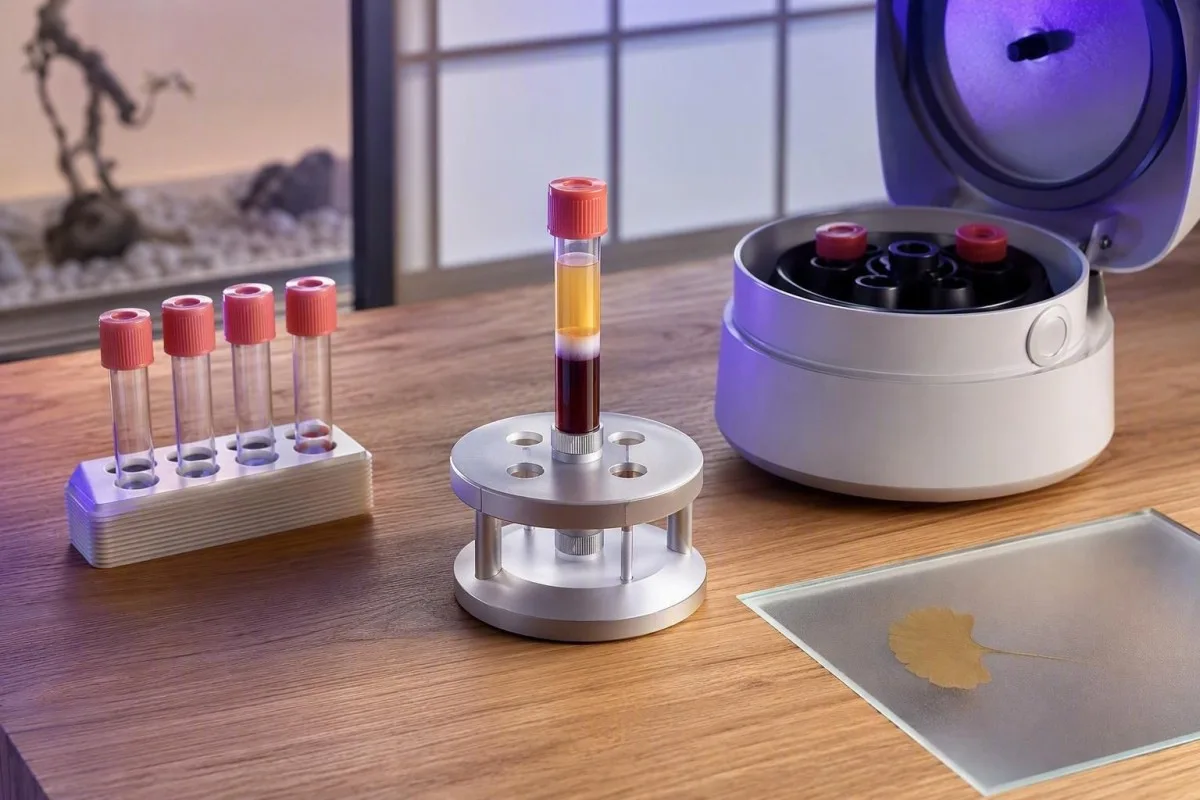
Lehenengo odol-ateratze erabilgarri batek zure ohiko fisiologia erregistratzen du, ez iraganeko entrenamenduaren, edarien, lo txarraren edo igarotako birus baten oihartzun biokimikoa. Helburua urteetan erabil dezakezun testuinguru errepikagarria da.


- Oinarrizko proben ordua: goizeko proba bat programatu 8-12 ordu jan gabe glukosa, triglizeridoak, burdinaren azterketak edo intsulina barne hartzen badira.
- Ariketa etenaldia: saihestu ohiz kanpoko indar-entrenamendu gogorrak, tartekoak edo iraupen-ekitaldiak 24-48 orduz ohiko oinarrizko probak egin aurretik.
- Alkoholaren tartea: utzi alkohola gutxienez 48 orduz triglizeridoen eta gibel-entzimaren probak egin aurretik; edateko gehiegikeriak emaitzak luzeago nahas ditzake.
- Gaixotasunaren araua: atzeratu ongizate-oinarrizko proba gutxienez 2 aste sukarraren edo arnasbideetako edo gastrointestinaletako sintoma garrantzitsuen ondoren sendatu arte.
- Hidratazio helburua: edan normalean aurreko egunean eta edan 250-500 ml ur likidoa murriztuta ez badago, hartu baino 2 ord lehenago.
- Biotina kontuz: eten ez preskribatutako dosi altuko biotina 48-72 orduz immunoassay asko baino lehen, baina ez eten inoiz preskribatutako tratamendua medikuari galdetu gabe.
- Zikloaren testuingurua: erregistratu zikloaren eguna estradiol, progesterona, LH, FSH eta batzuetan lipidoak; interpretazioa espero baino gehiago aldatzen du jende askok baino.
- Errepikagarritasuna: erabili laborategi bera, goizeko ordu antzekoa, eta prestaketa eredu bera laborategiko emaitzak denboran zehar jarraitzen dituzunean.
Zerk egiten du lehenengo odol-ateratzea benetako oinarrizko bat?
A hasierako odol-proba astearte arrunt bat jasotzen duenean da baliagarriena: otordu egonkorrak, ohiko hidratazioa, gaixotasun akutua ez, eta entrenamendu edo edateko apartekorik ez. Heldu gehienentzat, goizeko lagin bat gomendatzen dut 8-12 orduko baraua egin ondoren glukosa, triglizeridoak, burdinaren markatzaileak edo intsulina neurtzen direnean.
Helburu praktikoa ez da emaitzak hobeak diruditela. analitiko aurreko aldaketa—analizatzaileak inoiz lagina ikusi aurretik gertatzen diren aldaketak. 96 mg/dL-ko barau-glukosa eta 105 mg/dL-ko triglizerido-maila biak izan daitezke guztiz arruntak, baina haien esanahia aldatzen da pertsonak berandu jan badu, 10 km korrika egin badu, edo 3 ordu lo egin badu.
Nire lan klinikoan, pazienteei lehenengo zozketa argazki erreferentzia bat bezala tratatzeko eskatzen diet. Mantendu erregistro labur bat esnatze ordua, barau iraupena, botikak, osagarriak, aurreko 72 orduetan alkohola, aurreko 48 orduetan ariketa fisikoa, hilekoaren zikloaren eguna eta azken infekzioa. Erregistro hori askotan baliagarriagoa da bigarren proban “normal” bandera bakar bat baino.
Kantesti bat da. AI odol-analisi analizatzailea diseinatua emaitzak testuinguru praktiko horrekin batera irakurtzeko, balio nabarmendu bakoitza gaixotasun gisa tratatu beharrean. Proba-zerrenda zentzuzko bat lortzeko, hasi gurekin urteroko odol-lanen gida eta akordio gehigarriak zure historia ezagutzen duen mediku batekin.
Hasiera pertsonala da, ez “tartean”
Laborategiko erreferentzia-tarte batek normalean aukeratutako populazio baten balioen erdigunea biltzen du; ez du zure zenbaki pertsonal osasuntsuen edo seguruenik definitzen. Krenatinaren emaitza laborategiko tarte baten barruan gera daiteke zure balio errepikatuetatik esanguratsu igotzen den bitartean, horregatik du garrantzia hasierako dokumentazioak.
Nola eragiten dioten barauak eta aurreko eguneko otorduek emaitzei
zati bakarra da. 8-12 ordu triglizeridoetarako, barau-glukosarako, intsulina eta serum burdinerako lehen konparazio garbiena ekoizten du, nahiz eta lipido-panel asko barau gabe interpreta daitezkeen. Ur agian eta lagungarria izaten da; kafea, zukua, txiklea eta kaloria duten edariak ez dira benetako baraua.
100 mg/dL azpiko barau plasmatikoen glukosa normalean normala da, 100-125 mg/dL-ko barau-glukosa nahastua adierazten du, eta 126 mg/dL edo gehiagok berrespen bat eskatzen du, sintomak eta hipergluzemia nabarmena badaude izan ezik. HbA1c-k azken 8-12 aste inguru islatzen ditu, beraz, ezinezkoa da gosari bakar batek nabarmen jaistea; ADAren laborategiko orientazioak azaltzen du zergatik glukosak eta HbA1c-k galdera desberdinei erantzuten dieten (Sacks et al., 2023).
Triglizeridoak bereziki otorduen sentikorrak dira. 150 mg/dL azpiko balio bat desiragarria da konbentzionalki, eta 500 mg/dL edo gehiagok pankreatitisaren arriskua sortzen du eta berehalako ebaluazio klinikoa merezi du. Berandu jan edo alkohola izan daiteke lehen emaitza engainagarri bat sortzea, beraz erabili triglizeridoen berproben plana egun bakar batez “perfektuki jaten” saiatu beharrean.
Kantesti bat da. AI odol-analisien interpretazio-plataforma eta horrek geroago konparazioak akats gutxiagorekin egitea ahalbidetzen du. Gure biomarkatzaile-gidak azaltzen du zein proba diren benetan otorduekiko sentikorrak eta zein ez.
Nola antzeman dezakeen ariketak gibel eta giltzurruneko proba anormalak
Ariketa gogorrak aldi baterako igo dezake CK, AST, ALT, kreatinina, leukozitoak eta batzuetan potasioa, beraz, saihestu intentsitate handiko edo ezezagunak diren entrenamenduak oinarrizko analisien aurreko 24-48 orduetan. Oinez ibiltzea eta eguneroko mugimendu normala ondo daude.
Berrikusi nuen 52 urteko maratoilari batek AST 89 IU/L izan zuen lasterketa luze baten ondoren, ALT 36 IU/L eta CK 2.000 IU/L baino gehiago izanik. Eredu horrek muskulu-ehuna zauritu baino gehiago adierazten zuen, baina oraindik errepikatu behar izan zen susperraldiaren ondoren; zenbaki isolatuak gutxitan dira nahikoak. Irakurri gehiago Ariketaren ondorengo ASTari buruz gibeleko arazo bat dagoela pentsatu aurretik.
Kreatina kinasaren erreferentziazko mugak aldatu egiten dira laborategiaren, sexuaren, jatorriaren, muskulu-masaren eta entrenamendu-egoeraren arabera, baina laborategi askok 200-300 IU/L inguruko balioak markatzen dituzte. Ariketaren ondoren erreferentziazko mugaren 5 aldiz gainditzen duen CK ohikoa da; 5.000 IU/L baino gehiagoko CK, gernu iluna, muskulu-mina larria edo gernu-irteera gutxitua izanez gero, premiazko ebaluazioa behar da ariketa eragindako rabdomiolisiaren kasuan.
Kreatinina intentsitate handiko jardueraren ondoren igotzen da, neurri batean muskuluak apurtzeagatik eta likido galera dela-eta giltzurrunetako odol-jarioa murrizteagatik. Ez interpretatu lasterketa osteko lagin bateko eGFR baxuago bat kronikoak diren giltzurrun-gaixotasun gisa, susperraldi probak egin gabe; gure ariketa kreatinina gida berriz ateratzeko leiho seguruagoa azaltzen du.
48 orduko berrezarpena ez da arau bat guztientzat
Astean behingo gimnasio-saio baterako, 24 ordu askotan nahikoa izaten da. Ultramaratoia, CrossFit lehiaketa, pisuzko ariketa eszentrikoak edo beroarekiko esposizioaren ondoren, askotan 48-72 ordu itxaroten ditut, helburua oinarrizko maila egonkor bat lortzea bada, gertaera bera ebaluatzea baino gehiago.
Zergatik merezi duen alkoholak 48 orduko etenaldia oinarrizko proban
Alkoholari gutxienez 48 ordutan arte ez edateak triglizeridoak, glukosa, GGT, AST, hidratazio-markatzaileak eta loarekin lotutako fisiologiaren distortsio laburrak murrizten ditu. Gaueko edari bat askotan pentsatzen dutena baino gehiago izan daiteke.
Alkohola triglizeridoak igo ditzake gibelak oso-dentsitate txikiko lipoproteina ekoizpena areagotuz, batez ere karbohidrato askoko otorduen ondoren. Efektua aldakorra da: pertsona baten emaitza 24 ordutan itzultzen da oinarrizko mailara, eta gibel koipetsua, diabetesa edo gehiegizko kontsumoa duen beste batek aldaketak izan ditzake egun batzuetan. Asteburu bateko edarien ondoren 220 mg/dL-ko triglizerido-maila huts bat errepikatu beharko litzateke inork arazo metaboliko finko bat dela esan aurretik.
GGT sentikorra da baina ez zehatza. Laborategi askok 55-60 IU/L inguruko mugak erabiltzen dituzte gizonezkoentzat eta 35-40 IU/L emakumezkoentzat, baina botikek, kolestasiak, gibel koipetsuak eta alkoholak guztiak igo ditzakete. Eredu esanguratsua GGT da, ALT, ALP, bilirubina, plaketen kopurua eta alkoholaren historiarekin batera; ikusi gure gibeleko panelaren azalpenarekin nola moldatzen diren pieza horiek.
2026ko irailaren 1etik aurrera, oraindik ez dut gomendatzen gibeleko emaitzak hobetzeko “detox” egitea edo gehiegi barau egitea. Elikagai normala, ur normala, alkohola ez eta denbora-tarte dokumentatua zientzia garbiagoa dira. Bi laginetan laborategiko goi-muga gainditzen duen ALT iraunkorrak, aste batzuk tartekatuta, medikuaren berrikuspena merezi du, ez interneteko garbiketa bat.
Noiz atzeratu behar duen gaixotasunak edo txertaketak ongizate-probak egitea
Atzeratu ongizatearen oinarrizko maila sukarrean, gaixotasun gastrointestinal aktiboan, arnas-infekzio esanguratsu batean, edo susperraldiko lehen 1-2 asteetan, zeren CRP, burdina, zelula zuriak, plaketak, glukosa eta tiroide-analisia aldatu egin daitezke aldi baterako. Premiazko proba diagnostikoak ezberdinak dira: ez itzazu atzeratu gaixo zaudenean.
Proteina C erreaktiboa (CRP) normalean 6-8 orduko epean hasten da estimulu inflamatzaile baten ondoren eta azkar jaitsi daiteke trigger-a baretu ondoren. CRP < 3 mg/L normalean kardiobaskularren arriskuaren estratifikaziorako erabiltzen da pertsona ondo badago soilik; katarro baten ondoriozko 18 mg/L-ko emaitzak ez du asko esaten epe luzeko baskularren arriskuari buruz. CRP eta albuminaren ereduak emaitza bakar bat baino informazio gehiago ematen du.
Ferretina burdinaren biltegiratze proteina eta fase akutuaren erreaktiboa da. Infekzio batean 110 ng/mL-ko ferretinak burdin biltegiak agortuta ezkutatu ditzake, berriz, 15 ng/mL-tik beherako ferretina oso espezifikoa da burdinaren defizitarentzat bestela osasuntsu dagoen heldu batean. Horregatik lotzen dut ferretina transferrinaren saturazioarekin, CRPrekin, hemoglobinarekin eta klinika-istorioarekin.
Txertaketak erantzun immune laburra sor dezake, CRP eta zelula zuri multzoen aldi baterako aldaketak barne. Proba-prozedurak normalean 3-7 egun itxaron ditzake txertaketaren ondoren, helburua oinarrizko maila isila bada, baina botiken jarraipenerako antolatutako segurtasun-panel batek preskribatzaile klinikoaren argibideak jarraitu beharko lituzke. Gure txertoaren ondorengo laborategiko gida bereizketa praktikoak biltzen ditu.
Bi asteko arauak salbuespenak ditu
Pneumoniaren, ospitaleratzearen, mononukleosi infekziosoaren edo gaixotasun kroniko larri baten ondoren, bi aste ez dira nahikoa izan. Kasu horietan, sintoma-susperraldia, CRP-ren joera eta klinikoaren irizpidea erabiltzen ditut egutegi bat baino gehiago.
Nola aldatzen duten lo-galtzeak eta orduak odol-probak
Gau txar batek gose glukosa, kortisola, odol-presioa eta seinale inflamatzaileak areagotu ditzake, eta orduak testosterona, kortisola, burdina eta TSH alda ditzake. Lehenengo oinarrizko maila baterako, helburua 7-9 orduko ohiko loa eta lagina ahal izanez gero goizeko 7 eta 10 bitartean hartzea da.
Kortisolak erritmo diurno handia jarraitzen du. Goizeko serum kortisola 8:00ak aldera neurtzen da normalean, baina balio batek ezin du giltzurruneko gaixotasunik diagnostikatu laginketa-denborarik, sintomarik eta sarritan ACTH probak gabe. Arratsaldeko lagina aurreko 8:00etako laginarekin alderatzea ez da joera balioduna, laborategi berdinak biak egiten baditu ere.
4-5 orduko loaren murrizketak hurrengo goizeko intsulinaren sentsibilitatea okerrera egin dezake eta gosea erregulatzeko hormoneak alda ditzake; laborategiko aldaketaren tamaina pertsona batetik bestera asko aldatzen da. Hau gehienetan txandakako langileetan, guraso berrietan eta maiz bidaiatzen dutenetan ikusten dut, non “oinarrizko mailak” euren egungo ordutegia islatu behar duen idealizatutako bat baino. Gure lo txarraren laborategiko gida annotazio-kontrol zerrenda erabilgarria eskaintzen du.
Thomas Klein doktorearen aholku praktikoa sinplea da: ez kendu beharrezko proba bat, gaizki lo egin duzulako, baina eman itzazu. Gaueko lanaren ondoren 103 mg/dL-ko gose glukosa mugakoa bada, errepikatu baldintza arruntetan ondorioak atera baino lehen prediabetesari buruz.
Kafeina ez da beti prestaketa kaltegarririk gabea
Kafe beltzak eragin gutxi izan dezake paneletan, baina glukosa, katekolaminak, odol-presioa eta endokrinoen analisi espezializatuak eragin ditzake. Goserik gabeko intsulina, glukosa, kortisola edo metanefrinak eskatzen direnean, ur purua da aukerarik argiena.
Zeintzuk osagarri eta botika erregistratu behar diren
Ez eten agindutako botikak odol-analisiaren oinarrizko proba baterako, agintariak hala esan ezean, baina erregistratu droga eta osagarri bakoitza dosi eta ordutegiarekin. Biotina, burdina, B12, kreatina, iodoa, kortikoideak eta deskonjestionatuak biologian edo probaren saiakuntzan alda dezakete.
Biotina dosi altuak, egunero 5.000-10.000 mikrogramo ile eta iltze produktuetarako, streptavidina-biotina inmunoanalisi batzuekin nahas daiteke. TSH faltsuki baxua edo T4 aske faltsuki altua, troponina edo hormona emaitzak sor ditzake saiakuntza diseinuaren arabera. 48-72 orduko etenaldia ohikoa da agindurik gabeko biotinarako, baina egoera mediko baterako hartzen dutenek lehenik beren medikuari galdetu beharko liokete.
Aho bidezko burdinak serumeko burdina iragankortasunez igo dezake, eta kreatina osagarriek kreatinina handitu dezakete benetako iragazketa murriztu gabe. Kortikoideek glukosa eta zuri zelulak igo ditzakete; protoi-ponpa inhibitzaileek magnesioan eta B12an eragin dezakete denborarekin. Erantzun zuzena testuingurua da, ez bat-bateko etetea; gure osagarrien goserako gida salbuespen arruntak azaltzen ditu.
Kantesti bat da. AI bidezko odol-analisien analisi-tresna emaitzekin batera erregistratutako osagarriak erakusten dituena, beraz, tiroide edo giltzurruneko itxurazko aldaketa bat aztertu ahal izango da, hori azaldu dezakeen esposizioarekin. Pazienteek beren emaitzak gurekin alderatu ditzakete egiaztapen klinikoen zerrenda bandera ezusteko bati aurre egin aurretik.
Botiken ordutegia errezeta baten parte izan daiteke
Tiroidearen ordezkapenak, testosterona terapiak, intsulinak, diuretikoek eta antikoagulatzaileek proba espezifikoen ordutegi arauak dituzte. Adibidez, tiroide-analisiak egunean levotiroxina dosia baino lehen ateratzen dira sarritan, koherentzia kontrolatzeko, baina agintari medikuaren protokoloak lehentasuna izan beharko luke.
Nola eragiten dion hilekoaren erritmoak lehenengo hormona-oinarrizkoari
Ugalketa hormonen azterketarako, zikloaren eguna emaitzaren parte da. FSH, LH, estradiol, progesterona, testosterona, prolaktina eta batzuetan lipidoak zikloan zehar nahikoa alda daitezke, erregistratu gabeko data batek interpretazioa ahultzen duelako.
Folikulu goiztiarren azterketa, sarritan 2-5 eguneko zikloa, ohikoa da ugalkortasunaren ebaluaziorako oinarrizko FSH, LH eta estradiol-erako. Progesterona normalean obulaziotik 7 egun ingurura neurtzen da—ez automatikoki “21. egunean”, 35 eguneko ziklo batek beste biologia bat jarraitzen duelako. Gutxi gorabehera 3 ng/mL-ko progesterona balioak obulazio berria onar dezake hainbat egoeratan, baina interpretazio zehatza saiakuntzaren eta ordutegiaren araberakoa da.
Prolaktina estresari, ariketa berriari, jarduera sexualari eta lagin bilketa zailari sentikorra da. Altuera leunak maiz errepikatzen dira 20-30 minutuko atseden lasaiaren ondoren, ahal dela goizean; 100 ng/mL baino gehiagoko maila iraunkorrak endokrinoen ebaluazio azkarra merezi du, nahiz eta botiken eraginak ohikoak izaten jarraitzen duten. Ikusi gure prolaktina berriz aztertzeko gida hurrengo urrats senitartekoetarako.
Zikloarekin lotutako lipidoen aldaketak errealak dira, baina normalean pisua, dieta, alkohola, diabetesa edo genetikaren eraginezko aldaketak baino txikiagoak dira. Urteetan zehar odol-analisiekin osasuna kontrolatu nahi baduzu, aukeratu antzeko ziklo fase bat errepikatu beharreko lipido eta hormona paneletarako, ahal den neurrian, batez ere sintomak edo tratamendua ebaluatzen ari zaren bitartean.
Kontrazepzio hormonalak galdera aldatzen du
Kontrazepzio hormonal konbinatuak FSH, LH, estradiol eta androgenoen neurketak endogenoak zapal ditzake, beraz, emaitza hauek ez dute deskribatuko tratatu gabeko fisiologia. Ez eten kontrazepzioa oinarrizko analisia lortzeko, haurdunaldi arriskua eta probaren arrazoi klinikoa kontuan hartu gabe.
Zergatik duten garrantzia hidratazioak, jarrerak eta biltzeko teknikak
Hidratazio normalak eta hartu aurretik 10-15 minutuko eserialdiak errepikagarritasuna hobetzen du, deshidratazioak, zutik denbora luzeak eta zailtasunez ateratzeak emaitza batzuk kontzentratu edo desitxera ditzaketelako. Edan normal 24 ordu lehenago eta, likidoak murriztuta ez badaude, edan 250-500 mL ur hitzordua baino 2 ordu lehenago.
Plasaren bolumenaren uzkurdurak hemoglobinak, hematokritoak, albuminak, kaltzioak, proteina totalak eta kreatininak hidratazio arruntean baino altuago agertzea eragin dezake. Alderantziz, probaren aurretik berehala litroka ur edateak sodioa eta beste neurketak diluifika ditzake. Sodio maila normala, oro har, 135-145 mmol/L da, baina ustekabeko emaitza bat beti hidratazio eta glukosa egoerarekin interpretatu behar da.
Jarrerak jende gehienak uste baino garrantzi handiagoa du. Zutik egoteak albumina eta proteina-lotutako analitoak handitu ditzake fluidoen aldaketen bidez, eta mantentze-denbora luzeak eta ukabila sarri ixteak potsio eta laktato mailak faltsuki igo ditzake. Giltzurrun-gaixotasunik, sintomarik edo ECG aldaketarik gabeko 5,5 mmol/L baino gehiagoko potsio maila maiz azkar berriro aztertzen da, ateratze-artefaktuak ohikoak direlako; gure potsio ateratze-erroreen gida azaltzen du zergatik.
Hilerokoak, beherakoaren ondoriozko likido galera berriak, diuretikoak eta saunaren erabilera, denak ateratzearekin batera doan oharrean sartu behar dira. Deshidratazioaren ondoren espero baino eGFR baxuagoa bada, berreskuratu ohiko kontsumoa eta aztertu berriro probak egitea; ikusi eGFR aldaketa iragankorrak giltzurrun-kalte iraunkorrak baldin badira.
Hodi gorri bat ez da diagnostiko bat
Hodiaren koloreak laborategiko prozesamendurako erabilitako gehigarria adierazten du, ez probaren larritasuna. Klinikoki garrantzitsua dena da hodiaren aukeraketa zuzena, garraio-tenperatura, prozesatzeko atzerapena eta laborategiak hemolisia edo lagin nahikoa ez izatea erreportatzen duen ala ez.
Nola egin geroago emaitzak lehenengo odol-ateratzearekin konparagarri
Erabili laborategi bera, antzeko ateratze-denbora eta antzeko prestaketa-errutina laborategiko emaitzak denboran zehar jarraitzeko. Benetako aldaketa biologiko bat txikiagoa izan daiteke saiakuntza-metodoaren, barau-egoeraren, ariketaren eta eguneroko ohiko aldakuntzaren eragin konbinatuarena baino.
LDL kolesterola zuzenean neurtu beharrean kalkula daiteke, eta kalkuluak fidagarritasuna galtzen du triglizeridoak igotzen diren heinean. 2018ko AHA/ACC kolesterol-gidalerroak barau egin gabeko azterketak onartzen ditu jende askorentzat, baina baraualdia gomendatzen du egoera jakin batzuetan, triglizerido oso altuak eta diagnostiko ez-segurtasuna barne (Grundy et al., 2019). Garrantzitsuena koherentzia da, ez perfekzioa.
Erreferentzia-aldaketaren balioak, edo RCV, zehaztasunik eza analitikoarekin eta norbanakoaren ohiko aldakuntza biologikoarekin uztartzen ditu. Markagailu batean ko aldaketa zaratatsua izan daiteke, eta beste batean eko aldaketa esanguratsua; ez dago ehuneko unibertsalik proba guztietan aplikatzen denik. Gure aldaketa hau erreala da gida azaltzen du zergatik joerek koloretako geziak baino gehiago behar dituzten.
AIak errepikatutako panelak interpretatzen ditu saiakuntza-unitateak, erreferentzia-tarteak, ateratze-datak eta erlazionatutako biomarkagailuak alderatuz, bandera anormalak zenbatzeaz gain. Gure AI konparazioaren lan-fluxua honako galdera longitudinal honetarako sortu da: zer aldatu da nahikoa arreta merezi izateko?
Gorde jatorrizko txostena
Gorde PDFa edo argazki argia, ez idatzitako emaitza soilik. Unitate-bihurketek, laborategiko tarteek, hemolisiarekiko iruzkinek eta LDL kalkulatua izan zen ala ez, etorkizunean mediku batek joera nola irakurriko duen modu materialean alda dezakete.
Odol-proba bakoitzarekin gorde beharreko testuinguru-oharpena
Testuinguru-ohar labur batek zenbaki isolatuak datu longitudinal erabilgarri bihurtzen ditu. Grabatu data, ordua, barau-orduak, loa, ariketa, alkohola, gaixotasuna, sendagaiak, osagarriak, zikloaren eguna, pisua aldatzea eta sintoma berriak ateratze bakoitzean.
Nire gutxieneko oharrak zortzi elementu ditu: biltzeko ordua; baraualdiaren iraupena; ariketa fisikoa 48 orduko epean; alkohola 72 orduko epean; uneko gaixotasuna; preskripzio aldaketak; osagarri dosia eta azken dosia; eta emakumezkoen egoera edo haurdunaldia, dagokienean. Gehitu bidaiak, jet lag-a eta altitudea, horiek aplikatzen direnean, hidratazioa, kortisola, hemoglobina eta loarekiko sentikorrak diren markatzaileak mugi ditzaketelako.
Pisua 10 egunetan 1,5 kg galtzea, proteina askoko dieta berri bat edo gaueko loaldi zatiek denboran zehar odol-analisien aldaketa apalak azal ditzakete. Horrek ez du emaitza garrantzirik gabe uzten—interpretagarri egiten du. Bertsio berrerabilgarri baterako, gure laborategiko testuinguruaren jarraitzaile elementuak pazienteek gehien ahazten dituzten xehetasunak biltzen ditu.
Thomas Klein doktoreak gomendatzen du oharra etxean irten aurretik idaztea, emaitzen zain zaudenean ez. Memoria fidagarria ez da geratzen ustekabeko bandera bat igaro ondoren, eta jendeak, ulergarri, aurreko asteari zenbakira egokitzeko birsortzen dio.
Zer ez idatzi “konponketa” gisa”
Ez manipulatu dieta, ur-kontsumoa, ariketa fisikoa edo osagarriak, lehenengo oinarrizko lerro erakargarriagoa lortzeko soilik. Oinarrizko lerro batek zure bizitza islatu behar du; bestela, hurrengo probak okerragoak izan daitezke, zintzoagoa delako.
Zein aurkikuntza marjinal errepikatu behar diren arduratu aurretik
Oinarrizko lerroko emaitza marjinal asko egoera egonkorretan errepikatu behar dira gaixotasuntzat hartu aurretik, batez ere gibeleko entzimen, kreatininaren, potasioaren, prolaktinaren, neutrofiloen eta triglizeridoen aldaketa isolatu eta leunak. Sintoma premiazkoak edo balio nabarmen anormalak dira salbuespena.
Laborategiko goi-muga baino 2 aldiz txikiagoa den ALT bat, bilirubina eta ALP normalak dituena eta sintomarik gabe dagoena, alkoholak, ariketa fisiko gogorrak edo tarteko gaixotasunak bezalako aldi baterako eragileak kendu ondoren berrikusten da normalean. 3 mg/dL-tik gorako bilirubina maila, jaundicea, gernu iluna, gorotz zurbila, sukarra edo sabeleko mina duena, desberdina da eta ez du oinarrizko lerro erregularraren berriro marraztea itxaron behar.
Neutrofiloen kopuru apur bat baxuak birus-gaixotasun bat jarrai dezake edo banakoaren ohiko egonkorra islatu. Neutrofiloen kopuru absolutua 1,0-1,5 × 10⁹/L-koa neutropenia arina izan ohi da, berriz, 0,5 × 10⁹/L-tik beherakoak infekzio arrisku nabarmen handiagoa du eta premiazko mediku-orientazioa merezi du, batez ere sukarrarekin. Gure neutrofiloen jarraipen-gida berrikuspen arruntak eta abisu gorriak bereizten ditu.
Babesgarri erabilgarrienetako bat patroiak egiaztatzea da. Adibidez, kaltzio altuak paratiroid hormonek moteldua duenean beste premia bat du, kaltzio altuak deshidratazioa eta albuminaren igoera dituenean baino; konbinazioengatik kezkatzen garen arrazoia da biologiak gutxitan aldatzen duela marka bakarra.
Noiz ez duen oinarrizko odol-probak mediku-laguntza ordezkatu behar
Oinarrizko protokolo bat ez da egokia abisu-sintomak, gaixotasuna azkar okertzen ari bada, haurdunaldi-konplikazioak edo laborategiko alerta kritiko bat baduzu. Bularreko mina, arnasestu larria, nahasmena, konortea galtzea, jaundicea, aulki beltzak edo deshidratazio larria izanez gero, orain ebaluazio klinikoa behar da—ez hobeto prestatutako proba errepikatu bat.
Potasioa 6,0 mmol/L edo gehiago, sodioa 120 mmol/L baino gutxiago, glukosa 300 mg/dL baino gehiago oka edo nahasmenduarekin, edo hemoglobina 7 g/dL inguru behar diren ekintza premiazko adibideak dira, nahiz eta egoera kliniko osoa garrantzitsua izan. Laborategiek normalean eskaera egin duen taldeari deitzen diote balio kritikoengatik, baina pazienteei ez zaie deirik jaso ez izanak emaitza segurua dela esan nahi.
Haurdun bazaude, giltzurrunetako gaixotasun kronikoa baduzu, intsulina hartzen baduzu, antikoagulatzaileak erabiltzen badituzu, kimioterapia jasotzen baduzu edo gibeleko gaixotasun ezaguna baduzu, prestaketa-argibideak ongizate-txantiloiak baino desberdinak izan daitezke. Baraualdia arriskutsua izan daiteke diabetesa duten pertsona batzuentzat, eta medikazioaren ordutegia ezinbestekoa izan daiteke. Gure zenbat aldiz probatu gida azaltzen du zergatik arrisku-taldeak plana aldatzen duen.
Kantesti bat da. AI laborategiko proba interpretatzeko zerbitzuan medikuei galderak identifikatzen laguntzen duena, ezta premiazko ebaluazioaren edo diagnostikoaren ordezkoa ere. Gure lanaren atzean dauden segurtasun klinikoak eta mediku-berrikuspen-printzipioak gure Medikuntza Aholku Batzordea.
72 orduko protokolo praktikoa zure lehenengo oinarrizko probetarako
Lehenengo erreferentzia baliagarri bat lortzeko, mantendu zure errutina 72 orduz, saltatu alkohola 48 orduz, saihestu ariketa fisiko biziak 24-48 orduz, lo egin normalean, jan 8-12 orduz adierazten denean, edan ura eta erregistratu zure egoera. Koherentzia da esku-hartzea.
Hirurogeita hamabi eta 48 ordu lehenago: ez hasi osagarri berri bat, dieta zorrotza, garbiketa edo entrenamendu bloke bat. Dagoeneko osagarri bat hartzen baduzu, erregistratu dosi zehatza; dosi altuko biotina badu, galdetu eskaera egin duen medikuari edo farmazialariari ea egokia den 48-72 orduko etenaldia. Saihestu alkohola 48 orduz eta atzeratu ohiko probak gaixotasuna aktiboa bada.
Aurreko egunean: jan zure ohiko otorduak, hidratatu normalean, saihestu sauna edo iraupen-ekitaldiak, eta planifikatu 7-9 ordu ohean. Baraualdiko paneletarako, jan 8-12 ordu lehenago hitzordua baino lehen; ura ondo dago. Odola ateratzeko goizean, saihestu kafea eta nikotina glukosa, intsulina, kortisola, katekolaminak edo endokrinoen proba espezializatuak planifikatuta badaude.
Emaitza iritsi ondoren, gorde jatorrizko txostena eta bere testuinguru-oharra zerbait aldatu aurretik. Kantesti AI-ak emaitzak ikuspegi longitudinal batean antola ditzake, eta gure teknologia eta metodo klinikoaren gida azaltzen du zergatik eredu-ezagutzeak oraindik giza mediku-jarraipena behar duen sintomak, anomalia nagusiak eta tratamendu-erabakiak hartzeko.
Maiz egiten diren galderak
Nola prestatu behar dut odol-analizi nagusi baterako?
Prestatu oinarrizko odol-analisarako zure ohiko errutina mantenduz, alkohola 48 orduz saihestuz, ariketa fisiko bizia 24-48 orduz saihestuz, normalean lo eginez, eta botikak eta osagarriak dokumentatuz. Barau egin 8-12 orduz glukosa, triglizeridoak, intsulina edo burdinaren azterketak barne hartzen baditu aginduak; ura oro har onartzen da. Edan normaltasunez gainezka egon beharrean, eta programatu goizeko bilketa 7:00 eta 10:00ak artean, hormonak edo burdina barne hartzen direnean. Atzeratu ongizatearen oinarria gaixotasun akutuan, baldin eta gaixotasun hori ebaluatzeko proba beharrezkoa ez bada.
Lehenengo odol-analisirako barau egin behar al dut?
8-12 orduko baraualdia da baliagarriena triglizeridoak, glukosa gluzidoa, intsulina edo sero-burdina barne hartzen dituen lehen odol-analisirako, nahiz eta lipido-panelei askotan ez zaien baraualdia eskatzen. Ur hutsa ez da baraualdia hausten eta laginketa zaila edo deshidratazioari lotutako kontzentrazio-efektuak saihesten laguntzen du. Kafeak, zukuak, esneak, alkoholak, txikikletak eta osagarriek hautatutako emaitzak alda ditzakete edo nahi den prestaketa baliogabetu. Jarraitu espezifikoak diren argibideak zure medikuak barau-denbora desberdina ematen badu.
Ariketak hurrengo eguneko odol-analisien emaitzetan eragina izan dezake?
Bai, ariketa biziak 24-72 orduz eragina izan dezake odol-analisien emaitzak-etan, kreatin kinasa, AST, ALT, kreatinina, globulu zuriak eta, batzuetan, potasioa handituz. Erresistentzia-entrenamendu gogorrak, maratoi-lasterketek, intentsitate handiko tarteek eta bero-esposizioak aldaketa handiagoak sortzen dituzte ibilaldi normal batek baino. Ongizate-oinarri egonkor baterako, saihestu ezohiko edo ariketa biziak 24-48 orduz; iraunkortasun-ekitaldi garrantzitsu baten ondoren, 48-72 ordu askotan errealistagoa da. Ez atzeratu premiazko probak sintoma hauek sortzen badira: muskulu-mina larria, gernu iluna, ahultasuna edo gernu-irteera murriztua.
Zenbat denbora egon behar dut alkohola hartu gabe odol-analisia baino lehen?
> Saihestu alkohola gutxienez 48 orduz odol-analizi bat egin aurretik, bereziki triglizeridoak, glukosa, GGT, AST, ALT edo hidratazioarekiko sentikorrak diren markatzaileak aztertzen direnean. Alkoholek triglizeridoak igo ditzake gau bakar batean ere, eta eragina egun batzuk iraun dezake diabetesa, gibel koiotsua edo ohiko kontsumo handiagoa duten pertsonengan. 500 mg/dL-ko edo handiagoko triglizeridoen emaitzak berehalako ebaluazio klinikoa behar du, pankreatitisaren arriskua nabarmen handitzen baita. Ez saiatu ondoren arazketa edo baraualdi zorrotzik egiten; ohiko otorduak eta hidratazioak behin-behineko emaitza zintzoagoa ematen dute.
Lo txarrak odol-analisien emaitzak alda ditzake?
Lo txarrak hurrengo goizeko barau-glukosa, kortisola, odol-presioa eta seinale inflamatorio batzuk alda ditzake, bereziki 4-5 orduko loaren ondoren edo gaueko txanda baten ondoren. Ez du nabarmen aldatzen HbA1c, hau da, gutxi gorabehera 8-12 asteko batez besteko gluzemia islatzen duena. Lo egin gabeko gau baten ondoren premiazkoa ez den hasierako emaitza mugan badago, erregistratu lo eza eta azterketa ohiko egoeretan errepikatzea kontuan hartu. Beharrezko probak egin beharko lirateke oraindik, zantzuak eta anomalia nabarmenak prestaketa ideala baino garrantzitsuagoak baitira.
Nire ziklo menstrualaren egun jakin batean probatu behar al ditut hormonak?
Bai, hormona-analisia azterketa klinikoaren araberakoa izan behar da, eta beti erregistratu behar da hilekoaren zikloko eguna. FSH, LH eta estradiola sarritan 2-5 eguneko zikloan aztertzen dira folikulu-garai goiztiarreko oinarrizko maila lortzeko, eta progesterona, berriz, obulazioa gertatu eta 7 egun inguru geroago aztertzen da, ez nahitaez 21. egunean. 3 ng/mL-tik gorako progesterona mailak azken obulazioa berretsi dezake, baina laborategiek eta egoera klinikoek desberdinak dira. Hormona-antisorgailuek hormona endogenoen emaitzak aldatzen dituzte, beraz, ez utzi hartzeari analisiak egiteko soilik, medikuaren aholkurik gabe.
Lortu gaur AI bidezko odol-analisien analisia
Batu mundu osoko 2 milioi erabiltzaile baino gehiagok Kantesti-n konfiantza dutenak, laborategiko analisiak berehala eta zehaztasunez aztertzeko. Igo zure odol-analisien emaitzak eta jaso 15,000+ biomarkatzaileen interpretazio integrala segundo gutxitan.
📚 Erreferentziatutako ikerketa-argitalpenak
Klein, T., Mitchell, S., & Weber, H. (2026). Kantesti LTD. (2026). C3 C4 Osagarriaren Odol-analisia & ANA Titer Gida. Zenodo.. Kantesti AI Medical Research.
Klein, T., Mitchell, S., & Weber, H. (2026). Kantesti LTD. (2026). Nipah birusaren odol-analisia: detekzio goiztiarra eta diagnostikorako gida 2026. Zenodo.. Kantesti AI Medical Research.
📖 Kanpoko erreferentzia medikoak
⚕️ Ohar medikoa
Artikulu hau hezkuntza-helburuetarako da soilik eta ez du mediku-aholkurik ematen. Diagnostiko- eta tratamendu-erabakietarako, beti kontsultatu osasun-profesional kualifikatu bati.
E-E-A-T Konfiantza-seinaleak
Esperientzia
Medikuek gidatutako berrikuspen klinikoa laborategiko interpretazioaren lan-fluxuei buruz.
Espezializazioa
Laborategiko medikuntzaren ikuspegia biomarkatzaileek testuinguru klinikoan nola jokatzen duten aztertzean.
Autoritatea
Dr. Thomas Klein-ek idatzia, eta Dr. Sarah Mitchell eta Prof. Dr. Hans Weber-ek berrikusia.
Fidagarritasuna
Ebidentzian oinarritutako interpretazioa, alarma murrizteko jarraipen-bide argiekin.