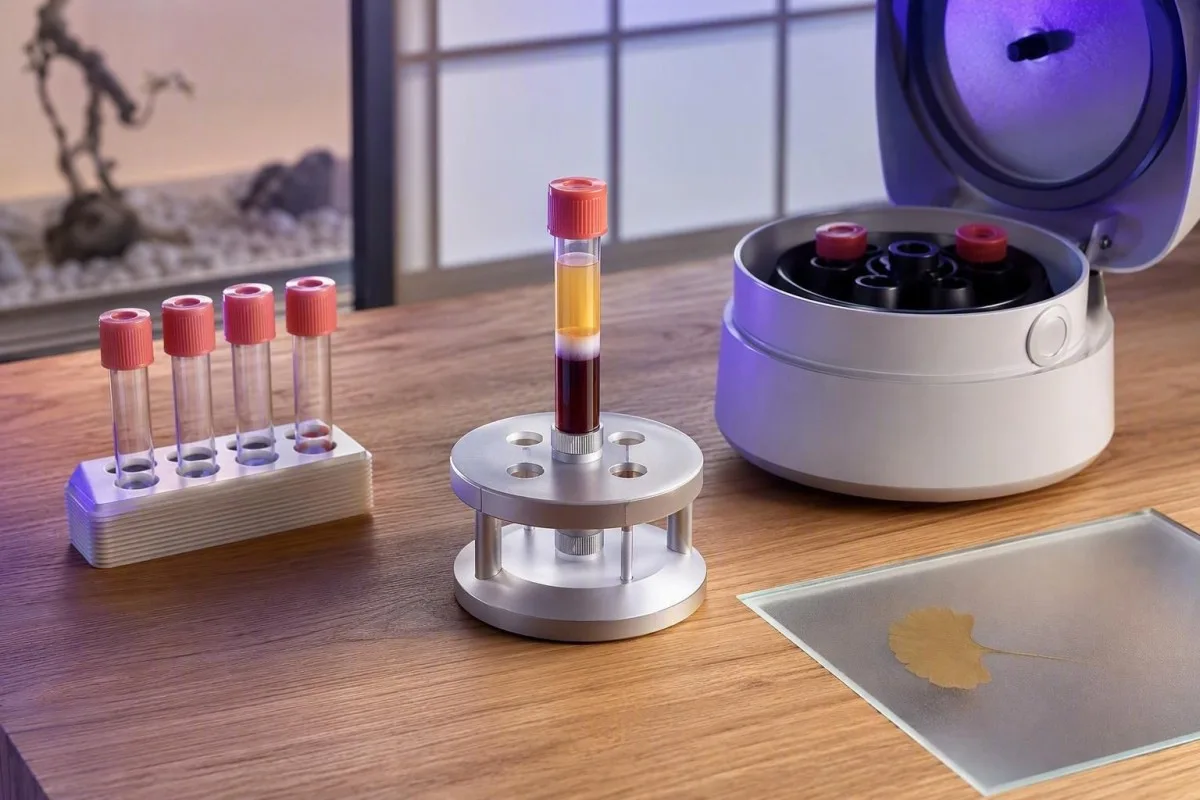
Ang usa ka mapuslanon nga unang pagkuha og dugo magrekord sa imong kasagarang pang-physiology, dili ang biochemical echo sa ehersisyo kaganiha, mga ilimnon, dili maayo nga pagkatulog, o usa ka viral infection nga molabay lang. Ang tumong mao ang balikbalik nga konteksto nga imong magamit sa daghang tuig.


- Oras sa Baseline: pag-book og bunag sa buntag human sa 8-12 ka oras nga walay pagkaon kung ang fasting glucose, triglycerides, iron studies, o insulin gilakip.
- Ehersisyo Pause: likayi ang dili kasagaran nga lisud nga resistance training, intervals, o endurance events sulod sa 24-48 ka oras sa dili pa ang routine baseline testing.
- Balik sa Alkohol: laktawan ang alkohol sulod sa labing menos 48 ka oras sa dili pa ang triglyceride ug liver-enzyme testing; ang bug-at nga pag-inom makadisturbo sa mga resulta sa mas dugay.
- Lagda sa Sakit: ipagawas ang usa ka wellness baseline hangtod sa labing menos 2 ka semana human sa hilanat o hinungdanon nga mga sintomas sa respiratory o gastrointestinal nga mawala.
- Target sa Hydration: pag-inom sama sa naandan sa adlaw sa wala pa ug pag-inom og 250-500 mL nga tubig sa 2 ka oras sa wala pa ang pagkolekta gawas kon limitado sa pluwido.
- Biotin caution: ihunong ang dili gireseta nga taas nga dosis sa biotin sulod sa 48-72 ka oras sa wala pa ang daghang immunoassays, apan ayaw gayud ihunong ang gireseta nga pagtambal sa dili pa mangutana sa nagreseta.
- Cycle context: irekord ang adlaw sa siklo alang sa estradiol, progesterone, LH, FSH, ug usahay lipids; kini nagbag-o sa interpretasyon labaw pa kay sa gidahom sa daghang tawo.
- Repeatability: gamita ang sama nga laboratoryo, parehas nga oras sa buntag, ug parehas nga sumbanan sa pag-andam sa diha nga imong gisubay ang mga resulta sa laboratoryo sa paglabay sa panahon.
Unsa ang naghimo sa usa ka unang pagkuha og dugo nga usa ka tinuod nga baseline?
A pagsulay sa dugo sa baseline mao ang labing mapuslanon kung kini nagkuha sa usa ka ordinaryo nga semana: lig-on nga mga pagkaon, kasagaran nga hydration, walay grabe nga sakit, ug walay talagsaon nga pagbansay o pag-inom. Alang sa kadaghanan sa mga hamtong, girekomenda nako ang sample sa buntag pagkahuman sa 8-12 ka oras nga pagpuasa kung gisukod ang glucose, triglycerides, iron markers, o insulin.
Ang praktikal nga tumong dili ang paghimo sa mga resulta nga mas maayo. Kini mao ang pagpakunhod sa pre-analytical variation—mga kausaban nga mahitabo sa wala pa makita sa analyzer ang sample. Ang usa ka fasting glucose nga 96 mg/dL ug usa ka triglyceride level nga 105 mg/dL parehong mahimong hingpit nga ordinaryo, apan ang ilang kahulogan mausab kung ang tawo mokaon og ulahi, modagan og 10 km, o matulog og 3 ka oras.
Sa akong klinikal nga trabaho, akong gihangyo ang mga pasyente nga trataron ang unang pagkuha sa dugo sama sa usa ka reference nga litrato. Paghimo og mubo nga rekord sa oras sa pagmata, gidugayon sa pagpuasa, mga tambal, suplemento, alkohol sa miaging 72 ka oras, ehersisyo sa miaging 48 ka oras, adlaw sa siklo sa pagregla, ug bag-o nga impeksyon. Kanang rekord kasagaran mas mapuslanon sa ikaduhang pagsulay kaysa usa ka “normal” nga bandila.
Si Kantesti usa ka AI blood test analyzer gidesinyo sa pagbasa sa mga resulta kauban ang praktikal nga konteksto, imbes nga trataron ang matag gipasiugda nga kantidad isip sakit. Alang sa usa ka makatarunganon nga lista sa pagsulay, sugdi sa among giya sa tinuig nga pagsulay sa dugo ug uyonan ang mga pagdugang sa usa ka clinician nga nakahibalo sa imong kaagi.
Ang baseline personal, dili lang “sulod sa range”
Ang laboratoryo nga reference interval kasagaran adunay sentro nga 95% sa mga kantidad gikan sa usa ka napili nga populasyon; kini wala maghubit sa imong labing himsog o labing luwas nga personal nga numero. Ang usa ka resulta sa creatinine mahimong magpabilin sulod sa sakup sa laboratoryo samtang kini modaghan pag-ayo gikan sa imong kaugalingon nga balik-balik nga kantidad, mao nga hinungdanon ang pagdokumento sa baseline.
Unsaon pagporma sa pagpuasa ug mga pagkaon sa miaging adlaw ang mga resulta
Fasting para sa 8-12 ka oras naghatag sa pinakatin-aw nga unang pagtandi alang sa triglycerides, fasting glucose, insulin, ug serum iron, bisan tuod daghang lipid panels ang mahimong hubad nga walay pagpuasa. Ang tubig gitugotan ug kasagarang makatabang; ang kape, duga, chewing gum, ug mga ilimnon nga adunay kaloriya dili tinuod nga pagpuasa.
Ang fasting plasma glucose ubos sa 100 mg/dL kasagaran normal, 100-125 mg/dL nagpaila sa nadaot nga fasting glucose, ug 126 mg/dL o labaw pa nagkinahanglan og kumpirmasyon gawas kon adunay mga sintomas ug dakong hyperglycaemia. Ang HbA1c nagpakita sa mga 8-12 ka semana sa wala pa, mao nga ang usa ka pamahaw dili makapakunhod niini sa makahuluganon; ang giya sa laboratoryo sa ADA nagpatin-aw ngano nga ang glucose ug HbA1c nagtubag sa lainlaing mga pangutana (Sacks et al., 2023).
Ang triglycerides labi nga sensitibo sa pagkaon. Ang kantidad nga ubos sa 150 mg/dL kasagaran maayo, samtang 500 mg/dL o labaw pa nagpataas sa kabalaka alang sa risgo sa pancreatitis ug angay dayon nga klinikal nga pagsusi. Ang usa ka dato nga ulahing pagkaon o alkohol mahimong makahatag usa ka makapahisalaag nga taas nga unang resulta, busa gamita ang usa ka plano sa pag-usab sa pagsulay sa triglyceride imbes nga mosulay sa “pagkaon og perpekto” sa usa ka adlaw.
Si Kantesti usa ka AI pagsabot sa resulta sa blood test platform nga makapreserbar sa kahimtang sa pagpuasa tapad sa matag panel, nga naghimo sa ulahi nga mga pagtandi nga dili kaayo sayop. Ang among biomarker guide nagpatin-aw kung unsang mga pagsulay ang tinuod nga sensitibo sa pagkaon ug kung unsa ang dili.
Unsaon pagpalsipikar sa ehersisyo ang abnormal nga mga pagsulay sa atay ug kidney
Ang lisod nga ehersisyo makapataas og temporarya CK, AST, ALT, creatinine, puti nga mga selula, ug usahay potassium, busa likayi ang wala pa makita o taas nga intensity nga pagbansay sulod sa 24-48 ka oras sa dili pa ang baseline panel. Ang hinay-hinay nga paglakaw ug normal nga adlaw-adlaw nga lihok maayo ra.
Usa ka 52-anyos nga marathon runner nga akong gi-review adunay AST 89 IU/L human sa taas nga lumba, nga adunay ALT 36 IU/L ug CK labaw sa 2,000 IU/L. Ang maong sumbanan mas kusganong nagpunting sa kaunoran nga nabansay kay sa kadaot sa atay, apan kinahanglan pa kini og balik human sa pagkaayo; ang isolated nga mga numero talagsa ra igo. Basaha ang dugang pa bahin sa AST human sa ehersisyo sa dili pa magtuo nga adunay problema sa atay.
Ang mga limitasyon sa pakisayran sa creatine kinase managlahi sa laboratoryo, sekso, kagikan, masa sa kaunoran, ug kahimtang sa pagbansay, apan daghang mga laboratoryo ang nagtimaan sa mga kantidad nga labaw sa gibana-bana nga 200-300 IU/L. Ang CK nga milapas sa 5 ka beses sa taas nga limitasyon sa pakisayran human sa kalihokan kay kasagaran; ang CK nga milapas sa 5,000 IU/L nga adunay ngitngit nga ihi, grabe nga kasakit sa kaunoran, o pagkunhod sa output sa ihi nagkinahanglan og dinalian nga pagsusi alang sa exertional rhabdomyolysis.
Ang creatinine motaas human sa grabe nga kalihokan partially pinaagi sa pagguba sa kaunoran ug pagkunhod sa kidney blood flow gikan sa pagkawala sa pluwido. Ayaw paghubad sa mas ubos nga eGFR gikan sa usa ka post-race sample isip chronic kidney disease nga walay testing sa pagkaayo; ang among giya sa creatinine sa pag-ehersisyo nagpatin-aw sa mas luwas nga panahon sa pag-redraw.
Ang 48-oras nga pag-reset dili lagda alang sa tanan
Alang sa usa ka recreational gym session, ang 24 ka oras kasagaran igo na. Human sa usa ka ultramarathon, CrossFit competition, bug-at nga eccentric lifting, o pagkaladlad sa kainit, ako kasagarang maghulat 48-72 ka oras kung ang katuyoan mao ang usa ka lig-on nga baseline kaysa pagtimbang-timbang sa panghitabo mismo.
Nganong ang alkohol angayan og 48-oras nga baseline pause
Paglikay sa alkohol sulod sa labing menos 48 oras sa dili pa ang usa ka baseline blood test makapakunhod sa mubo nga panahon nga pagtuis sa triglycerides, glucose, GGT, AST, hydration markers, ug sleep-related physiology. Ang usa ka bug-os nga gabii makahimo og dakong kalainan kay sa gipaabot sa daghang mga pasyente.
Ang alkohol makapataas sa triglycerides pinaagi sa pagdugang sa produksyon sa hepatic very-low-density lipoprotein, ilabi na human sa mga pagkaon nga daghan og carbohydrates. Ang epekto magkalahi: ang resulta sa usa ka tawo mobalik sa baseline sulod sa 24 ka oras, samtang ang lain nga adunay fatty liver, diabetes, o mas bug-at nga pag-inom mahimong magpakita og mga kausaban sulod sa pipila ka adlaw. Ang fasting triglyceride nga 220 mg/dL human sa usa ka semana sa mga ilimnon kinahanglan nga sublion sa dili pa adunay magtawag niini nga usa ka fixed metabolic problem.
Ang GGT sensitibo apan dili espesipiko. Daghang mga laboratoryo ang naggamit sa taas nga mga limitasyon sa palibot sa 55-60 IU/L alang sa mga lalaki ug 35-40 IU/L alang sa mga babaye, apan ang mga tambal, cholestasis, fatty liver, ug alkohol tanan makapataas niini. Ang makahuluganon nga sumbanan mao ang GGT nga adunay ALT, ALP, bilirubin, platelet count, ug kasaysayan sa alkohol; tan-awa ang among pagpasabut sa panel sa atay kung giunsa kini nga mga piraso magkauban.
Sukad sa Septembre 1, 2026, nagadili pa gihapon ko sa “pag-detox” o sobrang pagpuasa aron mapauswag ang mga resulta sa atay. Normal nga pagkaon, normal nga tubig, walay alkohol, ug usa ka dokumentado nga interval mao ang mas limpyo nga siyensya. Ang padayon nga ALT nga labaw sa taas nga limitasyon sa laboratoryo sa duha ka mga sample nga gilay-on sa pipila ka semana nagkinahanglan og medikal nga review, dili usa ka internet cleanse.
Kanus-a ang sakit o pagbakuna angay maglangan sa usa ka wellness draw
Paglangan sa usa ka baseline sa maayong panglawas panahon sa hilanat, aktibo nga sakit sa gastrointestinal, usa ka dakong impeksyon sa respiratoryo, o ang unang 1-2 ka semana human sa pagkaayo kay CRP, ferritin, white cells, platelets, glucose, ug thyroid tests mahimong temporaryo nga mausab. Ang dinalian nga diagnostic testing lahi: ayaw kini palangia kung dili maayo ang imong gibati.
Ang C-reactive protein kasagarang motaas sulod sa 6-8 ka oras human sa usa ka inflammatory stimulus ug mahimong dali nga mous-os kung ang hinungdan mahanaw. Ang CRP ubos sa 3 mg/L kasagarang gigamit alang lamang sa pagklasipikar sa risgo sa cardiovascular kung ang usa ka tawo maayo sa klinikal nga paagi; ang resulta nga 18 mg/L atol sa usa ka sipon gamay ra ang isulti bahin sa dugay nga peligro sa ugat. Ang sumbanan sa CRP ug albumin mas naghatag ug impormasyon kaysa sa usa ka resulta lamang.
Ang Ferritin usa ka protina nga nagtipig og iron ug usa ka acute-phase reactant. Ang ferritin nga 110 ng/mL atol sa impeksyon mahimong magtago sa nahurot nga iron stores, samtang ang ferritin ubos sa 15 ng/mL labi ka piho alang sa kakulangan sa iron sa usa ka hamtong nga himsog. Mao kini ang hinungdan nga gipares nako ang ferritin sa transferrin saturation, CRP, hemoglobin, ug ang klinikal nga istorya.
Ang pagbakuna mahimong hinungdan sa usa ka mubo nga tubag sa resistensya, lakip ang temporaryo nga mga pagbag-o sa CRP ug white-cell subsets. Ang regular nga testing kasagaran mahimong maghulat 3-7 ka adlaw pagkahuman sa pagbakuna kung ang tumong mao ang usa ka hilom nga baseline, apan ang usa ka iskedyul nga safety panel alang sa pagmonitor sa tambal kinahanglan mosunod sa mga instruksyon sa nagreseta nga clinician. Ang among giya sa laboratoryo pagkahuman sa pagbakuna naglangkob sa praktikal nga mga kalainan.
Ang duha ka semana nga lagda adunay mga eksepsiyon
Human sa pneumonia, pagpaospital, infectious mononucleosis, o usa ka grabe nga paglala sa laygay nga sakit, ang duha ka semana mahimong dili igo. Sa maong mga kaso, sagad akong gigamit ang pagkaayo sa sintomas, ang dagan sa CRP, ug ang paghukom sa clinician imbes nga kalendaryo lamang.
Unsaon pagbag-o sa pagkawala sa tulog ug oras sa usa ka blood test
Ang usa ka dili maayo nga gabii sa pagkatulog makapataas sa fasting glucose, cortisol, presyon sa dugo, ug mga signal sa panghubag, samtang ang oras mahimong magbag-o sa testosterone, cortisol, iron, ug TSH. Alang sa usa ka unang baseline, tumong sa 7-9 ka oras nga normal nga pagkatulog ug pagkuha og sample tali sa mga alas 7 ug 10 sa buntag kung posible.
Ang Cortisol nagsunod sa usa ka lig-on nga adlaw-adlaw nga ritmo. Ang cortisol sa serum sa buntag kasagarang gisukod mga alas 8 sa buntag, apan ang usa ka kantidad dili makadayagnos sa sakit sa adrenal kung walay oras sa pagkolekta, mga sintomas, ug kasagaran ACTH testing. Ang sample sa hapon kumpara sa naunang sample sa alas 8 sa buntag dili usa ka balido nga dagan, bisan kung parehas nga laboratoryo ang naghimo sa duha.
Ang pagpugong sa pagkatulog sa 4-5 ka oras mahimong makapasamot sa sunod nga pagkasensitibo sa insulin sa buntag ug makabag-o sa mga hormone sa gana; ang gidak-on sa pagbag-o sa laboratoryo magkalahi pag-ayo sa matag tawo. Nakita nako kini kanunay sa mga shift worker, bag-ong mga ginikanan, ug mga kanunay nga magbiyahe, diin ang usa ka “baseline” kinahanglan magrepresentar sa ilang tinuod nga iskedyul imbes nga usa ka ideal nga usa. Ang among giya sa poor sleep lab nagtanyag ug mapuslanon nga checklist sa anotasyon.
Ang praktikal nga tambag ni Dr. Thomas Klein yano ra: ayaw kanselaha ang usa ka gikinahanglan nga test tungod kay dili maayo ang imong pagkatulog, apan irekord kini. Kung ang usa ka borderline nga fasting glucose kay 103 mg/dL pagkahuman sa usa ka gabii nga walay tulog, sublion kini ubos sa ordinaryong mga kahimtang sa dili pa mohimo og mga konklusyon bahin sa prediabetes.
Ang Kape dili kanunay nga walay kadaot nga pagpangandam
Ang itom nga kape mahimong gamay ra ang epekto sa daghang mga panel, apan kini makaapekto sa glucose, catecholamines, presyon sa dugo, ug pipila ka espesyalista nga mga pagsulay sa endocrine. Kung ang insulin, glucose, cortisol, o metanephrines sa pagpuasa gipamando, ang lunsay nga tubig mao ang labing klaro nga pagpili.
Unsang mga suplemento ug tambal ang kinahanglan irekord
Ayaw ihunong ang gireseta nga mga tambal alang sa usa ka baseline nga pagsulay sa dugo gawas kung ang nagreseta magsulti kanimo nga buhaton kini, apan itala ang matag tambal ug suplemento nga adunay dosis ug oras. Biotin, iron, B12, creatine, iodine, corticosteroids, ug decongestants mahimong magbag-o sa biolohiya o sa pagsulay sa assay.
Ang taas nga dosis sa biotin, sagad 5,000-10,000 micrograms adlaw-adlaw sa mga produkto sa buhok ug lansang, mahimong makabalda sa pipila ka streptavidin-biotin immunoassays. Mahimo kini nga makahimo og sayup nga ubos nga TSH o sayup nga taas nga libre nga T4, troponin, o mga resulta sa hormone depende sa disenyo sa assay. Ang 48-72 oras nga paghunong sagad gigamit alang sa dili gireseta nga biotin, apan ang mga tawo nga nagakuha niini alang sa usa ka medikal nga kondisyon kinahanglan una nga mangutana sa ilang clinician.
Ang oral iron mahimong makataas sa serum iron sa madali, ug ang mga suplemento sa creatine mahimong makadugang sa creatinine nga dili makunhuran ang aktuwal nga filtration. Ang mga corticosteroid mahimong makapataas sa glucose ug puti nga mga selula; ang mga proton-pump inhibitor mahimong makaapekto sa magnesium ug B12 sa paglabay sa panahon. Ang husto nga tubag mao ang konteksto, dili ang biglaang paghunong sa kaugalingon; among giya sa pagpuasa sa suplemento nagpatin-aw sa mga kasagarang eksepsiyon.
Si Kantesti usa ka AI-powered blood test analysis tool nga nagrekord sa mga gitaho nga suplemento tapad sa mga resulta aron ang usa ka dayag nga pagbag-o sa thyroid o kidney mahimong masusi uban ang pagkaladlad nga makapatin-aw niini. Ang mga pasyente mahimo usab nga itandi ang mga gitaho nga resulta sa among checklist sa klinikal nga katukma sa dili pa molihok sa usa ka wala damhang bandila.
Ang oras sa tambal mahimong bahin sa reseta
Ang thyroid replacement, testosterone therapy, insulin, diuretics, ug anticoagulants ang matag usa adunay mga lagda sa oras nga piho sa pagsulay. Pananglitan, ang mga thyroid test sagad gikuha sa wala pa ang dosis sa levothyroxine sa adlaw kung nagmonitor sa pagkamakanunayon, apan ang protocol sa nagreseta nga clinician kinahanglan unahon.
Unsaon pag-apekto sa timing sa pagregla ang unang baseline sa hormone
Alang sa pagsulay sa hormone sa pagsanay, ang adlaw sa siklo usa ka bahin sa resulta. FSH, LH, estradiol, progesterone, testosterone, prolactin, ug usahay lipids mahimong magkalainlain kaayo sa tibuuk nga siklo nga ang usa ka wala marekord nga petsa nagpahuyang sa interpretasyon.
Ang sayo nga pagsulay sa follicular, sagad mga adlaw sa siklo 2-5, sagad gigamit alang sa baseline FSH, LH, ug estradiol sa pagtimbang-timbang sa pagkamabdos. Ang progesterone kasagarang gisukod mga 7 ka adlaw pagkahuman sa ovulation—dili awtomatiko nga “adlaw 21,” tungod kay ang 35-ka-adlaw nga siklo nagsunod sa lahi nga biolohiya. Ang kantidad sa progesterone nga labaw sa mga 3 ng/mL mahimong mosuporta sa bag-o nga ovulation sa daghang mga sitwasyon, apan ang eksaktong interpretasyon nagdepende sa assay ug oras.
Ang prolactin sensitibo sa stress, bag-o nga ehersisyo, kalihokan sa sekso, ug lisud nga pagkolekta og sample. Ang malumo nga pagtaas sagad gisubli human sa 20-30 ka minuto nga hilom nga pahulay, labing maayo sa buntag; ang lebel nga makanunayon nga labaw sa 100 ng/mL angayan sa dali nga pagtimbang-timbang sa endocrine, bisan kung ang mga epekto sa tambal nagpabilin nga kasagaran. Tan-awa ang among giya sa pag-usab sa pagsulay sa prolactin alang sa makatarunganon nga mga sunod nga lakang.
Ang mga pagbag-o sa lipid nga may kalabutan sa siklo tinuod apan kasagaran mas gamay kaysa sa mga pagbag-o gikan sa gibug-aton, pagkaon, alkohol, diabetes, o genetika. Kung nagtinguha ka nga bantayan ang kahimsog gamit ang mga pagsulay sa dugo sa daghang tuig, pagpili og susama nga hugna sa siklo alang sa balik-balik nga lipid ug hormone panel kung mahimo, labi na samtang nagtimbang-timbang sa mga sintomas o pagtambal.
Ang hormonal contraception nagbag-o sa pangutana
Ang kombinasyon nga hormonal contraception mahimong makapugong sa endogenous nga pagsukat sa FSH, LH, estradiol, ug androgen, busa kini nga mga resulta mahimong dili maghulagway sa wala matambalan nga pisyolohiya. Ayaw ihunong ang kontrasepsiyon aron lang makakuha og baseline nga dili hunahunaon ang peligro sa pagmabdos ug ang klinikal nga hinungdan sa pagsulay.
Nganong ang hydration, postura, ug teknik sa pagkolekta importante
Ang normal nga hydration ug 10-15 minutos nga paglingkod sa pagpahulay sa wala pa ang pagkolekta makapauswag sa pagkasubli tungod kay ang dehydration, taas nga pagtindog, ug lisud nga pagkuha makasentro o makadiskulay sa daghang mga resulta. Pag-inom sama sa naandan sa adlaw sa wala pa ug, gawas kung limitado ang pluwido, adunay 250-500 mL nga tubig sulod sa 2 ka oras sa wala pa ang appointment.
Ang pagkontrata sa gidaghanon sa plasma mahimong maghimo sa hemoglobin, hematocrit, albumin, calcium, total protein, ug creatinine nga mas taas kaysa sa ordinaryong hydration. Sa kasukwahi, ang agresibo nga pag-inom ug daghang litro nga tubig sa wala pa ang pagsulay mahimong makadiskulay sa sodium ug uban pang mga pagsukod. Ang normal nga sakup sa sodium kasagaran 135-145 mmol/L, apan ang usa ka wala damha nga resulta kinahanglan kanunay nga hubaron uban ang hydration ug kahimtang sa glucose.
Ang postura mas importante kaysa sa gihunahuna sa kadaghanan. Ang pagtindog mahimong makadugang sa albumin ug mga analytes nga nakig-uban sa protina pinaagi sa pagbalhin sa pluwido, samtang ang taas nga oras sa tourniquet ug balik-balik nga pagpugong sa kumo mahimong makapataas sa potassium ug lactate. Ang potassium nga labaw sa 5.5 mmol/L nga walay sakit sa kidney, mga sintomas, o mga kausaban sa ECG kanunay nga gisusi pag-usab dayon tungod kay ang artepakto sa pagkolekta kasagaran; among giya sa sayop nga pagkuha sa potassium nagpasabot kung nganong.
Ang pagregla, bag-o nga pagkawala sa pluwido gikan sa kalibanga, diuretics, ug paggamit sa sauna tanan kinahanglan ibutang sa nota nga gilakip sa pagkuha. Kung ang eGFR dili maayo nga ubos human sa dehydration, ibalik ang normal nga pag-inom ug hisguti ang balik-balik nga pagsulay; tan-awa temporaryong mga kausaban sa eGFR sa wala pa maghunahuna nga permanenteng kadaot sa kidney.
Ang pula nga tubo dili usa ka diyagnosis
Ang kolor sa tubo nagpaila sa additive nga gigamit alang sa pagproseso sa laboratoryo, dili ang kabug-at sa pagsulay. Ang importante sa klinikal mao ang husto nga pagpili sa tubo, temperatura sa transportasyon, paglangan sa pagproseso, ug kung ang laboratoryo nagreport ug hemolysis o dili igo nga sample.
Unsaon paghimo sa ulahi nga mga resulta nga ikatandi sa unang pagkuha og dugo
Gamita ang parehas nga laboratoryo, parehas nga oras sa pagkolekta, ug parehas nga rutina sa pagpangandam sa matag higayon nga imong subayon ang mga resulta sa lab sa paglabay sa panahon. Ang usa ka tinuod nga biyolohikal nga pagbag-o mahimong mas gamay kaysa sa hiniusa nga epekto sa pamaagi sa pagsulay, kahimtang sa pagpuasa, ehersisyo, ug ordinaryong adlaw-adlaw nga baryasyon.
Ang LDL cholesterol mahimong kalkulado kaysa direkta nga masukod, ug ang kalkulasyon nahimong dili kaayo kasaligan samtang ang triglycerides mosaka. Ang 2018 AHA/ACC cholesterol guideline nagsuporta sa non-fasting screening sa daghang tawo apan nagrekomendar sa fasting assessment sa pinili nga mga kahimtang, lakip ang taas kaayo nga triglycerides ug kawalay kasigurohan sa diyagnosis (Grundy et al., 2019). Ang importante nga punto mao ang pagkamakanunayon, dili pagkahingpit.
Ang Reference change value, o RCV, naghiusa sa analytical imprecision sa normal nga biyolohikal nga baryasyon sa usa ka indibidwal. Ang 10% nga paglihok sa usa ka marka mahimong kasaba samtang ang 30% nga pagbag-o sa lain makahuluganon; walay unibersal nga porsyento nga magamit sa matag pagsulay. Ang among mao ba kini nga pagbag-o tinuod nga giya nagpakita ngano nga ang mga uso nagkinahanglan ug labaw pa sa mga arrow nga gikulitan og kolor.
Ang Kantesti AI naghubad sa balik-balik nga mga panel pinaagi sa pagtandi sa mga yunit sa assay, mga agwat sa reperensya, mga petsa sa pagkolekta, ug mga may kalabutan nga biomarkers kaysa sa yano nga pag-ihap sa dili maayo nga mga bandila. Ang among dagan sa trabaho sa pagtandi sa AI gihimo alang niini nga pangutana sa longitudinal: unsa ang nabag-o igo aron angay hatagan ug pagtagad?
Hupti ang orihinal nga report
I-save ang PDF o klaro nga litrato, dili lamang usa ka gipatik nga resulta. Ang mga pagbag-o sa yunit, mga sakup sa laboratoryo, mga komento bahin sa hemolysis, ug kung ang LDL gikalkulo mahimong hinungdanon nga magbag-o kung giunsa ang usa ka umaabot nga kliniko magbasa sa uso.
Ang nota sa konteksto nga luwason sa matag blood test
Ang usa ka mubo nga nota sa konteksto naghimo sa nag-inusara nga mga numero nga magamit nga datos sa longitudinal. Irekord petsa, oras, oras sa pagpuasa, pagkatulog, ehersisyo, alkohol, sakit, tambal, suplemento, adlaw sa siklo, pagbag-o sa timbang, ug mga bag-ong sintomas sa matag pagkuha.
Ang akong minimum nga sulat adunay walo ka butang: oras sa pagkolekta; gidugayon sa pagpuasa; ehersisyo sulod sa 48 ka oras; alkohol sulod sa 72 ka oras; kasamtangang sakit; kausaban sa reseta; dosis sa suplemento ug kataposang dosis; ug kahimtang sa pagregla o pagmabdos kung diin kini magamit. Idugang ang pagbiyahe, jet lag, ug altitude kung magamit kini, tungod kay ang matag usa mahimong makalihok sa hydration, cortisol, haemoglobin, ug mga marka nga sensitibo sa pagkatulog.
Ang 1.5 kg nga pagkawala sa timbang sa 10 ka adlaw, usa ka bag-ong high-protein diet, o daghang gabii nga walay hunong nga pagkatulog mahimong makapatin-aw sa kasarangan nga mga kausaban sa pagsulay sa dugo sa paglabay sa panahon. Kana wala maghimo sa resulta nga dili importante—kini naghimo niini nga masabtan. Alang sa usa ka reusable nga bersyon, ang among tigsubay sa konteksto sa laboratoryo naglakip sa mga detalye nga labing sagad makalimtan sa mga pasyente.
Girekomenda ni Dr. Thomas Klein ang pagsulat sa sulat sa dili pa ikaw mobiya sa balay, dili samtang naghulat sa mga resulta. Ang memorya mahimong dili kasaligan human sa usa ka wala damhang bandila, ug ang mga tawo nasabtan nga nagtukod pag-usab sa miaging semana aron mohaum sa numero.
Unsa ang dili irekord isip usa ka “fix”
Ayaw manipulahon ang pagkaon, pag-inom og tubig, ehersisyo, o mga suplemento sa pagkaon aron lamang makakuha og mas madanihon nga unang baseline. Ang usa ka baseline kinahanglan magrepresentar sa imong kinabuhi; kung dili, ang sunod nga pagsulay mahimong tan-awon nga mas daotan tungod lamang kay kini mas matinud-anon.
Unsang mga borderline findings ang angay usab-usabon sa dili pa mabalaka
Daghang mga borderline nga baseline nga resulta ang angay sublion ubos sa lig-on nga mga kahimtang sa dili pa kini trataron isip sakit, ilabi na ang nag-inusara nga malumo nga mga kausaban sa liver enzymes, creatinine, potassium, prolactin, neutrophils, ug triglycerides. Ang dinalian nga mga sintomas o tin-aw nga dili normal nga mga kantidad mao ang eksepsiyon.
Ang ALT nga ubos sa 2 ka beses sa laboratoryo nga taas nga limitasyon nga adunay normal nga bilirubin, ALP, ug walay sintomas kasagaran gisusi pag-usab human makuha ang temporaryo nga mga hinungdan sama sa alkohol, lisud nga ehersisyo, o intercurrent nga sakit. Ang lebel sa bilirubin nga labaw sa 3 mg/dL nga adunay jaundice, ngitngit nga ihi, maputla nga tai, hilanat, o sakit sa tiyan lahi ug dili angay maghulat sa usa ka rutina nga baseline redraw.
Ang usa ka malumo nga ubos nga ihap sa neutrophil mahimong mosunod sa usa ka viral nga sakit o magpakita sa lig-on nga normal sa usa ka indibidwal. Ang absolute neutrophil count nga 1.0-1.5 × 10⁹/L kasagaran malumo nga neutropenia, samtang ang ubos sa 0.5 × 10⁹/L adunay labi nga mas taas nga risgo sa impeksyon ug nagkinahanglan og dinalian nga medikal nga giya, ilabi na sa hilanat. Ang among gabay sa follow-up sa neutrophil nagbahin sa kasagaran nga mga retest gikan sa mga red flag.
Usa sa labing mapuslanon nga mga panalipod mao ang pag-check sa pattern. Pananglitan, ang taas nga calcium nga adunay gi-suppress nga parathyroid hormone adunay lahi nga pagkadinalian kaysa taas nga calcium dugang sa dehydration ug albumin elevation; ang rason nga kita mabalaka bahin sa mga kombinasyon mao nga ang biology halos dili mag-usab sa usa ka marka lamang.
Kanus-a ang usa ka baseline blood test dili angay mopuli sa medikal nga pag-atiman
Ang usa ka baseline protocol dili angay kung ikaw adunay mga red-flag nga sintomas, kusog nga nagkagrabe nga sakit, mga komplikasyon sa pagmabdos, o usa ka kritikal nga alerto sa laboratoryo. Sakit sa dughan, grabeng kakulang sa gininhawa, kalibog, pagkalipong, jaundice, itom nga tai, o grabeng dehydration nagkinahanglan ug klinikal nga pagsusi karon—dili usa ka mas maayo nga giandam nga pagsulay pag-usab.
Ang potassium nga 6.0 mmol/L o labaw pa, sodium ubos sa 120 mmol/L, glucose labaw sa 300 mg/dL nga adunay pagsuka o kalibog, o hemoglobin duol sa 7 g/dL maoy mga pananglitan sa mga resulta nga mahimong magkinahanglan ug dinalian nga aksyon, bisan pa nga ang bug-os nga klinikal nga kahimtang importante. Ang mga laboratoryo kasagarang makontak ang nag-order nga team bahin sa mga kritikal nga kantidad, apan ang mga pasyente kinahanglan dili magdahom nga ang usa ka gimingaw nga tawag nagpasabut nga ang usa ka resulta luwas.
Kung ikaw mabdos, adunay laygay nga sakit sa kidney, moinom ug insulin, mogamit ug anticoagulants, makadawat ug chemotherapy, o adunay nahibal-an nga sakit sa atay, ang mga instruksyon sa pag-andam mahimong lahi sa wellness template. Ang usa ka panahon sa pagpuasa mahimong dili luwas alang sa pipila ka mga tawo nga adunay diabetes, ug ang pag-iskedyul sa tambal mahimong importante. Ang among unsa ka sagad mag-test nga giya naglatid ngano nga ang grupo sa peligro nagbag-o sa plano.
Si Kantesti usa ka AI lab test interpretation service nga makatabang sa pag-ila sa mga pangutana alang sa mga clinician, dili puli sa dinalian nga pagtasa o usa ka diagnosis. Ang mga klinikal nga panalipod ug mga prinsipyo sa medikal nga pagrepaso sa luyo sa among trabaho gihulagway sa among Lupon sa Medikal nga Magtatambag.
Usa ka praktikal nga 72-oras nga protocol alang sa imong unang baseline
Alang sa usa ka mapuslanon nga una nga baseline, ipadayon ang imong rutina sulod sa 72 ka oras, likayi ang alkohol sulod sa 48 ka oras, likayi ang bug-at nga ehersisyo sulod sa 24-48 ka oras, matulog sama sa naandan, magpuasa 8-12 ka oras kung gikinahanglan, inom ug tubig, ug irekord ang imong konteksto. Ang pagkamakanunayon mao ang interbensyon.
Pito ka tuig ug 48 ka oras sa wala pa: ayaw pagsugod ug bag-ong suplemento, crash diet, cleanse, o training block. Kung nag-inom ka na ug suplemento, irekord ang eksaktong dosis; kung kini adunay taas nga dosis nga biotin, pangutana sa nag-order nga clinician o pharmacist kung ang 48-72 ka oras nga paghunong angay. Likayi ang alkohol sulod sa 48 ka oras ug ipauswag ang regular nga pag-test kung ang sakit aktibo.
Sa adlaw sa wala pa: kaon sa imong ordinaryo nga mga pagkaon, magpabilin sa normal nga hydration, likayi ang sauna o endurance events, ug planoha ang 7-9 ka oras sa higdaanan. Alang sa fasting panels, tapusa ang pagkaon 8-12 ka oras sa wala pa ang appointment; okay ra ang tubig. Sa buntag sa pagkuha, likayi ang kape ug nikotina kung ang glucose, insulin, cortisol, catecholamines, o espesyal nga endocrine testing ang giplano.
Human moabot ang resulta, tipigi ang orihinal nga report ug ang iyang konteksto nga nota sa dili pa usbon ang bisan unsa. Ang Kantesti AI makahan-ay sa mga resulta sa usa ka longitudinal view, samtang ang among teknolohiya ug clinical-method guide nagpatin-aw ngano nga ang pag-ila sa pattern nagkinahanglan gihapon ug tawhanong medikal nga follow-up alang sa mga sintomas, dagkong abnormalidad, ug mga desisyon sa pagtambal.
Kanunay nga Gipangutana nga mga Pangutana
Unsaon nako pag-andam alang sa baseline nga blood test?
Pag-andam alang sa usa ka baseline nga pagsulay sa dugo pinaagi sa pagpadayon sa imong naandan nga rutina, paglikay sa alkohol sulod sa 48 ka oras, paglikay sa grabeng ehersisyo sulod sa 24-48 ka oras, pagkatulog sa normal, ug pagdokumento sa mga tambal ug suplemento. Puasa sulod sa 8-12 ka oras kon ang order naglakip sa fasting glucose, triglycerides, insulin, o iron studies; ang tubig kasagaran gitugotan. Pag-inom sa normal imbes nga mag-overhydrate, ug pag-iskedyul og koleksyon sa buntag tali sa mga alas 7 ug alas 10 sa buntag kon ang mga hormone o iron gilakip. Paglangan sa usa ka baseline sa kaayohan panahon sa acute illness gawas kon ang pagsulay gikinahanglan sa pagtimbang-timbang sa maong sakit.
Kinahanglan ba akong magpuasa alang sa akong una nga pagsulay sa dugo?
Ang 8-12 ka oras nga pagpuasa labing mapuslanon alang sa una nga pagsulay sa dugo nga naglakip sa triglycerides, fasting glucose, insulin, o serum iron, bisan pa daghang naandan nga lipid panels ang wala na magkinahanglan og pagpuasa. Ang limpyo nga tubig dili makaguba sa pagpuasa ug makatabang sa pagpugong sa lisud nga pagkolekta o mga epekto sa konsentrasyon nga may kalabutan sa dehydration. Ang kape, duga, gatas, alkohol, chewing gum, ug mga suplemento mahimong makausab sa piniling mga resulta o makawala sa gitinguha nga pag-andam. Sunda ang mga instruksyon nga piho sa order kung ang imong clinician maghatag ug laing gidugayon sa pagpuasa.
Ang ehersisyo ba makaapekto sa resulta sa blood test pagkasunod adlaw?
Oo, ang lisud nga ehersisyo makaapekto sa resulta sa blood test sulod sa 24-72 ka oras pinaagi sa pagpataas sa creatine kinase, AST, ALT, creatinine, puti nga mga selula, ug usahay potassium. Ang lisud nga resistance training, marathon running, high-intensity intervals, ug exposure sa kainit moresulta sa mas dako nga kausaban kay sa normal nga paglakaw. Alang sa usa ka lig-on nga wellness baseline, likayi ang dili kasagaran o intensibo nga ehersisyo sulod sa 24-48 ka oras; human sa usa ka dako nga endurance event, ang 48-72 ka oras kasagaran mas realistiko. Ayaw paglangan sa dinalian nga pagsulay alang sa mga sintomas sama sa grabe nga sakit sa kaunoran, ngitngit nga ihi, kahuyang, o pagkunhod sa output sa ihi.
Unsa ka dugay ang akong likayan nga imnon ang alkohol sa dili pa ang pagsulay sa dugo?
Likayi ang alkohol sulod sa labing menos 48 ka oras sa dili pa ang baseline blood test, ilabi na kon ang triglycerides, glucose, GGT, AST, ALT, o mga marker nga sensitibo sa hydration gisusi. Ang alkohol mahimong makapataas sa triglycerides bisan human sa usa ka bug-at nga gabii, ug ang epekto mahimong molungtad og pipila ka adlaw sa mga tawo nga adunay diabetes, tambok nga atay, o mas dako nga kasagaran nga pag-inom. Ang resulta sa triglyceride nga 500 mg/dL o mas taas nagkinahanglan og dinalian nga pagsusi sa klinika tungod kay ang risgo sa pancreatitis modako pag-ayo. Ayaw sulayi ang paghinlo o bug-at nga pagpuasa pagkahuman; ang ordinaryo nga mga pagkaon ug hydration makahatag og mas matinud-anon nga balik nga resulta.
Makapatipas ba ang dili maayo nga pagkatulog sa resulta sa blood test?
Ang dili maayo nga pagkatulog makapausab sa glucose pagkahuman sa pagpuasa sa sunod nga buntag, cortisol, presyon sa dugo, ug pipila ka mga signal sa panghubag, labi na pagkahuman sa 4-5 ka oras nga pagkatulog o pagtrabaho sa tibuok gabii. Dili kini makapausab sa HbA1c, nga nagpakita sa aberids nga lebel sa glucose sulod sa mga 8-12 ka semana. Kon ang usa ka dili dinalian nga baseline nga resulta dili maayo human sa usa ka gabii nga walay tulog, irekord ang kakulang sa pagkatulog ug ikonsiderar ang pag-usab sa pagsulay ubos sa ordinaryong mga kahimtang. Ang gikinahanglan nga pagsulay kinahanglan gihapon nga ipadayon, tungod kay ang mga sintomas ug dayag nga mga abnormalidad mas importante kaysa sa sulundon nga pagpangandam.
Kinahanglan ba nako nga ipasusi ang akong mga hormone sa usa ka partikular nga adlaw sa akong siklo sa pagregla?
Oo, ang pag-test sa hormone kinahanglan nga ipahinabo sumala sa pangutana sa klinika ug ang adlaw sa siklo sa pagregla kinahanglan kanunay nga irekord. Ang FSH, LH, ug estradiol kasagarang susihon sa mga adlaw 2-5 sa siklo alang sa usa ka sayo nga baseline sa follicular, samtang ang progesterone kasagaran susihon mga 7 ka adlaw pagkahuman sa ovulation kaysa awtomatikong sa adlaw 21. Ang lebel sa progesterone nga labaw sa gibanabana nga 3 ng/mL makasuporta sa bag-o nga ovulation, apan managlahi ang mga laboratoryo ug ang mga kahimtang sa klinika. Ang hormonal contraception nagbag-o sa mga resulta sa endogenous hormone, busa ayaw kini hunongon alang lamang sa pagsulay nga walay tambag medikal.
Karon na ang AI-Powered Blood Test Analysis
Apil sa kapin sa 2 milyon nga mga user sa tibuok kalibutan nga nagsalig sa Kantesti para sa dayon ug tukma nga pag-analisa sa lab test. I-upload ang imong resulta sa blood test ug makadawat og komprehensibong pagsabot sa 15,000+ nga mga biomarker sulod sa mga segundo.
📚 Mga Napangalan nga Research Publications
Klein, T., Mitchell, S., & Weber, H. (2026). Kantesti LTD. (2026). C3 C4 Complement Blood Test & ANA Titer Guide. Zenodo.. Kantesti AI Medical Research.
Klein, T., Mitchell, S., & Weber, H. (2026). Kantesti LTD. (2026). Giya sa Blood Test sa Nipah Virus: Maagang Pagdiskubre ug Pagdayagnos 2026. Zenodo.. Kantesti AI Medical Research.
📖 Mga Panlabas nga Sanggunian sa Medisina
⚕️ Pagpasabot sa Medikal
Kini nga artikulo para sa katuyoan sa edukasyon ra ug dili kini mosangpot sa medikal nga tambag. Kanunay mokonsulta sa usa ka kwalipikado nga healthcare provider alang sa mga desisyon sa diagnosis ug pagtambal.
Mga E-E-A-T Trust Signals
Kasinatian
Pagsusi sa klinika nga gipangulohan sa doktor sa mga workflow sa interpretasyon sa lab.
Kahanas
Pokus sa medisina sa laboratoryo kung giunsa paglihok ang mga biomarker sa konteksto sa klinika.
Pagka-awtorisado
Gisulat ni Dr. Thomas Klein ug gisusi ni Dr. Sarah Mitchell ug Prof. Dr. Hans Weber.
Kasaligan
Interpretasyon nga base sa ebidensya, nga adunay klaro nga mga agianan sa sunod nga buhat aron makunhuran ang kabalaka.