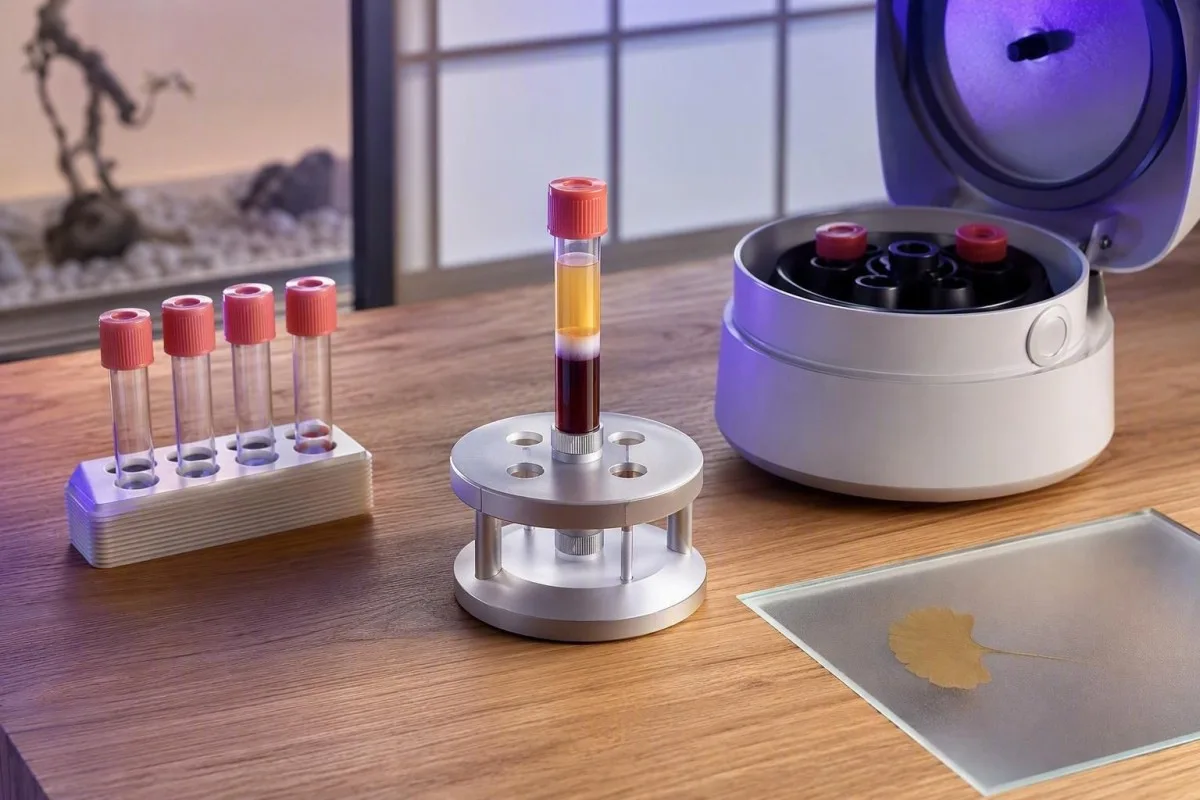
სასარგებლო პირველი სინჯი აღრიცხავს თქვენს ჩვეულ ფიზიოლოგიას, და არა გუშინდელი ვარჯიშის, სასმელების, ცუდი ძილის ან წარმავალი ვირუსის ბიოქიმიურ ანარეკლს. მიზანია განმეორებადი კონტექსტი, რომლის გამოყენებაც შეგიძლიათ წლების განმავლობაში.


- საწყისი დრო: დანიშნეთ დილის სინჯი 8-12 საათიანი უჭმელობის შემდეგ, თუ შედის მარხვის გლუკოზა, ტრიგლიცერიდები, რკინის კვლევები ან ინსულინი.
- სავარჯიშო პაუზა: მოერიდეთ უჩვეულოდ მძიმე წინააღმდეგობის ვარჯიშს, ინტერვალებს ან გამძლეობის აქტივობებს რუტინული საწყისი ტესტირებამდე 24-48 საათის განმავლობაში.
- ალკოჰოლის ფანჯარა: მოერიდეთ ალკოჰოლს მინიმუმ 48 საათის განმავლობაში ტრიგლიცერიდებისა და ღვიძლის ფერმენტების ტესტირებამდე; მძიმე დალევამ შეიძლება შედეგები უფრო დიდხანს დაამახინჯოს.
- ავადმყოფობის წესი: გადადეთ კეთილდღეობის საწყისი ტესტირება მინიმუმ 2 კვირით მას შემდეგ, რაც ცხელება ან მნიშვნელოვანი რესპირატორული ან კუჭ-ნაწლავის სიმპტომები გაივლის.
- ჰიდრატაციის მიზანი: დალიეთ ნორმალურად წინა დღეს და მიიღეთ 250-500 მლ წყალი კოლექციამდე 2 საათით ადრე, თუ არ ხართ შეზღუდული სითხეებით.
- ბიოტინის სიფრთხილე: შეწყვიტეთ არასამედიცინო დანიშნულებით მიღებული მაღალი დოზით ბიოტინის მიღება 48-72 საათით ადრე ბევრ იმუნოასეზე, მაგრამ არასოდეს შეწყვიტოთ დანიშნული მკურნალობა ექიმთან კონსულტაციის გარეშე.
- ციკლის კონტექსტი: ჩაწერეთ ციკლის დღე ესტროგენისთვის, პროგესტერონისთვის, LH, FSH და ზოგჯერ ლიპიდებისთვის; ეს ცვლის ინტერპრეტაციას უფრო მეტად, ვიდრე ბევრი ფიქრობს.
- განმეორებადობა: გამოიყენეთ იგივე ლაბორატორია, მსგავსი დრო დილით და იგივე მომზადების ნიმუში, როდესაც აკონტროლებთ ლაბორატორიულ შედეგებს დროთა განმავლობაში.
რა ხდის პირველ სისხლის სინჯს ნამდვილ საწყისს?
A საბაზისო სისხლის ანალიზი ყველაზე სასარგებლოა, როდესაც ის ასახავს ჩვეულებრივ კვირას: სტაბილური კვება, ჩვეული ჰიდრატაცია, არ არის მწვავე ავადმყოფობა და არ არის განსაკუთრებული ვარჯიში ან სმა. უმეტესობა ზრდასრულთათვის, მე გირჩევთ დილის ნიმუშს 8-12 საათიანი მარხვის შემდეგ, როდესაც იზომება გლუკოზა, ტრიგლიცერიდები, რკინის მარკერები ან ინსულინი.
პრაქტიკული მიზანი არ არის შედეგების გაუმჯობესება. ეს არის შემცირება ანალიტიკური ვარიაციები— ცვლილებები, რომლებიც ხდება ანალიზატორამდე ნიმუშის დანახვამდე. მარხვის გლუკოზა 96 მგ/დლ და ტრიგლიცერიდების დონე 105 მგ/დლ შეიძლება ორივე იყოს სრულიად ჩვეულებრივი, თუმცა მათი მნიშვნელობა იცვლება, თუ ადამიანი გვიან ჭამდა, გაირბინა 10 კმ ან დაიძინა 3 საათი.
ჩემს კლინიკურ პრაქტიკაში, მე ვთხოვ პაციენტებს, რომ პირველი სინჯი მოექცნენ როგორც სარეფერენციო ფოტოს. შეინახეთ მოკლე ჩანაწერი გაღვიძების დროის, მარხვის ხანგრძლივობის, მედიკამენტების, დანამატების, წინა 72 საათის ალკოჰოლის, წინა 48 საათის ვარჯიშის, მენსტრუალური ციკლის დღის და ბოლო ინფექციის შესახებ. ეს ჩანაწერი ხშირად უფრო სასარგებლოა მეორე ტესტზე, ვიდრე ერთჯერადი “ნორმალური” დროშა.
კანტესტი არის AI სისხლის ტესტის ანალიზატორი შექმნილია შედეგების წასაკითხად ამ პრაქტიკულ კონტექსტთან ერთად, ნაცვლად იმისა, რომ ყოველი მონიშნული მნიშვნელობა დაავადებად ჩაითვალოს. გონივრული ტესტების სიისთვის, დაიწყეთ ჩვენი წლიური სისხლის ანალიზის გზამკვლევი და შეათანხმეთ დამატებები კლინიცისტთან, რომელიც იცნობს თქვენს ისტორიას.
საბაზისო ხაზი არის პერსონალური, არა მხოლოდ “დიაპაზონში”
ლაბორატორიული სარეფერენციო ინტერვალი ჩვეულებრივ მოიცავს შერჩეული პოპულაციის მნიშვნელობების ცენტრალურ 95%-ს; ის არ განსაზღვრავს თქვენს ყველაზე ჯანსაღ ან ყველაზე უსაფრთხო პირად რიცხვს. კრეატინინის შედეგი შეიძლება დარჩეს ლაბორატორიის დიაპაზონში, ხოლო მნიშვნელოვნად ამაღლდეს თქვენი განმეორებითი მნიშვნელობიდან, ამიტომ საბაზისო დოკუმენტაცია მნიშვნელოვანია.
როგორ აყალიბებს მარხვა და წინა დღის კვება შედეგებს
უზმოზე 8-12 საათი იძლევა ყველაზე სუფთა პირველ შედარებას ტრიგლიცერიდებისთვის, მარხვის გლუკოზისთვის, ინსულინისთვის და შრატის რკინისთვის, თუმცა მრავალი ლიპიდური პანელის ინტერპრეტაცია შესაძლებელია მარხვის გარეშე. წყალი დასაშვებია და ჩვეულებრივ სასარგებლო; ყავა, წვენი, რეზინი და კალორიული სასმელები არ არის ნამდვილი მარხვა.
მარხვის პლაზმური გლუკოზა 100 მგ/დლ-ზე ნაკლები ზოგადად ნორმალურია, 100-125 მგ/დლ მიუთითებს დაქვეითებულ მარხვის გლუკოზაზე, ხოლო 126 მგ/დლ ან მეტი საჭიროებს დადასტურებას, თუ არ არის სიმპტომები და გამოხატული ჰიპერგლიკემია. HbA1c ასახავს დაახლოებით წინა 8-12 კვირას, ამიტომ ერთი საუზმე მას მნიშვნელოვნად ვერ შეამცირებს; ADA ლაბორატორიული სახელმძღვანელო ხსნის, რატომ პასუხობენ გლუკოზა და HbA1c სხვადასხვა კითხვებზე (Sacks et al., 2023).
ტრიგლიცერიდები განსაკუთრებით მგრძნობიარეა კვების მიმართ. 150 მგ/დლ-ზე ნაკლები მნიშვნელობა ჩვეულებრივ სასურველია, ხოლო 500 მგ/დლ ან მეტი ზრდის პანკრეატიტის რისკის შეშფოთებას და საჭიროებს სასწრაფო კლინიკურ შეფასებას. მდიდარმა გვიანმა კვებამ ან ალკოჰოლმა შეიძლება შექმნას მცდარად მაღალი პირველი შედეგი, ამიტომ გამოიყენეთ ტრიგლიცერიდების ხელახალი ტესტის გეგმა ნაცვლად იმისა, რომ სცადოთ “იდეალურად კვება” ერთი დღის განმავლობაში.
კანტესტი არის AI სისხლის ანალიზის განმარტების პლატფორმა რომელიც თითოეულ პანელთან ინარჩუნებს მარხვის სტატუსს, რაც შემდგომ შედარებებს ნაკლებად შეცდომაში შემყვანს ხდის. ჩვენი ბიომარკერის სახელმძღვანელო ხსნის, რომელი ტესტებია ნამდვილად მგრძნობიარე საკვების მიმართ და რომელი არა.
როგორ შეიძლება ვარჯიშმა მიბაძოს ღვიძლისა და თირკმელების არანორმალურ ტესტებს
ინტენსიურმა ვარჯიშმა შეიძლება დროებით გაზარდოს CK, AST, ALT, კრეატინინი, თეთრი უჯრედები და ზოგჯერ კალიუმი, ამიტომ მოერიდეთ უცნობ ან მაღალი ინტენსივობის ვარჯიშს ბაზისური პანელის დაწყებამდე 24-48 საათით ადრე. მსუბუქი სიარული და ყოველდღიური ნორმალური მოძრაობა ნებადართულია.
52 წლის მარათონის მორბენალს, რომელიც მე გავაანალიზე, გრძელი რბოლის შემდეგ AST 89 სე/ლ ჰქონდა, ALT 36 სე/ლ და CK 2000 სე/ლ-ზე მეტი. ეს სურათი უფრო მეტად მიუთითებდა დაზიანებულ კუნთზე, ვიდრე ღვიძლის დაზიანებაზე, მაგრამ მაინც საჭიროებდა გამეორებას გამოჯანმრთელების შემდეგ; იზოლირებული რიცხვები იშვიათად არის საკმარისი. წაიკითხეთ მეტი AST ვარჯიშის შემდეგ სანამ ღვიძლის პრობლემაზე იფიქრებთ.
კრეატინული კინაზას საცნობარო ლიმიტები განსხვავდება ლაბორატორიის, სქესის, წარმოშობის, კუნთოვანი მასის და ვარჯიშის სტატუსის მიხედვით, მაგრამ ბევრი ლაბორატორია აფრთხილებს 200-300 სე/ლ-ზე მაღალ მაჩვენებლებს. დატვირთვის შემდეგ 5-ჯერ ზედა საცნობარო ლიმიტზე მეტი CK ხშირია; 5000 სე/ლ-ზე მეტი CK მუქი შარდით, კუნთების ძლიერი ტკივილით ან შარდის გამოყოფის შემცირებით საჭიროებს სასწრაფო შეფასებას დატვირთვის შედეგად გამოწვეული რაბდომიოლიზისთვის.
კრეატინინი იზრდება ინტენსიური აქტივობის შემდეგ ნაწილობრივ კუნთების დაშლისა და სითხის დაკარგვის გამო თირკმლის სისხლის ნაკადის შემცირების გამო. ნუ განმარტავთ დაბალ eGFR-ს რბოლის შემდგომი ნიმუშიდან, როგორც ქრონიკული თირკმლის დაავადებას გამოჯანმრთელების ტესტირების გარეშე; ჩვენი ვარჯიში: კრეატინინის სახელმძღვანელო ხსნის უსაფრთხო გადაღების ფანჯარას.
48-საათიანი გადატვირთვა ყველასთვის წესი არ არის
რეკრეაციული ვარჯიშისთვის, 24 საათი ხშირად საკმარისია. ულტრამარათონის, CrossFit-ის შეჯიბრის, მძიმე ეკსცენტრული დატვირთვის ან სიცხის ზემოქმედების შემდეგ, ხშირად ველოდები 48-72 საათს, თუ მიზანი არის სტაბილური ბაზისური მაჩვენებლის მიღება, და არა თავად ღონისძიების შეფასება.
რატომ იმსახურებს ალკოჰოლი 48-საათიან საწყის პაუზას
ალკოჰოლის თავიდან აცილება მინიმუმ 48 საათში ბაზისური სისხლის ანალიზამდე ამცირებს ტრიგლიცერიდების, გლუკოზის, GGT, AST, ჰიდრატაციის მარკერების და ძილთან დაკავშირებული ფიზიოლოგიის მოკლევადიან დამახინჯებას. ერთი მძიმე საღამო შეიძლება უფრო მნიშვნელოვანი იყოს, ვიდრე პაციენტების უმეტესობა ელის.
ალკოჰოლმა შეიძლება გაზარდოს ტრიგლიცერიდები ღვიძლში ძალიან დაბალი სიმკვრივის ლიპოპროტეინების წარმოქმნის გაზრდით, განსაკუთრებით მაღალი ნახშირწყლების შემცველი კვების შემდეგ. ეფექტი ცვალებადია: ერთის შედეგი ნორმაში უბრუნდება 24 საათში, ხოლო მეორეს ცხიმოვანი ღვიძლით, დიაბეტით ან უფრო მძიმე მოხმარებით შეიძლება ჰქონდეს ცვლილებები რამდენიმე დღის განმავლობაში. მარხვის დროს ტრიგლიცერიდების 220 მგ/დლ, შაბათ-კვირის სასმელების შემდეგ, უნდა განმეორდეს, სანამ ვინმე მას მუდმივ მეტაბოლურ პრობლემად ჩათვლის.
GGT მგრძნობიარეა, მაგრამ არასპეციფიკური. ბევრი ლაბორატორია იყენებს ზედა ლიმიტებს დაახლოებით 55-60 სე/ლ მამაკაცებისთვის და 35-40 სე/ლ ქალებისთვის, თუმცა მედიკამენტებმა, ქოლესტაზმა, ცხიმოვანმა ღვიძლმა და ალკოჰოლმა შეიძლება გაზარდოს იგი. მნიშვნელოვანი სურათი არის GGT-ის ALT, ALP, ბილირუბინთან, თრომბოციტების რაოდენობასთან და ალკოჰოლის ისტორიასთან ერთად; იხილეთ ჩვენი ღვიძლის პანელის განმარტებით იმის შესახებ, თუ როგორ ერწყმის ეს ნაწილები.
1 სექტემბრის, 2026 წლის მდგომარეობით, კვლავინდებურად გირჩევთ თავი შეიკავოთ “გამწმენდ” დიეტებისგან ან ჭარბი მარხვისგან ღვიძლის შედეგების გასაუმჯობესებლად. ნორმალური საკვები, ნორმალური წყალი, უალკოჰოლო, და დადასტურებული ინტერვალი არის უფრო სუფთა მეცნიერება. მუდმივი ALT, რომელიც აღემატება ლაბორატორიის ზედა ლიმიტს ორ ნიმუშზე რამდენიმე კვირის ინტერვალით, საჭიროებს სამედიცინო მიმოხილვას, ინტერნეტ-წმენდას კი არა.
როდის უნდა გადაიდოს კეთილდღეობის სინჯი ავადმყოფობის ან ვაქცინაციის გამო
გადადეთ ჯანმრთელობის საბაზისო შეფასება ცხელების, აქტიური კუჭ-ნაწლავის დაავადების, მნიშვნელოვანი სასუნთქი ინფექციის ან გამოჯანმრთელებიდან პირველი 1-2 კვირის განმავლობაში, რადგან CRP, ფერიტინი, ლეიკოციტები, თრომბოციტები, გლუკოზა და ფარისებრი ჯირკვლის ანალიზი შეიძლება დროებით შეიცვალოს. სასწრაფო დიაგნოსტიკური ტესტირება განსხვავებულია: ნუ გადადებთ მას, როდესაც ცუდად ხართ.
C-რეაქტიული ცილა ჩვეულებრივ იმატებს ანთებითი სტიმულიდან 6-8 საათის განმავლობაში და შეიძლება სწრაფად დაეცეს ტრიგერის მოხსნის შემდეგ. CRP 3 მგ/ლ-ზე ნაკლები ხშირად გამოიყენება გულ-სისხლძარღვთა რისკის სტრატიფიკაციისთვის მხოლოდ მაშინ, როდესაც ადამიანი კლინიკურად კარგად არის; 18 მგ/ლ შედეგი გაციების დროს არაფერს ამბობს გრძელვადიან სისხლძარღვთა რისკზე. CRP და ალბუმინის ნიმუში უფრო მეტ ინფორმაციას იძლევა, ვიდრე რომელიმე შედეგი ცალ-ცალკე.
ფერიტინი არის როგორც რკინის შემნახველი ცილა, ასევე მწვავე ფაზის რეაქტანტი. ინფექციის დროს 110 ნგ/მლ ფერიტინი შეიძლება მალავდეს რკინის მარაგის დეფიციტს, მაშინ როდესაც 15 ნგ/მლ-ზე ნაკლები ფერიტინი ძალზე სპეციფიკურია რკინის დეფიციტისთვის სხვაგვარად ჯანმრთელ ზრდასრულში. ამიტომ მე ფერიტინს ვაწყვილებ ტრანსფერინის გაჯერებასთან, CRP-თან, ჰემოგლობინთან და კლინიკურ ისტორიასთან.
ვაქცინაციამ შეიძლება გამოიწვიოს ხანმოკლე იმუნური პასუხი, მათ შორის CRP და თეთრი სისხლის უჯრედების სუბსეტების გარდამავალი ცვლილებები. რუტინული ტესტირება ჩვეულებრივ შეიძლება გაგრძელდეს 7 დღის განმავლობაში ვაქცინაციის შემდეგ, თუ მიზანი არის მშვიდი ბაზისური მაჩვენებელი, მაგრამ მედიკამენტების მონიტორინგისთვის დაგეგმილი უსაფრთხოების პანელი უნდა მოჰყვეს დამნიშნველი ექიმის ინსტრუქციებს. ჩვენი პოსტვაქცინაციური ლაბორატორიული სახელმძღვანელო მოიცავს პრაქტიკულ განსხვავებებს.
ორკვირიან წესს აქვს გამონაკლისები
პნევმონიის, ჰოსპიტალიზაციის, ინფექციური მონონუკლეოზის ან ქრონიკული დაავადების მწვავე გამწვავების შემდეგ, ორი კვირა შეიძლება არ იყოს საკმარისი. ასეთ შემთხვევებში, მე ხშირად ვიყენებ სიმპტომების აღდგენას, CRP-ის ტენდენციას და ექიმის განსჯას კალენდარული თარიღის ნაცვლად.
როგორ ცვლის ძილის ნაკლებობა და დრო სისხლის ანალიზს
ძილის ერთი ცუდი ღამე შეიძლება ზრდის უზმოზე გლუკოზას, კორტიზოლს, არტერიულ წნევას და ანთებით სიგნალებს, ხოლო დრომ შეიძლება შეცვალოს ტესტოსტერონი, კორტიზოლი, რკინა და TSH. პირველი საბაზისო შეფასებისთვის, მიზნად დაისახეთ 7-9 საათი ჩვეულებრივი ძილი და, თუ შესაძლებელია, სინჯის აღება დილის 7-დან 10 საათამდე.
კორტიზოლი ძლიერ დღიურ რიტმს მისდევს. დილის შრატის კორტიზოლი ჩვეულებრივ იზომება დილის 8 საათზე, მაგრამ მნიშვნელობა არ შეიძლება დიაგნოზირდეს თირკმელზედა ჯირკვლის დაავადებაზე კოლექციის დროის, სიმპტომების და ხშირად ACTH ტესტირების გარეშე. შუადღის სინჯი წინა დილის 8 საათის სინჯთან შედარებით არ არის სწორი ტენდენცია, მაშინაც კი, თუ ორივე ერთსა და იმავე ლაბორატორიაში ჩატარდა.
4-5 საათიანი ძილის შეზღუდვამ შეიძლება გააუარესოს მომდევნო დილის ინსულინის მგრძნობელობა და შეცვალოს მადაზე მოქმედი ჰორმონები; ლაბორატორიული ცვლილების მასშტაბი მნიშვნელოვნად განსხვავდება ადამიანის მიხედვით. მე ამას ყველაზე ხშირად ვხედავ მომუშავე ცვლაში, ახალ მშობლებში და ხშირ მოგზაურებში, სადაც “საბაზისო მაჩვენებელი” უნდა წარმოადგენდეს მათ რეალურ განრიგს იდეალიზებული განრიგის ნაცვლად. ჩვენი ძილის ლაბორატორიული სახელმძღვანელო გვთავაზობს სასარგებლო ანოტაციის ჩამონათვალს.
დოქტორ თომას კლაინის პრაქტიკული რჩევა მარტივია: ნუ გააუქმებთ აუცილებელ ტესტს ცუდი ძილის გამო, მაგრამ ჩაწერეთ ეს. თუ სასაზღვრო უზმოზე გლუკოზა არის 103 მგ/დლ მთელი ღამის შემდეგ, გაიმეორეთ ჩვეულებრივ პირობებში, სანამ პრედიაბეტის შესახებ დასკვნებს გამოიტანთ.
კოფეინი ყოველთვის არ არის უვნებელი მომზადება
შავი ყავა შეიძლება მცირედ გავლენას ახდენდეს ბევრ პანელზე, მაგრამ მას შეუძლია გავლენა მოახდინოს გლუკოზაზე, კატექოლამინებზე, არტერიულ წნევაზე და ზოგიერთ სპეციალიზებულ ენდოკრინულ ტესტზე. როდესაც შეკვეთილია შიმშილის ინსულინი, გლუკოზა, კორტიზოლი ან მეტანეფრინები, ჩვეულებრივი წყალი ყველაზე ნაკლებად ორაზროვანი არჩევანია.
რომელი დანამატები და მედიკამენტები უნდა აღირიცხოს
არ შეწყვიტოთ დანიშნული მედიკამენტები საბაზისო სისხლის ანალიზისთვის, თუ ექიმმა არ გითხრათ, მაგრამ ჩაწერეთ ყოველი წამალი და დანამატი დოზასთან და დროთან ერთად. ბიოტინი, რკინა, B12, კრეატინი, იოდი, კორტიკოსტეროიდები და დეკონგესტანტები შეიძლება შეიცვალოს ბიოლოგია ან ტესტის ანალიზი.
მაღალი დოზით ბიოტინი, ხშირად 5000-10000 მიკროგრამი დღეში თმის და ფრჩხილების პროდუქტებში, შეიძლება ხელი შეუშალოს გარკვეულ სტრეპტავი-ბიოტინის იმუნოანალიზებს. ამან შეიძლება გამოიწვიოს ცრუ დაბალი TSH ან ცრუ მაღალი თავისუფალი T4, ტროპონინი ან ჰორმონის შედეგები ანალიზის დიზაინის მიხედვით. 48-72 საათიანი პაუზა ხშირად გამოიყენება დანიშნულების გარეშე ბიოტინისთვის, მაგრამ ადამიანებმა, რომლებიც მას სამედიცინო მდგომარეობის გამო იღებენ, პირველ რიგში უნდა მიმართონ თავიანთ კლინიცისტს.
პერორალურმა რკინამ შეიძლება დროებით აამაღლოს შრატის რკინა, ხოლო კრეატინის დანამატებმა შეიძლება გაზარდოს კრეატინინი რეალური ფილტრაციის შემცირების გარეშე. კორტიკოსტეროიდებმა შეიძლება გაზარდოს გლუკოზა და თეთრი უჯრედები; პროტონ-პამპის ინჰიბიტორებმა შეიძლება დროთა განმავლობაში გავლენა მოახდინოს მაგნიუმზე და B12-ზე. სწორი პასუხი არის კონტექსტი, არა მკვეთრი თვითშეწყვეტა; ჩვენი დანამატების შიმშილის გზამკლევი ხსნის საერთო გამონაკლისებს.
კანტესტი არის AI-ზე დაფუძნებული სისხლის ანალიზის (blood test analysis) ხელსაწყო რომელიც იწერს ანგარიშგარეშე დანამატებს შედეგების გვერდით, რათა აშკარა ფარისებრი ჯირკვლის ან თირკმელების ცვლილება განიხილებოდეს შესაძლო ასახსნელი ექსპოზიციით. პაციენტებს ასევე შეუძლიათ შეადარონ ანგარიშგარეშე შედეგები ჩვენს კლინიკური სიზუსტის ჩამონათვალს მოულოდნელ დროშაზე მოქმედებამდე.
მედიკამენტის დრო შეიძლება იყოს რეცეპტის ნაწილი
ფარისებრი ჯირკვლის ჩანაცვლება, ტესტოსტერონის თერაპია, ინსულინი, დიურეტიკები და ანტიკოაგულანტები თითოეულს აქვს ტესტის სპეციფიკური დროის წესები. მაგალითად, ფარისებრი ჯირკვლის ტესტები ხშირად ტარდება დღის ლევოთიროქსინის დოზამდე ერთგვაროვნების მონიტორინგისას, მაგრამ დანიშნულ კლინიცისტის პროტოკოლს უნდა ჰქონდეს პრიორიტეტი.
როგორ მოქმედებს მენსტრუალური ციკლის დრო ჰორმონების პირველ საწყისზე
რეპროდუქციული ჰორმონების ტესტირებისთვის, ციკლის დღე არის შედეგის ნაწილი. FSH, LH, ესტრადიოლი, პროგესტერონი, ტესტოსტერონი, პროლაქტინი და ზოგჯერ ლიპიდები შეიძლება იმდენად განსხვავდებოდეს ციკლის განმავლობაში, რომ დაუფიქსირებელი თარიღი ასუსტებს ინტერპრეტაციას.
ადრეული ფოლიკულური ტესტირება, ხშირად ციკლის 2-5 დღეები, ხშირად გამოიყენება საბაზისო FSH, LH და ესტრადიოლისთვის ნაყოფიერების შეფასებაში. პროგესტერონი ჩვეულებრივ იზომება ოვულაციის შემდეგ დაახლოებით 7 დღის შემდეგ—არა ავტომატურად “21-ე დღეს”, რადგან 35-დღიანი ციკლი განსხვავებულ ბიოლოგიას მისდევს. პროგესტერონის მნიშვნელობა დაახლოებით 3 ნგ/მლ-ზე ზემოთ შეიძლება მხარი დაუჭიროს ბოლო ოვულაციას ბევრ სიტუაციაში, მაგრამ ზუსტი ინტერპრეტაცია დამოკიდებულია ანალიზზე და დროზე.
პროლაქტინი მგრძნობიარეა სტრესის, ბოლოდროინდელი ვარჯიშის, სექსუალური აქტივობის და სინჯის აღების რთული კოლექციის მიმართ. მსუბუქი ამაღლება ხშირად მეორდება 20-30 წუთიანი მშვიდი დასვენების შემდეგ, იდეალურად დილით; 100 ნგ/მლ-ზე მეტი მუდმივი დონე იმსახურებს სასწრაფო ენდოკრინულ შეფასებას, თუმცა მედიკამენტების ეფექტი რჩება საერთო. იხილეთ ჩვენი პროლაქტინის ხელახალი ტესტირების გზამკლევი გონივრული შემდეგი ნაბიჯებისთვის.
ციკლთან დაკავშირებული ლიპიდური ცვლილებები რეალურია, მაგრამ ჩვეულებრივ ნაკლებია, ვიდრე წონის, დიეტის, ალკოჰოლის, დიაბეტის ან გენეტიკის ცვლილებები. თუ თქვენ აპირებთ ჯანმრთელობის მონიტორინგს სისხლის ტესტებით წლების განმავლობაში, აირჩიეთ მსგავსი ციკლის ფაზა ლიპიდური და ჰორმონალური პანელების განმეორებისთვის, როცა ეს შესაძლებელია, განსაკუთრებით სიმპტომების ან მკურნალობის შეფასებისას.
ჰორმონალური კონტრაცეფცია ცვლის კითხვას
კომბინირებულმა ჰორმონალურმა კონტრაცეფციამ შეიძლება ჩაახშოს ენდოგენური FSH, LH, ესტრადიოლის და ანდროგენის გაზომვები, ამიტომ ეს შედეგები შეიძლება არ აღწერონ დაუმუშავებელ ფიზიოლოგიას. არ შეწყვიტოთ კონტრაცეფცია მხოლოდ ბაზისური მნიშვნელობის მისაღებად, ორსულობის რისკისა და ტესტირების კლინიკური მიზეზის გათვალისწინების გარეშე.
რატომ არის მნიშვნელოვანი ჰიდრატაცია, პოზა და შეგროვების ტექნიკა
ნორმალური ჰიდრატაცია და 10-15 წუთიანი ჯდომარე დასვენება სინჯის აღებამდე აუმჯობესებს შედეგების განმეორებადობას, ვინაიდან დეჰიდრატაცია, ხანგრძლივი დგომა და რთული სინჯის აღება ზოგიერთ შედეგს აკონცენტრირებს ან ამახინჯებს. დალიეთ ნორმალურად წინა დღეს და, თუ არ გაქვთ სითხის შეზღუდვა, მიიღეთ 250-500 მლ წყალი დანიშვნამდე 2 საათით ადრე.
პლაზმის მოცულობის შეკუმშვამ შეიძლება გამოიწვიოს ჰემოგლობინის, ჰემატოკრიტის, ალბუმინის, კალციუმის, მთლიანი ცილის და კრეატინინის უფრო მაღალი მაჩვენებლები, ვიდრე ეს იქნებოდა ჩვეულებრივი ჰიდრატაციის პირობებში. პირიქით, ტესტირებამდე ლიტრაობით წყლის აგრესიულმა სმამ შეიძლება განაზავოს ნატრიუმი და სხვა მაჩვენებლები. ნორმალური ნატრიუმის დიაპაზონი ზოგადად არის 135-145 მმოლ/ლ, მაგრამ მოულოდნელი შედეგი ყოველთვის უნდა იქნას განმარტებული ჰიდრატაციისა და გლუკოზის სტატუსის გათვალისწინებით.
პოზა უფრო მნიშვნელოვანია, ვიდრე უმეტესობა ფიქრობს. დგომამ შეიძლება გაზარდოს ალბუმინი და ცილაზე შემაბოჭვილი ანალიტები სითხის გადაადგილების გამო, ხოლო ტურნიკეტის ხანგრძლივი დრო და მუშტის განმეორებითი შეკუმშვა შეიძლება ცრუ-დადებითად გაზარდოს კალიუმი და ლაქტატი. კალიუმი 5.5 მმოლ/ლ-ზე მეტი თირკმლის დაავადების, სიმპტომების ან ეკგ ცვლილებების გარეშე ხშირად დაუყოვნებლივ ხელახლა შემოწმდება, რადგან სინჯის აღების არტეფაქტი გავრცელებულია; ჩვენი კალიუმის სინჯის აღების შეცდომების სახელმძღვანელო ახსნილია, რატომ.
მენსტრუაცია, ფაღარათით გამოწვეული ბოლო სითხის დაკარგვა, შარდმდენები და საუნის გამოყენება ყველაფერი უნდა აღინიშნოს სინჯის აღების შენიშვნაში. თუ eGFR მოულოდნელად დაბალია დეჰიდრატაციის შემდეგ, აღადგინეთ ნორმალური მიღება და განიხილეთ განმეორებითი ტესტირება; იხილეთ დროებითი eGFR ცვლილებები თირკმლის მუდმივი დაზიანების დაშვებამდე.
წითელი სინჯის მილი არ არის დიაგნოზი
სინჯის მილის ფერი განსაზღვრავს ლაბორატორიული დამუშავებისთვის გამოყენებულ დანამატს, არა ტესტის სიმძიმეს. კლინიკურად მნიშვნელოვანია სწორი სინჯის მილის შერჩევა, ტრანსპორტირების ტემპერატურა, დამუშავების დაყოვნება და არის თუ არა ლაბორატორია იტყობინება ჰემოლიზს ან არასაკმარის სინჯს.
როგორ გავხადოთ შემდგომი შედეგები შედარებადი პირველ სინჯთან
გამოიყენეთ იგივე ლაბორატორია, მსგავსი სინჯის აღების დრო და მსგავსი მომზადების რუტინა ყოველთვის, როცა თვალყურს ადევნებთ ლაბორატორიულ შედეგებს დროთა განმავლობაში. რეალური ბიოლოგიური ცვლილება შეიძლება იყოს ნაკლები, ვიდრე ანალიზის მეთოდის, უზმოდ ყოფნის სტატუსის, ვარჯიშის და ჩვეულებრივი ყოველდღიური ვარიაციის კომბინირებული ეფექტი.
LDL ქოლესტერინი შეიძლება გამოითვალოს პირდაპირ გაზომვის ნაცვლად, და გაანგარიშება ნაკლებად სანდო ხდება ტრიგლიცერიდების მატებასთან ერთად. 2018 წლის AHA/ACC ქოლესტერინის სახელმძღვანელო მხარს უჭერს არა-უზმოდ სკრინინგს ბევრ ადამიანში, მაგრამ რეკომენდაციას იძლევა უზმოზე შეფასებას შერჩეულ გარემოებებში, მათ შორის ძალიან მაღალი ტრიგლიცერიდებისა და დიაგნოსტიკური გაურკვევლობის დროს (Grundy et al., 2019). გადამწყვეტი მომენტი არის თანმიმდევრულობა, არა სრულყოფილება.
ცვლილების საცნობარო მნიშვნელობა, ან RCV, აერთიანებს ანალიტიკურ არაზუსტობას ინდივიდის ნორმალურ ბიოლოგიურ ვარიაციასთან. ერთი მარკერის 10% მოძრაობა შეიძლება იყოს ხმაური, ხოლო მეორეში 30% ცვლილება მნიშვნელოვანია; არ არსებობს უნივერსალური პროცენტი, რომელიც ვრცელდება ყველა ტესტზე. ჩვენი ეს ცვლილება რეალურია სახელმძღვანელო გვიჩვენებს, რატომ საჭიროებს ტრენდები ფერადი ისრების მეტს.
Kantesti AI ინტერპრეტირებს განმეორებით პანელებს ანალიზის ერთეულების, საცნობარო ინტერვალების, სინჯის აღების თარიღების და დაკავშირებული ბიომარკერების შედარებით, უბრალოდ არაორდინალური დროშების დათვლის ნაცვლად. ჩვენი AI შედარების სამუშაო პროცესი აგებულია ამ გრძელვადიანი კითხვისთვის: რა შეიცვალა საკმარისად ყურადღების ღირსად?
შეინახეთ ორიგინალი ანგარიში
შეინახეთ PDF ან მკაფიო ფოტო, არა მხოლოდ აკრეფილი შედეგი. ერთეულების კონვერტაციები, ლაბორატორიული დიაპაზონები, კომენტარები ჰემოლიზის შესახებ და იყო თუ არა LDL გამოთვლილი, შეიძლება მნიშვნელოვნად შეიცვალოს, თუ როგორ წაიკითხავს მომავალი ექიმი ტრენდს.
კონტექსტური შენიშვნა, რომელიც უნდა შეინახოთ ყოველ სისხლის ანალიზთან ერთად
მოკლე კონტექსტური შენიშვნა აქცევს იზოლირებულ რიცხვებს გამოსაყენებელ გრძელვადიან მონაცემებად. ჩაწერეთ თარიღი, დრო, უზმოზე საათები, ძილი, ვარჯიში, ალკოჰოლი, ავადმყოფობა, მედიკამენტები, დანამატები, ციკლის დღე, წონის ცვლილებები და ახალი სიმპტომები ყოველ სინჯის აღებაზე.
ჩემი მინიმალური შენიშვნა რვა პუნქტს მოიცავს: შეგროვების დრო; მარხვის ხანგრძლივობა; ვარჯიში 48 საათის განმავლობაში; ალკოჰოლი 72 საათის განმავლობაში; მიმდინარე ავადმყოფობა; რეცეპტით გამოწერილი მედიკამენტების ცვლილებები; დანამატის დოზა და ბოლო დოზა; და მენსტრუალური ან ორსულობის სტატუსი, სადაც ეს მოქმედებს. დაამატეთ მოგზაურობა, ჯეტ-ლეგი და სიმაღლე, როდესაც ესენი მოქმედებს, რადგან თითოეულს შეუძლია შეცვალოს ჰიდრატაცია, კორტიზოლი, ჰემოგლობინი და ძილზე მგრძნობიარე მარკერები.
10 დღეში 1,5 კგ წონის დაკლება, ახალი მაღალპროტეინიანი დიეტა ან რამდენიმე ღამის ფრაგმენტული ძილი შეიძლება აიხსნას დროთა განმავლობაში სისხლის ანალიზის ზომიერი ცვლილებებით. ეს არ ხდის შედეგს უმნიშვნელოს - ის ხდის მას ინტერპრეტაციას. მრავალჯერადი გამოყენების ვერსიისთვის, ჩვენი ლაბორატორიული კონტექსტის ტრეკერი მოიცავს დეტალებს, რომლებსაც პაციენტები ყველაზე ხშირად ივიწყებენ.
დოქტორი თომას კლაინი გვირჩევს, რომ შენიშვნა სახლიდან წასვლამდე დაწეროთ, შედეგების მოლოდინში კი არა. მეხსიერება არასანდო ხდება მოულოდნელი დროშის შემდეგ და ადამიანები გასაგებად აღადგენენ წინა კვირას, რიცხვების შესაბამისად.
რა არ უნდა ჩაიწეროს როგორც “გამოსწორება”
ნუ მანიპულირებთ დიეტით, წყლის მიღებით, ვარჯიშით ან დანამატებით, მხოლოდ იმისთვის, რომ მიიღოთ უფრო მიმზიდველი პირველი საბაზისო ხაზი. საბაზისო ხაზი უნდა ასახავდეს თქვენს ცხოვრებას; წინააღმდეგ შემთხვევაში, შემდეგი ტესტი შეიძლება გამოიყურებოდეს უარესად, უბრალოდ იმიტომ, რომ ის უფრო პატიოსანია.
რომელი სასაზღვრო დასკვნები უნდა განმეორდეს შეშფოთებამდე
ბევრი სასაზღვრო საბაზისო შედეგი უნდა განმეორდეს სტაბილურ პირობებში, სანამ მათ დაავადებად ჩაითვლება, განსაკუთრებით ღვიძლის ფერმენტების, კრეატინინის, კალიუმის, პროლაქტინის, ნეიტროფილების და ტრიგლიცერიდების იზოლირებული მსუბუქი ცვლილებები. გადაუდებელი სიმპტომები ან მკვეთრად აბნორმული მნიშვნელობები გამონაკლისია.
ALT, რომელიც 2-ჯერ ნაკლებია ლაბორატორიული ზედა ზღვრიდან, ნორმალური ბილირუბინით, ALP-ით და სიმპტომების არარსებობის შემთხვევაში, ხშირად ხელახლა შემოწმდება დროებითი ფაქტორების მოხსნის შემდეგ, როგორიცაა ალკოჰოლი, ინტენსიური ვარჯიში ან მიმდინარე ავადმყოფობა. ბილირუბინის დონე 3 მგ/დლ-ზე მეტი სიყვითლით, მუქი შარდით, ფერმკრთალი განავლით, ცხელებით ან მუცლის ტკივილით განსხვავებულია და არ უნდა დაელოდოს რუტინულ საბაზისო ხაზის ხელახლა შემოწმებას.
ნეიტროფილების რაოდენობის მსუბუქი დაქვეითება შეიძლება მოჰყვეს ვირუსულ დაავადებას ან ასახავდეს ინდივიდის სტაბილურ ნორმას. აბსოლუტური ნეიტროფილების რაოდენობა 1.0-1.5 × 10⁹/ლ ჩვეულებრივ მსუბუქი ნეიტროპენიაა, ხოლო 0.5 × 10⁹/ლ-ზე ქვემოთ ინფექციის რისკი მნიშვნელოვნად იზრდება და საჭიროებს სასწრაფო სამედიცინო მითითებას, განსაკუთრებით ცხელების დროს. ჩვენი ნეიტროფილების შემდგომი მართვის სახელმძღვანელო განასხვავებს საერთო განმეორებით ტესტებს წითელი დროშებისგან.
ერთ-ერთი ყველაზე სასარგებლო დაცვა არის ნიმუშების შემოწმება. მაგალითად, მაღალი კალციუმი ჩახშობილი პარათირეოიდული ჰორმონით განსხვავებულ გადაუდებლობას ავლენს, ვიდრე მაღალი კალციუმი დეჰიდრატაციასთან და ალბუმინის მომატებასთან ერთად; მიზეზი, რის გამოც ჩვენ ვინერვიულებთ კომბინაციებზე, არის ის, რომ ბიოლოგია იშვიათად ცვლის ერთ მარკერს მარტო.
როდის არ უნდა ჩაანაცვლოს საწყისმა სისხლის ანალიზმა სამედიცინო მკურნალობა
საბაზისო პროტოკოლი არ არის შესაფერისი, როდესაც გაქვთ წითელი დროშის სიმპტომები, სწრაფად გაუარესებული დაავადება, ორსულობის გართულებები ან კრიტიკული ლაბორატორიული გაფრთხილება. გულმკერდის ტკივილი, მძიმე ქოშინი, დაბნეულობა, გულის წასვლა, სიყვითლე, შავი განავალი ან მძიმე დეჰიდრატაცია მოითხოვს კლინიკურ შეფასებას ახლა - არა უკეთ მომზადებული განმეორებითი ტესტი.
კალიუმის 6.0 მმოლ/ლ ან მეტი, ნატრიუმის 120 მმოლ/ლ-ზე ნაკლები, გლუკოზის 300 მგ/დლ-ზე მეტი ღებინებით ან დაბნეულობით, ან ჰემოგლობინის დაახლოებით 7 გ/დლ არის შედეგების მაგალითები, რომლებსაც შესაძლოა სასწრაფო მოქმედება დასჭირდეს, თუმცა სრული კლინიკური მდგომარეობა მნიშვნელოვანია. ლაბორატორიები ხშირად უკავშირდებიან დამკვეთ გუნდს კრიტიკული მნიშვნელობების შესახებ, მაგრამ პაციენტებმა არ უნდა ივარაუდონ, რომ გამოტოვებული ზარი ნიშნავს, რომ შედეგი უსაფრთხოა.
თუ ხართ ორსულად, გაქვთ ქრონიკული თირკმლის დაავადება, იღებთ ინსულინს, იყენებთ ანტიკოაგულანტებს, იმყოფებით ქიმიოთერაპიაზე, ან გაქვთ ღვიძლის დაავადება, მომზადების ინსტრუქციები შეიძლება განსხვავდებოდეს ჯანმრთელობის შაბლონისგან. მარხვის პერიოდი შეიძლება იყოს სახიფათო ზოგიერთი დიაბეტით დაავადებული ადამიანისთვის, ხოლო მედიკამენტების დრო შეიძლება იყოს არსებითი. ჩვენი როგორ ხშირად შევამოწმოთ გზამკეცი აღწერს, თუ რატომ ცვლის რისკის ჯგუფი გეგმას.
კანტესტი არის AI ლაბორატორიული ტესტის ინტერპრეტაციის სერვისზე რომელიც დაგეხმარებათ ექიმებისთვის კითხვების იდენტიფიცირებაში, და არა სასწრაფო შეფასების ან დიაგნოზის შემცვლელი. ჩვენი მუშაობის მიღმა არსებული კლინიკური დაცვები და სამედიცინო მიმოხილვის პრინციპები აღწერილია ჩვენს სამედიცინო საკონსულტაციო საბჭო.
პრაქტიკული 72-საათიანი პროტოკოლი თქვენი პირველი საწყისისთვის
სასარგებლო პირველი საბაზისო ხაზის მისაღებად, შეინარჩუნეთ თქვენი რუტინა 72 საათის განმავლობაში, გამოტოვეთ ალკოჰოლი 48 საათის განმავლობაში, მოერიდეთ დატვირთულ ვარჯიშს 24-48 საათის განმავლობაში, დაიძინეთ ნორმალურად, იმარხეთ 8-12 საათი, როდესაც მითითებულია, დალიეთ წყალი და ჩაწერეთ თქვენი კონტექსტი. თანმიმდევრულობა არის ჩარევა.
სამოცდათორმეტიდან 48 საათით ადრე: არ დაიწყოთ ახალი დანამატი, მკაცრი დიეტა, წმენდა ან სასწავლო ბლოკი. თუ უკვე იღებთ დანამატს, ჩაწერეთ ზუსტი დოზა; თუ ის შეიცავს მაღალი დოზის ბიოტინს, ჰკითხეთ დამკვეთ ექიმს ან ფარმაცევტს, არის თუ არა 48-72 საათიანი შეწყვეტა შესაბამისი. მოერიდეთ ალკოჰოლს 48 საათის განმავლობაში და გადადეთ რუტინული ტესტირება, თუ დაავადება აქტიურია.
წინა დღეს: მიირთვით თქვენი ჩვეულებრივი კვება, დალიეთ ნორმალურად, მოერიდეთ საუნას ან გამძლეობის ღონისძიებებს და დაგეგმეთ 7-9 საათი საწოლში. მარხვის პანელებისთვის, დაასრულეთ საკვები დანიშვნამდე 8-12 საათით ადრე; წყალი ნებადართულია. სისხლის აღების დილით, მოერიდეთ ყავას და ნიკოტინს, თუ დაგეგმილია გლუკოზის, ინსულინის, კორტიზოლის, კატექოლამინების ან სპეციალიზებული ენდოკრინული ტესტირება.
შედეგის მიღების შემდეგ, შეინახეთ ორიგინალი ანგარიში და მისი კონტექსტური შენიშვნა, სანამ რაიმეს შეცვლით. Kantesti AI-ს შეუძლია შედეგების ორგანიზება გრძელვადიან ხედში, ხოლო ჩვენი ტექნოლოგია და კლინიკური მეთოდის გზამკეცი ხსნის, თუ რატომ საჭიროებს ნიმუშების ამოცნობა მაინც ადამიანის სამედიცინო შემდგომი მეთვალყურეობას სიმპტომების, ძირითადი ანომალიების და მკურნალობის გადაწყვეტილებებისთვის.
ხშირად დასმული კითხვები
როგორ მოვემზადო საბაზისო სისხლის ანალიზისთვის?
გაითვალისწინეთ რუტინული სისხლის ანალიზისთვის მზადება თქვენი ჩვეული რეჟიმის დაცვით, ალკოჰოლის მიღებისგან თავის შეკავებით 48 საათის განმავლობაში, ინტენსიური ვარჯიშისგან თავის შეკავებით 24-48 საათის განმავლობაში, ნორმალური ძილით და მედიკამენტებისა და დანამატების დოკუმენტირებით. იმარხულეთ 8-12 საათის განმავლობაში, თუ შეკვეთა მოიცავს უზმოდ აღებულ გლუკოზას, ტრიგლიცერიდებს, ინსულინს ან რკინის კვლევებს; წყლის დალევა ზოგადად დასაშვებია. დალიეთ ნორმალურად, გადაჭარბებული დატენიანების ნაცვლად, და ჩაატარეთ კოლექცია დილით, დაახლოებით 7-დან 10 საათამდე, თუ შედის ჰორმონები ან რკინა. გადადეთ კეთილდღეობის ბაზისური შეფასება მწვავე დაავადების დროს, თუ ტესტი არ არის საჭირო ამ დაავადების შესაფასებლად.
პირველი სისხლის ანალიზისთვის მშიერი უნდა ვიყო?
8-12-საათიანი მარხვა ყველაზე სასარგებლოა პირველადი სისხლის ანალიზისთვის, რომელიც მოიცავს ტრიგლიცერიდებს, უზმოდ აღებულ გლუკოზას, ინსულინს ან შრატის რკინას, თუმცა ცხიმების შემცველობის მრავალი რუტინული პანელი აღარ საჭიროებს მარხვას. ჩვეულებრივი წყალი არღვევს მარხვას და ხელს უშლის სინჯის აღების გართულებას ან დეჰიდრატაციასთან დაკავშირებულ კონცენტრაციის ეფექტებს. ყავა, წვენი, რძე, ალკოჰოლი, საღეჭი რეზინი და დანამატები შეიძლება შეიცვალოს შერჩეული შედეგები ან გააუქმოს დანიშნული მომზადება. მიჰყევით სპეციფიკურ მითითებებს, თუ თქვენი ექიმი განსხვავებულ მარხვის ხანგრძლივობას მიუთითებს.
შეიძლება თუ არა ვარჯიშმა მეორე დღეს სისხლის ანალიზის შედეგები შეცვალოს?
დიახ, ინტენსიურმა ვარჯიშმა შეიძლება გავლენა იქონიოს სისხლის ანალიზის შედეგებზე 24-72 საათის განმავლობაში კრეატინ კინაზას, AST, ALT, კრეატინინის, თეთრი უჯრედების და ზოგჯერ კალიუმის მომატებით. მძიმე წინააღმდეგობის ვარჯიში, მარათონი, მაღალი ინტენსივობის ინტერვალები და სითბოს ზემოქმედება იწვევს უფრო დიდ ცვლილებებს, ვიდრე ჩვეულებრივი სიარული. სტაბილური ჯანმრთელობის ბაზისისთვის, მოერიდეთ უჩვეულო ან ინტენსიურ ვარჯიშს 24-48 საათის განმავლობაში; დიდი გამძლეობის ღონისძიების შემდეგ, 48-72 საათი ხშირად უფრო რეალისტურია. ნუ გადადებთ სასწრაფო ტესტირებას სიმპტომების გამო, როგორიცაა ძლიერი კუნთების ტკივილი, მუქი შარდი, სისუსტე ან შარდის გამოყოფის შემცირება.
სანამ სისხლის ანალიზს აიღებ, რამდენი ხანი უნდა შევწყვიტო ალკოჰოლის მიღება?
მოერიდეთ ალკოჰოლს მინიმუმ 48 საათით ადრე საბაზისო სისხლის ანალიზამდე, განსაკუთრებით მაშინ, როდესაც ფასდება ტრიგლიცერიდები, გლუკოზა, GGT, AST, ALT, ან ჰიდრატაციისადმი მგრძნობიარე მარკერები. ალკოჰოლმა შეიძლება გაზარდოს ტრიგლიცერიდები ერთჯერადი ჭარბი დალევის შემდეგაც, ხოლო ეფექტი შეიძლება გაგრძელდეს რამდენიმე დღე დიაბეტით, ცხიმოვანი ღვიძლით ან უფრო დიდი ჩვეული მოხმარების მქონე ადამიანებში. 500 მგ/დლ ან მეტი ტრიგლიცერიდის დონე მოითხოვს დაუყოვნებელ კლინიკურ შეფასებას, რადგან პანკრეატიტის რისკი მნიშვნელოვნად იზრდება. ამის შემდეგ ნუ ეცდებით დეტოქსიკაციას ან მკაცრ მარხვას; ჩვეულებრივი კვება და ჰიდრატაცია იძლევა უფრო ზუსტ განმეორებით შედეგს.
ცუდმა ძილმა შეიძლება შეცვალოს სისხლის ანალიზის შედეგები?
ცუდმა ძილმა შეიძლება შეცვალოს მომდევნო დილის უზმოდ სისხლში გლუკოზის, კორტიზოლის, არტერიული წნევის და ზოგიერთი ანთებითი სიგნალების მაჩვენებლები, განსაკუთრებით 4-5 საათიანი ძილის შემდეგ ან ღამის ცვლის შემდეგ. ეს არ ცვლის HbA1c-ს მნიშვნელოვნად, რომელიც ასახავს საშუალო გლიკემიას დაახლოებით 8-12 კვირის განმავლობაში. თუ არა-სასწრაფო საბაზისო შედეგი საეჭვოა უძილო ღამის შემდეგ, აღნიშნეთ ძილის ნაკლებობა და გაითვალისწინეთ ტესტის გამეორება ჩვეულებრივ პირობებში. აუცილებელი ტესტირება მაინც უნდა ჩატარდეს, რადგან სიმპტომები და გამოხატული დარღვევები უფრო მნიშვნელოვანია, ვიდრე იდეალური მომზადება.
უნდა გავიკეთო ჰორმონების ანალიზი მენსტრუალური ციკლის კონკრეტულ დღეს?
დიახ, ჰორმონალური ტესტირება უნდა შეესაბამებოდეს კლინიკურ საკითხს და ყოველთვის უნდა ჩაიწეროს მენსტრუალური ციკლის დღე. FSH, LH და ესტრადიოლი ხშირად ფასდება ციკლის მე-2-5 დღეს ადრეული ფოლიკულური ბაზის დასადგენად, ხოლო პროგესტერონი ჩვეულებრივ შემოწმდება ოვულაციიდან დაახლოებით 7 დღის შემდეგ, ვიდრე ავტომატურად მე-21 დღეს. პროგესტერონის დონე დაახლოებით 3 ნგ/მლ-ზე მეტი შეიძლება მიუთითებდეს ბოლოდროინდელ ოვულაციაზე, თუმცა ლაბორატორიები და კლინიკური სიტუაციები განსხვავდება. ჰორმონალური კონტრაცეფცია ცვლის ენდოგენური ჰორმონების შედეგებს, ამიტომ არ შეწყვიტოთ მისი გამოყენება მხოლოდ ტესტირებისთვის სამედიცინო რჩევის გარეშე.
მიიღეთ AI-ით გაძლიერებული სისხლის ანალიზის განმარტება დღეს
შეუერთდით 2 მილიონზე მეტ მომხმარებელს მთელ მსოფლიოში, რომლებიც ენდობიან Kantesti-ს ლაბორატორიული ანალიზების მყისიერ და ზუსტ განმარტებაში. ატვირთეთ თქვენი სისხლის ანალიზის შედეგები და მიიღეთ 15,000+ ბიომარკერების ყოვლისმომცველი ინტერპრეტაცია წამებში.
📚 მითითებული კვლევითი პუბლიკაციები
კლაინი, ტ., მიტჩელი, ს., და ვებერი, ჰ. (2026). Kantesti LTD. (2026). C3 C4 კომპლემენტის სისხლის ანალიზი და ANA ტიტრის სახელმძღვანელო. Zenodo.. Kantesti AI სამედიცინო კვლევა.
კლაინი, ტ., მიტჩელი, ს., და ვებერი, ჰ. (2026). Kantesti LTD. (2026). ნიპაჰის ვირუსის სისხლის ანალიზი: ადრეული გამოვლენა და დიაგნოსტიკის სახელმძღვანელო 2026. Zenodo.. Kantesti AI სამედიცინო კვლევა.
📖 გარე სამედიცინო წყაროები
⚕️ სამედიცინო პასუხისმგებლობის შეზღუდვა
ეს სტატია მხოლოდ საგანმანათლებლო მიზნებისთვისაა და არ წარმოადგენს სამედიცინო რჩევას. დიაგნოზისა და მკურნალობის გადაწყვეტილებებისთვის ყოველთვის მიმართეთ კვალიფიციურ ჯანდაცვის სპეციალისტს.
E-E-A-T სანდოობის სიგნალები
გამოცდილება
ექიმის ხელმძღვანელობით კლინიკური მიმოხილვა ლაბორატორიული ინტერპრეტაციის სამუშაო პროცესებზე.
ექსპერტიზა
ლაბორატორიული მედიცინის აქცენტი იმაზე, როგორ იქცევიან ბიომარკერები კლინიკურ კონტექსტში.
ავტორიტეტულობა
დაწერილია დოქტორ თომას კლაინის მიერ, მიმოხილვა: დოქტორ სარა მიტჩელისა და პროფესორ დოქტორ ჰანს ვებერის მიერ.
სანდოობა
მტკიცებულებებზე დაფუძნებული ინტერპრეტაცია, მკაფიო შემდგომი ნაბიჯებით, რათა შემცირდეს განგაშის დონე.