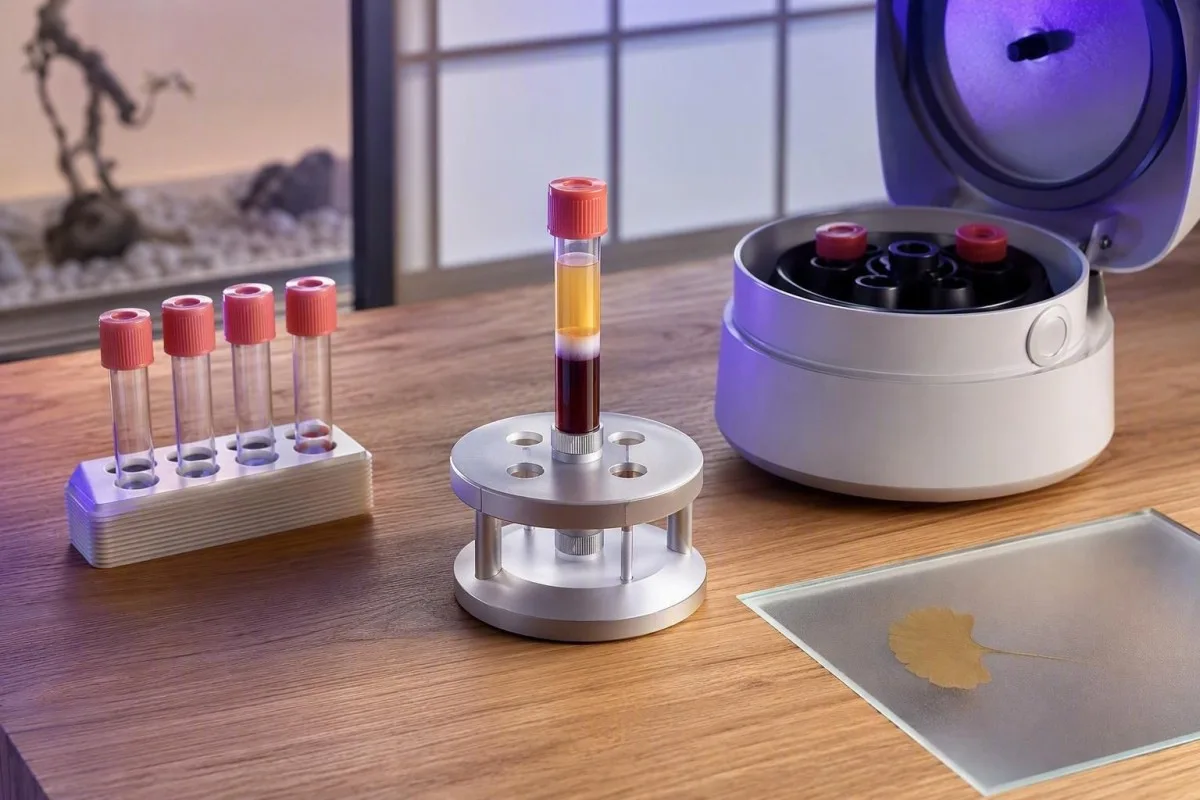
最初の有益な採血は、昨日のトレーニング、飲酒、睡眠不足、または一時的なウイルスの生化学的残響ではなく、あなたの通常の生理機能を記録します。目的は、長年使用できる再現可能なコンテキストです。.


- ベースラインのタイミング: 空腹時血糖、トリグリセリド、鉄関連検査、またはインスリンが含まれる場合は、8〜12時間の絶食後の午前中の採血を予約してください。.
- 運動の中断: 定期的なベースライン検査の24〜48時間前は、異常に激しいレジスタンストレーニング、インターバル、または持久走イベントは避けてください。.
- アルコール期間: トリグリセリドおよび肝臓酵素検査の少なくとも48時間前はアルコールを控えてください。大量飲酒は結果をより長く歪める可能性があります。.
- 病気の規則: 発熱または顕著な呼吸器症状または胃腸症状が治まってから少なくとも2週間後まで、ウェルネスベースラインを延期してください。.
- 水分補給の目標: 前日は通常通り飲酒し、採血の2時間前には250~500mLの水を摂取してください。ただし、水分制限がある場合は除きます。.
- バイオチンの注意: 多くのイムノアッセイでは、処方されていない高用量のバイオチンを48~72時間中止してください。ただし、処方された治療を中止する前に必ず処方医に相談してください。.
- 周期の状況: エストラジオール、プロゲステロン、LH、FSH、および場合によっては脂質の周期日を記録してください。これは、多くの人が予想するよりも解釈に影響します。.
- 再現性: 検査結果を追跡する際は、同じ検査機関、同様の午前中の時間帯、および同じ準備パターンを使用してください。.
最初の採血を真のベースラインにするものは何ですか?
A ベースライン血液検査 は、通常の1週間を捉えたときに最も役立ちます:安定した食事、通常の水分補給、急性疾患なし、および例外的なトレーニングや飲酒なし。ほとんどの成人には、グルコース、トリグリセリド、鉄マーカー、またはインスリンを測定する際に、8~12時間の絶食後の朝のサンプルをお勧めします。.
実用的な目標は、結果をより良く見せることではありません。それは削減することです 前分析的変動—分析装置がサンプルを見る前に発生する変化。空腹時血糖値96 mg/dLおよびトリグリセリド値105 mg/dLは、どちらも完全に通常の値である可能性がありますが、その意味は、食事が遅かったり、10 km走ったり、3時間しか寝ていなかったりすると変化します。.
私の臨床業務では、患者に最初の採血を参考写真のように扱うように依頼しています。起床時間、絶食時間、薬、サプリメント、過去72時間のアルコール摂取、過去48時間の運動、月経周期日、および最近の感染症の簡単な記録を保持してください。その記録は、単一の「正常」フラグよりも、2回目の検査でより役立つことがよくあります。.
カンテスティは AI血液検査分析装置 分析装置がサンプルを見る前に発生する変化。空腹時血糖値96 mg/dLおよびトリグリセリド値105 mg/dLは、どちらも完全に通常の値である可能性がありますが、その意味は、食事が遅かったり、10 km走ったり、3時間しか寝ていなかったりすると変化します。 年間血液検査ガイド に基づいて、あなたの病歴を知っている臨床医と追加項目について合意してください。.
ベースラインは個人的なものであり、単に「範囲内」ではありません“
検査室の基準範囲は通常、選択された集団からの値の中央95%を含みます。それはあなたの最も健康または最も安全な個人的な数値を定義しません。クレアチニン値は検査室の範囲内に留まることができますが、あなた自身の繰り返し値から有意に上昇する可能性があり、それがベースライン文書が重要である理由です。.
食事制限と前日の食事が結果にどのように影響するか
Fasting for 8〜12時間 トリグリセリド、空腹時血糖、インスリン、および血清鉄の最もクリーンな最初の比較を生成しますが、多くの脂質パネルは絶食なしで解釈できます。水は許可されており、通常は役立ちますが、コーヒー、ジュース、ガム、およびカロリー飲料は真の絶食ではありません。.
空腹時血漿グルコース100 mg/dL未満は一般的に正常、100~125 mg/dLは空腹時血糖障害を示し、126 mg/dL以上は症状と著明な高血糖がある場合を除き確認が必要です。HbA1cは過去約8~12週を反映するため、1回の朝食で有意に低下させることはできません。ADAの検査室ガイドラインは、グルコースとHbA1cが異なる質問に答える理由を説明しています(Sacks et al., 2023)。.
トリグリセリドは特に食事の影響を受けやすいです。150 mg/dL未満の値は一般的に望ましいですが、500 mg/dL以上は膵炎リスクの懸念を高め、迅速な臨床評価が必要です。濃い夕食またはアルコールは、誤って高い最初の結果を生み出す可能性があるため、 トリグリセリド再検査計画 を使用して、1日だけ「完璧に食事をする」のではなく、再検査計画を使用してください。.
カンテスティは AI血液検査の読み方プラットフォーム があり、各パネルの横に絶食状態を維持できるため、後での比較によるエラーが少なくなります。当社の バイオマーカーガイド は、どの検査が実際に食事の影響を受けやすく、どの検査がそうでないかを説明しています。.
運動が肝臓と腎臓の異常検査をどのように模倣するか
激しい運動は一時的に上昇させることがあります CK、AST、ALT、クレアチニン、白血球、および場合によってはカリウム, 、そのため、ベースラインパネルの24〜48時間前には、慣れない激しいトレーニングを避けてください。軽いウォーキングや通常の日常生活での動きは問題ありません。.
私が診察した52歳のマラソンランナーは、長距離レース後にAST 89 IU/L、ALT 36 IU/L、CK 2,000 IU/L以上という結果でした。そのパターンは肝臓の損傷よりも運動による筋肉の可能性を強く示唆していましたが、回復後の再検査が必要でした。個々の数値だけで判断することはめったにありません。運動後のASTについてさらに読む 運動後のAST 肝臓の問題と判断する前に。.
クレアチンキナーゼの基準値は、検査室、性別、人種、筋肉量、トレーニング状況によって異なりますが、多くの検査室では約200〜300 IU/Lを超える値を異常とします。運動後のCKが上限基準値の5倍を超えることは一般的です。黒尿、重度の筋肉痛、または尿量の減少を伴うCK 5,000 IU/L超は、運動誘発性横紋筋融解症の緊急評価が必要です。.
クレアチニンは、激しい活動後、部分的には筋肉の分解や水分喪失による腎血流量の低下によって上昇します。レース後のサンプルから得られたeGFRの低下を、回復検査なしに慢性腎臓病と解釈しないでください。当社の クレアチニン運動ガイド では、より安全な再検査の時期を説明しています。.
48時間の回復期間は、すべての人に当てはまる規則ではありません。
レクリエーションジムでのセッションの場合、24時間で十分なことが多いです。ウルトラマラソン、クロスフィット競技、重度の偏心性トレーニング、または熱暴露の後、安定したベースラインの評価が目的である場合、イベント自体の評価ではなく、通常48〜72時間待機します。.
アルコールは48時間のベースライン中断に値する理由
少なくとも 48時間 アルコールを控えることで、トリグリセリド、グルコース、GGT、AST、水分補給マーカー、および睡眠関連の生理機能の短期的な変動を抑えることができます。一度のひどい飲酒が、多くの患者が予想するよりも影響が大きい場合があります。.
アルコールは、特に高炭水化物食の後、肝臓での超低密度リポタンパク質の産生を増加させることによって、トリグリセリドを上昇させる可能性があります。その影響は様々です。ある人の結果は24時間でベースラインに戻りますが、脂肪肝、糖尿病、または多量飲酒をしている別の人は、数日間変化を示す可能性があります。週末の飲酒後の空腹時トリグリセリド値が220 mg/dLであっても、固定された代謝の問題とラベルを付ける前に再検査すべきです。.
GGTは感受性が高いが特異的ではない。多くの検査室では、男性で55〜60 IU/L、女性で35〜40 IU/Lを上限としていますが、薬剤、胆汁うっ滞、脂肪肝、アルコールなどがすべて上昇させる可能性があります。意味のあるパターンは、GGTとALT、ALP、ビリルビン、血小板数、およびアルコールの病歴との関連です。これらの要素がどのように関連するかについては、当社の 肝機能パネルの説明 を参照してください。.
2026年9月1日現在、肝臓の検査結果を改善するために「デトックス」や過度の絶食をすることは、依然として推奨しません。通常の食事、通常の水分摂取、アルコールを避け、記録された間隔を空けることが、よりクリーンな科学です。数週間離れた2回のサンプルで、検査室の上限を超える持続的なALTは、インターネットでの浄化ではなく、医学的なレビューに値します。.
病気や予防接種は、ウェルネス検査を延期すべき時期
発熱中、活動的な消化器疾患中、重度の呼吸器感染症中、または回復後1~2週間は、ウェルネスのベースラインを遅らせてください。なぜなら CRP、フェリチン、白血球、血小板、グルコース、および甲状腺検査 は一時的に変動する可能性があるからです。緊急の診断検査は異なります。体調が悪いときは遅らせないでください。.
C反応性タンパク質は、炎症刺激の6~8時間以内に一般的に上昇し、トリガーが落ち着くとすぐに低下する可能性があります。心血管リスク層別化には、臨床的に健康な人のみが3 mg/L未満のCRPがよく使用されます。風邪の際の18 mg/Lの結果は、長期的な血管リスクについてはほとんど意味がありません。 CRPとアルブミンのパターン は、どちらか一方の結果よりも情報量が多いです。.
フェリチンは、鉄貯蔵タンパク質であり、急性期反応物質でもあります。感染中に110 ng/mLのフェリチンは、鉄欠乏を隠す可能性がありますが、15 ng/mL未満のフェリチンは、それ以外は健康な成人における鉄欠乏に対して非常に特異的です。そのため、フェリチンをトランスフェリン飽和度、CRP、ヘモグロビン、および臨床経過と組み合わせています。.
ワクチン接種は、CRPや白血球サブセットの一時的な変化を含む、短期的な免疫応答を引き起こす可能性があります。静かなベースラインが目的であれば、定期検査は通常、ワクチン接種後3~7日待つことができますが、薬剤モニタリングのための定期的な安全性パネルは、処方した臨床医の指示に従ってください。私たちの ワクチン接種後のラボガイド は、実際的な区別をカバーしています。.
2週間のルールには例外があります
肺炎、入院、伝染性単核球症、または慢性疾患の重度の悪化の後では、2週間では不十分な場合があります。そのような場合、私はカレンダーだけでなく、症状の回復、CRPの傾向、および臨床医の判断をよく使用します。.
睡眠不足とタイミングが血液検査をどのように変えるか
一晩の睡眠不足は、空腹時血糖、コルチゾール、血圧、および炎症マーカーを上昇させる可能性がありますが、採血時間はテストステロン、コルチゾール、鉄、およびTSHを変化させる可能性があります。最初のベースラインについては、 7~9時間の通常の睡眠 を目標とし、可能であれば午前7時から10時の間に採血してください。.
コルチゾールは強い日内リズムに従います。朝の血清コルチゾールは、午前8時頃に測定されることが多いですが、採血時間、症状、およびしばしばACTH検査なしでは、値は副腎疾患を診断できません。午後採血を以前の午前8時採血と比較しても、たとえ同じ検査室で両方行われたとしても、有効な傾向ではありません。.
4~5時間の睡眠制限は、翌朝のインスリン感受性を悪化させ、食欲ホルモンを変化させる可能性があります。検査値の変化の大きさは、個人によって大きく異なります。私はこれをシフトワーカー、新生児の親、頻繁な旅行者で最もよく目にしますが、そこでは「ベースライン」は理想化されたものではなく、実際のスケジュールを表す必要があります。私たちの 睡眠不足ラボガイド は、有用な注釈チェックリストを提供します。.
トーマス・クライン博士の実用的なアドバイスはシンプルです。眠れなかったからといって必要な検査をキャンセルしないで、記録してください。徹夜後の境界値の空腹時血糖が103 mg/dLであれば、糖尿病前症に関する結論を出す前に、通常の条件下で再検査してください。.
カフェインは必ずしも無害な準備ではありません
ブラックコーヒーは多くの検査項目にほとんど影響がないかもしれませんが、グルコース、カテコールアミン、血圧、および一部の特殊な内分泌検査に影響を与える可能性があります。空腹時インスリン、グルコース、コルチゾール、またはメタネフリンがオーダーされた場合は、プレーンウォーターが最も曖昧さのない選択肢です。.
記録が必要なサプリメントと医薬品
基準血清検査のために処方薬を中止しないでください。処方医から指示がない限り、ただし、すべての薬剤とサプリメントを投与量とタイミングとともに記録してください。. ビオチン、鉄、B12、クレアチン、ヨウ素、コルチコステロイド、およびデコンジェスタント は、生物学的または検査アッセイのいずれかを変更する可能性があります。.
髪や爪の製品に多く含まれる1日あたり5,000〜10,000マイクログラムの高用量ビオチンは、特定のストレプトアビジン-ビオチン免疫アッセイに干渉する可能性があります。アッセイ設計によっては、TSHが偽低値になったり、遊離T4、トロポニン、またはホルモン値が偽高値になったりする可能性があります。処方されていないビオチンの場合は通常48〜72時間の休止が使用されますが、医学的な状態のために服用している人は、まず担当医に尋ねるべきです。.
経口鉄は血清鉄を一時的に上昇させる可能性があり、クレアチンサプリメントは実際の濾過を減らすことなくクレアチニンを増加させる可能性があります。コルチコステロイドはグルコースと白血球を上昇させる可能性があり、プロトンポンプ阻害剤は時間とともにマグネシウムとB12に影響を与える可能性があります。正しい対応は文脈であり、突然の自己中止ではありません。私たちの サプリメント空腹時ガイド は一般的な例外について説明しています。.
カンテスティは AI搭載の血液検査解析ツール 結果の横に報告されたサプリメントを記録するため、明白な甲状腺または腎臓の変化は、それを説明する可能性のある曝露とともにレビューできます。患者は、予期しないフラグに対応する前に、私たちの 臨床的正確性チェックリスト と報告された結果を比較することもできます。.
薬剤のタイミングは処方の一部である可能性があります。
甲状腺補充療法、テストステロン療法、インスリン、利尿薬、および抗凝固薬は、それぞれ検査固有のタイミング規則があります。たとえば、一貫性を監視するために甲状腺検査は、1日のレボチロキシン投与前に実施されることが多いですが、処方医のプロトコルを優先する必要があります。.
月経周期が最初のホルモンベースラインにどのように影響するか
生殖ホルモン検査では、周期の日が結果の一部となります。. FSH、LH、エストラジオール、プロゲステロン、テストステロン、プロラクチン、および場合によっては脂質 は、周期全体で十分に変動するため、記録されていない日付は解釈を弱めます。.
早期卵胞期検査(通常は周期2〜5日)は、不妊評価におけるベースラインFSH、LH、およびエストラジオールの測定に一般的に使用されます。プロゲステロンは通常、排卵の約7日後に測定されます。35日周期は異なる生物学的特性に従うため、「21日目」ではありません。プロゲステロン値が約3 ng/mL以上であれば、多くの状況で最近の排卵を支持しますが、正確な解釈はアッセイとタイミングに依存します。.
プロラクチンは、ストレス、最近の運動、性行為、および困難な検体採取に敏感です。軽度の高値は、理想的には朝に20〜30分間静かに休息した後に再検査されることが多いです。100 ng/mLを超える値は、薬剤の影響が一般的であることを考慮しても、迅速な内分泌評価に値します。賢明な次のステップについては、私たちの プロラクチン再検査ガイド を参照してください。.
周期関連の脂質シフトは実在しますが、体重、食事、アルコール、糖尿病、または遺伝子による変化よりも通常は小さいです。長年にわたって血液検査で健康状態を監視するつもりがある場合は、特に症状または治療を評価している間は、可能であれば、繰り返し測定する脂質およびホルモンパネルで同様の周期段階を選択してください。.
ホルモン避妊は質問を変えます
複合ホルモン避妊は、内因性のFSH、LH、エストラジオール、およびアンドロゲン測定を抑制する可能性があるため、これらの結果は未治療の生理状態を記述しない場合があります。妊娠リスクと検査の臨床的理由を考慮せずに、ベースラインを取得するためだけに避妊を中止しないでください。.
水分補給、姿勢、採血技術が重要な理由
正常な水分補給と採血前の10〜15分間の座位安静は、脱水、長時間の立位、採血困難などがいくつかの結果を濃縮または歪める可能性があるため、再現性を向上させます。前日は普通に水分を摂取し、水分制限がない場合は、 採血の2時間前に250〜500mLの水 を摂取してください。.
循環血液量の減少は、ヘモグロビン、ヘマトクリット、アルブミン、カルシウム、総タンパク質、クレアチニンの値を通常の水分補給時よりも高く見せることがあります。逆に、検査直前に大量の水を飲むと、ナトリウムなどの測定値が希釈される可能性があります。ナトリウムの正常範囲は一般的に135〜145 mmol/Lですが、予期しない結果は常に水分補給とグルコースの状態と合わせて解釈する必要があります。.
姿勢は、ほとんどの人が考える以上に重要です。立位は、体液シフトによりアルブミンとタンパク質結合型分析物の値を増加させる可能性がありますが、長時間の駆血帯使用と繰り返しの握りこぶしは、カリウムと乳酸値を偽陽性に上昇させる可能性があります。腎臓病、症状、またはECG変化のない5.5 mmol/Lを超えるカリウム値は、採血のアーチファクトが一般的であるため、しばしば迅速に再検査されます。当社の カリウム採血エラーガイド が、その理由を説明しています。.
月経、最近の嘔吐による水分喪失、利尿薬、サウナの使用はすべて、採血の記録に記載すべきです。脱水後にeGFRが予想外に低い場合は、通常の摂取を回復し、再検査について相談してください。 一時的な eGFR の変化 永続的な腎臓損傷と判断する前に.
赤色のチューブは診断ではありません
チューブの色は、検査の重要性ではなく、検査室処理に使用される添加剤を示します。臨床的に重要なのは、適切なチューブの選択、輸送温度、処理遅延、および検査室が溶血または検体不足を報告するかどうかです。.
後続の結果を最初の採血と比較可能にする方法
検査結果を追跡する際は、常に同じ検査室、同様の採血時間、および同様の準備ルーチンを使用してください。真の生物学的変化は、アッセイ方法、絶食状態、運動、および通常の日常的な変動の複合効果よりも小さい場合があります。.
LDLコレステロールは直接測定されるのではなく計算される場合があり、トリグリセリド値が上昇すると計算の信頼性が低下します。2018年のAHA/ACCコレステロールガイドラインは、多くの人々において非絶食スクリーニングを支持していますが、非常に高いトリグリセリド値や診断の不確実性を含む特定の状況では絶食検査を推奨しています(Grundy et al., 2019)。重要なのは、完璧さではなく一貫性です。.
基準変更値(RCV)は、分析の不正確さと個人の通常の生物学的変動を組み合わせたものです。あるマーカーの10%の変化はノイズである可能性がありますが、別のマーカーの30%の変化は意味のあるものとなり得ます。すべての検査に適用される普遍的なパーセンテージはありません。当社の この変化は本当かガイド は、なぜ傾向が色分けされた矢印以上のものを必要とするのかを示しています。.
Kantesti AIは、異常フラグを単純に数えるのではなく、アッセイ単位、基準範囲、採血日、および関連するバイオマーカーを比較することによって、繰り返しパネルを解釈します。当社の AI比較ワークフロー は、この経時的な疑問、「注意に値するほど変化したものは何か?」のために構築されています。
元のレポートを保管してください
タイプされた結果だけでなく、PDFまたは鮮明な写真も保存してください。単位変換、検査室の範囲、溶血に関するコメント、およびLDLが計算されたかどうかは、将来の臨床医が傾向をどのように読むかに実質的に影響を与える可能性があります。.
すべての血液検査と一緒に保存するコンテキストノート
短いコンテキストノートは、孤立した数値を有用な経時データに変換します。記録してください 採血ごとに、日付、時間、絶食時間、睡眠、運動、アルコール、病気、薬、サプリメント、周期日、体重変化、および新しい症状 を記録してください。.
私の最低限のメモには8つの項目があります。採血時間、絶食時間、48時間以内の運動、72時間以内の飲酒、現在の病状、処方薬の変更、サプリメントの用量と最終摂取量、そして該当する場合の月経または妊娠の状況です。これらに該当する場合は、旅行、時差ぼけ、および高度を追加してください。これらはすべて、水分補給、コルチゾール、ヘモグロビン、および睡眠に敏感なマーカーに影響を与える可能性があるためです。.
10日間で1.5kgの体重減少、新しい高タンパク質食、または数晩の断続的な睡眠は、時間の経過とともに血液検査結果がわずかに変化したことを説明する可能性があります。それは結果を重要でないものにするのではなく、解釈可能にするのです。再利用可能なバージョンでは、私たちの ラボコンテキストトラッカー は、患者が最も忘れがちな詳細を含んでいます。.
トーマス・クライン医師は、結果を待っている間ではなく、家を出る前にメモを書くことを勧めています。予期せぬ異常値が出た後では記憶は不確かになり、人々は理解できることに、その数値を説明するために前の週を再構築します。.
「修正」として記録しないこと“
より魅力的な最初のベースラインを得るためだけに、食事、水分摂取、運動、またはサプリメントを操作しないでください。ベースラインはあなたの人生を表すべきです。そうでなければ、次の検査は単により正直であるという理由だけで、より悪く見えるかもしれません。.
心配する前に再検査すべき境界的な所見
多くの境界線のベースライン結果は、特に肝酵素、クレアチニン、カリウム、プロラクチン、好中球、およびトリグリセリドの孤立した軽度の変化については、疾患として扱われる前に安定した条件下で再検査されるべきです。緊急の症状または著しく異常な値は例外です。.
臨床的に問題がない場合、肝臓のビリルビン、ALPが正常で、症状がない状態で、基準値上限の2倍未満のALTは、アルコール、激しい運動、または期間中の病気などの一時的な寄与因子を除去した後に再検査されることがよくあります。黄疸、尿の黒ずみ、便の白さ、発熱、または腹痛を伴う3 mg/dLを超えるビリルビン値は異なり、日常的なベースラインの再検査を待つべきではありません。.
軽度に低い好中球数は、ウイルス性疾患の後や個人の安定した正常値を反映している可能性があります。絶対好中球数が1.0〜1.5 × 10⁹/Lの場合は通常軽度の好中球減少症ですが、0.5 × 10⁹/L未満の場合は感染リスクが著しく高くなり、特に発熱がある場合は緊急の医学的指導が必要です。私たちの 好中球フォローアップガイド は、一般的な再検査と危険信号を区別します。.
最も有用な安全策の1つは、パターンチェックです。例えば、副甲状腺ホルモンが抑制された高カルシウム血症は、脱水とアルブミン上昇を伴う高カルシウム血症とは緊急度が異なります。組み合わせが懸念される理由は、生物学的に単一のマーカーだけが変化することはめったにないからです。.
ベースライン血液検査が医療に取って代わるべきではない場合
危険信号となる症状、急速に悪化する病状、妊娠合併症、または重篤な検査室アラートがある場合、ベースラインプロトコルは適切ではありません。胸痛、重度の息切れ、錯乱、失神、黄疸、黒色便、または重度の脱水は、今すぐ臨床評価が必要であり、より良い準備をした再検査ではありません。.
カリウム6.0 mmol/L以上、ナトリウム120 mmol/L未満、ブドウ糖300 mg/dL超(嘔吐または錯乱を伴う場合)、またはヘモグロビン7 g/dL前後などの結果は緊急処置が必要な場合がありますが、完全な臨床状況が重要です。検査室は通常、依頼チームにクリティカル値について連絡しますが、患者は電話がないからといって結果が安全であると仮定すべきではありません。.
妊娠中、慢性腎臓病、インスリン治療中、抗凝固薬を使用中、化学療法を受けている、または肝疾患の既往がある場合は、準備指示がウェルネスのテンプレートと異なる場合があります。絶食期間は一部の糖尿病患者には安全でない可能性があり、薬のタイミングが重要になることがあります。当社の 検査頻度ガイド は、リスクグループによって計画がどのように変更されるかを示しています。.
カンテスティは AIラボ検査解釈サービス 臨床医への質問を特定するのに役立ちますが、緊急の評価や診断の代わりにはなりません。当社の取り組みの背後にある臨床的安全性と医療レビューの原則については、当社の 医療諮問委員会.
最初のベースラインのための実践的な72時間プロトコル
最初の有用なベースラインを確立するには、72時間ルーチンを維持し、48時間アルコールを避け、24〜48時間激しい運動を避け、通常通り睡眠し、指示があれば8〜12時間絶食し、水を飲み、状況を記録してください。一貫性が介入です。.
72〜48時間前:新しいサプリメント、クラッシュダイエット、クレンズ、またはトレーニングブロックを開始しないでください。すでにサプリメントを服用している場合は、正確な用量を記録してください。高用量のビオチンが含まれている場合は、注文した臨床医または薬剤師に48〜72時間の休止が適切かどうか尋ねてください。48時間アルコールを避け、病気が活動的な場合は定期検査を延期してください。.
前日:通常の食事を摂り、通常通り水分補給し、サウナや持久力イベントを避け、7〜9時間の睡眠を計画してください。絶食パネルの場合は、予約の8〜12時間前に食事を済ませてください。水は大丈夫です。採血当日の朝、ブドウ糖、インスリン、コルチゾール、カテコールアミン、または特殊な内分泌検査が計画されている場合は、コーヒーとニコチンを避けてください。.
結果が届いたら、何も変更する前に元のレポートとそのコンテキストノートを保存してください。Kantesti AIは結果を縦断的なビューで整理できますが、当社の テクノロジーおよび臨床方法ガイド は、パターン認識が症状、主要な異常、および治療決定において人間の医療フォローアップを必要とする理由を説明しています。.
よくある質問
基礎的な血液検査に備えるにはどうすればよいですか?
採血の準備をするには、普段通りの生活を送り、アルコールは48時間前、激しい運動は24~48時間前、睡眠は通常通りにし、服用中の薬やサプリメントを記録してください。絶食が必要な検査(空腹時血糖、トリグリセリド、インスリン、鉄関連検査)が含まれる場合は、8~12時間絶食してください。水は通常許可されます。ホルモンや鉄関連の検査が含まれる場合は、午前7時~10時頃の午前中に採血の予約をし、通常通りの水分摂取をしてください。急性の病気がある場合は、その病気の評価に必要な場合を除き、健康診断のベースライン検査は延期してください。.
初めての血液検査は絶食する必要がありますか?
トリグリセリド、空腹時血糖、インスリン、または血清鉄を含む最初の血液検査では8~12時間の絶食が最も有効ですが、多くの通常の脂質パネルでは絶食は不要になっています。無糖の水は絶食を破ることはなく、採取の困難さや脱水による濃縮効果を防ぐのに役立ちます。コーヒー、ジュース、牛乳、アルコール、ガム、サプリメントは、選択された結果を変化させたり、意図された準備を無効にしたりする可能性があります。臨床医が異なる絶食期間を指定した場合は、指示に従ってください。.
運動は翌日の血液検査結果に影響しますか?
はい、激しい運動はクレアチンキナーゼ、AST、ALT、クレアチニン、白血球、および場合によってはカリウムを上昇させることにより、24~72時間血液検査結果に影響を与える可能性があります。ハードなレジスタンストレーニング、マラソン、高強度インターバル、および熱への曝露は、通常のウォーキングよりも大きな変動をもたらします。安定したウェルネスのベースラインを得るには、24~48時間異常または激しい運動を避けてください。主要な耐久イベントの後では、48~72時間の方が現実的であることがよくあります。激しい筋肉痛、暗い尿、衰弱、または尿量の減少などの症状がある場合は、緊急検査を遅らせないでください。.
採血検査の前に、どのくらいアルコールを控えるべきですか?
少なくとも検査前の48時間は飲酒を避けてください。特に、トリグリセリド、グルコース、GGT、AST、ALT、または水分量に影響されやすいマーカーを測定する場合です。アルコールは、一度の大量飲酒の後でもトリグリセリドを上昇させることがあり、糖尿病、脂肪肝、または普段から飲酒量が多い人では、その影響が数日間続く可能性があります。トリグリセリド値が500 mg/dL以上の場合、膵炎のリスクが大幅に上昇するため、速やかに臨床評価が必要です。検査後にデトックスや厳しい断食を試みないでください。通常の食事と水分補給で、より正確な再検査結果が得られます。.
睡眠不足は血液検査結果を変えることがありますか?
睡眠不足は、特に4~5時間の睡眠や夜勤の後では、翌朝の空腹時血糖値、コルチゾール、血圧、および一部の炎症シグナルに変化をもたらす可能性があります。しかし、HbA1cは、約8~12週間の平均血糖値を反映するものであるため、有意な変化はありません。眠れない夜の後に、緊急でないベースラインの結果が境界値である場合、睡眠不足を記録し、通常の状況下で検査を再実施することを検討してください。症状や著しい異常は、理想的な準備よりも重要であるため、必要な検査は続行すべきです。.
月経周期の特定の日、ホルモン検査を受けるべきですか?
はい、ホルモン検査は臨床的な疑問に合わせて時期を決定し、常に月経周期の日を記録する必要があります。FSH、LH、およびエストラジオールは、早期卵胞期ベースラインのために周期2〜5日目に測定されることがよくありますが、プロゲステロンは、21日目に自動的に測定されるのではなく、排卵後約7日目に測定されるのが一般的です。約3 ng/mLを超えるプロゲステロン値は、最近の排卵を支持する可能性がありますが、検査室や臨床状況によって異なります。ホルモン避妊薬は内因性ホルモンの結果を変化させるため、医師の助言なしに検査のためだけに中止しないでください。.
今日、AIによる血液検査分析を
いますぐ利用しませんか。即時で正確な検査分析を提供するKantestiを信頼する、世界中の200万人以上のユーザーに参加してください。血液検査結果をアップロードすると、15,000+のバイオマーカーについて数秒で包括的な解釈が得られます。.
📚 参考文献
📖 外部の医学的参考文献
⚕️ 医療免責事項
この記事は教育目的のみを対象としており、医療助言を構成するものではありません。診断や治療の判断を行う際は、必ず有資格の医療提供者にご相談ください。.
E-E-A-T 信頼性シグナル
経験
医師主導による、検査結果解釈ワークフローの臨床レビュー。.
専門知識
臨床的な文脈においてバイオマーカーがどのように振る舞うかに焦点を当てた検査医学。.
権威
トーマス・クライン博士が執筆し、サラ・ミッチェル博士およびハンス・ヴェーバー教授によるレビュー。.
信頼性
アラームを減らすための明確なフォローアップ経路を備えた、エビデンスに基づく解釈。.