Ang kapaki-pakinabang na unang pagkuha ng dugo ay nagtatala ng iyong karaniwang pisyolohiya, hindi ang biochemical echo ng ehersisyo kahapon, mga inumin, mahinang pagtulog, o isang panandaliang virus. Ang layunin ay ang paulit-ulit na konteksto na maaari mong gamitin sa loob ng maraming taon.


- Oras ng Baseline: mag-iskedyul ng blood draw sa umaga pagkatapos ng 8-12 oras na walang pagkain kung kasama ang fasting glucose, triglycerides, iron studies, o insulin.
- Paghinto sa Ehersisyo: iwasan ang hindi karaniwang mabigat na resistance training, intervals, o endurance events sa loob ng 24-48 oras bago ang routine baseline testing.
- Window ng Alak: iwasan ang alak sa loob ng hindi bababa sa 48 oras bago ang triglyceride at liver-enzyme testing; ang malakas na pag-inom ay maaaring makagulo sa mga resulta nang mas matagal.
- Panuntunan sa Sakit: ipagpaliban ang wellness baseline hanggang sa hindi bababa sa 2 linggo pagkatapos gumaling ang lagnat o malubhang sintomas sa respiratory o gastrointestinal.
- Target na Hydration: uminom nang normal sa araw bago at uminom ng 250-500 mL ng tubig sa loob ng 2 oras bago koleksyon maliban kung limitado ang likido.
- Biotin caution: ihinto ang hindi iniresetang mataas na dosis ng biotin sa loob ng 48-72 oras bago ang maraming immunoassay, ngunit huwag kailanman itigil ang iniresetang paggamot nang hindi kinukonsulta ang nagreseta.
- Cycle context: itala ang araw ng siklo para sa estradiol, progesterone, LH, FSH, at minsan mga lipid; nagbabago ito ng interpretasyon kaysa sa inaasahan ng marami.
- Repeatability: gamitin ang parehong laboratoryo, halos parehong oras sa umaga, at parehong paraan ng paghahanda kapag sinusubaybayan ang mga resulta ng laboratoryo sa paglipas ng panahon.
Ano ang nagpapaging totoo sa unang pagkuha ng dugo bilang isang tunay na baseline?
A baseline blood test ay pinaka-kapaki-pakinabang kapag nasasaklaw nito ang isang ordinaryong linggo: matatag na pagkain, karaniwang pag-inom, walang matinding sakit, at walang pambihirang pagsasanay o pag-inom. Para sa karamihan ng matatanda, inirerekomenda ko ang isang sample sa umaga pagkatapos ng 8-12 oras na pag-aayuno kung saan sinusukat ang glucose, triglycerides, iron marker, o insulin.
Ang praktikal na layunin ay hindi upang pagandahin ang mga resulta. Ito ay upang bawasan ang pre-analytical variation—mga pagbabago na nangyayari bago pa man makita ng analyser ang sample. Ang isang fasting glucose na 96 mg/dL at isang triglyceride level na 105 mg/dL ay parehong maaaring maging lubos na ordinaryo, ngunit nagbabago ang kanilang kahulugan kung ang tao ay kumain ng huli, tumakbo ng 10 km, o natulog ng 3 oras.
Sa aking klinikal na trabaho, hinihiling ko sa mga pasyente na ituring ang unang pagkuha ng dugo tulad ng isang reference na litrato. Magpanatili ng maikling tala ng oras ng paggising, tagal ng pag-aayuno, mga gamot, suplemento, alkohol sa nakaraang 72 oras, ehersisyo sa nakaraang 48 oras, araw ng siklo ng regla, at kamakailang impeksyon. Ang talaang iyon ay madalas na mas kapaki-pakinabang sa pangalawang pagsusuri kaysa sa isang solong “normal” na marka.
Si Kantesti ay isang AI blood test analyzer dinisenyo upang basahin ang mga resulta kasama ang praktikal na kontekstong iyon, sa halip na ituring ang bawat naka-highlight na halaga bilang sakit. Para sa isang makatuwirang listahan ng mga pagsusuri, magsimula sa aming taunang gabay sa pagsusuri ng dugo at sumang-ayon sa mga karagdagan sa isang kliniko na nakakakilala sa iyong kasaysayan.
Ang baseline ay personal, hindi lamang “nasa loob ng saklaw”
Ang isang laboratory reference interval ay karaniwang naglalaman ng gitnang 95% ng mga halaga mula sa isang napiling populasyon; hindi nito tinutukoy ang iyong pinakamalusog o pinakaligtas na personal na numero. Ang isang resulta ng creatinine ay maaaring manatili sa loob ng isang saklaw ng laboratoryo habang makabuluhang tumataas mula sa iyong sariling paulit-ulit na halaga, kaya naman mahalaga ang dokumentasyon ng baseline.
Paano hinuhubog ng pag-aayuno at mga pagkain ng nakaraang araw ang mga resulta
. Ang pag-aayuno para sa 8–12 oras nagbubunga ng pinakamalinaw na unang paghahambing para sa triglycerides, fasting glucose, insulin, at serum iron, bagaman maraming lipid panel ang maaaring bigyang-kahulugan nang walang pag-aayuno. Pinapayagan ang tubig at karaniwang nakakatulong; ang kape, juice, chewing gum, at mga inuming may calorie ay hindi tunay na pag-aayuno.
Ang fasting plasma glucose na mas mababa sa 100 mg/dL ay karaniwang normal, ang 100-125 mg/dL ay nagpapahiwatig ng impaired fasting glucose, at ang 126 mg/dL o mas mataas ay nangangailangan ng kumpirmasyon maliban kung may mga sintomas at kapansin-pansing hyperglycemia. Ang HbA1c ay sumasalamin sa humigit-kumulang na naunang 8-12 linggo, kaya hindi maaaring makabuluhang pababain ito ng isang almusal; ang gabay sa laboratoryo ng ADA ay nagpapaliwanag kung bakit ang glucose at HbA1c ay sumasagot sa iba't ibang tanong (Sacks et al., 2023).
Ang triglycerides ay partikular na sensitibo sa pagkain. Ang halagang mas mababa sa 150 mg/dL ay karaniwang kanais-nais, habang ang 500 mg/dL o mas mataas ay nagtataas ng pag-aalala para sa panganib ng pancreatitis at nangangailangan ng agarang klinikal na pagsusuri. Ang isang masaganang huling pagkain o alkohol ay maaaring lumikha ng isang nakakalinlang na mataas na unang resulta, kaya gumamit ng plano sa muling pagsusuri ng triglyceride sa halip na subukang “kumain nang perpekto” sa loob ng isang araw.
Si Kantesti ay isang AI blood test interpretation platform na mapapanatili ang fasting status sa tabi ng bawat panel, na ginagawang mas madaling ikumpara ang mga susunod na paghahambing. Ang aming gabay sa biomarker ay nagpapaliwanag kung aling mga pagsusuri ang talagang sensitibo sa pagkain at alin ang hindi.
Paano maaaring gayahin ng ehersisyo ang abnormal na mga pagsusuri sa atay at bato
Ang matinding ehersisyo ay maaaring pansamantalang magpataas CK, AST, ALT, creatinine, white cells, at minsan potassium, kaya iwasan ang hindi pamilyar o mataas na intensity na ehersisyo sa loob ng 24-48 oras bago ang isang baseline panel. Ang magaan na paglalakad at normal na pang-araw-araw na paggalaw ay ayos lang.
Isang 52-taong-gulang na marathon runner na sinuri ko ay nagkaroon ng AST 89 IU/L pagkatapos ng mahabang karera, na may ALT 36 IU/L at CK na higit sa 2,000 IU/L. Ang pattern na iyon ay mas malakas na tumuturo sa kalamnan na napagod kaysa sa pinsala sa atay, ngunit kinailangan pa rin itong ulitin pagkatapos ng paggaling; bihira na sapat ang mga hiwalay na numero. Magbasa pa tungkol sa AST pagkatapos ng ehersisyo bago ipagpalagay na may problema sa atay.
Ang mga reference limit ng creatine kinase ay nag-iiba-iba sa bawat laboratoryo, kasarian, lahi, dami ng kalamnan, at estado ng pagsasanay, ngunit maraming laboratoryo ang nagmamarka ng mga halaga na higit sa humigit-kumulang 200-300 IU/L. Karaniwan ang CK na lumalagpas sa 5 beses ang upper reference limit pagkatapos ng ehersisyo; ang CK na higit sa 5,000 IU/L na may madilim na ihi, matinding pananakit ng kalamnan, o nabawasang daloy ng ihi ay nangangailangan ng agarang pagsusuri para sa exertional rhabdomyolysis.
Ang creatinine ay tumataas pagkatapos ng matinding aktibidad dahil sa pagkasira ng kalamnan at nabawasang daloy ng dugo sa bato dahil sa pagkawala ng likido. Huwag bigyang-kahulugan ang mas mababang eGFR mula sa isang sample pagkatapos ng karera bilang talamak na sakit sa bato nang walang pagsusuri sa paggaling; ang aming gabay sa creatinine sa ehersisyo ay nagpapaliwanag ng mas ligtas na window ng redraw.
Ang 48-oras na pag-reset ay hindi patakaran para sa lahat
Para sa isang recreational gym session, karaniwang sapat na ang 24 oras. Pagkatapos ng ultramarathon, CrossFit competition, mabigat na eccentric lifting, o pagkakalantad sa init, madalas akong naghihintay ng 48-72 oras kung ang layunin ay isang matatag na baseline kaysa sa pagsusuri ng mismong kaganapan.
Bakit nararapat ng 48-oras na paghinto ang alak para sa baseline
Ang pag-iwas sa alak sa loob ng hindi bababa sa 48 oras bago ang isang baseline na pagsusuri ng dugo ay nakakabawas ng panandaliang pagbabago sa triglycerides, glucose, GGT, AST, mga marker ng hydration, at pisyolohiya na may kaugnayan sa pagtulog. Ang isang solong mabigat na gabi ay maaaring mas mahalaga kaysa sa inaasahan ng maraming pasyente.
Maaaring magpataas ng triglycerides ang alak sa pamamagitan ng pagpapataas ng produksyon ng hepatic very-low-density lipoprotein, lalo na pagkatapos ng mga pagkaing mataas sa carbohydrates. Ang epekto ay nagbabago: ang resulta ng isang tao ay bumabalik sa baseline sa loob ng 24 oras, habang ang iba na may fatty liver, diabetes, o mas mabigat na pag-inom ay maaaring magpakita ng mga pagbabago sa loob ng ilang araw. Ang fasting triglyceride na 220 mg/dL pagkatapos ng isang linggo ng pag-inom ay dapat ulitin bago ito ituring na isang permanenteng problema sa metabolismo.
Ang GGT ay sensitibo ngunit hindi tiyak. Maraming laboratoryo ang gumagamit ng mga upper limit sa paligid ng 55-60 IU/L para sa mga lalaki at 35-40 IU/L para sa mga babae, ngunit ang mga gamot, cholestasis, fatty liver, at alak ay maaaring magpataas nito. Ang makabuluhang pattern ay ang GGT kasama ang ALT, ALP, bilirubin, platelet count, at kasaysayan ng pag-inom ng alak; tingnan ang aming paliwanag ng liver panel kung paano nagtutugma ang mga piraso na ito.
Simula Setyembre 1, 2026, pinapayuhan ko pa rin laban sa “pag-detox” o labis na pag-aayuno upang mapabuti ang mga resulta ng atay. Ang normal na pagkain, normal na tubig, walang alak, at isang dokumentadong pagitan ay mas malinis na agham. Ang patuloy na ALT na higit sa upper limit ng laboratoryo sa dalawang sample na may pagitan ng ilang linggo ay nangangailangan ng medikal na pagsusuri, hindi isang internet cleanse.
Kailan dapat ipagpaliban ang isang wellness draw dahil sa sakit o pagbabakuna
Ipagpaliban ang baseline ng kalusugan sa panahon ng lagnat, aktibong sakit sa gastrointestinal, isang malubhang impeksyon sa respiratoryo, o ang unang 1-2 linggo pagkatapos ng paggaling dahil CRP, ferritin, puting selula, platelets, glucose, at thyroid test ay maaaring pansamantalang magbago. Ang agarang diagnostic testing ay iba: huwag ipagpaliban ito kapag ikaw ay may sakit.
Ang C-reactive protein ay karaniwang tumataas sa loob ng 6-8 oras mula sa isang nakakainflammang stimulus at mabilis na bumababa kapag nawala ang sanhi. Ang CRP na mas mababa sa 3 mg/L ay madalas na ginagamit para sa pagsusuri ng panganib sa cardiovascular lamang kapag ang isang tao ay klinikal na maayos; ang resulta na 18 mg/L habang may sipon ay kakaunti ang sinasabi tungkol sa pangmatagalang panganib sa vascular. Ang pattern ng CRP at albumin ay mas nagbibigay-alam kaysa sa alinman sa dalawang resulta lamang.
Ang ferritin ay parehong isang protina sa pag-iimbak ng bakal at isang acute-phase reactant. Ang ferritin na 110 ng/mL sa panahon ng impeksyon ay maaaring itago ang kakulangan ng bakal, samantalang ang ferritin na mas mababa sa 15 ng/mL ay lubos na tiyak para sa kakulangan ng bakal sa isang otherwise healthy adult. Ito ang dahilan kung bakit ipinapares ko ang ferritin sa transferrin saturation, CRP, hemoglobin, at ang klinikal na kuwento.
Ang pagbabakuna ay maaaring magdulot ng maikling tugon ng immune system, kabilang ang pansamantalang pagbabago sa CRP at mga subset ng puting selula. Ang regular na pagsusuri ay karaniwang maaaring maghintay ng 3-7 araw pagkatapos ng pagbabakuna kung ang layunin ay isang tahimik na baseline, ngunit ang nakaiskedyul na safety panel para sa pagsubaybay ng gamot ay dapat sundin ang mga tagubilin ng nagreseta na clinician. Ang aming gabay sa laboratoryo pagkatapos ng pagbabakuna ay sumasaklaw sa mga praktikal na pagkakaiba.
Ang tuntunin ng dalawang linggo ay may mga eksepsyon
Pagkatapos ng pneumonia, pagpapaospital, infectious mononucleosis, o malubhang paglala ng talamak na sakit, ang dalawang linggo ay maaaring hindi sapat. Sa mga kasong iyon, madalas kong ginagamit ang paggaling ng mga sintomas, trend ng CRP, at paghuhusga ng clinician sa halip na kalendaryo lamang.
Paano binabago ng pagkawala ng tulog at oras ang isang blood test
Ang isang hindi magandang gabi ng pagtulog ay maaaring magpataas ng fasting glucose, cortisol, presyon ng dugo, at mga senyales ng pamamaga, habang ang oras ay maaaring magbago ng testosterone, cortisol, bakal, at TSH. Para sa unang baseline, layunin ang 7-9 oras ng karaniwang pagtulog at kumuha ng sample sa pagitan ng mga alas-7 hanggang alas-10 ng umaga kung posible.
Ang cortisol ay sumusunod sa isang malakas na pang-araw-araw na ritmo. Ang serum cortisol sa umaga ay karaniwang sinusukat bandang alas-8 ng umaga, ngunit ang isang halaga ay hindi maaaring mag-diagnose ng adrenal disease nang walang oras ng pagkuha, mga sintomas, at madalas na ACTH testing. Ang sample sa hapon na inihambing sa dating sample na alas-8 ng umaga ay hindi isang balidong trend, kahit na ang parehong laboratoryo ang gumawa ng pareho.
Ang paghihigpit sa pagtulog ng 4-5 oras ay maaaring magpalala ng insulin sensitivity sa susunod na umaga at baguhin ang mga hormone sa gana; ang laki ng pagbabago sa laboratoryo ay nag-iiba-iba sa bawat tao. Nakikita ko ito kadalasan sa mga shift worker, bagong magulang, at madalas na manlalakbay, kung saan ang isang “baseline” ay kailangang kumatawan sa kanilang aktwal na iskedyul sa halip na sa isang ideal na isa. Ang aming gabay sa pagsubok sa pagtulog ay nag-aalok ng kapaki-pakinabang na checklist ng anotasyon.
Ang praktikal na payo ni Dr. Thomas Klein ay simple: huwag kanselahin ang isang kinakailangang pagsusuri dahil masama ang iyong tulog, ngunit itala ito. Kung ang isang borderline na fasting glucose ay 103 mg/dL pagkatapos ng isang buong gabi na walang tulog, ulitin sa ilalim ng karaniwang kondisyon bago gumawa ng mga konklusyon tungkol sa prediabetes.
Ang kapeina ay hindi palaging walang pinsalang paghahanda
Ang itim na kape ay maaaring walang gaanong epekto sa maraming panel, ngunit maaari itong makaapekto sa glucose, catecholamines, presyon ng dugo, at ilang espesyal na endocrine tests. Kapag nag-order ng fasting insulin, glucose, cortisol, o metanephrines, ang plain water ang pinaka-hindi malabong pagpipilian.
Aling mga suplemento at gamot ang kailangang itala
Huwag itigil ang mga iniresetang gamot para sa baseline blood test maliban kung sasabihin ng nagreseta, ngunit itala ang bawat gamot at supplement kasama ang dosis at oras. Biotin, iron, B12, creatine, iodine, corticosteroids, at decongestants ay maaaring magbago sa biyolohiya o sa test assay.
Ang mataas na dosis ng biotin, kadalasang 5,000-10,000 micrograms araw-araw sa mga produkto para sa buhok at kuko, ay maaaring makagambala sa ilang partikular na streptavidin-biotin immunoassays. Maaari itong lumikha ng mga maling mababang TSH o maling mataas na free T4, troponin, o mga resulta ng hormone depende sa disenyo ng assay. Ang 48-72 oras na paghinto ay karaniwang ginagamit para sa mga hindi iniresetang biotin, ngunit ang mga taong umiinom nito para sa isang kondisyong medikal ay dapat munang magtanong sa kanilang clinician.
Ang oral iron ay maaaring pansamantalang magpataas ng serum iron, at ang mga creatine supplement ay maaaring magpataas ng creatinine nang hindi nababawasan ang aktwal na filtration. Ang mga corticosteroid ay maaaring magpataas ng glucose at puting selula; ang mga proton-pump inhibitor ay maaaring makaapekto sa magnesium at B12 sa paglipas ng panahon. Ang tamang tugon ay konteksto, hindi biglaang paghinto ng sarili; ang aming gabay sa pag-aayuno ng supplement ay nagpapaliwanag ng mga karaniwang eksepsyon.
Si Kantesti ay isang AI-powered tool para sa pagsusuri ng dugo na nagtatala ng mga naiulat na supplement sa tabi ng mga resulta upang ang tila pagbabago sa thyroid o bato ay maaaring suriin kasama ang exposure na maaaring magpaliwanag nito. Maaari ring ihambing ng mga pasyente ang mga naiulat na resulta sa aming checklist ng clinical accuracy bago kumilos sa isang hindi inaasahang flag.
Ang oras ng pag-inom ng gamot ay maaaring bahagi ng reseta
Ang kapalit na thyroid, testosterone therapy, insulin, diuretics, at anticoagulants ay bawat isa ay may mga panuntunan sa oras na partikular sa test. Halimbawa, ang mga thyroid test ay madalas na kinukuha bago ang pang-araw-araw na dosis ng levothyroxine kapag sinusubaybayan ang pagkakapare-pareho, ngunit ang protocol ng nagreresetang clinician ang dapat manguna.
Paano naaapektuhan ng timing ng regla ang unang baseline ng hormone
Para sa pagsubok ng reproductive hormone, ang araw ng cycle ay bahagi ng resulta. FSH, LH, estradiol, progesterone, testosterone, prolactin, at minsan lipids ay maaaring magbago nang sapat sa buong cycle kaya't ang isang hindi naiulat na petsa ay nagpapahina sa interpretasyon.
Ang maagang follicular testing, kadalasang araw 2-5 ng cycle, ay karaniwang ginagamit para sa baseline FSH, LH, at estradiol sa fertility assessment. Ang progesterone ay karaniwang sinusukat mga 7 araw pagkatapos ng ovulation—hindi awtomatikong “day 21,” dahil ang 35-day cycle ay sumusunod sa ibang biyolohiya. Ang halaga ng progesterone na higit sa humigit-kumulang 3 ng/mL ay maaaring sumuporta sa kamakailang ovulation sa maraming sitwasyon, ngunit ang eksaktong interpretasyon ay nakasalalay sa assay at oras.
Ang prolactin ay sensitibo sa stress, kamakailang ehersisyo, aktibidad ng sekswal, at mahirap na pagkolekta ng sample. Ang banayad na pagtaas ay madalas na inuulit pagkatapos ng 20-30 minuto ng tahimik na pahinga, mas mabuti sa umaga; ang antas na patuloy na mas mataas sa 100 ng/mL ay nangangailangan ng agarang pagsusuri sa endocrine, bagaman nananatiling karaniwan ang mga epekto ng gamot. Tingnan ang aming gabay sa pag-ulit ng prolactin para sa mga makatwirang susunod na hakbang.
Ang mga pagbabago sa lipid na may kaugnayan sa cycle ay totoo ngunit karaniwang mas maliit kaysa sa mga pagbabago mula sa timbang, diyeta, alkohol, diabetes, o genetika. Kung layunin mong subaybayan ang kalusugan gamit ang mga blood test sa paglipas ng mga taon, pumili ng isang katulad na yugto ng cycle para sa mga paulit-ulit na lipid at hormone panel hangga't maaari, lalo na kapag sinusuri ang mga sintomas o paggamot.
Ang hormonal contraception ay nagpapabago sa tanong
Ang pinagsamang hormonal contraception ay maaaring sumupil sa endogenous FSH, LH, estradiol, at androgen measurements, kaya't ang mga resultang ito ay maaaring hindi naglalarawan ng hindi ginagamot na pisyolohiya. Huwag itigil ang contraception upang makakuha lamang ng baseline nang hindi isinasaalang-alang ang panganib sa pagbubuntis at ang klinikal na dahilan para sa pagsubok.
Bakit mahalaga ang hydration, postura, at teknik sa pagkolekta
Ang normal na hydration at 10-15 minutong pahinga habang nakaupo bago ang koleksyon ay nagpapabuti sa pagiging paulit-ulit dahil ang dehydration, matagal na pagtayo, at mahirap na pagkuha ng dugo ay maaaring magpakonsentra o makasira ng ilang resulta. Uminom nang normal sa araw bago at, maliban kung limitado ang likido, uminom ng 250-500 mL ng tubig sa loob ng 2 oras bago ang appointment.
Ang pag-urong ng dami ng plasma ay maaaring magpakita ng mas mataas na hemoglobin, hematocrit, albumin, calcium, kabuuang protina, at creatinine kaysa sa normal na hydration. Sa kabaligtaran, ang agresibong pag-inom ng litro-litrong tubig bago ang pagsubok ay maaaring magpahina sa sodium at iba pang mga sukat. Ang normal na saklaw ng sodium ay karaniwang 135-145 mmol/L, ngunit ang isang hindi inaasahang resulta ay dapat palaging bigyang-kahulugan kasama ang hydration at katayuan ng glucose.
Ang postura ay mas mahalaga kaysa sa inaakala ng karamihan. Ang pagtayo ay maaaring magpataas ng albumin at mga analyte na nakatali sa protina sa pamamagitan ng paglipat ng likido, habang ang matagal na oras ng tourniquet at paulit-ulit na pag-ipit ng kamao ay maaaring magpataas ng potassium at lactate. Ang potassium na higit sa 5.5 mmol/L nang walang sakit sa bato, sintomas, o pagbabago sa ECG ay madalas na muling sinusuri kaagad dahil karaniwan ang pagkakamali sa koleksyon; ang aming gabay sa pagkakamali sa potassium draw ay nagpapaliwanag kung bakit.
Ang regla, kamakailang pagkawala ng likido mula sa pagtatae, diuretics, at paggamit ng sauna ay lahat ay dapat ilagay sa tala na nakakabit sa draw. Kung ang eGFR ay hindi inaasahang mababa pagkatapos ng dehydration, ibalik ang normal na paggamit at talakayin ang pag-uulit ng pagsubok; tingnan ang pansamantalang pagbabago ng eGFR bago ipagpalagay ang permanenteng pinsala sa bato.
Ang pulang tubo ay hindi isang diagnosis
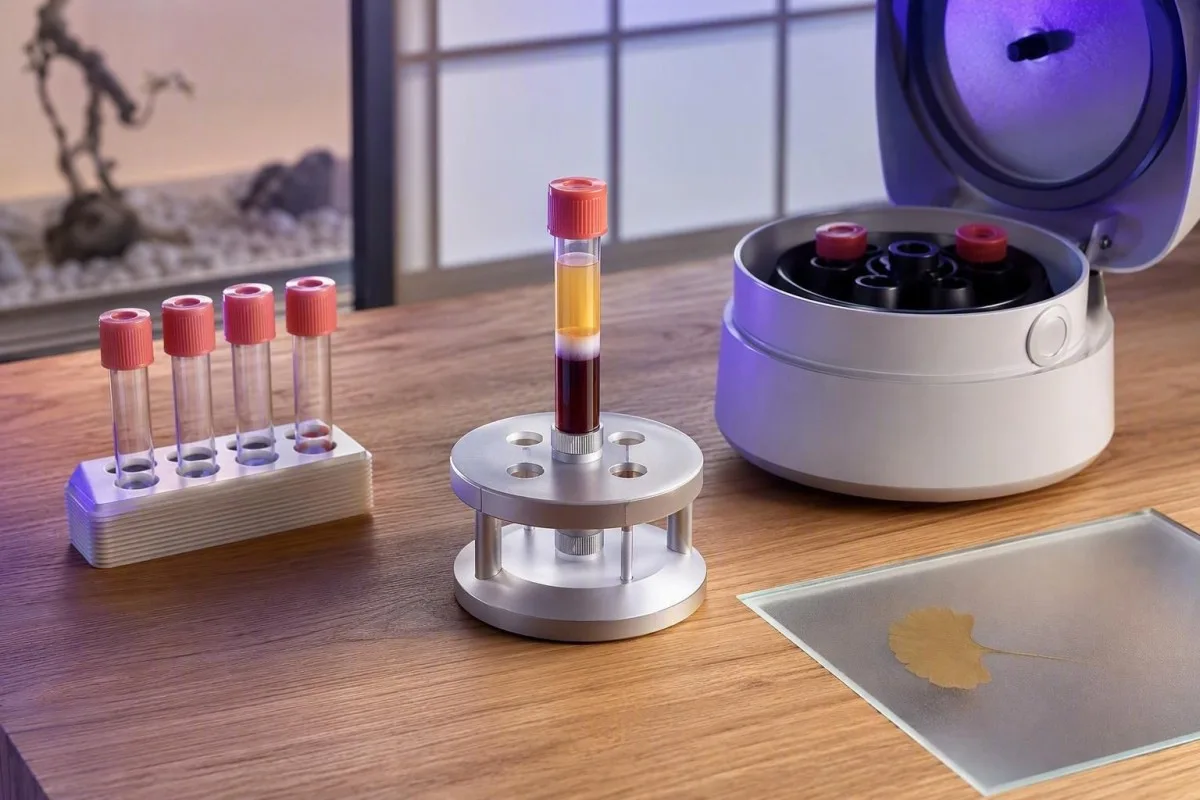
Ang kulay ng tubo ay tumutukoy sa additive na ginamit para sa pagproseso ng laboratoryo, hindi ang kaseryosohan ng pagsusuri. Ang mahalaga sa klinikal ay ang tamang pagpili ng tubo, temperatura ng transportasyon, pagkaantala sa pagproseso, at kung ang laboratoryo ay nag-uulat ng hemolisis o hindi sapat na sample.
Paano gagawing maihahambing ang mga susunod na resulta sa unang pagkuha ng dugo
Gamitin ang parehong laboratoryo, isang katulad na oras ng koleksyon, at isang katulad na routine ng paghahanda sa tuwing sinusubaybayan mo ang mga resulta ng lab sa paglipas ng panahon. Ang tunay na pagbabago sa biyolohiya ay maaaring mas maliit kaysa sa pinagsamang epekto ng paraan ng pagsusuri, katayuan ng pag-aayuno, ehersisyo, at ordinaryong pang-araw-araw na pagkakaiba-iba.
Ang LDL cholesterol ay maaaring kalkulahin sa halip na direktang sukatin, at ang pagkalkula ay nagiging hindi gaanong maaasahan habang tumataas ang triglycerides. Ang 2018 AHA/ACC cholesterol guideline ay sumusuporta sa non-fasting screening sa maraming tao ngunit nagrerekomenda ng fasting assessment sa mga piling sitwasyon, kabilang ang napakataas na triglycerides at kawalan ng katiyakan sa diagnosis (Grundy et al., 2019). Ang mahalagang punto ay pagiging pare-pareho, hindi pagiging perpekto.
Ang reference change value, o RCV, ay pinagsasama ang kawastuhan sa analytical sa normal na biyolohikal na pagkakaiba-iba ng isang indibidwal. Ang 10% na paggalaw sa isang marker ay maaaring ingay habang ang 30% na pagbabago sa isa pa ay makabuluhan; walang unibersal na porsyento na nalalapat sa bawat pagsusuri. Ang aming ay ang gabay na ito sa pagbabago ay nagpapakita kung bakit ang mga trend ay nangangailangan ng higit pa sa mga arrow na may kulay-kulay.
Ang Kantesti AI ay nagpapakahulugan ng mga paulit-ulit na panel sa pamamagitan ng paghahambing ng mga yunit ng pagsusuri, mga reference interval, mga petsa ng koleksyon, at mga kaugnay na biomarker sa halip na simpleng pagbilang ng mga abnormal na flag. Ang aming daloy ng trabaho ng paghahambing ng AI ay ginawa para sa longitudinal na tanong na ito: ano ang nagbago nang sapat upang mapansin?
Panatilihin ang orihinal na ulat
I-save ang PDF o malinaw na larawan, hindi lamang isang naka-type na resulta. Ang mga conversion ng yunit, mga saklaw ng laboratoryo, mga komento tungkol sa hemolisis, at kung ang LDL ay kinakalkula ay maaaring makabuluhang baguhin kung paano babasahin ng isang hinaharap na kliniko ang trend.
Ang tala ng konteksto na ise-save sa bawat blood test
Ang isang maikling tala ng konteksto ay ginagawang kapaki-pakinabang na longitudinal data ang mga hiwalay na numero. Itala ang petsa, oras, oras ng pag-aayuno, pagtulog, ehersisyo, alkohol, sakit, gamot, suplemento, araw ng cycle, pagbabago ng timbang, at mga bagong sintomas sa bawat draw.
Ang aking minimum na tala ay may walong item: oras ng koleksyon; tagal ng pag-aayuno; ehersisyo sa loob ng 48 oras; alkohol sa loob ng 72 oras; kasalukuyang sakit; mga pagbabago sa reseta; dosis ng supplement at huling dosis; at katayuan sa regla o pagbubuntis kung naaangkop. Idagdag ang paglalakbay, jet lag, at altitude kapag naaangkop ang mga iyon, dahil ang bawat isa ay maaaring maglipat ng hydration, cortisol, haemoglobin, at mga marker na sensitibo sa pagtulog.
Ang pagbaba ng timbang na 1.5 kg sa loob ng 10 araw, isang bagong diet na mataas sa protina, o ilang gabi ng pira-pirasong pagtulog ay maaaring magpaliwanag ng mga bahagyang pagbabago sa pagsusuri ng dugo sa paglipas ng panahon. Hindi nito ginagawang hindi mahalaga ang resulta—ginagawa nitong maaaring ipaliwanag. Para sa bersyon na magagamit muli, ang aming tracker ng konteksto sa lab ay kasama ang mga detalye na madalas na nakakalimutan ng mga pasyente.
Inirerekomenda ni Dr. Thomas Klein ang pagsulat ng tala bago ka umalis ng bahay, hindi habang naghihintay ng mga resulta. Ang memorya ay nagiging hindi mapagkakatiwalaan pagkatapos ng isang hindi inaasahang pag-flag, at nauunawaan na binubuo muli ng mga tao ang nakaraang linggo upang umangkop sa numero.
Ano ang hindi itatala bilang isang “ayos”
Huwag manipulahin ang diyeta, pag-inom ng tubig, ehersisyo, o mga supplement upang makakuha lamang ng mas kaakit-akit na unang baseline. Ang isang baseline ay dapat kumatawan sa iyong buhay; kung hindi, ang susunod na pagsusuri ay maaaring magmukhang mas masama dahil lamang ito ay mas tapat.
Aling mga borderline na natuklasan ang dapat ulitin bago mag-alala
Maraming mga borderline baseline na resulta ang dapat ulitin sa ilalim ng matatag na mga kondisyon bago ito tratuhin bilang sakit, lalo na ang mga nakahiwalay na bahagyang pagbabago sa mga enzyme sa atay, creatinine, potassium, prolactin, neutrophils, at triglycerides. Ang mga kagyat na sintomas o kapansin-pansing abnormal na halaga ay ang eksepsyon.
Ang isang ALT na mas mababa sa 2 beses ang itaas na limitasyon ng laboratoryo na may normal na bilirubin, ALP, at walang mga sintomas ay karaniwang sinusuri muli pagkatapos alisin ang mga pansamantalang nag-aambag tulad ng alkohol, matinding ehersisyo, o intercurrent na sakit. Ang antas ng bilirubin na higit sa 3 mg/dL na may paninilaw ng balat, madilim na ihi, maputlang dumi, lagnat, o sakit sa tiyan ay iba at hindi dapat maghintay para sa isang routine baseline redraw.
Ang isang bahagyang mababang bilang ng neutrophil ay maaaring sumunod sa isang viral illness o sumasalamin sa matatag na normal ng isang indibidwal. Ang isang absolute neutrophil count na 1.0-1.5 × 10⁹/L ay karaniwang banayad na neutropenia, samantalang ang mas mababa sa 0.5 × 10⁹/L ay nagdadala ng mas mataas na panganib ng impeksyon at nangangailangan ng kagyat na gabay medikal, lalo na kung may lagnat. Ang aming gabay sa follow-up ng neutrophil ay naghihiwalay ng mga karaniwang retest mula sa mga red flag.
Isa sa pinaka-kapaki-pakinabang na proteksyon ay ang pagtingin sa pattern. Halimbawa, ang mataas na calcium na may pinipigilang parathyroid hormone ay may ibang urgency kaysa sa mataas na calcium kasama ang dehydration at albumin elevation; ang dahilan kung bakit tayo nag-aalala tungkol sa mga kombinasyon ay dahil ang biyolohiya ay bihirang nagbabago ng isang marker lamang.
Kailan hindi dapat palitan ng baseline blood test ang pangangalagang medikal
Ang isang protocol ng baseline ay hindi naaangkop kapag mayroon kang mga sintomas na red-flag, mabilis na lumalalang sakit, mga komplikasyon sa pagbubuntis, o isang kritikal na alerto sa laboratoryo. Ang pananakit ng dibdib, matinding hirap sa paghinga, pagkalito, pagkahimatay, paninilaw ng balat, itim na dumi, o matinding dehydration ay nangangailangan ng klinikal na pagsusuri ngayon—hindi isang mas mahusay na inihandang pag-ulit na pagsusuri.
Ang potassium na 6.0 mmol/L o mas mataas, sodium na mas mababa sa 120 mmol/L, glucose na mas mataas sa 300 mg/dL na may pagsusuka o pagkalito, o hemoglobin na malapit sa 7 g/dL ay mga halimbawa ng mga resulta na maaaring mangailangan ng agarang aksyon, bagaman ang buong klinikal na setting ay mahalaga. Karaniwang kinokontak ng mga laboratoryo ang nag-order ng pagsusuri tungkol sa mga kritikal na halaga, ngunit hindi dapat isipin ng mga pasyente na ang isang hindi nasagot na tawag ay nangangahulugang ligtas ang isang resulta.
Kung ikaw ay buntis, may malalang sakit sa bato, umiinom ng insulin, gumagamit ng anticoagulants, tumatanggap ng chemotherapy, o may kilalang sakit sa atay, ang mga tagubilin sa paghahanda ay maaaring magkaiba sa template para sa kalusugan. Ang isang panahon ng pag-aayuno ay maaaring hindi ligtas para sa ilang mga taong may diabetes, at ang pag-time ng gamot ay maaaring mahalaga. Ang aming gabay kung gaano kadalas mag-test ay naglalahad kung bakit binabago ng risk group ang plano.
Si Kantesti ay isang serbisyo ng AI lab test interpretation na tumutulong sa pagtukoy ng mga tanong para sa mga clinician, hindi isang kapalit para sa agarang pagtatasa o isang diagnosis. Ang mga klinikal na proteksyon at mga prinsipyo ng medikal na pagsusuri sa likod ng aming trabaho ay inilarawan ng aming Medical Advisory Board.
Isang praktikal na 72-oras na protocol para sa iyong unang baseline
Para sa isang kapaki-pakinabang na unang baseline, panatilihin ang iyong routine sa loob ng 72 oras, laktawan ang alak sa loob ng 48 oras, iwasan ang mabigat na ehersisyo sa loob ng 24-48 oras, matulog nang normal, mag-ayuno ng 8-12 oras kung kinakailangan, uminom ng tubig, at itala ang iyong konteksto. Ang pagiging pare-pareho ang interbensyon.
Pitumpu't dalawa hanggang 48 oras bago: huwag magsimula ng bagong supplement, crash diet, cleanse, o training block. Kung ikaw ay umiinom na ng supplement, itala ang eksaktong dosis; kung ito ay naglalaman ng mataas na dosis ng biotin, tanungin ang nag-order ng clinician o parmasyutiko kung ang 48-72 oras na paghinto ay angkop. Iwasan ang alak sa loob ng 48 oras at ipagpaliban ang regular na pag-test kung aktibo ang sakit.
Ang araw bago: kumain ng iyong ordinaryong pagkain, mag-hydrate nang normal, iwasan ang sauna o mga endurance event, at magplano ng 7-9 oras sa kama. Para sa mga fasting panel, tapusin ang pagkain 8-12 oras bago ang appointment; okay lang ang tubig. Sa umaga ng pagkuha ng sample, iwasan ang kape at nikotina kung ang glucose, insulin, cortisol, catecholamines, o espesyal na endocrine testing ay nakaplano.
Pagdating ng resulta, itabi ang orihinal na report at ang note ng konteksto nito bago baguhin ang anumang bagay. Maaaring ayusin ng Kantesti AI ang mga resulta sa isang longitudinal view, habang ang aming gabay sa teknolohiya at klinikal-pamamaraan ay nagpapaliwanag kung bakit ang pagkilala sa pattern ay nangangailangan pa rin ng follow-up ng tao para sa mga sintomas, malalaking abnormalidad, at mga desisyon sa paggamot.
Mga Madalas Itanong
Paano ako maghahanda para sa isang baseline blood test?
Maghanda para sa isang baseline blood test sa pamamagitan ng pagpapanatili ng iyong karaniwang gawain, pag-iwas sa alak sa loob ng 48 oras, pag-iwas sa mabigat na ehersisyo sa loob ng 24-48 oras, normal na pagtulog, at pagdodokumento ng mga gamot at suplemento. Mag-ayuno sa loob ng 8-12 oras kung kasama sa order ang fasting glucose, triglycerides, insulin, o iron studies; karaniwang pinapayagan ang tubig. Uminom nang normal sa halip na sobrang pag-inom ng tubig, at magtakda ng koleksyon sa umaga sa pagitan ng mga 7 at 10 ng umaga kapag kasama ang mga hormone o bakal. Ipagpaliban ang isang baseline para sa kalusugan habang may malubhang sakit maliban kung ang pagsusuri ay kailangan upang suriin ang sakit na iyon.
Kailangan ko bang mag-ayuno para sa aking unang blood test?
Ang 8-12 oras na pag-aayuno ay pinaka-kapaki-pakinabang para sa unang pagsusuri ng dugo na kinabibilangan ng triglycerides, fasting glucose, insulin, o serum iron, bagaman maraming karaniwang lipid panel ang hindi na nangangailangan ng pag-aayuno. Ang plain water ay hindi nakakasira ng pag-aayuno at nakakatulong upang maiwasan ang mahirap na pangongolekta o mga epekto ng konsentrasyon na may kaugnayan sa dehydration. Ang kape, juice, gatas, alak, chewing gum, at mga supplement ay maaaring baguhin ang mga napiling resulta o mawalan ng bisa ang nilalayong paghahanda. Sundin ang mga tagubilin na partikular sa order kung ang iyong clinician ay nagbigay ng ibang tagal ng pag-aayuno.
Maaaring makaapekto ang ehersisyo sa resulta ng blood test kinabukasan?
Oo, ang matinding ehersisyo ay maaaring makaapekto sa resulta ng blood test sa loob ng 24-72 oras sa pamamagitan ng pagtaas ng creatine kinase, AST, ALT, creatinine, white cells, at paminsan-minsan ay potassium. Ang mabigat na resistance training, marathon running, high-intensity intervals, at pagkakalantad sa init ay nagdudulot ng mas malaking pagbabago kaysa sa normal na paglalakad. Para sa isang matatag na baseline ng kalusugan, iwasan ang hindi karaniwan o matinding ehersisyo sa loob ng 24-48 oras; pagkatapos ng isang malaking endurance event, ang 48-72 oras ay kadalasang mas makatotohanan. Huwag ipagpaliban ang agarang pagsusuri para sa mga sintomas tulad ng matinding pananakit ng kalamnan, madilim na ihi, panghihina, o nabawasan na output ng ihi.
Gaano katagal dapat akong umiwas sa alak bago ang blood test?
Iwasan ang alkohol sa loob ng hindi bababa sa 48 oras bago ang isang baseline na pagsusuri ng dugo, lalo na kapag sinusuri ang mga triglycerides, glucose, GGT, AST, ALT, o mga marker na sensitibo sa hydration. Maaaring itaas ng alkohol ang triglycerides pagkatapos ng kahit isang mabigat na gabi, at ang epekto ay maaaring tumagal ng ilang araw sa mga taong may diabetes, fatty liver, o mas mabigat na karaniwang pag-inom. Ang resulta ng triglyceride na 500 mg/dL o mas mataas ay nangangailangan ng agarang klinikal na pagtatasa dahil malaki ang pagtaas ng panganib ng pancreatitis. Huwag subukang mag-detox o mag-ayuno nang mahigpit pagkatapos; ang ordinaryong pagkain at hydration ay nagdudulot ng mas tapat na paulit-ulit na resulta.
Maaaring baguhin ng mahinang pagtulog ang resulta ng blood test?
Ang mahinang pagtulog ay maaaring magpabago sa fasting glucose, cortisol, presyon ng dugo, at ilang inflammatory signals sa susunod na umaga, lalo na pagkatapos ng 4-5 oras na tulog o overnight shift. Hindi nito makabuluhang binabago ang HbA1c, na sumasalamin sa average na glycaemia sa loob ng humigit-kumulang 8-12 linggo. Kung ang isang hindi kagyat na baseline na resulta ay nasa hangganan pagkatapos ng isang gabing walang tulog, itala ang kawalan ng tulog at isaalang-alang ang pag-uulit ng pagsusuri sa ilalim ng ordinaryong kondisyon. Ang mga kinakailangang pagsusuri ay dapat pa ring magpatuloy, dahil ang mga sintomas at kapansin-pansing abnormalidad ay mas mahalaga kaysa sa perpektong paghahanda.
Kailangan ko bang magpa-test ng hormones sa isang partikular na araw ng aking menstrual cycle?
Oo, ang pagsusuri ng hormone ay dapat naka-iskedyul batay sa katanungang klinikal at ang araw ng siklo ng panregla ay dapat palaging itala. Ang FSH, LH, at estradiol ay madalas na sinusuri sa mga araw 2-5 ng siklo para sa paunang baseline ng follicular, habang ang progesterone ay karaniwang sinusuri mga 7 araw pagkatapos ng obulasyon sa halip na awtomatikong sa araw 21. Ang antas ng progesterone na higit sa humigit-kumulang 3 ng/mL ay maaaring sumuporta sa kamakailang obulasyon, ngunit ang mga laboratoryo at sitwasyong klinikal ay nagkakaiba. Ang hormonal contraception ay nagpapabago sa mga resulta ng endogenous hormone, kaya huwag itigil ito para lamang sa pagsusuri nang walang payo medikal.
Kumuha ng AI-Powered Blood Test Analysis Ngayon
Sumali sa mahigit 2 milyong user sa buong mundo na nagtitiwala sa Kantesti para sa agarang at tumpak na pagsusuri ng lab test. I-upload ang iyong resulta ng blood test at makakuha ng komprehensibong interpretasyon ng mga biomarker ng 15,000+ sa loob ng ilang segundo.
📚 Mga Sanggunian na Publikasyon sa Pananaliksik
Klein, T., Mitchell, S., & Weber, H. (2026). Kantesti LTD. (2026). Gabay sa C3 C4 Complement Blood Test & ANA Titer. Zenodo.. Kantesti AI Medical Research.
Klein, T., Mitchell, S., & Weber, H. (2026). Kantesti LTD. (2026). Gabay sa Nipah Virus Blood Test: Maagang Pagtuklas at Patnubay sa Diagnosis 2026. Zenodo.. Kantesti AI Medical Research.
📖 Mga Panlabas na Sanggunian sa Medikal
⚕️ Pagtatanggi sa Medikal
Ang artikulong ito ay para sa mga layuning pang-edukasyon lamang at hindi ito bumubuo ng medikal na payo. Palaging kumonsulta sa isang kwalipikadong tagapagbigay ng pangangalagang pangkalusugan para sa mga desisyon sa diagnosis at paggamot.
Mga Signal ng Tiwala ng E-E-A-T
Karanasan
Pinamumunuan ng manggagamot na klinikal na pagsusuri ng mga daloy ng interpretasyon ng mga pagsusuri sa laboratoryo.
Kadalubhasaan
Pokus sa laboratoryong medisina kung paano kumikilos ang mga biomarker sa kontekstong klinikal.
Pagka-awtoridad
Isinulat ni Dr. Thomas Klein na may pagsusuri ni Dr. Sarah Mitchell at Prof. Dr. Hans Weber.
Pagiging Mapagkakatiwalaan
Interpretasyong nakabatay sa ebidensya na may malinaw na mga susunod na hakbang upang mabawasan ang pag-aalarma.