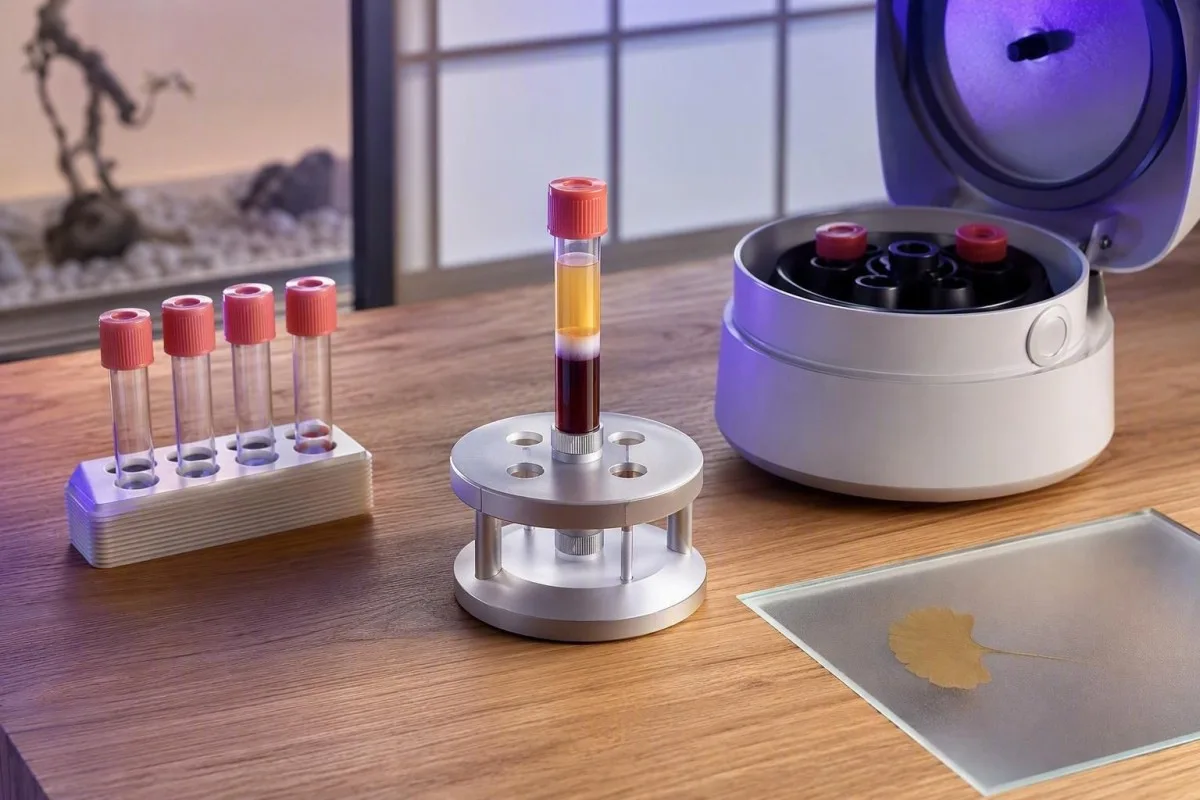
هڪ مفيد پهرين بلڊ ڊرا توهان جي معمول جي فزيولوجي کي رڪارڊ ڪري ٿي، نه ته گذريل رات جي ورزش، مشروبات، ننڊ جي گهٽتائي، يا هلڪي وائرل انفيڪشن جي بايو ڪيميڪل گونج. مقصد قابل ورجائي سگهڻ واري حوالي سان آهي جيڪا توهان سالن تائين استعمال ڪري سگهو ٿا.


- بنيادي وقت: صبح جي 8-12 ڪلاڪن کان پوءِ بکايل گلوڪوز، triglycerides، لوهه جي مطالعي، يا انسولين شامل هجي ته صبح جو ڊرا بک ڪريو.
- ورزش جو وقفو: معمول جي بنيادي جاچ کان 24-48 ڪلاڪ اڳ غير معمولي سخت مزاحمتي تربيت، انٽرويوز، يا برداشت واريون تقريبون کان پاسو ڪريو.
- الڪوحل ونڊو: triglycerides ۽ جگر جي انزائمز جي جاچ کان اڳ گهٽ ۾ گهٽ 48 ڪلاڪن تائين الڪوحل ڇڏي ڏيو؛ گهڻو پيئڻ ڊگهي وقت تائين نتيجن کي خراب ڪري سگهي ٿو.
- بيماري جو قاعدو: بخار يا اهم تنفسي يا معدي جي علامات کان گهٽ ۾ گهٽ 2 هفتا پوءِ ويلنس بنياد کي ملتوي ڪريو جيستائين اهي ختم نه ٿين.
- هائيڊريشن جو هدف: گهٽ ۾ گهٽ 250-500 mL پاڻي پيئڻ کان اڳ 2 ڪلاڪن ۾، جيستائين مائع جي پابندي نه هجي، عادي طور تي اڳئين ڏينهن پيئجي.
- بايوتين جي خبرداري: ڪيترن ئي اميونواسز کان 48-72 ڪلاڪ اڳ غير مقرر ڪيل اعليٰ خوراک واري بايوتين کي روڪيو، پر ڊاڪٽر کان پڇڻ کان سواءِ مقرر ڪيل علاج ڪڏهن به نه روڪيو.
- چڪر جي حوالي سان: ايسٽروجن، پروجيسٽرون، LH، FSH، ۽ ڪڏهن ڪڏهن لپڊس لاءِ چڪر جي ڏينهن کي رڪارڊ ڪريو؛ اهو ڪيترين ئي ماڻهن جي توقع کان وڌيڪ تعبير کي تبديل ڪري ٿو.
- ورجائڻ جي صلاحيت: وقت سان گڏ ليبارٽري نتيجن کي ٽريڪ ڪرڻ وقت ساڳيو ليب، ساڳيو صبح جو وقت، ۽ ساڳيو تياري جو نمونو استعمال ڪريو.
پهرين بلڊ ڊرا کي صحيح بنياد ڇا بڻائي ٿو؟
A بنيادي رت جو امتحان اها سڀ کان وڌيڪ مفيد آهي جڏهن اها هڪ عام هفتي کي پڪڙي ٿي: مستحڪم کاڌا، معمول جي پاڻي جي برقرار رکڻ، ڪابه تيز بيماري، ۽ ڪا به استثنايي تربيت يا پيئڻ. اڪثر بالغن لاءِ، مان 8-12 ڪلاڪن جي روزي کانپوءِ صبح جو نمونو تجويز ڪريان ٿو جڏهن گلوڪوز، ٽريگليسرائڊس، لوهه جا مارڪر، يا انسولين ماپي رهيا آهن.
عملي مقصد اهو ناهي ته نتيجن کي بهتر ڏسڻ. اهو گھٽائڻ آهي اڳ-تجزيوي تبديلي—تجزيي کان اڳ تبديليون جيڪي ٿينديون آهن. 96 mg/dL جي روزي واري گلوڪوز ۽ 105 mg/dL جي ٽريگليسرائڊس جي سطح ٻئي مڪمل طور تي عام ٿي سگهن ٿيون، پر انهن جو مطلب تبديل ٿي ويندو آهي جيڪڏهن ماڻهوءَ دير سان کاڌو هجي، 10 ڪلوميٽر ڊوڙيو هجي، يا 3 ڪلاڪ سمهيو هجي.
منهنجي ڪلينڪل ڪم ۾، مان مريضن کان پڇان ٿو ته پهرين ڊراءَ کي ريفرنس تصوير وانگر علاج ڪن. جاڳڻ جو وقت، روزي جي مدت، دوائون، سپليمينٽس، اڳئين 72 ڪلاڪن ۾ الڪوحل، اڳئين 48 ڪلاڪن ۾ ورزش، حيض واري چڪر جو ڏينهن، ۽ تازي انفيڪشن جو مختصر رڪارڊ رکو. اهو رڪارڊ اڪثر ڪري ٻئي امتحان ۾ پهرين “نارمل” جھنڊي کان وڌيڪ مفيد هوندو آهي.
ڪينٽيسٽي هڪ آهي اي آءِ بلڊ ٽيسٽ اينالائيزر ان عملي حوالي سان نتيجن کي گڏ پڙهڻ لاءِ ٺهيل آهي، نه ته هر نمايان قدر کي بيماري سمجهي. هڪ عقلمند امتحان جي لسٽ لاءِ، اسان جي سالياني رت جي ڪم جي گائيڊ سان شروع ڪريو ۽ ڪنهن ڊاڪٽر سان اضافو تي متفق ٿيو جيڪو توهان جي تاريخ کي ڄاڻي ٿو.
بنيادي قدر ذاتي آهي، نه صرف “حد ۾”
ليبارٽري جو حوالہ وقفو عام طور تي چونڊيل آبادي مان قدرن جي مرڪزي 95% تي مشتمل هوندو آهي؛ اهو توهان جي سڀ کان صحتمند يا محفوظ ذاتي نمبر کي بيان نٿو ڪري. هڪ ڪريٽينين جو نتيجو ليب رينج ۾ رهي سگهي ٿو جڏهن ته توهان جي پنهنجي ورجائي قيمت کان معنيٰ خيز طور تي وڌي رهيو آهي، جنهن ڪري بنيادي دستاويزن جي اهميت آهي.
روزه ۽ گذريل ڏينهن جي کاڌ خوراڪ نتيجن کي ڪيئن شڪل ڏئي ٿي
. “فاسٽنگ” لاءِ 8 کان 12 ڪلاڪ ٽريگليسرائڊس، روزي واري گلوڪوز، انسولين، ۽ سيرم آئرن لاءِ سڀ کان صاف پهرين مقابلي پيدا ڪري ٿو، جيتوڻيڪ ڪيترائي لپڊ پينل بغير روزي جي تعبير ڪري سگهجن ٿا. پاڻي جي اجازت آهي ۽ عام طور تي مددگار آهي؛ ڪافي، رس، گم، ۽ ڪيلوري واري پيئڻ حقيقي روزي نه آهن.
100 mg/dL کان هيٺ روزي وارو پلازما گلوڪوز عام طور تي نارمل هوندو آهي، 100-125 mg/dL خراب روزي واري گلوڪوز کي ظاهر ڪري ٿو، ۽ 126 mg/dL يا ان کان مٿي تصديق جي ضرورت آهي جيستائين علامتون ۽ نمايان هائپرگليسيميا موجود نه هجن. HbA1c تقريباً اڳئين 8-12 هفتن جي عڪاسي ڪري ٿو، تنهن ڪري هڪ ناشتو ان کي معنيٰ خيز طور تي گهٽ نٿو ڪري سگهي؛ ADA ليبارٽري گائيڊنس بيان ڪري ٿي ته گلوڪوز ۽ HbA1c مختلف سوالن جا جواب ڇو ڏين ٿا (Sacks et al., 2023).
ٽريگليسرائڊس خاص طور تي کاڌي جي لحاظ کان حساس هوندا آهن. 150 mg/dL کان هيٺ هڪ قيمت روايتي طور تي گهربل آهي، جڏهن ته 500 mg/dL يا ان کان مٿي پينڪريٽائٽس جي خطري لاءِ خدشو پيدا ڪري ٿي ۽ فوري ڪلينڪل تشخيص جي مستحق آهي. هڪ امير دير سان کاڌو يا الڪوحل هڪ گمراهه ڪندڙ طور تي اعليٰ پهرين نتيجو پيدا ڪري سگهي ٿو، تنهن ڪري هڪ ٽريگليسرائڊس ري ٽيسٽ پلان استعمال ڪريو نه ته هڪ ڏينهن لاءِ “مڪمل طور تي کائڻ” جي ڪوشش ڪريو.
ڪينٽيسٽي هڪ آهي AI blood test interpretation پليٽ فارم تهِ جي رَکڻَ لاءِِ، جيڪو کائڻَ کان پوءِ به روزو رکڻَ جي حالتَ برقرار رکي سگھي ٿو، ان ڪري بعد ۾ِ مقابلا گهٽ غلطيون ڪنديون. اسان جو بائومارڪر گائيڊ وضاحت ڪري ٿو ته ڪهڙا ٽيسٽ حقيقت ۾ِ کاڌي سان لاڳاپيل آهن ۽ ڪهڙا نه.
ورزش ڪيئن جگر ۽ گردي جي غير معمولي جاچ جي نقل ڪري سگهي ٿي
سخت ورزش عارضي طور تي وڌا سگهي ٿو CK، AST، ALT، creatinine، اڇا سيل، ۽ ڪڏهن ڪڏهن potassium, ، ان ڪري هڪ بنيادي ٽيسٽ کان 24-48 ڪلاڪ اڳ اجنبي يا اعليٰ شدت واري تربيت کان پاسو ڪريو. سادي چڪر ۽ روزاني معمول جي حرڪت ٺيڪ آهي.
هڪ 52 سالن جي مارٿون رنر جو مون جائزو ورتو، ان جي AST 89 IU/L هئي هڪ ڊگھي ڊوڙ کان پوءِ، ALT 36 IU/L ۽ CK 2,000 IU/L کان مٿي. اها نموني جگر جي نقصان جي ڀيٽ ۾ وڌيڪ ورزش ڪيل عضون جي طرف اشارو ڪري ٿي، پر ان کي بحالي کان پوءِ ورجائڻ جي ضرورت پوندي؛ اڪيلا انگ گهٽ ئي ڪافي هوندا آهن. بابت وڌيڪ پڙهو ورزش کان پوءِ AST جگر جي مسئلي جو اندازو لڳائڻ کان اڳ.
Creatine kinase جي ريفرنس حدون ليبارٽري، جنس، نسل، عضلاتي ماس، ۽ تربيت جي حالتَ موجب مختلف هونديون آهن، پر ڪيترائي ليبارٽري 200-300 IU/L کان مٿي جي قدرن کي درست ڪندا آهن. CK 5 ڀيرا وڌيڪ ريفرنس حد کان وڌيڪ ورزش کان پوءِ عام آهي؛ CK 5,000 IU/L کان وڌيڪ ڳاڙهي پيشاب، سخت عضلاتي درد، يا پيشاب جي گهٽتائي سان گڏ ورزش جي rhabdomyolysis جي فوري تشخيص جي ضرورت آهي.
Creatinine شديد سرگرمي کان پوءِ جزوي طور تي عضلاتي ٽوٽڻ ۽ پاڻي جي نقصان کان گردي جي رت جي وهڪري ۾ گهٽتائي سبب وڌي ٿو. ريس کان پوءِ ورتل نموني مان گھٽ eGFR کي دائمي گردي جي بيماري نه سمجھو جيستائين بحالي واري ٽيسٽ نه ٿئي؛ اسان جو ورزش کریٹینین گائیڈ محفوظ ڊرا ونڊو جي وضاحت ڪري ٿو.
48 ڪلاڪن جو ري سيٽ سڀني لاءِ قاعدو ناهي
تفريحي جم سيشن لاءِ، 24 ڪلاڪ اڪثر ڪافي هوندا آهن. الٽرامارٿون، CrossFit مقابلي، ڳري eccentric lifting، يا گرمي جي اثر کان پوءِ، مان عام طور تي 48-72 ڪلاڪ انتظار ڪندو آهيان جيڪڏهن مقصد واقعي جي تشخيص جي بدران هڪ مستحڪم بنيادي ڍانچو هجي.
الڪوحل 48 ڪلاڪن جي بنيادي وقفي جو مستحق ڇو آهي
گهٽ ۾ گهٽ لاءِ شراب کان پاسو ڪريو 48 ڪلاڪن اندر بنيادي رت جي ٽيسٽ کان اڳ triglycerides، glucose، GGT، AST، hydration markers، ۽ ننڊ سان لاڳاپيل physiology جي مختصر مدي واري خرابي کي گهٽائي ٿو. هڪ ئي شام گهڻو فرق ڪري سگهي ٿي جيتري اميد کان وڌيڪ.
الڪوحل triglycerides کي وڌائي سگهي ٿو جگر جي تمام گهٽ کثافت واري پروٽين جي پيداوار کي وڌائي، خاص طور تي اعلي ڪاربوهائيڊريٽ کاڌي کان پوءِ. اثر متغير آهي: هڪ شخص جو نتيجو 24 ڪلاڪن ۾ بنيادي حالت ڏانهن واپس اچي ٿو، جڏهن ته ٻيو ماڻهو جنهن کي fatty liver، diabetes، يا وڌيڪ پيئڻ جي عادت آهي، ان ۾ ڪيترائي ڏينهن تبديليون ڏيکاريندي. الڪوحل جي هفتي کان پوءِ 220 mg/dL جو روزو رکڻ وارو triglyceride ڪنهن به ماڻهو جي ان کي مستقل metabolic مسئلو قرار ڏيڻ کان اڳ ورجايو وڃي.
GGT حساس پر غير مخصوص آهي. ڪيترائي ليبارٽري مردن لاءِ 55-60 IU/L ۽ عورتن لاءِ 35-40 IU/L جي چوڌاري مٿئين حدن جو استعمال ڪن ٿا، پر دوائون، cholestasis، fatty liver، ۽ شراب سڀ ان کي وڌائي سگهن ٿا. معني خيز نموني GGT سان ALT، ALP، bilirubin، platelet count، ۽ شراب جي تاريخ آهي؛ اسان جو ڏسو جگر پينل جي وضاحت اهي ٽڪرا ڪيئن ٺهين ٿا.
سيپٽمبر 1، 2026 تائين، مان اڃا تائين جگر جي نتيجن کي بهتر ڪرڻ لاءِ “detoxing” يا وڌيڪ روزو رکڻ جي خلاف صلاح ڏيان ٿو. عام کاڌو، عام پاڻي، شراب نه، ۽ دستاويزي وقفو وڌيڪ صاف سائنس آهن. ٻن نمونن تي ليب جي مٿئين حد کان مٿي مسلسل ALT ڪيترائي هفتا الڳ الڳ طبي جائزي جي لائق آهي، نه ته انٽرنيٽ جي صفائي.
بيماري يا ويڪسينيشن کي ڪڏهن ويلنس ڊرا کي دير ڪرڻ گهرجي
بخار، فعال گيسٽروئنٽيسٽائنل بيماري، هڪ اهم تنفسي انفيڪشن، يا صحت بحال ٿيڻ کان پوءِ پهرين 1-2 هفتن دوران صحت جي بنيادي سطح کي دير ڪريو ڇاڪاڻ ته CRP، فيريٽين، اڇا خونا، پليٽليٽس، گلوڪوز، ۽ ٿائيرائيڊ ٽيسٽ عارضي طور تبديل ٿي سگهن ٿا. تڪڙي تشخيصي ٽيسٽنگ مختلف آهي: جڏهن توهان بيمار آهيو ته ان ۾ دير نه ڪريو.
سي-ريئڪٽيو پروٽين عام طور تي سوزش واري محرڪ جي 6-8 ڪلاڪن اندر وڌي ٿو ۽ جلدي گهٽجي سگهي ٿو جڏهن محرڪ پرسکون ٿي وڃي. 3 mg/L کان هيٺ CRP عام طور تي ڪارڊيوواسڪولر خطري جي طبقاتي بندي لاءِ استعمال ٿيندو آهي صرف جڏهن ڪو ماڻهو طبي طور تي صحتمند هجي؛ ٿڌڙي دوران 18 mg/L جو نتيجو ڊگهي مدي واري وينٽريڪولر خطري بابت گهٽ ٻڌائي ٿو. CRP ۽ البومين جو نمونو ڪنهن به نتيجي کان وڌيڪ معلوم ڪندڙ آهي.
فيريٽين لوهه جي ذخيري جي پروٽين ۽ تيز مرحلي جو رد عمل ڪندڙ ٻنهي آهي. انفيڪشن دوران 110 ng/mL جو فيريٽين لوهه جي ذخيرن کي لڪائي سگهي ٿو، جڏهن ته 15 ng/mL کان گهٽ فيريٽين ٻي صورت ۾ صحتمند بالغن ۾ لوهه جي کوٽائي لاءِ انتهائي مخصوص آهي. اهو ئي سبب آهي ته مان فيريٽين کي ٽرانسفيرين جي ڀرپاسي، CRP، هيموگلوبن، ۽ طبي ڪهاڻي سان گڏ جوڙيندو آهيان.
ويڪسينيشن عارضي مدافعتي ردعمل جو سبب بڻجي سگهي ٿي، جنهن ۾ CRP ۽ اڇي خún جي ذيلي تبديلين ۾ عارضي تبديليون شامل آهن. عام ٽيسٽنگ عام طور تي ويڪسينيشن کان 3-7 ڏينهن پوءِ انتظار ڪري سگهي ٿي جيڪڏهن مقصد پرامن بنيادي سطح حاصل ڪرڻ آهي، پر دوا جي نگراني لاءِ مقرر ڪيل سي positioned پينل لازمي طور تي تجويز ڪندڙ ڊاڪٽر جي هدايتن جي پيروي ڪرڻ گهرجي. اسان جي ويڪسينيشن کان پوءِ ليب گائيڊ عملي فرقن کي ڍڪي ٿو.
ٻن هفتن جي قاعدي ۾ استثنا آهن
نمونيا، اسپتال ۾ داخل ٿيڻ، انفڪشيس مونوڪليوسس، يا دائمي بيماري جي شديد flare کان پوءِ، ٻه هفتا ڪافي نه ٿي سگهن ٿا. انهن ڪيسن ۾، مان اڪثر ڪري ڪريڪٽر جي صحت بحالي، CRP جي ريٽ، ۽ ڊاڪٽر جي فيصلي کي استعمال ڪندو آهيان، نه صرف ڪئلينڊر.
ننڊ جي گهٽتائي ۽ وقت رت جي جاچ کي ڪيئن تبديل ڪري ٿو
ننڊ جي هڪ خراب رات تيز گلوڪوز، ڪورٽيسول، بلڊ پريشر، ۽ سوزش جي سگنلن کي وڌائي سگهي ٿي، جڏهن ته وقت ٽيسٽسٽرون، ڪورٽيسول، لوهه، ۽ TSH کي تبديل ڪري سگهي ٿو. پهرين بنيادي سطح لاءِ، مقصد حاصل ڪريو 7-9 ڪلاڪ معمول جي ننڊ ۽ جڏهن ممڪن هجي ته 7 کان 10 ايم جي وچ ۾ نمونو وٺو.
ڪورٽيسول هڪ مضبوط روزاني تال جي پيروي ڪري ٿو. صبح جو سيرم ڪورٽيسول عام طور تي 8 ايم جي چوڌاري ماپيو ويندو آهي، پر هڪ قدر ايڊينل بيماري کي تشخيص نٿو ڪري سگهي بغير نموني جي وقت، علامات، ۽ اڪثر ACTH ٽيسٽنگ جي. صبح 8 ايم جي نموني سان مقابلو ڪرڻ وارو منجھند جو قدر صحيح رجحان ناهي، جيتوڻيڪ ساڳيو ليبارٽري ٻنهي کي انجام ڏئي.
4-5 ڪلاڪن جي ننڊ جي پابندي صبح جو انسولين جي حساسيت کي خراب ڪري سگهي ٿي ۽ بک هورمونز کي تبديل ڪري سگهي ٿي؛ ليبارٽري تبديلي جو ماپ شخص جي لحاظ کان تمام گهڻو مختلف هوندو آهي. مان اهو اڪثر شفٽ ورڪر، نوان والدين، ۽ بار بار سفر ڪندڙن ۾ ڏسندو آهيان، جتي “بنيادي” انهن جي حقيقي شيڊول جي نمائندگي ڪرڻ گهرجي نه ته مثالي شيڊول جي. اسان جو ننڊ جي خراب لياب گائيڊ هڪ مفيد تشريح لسٽ پيش ڪري ٿو.
ڊاڪٽر ٿامس ڪليين جو عملي مشورو سادو آهي: ضروري ٽيسٽ کي منسوخ نه ڪريو ڇو ته توهان خراب ننڊ ڪئي آهي، پر ان کي رڪارڊ ڪريو. جيڪڏهن 103 mg/dL جو بارڊر لائن تيز گلوڪوز سڄي رات جاڳڻ کان پوءِ هجي، ته نتيجن تي پهچڻ کان اڳ عام حالتن ۾ ٻيهر چڪاس ڪريو.
ڪافين هميشه بي ضرر تياري نه آهي
ڪارو ڪافي گهڻن پينلن تي گهٽ اثر وجهي سگھي ٿي، پر اها گلوڪوز، ڪيٽيڪولامين، بلڊ پريشر ۽ ڪجهه خاص انڊوڪرين ٽيسٽ تي اثر انداز ٿي سگهي ٿي. جڏهن فاسٽنگ انسولين، گلوڪوز، ڪورٽيسول، يا ميٽانيفرينس جو حڪم ڏنو وڃي، ته سادي پاڻي گهٽ ۾ گهٽ مبهم انتخاب آهي.
ڪهڙا سپليمينٽس ۽ دوائون رڪارڊ ڪرڻ جي ضرورت آهي
بنيادي بلڊ ٽيسٽ لاءِ مقرر ڪيل دوائون بند نه ڪريو جيستائين ڊاڪٽر نه چوي، پر هر دوا ۽ سپليمينٽ کي خوراک ۽ وقت سان رڪارڊ ڪريو. بائيوٽين، آئرن، B12، creatine، آيوڊين، ڪورٽيڪوسٽيرائڊس، ۽ ڊيڪونجسٽنٽس يا ته جيوَ يا ٽيسٽ جي ايسي کي تبديل ڪري سگهن ٿا.
اعليٰ خوراک وارو بائيوٽين، اڪثر ڪري وارن ۽ ناخن جي شين ۾ روزانو 5,000-10,000 مائڪروگرام، ڪجهه اسٽريپٽو ايوڊين-بائيوٽين امونيا ايسيز ۾ مداخلت ڪري سگهي ٿو. اهو غلط طور تي گهٽ TSH يا غلط طور تي اعليٰ مفت T4، ٽروپن، يا هارمون نتيجا ٺاهي سگهي ٿو ايسي جي ڊيزائن تي منحصر ڪري. غير مقرر ڪيل بائيوٽين لاءِ 48-72 ڪلاڪن جو وقفو عام طور تي استعمال ڪيو ويندو آهي، پر جيڪي ماڻهو طبي حالت جي ڪري ان کي وٺي رهيا آهن انهن کي پهرين پنهنجي ڊاڪٽر کان پڇڻ گهرجي.
زباني آئرن سيرم آئرن کي عارضي طور تي وڌائي سگهي ٿو، ۽ creatine سپليمينٽس اصل فلٽريشن کي گهٽائڻ کان سواءِ creatinine کي وڌائي سگهن ٿا. ڪورٽيڪوسٽيرائڊس گلوڪوز ۽ سفيد بلڊ سيلز کي وڌائي سگهن ٿا؛ پروٽون-پمپ انبيٽرز وقت سان گڏ ميگنيشيم ۽ B12 تي اثر انداز ٿي سگهن ٿا. صحيح جواب سياق و سباق آهي، نه ته اوچتو پاڻ کي بند ڪرڻ؛ اسان جي سپليمينٽ فاسٽنگ گائيڊ عام استثنائن جي وضاحت ڪري ٿي.
ڪينٽيسٽي هڪ آهي AI-powered رت جي ٽيسٽ تجزيي جو اوزار جيڪو نتيجن جي ڀرسان رپورٽ ٿيل سپليمينٽس کي رڪارڊ ڪري ٿو ته جيئن ظاهري طور تي ٿائيرائيڊ يا رينل تبديلي کي ان بي بجيڪسٽ سان جائزو وٺي سگهجي جيڪو ان کي وضاحت ڪري سگهي. مريض پڻ اسان سان رپورٽ ٿيل نتيجن جو مقابلو ڪري سگهن ٿا ڪلينڪل درستگي جي چڪاس لسٽ ڪنهن غير متوقع پرچم تي عمل ڪرڻ کان پهريان.
دوا جو وقت مقرر ڪرڻ جو حصو ٿي سگهي ٿو
ٿائيرائيڊ ريفليسيمينٽ، ٽيسٽسٽيرون ٿراپي، انسولين، ڊيوريٽڪس، ۽ اينٽي ڪوگولنٽس هر هڪ ٽيسٽ-خاص وقت جي ضابطن تي مشتمل آهن. مثال طور، ٿائيرائيڊ ٽيسٽ اڪثر ڪري ڏينهن جي لييوٿائروڪسين جي دوز کان اڳ ۾ ورتيون وينديون آهن جڏهن تسلسل جي نگراني ڪئي ويندي آهي، پر مقرر ڪندڙ ڊاڪٽر جي پروٽوڪول کي ترجيح ڏني وڃي.
حيض جو وقت پهرين هارمون بنياد کي ڪيئن متاثر ڪري ٿو
توليد واري هارمون جي جانچ لاءِ، چڪر جو ڏينهن نتيجو جو حصو آهي. FSH، LH، ايسٽراڊيول، پروجيسٽرون، ٽيسٽسٽيرون، پرولاڪٽين، ۽ ڪڏهن ڪڏهن لپڊس چڪر جي دوران ڪافي تبديل ٿي سگهن ٿا ته غير رڪارڊ ٿيل تاريخ تفسير کي ڪمزور ڪري ٿي.
شروعاتي-فوليوڪولر ٽيسٽنگ، اڪثر ڪري چڪر جا ڏينهن 2-5، بنيادي FSH، LH، ۽ ايسٽراڊيول جي زرخيزي جي تشخيص ۾ عام طور تي استعمال ٿيندي آهي. پروجيسٽرون عام طور تي ovulation کان لڳ ڀڳ 7 ڏينهن پوءِ ماپ ڪيو ويندو آهي - ضروري ناهي “ڏينهن 21،” ڇاڪاڻ ته 35 ڏينهن جي چڪر پٺيان هڪ الڳ جيوَ آهي. لڳ ڀڳ 3 ng/mL کان وڌيڪ پروجيسٽرون جي قيمت ڪيترين ئي حالتن ۾ تازي ovulation جي حمايت ڪري سگهي ٿي، پر صحيح تفسير ايسي ۽ وقت تي منحصر آهي.
پرولاڪٽين دٻاءُ، تازي ورزش، جنسي سرگرمي، ۽ نموني جي مشڪل جمع ڪرڻ جي لحاظ کان حساس آهي. نرم وڌت اڪثر ڪري 20-30 منٽن جي پرامن آرام کان پوءِ ورجايو ويندو آهي، مثالي طور صبح جو؛ 100 ng/mL کان مٿي مسلسل سطح ۾ جلدي انڊوڪرين تشخيص جي ضرورت هوندي آهي، جيتوڻيڪ دوا جا اثر عام آهن. اسان جي ڏسو پرولاڪٽين ري ٽيسٽ گائيڊ سمجھدار اڳتي وڌڻ لاءِ.
چڪر سان لاڳاپيل لپڊ شِفٽ حقيقي آهن پر وزن، غذا، الڪوحل، ذيابيطس، يا جينياتيات جي ڀيٽ ۾ عام طور تي ننڍا هوندا آهن. جيڪڏهن توهان سالن کان بلڊ ٽيسٽ سان صحت جي نگراني ڪرڻ جو ارادو ڪيو ٿا، ته لپڊ ۽ هارمون پينلن جي ورجائڻ لاءِ ساڳيو چڪر جو مرحلو چونڊيو جڏهن به ممڪن هجي، خاص طور تي علامتن يا علاج جي تشخيص دوران.
هارمونل ضد حمل سوال کي تبديل ڪري ٿو
گڏيل هارمونل ضد حمل انڊوجنس FSH، LH، ايسٽراڊيول، ۽ اينڊر ogين جي ماپ کي دٻائي سگهي ٿو، تنهنڪري اهي نتيجا غير علاج ٿيل فزيولوجي جي وضاحت نٿا ڪري سگهن. حمل جي خطري ۽ جانچ جي ڪلينڪل سبب تي غور ڪرڻ کان سواءِ صرف بنيادي حاصل ڪرڻ لاءِ ضد حمل بند نه ڪريو.
هائيڊريشن، پوزيشن، ۽ گڏ ڪرڻ جي ٽيڪنڪ ڇو اهم آهن
معمول جي هائيڊريشن ۽ گڏ ڪرڻ کان اڳ 10-15 منٽ ويٺل آرام ڪرڻ سان بار بار نتيجا حاصل ڪرڻ ۾ بهتري اچي ٿي ڇاڪاڻ ته ڊي هائيڊريشن، گهڻي دير تائين بيٺل رهڻ، ۽ مشڪل سان نتيجا ڪڍڻ ڪيترن ئي نتيجن کي ڳري يا خراب ڪري سگهن ٿا. اڳئين ڏينهن معمول موجب پيئو ۽، جيستائين پاڻي محدود نه هجي، 250-500 ايم ايل پاڻي ملاقات کان 2 ڪلاڪ اڳ.
پلازما جي حجم جي گهٽتائي هيموگلوبن، هيماتوڪريٽ، البومين، ڪلسيم، ڪل پروٽين، ۽ ڪريٽينين کي عام هائيڊريشن جي ڀيٽ ۾ وڌيڪ ظاهر ڪري سگهي ٿي. ان جي برعڪس، ٽيسٽ ڪرڻ کان اڳ فوري طور تي ليٽر پاڻي پيئڻ سان سوڊيم ۽ ٻين ماپن کي گهٽائي سگهجي ٿو. سوڊيم جي عام حد عام طور تي 135-145 mmol/L هوندي آهي، پر غير متوقع نتيجي کي هميشه هائيڊريشن ۽ گلوڪوز جي حالت سان سمجهڻ گهرجي.
پوچر وڌيڪ اهميت رکي ٿو جيتري گهڻا ماڻهو سوچيندا آهن. بيٺل رهڻ سان پاڻي جي وهڪري ذريعي البومين ۽ پروٽين-باندھڻ واريون شيون وڌي سگهن ٿيون، جڏهن ته ٽورنيڪيٽ جو گهڻو وقت ۽ بار بار مٺي بند ڪرڻ سان پوٽاشيم ۽ ليڪٽيٽ ۾ واڌ ٿي سگهي ٿي. گردن جي بيماري، علامتن، يا ECG تبديلين کان سواء 5.5 mmol/L کان وڌيڪ پوٽاشيم اڪثر جلدي ٻيهر چڪاس ڪيو ويندو آهي ڇاڪاڻ ته نتيجا ڪڍڻ ۾ غلطي عام آهي؛ اسان جو پوٽاشيم جي نتيجن ۾ غلطي جو رهنمائي اهو ئي ٻڌائي ٿو.
حيض، الٽي کان تازي پاڻي جي گھٽتائي، ڊيوريٽڪس، ۽ سونا جو استعمال سڀني کي ڊرا سان ڳنڍيل نوٽ ۾ شامل هجڻ گهرجن. جيڪڏهن ڊي هائيڊريشن کان پوءِ eGFR غير متوقع طور تي گهٽ هجي، ته معمول جي انٽيڪ بحال ڪريو ۽ ٻيهر ٽيسٽ ڪرڻ تي بحث ڪريو؛ ڏسو [عارضی eGFR تبدیلیاں] دائمي گردن جي نقصان جو فرض ڪرڻ کان اڳ.
ڳاڙهي ٽيوب تشخيص نه آهي
ٽيوب جو رنگ ليبارٽري پروسيسنگ لاءِ استعمال ٿيندڙ ايڊيٽو جي سڃاڻپ ڪري ٿو، نه ته ٽيسٽ جي سنگيني. ڪلينيڪل طور تي اهم صحيح ٽيوب چونڊ، ٽرانسپورٽ جي درجه حرارت، پروسيسنگ ۾ دير، ۽ ڇا ليبارٽري هيموليسس يا نامڪمل نموني جي رپورٽ ڪندي آهي.
بعد ۾ نتيجن کي پهرين ڊرا سان ڀيٽڻ لائق ڪيئن بڻايو وڃي
ساڳي ليبارٽري، ساڳي گڏ ڪرڻ جو وقت، ۽ ساڳي تيار ڪرڻ جي معمول استعمال ڪريو جڏهن توهان وقت سان گڏ ليب جي نتيجن کي ٽريڪ ڪريو. هڪ حقيقي بيولوجيڪل تبديلي ايساي طريقو، روزي جي حالت، مشق، ۽ عام ڏينهن جي تبديلي جي گڏيل اثر کان ننڍي ٿي سگهي ٿي.
LDL ڪوليسٽرول کي سڌو ماپڻ جي بدران ڳايو وڃي ٿو، ۽ ٽرگليسرائڊس جي وڌڻ سان ڳڻپ گهٽ ڀروسي جوڳي ٿي وڃي ٿي. 2018 AHA/ACC ڪوليسٽرول گائيڊ لائن گهڻن ماڻهن ۾ روزي کان سواءِ اسڪريننگ جي حمايت ڪري ٿي پر چونڊيل حالتن ۾ روزي جي تشخيص جي سفارش ڪري ٿي، جنهن ۾ تمام گهڻا ٽرگليسرائڊس ۽ تشخيصي غير يقيني صورتحال شامل آهن (Grundy et al., 2019). اهم نڪتو تسلسل آهي، نه ته ڪامل.
Reference change value، يا RCV، فرد جي عام بيولوجيڪل تبديلي سان تجزياتي غير دقيقي کي گڏ ڪري ٿو. هڪ مارڪر ۾ 10% حرڪت شور ٿي سگهي ٿي جڏهن ته ٻئي ۾ 30% تبديلي معنيٰ رکندڙ آهي؛ ڪا به عالمگير سيڪڙو ناهي جيڪا هر ٽيسٽ تي لاڳو ٿئي. اسان جي ڇا اها تبديلي حقيقي گائيڊ آهي ڏيکاري ٿو ته ڇو رجحانن کي رنگ-ڪوڊ ٿيل تيرن کان وڌيڪ گهرجن.
Kantesti AI ايساي يونٽ، حوالو وقفو، گڏ ڪرڻ جي تاريخون، ۽ لاڳاپيل بائيو مارڪرز جو مقابلو ڪندي بار بار پينل جو تجزيو ڪري ٿو، نه ته صرف غير معمولي پرچم ڳڻڻ. اسان جي AI comparison workflow هن طولي سوال لاءِ ٺهيل آهي: ڇا تبديل ٿيو ته ڌيان ڏيڻ جي لائق آهي؟
اصل رپورٽ رکو
PDF يا صاف تصوير محفوظ ڪريو، نه رڳو ٽائپ ٿيل نتيجو. يونٽ ڪنورژن، ليبارٽري رينجز، هيموليسس بابت تبصرا، ۽ ڇا LDL ڳايو ويو هو، مستقبل جي ڪلينيڪل جي رجحان کي ڪيئن پڙهي ٿو اهو مادي طور تي تبديل ڪري سگهي ٿو.
هر بلڊ ٽيسٽ سان گڏ محفوظ ڪرڻ لاءِ حوالي جو نوٽ
هڪ مختصر سياق نوٽ الڳ انگن کي ڪارائتي طولي ڊيٽا ۾ تبديل ڪري ٿو. رڪارڊ تاريخ، وقت، روزي جا ڪلاڪ، ننڊ، مشق، شراب، بيماري، دوائون، سپليمينٽس، چڪر جو ڏينهن، وزن جي تبديليون، ۽ نيون علامتون هر ڊرا تي.
منهنجي گهٽ ۾ گهٽ نوٽ ۾ اٺ شيون آهن: گڏ ڪرڻ جو وقت؛ روزي جي مدت؛ 48 ڪلاڪن اندر ورزش؛ 72 ڪلاڪن اندر شراب؛ موجوده بيماري؛ نسخن ۾ تبديليون؛ سپليمينٽ جو دوز ۽ آخري دوز؛ ۽ حيض يا حمل جي حيثيت جتي لاڳو هجي. سفر، جيٽ جي تڪليف، ۽ اوچائي شامل ڪريو جڏهن اهي لاڳو ٿين، ڇاڪاڻ ته هر هڪ هائيڊريشن، ڪورٽيسول، هيموگلوبن، ۽ ننڊ جي حساس مارڪر کي منتقل ڪري سگهي ٿو.
10 ڏينهن ۾ 1.5 ڪلو وزن گهٽائڻ، هڪ نئين اعلي پروٽين واري غذا، يا ڪيترن راتين جو ننڊ جو ٽڪرا ٽڪرا وقت سان گڏ هلڪي رت جي ٽيسٽ جي تبديلين جي وضاحت ڪري سگهي ٿو. اهو نتيجي کي غير اهم نٿو بڻائي - اهو ان کي سمجهڻ لائق بڻائي ٿو. ٻيهر استعمال لائق ورزن لاء، اسان جي ليب ڪانٽيڪسٽ ٽريڪر انهن تفصيلن ۾ شامل آهن جن کي مريض گهڻو ڪري وساري ڇڏيندا آهن.
ڊاڪٽر ٿامس ڪلين سفارش ڪري ٿو ته نوٽ گهر ڇڏڻ کان اڳ لکجي، نه ته نتيجن جو انتظار ڪندي. غير متوقع پرچم کان پوءِ يادداشت بي اعتباره ٿي وڃي ٿي، ۽ ماڻهو سمجهي سگهن ٿا ته گذريل هفتي کي نمبر ۾ ٺاهڻ لاءِ ٻيهر ٺاهيندا آهن.
“فڪس” جي طور تي ڇا نه لکجي”
وڌيڪ پرڪشش پهرين بيس لائن حاصل ڪرڻ لاءِ صرف غذا، پاڻي جي استعمال، ورزش، يا سپليمينٽس ۾ تبديلي نه آڻيو. هڪ بيس لائن توهان جي زندگي جي نمائندگي ڪرڻ گهرجي؛ ٻي صورت ۾ ايندڙ ٽيسٽ صرف ان ڪري خراب نظر اچي سگهي ٿي ڇاڪاڻ ته اها وڌيڪ ايماندار آهي.
ڪهڙا سرحدي نتيجا پريشان ٿيڻ کان اڳ ٻيهر ڪرڻ گهرجن
گهڻو ڪري سرحدي بيس لائن نتيجن کي مستحڪم حالتن ۾ ورجائڻ گهرجي ان کان اڳ جو انهن کي بيماري سمجهيو وڃي، خاص طور تي جگر جي انزائمز، ڪريٽينين، پوٽاشيم، پرولڪٽين، نيٽروفيلز، ۽ triglycerides ۾ الڳ الڳ هلڪي تبديليون. تڪڙي علامتون يا تمام گهڻو غير معمولي قدر استثنا آهن.
هڪ ALT جيڪو ليبارٽري جي مٿئين حد کان 2 ڀيرا گهٽ آهي، عام بليروبين، ALP، ۽ علامتون غير حاضر آهن، عام طور تي عارضي ڀاڱيدارن کي هٽائڻ کان پوءِ ٻيهر چيڪ ڪيو ويندو آهي، جهڙوڪ الڪوحل، سخت ورزش، يا انٽرڪورنٽ بيماري. 3 mg/dL کان مٿي بليروبين جي سطح، پيلي، ڳاڙهي پيشاب، هلڪي اسٽول، بخار، يا پيٽ جي درد سان مختلف آهي ۽ ان کي معمول جي بيس لائن جي ٻيهر ڊرائنگ جو انتظار نه ڪرڻ گهرجي.
هڪ هلڪي گهٽ نيٽروفيل ڳڻپ وائرل بيماري کانپوءِ ٿي سگهي ٿي يا فرد جي مستحڪم معمول کي ظاهر ڪري سگهي ٿي. 1.0-1.5 × 10⁹/L جو مطلق نيٽروفيل ڳڻپ معمول طور تي هلڪي نيٽروپينيا آهي، جڏهن ته 0.5 × 10⁹/L کان گهٽ ۾ انفيڪشن جو خطرو گهڻو وڌيڪ آهي ۽ تڪڙي طبي رهنمائي جي مستحق آهي، خاص طور تي بخار سان. اسان جي نيٽروفيل فالو اپ گائيڊ عام ري ٽيسٽ کي ريڊ فليگس کان الڳ ڪري ٿو.
سڀ کان وڌيڪ مفيد حفاظتي اپائن ۾ مان هڪ پيٽرن جي چڪاس آهي. مثال طور، اعلي ڪلسيم گهٽ پيراٿائرائڊ هارمون سان، اعلي ڪلسيم پلس ڊيهائيڊريشن ۽ البومين جي واڌ جي ڀيٽ ۾ هڪ مختلف تڪڙي آهي؛ اسان گڏيلن بابت پريشان ڇو آهيون ڇاڪاڻ ته جيوولوجي صرف هڪ مارڪر کي گهٽ ئي تبديل ڪري ٿي.
بنيادي بلڊ ٽيسٽ کي طبي خيال کي ڪڏهن به تبديل نه ڪرڻ گهرجي
جڏهن توهان وٽ ريڊ فليگ علامتون، تيزي سان خراب ٿيڻ واري بيماري، حمل جون پيچيدگيون، يا هڪ اهم ليبارٽري الرٽ هجي ته بيس لائن پروٽوڪول مناسب ناهي. سينه جو درد، سخت سانس جي تڪليف، پريشاني، بي هوشي، پيلي، ڪارا اسٽول، يا سخت ڊيهائيڊريشن کي هاڻي طبي تشخيص جي ضرورت آهي - نه ته بهتر تيار ٿيل ري ٽيسٽ.
6.0 mmol/L يا ان کان مٿي پوٽاشيم، 120 mmol/L کان هيٺ سوڊيم، 300 mg/dL کان مٿي گلوڪوز الٽي يا مونجهاري سان، يا 7 g/dL جيترو هيموگلوبن اھڙا مثال آھن جن کي تڪڙي عمل جي ضرورت پئجي سگھي ٿي، حالانڪه مڪمل طبي صورتحال اهم آهي. ليبارٽريون عام طور تي آرڊر ڪندڙ ٽيم سان رابطو ڪنديون آهن نازڪ قدرن جي باري ۾، پر مريضن کي اهو نه سمجهڻ گهرجي ته ڪال نه اچڻ جو مطلب آهي ته نتيجو محفوظ آهي.
جيڪڏهن توهان حامله آهيو، دائمي گردي جي بيماري آهي، انسولين وٺو ٿا، اينٽي ڪوگولنٽس استعمال ڪريو ٿا، ڪيموٿراپي وٺو ٿا، يا جگر جي بيماري knowاڻو ٿا، ته تيارين جون هدايتون تندرستي جي نموني کان مختلف ٿي سگهن ٿيون. ڪجهه ماڻهن لاءِ جن کي ذیابيطس آهي، روزو رکڻ جو عرصو غير محفوظ ٿي سگهي ٿو، ۽ دوا جو وقت ضروري ٿي سگهي ٿو. اسان جي ڪيترو اڪثر ٽيسٽ ڪرڻ جي رهنمائي وضاحت ڪري ٿي ته خطري جو گروهه منصوبي کي ڇو تبديل ڪري ٿو.
ڪينٽيسٽي هڪ آهي AI ليب ٽيسٽ جي تشريح واري سروس جيڪا ڊاڪٽرن لاءِ سوالن جي سڃاڻپ ڪرڻ ۾ مدد ڪري ٿي، تڪڙي تشخيص يا تشخيص جو متبادل ناهي. اسان جي ڪم جي پويان طبي حفاظتي تدبيرون ۽ طبي جائزي جا اصول اسان جي طبي صلاحڪار بورڊ.
توهان جي پهرين بنياد لاءِ هڪ عملي 72 ڪلاڪن جو پروٽوڪول
هڪ مفيد پهرين بنياد جي لاءِ، پنهنجي معمول کي 72 ڪلاڪن تائين جاري رکو، 48 ڪلاڪن تائين شراب کان پاسو ڪريو، 24-48 ڪلاڪن تائين سخت ورزش کان پاسو ڪريو، معمول جي مطابق سمهو، جڏهن ضروري هجي ته 8-12 ڪلاڪ روزو رکو، پاڻي پيئي، ۽ پنهنجو پس منظر رڪارڊ ڪريو. مستقل مزاجي ئي مداخلت آهي.
ستتر کان اٺٽيهه ڪلاڪ اڳ: ڪو به نئون سپليمينٽ، ڪرش ڊائٽ، ڪلينز، يا ٽريننگ بلاڪ شروع نه ڪريو. جيڪڏهن توهان اڳ ۾ ئي ڪو سپليمينٽ وٺي رهيا آهيو، ته صحيح دوز رڪارڊ ڪريو؛ جيڪڏهن ان ۾ اعليٰ دوز بائيوٽين شامل آهي، ته آرڊر ڪندڙ ڊاڪٽر يا فارماسٽ کان پڇو ته ڇا 48-72 ڪلاڪن جو هولڊ مناسب آهي. 48 ڪلاڪن تائين شراب کان پاسو ڪريو ۽ بيماري فعال هجڻ جي صورت ۾ معمول جي ٽيسٽنگ ملتوي ڪريو.
هڪ ڏينهن اڳ: پنهنجو معمولي طعام کائو، معمول جي مطابق پاڻي پيئي، سونا يا برداشت واري واقعن کان پاسو ڪريو، ۽ بستر ۾ 7-9 ڪلاڪن جو منصوبو ٺاهيو. روزي جي پينل لاءِ، ملاقات کان 8-12 ڪلاڪ اڳ کاڌو ختم ڪريو؛ پاڻي ٺيڪ آهي. ڊرا جي صبح، ڪافي ۽ نيڪوٽين کان پاسو ڪريو جيڪڏهن گلوڪوز، انسولين، ڪورٽيسول، ڪيٽيڪولامينز، يا خاص اينڊوڪرائن ٽيسٽنگ جو منصوبو آهي.
نتيجو اچڻ کان پوءِ، اصل رپورٽ ۽ ان جي پس منظر جو نوٽ محفوظ ڪريو ان کان اڳ جو ڪا به شيءِ تبديل ڪريو. Kantesti AI نتيجن کي طولي ڏسڻ ۾ منظم ڪري سگهي ٿو، جڏهن ته اسان جي ٽيڪنالاجي ۽ ڪلينيڪل-طريقي جي رهنمائي وضاحت ڪري ٿي ته نموني جي سڃاڻپ اڃا تائين علامتن، اهم غير معمولي شين، ۽ علاج جي فيصلن لاءِ انساني طبي فالو اپ جي ضرورت ڇو آهي.
وچان وچان سوال ڪرڻ
مان بنيادي رت test جي تياري ڪيئن ڪريان؟
بنيادي رت جا امتحان ڏيڻ جي تياري لاءِ، پنھنجي معمول جي زندگي جاري رکو، 48 ڪلاڪن تائين شراب کان پاسو ڪريو، 24-48 ڪلاڪن تائين وڌيڪ مشقت واري ورزش کان پاسو ڪريو، معمول موجب ننڊ ڪريو، ۽ دوائن ۽ سپليمنٽس جو رڪارڊ رکو. 8-12 ڪلاڪن تائين روزو رکو جيڪڏھن آرڊر ۾ گُلوڪوز، ٽرائگليسيرائڊس، انسولين، يا آئرن اسٽڊيز شامل آھن؛ عام طور تي پاڻي پيڻ جي اجازت آھي. وڌيڪ پاڻي پيئڻ جي بدران معمول موجب پاڻي پيئو، ۽ صبح جو 7 کان 10 بجي جي وچ ۾ نمونو گڏ ڪرڻ جو وقت مقرر ڪريو جڏھن هارمونز يا آئرن شامل ھجن. بيماري جي دوران بنيادي صحت جي جاچ کي ملتوي ڪريو جيستائين ان بيماري جي تشخيص لاءِ امتحان جي ضرورت نه ھجي.
ڇا مون کي پنهنجي پهرين رت جي ٽيسٽ لاءِ روزو رکڻ گهرجي؟
8-12 ڪلاڪن جي روزه ٽرگليسرائڊس، فاسٽنگ گلوڪوز، انسولين، يا سيرم آئرن سميت پهرين رت جي جانچ لاءِ تمام گهڻو فائدي مند آهي، جيتوڻيڪ گهڻا باقاعده لپڊ پينل هاڻي روزه رکڻ جي ضرورت ناهي. سادي پاڻي روزو نه ٿو ٽوڙي ۽ مشڪل گڏ ڪرڻ يا خشڪي سان لاڳاپيل ڪنسنٽريشن اثرن کي روڪڻ ۾ مدد ڪري ٿو. ڪافي، رس، کير، شراب، چيونگ گم، ۽ سپليمنٽس چونڊيل نتيجن کي تبديل ڪري سگھن ٿا يا ارادي تياري کي باطل ڪري سگھن ٿا. جيڪڏهن توهان جو ڪلينڪ مختلف روزه جي مدت فراهم ڪري ٿو ته آرڊر جي مخصوص هدايتن تي عمل ڪريو.
ڇا ورزش رت جي جاچ جي نتيجن کي ايندڙ ڏينهن متاثر ڪري سگهي ٿي؟
ها، سخت ورزش 24-72 ڪلاڪن تائين creatine kinase، AST، ALT، creatinine، سفيد سيلز، ۽ ڪڏهن ڪڏهن پوٽاشيم وڌائڻ سان خون جي جاچ جا نتيجا متاثر ڪري سگهي ٿو. سخت مزاحمتي تربيت، میراتھن ڊوڙ، اعليٰ شدت واريون وقفيون، ۽ گرمي جي نمائش عام هلڻ کان وڌيڪ وڏيون تبديليون آڻيندا آهن. مستحڪم صحت جي بنياد لاءِ، 24-48 ڪلاڪن تائين غير معمولي يا شديد ورزش کان پاسو ڪريو؛ ڪنهن وڏي برداشت واري واقعي کان پوءِ، 48-72 ڪلاڪن جو وقت اڪثر وڌيڪ حقيقي هوندو آهي. سنگين عضلات جي درد، اوندر پيشاب، ڪمزوري، يا پيشاب جي گھٽتائي جهڙين علامتن لاءِ ضروري جانچ ۾ دير نه ڪريو.
رت ٽيسٽ کان اڳ ڪيترو وقت شراب کان پاسو ڪرڻ گهرجي؟
الڪوحل کان پرهيز ڪريو گهٽ ۾ گهٽ 48 ڪلاڪ اڳ بنيادي رت جي ٽيسٽ کان، خاص طور تي جڏهن triglycerides، گلوڪوز، GGT، AST، ALT، يا hydration-sensitive markers جو اندازو لڳايو وڃي. الڪوحل triglycerides کي وڌائي سگھي ٿو هڪ ئي ڀيري ۾، ۽ اثر ڪيترن ڏينهن تائين وڌي سگھي ٿو جن کي ذیابيطس، چربی جگر، يا گهڻو استعمال ڪندڙن ۾. 500 mg/dL يا ان کان وڌيڪ triglyceride جو نتيجو جلدي ڪلينڪل تشخيص جي ضرورت آهي ڇاڪاڻ ته pancreatitis جو خطرو تمام گهڻو وڌي ٿو. ان کان پوءِ ڪو به صفائي يا سخت روزہ رکڻ جي ڪوشش نه ڪريو؛ عام کاڌو ۽ هائيڊريشن وڌيڪ سچو ورجائي نتيجو پيدا ڪندا آهن.
ڇا ننڊ جي کوٽ سبب خون جي جاچ جا نتيجا تبديل ٿي سگهن ٿا؟
خراب ننڊ اگلي صبح جي گليڪوز، ڪورٽيسول، بلڊ پريشر ۽ ڪجهه سوزش واري سگنلن کي تبديل ڪري سگهي ٿو، خاص طور تي 4-5 ڪلاڪن جي ننڊ کانپوءِ يا رات جي شفٽ کانپوءِ. اهو HbA1c کي معنيٰ خيز طريقي سان تبديل نٿو ڪري، جيڪو لڳ ڀڳ 8-12 هفتن جي سراسري گليسيميا کي ظاهر ڪري ٿو. جيڪڏهن بي آرام رات کانپوءِ غير ضروري بنيادي نتيجو حد تي هجي، ته ننڊ جي کوٽ جو رڪارڊ ڪريو ۽ عام حالتن ۾ امتحان ورجائڻ تي غور ڪريو. ضروري جاچ اڃا به جاري رهڻ گهرجي، ڇاڪاڻ ته علامتون ۽ نمايان غير معمولي شيون مثالي تياري کان وڌيڪ اهم آهن.
ڇا مون کي پنهنجي حيض واري چڪر جي ڪنهن خاص ڏينهن تي هارمونز جو امتحان ڪرائڻ گهرجي؟
ها، هارمون ٽيسٽنگ کي ڪلينڪل سوال سان ٽائيم ڪيو وڃي ۽ مينسٽروال سائيڪل جو ڏينهن هميشه رڪارڊ ڪيو وڃي. FSH، LH، ۽ estradiol اڪثر سائيڪل جي ڏينهن 2-5 تي اڪثر فولڪيولر بيس لائن لاءِ تشخيص ڪيا ويندا آهن، جڏهن ته پروجيسٽرون عام طور تي ovulation کان 7 ڏينهن پوءِ چيڪ ڪيو ويندو آهي، بجاءِ خود بخود ڏينهن 21 تي. تقريبن 3 ng/mL کان مٿي پروجيسٽرون ليول تازي ovulation جي حمايت ڪري سگهي ٿي، پر ليبارٽريون ۽ ڪلينڪل حالتون مختلف هونديون آهن. هارمونل ڪنٽرول قدرتي هارمون جي نتيجن کي تبديل ڪري ٿو، تنهن ڪري طبي مشوري کان سواءِ صرف ٽيسٽنگ لاءِ ان کي بند نه ڪريو.
اڄ ئي AI-طاقتور خون جي جاچ جو تجزيو حاصل ڪريو
دنيا ڀر ۾ 2 ملين کان وڌيڪ استعمال ڪندڙن ۾ شامل ٿيو جيڪي فوري ۽ درست ليب ٽيسٽ تجزيو لاءِ Kantesti تي ڀروسو ڪن ٿا. پنهنجا خون جي جاچ جا نتيجا اپلوڊ ڪريو ۽ سيڪنڊن ۾ 15,000+ بائيو مارڪرز جي جامع تشريح حاصل ڪريو.
📚 حوالا ڏنل تحقيقي اشاعتون
ڪلين، ٽي.، مچل، ايس.، ۽ ويبر، ايڇ. (2026). Kantesti لميٽيڊ (2026). C3 C4 کمپليمينٽ بلڊ ٽيسٽ ۽ ANA ٽائيٽر گائيڊ. زينودو.. Kantesti AI Medical Research.
ڪلين، ٽي.، مچل، ايس.، ۽ ويبر، ايڇ. (2026). Kantesti LTD. (2026). نپاه وائرس جي خون جي جاچ: ابتدائي سڃاڻپ ۽ تشخيص گائيڊ 2026. Zenodo.. Kantesti AI Medical Research.
📖 ٻاهرين طبي حوالا
⚕️ طبي دستبرداري
هي آرٽيڪل صرف تعليمي مقصدن لاءِ آهي ۽ طبي مشورو نٿو بڻجي. تشخيص ۽ علاج جي فيصلن لاءِ هميشه ڪنهن قابل صحت فراهم ڪندڙ سان صلاح ڪريو.
E-E-A-T اعتماد جا سگنل
تجربو
ڊاڪٽر جي نگرانيءَ هيٺ ليبارٽري نتيجن جي تشريح واري عمل جو جائزو.
ماهر
ليبارٽري دوائن جو ڌيان ان ڳالهه تي ته بايو مارڪرز ڪلينڪل حوالي سان ڪيئن رويو ڏيکارين ٿا.
اختيار
ڊاڪٽر ٿامس ڪلين لکيو، ۽ ڊاڪٽر ساره مچل ۽ پروف. ڊاڪٽر هانس ويبر طرفان جائزو ورتل.
اعتبار
ثبوتن تي ٻڌل تشريح، جنهن سان خبرداري گهٽائڻ لاءِ واضح پيرويءَ جا رستا موجود هجن.