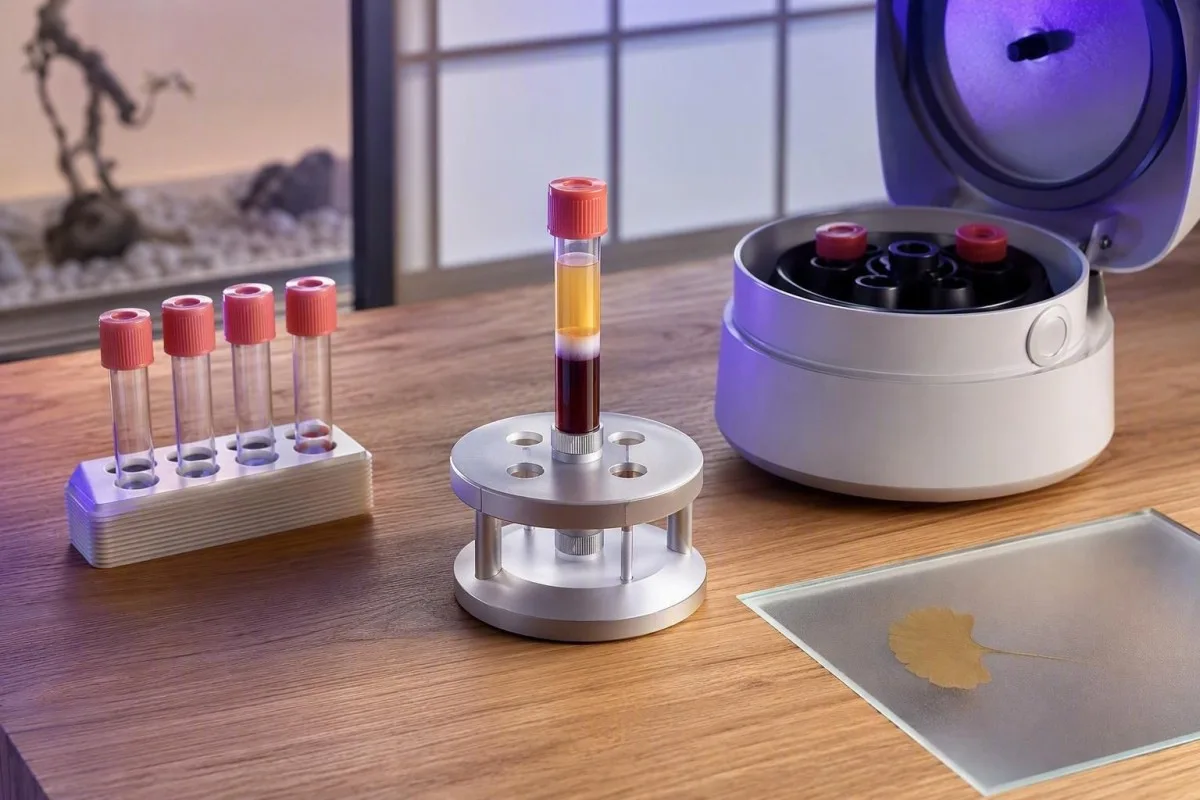
Пайдалы алғашқы қан алу сіздің қалыпты физиологияңызды жазады, кешегі жаттығу, ішімдік, нашар ұйқы немесе өтпелі вирустың биохимиялық көрінісін емес. Мақсат - жылдар бойы қолдануға болатын қайталанатын контекст.


- Бастапқы уақыт: таңертең 8-12 сағат тамақ ішпей, таңертеңгілік қан алуды жоспарлаңыз, егер таңдаулы глюкоза, триглицеридтер, темір зерттеулері немесе инсулин кірсе.
- Жаттығу үзілісі: қалыпты бастапқы тестілеу алдында 24-48 сағат бойы ерекше ауыр күш жаттығуларын, интервалдарды немесе төзімділік жарыстарын болдырмаңыз.
- Алкогольдік терезе: триглицеридтер мен бауыр ферменттерін тексеру алдында кем дегенде 48 сағат алкогольді ішуден бас тартыңыз; қатты ішу нәтижелерді ұзақ уақыт бұрмауы мүмкін.
- Ауру ережесі: қызба немесе елеулі респираторлық немесе асқазан-ішек аурулары белгілері басылғаннан кейін кем дегенде 2 аптадан соң денсаулықты бастапқы тексеруді кейінге қалдырыңыз.
- Гидратация мақсаты: келесі күні қалыпты ішіп, жатпасаңыз, анализ тапсыру алдындағы 2 сағат ішінде 250-500 мл су ішіңіз.
- Биотинге сақ болыңыз: көптеген иммундық талдаулар алдында 48-72 сағат бойы рецептсіз берілетін жоғары дозадағы биотин қабылдауды тоқтатыңыз, бірақ дәрігермен кеңеспей рецепт бойынша емдеуді ешқашан тоқтатпаңыз.
- Цикл контексті: эстрадиол, прогестерон, LH, FSH және кейде липидтер үшін цикл күнін жазып алыңыз; бұл көптеген адамдар күткеннен гөрі интерпретацияны өзгертеді.
- Қайталануы: уақыт өте келе зертхана нәтижелерін бақылағанда, бірдей зертхананы, ұқсас таңертеңгі уақытты және бірдей дайындық үлгісін пайдаланыңыз.
Алғашқы қан алуды шынымен бастапқы деп не анықтайды?
A базалық қан анализі қарапайым аптаны қамтитын кезде ең пайдалы болады: тұрақты тағамдар, әдеттегі су ішу, жедел аурудың жоқтығы және ерекше жаттығулар мен ішімдіктердің жоқтығы. Көптеген ересектер үшін мен глюкоза, триглицеридтер, темір маркерлері немесе инсулин өлшенген кезде 8-12 сағаттық аштан кейін таңертеңгі үлгіні ұсынамын.
Практикалық мақсат - нәтижелерді жақсы көрсету емес. Бұл азайту үшін пре-аналитикалық вариация— анализатор үлгіні көргенге дейін болатын өзгерістер. Аш қарынға глюкозаның 96 мг/дл және триглицеридтердің 105 мг/дл болуы толығымен қалыпты болуы мүмкін, бірақ адам кеш тамақтанса, 10 км жүгірсе немесе 3 сағат ұйықтаса, олардың мағынасы өзгереді.
Менің клиникалық жұмысымда мен пациенттерден бірінші рет алуды анықтамалық фотосурет сияқты қарауды сұраймын. Ояну уақыты, аш жүру уақыты, дәрі-дәрмектер, қоспалар, алдыңғы 72 сағаттағы алкоголь, алдыңғы 48 сағаттағы жаттығулар, етеккір циклінің күні және соңғы инфекция туралы қысқаша жазбаны сақтаңыз. Бұл жазба екінші тестте бір “қалыпты” белгіден гөрі жиі пайдалы болады.
Кантести - бұл AI қан анализінің анализаторы әрбір белгіленген мәнді ауру ретінде қарастырудың орнына, сол практикалық контекстпен қатар нәтижелерді оқуға арналған. Сенімді тест тізімі үшін біздің жылдық қан анализі нұсқаулығымен бастаңыз және тарихыңызды білетін клиницистпен қосымша келісіңіз.
Базалық көрсеткіш жеке, тек “диапазонда” емес”
Зертханалық анықтамалық аралық әдетте таңдалған популяциядан алынған мәндердің орталық 90% қамтиды; ол сіздің ең сау немесе ең қауіпсіз жеке санды анықтамайды. Креатинин нәтижесі зертханалық диапазон ішінде қалып қоюы мүмкін, бірақ сіздің қайталанған мәніңізден айтарлықтай өсуі мүмкін, сондықтан базалық құжаттама маңызды.
Ораза және алдыңғы күнгі тамақтар нәтижелерді қалай қалыптастырады
үшін тек бір ғана бөлік. 8–12 сағат триглицеридтер, аш қарынға глюкоза, инсулин және сарысу темірі үшін ең таза алғашқы салыстыруды жасайды, дегенмен көптеген липидтік панельдерді аш қарынсыз түсіндіруге болады. Су ішуге рұқсат етіледі және әдетте пайдалы; кофе, шырын, сағыз және калориялы сусындар шынайы аш болуды білдірмейді.
Аш қарынға плазмалық глюкоза 100 мг/дл төмен болса, әдетте қалыпты, 100-125 мг/дл болса, аш қарынға глюкозаның бұзылуын білдіреді, ал 126 мг/дл немесе одан жоғары болса, симптомдар мен айтарлықтай гипергликемия болмаса, растауды қажет етеді. HbA1c шамамен соңғы 8-12 аптаны көрсетеді, сондықтан бір таңғы ас оны елеулі түрде төмендете алмайды; ADA зертханалық нұсқаулығы глюкоза мен HbA1c неге әртүрлі сұрақтарға жауап беретінін түсіндіреді (Sacks et al., 2023).
Триглицеридтер әсіресе тағамға сезімтал. 150 мг/дл төменгі мән әдетте қажетті болып саналады, ал 500 мг/дл немесе одан жоғары болса, панкреатит қаупі туралы алаңдаушылық тудырады және дереу клиникалық бағалауды талап етеді. Кешкі майлы тағам немесе алкоголь жалған жоғары алғашқы нәтижені тудыруы мүмкін, сондықтан бір күн үшін "міндетті түрде тамақтану" үшін тырысудың орнына триглицеридтерді қайта сынау жоспарын пайдаланыңыз.
Кантести - бұл AI қан талдауы нәтижесін түсіндіру платформасы панельдің жанында ораза ұстау күйін сақтап қалуға мүмкіндік береді, бұл кейінгі салыстыруларды қателіктерден аз етеді. Біздің биомаркер нұсқаулығымыз қай тесттер шынымен де тамаққа сезімтал және қайсысы жоқ екенін түсіндіреді.
Жаттығулар бауыр мен бүйректің қалыпты емес тесттерін қалай имитациялай алады
Қатты жаттығу креатининді уақытша арттыруы мүмкін CK, AST, ALT, креатинин, ақ жасушалар және кейде калий, сондықтан сынақ панеліне дейін 24-48 сағат бойы бейтаныс немесе жоғары қарқынды жаттығулардан аулақ болыңыз. Жай жаяу жүру және қалыпты күнделікті қозғалыс жақсы.
Бір кездері мен қараған 52 жастағы марафоншы ұзақ жарыстан кейін AST 89 IU/L, ALT 36 IU/L және CK 2000 IU/L жоғары болды. Бұл үлгі бауырдың зақымдануына қарағанда жаттыққан бұлшықетке көбірек бағытталды, бірақ ол қалпына келгеннен кейін қайталауды талап етті; оқшауланған сандар сирек жеткілікті. туралы көбірек оқыңыз жаттығудан кейінгі AST бауыр мәселесі деп ойлау алдында.
Креатин киназаның анықтамалық шектері зертханаға, жынысына, нәсіліне, бұлшықет массасына және жаттығу мәртебесіне байланысты өзгереді, бірақ көптеген зертханалар 200-300 IU/L жоғары мәндерді белгілейді. Шығарылымнан кейін сынақ шекті деңгейінен 5 есе жоғары CK жиі кездеседі; шығарылым рабдомиолизі үшін жедел бағалауды талап ететін қара зәр, қатты бұлшықет ауыруы немесе зәр шығарудың азаюымен 5000 IU/L жоғары CK.
Креатинин қарқынды белсенділіктен кейін, ішінара бұлшықеттің ыдырауынан және судың жоғалуынан бүйрек қан ағымының азаюынан жоғарылайды. Жарыстан кейінгі сынақтан алынған төмен eGFR-ді қалпына келтіруді тексермей, созылмалы бүйрек ауруы деп санамаңыз; біздің креатинин бойынша жаттығу жөніндегі нұсқаулық қауіпсіз қайта тарту терезесін түсіндіреді.
48 сағаттық қалпына келтіру бәріне бірдей ереже емес
Демалыс күндері спорт залына барғанда, 24 сағат жиі жеткілікті. Ультрамарафоннан, CrossFit жарысынан, ауыр эксцентрик жаттығулардан немесе ыстыққа ұшырағаннан кейін, егер мақсат оқиғаның өзін бағалау емес, тұрақты базалық деңгей болса, мен жиі 48-72 сағат күтемін.
Неліктен алкогольді 48 сағаттық бастапқы үзіліске лайықты
кем дегенде алкогольден аулақ болу 48 сағаттың ішінде базалық қан анализіне дейін триглицеридтердің, глюкозаның, GGT, AST, гидратация маркерлерінің және ұйқыға байланысты физиологияның қысқа мерзімді бұрмалануын азайтады. Бір реттік кешкілік көптеген пациенттер күткеннен көбірек әсер етуі мүмкін.
Алкоголь бауырдың өте төмен тығыздықты липопротеин өндірісін арттыру арқылы триглицеридтерді көтере алады, әсіресе жоғары көмірсулармен тамақтанғаннан кейін. Әсері әртүрлі: біреудің нәтижесі 24 сағат ішінде қалпына келеді, ал майлы бауыр, диабет немесе ауыр тұтынуы бар басқа адам бірнеше күн бойы өзгерістерді көрсетуі мүмкін. Демалыс күндері ішімдік ішкеннен кейін 220 мг/дл триглицеридтерінің аш қалуы кез келген адам оны тұрақты метаболикалық мәселе деп атамас бұрын қайталауды талап етеді.
GGT сезімтал, бірақ спецификалық емес. Көптеген зертханалар ерлер үшін шамамен 55-60 IU/L және әйелдер үшін 35-40 IU/L жоғары шектерді пайдаланады, бірақ дәрі-дәрмектер, холестаз, майлы бауыр және алкоголь оны көтере алады. Мағыналы үлгі - GGT, ALT, ALP, билирубин, тромбоциттер саны және алкоголь анамнезі; біздің қараңыз бауыр панелі түсіндірмесін бұл бөліктер қалай сәйкес келетіні туралы.
1 қыркүйек 2026 жылдан бастап, мен бауыр нәтижелерін жақсарту үшін “токсиндерден арылу” немесе шамадан тыс ораза ұстауға әлі де қарсымын. Қалыпты тамақ, қалыпты су, алкогольсіз және құжатталған аралық - таза ғылым. Бірнеше аптадан кейін екі сынақта зертхананың жоғары шегінен жоғары болатын тұрақты ALT медициналық қарауды талап етеді, интернетте тазалауды емес.
Ауру немесе вакцинация денсаулықты тексеруді қашан кешіктіруі керек
Дене қызуы, белсенді ас қорыту аурулары, тыныс алу жолдарының айқын инфекциясы немесе қалпына келгеннен кейінгі алғашқы 1-2 апта ішінде сауықтырудың бастапқы деңгейін кешіктіріңіз, өйткені CRP, ферритин, ақ қан жасушалары, тромбоциттер, глюкоза және қалқанша без анализі уақытша өзгеруі мүмкін. Шұғыл диагностикалық тестілеу басқаша: сіз ауырған кезде оны кешіктірмеңіз.
С-реактивті ақуыз әдетте қабыну стимулынан кейін 6-8 сағат ішінде көтеріледі және триггер басылғаннан кейін тез төмендеуі мүмкін. Кардиоваскулярлық қауіпті тек қана қажет кезде ғана бағалау үшін 3 мг/л төмен CRP жиі қолданылады, тек адам клиникалық жағынан сау болған жағдайда; суық тию кезінде 18 мг/л нәтиже ұзақ мерзімді тамырлық қауіп туралы аз айтады. CRP және альбумин үлгісі кез келген нәтижеден гөрі ақпараттырақ.
Ферритин темірді сақтайтын ақуыз да, жедел фаза реактивтісі де болып табылады. Инфекция кезінде 110 нг/мл ферритин темір қорының таусылуын жасыруы мүмкін, ал 15 нг/мл төмен ферритин басқаша дені сау ересек адамда темір тапшылығына жоғары спецификалық болып табылады. Сондықтан мен ферритинді трансферрин қанықтығымен, CRP, гемоглобинмен және клиникалық жағдаймен жұптастырамын.
Вакцинация уақытша иммундық реакцияны тудыруы мүмкін, соның ішінде CRP және ақ қан жасушаларының уақытша өзгеруі. Егер мақсат тыныш бастапқы деңгей болса, әдеттегі тестілеуді вакцинациядан кейін 3-7 күн күтуге болады, бірақ дәрі-дәрмектерді бақылауға арналған жоспарланған қауіпсіздік панелі бағамдаушы клиницисттің нұсқауларына сәйкес келуі керек. Біздің вакцинациядан кейінгі зертханалық нұсқаулық практикалық айырмашылықтарды қамтиды.
Екі апталық ережеге ерекшеліктер бар
Пневмониядан, ауруханаға жатқызудан, инфекциялық мононуклеоздан немесе созылмалы аурудың ауыр асқынуынан кейін екі апта жеткіліксіз болуы мүмкін. Бұл жағдайларда мен күнтізбеге қарағанда, белгілердің қалпына келуін, CRP тенденциясын және клиникалық бағалауды жиі қолданамын.
Ұйқының жетіспеушілігі мен уақыты қан анализін қалай өзгертеді
Бір түнде ұйықталмау таңертеңгі глюкозаны, кортизолды, қан қысымын және қабыну сигналдарын жоғарылатуы мүмкін, ал уақыт тестостеронды, кортизолды, темірді және TSH-ты өзгертуі мүмкін. Алғашқы бастапқы деңгей үшін 7-9 сағат қалыпты ұйқы және мүмкіндігінше таңғы 7-10 аралығында үлгі алыңыз.
Кортизол күшті күнделікті ырғақты бақылайды. Таңертеңгі қан сарысуындағы кортизол әдетте таңғы сағат 8 шамасында өлшенеді, бірақ қандай да бір мән бүйрек үсті безінің ауруын жинау уақыты, симптомдар және ACTH тестілеуінсіз диагностикалай алмайды. Түстен кейінгі сынақ алдыңғы таңғы сағат 8 сынағымен салыстырғанда, тіпті бір зертхана екеуін де жүргізсе де, жарамды тенденция болып табылмайды.
4-5 сағаттық ұйқының жеткіліксіздігі келесі күні таңертеңгі инсулин сезімталдығын нашарлатуы және аппетит гормондарының өзгеруіне әкелуі мүмкін; зертханалық өзгерістің мөлшері адамға байланысты айтарлықтай өзгереді. Мен мұны көбінесе ауысымда жұмыс істейтіндерде, жаңа ата-аналарда және жиі саяхаттайтындарда байқаймын, мұнда “бастапқы деңгей” идеалданғандығына қарағанда, олардың нақты кестесін көрсетуі керек. Біздің ұйқы зертханасы бойынша нұсқаулық пайдалы анықтамалық тізімді ұсынады.
Доктор Томас Клейннің практикалық кеңесі қарапайым: ұйқыңыз нашар болғаны үшін қажетті сынақты тоқтатпаңыз, бірақ оны жазып алыңыз. Егер шекарадағы таңертеңгі глюкоза 103 мг/дл болса, қорытынды жасамас бұрын әдеттегі жағдайларда қайталаңыз.
Кофеин әрқашан зиянсыз дайындық болып табылмайды
Қара кофе көптеген панельдерге аз әсер етуі мүмкін, бірақ ол глюкозаға, катехоламиндерге, қан қысымына және кейбір мамандандырылған эндокриндік тесттерге әсер етуі мүмкін. Ораза кезіндегі инсулин, глюкоза, кортизол немесе метанефриндер тапсырылғанда, тек су ең аз түсініксіз таңдау болып табылады.
Қандай қоспалар мен дәрі-дәрмектерді жазып алу керек
Бастапқы қан анализі үшін белгіленген дәрі-дәрмектерді тоқтатпаңыз, егер дәрігер сізге айтпаса, бірақ әрбір дәрі-дәрмек пен қоспаны дозасымен және уақытымен жазып алыңыз. Биотин, темір, B12, креатин, йод, кортикостероидтар және деконгестанттар биологияны да, сынақ анализін де өзгерте алады.
Күніне 5000-10000 микрограмм болатын жоғары дозадағы биотин, шаш және тырнақ өнімдерінде, кейбір стрептовидин-биотин иммундық талдауларына кедергі келтіруі мүмкін. Бұл TSH-ті жалған төмен немесе T4, тропонин немесе гормон нәтижелерін жалған жоғары көрсетуі мүмкін, бұл талдау дизайнына байланысты. Тағайындалмаған биотин үшін әдетте 48-72 сағаттық үзіліс қолданылады, бірақ оны медициналық себептермен қабылдайтын адамдар алдымен өз дәрігерінен сұрауы керек.
Ауызша темір сарысудағы темірді уақытша жоғарылатуы мүмкін, ал креатин қоспалары нақты сүзгіді азайтпай креатининнің жоғарылауына әкелуі мүмкін. Кортикостероидтар глюкоза мен ақ жасушаларды жоғарылатуы мүмкін; протон-сорғыш ингибиторлары уақыт өте келе магний мен B12-ге әсер етуі мүмкін. Дұрыс жауап - бұл контекст, кенеттен өзін-өзі тоқтату емес; біздің қоспаларды ораза ұстау бойынша нұсқаулығымыз жалпы ерекшеліктерді түсіндіреді.
Кантести - бұл AI арқылы қуаттандырылған қан талдауын жүргізу құралы нәтижелердің жанында хабарланған қоспаларды жазатын, осылайша байқалатын қалқанша безі немесе бүйрек өзгерісі оны түсіндіруі мүмкін болатын әсермен қарастырылуы мүмкін. Пациенттер сондай-ақ біздің клиникалық дәлдік тізімімізбен күтпеген белгіге әрекет ету алдында салыстыра алады.
Дәрі-дәрмек уақыты рецепттің бір бөлігі болуы мүмкін
Қалқанша безін алмастыру, тестостерон терапиясы, инсулин, диуретиктер және антикоагулянттар әрқайсысының сынаққа арналған уақыт ережелері бар. Мысалы, қалқанша безі анализі жиі күндізгі левотироксин дозасынан бұрын алынады, тұрақтылықты бақылау үшін, бірақ тағайындаған дәрігердің протоколы басым болуы керек.
Менструальді циклдің уақыты алғашқы гормондық бастапқы жағдайға қалай әсер етеді
Репродуктивті гормондық тестілеу үшін цикл күні нәтиженің бір бөлігі болып табылады. ФСГ, ЛГ, эстрадиол, прогестерон, тестостерон, пролактин және кейде липидтер цикл бойына жеткілікті өзгеруі мүмкін, сондықтан жазылмаған күн интерпретацияны әлсіретеді.
Ерте-фолликулярлы тестілеу, жиі цикл күндері 2-5, бедеулік бағалауда ФСГ, ЛГ және эстрадиолдың бастапқы деңгейі үшін қолданылады. Прогестерон әдетте овуляциядан шамамен 7 күн өткен соң өлшенеді - автоматты түрде “21-ші күн” емес, өйткені 35-күндік цикл басқаша биологияға сәйкес келеді. Шамамен 3 нг/мл-ден жоғары прогестерон деңгейі көптеген жағдайларда жақында болған овуляцияны қолдай алады, бірақ нақты интерпретация талдауға және уақытқа байланысты.
Пролактин стресске, жақында болған жаттығуларға, жыныстық белсенділікке және сынаманы жинаудағы қиындықтарға сезімтал. Жұмсақ жоғарылауы әдетте 20-30 минут тыныш дем алғаннан кейін қайталанады, әсіресе таңертең; 100 нг/мл-ден жоғары деңгейлер эндокриндік бағалауды талап етеді, бірақ дәрі-дәрмектердің әсері жиі кездеседі. Сенімді келесі қадамдар үшін біздің пролактинді қайта сынау бойынша нұсқаулығымызды қараңыз.
Циклмен байланысты липидтік өзгерістер бар, бірақ әдетте салмақ, диета, алкоголь, қант диабеті немесе генетикадан болатын өзгерістерден гөрі аз. Егер сіз жылдар бойы қан анализі арқылы денсаулықты бақылағыңыз келсе, қайталанатын липидтік және гормондық панельдерді мүмкіндігінше бірдей цикл фазасында таңдаңыз, әсіресе белгілерді немесе емдеуді бағалау кезінде.
Гормоналды контрацепция сұрақты өзгертеді
Біріктірілген гормоналды контрацепция эндогенді ФСГ, ЛГ, эстрадиол және андроген өлшемдерін басуы мүмкін, сондықтан бұл нәтижелер емделмеген физиологияны сипаттамауы мүмкін. Жүктілік қаупін және тестілеудің клиникалық себебін ескермей, бастапқы деңгейді алу үшін контрацепцияны тоқтатпаңыз.
Гидратация, поза және жинау техникасы неге маңызды
Қалыпты су ішу және алу алдында 10-15 минут отырып демалу нәтижелердің қайталануын жақсартады, себебі сусыздану, ұзақ тұру және қан алудың қиындығы бірнеше нәтижелерді шоғырландыруы немесе бұрмалауы мүмкін. Алдыңғы күні қалыпты су ішіңіз және, сұйықтық шектелмесе, 250-500 мл су ішіңіз кездесуден 2 сағат бұрын.
Плазма көлемінің азаюы гемоглобин, гематокрит, альбумин, кальций, жалпы ақуыз және креатининнің қалыпты су ішу кезіндегіден жоғары көрінуіне себеп болуы мүмкін. Керісінше, тест алдында бірден бірнеше литр суды агрессивті ішу натрий мен басқа да өлшемдерді сұйылтуы мүмкін. Натрийдің қалыпты диапазоны әдетте 135-145 ммоль/л құрайды, бірақ күтпеген нәтиже әמיד су ішу және глюкоза жағдайымен бірге бағалануы керек.
Поза көбінесе адамдар ойлағаннан маңыздырақ. Тұру сұйықтықтың ығысуы арқылы альбумин мен ақуызға байланысты талдауларды арттыруы мүмкін, ал қысқаш уақытының ұзаруы және қолды қайта-қайта жұмыртқалау калий мен лактатты жалған жоғарылатуы мүмкін. Бүйрек ауруы, симптомдар немесе ЭКГ өзгерістерінсіз 5,5 ммоль/л жоғары калий жиі кідіріссіз қайта тексеріледі, себебі алу артефактісі жиі кездеседі; біздің калийді алу қателігі бойынша нұсқаулығымыз неге екенін түсіндіреді.
Етеккір, диареядан сұйықтықтың жақында жоғалуы, диуретиктер және саунаны пайдалану барлығы алумен бірге жазылуы керек. Егер сусызданудан кейін eGFR күтпеген түрде төмен болса, қалыпты тұтынуды қалпына келтіріп, қайта тестілеуді талқылаңыз; қараңыз уақытша eGFR өзгерістері бүйректің тұрақты зақымдануына сенбес бұрын.
Қызыл түтігі – диагноз емес
Түтік түсі зертханалық өңдеу үшін қолданылатын қоспаны көрсетеді, тестің маңыздылығын емес. Клиникалық тұрғыдан маңыздысы – дұрыс түтікті таңдау, тасымалдау температурасы, өңдеудің кешігуі және зертхананың гемолиз немесе жеткіліксіз үлгі туралы хабарлауы.
Кейінгі нәтижелерді алғашқы қан алумен салыстыруға болатындай ету жолдары
Лабораториялық нәтижелерді уақыт бойынша бақылағанда, бірдей зертхананы, ұқсас алу уақытын және ұқсас дайындық тәртібін қолданыңыз. Нақты биологиялық өзгеріс сынақ әдісінің, аш күйдің, жаттығудың және қалыпты күнделікті өзгерістің жиынтық әсерінен кішірек болуы мүмкін.
LDL холестерині тікелей өлшенбей, есептелуі мүмкін, ал триглицеридтер жоғарылаған сайын есептеу сенімділігі төмендейді. 2018 жылғы AHA/ACC холестерин бойынша нұсқаулығы көптеген адамдарда аш емес скринингті қолдайды, бірақ кейбір жағдайларда, соның ішінде өте жоғары триглицеридтер және диагностикалық белгісіздік кезінде аш бақылауды ұсынады (Grundy et al., 2019). Маңызды нүкте – үйлесімділік, мінсіздік емес.
Сілтеме өзгеріс мәні, немесе RCV, аналитикалық дәлсіздікті жеке адамның қалыпты биологиялық өзгерісімен біріктіреді. Бір маркердегі 10% қозғалысы шу болуы мүмкін, ал басқасындағы 30% өзгеріс мағыналы болуы мүмкін; әрбір тестке қолданылатын әмбебап пайыздық мөлшер жоқ. Біздің бұл өзгеріс шындыққа сай ма нұсқаулығымыз трендтерге түс коды көрсетілген жебелерден гөрі көбірек не қажет екенін көрсетеді.
Kantesti AI сынақ бірліктерін, сілтеме аралықтарын, алу күндерін және тиісті биомаркерлерді жай ғана аномальды белгілерді санаудан гөрі салыстыру арқылы қайталанатын панельдерді талдайды. Біздің AI салыстыру жұмыс процесі осы ұзақ мерзімді сұраққа арналған: назар аударуға тұрарлықтай не өзгерді?
Түпнұсқа есепті сақтаңыз
PDF немесе анық фотосуретті сақтаңыз, тек терілген нәтижені ғана емес. Бірлік түрлендірулері, зертханалық диапазондар, гемолиз туралы түсініктемелер және LDL есептелгені не есептелмегені болашақ клиницистің трендті қалай оқитынын елеулі түрде өзгертуі мүмкін.
Әрбір қан анализімен бірге сақталатын контексттік жазба
Қысқаша контексттік жазба оқшау сандарды пайдалы ұзақ мерзімді деректерге айналдырады. Жазыңыз күн, уақыт, аш жүрген сағаттар, ұйқы, жаттығу, алкоголь, ауру, дәрі-дәрмектер, қоспалар, цикл күні, салмақ өзгерістері және жаңа симптомдар әрбір алу кезінде.
Менің ең аз жазбамда сегіз элемент бар: жинау уақыты; аш жүру ұзақтығы; 48 сағат ішінде жаттығу; 72 сағат ішінде алкоголь; ағымдағы ауру; рецепт өзгерістері; қоспа дозасы және соңғы дозасы; және қажет болған жағдайда етеккір немесе жүктілік мәртебесі. Егер бұл жатса, саяхатты, уақыт белдеуінің өзгеруін және биіктікті қосыңыз, өйткені әрқайсысы сулануды, кортизолды, гемоглобинді және ұйқыға сезімтал маркерлерді қозғалтуы мүмкін.
10 күн ішінде 1,5 кг салмақ жоғалту, жаңа жоғары ақуызды диета немесе бірнеше түн бойы үзік-үзік ұйқы уақыт өте келе қан сынағының аздап өзгеруін түсіндіруі мүмкін. Бұл нәтижені маңызсыз етпейді - бұл оны түсіндіруге болады. Қайта пайдалануға болатын нұсқа үшін біздің зертханалық контекст трекері пациенттер жиі ұмытатын мәліметтерді қамтиды.
Доктор Томас Клейн нәтижелерді күтіп отырғанда емес, үйден шықпай тұрып жазғанды ұсынады. Күтпеген белгі пайда болғаннан кейін есте сақтау қабілеті сенімсіз болады, және адамдар, әри15765467357994380841576546735799438084157654673579943808415765467357994380841576546735799438084157654673579943808415765467357994380841576546735799438084157654673579943808415765467357994380841576546735799438084157654673579943808415765467357994380841576546735799438084157654673579943808415765467357994380841576546735799438084157654673579943808415765467357994380841576546735799438084157654673579943808415765467357994380841576546735799438084157654673579943808415765467357994380841576546735799438084157654673579943808415765467357994380841576546735799438084157654673579943808415765467357994380841576546735799438084157654673579943808415765467357994380841576546735799438084157654673579943808415765467357994380841576546735799438084157654673579943808415765467357994380841576546735799438084157654673579943808415765467357994380841576546735799438084157654673579943808415765467357994380841576546735799438084157654673579943808415765467357994380841576546735799438084157654673579943808415765467357994380841576546735799438084157654673579943808415765467357994380841576546735799438084157654673579943808415765467357994380841576546735799438084157654673579943808415765467357994380841576546735799438084157654673579943808415765467357994380841576546735799438084157654673579943808415765467357994380841576546735799438084157654673579943808415765467357994380841576546735799438084157654673579943808415765467357994380841576546735799438084157654673579943808415765467357994380841576546735799438084157654673579943808415765467357994380841576546735799438084157654673579943808415765467357994380841576546735799438084157654673579943808415765467357994380841576546735799438084157654673579943808415765467357994380841576546735799438084157654673579943808415765467357994380841576546735799438084157654673579943808415765467357994380841576546735799438084157654673579943808415765467357994380841576546735799438084157654673579943808415765467357994380841576546735799438084157654673579943808415765467357994380841576546735799438084157654673579943808415765467357994380841576546735799438084157654673579943808415765467357994380841576546735799438084157654673579943808415765467357994380841576546735799438084157654673579943808415765467357994380841576546735799438084157654673579943808415765467357994380841576546735799438084157654673579943808415765467357994380841576546735799438084157654673579943808415765467357994380841576546735799438084157654673579943808415765467357994380841576546735799438084157654673579943808415765467357994380841576546735799438084157654673579943808415765467357994380841576546735799438084157654673579943808415765467357994380841576546735799438084157654673579943808415765467357994380841576546735799438084157654673579943808415765467357994380841576546735799438084157654673579943808415765467357994380841576546735799438084157654673579943808415765467357994380841576546735799438084157654673579943808415765467357994380841576546735799438084157654673579943808415765467357994380841576546735799438084157654673579943808415765467357994380841576546735799438084157654673579943808415765467357994380841576546735799438084157654673579943808415765467357994380841576546735799438084157654673579943808415765467357994380841576546735799438084157654673579943808415765467357994380841576546735799438084157654673579943808415765467357994380841576546735799438084157654673579943808415765467357994380841576546735799438084157654673579943808415765467357994380841576546735799438084157654673579943808415765467357994380841576546735799438084157654673579943808415765467357994380841576546735799438084157654673579943808415765467357994380841576546735799438084157654673579943808415765467357994380841576546735799438084157654673579943808415765467357994380841576546735799438084157654673579943808415765467357994380841576546735799438084157654673579943808415765467357994380841576546735799438084157654673579943808415765467357994380841576546735799438084157654673579943808415765467357994380841576546735799438084157654673579943808415765467357994380841576546735799438084157654673579943808415765467357994380841576546735799438084157654673579943808415765467357994380841576546735799438084157654673579943808415765467357994380841576546735799438084157654673579943808415765467357994380841576546735799438084157654673579943808415765467357994380841576546735799438084157654673579943808415765467357994380841576546735799438084157654673579943808415765467357994380841576546735799438084157654673579943808415765467357994380841576546735799438084157654673579943808415765467357994380841576546735799438084157654673579943808415765467357994380841576546735799438084157654673579943808415765467357994380841576546735799438084157654673579943808415765467357994380841576546735799438084157654673579943808415765467357994380841576546735799438084157654673579943808415765467357994380841576546735799438084157654673579943808415765467357994380841576546735799438084157654673579943808415765467357994380841576546735799438084157654673579943808415765467357994380841576546735799438084157654673579943808415765467357994380841576546735799438084157654673579943808415765467357994380841576546735799438084157654673579943808415765467357994380841576546735799438084157654673579943808415765467357994380841576546735799438084157654673579943808415765467357994380841576546735799438084157654673579943808415765467357994380841576546735799438084157654673579943808415765467357994380841576546735799438084157654673579943808415765467357994380841576546735799438084157654673579943808415765467357994380841576546735799438084157654673579943808415765467357994380841576546735799438084157654673579943808415765467357994380841576546735799438084157654673579943808415765467357994380841576546735799438084157654673579943808415765467357994380841576546735799438084157654673579943808415765467357994380841576546735799438084157654673579943808415765467357994380841576546735799438084157654673579943808415765467357994380841576546735799438084157654673579943808415765467357994380841576546735799438084157654673579943808415765467357994380841576546735799438084157654673579943808415765467357994380841576546735799438084157654673579943808415765467357994380841576546735799438084157654673579943808415765467357994380841576546735799438084157654673579943808415765467357994380841576546735799438084157654673579943808415765467357994380841576546735799438084157654673579943808415765467357994380841576546735799438084157654673579943808415765467357994380841576546735799438084157654673579943808415765467357994380841576546735799438084157654673579943808415765467357994380841576546735799438084157654673579943808415765467357994380841576546735799438084157654673579943808415765467357994380841576546735799438084157654673579943808415765467357994380841576546735799438084157654673579943808415765467357994380841576546735799438084157654673579943808415765467357994380841576546735799438084157654673579943808415765467357994380841576546735799438084157654673579943808415765467357994380841576546735799438084157654673579943808415765467357994380841576546735799438084157654673579943808415765467357994380841576546735799438084157654673579943808415765467357994380841576546735799438084157654673579943808415765467357994380841576546735799438084157654673579943808415765467357994380841576546735799438084157654673579943808415765467357994380841576546735799438084157654673579943808415765467357994380841576546735799438084157654673579943808415765467357994380841576546735799438084157654673579943808415765467357994380841576546735799438084157654673579943808415765467357994380841576546735799438084157654673579943808415765467357994380841576546735799438084157654673579943808415765467357994380841576546735799438084157654673579943808415765467357994380841576546735799438084157654673579943808415765467357994380841576546735799438084157654673579943808415765467357994380841576546735799438084157654673579943808415765467357994380841576546735799438084157654673579943808415765467357994380841576546735799438084157654673579943808415765467357994380841576546735799438084157654673579943808415765467357994380841576546735799438084157654673579943808415765467357994380841576546735799438084157654673579943808415765467357994380841576546735799438084157654673579943808415765467357994380841576546735799438084157654673579943808415765467357994380841576546735799438084157654673579943808415765467357994380841576546735799438084157654673579943808415765467357994380841576546735799438084157654673579943808415765467357994380841576546735799438084157654673579943808415765467357994380841576546735799438084157654673579943808415765467357994380841576546735799438084157654673579943808415765467357994380841576546735799438084157654673579943808415765467357994380841576546735799438084157654673579943808415765467357994380841576546735799438084157654673579943808415765467357994380841576546735799438084157654673579943808415765467357994380841576546735799438084157654673579943808415765467357994380841576546735799438084157654673579943808415765467357994380841576546735799438084157654673579943808415765467357994380841576546735799438084157654673579943808415765467357994380841576546735799438084157654673579943808415765467357994380841576546735799438084157654673579943808415765467357994380841576546735799438084157654673579943808415765467357994380841576546735799438084157654673579943808415765467357994380841576546735799438084157654673579943808415765467357994380841576546735799438084157654673579943808415765467357994380841576546735799438084157654673579943808415765467357994380841576546735799438084157654673579943808415765467357994380841576546735799438084157654673579943808415765467357994380841576546735799438084157654673579943808415765467357994380841576546735799438084157654673579943808415765467357994380841576546735799438084157654673579943808415765467357994380841576546735799438084157654673579943808415765467357994380841576546735799438084157654673579943808415765467357994380841576546735799438084157654673579943808415765467357994380841576546735799438084157654673579943808415765467357994380841576546735799438084157654673579943808415765467357994380841576546735799438084157654673579943808415765467357994380841576546735799438084157654673579943808415765467357994380841576546735799438084157654673579943808415765467357994380841576546735799438084157654673579943808415765467357994380841576546735799438084157654673579943808415765467357994380841576546735799438084157654673579943808415765467357994380841576546735799438084157654673579943808415765467357994380841576546735799438084157654673579943808415765467357994380841576546735799438084157654673579943808415765467357994380841576546735799438084157654673579943808415765467357994380841576546735799438084157654673579943808415765467357994380841576546735799438084157654673579943808415765467357994380841576546735799438084157654673579943808415765467357994380841576546735799438084157654673579943808415765467357994380841576546735799438084157654673579943808415765467357994380841576546735799438084157654673579943808415765467357994380841576546735799438084157654673579943808415765467357994380841576546735799438084157654673579943808415765467357994380841576546735799438084157654673579943808415765467357994380841576546735799438084157654673579943808415765467357994380841576546735799438084157654673579943808415765467357994380841576546735799438084157654673579943808415765467357994380841576546735799438084157654673579943808415765467357994380841576546735799438084157654673579943808415765467357994380841576546735799438084157654673579943808415765467357994380841576546735799438084157654673579943808415765467357994380841576546735799438084157654673579943808415765467357994380841576546735799438084157654673579943808415765467357994380841576546735799438084157654673579943808415765467357994380841576546735799438084157654673579943808415765467357994380841576546735799438084157654673579943808415765467357994380841576546735799438084157654673579943808415765467357994380841576546735799438084157654673579943808415765467357994380841576546735799438084157654673579943808415765467357994380841576546735799438084157654673579943808415765467357994380841576546735799438084157654673579943808415765467357994380841576546735799438084157654673579943808415765467357994380841576546735799438084157654673579943808415765467357994380841576546735799438084157654673579943808415765467357994380841576546735799438084157654673579943808415765467357994380841576546735799438084157654673579943808415765467357994380841576546735799438084157654673579943808415765467357994380841576546735799438084157654673579943808415765467357994380841576546735799438084157654673579943808415765467357994380841576546735799438084157654673579943808415765467357994380841576546735799438084157654673579943808415765467357994380841576546735799438084157654673579943808415765467357994380841576546735799438084157654673579943808415765467357994380841576546735799438084157654673579943808415765467357994380841576546735799438084157654673579943808415765467357994380841576546735799438084157654673579943808415765467357994380841576546735799438084157654673579943808415765467357994380841576546735799438084157654673579943808415765467357994380841576546735799438084157654673579943808415765467357994380841576546735799438084157654673579943808415765467357994380841576546735799438084157654673579943808415765467357994380841576546735799438084157654673579943808415765467357994380841576546735799438084157654673579943808415765467357994380841576546735799438084157654673579943808415765467357994380841576546735799438084157654673579943808415765467357994380841576546735799438084157654673579943808415765467357994380841576546735799438084157654673579943808415765467357994380841576546735799438084157654673579943808415765467357994380841576546735799438084157654673579943808415765467357994380841576546735799438084157654673579943808415765467357994380841576546735799438084157654673579943808415765467357994380841576546735799438084157654673579943808415765467357994380841576546735799438084157654673579943808415765467357994380841576546735799438084157654673579943808415765467357994380841576546735799438084157654673579943808415765467357994380841576546735799438084157654673579943808415765467357994380841576546735799438084157654673579943808415765467357994380841576546735799438084157654673579943808415765467357994380841576546735799438084157654673579943808415765467357994380841576546735799438084157654673579943808415765467357994380841576546735799438084157654673579943808415765467357994380841576546735799438084157654673579943808415765467357994380841576546735799438084157654673579943808415765467357994380841576546735799438084157654673579943808415765467357994380841576546735799438084157654673579943808415765467357994380841576546735799438084157654673579943808415765467357994380841576546735799438084157654673579943808415765467357994380841576546735799438084157654673579943808415765467357994380841576546735799438084157654673579943808415765467357994380841576546735799438084157654673579943808415765467357994380841576546735799438084157654673579943808415765467357994380841576546735799438084157654673579943808415765467357994380841576546735799438084157654673579943808415765467357994380841576546735799438084157654673579943808415765467357994380841576546735799438084157654673579943808415765467357994380841576546735799438084157654673579943808415765467357994380841576546735799438084157654673579943808415765467357994380841576546735799438084157654673579943808415765467357994380841576546735799438084157654673579943808415765467357994380841576546735799438084157654673579943808415765467357994380841576546735799438084157654673579943808415765467357994380841576546735799438084157654673579943808415765467357994380841576546735799438084157654673579943808415765467357994380841576546735799438084157654673579943808415765467357994380841576546735799438084157654673579943808415765467357994380841576546735799438084157654673579943808415765467357994380841576546735799438084157654673579943808415765467357994380841576546735799438084157654673579943808415765467357994380841576546735799438084157654673579943808415765467357994380841576546735799438084157654673579943808415765467357994380841576546735799438084157654673579943.
“Түзету” ретінде не жазуға болмайды”
Тіпті жақсырақ алғашқы базалық көрсеткіштерді алу үшін диетаны, суды ішуді, жаттығуларды немесе қоспаларды өзгертпеңіз. Базалық көрсеткіш сіздің өміріңізді көрсетуі керек, әйтпесе келесі сынақ әділ болуына байланысты нашар көрінуі мүмкін.
Қандай шекарадағы нәтижелерді алаңдамас бұрын қайталануы керек
Қант диабеті ретінде қарастырылмай тұрып, көптеген шекаралық базалық нәтижелерді тұрақты жағдайларда қайталау керек, әсіресе бауыр ферменттерінің, креатининнің, калийдің, пролактиннің, нейтрофилдердің және триглицеридтердің жеке дара шамалы өзгеруі. Шұғыл симптомдар немесе айтарлықтай ауытқулар бұған жатпайды.
Зертхананың жоғарғы шегінен 2 есе аз ALT, қалыпты билирубин, ALP және симптомдар болмаған жағдайда, әдетте, алкоголь, ауыр жаттығулар немесе ағымдағы аурулар сияқты уақытша факторларды жойғаннан кейін қайта тексеріледі. Жүндірік бойынша 3 мг/дл жоғары билирубин деңгейі, сарғаю, қараңғы зәр, сарғыш нәжіс, қызба немесе іш ауруы жағдайында басқаша болып табылады және кәдімгі базалық қайта тексеруді күтуге болмайды.
Жеңіл төмен нейтрофил саны вирустық аурудан кейін болуы немесе адамның тұрақты қалыпты жағдайын көрсетуі мүмкін. 1,0-1,5 × 10⁹/л абсолютті нейтрофил саны әдетте жеңіл нейтропения болып табылады, ал 0,5 × 10⁹/л төменде инфекцияның айтарлықтай жоғары қаупі бар және медициналық жедел басшылықты, әсіресе қызба кезінде қажет етеді. Біздің нейтрофилді бақылау нұсқаулығы кәдімгі қайталама тексерулерді қызыл жалаулардан бөледі.
Ең пайдалы қорғаныс шараларының бірі - үлгіні тексеру. Мысалы, паратироидты гормон төмендегенде кальцийдің жоғарылауы, тек сусыздану мен альбуминнің жоғарылауымен бірге жоғары кальцийге қарағанда басқаша шұғылдықты талап етеді; біз комбинациялардан неге алаңдайтынымызды айтамыз, себебі биологияда бір маркер ғана сирек өзгереді.
Бастапқы қан анализі медициналық көмекті қашан алмастырмауы керек
Қызыл жалау белгілері, тез нашарлап бара жатқан ауру, жүктілік кезіндегі асқынулар немесе маңызды зертханалық ескерту болған кезде базалық хаттама қолайлы емес. Кеуде қуысының ауыруы, қатты ентігу, шатасу, естен тану, сарғаю, қара нәжіс немесе қатты сусыздану жағдайларында клиникалық бағалау қажет — жақсы дайындалған қайта тексеру емес.
Қандағы калийдің 6,0 ммоль/л немесе одан жоғары, натрийдің 120 ммоль/л төмен, глюкозаның 300 мг/дл жоғары болуы құсумен немесе шатасумен бірге, немесе гемоглобиннің 7 г/дл жуық болуы жедел араласуды қажет етуі мүмкін нәтижелердің мысалдары болып табылады, бірақ толық клиникалық жағдай маңызды. Зертханалар әдетте тапсырыс беруші топқа критикалық мәндер туралы хабарлайды, бірақ пациенттер жоғалған қоңырау нәтиженің қауіпсіз екендігін білдіреді деп ойламауы керек.
Егер сіз жүкті болсаңыз, созылмалы бүйрек ауруы болса, инсулин қабылдасаңыз, антикоагулянттарды қолдансаңыз, химиотерапия алсаңыз немесе белгілі бауыр ауруы болса, дайындық нұсқаулары сауықтыру үлгісінен өзгеше болуы мүмкін. Бірнеше адам үшін ораза ұстау диабетпен ауыратындар үшін қауіпсіз болмауы мүмкін, ал дәрі-дәрмек уақыты маңызды болуы мүмкін. Біздің тестілеу жиілігі бойынша нұсқаулық тәуекел тобының жоспарды қалай өзгертетінін түсіндіреді.
Кантести - бұл AI зертханалық талдау интерпретациясы қызметінде жарияланады клиницисттерге арналған сұрақтарды анықтауға көмектеседі, бірақ жедел бағалауға немесе диагноз қоюға алмастырмайды. Біздің жұмысымыздың артындағы клиникалық қорғау шаралары мен медициналық шолу принциптері біздің Медициналық консультативтік кеңес.
Сіздің алғашқы бастапқы жағдайыңыз үшін практикалық 72 сағаттық хаттама
Пайдалы бірінші базалық көрсеткіш үшін 72 сағат бойы өз режиміңізді сақтаңыз, 48 сағат ішінде алкогольді ішуден бас тартыңыз, 24-48 сағат ішінде қарқынды жаттығулардан аулақ болыңыз, қалыпты ұйықтаңыз, қажет болғанда 8-12 сағат ораза ұстаңыз, су ішіңіз және өзіңіздің жағдайыңызды жазып алыңыз. Тұрақтылық - бұл араласу.
Елу жеті-қырық сегіз сағат бұрын: жаңа қоспаны, қатты диетаны, тазалауды немесе жаттығу блогын бастамаңыз. Егер сіз бұрыннан қоспаны қолдансаңыз, дәл дозасын жазып алыңыз; егер оның құрамында жоғары дозалы биотин болса, тапсырыс берген клиницисттен немесе фармацевттен 48-72 сағаттық тоқтау дұрыс болатынын сұраңыз. 48 сағат ішінде алкогольден аулақ болыңыз және ауру белсенді болса, кәдімгі тестілеуді кейінге қалдырыңыз.
Алдыңғы күні: әдеттегі тамақтарыңызды ішіңіз, қалыпты су ішіңіз, саунадан немесе төзімділік іс-шараларынан аулақ болыңыз және 9-7 сағатқа төсекке жатуды жоспарлаңыз. Ораза тағамдары үшін, кездесуге 8-12 сағат бұрын тамақтануды аяқтаңыз; су ішуге болады. Алынған кезде, егер глюкоза, инсулин, кортизол, катехоламиндер немесе арнайы эндокриндік тестілеу жоспарланған болса, таңертең кофе мен никотиннен аулақ болыңыз.
Нәтиже келгеннен кейін, кез келген нәрсені өзгертпес бұрын түпнұсқа есеп пен оның контекстік жазбасын сақтаңыз. Kantesti AI нәтижелерді ұзақ мерзімді көріністе ұйымдастыра алады, ал біздің технология және клиникалық-әдіс бойынша нұсқаулық үлгіні тану неге әлі де адамның медициналық бақылауын симптомдар, негізгі ауытқулар және емдеу туралы шешімдер үшін қажет ететінін түсіндіреді.
Жиі қойылатын сұрақтар
Қанның базалық анализіне қалай дайындалуға болады?
Негізгі қан анализіне дайындық үшін әдеттегі тәртібіңізді ұстаныңыз, 48 сағат ішінде алкогольден бас тартыңыз, 24-48 сағат ішінде қатты жаттығулардан аулақ болыңыз, қалыпты ұйықтаңыз және дәрі-дәрмектер мен қоспаларды жазып алыңыз. Егер тапсырысқа ораза кезіндегі глюкоза, триглицеридтер, инсулин немесе темір зерттеулері кірсе, 8-12 сағат бойы аш жүріңіз; су ішуге рұқсат етіледі. Қалыпты ішіңіз, шамадан тыс су ішуден аулақ болыңыз, егер гормондар немесе темір зерттеулері болса, таңертеңгі 7-ден 10-ға дейінгі уақытта тапсырыңыз. Жедел ауру кезінде сынақ сол ауруды бағалау үшін қажет болмаса, сауықтыру базасын кейінге қалдырыңыз.
Менің алғашқы қан анализімді тапсыру үшін ораза ұстауым керек пе?
Майға, қандағы глюкозаға, инсулинге немесе сарысулық темірге арналған алғашқы қан анализі үшін 8-12 сағаттық ашығу ең тиімді, бірақ көптеген стандартты липидтік панельдер бұдан былай ашығуды талап етпейді. Қарапайым су ашығуды бұзбайды және қанды алудың қиындығын немесе сусыздануға байланысты концентрация әсерін болдырмауға көмектеседі. Кофе, шырын, сүт, алкоголь, сағыз және қоспалар таңдалған нәтижелерді өзгертуі немесе қажетті дайындықты жарамсыз етуі мүмкін. Егер сіздің дәрігеріңіз басқаша ашығу ұзақтығын берсе, нұсқаулықта көрсетілген нұсқауларды орындаңыз.
Жақында жасалған жаттығулар қан анализінің нәтижесіне келесі күні әсер ете ме?
Иә, қарқынды жаттығулар 24-72 сағат ішінде креатинкиназа, AST, ALT, креатинин, ақ қан жасушалары және кейде калийдің жоғарылауы арқылы қан анализінің нәтижесіне әсер етуі мүмкін. Қиын күш жаттығулары, марафонмен жүгіру, жоғары қарқынды интервалдар және ыстыққа ұшырау қалыпты жаяу жүруден гөрі үлкен өзгерістер тудырады. Тұрақты сауықтырудың базалық деңгейі үшін 24-48 сағат бойы әдеттегідей емес немесе қарқынды жаттығулардан аулақ болыңыз; ірі төзімділік іс-шарасынан кейін 48-72 сағат көбінесе шынайырақ болады. қатты бұлшықет ауыруы, қараңғы зәр, әлсіздік немесе зәр шығарудың азаюы сияқты белгілерге жедел тестілеуді кідіртпеңіз.
Қан анализін тапсырар алдында қанша уақыт алкогольден бас тартуым керек?
Қандағы майлар (триглицеридтер), глюкоза, GGT, AST, ALT немесе сусыздануға сезімтал маркерлерді бағалау кезінде, кем дегенде 48 сағат бұрын алкогольден аулақ болыңыз. Алкоголь тіпті бір кештен кейін майлардың деңгейін көтеруі мүмкін, және бұл әсер диабеті, майлы бауыры бар немесе әдетте көп ішетін адамдарда бірнеше күнге созылуы мүмкін. Майлардың деңгейі 500 мг/дл немесе одан жоғары болған жағдайда, ұйқы безі қабынуының (панкреатит) тәуекелі айтарлықтай артқандықтан, жедел клиникалық бағалау қажет. Кейіннен тазалауды немесе қатты ашығуды қолданбаңыз; қалыпты тамақтану және су ішу қайталама тексеру нәтижесін дәлірек көрсетеді.
нашар ұйқы қан анализінің нәтижесін өзгерте ала ма?
Ұйқының аздығы келесі таңдағы аш қарынға глюкозаны, кортизолды, қан қысымын және кейбір қабыну сигналдарын өзгертуі мүмкін, әсіресе 4-5 сағат ұйықтағаннан кейін немесе түнде жұмыс істегенде. Бұл шамамен 8-12 апта бойы орташа гликемияны көрсететін HbA1c-ны мағыналы түрде өзгертпейді. Ұйқысыз түннен кейін шұғыл емес базалық нәтиже шекарада болса, ұйқының жоғалуын жазып, қалыпты жағдайда тестті қайталауды қарастырыңыз. Қажетті тестілеу жалғасуы керек, себебі белгілер мен айқын ауытқулар идеалды дайындыққа қарағанда маңыздырақ.
Менструалдық цикліңіздің белгілі бір күнінде гормондарды тексеру керек пе?
Иә, гормоналды тестілеу клиникалық сұраққа сәйкес жүргізілуі керек және әйелдің етеккір циклінің күні міндетті түрде жазылуы керек. ФСГ, ЛГ және эстрадиол жиі циклдың 2-5 күндері фолликулдың ерте кезеңіндегі базалық көрсеткіш ретінде бағаланады, ал прогестерон әдетте 21-ші күнде емес, овуляциядан шамамен 7 күн өткен соң тексеріледі. Шамамен 3 нг/мл жоғары прогестерон деңгейі жақында болған овуляцияны растай алады, бірақ зертханалар мен клиникалық жағдайлар әртүрлі. Гормоналды контрацепция эндогенді гормондардың нәтижелерін өзгертеді, сондықтан медициналық кеңессіз тек тестілеу үшін оны тоқтатпаңыз.
Бүгін AI арқылы қан талдауы нәтижесін алыңыз
Kantesti-ті лезде әрі дәл зертханалық талдау үшін сенетін бүкіл әлем бойынша 2 миллионнан астам пайдаланушыға қосылыңыз. Қан анализінің нәтижелерін ж.үктеп, бірнеше секунд ішінде 15,000+ биомаркерлерінің жан-жақты түсіндірмесін алыңыз.
📚 Сілтеме жасалған ғылыми жарияланымдар
Кляйн, Т., Митчелл, С., & Вебер, Х. (2026). Kantesti LTD. (2026). C3 C4 Комплемент Қан Тесті & ANA Титрелеу Нұсқаулығы. Zenodo.. Kantesti AI медициналық зерттеулер.
Кляйн, Т., Митчелл, С., & Вебер, Х. (2026). Kantesti LTD. (2026). Нипах вирусына арналған қан анализі: ерте анықтау және диагностика жөніндегі нұсқаулық 2026. Zenodo.. Kantesti AI медициналық зерттеулер.
📖 Сыртқы медициналық сілтемелер
⚕️ Медициналық ескерту
Бұл мақала тек білім беру мақсатында ғана және медициналық кеңес болып табылмайды. Диагноз және ем туралы шешімдер үшін әрдайым білікті медицина қызметкеріне жүгініңіз.
E-E-A-T сенім сигналдары
Тәжірибе
Дәрігер басқаратын зертханалық талдауды түсіндіру жұмыс ағындарын клиникалық шолу.
Сараптама
Биомаркерлердің клиникалық контексте қалай әрекет ететініне зертханалық медицина фокусы.
Билік
Доктор Томас Клейн жазған, доктор Сара Митчелл және профессор доктор Ханс Вебер шолған.
Сенімділік
Дабыл қаупін азайту үшін айқын бақылау жолдарымен дәлелге негізделген түсіндіру.