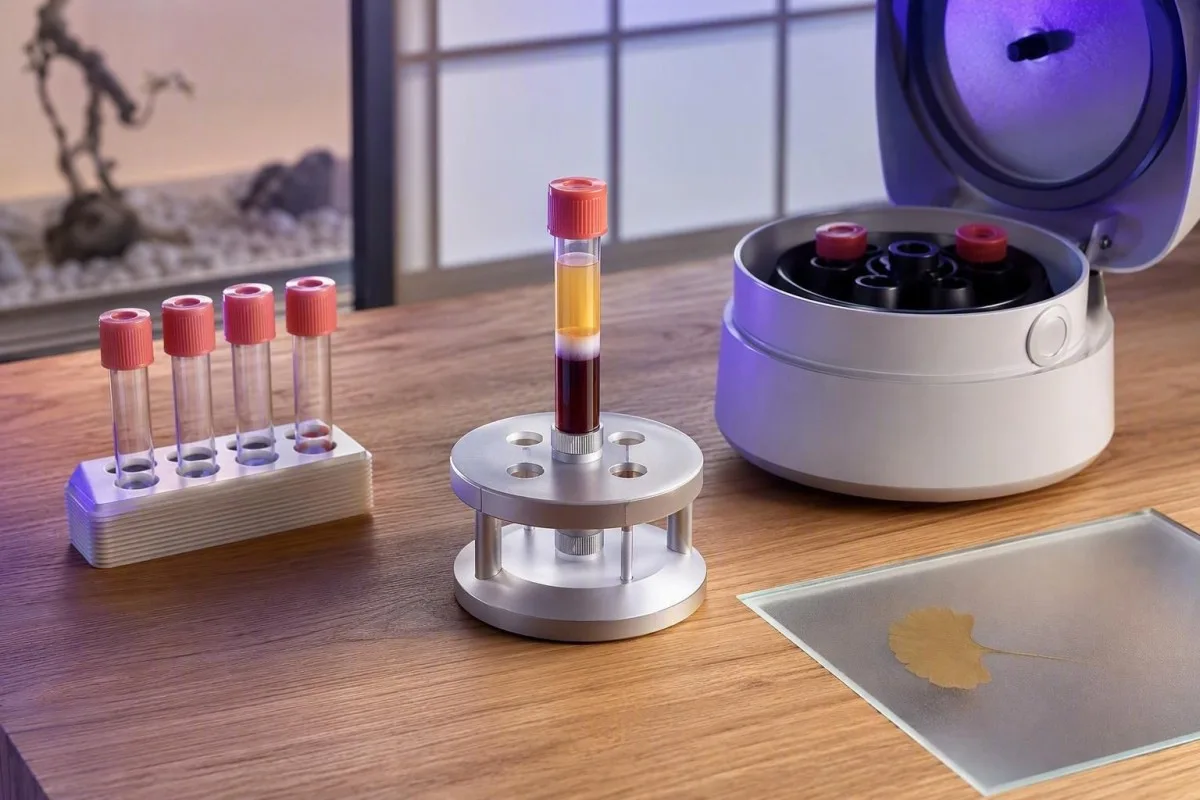
Użyteczny pierwszy pobrany wzór zapisuje twojo zwykło fizjologijo, a niy biōchimiczny echo wczorajszego treningu, napojōw, znośnego spōnia, abo przichodzącego wirusa. Cela to powtarzalny kōntekst, kery możesz używać przez lata.


- Bazowy czas: zarezerwuj poranny pobōr po 8-12 godzinach bez jedzyniy, kej we wzōrze je glukoza na czczo, trōjglicerydy, badania żelaza, abo insulina.
- Pauza po ćwiczeniach: unikkej niyzwykłych ciynżkich treningōw siłowych, interwałōw, abo wydarzeń wytrzymałościowych przez 24-48 godzin przed rutynowym bazowym testym.
- Alkoholowe okno: pomiń alkohol przez co nejmniij 48 godzin przed testym trōjglicerydōw i enzymōw wątrobowych; ciynżkie picie może zakłōcić wyniki na dłużyj.
- Zasada chorōb: przełōż bazowy test wellness do co najmniij 2 tydni po tym, kej ustołom gorōczka abo znaczne symptōmy oddechowiy abo żōłōdkowo-jelitowe.
- Cel nawodńyniy: pij normalńie dziyń probij i mjyj 250-500 mL wody we 2 godzinach przed pobranim, chyba że je restrykcyjny płyn.
- Biotin caution: przestań nienapisane wysokie dawki biotinu na 48-72 godziny przed wieloma immunoesejami, ale nigdy njeprzestaw pisane leczenie bez pytanijo doktora.
- Cycle context: zapisz dziyń cyklu dla estradiolu, progesteronu, LH, FSH, a czasym lipidów; to zmienia interpretacyjno czymaj wiyncyj kej ludziska ôczekujům.
- Repeatability: używej to samo laboratorium, podobno ranny czas, i to samo préparation wzōr kej śledzisz laborowe wyniki we czasie.
Co czyni piyrszy pobrany wzór za bazowy?
A podstawowe badanie krwi je nojprzydatńejszy kej uchwyci ôbyczajnům tydziyń: stabilne żarcie, zwykłe hydratacyjo, brak akuto choroba, i brak wyjątkowego trenowanijo abo picijo. Dla wikszośći dorosłych, rekomenduj ranny sampul po 8-12 godzinach głodowki kej glukoza, triglicerydy, żelazne markery, abo insulina sům mierzōne.
Praktyczny cel je niy tworzyć wyników lepszymi. To je redukować pre-analytical variation—zmiany kere sie dziejům przed analitykym nawet widzi sampul. Głodowo glukoza 96 mg/dL a poziom triglicerydów 105 mg/dL mogům być w piyłni ôbyczayne, ale ich znaczyńije sie zmienia jak człowiyk zjadł poźńij, pobiegł 10 km, abo spał 3 godziny.
We moim klinicznym robocie, pytom pacjentów ôbchwatać piyrszy dociyńg kej referencyjnům fotograjijo. Trzimiej krōtki zapis czasu pobudki, czasu głodowki, lekarstw, suplementōw, alkoholu we przeszłych 72 godzinach, ćwiczyń we przeszłych 48 godzinach, dnia cyklu menstruacyjnego, i ôstatniej infekcji. Ten zapis je często nojprzydatńejszy przy drugim teście kej jedno “normalne” znaczyni.
Kantesti je Analizatōr podszukowań krwi sztucznyj inteligyncyje zaprojektowane do czytańij wyników obok tego praktycznego kontekstu, zamiast traktować każdego podświetlonego warkota jak choroba. Dla rozumnij listy testōw, zaczmij z naszym rocznym przewodnikiem po badaniach krwi i zgodź dodŏtki z klinicystōm, kery zna Twojō historijo.
Baseline je personalny, niy ino “w przedziale”
Laborowy interval referencyjny zwykle zawiera centralne 95% warkotōw z wybranej populacji; niy definiuje Twojij nojzdrowšej abo nojbezpiecznijšej personalnej liczb. Rezultat kreatyniny może zôstać w laboratorowym przedziale, podczas gdy znacząco rośnie z Twojij powtarzalnej wartości, co je dlaczego dokumentacja baseline je ważno.
Jak post, a posōłdnie posiłki wpływajōm na wyniki
Najlepsze je zwykle robiyńcie na czczo 8–12 godzin produkuje nojczyściejszom piyrszom porównanie dla triglicerydów, głodowej glukozy, insuliny, i żelaza serum, chocioż wiele paneli lipidowych może być interpretowanych bez głodowki. Woda je dopuszczalno i zwykle pomocno; kawa, sok, gumka, i kaloryczne napoje niy sům prawidłowom głodowkōm.
Głodowa glukoza plazmy poniżyj 100 mg/dL je ôgōlnie normalno, 100-125 mg/dL wskazuje na zaburzonõ głodowõ glukozę, a 126 mg/dL abo wiyncyj wymaga potwiyrdzy, chyba że symptōmy i znacząca hyperglykemia sům obecne. HbA1c ôdbijo ôk. 8-12 tygodni ôd piyrwu, więc jedno śniadanie niy może znacząco ji ôbniżyć; wytyczne laborowe ADA wyjaśniajō dlaczego glukoza i HbA1c ôdpowiŏdajō na různe pytanio (Sacks et al., 2023).
Triglicerydy sům szczegōlnie wrażliwe na żarcie. Wartość poniżyj 150 mg/dL je konwencjonalnie pożõdano, podczas gdy 500 mg/dL abo wiyncyj podnosi troska ô ryzyko zapaleniŏ trzustki i zasługuje na szybkie kliniczne oszacowanie. Obfite poźne żarcie abo alkohol może stworzyć mylõco wysoko piyrszõ wartość, więc używej plan na repetycję trójglicerydów zamiast probować “żryć idealnie” przez jeden dziyń.
Kantesti je platforma do interpretacji wyników badań krwi AI co możno uchołedźić postny status kole kożdego panelu, co ułatwio późńijsze porůwnani a je ancugńij bez błyndůw. Nasz przewodnik po biomarkerach ôpowiado, kere testy sům naprowda wrażliwe na jedzynie a kere ńy.
Jak ćwiczynia mogōm imitować nōrmalny testy wątroby i nerek
Intensywne ćwiczenia mogą tymczasowo podnieść CK, AST, ALT, kreatynina, białe krwinki, a czasym potas, a wiync ućekkej sie familijnego abo mocno intensywnego treningu bez 24-48 godzin przed bazowym panelem. Łagodne chůdźyńje a normalne dzienne ruchy sům spoko.
52-letńi maratończyk, kerego widziałech, mjoł AST 89 IU/L po długim biegu, z ALT 36 IU/L a CK po nad 2.000 IU/L. Tyn wzůr wjyncyj wskazoł na ćwiczůne mięśńi niż na uszkodzyńje wůmět, ale i tak potrjebowoło to powtůrki po powroće do zdrůwjo; pojedyncze numery rzadko starczům. Czytaj wjyncyj ô AST po wysiłku , zanim zaczniesz myśleć o problymje z wůmětami.
Normy dlo kreatyniny kinase růżńům sie bez laboratoryjum, płeć, pochodzyńje, masę mięśńowo a stan treningowy, ale wjelu labůrůw ôzanczo wynos powyżej kole 200-300 IU/L. CK powyżej 5 razy wyższej normy po wysiłku je czeste; CK powyżej 5.000 IU/L z ciemnym moczem, silnym bólem mięśni abo zmniynszůmům produkcyjům moczu wůmygo nagłośno ocynę na rabdomiolizę wysiłkowom.
Kreatynina wzrasto po intensywnyj aktywńiśi po części przez rozpad mięśni i zmniynszůny przepływ kwi do nyrkůw z ućytym płynu. Ńi interpretuj niższych eGFR z próbki po biegu jako przewlokło choroba nyrkůw bez testůw po powrocie do zdrůwjo; nasz poradnik dotyczący kreatyniny przy wysiłku ôpowiado bezpieczniejszym oknie na powtůrke.
48-godźinny reset ńi je regułom dla kożdego
Dla rekreacyjny sesji na siłowni, 24 godziny sům często wystarczające. Po ultramaratonie, zawodach CrossFit, mocnym wysiłku ekscentrycznym abo po narażyńju na gorůnco, czesto cěkóm 48-72 godzin, jeźli celym je stabilnom baza, a ńi ocena wydarzenia.
Czamu alkohol zasługuje na 48-godzinno bazowo pauzę
Unikaj alkoholu przez co najmnij 48 godzin przed bazowym testym krwi zmniyszo krotkotrwałe zmyńije trůjglicerydůw, glukozy, GGT, AST, markerůw nawodńyńja i fizyjologiji zwjězanyj ze snym. Jedno mocne wieczór może miec wikszy wpływ niż pacjyńci spodziewajům sie.
Alkohol może podńyść trůjglicerydy przez zwjynkszůno produkcyjōm lipoproteinu o małej gęstości przez wątrobę, zwłaszca po posiłkach bogatych w węglowodany. Efekt je zmiynny: u jednygo wynik wraco do normy po 24 godzinach, u inkszego z stłuszczům wątrobą, cukrzycom abo mocńijšom konsumpcjōm może pokazywać zmyńije przez kilka dni. Postny poziom trůjglicerydůw 220 mg/dL po weekendźe popijania nůleży powtůrzyć, zanim kto nazwie to stałym problymym metabolicznym.
GGT je wrażliwe, ale ńy-specyficzne. Wjelu laboratoryjůw używo gůrnych norm kole 55-60 IU/L dla mōnd a 35-40 IU/L dla bab, ale leki, cholestaza, stłuszczom wątroba i alkohol mogom to podńyść. Ważny wzůr to GGT z ALT, ALP, bilirubinom, liczbom płytek krwi i historijom alkoholu; widzym nas wyjaśnienia panelu wątrobowego , coby sie dowjydzieć, kej te wszyjske kůmpůnenty pasujom do sie.
Od 1 wrzyśńo 2026, nadol godom przeciwko “detoksům” abo za nadto poszćyniu, coby poprawić wyniki z wůmět. Normalne jedzyńje, normalno woda, bez alkoholu a udokumyntowany czas je czystszo nauka. Utrzymujůncy sie ALT powyżej gůrnej laboratoryjnyj normy we dwůch próbkach z kilkotygůdńowym odstympem wůmygo medyczno ocynę, a ńi internetowe czyszczyńje.
Kiedy choroba abo szczepiyńcie powinny opōźnić testy wellness
Odłóż badanie stanu zdrowia podczas gorączki, aktywnej choroby żołądkowo-jelitowej, znaczącej infekcji dróg oddechowych lub pierwszych 1-2 tygodni po wyzdrowieniu, ponieważ CRP, ferrytyna, białe krwinki, płytki krwi, glukoza i badanie tarczyce mogą się tymczasowo zmienić. Pilne badania diagnostyczne są inne: nie odkładaj ich, gdy źle się czujesz.
Białko C-reaktywne zwykle wzrasta w ciągu 6-8 godzin od bodźca zapalnego i może szybko spaść, gdy przyczyna ustąpi. CRP poniżej 3 mg/L jest często stosowane do stratyfikacji ryzyka sercowo-naczyniowego tylko wtedy, gdy osoba jest klinicznie zdrowa; wynik 18 mg/L podczas przeziębienia niewiele mówi o długoterminowym ryzyku naczyniowym. Wzór CRP i albuminy jest bardziej informacyjny niż każdy z wyników osobno.
Ferrytyna jest zarówno białkiem magazynującym żelazo, jak i białkiem ostrej fazy. Ferrytyna 110 ng/mL podczas infekcji może ukrywać wyczerpane zapasy żelaza, podczas gdy ferrytyna poniżej 15 ng/mL jest wysoce specyficzna dla niedoboru żelaza u ogólnie zdrowej osoby dorosłej. Dlatego łączę ferrytynę z nasyceniem transferyny, CRP, hemoglobiną i wywiadem klinicznym.
Szczepienia mogą powodować krótkotrwałą reakcję immunologiczną, w tym przejściowe zmiany w CRP i podtypach białych krwinek. Rutynowe badania zazwyczaj mogą poczekać 3-7 dni po szczepieniu, jeśli celem jest spokojna linia bazowa, ale zaplanowana ocena bezpieczeństwa w celu monitorowania leków powinna być zgodna z zaleceniami lekarza przepisującego. Nasz poradnik laboratoryjny po szczepieniu obejmuje praktyczne rozróżnienia.
Dwutygodniowa zasada ma wyjątki
Po zapaleniu płuc, hospitalizacji, mononukleozie zakaźnej lub ciężkim zaostrzeniu choroby przewlekłej, dwa tygodnie mogą nie wystarczyć. W takich przypadkach często stosuję rekonwalescencję objawową, trend CRP i osąd kliniczny, a nie sam kalendarz.
Jak utrata spōnia a czas zmieniajōm analizę krwi
Jedna zła noc snu może podnieść glukozę na czczo, kortyzol, ciśnienie krwi i sygnały zapalne, podczas gdy czas może zmienić testosteron, kortyzol, żelazo i TSH. Dla pierwszej linii bazowej celuj w 7-9 godzin zwykłego snu i pobieraj próbki między około 7 a 10 rano, jeśli to możliwe.
Kortyzol podąża za silnym rytmem dobowym. Poranne stężenie kortyzolu w surowicy jest powszechnie mierzone około 8 rano, ale wartość nie może zdiagnozować choroby nadnerczy bez czasu pobrania, objawów i często badania ACTH. Popołudniowa próbka porównana z poprzednią próbką z 8 rano nie jest wiarygodnym trendem, nawet jeśli wykonuje je to samo laboratorium.
Ograniczenie snu o 4-5 godzin może pogorszyć wrażliwość na insulinę następnego ranka i zmienić hormony apetytu; wielkość zmiany laboratoryjnej jest bardzo zróżnicowana w zależności od osoby. Widzę to najczęściej u pracowników zmianowych, nowych rodziców i częstych podróżnych, gdzie “linia bazowa” musi odzwierciedlać ich faktyczny harmonogram, a nie wyidealizowany. Nasz przewodnik po laboratorium złego snu oferuje użyteczną listę kontrolną adnotacji.
Praktyczna rada dr Thomasa Kleina jest prosta: nie odwołuj koniecznego badania z powodu złego snu, ale zanotuj to. Jeśli graniczna glukoza na czczo wynosi 103 mg/dL po zarwanej nocy, powtórz badanie w zwykłych warunkach, zanim wyciągniesz wnioski o stanie przedcukrzycowym.
Kofeina nie zawsze jest nieszkodliwym przygotowaniem
Czarno kawa może mieć mało wpływu na wiele paneli, ale może wpłynąć na glukozę, katecholaminy, ciśnienie krwi i niektóre specjalistyczne testy endokrynologiczne. Gdy zamawiane są testy na insulinę na czczo, glukozę, kortyzol lub metanefryny, czysta woda jest najmniej dwuznacznym wyborem.
Kaj suplementy i leki trza zapisać
Nie przerywaj przepisanych leków przed badaniem krwi, chyba że lekarz zaleci inaczej, ale zapisz każdy lek i suplement z dawką i czasem. Biotyna, żelazo, B12, kreatyna, jod, kortykosteroidy i dekongestanty mogą zmienić zarówno biologię, jak i analizę testu.
Biotyna w dużych dawkach, często 5000-10000 mikrogramów dziennie w produktach do włosów i paznokci, może zakłócać niektóre testy immunologiczne streptawidyna-biotyna. Może powodować fałszywie niski TSH lub fałszywie wysoki poziom wolnej T4, troponiny lub hormonów, w zależności od konstrukcji analizy. 48-72 godziny przerwy są powszechnie stosowane dla biotyny nieprzepisanej, ale osoby przyjmujące ją z powodu stanu medycznego powinny najpierw zapytać swojego lekarza.
Doustne żelazo może przejściowo podnieść poziom żelaza w surowicy, a suplementy kreatyny mogą zwiększyć poziom kreatyniny bez zmniejszenia rzeczywistej filtracji. Kortykosteroidy mogą podnieść poziom glukozy i białych krwinek; inhibitory pompy protonowej mogą z czasem wpłynąć na poziom magnezu i B12. Właściwa reakcja to kontekst, a nie nagłe samodzielne przerwanie; nasze wytyczne dotyczące suplementacji na czczo wyjaśniają powszechne wyjątki.
Kantesti je Narzędzie do analizy badań krwi oparte na AI która rejestruje zgłoszone suplementy obok wyników, dzięki czemu pozorna zmiana tarczycy lub nerek może być analizowana w kontekście ekspozycji, która może ją wyjaśnić. Pacjenci mogą również porównać zgłoszone wyniki z naszą listą kontrolną dokładności klinicznej przed podjęciem działań w związku z nieoczekiwanym sygnałem.
Czas przyjmowania leków może być częścią recepty
Hormonalna terapia zastępcza, terapia testosteronowa, insulina, diuretyki i antykoagulanty – każdy z nich ma specyficzne zasady dotyczące czasu pobrania próbek. Na przykład, badania tarczycy często są wykonywane przed podaniem dziennej dawki lewotyroksyny podczas monitorowania spójności, ale protokół lekarza przepisującego powinien mieć priorytet.
Jak cykl menstruacyjny wpływo na bazowy hormon
W przypadku badań hormonów płciowych dzień cyklu jest częścią wyniku. FSH, LH, estradiol, progesteron, testosteron, prolaktyna i czasami lipidy mogą się znacznie różnić w cyklu, tak że niezapisany dzień osłabia interpretację.
Badania wczesnofoliczularne, często w dniach cyklu 2-5, są powszechnie stosowane do oznaczenia bazowego FSH, LH i estradiolu w ocenie płodności. Progesteron jest zwykle mierzony około 7 dni po owulacji – nie automatycznie “21 dnia”, ponieważ 35-dniowy cykl ma inną fizjologię. Wartość progesteronu powyżej około 3 ng/mL może potwierdzać niedawną owulację w wielu sytuacjach, ale dokładna interpretacja zależy od analizy i czasu.
Prolaktyna jest wrażliwa na stres, niedawny wysiłek fizyczny, aktywność seksualną i trudne pobranie próbki. Łagodne podwyższenia są często powtarzane po 20-30 minutach spokojnego odpoczynku, najlepiej rano; poziom stale powyżej 100 ng/mL wymaga szybkiej oceny endokrynologicznej, chociaż wpływ leków pozostaje powszechny. Zobacz nasze wytyczne dotyczące ponownego badania prolaktyny dotyczące rozsądnych kolejnych kroków.
Zmiany lipidów związane z cyklem są rzeczywiste, ale zazwyczaj mniejsze niż zmiany spowodowane wagą, dietą, alkoholem, cukrzycą lub genetyką. Jeśli zamierzasz monitorować zdrowie za pomocą badań krwi na przestrzeni lat, wybieraj podobną fazę cyklu do powtórzenia badań lipidów i hormonów, gdy tylko jest to możliwe, zwłaszcza podczas oceny objawów lub leczenia.
Antykoncepcja hormonalna zmienia pytanie
Połączona antykoncepcja hormonalna może tłumić endogenne pomiary FSH, LH, estradiolu i androgenów, więc wyniki te mogą nie opisywać nieleczonej fizjologii. Nie przerywaj antykoncepcji tylko po to, aby uzyskać wynik bazowy, nie biorąc pod uwagę ryzyka ciąży i powodu klinicznego badania.
Czemu nawodńynie, postawa i technika pobōrki majōm znaczynie
Normal hydratacja a 10-15 minut siedzącego odpoczynku przed pobraniem poprawiajom powtarzalność, bo odwodnienie, długie stanie i trudne pobranie mogom skumulować abo zniekształcić parę wyników. Pij nomralnie dnia przed i, chyba że masz ograniczenia płynów, wypij 250-500 mL wody w cygu 2 godzin przed wizytom.
Zmniejszenie objętości osocza może sprawić, że hemoglobina, hematokryt, albumina, wapń, białko całkowite i kreatynina wydajom się wyższe, niż byłyby przy zwykłej hydratacji. Z drugiej strony, agresywne picie litrów wody tuż przed badaniym może rozcieńczyć sód i inksze pomiark. Zwykło zakres sodu to zazwyczaj 135-145 mmol/L, ale nieoczekiwany wynik zawsze trza interpretować z uwagom na hydratację i stan glukozy.
Pozycja ciała je ważniejszo, niż wiynkszość ludzi uświydŏmo. Staniyńcie może zwiykszyć albumina i białka powŏzane z płynami przez przesunińciy płynów, a dugi czas z opaskom uciskowom i czyncie zaciskaniy pięściy mogom sztucznie podnieś potas i laktyny. Potas powyżej 5.5 mmol/L bez choroby nerek, symptomów abo zmian EKG je często szybko powtórzony, bo artefakty pobraniowe je częste; nasz poradnik błędów przy pobraniu potasu wyjaśnia, dlaczego.
Menstruacja, niedawno stracone płyny przez biegunkę, diuretyki i korzystanie z sauny – to wszystko trza zanotować przy pobraniu. Jak eGFR je nieoczekiwanie niski po odwodnieniu, wróć do normalnygo odżywiania i rozmów o powtórnym badaniu; zobacz tymczasowych zmian eGFR zanim przyjmniesz stałe uszkodzynie nerek.
Czerwono probówka to niy diagnoza
Kolor probówki wskazuje na dodatek użyty do przetwarzania laboratoryjnego, a niy na wagę badania. Klinicznie ważne je poprawne wybranie probówki, temperatura transportu, opóźnienie przetwarzania i czy laboratorium zgłasza hemolizę abo niewystarczającą próbkę.
Jak sprawić, coby pozōstōne wyniki były porównywalne z piyrszym pobranym wzorem
Używaj tego samego laboratorium, podobnej godziny pobrania i podobnej rutyny przygotowawczej, kiedy śledzisz wyniki laboratoryjne w czasie. Prawdziwo biologiczno zmiana może być mniejszo niż połączony efekt metody analizy, statusu na czczo, ćwiczeń fizycznych i zwykłej dziennej zmienności.
Cholesterol LDL może być kalkulowany, a niy bezpośrednio mierzony, a kalkulacja staje się mniej wiarygodno, jak wzrastajom trójglicerydy. Wytyczne AHA/ACC z 2018 roku dotyczące cholesterolu popiyrajom badanie bez czczo u wielu ludzi, ale zalecajom badanie na czczo w wybranych okolicznościach, w tym przy bardzo wysokich trójglicerydach i niepewności diagnostycznej (Grundy et al., 2019). Najważniejszo rzecz to spójność, a niy perfekcja.
Wartość zmiany referencyjnej, czyli RCV, łączy precyzję analitycznom z indywidualną normalnom zmiennością biologiczną. Ruch o 10% w jednym markerze może być szumem, podczas gdy zmiana o 30% w innym je znacząco; nie je uniwersalny procent, który tyczy się każdego badania. Nasz poradnik "Czy ta zmiana je prawdziwo" pokazuje, dlaczego trendy wymagajom więcej niż tylko kolorowych strzałek.
Kantesti AI interpretuje powtarzane panele przez porównanie jednostek analizy, przedziałów referencyjnych, dat pobrania i powiązanych biomarkerów, a niy tylko przez liczyniy nieprawidłowych flag. Nasz workflow porównywania AI je zbudowany do tego pytania długoterminowego: co się zmieniło na tyle, że zasługuje na uwagę?
Zachowaj oryginalny raport
Zapisz PDF abo wyrazne zdjęcie, a niy jeno wpisany wynik. Konwersje jednostek, zakresy laboratoryjne, uwagi o hemolizie i to, czy LDL był kalkulowany, mogom materjalnie zmienić, jak przyszły lekarz odczyta trend.
Kōntekstowa nota do zachōwaniy z kōżdym testym krwi
Krótka notatka kontekstowa zamienia pojedyncze liczby w użyteczne dane długoterminowe. Zapisz datę, godzinę, godziny na czczo, sen, ćwiczenia, alkohol, choroby, leki, suplementy, dzień cyklu, zmiany wagi i nowe symptomy przy każdym pobraniu.
Moje minimalne notki majōm ôśmioro artikli: czas zbiyrania; czas byciŏ na czczo; ćwiczynia we 48 godzinach; alkohol we 72 godzinach; teraźniejszŏ choroba; zmany recept; dawka suplementōw a ôstatni piyrwyj szus; a status menstruacyjny abo ciōngżowy, kej je to potrzebne. Dodŏjcie podrōże, jet lag i wysokość, kej ty sytuacyje dotōm sie, bo kōżda z nich może zmienić nawodnienie, kortyzol, hemoglobinã i markery wrażliwe na sen.
Strata 1,5 kg wagi w 10 dni, nowa dieta z wielōm białka, abo kilka nocy z przerywanym snym mogōm wytłōmaczyć skromne zmany we badaniach krwi na przestrzeni czasu. To niy czyni niyznŏczōncym wyniku - czyni to go interpretabilnym. Dla wersyje do wielokrotnego użyciŏ, nasz tracker kontekstu w labie zawiera detale, kere pacjynty kej inksze zapōminajōm.
Doktōr Thomas Klein zaleco pisanie notki, nim do doma wyjedziecie, a niy podczas ôczekiwaniŏ na wyniki. Pamięć stŏwiy niypewnōm po niespodzianym sygnali, a ludziska ôczywiście rekonstruujōm przednŏ tydziyń, coby pasowoł do liczby.
Cōm niy zapisywać jako “naprowiydzynie”
Niy manipulujcie dietōm, spożyciym wody, ćwiczyniami, abo suplementami jednako, coby uzyskać piykniyjszõ bazõ. Bazŏ winna ôdbrŏcŏć wasze życiŏ; w inkszy sposōb inkszŏ proba mogō bydzie wyglōndŏć gorzij, jednako, bo je uczciwiyszŏ.
Kaj pograniczne wyniki trza powtōrzyć przed zōkōpōjeniym
Wiele bazowych, granicznych wyników winno być powtōrzōnych w stabilnych warunkach, zanim zacznie sie je traktować jako choroba, zwłaszcza izolowane, skromne zmany enzymōw wōtroby, kreatyniny, potasu, prolaktyny, neutrofilōw i triglicerydōw. Pilne symptōmy abo widocznie nienormalne wartości sōm wyjōntkiym.
ALT mniyji niż 2 razy laboratoryjnō górnõ granicã przy normalnym bilirubiniye, ALP i braku symptōmōw je powszechnie chekōwane po usunięciu tymczasowych czynnikōw, takich jak alkohol, ciyżki wysiłek, abo choroba miydzy okresami. Poziōm bilirubiny powyżej 3 mg/dL z żółtaczkōm, ciemnym moczem, bladym kałem, gorōczkōm, abo bólem brzucha je inkszy i niy winien ôczekiwać na rutynowe, bazowe powtōrzenie.
Skromnie niski sznureczkōw neutrofilōw może nastōmpić po chorobie wirusowej abo ôdbrŏcać stabilnō, normalnō indywidualnōść. Absolutnō liczba neutrofilōw 1.0-1.5 × 10⁹/L je zazwyczaj skromnō neutropeniym, czej poniżyj 0.5 × 10⁹/L niesie niyślōwni wiynksze ryzyko infekcyje i wymaga pilnego medycznego ôwocowaniŏ, zwłaszcza z gorōczkōm. Nasz przewodnik po kontynuacyje neutrofilōw ôdzielŏ powszechne powtōrki od czerwōnych sygnalizatorōw.
Jednym z nojbaaardzij użytecznych zabezpieczyń je chekōwaniye wzōrcōw. Na przikład, wysoki wapń z wyciśniętym hormonem przytarczycowym ma inkszō pilność, niźli wysoki wapń plus dehydratacyjo i podwyższōny albumin; powōd, dlŏ kerego sie trośymy ô kombinacyje, je, że biologiŏ rzadko zmienia jedyn marker sam.
Kiedy bazowy test krwi niy powinien zastōmpić ôpieki medycznyj
Bazowy protokół niy je adekwatny, kej macie symptōmy czerwōnych sygnalizatorōw, szybko pogarszajōncõ choroba, komplikacyje ciōngży, abo krytyczny laboratoryjny alarm. Bōl w klatce piersiowej, srogŏ duszność, pomiyōszaniye, omdlynio, żółtaczka, czorne kały, abo srogo dehydratacyjo wymagajō klinicznego ôceny teraz - niy lepiej przygotowanego, powtōrzōnego testu.
Půto potassium 6,0 mmol/L abo wjyce, sód ponižij 120 mmol/L, glukoza wjyce 300 mg/dL ze zwrōcianim abo zmateknōm, abo hemoglobina blisko 7 g/dL to je přikłady wynikōw, kere mogōm trzić pilnego dźiyłanio, chociach cela kliniczná situacja je wŏżnŏ. Laboratoria zwōkōw dzwońō do zlecojōcego torgu ô kole kritičnych wertach, ale pacjyńci njy kej niy mogōm słyszeć, że wŏżōny resultat je bezpeczny.
Kaj jeś ciěžŏrno, masz chōrōba nerek, bierzesz insulinę, užywjesz antykoagulantōw, dostajesz chemioterapijo, abo masz znońto chōrōba wōtrōby, instrukcje připrawowě mogō tyž być inksze niż we wzorcu wellness. Czasowe postně może być niybezpieczne dlŏ bajtek ludźi z cukrzycōm, a časowaně medykamentōw może być wŏżne. Nasze przewodnik jak często robić testy wyjaśnia dlaczego grupa ryzyka zmienia plan.
Kantesti je usłudze interpretacyji testów AI co pomaga, by znojś pytanio do klinicystōw, a niy zastōmpi wōlnego osōmdžywno abo diagnozy. Bezpieczeństwo kliniczne i zasady medycznego przeglōdu za nasōm robotōm je ôpisoane bez nasze Rada Doradczo Medyczno.
Praktyczny 72-godzinny protokōł dla twojigo piyrszego bazowego testu
Dla dobrego piērwszego bazowego punktu, trzij dni znoś swojō rutynę, pomiń alkohol na 48 godzin, unikaj intensywnego ćwiczyń na 24-48 godzin, śpij normálně, pość 8-12 godzin kaj je to tržebno, pij wodō a zapisuj swojō kontekst. Konsekwentność je interwencjō.
Tržydzieści dwa do 48 godzin przed: niy zaczōnyj nowego suplementu, drastyczny diet, čyščynio abo bloku treningowego. Kaj juz bierzesz suplement, zapisuj dawkę; kaj je to wysoka dawka biotinu, spytej zlecojōcego klinicystę abo farmaceute, eli 48-72 godzinne pauzowanie je pasujōce. Unikaj alkoholu przez 48 godzin i opōznij zwykłe testowanie kaj choroba je aktywnŏ.
Dziyń przed: jedz swojy zwykłe posiłki, nawadniaj sie normálně, unikaj sauny abo zawodōw wytrzymałośčowych, i planuj 7-9 godzin we łōžku. Dla panelōw postnych, skōńcz jedzynie 8-12 godzin przed wizytōm; woda je dobra. Ranō pobranio, unikaj kawy i nikotyny kaj glukoza, insulina, kortyzol, katecholaminy abo specjjalistyczne endokrynologiczne testy sōm planowane.
Po tym kaj rezultat przidzie, zachowaj ôryginalny raport i note ô kontekście przed zmienieniym czegokolwiek. Kantesti AI może organizować rezultaty w sposōb długoterminowy, a nasze przewodnik po technologii i metodach klinicznych wyjaśnia dlaczego rozpoznawanie wzorców nadal wymaga ludzkiego nadzoru medycznego w zakresie objawów, głównych nieprawidłowości i decyzji terapeutycznych.
Czynsto zadawane pytania
Jak sie przygotować do bazowego badania krwi?
Przygotuj sie do bazowego badania krwi, trzymaj sie swojij zwyklej rutyny, unikaj alkoholu przez 48 godzin, unikaj intensywnych cwiczen przez 24-48 godzin, normalnie spi, i udokumentuj leki i suplementy. Poasc przez 8-12 godzin, jeli w zleceniu jest glukoza na czczo, triglicerydy, insulina albo badania zelaza; woda je normalnie dozwolona. Pij normalnie, zamiast przeywac, i umow poranne pobranie miedzy 7 a 10 rano, jeli sa uwzglednione hormony albo zelazo. Odloz bazowe badania dobrego samopoczucia podczas ostrej choroby, chyba ze test jest potrzebny do oceny tej choroby.
Czy mam być na czczo przed moim pierwszym badaniem krwi?
8-12 godźinne posty je nojbarzij przydatne dlŏ piyrszyj krowi, kierej zawiera trójglicerydy, glukōza na czczo, insulina, abo surowica żelaza, chociyż wiele rutynowych lipidowych panelōw juz niy wymŏgŏ postu. Woda tyż niy przerywŏ postu i pomŏgŏ uniknōńć trudnõ pobranie abo przecażyniyń zwiyzanych z dehydratacyjōm. Kōfa, soki, mlyko, alkohol, guma do żucia, a suplementy mogōm zmiyynić wybrany wyniki abo uniewŏżnić zamierzōno przygotowanio. Stōsuj pokŏzań zwiyzanych z zamōwienim, jeźli twōj lekarz podŏ ôynnõ długość postu.
Czy ćwiczenia mogům wpłyndźić na wyniki badańo krwi na drugi dziyń?
Ja, ciynżki ćwiczyni może wpływać na wyniki badańo krwi przez 24-72 godziny poprzez podwyższenie kinazy kreatynowyj, AST, ALT, kreatyniny, białych krwinek i czasym potasu. Ciynżki trening oporowy, bieg maratoński, interwały o wysokim natężeniu i narażyni na ciepło dają większe zmiany niż zwykły spacer. Dlo stabilnej bazowyj linii zdrowotnośći, unikaj niezwykłych abo ciynżkich ćwiczeń przez 24-48 godzin; po ważnym wydarzeniu wytrzymałościowym 48-72 godziny bywajom często barzij realistyczne. Niy przekładaj pilnych badań na symptomy take jako silny bůl mięśni, ciemny mocz, słabość abo zredukowane wydalani moczu.
Jak dugi czas noléży ômijać alkohol przed badaniym krwi?
Unikać alkoholu bezmała 48 godziny przed bazowym badaniem krownym, zwłaszcza, co tyko, glicerydy, glukoza, GGT, AST, ALT, abojaki markery czułe na nawodńyńy som badane. Alkohol może podwjykszyć glicerydy po jednyj nocnyj imprezie, a efekt może trwać kilko dni u ludźi z cukrzycom, stłuszczonům wątrobom, abo co cołki czas pijom wiyncyj. Wynik glicerydów 500 mg/dL abo wiyncyj wymaga rychłego medycznego posumowańo, bo ryzyko zapalyniŏ trzustki sygnifikatywnie rośńy. Nie probować detoksu abo ścisłego postu po tym; zwykłe posiłki i nawodńyńy dajo uczciwszy powtórzony wynik.
Czy złe spanie może zmienić wyniki badańo krwi?
Znośny snes może zmienić nastepnego rana cugrowanie na czczo, kortyzol, ciśnienie krwie, i jakeś sygnały zapalne, zwłaszcza po 4-5 godzinach snesu abo nocnyj robocie. Niy znośno zômiyni HbA1c, co ôdbijo ôdnôśliwô glikemijo we ôkōmiym 8-12 tydniōw. Jakô bazowô rezulat, niydorôwny po nienasypny nocy, zapisz trańcio snesu i uwōż nad powtōrzenym testym we zwykjanych warōnkach. Potrzebne testy trza by tyż przeprowadzić, bo symptōmy i znaczne anomalije majōm wikszy znaczynie niż ideôlne przygotowanie.
Czy powinnam zbadać hormony w konkretny dzień cyklu menstruacyjnego?
Je, testy hormonalne trza zaplanować do pytania klinicznego a dziyń cyklu menstruacyjnego trza zawdy zapisać. FSH, LH a estradiol czamu bada sie we dniach cyklu 2-5 dlŏ podstawa parâ we wczesnej fazie folikularnej, a progesteron czamu sprawdzo sie kole 7 dni po owulacyji, a niy samoczynnie we dziyń 21. Poziom progesteronu powyżyj kole 3 ng/mL może potwierdzić niedawną owulacyjiję, ale laboratoria a sytuacyje kliniczne sie růżniom. Hormonalno antykoncepcja zmienia endogenne wyniki hormonalne, atōm niy przestań jeji brać ino dlŏ testowania bez porady lekarskij.
Zdobōdź analizō krwi z AI dzisiaj
Dołącz do wiyncyj niż 2 milionōw użytkownikōw na całym świecie, co ufajōm Kantesti za natychmiastowō i dokładnō analizō badań labolatoryjnych. Wgraj swoje wyniki badańo krwi i dostōń kompleksowō interpretacyjo biomarkerōw 15,000+ w sekundach.
📚 Publikacyje badawcze z referencjami
Klein, T., Mitchell, S., & Weber, H. (2026). Kantesti LTD. (2026). C3 C4 Complement Blood Test & ANA Titer Guide. Zenodo.. Kantesti AI Medycynne Badań.
Klein, T., Mitchell, S., & Weber, H. (2026). Kantesti LTD. (2026). Przewodnik do badania krwi na wirusa Nipah: wczesne wykrywanié i diagnostyka 2026. Zenodo.. Kantesti AI Medycynne Badań.
📖 Zewnętrzne medyczne referencyje
⚕️ Uchylynie ôd ôdpowiedzialności medycznyj
Ten artykuł je wyłōncznie do celōw edukacyjnych i nie stanowi porady medyczno. Zawsze skonsultuj się z wykwalifikowanym pracownikiem ochrony zdrowio w sprawie decyzji o diagnozie i leczeniu.
Sygnały zaufanio E-E-A-T
Doświadczynie
Kliniczny przeglōnd prowadzōny przez lekarza w ramach procydur interpretacyje wynikōw laboratorijnych.
Ekspertyza
Skupiyńce na medycynie laboratorijnej: jak biomarkery zachowujōm sie w klinicznym kontekście.
Autorytetność
Napisane przez dr. Thomasa Kleina z przeglōndym przez dr. Sarah Mitchell i prof. dr. Hansa Webera.
Godność
Interpretacyja na bazie dowodōw z jasnymi ścieżkami dalszego postępowania, coby zredukujōć alarm.